Subdivision Practice in Town Planning

 Subdivision and site design standards are used by communities to regulate how parcels of land are divided into developable lots, and how those lots are subsequently designed and laid out through the development process. Subdivision typically includes the creation of a sketch plan (showing basic lot layout and provisions for public infrastructure), and subsequent creation of a more detailed preliminary plat (indicating building footprints and specific measurements), and then culminating in a final plat that creates the new lots. Abbreviated procedures are typically established for minor subdivisions that involve the creation of just a handful of lots. 

Site design standards are related and define the basic parameters for development on individual lots, including maximum or minimum lot size, how buildings are situated on a lot, traffic and circulation patterns, pedestrian connectivity, preservation of open areas, and avoidance of hazardous areas. 

Communities increasingly consider hazard mitigation when adopting site layout standards. For example, applicants are required to avoid mapped hazard areas (like floodplains) in new development or to develop strategies to mitigate the hazard risk. In terms of hazard mitigation, the primary benefit of adopting effective subdivision and site design standards is to ensure that new development occurs in a high quality, well designed manner that avoids potential high hazard areas, in addition to meeting other important community goals. Other benefits include: 

  • Effective at managing new development in growing communities. Clearly defining hazard areas allows elected officials to say no to new development in unsafe areas. 
  • Provides additional protection for defined hazard areas without negotiation on a case by case basis. Approval criteria can be stated in the code, making expectations clear to the developer and the decision makers. 
  • Can be tailored to fit a common set of review procedures. Adding natural hazards as a component of existing subdivision regulations can be done relatively easily through an ordinance amendment. 
  • Relatively easy to maintain over time, following initial adoption.

Subdivision of Land 

Earlier in every city much land is either vacant or inefficiently used – speculative prospect. Various methods have been proposed to emphasize taxation on land. Necessity for regulations over the subdivision of urban land was urgent, since use and development of land constitute a right best owed by the community upon the individual and this right may be withdrawn if he violates the conditions. A piece of land divided into more than 8 parcels, each of which is to be sold separately is called Layout, whereas less than or equal to 8 divisions is called a subdivision of land. 
To the land developer the subdividing of land is primarily a matter of profit. To the community, it is a matter of public concern, activities determine quality of living. Many elements in the overall plan are realized at the time the land is developed, highways, streets and alleys, sewer and water lines, power lines, schools, transportation lines, police and fire protection etc. 

Subdivision Procedure 

  • Land is surveyed 
  • Officials records consulted – proposed highway, special easements, right of way etc. 
  • Amenities, cultural and social facilities 
  • Refer Subdivision ordinances
  • Planner or engineer to prepare preliminary plan – include size, shape no of lots, location of streets, radii, drainage, utilities etc. 
  • Estimate is prepared – cost of development 
  • Tentative map is file with local agency – approval obtained else incorporate suggestion made, if any and re-submit

Sub Division Practice 

Local Administration and Social Welfare Department Kerala building rules 1984. In the case of residential development, every plot shall have an average width of not less than 7.5 m and an average depth of not less than 12m. In the case of row housing where side open spaces are not required , plots shall have an average width of not less than 4.5 m and an average depth of not less than 10 m. Area of any newly subdivided, reconstituted or building plots shall not be less than 1.2 Ares (120 sq.m). Every plot shall have a frontage of not less than 6 m on any abutting street. 
According to Rule no 27 of KMBR, for developments including land subdivision and plot development for residential use.- All new developments including land subdivisions and plot developments shall be subject to the following, namely:- 
  1. The area of any newly subdivided plot, reconstituted plot or building plot shall be not less than 125 square meters with an average width of 6.m: provided that for row housing where side open spaces are not required, it is sufficient if the plot has an average width of 4.50 m. 
  2. Every plot shall have a frontage of not less than 4 meters on any abutting street. 
  3. Every street shall have not less than 7.00 meters width and shall be motorable. 
  4. When the area of the land under development work, layout or subdivision is 50 Ares or more, ten percent of the total area shall be provided for recreational open spaces and shall be suitably located to be accessible the residents of the layout. Provided that while considering the area of the land, the area of any contiguous land belonging to the same owner, though not proposed immediate development shall be taken into account. 
  5. The recreational open space to be provided under item (iv) shall have an access as if it were a separate plot and as far as possible it shall be in 1 piece and in no case less than 2 areas in area with a minimum width of 6 m. 
  6. The layout or subdivision proposal shall be in conformity with the provisions of published or sanctioned development plan for the area and if the land is affected by any reservation for a public purpose, the Secretary may agree to adjust its exact location to suit the development but not so as to affect its area. 
  7. The street junctions shall be splayed or rounded off to give sufficient turning radii and sight distance for vehicles and the side if the splay shall be a minimum of 4 meters for roads up to 10 meters and shall be a minimum of 1 meters for roads exceeding 10 meters width. 
  8. In the case of lay out or sub division of land having an area of two hectares or more a suitable plot for an electric transformer shall be provided. 
  9. In the case of development permits, approval of the District Town Planner shall be obtained for land up to 0.5 hectares in area and approval of chief Town Planner shall be obtained for land exceeding that area. 
  10. If the site forms part of approved layout, copy of sub division layout shall be enclosed along with the plans for approval. 
  11. Adequate arrangements for surface water drainage shall be provided.

Residential Plots 

The area of any newly subdivided plot, reconstituted plot or building plot shall be not less than 125 square meters with an average width of 6.00 meters, provided that for row housing where side open spaces are not required, it is sufficient if the plot has an average width of 4.50 meters. Every plot shall have a frontage of not less than 4 meters on any abutting street; every street shall have not less than 7.00 meters width and shall be motorable: Provided that in the case of cul-de-sacs with length not exceeding 250 meters, it is sufficient if the street (cul-de-sac) has not less than 5.00m width and in the case of cul-de-sacs not exceeding 75 meters, it is sufficient if the street (cul-de-sac) has not less than 3.00 meters width. 

According to Rule 29 development including land sub-division and plot development for industrial development.- All new developments including land sub divisions and plot developments shall be subject to the following:- 
  1. The width of every new street, public or private, intended for use as a cart or carriage way giving access to or through an organized industrial area with not less than six constituent units, shall be minimum 10 meters: Provided that in the case of small industrial units or cul-de-sac not exceeding 150 meters length, the minimum road width shall be 7 meters. 
  2. The minimum size of industrial plot abutting street shall be 400 sq. meters in extent with a width of not less than 15 meters: Provided that the minimum plot requirement in item (ii) shall not apply to small industrial units. 
  3. In industrial layouts a place for installation of transformer shall be provided in consultation with the Chief Electrical Inspector or an officer authorized by him. 
  4. The approval of the Chief Town Planner or an officer authorized by him shall be obtained for the layout of industrial streets and land sub-division exceeding five plots. Note:- For the purpose of these rules small industrial unit means an industrial unit classified as such by Government from time to time or an industrial unit not included in Schedule 1 of the Factories Act, 1948. 
  5. The usage of plots proposed for development or redevelopment shall be governed by the provisions contained in the development plan or detailed town planning scheme prepared for the locality. Provided that where no such plan exists, the usage of plots shall be as approved by the Chief Town Planner or an officer authorized by him.

Manual Scavenging: A Dehumanizing Practice

Credit: pin interest

Introduction

The practice of manual scavenging has accursed Indian society since time immemorial. The efforts to abolish this custom have garnered momentum within the state machinery, advocacy groups and academia the last three decades, particularly since the constitution of the Safai Karamchari Andolan (SKA) in 1994. Safaimitra Suraksha Challenge, aims to completely mechanize all septic and sewage tank cleaning operations in 243 cities across India, by April 30, 2021. Officially, the number of manual scavengers dropped to 42,303 in 2018 from 770,338 in 2008. Notwithstanding the said developments, the drastic reduction in the official count in the recent past can be construed as indicative of gross underassessment rather than being reflective of their actual numbers in India.

What is Manual Scavenging?

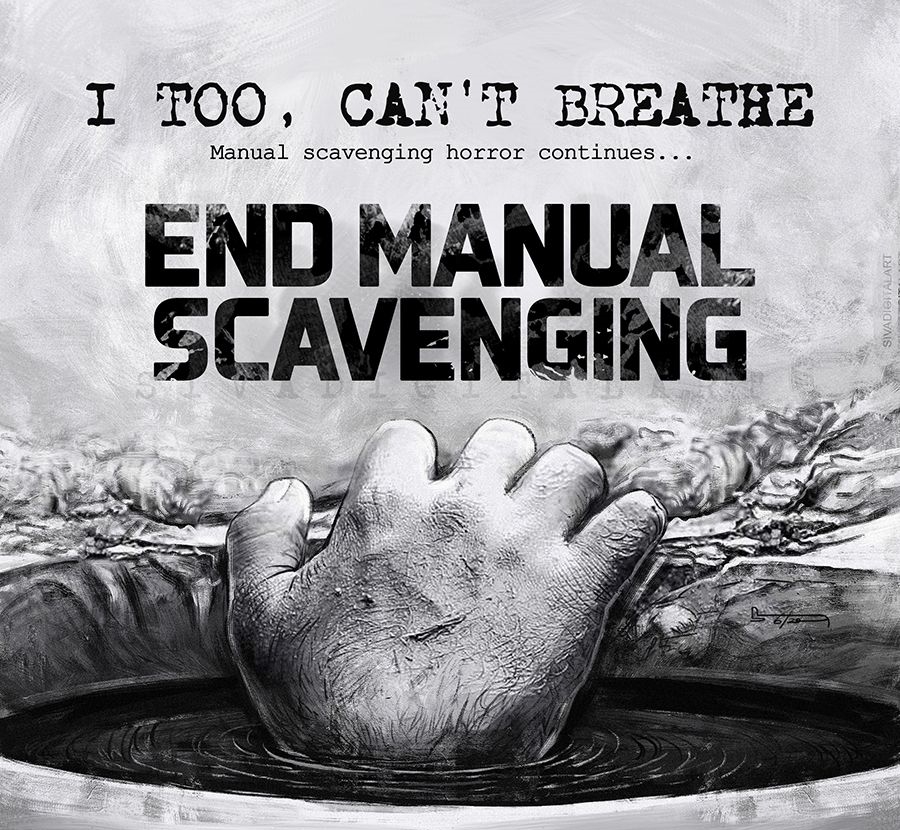
Manual scavenging is the practice of removing human excreta by hand from sewers or septic tanks. India banned the practice under the Prohibition of Employment as Manual Scavengers and their Rehabilitation Act, 2013 (PEMSR). The Act bans the use of any individual for manually cleaning, carrying, disposing of or otherwise handling in any manner, human excreta till its disposal. In 2013, the definition of manual scavengers was also broadened to include people employed to clean septic tanks, ditches, or railway tracks. The Act recognizes manual scavenging as a “dehumanizing practice,” and cites a need to “correct the historical injustice and indignity suffered by the manual scavengers.”

Why it is still prevalent in India?

The lack of enforcement of the Act and exploitation of unskilled laborers are the reasons why the practice is still prevalent in India. The Mumbai civic body charges anywhere between Rs 20,000 and Rs 30,000 to clean septic tanks. The unskilled laborers, meanwhile, are much cheaper to hire and contractors illegally employ them at a daily wage of Rs 300-500. In 1993, India banned the employment of people as manual scavengers. In 2013, landmark new legislation in the form of the Manual Scavengers Act was passed which seeks to reinforce this ban by prohibiting manual scavenging in all forms and ensures the rehabilitation of manual scavengers to be identified through a mandatory survey. Despite progress, manual scavenging persists in India. According to the India Census 2011, there are more than 2.6 million dry latrines in the country. There are 13,14,652 toilets where human excreta is flushed in open drains and 7,94,390 dry latrines where the human excreta is cleaned manually. Seventy-three percent of these are in rural areas and 27 percent are in urban areas.

Act and its Implementation

The Prohibition of Employment as Manual Scavengers and their Rehabilitation Act, 2013 aims to eliminate insanitary latrines (those not connected to pits/septic tanks/sewage lines) alongside tracking the rehabilitation of manual scavengers in other occupations and conducting periodic surveys. To eliminate this practice, the act has provisions for stringent penalties, for direct or indirect employment of any person in hazardous cleaning of sewers or septic tanks by any person, local authority, or agency. For example, even the first instance of its contravention is punishable with imprisonment up to two years or a fine up to Rs 2 lakh or both. If a worker dies while performing such work, even with safety gear and other precautions, the employer is required to pay compensation of Rs 10 lakh to the family.

Conclusion

The state and society need to take an active interest in the issue and look into all possible options to accurately assess and subsequently eradicate this practice. It also warrants an engagement of all stakeholders for the proper introduction of mechanization and ensuring that it is made available to all those who are forced to engage in this undignified practice.

References

The Crisis of Drug Addiction

Credit: DrugAbuse

Introduction

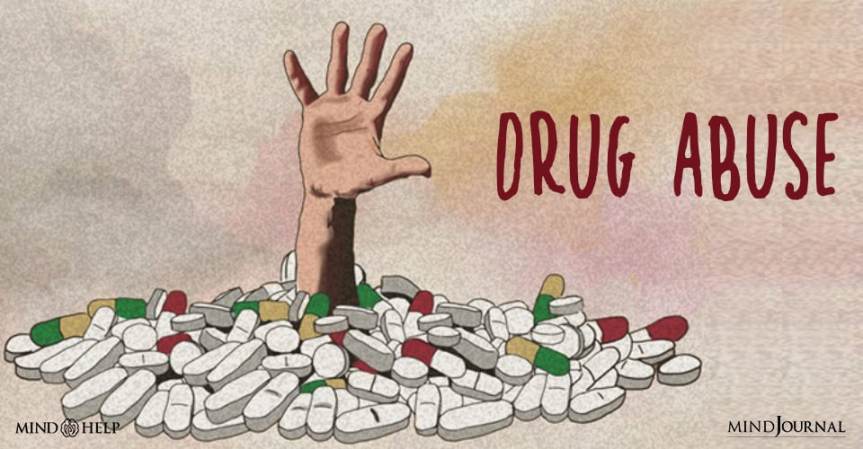
People from all walks of life can experience problems with their drug use, regardless of age, race, background, or the reason they started using drugs in the first place. Some people experiment with recreational drugs out of curiosity, to have a good time, because friends are doing it, or to ease problems such as stress, anxiety, or depression. However, it’s not just illegal drugs, such as cocaine or heroin, that can lead to abuse and addiction. Prescription medications such as painkillers, sleeping pills, and tranquilizers can cause similar problems. Addiction to opioid painkillers can be so powerful it has become the major risk factor for heroin abuse.

When Drug becomes an Addiction?

Drug abuse is when you use legal or illegal substances in ways you shouldn’t. You might take more than the regular dose of pills or use someone else’s prescription. You may abuse drugs to feel good, ease stress, or avoid reality. But usually, you’re able to change your unhealthy habits or stop using altogether. Addiction is when you can’t stop. Not when it puts your health in danger. Not when it causes financial, emotional, and other problems for you or your loved ones. That urge to get and use drugs can fill up every minute of the day, even if you want to quit. Addiction also is different from physical dependence or tolerance. In cases of physical dependence, withdrawal symptoms happen when you suddenly stop a substance. Tolerance happens when a dose of a substance becomes less effective over time. When you use opioids for pain for a long time, for example, you may develop tolerance and even physical dependence. This doesn’t mean you’re addicted.

Sign and Symptoms of Drug Addiction

Although different drugs have different physical effects, the symptoms of addiction are similar. If you recognize yourself in the following signs and symptoms, talk to someone about your drug use.

  • You’ve built up a drug tolerance: You need to use more of the drug to experience the same effects you used to attain with smaller amounts.
  • You use to avoid or relieve withdrawal symptoms: If you go too long without drugs, you experience symptoms such as nausea, restlessness, insomnia, depression, sweating, shaking, and anxiety.
  • Loss of control over your drug use: You often do drugs or use more than you planned, even though you told yourself you wouldn’t. You may want to stop using, but you feel powerless.
  • Your life revolves around drug use: You spend a lot of time using and thinking about drugs, figuring out how to get them, or recovering from the drug’s effects.
  • You’ve abandoned activities: You used to enjoy such as hobbies, sports, and socializing, because of your drug use.

Warning Signs of Drug Abuse

In recent years, prescription drug abuse has become an escalating problem, most commonly involving opioid painkillers, anti-anxiety medications, sedatives, and stimulants. Many people start taking these drugs to cope with a specific medical problem—taking painkillers following injury or surgery, for example. However, over time, increased doses are needed to achieve the same level of pain relief and some users can become physically dependent, experiencing withdrawal symptoms if they try to quit. One of the earliest warning signs of a developing problem is going through the medication at a faster-than-expected rate. In other cases, people start abusing medication not prescribed to them to experience a high, relieve tension, increase alertness, or improve concentration.

Conclusion

Addiction is a complex problem that affects every aspect of your life. Overcoming addiction requires reaching out for support and making changes to the way you live, deal with problems, and relate to others. Recovery is within your reach but doesn’t try to go it alone; it’s very easy to get discouraged and rationalize “just one more.” Whether you choose to go to rehab, rely on self-help programs, get therapy, or take a self-directed treatment approach, support is essential.

References

Euthanasia: Right to Die with Dignity

Credit: iPleaders

Introduction

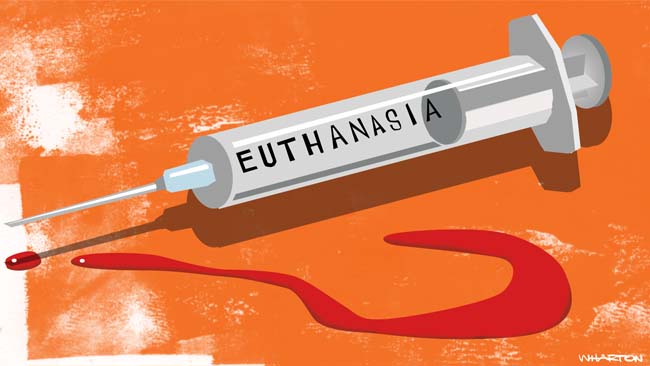
Euthanasia, also called mercy killing, acts or practice of painlessly putting to death persons suffering from a painful and incurable disease or incapacitating physical disorder or allowing them to die by withholding treatment or withdrawing artificial life-support measures. Because there is no specific provision for it in most legal systems, it is usually regarded as either suicide (if performed by the patient himself) or murder (if performed by another). Physicians may, however, lawfully decide not to prolong life in cases of extreme suffering, and they may administer drugs to relieve pain even if this shortens the patient’s life.

What is Euthanasia?

The term was derived from the Greek words ‘EU’ and ‘Thanatos’ which means ‘good or easy death’. Euthanasia can
be defined as the intentional killing by act or omission of a dependent human being for his or her alleged benefit. It is also known as ‘Mercy Killing’ which is an act where the individual who, is in an irremediable condition or has no chances of survival as he is suffering from painful life, painlessly ends his life. The Right to die is a concept that is based on the opinion that a human being is entitled to make any decisions about ending his or her life (this also includes undergoing voluntary euthanasia).

Types of Euthanasia

There are primarily two types of Euthanasia.

  • Active euthanasia refers to the physician’s deliberate act, usually, the administration of lethal drugs, to end an incurably or terminally ill patient’s life.
  • Passive euthanasia refers to withholding or withdrawing treatment that is necessary for maintaining life.


Both euthanasia and assisted suicide are considered illegal in many countries since they can amount to murder in disguise.

Classification of Euthanasia

Euthanasia can also be classed as voluntary or involuntary.

  • Voluntary: When euthanasia is conducted with consent. Voluntary euthanasia is currently legal in Belgium, Luxembourg, The Netherlands, Switzerland, and the states of Oregon and Washington in the U.S.
  • Non-voluntary: When euthanasia is conducted on a person who is unable to consent due to their current health condition. In this scenario, the decision is made by another appropriate person, on behalf of the patient, based on their quality of life and suffering.
  • Involuntary: When euthanasia is performed on a person who would be able to provide informed consent, but does not, either because they do not want to die, or because they were not asked. This is called murder, as it’s often against the patient’s will.

Conclusion

Euthanasia is indeed a contentious issue, with the heart of the debate lying at active voluntary euthanasia and physician-assisted suicide. There is an urgent need to invest in our health care system so that people suffering from
serious ill-health can access free health care. Investment in health care is under ‘Right to Health’ which is bestowed under ‘Right to Life’ of our Constitution. Thus, the complete expenses need to be borne by the State so that the ‘Right to life’ becomes a reality and succeeds before the ‘Right to die with dignity.

The Importance of Internships

Growing up in school, students are constantly reminded that a college education is necessary to make a decent salary. Over the years, it has become evident to many young adults that this statement is indeed true. However, as the need for jobs increases, so does the necessity of being more competitive in a work field. Since our generation has grown up knowing that graduating from college is a necessity, a college education is no longer enough to be competitive in the job market; therefore, our generation has given birth to a new requirement to find the right job after college.

This requirement is known as an internship. Despite the fact that not many internship programs pay their students, an internship is an essential element for a student’s career in today’s society. The skills and opportunities attained after having participated in an internship program definitely outweigh any downside to any part of the program.

A college is a place where students become prepared for many aspects of life. One aspect of life that must be well prepared is networking. The more contacts a person has, the higher the chances of that person getting what he needs. College internships are a resource and the ultimate social network. When a student joins an internship program, he is joining a nexus of connections that will last him for a lifetime.

“Internships are mutually beneficial relationships.” The intern gets an opportunity to look into the real world pertaining to his career, while the employer gets a chance to look for the brightest and hardest working members in the program. Many times in life, it doesn’t necessarily come down to “how much you know” but “who you know”. Internships provide the chance to get to know many important people in the area that best interests a student.

Internships secure a successful way to find employment. For example, the majority of the young men who graduate from Hyles-Anderson College end up interning for their home pastors. Interns return home and eventually become Music Directors, Assistant Pastors, School Teachers, or Bus Directors. However, most of these interns usually receive little to no pay at all when they first begin working for their home church. This is indeed one of the most criticized downsides to many internship programs. Nearly 50% of all Internships in the U.S are unpaid and 85% of graduates are actually willing to intern for free.3

Critics believe that colleges and companies are constantly pushing students to join internship programs because these companies save millions of dollars annually by “hiring” interns. Although this may be true, most graduates that enter an intern program finish the internship receiving a highly coveted job offer. On the other hand, a great number of graduates that don’t have the tool of an internship network usually leave college and cannot find a job. These graduates put up with having to wander from one job to another while the jobs usually have nothing to do with their field of study. Students who are willing to sacrifice a couple months of salary usually end up winning because they find a well-fitting and well-paid job in the end.

Most internships equip members with the necessary experience in their field of study. “The dilemma new graduates most often face is that they’ve got fine academic training but no hard experience.” 4 Employers usually look for applicants who have hands-on experience. When very few people are willing to take the risk of hiring a complete rookie, internship programs are designed for this matter. Internships provide students with great experience and references to add to their resumes.

Graduates are also able to add themselves to a real workforce without having to engage in commitment with a company or an employer. That itself is enough to relieve unnecessary stress on anyone! Not only are these programs beneficial for interns, but for employers as well. Companies can be sure that interns are dedicated and truly interested in the field that they are working in.

Time Management

Time management is the act of planning and managing time that is spent on various activities. It helps to
increase the effectiveness and efficiency of the time utilized. It helps us to work smarter instead of harder
and also enables us to get more work done in less amount of time. Planning time may seem like a waste
of time in itself, however, the benefits of time management are enormous. It results in less stress, Increased
productivity, efficiency, professional and personal growth, etc,. Time is limited and hence, it is important that we plan our time wisely and make the best use of the limited
hours in a day. Time is something that we cannot store or save for later use. We cannot retrieve the time
that has been wasted; hence, we need to learn to use it effectively. If we have to manage time effectively,
we need to be organized and focused.
With the help of time management techniques, we can accomplish more with lesser efforts. Time
management includes effective planning of activities, setting of goals, setting deadlines, delegating work,
prioritizing our activities etc.
Most people feel that they always have too much to do and within too little time. Managing time wisely will
help to find the right balance between time and work. A few people resort to multitasking in order to get
the work done within the specified time limit. At times, this may result in poor performance in the various
tasks assigned
The major mistake committed while working is when one is in a rush to meet the deadline without taking
proper breaks for rest or relaxation. It is impossible for anyone to focus on work and to produce good results
without considering any break in between. It helps to perform better if one takes five minutes to break every
two hours of work. One can either take a walk, enjoy a cup of coffee or simply meditate. Proper time
management is the cornerstone of a successful life and ensures the achievement of one’s goals in a healthy
manner.

How International Yoga Day Ushered a Smile to Everyone Face?

Credit: Wikipedia

Introduction

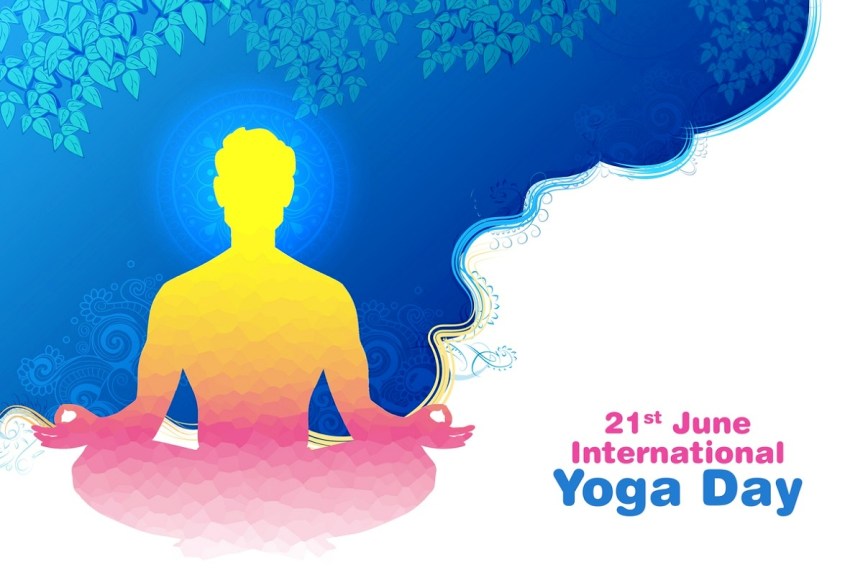
I hope you all are fit and healthy during this covid situation many diseases are occurring so need to take good care of our health. To be healthy and fit we always need to do yoga and exercise in the early morning. The international community observes June 21 as International Yoga Day, recognizing the many benefits of the ancient Indian practice of yoga. The year 2021 marks the 7th annual International Yoga Day.

History of Yoga Day

The practice of yoga finds its origin in India. There is a special day to celebrate yoga is the International Yoga Day which is celebrated on 21st June 2016 every year. This day was internationally recognized by the United Nations General Assembly (UNGA) on December 11, 2014. The idea of an international yoga day was proposed by our Prime Minister, Mr. Narendra Modi on September 27, 2014. Mr. Modi proposed the date to be June 21 and mentioned that this is the longest day of the year in the northern hemisphere and has special significance in many parts of the world. And the first international yoga day was celebrated on June 21, 2015.

Theme of Yoga Day

The message of Yoga in promoting both the physical and mental well-being of humanity has never been more relevant. A growing trend of people around the world embracing Yoga to stay healthy and rejuvenated and to fight social isolation and depression has been witnessed during the pandemic. Recognizing this important role of Yoga, the previous year’s commemoration of the International Day of Yoga focuses on “Yoga for well-being” – how the practice of Yoga can promote the holistic health of every individual. 

What is Yoga?

Yoga is a process in which man tries to bring his mind, body, and soul together. Yoga is a Sanskrit word meaning to meet or be united. Yoga originates from Indian culture. People have been practicing Yoga since about 5000 years ago. Yoga does not have physical fitness primarily; in Yoga, people try to control their body and mind through mental focus and breathing methods. If men teach Yoga, then they are called yogis, and if women teach, they are called yoginis. Yoga Sutra is a 2000-year-old book. This is the only book in which written evidence of Yoga has been found. This book is the oldest book about Yoga. Yoga is divided into six branches, namely Hatha Yoga, Raja yoga, Karma yoga, Bhakti yoga, Jnana yoga, and Tantra yoga. There are also seven chakras of yoga styles namely Sahasram chakra, Ajna chakra, Vishuddha chakra, Anahata chakra, Manipura chakra, Svadhishthana chakra, Muladhara chakra.

Importance of Yoga

Practiced in India since the 5th century, Yoga has been beneficial in keeping the body and mind in sound health. A holistic approach, Yoga targets all the different systems of the body and mind. It is said that the asanas make the body strong and flexible, as health improves; the mind too is renewed with confidence. The practice of Pranayama regulates the purification of the internal system and the organs, acting as a superior and able supplement to asanas. The energy that is generated in the body through these physical practices is then channeled into meditation or Dhyan for stability, peace, and calm.

Objectives of Yoga Day

The main objective to adopt International Yoga Day is as mentioned below.

  • Promote enhanced mental and physical health advantages amongst the people
  • Aware the public of Yoga’s holistic advantages
  • Promote awareness among people about Yoga’s natural and amazing results
  • Assist people to connect with nature while practicing Yoga daily
  • Reduction in the rate of fatal diseases across nations
  • Unification of communities while devoting quality time for health from monotonous work routines.

Conclusion

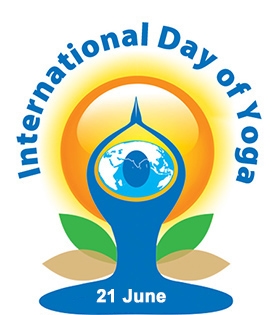
The AYUSH protocol describes the folding hands logo of Yoga Day as reflecting “the union of individual consciousness with that of universal consciousness, a perfect harmony between mind and body, man and nature, the holistic approach to health and well being. The brown leaves in the logo symbolize the earth element, the green leaves of nature, blue the fire element while the sun symbolizes the source of energy and inspiration.”

References

The Future of Solid-State Batteries

Credit: Forbes

Introduction

All-Solid-State Battery is a type of battery that uses no liquid electrolyte, instead, it uses a solid electrolyte (alternative to the lithium-ion battery). This type of battery still has not been commercially used, but will soon be used in electric vehicles. The demand for the production of solid-state batteries is due to the advantages that arise from the safety issue. Solid electrolytes are solid that exhibit ionic conductivities of about 10−3 S/cm, and it conducts ions between the cathode and anode in the lithium-ion battery.

What is Solid-State Battery?

A solid-state battery has a higher energy density than a Lithium-ion battery that uses a liquid electrolyte solution. It doesn’t have a risk of explosion or fire, so there is no need to have components for safety, thus saving more space. Then we have more space to put more active materials which increases battery capacity in the battery. A solid-state battery can increase energy density per unit area since only a small number of batteries are needed. For that reason, a solid-state battery is perfect to make an Electric Vehicle (EV) battery system of module and pack, which needs high
capacity. Despite improvements in technology over the last decade, issues such as long charging times and weak energy density persist.

What is Lithium-ion Battery?

Lithium Battery uses an intercalated (Intercalation is the reversible inclusion or insertion of a molecule into materials with layered structures) lithium compound as one electrode material, compared to the metallic lithium used in a non-rechargeable lithium battery. The battery consists of electrolyte, which allows for ionic movement, and the two electrodes are the constituent components of a lithium-ion battery cell. Lithium ions move from the negative electrode to the positive electrode during discharge and back when charging.

Advantages of Solid-State Battery

The advantages of the solid-state battery technology include higher cell energy density (by eliminating the carbon anode), lower charge time (by eliminating the need to have lithium diffuse into the carbon particles in conventional lithium-ion cells), ability to undertake more charging cycles, and thereby a longer life, and improved safety. Lower cost could be a game-changer, given that at 30% of the total cost, battery expenses are a key driver of vehicle costs.

R&D in Solid-State Battery

Most companies hope to commercialize their solid-state batteries by 2025, although small-scale production may happen earlier. However, to meet this goal, considerable R&D needs to happen to solve serious issues about material behavior, battery microstructure, charge longevity, and cracking upon thermal expansion and contraction. In another recent development, researchers from Brown University have developed a new material for use in solid-state batteries that is derived from trees. The solid ion conductor combines copper with cellulose nanofibrils—polymer tubes derived from wood. The paper-thin material has an ion conductivity that is up to 100 times better than other polymer ion conductors, making it a possible candidate for a solid battery electrolyte or as an ion-conducting binder for the cathode of an all-solid-state battery.
 

Conclusion

Today’s state-of-the-art batteries—those based on lithium-ion technology—have been honed to near perfection since they were introduced more than 25 years ago, but they are still heavy and occasionally explode and catch fire, as they did in Samsung’s Galaxy Note 7 phones so spectacularly last year. By getting flammable liquid electrolytes out of lithium-ion batteries and replacing them with solid electrolytes, solid-state battery makers hope to usher in an era of safer, more compact, higher-capacity energy storage devices.

References

The Power of Organ Transplantation to Save Life’s

Credit: Health Matters

Introduction

Organ transplantation (OT) is one of the most successful advances in modern medicine. For patients with end-stage disease, transplantation most often provides their only chance for survival. Even before the first transplant was performed, it was clear that OT could only be successful with a multidisciplinary approach. The history of OT has involved a series of breakthroughs in medicine that has influenced all aspects of health care. As you will see, for nearly a century, the contributions of specialists in anesthesiology and critical were largely underrepresented in the world’s literature.

What is Organ Donation?

Organ donation and transplantation is removing an organ from one person (the donor) and surgically placing it in another (the recipient) whose organ has failed. Organ transplantation is a medical procedure in which an organ is removed from one body and placed in the body of a recipient, to replace a damaged or missing organ. The donor and recipient may be at the same location, or organs may be transported from a donor site to another location. Organs must be removed as soon as possible after the determination of brain death, while circulation is being maintained artificially. Tissues may be removed within 12 to 24 hours.

Benefits

The benefits of an organ transplant depend on the organ a person receives. Some benefits may include


o Avoiding medical procedures such as dialysis
o Living a longer life
o Living a healthier or less painful life
o Gaining an improved quality of life, such as when a cornea
transplant restores a person’s sight
o Correcting congenital disabilities that endanger a
person’s life
o Spending less time in the hospital, needing fewer
surgeries, or taking fewer medications.

Challenges

The shortage of organs is a major problem worldwide. There are many more patients awaiting transplantation than there are organ donors. Low socioeconomic status is a big hurdle for organ transplantation. Superstitions such as being born with a missing organ (that has been donated); and that tampering with the body will not free their dead relatives from the cycle of life–death–rebirth are some of the prevalent superstitions. The lack of an adequate number of transplant centers with staff as well as transplant coordinators who are adequately educated and well versed with the procedures required to conduct an organ donation program is acting as a significant roadblock to the deceased organ donation program. Sometimes, organs are transported from the donor hospital to the transplant center where the recipient is located. There have been many instances where valuable organs have been wasted due to delays in the transportation process.

Organs that can be Transplanted

Organs and tissues that can be transplanted include:

  • Liver.
  • Kidney.
  • Pancreas.
  • Heart.
  • Lung.
  • Intestine.
  • Corneas.
  • Middle ear.
  • Skin.
  • Bone.
  • Bone marrow.
  • Heart valves.
  • Connective tissue.

Conclusion

Solid-organ transplantations save lives in patients affected by terminal organ failures and improve quality of life. Solid-organ transplant programs provide excellent results in children and young adults and are increasingly challenged by the expanding proportion of elderly transplant patients. Solid-organ transplant program activity has been growing in the last two decades and is essential for developed and mature health care systems.

References

Artificial Glaciers

Ladakh, a cold desert at an altitude of 3,000-3,500 metres above sea level, has a low average annual rainfall rate of 50 mm. Glaciers have always been the only source of water. Agriculture is completely dependent on glacier melt unlike the rest of river/monsoon fed India. But over the years with the increasing effects of climate change, rainfall and snowfall patterns have been changing, resulting in severe shortage and drought situations. Given the severe winter conditions, the window for farming is usually limited to one harvest season.

It is located between the natural glacier above and the village below. The one closer to the village and lowest in altitude melts first, providing water during April/May, the crucial sowing season. Further layers of ice above melt with increasing temperature thus ensuring continuous supply to the fields. Thus, farmers have been able to manage two crops instead of one. It costs about ` 1,50,000 and above to create one.

Fondly called the “glacier man”, Mr. Norphel has designed over 15 artificial glaciers in and around Leh since 1987. In recognition of his pioneering effort, he was conferred the Padma Shri by President Pranab Mukherjee, in 2015.

There are a few basic steps followed in creating the artificial glacier.

River or stream water at higher altitudes is diverted to a shaded area of the hill, facing north, where the winter sun is blocked by a ridge or a mountain range. At the start of winter/November, the diverted water is made to flow onto the sloping hill face through distribution channels. Stone embankments are built at regular intervals which impede the flow of water, making shallow pools and freeze, forming a cascade of ice along the slope. Ice formation continues for 3-4 months resulting in a large accumulation of ice which is referred to as an “artificial glacier”.

An Analysis of International Women’s Day

Credit: iStock Photo

Introduction

International Women’s Day is a global day celebrating women’s social, economic, cultural, and political achievements. The day also marks a call to action for accelerating gender parity. Significant activity is witnessed worldwide as groups come together to celebrate women’s achievements or rally for women’s equality. Marked annually on March 8th, International Women’s Day (IWD) is one of the most important days of the year to celebrate women’s achievements, raise awareness about women’s equality, lobby for accelerated gender parity, and fundraise for female-focused charities.

Theme for 2022

The campaign theme for International Women’s Day 2022 is “Gender Equality Today for a sustainable tomorrow”. Whether deliberate or unconscious, the bias makes it difficult for women to move ahead. Knowing that bias exists isn’t enough. Action is needed to level the playing field.

History of Celebrating this day

The roots of International Women’s Day lie in the mobilization of women in the early decades of the 20th century for better pay and voting rights. In India, the republic’s founders placed trust in universal adult franchise, the Constitution made the promise of equality to all citizens, irrespective of gender or caste. But the journey of Indian women since Independence has been a struggle to grasp that equality, against the formidable weight of culture, patriarchy and economic deprivation ranged against them. To mark March 8 is to reckon with the present in the light of this history. In the here and now, there are reasons for both despair and hope.

Aim for Celebration

The purpose of the International Women’s Day website is to support the supporters, and in doing so it provides a platform to help forge positive change for women. 

Three central beliefs underpin and guide the purpose and provisions of the International Women’s Day include

  • identifying, celebrating, and increasing the visibility of women’s achievements can help forge equality.
  • strategic collaborations based on a foundation of shared purpose, trust, and appreciation can impact positive change for women.
  • worldwide awareness-raising via meaningful narratives, resources and activity can help combat gender bias and discrimination to accelerate gender parity.

Conclusion

All days must belong to women — not just one day in a calendar year. There is little in that aspiration to quarrel with. But it is not an argument against marking and celebrating International Women’s Day. True, like all remembrances, it is prone to be turned into an empty token or made palatable, pink, and powerless. But the day exists as a reminder that gender equality is a work in slow progress. And to recall that the vast majority of women in India, whose labor and skills keep institutions running, from the home.

References

What is Gaganyaan Mission Really?

Credit: Federal News

Introduction

Humans have always looked at the heavens and wondered about the nature of the objects seen in the night sky. With the development of rockets and the advances in electronics and other technologies in the 20th century, it became possible to send machines and animals and then people above Earth’s atmosphere into outer space. Space exploration, investigation, by means of crewed and uncrewed spacecraft, of the reaches of the universe beyond Earth’s atmosphere and the use of the information so gained to increase knowledge of the cosmos and benefit humanity.

What is this Mission?

The word ‘Gaganyaan’ is derived from Sanskrit, meaning ‘sky-vehicle’. The Gaganyaan Programme envisages undertaking the demonstration of indigenous capability to undertake human spaceflight to Low Earth Orbit (LEO). As part of this program, two unmanned missions and one manned mission will be carried out. ISRO is planning to launch the first uncrewed mission under Gaganyaan in 2022, following which is the second unmanned mission. “Vyommitra” will carry a robot and this will then be followed by the manned mission. The uncrewed missions are for technology demonstration, and safety and reliability verification and will aim to study the performance of systems before the crewed flight. The robot will mimic the space crew activities set for the human flight mission to assess all the possible challenges before the final mission.

New Technologies required for this Mission

The major new technologies required for Gaganyaan programme are as follows:

  1. Human rated launch vehicle
  2. Crew escape systems
  3. Habitable orbital module
  4. Life support system
  5. Crew selection and training and associated crew management activities.

Execution of this Program

The Gaganyaan Programme is going to be a major National effort. The overall programme co-ordination, systems engineering and implementation will be carried out by ISRO. Further, the human rated launch vehicle, crew escape system, Orbital module and essential infrastructure will be realized by ISRO utilizing the in-house expertise and with participation of Industry, Academia and National agencies. The private players in the country have developed significant expertise in niche areas, and this will be effectively utilized in the programme.

Agencies Collaborating with ISRO for this Mission

Major collaborating partners for Gaganyaan include

  1. Indian Armed Forces
  2. Defence Research Development Organization
  3. Indian maritime agencies – Indian Navy, Indian Coast Guard, Shipping Corporation of India, National Institute of Oceanography, National Institute of Ocean Technology
  4. Indian Meteorological Department
  5. CSIR Labs
  6. Academic Institutes
  7. Industry Partners.

Benefits of this Mission

The Human spaceflight programme has both tangible and intangible benefits for the nation, which includes:

  1. Progress towards a sustained and affordable human and robotic program to explore the solar system and beyond.
  2. Advanced technology capability for undertaking human space exploration, sample return missions, and scientific exploration.
  3. Future capability to actively collaborate in global space station development & to carry out scientific experiments of interest to the nation.
  4. Create a broad framework for wider Academia-Industry partnership in taking up development activities for national development.

Conclusion

The Gaganyaan mission could propel India to the center of human space exploration. The manned missions will push
India is further in exploration beyond Earth’s orbit as countries are eager to control the next space race, which has the
potential to trigger major changes in the global order.

References

7 Effective Hacks to Improve Productivity

Whether it is education or work, every one of us strives to be productive. It gives us a sense of accomplishment and meaning in life. It helps us achieve our goals. However, being focused on your work and staying away from the many distractions around us like the internet and social media is not always easy. There are a lot of us who feel that we could have done more than we did after leaving work. If you are looking for ways to improve your productivity and efficiency, here are a few hacks you could make use of:

Plan your Day in Advance

Write down everything you need to do in a day the night before or the morning. This helps you get a good idea of what you have to do every day, at what time, and for how long. Making a schedule of the day also prevents you from missing out on any of your tasks or appointments, making you alert enough to not waste any of your time accidentally. Start by writing down your morning routine and then move on to all the tasks you have to do in a day (meetings, submissions, working hours, doctors’ appointments, etc).

Wake Up Early

This is something a lot of us find difficult to do, but practicing waking up early and making it a routine can be very beneficial. Start the day early with a fresh, energized mind and body. You can get a lot of your work done because of the head start you get in the morning. Working early in the morning also means fewer distractions. A productive start to your day makes you feel positive and you carry that momentum for the rest of the day.

Prioritize your Tasks

When you have planned your schedule for the day in the morning, take some time to write down the three most important tasks of the day. We may have several jobs to complete, but not all of them will have the same priority. To ensure that we use our limited time and energy to complete them, note down the three tasks with the greatest outcomes or significance in detail. For example: – Instead of writing down –“Review literature source”, make it- “Review the literature sources on the topic Preserving Indian culture and submit the report before 5 pm”.

Take Regular Breaks

Just because you have a daily schedule and a prioritized to-do list does not mean you can easily work non-stop for hours. You may have noticed that you are usually able to remain fully concentrated on your work for a maximum of 90 minutes. The best way to manage time for work is by giving yourself regular breaks between tasks. There is a popular technique called the Pomodoro technique in which work is divided into time intervals of 25 minutes with a 5-minute break in between. After 4 such consecutive intervals, there is a longer break of 20 or 30 minutes. Taking breaks helps us re-focus and re-energize, improving our productivity.

Learn to Say No

Being helpful and enthusiastic with your co-workers and boss is good, but it could lead to you having to handle a large number of tasks and responsibilities. These may be more than you can handle. Do not be hesitant to say no to people who are trying to place too many responsibilities on your shoulder. If it is your boss explain to them professionally how you would have to delay some of your other work or show them your task list. Such extra work can reduce the quality of your work and cause a lot of stress.

Avoid Multitasking

Juggling a lot of tasks at once may look like a good idea as you get to save time doing multiple jobs done. But it is not always as efficient as you think. When you multitask, you do not get to put your full attention to anything. None of the tasks you completed will be a job well done. So, it is better to focus on one task at a time and complete it to perfection.

Manage your Work Environment

The environment in which we work can have a major effect on our productivity. Messy desks, noise and other distractions can waste a lot of our time. Make sure your tables and shelves are organized, and your desks and chairs are comfortable enough for your work. You get more time for work if you are not spending a portion of it searching for something at your table.

Understanding The Background of World Homeopathy Day

Credit: Ayush Next

Introduction

World Homeopathy Day is celebrated each year on April 10 to pay tribute to homeopathy and its contribution to the world of medicine.  The day is celebrated in the form of celebrating Dr. Christian Friedrich Samuel Hahnemann’s birth anniversary, a German physician and founding father of this branch of medicine. On this day, Dr. Christian Friedrich Samuel Hahnemann was born in Paris in the year 1755. This year is the 266th anniversary of his birthday. In the year of 2021 the theme of the day in India is, “Homeopathy- Roadmap for Integrative Medicine”

Aim of Celebration

The primary aim of World Homeopathy Day is to raise public knowledge about this alternative medical system to make it much more available to a wider range of individuals. The global homeopathic fraternity strives to unite to develop, improve and modernize the medical system to serve a greater number of people. Apart from honoring the man who founded this crucial branch of medicine, the day also gives people an opportunity to understand the glorious history of the branch of medicine and the countless miracles homeopathy has been able to pull off in the last few centuries.

What is Homeopathy?

Homeopathy or homeopathy is a pseudoscientific system of alternative medicine. Its practitioners, called homeopaths, believe that a substance that causes symptoms of a disease in healthy people can cure similar symptoms in sick people; this doctrine is called similia similibus curentur, or “like cures like”. Homeopathy is a medical system based on the belief that the body can cure itself. Those who practice it use tiny amounts of natural substances, like plants and minerals. They believe these stimulate the healing process. It was developed in the late 1700s in Germany. It’s common in many European countries, but it’s not quite as popular in the United States.

How Does it work?

Homeopathic doctors (who also are called “homeopaths”) weaken these ingredients by adding water or alcohol. Then they shake the mixture as part of a process called “potentization.” They believe this step transfers the healing essence. Homeopaths also believe that the lower the dose, the more powerful the medicine. In fact, many of these remedies no longer contain any molecules of the original substance. They come in a variety of forms, like sugar pellets, liquid drops, creams, gels, and tablets. During your appointment, a homeopath will ask several questions about your mental, emotional, and physical health. They’ll prescribe the remedy that best matches all of your symptoms. Then they’ll tailor the treatment for you.

Benefits of Homeopathy

Homeopathy is a holistic science, which renders cure and healing, rather than mere alleviation of disease, and takes into consideration the minutest details of the ailing person. The benefits which it includes are

  • Homeopathy is Safe
  • Homeopathy is Effective and Fast Acting
  • Homeopathy is a Scientific and Natural Medicine
  • Homeopathy Helps Build Resistance
  • Homeopathy for All Life’s Stages.

Conclusion

Celebrating this day will make more and more people aware of the benefits of homeopathic medicine which is universally known for curing the disease by dismantling its origin completely and leaving no chance for its revival in the human body. The day also allows the governments and policymakers to sit back and think about steps that can broadly promote the branch of medicine and help build its infrastructure.

References

Stress in Everyday Life

Stress is a body reaction to any demands or changes in its internal and external environment. Whenever there is a change in the external environment such as temperature, pollutants, humidity and working conditions, it leads to stress. In these days of competition when a person makes up his mind to surpass what has been achieved by others, leading to an imbalance between demands and resources, it causes psycho-social stress. It is a part and parcel of everyday life.

Stress has a different meaning, depending on the stage of life you are in. The loss of a toy or a reprimand from the parents might create a stress shock in a child. An adolescent who fails in the examination may feel as if everything has been lost and life has no further meaning. In an adult the loss of his or her companion, job or professional failure may appear as if there is nothing more to be achieved.

Such signs appear in the attitude and behaviour of the individual, as muscle tension in various parts of the body, palpitation and high blood pressure, indigestion and hyperacidity. Ultimately the result is self-destructive behaviour such as eating and drinking too much, smoking excessively, relying on tranquilisers. There are other signs of stress such as trembling, shaking, nervous blinking, dryness of throat and mouth and difficulty in swallowing.

The professional under stress behaves as if he is a perfectionist. It leads to depression, lethargy and weakness. Periodic mood shifts also indicate the stress status of the students, executives and professionals.

In a study sponsored by World Health Organisation and carried out by Harvard School of Public Health, the global burden of diseases and injury indicated that stress diseases and accidents are going to be the major killers in 2020.

The heart disease and depression – both stress diseases-are going to rank first and second in 2020. Road traffic accidents are going to be the third largest killers. These accidents are also an indicator of psychosocial stress in a fast-moving society. Other stress diseases like ulcers, hypertension and sleeplessness have assumed epidemic proportions in modern societies.

A person under stress reacts in different ways and the common ones are flight, fight and flee depending upon the nature of the stress and capabilities of the person. The three responses can be elegantly chosen to cope with the stress so that stress does not damage the system and become distress.

When a stress crosses the limit, peculiar to an individual, it lowers his performance capacity. Frequent crossings of the limit may result in chronic fatigue in which a person feels lethargic, disinterested and is not easily motivated to achieve anything. This may make the person mentally undecided, confused and accident prone as well. Sudden exposure to un-nerving stress may also result in a loss of memory. Diet, massage, food supplements, herbal medicines, hobbies, relaxation techniques and dance movements are excellent stress busters.