
Yoga asanas to help relieve back pain

Practicing yoga for even a few minutes a day can help you gain more awareness of your body. This will help you notice where you’re holding tension and where you have imbalances. You can use this awareness to bring yourself into balance and alignment. We hardly sit with a straight back or take any effort to improve our body posture. This imbalance in the alignment results in back pain. Sedentary lifestyle and lack of exercise are other reasons for a back ache but it’s not too late. You can get rid of back ache with yoga asanas.

Adho mukha svanasana (Downward facing dog)

Adho mukha svanasana or the downward dog position is one of the best known yoga poses. This asana is for your entire body. It boosts your metabolism, clears your mind, stretches your ankles and calves, strengthens your bones and is an excellent pose to get relief from back pain.

Marjaryasana (cat/cow pose)

Cat/cow pose massages your spine and relieve the stress. This pose keeps your back healthy and limber. It is also effective in improving your mental stability. It allows for a nice flexion and extension of the spine, promotes mobility, and it also helps to just relieve any tension in the lower back.Cat/cow also helps you get familiar with what your neutral spine is—not too arched and not too rounded—which can help improve posture.

Paschimottanasana (Seated forward bend)

The seated forward bend or paschimottanasana stretches your spine and eases lower back pain. It provides relief from neck pain and stiffness, eases PMS symptoms, stimulates liver, improves digestion and reduces fatigue

Salabhasana (Locust Pose)

Locust pose or salabhasana improves your core strength, stretches your spine and strengthens your legs. It will open your chest, improve your digestion and stimulates kidneys. Do not do this if you suffered an injury to your shoulders, arms or back recently

Trikonasana (Triangle Pose)

The triangle pose or trikonasana strengthens your spine, legs, shoulders and chest. It also improves your body alignment and stretches your hamstrings and calves.

Bhujangasana(Upward-Facing Dog)

If you experience back pain when bending forward, this is an especially helpful move since it stretches your low back. This also works to activate the muscles around the spine, which better supports painful areas

Shashankasana (Child’s Pose)

This gentle forward fold is the perfect way to relax and release tension in your neck and back. Your spine is lengthened and stretched. Child’s Pose also stretches your hips, thighs, and ankles. Practicing this pose can help relieve stress and fatigue.

Yoga is such an efficient way to help your body and mental health. It is also very easy, but make sure you follow instructions and try out increate asana to avoid pulling a muscle! You can start a home practice with as little as 10 minutes per day. You can use books, articles, and online classes to guide your practice. Once you learn the basics, you can intuitively create your own sessions.

Yoga asanas to help relieve back pain

Practicing yoga for even a few minutes a day can help you gain more awareness of your body. This will help you notice where you’re holding tension and where you have imbalances. You can use this awareness to bring yourself into balance and alignment. We hardly sit with a straight back or take any effort to improve our body posture. This imbalance in the alignment results in back pain. Sedentary lifestyle and lack of exercise are other reasons for a back ache but it’s not too late. You can get rid of back ache with yoga asanas.

Adho mukha svanasana (Downward facing dog)

Adho mukha svanasana or the downward dog position is one of the best known yoga poses. This asana is for your entire body. It boosts your metabolism, clears your mind, stretches your ankles and calves, strengthens your bones and is an excellent pose to get relief from back pain.

Marjaryasana (cat/cow pose)

Cat/cow pose massages your spine and relieve the stress. This pose keeps your back healthy and limber. It is also effective in improving your mental stability. It allows for a nice flexion and extension of the spine, promotes mobility, and it also helps to just relieve any tension in the lower back.Cat/cow also helps you get familiar with what your neutral spine is—not too arched and not too rounded—which can help improve posture.

Paschimottanasana (Seated forward bend)

The seated forward bend or paschimottanasana stretches your spine and eases lower back pain. It provides relief from neck pain and stiffness, eases PMS symptoms, stimulates liver, improves digestion and reduces fatigue

Salabhasana (Locust Pose)

Locust pose or salabhasana improves your core strength, stretches your spine and strengthens your legs. It will open your chest, improve your digestion and stimulates kidneys. Do not do this if you suffered an injury to your shoulders, arms or back recently

Trikonasana (Triangle Pose)

The triangle pose or trikonasana strengthens your spine, legs, shoulders and chest. It also improves your body alignment and stretches your hamstrings and calves.

Bhujangasana(Upward-Facing Dog)

If you experience back pain when bending forward, this is an especially helpful move since it stretches your low back. This also works to activate the muscles around the spine, which better supports painful areas

Shashankasana (Child’s Pose)

This gentle forward fold is the perfect way to relax and release tension in your neck and back. Your spine is lengthened and stretched. Child’s Pose also stretches your hips, thighs, and ankles. Practicing this pose can help relieve stress and fatigue.

Yoga is such an efficient way to help your body and mental health. It is also very easy, but make sure you follow instructions and try out increate asana to avoid pulling a muscle! You can start a home practice with as little as 10 minutes per day. You can use books, articles, and online classes to guide your practice. Once you learn the basics, you can intuitively create your own sessions.
Should Indians in the Diaspora demand reparation for indentureship?

 INVITATION TO 103rd ZOOM PUBLIC MEETING

By Staff Reporter


The Indian indenture system was a scheme of bonded servitude in which more than one million Indians were transported to labour in European colonies, as a substitute for slave labor, following the abolition of slavery in the early 19th century. The system was used in the British Empire from 1833, in the French colonies from 1848, and in the Dutch Empire from 1863.  British Indian indentureship lasted until the 1920s. It resulted in the development of a large Indian diaspora in the Caribbean, East and South Africa, Réunion, Seychelles, Mauritius and Fiji. 


Indentured labourers were recruited to work on sugar, cotton and tea plantations, and on rail construction projects. They were contracted with false promises and misinformation. Some of them were kidnapped, “enslaved” and compelled to work on the plantations where they suffered all kinds of human rights violations, abuse and exploitation. Should there be reparations to the descendants of Indian indentureds for crimes committed against their forebears who were duped into leaving India, underpaid and cheated for their labour, jailed, beaten and robbed of the land that they were promised?


Indentureship is one of the subjects included at the Centre for Reparation Research (CRR) at The University of the West Indies (UWI). The CRR’s mission is threefold: (1) to promote research on the legacies of colonialism, native genocide, enslavement and indentureship in the Caribbean, and how to bring justice and positive transformation to these legacies; (2) to promote education at The UWI and across Caribbean school systems on the legacies of colonialism, enslavement and native genocide and the need for justice and repair; and (3) to promote advocacy for reparatory justice by building a capacity for consultancy to CARICOM, Caribbean states, the UN and other relevant institutions, public-awareness raising, and supporting activism for reparatory and decolonial justice from grassroots to governments. 


Please join us THIS SUNDAY for a joint CRR (UWI), ICC & AGI ZOOM Public Meeting, May 22, 2022 at (1.00 p.m. Belize), (3.00 p.m. New York/Eastern time), (3.00 p.m. Trinidad/Atlantic time), (3.00 p.m. Guyana), (4.00 p.m. Suriname), (8.00 p.m. England), (9.00 p.m. South Africa), (Mon 12.10 a.m. India, ND), (Mon 7.00 a.m. Fiji).


TOPIC:


Should Indians in the Diaspora demand reparation for indentureship?


SPEAKERS:


PROF. VERENE SHEPHERD (UWI) – Director of the Centre for Reparation Research (CRR), University of the West Indies (UWI). Vice-Chair of The CARICOM Reparation Commission. 


PROF. DAVID DABYDEEN (UK) – Director of the Ameena Gafoor Institute (AGI). Former Professor, University of Warwick & Director, Yesu Persaud Centre for Caribbean Studies.


DR. KUMAR MAHABIR (Trinidad) – Director of this weekly Sunday ZOOM programme. Anthropologist, university lecturer, and author of an oral history of indentureship The Still Cry.


ASHOOK RAMSAAN (Guyana) – President of Indian Diaspora Council (IDC). Activist in the New York as well as the global Indian Diaspora community of People of Indian Origin (PIO).


DR. MAURITS S. HASSANKHAN (Suriname) –  Researcher and former Head of the History Department at Anton de Kom University. Co-author of the Historical Database in Suriname.


LENROY THOMAS (St. Vincent) – Co-Founder of the SVG Indian Heritage Foundation. Researched records at the National Archives, UK. Author of Stories from our Indian Elders


DR. AKSHAI MANSINGH (Jamaica) – Dean, Faculty of Sport, UWI. Senior Lecturer in Sports Medicine. Consultant Orthopaedic Surgeon. Justice of the Peace, Director, Cricket West Indies 


KIRU NAIDOO (South Africa) – Writer based in Durban with a keen interest in workers’ histories and women’s voices during indentureship. Bangladesh Market remains his centrepiece


PROF. KHAL TORABULLY (Mauritius) – Writer, poet, semiologist, and author of 25 books in French, English and Creole. Devised a theoretical framework to include slavery and indenture


PROF FARZANA GOUNDER (Fiji) – Linguist and lecturer; author of Indentured Identities, and co-editor of Women, Gender, and the Legacy of Slavery and Indenture (2021).  


ARLEN HARRIS (India) –  Award-winning filmmaker with over 30 years’ experience working mainly for British broadcasters such as Channel 4, Channel 5, ITV and BBC TV and Radio.


Followed by Q&A 


Join Zoom Meeting by touching or clicking on this link:

https://us02web.zoom.us/j/87802803663


Meeting ID: 878 0280 3663

No Passcode Needed


Live-streamed on the YouTube channel of the Indo-Caribbean Cultural Centre

https://www.youtube.com/user/dmahab


Hosted by www.indocaribbeanpublications.com + https://ameenagafoorinstitute.org

WhatsApp +1 868 756 4961 or +1 868 381 0386

dmahabir@gmail.comindocaribbeanstaff@gmail.com


Please SHARE.   


#Reparation #Slavery #Indentureship #Girmitiya #Trinidad #Guyana #Suriname #StVincent #Mauritius #Fiji #Caribbean #SouthAfrica #Indo-Caribbean #AsianIndians #IndianDiaspora #GlobalIndians #PeopleofIndianOrigin 


ENERGY EXTRACTION: FROM NEED TO GREED

Can the World Run on Renewable Energy? - Knowledge at Wharton

There is enough in the world for everyone’s need, but there is not enough to meet everyone’s greed, said Mahatma Gandhi, Father of our nation. By these Mahatmaji is calling our attention towards the greed of the world’s most greedy species, namely the human being. As human beings are the only species which could think and feel, it is also the only species that exploits the nature in any which ways possible for their short-term gain. Ignoring the fact that human beings are comparatively new species when we consider the entire time frame of life on earth, we are behaving as if the entire planet and its resources are solely meant for making human lives easier.

The social and economic development of a country owes a lot to the development of energy resources. Man’s greed and uncontrolled use of these resources has resulted in its depletion and in turn has put a question mark on the future of this beautiful planet.

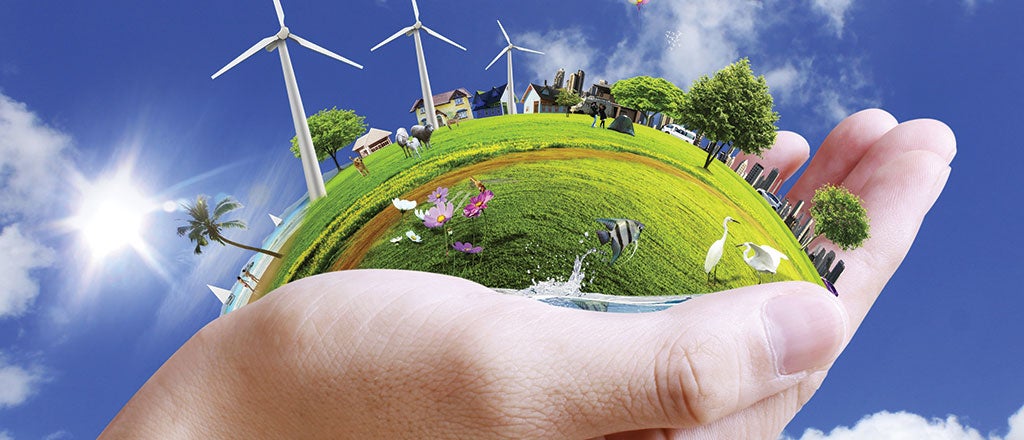
Scientists fear that the conventional energy sources like crude oil, natural gas, etc may become extinct before the end of this century. This has turned man towards the development and promotion of alternate energy resources.

The most important source is solar power because sun is the largest source of energy in this universe. Our country India receives 5000 trillion kilo watt of solar radiation per year. Most part of our country have not less than 300 clear days in a year. It is possible to generate 20 mega watt solar power per square kilometer land area. This energy can be used for a variety of applications like cooking, water heating, water pumping, lighting, etc. Latest innovations have made it possible to run vehicles like cars, trains and even small aircrafts. The German railway, a pioneer in the entire organization will be operated by solar energy by the end of another 25 to 30 years.

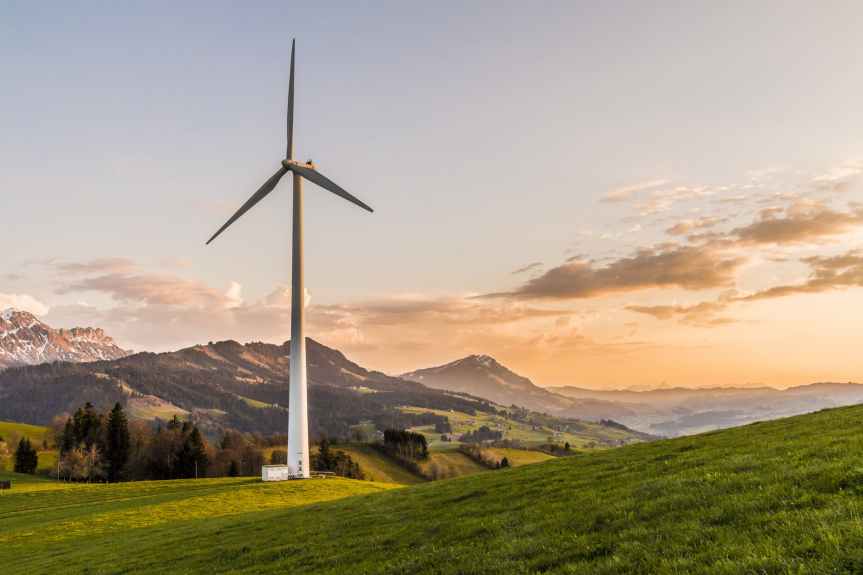
Another one is wind power. India now holds a significantly high position in the list of wind power capacity. The gross wind power potential of India is estimated to be above 45000 milli watt, while the present technical is only near one third of this capacity. It should be noted that the government has initiated several plans and policies to make use of this immense potential.

We can also obtain energy from biomass. It includes food and food waste, municipal waste, land fills gas and biogas. The use of Ethanol blended fuel and bio diesel is also an emerging trend which could replace several other means effectively.

Hydro power is also a prospect for the world with two third of the planet covered with water. If widely used hydro power could be generated from the enormous water resources available in this planet by setting up small hydro power plants.

As the eminent scholar professor Yashpal rightly quoted, “we have not inherited this world from our ancestors, but we have borrowed it from our children”. So, it is high time we turn to some alternative energy sources and leave something for our future generation also.

ENERGY EXTRACTION: FROM NEED TO GREED

Can the World Run on Renewable Energy? - Knowledge at Wharton

There is enough in the world for everyone’s need, but there is not enough to meet everyone’s greed, said Mahatma Gandhi, Father of our nation. By these Mahatmaji is calling our attention towards the greed of the world’s most greedy species, namely the human being. As human beings are the only species which could think and feel, it is also the only species that exploits the nature in any which ways possible for their short-term gain. Ignoring the fact that human beings are comparatively new species when we consider the entire time frame of life on earth, we are behaving as if the entire planet and its resources are solely meant for making human lives easier.

The social and economic development of a country owes a lot to the development of energy resources. Man’s greed and uncontrolled use of these resources has resulted in its depletion and in turn has put a question mark on the future of this beautiful planet.

Scientists fear that the conventional energy sources like crude oil, natural gas, etc may become extinct before the end of this century. This has turned man towards the development and promotion of alternate energy resources.

The most important source is solar power because sun is the largest source of energy in this universe. Our country India receives 5000 trillion kilo watt of solar radiation per year. Most part of our country have not less than 300 clear days in a year. It is possible to generate 20 mega watt solar power per square kilometer land area. This energy can be used for a variety of applications like cooking, water heating, water pumping, lighting, etc. Latest innovations have made it possible to run vehicles like cars, trains and even small aircrafts. The German railway, a pioneer in the entire organization will be operated by solar energy by the end of another 25 to 30 years.

Another one is wind power. India now holds a significantly high position in the list of wind power capacity. The gross wind power potential of India is estimated to be above 45000 milli watt, while the present technical is only near one third of this capacity. It should be noted that the government has initiated several plans and policies to make use of this immense potential.

We can also obtain energy from biomass. It includes food and food waste, municipal waste, land fills gas and biogas. The use of Ethanol blended fuel and bio diesel is also an emerging trend which could replace several other means effectively.

Hydro power is also a prospect for the world with two third of the planet covered with water. If widely used hydro power could be generated from the enormous water resources available in this planet by setting up small hydro power plants.

As the eminent scholar professor Yashpal rightly quoted, “we have not inherited this world from our ancestors, but we have borrowed it from our children”. So, it is high time we turn to some alternative energy sources and leave something for our future generation also.