Applied Psychology

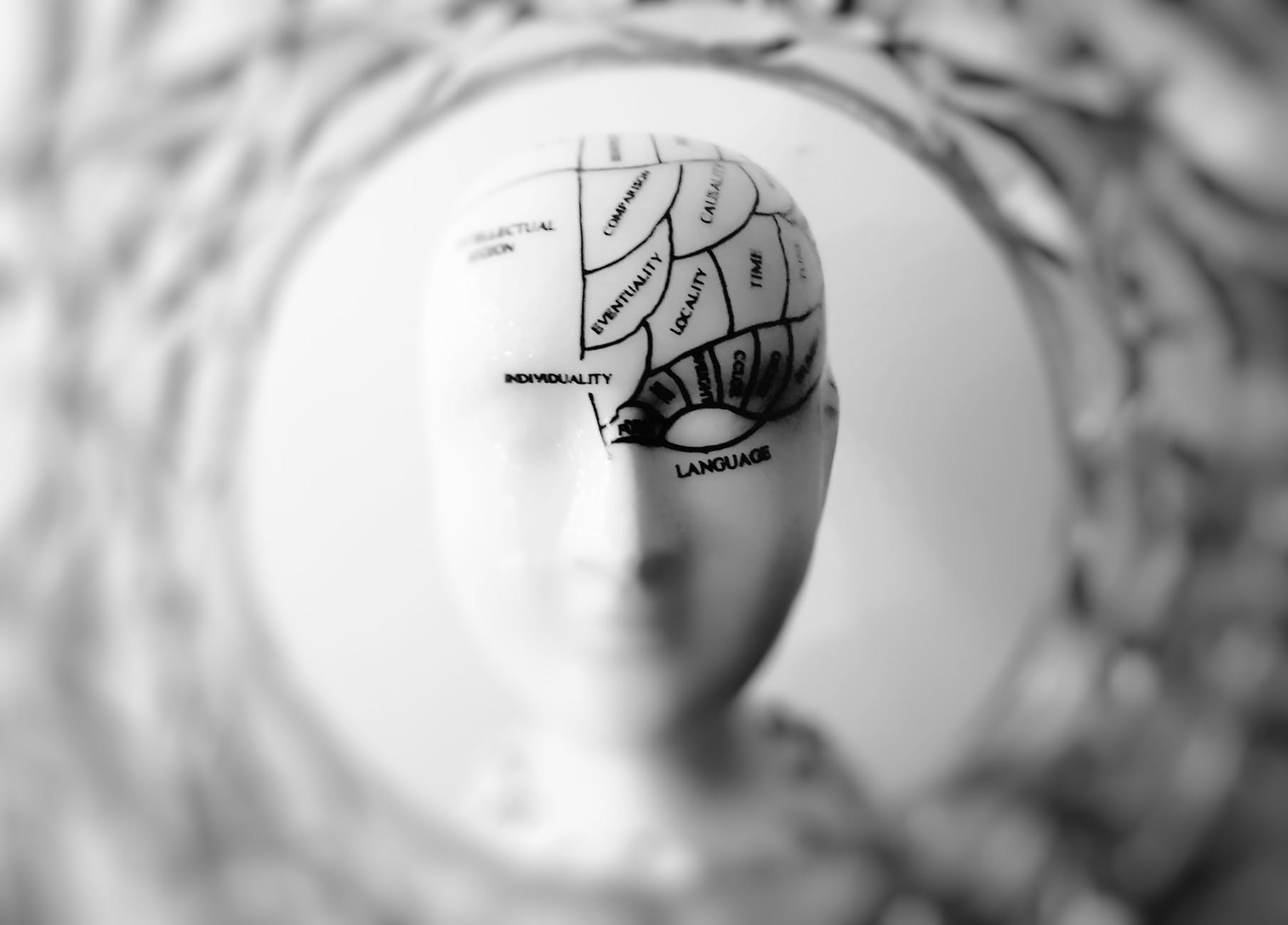
Photo by meo on Pexels.com

Applied psychology is the application of psychological principles and methods to resolve problems of human experience which may be related to human experience, health, family, workplace, etc. It is that field of psychology which validates psychological theories and focuses on putting practical research into action to achieve the desired result.

VARIOUS FIELDS OF PSYCHOLOGY:

  1. Educational psychology:
    1. Helps in developing strategies for better teaching approaches.
    2. Improves learning environment and gives advice on curriculum formation
  2. Occupational psychology:
    1. Helps in increasing the employee productivity, job satisfaction at work and overall effectiveness of an organization.
    2. Ids in organizational functions such as staff recruitment training, employee relations, performance appraisal, motivation, counselling and maintaining work environment.
  3. Health psychology:
    1. Helps diseases individuals to cope with illness, develop positive attitude, recover from illness and lead quality life.
    2. Educates and motivates people to make better health choices, contribute to improving the healthcare system and aid the government in designing healthcare policy.
  4. Cognitive psychology:
    1. Aids in treating learning disorders, structure. The educational curriculum to augment learning and improve desicion making ability.
    2. Provides help to cope with increased stress levels, memory disorders brain injury and additional difficulties.
  5. Clinical psychology:
    1. Helps in diagnosis,rention and treatment of emotional disturbances and behavioral problems.
    2. Helps the individual to promote well being and personal development.
  6. Sports psychology:
    1. Helps athletes and sports person to cope with the intense pressure generated out of competition.
    2. Enhances the performance of an athlete, motivates him and hastensthe recovery from injuries too.
    3. Teaches the common man to enjoy sport and promote well being by sticking to an exercise regimen.
  7. Developmental psychology:
    1. Aims to resolve individual’s issues mostly related to society, school, career, family and health.
  8. Criminal psychology:
    1. Assissts law enforcement agencies in apprehend in the criminals.
    2. Provides an understanding of will, intention, thoughts, feelings and reactions of criminals with the main goal of reducing crimes.
  9. Social psychology:
    1. Talks about social perceptions and interactions that are key to understanding social behavior.
    2. Looks at a wide range of other topics such as aggression, prejudice and non verbal behavior.

What is coding and how to learn it?

Friends, you must have a smartphone, and you must have searched a lot of things on it, you must have run many websites on your smartphone, so friends, do you know how these websites and software are made? These are made by coding, which a developer can understand and create.

Nowadays everyone is interested in computers and mobiles, and nowadays everyone wants to keep up with the times. If you are interested in learning and doing anything in computer programs, mobile apps, websites, games or software, then first you have to learn to program. Programs are created using a programming language.
Programming is used in all of our computers, mobiles, and all those smart devices that we use them for. A programmer makes any program by working hard. From website to software, nothing is possible without programming and coding.
All things are becoming smart earlier we had to withdraw money from the bank, then we started withdrawing money from ATMs, and now we can transfer money online to anyone whenever we want sitting at home, and our time in it. Saves a lot, and does not cause much trouble. So let us know what is coding and how you can learn from it.

What is Coding?

What is coding and how to learn it


Coding is also known as programming. Whatever we do on the computer, all the work is done through this. It is through coding that the computer is told what to do. That is, the language that the computer understands is called coding. If you know coding language then you can easily create websites or apps. Apart from this, many things can be done with coding languages, such as artificial intelligence and robotics.

In computers we do not see coding or programming, we just see the front end, coding and programming have a front end and back end so that we can use computers and smartphones.

There are many programming languages, some are used for web development and some are used for Android app development, which not everyone can do without knowledge. To do programming or coding, you should have a good knowledge of it.

Some coding languages ​​are more usable.

  • C-Language
  • C++
  • Java Script
  • HTML
  • CSS
  • PHP
  • MySQL
  • JAVA
  • .NET
  • RUBY
  • Python

How to learn to code?

Friends, you know what is coding, if your interest is in computers and if you want to learn coding or programming, then we will tell you how you can learn.

To learn to code, first, you have to start with the basic things, friends, it is not necessary, to do coding or programming, you must have a software engineer degree, if you do not have a degree, then it does not matter. You can learn programming by working hard.

You do not need to work very hard to learn programming or coding, you just have to do everything according to your mind, and you will become proficient in it.

By the way, you must know that if we want to learn anything well, then for that we should do that thing with a lot of attention, and something similar has to be done in coding too.

if your interest is in computers and if you want to learn coding or programming, then we will tell you how you can learn.
To learn to code, first, you have to start with the basic things, friends, it is not necessary, to do coding or programming, you must have a software engineer degree, if you do not have a degree, then it does not matter. You can learn programming by working hard.

You do not need to work very hard to learn programming or coding, you just have to do everything according to your mind, and you will become proficient in it.

By the way, you must know that if we want to learn anything well, then for that we should do that thing with a lot of attention, and something similar has to be done in coding too.

To learn to code, you need basic things like C++ for computer programming and HTML for web development. The app can learn coding offline and online

How to learn offline coding?

To learn to code offline, you can go to a coaching class where programming is taught, and learn coding from a programming book, if you do not know about coaching, then you can take help from a friend.

Or you can also search on google.

How to learn to code online?

There are many websites to learn coding online, from which you can learn coding, you will find many websites online, from which you can learn coding,

Many websites teach coding and programming for free, and there are many ACs, for which you have to pay. e.g. w3schools.com, codewithharry.com, http://www.tutorialspoint.com

Website for learning Coding

  • freecodecamp.org
  • theodinproject.com
  • learncs.org
  • codewars.com
  • geeksofgeek.org

Friends, now you will have the command to understand and you must have got some help in knowing what is Coding and how it can be learned.

If you have anything that you did not understand, or you want to ask something from us, then you can ask us in the comment box given below. And do share this article with your friends as well, and inform them about it too.

What is Elementor? How to make a website with Elementor

What is Elementor and how to use it?

What is Elementor


Hello friends, friends, are you also a blogger, do you also have a website, or do you want to create a website, but due to lack of technical knowledge, you are not able to create.

So you do not need to worry, today we are going to tell you something good, which will be useful for you, and after using it you can also create your website.
Friends, today we are going to talk about Elementor Page Builder, which is used in WordPress, to design your website.

So let’s know what Elementor is, how it works, and how it can be of use to you.

What is Elementor?

Elementor is a WordPress page builder plugin used to design websites or pages. With the Elementor plugin, you can create any design you want for your website.

If you do not have much knowledge of WordPress, and you do not know how to design a website, then you can create it using Elementor, you can learn Elementor very soon, after which you can design your choice.

Elementor is the most famous WordPress page builder. Elementor is a drag-and-drop page builder plugin that is used in WordPress. By downloading the Elementor Plugin, you can create a page of your choice.
Elementor page builder works well with any WordPress theme and can be used for any page type like homepage, blog post, etc. In addition, you can do many more things with the Elementor plugin with the help of many addons.

Why is Elementor the best page builder?

To know for yourself what Elementor is, let us tell you why Elementor is the best page builder?

  • Elementor is a drag-and-drop page builder plugin, which allows you to create a page of your choice.
  • Elementor has 500+ Pre Build Templates which you can import.
  • With Elementor, you can add or remove anything anywhere on the page.
  • By using Elementor, you will not have to buy expensive WordPress themes.
  • To design a page in Elementor, even if you do not know Coding, you can still design a page with a little knowledge.

By the way, you will find many such page builders from which you can design your page, but you will probably not get as many things and features as Elementor gives for free in any other page builder.


By the way, in the free version of Elementor, you will get a lot of options for free, but if you want more extra features, then you can use it by buying Pro Plugin, but as far as we have used the plugin, then we have a lot of items were available in the free version.

Or you can also install Elementor Plugin by going to your WordPress Dashboard and going to Plugins>Add New.

So, friends, this was a small blog, what are Elementor? If you have anything that you did not understand, then you can ask us in the comment box given below, we will try our best to help you.

Free YouTube Premium subscription, free for 12 months

If you enjoy watching videos on YouTube and spend most of your time on it, then there is good news for you. A lot of ads come while you are watching YouTube, in such a situation the company gives you an opportunity to get a free subscription. To get YouTube Premium subscription you need to spend Rs 169. However, you can enjoy the free YouTube subscription without paying a single rupee. To do this, you must be part of the company’s referral program. As we have already said, you can pay Rs 169 for the premium subscription every month. That means you may have to spend up to Rs 2,000 in a year. But there is a way that can help you save that money. How does the referral program work? To get a premium subscription to YouTube, you must participate in the referral program. This program requires you to sign up with these friends and family using your referral code. To get a 12-month free YouTube Premium subscription, 12 people need to use your referral code. When a new user signs up with your referral code, you get a monthly subscription. Please note that there is no YouTube referral code program for iPhone yet. This company’s referral program will be active until May 2023. How to get 12 month subscription. First you need to open YouTube Android app. Then click on your profile picture in the top right corner of the app. Then go to the “Your Premium Benefits” option. Here you have the opportunity to get up to 12 bonus months with one URL. You can share this link with your contacts. At the same time, this page also tracks your rewards activity.

Free YouTube Premium subscription, free for 12 months

If you enjoy watching videos on YouTube and spend most of your time on it, then there is good news for you. A lot of ads come while you are watching YouTube, in such a situation the company gives you an opportunity to get a free subscription. To get YouTube Premium subscription you need to spend Rs 169. However, you can enjoy the free YouTube subscription without paying a single rupee. To do this, you must be part of the company’s referral program. As we have already said, you can pay Rs 169 for the premium subscription every month. That means you may have to spend up to Rs 2,000 in a year. But there is a way that can help you save that money. How does the referral program work? To get a premium subscription to YouTube, you must participate in the referral program. This program requires you to sign up with these friends and family using your referral code. To get a 12-month free YouTube Premium subscription, 12 people need to use your referral code. When a new user signs up with your referral code, you get a monthly subscription. Please note that there is no YouTube referral code program for iPhone yet. This company’s referral program will be active until May 2023. How to get 12 month subscription. First you need to open YouTube Android app. Then click on your profile picture in the top right corner of the app. Then go to the “Your Premium Benefits” option. Here you have the opportunity to get up to 12 bonus months with one URL. You can share this link with your contacts. At the same time, this page also tracks your rewards activity.

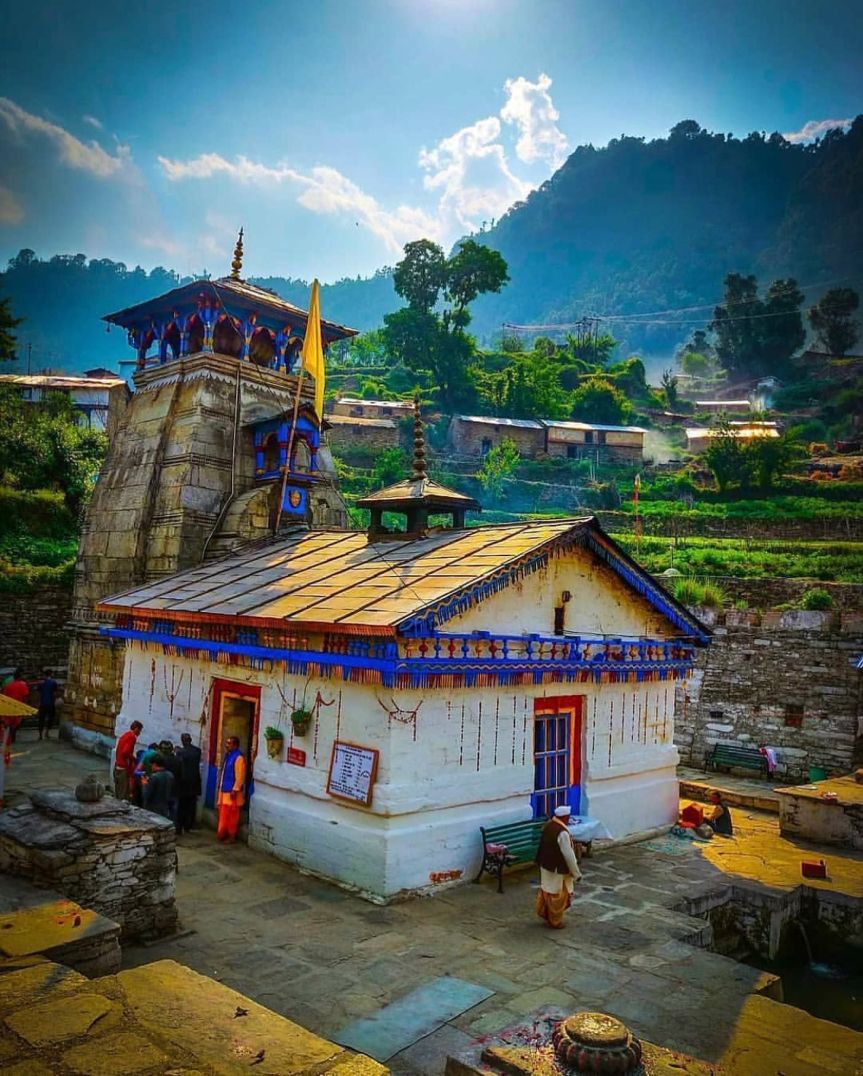
A temple believed to be a marriage place of Lord Shiva and Goddess Parvati.

Trijuginarayan Temple is a Hindu temple located in the village of Trijuginarayan in the Rudraprayag district, Uttarakhand, India. The ancient temple is dedicated to Lord Vishnu. Its a popular Hindu pilgrimage site because it is attributed to the legend that this is the place where the marriage of Lord Shiva and Goddess Parvati took place and which Lord Vishnu witnessed here. The hallmark of this temple is the eternal fire that burns in front of the temple. It is believed that the fire is burning from the time of Lord Shiva and Goddess Parvati marriage. Therefore, this temple is also known as Akhand Dhuni Temple. The temple courtyard is also the source of water that fills the three nearby sacred bathing ponds (Kund).

It is believed by many historian that Trijuginarayan Temple have been built by Adi Shankaracharya. Adi Shankaracharya is said to have built many temples in Uttarakhand. The shrine has a silver two-foot statue of Vishnu, accompanied by Consort (the goddess of wealth Lakshmi and the goddess of music and learning) Saraswati.The Trijuginarayan Temple is located at an altitude of 1,980 meters (6,500 feet), about 5 km from Sonprayag, the meeting junction of the Mandakini and Songanga rivers. During the three months of winter, the area is covered with snow. Apples and drupes are cultivated in this area for agricultural purposes.

According to Hindu Dharma, the goddess Parvati was the daughter of Himavat or Himavat-personification of the Himalayas. She was the reincarnation of Shiva’s first wife, Sati-who lost her life when her father offended Shiva. Parvati first tried to allure Shiva with her beauty, but failed. In the end, she suffered severe penance in Gaurikund, five kilometers from Trijuginarayan, and won Shiva. Pilgrim visitors to the Trijuginaryan Temple also visit the Gauri Kund Temple dedicated to Parvati, which is also the base camp for trekking to the Kedarnath Temple. According to mythology, Shiva proposed to Parvati in Guptakashi before getting married in the small village of Trijuginarayan .
Triwajinarayan is believed to be the capital of Himavat. It was the place where Shiva and Pearlvati married in heaven during Satya Yuga, and was witnessed in front of the eternally burning sacred fire in front of the temple of Havana Kund or Agni Kund. It is said Vishnu appeared at the wedding ceremony of Lord Shiva and Goddess Parvati as a brother of Parvati. Meanwhile, the Lord Brahma served as the priest of marriage which was witnessed by all the wise men of the time. The exact location of the wedding is indicated by a stone called Brahma Sila in front of the temple. The splendor of this place is also recorded in Stala Purana, a scripture unique to the Pilgrimage Center. According to the scripture , pilgrims visiting this temple consider the burning ashes of fire to be holy and carry it with them. The ashes from this fire are also believed to promote the bliss of the couple. There were no witnesses to the incident before the wedding, but it is believed that the gods taken bath from the four kunds: Rudra Kund, Vishnu Kund, and Brahma Kund. The stream of the three Kunds, according to legend, comes from Saraswati Kund, which is derived from the navel of Vishnu. Therefore, these Kund waters are considered a remedy for infertility.

Single Use Plastics

Photo by Marie Martin on Pexels.com

Single Use plastics are goods that are made primarily from fossil fuel based chemicals (petrochemicals) and are meant to be disposed off right after use, often in mere minutes. Single use plastics are most commonly used for packaging and service ware such as bottles, wrappers, straws and bags.

Plastic is among the most popular and important material used in the modern world. But due to the fact that it is non biodegradable, it is essential that it is prevented, recycled and recovered.

We produce 300million tons of plastic each year worldwide, half of which is for single use items. That is nearly equivalent to the weight of the entire human population. Reducing plastic use is the most effective means of avoiding this waste. Although single use plastic pollution accumulates most visibly on our streets, it is the water bodies which suffer even more. Litter can be the first stage in a waste stream thatenters waterways as plastics tossed on the street are washed away byrain or travel via storm drains into rivers and streams. Ten of the rivers carry 93% of the world’s totalampunt of plastic that enters the oceans via rivers each year. Marine animals bear the burden of this influx of garbage into their habitats.

Not only does banning single use plastic reduce pollution, but it also reducesdemand for plastic production that contributes to global climate change. These bans on single use plastic have many cultural effects too. Companies are forced to innovate, rethinking their designs and sourcing sustainable materials. The prevention action can include strategy for plastics in a circular economy, mandatory fee on single use place bags, phase out of single use bags.

The Central Government of India issued guidelines to states, asking them to ban the use of single use plastics effective from July1, 2022.

Some goals to keep in mind:

  • By 2030, only reusable or recyclable plastic packaging should be used,
  • 75% recycling of packaging waste should be achieved,
  • A binding agreement should be issued to reduce landfill to less that 10% of MSW,
  • Plans to coordinate beach cleanups.

These are a few goals that the states as well as the people should focus on while undergoing the ban of single use plastics. Such plastics give rise to numerous health as well as environmental hazards. Thus, it should be our prime responsibility for change our habits and go for the healthier options both for ourselves as well the environment.

What is PHP? Where and how to learn PHP. complete information

What is PHP?

What is PHP


Friends, as you already know, how fast everything is progressing in the world, and with this new technology is also coming, and programming or coding is used in all that technology. In the same way, today we are going to give you complete information about what is PHP today.

If you want to become a web developer or want to design any website by yourself, then first of all you should know PHP. Learning PHP is very easy, you can also learn it by watching online videos on YouTube.

Many people say that to become a web developer, you should have a computer-related degree, but there is nothing like this, if you know, then the degree is of no importance because all the companies do not give jobs after seeing the degree, saw your work there. It goes, and nowadays there are many good companies where you will get a job even without a degree.

By the way, if you have come here today to know what is PHP, then you will also know a little bit about programming or coding, and if not, then here you can know from the link given below what is coding.

We use coding or programming to make software, and for that, we should also have knowledge of many programming languages, only then we can make any software, app or website.

And if we talk about PHP, then it is used more in any website or app, and with the help of this, they are started, then today we are going to give you complete information about PHP, so this Read the article well so that you do not miss anything.

The most important thing to start blogging would be to create a website of your own. And what is needed to make a website? Must have a thorough knowledge of PHP. If you want success in the world of blogging, then a blogger needs to know PHP. So let us tell you further, complete information about PHP.

there are many languages ​​from which websites are made. One of them is Language, PHP from which a site like Facebook has been created. So let’s know the inside of these websites and Web Based Programming Language PHP in Hindi, what is PHP, let’s know.


What is PHP?

The full form of PHP is Hypertext Processor. This is a free scripting language that is used in web development. This language was created by Rasmus Lerdorf in 1994. He created this language for web development.

PHP language is a very easy language that anyone can learn easily. And its biggest advantage is that it can be easily integrated with any HTML language or with any popular database language.

PHP is free, so provide My SQL Database Host for free, although it also has copyright. PHP is a very simple scripting language, which can be learned very easily and at a fast pace. That is, the simplicity of PHP is also its biggest feature.

It also has another advantage that this language can encrypt and decrypt your data. And like HTML and javascript, your source code is not visible in any browser, due to which it also becomes a very secure language.

And another advantage of its language is that you do not have to pay much attention to its syntax. And if you have your C language and javascript, then it will be easier for you to learn PHP language.

The speciality of this language is that it is used to design a “Dynamic website”. When a user sends a request to a PHP web page from his browser, in which this code resides.

This PHP code is processed inside the PHP module installed on the web server. PHP pre-processor generates HTML output. Which you see in your web browser.

PHP is used?

  • Many databases are used with PHP like MySQL, SQL, Oracle, PostgreSQL etc.
  • PHP is used in web applications.
  • Cookies are set and accessed.
  • There are many frameworks for PHP.
  • PHP provides privacy to its pages.
  • The code of one PHP is included in the code of another PHP.
  • The code of one PHP is included in the code of another PHP.
  • The value of the variable of a webpage can be accessed on any webpage from the session.
  • Files are open, closed, read and written in PHP.
  • Files or emails are sent to anyone.

Friends PHP is being used to develop dynamic web pages. The full name of PHP is Hypertext Preprocessor. Earlier it was known as Personal Home Page. Nowadays, PHP is quite popular for building dynamic websites or web applications.

If you have good knowledge of HTML (Hypertext Markup Language) and CSS (Cascading Style Sheets), then you will not feel much difficulty in learning PHP.

If you want to work on PHP then you must also know about Database Management systems.

Basic Features Variety of PHP

To meet the needs of various types of core libraries included in it are more than 1000 useful functions, which are defined to easily meet different types of real-life needs.

The better the hold on these Core Library Functions, the better it is on PHP as well. That is, the better you learn to use these Core Functions of PHP, the better PHP Programmer you become.

PHP is a very simple and General Purpose Scripting Language which is like 70% “C” Language and the remaining 30% “C++” and “Java” Programming Language. So if you know one or more programming languages ​​”C”, “C++” and “Java”, then you can easily learn PHP and create a Dynamic Website or Web Application using it. can.

What can be made with PHP?

  • CMS
  • Dynamic website
  • Static Website
  • web-based software
  • Desktop applications
  • WordPress Plugin
  • WordPress Themes

In present times, PHP is the most popular scripting language used on the web. So if you want to understand these Frameworks also well, then you can understand these Frameworks better only if you have good knowledge of Core PHP.

The following popular websites are built on PHP.

  • FaceBook
  • Wikipedia
  • Tumblr
  • WordPress
  • Canva
  • Freelance

The most used web server after PHP is IIS Web Server, which is designed by Microsoft Company. Since this web server is designed by Microsoft Company, this web server better supports Microsoft Company’s Server Side Scripting Language ASP.Net, which internally uses VB.Net and C#.Net.

Where and how to learn PHP?

If you want to learn PHP and work with its help, then you can also study PHP online, you will find many such websites and YouTube channels online from which you will get a chance to learn PHP for free. Let us tell you a list of some such websites.

  • w3schools.com (FREE)
  • tutorialspoint.com (FREE)
  • learn-php.org (FREE)
  • codecademy.com (FREE/PAID)
  • Udemy.com (FREE/PAID)

Apart from all this, if you do a little research on YouTube, you will find a lot of good classes, where you will get to know everything about PHP for free, and you will also get to learn a lot about it.

So friends today we told you in this post what is PHP? And how can you learn it, we will tell you only that in today’s time you should also have knowledge about coding, and should also become.


Work culture

work culture is defined as the attitudes and behaviors of employees in an organization. Many things affect corporate culture, from work environment (ok, so ping-pong table doesn’t matter), policies, leadership, goals, values ​​and mission. A positive work culture doesn’t just happen. Careful thought and cultivation is required. If you haven’t thought about your organizational culture, chances are it’s not the place to be. This can mean big consequences. Employees who are physically and mentally stressed aren’t just less engaged. They are also more likely to call for unemployment and eventually leave the company, leading to sky-high turnover and turnover rates. This can be costly for organizations. Organizations with a positive work environment have more productive and loyal employees. Fortunately, there are plenty of ways to improve the employee experience. Promoting diversity, transparency and understanding can do wonders for a business. In addition, visible and accessible leaders will inspire employees and update management on day-to-day issues. This means more employee retention, reduced absenteeism, and most importantly, happier, healthier employees.

IMPORTANCE OF WORK CULTURE

Culture is a complex concept that is constantly evolving in the workplace based on many factors. While some people prefer a more traditional work culture and others want something more modern and fun, all healthy work cultures have a lot in common. Look for the following signs of a thriving work culture when reviewing potential employers: Equity, Expression, Communication, Recognition and accountability.

When everyone working in a company is held accountable for their behavior, it indicates a healthy work environment. A balanced workplace allows everyone to feel comfortable enough to acknowledge their ideas and mistakes. Open accountability allows every employee to learn from challenges instead of avoiding them.

Accountability fosters a work culture based on teamwork, open communication, reliability and accountability.

Equity Companies that treat all their employees equally often have a healthy work culture. Every position in the organization counts, and giving everyone a chance boosts employee morale. Workplace bias is a sign of a toxic work culture and can cause feelings of distrust and resentment among colleagues, making a fair work environment essential for employees. any positive work culture.

Expressions People are generally happier, more productive and more focused when they feel able to express themselves at work. If employees have some freedom in their personal style and how they decorate their workspace, it shows a comfortable level of work culture.

Communication Open communication is essential for a productive work environment. Everyone in the organization needs to understand how to give and receive feedback, share ideas, collaborate, and solve problems. All teams have occasional interpersonal conflicts, but a functional work culture will allow them to solve problems and work as a team despite any challenge. Avoid organizations with a work culture where people feel unable to voice conflicts or concerns as there won’t be much room for growth.

Recognition A developed work culture recognizes employee successes and rewards people when they succeed. In a healthy work environment, management will find the positive characteristics of all team members and encourage the use of their talents. Employee recognition, from frequent verbal praise to competitive salaries, can create an office culture of mutual appreciation and respect.

The importance of a positive work culture

People need healthy environments to thrive, and this is especially true in the workplace. The attitudes and behaviors you interact with on a daily basis affect how you feel both at work and at home. The evolving work culture affects every aspect of the company and its people. Here are reasons why a healthy workplace culture is important: Better hiring choices Employee happiness Employee retention Performance quality Reputation

Better recruiting options Managers in an organization with a successful work culture know how to attract and select new employees who share their vision. We will likely be attracted to companies that share our values ​​and the type of culture in which we feel comfortable. A healthy work culture has like-minded professionals who are compatible with each other and work together towards common goals.

Happy Employees Your satisfaction with your workplace culture has a direct impact on your happiness in the workplace. A thriving work culture helps people find meaning and pride in their work, while a toxic work culture can make even the most passionate employee unhappy at work. One of the most important parts of a strong work culture is a balance between career and personal lives, and companies can help keep their employees happy by respecting their lives in general. Employee retention A good work culture provides stability to talented employees and allows them to grow within the company, rather than limiting them to a specific role or level of achievement. Happy employees often want to stay in their jobs, which makes workplace culture key to reducing employee turnover and connecting qualified candidates to long-term careers. .

Quality Performance Employees who like to come to work because of a positive culture are generally more productive and create high-quality work. The work atmosphere is a great motivator that encourages people to invest in their work, especially since successful work environments recognize and celebrate hard work and success. Reputation Having a healthy work culture creates a positive reputation and credibility for a company and the people who work there.

A pleasant work environment is an important asset in attracting talent. Companies with a mission to raise morale, empower their employees, and build positive community relationships through them.

Right to Information

The Right to Information Act 2005 requires prompt responses to citizens’ requests for government information. This is an initiative of the Department of Personnel and Training of the Ministry of Personnel, Public Claims and Pensions to provide an RTI portal for citizens to quickly find information on the details of welfare agencies. magistrates, PIOs, etc. in addition to accessing RTI/disclosure related information posted on the web by various public authorities under Government of India as well as State Government.

It includes permissions –
I. check work, documents, records.

ii. notes, extracts or certified copies of documents
or recordings.

iii. certified material sampling.

iv. get information in the form of hard copies, discs,
disc, tape, video tape or anything else
electronic or print.

Purpose of the Right to Information Act:

The fundamental purpose of the Right to Information Act is to empower citizens, promote transparency and accountability in government operations, curb corruption, and make our democracy real. effective for the people. It goes without saying that a well-informed citizenry is better equipped to ensure the necessary vigilance over governance tools and to make government more accountable to those under control. . The law is a big step forward in providing information to the people about government activities.

The RTI Bill was passed by the Indian Parliament on June 15, 2005 and came into force on October 12, 2005. On average more than 4,800 RTI applications are filed each day. In the first ten years of the law’s entry into force, more than 17,500,000 applications were filed.
Although the right to information is not considered a fundamental right in the Constitution of India, it protects the fundamental rights of freedom of speech and expression under Article 19(1)(a) and the right to life and individual liberties under Article 21 are guaranteed by the Constitution. Authorities under the RTI Act 2005 are known as public authorities. The Public Information Officer (PIO) or first appellate body in public agencies performs the quasi-judicial function of adjudicating petitions and appeals, respectively. This law was enacted to strengthen the fundamental right in the Indian constitution of “freedom of speech”. Since RTI is implied in the right to freedom of speech and expression under Section 19 of the Constitution of India, it is an implied fundamental right.

When it comes to RTI, there are watchdogs at many levels to ensure that the law is followed in spirit and in writing. The law adopts a “do or cancel” approach, in addition to setting out a mechanism for disseminating information. Every government organization must appoint a staff member as a Public Information Officer (PIO). When a department receives an RTI request, the PIO is responsible for providing the information to the requester within 30 days. Failure to do so may mean that the PIO may be fined. The longer a PIO causes an applicant to wait, the greater the penalty imposed on them. There have been cases where PIOs were asked to deduct an amount of thousands of rupees as a penalty. Each state has an information committee, consisting of a chief information officer and several information commissioners. Former judges, IAS, IPS officials with unverifiable backgrounds are appointed to these positions. Above them hierarchically are the Central Information Commission and below them are the first and second appeals agencies to ensure that applicants get the RTI information they have requested.

Utilization of public funds

The money the government collects is income from direct taxes, indirect taxes, non-tax revenues, and external funding. This public fund is only spent according to the law.
The use of public funds to provide public services, grants and aid to businesses and the disadvantaged, to provide social benefits such as social benefits and pensions to eligible citizens fair and equitable, and purchasing goods and services legally or ethically, the government is forced to consolidate financial activities, take into account the specificity of expenditures, determine the relationship production between spending and benefits, revealing immediate or future budgetary impact, implementing effective and efficient spending at all levels, adhering to performance-based budgets, and defining” public spending code”.
Public funds are best used if expenditures are in accordance with the law, in accordance with generally accepted standards, considered worthy of the money spent on something, and uphold responsibility. Financial accountability and control values ​​the most efficient use of operational resources and inputs.

The accounts of Government are retained in three parts:-

  1. Consolidated Funds of India
  2. Contingency Funds of India
  3. Public Account

Consolidated Funds of India

Government of India has received all revenue in the form of taxes like income tax, central excise tax, customs and other revenues paid to government in government business i.e. is the non-tax revenue credited to the Consolidated Fund. was established under Section 266(1) of the Constitution of India. Likewise, all government-contracted loans through the issuance of public notices, treasury bills (domestic debt) and loans from foreign governments and international organizations (foreign debt) are credited to this fund. All government expenditures are derived from this fund and no amount may be withdrawn from the fund without the permission of Parliament.

Contingency Funds of India

The Contingency Fund of India records the transactions related to the Provident Fund established by the Government of India under Article 267 of the Constitution of India. The figure of this fund is Rs. 50 crores. Advances from the fund made to meet unforeseen expenses will be fully deducted from the fund as soon as the National Assembly authorizes additional expenditure. Thus, this fund acts more or less like an imprest account of the Government of India and is held by the Secretary of the Government of India, Ministry of Finance, Department of Economic Affairs in the name of the President.

Public Account

In Public Accounts under Section 266(2) of the Constitution, transactions involving debts other than those included in the Consolidation Fund of India. Transactions under Accounts Payable, Deposits and Advances in this section are transactions for which the government is obligated to repay the amount received or to seek recovery of the amounts paid. Transactions related to “Money Transfer” and “Thrill” include all payment procedures. The initial debits or credits of these heads will eventually be offset by corresponding receipts or payments. Revenue from public accounts is not ordinary government revenue. Therefore, Congressional authorization for payments from public accounts is not required.

Factors constraining utilization of plan

Under- Utilization by States on the Plan can be attributed to institutional and procedural bottlenecks in the implementation of the Plan outlines and to deficiencies in the planning process at the district level. . These factors must be taken into account in order to strengthen States’ capacity to make more efficient use of the larger allocations to the social sectors. Decentralized planning is implemented in the periphery, due to lack of personnel to carry out planning activities, not enough attention has been paid to enhancing their capacity and participation role of the community in the planning process is small. The bottlenecks in the budget process in the programs, such as delays in capital turnover, the issuance of sanctions on expenditures, and decision-making in the states is centralized, not sufficient fiscal decentralization for district/county governments and uniform standards of centrally funded plans for all states. Furthermore, the absence of need-based budgeting in plans, which is often done without a proper unit cost analysis on the basis, means that allocations for some plans are decided upon. determined in a top-down and impractical manner. Systemic weakness, manifested in the lack of trained and regular staff in various key roles such as program manager, finance/accounting and frontline service delivery; this has contributed to weakening the capacity of the state government apparatus in implementing the mechanisms of the Plan. Regarding the systemic weaknesses in the state government system, it can be argued that unplanned state spending plays an important role in strengthening the overall capacity of the government apparatus. This affects the capacity of the state government apparatus in terms of the availability of qualified permanent staff and the adequacy of the government infrastructure to implement the Plan’s programmes. However, over the past decade, unplanned spending in the social sectors has been controlled by many states because of the current fiscal policy’s emphasis on reducing deficits by limiting public spending. As a result, the capacity of the government apparatus to implement the Plan’s programs/programs was controlled.

Emotional intelligence-concepts, and their utilities and application in administration and governance

One of the most fundamental and important aspects of the human experience is our ability to sense emotions. Without it, our existence would be one-dimensional and nowhere as rich and dynamic as it is. We feel joy and euphoria when we achieve something, sadness when we lose it, and disappointment when things don’t go our way. All of these are manifestations of the different emotions we experience.

NATURE OF EMOTIONAL INTELLIGENCE

The essence of emotional intelligence as envisioned by Goleman can be summarized as follows;
It is the ability to control the emotions of others, including groups, individuals and closed people. It is a process of knowing what is good or bad and how to go from bad to good. It is susceptible to development or damage as a result of one’s life experiences. It is not genetically fixed, rather it is widely learned and continues to develop throughout life. It develops with age and experience as a person moves from childhood to adulthood. Both men and women have a personal profile of strengths and weaknesses in emotional intelligence abilities. Women tend to be stronger in skills based on empathy and social skills, while men do better in skills based on self-regulation.

BENEFITS OF EMOTIONAL INTELLIGENCE

EI has implications for many types of our lives, from personal relationships to professional settings. Some of the benefits are as follows;
Allows individuals to harness not only thinking skills but also the information and power that emotions bring. Take a realistic and realistic view of emotions as opposed to traditional notions that encourage unhealthy emotional suppression. Facilitate understanding of self and others beyond superficial information. Encourage and enable empathy to the quality of interpersonal interactions
It adds a competitive advantage over mere cognitive intelligence and technical skill so that individuals can pursue excellence and success using a wide range of intelligences. Allows individuals to control their emotions. This means that a person can intensely feel desired emotions (e.g. joy, love, etc.) and avoid unwanted emotions like anger, jealousy, etc.

Application of emotional intelligence in administration and governance

Many administrative staff are extremely talented, exceptionally intelligent and have very high IQs. They excel in computer science, science, and math. But they have difficulty establishing social relationships. Many of them are rebellious and ruthless in their reactions to the outside world. They have little or no feelings for the people around them. They feel physiologically uncooperative in their relationships and lack social kindness or even a personal social life.

People with high emotional intelligence know how to listen to their feelings and control their intensity so that they are not influenced by others. Emotionally intelligent people know how to manage troublesome emotions. Emotionally intelligent people feel the effects of their emotions on others. People with emotional intelligence know how to use their strengths and compensate for their weaknesses. Emotionally intelligent people listen to other people’s feelings and can relate to them. Emotionally intelligent people act ethically and build trust through honesty and consistency. In the field of management and operations, emotional intelligence includes 5 main elements of emotional intelligence: Self awareness. Self-regulating. Motivation. Empathy. Social ability. These emotional intelligence skills are essential for successful leadership. Self-awareness and agency skills for accurate and confident self-assessment help emotionally intelligent decision-makers determine their appropriate role in the decision-making process (Goleman, 2001). Self-management and its behavioral components such as self-control, reliability, conscientiousness, adaptability, willingness to succeed, and initiative are important emotional intelligence skills for decision makers. decisions (Goleman, 2001). As an administrator and leader, you must manage these factors. 1. Self-Awareness: If people are self-aware, they always know how their feelings and emotions affect those around them. Perceiving themselves in an administrative or leadership position also means having a clear picture of their strengths and weaknesses.

2. Self-regulation: Managers and leaders who succeed in self-regulation do nothing to verbally attack others, make hasty or emotional decisions, stereotype people, or hurt others. harm their value. Self-regulation is about maintaining control. This element of emotional intelligence also implies the flexibility and commitment of directors and leaders to personal accountability. To improve his or her self-regulation, the person must Know the values. Take responsibility yourself. Practice calm.

3. Motivation: Directors and leaders are motivated to work consistently to achieve their goals. And they have extremely high standards for the quality of their work. Administrators can improve motivation by following the method: Double-check why they perform certain behaviors. Make sure their goal statements stay fresh and energized (goal setting). Know where they are. Let’s hope and find something good: Motivated leaders are optimistic no matter what they’re up against. Adopting this mindset can take some practice, but it’s well worth it.

4. Empathy: Empathy is essential to running a successful team or organization. Empathetic directors and leaders have the ability to put themselves in the shoes of others. They support and develop their team members, challenge those who act unfairly, provide constructive feedback, and listen to those in need

. 5. Social skills: Directors and employees should develop social skills. People who do well in this element of emotional intelligence are excellent communicators. They are equally open to bad news as well as good, and they are adept at getting their team to support them and get excited about a new task or project. Managers with good social skills are also good at managing change and skillfully resolving conflicts.

Linkages between development and spread of extremism

Development and extremism have been linked to each other in a complex manner.

All people have the right to improve their standard of living with adequate food, clothing, housing, quality education, health and a decent lifestyle.
History shows us that the lack of these necessities drives people to revolt against colonial authorities as they did at the time. The lack of development has led the general public to rely on radical means to claim their rights.

The relationship between the development and extremism

Undeveloped is creating conditions for the spread of uprisings and extremist ideologies among those who recognize that the government does not meet their needs. It’s a fact. It is the policy of governments around the world today to emphasize comprehensive development, but there are always groups in every state that feel marginalized because they feel left out of development efforts. These perceptions, coupled with inefficient and corrupt governance, set the stage for extremist and radical growth. Lack of effort, mismanagement, and the inability of systems to engage communities left out of society fuel violence and extremism more than lack of actual development. In the context of India, left-wing extremism or Naxalite is a good example of the correlation between development and extremism.

It has been observed that extremist activities are limited to certain areas where there is an administrative and development vacuum. Government growth programs have not trickled down to these regions.

Here are the reasons why underdevelopment activities lead to extremist actions:

Tribal grievances: Tribes that depend on forest products have been banned from using forest products under the Conservation Law Forest in 1980. The mass displacement of tribal people due to development projects, mining activities and other factors also angered the tribal community. The Naxals/Maoists took advantage of these emotions and provided these vulnerable people with weapons and money.

Unemployment: unemployment, poverty, lack of health care, lack of education and awareness, lack of access to electricity, internet connection and communication, are the list of problems that the government has not yet addressed. in these fields. The widening gap between rich and poor between such a backward region and the rest of the country has become the fuel for Naxalism to spread like wildfire.

Lack of management: Irregular management, lack of management in remote areas, poor implementation and poor management of government programs have caused people a feeling of suffering. Development projects are poorly executed, fueling extremism in the region. Social repression: Social discrimination against vulnerable communities and tribal communities is one of the main reasons for extremist activities when the Naxalites provide them support to promote the movement.

Travel: Tourism is doing more harm than good to the tribal areas of the Naxal belt. The introduction of foreign influence and commercialization caused the disintegration of tribal society, leading to radical activism.

Development and fall of extremism

Revolutionary ideology has lost its former appeal, evident in the residents’ disinterest in joining the militia. The improved performance of the state on the development and governance front makes it difficult for the insurgents to develop in the way they once did. The center initiated the development and good management practices deprived the insurgents of support for the affected populations. The most important steps taken by the Center were the enactment of a number of landmark laws that recognized the Adivasis’s right to access to forest resources and self-governance – the passage of the Forest Residents Act in 2006 in defiance of the strong opposition from environmentalists and NGOs. Strengthen security-focused measures to counter the burgeoning Maoist movement. They have arrested more than 7,000 activists in the past three years, while an equal number of Maoists have surrendered to authorities in various states. The loss of strongholds, a decline in ideological attractiveness, and a crisis of leadership, as well as the improved performance of affected states on the socio-economic fronts, could cause The uprising is unlikely to regain the momentum it had decades ago. Significant improvements in security agencies, especially the police force, improved security and intelligence infrastructure, as well as better command and control systems for tracking rebels and Their movement also contributes to security.

CONCLUSION

It is important to strengthen the State’s protective shield against the multifaceted exploitation of these populations. Civil and constitutional rights protections related to the law need to be made more effective against Scheduled Actors and Scheduled Tribes. Land policies must be made easier for the vulnerable classes of agrarian society. Developing beneficial land policies will improve food security and livelihoods, and reduce acts of extremism.

Livelihood security can be ensured by establishing quality infrastructure, technical assistance services and effective market linkages at the village or village group level to promote subsistence and sustainable activities in the region. livestock, aquaculture, gardening, growing mulberry, raising silkworms and poultry. The state needs to ensure more development work and its practical implementation with high priority, requiring a clean, corruption-free and accountable administration at all levels. grant. As we have seen, developments and extremism are closely related and must be approached from the same angle.

The National Rural Employment Guarantee Act (MGNREGA) is a critical component in ensuring that the poorest of the poor have access to livelihood support and protection.

SECULARISM

Secularism is defined as a doctrine where all religions are given equal status recognition and support from the state. In other words ,secularism simply means as a doctrine that promote separation of state from religion.

Secularism stands for that there should be no discrimination and partiality on grounds of religion and everyone should get an equal opportunity to follow the religion of their choice.

The tradition of secularism is inhibited In The Deep roots of the history of India. In a nation India the first face of secularism is reflected in the preamble of India where the word secular holds the most importance. Indian secularism is also reflected in its fundamental rights article 25 to 28 where the government guarantees each of its citizens the right to practice any religion.

In the words of PB Gajendragadkar ,a former Chief justice of India, secularism is defined as the state does not all loyalty to any particular religion as such it is not irreligious or anti religious it gives equal freedom to all religion.

Indian philosophy of secularism is related to “Sarva Dharma Sambhavana” ,meaning the destination of the parts followed by all religions is the same though the parts them self maybe different simply meaning secularism means equal respect to all religions.

India is a secular country and India does not attached its politics with any individual religion. We Indians together celebrate every festival as well as Indians have the entire freedom and say to celebrate their religion in the country regardless of the caste and creed.

The ideology of Secularism also allows people to express their opinions and beliefs freely. As in a secular state ,no religious group can apply pressure of dominance . Through this ideology, their has been an increasing effect on the right to speech.

The history of secularism in India way backs to 1976 ,where during the 42nd Amendment of the Indian Constitution. The leaders of Independent India had visualised India,  as a country where religion is no bar for its citizens.

SECULARISM IN MODERN INDIA

India was under the control of the East India Company and the British Raj after Aurangzeb. The British East India Company pursued a divide and rule policy, yet the spirit of secularism was strengthened and enriched by the Indian Freedom Movement. The politics of “divide and rule” has contributed to some extent to the conflict of communities between different communities. The partition of Bengal in 1905 followed this policy. The Council of the Indies Act of 1909 made available to other voters for Muslims. This provision was extended by the Government of India Act 1919 to seeks in certain states, Christians in India, Europeans, and Anglo-Indians. Separate voters further extended the co-representative principle by providing separate voters to the depressed class (planned caste), women and workers (workers) through the Indian Governance Act of 1935. The establishment of the Indian National Congress in 1885, with its secular values, united people of all denominations and led the free movement to a constructive and successful path. Nehru issued a long report (1928) calling for the abolition of another voter to create a secular state. Gandhi’s secularism was based on a commitment to brotherhood in the religious community based on respect and pursuit of truth, but J.L. Nehru’s secularism was based on a commitment to scientific humanism, adorned with a progressive view of historical change.

 To conclude , Secularism allows the people of various religions to live peacefully without any fear of the majority. It safeguard democracy by limiting the powers of the majority. It ensures harmony in the nation. In absence of secularism, religious persecutions may take place which may result in dissent, conflicts or even a civil war.