Bhaderwah has emerged as the Lavender capital of India and Agri StartUp destination

 It is a moment of pride for all of us…Bhaderwah has emerged as the Lavender capital of India and Agri StartUp destination.

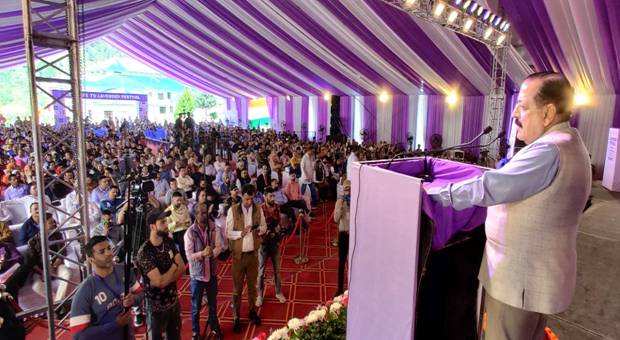
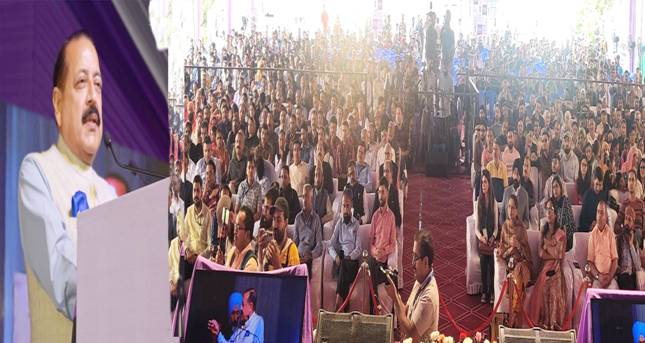
This was stated today by Union Minister Dr Jitendra Singh while inaugurating the 2 -day Lavender festival at Bhaderwah in Jammu region.

CSIR- Indian Institute of Integrative Medicine, Jammu has organised the event as part of its One Week One Lab Campaign.

Dr Jitendra Singh described Bhaderwah as the birthplace of India’s Purple Revolution and the destination of Agri-StartUps.
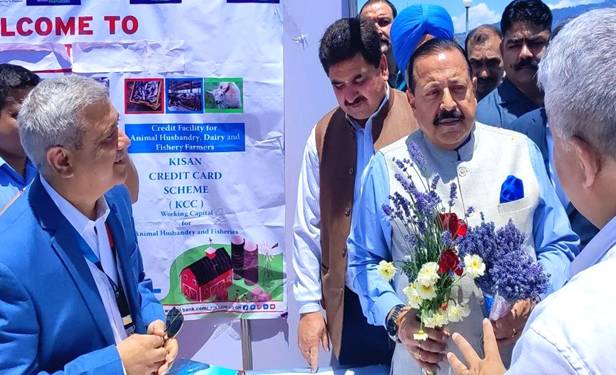
The Minister said that the valley of Bhaderwah is the best example of development of the present progressive government at the centre which should have been celebrated much earlier, Bhaderwah being the best place for lavender cultivation in terms of land and climate.

Dr. Jitendra Singh while referring to the lavender cultivation in the region, said that Lavender is an avenue of employment generation and research opening many paradigms of development.

The lavender cultivation has changed the lives of many farmers and it is heartening to note that Prime Minister of India, Shri Narendra Modi, in the 99th Edition of Mann ki Baat, appreciated the efforts of the Council of Scientific & Industrial Research- Indian Institute of Integrative Medicine (CSIR-IIIM) in supporting farmers in the cultivation of Lavender in the Bhaderwah, Doda district, J&K under CSIR-Aroma Mission. He said, “Farmers had been engaged in traditional maize cultivation for decades, but some farmers thought of doing something different. They turned to floriculture, that is, the cultivation of flowers. Today, around two and a half thousand farmers are cultivating Lavender here. They have also been handheld through the Aroma Mission of the Central Government. This new cultivation has greatly increased the income of the farmers.”

The CSIR-Aroma Mission is a flagship project of CSIR under which Lavender cultivation is being promoted in the temperate regions of J&K. The aim of the project is to increase the income of small and marginal farmers and develop agriculture-based Startups. The project is being directly monitored by Dr. Jitendra Singh, Hon’ble Union Minister of State (IC) of the Ministry of Science & Technology. Under his directions, CSIR-IIIM is implementing Lavender cultivation in Bhaderwah and other parts of J&K.
It is important to mention that over many decades of scientific interventions, the CSIR-IIIM has developed its elite variety (RRL-12) and agrotechnology of Lavender. The variety of Lavender is highly suitable for cultivation in the rainfed temperate regions of India. Under CSIR-Aroma Mission, CSIR-IIIM introduced Lavender and provided more than 30 Lakh free Lavender plants to the farmers of different districts of J&K. The end-to-end technology package for cultivation, processing, value addition, and marketing of the Lavender crop were also provided to the farmers. CSIR-IIIM installed fifty distillation units (45 fixed and five mobile) at different locations across J&K to support farmers in processing their produce.

Many small and marginal maize farmers in the temperate regions of the Jammu division have successfully adopted Lavender. Lavender cultivation has employed large numbers of farmers and young entrepreneurs in the geographically remote regions of J&K. Due to the intervention of CSIR-IIIM, a new industry around Lavender cultivation has developed in the region. More than 2500 farmers are cultivating Lavender in different parts of J&K. Women are primarily employed in the Lavender fields for harvesting and processing the flower, which has increased women’s income in the region. Many young entrepreneurs have started small-scale businesses through the value addition of Lavender oil, hydrosol, and flowers. CSIR-IIIM conducted many skills development programs and trained more than 2500 farmers and young entrepreneurs from J&K on Lavender cultivation, processing, value addition, and marketing.
The net annual income of farmers who switched from maize to Lavender cultivation has increased many folds from around Rs. 40,000/- to Rs. 60,000/- per hectare to Rs. 3,50,000/- to Rs. 6,00,000/- per hectare. Farmers of the Bhaderwah, Doda district, produced 300, 500, 800, and 1500 Litres of Lavender oil in 2019, 2020, 2021, and 2022, respectively. They earned > Rs. 5.0 Crore between 2018-2022 by selling dry flowers, Lavender plants, and Lavender oil. The successful end-to-end technology transfer on the cultivation of Lavender to the farmers of J&K by CSIR-IIIM, Jammu, under Aroma Mission has been widely covered nationally and internationally by print and electronic media. The media has recognized this initiative of CSIR-IIIM as the “Purple Revolution.” CSIR-IIIM received the CSIR award for S&T innovations for rural development (CAIRD- 2020) for Purple Revolution in Jammu & Kashmir: Rural Development Through Lavender Cultivation in J&K.

Prominent among many others present were Dr. D Srinivasa Reddy, Director, CSIR-IICT, Dr. Zabeer Ahmed, Director, CSIR-IIIM, Jammu, Dhanetar Singh, DDC Chairman, Doda, Sangeeta Rani Bhagat, DDC Vice Chairman, Doda, Vishesh Paul Mahajan, Deputy Commissioner Doda.
Health and Family Welfare

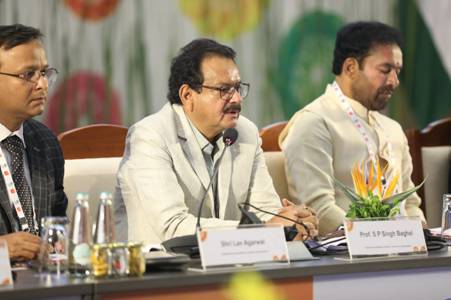
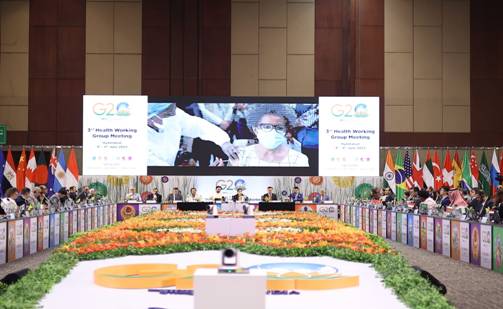
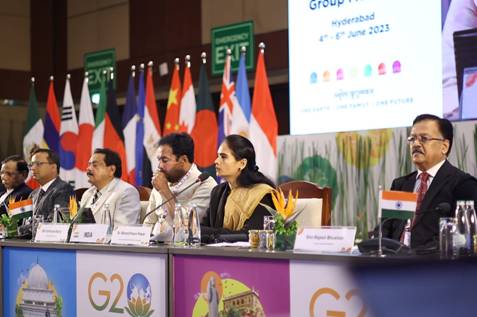
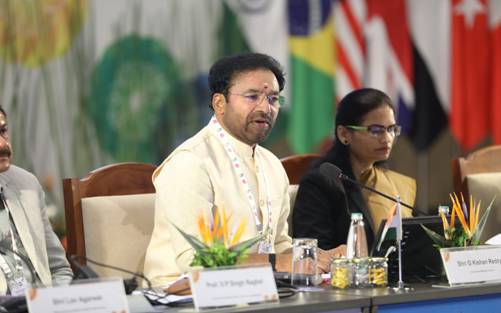
 The threat of pandemics is far from over. The need is to integrate and strengthen One Health-based surveillance systems.” This was stated by Dr Bharati Pravin Pawar, Union Minister of State for Health and Family Welfare during her address to the 3rd Health Working Group meeting under G20 India Presidency, here today. Shri G Kishan Reddy, Union Minister of Tourism, Prof SP Singh Baghel, Union Minister of State for Health and Family Welfare and Dr V K Paul, Member (Health), NITI Aayog were also present on the occasion.

Underlining the importance of global collaboration and partnerships, Dr Bharati Pravin Pawar said that “the COVID-19 pandemic highlighted that partnerships are most fruitful only when developed during peacetime and not amidst an ongoing pandemic; and that we need to focus on creating resilient health systems, with primary health as its cornerstone.” She further stated that “partnership we share as G20 members is vital and facilitates in building trust, sharing knowledge, creating networks and working together to achieve meaningful impact and results.”

Dr Pawar also highlighted the need for availability of safe, effective and quality medical countermeasures. Stating that India’s G20 Presidency is working towards building consensus for an end-to-end Global Medical Countermeasure (MCM) ecosystem, following a Network of Networks approach and leveraging existing global and regional initiatives, Dr Pawar urged the leadership of G20 countries to create an interim platform which will be guided by the Intergovernmental Negotiating Body (INB) process and will feed into the same.

Acknowledging the convergence between G7 and G20 priorities, including the launch of MCM Delivery Partnership during Japan’s G7 Presidency which aligns with G20’s proposal of an end-to-end MCM ecosystem, Dr Pawar urged the global community to strengthen ongoing efforts in that direction. “Pandemics may not wait for the finalization of the Pandemic Treaty and hence, the time to act is now”, she stated.

Dr Pawar also informed the delegates of India’s proposal of a Global initiative on Digital Health, a WHO-managed network to converge ongoing initiatives in use of technology in the global health arena. She stated that “this initiative can enable bridging the digital divide amongst nations and ensure that the fruits of technology are made available to every citizen of the world.”

Underscoring the contribution of Indian traditional knowledge systems to healthcare, Shri G Kishan Reddy stated that “Indian traditional knowledge system propagated preventive and holistic wellbeing for all”. He highlighted the significant impact of Ayurveda and Yoga across the world. He stated that “Indian civilization and cultural heritage has given us the Ayurveda or the Science of Lives which is a five-thousand-year-old medical practice. Similarly, Yoga has emerged as one of the most trusted practices to boost both physical and mental wellbeing.”

Highlighting the vision of Hon’ble Prime Minister to make India one of the new hubs of medical value travel, the Union Tourism Minister said that India is home to affordable, efficient and reliable healthcare which positions the country as a go to destination for medical value travel. He also informed that India is among the top ten countries preferred by people all over the world for health and wellness.

Shri Kishan Reddy stated that “India takes great pride in being a reliable partner in the noble vision of saving lives and protecting livelihoods” and highlighted India’s recognition as the “Pharmacy of the World”. He stated that the Genome Valley in Hyderabad alone contributes close to 33% of world’s vaccine production.

The Union Tourism Minister emphasized that India is committed to achieving universal healthcare for all by 2030. He concluded his speech by stating that “there cannot be a better platform than the G20 to support, harness, and facilitate the power of Universal Healthcare to build a healthy and motivated world”.


Prof S P Singh Baghel noted that pandemic prevention, preparedness and response require diverse multilateral efforts. “The recent Covid 19 pandemic taught us that only through a sustainable health system a sustainable economy can be built. Effective pandemic prevention, preparedness, and response can only be facilitated through continuous interventions in the health sector at the regional, national, and global levels”, he stated.

The Union Minister stated that India aims to ensure best health facilities, vaccines, therapeutics and diagnostics for all through the platform of the G20. He commended the efforts of the G20 Joint Finance and Health Task Force and the G7 for prioritizing the issue of financing health systems and societies in the face of an emergency, besides preparedness financing. He also noted that International Financial Institutions and Multilateral Development Banks and Funds like the Global Fund and Pandemic Fund can play a significant role in assisting resource-constrained regions to build common goods and public capabilities.

Shri Rajesh Bhushan, Union Health Secretary stated that “’Health for All’ is an important agenda outlined in the Sustainable Development Goals. It was also a pertinent theme in the recently concluded 76th World Health Assembly”. He noted that the theme of India’s G20 Presidency, i.e., “One Earth, One Family, One Future” also alludes to the wider concept of Universal Health Coverage. Underscoring the need to converge the ongoing parallel discussions in Global Health Architecture in Health Emergency Preparedness, Prevention and Response; Medical Countermeasures and Digital Health, he stressed on the need to break the existing silos and reduce fragmentation. “It is critical to integrate all existing global health initiatives, global and regional health processes like G7, G20 and UNGA by jointly harnessing our strengths for a fit-for-purpose global health architecture”, he stated.


The Indonesian and Brazilian Troika members commended the Indian Presidency for underlining the three health priorities. They stated the need to collectively accelerate our efforts towards strengthening pandemic preparedness, prevention and response measures and create a fit-for-purpose global health architecture.

Dr. Rajiv Bahl, Secretary, Dept of Health Research and DG, ICMR; Shri Abhay Thakur, Additional Secretary, Ministry of External Affairs and Sous Sherpa of India’s G20 Presidency, Shri Lav Agarwal, Additional Secretary, Ministry of Health and Family Welfare, Smt. Hekali Zhimomi, Additional Secretary, Ministry of Health and Family Welfare, representatives from the G20 member countries, special invitee countries, international organizations, forums and partners like WHO, World Bank, WEF etc., and senior officers of the Union Government were present.

****

Meri LiFE App under LiFE mission

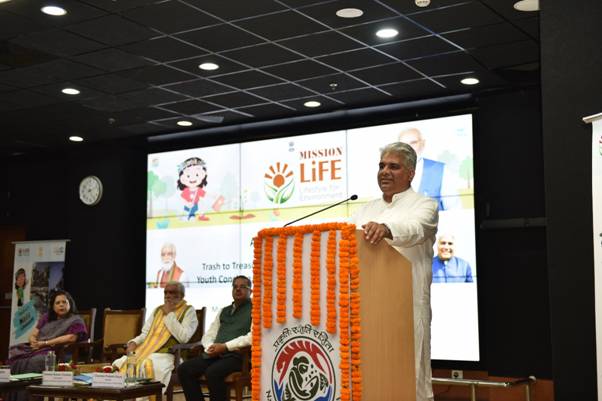
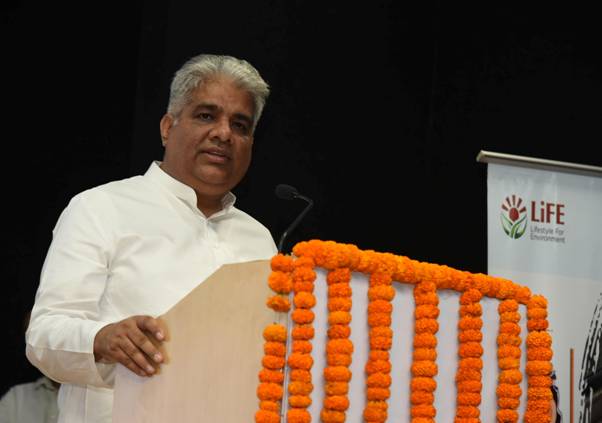
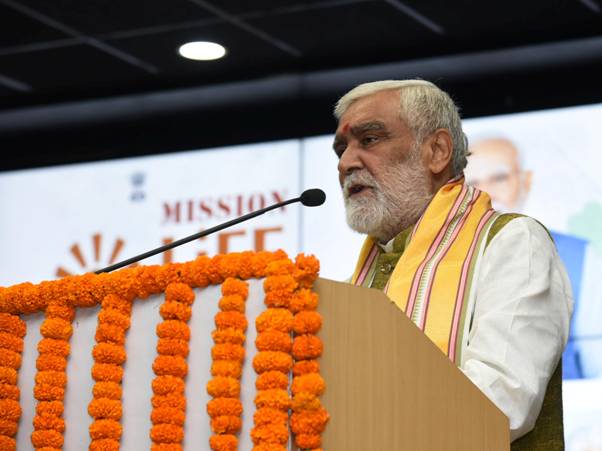
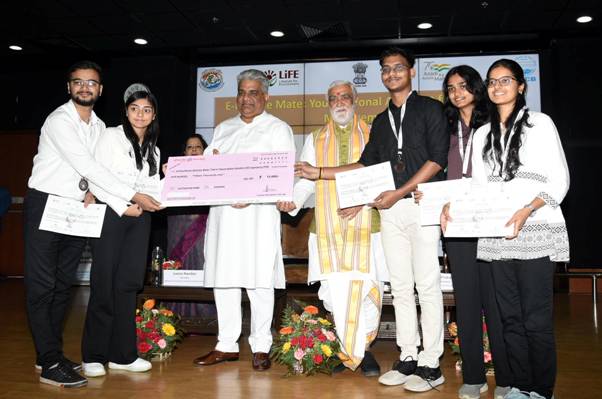
 The Union Minister of Environment, Forest and Climate Change, Shri Bhupender Yadav presided over the award Ceremony for Trash to Treasure Hackathon, Dharti Kare Pukaar, Youth Conclave & Inter-School Painting Competition, held today, on the eve of World Environment Day, in the presence of Minister of State, Shri Ashwini Kumar Choubey, and senior officials of the government.

Speaking at the ceremony, Shri Yadav congratulated Meri LiFE initiative of the government, as the application has recorded 1 crore 90 lakh participants, and 87 lakh events, which is a milestone in environmental consciousness. He said that not only the winners, but also all participants need to be commended, as they have shown their dedication towards environment protection.

Calling conscious consumption as a big challenge, he expressed that there are limited resources available on the planet and that to tackle global warming, biodiversity loss and pollution, adopting environmentally friendly lifestyle is the way ahead. He spoke about the initiatives launched under the leadership of the Hon’ble Prime Minister, such as International Solar Alliance, Coalition for Disaster Resilient Infrastructure among others, which have led to India achieving many of its Nationally Determined contribution targets well ahead of time.

Shri Yadav  said that while mitigation measures are a part of government policy, adaptation measures are a part of societal behaviour, environmental consciousness is the responsibility of every individual, and that there is a need to take Mission LiFE forward to make it a public movement.

Appreciating the participation of the youth from all parts of the country, Shri Ashwini Kumar Choubey said that climate change is a global challenge and yuva shakti has a major role to play in tackling it. Though e-waste is an emerging issue, it has now become a big problem and hoped that the solutions which have come out from the hackathon will help in addressing the problem to an extent and help create awareness on the importance of converting waste to wealth. He said that the youth have shown the capability to lead, and recounted examples of historical Indian figures such as Chanakya and Guru Dronacharya, to suggest the importance of timely guidance and encouragement, which the government is ready to provide.

Taking inspiration from the declaration of the Prime Minister in COP26 and the role of youth in Amrit Kaal, Shri Choubey appealed to the children to take the call for LiFE forward to every town and village in the country, in their own unique ways.

During the award ceremony, prizes were given to winners of National Ideation Hackathon organised by CPCB for coming out with innovative solutions for battery and electronic waste management. Awards were also conferred on the winners of the inter-school painting competition on Clean and Healthy Oceans, organised for students for classes 8th to 12th, by National Museum of Natural History in collaboration with UNEP India, and on the 5 Youth Icon Award winners of Youth Conclave, organised by Indian Institute of Forest Management.

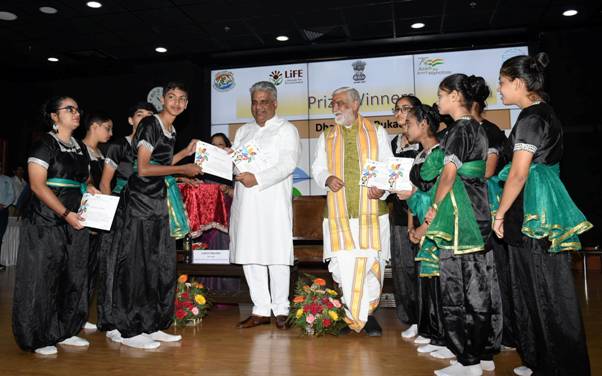
National winners of National Level Nukkad Natak Competition “Dharti Kare Pukaar”, Kikani Vidhya Mandir, Coimbatore, performed on stage with their act focusing on LiFE actions, and were also felicitated in the event. The competition saw participation of over 6 lakh students, and was organised by National Museum of Natural History.

Ms. Leena Nandan, Secretary, Ministry of Environment, Forests & Environment (M/o EF&CC) underscored that the challenge is infinite, however India has shown the way, with the immense participation in LiFE related activities in the past month a testimony to India’s determination. She said that the winners of various events are now ambassadors of LiFE and need to spread the message far and wide.

Ms. Inger Andersen, Executive Director, UNEP through a video message expressed UNEP’s support for India’s LiFE initiatives and said that actions under LiFE can not only help beat plastic pollution, the theme for this year’s World Environment Day, but can also help tackle the triple planetary crisis, and that India’s role would be vital in this fight.

Ms. Cynthia McCaffrey, Country Representative, UNICEF India laid emphasis on the role of children in the fight against climate change. She was pleased to see the involvement of children in India’s fight through various initiatives, and urged the children to convince their friends and family to adopt a sustainable lifestyle and support Mission LiFE. The event saw participation from students and teachers from across India, UNICEF, UNEP, officials from MoEF&CC and CPCB.

***

MJPS

Jawaharlal Nehru National Solar Mission (JNNSM)

 The Navy, as a self-driven and environmentally responsible force, has always been committed towards environment protection and green initiatives. As guardian of the seas, the Navy employs a number of ships, submarines and aircraft that have high energy intensity, thus increased energy efficiency is paramount in every operation and process the Navy undertakes. Some of the noteworthy initiatives towards ‘Clean and Green Navy’, are elaborated in succeeding paragraphs.

IN has commissioned solar power with cumulative capacity of 15.87MW which is in line with the Navy’s objective of fulfilling Govt of India’s ‘Jawaharlal Nehru National Solar Mission (JNNSM)’ mission. These plants are grid-connected utilising single-axis sun tracking technology with computerised monitoring & control. Additionally, 16 MW capacity of SPVs are at various stages of execution.

As a maiden initiative, an indigenous make and patented retrofit device developed by M/s Chakr Innovations for reducing diesel engine emissions was installed on a shore-based Diesel Generator for long-term trials. Trials have indicated 70% reduction in Hydrocarbon, Carbon Monoxide, and Particulate Matter in the engine’s exhaust emissions. The retrofit device for diesel engine exhaust emission reduction is being inducted in a phased manner on all land-based Diesel Gensets, and once inducted, it would go a long way in enabling the Navy towards reducing the emissions levels further.

Towards combating oil spills at Naval harbourseco-friendly marine bio-remedial agents have been indigenously developed through NMRL. The state-of-the-art technology is unique in the maritime domain. The product consists of a combination of micro-organisms and their growth stimulant, which consume various types of oils such as diesel, lubricating, dirty oils etc, thus cleaning the seawater from any oil contamination and its consequent damage to the marine ecosystem.

Indian Navy in collaboration with IISc (Bengaluru) has operationalized a ‘first of its kind’ 100KW capacity AC plant in the country based on the natural refrigerant Carbon dioxide. This is a significant step towards reducing use of conventional HCFCs with high Global Warming Potential (GWP) by employing a natural refrigerant with GWP of 1 and is in line with Kigali Agreement of 2016 ratified by India. The plant has been installed at the Centre of Excellence (Marine Engineering), INS Shivaji for trials and exploitation. Till now, the plant has clocked 850 hrs of operation successfully.

Utilisation of Hydrogen as a potential alternate source of fuel is also being pursued by the IN, successful shore trials of Hydrogen Aspirated Diesel Engine have been completed which has enhanced clean combustion, thus reducing CO emissions significantly. The device has now been fitted onboard a ship for pilot trials. Further, in line with GoI initiative of Make in India, a developmental project on hydrogen fuel cell-powered ferry craft is also being pursued with shipyards. The use of alternate fuels, such as Used Cooking Oil-based biodiesel has also progressed in the last year to reduce vehicular emissions. A total of 192KL of B-7 blend biodiesel has been used in motor transport vehicles of the Navy.

To reduce the overall carbon footprint and enhance environmental sustainability, Indian Navy is ‘Geared Up and Committed’ to march towards pursuance of Green Initiatives, realizing the national aim, to ensure a ‘Greener and Cleaner future for our next generations’.

***

G20 nations join forces to propel global startup ecosystem growth and innovation

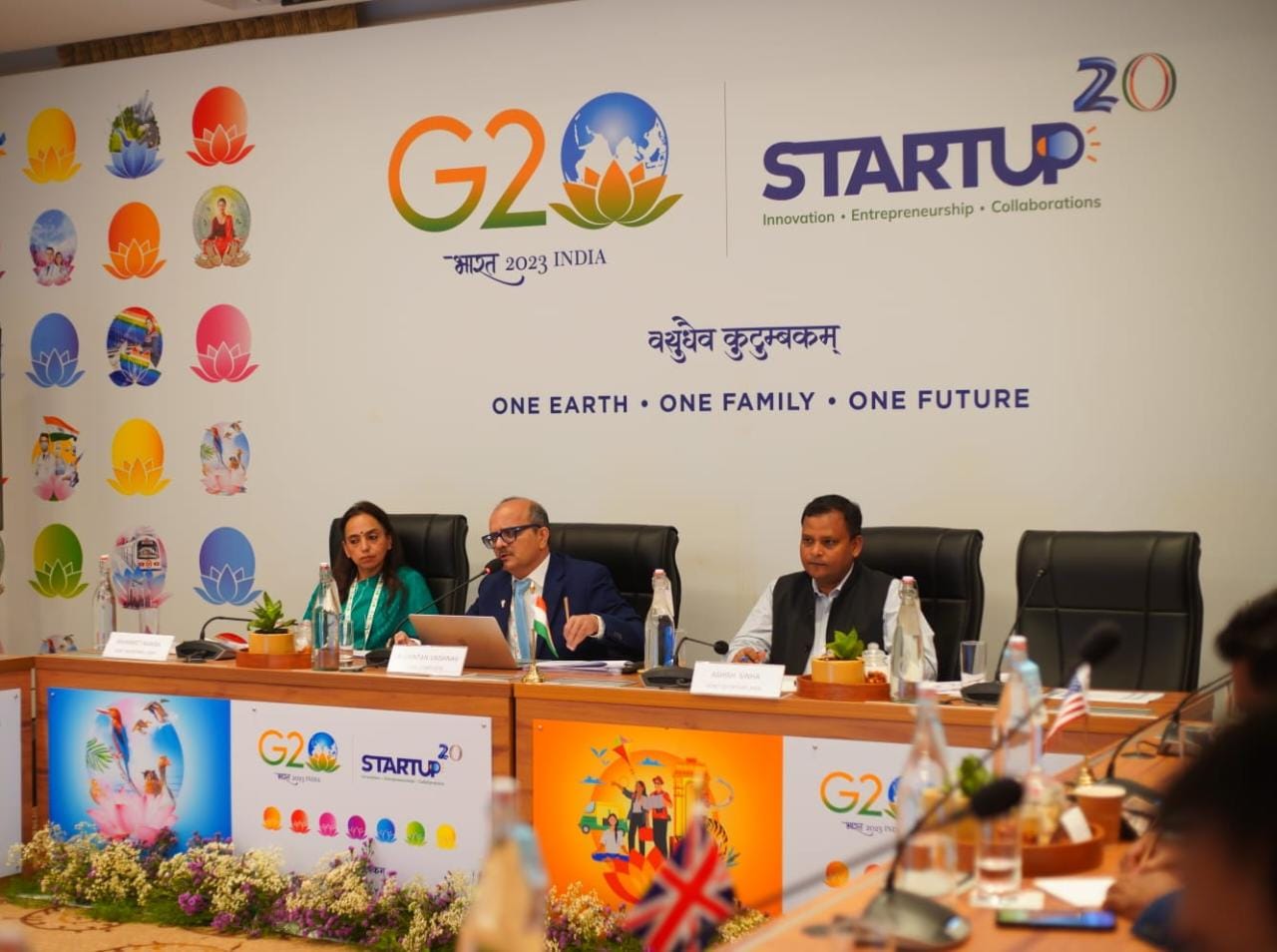
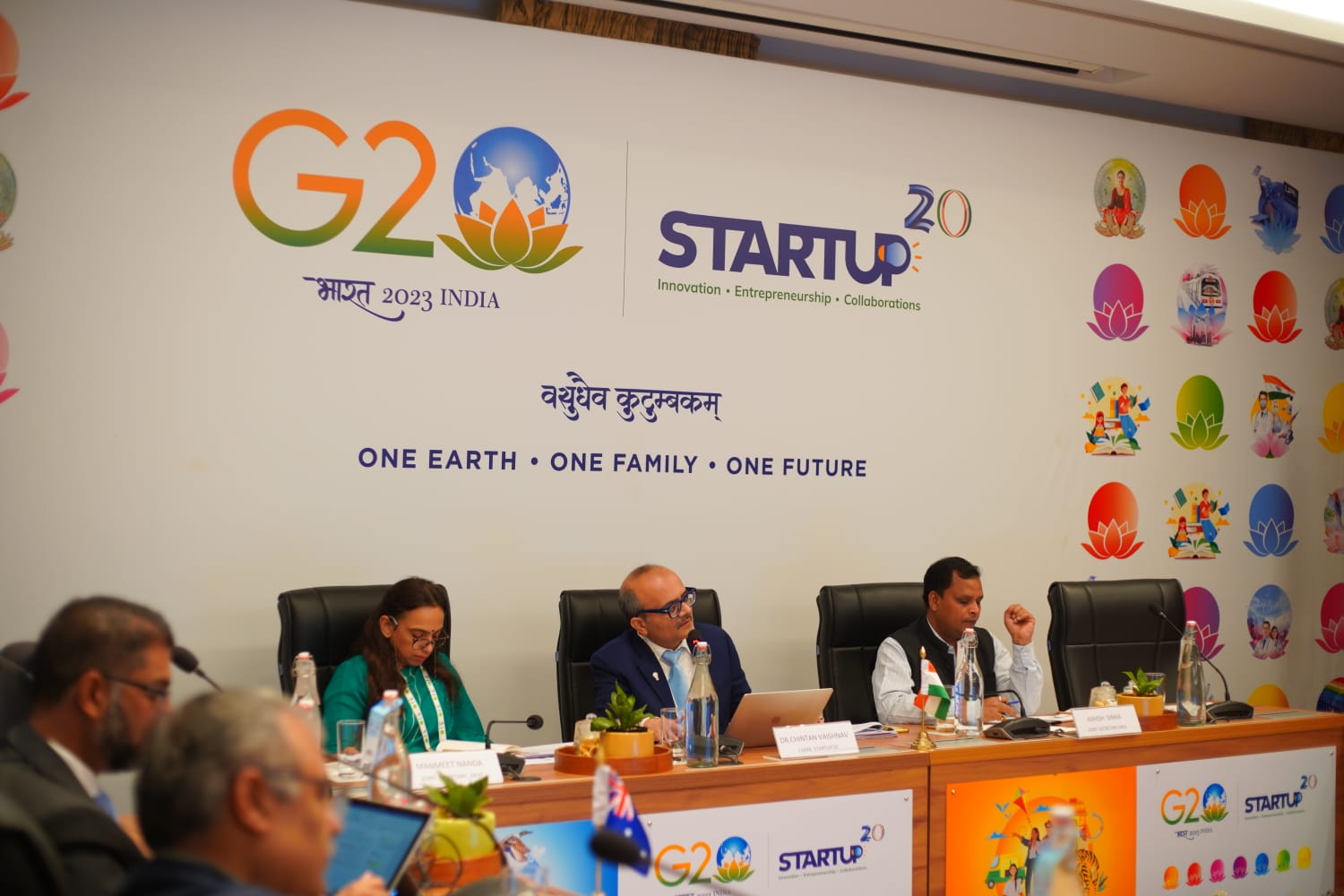
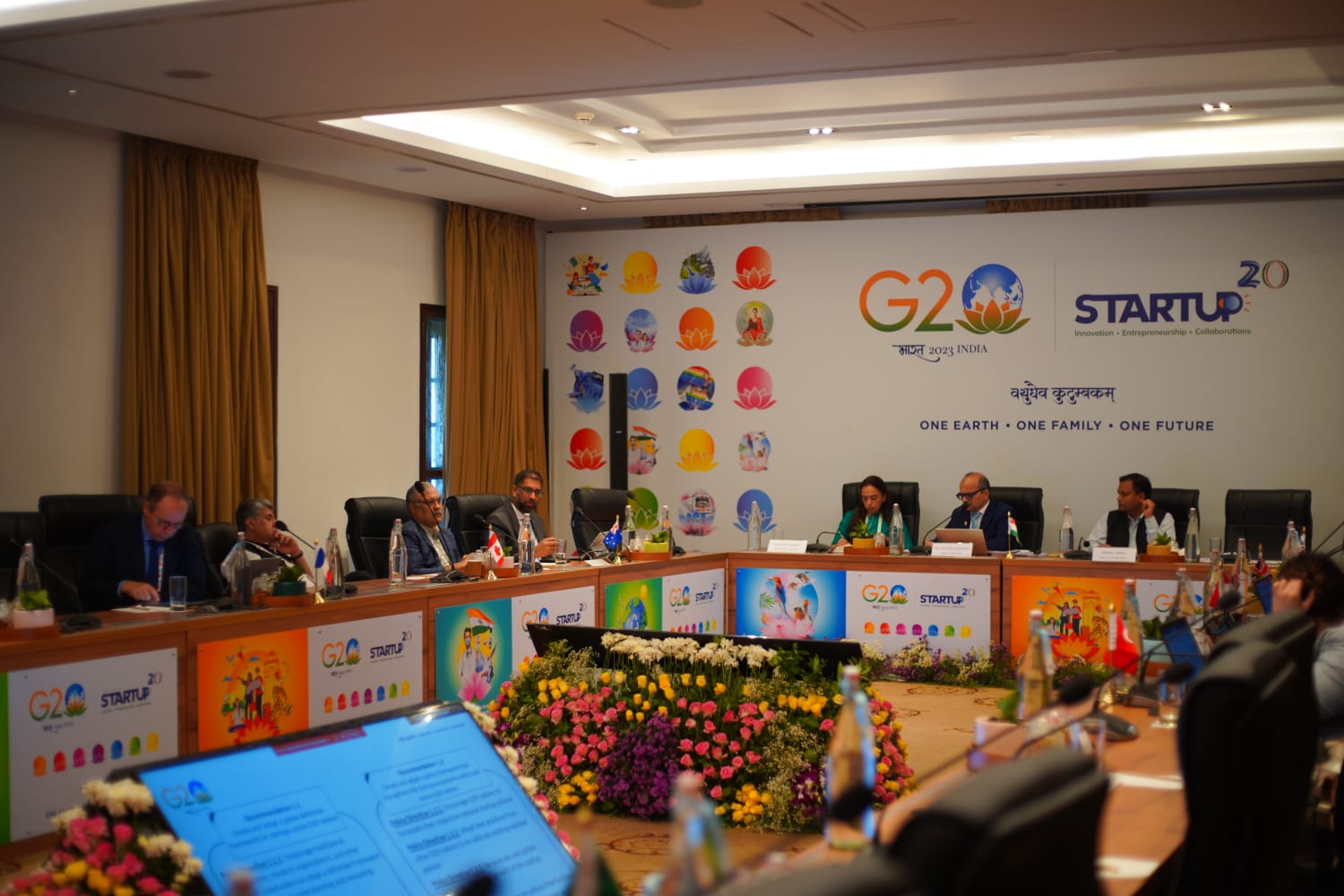
 The second day of the Startup20 Engagement Group meeting in Goa witnessed crucial discussions and meetings aimed at strengthening collaboration and aligning efforts towards the growth and support of startups globally.

The program commenced with closed-door meetings between national and international delegations and Dr. Chintan Vaishnav, Chair of Startup20, focusing on key agendas and strategic partnerships.

During the press conference held later in the day, Dr. Chintan Vaishnav addressed the media, highlighting the progress made and the significance of the Policy Communiqué. He expressed his satisfaction with the agreement reached by all delegates on the Communiqué, marking a pivotal moment in the journey of the G20 nations towards fostering startup ecosystems worldwide. Dr. Vaishnav emphasized the collective efforts and extensive consultations undertaken with G20 nations to arrive at this crucial juncture.

In his statement, Dr. Chintan Vaishnav underscored the importance of specific action points outlined in the Communiqué. The key action points include the creation and adoption of a definition framework for startups, creating a network institution to support startups and ecosystem stakeholders across G20, increasing and diversifying access to capital, easing market regulations for startups, and prioritizing the inclusion of underrepresented communities within the startup ecosystem as well as the scaling up startups of global interest. These measures aim to foster a conducive environment that empowers startups to innovate, grow, and address global challenges effectively.

Dr. Vaishnav also made a significant call to action, urging G20 countries to unite in their commitment to the startup ecosystem. He proposed allocating a substantial sum of 1 trillion dollars for the startup ecosystem by 2030.

The day ended on a positive note, with delegates expressing their enthusiasm and commitment to realizing the goals outlined in the Policy Communiqué. The  agreement signifies the confidence of the Startup20 community in scouting startups globally, funding them collaboratively, mentoring them contextually,  and scaling them internationally. The G20 nations have taken a significant stride forward in their mission to nurture and support startups, setting the stage for a vibrant and thriving global startup ecosystem.

The Startup20 Engagement Group of the G20 concluded with success here in Goa Sankalpana, with an atmosphere of unwavering energy and determination.

Amidst the discussions on driving global startup ecosystem growth and innovation, all the delegates took a moment to extend their heartfelt condolences for the train accident that occurred in Odisha. They expressed their deep sympathies and solidarity with the affected families and the entire nation. Recognizing the importance of supporting and uplifting communities during difficult times, the delegates emphasized the need for collective efforts to ensure safety and security in all aspects of life, including transportation infrastructure. 

The summit meeting of Startup20 Engagement Group is slated to happen in July at Gurugram on July 3rd and 4th. 


* * *

3rd Health Working Group at Hyderabad, Telangana

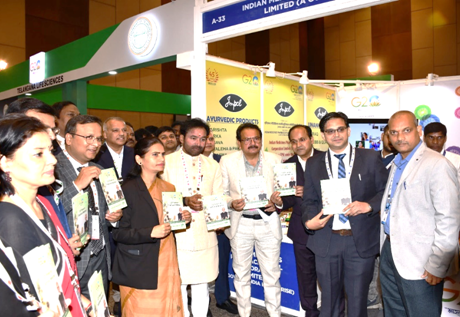
 Ministry of Ayush is participating in the side event exhibition of 3rd Health Working Group, 4th – 6th June, 2023 at Hyderabad, Telangana. Ministry of Ayush is showcasing research-based Ayush drugs/formulation like AYUSH-64, AYUSH-82, UNIM004 + UNIM 005, Kabasura Kudineer and Homoeopathic formulation Nanocurcumin, developed by Research councils under the aegis of Ministry of Ayush. Indian Medicines Pharmaceutical Corporation Limited (IMPCL), a public sector undertaking under Ministry of Ayush, is also exhibiting Ayush formulation, manufactured by them.

During this event, “G20 Primer on Traditional Medicine” prepared by Ministry of Ayush and Forum on Indian Traditional Medicine (FITM) was unveiled by Shri G. Kishan Reddy, Union Minister of Tourism, Prof. S. P. Singh Baghel, Minister of State, Ministry of Health and Family Welfare and Dr. Bharati Pravin Pawar, Minister of State, Ministry of Health and Family Welfare. This event was attended by Dr. G.P. Prasad, Assistant Director, In-charge, Dr. Santosh Mane, RO of CCRAS and staff of NIIMH, Hyderabad.

The G-20 Primer Booklet on Traditional Medicine provides a comprehensive overview of Ayush systems and its role in global healthcare. This primer aims to highlight the principles, practices, and benefits of the Ayush system, promote its integration into mainstream healthcare, explore its benefits and challenges and encourage collaboration among G-20-member nations.

It can serve as a foundation for G-20 member nations to engage in discussions, share experiences, and develop strategies for integrating Ayush into their healthcare systems. By promoting integration, collaboration, research, and regulation, G-20 countries can leverage the potential of the Ayush system to enhance healthcare outcomes, provide accessible and affordable healthcare solutions, and contribute to global well-being.

The 3rd Health Working Group meeting as part of G20 India Presidency is being held at Hyderabad with focus on the three key priorities of the G20 Health Track. The side events exhibition of the 3rd HWG is highlighting research and innovation in the health sector.

***

Understanding Natural Disasters

  1. What are natural disasters and how are they different from other types of disasters?
  2. What are the main causes of natural disasters?
  3. How do natural disasters impact the environment?
  4. What are some common types of natural disasters and their characteristics?
  5. How do natural disasters affect human populations?
  6. What are some measures that can be taken to mitigate the effects of natural disasters?
  7. How does climate change contribute to the frequency and intensity of natural disasters?
  8. How do natural disasters impact infrastructure and property?
  9. What role does early warning systems play in mitigating the impact of natural disasters?
  10. How do natural disasters affect the economy of a region or country?

  1. What are the social and psychological impacts of natural disasters on affected communities?
  2. How can communities and individuals prepare for natural disasters?
  3. What are the key challenges in responding to and managing natural disasters?
  4. How do natural disasters affect agriculture and food security?
  5. What are the long-term implications of natural disasters on the affected regions?
  6. How can technology be utilized to better understand and predict natural disasters?
  7. What are some examples of successful disaster recovery and reconstruction efforts following natural disasters?
  8. How do natural disasters impact vulnerable populations, such as the elderly, children, and marginalized communities?
  9. How can international cooperation and assistance be coordinated during and after natural disasters?
  10. What are the lessons learned from past natural disasters and how can they inform future disaster management strategies?

Top 10 Train Accidents in India


Train accidents can have devastating consequences, leading to loss of life, injuries, and damage to infrastructure. While I can provide information on notable train accidents in India, it’s important to note that this list may not be exhaustive and may not include the most recent accidents. It’s always advisable to refer to reliable news sources and official reports for the most up-to-date and accurate information. Here are details about ten significant train accidents in India:

Gaisal Train Disaster (1999): On August 2, 1999, the Gaisal Express derailed in Gaisal, Assam, resulting in a collision with an incoming freight train. The accident claimed the lives of 285 people and injured more than 300.

Khanna Rail Accident (1998): On November 26, 1998, near Khanna, Punjab, the Jammu Tawi-Sealdah Express collided with two derailed wagons, causing a massive fire. The accident resulted in the loss of 212 lives and injuries to several others.

Firozabad Train Collision (1995): On August 20, 1995, in Firozabad, Uttar Pradesh, the Purushottam Express collided with a stationary Kalindi Express due to a signal error. The accident caused the deaths of 358 people and injured over 400.

Rafiganj Train Derailment (2002): On September 10, 2002, near Rafiganj, Bihar, the Rajdhani Express derailed after hitting a derailed goods train. The incident resulted in the loss of 130 lives and injured several passengers.

Kanpur Train Derailment (2016): On November 20, 2016, the Indore-Patna Express derailed near Kanpur, Uttar Pradesh. The accident led to the deaths of 150 passengers and injured many others. The exact cause of the derailment was under investigation.

Pukhrayan Train Derailment (2016): On November 20, 2016, near Pukhrayan, Uttar Pradesh, the Indore-Patna Express derailed, resulting in one of the deadliest train accidents in recent times. The accident claimed the lives of 152 passengers and caused injuries to numerous individuals.

Howrah-New Delhi Rajdhani Express Accident (1991): On September 6, 1991, the Howrah-New Delhi Rajdhani Express collided with a derailed freight train near Khanna, Punjab. The accident led to the deaths of 57 people and injured many others.

Awadh-Assam Express Collision (1995): On April 21, 1995, the Awadh-Assam Express collided with the Brahmaputra Mail near Ghaziabad, Uttar Pradesh. The accident resulted in the loss of 57 lives and caused injuries to several passengers.

Midnapore Train Derailment (2010): On May 28, 2010, the Howrah-Kurla Lokmanya Tilak Gyaneshwari Express derailed near Midnapore, West Bengal. The accident was caused by sabotage, resulting in the deaths of 148 passengers and injuries to many others.

Kalka Mail Train Accident (2011): On July 10, 2011, the Howrah-Delhi Kalka Mail derailed near Fatehpur, Uttar Pradesh. The accident led to the loss of 69 lives and injured numerous passengers.


The death toll in the three-train accident at Bahanaga Bazar station in Odisha’s Balasore rose to 288 on Saturday and left over 1,000 injured, with a preliminary probe implying human error in the deadliest railway tragedy in 30 years. Railway minister Ashwini Vaishnaw who reviewed the restoration work at the Balasore triple train collision site on Sunday, said that the accident that claimed the lives of 288 passengers happened due to a change in electronic interlocking. 

It’s important to note that these accidents are tragic events that highlight the need for continuous efforts in improving railway safety, infrastructure maintenance, and implementation of advanced technologies to prevent such incidents in the future.

Strategies for eCommerce Business Management

 by Shashikant Nishant Sharma 

In the digital age, ecommerce has revolutionized the way businesses operate, providing a platform for buying and selling products and services online. However, the management of an ecommerce business requires careful planning, execution, and adaptation to succeed in a highly competitive market. This article discusses key management strategies that can help businesses thrive in the ecommerce landscape.

Customer-Centric Approach: Successful ecommerce businesses prioritize customer satisfaction. Understanding customer needs, preferences, and expectations is crucial for tailoring products, services, and overall user experience. Implementing robust customer relationship management (CRM) systems, gathering customer feedback, and analyzing data can provide insights into customer behavior, enabling businesses to personalize offerings and enhance customer loyalty.
Seamless User Experience: A seamless and user-friendly website or mobile app is vital for ecommerce success. Businesses must invest in responsive design, intuitive navigation, fast page loading times, and secure payment gateways to ensure a smooth shopping experience. Regular usability testing, optimization, and incorporating user feedback help identify and address any usability issues, improving customer satisfaction and conversion rates.
Effective Inventory Management: Efficient inventory management is essential for ecommerce businesses to meet customer demands while minimizing costs. Employing inventory management systems and implementing demand forecasting techniques can help optimize stock levels, avoid stockouts, reduce holding costs, and streamline order fulfillment processes. Real-time inventory tracking ensures accurate product availability information, minimizing the risk of disappointing customers with out-of-stock items.
Streamlined Order Fulfillment: Timely order fulfillment and reliable shipping processes are critical for customer satisfaction. Ecommerce businesses should establish partnerships with reliable logistics providers to ensure prompt delivery and order tracking. Integration between the ecommerce platform and the fulfillment process, along with automated order processing, can improve efficiency and reduce errors. Providing customers with transparent shipping updates and clear return policies further enhances their experience.
Data-Driven Decision Making: Effective management of an ecommerce business relies on leveraging data insights. By utilizing analytics tools, businesses can track key performance indicators (KPIs), analyze sales trends, customer behavior, and website performance. This data-driven approach helps identify areas for improvement, fine-tune marketing strategies, optimize pricing, and enhance overall business operations.
Marketing and Customer Acquisition: To stand out in the competitive ecommerce landscape, businesses must invest in marketing and customer acquisition strategies. Utilizing search engine optimization (SEO) techniques, paid advertising, social media marketing, and content marketing can increase brand visibility, drive traffic to the website, and attract potential customers. Effective use of data analytics and customer segmentation allows businesses to target their marketing efforts, maximizing the return on investment.
Mobile Optimization: As mobile usage continues to rise, optimizing ecommerce websites and applications for mobile devices is crucial. Mobile responsiveness, intuitive navigation, and mobile-friendly payment options ensure a seamless experience for customers accessing the platform through smartphones and tablets. Mobile optimization strategies also include leveraging mobile apps, push notifications, and location-based marketing to engage with customers and enhance their mobile shopping experience.
Cybersecurity and Data Protection: With the increasing risk of cyber threats and data breaches, ecommerce businesses must prioritize cybersecurity and data protection. Implementing robust security measures such as encryption, secure payment gateways, and secure user authentication helps safeguard customer information and build trust. Compliance with data protection regulations, such as the General Data Protection Regulation (GDPR), is essential for ensuring customer privacy.
Continuous Innovation and Adaptation: The ecommerce landscape evolves rapidly, and successful businesses must adapt to changing trends and technologies. Continuous innovation in product offerings, customer experience, and technology implementation is vital to stay competitive. Monitoring market trends, keeping an eye on competitors, and actively seeking customer feedback enables businesses to identify opportunities for improvement and implement necessary changes.