Top NGOs working for Slum improvement

 Several NGOs are dedicated to improving the living conditions and overall well-being of slum dwellers around the world. Here are some top organizations that focus on slum improvement:

  1. Slum Dwellers International (SDI): SDI is a network of community-based organizations of slum dwellers working in over 30 countries. They advocate for the rights of slum dwellers and implement programs aimed at improving housing, infrastructure, and livelihood opportunities in urban informal settlements.

  2. Shack/Slum Dwellers International (SDI): This organization, commonly known as Shack/Slum Dwellers International, works to mobilize and empower slum dwellers to upgrade their living conditions through participatory processes. They emphasize community-driven development and facilitate partnerships between slum residents, local governments, and other stakeholders.

  3. UN-Habitat: The United Nations Human Settlements Programme (UN-Habitat) focuses on sustainable urban development and improving living conditions in slums. They implement projects aimed at providing access to basic services, upgrading infrastructure, and promoting participatory planning processes in informal settlements worldwide.

  4. BRAC: BRAC, originally founded in Bangladesh, is one of the largest NGOs in the world. They operate various programs addressing poverty and social inequality, including initiatives focused on improving the lives of slum dwellers. BRAC’s interventions encompass education, healthcare, microfinance, and community development.

  5. Slum Aid Project: Slum Aid Project is an NGO based in India that works to improve the lives of slum dwellers through education, healthcare, vocational training, and community development initiatives. They aim to break the cycle of poverty and empower residents to lead healthier and more sustainable lives.

  6. Acumen: Acumen is a non-profit impact investment fund that invests in companies and initiatives addressing poverty and social issues, including those impacting slum communities. They support innovative solutions that improve access to essential services, create economic opportunities, and promote social inclusion in urban areas.

  7. Water.org: While not exclusively focused on slum improvement, Water.org works to provide access to safe water and sanitation for underserved communities, including those living in slums. Their initiatives help improve health outcomes, enhance economic productivity, and empower residents to build healthier and more prosperous futures.

These organizations, among others, play crucial roles in addressing the multifaceted challenges faced by slum dwellers and working towards sustainable solutions for slum improvement.

Experimental Licence Module for 100 5G Labs" at IIT Madras

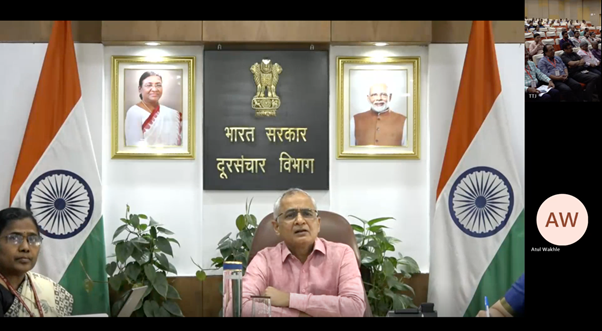
 In a move to smoothen the processes for 100 5G Labs across academic institutions in India, Secretary (Telecom), Dr Neeraj Mittal, virtually launched one of the “Experimental Licence module for 100 5G Labs” during a 5G workshop at IIT Madras. This initiative aims to simplify the experimental licence requirements for these institutions, facilitating smoother operations and fostering innovation in the 5G domain.

Department of Telecommunications (DoT) has awarded ‘100 5G Use Case Labs’ to educational institutions across the country. The primary objective behind this initiative is to cultivate competencies and engagement in 5G technologies among students and start-up communities.

These labs will be using 5G frequency bands for carrying out various experiments and testing use cases. Hence, they need to obtain Experimental (Non-Radiating) category of license from the Department of Telecommunication to ensure interference-free operations to licensed TSPs.


This license is currently being issued on “Self-declaration Mode” from the Saralsanchar portal of DoT through National Single Window System (NSWS). Till date around 1500 licenses have been granted since the launch of this module on Saralsanchar portal in July 2021.


As per the current process, applicant has to fill necessary details regarding the experiment to be carried out, schematic of the setup, details of the equipment, frequency band of operation etc. to obtain the experimental license.


The DoT has now introduced a simplified mechanism for issuance of this license through a specific Approval Type, ‘Experimental License for 100 5G Labs’ on the NSWS Portal (https://www.nsws.gov.in/). The key features of the new process are:

  • Efficiency: This automates the application process by pre-filling technical specifications and schematic details, reducing manual effort and time.
  • Instantaneous Licensing: Applicants can now obtain the experimental license through a “Self-declaration Mode” and download it instantaneously with a single click, ensuring prompt commencement of operations.
  • Simplified Application:  With only basic information required such as institute address, authorized personnel, and a nominal fee of Rs. 5000, the application process is streamlined, making it more accessible to a wider range of institutions.
  • Support for Innovation: This initiative is poised to significantly support innovation, cultivate competencies and represents a step forward in democratizing access to 5G technology and empowering educational institutions and startups to explore its potential for transformative applications.


For further details, the user manual is available at https://saralsanchar.gov.in and the official memorandum can be accessed at https://dot.gov.in/.

*****

DPIIT organises Workshop on ‘Integration of Economic/User

 Department for Promotion of Industry and Internal Trade (DPIIT), Ministry of Commerce and Industry, organised a pivotal Workshop on ‘Integration of Economic/User Ministries/Departments on PM GatiShakti National Master Plan (PMGS-NMP’ on 3rd April 2024 in New Delhi. The workshop was chaired by Additional Secretary (Logistics), DPIIT, Shri Rajeev Singh Thakur, aimed to sensitise the Economic/User Ministries/ Departments about onboarding of GIS Data Layers on the PM GatiShakti NMP, benefits of using the platform for planning and to review the progress made in this respect.

Additional Secretary, DPIIT, Shri Rajeev Singh Thakur, highlighted PM GatiShakti principles to be adopted for integrated planning and holistic development of socio-economic infrastructure. He further emphasized PMGS-NMP as a comprehensive and sustainable strategy to reshape India’s infrastructure, by fostering integrated planning and harmonised project implementation involving all relevant Ministries and State Governments. This “whole-of-the-government” approach is embraced to enhance decision-making in project planning as well as ‘ease of doing’ and ‘ease of living’.

Joint Secretary, DPIIT, Dr. Surendra Kumar Ahirwar, mentioned that adoption of PM GatiShakti NMP by economic Ministries is important not only for efficient data driven planning of its own infra/schemes but also for planning of infra/schemes by infra/social Ministries as well as States/UTs. Joint Secretary, DPIIT, Shri E Srinivas, stated integration of Economic/User Ministries on the PMGS-NMP will ensure the efficient realisation of the core principles of GatiShakti—logistical efficiency, multimodality, and connectivity to economic hubs.

The workshop witnessed enthusiastic participation from over 32 officials representing 18 ministries/departments, including Agriculture & Farmers Welfare, Chemicals & Petrochemicals, Fertilisers, Coal, Commerce, Food & Public Distribution, Defence Production, Electronics & Information Technology, Economic Affairs, Revenue, Animal Husbandry & Dairying, Fisheries, Food Processing Industries, Micro, Small & Medium Enterprises, Mines, Steel, Earth Sciences, and Pharmaceuticals. More than 20 officials from BISAG-N and Logistics Division, DPIIT were also present.

The event commenced with a thought-provoking video on PM GatiShakti, followed by a comprehensive presentation by the Logistics Division, DPIIT, highlighting the overview, progress, benefits, and the way forward for the ambitious program. BISAG-N, the technical partner, provided an insightful presentation on the technical architecture of PMGS-NMP and tools developed for various ministries enabling participants to gain a practical understanding of its features.

The core segment of the workshop involved presentations from the economic/user ministries/departments, showcasing their status of adoption of PM GatiShakti and the necessary steps taken in line with the provided pointers. This interactive session facilitated an exchange of best practices, challenges faced, and potential solutions, fostering a collaborative approach towards seamless implementation, leading to a conclusion that the Ministries/Departments should proactively identify and upload various data layers on the PMGS-NMP, develop Standard Operating Procedures (SOPs) for data management, and enhance capacity to independently plan projects and programs utilising PMGS-NMP and develop specific Planning Tools.

As a way forward, specific action points were highlighted, involving identification of  interventions followed by analysis, leading to accelerated adoption of PM GatiShakti principles in planning of socio-economic infrastructures.

The use of the PMGS-NMP platform has generated successful use cases in the infrastructure sector such as urban transport, roadways, railways, etc., along with benefits to users. The use of PMGS-NMP has significantly de-risked infrastructure investments for the private sector, streamlined operations and decision-making for Ministries/Departments and States/UTs. The GatiShakti approach is also helping to plan disaster management, location of social sector assets, development of tourism circuits, etc., in a manner to give maximum connectivity for the users. Recognizing the significant progress made by Infrastructure and Social sector Ministries, the workshop focused on enabling Economic/User Ministries to effectively leverage the PMGS-NMP platform.

‘IICA Certified CSR Professional Programme

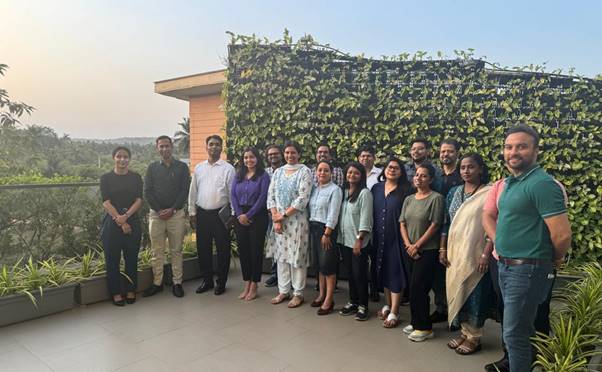
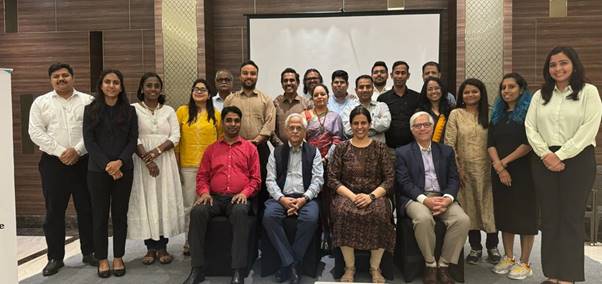
 In an effort to bolster Corporate Social Responsibility (CSR) in India, the Indian Institute of Corporate Affairs (IICA) conducted an immersive CSR in-person Programme of its flagship course from April 4th to 6th, 2024, in Goa.

The event, organized by IICA’s School of Business Environment (SBE), brought together a diverse group of CSR professionals, industry experts, and academicians to engage in a series of technical sessions, group activities, and interactive discussions.

In her welcome address, Prof. Garima Dadhich, Head – School of Business Environment, IICA, set the stage for CSR Evolution followed by an in-depth session on ‘A Decade of CSR in India,’ charting the progress and milestones achieved in the CSR landscape. Dr. Dadhich suggested measures to tackle the challenges based on trend analysis of the past ten years.

In his address on the occasion. Dr. Ravi Raj Atrey, Chief Programme Executive at SBE, IICA, discussed the interplay between ‘ESG-CSR and Brand Building,’ highlighting the importance of integrating environmental, social, and governance factors into corporate branding strategies.

From Learning to Leadership: The sessions started with group activities where participants presented their Implementing Agency project report (IA) and Corporate Attachment project (CA) reports, receiving valuable feedback from the expert faculty.

Mr. Bharat Wakhlu, Founder and President of The Wakhlu Advisory, delivered a compelling session on ‘Nurturing Strategic CSR Leaders,’ emphasising the need for visionary leadership in the CSR domain with his innovative and creative PAMS (principles, actions, metrics/measures and srokes) strategy.

Mr. Dinesh Agrawal, Principal Consultant at Consocia Advisory, provided a ‘Bird’s Eye View of the Legal Regime of CSR,’ offering insights into the legal intricacies and compliance requirements and briefed all the 40 amendments of the past ten years in the CSR. The day concluded with Mr. Wakhlu and Mr. Agrawal conducting sessions on the role of CSR in fostering responsible business conduct and its strategic significance within the ESG framework.

Reflecting and Connecting: The final open house discussion, allowed delegates to share feedback and engage in a candid dialogue with the faculties. This session fostered a sense of community and collaboration among the attendees.

The event was not only a testament to IICA’s commitment to advancing CSR education but also a reflection of the collective drive towards sustainable and responsible business practices in India.

As the curtains closed on the CSR in-person Programme, the participants left with enriched knowledge, new connections, and a renewed determination to lead the charge in the realm of CSR and sustainability.

ABOUT IICA

Indian Institute of Corporate Affairs (IICA), has been established to create a knowledge infrastructure on corporate affairs-related matters and has been functioning as a vibrant think-tank assisting the Ministry of Corporate Affairs in continuously redesigning the regulatory response and service delivery systems.

For more information on future events and initiatives, visit IICA’s School of Business Environment LinkedIn page and IICA’s official website.

****

Paws for Life: 5 Ways to Perform CPR on a Cat

As a cat owner, your furry friend’s safety should always be a top priority.

Although we hope that our cats never encounter an emergency, it’s important to know how to perform CPR on a cat in case of an unexpected event. Whether your cat has a heart attack or experiences difficulty breathing, performing CPR can save their life.

In this post, we will teach you five ways to perform CPR on a cat and hope that you will never have to use this knowledge.

1. Check for Signs of Life

Before you begin CPR for cats, check if they are breathing with a quick check. A healthy breathing pattern is slow and steady, with the rise and fall of the chest. If your cat is not breathing on their own, or their breathing is labored and shallow, it’s time to start CPR.

2. Perform Chest Compressions

Place your cat on their side, on a flat surface, and position their head carefully to open the airways. Perform compressions by pressing down on your cat’s chest with your palms, just behind their elbow joint.

The compressions should be smooth, but firm, with one compression for each second. Make sure you match the pressure and depth according to the size of your cat’s chest.

3. Give Mouth-To-Mouth Resuscitation

This procedure involves blowing into the pet’s nostrils to provide air to their lungs. To do this, hold the cat’s jaw closed with one hand and inhale deeply. With your other hand, hold the cat’s nose closed, and blow into the cat’s nostrils until you see the chest rise.

After your first breath, wait for the cat’s chest to fall before giving a second breath. Continue the cycle of breathing in and out every five seconds until the cat starts to breathe.

4. Use a Pet-Specific CPR Mask

These are designed masks that fit over the pet’s mouth, nose, and face. They come with a one-way valve to help ensure that air flows in only one direction. Using this mask, the ratio of compressions to breaths is the same as in human CPR: 30 compressions for every two breaths.

When using a pet-specific CPR mask, you must first see if there is any obstruction in the pet’s throat. If there’s no unmovable blockage, you can proceed with the compression sequence. If the compression cycle is successful, but the pet is still unconscious, try breathing into the pet’s mouth.

5. Monitor Your Cat Carefully

Once you’ve started CPR, it’s important to watch your cat’s vital signs. Check for breathing, pulse rates, and color changes in the gums to determine if feline resuscitation is working or not. Also, if possible, while performing CPR, call your Veterinarian or an emergency vet for helpful guidance. 

For those looking to learn how to perform CPR on a cat, it is important to get certified. You can check it out here on how to get certified now and become prepared to handle any emergency with your beloved furry companion.

Learn How to Perform CPR on a Cat to Save Your Feline Friend’s Life

While performing CPR can be stressful, it’s important to know how to perform CPR on a cat in an emergency. Remember to stay calm, and to perform the steps to prevent further injury to your cat.

Practice with a dummy or manikin to become more confident in performing CPR. You never know when you might need to use your life-saving training and the knowledge could save your cat’s life.

To dive into some of our topics, check out our other great articles.

8 High Impact Ways You Can Help the Environment


Go beyond turning off lights or using reusable bags. Make a real impact and help the environment with these high impact efforts.

Keyword(s): help the environment

Anchor Text: best solar installation company

Recycling a single aluminum can help save enough energy to run a television for 3 hours. Small changes to the way you live can make a bigger impact than you might expect.

While you may know that recycling and reducing electricity usage can be good for the environment, there are many ways to do your part in saving the planet. Certain habits and lifestyle changes can make a high impact on the environment and can allow you to feel better about the way you live.

Here are 8 high impact ways that you can help the environment.

1. Take Your Recycling to the Next Level

The first step to helping the environment is to start recycling. When you recycle properly, you’ll help to reduce waste and the amount of trash that goes to a landfill.

You may choose to add a simple recycling bag to your home and recycle plastic and paper, but you can also take things further. It can be useful to recycle metal, electronic devices, batteries, and appliances as well. 

In addition to this, it can be a good idea to do some upcycling as well. Making trash such as plastic bottles into works of art or items you can use can be a great way to protect nature as well.

2. Avoid Using Plastic

Anything you can do to start using fewer plastic products and more reusable products can make a big impact on the environment. 

While reusing grocery bags is a great place to start, there are many ways that you can cut down on plastic use. Using reusable straws, avoiding the use of plastic silverware, and buying package-free fruits and vegetables can be helpful. 

To further reduce your use of plastic, you may want to invest in more stainless steel water bottles and dishes and use them instead of plastic options. 

3. Start Composting

Getting into the habit of composting can also make a big impact on the environment as well. 

When composting, you’ll have something to do with your leftover food scraps. This can allow you to reduce waste in your everyday life. 

In addition to this, you’ll be able to put the compost to use in your garden and start growing fresh vegetables at home. Composting can help to improve soil quality. It can allow you to help the environment while also reducing your consumption as well.

4. Shop Used Items

Another thing that you can do to make a big impact on the environment is to buy secondhand items more often. When you shop at thrift stores, yard sales, online auctions, and other places where you can buy secondhand items, you’ll be helping to recycle materials and consumer goods.

As a result, you’ll be helping to conserve resources and help extend the lifecycle of a product. This can make a positive impact on the environment and can minimize your consumption and use of goods.

5. Change Your Transportation

Cutting down on your driving time is also a high-impact action that you can take for the environment. This is especially true if you have a car that runs on gas rather than on electric power.

You may want to come up with some ways to get around that don’t require a personal vehicle. Spending your commute or certain trips taking a walk, riding a bike, going on public transport, or carpooling can be very helpful.

Changing your transportation habits can help to reduce your use of fossil fuels and can be great for the environment.

6. Reduce Utility Usage

One of the things that you can do to help the environment is to cut down on any utilities that you use. Conserving electricity and water can be beneficial for the environment and can allow you to do your part in going green.

While changing your habits when using your utilities is one part of the puzzle, you should also consider installing new fixtures and appliances. If you currently have older appliances, water fixtures, or lights, consider making some energy-efficient replacements to easily improve your usage.

It can also be helpful to make the switch to solar power. If you’re in Arkansas, be sure to learn more about the best solar installation company now.

7. Avoid Household Chemicals

Many homeowners use household and yard care chemicals that can actually be harmful to the environment as well as to human health.

It’s a good idea to avoid using anything that has chemicals in it and opt for all-natural products instead. Consider making switches in lawn and garden care, beauty and hygiene products, and cleaning products you use in and around your home.

Opting for natural options will sometimes be more expensive but could end up improving the health of your family and the environment.

8. Reduce Meat Consumption

While it may not be for everyone, one of the most high-impact ways that you can help the environment is to eliminate or reduce your meat consumption.

Going vegan, or at least going vegetarian, can go a long way in helping curb the harmful effects of animal agriculture on the planet. Animal agriculture leads to forest loss with the expansion of farmland. Producing meat also creates a lot of carbon dioxide when compared to farming vegetables and grains.

Cutting out meat and dairy completely or at least reducing your consumption by a bit can have a bigger impact on the health of the planet than you might expect.

Understanding How You Can Help the Environment

If you want to go green and help the environment, then you should aim to use some of the tricks and strategies above. Making some simple changes to your habits can go a long way in protecting the planet.

Need more helpful environmental tips and advice? Find more useful articles about sustainable living by browsing our blog now.


The Essential Steps to Becoming a Certified Wellness Practitioner

 Understanding and attaining certification as a wellness
practitioner is an essential pivot for individuals passionate about health and
well-being. Not only does it confirm your practice. It can also open doors to
new career opportunities. It can offer a structured path for your professional
development.

If you’re drawn to a career as a certified wellness
practitioner, the following guide will shed light on the pathways available to
you.

So, take some time to explore the essential steps. Read on!

Choose a Specialization

To become a certified wellness practitioner, you need to
decide on a specialization that aligns with your interests and values. There
are various specializations available, such as:

  • nutrition
  • fitness
  • holistic
    health
  • mental
    health

Consider your strengths and passions when choosing a
specialization. This will help ensure that you enjoy your work. It can also
make a meaningful impact on the lives of your clients.

You can find programs from sites like https://www.americansportandfitness.com/products/health-wellness-coach-certification
that offer a range of specializations and certifications to choose from.

Complete Relevant Education and Training

The next step is to get the necessary education and
training. This can include completing a degree or certification program in your
chosen field. It also means attending workshops and seminars. You can also gain
hands-on experience through internships or mentorship programs.

It’s important to research and compare different education
options. You can find one that best suits your needs and budget. Additionally,
ensure that the program you choose is accredited by a recognized organization
in your field.

Obtain Certification

Once you have completed your education and training, the
next step is to be certified. This involves passing an exam that tests your
knowledge and skills in your chosen specialization.

Becoming a certified trainer not only validates your
expertise. It also demonstrates your commitment to your profession. Plus, it
can boost your credibility and attract potential clients or employers.

Gain Practical Experience

While education and health and wellness coach certification
are crucial, practical experience is equally important in becoming a successful
wellness practitioner. Consider gaining experience by:

  • volunteering
    at health clinics or organizations
  • shadowing
    experienced practitioners
  • starting
    your practice

Practical experience will not only help you apply your
knowledge in real-life situations. It will also allow you to build a strong
portfolio and network within the industry. This can ultimately lead to more job
opportunities and clients.

Continued Professional Development

As a certified wellness
practitioner
, it’s important to continue learning and growing in
your field. This can include attending:

  • conferences
  • workshops
  • and
    seminars

It can also mean reading industry publications and staying
updated on the latest research and trends. Continued professional development
not only enhances your knowledge and skills. It also shows your commitment to
providing the best services to your clients.

Become a Certified Wellness Practitioner

Becoming a certified wellness practitioner requires
dedication, passion, and a strong commitment to personal growth. By following
these essential steps, you can set yourself on the path towards fulfilling your
dream. You can help others achieve optimal health and well-being.

Remember to choose a specialization. That way, you can focus
on a specific area and develop expertise in that field.

If you want to read more, visit our blog. We have more
topics!