Nurturing Bonds: Exploring Family and Social Structures

Daily writing prompt
Describe a positive thing a family member has done for you.

Family and social structures serve as the cornerstone of human society, providing support, guidance, and a sense of belonging. These intricate webs of relationships shape our identities, influence our behaviors, and contribute significantly to our overall well-being. Understanding the dynamics of family and social structures offers insights into the fabric of society and the mechanisms through which individuals interact and thrive.

Photo by Emma Bauso on Pexels.com

The Importance of Family: Family, in its various forms, plays a pivotal role in shaping individuals from early childhood through adulthood. The nuclear family, consisting of parents and their children, forms the basic unit of society. Within this unit, familial bonds are nurtured, values are transmitted, and emotional support is provided. Beyond the nuclear family, extended families, comprising relatives such as grandparents, aunts, uncles, and cousins, offer additional layers of support and interconnectedness.

The family serves as a primary agent of socialization, imparting cultural norms, values, and traditions to its members. Through interactions within the family unit, individuals learn essential life skills, develop their identities, and acquire social roles. Moreover, the family provides emotional security and serves as a buffer against the stresses of life, fostering resilience and cohesion.

Variations in family structures exist across cultures and societies, reflecting diverse norms, beliefs, and practices. While some societies emphasize extended family networks and communal living arrangements, others prioritize nuclear family units and individual autonomy. These variations underscore the adaptive nature of family structures in response to socio-cultural contexts and economic realities.

Challenges and Transformations: Despite its significance, the traditional notion of the family has undergone considerable transformation in recent decades. Socioeconomic changes, such as urbanization, globalization, and economic disparities, have reshaped family dynamics and roles. Factors such as increased mobility, dual-career households, and shifting gender norms have altered traditional family patterns, leading to greater diversity in family structures and functions.

Challenges such as family breakdown, divorce, and single-parent households highlight the complexities inherent in contemporary family life. While these changes may pose challenges, they also offer opportunities for redefining family roles, fostering inclusivity, and promoting resilience. Moreover, alternative family arrangements, including blended families, same-sex partnerships, and chosen families, challenge conventional norms and expand the notion of kinship and support networks.

Social Structures and Community: Beyond the family unit, social structures encompass broader networks of relationships and affiliations within society. These structures include friendships, community organizations, religious institutions, and professional networks, among others. Social structures provide avenues for social interaction, cooperation, and collective action, contributing to social cohesion and mutual support.

Communities serve as essential extensions of the family, offering additional layers of social support and belonging. Within communities, individuals forge connections, share resources, and collaborate on shared goals and interests. Moreover, communities play a vital role in fostering social capital, promoting civic engagement, and addressing collective challenges such as poverty, inequality, and social injustice.

Conclusion: Family and social structures form the scaffolding of human society, shaping our identities, relationships, and experiences. From the intimate bonds of the family unit to the broader networks of community and society, these structures provide the foundation for individual growth, collective well-being, and societal resilience. As society continues to evolve, understanding and nurturing these bonds are essential for fostering inclusive, thriving communities where all individuals can flourish.
What is ANOVA Test

 The Analysis of Variance (ANOVA) test is a statistical technique used to compare the means of three or more groups to determine if there are statistically significant differences between them. ANOVA assesses whether the variability within groups is comparable to the variability between groups, allowing researchers to draw conclusions about the population from which the samples were drawn.

ANOVA can be conceptualized as an extension of the t-test, which is used to compare the means of two groups. However, ANOVA is more suitable when dealing with multiple groups or factors. There are several types of ANOVA, each tailored to specific experimental designs:

  1. One-Way ANOVA: This is the simplest form of ANOVA and is used when there is one independent variable with three or more levels (groups). For example, it could be used to compare the effectiveness of three different teaching methods on student performance.

  2. Two-Way ANOVA: Also known as factorial ANOVA, this method is used when there are two independent variables (factors) and their interactions. For instance, a study might investigate the effects of both gender and age group on test scores.

  3. Repeated Measures ANOVA: This variant of ANOVA is used when the same subjects are measured under different conditions or at multiple time points. It’s commonly employed in longitudinal studies or experiments where participants are subjected to various treatments over time.

The underlying assumption of ANOVA is that the data within each group are normally distributed and have equal variances (homogeneity of variance). Additionally, ANOVA assumes that the observations within each group are independent.

The ANOVA test produces an F-statistic, which is the ratio of the variance between groups to the variance within groups. If the F-statistic is sufficiently large, it indicates that there is a significant difference between at least two of the group means. However, a significant result from ANOVA only tells us that there is a difference between groups, not which specific groups are different.

To identify which groups differ from each other, post-hoc tests, such as Tukey’s HSD (Honestly Significant Difference) or Bonferroni correction, can be conducted. These tests adjust for multiple comparisons and provide pairwise comparisons between group means.

ANOVA is widely used across various disciplines, including psychology, sociology, biology, and economics, to analyze experimental data and draw conclusions about the effects of different treatments or interventions. Its versatility and robustness make it a valuable tool for researchers seeking to understand the sources of variation within their data and make informed decisions based on statistical evidence.

Currency: Bitcoin & Other Cryptocurrencies Contrary to Popular Belief

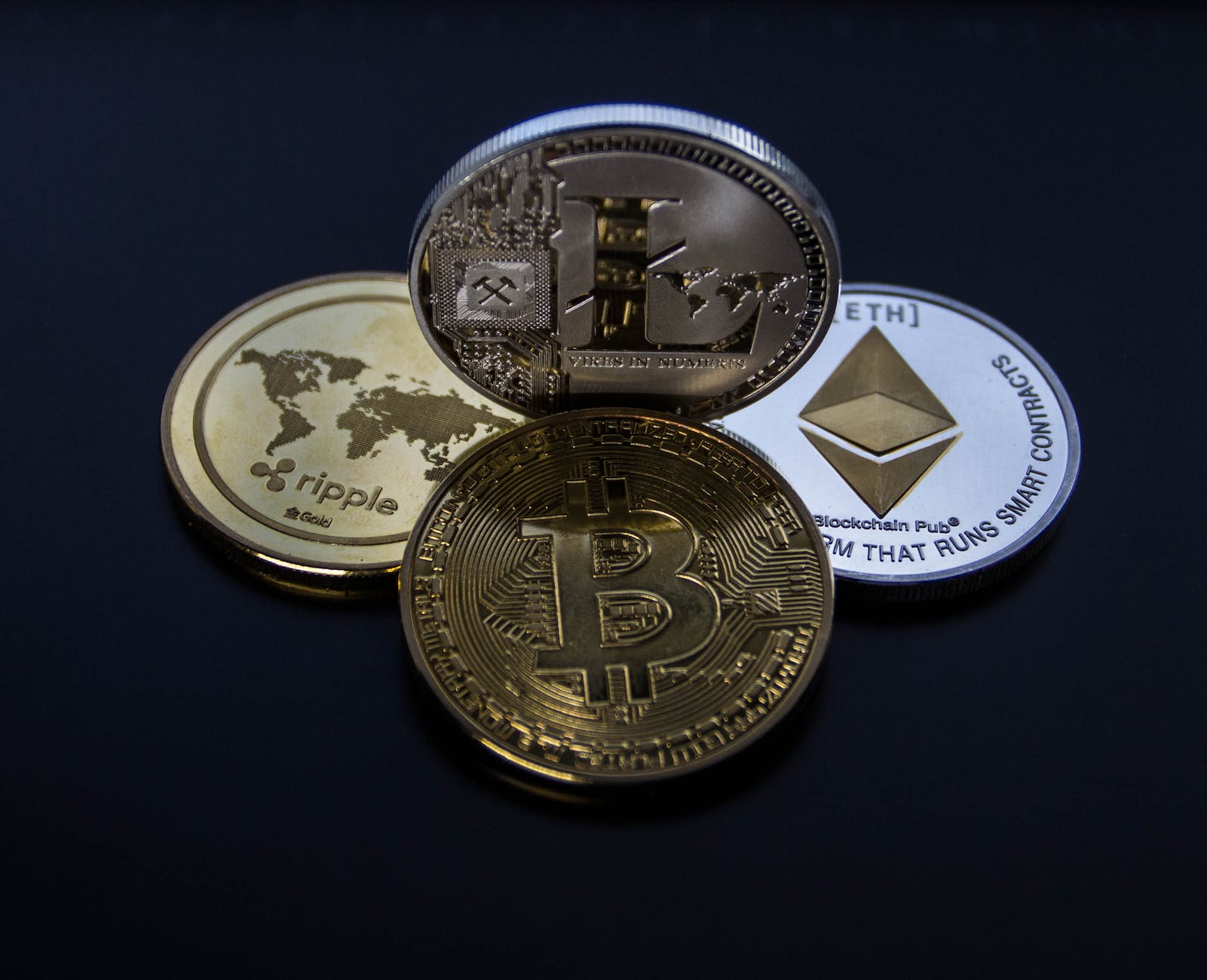
  By exploring the most common myths, the article intends to dispel any confusion that may arise regarding the functionality and potential of cryptocurrencies. It will highlight the benefits of blockchain technology, which underpins these assets, and address any misinformation that may lead to misguided or incorrect conclusions about their use. Click at The official website for extra details.

Ultimately, by clarifying and debunking these myths, the article seeks to encourage the wider adoption and integration of cryptocurrencies into society. With increased understanding and knowledge of these digital assets, individuals and businesses alike can leverage the benefits they offer to improve their financial well-being and security. Get the best of the trading by visiting this like this trading platform.

Photo by Worldspectrum on Pexels.com

Bitcoin is a Ponzi scheme, or so the myth goes.

Bitcoin’s supposed status as a Ponzi scheme is one of the most pervasive urban legends. This falsehood has been demolished again & again by economists & economists. Investment returns in a Ponzi scheme are paid to earlier investors with money contributed by new participants. It’s essential to understand that Bitcoin operates independently of any central authority and uses a secure and transparent blockchain to track and verify transactions. While the value of Bitcoin may fluctuate, it remains a legitimate digital currency with a growing user base and numerous practical applications. 

Illegal transactions are the primary usage of cryptocurrency

One further misconception regarding cryptocurrency is that it is utilized mostly in the black market. However, cryptocurrencies are also used for legitimate transactions, such as voting in elections & tipping servers, despite their history of usage in illegal operations like money laundering & drug purchases on the dark web Bitcoin is accepted by a growing number of reputable companies, & the underlying cryptocurrency technology has the potential to disrupt traditional sectors like banking & healthcare. It’s true that some people utilize cryptocurrencies for criminal purposes, but that’s not the case for everyone.

A common misconception is that Bitcoin’s volatility makes it unsuitable for use as money

The idea that Bitcoin is too unstable to be used as money is another common misconception about it. Although the price of Bitcoin has fluctuated widely in the past, it’s worth has increased significantly overall. Currency volatility is also not always a negative thing. The value of conventional currencies also shifts somewhat in weight from time to time. Especially in nations with high inflation rates & unstable fiat currencies, Bitcoin might be utilized as a currency. Nevertheless, Bitcoin’s underlying technology is still in its infancy, & additional advancement is required to make it a more practical & generally recognized money.

The crypto markets are risky for investors because they are unregulated, goes the common myth

Bitcoin & other cryptocurrencies have a bad reputation for being risky investments because of their lack of oversight. But there is some truth to this that is missing. Many governments have created legal frameworks for digital assets, although cryptocurrencies are not yet subject to complete regulation in all countries. These regulations are part of a larger system designed to combat financial crimes & protect investors from fraud. Moreover, bitcoin investments may provide benefits to investors including enhanced diversification & the potential for large gains.

Cryptocurrencies are not safe & may be easily hacked; this is a myth.

One of the most often circulated misconceptions about cryptocurrency is that it is insecure & can be stolen with little effort. Although there have been hacks into bitcoin exchanges in the past, the underlying technology remains secure. Users must use prudence while dealing with digital assets. Use only reputable exchanges, use two-factor authentication, & use secure wallets to do this.

A common misconception is that the value of cryptocurrency will crash

The fact that the value of cryptocurrencies may fluctuate widely & that there have been big price corrections in the past does not suggest that they are a bubble that will collapse. Blockchain, the technology at the heart of cryptocurrencies, has the potential to disrupt several markets & alter the way we live in the future. The value of cryptocurrency tokens might increase if more individuals & businesses start accepting them as a form of currency & a store of wealth.

Cryptocurrencies are too complicated & difficult to use; this is a myth

Although there is a learning curve & some complexity associated with cryptocurrency, it is not hard to utilize. In other words, it’s user-friendly enough for the ordinary Joe. There are now a plethora of tools accessible to teach individuals how to utilize cryptocurrencies, thanks to the widespread use of cryptocurrency exchanges & wallets that have made these activities simple. Cryptocurrencies will become increasingly accessible to the general public as the technology behind them & the user experience around them continue to advance in tandem with their widespread adoption by companies & people alike.

Conclusively, there are numerous myths & misconceptions about cryptocurrencies, although many of them are based on insufficient information or misunderstandings. The risks connected with cryptocurrencies may be lessened if more people knew about its potential benefits & how they were already being used. Growth & innovation in this promising new area are expected to continue as more people get familiar with & start using cryptocurrencies.

Top Reasons to hoard bitcoins right now

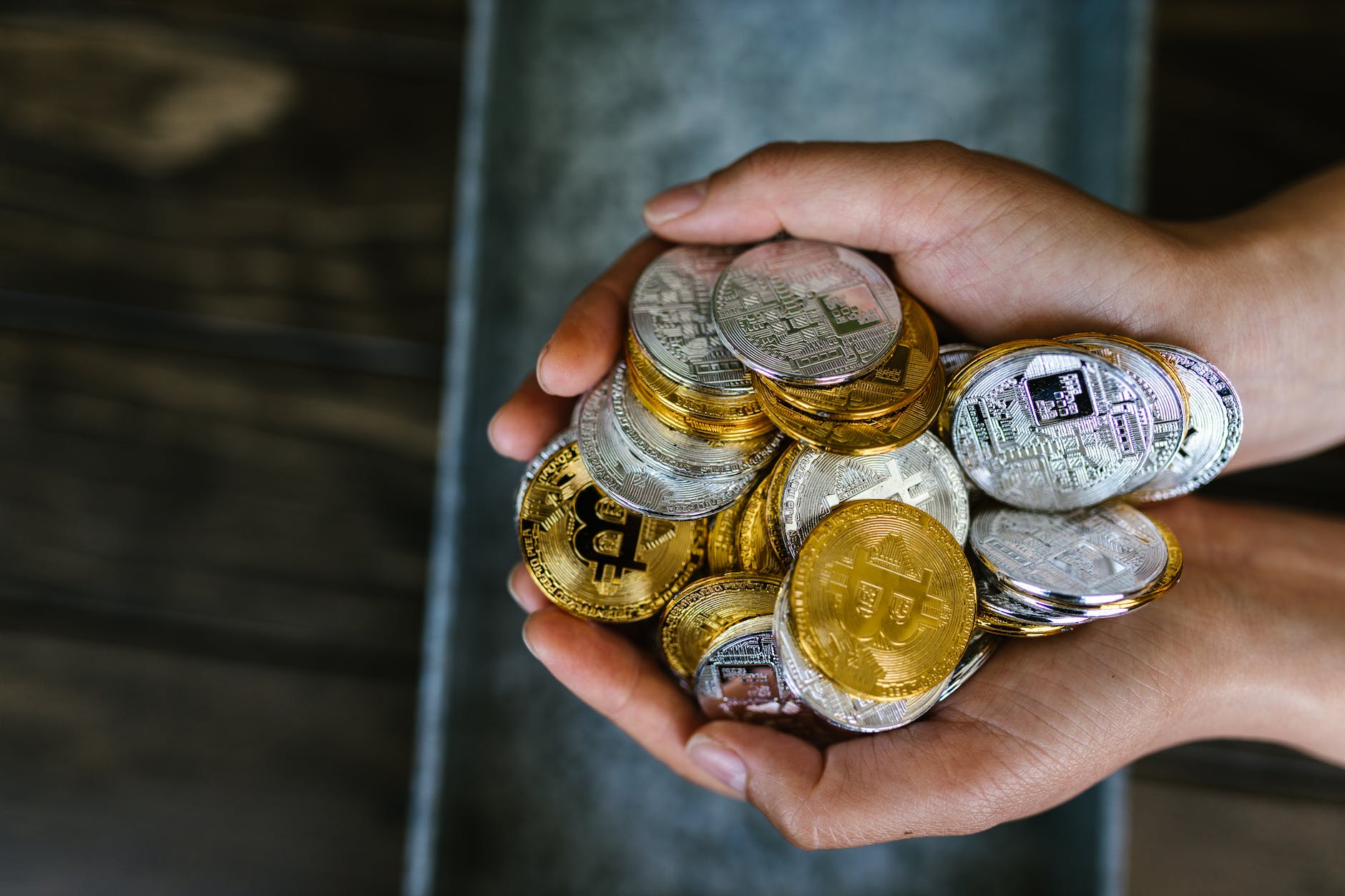
  As per bitcoin’s history in the past years, it provided a 59% return in the year of 2020, a 60% return in the year of 2021, and then in 2022, there was a decline of 67%. Still, a question occurs in the crypto investors’ minds the bitcoin worth it to hoard or not? Learn more profit edge Application click here

Photo by RODNAE Productions on Pexels.com

Some experts still insist on hoarding bitcoin because huge profits await investors in the upcoming years. Let’s dive into it. Does bitcoin still have the ability to give good returns or not? 

Rising Trend of Bitcoin

Major tech and non-tech firms are rapidly increasing the usage of bitcoin in their expenses, such as bonuses to the employee or allowing customers to pay in bitcoins. For example, in recent times, Tesla founder Elon Musk created a sensation in the bitcoin price when he announced, “Tesla would accept the bitcoin as the payment of its electric vehicle.”

On the other hand, all over the world, people are considering using bitcoin as a trading currency like the dollar, euro, or any other trading currency presently. Some e-Commerce portals allow the customer to pay via bitcoins or any other cryptocurrency.   

With time, bitcoin will hold its presence worldwide like the usual trading currency. Sooner we are going to witness the situation when bitcoin and cryptocurrency would trade like the usual currency. After that, holding bitcoin will undoubtedly provide some amazing returns in the upcoming years.

The safest asset

As everyone is aware, no centralized enterprise or authority manages bitcoin. So it is one of the safest assets for people. In the world, no government can seize this asset from any of the holders. If an individual holds the assets, no one can seize or still the asset, and exceptions are always there, such as theft of the key or loss of a hot wallet. And one of the best things no one will know is how much an individual possesses. For a bitcoin trade, an investor can use CRYPTOSoft, one of the best of its own. 

Instead of holding the assets in a bank or vault. In any situation, if something happens, then the assets are seized by the holder’s authority or the government. Bitcoin allows the investor to be the authorized person to use the currency whenever required without nobody’s intervention. 

Furthermore, there is a major advantage of keeping some bitcoin in reserve. Why wouldn’t it hold the currency that anyone in any circumstances can seize?

Is it the best time to Buy?

The current rate of the bitcoin is $16987.80 per bitcoin, according to the 6th of December 2022, and in June 2022, it was $31,148.30 per bitcoin. Why not buy bitcoin? Compared to June 2022 and December 2022, an individual gets one bitcoin at almost half price. 

And if an individual considers himself one of those investors who would buy the bitcoin at the bottom price, then this is something like I would drive my car when every signal is green. This is an amazing time to buy bitcoin. 

As it is obvious, no one can control the bitcoin rates. However, an individual can prevent the loss. Hence, before buying bitcoin at this time, keep the below-mentioned things in mind: 

  • Only invest the amount which cannot affect life in the situation of loss. 
  • What’s the storage device? Such as a “hot wallet” or “cold wallet”? 

Accessible to move

Let’s look at it this way, suppose an individual is hoarding gold and silver. It would take effort and time. Or maybe it can be theft in the middle of the moving process. But this doesn’t hold true with Bitcoin.

Bitcoin transactions between accounts may be completed in a matter of seconds. A sender needs the receiver’s wallet address, internet connection, smartphone, laptop, or desktop. With one click, the bitcoin would be in another account. 

Conclusion

Hoarding bitcoin at this time is going to provide some huge financial benefits. Due to this, it has declined a lot since June. As per the cryptocurrency expert, it is going to be upward soon. Before bitcoin starts to trend upward, invest something into it. Even many governments from all over the world also hoard bitcoin in their treasures to deal with inflation.

Why Choosing the Right Bitcoin Exchange Matter

  Bitcoin Clever exchanges are web-based platforms that facilitate the buying, selling, and trading of bitcoins. Given the plethora of options available in the market, it can be challenging to choose the right exchange that fits one’s specific requirements. This article aims to address this challenge by identifying and exploring the most critical factors that users should consider when selecting a bitcoin exchange. By providing a comprehensive overview of these key factors, readers can make informed decisions when choosing an exchange that suits their needs, preferences, and investment goals.

Photo by Alesia Kozik on Pexels.com

Why Choosing the Right Bitcoin Exchange Matters

Choosing the right bitcoin exchange is critical for several reasons:

  1. The business you select will impact the security of your bitcoin holdings.
  2. Different deals have varying fees, payment methods, & user-friendliness, affecting your overall experience.
  3. One of the most important things which you need to stay conscious about is nothing but the customer support available in the crypto exchange. 

Security: When selecting a bitcoin exchange, ensuring the security of your funds and personal information should be your top priority. As such, it is essential to consider the security features offered by a prospective exchange carefully. These may include robust password requirements, two-factor authentication (2FA) protocols, cold storage for storing funds offline, encryption and SSL certification for secure data transmission, and regular security audits to identify and mitigate potential vulnerabilities. Other features that can enhance the security of an exchange include multi-signature transactions, which require multiple parties to authorize a transaction, and insurance protection to guard against theft or loss of funds. By assessing the security features of different bitcoin exchanges, you can identify an exchange that offers a high level of protection for your investments and personal data. 

SSL Encryption: SSL encryption ensures that all data sent between your device & the exchange’s server is encrypted. This prevents hackers from intercepting & stealing your information.

Cold Storage: Cold storage refers to keeping most of a bitcoin exchange’s funds offline in “cold” wallets that are not connected to the internet. This ensures that most funds remain secure even if the exchange’s hot wallet is compromised.

Reviews & Reputation

It’s recommended that you do some background study & read customer reviews of several bitcoin exchanges before making your final decision. Try to choose a company that has received praise from previous customers. To discover what others have to say about the trade, you may go visit review websites like Trustpilot & Reddit.

Trading Fees 

The trading fees charged by various Bitcoin exchanges might vary widely. There may be a cost associated with withdrawing funds from certain arrangements. If you’re shopping around for an exchange, take the time to familiarize yourself with their fees so you can choose one with manageable costs.

Methods of Payment

Bitcoin exchanges often accept a wide variety of payment types, including wire transfers, credit cards, & PayPal. Some establishments also accept gift cards & Western Union among other payment options. Pick a trading platform that accepts the ways of payment that work best for you.

User-Friendliness

The ease with which you can utilize a bitcoin exchange may have a significant effect on your overall impression of the service. Pick a package that is simple to understand & use. You can make better choices if you work with a company that provides tools like real-time trading charts & price notifications.

Liquidity

Since there are numerous potential buyers & sellers on a highly liquid exchange, transactions may be completed swiftly. Pick a company with plenty of customers buying & selling bitcoins at any time..

Customer Support

Look for businesses with good customer support that are responsive & helpful. Ideally, the deal should offer support through multiple channels, such as email, phone, & live chat.

Regulatory Compliance

It’s important to choose a bitcoin exchange that complies with relevant regulations & laws in your country or region. Some countries have strict regulations on cryptocurrency trading, while others have more relaxed policies. Choosing an exchange that complies with local regulations can help ensure the legality & security of your transactions. Before selecting a bitcoin exchange, it is crucial to have a clear understanding of any regulatory requirements that may apply in your jurisdiction. This includes researching the legal status of cryptocurrencies in your country, as well as any regulations or guidelines that govern the operation of cryptocurrency exchanges. Failure to comply with these requirements can result in legal and financial consequences, making it essential to do your due diligence before choosing an exchange. 

Conclusion

Choosing the right bitcoin exchange is critical for your bitcoin holdings’ security & overall experience. When selecting a business, look for one with strong security features, a good reputation, reasonable fees, convenient payment methods, an intuitive interface, high liquidity, & good customer support. You can choose an exchange that fits your needs by taking the time to research & carefully consider your options.

Bitcoin As An Alternative Payment Mechanism

  In recent years, the popularity of Bitcoin has increased significantly, & many businesses are now considering accepting Bitcoin as a form of payment. But for those unfamiliar with Bitcoin, getting it can seem daunting. In this piece, we will see how a business can accept Bitcoin as payment & why it may be a wise decision. Know more at Register now.

Photo by Karolina Grabowska on Pexels.com

Why Accept Bitcoin as Payment?

It is crucial to recognize the advantages of accepting Bitcoin as payment before delving into the specifics of how to do so. Unlike traditional credit card transactions that can be disputed or reversed, Bitcoin transactions are cryptographically secure and cannot be altered, making them highly resistant to fraud and chargebacks.

Another advantage of Bitcoin payments is their speed and cost-effectiveness. This makes Bitcoin a highly attractive option for merchants looking to reduce the cost and time associated with processing transactions. This decentralization provides businesses with greater economic freedom & independence, as they can transact globally without being subject to the regulations & restrictions of traditional banking systems.

Finally, accepting Bitcoin as payment can attract a new customer base of tech-savvy individuals who value the privacy & security that Bitcoin provides.

How to Accept Bitcoin as Payment

There are several ways a business can start accepting Bitcoin as payment. Once you have a wallet, you can display your Bitcoin address on your website, & customers can send payments directly to that address.

However, displaying your Bitcoin address can be complicated for customers who are unfamiliar with Bitcoin. One solution is a Bitcoin payment processor, which can simplify the payment process for you & your customers.

Bitcoin payment processors are third-party services that process Bitcoin payments on behalf of businesses. These processors typically charge a small fee for their services, but they provide a range of benefits, including simplified payment processing, automatic conversion to fiat currency, & fraud protection.

These processors typically integrate with popular e-commerce platforms such as WooCommerce, Magento, & Shopify, making it easy to accept Bitcoin payments on your website.

In addition to payment processors, businesses can also use Bitcoin payment gateways, which are similar to payment processors but allow companies to accept Bitcoin payments in person. These gateways typically use QR codes to process payments, allowing customers to scan the code with their Bitcoin wallet & send payment directly to the business.

Finally, businesses can also use Bitcoin ATMs to accept Bitcoin payments. These ATMs allow customers to deposit cash & receive Bitcoin in return, providing businesses with a physical location where customers can purchase goods or services with Bitcoin.

Tips for Accepting Bitcoin as Payment

While accepting Bitcoin as payment can provide many benefits, there are some important things to keep in mind to ensure a smooth payment process. First, it’s essential to stay up to date on the current exchange rate of Bitcoin to ensure that you receive fair payment for your goods or services.

Second, it’s crucial to ensure that your payment processing system is secure & that you are taking the necessary precautions to protect your Bitcoin wallet from hacking attempts. This can include using multi-factor authentication & regularly backing up your wallet. Finally, it’s a good idea to educate your customers on how to use Bitcoin & provide them with resources to learn more about cryptocurrency. This can include tutorials on setting up a Bitcoin wallet & sending & receiving Bitcoin payments.

Conclusion

Accepting Bitcoin as payment can provide businesses with various benefits, including increased financial freedom, faster & cheaper payment processing, & access to a new customer base. To start accepting Bitcoin, companies can create a Bitcoin wallet, use a payment processor, payment gateway or Bitcoin ATM, & take steps to ensure a smooth payment process.

Furthermore, by accepting Bitcoin payments, businesses can tap into a rapidly growing market of tech-savvy and financially literate consumers who prefer to use digital currencies for their transactions. After going through every bit of the above article, it must be clear to you by now that bitcoins do come in handy in various payment processes all the time. Besides, it is your responsibility to figure out the best option of payment among all, in the first place. Thus, without wasting any further time, delve into the researches to stick to the most efficient option. 

Top 10k Bitcoin investors control one-third of the supply.

  As we all know, bitcoin is one of the most popular cryptocurrencies today in the market. No matter whether you like it or not, it has become the first crypto in the world. It is one of the nearing things to decentralized assets. 

The thing which one should note is that it has some pressure points. For pressure points, we do not mean failure. It refers to the investors who have invested hugely in bitcoins. It is to be determined whether such currencies will take off the market any day. If you want to invest in bitcoins then you can visit online trading platforms like Limmercoin

Santoshi Nakamoto

Photo by Karolina Grabowska on Pexels.com

Santoshi Nakamoto is one of the founders who has the largest number of bitcoin today. We exactly don’t know if he came to the top list individually or in a group. But he holds around 1 million bitcoins today. This million in total means 5.2% of the total supply of BTC. And this becomes a huge amount. 

Still, no one is aware of Santoshi Nakamoto. However, it is a great risk for a person to such any currency in such a large number. 

According to Coinbase, it is a big risk for his businesses. This news was viral among the public in the year 2021. Also, it has been said that an anonymous person Santoshi Nakamoto holds the largest number of bitcoin, which is a huge risk. 

It is a fool’s game to speculate on Santoshi Nakamoto’s identity. Even Bitcoins he is holding can be lost forever. There is no difficulty in observing the coinbase listing it as a risk on its filling. All we can say is a person has around 5.2 percent of BTC. But no one can even determine who can have it. 

Bitcoin whales

After knowing about Nakamoto, it was found that there are some wallets where there are bitcoins available. National Bureau of economic research said that the top 10000 Bitcoin investors on the list have around one-third of the total supply. 

It is not an appropriate value but is an approximation. Hence, it is likely, not possible to control such a huge number by a single person. As discussed above, Nakamoto is the one to hold 5.2 percent of BTC. But no one has any idea whether he is owned as an individual or not. 

Bitcoin returned almost 230 percent of bitcoin in the years 2011 and 2021. It is doing so to outperform the financial asset of the world. It is a piece of shocking news that an individual is holding such a large amount of BTC. 

If you would have invested something 2000 dollars in the year 2010, you will get around 10000 bitcoins. That number of BTC costs 26 dollars in today’s time. As a result, the person who involved themselves in it too early has a lot of supply today and has earned huge from it. 

Also, it has been researched that only 114 addresses throughout the world contain 10000 bitcoins and more. so, these 114 addresses have almost 15.5 percent of the total supply of bitcoins. 

Some entities that have the largest number of bitcoins today

Not only individuals but there are some entities too who hold the largest number of BTC in the world. Among which the first is Michael Saylor and MicroStrategy who has 130000 bitcoins today. This number in approximation refers to 0.68 percent of the total supply. And hence it is a huge amount for any big company. But they have a fear that if in case the price of BTC decreases then what shall happen? 

Not only MicroStrategy but there is one more Chinese company holding a large number of BTC. That private company is Block.one which has currently 140000 bitcoins. This company has the highest number of bitcoin by a single entity. 

Conclusion

So there isn’t any doubt that the fundamentals of BTC make it a decentralized asset. The no downward of this currency made it a decentralized asset in the real world. Many entities and persons are holding Bitcoin today in huge numbers. For the early investors it is just marvelous as they can earn huge from it now. So, still, if you like to invest in any such currencies, bitcoin smart seems the best choice for you. 

Bitcoin Adoption: Understanding the Growth & Future of Cryptocurrency

  Bitcoin adoption is a term used to describe the rate at which people are using & accepting Bitcoin Trading Platform as a legitimate means of payment. In recent years, Bitcoin adoption has grown exponentially, with more businesses & individuals using the cryptocurrency for various transactions. In this article, we will explore the factors that have contributed to the growth of Bitcoin adoption & discuss its future outlook.

Photo by RODNAE Productions on Pexels.com

The Rise of Bitcoin Adoption

Originally developed as a decentralized alternative to conventional financial systems, Bitcoin was designed to enable direct peer-to-peer transactions without the need for intermediaries like banks or governments. As its popularity increased, however, more and more businesses and individuals began to recognize its potential as a legitimate form of payment.

Today, thousands of businesses across the world accept Bitcoin as a means of payment, including major players like Microsoft, Expedia, and Overstock.com. This widespread adoption has helped to cement Bitcoin’s status as a viable payment method, and has opened up new opportunities for merchants to tap into a growing market of consumers who prefer to use digital currencies for their transactions. 

Factors Contributing to Bitcoin Adoption

Several factors have contributed to the growth of Bitcoin adoption, including:

  1. Decentralization: One of the primary reasons why people are turning to Bitcoin is its decentralized nature. Unlike traditional financial systems, where banks & governments control the flow of money, Bitcoin is entirely decentralized, with transactions processed through a distributed network of nodes. 
  2. Security: Another factor driving Bitcoin adoption is its security features. Bitcoin uses a public ledger called the blockchain to record transactions, which makes it nearly impossible to tamper with or hack. Additionally, Bitcoin transactions are pseudonymous, which means that users can transact without revealing their real identity.
  3. Lower transaction fees: In comparison to other digital formula or assets, the transaction fees of bitcoin is way too low. 
  4. Accessibility: Bitcoin is available in small denominations, which makes it easy for people to use for everyday transactions.

Future Outlook for Bitcoin Adoption

The future of Bitcoin adoption is difficult to predict, as it depends on several factors. However, many experts believe that Bitcoin adoption will continue to grow in the coming years. Here are some factors that could impact the future of Bitcoin adoption:

Increased regulation: As Bitcoin continues to gain mainstream acceptance, it is likely that governments will begin to regulate it more closely. This could impact Bitcoin adoption, as it could make it more difficult for people to use the cryptocurrency.

Mainstream adoption: If more businesses & individuals continue to adopt Bitcoin, it is likely that the cryptocurrency will become more main stream. 

Technological advancements: As technology continues to evolve, it is likely that new Bitcoin-related products & services will emerge. This could lead to increased adoption, as people find new ways to use the cryptocurrency.

Regulation & Legalization

The regulation & legalization of Bitcoin can have a significant impact on its adoption. Some countries have been more welcoming than others when it comes to cryptocurrencies. Countries like Japan & Switzerland have been particularly open to Bitcoin & have implemented regulations to ensure its legality & safety. On the other hand, countries like China & Russia have been more skeptical & have implemented stricter regulations.

In countries where Bitcoin is not yet legal or regulated, its adoption may be slowed. If Bitcoin is deemed illegal or unregulated, businesses & individuals may be hesitant to accept or use it due to the risk of legal repercussions. On the other hand, if Bitcoin is properly regulated & legalized, it may become more attractive to businesses & individuals who are looking for a secure & stable investment.

Security & Trust

One of the biggest barriers to Bitcoin adoption is the issue of security & trust. Many people are hesitant to use Bitcoin because of concerns about its safety & the potential for fraud. While Bitcoin is built on a secure blockchain technology that makes it difficult to hack, there have been several high-profile security breaches & scams in the past.

To increase trust & security, the Bitcoin community has been working to improve security features & develop new technologies. For example, multi-signature wallets require multiple approvals for transactions, making it more difficult for hackers to steal funds. Additionally, the development of decentralized exchanges (DEX) may make it possible to trade cryptocurrencies without a central authority, further increasing security.

User-Friendliness

Another barrier to Bitcoin adoption is the issue of user-friendliness. Additionally, the volatility of Bitcoin’s price can make it difficult for people to understand how much their Bitcoin is worth.

To address this issue, companies have been developing new technologies & platforms that make it easier for people to use Bitcoin. For example, many exchanges now offer mobile apps that allow users to buy & sell Bitcoin on the go. Additionally, some companies are developing user-friendly wallets that simplify the process of storing & using Bitcoin.

Conclusion

In order for Bitcoin to be widely adopted, it needs to be more widely accepted & integrated into mainstream society. This can be achieved through education, regulation, & the development of new technologies. 

Bitcoin Mining Helps Oil Companies Reduce Carbon Footprint

  We see electricity is not the critical cost of BTC mining, and it has helped many people mine coins using higher hydro energy. However, renewable energies like energy and hydro work from traditional sources are now helping people use them very well. We can see the crypto mining work is now using ample fuel to help manage things in different ways. With an excellent alternative option, we can find extraction now working as a small thing that is difficult to find out in a big way. We see the shale oil wells are now coming out in North America to become an integral part of the company for the past few years. We see their byproducts, including methane and other things working on the price, becoming expensive with the added set up to transport the fuel in a big way. We will deal with BTC mining, which further alleviates the carbon footprint in a big way. Start your Oil trading journey by visiting https://oil-edge.org

Photo by Leeloo Thefirst on Pexels.com

Crypto mining is becoming gas profitable. 

If we check the crypto mining, it demands a massive mining setup with good hardware details. Some companies are giving this sort of customer service. An oil and gas engine must generate the power and electricity for mining rigs. Many more oil producers can help in compliance, help vent with quotas, and give additional income. It can help in giving some uninterrupted oil extractions. We can have many more mining rewards that we can further enjoy with an excellent offer to enjoy with too many more options. Many more engines can help in generating power for mining rigs. You can find too many oil producers that can help comply and offer venting quotas and oil extraction. Mining rewards can help in giving the option to offer the idea of selling the gas. Also, there is a massive release of gasses like CO2 and other several similar gasses in the atmosphere. 

How is Bitcoin mining making a difference in this domain? 

Many companies like EZ Blockchain play a role in this domain. The company is busy expanding its operations in different sectors. It has helped gain a sound mitigation system in the market allowing people to gain the pad and then help mine digital currencies with the help of energy that is now working in a flared-up way. The EX smart box is now deploying the good pads to gain good energy and mining better digital currencies to use energy and gain significant results. The EZ Smartbox remains a good smart box that s further allowing many more people to use data processing elements to manage the show. The US-based company is now helping many miners reduce their environmental carbon footprint. These also include several oil and gas companies that are struggling to get good results in the market. We find many more companies now working hard to set up a big way. There is a massive opportunity for a shale boom and then flare up the gas in the best way. Also, the fuel is now developing pipes in an economically feasible way.

BTC is helping oil companies to slash down carbon footprints 

Several data prove that the industry is booting the market. It is the big reason. Bitcoin mining is playing a role in this domain. Crypto is finding out the reliable and store value preparation. Unlike the usual money like USD or Euro, we can find many more Crypto is getting the desire for trustworthy and long term store that can remain the value. Unlike Crypto, which has a limited supply, it can help cap up the math-based protocols. It helps make things possible for the political body or government groups to dilute the value that comes via inflation. Also, with the cryptographic nature of the digital currency, one can find things incredible for the government agencies and the tax that helps confiscate the tokens that come without any support from the owner. It helps make the Crypto very attractive and can help in worrying about the hyperinflation set of events, disaster conditions, bank failures, and disaster conditions. Bitcoin attracted attention owing to the censorship-resistant features and censorship option that led to many more proponents.

How Does Bitcoin Work? A Technical Overview

  Introduction

In the fast-paced digital age, cryptocurrencies have emerged as a revolutionary financial asset. At the forefront of this digital revolution stands Bitcoin, the first and most popular cryptocurrency. Understanding how Bitcoin works is essential to comprehend the potential of this decentralized digital currency. This article provides a comprehensive technical overview of Bitcoin, shedding light on its underlying mechanisms and the process of transactions. If you are into crypto investment like Bitcoin, you may also want to know about the Apps That Make Every Word Count.

Unraveling the Enigma of Bitcoin

Photo by RDNE Stock project on Pexels.com

An online trading platform, has been instrumental in popularizing Bitcoin by offering a user-friendly platform for trading this digital asset. But before delving into the technicalities, it’s crucial to grasp the fundamentals of Bitcoin’s architecture and ideology.

The Blockchain: Building Blocks of Bitcoin

Bitcoin operates on a revolutionary technology called the blockchain. The blockchain is a decentralized and immutable ledger that records all Bitcoin transactions in chronological order. These transactions are grouped into blocks, and each block is cryptographically linked to the previous one, forming an unbroken chain. This ensures transparency, and security, and prevents fraudulent activities.

Decentralization: No Central Authority

One of Bitcoin’s defining features is its decentralized nature. Unlike traditional currencies that are controlled by central banks, Bitcoin is not governed by any central authority. Instead, it relies on a network of nodes (computers) that collectively validate and record transactions. This decentralized structure ensures that no single entity can manipulate the system, making it resistant to censorship and corruption.

Mining: Fueling the Bitcoin Ecosystem

Mining plays a pivotal role in the functioning of the Bitcoin network. Miners are individuals or entities that use powerful computers to solve complex mathematical puzzles, known as proof-of-work (PoW). The first miner to solve the puzzle gets the privilege of adding the next block to the blockchain and is rewarded with newly minted Bitcoins and transaction fees. Mining secures the network, validates transactions, and ensures consensus among participants.

Public and Private Keys: Ensuring Security

To engage in Bitcoin transactions, users need a pair of cryptographic keys: a public key and a private key. The public key, which acts as an address, is visible to everyone and is used to receive funds. The private key, on the other hand, is kept secret and is used to sign transactions, proving ownership of the funds. This cryptographic pair ensures the security and integrity of transactions.

Transactions: The Heart of the Bitcoin Network

When a user initiates a Bitcoin transaction, it is broadcast to the network, where it awaits confirmation. Miners then select pending transactions and add them to a new block, validating their authenticity. Once confirmed, the transaction becomes a permanent part of the blockchain, and the recipient gains access to the transferred Bitcoins.

Consensus Mechanism: Reaching Agreement

Maintaining consensus among the network participants is vital for Bitcoin’s operation. As the blockchain grows, multiple versions of the same block may exist temporarily. However, the longest chain is deemed the valid one. Miners continue to extend the longest chain, and eventually, the network reaches a consensus on which block is the correct one.

Scalability Challenges: A Work in Progress

Despite its tremendous success, Bitcoin faces challenges, particularly in terms of scalability. The blockchain’s size increases with every transaction, leading to longer confirmation times and higher fees. Solutions like the Lightning Network aim to address these issues by enabling off-chain transactions and improving scalability.

Security and Immutability: Safeguarding the Bitcoin Network

Bitcoin’s robust security measures are fundamental to its success. The immutability of the blockchain, achieved through the cryptographic linking of blocks, ensures that past transactions cannot be altered or tampered with. This tamper-resistant feature guarantees the integrity of the entire transaction history, instilling trust in the system and its participants.

The Halving Event: Controlling Supply and Inflation

One of the unique aspects of Bitcoin’s design is the halving event, which occurs approximately every four years. During this event, the block rewards that miners receive for successfully adding a new block to the blockchain are cut in half. This halving mechanism is programmed into the Bitcoin protocol and serves a crucial purpose – to control the supply of new Bitcoins entering circulation.

Conclusion

In conclusion, Bitcoin’s success as the first cryptocurrency can be attributed to its innovative use of blockchain technology, decentralization, and security measures. Understanding how Bitcoin works at a technical level is essential for investors, traders, and enthusiasts alike. As the technology evolves and scalability improves, Bitcoin’s potential to revolutionize the financial landscape continues to grow, inspiring a new era of decentralized digital finance.