A Study of Growth and Adoption of Alternative Cryptocurrencies

  Cryptocurrencies have been gaining in popularity and recognition since the launch of Bitcoin in 2009. With Bitcoin like (bit-indexai.co) becoming the first decentralized digital currency, several other cryptocurrencies have been developed and introduced to the market, with varying features and use cases. In this article, we take a closer look at alternative cryptocurrencies and their growth and adoption in recent years.

The Rise of Alternative Cryptocurrencies
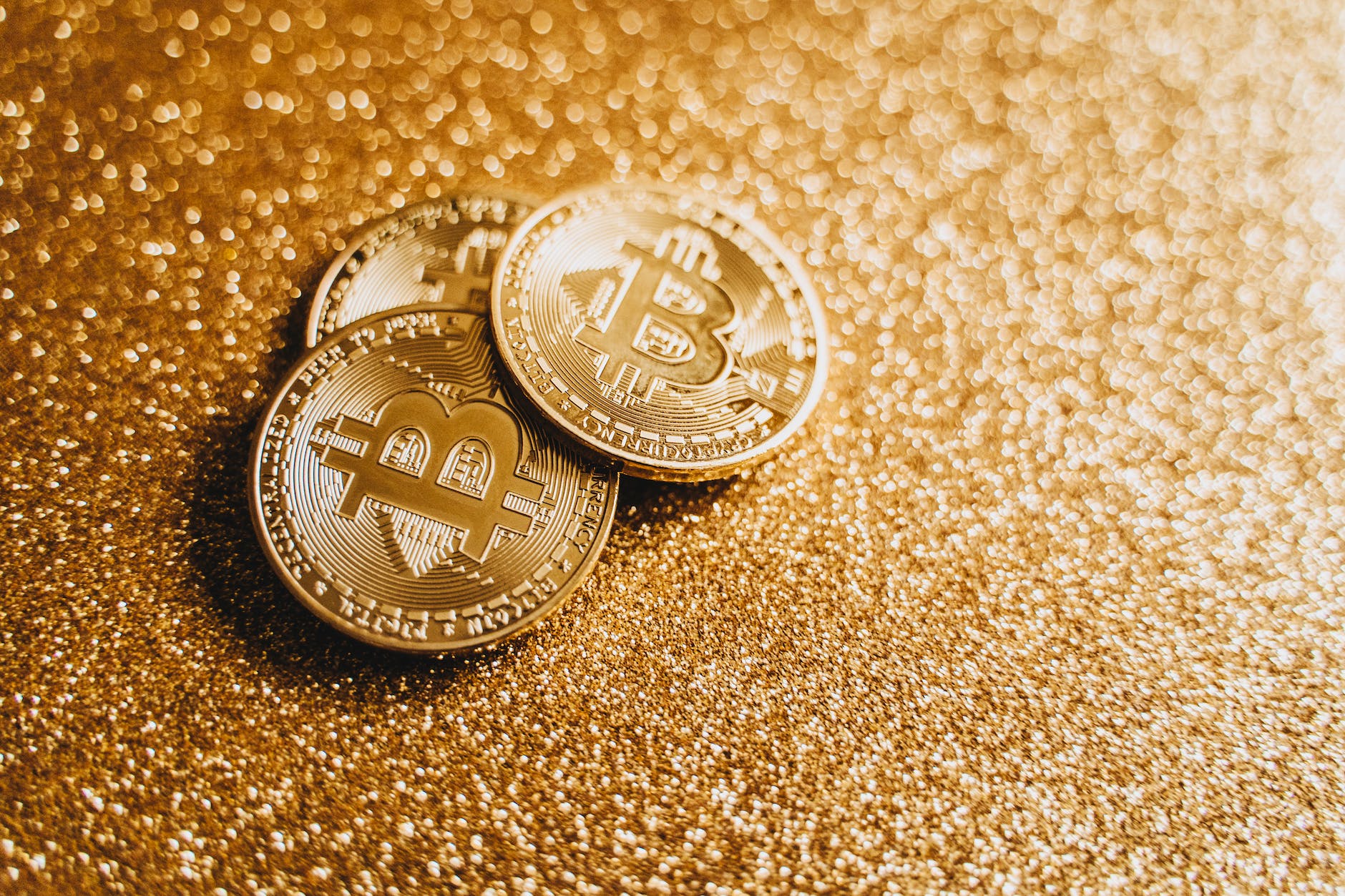
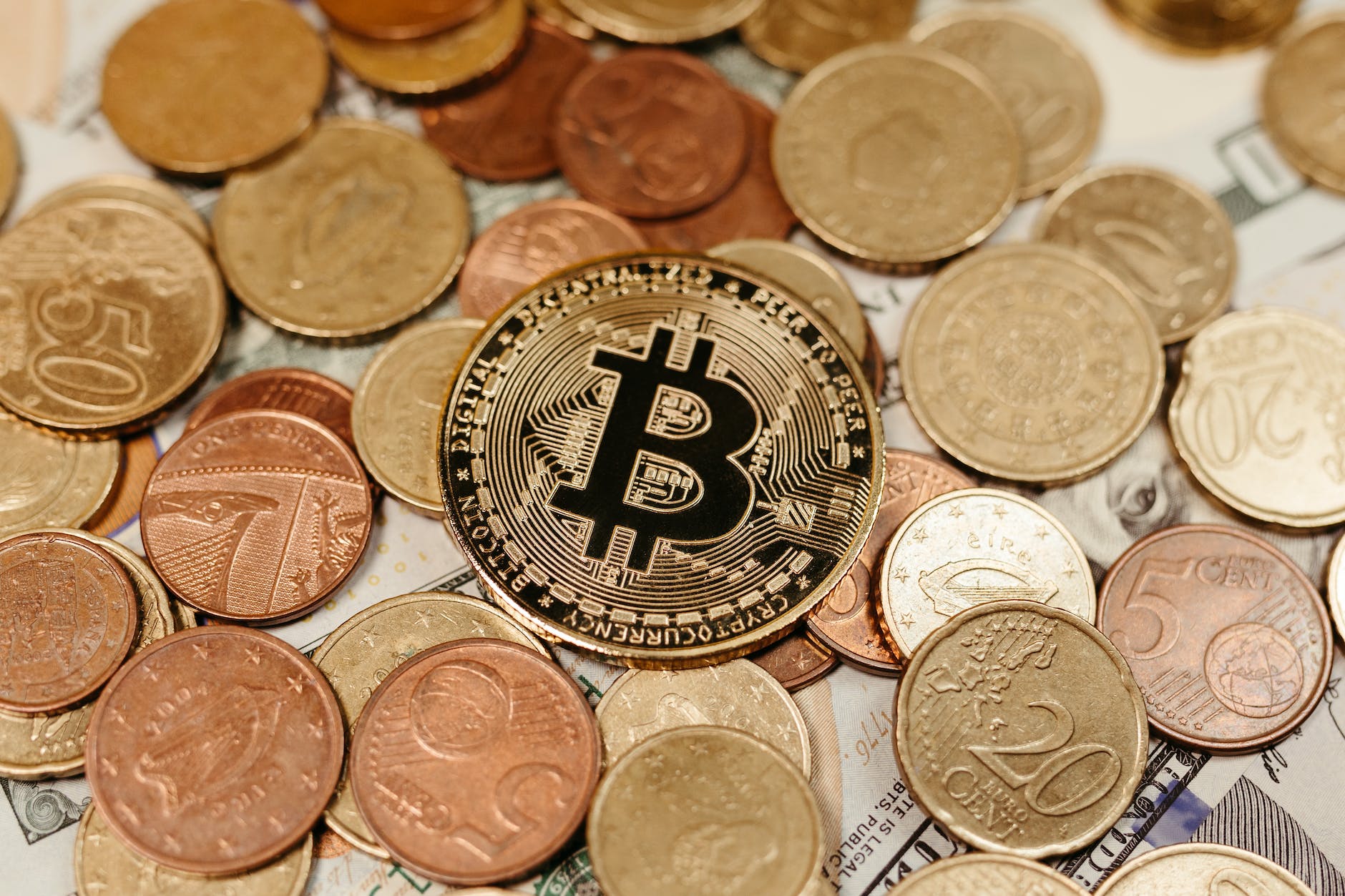
Photo by Alesia Kozik on Pexels.com

The Birth of Alternative Cryptocurrencies

After the launch of Bitcoin, several other cryptocurrencies were developed and introduced to the market. The main objective of these alternative cryptocurrencies was to offer improved features, security, and scalability over Bitcoin. Alternative cryptocurrencies, also known as altcoins, are digital currencies that use decentralized technology to carry out transactions and store value.

The Growing Number of Altcoins

As of 2021, there are over 8,000 alternative cryptocurrencies in existence, each with its unique features, use cases, and objectives. These altcoins have gained a lot of popularity and recognition in recent years, with some of them even surpassing Bitcoin in terms of market capitalization and adoption.

The Rise of Decentralized Finance (DeFi)

One of the most significant growth drivers for alternative cryptocurrencies has been the rise of decentralized finance (DeFi). DeFi refers to a new financial system built on the blockchain, which allows users to transact and store value without the need for intermediaries. DeFi has opened up a world of opportunities for alternative cryptocurrencies, with many of them providing unique features and use cases for decentralized finance.

The Adoption of Altcoins

The growth and adoption of alternative cryptocurrencies have been on the rise in recent years. While Bitcoin still remains the most popular and widely used cryptocurrency, alternative cryptocurrencies have been gaining in popularity, especially among younger generations and early adopters.

Factors Driving Growth and Adoption

Improved Features and Use Cases

One of the key factors driving the growth and adoption of alternative cryptocurrencies is their improved features and use cases. Many altcoins have been designed to offer better scalability, security, and privacy compared to Bitcoin. For example, Ethereum, the second-largest cryptocurrency by market capitalization, is a decentralized platform that enables the creation and execution of smart contracts and decentralized applications.

Market Volatility and Speculation

Another factor driving the growth and adoption of alternative cryptocurrencies is market volatility and speculation. Cryptocurrency markets are highly speculative and volatile, which has made them an attractive investment opportunity for many people. The high volatility of alternative cryptocurrencies has led to significant price swings, which has generated a lot of interest among investors and traders.

Decentralized Finance (DeFi)

As previously mentioned, the rise of decentralized finance (DeFi) has been a significant driver for the growth and adoption of alternative cryptocurrencies. DeFi provides users with a new financial system built on the blockchain, which offers a wide range of financial services, including lending, borrowing, trading, and more. Alternative cryptocurrencies have been playing a significant role in the DeFi space, providing unique features and use cases for decentralized finance.

Challenges and Risks

Regulation and Security Concerns

While the growth and adoption of alternative cryptocurrencies have been on the rise, they still face several challenges and risks. One of the main challenges facing alternative cryptocurrencies is regulation and security concerns. Cryptocurrencies are still in their early stages, and there is a lack of clarity and consistency in terms of regulation. This has led to security concerns, as many altcoins have been subject to hacking and scams.

Market Volatility and Speculation

Another challenge facing alternative cryptocurrencies is market volatility and speculation. The highly speculative and volatile nature of cryptocurrency markets makes it difficult for investors and traders to accurately predict their future value. This can lead to significant losses for those who invest without a clear understanding of the market and its underlying risks.

Limited Adoption and Awareness

Another challenge facing alternative cryptocurrencies is limited adoption and awareness. Despite their growing popularity, many people are still unaware of alternative cryptocurrencies and their potential use cases. This has resulted in limited adoption and usage, as many people are still hesitant to invest in something they do not fully understand.

Conclusion

In conclusion, alternative cryptocurrencies have been growing in popularity and recognition in recent years, driven by factors such as improved features, market volatility, and the rise of decentralized finance (DeFi). However, they still face several challenges, including regulation and security concerns, market volatility, and limited adoption and awareness. As the cryptocurrency market continues to evolve, it will be interesting to see how alternative cryptocurrencies continue to grow and evolve in the future.

Buying Cryptocurrency Anonymously

  Cryptocurrency is a digital asset designed to work as a medium of exchange using cryptography to secure transactions and control the creation of new units. It has been gaining popularity over the years, and the market continues to grow. Many individuals are interested in purchasing cryptocurrency but are concerned about their privacy and want to know if it is possible to buy cryptocurrency anonymously. For more info visit this Website

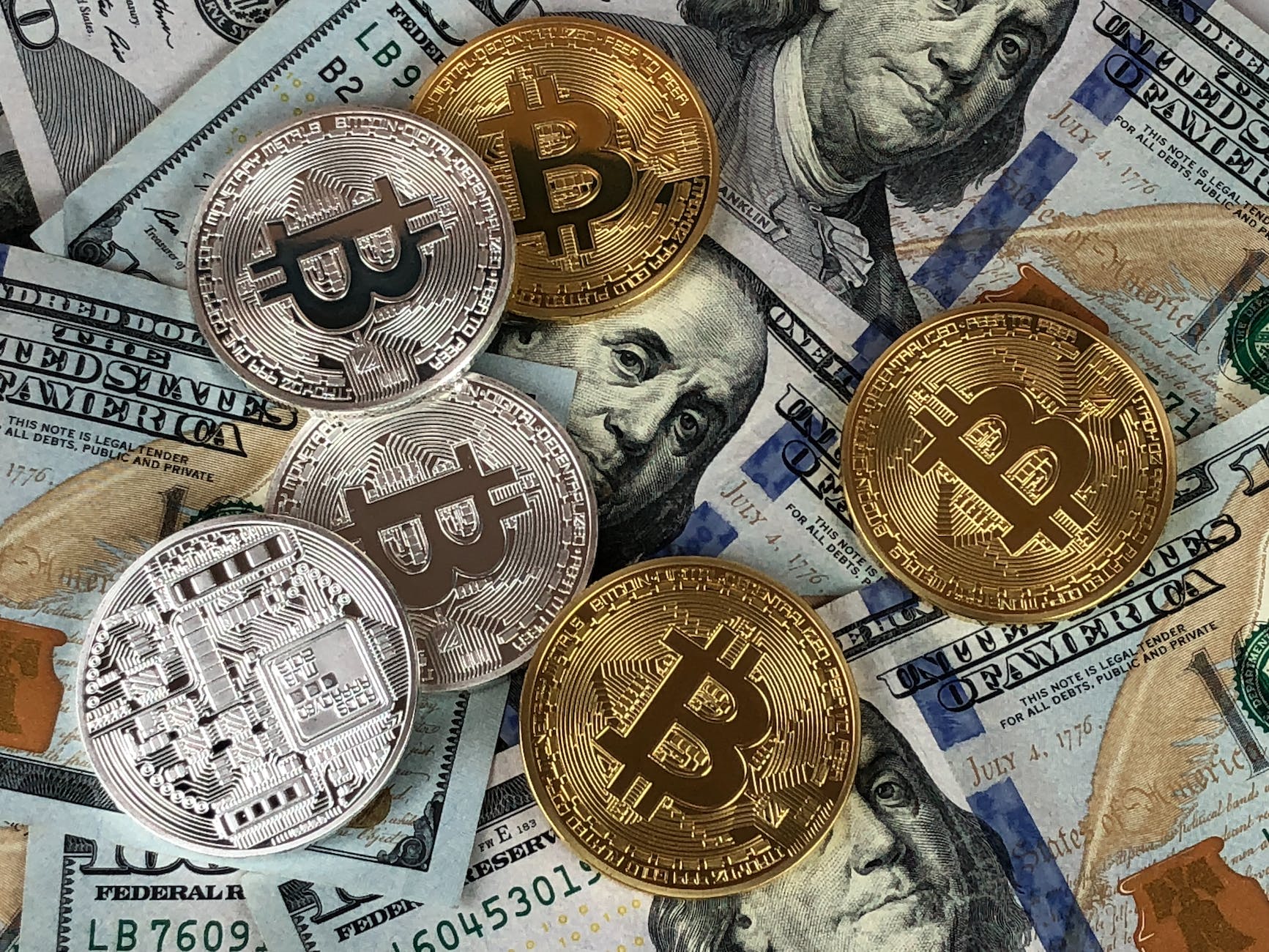
Photo by David McBee on Pexels.com

Can Cryptocurrency be Bought Anonymously?

The short answer is no, buying cryptocurrency is not completely anonymous. Most cryptocurrency exchanges and platforms require some form of identification, such as a passport, driver’s license, or government-issued ID, to comply with anti-money laundering and know your customer (AML/KYC) regulations. The purpose of these regulations is to prevent illegal activities such as money laundering, terrorism financing, and tax evasion.

How Does the AML/KYC Process Work?

The AML/KYC process works by verifying the identity of the customer and ensuring that the funds used to purchase cryptocurrency are not obtained illegally. This process is usually carried out by collecting personal information and documentation from the customer, which is then compared to public databases and other sources to verify the customer’s identity.

What Does the AML/KYC Process Entail?

The AML/KYC process typically includes the following steps:

Customer registration

The customer is required to provide basic personal information, such as their full name, address, and date of birth.

Identity verification

The customer is required to provide a government-issued ID, such as a passport or driver’s license, and a selfie to confirm their identity.

Source of funds

The customer is required to provide information about the source of their funds, such as their employment or business information, bank statements, or tax returns.

Once the AML/KYC process is complete, the customer can then proceed to purchase cryptocurrency.

Can the AML/KYC Process Be Bypassed?

While it is not possible to completely bypass the AML/KYC process, there are some ways to increase privacy and reduce the amount of personal information required. For example, some exchanges allow customers to purchase cryptocurrency using a pseudonym, rather than their real name. However, this does not guarantee anonymity as the exchange may still require additional information for compliance purposes.

Another option is to use a decentralized exchange, which operates on a peer-to-peer basis and does not require personal information. However, these exchanges are often less user-friendly and less reliable than centralized exchanges.

Risks Associated with Anonymity

It is important to note that attempting to buy cryptocurrency anonymously may increase the risk of fraudulent activities, such as scams or hacking. Without proper verification, individuals may become victims of scams and lose their investment. Additionally, anonymous transactions may also be used to support illegal activities, such as money laundering or financing terrorism.

Furthermore, buying cryptocurrency anonymously may also violate the terms of service of the platform or exchange, and individuals may face consequences such as account termination or legal action. In some cases, law enforcement may also seize anonymous funds as part of an investigation into illegal activities.

Therefore, it is important to weigh the potential benefits of anonymity against the risks and consequences, and to make an informed decision. The AML/KYC process is in place to protect both the individual and the wider community, and it is important to adhere to these regulations to maintain the integrity of the cryptocurrency market.

Conclusion

In conclusion, while it is not possible to completely buy cryptocurrency anonymously, there are ways to increase privacy and reduce the amount of personal information required. It is important to understand the AML/KYC process and the reasons behind it, as well as the potential risks associated with attempting to bypass it. As always, it is advisable to conduct thorough research and consult a financial advisor before making any investment decisions.

5 Mistakes to Avoid When Trading Cryptocurrencies

  The rise of cryptocurrencies has created a new arena for investors and traders alike. While the potential rewards can be significant, there are also significant risks involved. To succeed in the world of cryptocurrency trading, it is crucial to avoid common mistakes. In this article, we will explore five things to avoid when trading cryptocurrencies. Learn more: https://immediateprofit.app/

Failing to Conduct Proper Research

Photo by RODNAE Productions on Pexels.com

The Importance of Research

One of the most significant mistakes made by cryptocurrency traders is failing to conduct proper research. Before investing in any cryptocurrency, it is crucial to understand the technology behind it, its current market trends, and its future potential. Failure to conduct proper research can result in making poor investment decisions and significant financial losses.

Failing to Diversify Your Portfolio

The Benefits of Portfolio Diversification

Another mistake made by many cryptocurrency traders is failing to diversify their portfolios. Investing in only one cryptocurrency can be a high-risk strategy, as the price of that particular cryptocurrency can be highly volatile. Diversifying your portfolio across several cryptocurrencies can help to reduce the overall risk of your investment and improve your chances of success.

Trading Based on Emotion

Avoiding Emotional Trading

One of the most significant challenges facing cryptocurrency traders is avoiding emotional trading. The highly volatile nature of cryptocurrencies can lead to emotional responses, such as fear, greed, and panic, which can cause traders to make poor investment decisions. It is crucial to maintain a level head and avoid making impulsive decisions based on emotions.

Not Staying Up-to-Date with Market Trends

The Importance of Staying Informed

Cryptocurrency markets are fast-paced and highly dynamic, making it essential to stay up-to-date with the latest market trends. Failing to do so can result in missing out on significant investment opportunities or making poor investment decisions based on outdated information. Regularly monitoring news and developments in the cryptocurrency market can help to ensure that you are making informed investment decisions.

The Advantages and Risks of Keeping Crypto Assets on Trading Platforms”

When it comes to trading cryptocurrencies, one of the key decisions traders face is where to store their assets. While there are several options, including using a hardware wallet, software wallet, or a paper wallet, many traders choose to keep their crypto assets on a trading platform. In this article, we will explore the advantages and risks of maintaining your crypto assets on a trading platform.

Advantages:

Convenience: Keeping your crypto assets on a trading platform provides convenience as you can easily access your assets to make trades or withdrawals. It eliminates the need to constantly transfer your assets between different wallets or platforms.

Speed: Trading platforms are designed for high-frequency trading, making it easy to quickly execute trades and take advantage of market opportunities.

Security: Many trading platforms have security measures in place, such as two-factor authentication, to help protect your assets from cybercrime.

Risks:

Exchange Hacks: Despite security measures, trading platforms can be vulnerable to cyber-attacks and exchange hacks, putting your assets at risk.

Loss of Control: When you store your assets on a trading platform, you are relying on the platform to keep your assets safe. In the event of a security breach or other issue, you may lose control over your assets.

Limited Access: Some trading platforms have restrictions on withdrawing your assets, or may limit the types of assets you can hold, limiting your options for managing your investments.

Not Protecting Your Investment

The Necessity of Secure Investment Strategies

Finally, failing to protect your investment is another common mistake made by cryptocurrency traders. With the increasing number of cyber-attacks on cryptocurrency exchanges and wallets, it is crucial to ensure that your investment is secure. Implementing best practices, such as using secure wallets, two-factor authentication, and keeping your private keys safe, can help to reduce the risk of loss due to cybercrime.

Conclusion:

The world of cryptocurrency trading can be highly rewarding, but it also comes with significant risks. By avoiding the five common mistakes discussed in this article, traders can improve their chances of success and protect their investments. Proper research, portfolio diversification, avoiding emotional trading, staying up-to-date with market trends, and implementing secure investment strategies are all crucial components of a successful cryptocurrency trading strategy.

Cryptocurrency: Rise and Fall of Digital Currency

  The advent of cryptocurrency has been a game-changer for the financial world. It was supposed to be the future of money, but the reality is far from it. The majority of cryptocurrencies, despite having a good start, have failed to sustain their position in the market. This article will delve into the reasons behind the failure of many CryptocurrenciesBlockchain Experiments.

Photo by Anna Tarazevich on Pexels.com

Types of Cryptocurrency

Before diving into the reasons, it’s important to understand the different types of cryptocurrencies. There are several types of cryptocurrencies, but the most common ones are:

Bitcoin: The first and most well-known cryptocurrency, Bitcoin was created in 2009.

Ethereum: A decentralized platform for building decentralized applications (dapps) and smart contracts.

Ripple (XRP): A digital currency for cross-border transactions that’s aimed at financial institutions.

Litecoin: A peer-to-peer cryptocurrency that’s similar to Bitcoin but faster and with a lower transaction fee.

Tether: A stablecoin that’s pegged to the US dollar, ensuring stability and avoiding price volatility.

Lack of Regulation

The Dark Side of Cryptocurrency

One of the biggest reasons for the failure of many cryptocurrencies is the lack of regulation. Cryptocurrencies operate in a decentralized manner, making it challenging to regulate their activities. The lack of regulation has led to several fraudulent activities in the cryptocurrency market, including Ponzi schemes, money laundering, and hacking. This has resulted in the loss of millions of dollars for investors and has eroded the trust of the public in cryptocurrencies.

Technical Challenges

Title: The Technical Hurdles of Cryptocurrency

Cryptocurrencies also face several technical challenges, including scalability and security issues. The decentralized nature of cryptocurrencies has resulted in a slow and costly transaction process. This makes it difficult for cryptocurrencies to compete with traditional payment methods like credit cards and online payment platforms. Additionally, the security of cryptocurrencies is also a major concern, with several exchanges and wallets being hacked, resulting in the loss of millions of dollars’ worth of cryptocurrencies.

Competition from Traditional Finance

Title: The Battle between Cryptocurrency and Traditional Finance

Cryptocurrencies face stiff competition from traditional finance, which has a much more established and trusted infrastructure. The lack of acceptance of cryptocurrencies by merchants and consumers has hindered their growth, making it challenging for them to compete with traditional payment methods. Additionally, traditional finance has the advantage of being well-regulated, which has helped to build trust in the industry.

Lack of Awareness and Understanding

Title: The Gap in Public Understanding

Another reason for the failure of many cryptocurrencies is the lack of awareness and understanding among the general public. Many people are still not aware of the potential benefits of cryptocurrencies and how they work. Additionally, the complex nature of cryptocurrencies has made it difficult for people to understand and trust them. This lack of understanding has resulted in many people being hesitant to invest in cryptocurrencies, leading to their failure.

The Overcrowded Cryptocurrency Market

Another reason for the failure of many cryptocurrencies is the saturated market. With the increasing popularity of cryptocurrencies, many new coins have been introduced, leading to an overcrowded market. This has made it challenging for new coins to gain traction and compete with established coins. Additionally, the large number of coins has resulted in many of them becoming worthless, making it difficult for investors to differentiate between a good investment and a bad one.

The saturation of the market has also led to a lack of innovation, as most new coins are just copies of existing ones with minor modifications. This has resulted in an unsustainable market, where many coins are struggling to survive and investors are losing their money.

Moreover, the crowded market has also created a highly competitive environment, where coins are constantly fighting for market share. This has resulted in a price war, where coins are lowering their prices in order to attract more users. This price war, combined with the lack of innovation, has made it challenging for many coins to remain profitable, leading to their failure.

Conclusion

In conclusion, the failure of many cryptocurrencies is due to several factors, including the lack of regulation, technical challenges, competition from traditional finance, and a lack of awareness and understanding. Despite these challenges, cryptocurrencies have the potential to revolutionize the financial world if they can overcome these obstacles and gain the trust of the public. As the cryptocurrency market continues to evolve, it will be interesting to see how these challenges will be addressed and what the future holds for this digital currency.

What do You need to Know to Succeed in the Cryptocurrency Market?

  Before you can succeed with cryptocurrencies, you must know what you’re doing. It can’t be simple to learn all there is to know about cryptocurrencies when you’re just starting. For more detail about Bitsoft360 visit at this link.

Numerous services, exchanges, and wallets are accessible, but keeping track of all their abbreviations might be difficult. Stay away from the bitcoin market if you don’t know what you’re doing.

Photo by Worldspectrum on Pexels.com

In essence, you are gambling with money that has no worth until someone else decides that it does. If you want to make it big in the bitcoin market, consider the advice below.

First and foremost, keep in mind that the market is always right while trading cryptocurrencies; the market is always right. Yes, there are days when market predictions are more accurate than others. However, you may conclude that you are at fault if its behavior deviates from your expectations.

Do not give anybody access to your financial resources:

Several individuals may approach you, hoping to borrow some of your coins. It might be tempting to lend money to someone who asks, but you should avoid doing so if possible. That’s because the value of a single cryptocurrency coin may fall if it’s misplaced or stolen, and cryptocurrencies are notoriously unstable. To avoid being taken advantage of, you should only put your money into projects or currencies you have faith in.

If you want to maintain track of your investments, please do the following:

Even if there is no practical need to keep track of your bitcoin investment amounts, doing so is a good habit to get into. If you think the currency is a good investment, you may consider buying more. The business world might seem like one big hoax when you’re just starting. If you want to know what to anticipate from your assets in the future, tracking them is a smart move.

Take a look at the white paper:

It’s tough to make it as a cryptocurrency investor if you don’t know what a coin is or the project’s goals. Some digital currencies lack even a whitepaper. You should stay away from any currency that doesn’t have a whitepaper. 

You should read the whitepaper before making any financial commitments. Furthermore, you must provide adequate evidence that the corporation supposedly backing the initiative is doing so.

Get more for your money when you stock up:

Many people wrongly believe that purchasing in large quantities is a negative idea when, in fact, it often saves them money. It is in your best interest to purchase coins as quickly as possible after becoming aware of their existence since their value may fall precipitously over time.

Technical analysis is based on the principle of “less is more”; thus, all that you need to know about wedges, breakouts, bull flags, upward and downward bands, trends, stochastic RSI, exponential moving averages, and candlestick charts to succeed in bitcoin trading is the basics of these indicators. 

However, shorter periods are nearly always more error-prone, so if you know it would take hours to uncover anything, don’t attempt to design your TA using minute numbers.

Investment Strategy:

Successful investing and trading require a thorough familiarity with market dynamics and trade practices. You may compare the pros and cons of each cryptocurrency with the help of your techniques and methods. 

It helps you recognize trends and maintain a watchful eye on the latest happenings in the world. You may utilize that knowledge to further your career and expand your grasp of the industry.

Have a plan B ready?

Make contingency measures in case anything goes wrong. Successful traders know they must be flexible and prepared for anything. New traders are especially vulnerable to the mental turmoil resulting from sudden market reductions. 

Avoid letting your emotions cloud your judgment. Instead of behaving impulsively, it would be better to take a more calculated approach.

If you study the market and a few different cryptocurrencies in-depth, you’ll have a better idea of when to buy and sell. Keep in mind that the notion that the bitcoin market is very unstable is widely held. 

One day, a cryptocurrency may be a great investment; the next, it may be worthless. Keeping tabs on the bitcoin market is a great way to get insight into common trends and price movements in the cryptocurrency industry. A lot more money can be made if you just do as I say.

How to Use a Wallet for Cryptocurrencies?

If you keep all of your digital money on exchange platforms, hackers may easily access it. Money stored in a physical or digital wallet is guaranteed to remain safe. There is a separate purchase for your wallet, or you may buy one online and save it to your computer’s storage device.

Tap on this download to download those who want to invest in cryptos.

Conclusion:

Although bitcoin is still in its infancy, the sector shows immense potential. Putting money into cryptocurrencies is a high-stakes gamble. Therefore it’s crucial to complete your research before making any purchases. Success is far more likely if you invest time into studying the bitcoin market and how it operates.

Cryptocurrency to cash

  Although cryptocurrency is quickly becoming a smart investment option for people, it has some practical problems. For example Trading Software, people cannot use it for all day-to-day transactions, such as paying restaurant bills and paying personal effects.

Therefore, the question arises whether we can convert cryptocurrency into cash. It’s an interesting question, isn’t it? Cryptocurrency is a highly unregulated virtual currency with high price fluctuations. But turning it into money is quite simple. Well, you certainly have the option of converting it into cash, but you should also know that crypto transactions are now a global phenomena. Around 15000 companies are accepting Bitcoin payment. 

Photo by Alesia Kozik on Pexels.com

So, if you want to convert Bitcoin to cash, there are a few things to keep in mind to ensure that once the cryptocurrencies are converted into cash, the real value of the money is not lost. Due to the volatility of digital tokens, the risk of losing the value of your money is great.

Although it is possible to convert cryptocurrencies into cash, it is essential to note that since they are not recognized as legal tender in the country, the income must be taxable.

How can I turn my digital currency into cash?

Recently, a news item raised this problem, which is very common.

There are three ways to convert cryptocurrency into fiat currency: mining, trading cryptocurrency, and using cryptocurrency as a payment method.

Converting cryptocurrencies to fiat through mining is likely to be lengthy. Creating new crypto assets involves solving computer puzzles and speculating on their solutions.

Another way to convert cryptocurrencies into cash is to exchange crypto assets. You can easily sell your crypto assets to other users on an online trading platform in exchange for cash or other crypto assets. 

Using fiat currency is the third way to convert cryptocurrencies into cash. For example, businesses and services that accept bitcoin will exchange the cryptocurrency for fiat currency to pay their vendors. The procedure is very much like making a purchase using a credit card.

Advantages of cash over cryptocurrencies:

  • The idea was that compared to bitcoin (BTC), bitcoin cash (BCH) could make more transactions faster and cheaper. The reality is that bitcoin cash has come to an end. It’s just another Proof-of-Work (PoW) altcoin, like many others, like Dogecoin, that has no future.
  • The incredibly talented developers who have contributed so much to Bitcoin’s success have stuck with it. As a result, bitcoin is evolving into a very secure settlement layer which, along with layer 2 and 3 applications, could be essential for the world of finance.
  • BTH is based on the archaic idea that one can use cryptocurrency to buy a cup of coffee. BTH and BTC use the SHA-256 hash function as their proof-of-work (PoW) algorithm. BCH has very low usage and very low difficulty settings, so BTH is only more efficient than BTC because it is less secure than BTC.
  • Naturally, BCH is neither more efficient nor less efficient than BTC. However, BCH is not preparing for future significant use cases. Proof of Stake (PoS) is where things currently seem to be heading, as it will be controlled by cryptocurrency if used for small purchases.

Top cryptocurrencies to hold:

Ethereal

If you’re surprised the list doesn’t start with bitcoin, it’s time to turn your attention to other cryptocurrencies worth buying this month. Ethereum fell from USD 4,300 to USD 2,300. However, little by little, it picks up speed. According to experts, Ethereum has a chance to overtake Bitcoin this month and emerge as one of the best cryptocurrencies to invest in June.

Cardano

Cardano is the best cryptocurrency to buy right now, as the blockchain will see a lot of new developments and improvements. Because of this, it has a tremendous potential to bring in profits over the long run for the sake of investing. In support of Cardano, IOHK presented the Alonzo hard fork project. On the Cardano blockchain, this will enable the functionality of smart contracts.

Cash

Due to its fast transaction processing and low transaction fees, Bitcoin Cash is considered one of the best cryptocurrencies to invest in. The scalability of this crypto indicates significant future growth potential. Due to the huge price drop, now is the perfect time to invest in Bitcoin Cash.

Ripple

Ripple is now making headlines for winning a lawsuit with the Securities and Exchange Commission (SEC) after refusing to provide access to Ripple Labs’ private legal status documentation. Ripple’s growth is fueled by its popularity. Also, it plans to go public. This should be an essential factor to consider if you are looking to invest in major cryptocurrencies in November.

Conclusion:

This article is all about converting crypto to cash. This article is for you if you want to know how to do it and how it is beneficial. You can also trust the Bitcoin Era app.

Factors Affecting the Value of Cryptocurrency

  The cryptocurrency’s value fluctuates very quickly. Sometimes it shows enormous growth, and sometimes it shows a downside trend. After being a decentralized currency, some factors can impact the cryptocurrency’s value over time.  It is because of this reason there is a constant shift in the mindset towards cryptocurrencies. For more detail about Bitcoin 360 ai visit our website.

An investor can predict cryptocurrency’s upcoming upward or downward trend by understanding those factors. Here are some factors that can affect the value of cryptocurrency: 

Photo by Jonathan Borba on Pexels.com

Supply and Demand

Like other things, cryptocurrency is also affected by supply and demand as the demand increase more rapidly than the supply. The value of a certain cryptocurrency would go higher. And likewise, if the supply is more than the demand, then the value of certain cryptocurrencies would be lower. 

The basic same demand and supply principle applies to cryptocurrency too. In such a situation, crypto investors should focus on the demand and supply of certain cryptocurrencies to understand the upcoming trend. 

Fee of Exchange

Sometimes the token can be available on a huge number of crypto exchanges, which surely raises the number of people purchasing and using the same tokens. For every swap on any cryptocurrency token on the exchange, the user has to pay some fee to the exchange. 

The more exchanges, the more fees the user has to pay to swap the token. This process certainly raises the investment cost. There is no doubt this has a huge effect on the cryptocurrency value. 

The Competition 

In the cryptocurrency market, there are lots of cryptocurrencies existing. Still, the new token keeps launching every month or even every week. There are doge coins, some soccer team coins, and many more. 

The number of the existing token would allure new investors, and surely sooner or later, it would affect the value of cryptocurrency. It would also give the investors many options which can fit into their financial statements. To know about other coins, check Bitcoin PRO.

The cost of Production 

The cost of Production is one of the major factors that have a huge effect on the value of cryptocurrency. Every day, from all over the world, crypto miners use high-end servers and other computer hardware to produce new tokens and try to verify fresh network transactions. 

Miners get the virtual token with the rewards as the payment and the network fee for their work. Such miners’ network performance allows the decentralization of the cryptocurrency in the working mode. And if, in any situation, the cost of the miner would increase, surely it would also affect the value of cryptocurrency. 

The Social Media

Undoubtedly, social media plays an important role in cryptocurrency value. Like other things, if social media build hype about any cryptocurrency at any point in time, people worldwide would show interest in the cryptocurrency. The result would affect the certain cryptocurrency value. 

For example, in recent years, many times Tesla Founder Elon Musk’s statements over the tweeter affect the Dogecoin value. This one was something that everyone witnessed. For investors, social media is one of the most powerful tools. 

Regulations of Government

From all over the world, every ruling government has its point of view regarding cryptocurrency. And they make the regulations according to their point of view about cryptocurrency. Sometimes such kind of regulations is in favor of cryptocurrency, and sometimes not. 

The worth of cryptocurrencies might be affected under any of these situations. Such as some countries they are also decided to ban bitcoin and a few other crypto coins to control the crypto market. In such a situation, many crypto investors would be unable to invest further in crypto. This would devaluate cryptocurrencyies.

Under Supply of Cryptocurrency

According to the theories, there is a limitation on the cryptocurrency supply, and the price would automatically go up trends once fewer coins are available. As per the same theory, 40% of coins are circulating all over the internet, and 60% are still reserved, and then the value would be decreased when more coins would be available for buyers all over the internet. 

Conclusion

The value of cryptocurrency is affected by a lot of factors. Some factors affect the value of cryptocurrency directly, and some affect the cryptocurrency indirectly. In both situations, investors must be more careful while trading in cryptocurrency. 

To understand the effect of certain factors on cryptocurrency, investors have to show a keen interest in cryptocurrency news.

The Future of Cryptocurrency


Introduction

Cryptocurrencies are digital or virtual currencies underpinned by cryptographic systems. They enable secure online payments without the use of third-party intermediaries. “Crypto” refers to the various encryption algorithms and cryptographic techniques that safeguard these entries, such as elliptical curve encryption, public-private key pairs, and hashing functions. Cryptocurrencies can be mined or purchased from cryptocurrency exchanges. Not all eCommerce sites allow purchases using cryptocurrencies. In fact, cryptocurrencies, even popular ones like Bitcoin, are hardly used for retail transactions.

What is Cryptocurrency?

A cryptocurrency is a digital or virtual currency that is secured by cryptography, which makes it nearly impossible to counterfeit or double-spend. Many cryptocurrencies are decentralized networks based on blockchain technology—a distributed ledger enforced by a disparate network of computers. A defining feature of cryptocurrencies is that they are generally not issued by any central authority, rendering them theoretically immune to government interference or manipulation.

Blockchain Technology

Central to the appeal and functionality of Bitcoin and other cryptocurrencies is blockchain technology. As its name indicates, a blockchain is essentially a set of connected blocks or an online ledger. Each block contains a set of transactions that have been independently verified by each member of the network. Every new block generated must be verified by each node before being confirmed, making it almost impossible to forge transaction histories. The contents of the online ledger must be agreed upon by the entire network of an individual node, or computer maintaining a copy of the ledger.

Types of Cryptocurrency

Bitcoin is the most popular and valuable cryptocurrency. An anonymous person called Satoshi Nakamoto invented it and introduced it to the world via a white paper in 2008. There are thousands of cryptocurrencies present in the market today. Each cryptocurrency claims to have a different function and specification. For example, Ethereum’s ether markets itself as gas for the underlying smart contract platform. Ripple’s XRP is used by banks to facilitate transfers between different geographies. Bitcoin, which was made available to the public in 2009, remains the most widely traded and covered cryptocurrency. As of November 2021, there were over 18.8 million bitcoins in circulation with a total market cap of around $1.2 trillion. Only 21 million bitcoins will ever exist.

Is Cryptocurrency Legal?

Fiat currencies derive their authority as mediums of the transaction from the government or monetary authorities. For example, each dollar bill is backstopped by the Federal Reserve. But cryptocurrencies are not backed by any public or private entities. Therefore, it has been difficult to make a case for their legal status in different financial jurisdictions throughout the world. It doesn’t help matters that cryptocurrencies have largely functioned outside most existing financial infrastructure. The legal status of cryptocurrencies has implications for their use in daily transactions and trading. In June 2019, the Financial Action Task Force (FATF) recommended that wire transfers of cryptocurrencies should be subject to the requirements of its Travel Rule, which requires AML compliance. As of December 2021, El Salvador was the only country in the world to allow Bitcoin as legal tender for monetary transactions. In the rest of the world, cryptocurrency regulation varies by jurisdiction.

Future of Cryptocurrency

A cryptocurrency that aspires to become part of the mainstream financial system may have to satisfy widely divergent criteria. It would need to be mathematically complex (to avoid fraud and hacker attacks) but easy for consumers to understand; decentralized but with adequate consumer safeguards and protection; and preserve user anonymity without being a conduit for tax evasion, money laundering, and other nefarious activities. Since these are formidable criteria to satisfy, is it possible that the most popular cryptocurrency in a few years could have attributes that fall in between heavily-regulated fiat currencies and today’s cryptocurrencies?

Conclusion

The emergence of Bitcoin has sparked a debate about its future and that of other cryptocurrencies. Despite Bitcoin’s recent issues, its success since its 2009 launch has inspired the creation of alternative cryptocurrencies such as Ethereum, Litecoin, and Ripple. A cryptocurrency that aspires to become part of the mainstream financial system would have to satisfy very divergent criteria. While that possibility looks remote, there is little doubt that Bitcoin’s success or failure in dealing with the challenges it faces may determine the fortunes of other cryptocurrencies in the years ahead.

References

'Cryptocurrency a clear threat'

 Nothing has changed in the RBI’s view on cryptocurrencies. The Central Bank Governor, Dr. Shakktanta Das, clearly believes that cryptocurrencies pose a highly visible threat.

He said so in the Financial Stability Report (FSR) released on Friday. He has also indicated that the RBI will also take appropriate steps to protect the country’s financial sector from the danger it poses. Regarding cryptocurrency, the RBI governor has said that it is baseless speculation and is promoted with a good name only on the basis of speculation. In the report, the RBI has said that cryptocurrency should not be treated as a currency as there is no one monitoring it. These are neither financial assets nor debt securities. This can lead to a variety of risks. Also in the past when attempts were made to manage currencies privately the results were very poor. The Financial Stability Report said the rapid rise in crude oil prices in the world market has led to a reduction in growth rate estimates.

According to another RBI report, banks’ gross NPAs fell to a six-year low of 5.9 percent in March 2022. By March 2023, this could fall further to 5.3 percent. However, the RBI has warned that NPAs could rise if macroeconomic conditions deteriorate.

Cryptocurrency in India

 From an outright ban on cryptocurrencies in 2016 to an upcoming Bill for regulation—the government’s stance on digital assets has changed considerably over the past few years

Cryptocurrencies in India:

In 2018, The RBI issued a circular preventing all banks from dealing in cryptocurrencies. This circular was declared unconstitutional by the Supreme Court in May 2020. Recently, the government has announced to introduce a bill; Cryptocurrency and Regulation of Official Digital Currency Bill, 2021, to create a sovereign digital currency and simultaneously ban all private cryptocurrencies.
In India, the funds that have gone into the Indian blockchain start-ups account for less than 0.2% of the amount raised by the sector globally. The current approach towards cryptocurrencies makes it near-impossible for blockchain entrepreneurs and investors to acquire much economic benefit.

With the creation o

Considering the fact India was a late adopter in all the previous phases of the digital revolution – when semiconductors, the internet, and smartphones made their mark, there is a need for a change in the thoughts and acceptance of these virtual currencies as they mark India’s first step towards entering the new phase of the digital revolution.

Significance of Cryptocurrencies

  1. Corruption Check: As blocks run on a peer-to-peer network, it helps keep corruption in check by tracking the flow of funds and transactions.
  2. Time Effective: Cryptocurrencies can help save money and substantial time for the remitter and the receiver, as it is conducted entirely on the Internet, runs on a mechanism that involves very less transaction fees and is almost instantaneous.
  3. Cost Effective: Intermediaries such as banks, credit card and payment gateways draw almost 3% from the total global economic output of over $100 trillion, as fees for their services.
  4. Integrating blockchain into these sectors could result in hundreds of billions of dollars in savings.

Cryptocurrencies in India:

  1. In 2018, The RBI issued a circular preventing all banks from dealing in cryptocurrencies. This circular was declared unconstitutional by the Supreme Court in May 2020. Recently, the government has announced to introduce a bill; Cryptocurrency and Regulation of Official Digital Currency Bill, 2021, to create a sovereign digital currency and simultaneously ban all private cryptocurrencies.
  2. In India, the funds that have gone into the Indian blockchain start-ups account for less than 0.2% of the amount raised by the sector globally. The current approach towards cryptocurrencies makes it near-impossible for blockchain entrepreneurs and investors to acquire much economic benefit.

The Government of India announced the Union Budget for 2022–23 with Finance Minister Nirmala Sitharaman bringing much-needed clarity for millions of crypto investors in India. The government has imposed a 30% fixed tax rate on all income generated through crypto trading while also aiming to introduce the Digital Rupee in 2022–23.

Read more at:
https://economictimes.indiatimes.com/markets/cryptocurrency/cryptocurrency-and-bud ..

Read more at:

The Benefits of Traditional Book Publishing with Publishers Like Edupedia Publications Pvt Ltd

Daily writing prompt
Have you ever been camping?

In an era dominated by digital media, the value of traditional book publishing remains significant. Publishers like Edupedia Publications Pvt Ltd play a crucial role in nurturing authors and bringing quality content to readers. Traditional publishing houses offer numerous advantages that are hard to replicate in self-publishing platforms. Here are some key benefits of working with a traditional book publisher:

Photo by Andrea Piacquadio on Pexels.com

1. Professional Editing and Production

One of the most significant advantages of traditional publishing is the professional editing services provided. Edupedia Publications, like many traditional publishers, employs skilled editors who work closely with authors to refine their manuscripts. These services go beyond mere proofreading; they enhance the structure, clarity, and overall quality of the text. Additionally, the publisher handles all aspects of production, including formatting, cover design, and typesetting, ensuring that the final product is aesthetically pleasing and professionally produced.

2. Quality Assurance

Traditional publishers have a reputation to maintain and, as such, are invested in the quality of the books they publish. This means rigorous peer review and quality checks that help ensure the content is accurate, well-researched, and of high editorial standards. For academic authors, this can also mean enhanced credibility and recognition in their field.

3. Marketing and Distribution

Another significant advantage is the comprehensive marketing and distribution networks that traditional publishers provide. Edupedia Publications Pvt Ltd, for instance, would typically manage the marketing of your book, which includes promotional activities, distribution to bookstores, and presence at book fairs and other events. They also handle listing on various retail platforms and may run advertising campaigns, author interviews, and book signings. This extensive distribution network ensures that the book reaches a wide audience, increasing its sales potential.

4. Financial Investment

With traditional publishing, the publisher assumes all financial risks. From the initial stages of manuscript development to marketing and distribution, the publisher covers all expenses. Authors may receive an advance against royalties and will earn royalties from sales without the burden of upfront costs. This financial model allows authors to focus more on their writing without worrying about the investment needed to publish and market their book.

5. Prestige and Validation

Being published by a recognized publishing house like Edupedia Publications Pvt Ltd lends an author prestige and serves as a form of validation of their work. This can be particularly important for new authors trying to establish themselves. The prestige associated with a reputable publisher can open doors to more opportunities in writing and related fields.

6. Long-term Partnership and Career Development

Traditional publishers are interested in building long-term relationships with their authors. They invest in the author’s growth and career development, which can be incredibly beneficial for new and established authors alike. This partnership can lead to subsequent book deals and opportunities for broader exposure, including translations and international sales.

7. Rights Management

Publishers like Edupedia Publications manage the rights associated with the book, which can include foreign rights, audio books, e-books, and even film and television rights. They have the expertise to negotiate deals that can further an author’s career and ensure that their work is protected under copyright laws.

Conclusion

While the rise of self-publishing has democratized the process of bringing books to market, traditional publishing remains a strong force, particularly for authors who seek professional quality and broad distribution. Companies like Edupedia Publications Pvt Ltd offer a full suite of services that can dramatically benefit authors, from enhancing the quality of their work to ensuring it reaches the widest possible audience. For many authors, the benefits of traditional publishing align closely with their career goals and aspirations, making it a compelling choice in their publishing journey.

Moscow City Crypto Exchanges Ready To Send Cash To London

  Cryptos are becoming a favorable investment option among many investors. These assets are an easy option for seamless transfers to any part of the world. And as there are no strict regulations on this market yet, the users find it easier to use it for transactions. Check out the Official Website profit system Immediate Profit for those who are new to cryptocurrency trading and investing.

As per some recent reports, many Russian users are sending USDT to the UK. They are doing this with the help of several Cryptocurrency exchanges. Russians are using these exchanges as a medium to send people to the UK to send USDT. But what’s the reason behind such increased cases? Learn about this aspect through this blog!

Investigation Finds Out This Aspect 

Photo by energepic.com on Pexels.com

An investigation was carried out on all the exchanges which revealed this news. This investigation was done on all the exchanges present in the capital city of Russia. It reveals that every user of these exchanges who are buying Cryptos is ready to deliver currencies to London. 

But, the investigation is unable to bring out the true identity of those users. This was stated in the investigation report by Transparency International Russia (TIR). As per this organization and The Bell, another media platform states that many exchanges are offering some unique services at present. 

The services of these exchanges let Russians withdraw digital assets in the form of cash in London. The investigating organization states that, due to these services, transferring funds out of the nation has become quite easy now! And this feature is possible because of all the exchanges present in Moscow. 

Are There Zero Restrictions? 

You may now wonder if there are almost no restrictions on such easy movement of funds. But, there are strict controls and regulations for the movement of any funds moving out of Russia. Counter-sanctions and sanctions place these limitations on the fund movement out of the nation. 

Despite these restrictions, almost eight Crypto exchanges in Russia are ready for this move. They will let their users transfer USDT out of Russia. The exchanges also mention that they will help in converting the assets into cash to deliver in London. 

How Are These Exchanges Making The Conversion Possible? 

When the TIR carried out the investigation and recruited some undercover agents, some interesting facts were found. The agents revealed that they were not required to provide any kind of documents and passports for transferring the funds! This is quite a shocking part and reveals interesting facts about the exchanges. 

Rather, the exchanges ask for some particular details. These questions may include details about the collector of the funds, like what they will wear or the serial number of banknotes! 

The investigation also reveals that all such UK-based couriers were prominent and of Russian origin. And they carried out the discussion about handover and other details on Telegram alone! 

A Glimpse Of Some Exchanges 

The best example of such a Russian-based exchange is that of the Suex. In 2021, this exchange had to face US sanctions. This is because Washington assumes that this exchange has links with money laundering actions and helps its users do the same. 

The organization also adds a note here about Suex. It states that as the platform fails to provide any customer details, they are violating the anti-money laundering rules of Britain. 

Investigation Finds Trace Of Such Activities 

The researchers of the organization are capable of tracing some of the wallets associated with these exchanges. After this, they are also able to trace the history of such digital wallets. 

After having a view of the history of such wallets, the researchers found that many wallets even transferred USDT worth 470,000 USD! Besides that, the investigation highlights that these exchanges have aided in transferring small amounts of less popular Cryptos. 

Conclusion

Amidst such activities, the Russian government AML agency states that it is monitoring around 25,000 suspected users. All these users are under suspicion of carrying out AML activities. 

These facts highlight that Russians are more actively transferring their funds outside the nation. Also, these exchanges are facilitating these activities without asking for any KYC or other details of the users while transferring the same. And this calls for strict scrutiny in the nation. 

To learn more about Cryptos and this industry, you need to join Bitcoin Smart. 

A Guide To: Crypto Tutorial for Beginners

  Cryptocurrencies, with Bitcoin leading the way since its inception in 2009, have surged in popularity worldwide, presenting investors with a unique and intriguing investment opportunity. In this guide, we will provide a concise overview of the history of cryptocurrencies, explain their functioning, and guide you on how to initiate your first investment in Bitcoin. If you are getting tremendously confused upon how to use cryptocurrencies or how do they work, then you can keep an eye on this website for more information https://q-profit-system.com/.

Photo by RODNAE Productions on Pexels.com

Understanding cryptocurrency 

To maintain the trustworthiness of financial transactions and govern the creation of new units, cryptocurrencies employ cryptography. The blockchain, a transparent ledger that logs all cryptocurrency transactions, was introduced alongside the first cryptocurrency. Each transaction in the blockchain is subjected to authentication and encryption by a network of computers responsible for sustaining the blockchain. This network employs complex algorithms that ensure the security and accuracy of the blockchain, allowing it to operate autonomously without the need for intermediaries. By decentralizing the financial system in this way, cryptocurrencies offer an alternative to traditional banking structures and promote financial transparency and inclusivity. 

How Does Cryptocurrency Work? 

Cryptocurrencies function using a decentralized technology, which enables them to operate without the involvement of traditional intermediaries such as banks or governments. The decentralized nature of cryptocurrencies is made possible through the use of distributed ledger technology, which ensures that every participant in the network has access to a copy of the blockchain, a public database that logs all transactions. This mechanism ensures the transparency and security of cryptocurrency transactions, while also promoting financial autonomy and inclusivity for users around the world. 

Types of Cryptocurrency 

As a decentralised system, cryptocurrency doesn’t need authoritative third parties like banks or governments to function. It entirely leaves the entire transaction system in the hands of the investors and traders. Hence, the moment you start using the cryptos which fall under the decentralized system, you would not have to worry about the third party interferences at all. 

Benefits & Risks of Cryptocurrency 

Bitcoin, Ethereum, & Litecoin are just some of the many cryptocurrencies now in circulation. Bitcoin was the first & is now the most widely used cryptocurrency, with a market worth of over $1 trillion. Ethereum is an open-source platform for developing distributed applications with built-in smart contract functionality. Litecoin, like Bitcoin, is a decentralised, peer-to-peer digital money, but it boasts cheaper transaction costs & shorter confirmation times.

Getting Started with Cryptocurrency

Steps to Invest in Cryptocurrency 

  • Open a account on a crypto exchange.
  • Verify your identity & complete the KYC (know your customer) process
  • Link a payment method, such as a credit card or bank account
  • Buy the cryptocurrency of your choice
  • Store your cryptocurrency in a secure wallet

Choosing a Cryptocurrency Wallet 

A crypto wallet is a digital wallet that stores, send, & receives cryptocurrencies. 

Understanding Cryptocurrency Exchanges 

If you are new to the crypto field now, it might be impossible for one to have any knowledge based on cryptocurrencies and the exchange platforms. Thus, the following points below will surely help you understand every bit of it proficiently. It serves as a marketplace where individuals and entities can transact with one another, often using fiat currencies or other cryptocurrencies as a means of exchange. Centralized exchanges are operated by a central authority and provide a platform for users to trade cryptocurrencies. Peer-to-peer exchanges facilitate direct transactions between buyers and sellers, often utilizing smart contracts or escrow services to ensure the secure and efficient transfer of digital assets. 

Researching Cryptocurrencies 

It’s important to research the cryptocurrency you want to invest in before buying. It would help if you looked at the market capitalization, the price, the trading volume, & the supply of the cryptocurrency. It would help if you also looked at the development team behind the cryptocurrency & the technology it uses. Some several websites & resources provide information on cryptocurrencies, such as CoinMarketCap, CoinGecko, & CryptoCompare.

Conclusion

Cryptocurrency is a new & exciting investment opportunity that offers several benefits, such as decentralization, security, privacy, & low transaction fees. By following these steps & keeping your cryptocurrency secure, you can participate in the world of cryptocurrency & potentially profit from this new & exciting asset class.

How Chainlink is Solving the Oracle Problem in Cryptocurrency Markets

  Cryptocurrency markets have been expanding at a tremendous rate in recent years, with the total market capitalization of cryptocurrencies reaching over $2 trillion in April 2021. However, one of the most significant challenges that these markets face is the lack of a reliable source of external data. This is where Chainlink, a decentralized oracle network, comes into play. In this article, we will explore how Chainlink is solving the oracle problem in cryptocurrency markets.

To understand the significance of Chainlink in the cryptocurrency market, it is essential to first understand what oracles are. Oracles are a third-party service that provides external data to smart contracts on blockchain networks. In simpler terms, they act as bridges between blockchain networks and the outside world. If you’re searching for something recognizable to trade, the www.btceer.de platform operates similarly to other cryptocurrency exchange platforms available on the market.

The Oracle Problem in Cryptocurrency Markets

The oracle problem refers to the issue of reliability and security of external data sources used by smart contracts. In the context of cryptocurrency markets, this problem arises when smart contracts rely on unreliable or manipulated external data sources, leading to inaccurate execution of contracts and potential financial losses for investors.

Photo by RODNAE Productions on Pexels.com

Chainlink’s Solution to the Oracle Problem

Chainlink is a decentralized oracle network that aims to solve the oracle problem in cryptocurrency markets by providing a secure and reliable source of external data. The network consists of independent nodes that retrieve external data from multiple sources, aggregate it, and deliver it to smart contracts.

How Chainlink Works

Chainlink uses a combination of cryptography, blockchain technology, and smart contracts to ensure the security and reliability of the external data it provides to smart contracts.

Node Operators

Chainlink relies on independent node operators to retrieve external data and deliver it to smart contracts. These nodes are incentivized to provide accurate and reliable data through a system of staking and reputation.

Data Aggregation

Chainlink aggregates data from multiple sources to ensure accuracy and reliability. This is done through a process called aggregation, which involves combining data from different sources to create a single, more reliable data point.

Smart Contract Integration

Chainlink can be integrated with any smart contract-enabled blockchain network, allowing smart contracts to securely and accurately retrieve external data.

Benefits of Chainlink in Cryptocurrency Markets

Chainlink provides several benefits in cryptocurrency markets, including:

Reliability and Security

Chainlink’s decentralized oracle network provides a secure and reliable source of external data, reducing the risk of financial losses due to inaccurate execution of smart contracts.

Flexibility

Chainlink can be integrated with any smart contract-enabled blockchain network, making it a versatile solution for a wide range of applications.

Scalability

Chainlink’s decentralized network of nodes can handle large amounts of data and requests, making it a scalable solution for cryptocurrency markets.

Chainlink’s Future in Cryptocurrency Markets

Chainlink’s innovative solution to the oracle problem has gained significant attention in the cryptocurrency community, with several blockchain networks already integrating Chainlink into their smart contracts. The demand for reliable and secure external data sources in cryptocurrency markets is only expected to grow, and Chainlink is well-positioned to become a leading solution in this space.

Conclusion

The lack of a reliable source of external data has been a significant challenge for cryptocurrency markets, leading to potential financial losses for investors. Chainlink’s decentralized oracle network provides a secure and reliable solution to this problem, making it a valuable addition to the cryptocurrency ecosystem.

FAQs

What is Chainlink?

Chainlink is a decentralized oracle network that provides external data to smart contracts on blockchain networks.

What is the oracle problem?

The oracle problem refers to the issue of reliability and security of external data sources used by smart contracts.

How does Chainlink solve the oracle problem?

Chainlink solves the oracle problem by using a decentralized network of independent nodes to retrieve external data from multiple sources and deliver it to smart contracts securely and reliably.

What are the benefits of using Chainlink in cryptocurrency markets?

The benefits of using Chainlink in cryptocurrency markets include reliability and security, flexibility, and scalability.

What is the future of Chainlink in cryptocurrency markets?

Chainlink is well-positioned to become a leading solution in the cryptocurrency ecosystem, as the demand for reliable and secure external data sources is expected to grow.

Top 5 AI Cryptocurrencies to Buy in 2023

  Artificial Intelligence (AI) tools are the hottest trend among enthusiastic investors. The market trends are highly volatile and AI-hosted cryptos experience similarities. The cryptos connected to AI technology are outbursting experiencing substantial gains over time. Looking for a safe cryptocurrency trading platform to invest in Bitcoin? Then learn more at this link

Photo by Jonathan Borba on Pexels.com

Ever since its launch, the newbie technology is soaring highly with increasing popularity among people. Investors seem curious about the working of this new technology and its feature outlook. It has paved the way for several doors for individuals to access and boom into the real world. 

In the modern world, AI will gain exponential power as it is the future of evolution. Human beings and the fast-paced world will switch to a wider advanced medium making use of the new technology. AI will be the boon spreading across the length and breadth of the real world. 

The fusion of cryptos with AI technology will unfurl a new remark on the crypto industry with bubbling returns. There is numerous crypto that has popped up in recent times with a fusion of AI technology. These indeed are believed to give realistic handsome gains to its investors. The following are listings of some of the most remarkable AI cryptocurrencies : 

  1. Graph Token (GRT) 

The GRT token is currently trading at a value of $0.149. The token has an inclining rate of 4.95% in the previous 24 hours. Investors can buy the GRT coins on decentralized exchange platforms like Binance, Bybit, OKX, and CoinW. 

The Graph portal has a wide ecosystem base powering several apps including DeFi and web3 networks. It further empowers networks like Ethereum and IPFS by querying the data. Any media can create, design, and innovate APIs which are subgraphs. 

The portal makes it efficient for indexing data from POA, IPFSs, and Ethereum. More networks will plug in soon with the portal. Analytics and data reveal that over 3,000 subgraphs are deployed on the GRT portal. These were for dApp platforms like Argon, AAVE, Synthetic, Uniswap, DAOstack, Livepeer, and Decentraland.   

7billion queries have already been raised on the emulsifying network and 50% MoM. It has a huge network of public infrastructure bringing reliable solutions to the table front

  • SingularityNET 

SingularityNET is a globally accessible space featuring creatable, shareable, and monetizable AI portals worldwide. Users and app developers can evaluate, browse and buy a varied number of AI tools and services on the portal. Transactions can be made using its native cryptocurrency AGIX, 

The market of this portal consists of AI developers using AI tools and services willing to track their performance. One of the greatest discoveries of the pioneering team is the Sophia robot. SingularityNET seeks to entitle Sophia as a robot understanding human language. They’re continuously working on developing “OpenCog” which is a framework of advanced general intelligence. 

Currently, the AGX coin is trading at a value of $0.41. 

  • Render Token (RNDR) Oasis network ROSE Fetch.ai FET

Render token is a pure design for enabling GPC network faces across the market. It is compatible with connecting studios and artists requiring GPU systems. The power can be computed with mining partners who are eager to rent their GPU devices through the work required. 

RNDR is based on the Ethereum network which is used by the artists to verify the art before releasing payment. The RNDR nodes utilize manual and proof-of-work operating schemes. All the assets on the network of RNDR use a watermarking protocol to present malpractices.

4. Oasis network (ROSE) 

ROSE is a key scaling solution running over a layer 1 blockchain base. The walls of its architecture provide security and stability across the network. The features do not have an end here, it further minimizes its gas fees. Thus, attracting investors with low investment is a ROSE front door. 

The protocol is a powering network to DeFi, GameFi, Metaaverse, NFTs, and Data DAOs. It is backed by wide investor protocols having an Ecosystem Fund of $235 million. 

5. Fetch.ai (FET) 

Fetch.ai is an AI-based permissionless infrastructure host in a crypto ecosystem. It is a decentralized learning machine enabling users to connect access and secure datasets.

 This is an autonomous AI tool to run a certain set of tasks on its network. 

It facilitates optimizing DeFi services, ease of transportation (parking, micro-mobility), smart energy grids, etc.  For crypto trading and investment log onto Bitcoin smart