Understanding Triangulation in Research: Enhancing Validity and Depth

 In the realm of academic and professional research, the technique of triangulation plays a critical role in validating results and providing a more comprehensive understanding of the subject matter. Triangulation involves using multiple methods, data sources, investigators, or theoretical perspectives to study a single phenomenon. This approach not only strengthens the credibility of the research findings but also deepens the understanding of the analyzed data.

The Concept of Triangulation

Originally derived from navigation and military strategy, where multiple reference points are used to locate an object’s exact position, triangulation in research helps in identifying and cross-verifying findings. By converging various angles of investigation, researchers can overcome the inherent biases and limitations that come with using a single method or source, thus ensuring a more rounded and robust analysis.

Types of Triangulation

1. Data Triangulation: This involves using different sources of data to approach the same problem. For example, a researcher might look at historical data, conduct surveys, and perform interviews to gather information on a topic. By comparing and contrasting these data sets, researchers can confirm whether different evidence points to the same conclusion.

2. Methodological Triangulation: This type consists of using multiple methods to study a single problem. For instance, combining qualitative methods (like interviews and observations) with quantitative methods (like surveys and experiments) can provide a more layered understanding of the research question.

3. Investigator Triangulation: Employing several different researchers or evaluators to study the same problem can provide multiple perspectives and reduce individual researcher bias. This is particularly useful in qualitative research, where the subjectivity of the investigator can significantly influence the interpretation of data.

4. Theoretical Triangulation: This approach involves using different theoretical frameworks to interpret the same data. By applying multiple theories, researchers can understand the problem from various conceptual viewpoints, enhancing the depth and breadth of the analysis.

Benefits of Triangulation

Enhanced Credibility: By using multiple methods or sources, researchers can more confidently verify the accuracy of their findings. This reduces the likelihood of errors and increases the research’s reliability.

Increased Validity: Triangulation allows researchers to address the validity of their findings through cross-verification. When different approaches yield the same results, the validity of the outcomes is strengthened.

Richness and Complexity: Utilizing multiple lenses to view a problem adds depth to the analysis, providing a richer and more complex understanding of the data. This is particularly beneficial in complex fields such as social sciences and humanities, where singular approaches might fail to capture the nuances of human behavior and social interactions.

Innovation in Methodology: Triangulation encourages innovation in research methodology by combining various techniques and perspectives. This can lead to the development of new methods and approaches that enhance the discipline.

Challenges of Triangulation

While triangulation offers many benefits

, it also presents some challenges. One of the main challenges is the complexity and resource intensity involved in implementing multiple methods or sources. This can include increased costs, the need for extensive time commitments, and the requirement for a wide range of expertise among the research team.

Coordination and Integration: Successfully integrating data, methods, or theories from different sources or disciplines can be challenging. It requires careful planning, clear communication among team members, and a well-thought-out strategy to ensure that the different elements of the research are compatible and can be effectively combined.

Interpretation Conflicts: When different methods or theories yield conflicting results, it can be difficult to interpret the findings. Resolving these conflicts might require additional research or more refined analytical techniques, which can further complicate the research process.

Training and Expertise: Conducting triangulated research often demands a high level of expertise in multiple methodologies, which can be a significant barrier, especially for early-career researchers. Training researchers to competently handle diverse data sets, methodologies, and theoretical frameworks is essential but can be resource-intensive.

Conclusion

Triangulation is a powerful research technique that enhances the credibility, validity, and depth of research findings. By leveraging multiple methodologies, data sources, researchers, or theories, triangulation provides a more holistic view of the research subject, which is particularly advantageous in complex studies where single-method approaches might be inadequate. While the implementation of triangulation can be challenging due to its complexity and the need for diverse expertise, the benefits it brings to research quality and insights often outweigh these difficulties.

Employing triangulation is a testament to the rigor and thoroughness of the research process, aiming to produce results that are not only reliable and valid but also richly detailed and broadly insightful. For researchers committed to advancing knowledge and understanding, mastering the art of triangulation can be an invaluable skill.

Getting Book Chapters Published in Books: Benefits and Opportunities with Edupedia Publications Pvt Ltd

Daily writing prompt
What gives you direction in life?

In the academic and professional worlds, publishing a book chapter can significantly enhance your credentials and expand your intellectual reach. This article explores the benefits of getting book chapters published, focusing on the opportunities provided by Edupedia Publications Pvt Ltd, a prominent publishing house.

Photo by Antoni Shkraba on Pexels.com

1. Credibility and Professional Development

Publishing a book chapter adds substantial weight to your professional profile. It serves as an endorsement of your expertise in a specific area, enhancing your credibility among peers, institutions, and potential employers. For academics and researchers, a published chapter can contribute positively to tenure evaluations and academic promotions.

2. Focused Exposure

Unlike journal articles, book chapters allow authors to delve deeper into their subject matter, often in a more narrative or expansive style. This format provides a unique opportunity to influence readers, including scholars and practitioners, who are specifically interested in the book’s broader theme.

3. Networking Opportunities

Collaborating on a book with multiple contributors is an excellent way to network. It connects you with other experts in your field and opens up opportunities for future collaborations, joint research projects, or speaking engagements.

4. Long-Term Impact

Books have a longer shelf life than many other forms of scholarly communications. A well-received book chapter can continue to be cited and influence peers long after publication, ensuring your research makes a lasting impact.

5. Platform for Further Research

Publishing a book chapter can serve as a stepping stone for further research. It allows you to lay the groundwork for future projects, propose new theories, or refine existing ones, all of which can lead to more comprehensive future publications.

Publishing with Edupedia Publications Pvt Ltd

Edupedia Publications Pvt Ltd offers a streamlined process for authors interested in publishing book chapters. Known for their commitment to quality and academic integrity, Edupedia ensures that each book reaches a wide audience. Authors interested in submitting chapters can contact the editor at editor@pen2print.org. More information about their publication standards and submission guidelines can be found at www.edupub.org.

Conclusion

Publishing a book chapter is a rewarding endeavor that can significantly advance your career and scholarly ambitions. With organizations like Edupedia Publications Pvt Ltd, authors have access to excellent publishing platforms that not only enhance their professional stature but also contribute to the collective knowledge in their fields. Whether you are a seasoned author or a newcomer to the publishing world, the benefits of publishing a book chapter are substantial and enduring.

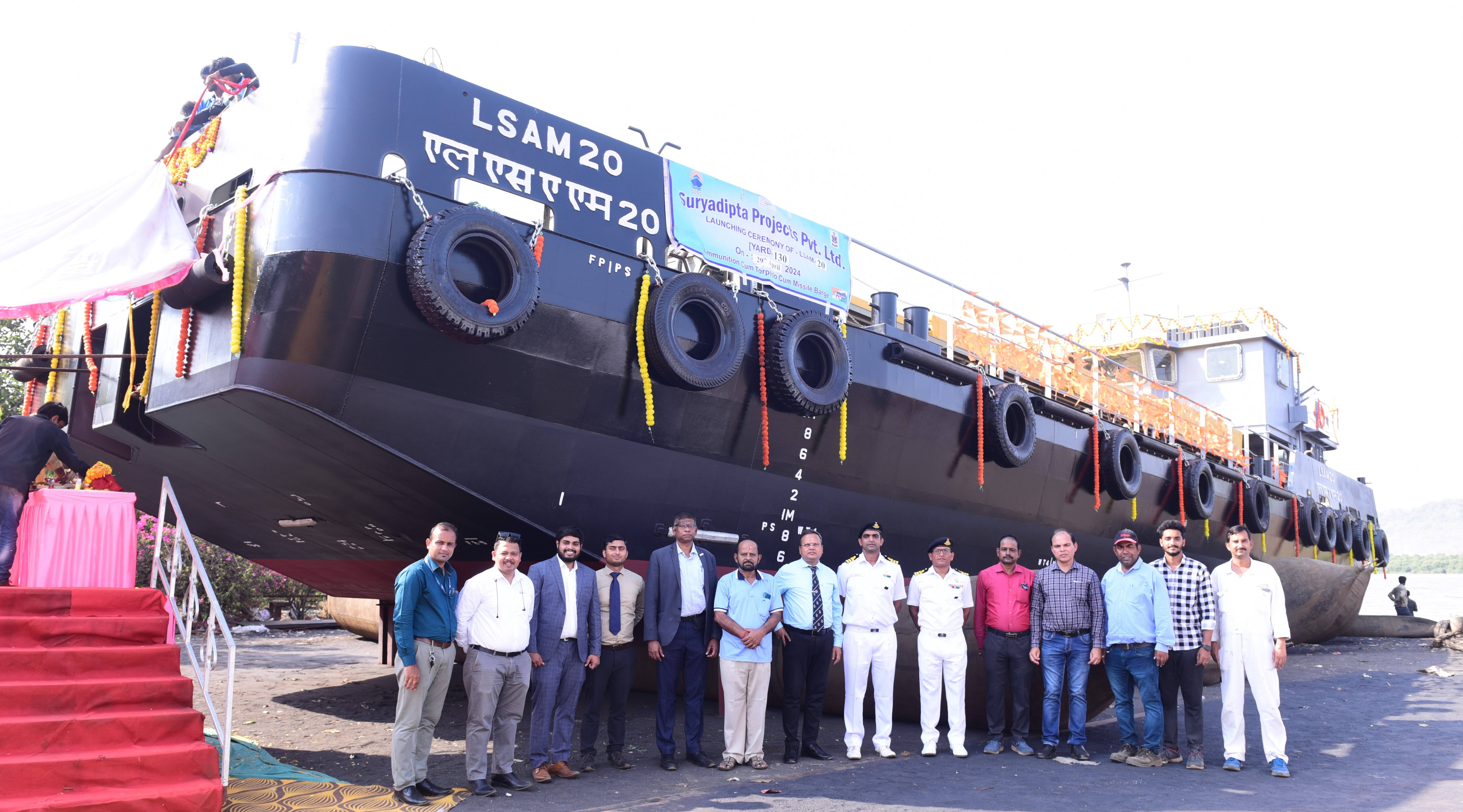
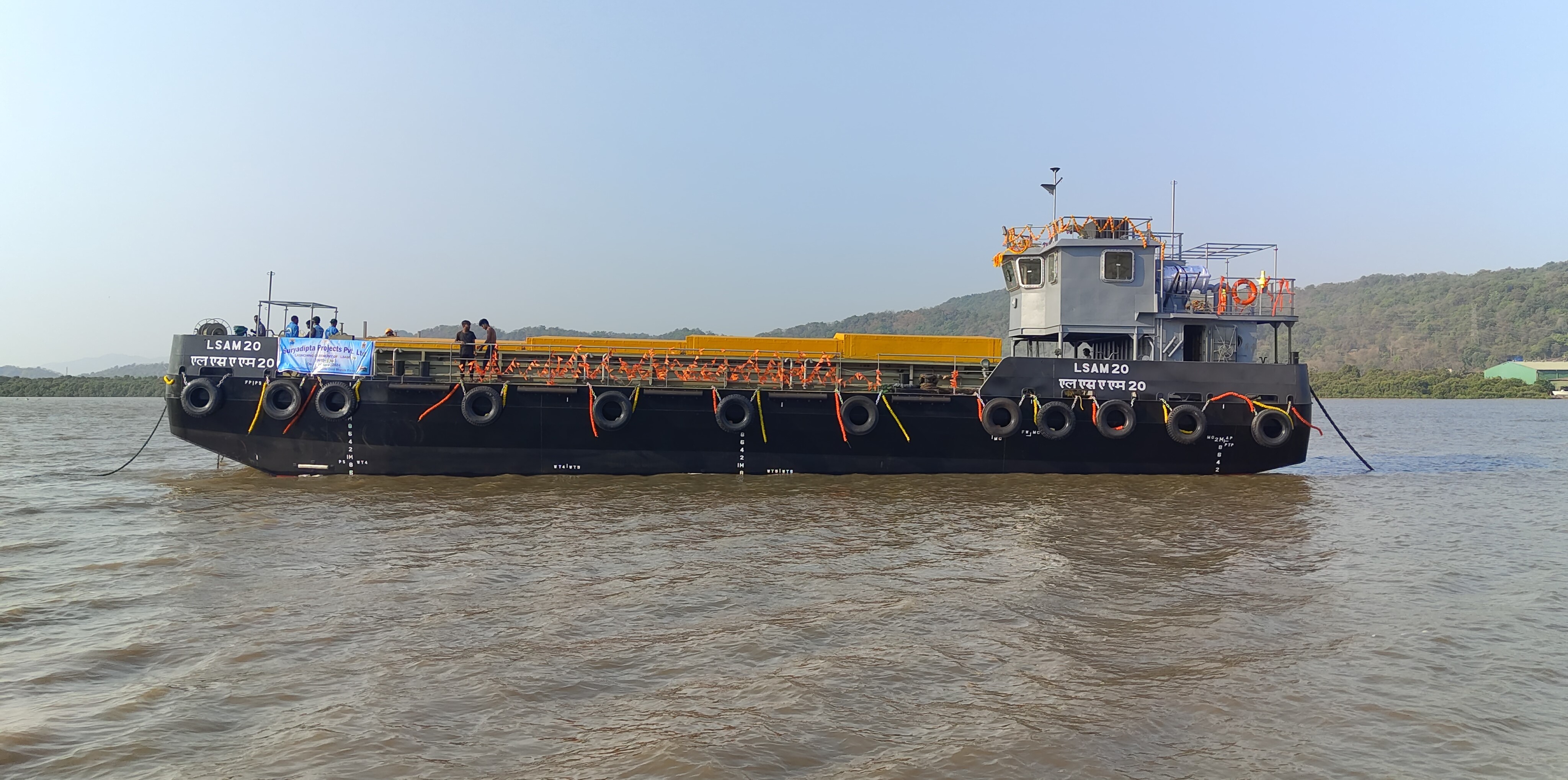
LAUNCH OF 6th AMMUNITION CUM TORPEDO CUM MISSILE BARGE, LSAM 20 (YARD 130)

 The launch of ‘Ammunition Cum Torpedo Cum Missile Barge, LSAM 20 (Yard 130)’,  6th Barge of 11 x ACTCM Barge Project, built by MSME Shipyard, M/s Suryadipta Projects Pvt Ltd, Thane for Indian Navy, was undertaken on 29 Apr 24 at M/s Suryadipta Project Pvt. Ltd. (launch site of M/s SPPL). The launching Ceremony was presided over by Shri Madhusudan Bhui, INAS, GM NAD (Karanja). 

The contract for building 11 x ACTCM Barge was signed between MoD and M/s Suryadipta Projects Pvt Ltd, Thane on 05 Mar 21. The availability of these Barges would provide impetus to operational commitments of IN by facilitating Transportation, Embarkation and Disembarkation of articles/ ammunition to IN Ships both alongside jetties and at outer harbours.

These Barges are indigenously designed and built under relevant Naval Rules and Regulation of Indian Register of Shipping. The model testing of the Barge during the design stage was undertaken at the Naval Science and Technological Laboratory, Visakhapatnam. These Barges are proud flag bearers of Make in India initiative of Government of India (GoI).

****

Mines Ministry Inks MoU with Shakti Sustainable Energy Foundation for Providing Knowledge Support in the Field of Critical Minerals

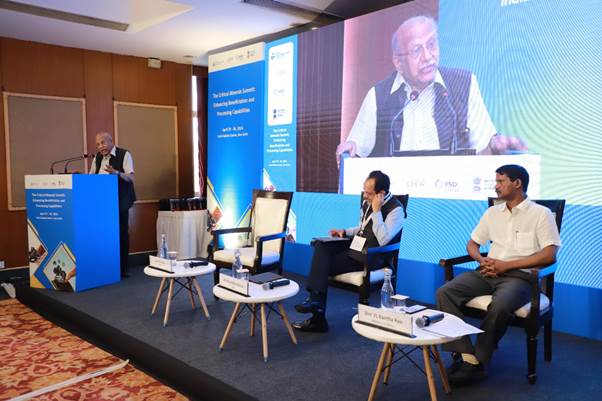
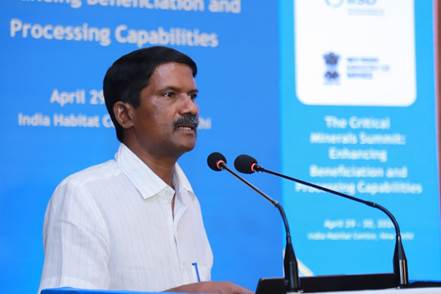
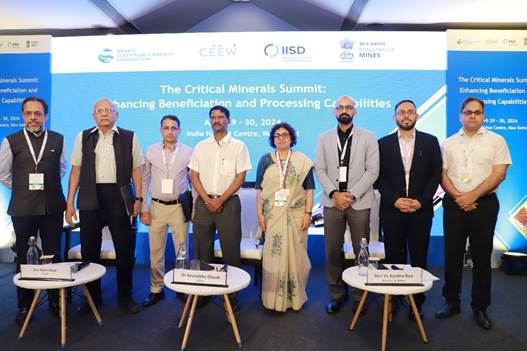
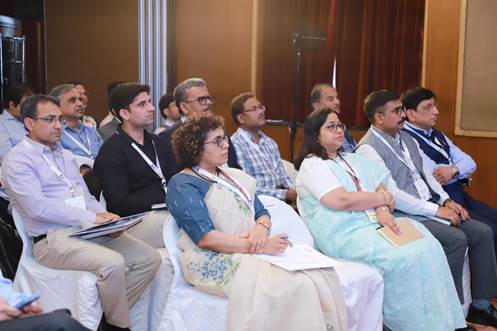
 The ‘Critical Minerals Summit: Enhancing Beneficiation and Processing Capabilities’ commenced at the India Habitat Centre, New Delhi today. The summit, designed to foster collaboration and innovation in critical minerals beneficiation and processing, was inaugurated under the patronage of the Ministry of Mines, with Shri V L Kantha Rao, Secretary of Mines, presiding over the opening ceremony.


The summit featured exhibition pavilions showcasing a diverse array of minerals sourced from both terrestrial and marine environments, providing attendees with a comprehensive view of the critical minerals landscape.

Shri V L Kantha Rao, in his keynote address, underscored India’s urgent need for robust exploration and utilization of critical minerals to support the nation’s rapid economic growth and clean energy aspirations. He highlighted recent government initiatives, including mineral block auctions, aimed at accelerating domestic mineral exploration and production.


On the sidelines of the summit, a Memorandum of Understanding (MoU) was signed between the Ministry of Mines and Shakti Sustainable Energy Foundation. This MoU initiates a partnership between Ministry of Mines, Shakti Sustainable Energy Foundation, Council on Energy, Environment and Water (CEEW) and TERI. This partnership will focus on providing knowledge support in the field of Critical Minerals which are crucial for India’s economic development, national security, and low-carbon energy transition.


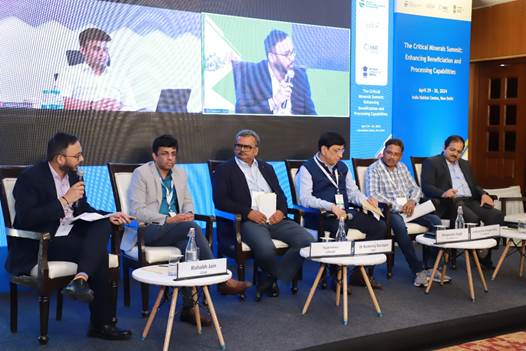
The summit also hosted dynamic panel discussions on crucial topics such as building India’s processing and beneficiation capabilities and scaling strategies for domestic and global markets. Notable discussions revolved around the Ministry’s commitment to infrastructure development for research and development in mineral processing, with initiatives like the Indo-Australian Critical Minerals Research Hub at IIT Hyderabad.


Thereafter, a technology session was held where private companies, R&D institutions, academia as well as GSI and NFTDC showcased India’s Mineral potential and technology available for processing and beneficiation of critical minerals in India through a presentation.


Dr. Veena Kumari D., Joint Secretary of the Ministry of Mines, concluded the day by emphasizing the need for efficient processing technologies amidst global policy uncertainties. She underscored India’s potential as a leading player in electric vehicles, energy storage technologies, and other critical sectors, stressing the importance of nurturing a robust domestic supply chain.

The summit, poised to continue its deliberations over the next day, aims to position India as a global hub for critical mineral processing, thereby supporting the nation’s ambitions of becoming a self-reliant and globally competitive player in the critical minerals arena.

****