PM Young Achievers’ Scholarship Award Scheme for Vibrant India (PM YASASVI)

Daily writing prompt
What food would you say is your specialty?

With a vision of “Sabka Sath, Sabka Vikas”, the Ministry of Social Justice and Empowerment has implemented the PM Young Achievers Scholarship Award Scheme for Vibrant India (PM-YASASVI). This comprehensive umbrella scheme is aimed at uplifting students from Other Backward Classes (OBC), Economically Backward Classes (EBC), and Denotified Tribes (DNT) by providing them with access to quality education during their formative years.

The PM YASASVI scheme consolidates and enhances several earlier initiatives, including the Dr. Ambedkar Post-Matric Scholarship Scheme for EBCs and the Dr. Ambedkar Pre-Matric and Post-Matric Scholarship Scheme for DNTs, which were subsumed under this program starting from 2021-22. By integrating these schemes, PM YASASVI aims to ensure a more streamlined and impactful approach to supporting the educational needs of socially and economically disadvantaged students.

Objective

The overarching goal of the scheme is to promote educational empowerment among these vulnerable groups, helping them overcome financial barriers and complete their education. This initiative not only fosters individual academic growth but also contributes to the broader vision of creating a more inclusive and equitable society.

Under this Scheme students can avail Pre-Matric Scholarship from Class 9 to 10 and Post Matric Scholarship for their higher studies at post-matriculation or post-secondary stage. Students who excel in their studies also get an opportunity of Scholarship to study in Top Class Schools and Colleges under the Scheme of ‘Top Class School Education’ and ‘Top Class College Education’. Hostel facilities are also provided to OBC students under the ‘Scheme of Construction of Hostels for OBC boys and girls.’

PM –YASASVI for OBC, EBC and DNT students has been formulated having following five sub-schemes:

  • Pre-Matric Scholarship for OBC, EBC and DNT Students
  • Post-Matric Scholarship for OBC, EBC and DNT Students
  • Top Class School Education for OBC, EBC and DNT Students
  • Top Class College Education for OBC, EBC and DNT Students
  • Construction of Hostel for OBC Boys and Girls

Scope

The Pre-Matric Scholarship is designed for students in classes IX and X attending government schools, offering an annual academic allowance of Rs. 4,000 to families with an income below Rs. 2.5 lakh. For the 2023-24 academic year, Rs. 32.44 crore has been allocated to states and Union Territories for its implementation. The Post-Matric Scholarship supports students pursuing post-secondary education, providing academic allowances ranging from Rs. 5,000 to Rs. 20,000 based on the category of the course. For this scheme, Rs. 387.27 crore has been released for the current year.

Additionally, the Top Class School and College Education schemes are designed to support meritorious students from OBC, EBC, and DNT categories. These programs cover tuition fees, hostel expenses, and other academic costs, with school students (Class 9-12) eligible for funding up to Rs. 1.25 lakh annually. College students at top institutions receive full financial support, including tuition, living expenses, and educational materials. To further enhance access to education, Rs. 12.75 crore has been allocated in 2023-24 under the ‘Construction of Hostels for OBC Boys and Girls’ scheme, which aims to provide accommodation for socially and educationally backward students near government schools and institutions, ensuring they have better access to quality education.

Benefits

The PM YASASVI aligns with the government’s broader vision of fostering inclusivity, equity, and societal upliftment. By offering comprehensive support to students from OBC, EBC, and DNT categories, it directly addresses the systemic barriers that prevent many from accessing quality education. This initiative not only ensures financial assistance but also promotes educational empowerment for some of the most vulnerable sections of society, thereby creating opportunities for upward mobility and self-reliance.

The scheme’s focus on supporting students at both school and college levels helps to nurture talent from an early age and carry it through to higher education, laying a strong foundation for personal and professional growth. Moreover, by integrating earlier scholarship initiatives into a single, streamlined program, PM YASASVI enhances the impact of these efforts, contributing to the creation of a more inclusive and equitable education system. PM-YASASVI is ensuring that no student is left behind in the pursuit of academic and social progress. This scheme is playing a crucial role in the welfare and upliftment of marginalized communities, enabling them to contribute meaningfully to the vision of Viksit Bharat @ 2047.

Impact

The PM YASASVI (Young Achievers Scholarship Award Scheme for Vibrant India) scheme has made significant strides in providing financial assistance to students from Other Backward Classes (OBC), Economically Backward Classes (EBC), and De-Notified Tribes (DNT). In Financial Year 2023-24, a substantial sum of ₹ 193.83 cr. was allocated for the Pre-Matric Scholarship, benefiting 19.86 lakh students during 2023-24, with further beneficiaries for 2023-24 expected. Similarly, under the Post-Matric Scholarship scheme, ₹988.05 cr. was released, benefiting 27.97 lakh students in 2023-24. These scholarships aim to empower underprivileged students by alleviating financial burdens, thereby promoting education across marginalized communities.

Additionally, the government has invested in other educational support initiatives. ₹14.30 cr. has been released for the construction of hostels, accommodating 1146 students in 2023-24. Top-class education programs and overseas study interest subsidies have also seen significant funding, reaching thousands of students. For example, ₹ 111.18 cr. was allocated to support 4762 students in top Class education in college scheme and Rs. 6.55 Cr. Was allocated to support 2602 students in Top Class education in Schools for OBC, EBC & DNT Students and ₹ 56.24 Cr. was granted as interest subsidies to 2789 students pursuing overseas education. These efforts reflect the growing impact of the PM YASASVI scheme, which is transforming the educational landscape for disadvantaged students, enabling them to achieve their academic potential and contributing to overall societal upliftment.
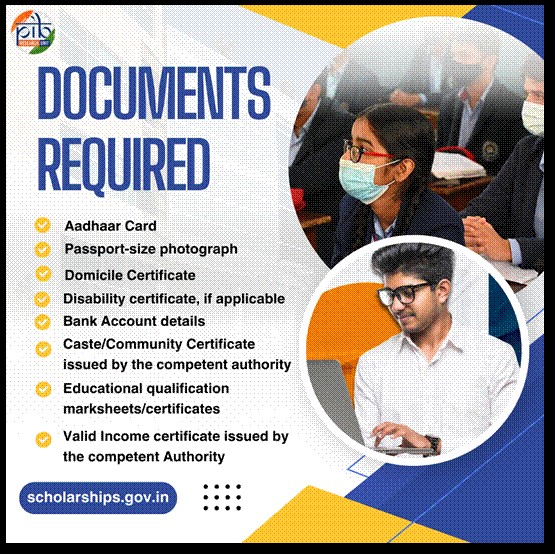
*Any additional documents specified in the application form

Key Points

  • Selection Process: The YASASVI Entrance Test (YET) 2023 is the basis for candidate selection, conducted by the National Testing Agency (NTA) under the direction of the Ministry of Social Justice and Empowerment (MSJ&E), Government of India.
  • Eligibility: Open to OBC, EBC, and DNT students with a total annual family income of up to ₹2.50 lakhs. Additional eligibility criteria may apply, depending on the specific scholarship scheme.
  • Where to Apply: Eligible students can apply online at the National Scholarship Portal: scholarships.gov.in.

Conclusion

By offering a comprehensive array of scholarships and support programs, PM-YASASVI is addressing the financial constraints that often hinder access to education for marginalized communities. The integration of various earlier schemes into one streamlined initiative ensures that students are supported from their school years through to higher education, creating pathways for personal and professional growth. With the government’s ongoing commitment to expanding access to quality education, the PM YASASVI Scheme is making a tangible impact on the lives of thousands of students, helping to create a more inclusive and prosperous India.

References:

Click here to see in PDF:

The Selling Journey: What to Expect When Listing Your Home

Daily writing prompt
You have three magic genie wishes, what are you asking for?

Selling your home can be an emotional and daunting process, often marked by a mix of excitement and anxiety. Whether you’re moving for a job, downsizing, or seeking a change of scenery, understanding the selling journey can help you navigate the complexities involved. Here’s what to expect when you decide to list your home.

Photo by Thirdman on Pexels.com

1. Preparing for the Sale

Before you even list your home, preparation is key. Start by decluttering and depersonalizing your space. Potential buyers want to envision themselves in your home, so it’s important to create a neutral environment. Remove personal photographs, excess furniture, and any items that may distract from the home’s features.

Consider making necessary repairs, such as fixing leaky faucets, patching up holes in the walls, or freshening up the paint. Investing in minor updates, like landscaping or new light fixtures, can significantly enhance curb appeal and attract buyers.

2. Setting the Right Price

One of the most critical aspects of selling your home is setting the right price. Overpricing can deter potential buyers, while underpricing may lead to financial loss. To find the ideal price, research comparable homes in your area that have recently sold. Consult a real estate agent to gain insights into the market and determine a competitive price based on current conditions and the unique features of your property.

3. Choosing a Real Estate Agent

Hiring a knowledgeable real estate agent can significantly impact your selling experience. Look for an agent with a strong track record in your local market. They can provide valuable advice on pricing, marketing strategies, and negotiation tactics. During your initial meetings, ask about their marketing plans, communication style, and experience to ensure they align with your needs.

4. Listing Your Home

Once you’ve prepared your home and set a price, it’s time to list it. Your agent will typically create a listing that includes high-quality photographs and a compelling description of your home’s features and amenities. Online listings are critical since most buyers start their search on the internet. Ensure your agent promotes your home across multiple platforms, including real estate websites, social media, and local listings.

5. Showings and Open Houses

Expect your home to be shown to potential buyers, often at a moment’s notice. Be prepared for various showings and open houses. During this time, it’s crucial to keep your home clean and presentable. Consider a flexible schedule, allowing your agent to arrange showings at convenient times for potential buyers.

When buyers visit, try to make yourself scarce. This allows them to explore your home freely and discuss their thoughts without feeling pressure. Ensure the atmosphere is welcoming: open curtains, turn on lights, and perhaps even bake cookies for an inviting scent.

6. Receiving Offers

As offers start to come in, your agent will present them to you. Each offer will include important details such as the proposed price, contingencies, and timelines. Don’t be discouraged if the first offer isn’t what you expected; it’s a part of the negotiation process.

Evaluate each offer carefully, considering not only the price but also the terms. Some buyers may request repairs or have contingencies that could affect the closing process. Work closely with your agent to determine the best course of action, whether it’s accepting an offer, making a counteroffer, or waiting for better terms.

7. Negotiation

Negotiation is a critical part of selling your home. Expect back-and-forth communication as you and the buyer work towards a mutually agreeable price and terms. Your agent will help facilitate this process, advising you on how to respond to offers and counteroffers effectively.

Keep in mind that negotiations can sometimes be tense. Be prepared to compromise on certain aspects, whether it’s the price, closing date, or specific repairs. Maintaining open lines of communication with your agent can help ease any tension and keep the process moving forward.

8. Closing the Deal

Once you’ve accepted an offer, the next phase is preparing for the closing process. This stage involves a significant amount of paperwork, including the purchase agreement, disclosures, and various legal documents. Your real estate agent will assist you in navigating this phase, ensuring that all required documents are completed correctly.

In Utah, it’s also wise to work with a real estate attorney to ensure compliance with state laws and to help you understand your rights and obligations. Typically, a home inspection will take place during the closing process, allowing the buyer to evaluate the condition of your property. If any issues come to light, you may need to negotiate repairs or concessions before the sale is finalized.

9. Moving Out

After closing, it’s time to move out of your home. Make a moving plan well in advance to ensure a smooth transition. Create a timeline for packing, schedule your moving day, and arrange for utilities to be disconnected. Consider hiring professional movers or enlisting friends and family to help with the process.

In Conclusion

Selling your home is a significant journey that requires careful planning, preparation, and patience. By understanding what to expect at each stage of the selling process, you can approach the experience with confidence and ease. Collaborating closely with a knowledgeable real estate agent can provide invaluable support, helping you achieve a successful and satisfying sale. Remember, while the process can be challenging, it’s also an exciting opportunity to embark on a new chapter in your life.

Cost Management Strategies in Large-Scale Operations

Daily writing prompt
What is your favorite form of physical exercise?

In today’s competitive business environment, cost management in large-scale operations has become a critical component for maintaining profitability and sustainability. Whether you’re managing a manufacturing plant, a sprawling logistics network, or a multi-national corporation, understanding and implementing effective cost management strategies can mean the difference between thriving and merely surviving. This blog post will explore various techniques and insights into managing costs effectively, tailored for decision-makers who aim to enhance operational efficiency.

Photo by Photo By: Kaboompics.com on Pexels.com

Understanding the Importance of Cost Management

Effective cost management is crucial for any business, but it becomes even more essential as operations scale. Large-scale operations often involve complex processes, multiple stakeholders, and significant capital investments. Mismanagement at any level can lead to financial losses and potential operational setbacks. By focusing on cost management, businesses can optimize resources, streamline operations, and improve overall financial health.

Cost management is not just about cutting expenses; it’s about making strategic decisions that align with long-term goals. For example, investing in technology that reduces manual labor can lead to immediate costs but result in substantial savings over time. This mindset shifts the focus from short-term budget constraints to long-term operational efficiency and sustainability.

Lastly, operating at a large scale allows businesses to take advantage of economies of scale. However, without proper cost management strategies, these advantages can quickly dissipate. Implementing robust cost management processes ensures that large-scale operations remain agile, efficient, and competitive in a rapidly changing market.

Streamlining Procurement Processes

Procurement is a major cost center in large-scale operations. Efficient procurement strategies can significantly reduce waste and lower costs. Centralizing procurement functions to enhance negotiation power with suppliers is one approach. By consolidating purchases, businesses can leverage better pricing, terms, and contracts, thereby reducing costs.

Automation is another valuable tool for streamlining procurement. Implementing technology solutions like procurement software can reduce manual errors, increase transparency, and improve efficiency. Automation also enables real-time analytics, allowing businesses to make data-driven decisions that enhance cost management.

Building strong relationships with suppliers also plays a pivotal role in cost management. Collaborating with suppliers can lead to better pricing agreements, improved product quality, and quicker delivery times. Establishing trust and open communication lays the groundwork for a mutually beneficial partnership that enhances cost efficiency.

Enhancing Workforce Efficiency

Labor costs are a significant expense for large-scale operations. Improving workforce efficiency can yield substantial cost savings. One approach is to invest in employee training and development programs. Equipping employees with the skills they need to work efficiently reduces errors, improves productivity, and increases job satisfaction.

Adopting flexible work arrangements is another strategy that can enhance workforce efficiency. Offering remote work options or flexible schedules can reduce overhead costs while improving employee morale and retention. This flexibility can lead to increased productivity and lower turnover rates.

Leveraging technology to automate repetitive tasks can also pay dividends. By freeing up employees from mundane tasks, businesses can focus their efforts on higher-value activities. This not only leads to cost savings but also drives innovation and continuous improvement within the organization.

Optimizing Supply Chain Management

Supply chain management is a critical area for cost management in large-scale operations. Effective supply chain strategies can reduce costs and improve service levels. One way to achieve this is by optimizing inventory levels. Implementing just-in-time inventory systems can reduce carrying costs and minimize waste.

Utilizing technology to improve supply chain visibility is another key strategy. Real-time tracking and data analytics can provide insights into demand patterns, supplier performance, and potential disruptions. Businesses can proactively address issues and avoid costly delays by gaining better visibility into the supply chain.

Collaborating with supply chain partners can also yield cost-saving opportunities. Developing strategic partnerships and sharing information can improve coordination, reduce duplication, and enhance efficiency. Such collaboration fosters an integrated supply chain that operates seamlessly and cost-effectively.

Leveraging Technology for Cost Efficiency

Technology plays a crucial role in cost management for large-scale operations. Investing in advanced technologies can improve processes, reduce errors, and enhance decision-making. For instance, utilizing industrial piping in Utah can streamline production processes, reduce downtime, and enhance overall efficiency.

Data analytics is another powerful tool for cost management. By analyzing large volumes of data, businesses can identify cost-saving opportunities, uncover inefficiencies, and make informed decisions. Predictive analytics can also help anticipate demand fluctuations and optimize resource allocation.

Incorporating automation into various aspects of operations can result in significant cost savings. Automated systems can handle repetitive tasks, monitor performance, and generate insights. This reduces labor costs and enhances accuracy, speed, and consistency across the organization.

Conclusion

Effective cost management is essential for large-scale operations seeking sustainable growth and profitability. By implementing strategies such as streamlining procurement, enhancing workforce efficiency, optimizing supply chain management, and leveraging technology, businesses can achieve cost efficiency and maintain a competitive edge.

To further enhance your cost management efforts, consider exploring additional resources or consulting experts in the field. Remember, successful cost management requires a holistic and proactive approach. By continually evaluating and optimizing your operations, you can ensure a strong foundation for long-term success.

Investing in Self-Improvement: The ROI of Personal Choices

Daily writing prompt
What is your favorite form of physical exercise?

In today’s fast-paced world, investing in self-improvement has become more important than ever. Personal development is not just about gaining new skills or knowledge; it’s about enhancing the quality of your life and achieving your goals. This blog post explores the concept of self-improvement as an investment and how even small personal choices can yield substantial returns over time.

Photo by Tima Miroshnichenko on Pexels.com

The Power of Personal Investment

Investing in yourself is one of the most rewarding decisions you can make. It encompasses learning new skills, adopting healthier habits, and expanding your mindset. By prioritizing self-improvement, you can unlock a range of benefits, from increased confidence to better career prospects.

One of the most significant advantages of personal investment is the boost in self-confidence. When you commit to improving yourself, you develop a sense of accomplishment and self-worth. This newfound confidence can help you tackle challenges and seize opportunities with determination and resilience.

In addition to self-confidence, investing in personal growth can enhance your career. Acquiring new skills and expanding your knowledge base makes you more valuable in the job market. Employers are always on the lookout for individuals who are committed to continuous improvement.

Setting Clear Goals and Intentions

The first step in investing in self-improvement is setting clear goals and intentions. Without a roadmap, it’s easy to get lost or distracted. Begin by identifying areas of your life you’d like to improve and establish specific, achievable objectives.

Clear goals give you a sense of direction and purpose. They provide you with motivation and a framework to measure your progress. By setting intentions, you are more likely to stay focused and committed to your self-improvement journey.

To set effective goals, use the SMART criteria—Specific, Measurable, Achievable, Relevant, and Time-bound. This approach ensures that your goals are realistic and attainable, making it easier to track progress and celebrate successes along the way.

Cultivating a Growth Mindset

A growth mindset is essential for self-improvement. It involves believing that your abilities and intelligence can be developed through dedication and hard work. This perspective fosters a love of learning and resilience in the face of challenges.

Having a growth mindset allows you to view setbacks as opportunities for growth rather than failures. It encourages you to take risks and step outside your comfort zone, leading to personal and professional development.

Cultivating a growth mindset involves being open to feedback, learning from mistakes, and seeking new experiences. By adopting this mindset, you create a foundation for continuous self-improvement and lifelong learning.

Building Strong Habits

Habits play a crucial role in self-improvement. They are the building blocks of change and can significantly impact your life. Developing positive habits requires discipline, patience, and consistency.

Start by identifying habits that align with your self-improvement goals. Whether it’s exercising regularly, reading daily, or practicing mindfulness, focus on incorporating these habits into your routine.

Building strong habits takes time and effort, but the rewards are well worth it. Over time, these habits become second nature, contributing to your overall well-being and success.

The Role of Education and Skill Development

Education and skill development are integral components of self-improvement. They open doors to new opportunities and help you stay competitive in a rapidly changing world. Whether through formal education or self-directed learning, acquiring new skills is a valuable investment.

Consider enrolling in courses, attending workshops, or pursuing certifications to enhance your knowledge and abilities. These investments can lead to career advancement, increased earning potential, and personal fulfillment.

Remember, learning doesn’t have to be limited to your professional life. Explore hobbies and interests that bring you joy and satisfaction. This holistic approach to education enriches your life and contributes to your overall development.

Prioritizing Health and Well-being

Your health and well-being are fundamental to personal growth. Without a strong foundation of physical and mental health, it’s challenging to achieve your goals and live life to the fullest.

Prioritize self-care by adopting healthy habits such as regular exercise, balanced nutrition, and adequate sleep. These practices boost your energy levels, improve your mood, and enhance your cognitive function.

Mental well-being is equally important. Practice mindfulness, seek support when needed, and engage in activities that promote relaxation and stress reduction. A healthy mind is better equipped to handle life’s challenges and maintain focus on self-improvement.

Building Meaningful Relationships

Relationships are a key aspect of personal development. Surrounding yourself with supportive, positive individuals can inspire and motivate you to grow. Invest time in nurturing meaningful connections with family, friends, and mentors.

Strong relationships provide emotional support, guidance, and encouragement. They offer different perspectives and insights that can enrich your self-improvement journey. By cultivating a network of positive influences, you create an environment conducive to personal growth.

Remember, meaningful relationships are built on trust, communication, and mutual respect. Be open, honest, and empathetic in your interactions to foster genuine connections.

Financial Literacy and Stability

Financial literacy and stability are essential components of personal growth. Understanding how to manage your finances empowers you to make informed decisions and plan for the future.

Invest time in learning about budgeting, saving, and investing. These skills provide you with the freedom and flexibility to pursue your self-improvement goals without financial stress.

Achieving financial stability enables you to invest in experiences and opportunities that enhance your personal development. Whether it’s further education, travel, or hobbies, having control over your finances allows you to make choices that align with your aspirations.

Leveraging Technology for Self-Improvement

Technology offers a wealth of resources to support your self-improvement efforts. From online courses to productivity apps, technology can enhance your learning experience and streamline your personal development.

Explore platforms that offer courses aligned with your goals and interests. Use productivity tools to manage your time and tasks effectively. Leverage social media and online communities to connect with like-minded individuals and share experiences.

While technology can be a powerful ally, it’s essential to use it mindfully. Set boundaries to prevent digital overload and ensure that your tech usage contributes positively to your self-improvement.

Dental Implants in Richland WA and Self-Care

Investing in self-care extends beyond daily habits—it includes taking care of your dental health. For instance, seeking dental implants in Richland WA can significantly enhance your quality of life if you’re dealing with missing teeth. Good oral health is vital for overall well-being and confidence, allowing you to focus more on your self-improvement goals.

Dental implants provide a permanent solution that looks and feels natural, improving your smile and boosting your self-esteem. This investment in your health can lead to better social and professional interactions, contributing positively to your self-improvement efforts.

Measuring Your Progress and Celebrating Success

Tracking your progress is crucial for staying motivated and achieving your self-improvement goals. Regularly evaluate your growth and make adjustments as needed. Celebrate your successes, both big and small, to maintain momentum and build confidence.

Set aside time to reflect on your achievements and the lessons learned along the way. This practice reinforces your commitment to self-improvement and helps you stay focused on future goals.

Remember, self-improvement is a lifelong journey. Be patient with yourself and acknowledge the progress you’ve made, no matter how incremental it may seem.

Conclusion

Investing in self-improvement is one of the most rewarding choices you can make. By prioritizing personal development, you unlock a lifetime of returns in the form of confidence, success, and fulfillment. Whether it’s through setting goals, building habits, or seeking knowledge, the path to self-improvement is filled with opportunities for growth.

Take action today and invest in yourself. Whether it’s enrolling in a course, joining a community, or starting a new habit, every step you take brings you closer to realizing your full potential. Remember, the best investment you can make is in your own future.

The Secrets to a Long-Lasting Home Every Owner Should Know

Daily writing prompt
What alternative career paths have you considered or are interested in?

Owning a home is a dream come true for many, but with ownership comes responsibility. Regular home maintenance is often overlooked, yet it is crucial for ensuring the longevity of your property. Whether you’re a homeowner, a real estate investor, or a DIY enthusiast, understanding the importance of routine upkeep can save you time, money, and headaches in the long run. In this blog post, we’ll explore why regular maintenance matters, practical tips for keeping your home in top shape, and how it can enhance the value of your investment.

Photo by Tima Miroshnichenko on Pexels.com

Why Regular Maintenance Matters

A well-maintained home not only looks good but functions efficiently. Regular maintenance helps identify and resolve minor issues before they escalate into significant problems. For example, a small leak in the roof might seem trivial, but if left unattended, it can lead to water damage, mold, and costly repairs. By addressing such issues promptly, you preserve the integrity of your home and ensure it remains a safe haven for your family.

Another reason maintenance is vital is energy efficiency. Routine tasks such as cleaning air filters or sealing windows can significantly reduce energy consumption, resulting in lower utility bills. A home that runs smoothly is not only cost-effective but also environmentally friendly, making it an important consideration for today’s eco-conscious homeowners.

Finally, regular upkeep enhances the resale value of your property. When potential buyers see that a home has been well-maintained, they are more likely to view it as a sound investment. This can lead to higher offers and a quicker sale, providing you with a better return on your investment.

Essential Exterior Maintenance Tasks

The exterior of your home is its first line of defense against the elements. Keeping it in excellent condition involves several key maintenance tasks. Start by inspecting your home’s siding for cracks or damage. These should be repaired promptly to prevent moisture from seeping in and causing structural issues.

Next, focus on your home’s roof. Regularly check for missing or damaged shingles, as these can lead to leaks. If your roof is aging, it may be time to consider installing a new roof in Sandy to protect your home from harsh weather conditions. Remember, a sturdy roof is essential for the overall safety and longevity of your home.

Don’t forget about your gutters and downspouts. Clean them regularly to ensure proper drainage and prevent water damage to your home’s foundation. Additionally, inspect the exterior paint and touch up any areas that are peeling or chipping to maintain your home’s curb appeal.

Indoor Maintenance for a Healthy Home

Inside your home, several maintenance tasks can keep everything running smoothly. Start with your HVAC system. Change the filters regularly to ensure efficient operation and improve indoor air quality. Schedule professional inspections at least once a year to catch any potential issues early.

Plumbing is another critical area. Check for leaks under sinks and around toilets, and repair them immediately to prevent water damage and mold growth. It’s also a good idea to test your water heater’s pressure relief valve annually to ensure it’s functioning correctly.

Electrical systems need attention, too. Test smoke detectors and carbon monoxide alarms monthly to keep your family safe. Also, inspect electrical outlets and cords for signs of wear or damage, and replace them if necessary to prevent potential hazards.

Saving Money with DIY Maintenance

Many maintenance tasks can be done yourself, saving you money on professional services. For instance, cleaning out gutters, replacing air filters, and touching up paint are simple tasks that require minimal tools and skills. Not only does DIY maintenance save money, but it also gives you a sense of accomplishment and a deeper understanding of your home.

However, it’s essential to know your limits. Some tasks, like roof repairs or electrical work, are best left to professionals who have the experience and equipment to do the job safely. Always prioritize safety over savings when considering DIY projects.

Creating a Maintenance Schedule

A well-organized maintenance schedule is key to keeping your home in top condition. Start by listing all the tasks that need to be done annually, seasonally, and monthly. This includes everything from inspecting the roof to checking the HVAC system.

Use a calendar or a home maintenance app to keep track of tasks and set reminders. By spreading out tasks throughout the year, you’ll avoid feeling overwhelmed and ensure that nothing is overlooked.

Community and Professional Resources

Don’t hesitate to tap into community resources for maintenance tips and advice. Local hardware stores often offer free workshops on home improvement projects, providing valuable skills and knowledge. Online forums and social media groups can also be great places to share experiences and get recommendations for reliable local contractors.

When professional help is needed, choose skilled and reputable service providers. Whether you’re installing anew roof in Sandy or fixing a plumbing issue, quality workmanship is crucial for long-term results. Ask for referrals from friends or neighbors and check online reviews to find the best professionals in your area.

Regular home maintenance is essential for protecting your investment and ensuring a safe and comfortable living environment. By staying on top of routine tasks and addressing issues promptly, you can extend the life of your home and enhance its value. For those who wish to learn more, various resources are available, from DIY guides to local workshops. Remember, a well-maintained home is a happy home.

Balancing Act: How to Increase Productivity Without Burning Out

Daily writing prompt
What food would you say is your specialty?

In today’s fast-paced world, the pursuit of productivity is often accompanied by an alarming rise in burnout. Whether you’re a student, a professional, or a stay-at-home parent, the pressure to perform can sometimes feel overwhelming. However, achieving greater productivity doesn’t have to come at the expense of your well-being. Here are several effective strategies to help you enhance your productivity while maintaining a healthy balance to avoid burnout.

Photo by Arina Krasnikova on Pexels.com

1. Understand Your Limits

Recognizing your limits is the first step toward sustainable productivity. Pushing yourself beyond your capacity can lead to exhaustion and decreased performance. It’s essential to assess your workload realistically. Consider keeping a journal for a week, documenting your tasks, energy levels, and feelings. This reflection can help identify patterns and pinpoint when you’re most productive, allowing you to plan your most demanding tasks during those peak times.

2. Prioritize Tasks

Once you’ve gained insight into your limits, it’s time to prioritize tasks. The Eisenhower Matrix is a useful tool for categorizing tasks based on urgency and importance. Divide your tasks into four quadrants:

  • Urgent and Important: Do these tasks immediately.
  • Important but Not Urgent: Schedule these for later.
  • Urgent but Not Important: Delegate if possible.
  • Not Urgent and Not Important: Consider eliminating these tasks.

By focusing on what truly matters, you can allocate your energy more effectively, reducing the feeling of being overwhelmed.

3. Set Realistic Goals

Setting clear, achievable goals is vital for maintaining motivation and productivity. Instead of overwhelming yourself with a long to-do list, break your goals into smaller, manageable tasks. This approach not only makes tasks seem less daunting but also allows you to celebrate small victories along the way, boosting your morale and motivation.

4. Embrace Time Management Techniques

Effective time management is crucial for enhancing productivity without leading to burnout. Techniques like the Pomodoro Technique can help you work efficiently while providing necessary breaks. This method involves working for 25 minutes, followed by a 5-minute break. After four cycles, take a longer break (15-30 minutes). This structure allows you to maintain focus and prevents fatigue, ensuring you stay productive throughout the day.

5. Take Breaks

It may seem counterintuitive, but taking regular breaks can enhance productivity. Research shows that short breaks can improve focus, creativity, and overall performance. Use these breaks to step away from your workspace, stretch, or take a short walk. Engaging in a brief physical activity can rejuvenate your mind and body, helping you return to your tasks with renewed energy and focus.

6. Practice Mindfulness and Stress-Relief Techniques

Incorporating mindfulness practices into your daily routine can significantly enhance your productivity while reducing stress. Techniques such as meditation, deep breathing exercises, or even simple moments of silence can help center your thoughts and calm your mind. Taking a few minutes each day to practice mindfulness can increase your focus, improve decision-making, and foster a positive mindset.

7. Create a Supportive Work Environment

Your environment plays a crucial role in your productivity levels. A cluttered, noisy, or uncomfortable workspace can lead to distractions and decreased focus. Take the time to create a space that promotes productivity. This could involve organizing your desk, using ergonomic furniture, or adding elements that inspire you, such as plants or motivational quotes.

Additionally, to minimize interruptions, consider establishing boundaries with colleagues or family members regarding your work hours. A dedicated workspace, even if it’s just a corner of your home, can signal to yourself and others that it’s time to focus.

8. Prioritize Self-Care

Self-care goes beyond a mere trend; it’s essential for sustaining productivity while avoiding burnout. Prioritizing sleep, nutrition, and exercise is vital. Insufficient sleep can impair cognitive function and elevate stress levels, so aim for 7-9 hours of quality rest each night.

Investing in a comfortable pillowtop queen mattress can significantly enhance your sleep quality. Maintaining a balanced diet and incorporating regular exercise into your routine will boost your overall well-being and resilience.

9. Learn to Say No

One of the most challenging aspects of maintaining productivity is knowing when to say no. It’s easy to become overwhelmed with commitments, whether they’re work-related, social, or personal. Learning to say no allows you to focus on your priorities and prevent overcommitting yourself. Remember, it’s okay to prioritize your well-being and existing responsibilities over additional tasks or obligations.

In Conclusion

Increasing productivity doesn’t have to mean sacrificing your health and well-being. By understanding your limits, prioritizing tasks, and implementing effective time management techniques, you can achieve a more balanced approach to productivity. Embracing mindfulness, creating a supportive work environment, and prioritizing self-care are all essential components of this balancing act.

Remember, it’s not just about working harder but also about working smarter. With these strategies, you can enhance your productivity while safeguarding against burnout, ultimately leading to a more fulfilling and sustainable work-life balance.