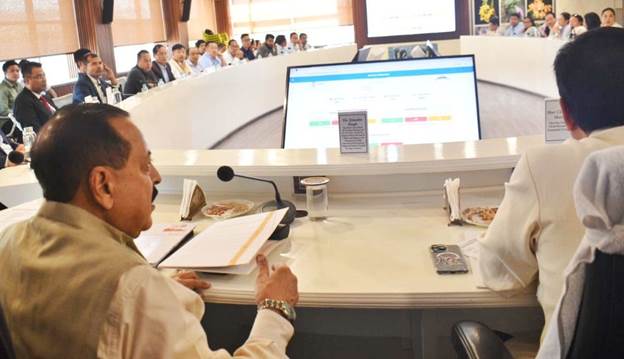
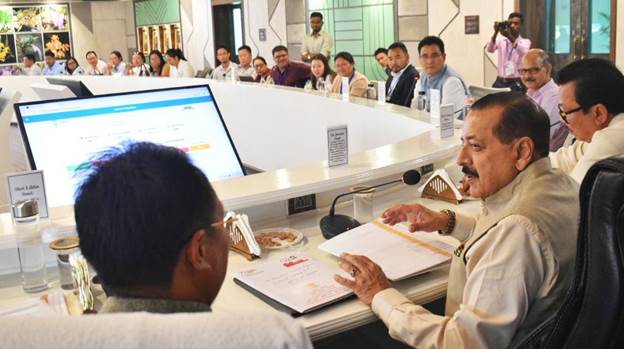
DPIIT celebrates 8th Anniversary of 4 industrial Corridors

Department for Promotion of Industry and Internal Trade (DPIIT) today celebrated the 8th anniversary of 4 new industrial corridors namely Amritsar-Kolkata Industrial Corridor (AKIC), Chennai-Bengaluru Industrial Corridor (CBIC), East Coast Economic Corridor (ECEC), and Bengaluru-Mumbai Industrial Corridor (BMIC) being added to India’s Industrial landscape— that have accelerated India’s journey towards becoming a global manufacturing powerhouse.

Earlier, India’s first corridor Delhi Mumbai Industrial Corridor (DMIC) spanning Uttar Pradesh, Haryana, Rajasthan, Madhya Pradesh, Gujarat and Maharashtra was solely leading the Silent Industrial revolution in the country.

Approved on 20 November 2019, these corridors represent the Government of India’s pioneering vision to boost manufacturing and drive planned urbanization nationwide, creating significant socio-economic benefits.

The establishment of these corridors has been a critical step toward transforming India’s industrial landscape. Spread across key regions in India, each corridor was strategically designed to integrate industry and infrastructure, establishing world-class connectivity that supports rapid industrialization. With high-speed rail networks, modern ports, dedicated logistics hubs, and advanced airports, these corridors are setting new standards in infrastructure development.

Each of the five corridors has played a distinctive role in shaping India’s economic narrative:

Delhi-Mumbai Industrial Corridor (DMIC) has emerged as a flagship of industrial and urban development. Anchored by advanced infrastructure, DMIC’s Dholera Special Investment Region in Gujarat, Shendra-Bidkin Industrial Area in Maharashtra, Integrated Industrial Townships- Greater Noida and Vikram Udyogpuri have created a benchmark in high-tech manufacturing, offering ‘plug-and-play’ infrastructure that facilitates ease of doing business. As a joint initiative between Japan and India, DMIC also exemplifies international collaboration for industrial growth.

Amritsar-Kolkata Industrial Corridor (AKIC) connects Delhi, Amritsar, and Kolkata, spanning over 1,800 km and impacting 20 cities. This corridor benefits 40% of India’s population, supporting regional industrial development in one of the world’s most densely populated areas. Regions like Khurpia in Uttarakhand and Rajpura-Patiala in Punjab have seen a surge in industry interest, driven by tailored investment incentives and robust connectivity.

Chennai-Bengaluru Industrial Corridor (CBIC) is planned to achieve accelerated development and regional industry agglomeration in the states of Tamil Nadu, Karnataka and Andhra Pradesh. It is enhancing trade between East Asia and Southern India, with nodes stretching from Chennai to Bengaluru, and planned extensions to Mangalore.

East Coast Economic Corridor (ECEC), India’s first coastal corridor, has amplified the nation’s trade and export capacities. Several ports located across the corridor not only serve as international gateways but, more importantly, act as critical links in the supply chain. By supporting logistics, packaging, and other services for production clusters and distribution centers, they are a valuable source of economic activity and development. The Vizag-Chennai Industrial Corridor (VCIC) has been designated as the first phase of the ECEC.

Bengaluru-Mumbai Industrial Corridor (BMIC) has prioritized regions with high industrial potential, such as Dharwad in Karnataka and Satara in Maharashtra. As one of the latest corridors, BMIC is establishing high-tech, multi-modal logistics and manufacturing hubs that complement existing industrial zones, ensuring balanced regional development and bridging the north-south economic axis.

On 28 August, 2024, the Cabinet Committee on Economic Affairs chaired by the Prime Minister Shri Narendra Modi approved 12 new project proposals under the National Industrial Corridor Development Programme (NICDP) with an estimated investment of Rs. 28,602 crore. Spanning across 10 states and strategically planned along 6 major corridors, these projects represent a significant leap forward in India’s quest to enhance its manufacturing capabilities and economic growth.

Some of these new projects are situated directly on the five corridors.

On DMIC, the Dighi node in Maharashtra and Jodhpur-Pali node in Rajasthan will amplify the corridor’s capacity for high-tech manufacturing and logistics.

On AKIC, Khurpia in Uttarakhand, Rajpura-Patiala in Punjab, Agra and Prayagraj in UP, Gaya in Bihar will further integrate northern states into the nation’s industrial landscape, leading to inclusive regional economic growth.

On CBIC, Palakkad in Kerala will enhance connectivity with southern manufacturing hubs, promoting trade and export potential.

On ECEC, The nodes of Kopparthy and Orvakal in Andhra Pradesh will strengthen coastal supply chains, bridging export-driven industries with inland clusters.

These industrial smart cities, like jewels in India’s economic necklace, represent the next generation of connected, self-sustaining hubs that will support local communities and elevate India’s global standing. As the nation marks five years of significant industrial progress, the recent approval of 12 new nodes signals a strong future for India’s industrial landscape, strengthening the country’s capacity for innovation, self-reliance, and sustainable economic development.

As India celebrates this milestone, the significance of the industrial corridors becomes ever more evident. These corridors are not just roads and factories; they are arteries of growth, pumping life into the nation’s industrial ambitions. They are a testament to India’s potential and its commitment to innovation, resilience, and progress. As the nation steps into the future, the corridors stand as both a foundation and a promise of what lies ahead.

**************
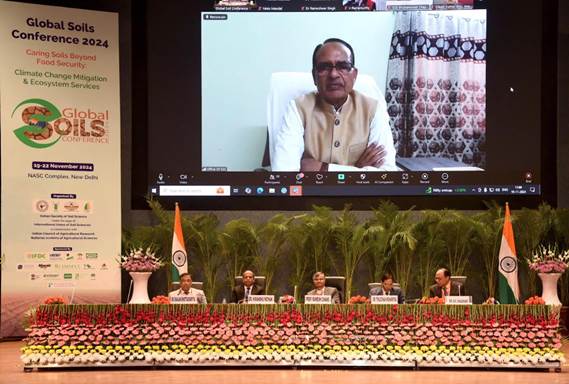
Global Soil Conference 2024

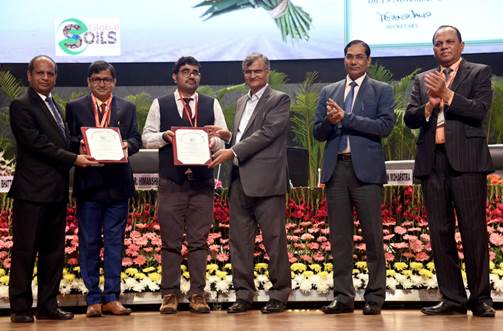
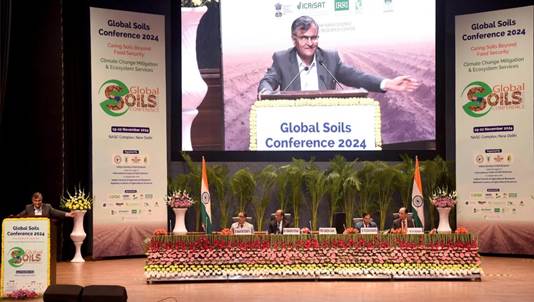
Union Agriculture & Farmers’ Welfare and Rural Development Minister Shri Shivraj Singh Chouhan addressed the Global Soils Conference 2024 organized in PUSA New Delhi today through video conferencing. Union Agriculture minister said that the basic mantra of Indian culture is the belief in a shared consciousness among all beings. Our sages have taught that there is only one universal consciousness in everyone; hence, the whole world is one family, and we should treat everyone as our own. This consciousness is not limited to humans but extends to animals as well. He also added that it is also present in the soil, emphasizing that soil is not lifeless but living.

Shri Chouhan stated that our body is made up of various elements, among which soil is a major component and only if there is soil, there is life. If the soil becomes unhealthy, living beings cannot remain healthy either. We complement each other, so it is essential to ensure that the soil remains healthy. Today, the whole world is concerned about the health of the soil. This earth does not belong to us alone; animals and plants also have rights to it, Shri Chouhan added. He also emphasized that soil health is a matter of serious concern today. India has made remarkable progress in agriculture since independence. At one time, there was a shortage of food grains in the country, and food had to be imported from other nations. However, the Green Revolution brought about a significant transformation in India, the union minister added. The adoption of high-yielding crops and their varieties, better irrigation techniques, and modern agricultural systems have ensured food security for millions of Indians. Following this, the Rainbow Revolution further diversified agriculture through horticulture, dairy, aquaculture, poultry, and other sectors, making agriculture a main pillar of the Indian economy. “I am pleased to share that India now produces 330 million tonnes of food grains annually, contributing significantly to global food trade and generating $50 billion in export earnings” the union Agriculture minister said.

Shri Chouhan also added that increasing use and dependence on chemical fertilizers, indiscriminate exploitation of natural resources and unstable weather have put pressure on the soil. Today India’s soil is facing a major health crisis. According to many studies, 30 percent of our soil has been spoiled. Soil erosion, salinity, pollution are reducing the level of essential nitrogen and micro nutrients in the soil. The lack of organic carbon in soil has weakened its fertility and resilience. These challenges not only affect production but will also create livelihood and food crisis for farmers in the times to come, Union Minister said. Our government has taken many initiatives for soil conservation and which leads to higher soil fertility. Making Soil Health Card was started in 2015 under the leadership of Prime Minister Shri Narendra Modi. More than 220 million cards have been made and given to farmers. And Farmers now know which fertilizer to use in what quantity through the soil health card. Under Pradhan Mantri Krishi Sinchai Yojana- Per Drop More Crop, we have focused on judicious use of water, reducing wastage and reducing peak nutrient residues. An organic basic development compilation has been created for the North East and farmers in these 8 states are being motivated to adopt organic farming practices while protecting the biodiversity of the ecologically sensitive area. The work of making natural farming a mission is also going on in India. He also said that chemical fertilizers are not only deteriorating the health of the soil but also the health of humans and animals. To maintain soil fertility, integrated nutrient and water management methods will have to be adopted. We should take all measures to improve soil health, reduce soil erosion and water storage capacity through various methods like micro irrigation, crop diversification, agro-forestry etc.

Shri Shivraj Singh Chouhan said that the role of solution and extension systems of scientific innovations on war footing is important. Krishi Vigyan Kendras of India, in collaboration with agricultural technology management agencies, are also working to provide knowledge and skills to farmers. The lab to land distance between science and farmers has to be reduced. We are continuously making efforts to ensure timely delivery of correct information from scientists to farmers. Krishi Vigyan Kendra is also making many efforts in this direction. Shri Chauhan added that we are also going to start the program of Modern Agriculture Chaupal soon in which scientists will continuously discuss with the farmers and give information and also solve the problems. Apart from this, private and NGO led extension services have brought advanced technology to the farmers and farmers are now taking advantage of it.

The Union Agriculture Minister also added that farmers are the biggest guardians of the soil and we have to empower them through education, encouragement and modern scientific information. Youth should also be included in this. Agriculture is a profitable and respectable profession; there is a need to encourage the youth for this also. Women students and researchers should play a leading role in developing innovations that address local and global soil challenges. He said that soil erosion is not only a national issue but a matter of global concern which is a part of the Sustainable Development Goals of the United Nations. It is essential to achieve the SDGs.  The conference is an opportunity for nations to collaborate, share technologies and work towards sustainable land management. I urge all participants to consider solutions that can be implemented on a large scale that will benefit not only the farmer, but entire humanity and the entire fauna and trees. I call upon scientists, stakeholders, policy makers, industry representatives, NGOs and students to join hands in the mission to restore soil health. The Government of India is committed to supporting initiatives that ensure sustainable and profitable agriculture, resilient ecosystems and food security for all. Together we pledge to ensure a sustainable future for all living beings and future generations, Shri Chouhan concluded.

Prof.Ramesh chand, Member of NITI Aayog, Dr.Trilochan Mohapatra, chairperson Protection of Plant Varieties and Farmers’ Rights Authority, and former Secretary DARE and DG ICAR, Dr Himanshu Pathak, Secretary DARE and Director General, ICAR&President ISSS were present at the function.

*****

India felicitates  foreign ISA Trainees from 6 countries in Ocean Exploration after completion of specialised programme conducted by Ministry of Earth Sciences

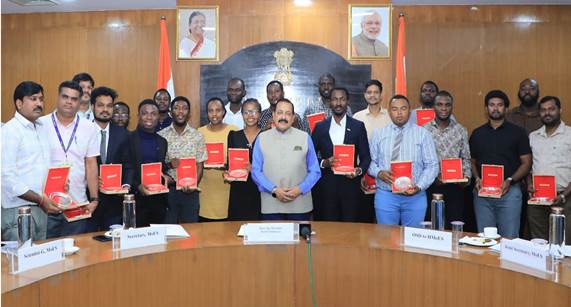
In a move highlighting India’s commitment to sustainable ocean development, Union Minister of State (Independent Charge) for Science and Technology, Minister of State (Independent Charge) for Earth Sciences, MoS PMO, Department of Atomic Energy, Department of Space, Personnel, Public Grievances and Pensions, Dr Jitendra Singh felicitated  international trainees from six countries including Nigeria, Kenya, Sri Lanka, Tanzania, Ghana and Jamaica, who had completed a specialised trading programme in Ocean Exploration.

The event, organized with the International Seabed Authority (ISA), celebrated the completion of advanced seabed exploration training and underscored India’s dedication to environmental stewardship, international collaboration, and resource-sharing.

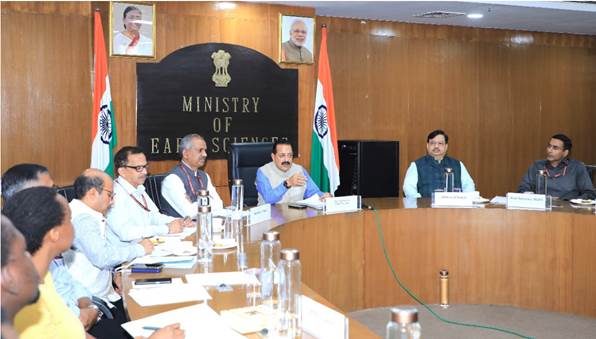
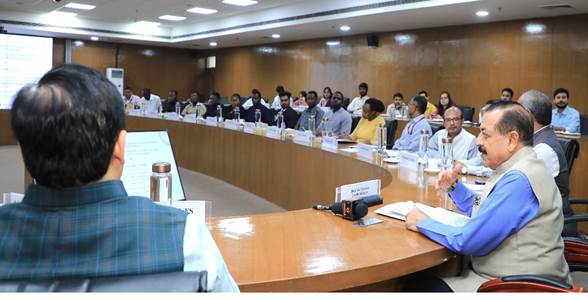
In a significant address at New Delhi’s Ministry of Earth Sciences, Union Minister Dr. Jitendra Singh recognized a group of international trainees who had completed a specialized training program focused on polymetallic nodules (PMN) and polymetallic sulphides (PMS) exploration. This training, facilitated by the ISA, attracted participants from nations including Ghana, Kenya, Nigeria, Jamaica, Sri Lanka, and Tanzania, underscoring India’s role as a hub for sustainable marine exploration and capacity building.

Dr. Jitendra Singh began by welcoming the trainees on behalf of the Government of India, congratulating them on successfully completing the rigorous program. He emphasized India’s leadership in responsible seabed exploration, framing the training as an opportunity to build a network of skilled professionals dedicated to environmental sustainability. “You are not only trainees; you are ambassadors of a sustainable future,” he said, encouraging participants to use their expertise to champion marine conservation in their home countries.

During his address, Dr. Jitendra Singh outlined India’s approach to seabed mining, defined by four guiding principles: sustainable utilization of seabed minerals for the common good, strict adherence to marine environmental protection, the development of seabed mineral regulations, and alignment with the United Nations Convention on the Law of the Sea (UNCLOS). India, he reiterated, is “fully dedicated to safeguarding marine ecosystems while pursuing responsible exploration to benefit humanity.”

As a signatory of the UNCLOS since 1982, India has maintained a strong voice in the ISA, which was established in 1994 to oversee mineral-related activities in the international seabed area. India holds two of the 31 ISA exploration contracts, covering PMN and PMS mining, and is committed to following strict protocols for environmental impact assessment, from preliminary exploration to the post-extraction phases. These actions position India as a global leader in the environmentally responsible development of ocean resources.

The Minister observed that the training program aligns closely with Prime Minister Narendra Modi’s “Blue Economy” policy, which prioritizes the sustainable use of ocean resources for economic growth, job creation, and improved livelihoods. The Blue Economy initiative aims to harness ocean wealth responsibly; ensuring benefits reach local communities without compromising the health of marine ecosystems.

Dr. Jitendra Singh reiterated India’s stance that true economic progress comes from a balance between development and environmental conservation.

The training modules covered diverse aspects of sustainable seabed exploration, including advanced exploration technologies, remote-operated vehicles, deep-sea mapping, mineral sample analysis, and environmental impact assessment methods.

 Dr. Jitendra Singh encouraged the trainees to foster networks with their Indian peers and return home with India’s commitment to both technological innovation and environmental responsibility. India’s ongoing role as a mentor in ISA programs reflects its dedication to supporting other nations in developing a skilled workforce capable of managing marine resources sustainably, he said.

Addressing the trainees, Dr. Jitendra Singh added, “You have become a part of India’s extended scientific community. This partnership in knowledge-sharing represents our commitment to a collaborative, sustainable future in marine science.”

Attendees included senior officials, scientists, and other dignitaries from the Ministry of Earth Sciences, all of whom shared Dr. Jitendra Singh’s optimism for the program’s impact. The Minister invited the trainees to continue providing feedback on their experiences, noting that their insights could further refine and enhance India’s role in international training programs. He also emphasized the importance of these collaborations, calling the trainees “global messengers of ocean conservation” with the potential to shape their countries’ approaches to seabed mining.

Dr. Jitendra Singh concluded the event by reaffirming India’s intent to deepen its partnerships with ISA and other international entities to ensure a sustainable marine environment for future generations. He expressed hope that India’s efforts would inspire other nations to adopt similar frameworks for responsible ocean exploration, setting the stage for greater international cooperation in marine science and environmental protection.

***

India’s National Statement at the High-level Segment of the CoP29 of UN Climate Change Conference at Baku, Azerbaijan

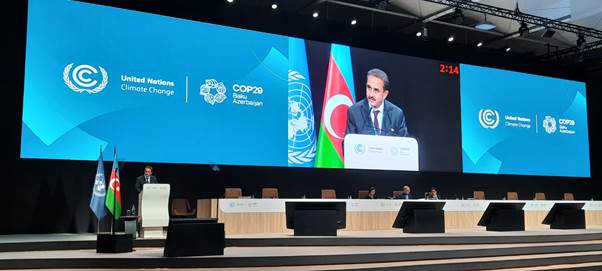
Delivering India’s National statement at the High-level Segment of the CoP29 of UN Climate Change Conference at Baku, Azerbaijan today, Union Minister of State for Environment, Forest and Climate Change, Shri Kirti Vardhan Singh called the CoP as historic and called all Nations to put up a collective fight against Climate Change, under UNFCCC and its Paris Agreement. He said, “What we decide here, will enable all of us, particularly those in the Global South, to not only take ambitious mitigation action but also adapt to Climate Change. This CoP is historic in this context”.

The Minister reiterated that the decisions on this forum should be guided by the core principles of Equity, Climate Justice and Common but Differentiated Responsibilities and Respective Capabilities provided in the UNFCCC and its Paris Agreement. The context of different national circumstances, sustainable development goals and poverty eradication, particularly in respect of the Global South should not be lost sight of, he added.

India’s statement noted that the high Carbon Emission Development Pathways of the Global North in past have left very little carbon space for the Global South. However, it read, the growth trajectories for fulfilling the primary needs of sustainable development and poverty eradication cannot be compromised. The Minister asserted, “Despite not contributing to the problem, we in the Global South are bearing huge financial burden on account of climate actions for mitigation on the one hand, and losses and damages caused by climate change on the other, thus severely limiting our capacity to meet our developmental needs. But these have not dampened India’s resolve and commitment to take ambitious climate actions.”

Informing the gathering about India’s initiatives towards combating Climate Change, Shri Singh said that the country has achieved the 2015 NDC targets on emission intensity reduction and non fossil based installed electricity generation capacity much earlier than 2030 and have further enhanced its ambition. The Minister talked about how India’s Renewable Energy Capacity has nearly tripled from its 2014 levels and the country is on the course to achieve the 500 GW target by 2030. Further, he said, “India has launched the Mission LiFE- Lifestyle for Environment to encourage the sustainable lifestyle practices at the global level. Mission LiFE inspires individuals, communities and societies to exercise choices and behaviours that focus on mindful utilisation of resources.”

Talking about how India is at the forefront of pro-planet actions, Shri Singh stated, “The campaign – ‘Ek Ped Maa ke Naam’ – was launched by Prime Minister Shri Narendra Modi, on World Environment Day 2024, wherein one billion saplings have been planted already. ‘Plant4Mother’, which exhorts everyone to plant a tree as a mark of love, respect and honour of our mother and Mother Earth has resonated across the spectrum because of its powerful, inspirational and emotional connect, the Minister added.

Furthermore, the Indian statement informed about its initiatives like the International Solar Alliance, Coalition for Disaster Resilience Infrastructure (CDRI), Global Biofuel Alliance, Leadership Group on Industry Transition and Resource Efficiency and Circular Economy Industry Coalition that have been launched with different partner countries, in pursuance of global climate actions. 

India called out some of the developed countries that have resorted to unilateral measures making climate actions more difficult for the Global South. Raising of climate ambitions to align with Paris Temperature Goals has to be preceded by free availability of green technologies, producing them on scale and availability of finance for their deployment, particularly in the Global South. The statement read, “The emergent situation we are in, there is no option but to break all barriers to flow of technology, finances and capacity to the Global South. The theme of this CoP – ‘enabling actions and enhanced ambition’ is very relevant in this context. CoP29 is the CoP for Climate Finance – the New Collective Quantified Goals (NCQG) on Climate Finance for mobilizing climate finance for meeting the needs and priorities of Developing countries.”

In the statement, Shri Singh called for the need to appreciate that huge costs are being imposed on a Developing country like India, for undertaking the climate actions. He said, “What we decide here on NCQG must be founded on the principle of Climate Justice. The decisions must be ambitious and unambiguous, taking into consideration the evolving needs and priorities of the Developing countries, and their commitment to sustainable development and eradication of poverty.”

Reminding the gathering that the Nationally Determined Contributions (NDCs) are due for submission the next year, India stated that the breach of carbon space seems imminent towards the end of this critical decade. The statement said, “It is imperative, therefore, that the Developed countries show leadership in mitigation actions, as required under Paris Agreement, by not just advancing their net zero targets but providing enough carbon space for Developing countries like ours to develop. What we decide here will determine the course of history. I urge that all of us should work with determination towards making the CoP 29, meaningful and impactful in its outcomes. Please be assured of India’s full cooperation for a successful COP-29.”

*****

World Toilet Day 2024: Ensuring Safely Managed Sanitation for Cities

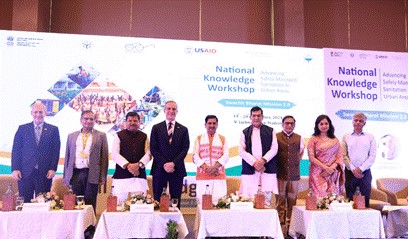
The challenges posed by rapid urbanization are vast, and safe sanitation in urban India remains one of the most pressing concerns. Under the Swachh Bharat Mission-Urban 2.0, the shift from Open Defecation Free (ODF) to ODF++ is gaining significant momentum, with cities increasingly prioritizing the advancement of safely managed sanitation systems. In line with this objective, the Ministry of Housing and Urban Affairs (MoHUA), in collaboration with the Government of Uttar Pradesh, USAID, BMGF and the WASH Institute, is organizing a two-day workshop on ‘Advancing Safe Sanitation in Urban Areas’ on November 19-20, 2024, in Lucknow.

The theme for World Toilet Day 2024, “Toilets – A Place for Peace,” highlights the importance of sanitation and sustainable solutions. MoHUA is hosting a two-day national workshop on “Advancing Safely Managed Sanitation in Urban Areas,” bringing together experts in sanitation, toilet infrastructure, and Used Water Management.

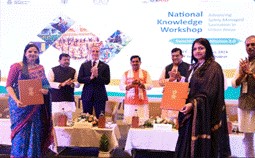
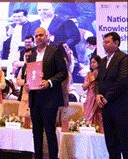
At the National Knowledge Workshop in Lucknow, Shri Manohar Lal, Minister of Housing and Urban Affairs, highlighted SBM’s achievements over the past decade. He emphasized PM Modi’s remarks on toilets improving public health, reducing infant mortality, and empowering women and girls. While acknowledging progress, he noted challenges due to rapid urbanization and called for diverse solutions. Launching the Clean Toilet Campaign 2024, he stressed that cleanliness is ongoing and urged stakeholders to maintain and repair toilets for safe sanitation.

Shri Tokhan Sahu, MoS, MoHUA, spoke on the Swachh Bharat Mission’s sanitation journey that has become a part of our Sanskar and the importance of progressing towards ODF++. Speaking on the Clean Toilet Campaign 2024, Swachh Shauchalaya Humari Zimmedari initiative, he urged the States to ensure clean, safe, and accessible toilets. He acknowledged progress but emphasized the journey is ongoing, encouraging participants to share insights and learn from challenges.

On World Toilet Day, U.S. Ambassador Eric Garcetti lauded SBM’s impact on safe sanitation and empowerment of girls. Shri Arvind Kumar Sharma and Shri Amrit Abhijat highlighted India’s sanitation shift, worker safety, and UP’s progress with mechanization and daily toilet monitoring. While addressing the delegates at the National Workshop, Ms. Roopa Mishra, JS & MD, SBM, MoHUA, stressed on journey from access to safe sanitation to sustaining & strengthening the ODF journey and prioritizing cleanliness and maintenance of urban Toilets.

The Knowledge Workshop focused on safe sanitation access, with leaders from Swachh Bharat Mission-Urban, USAID, BMGF, and the US Embassy discussing their partnership. Experts from Sulabh International, Toilet Board Coalition, and others addressed urban migration, community toilets, and sustainable sanitation. Sessions on “Manhole to Machine Hole” explored mechanization, empowering sanitation workers. MoUs were signed with HUL for a PPP model in community toilets and with Sulabh International for toilets in high-footfall areas. Design guidelines for STPs, faecal sludge management, multi-storey STPs, and PT architecture were also released. The dignitaries also toured the exhibition highlighting key initiatives of SBM-U 2.0, including Toilet 2.0, UWM, and Manhole to Machine Hole.

SBM-U rolled out a 5-week long ‘Clean Toilets Campaign 2024’ Swachh Shauchalaya- Humari Zimmedari from 19th November (World Toilet Day) to 25th December (Good Governance Day) 2024 aiming to transform over 70,000 Community and Public Toilets across the country, focusing on cleaning, maintenance, and beautification. The initiative promises to transform all public and community toilets in Urban India.

‘Reviewing Films: From Critiquing to Reading Cinema’ 

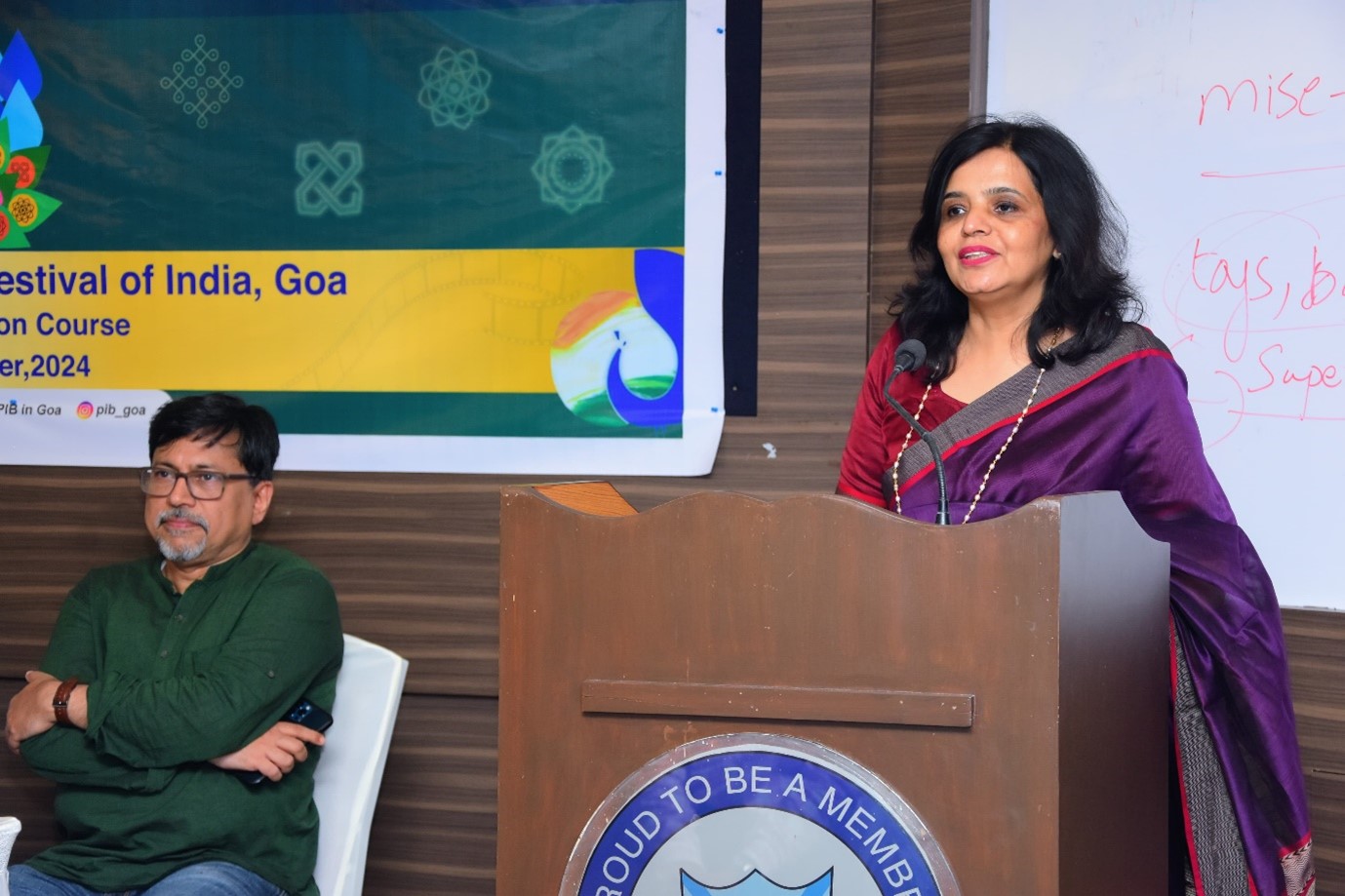
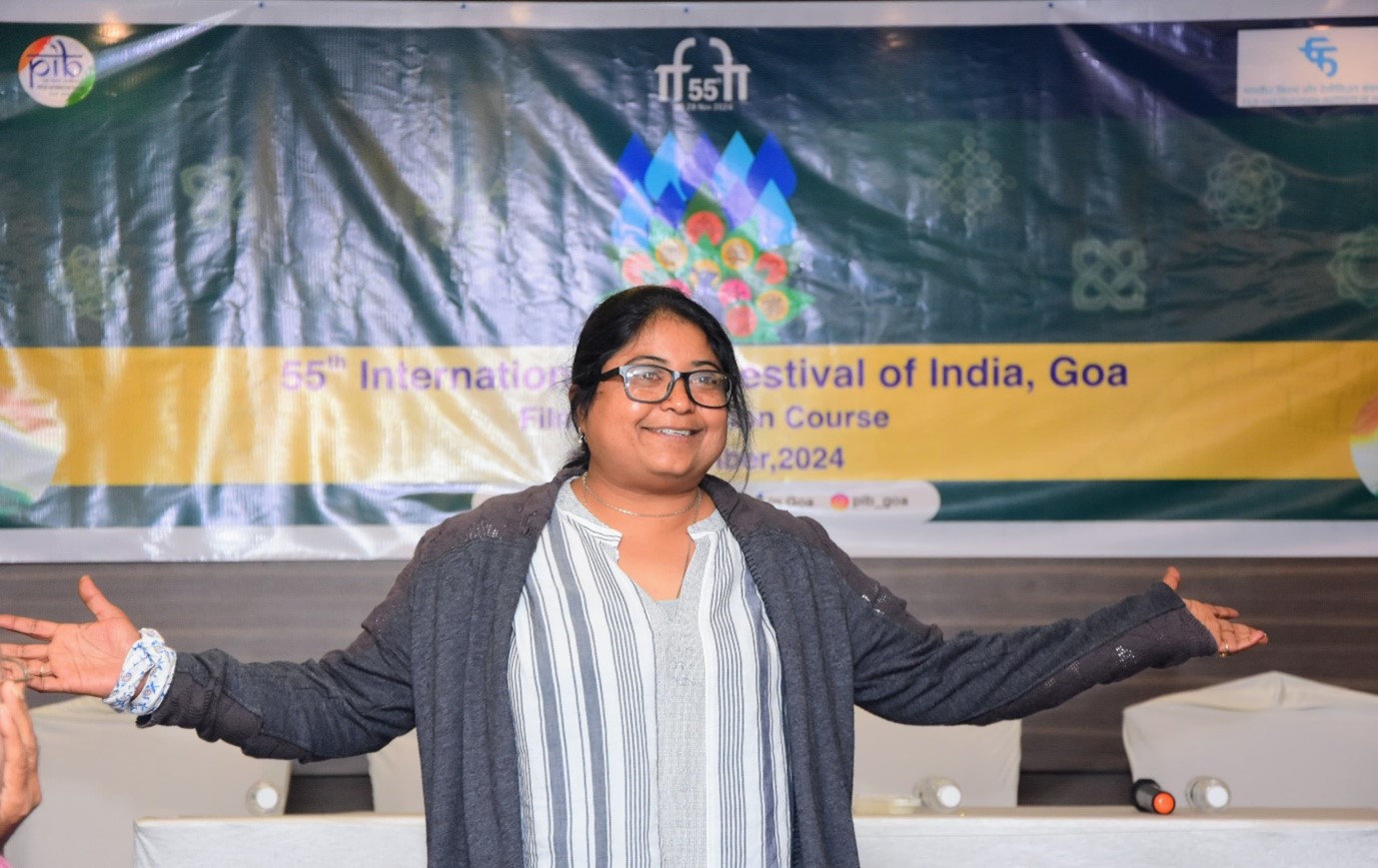
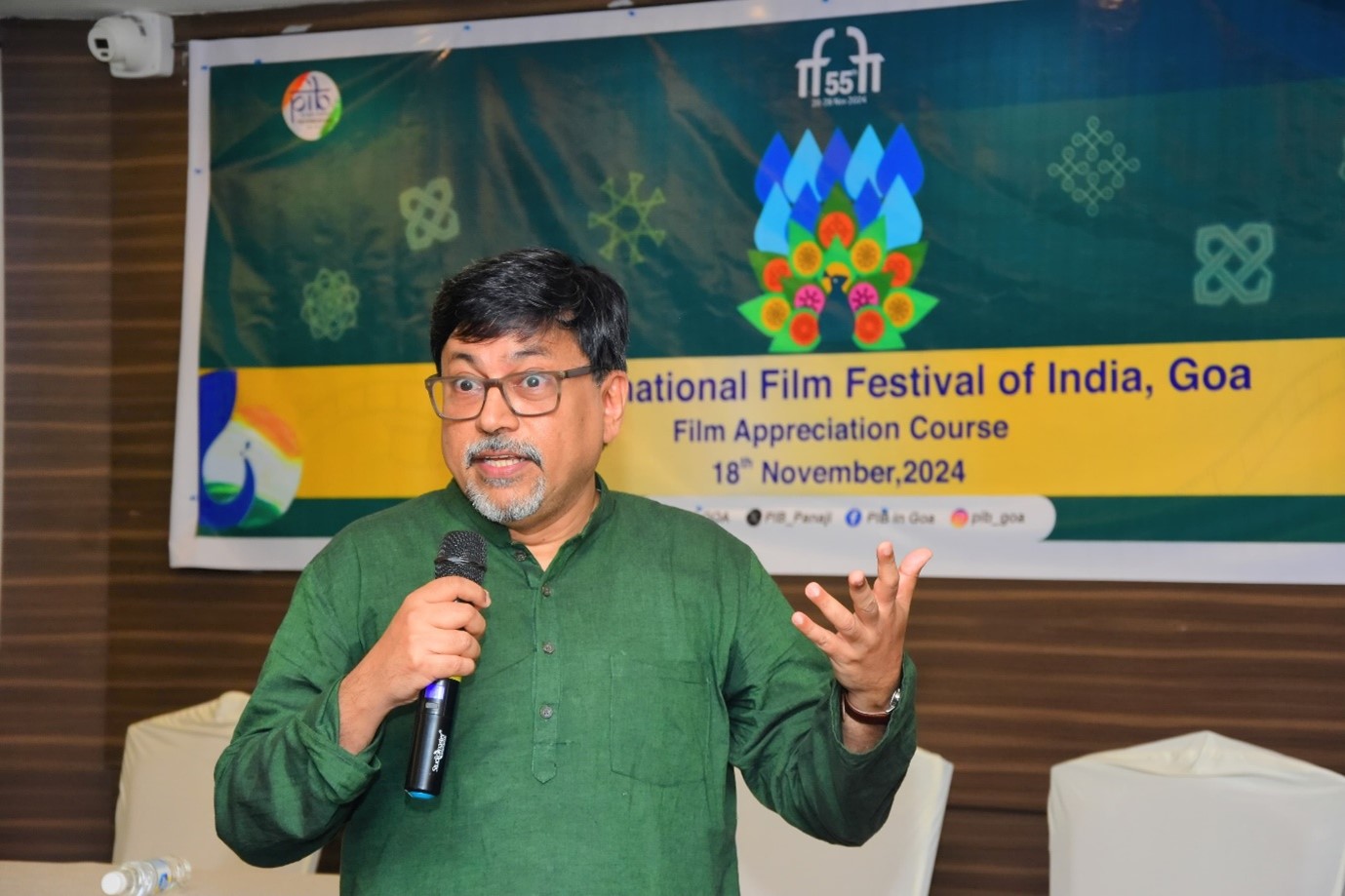
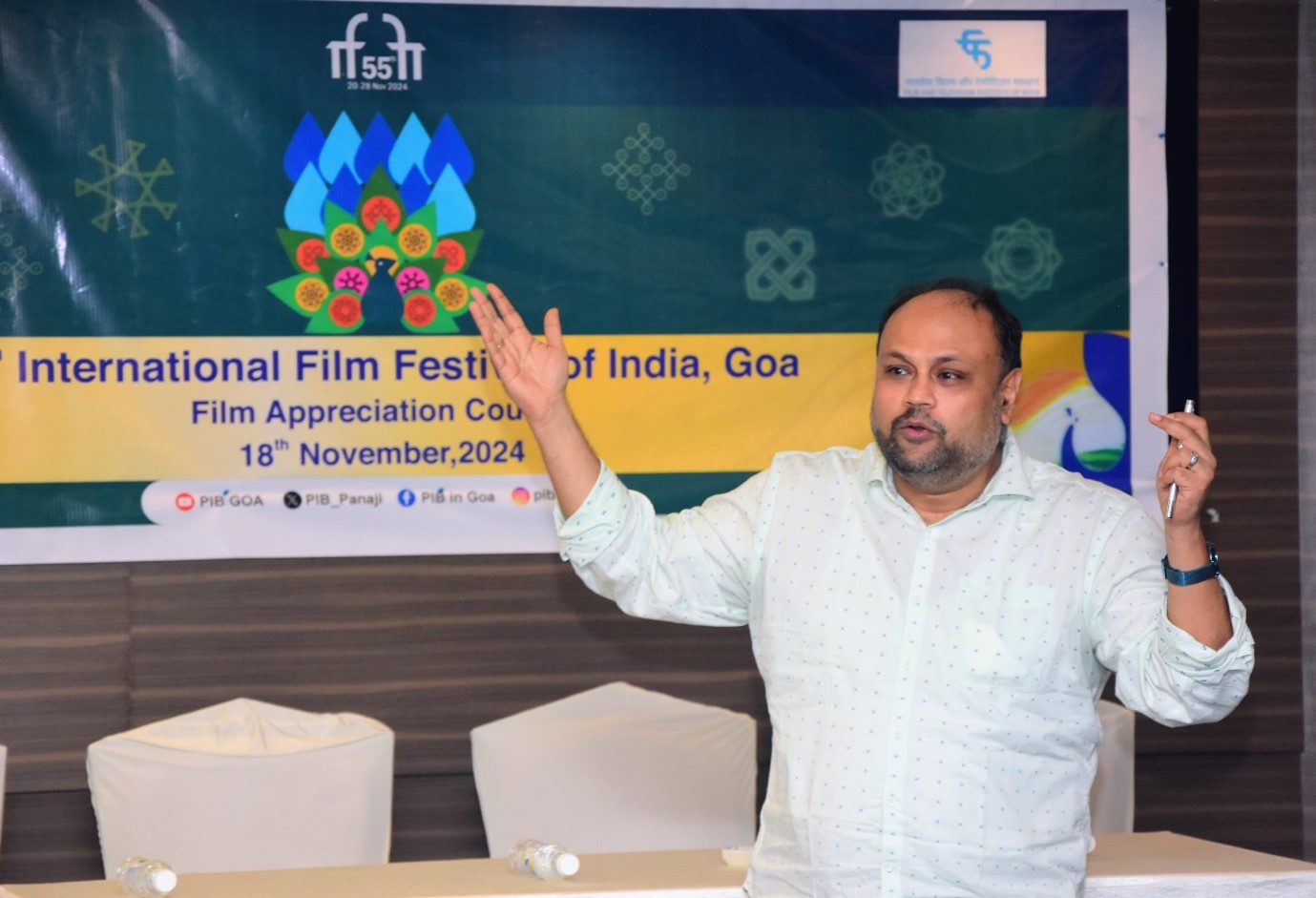
The Press Information Bureau (PIB), Ministry of Information & Broadcasting, in collaboration with the Film and Television Institute of India (FTII), Pune, organised an engaging Film Appreciation Course on ‘Reviewing Films: From Critiquing to Reading Cinema’ for media delegates on the sidelines of the 55th International Film Festival of India (IFFI) in Goa. The course was organized exclusively for IFFI media delegates focused on exploring the various aspects of the art and craft of films and the importance of learning to read the films in an informed manner. The course was led by industry experts such as Dr. Indranil Bhattacharya, Prof. Amlan Chakraborty, and Ms. Malini Desai from FTII, Pune.

The participants were introduced to ‘Principles of Film Analysis,’ by Prof. Dr. Indranil Bhattacharya. This was followed by a session on ‘Editing as an Artistic Tool’ led by Prof. Amlan Chakraborty. In another engaging session, Prof. Malini Desai explored the significance of ‘Lighting as a Dramatic Tool.’   

Prof. Amlan Chakraborty also highlighted the importance of film appreciation, stating that “Film appreciation is not just about admiration but about understanding. Every film is designed to impact its audience. Some films stay with you, and you need to ask why.” He illustrated the deeper sociological meanings embedded within films illustrating the example of India’s official entry for Oscars 2025, Lapata Ladies.

Later, Prof. Bhattacharya conducted a special session focused on the analysis of short films, offering participants valuable insights into the structure and storytelling techniques of short-form cinema.

Managing Director, NFDC Shri Pritul Kumar thanked the Media for their active participation and stressed the significant role played by media in promoting films. Speaking about the importance of understanding films, he mentioned, “the Film Appreciation Course will be really helpful in delving deep into the world of films which will enrich the media in understanding and writing about them.”

Director General West Zone, M/o I&B. Ms. Smita Vats Sharma while addressing the participants informed that “the course was open to media across India, including both Goan and all-India representatives as Media plays a critical role in the celebration of cinema and taking the films across the country and the world, and hence this course has been timed during IFFI to facilitate our media professionals.” She also thanked FTII for their invaluable support in making this possible.

Joint Director, PIB Mumbai, Sayyid Rabeehashmi emphasized the need to not only celebrate films but also delve into their intricate details.

Speaking about the significance of such initiatives, Prof. Malini Desai emphasized, “Media plays an essential role in exchanging ideas and helping the world understand the art of cinema. And as filmmakers we are also communicating our perspectives to the audience. This interaction between media and filmmakers – both of whom are into ‘communication’ greatly enriched our understanding about each others’ perspective.”

Appreciating the initiative, journalist and participant, Ms. Harshita from Screen Grafia who has been covering IFFI since 1999, said that “this is a great initiative by the Ministry to educate film journalists. It will expand their knowledge about films. I hope this course is repeated in future editions too.”

Shri Satyendar Mohan, a Veteran Journalist who has been attending IFFI since four decades expressed that “I’ve been attending IFFI since 1983. This session was very informative and educational. It will help journalists appreciate films on a much deeper level, adding immense value to the 55th IFFI.”

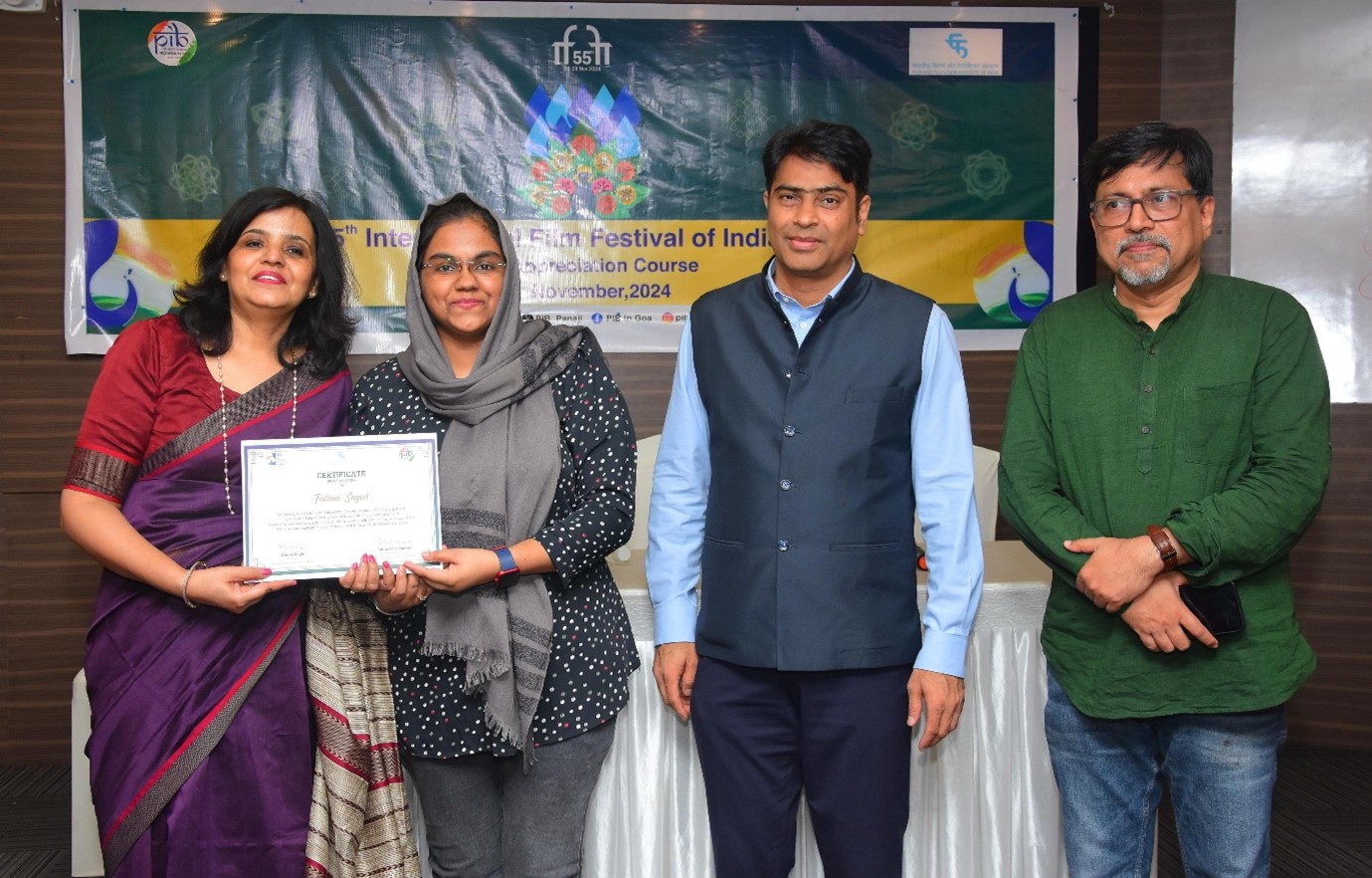
The event concluded with a Valedictory Session. Certificates were distributed to more than 30 media delegates who attended the session, acknowledging their efforts in advancing their understanding of film appreciation.

* * *

Hamara Shauchalay: Hamara Samman (HSHS) Campaign

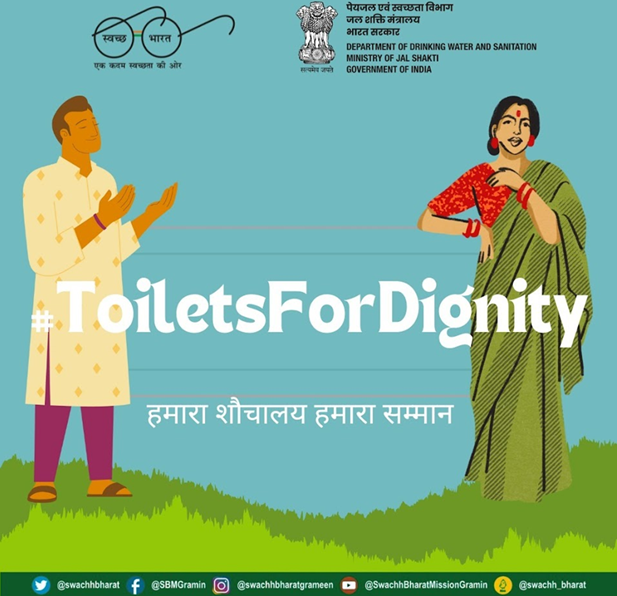
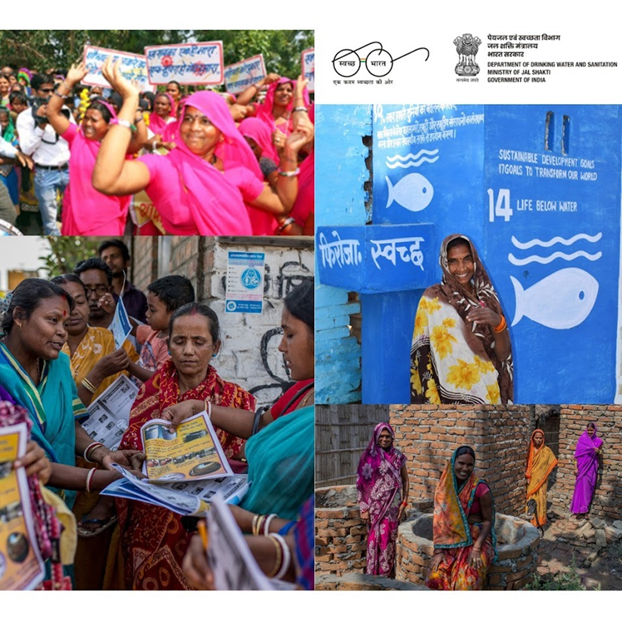
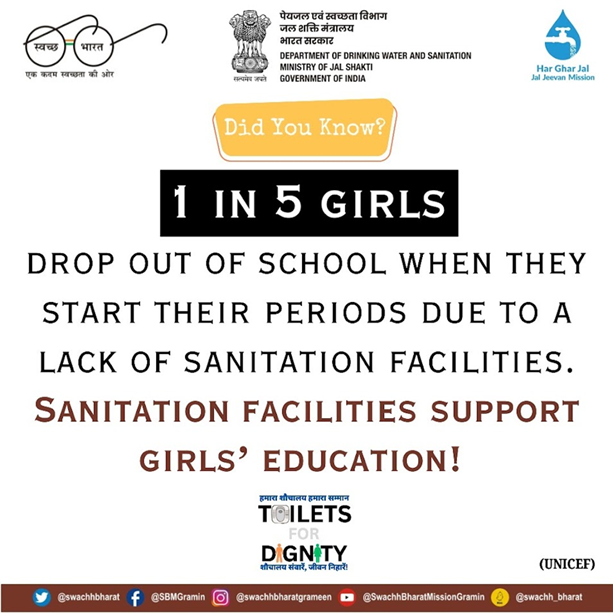
The Department of Drinking Water and Sanitation launched the nationwide campaign “Hamara Shauchalay: Hamara Samman” (HSHS) (हमारा शौचालय: हमारा सम्मान). November 19, World Toilet Day and the campaign will culminate on Human Rights Day, December 10, 2024, emphasizing the critical link between sanitation, human rights and dignity.

The campaign reaffirms India’s commitment to maintaining its Open Defecation Free (ODF) status while promoting behavioral change for cleaner, healthier communities. While India achieved ODF status in 2019, the Phase II of the Swachh Bharat Mission (Grameen) was launched to focus on the creation of ODF Plus Model villages, where the first criterion is sustaining ODF achievements. This aligns with the spirit of World Toilet Day, reminding and ensuring continued toilet usage and maintenance is as important as achieving initial milestones. The HSHS campaign serves as a timely call to action to sustain and build on these efforts.

With a strong focus on vulnerable groups, particularly women and girls, this initiative underlines that toilets are more than infrastructure, they are foundational to dignity, equality, and public health aligned with the campaign tagline “शौचालय संवारें, जीवन निखारें”  Speaking of this campaign, Secretary, DDWS, Ashok KK Meena, emphasized the importance of a bottom-up approach in ensuring sustained behavioral change. “Sanitation is a cornerstone of dignity and development. The ‘Hamara Shauchalay: Hamara Samman’ campaign is designed to empower communities, with responsibilities allocated across every level, Gram Panchayats, blocks, districts, and states. This ensures that every stakeholder contributes to sustaining sanitation practices, building pride, and driving long-term impact.” He further added, “On World Toilet Day, as we align with global efforts to achieve SDG 6, India renews its commitment to creating equitable access to sanitation and ensuring no one is left behind.”

Key Campaign Activities

The campaign involves a variety of activities aimed at reinforcing sanitation practices and fostering pride in clean and functional toilets.

  • Competitions will be held to identify and reward the best-maintained household toilets (IHHLs) and community sanitary complexes (CSCs) at every administrative level. These events will recognize efforts in both functionality and aesthetics, encouraging others to follow suit.
  • Community outreach will play a vital role, with initiatives like “Ratri Chaupals”and WASH clubs that will bring together people and inspire change.
  • Sanitation workers will be celebrated through special dignity camps, ensuring their inclusion in welfare programs, and honoring their role in maintaining cleanliness.
  • Citizens will be encouraged to share their sanitation success stories through social media platforms including MyGov using hashtags and .
  • Participation from all levels of governance, with Chief Ministers and State Ministers leading state-level events, while District Magistrates and elected representatives overseeing district-level programs.

The campaign aims to improve sanitation infrastructure, foster behavior change, and strengthen community pride by enhancing the functionality and aesthetics of toilets across the country. By promoting ODF sustainability, it emphasizes that sanitation is not a one-time achievement but a continuous journey toward a healthier and more dignified India.

Department of  Drinking Water & Sanitation (DDWS) under the Ministry of Jal Shakti, appealed everyone to make HSHS a success. DDWS requested the citizen to work together for building sustainable sanitation solutions whilst the nation take forward the legacy of Swachh Bharat Mission.

***

Hamara Samvidhan – Hamara Samman Campaign

The third regional event of the ‘Hamara Samvidhan Hamara Samman’ campaign is being organised to commemorate 75th anniversary of the adoption of the Indian Constitution and India’s establishment as a Republic whichwas successfully held today at IIT Guwahati from 4:30 PM to 5:30 PM. In the series of regional events as a part of a year-long nationwide campaign, this third regional event was organized under the aegis of the Designing Innovative Solutions for Holistic Access to Justice (DISHA) scheme[1], implemented by the Department of Justice, Ministry of Law and Justice, Government of India.

The event was graced by Shri Arjun Ram Meghwal, the Minister of State for Law and Justice (Independent Charge) and Minister of State for Parliamentary Affairs, who delivered the keynote address. Hon’ble Minister emphasized the importance of Constitutional awareness and legal empowerment. Shri Justice Vijay Bishnoi, the Hon’ble Chief Justice of the High Court of Gauhati, attended the event as the Guest of HonourHon’ble Justice Shri Lanusungkum Jamir attended the program as an esteemed guest and shared the dais.

The event began with a significant and symbolic gesture of planting of saplings to honor the 15 women members of the Constituent Assembly, who played a crucial role in the creation of India’s Constitution. This tribute under the campaign of ‘Ek Ped Maa Ke Nam’ was an attempt to highlightthe pivotal yet often overlooked role of women in shaping the country’s democratic foundation.

Welcoming the dignitaries on the dais and the audience, Secretary (Justice) DoJ, shared the various elements of the Hamara Samvidhan Hamara Samman Campaign and the releasesof three products which were launched during the event namely Samvidhan Katta, Comic Book and Podcasts.

The Samvidhan Katta magazine, which showcases 75 stories that illustrate the impact of the Indian Constitution in everyday life. These stories, shared by stakeholders and field functionaries from the Tele Law and Nyaya Bandhu programs, provided insightful perspectives on how the Constitution continues to safeguard the rights of Indian citizens.

Comic Bookwas unveiled during the event, featuring the real-life stories of 10 beneficiaries who have used the Tele Law and Nyaya Bandhu programs to protect their Constitutional rights. Presented in an engaging comic format, the book aims to make legal rights more accessible and relatable to the general public.

In addition, eight podcasts were released, focusing on the role of the Tele Law and Nyaya Bandhu programs in helping citizens safeguard their rights. These podcasts, aimed at reaching a broader audience, provide practical insights into the significance of the Constitution and how it can be used to defend legal rights.

Highlighting the significance of the Hamara Samvidhan Hamara Samman campaign, Guest of Honor, Hon’ble Chief Justice of Gauhati High Court, Shri Vijay Bishnoi reflected he Constitution of India, as the fundamental law of the land, embodies the values, principles, and governance framework of our country. All the organs of the State owe their origin and derive their authority from the Constitution and discharge their respective functions within its framework. The Constitution of India is the supreme legal authority which binds the legislative, executive, and judicial organs of our country, and guides the State’s functioning, while ensuring citizen’s rights and responsibilities. He further mentioned that this awareness is necessary so that all of us, irrespective of our social, political, Ideological, religious, linguistic and economic differences, can lead dignified life in a just society.

Addressing the audience Hon’ble Minister reflected that the Constitution of India protects the citizens of India.  Hon’ble Minister mentioned that the planting of sapling is a special tribute in honor of 15 women members of the Constituent Assembly. These remarkable women, who worked tirelessly and selflessly, have often remained unsung heroes in the narrative of India’s democratic journey.  Hon’ble Minister mentioned that as we planted these saplings, we symbolize not only the deep roots of our Constitution but also the growth of values such as justice, equality, and freedom, which continue to nurture our society today. He also mentions about the drafting Committee member who belonged from Assam,Syed Muhammad Saadulla was the only member from Assam to serve on the Drafting Committee of the Constitution of India. He also mentions about the female member of the Constituent assembly which was Late Smt. Leela Roy. Hon’ble Minister made the participants aware about the contributors in the making of the Constitution. The purpose behind organizing third regional event in Assam was to remember the contributions made by the people of Assam in the making of the Constitution as it’s the 75th year of its adoption.He paid tribute to Dr. B.R. Ambedkar to his contribution in the making of the Constitution of  India. He also elaborated His last speech before the adoption of the Constitution. He further mentioned about the importance of Ashoka chakra in our National Flag where 24 spokes which have its own relevance and importance to the daily lives of the citizens. Furthermore, he elaborated on the core values of the Constitution, with a particular focus on equality, liberty and fraternity and encouraged attendees to remain aware of their rights and perform their respective duties as citizens by elaborating an example from daily life.

Dignitaries were presented with special mementoin the form of Preamble of the constitution of India.Shri Niraj Kumar Gayagi, Joint Secretary, Department of Justice.Presented a vote of thanks at the end of the event.

Approximately 1400 participants attended the event, including Hon’ble Judges of the Gauhati High Courtofficials from the High Court Registryofficials from the Assam State Legal Services Authorityadvocates from the Guwahati Bar Associationjudicial officersVillage-Level Entrepreneurs (VLEs) from the Common Service Centers (CSCs)students and faculty from National Law University, Guwahati, and senior officials from IIT Guwahati, along with Central and State government representatives. In addition, several stakeholders of the Department of Justice joined the event virtually, contributing to the event’s outreach and inclusivity.

The ‘Hamara Samvidhan Hamara Samman’ campaign, which was officially launched by the Hon’ble Vice President of India on 24th January 2024 at the Dr. B.R. Ambedkar International Centre in New Delhi, has aimed to promote the understanding of the Indian Constitution and raise awareness about legal rights among citizens. As part of its efforts, regional events have been organized across the country, with Bikaner and Prayagraj already hosting successful events in the past year. The Guwahati event marks a significant step in furthering the campaign’s goals, reaching diverse communities in the Northeast.

****

Gati Shakti Vishwavidyalaya held its 1st Court meeting in Rail Bhawan in New Delhi

Daily writing prompt
Name your top three pet peeves.

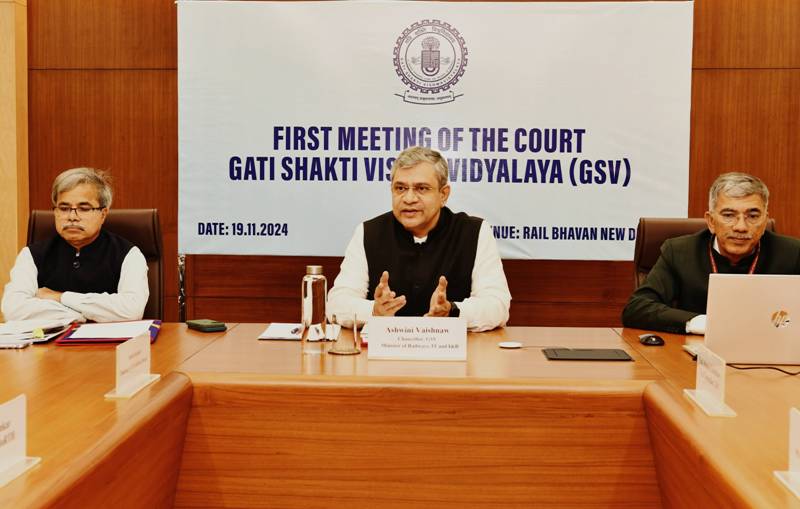
Gati Shakti Vishwavidyalaya (GSV) held its 1st Court meeting in Rail Bhawan in New Delhi today. Chairing the meeting, Sh. Ashwini Vaishnaw, Union Minister of Railways, Information & Broadcasting and Electronics & Information Technology said “GSV is set to emerge as the best university in India and World, in line with PM Shri Narendra Modi’s vision, with its focus on Industry-driven approach and employability-oriented courses for the entire transportation and logistics sectors, including railways, aviation, marine engineering, highways, shipping, logistics and defense sectors. He further said “All the newly-recruited officers of Indian Railway Management Service (IRMS) Officers shall undergo their probationary training designed by Gati Shakti Vishwavidyalaya, a combination of theoretical and practical experiences at CTIs and industry, resulting in an MBA degree from GSV. Further, new programs shall be added for Bridge and Tunnel Engineering, Aviation Operations, Maritime Infrastructure, Highway Engineering and for defense forces”.

This event was graced by Shri Satish Kumar Chairman & CEO, Railway Board, Shri V Uma Shankar, Secretary, Ministry of Road Transport and Highways, Shri Amardeep Singh Bhatia,Secretary, DPIIT, Vice-Chief of Army Staff Lt. Gen. NR Raja Subramani, Sunil Mathur,MD & CEO, Siemens India, Olivier Loison MD, Alstom India, Jaya Jagadish,MD, AMD India, Shri Sushil Kumar Singh, Chairman, Deendayal Port Authority, Prof. Manoj Choudhary,Vice-Chancellor, Gati Shakti Vishwavidyalaya, representatives of Ministry of Higher Education, Ports Shipping and Waterways, Civil Aviation, AICTE and the leading functionaries of Gati Shakti Vishwavidyalaya.

At the occasion, Prof. Manoj Choudhary Founding Vice-Chancellor, Gati Shakti Vishwavidyalaya presented a detailed progress and status report of the university since its inception on 06 Dec 2022. All the members wholesomely praised the huge strides and progress of GSV in such a short time, particularly its Industry-driven and innovation-led approach, focus and results achieved within such a short time, setting the foundation of a top-class university. The members of the Court offered several suggestions and collaborative inputs for future programs in highway engineering, ports infrastructure, artificial intelligence, green hydrogen and ports modernization, defense sectors logistics and supply chain, affiliating national academies in the infrastructure sectors, being a nodal center to other universities/institutions, infrastructure project management etc. The Annual Reports and Annual Accounts of the university were also approved to be tabled before the Parliament.

Gati Shakti Vishwavidyalaya (GSV) has quickly emerged as a game changer in the higher education sector, particularly for the transportation, logistics and infrastructure sectors. GSV Vadodara was established as a Central University through an Act of Parliament in 2022, for creating best in class manpower and talent for the entire transportation and logistics sectors. This Central University is sponsored by the Ministry of Railways, Govt. of India and is mandated to work across railways, shipping, ports, highways, roads, waterways, and aviation etc. Following a demand-driven curriculum and leveraging state of the art infrastructure of all the Centralized Training Institutes of Indian Railways, the GSV shall create a resource pool of professionals across technology, economics, management and policy comprising multidisciplinary teaching (bachelors/masters/doctoral), executive training and research. GSV shall also undertake training for Indian Railways probationers and serving officers. Being an Industry-driven and Innovation-led university, GSV has a very strong focus on collaborations with leading institutions and industries across the world.

****
Self-shocks turn crystal to glass at ultralow power density

Daily writing prompt
Who are your current most favorite people?

Researchers have shown that utilizing shallow power, a crystalline material called indium selenide can “shock” itself to a glassy phase. This transformation lies at the heart of memory storage in devices like CDs and computer RAMs. It uses a billion times less electricity than the traditional melt-quench process for converting crystal to glass, and the discovery might revolutionise data storage in gadgets ranging from cell phones to computers. 

Glasses function similarly to solids but lack the regular periodic arrangement of atoms. To avoid the glass from getting too organized, a crystal is liquefied (melted) and then rapidly chilled (quenched) during the manufacturing process. This melt-quench technique is also employed in CDs, DVDs, and Blu-ray discs, where laser pulses are used to rapidly heat and quench a crystalline material to the glassy phase in order to write data; reversing the process erases data. Computers use similar materials known as phase-change RAMs, in which information is stored depending on the high versus low resistance provided by the glassy and crystalline phases.

The difficulty is that these devices consume more power, particularly during the writing process. The crystals must be heated to temperatures exceeding 800oC and then rapidly cooled. If it is possible to convert the crystal directly to glass without using the intermediate liquid phase, the amount of power required for memory storage can be greatly reduced. 

 A team of researchers from the Indian Institute of Science (IISc), Bangalore, University of Pennsylvania School of Engineering and Applied Science (Penn Engineering), Pennsylvania and Massachusetts Institute of Technology (MIT), Harvard, USA discovered that when electric current was passed through wires made of indium selenide, a 2D ferroelectric material, long stretches of the material transformed into glass. These breakthrough findings were published in the journal Nature. The research was supported by ANRF (erstwhile SERB) established through an Act of Parliament: ANRF, Act 2023.

The scientists unearthed that when a continuous current is passed parallel to the material’s 2D layers, they slide against each other in various directions. This results in the formation of many domains – tiny pockets with a specific dipole moment enclosed by defective regions that separate the domains. When multiple defects intersect in a small nanoscopic region, like too many holes punched in a wall, the structural integrity of the crystal collapses to form glass locally. 

These domain boundaries are like tectonic plates. They move with the electric field, and when they collide against each other, mechanical (and electrical) shocks are generated akin to an earthquake. This earthquake triggers an avalanche effect, causing disturbances far away from the epicentre, creating more domain boundaries and resulting glassy regions, which in turn spawns more earthquakes. The avalanche stops when the entire material turns into glass (long-range amorphisation). 

Prof. Nukala points out that multiple unique properties of indium selenide – its 2D structure, ferro electricity and piezoelectricity – all come together to allow this ultralow energy pathway for amorphisation through shocks. He further emphasized that the current findings will unlock a wider range of phase-change memory (PCM) applications.

Glass InSe PR2_Akanksha Jain

***

Success of ‘Sagarmanthan’ to Build Consensus for Partnerships of a Prosperous Future of Humanity

Daily writing prompt
Who are your current most favorite people?

The Prime Minister Shri Narendra Modi shared his message on the successful organising of the maiden maritime event – Sagarmanthan, The Ocean’s Dialogue – being held at the national capital. PM Modi called for success of Sagarmanthan to build consensus for partnerships of a prosperous future of humanity.

In his message sent from Camp Office in Nigeria, the PM Modi shared, “Our vision for a free, open and secure maritime network – be it the Indian Ocean or the Indo Pacific region – is finding resonance across the world. The ‘Indo Pacific Oceans Initiative’ envisions marine resources as a key pillar for growth for nations. This dialogue on oceans further strengthen the rules-based world order and enhance peace, trust and friendship between nations. As we strive to realise the vision of a Viksit Bharat by 2047, dialogues such as Sagarmanthan are invaluable to build consensus, partnerships and most importantly, a prosperous future. With the collective efforts of all stakeholders, I am confident that these discussions will resonate far and wide, paving the way toward a brighter, more connected future.”

Highlighting India’s rich maritime legacy & steps to build the sector, the PM Modi shared, “India’s maritime tradition goes back several millennia and is among the richest in the world. The thriving port cities of Lothal and Dholavira, the fleets of the Chola dynasty, the exploits of Chhatrapati Shivaji Maharaj are great inspirations. Oceans are a shared heritage for nations and societies, as well as the lifeline for international trade. Today, the security and prosperity of nations is intimately connected to oceans. Recognising the potential of oceans, several transformative steps have been taken to bolster India’s maritime capabilities. Over the last decade, guided by the vision of ‘Ports of Prosperity,’ ‘Ports for Progress’ and ‘Ports for Productivity,’ we have doubled the capacity of our ports. By enhancing port efficiency, reducing turnaround times and strengthening last-mile connectivity through expressways, reducing turnaround times and strengthening last mile connectivity through expressways, railways and riverine networks, we have transformed India’s shoreline.”

Acknowledging the pioneering role for transformation of maritime sector, the Union Minister of Ports, Shipping & Waterways, Shri Sarbananda Sonowal thanked the Prime Minister for his generous words for the success of the maiden edition of Sagarmanthan – The Oceans Dialogue. On PM Modi’s message, the Union Minister Sarbananda Sonowal said, “Under the dynamic leadership of Prime Minister Shri Narendra Modi ji, India has been witnessing a transformational experience in the maritime sector. The message by the Prime Minister Modi ji encapsulates the very essence that this maiden maritime thought leadership forum – Sagarmanthan – aims to achieve. In his own words, Modi ji shared the framework to a ‘Viksit Bharat’ based on how ‘collaboration and effort can yield the tools and direction we need to ensure prosperity.’ I, on behalf of all whose tireless effort has led to this wonderful forum, want to extend deepest appreciation to the most popular leader of the world, Narendra Modi ji, for his visionary message of rich wisdom, insight & sense for the success of ‘Sagarmanthan – The Oceans Dialogue’.”

****

Atal Innovation Mission unveils fourth cohort of Community Innovator Fellows supported by Capgemini, India

Daily writing prompt
Who are your current most favorite people?

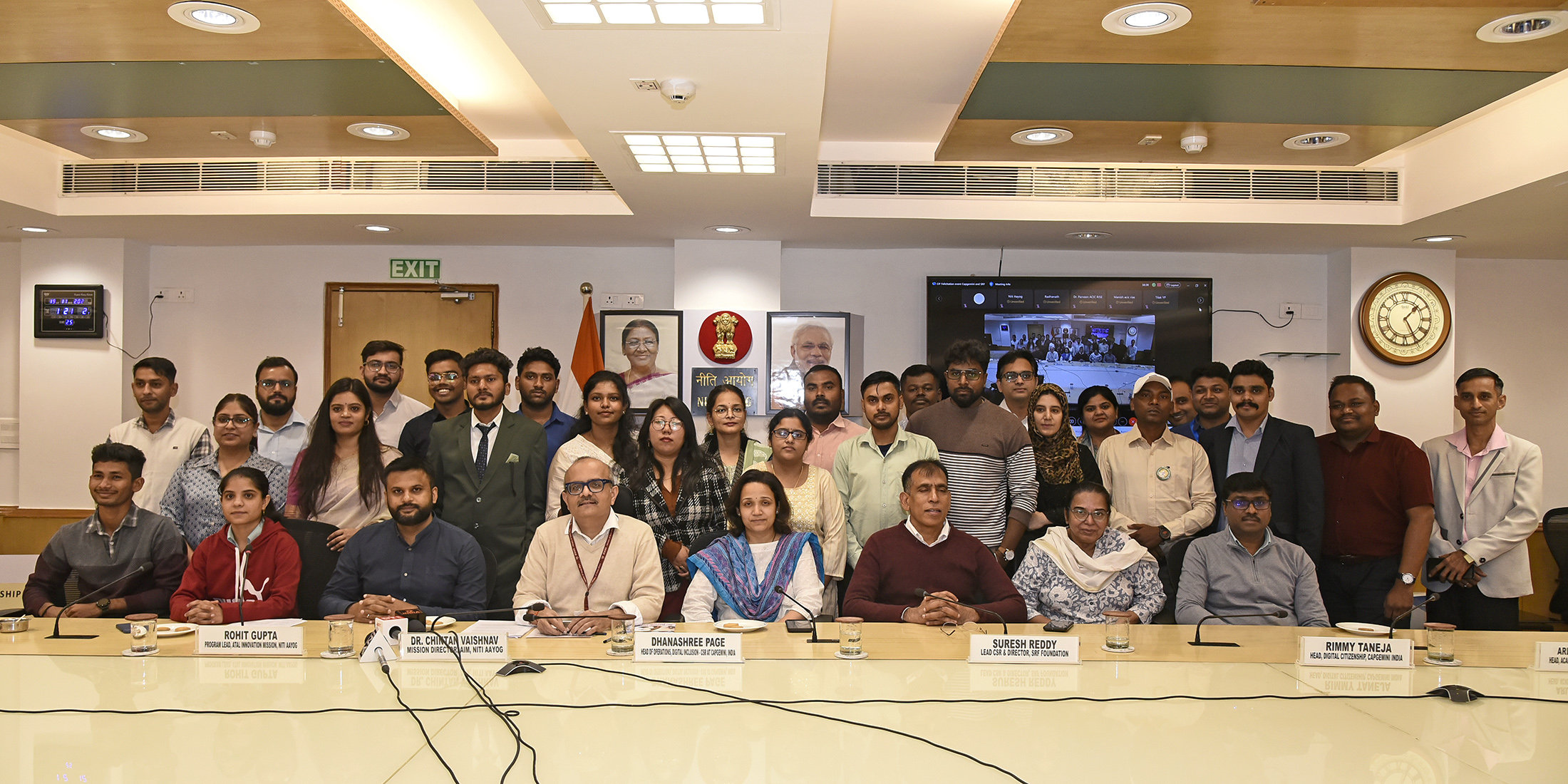
The Atal Innovation Mission (AIM), NITI Aayog marked a significant milestone today with the formal recognition of its fourth cohort of Community Innovator Fellows (CIFs). This year, the program has been further strengthened with the support of Capgemini India, marking a key partnership in fostering grassroots innovation across the country. The CIF initiative continues to empower local innovators, enabling them to address community-specific challenges through creative and sustainable solutions.

In conjunction with the cohort recognition, AIM commenced a two-day intensive bootcamp aimed at equipping these CIFs with the necessary skills and knowledge to scale their innovative solutions as part of AIM’s continued commitment to fostering grassroots innovation and promoting an entrepreneurial ecosystem across India, particularly in underserved regions. AIM, through its Atal Community Innovation Centers (ACIC) program has envisaged to serve the unserved/underserved areas of the country and provide support to every grassroots innovator and work towards accelerating the pathway to reach SDGs 2030.

The CIF Program is a one-year intensive initiative designed to provide aspiring innovators from all socio-economic backgrounds with the infrastructure, training, and mentorship necessary to scale their ideas and build sustainable businesses. Each Fellow is hosted at an Atal Community Innovation Center, where they receive entrepreneurial, SDG-focused, and life skills training while working on solutions tailored to their community’s unique challenges.

Speaking during the keynote address, Mission Director AIM, Dr.Chintan Vaishnav while applauding the program’s role in empowering innovators from Tier 2 and Tier 3 cities said, “The Community Innovator Fellows are uniquely positioned to address community-level problems with solutions that are both relevant and sustainable. This program is aspiring to create a model of excellence, where innovation meets purpose and where community-centric ideas drive national progress.”

He further highlighted the importance of initiatives like the CIF Program in advancing solutions to community level challenges in critical sectors.

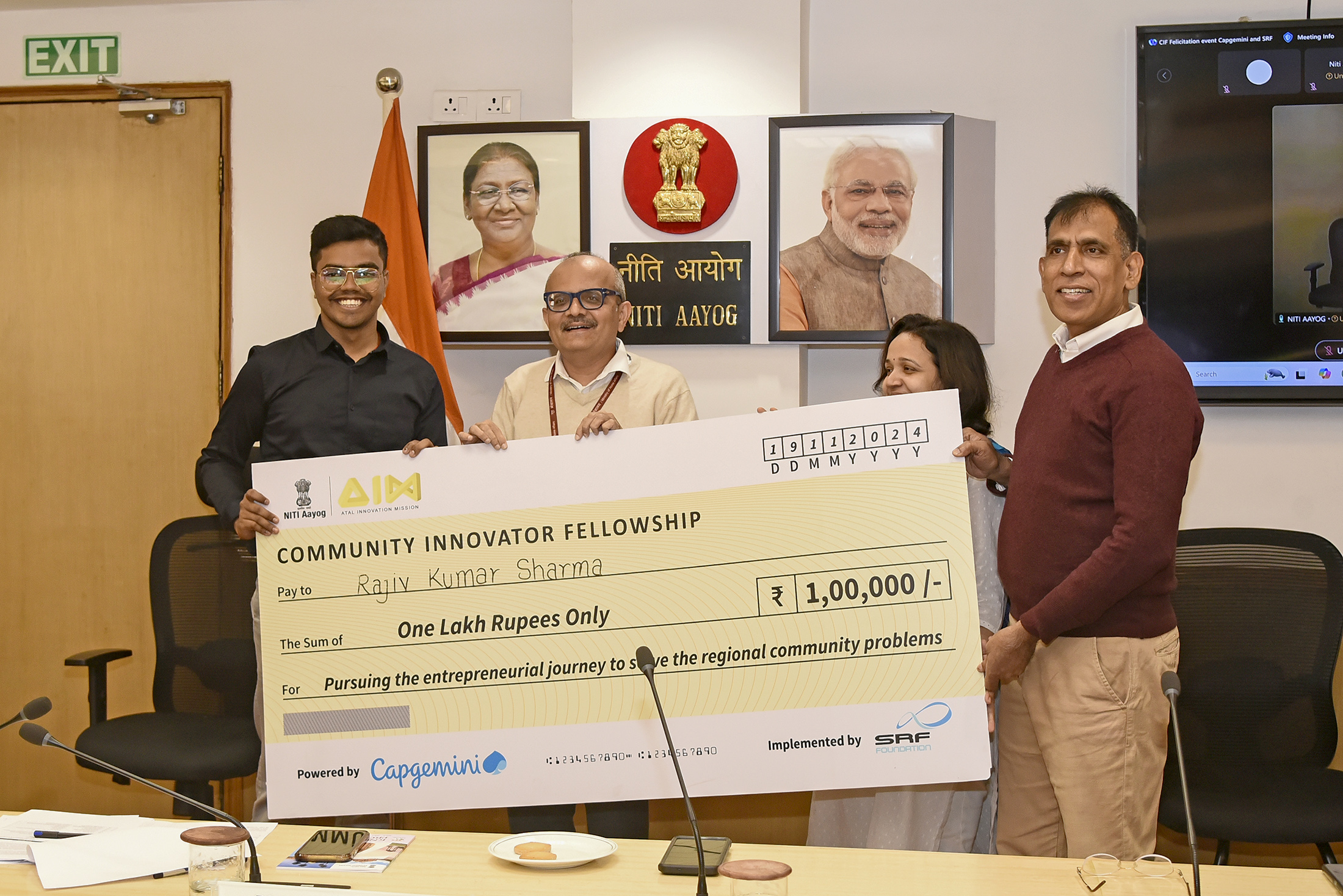
Capgemini India, a global leader in consulting, technology services, and digital transformation, is supporting this cohort by providing grants of INR 1 lakh each to 15 CIFs, helping them scale their innovative solutions. SRF Foundation is leading the program’s implementation in collaboration with AIM and Capgemini.

The event witnessed profound insights from distinguished speaker Dhanashree Page, Head of Operations, Digital Inclusion – CSR at Capgemini India. In her address, she emphasized the power of collaborative partnerships in fostering local innovation and driving societal progress. She remarked, “The CIFs represent the hope and creativity of India’s grassroots innovators. By empowering these individuals, we are enabling real, scalable solutions that can transform communities and drive sustainable change,” She said.

Dr. Suresh Reddy, Lead CSR & Director at SRF Foundation, spoke about the significant impact of social entrepreneurship in solving community challenges. “Today’s event showcases the commitment and ingenuity of the CIFs. They are truly the brightest minds in India, using their innovation to address critical local issues,” he said. “We, at SRF Foundation, remain committed to supporting such transformative initiatives and ensuring that their impact reaches every corner of the country.”

The event culminated with the presentation of grants to the CIFs, marking the beginning of their entrepreneurial journey as they work to scale their ideas and make a tangible impact in their communities.

 *****

All India Institute of Ayurveda (AIIA) organises orientation Program ‘Samskara 2024’ for freshly inducted Post Graduates

Daily writing prompt
Who are your current most favorite people?

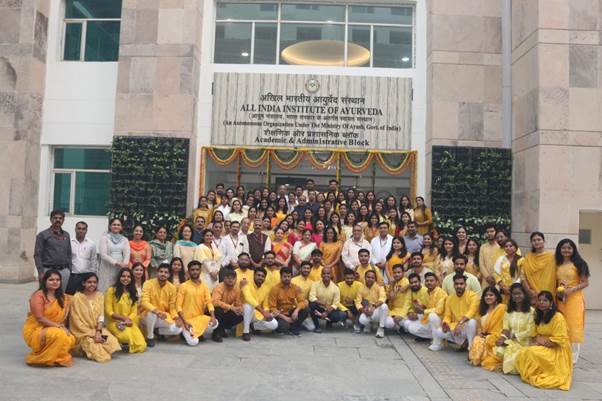
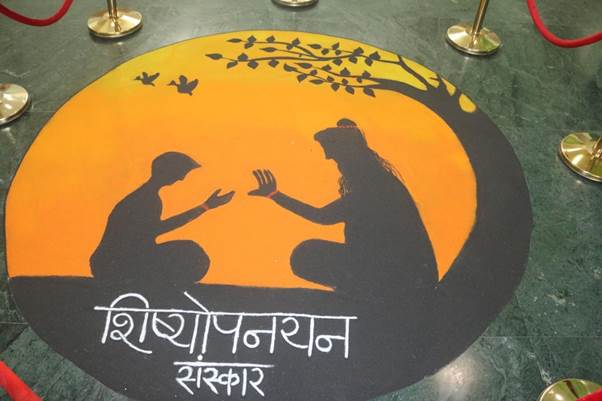
All India Institute of Ayurveda (AIIA) welcomed its 9th batch of postgraduate scholars with a traditional orientation program, ‘Samskara 2024’. The 15-day program commenced with a swearing-in ceremony, where 85 newly admitted students took the Shishyopanayan Pledge.

Prof. (Dr.) Tanuja Manoj Nesari, former Director of AIIA, was the chief guest, while Prof. (Dr.) Sujata Kadam, Director (I/C), AIIA, presided over the event. Other dignitaries who graced the occasion  included Dean PhD Prof. (Dr.) Mahesh Vyas, Dean PG Prof. (Dr.) Yogesh Badwe, Advisor Academic Activities Prof. (Dr.) Anand More, and other faculty members.

Addressing the gathering, Chief Guest Prof. (Dr.) Tanuja Manoj Nesari extended her best wishes to the new students, saying, “I expect this batch to create history in the future.” She emphasised AIIA’s unique selling proposition (USP)—valuing exceptional education and transformative journeys.

AIIA Director (I/C) Prof. (Dr.) Sujata Kadam encouraged students, saying, “Just as gold is refined through numerous tests, these three years will transform you into refined gold, making your journey extraordinary. I expect you to emerge as the best students from this institution.”

The 9th batch consists of 85 students selected from across India who cleared the All India AYUSH Postgraduate Entrance Test (AIAPGET) conducted by the National Commission for Indian System of Medicine (NCISM) under the Ministry of Ayush, Government of India.

Established in 2017, AIIA has treated over 27 lakh patients and attends to more than 2000 patients daily.

****

India-Australia Cooperation in field of Public Administration and Governance Reforms

Daily writing prompt
Name your top three pet peeves.

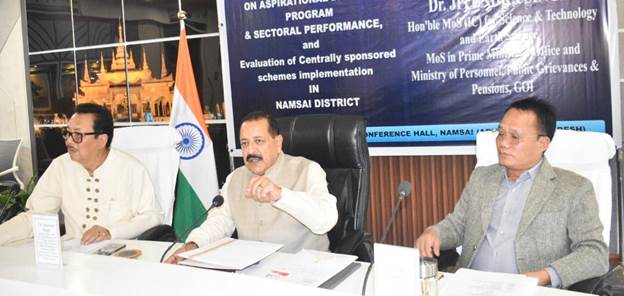
On the second day of his visit to Namsai district, Union Minister Dr. Jitendra Singh reviewed the district’s performance under the Aspirational District Programme (ADP). Emphasizing collaboration, convergence, and competition, he underscored the transformative impact of Prime Minister Narendra Modi’s vision and said, PM Modi has made Northeast an essential part of India’s mainstream growth story.

The Minister noted that before 2014, the region often felt alienated from the rest of the country. Today, it stands as an integral part of India’s cultural and developmental landscape. Citing examples such as youth from the North East excelling in the tourism and aviation industries, Dr. Jitendra Singh stressed the strides made in fostering a sense of belonging and national integration.

Highlighting good practices in Namsai, he pointed out initiatives such as integrating Anganwadi Centres with schools to improve early childhood education and health outcomes and the innovative “Pehli Sawari” ambulance service for newborns. Such ideas, he said, are worth replicating across other aspirational districts.

Dr Jitendra Singh appreciated the fact that the Namsai district has emerged as a beacon of progress under the Aspirational District Program (ADP), showcasing remarkable improvements across various sectors, including health, education, and infrastructure. The district’s composite score has surged from 35.8 in April 2018 to 54.0 in March 2024, reflecting a 37.64% improvement. This leap has propelled Namsai from the 97th position to the 12th among 112 districts, earning it accolades and substantial rewards under the Sustainable Development Goals – Empowered Action Group (SDG-EAP).

WhatsApp Image 2024-11-18 at 4.03.18 PM.jpeg

The health sector in Namsai has witnessed transformative changes. The district has achieved a 100% conversion of sub-centres and Primary Health Centres (PHCs) into Health and Wellness Centres (HWCs). Additionally75% of PHCs now comply with Indian Public Health Standards (IPHS), and 70% of specialist services are available in district hospitals. However, challenges remain, such as the acute shortage of General Duty Medical Officers (GDMOs) and nurses, and the absence of radiologists in the district hospital.

Maternal and child health indicators have also shown significant progress. The percentage of pregnant women receiving four or more antenatal care check-ups has increased from 35.46% in April 2018 to 81.3% in March 2024, and institutional deliveries have surged from 46.7% to 117%. The district has also achieved a remarkable 119% immunization rate for children aged 9-11 months.

Namsai’s education sector has made strides in improving literacy and school infrastructure. The district, which has a predominantly rural population with 76% dependent on agriculture, has focused on enhancing government schools, which cater to 67% of the student population. The literacy rate has improved, but it still lags behind state and national averages.

Key initiatives include the renovation of 27 old school buildings, construction of additional classrooms, and provision of computer labs in five government higher secondary schools. The district has also addressed basic amenities, ensuring functional toilets in 81% of schools and drinking water facilities in 98% of schools. The innovative e-fencing software has been implemented to monitor attendance and reduce absenteeism.

The district’s progress is a result of collaborative efforts involving various stakeholders. Significant projects include the construction of a laboratory building and an OPD building under Corporate Social Responsibility (CSR) initiatives, the establishment of model Anganwadi Centres, and the provision of modern diagnostic equipment for district hospitals and Community Health Centres (CHCs). The “Pehli Sawari” initiative, funded by Indian Oil Corporation Limited (IOCL), provides free ambulance services for institutional deliveries, further enhancing maternal health outcomes.

Agriculture and Infrastructure: Addressing Challenges and Leveraging Potential

Agriculture remains a critical sector for Namsai, with 74% of the population engaged in farming. The district faces challenges such as inadequate irrigation facilities, exploitation by middlemen, and low productivity of local livestock. However, the fertile plains and excellent road connectivity offer significant potential for agricultural diversification and agro-based industries.

WhatsApp Image 2024-11-18 at 4.03.19 PM.jpeg

Infrastructure development has also been a priority, with 100% household electrification, improved road connectivity under the Pradhan Mantri Gram Sadak Yojana (PMGSY), and enhanced access to potable water and sanitation facilities.

Namsai’s journey under the ADP serves as a model for other aspirational districts. The district’s comprehensive approach, focusing on health, education, and infrastructure, coupled with collaborative efforts, has yielded significant improvements. As Namsai continues to address its challenges and leverage its potential, it stands as a testament to the transformative power of targeted development programs.

WhatsApp Image 2024-11-18 at 4.03.17 PM.jpeg

Dr. Jitendra Singh’s visit not only showcased the achievements of Namsai but also highlighted its potential as a model for other districts. The Minister emphasized that such targeted developmental efforts demonstrate how collaboration and innovative practices can overcome challenges and drive inclusive growth.

As Namsai continues its journey of progress, its story serves as an inspiration for aspirational districts across India. The Minister’s visit has reignited focus on leveraging local potential and ensuring equitable development, aligning with the government’s vision of a self-reliant and inclusive India.

***

Ease of Living for the Pensioners through Digital Empowerment: DLC (Digital Life Certificate) Campaign 3.0

Daily writing prompt
Name your top three pet peeves.

Jeevan Pramaan is the vision of the Prime Minister, Shri Narendra Modi for Digital Empowerment of Pensioners. All key stakeholders – Pension disbursing banks, Department of Pensions and Pensioners Welfare, Controller General of Defence Accounts, Ministry of Railways, Department of Telecom, Department of Posts, IIPB, UIDAI and Pensioners Welfare Associations are working with whole of government approach to realise the vision of Digital Empowerment of Pensioners.

Department of Pensions and Pensioners Welfare launched the Nation-wide Digital Life Certificate Campaign 3.0 for Digital Empowerment of Pensioners at National Media Center, New Delhi on 6th November 2024. The DLC Campaign 3.0 is being held in 800 cities/ towns of India from November 1-30, 2024. 1575 camps have been held from November 1-17, 2024 in 800 cities/districts, 1.8 lac postmen deployed across the country.

In this campaign, the Department of Pension & Pensioners’ Welfare is putting all efforts to create awareness amongst all pensioners regarding DLC-Face Authentication technique by way of banners / posters placed strategically in offices and all Bank Branches / ATMs. All Banks have created a team of dedicated staff at their branches having downloaded the desired apps in their smart phones who are using this technology extensively for submission of Life Certificates by the pensioners. In case, the pensioners are not able to visit the Branches due to old age/illness/weakness, the Bank officials are also visiting their homes/hospitals for the above purpose.

The Pensioners’ Welfare Associations are extending their full support to the Campaign. Their representatives are motivating the pensioners to visit the nearby Camp locations and submit their DLCs. The officials from Department of Pension & Pensioners’ Welfare are also visited major locations through-out the Country to assist pensioners in use of various digital modes to submit their Life Certificates and monitoring the progress very closely.

As a result, Digital Life Certificate (DLC) Campaign 3.0 has made remarkable progress by the end of 2nd second week, achieving significant milestones in its mission to bring convenience and accessibility to pensioners across the nation. The campaign has successfully generated over 77 lacs Digital Life Certificates by the end of 2nd week of launch of the 3.0 Campaign, out of which about 1,77,153 pensioners above 90 years old and 17,212 pensioners between 80 – 90 years category could submit their DLCs from the comfort of their home/locations/offices/branches. This incredible momentum underscores the commitment of our pensioners, banking institutions, and government agencies towards a digitally empowered India. A lot of excitement has been observed amongst all the stakeholders, particularly sick / very old pensioners at all the locations.

Key highlights of the campaign include:

  • Mega Camps: As part of the Campaign, 4 Mega camps have been organized, 2 in Delhi (4-5 November), 1 in Bengaluru (8 November) and 1 in Hyderabad (12 November) involving all stakeholders. Secretary PPW participated in all these camps and encouraged pensioners to adopt digital modes of submission of LCs.
  • Bank-wise Achievements: SBI and PNB are leading the Campaign by generating more than 9 lacs DLCs by the end of 2nd week of the month-long Campaign, while Canara Bank and Central Bank of India registered impressive performances by generating 1 lacs and 57,000 DLCs respectively.
  • State-Wise Progress: Maharashtra led the way with over 10 lacs certificates generated, followed by Tamilnadu and West Bengal 6 lacs each. Uttar Pradesh has also done well with more than 5 lacs DLCs.
  • Departmental Contributions: The Defence Department stood out with a 21 lacs DLCs, while the Telecom Department generated an impressive 3.1 lacs DLCs. Civil Departments also contributed significantly with over 3.4 lacs certificates generated.
  • IPPBs Performance: IPPB generated 4.4 lacs DLCs by the end of 2nd week of the campaign. IPPB has played key role in delivering doorstep delivery of services.
  • Face Authentication: Advanced authentication methods such as Face Recognition contributed to 24 lacs certificates, making up 34% of the total DLCs generated. There is 204 times increase in DLCs submitted through Face Authentication under DLC Campaign 3.0.

This campaign is a testament to DoPPW’s unwavering commitment to harnessing digital tools for the benefit of every pensioner. All stakeholders extended their full support to this campaign. This momentum shall continue to make DLC Campaign 3.0 a historic success.

***