

Blockchain technology has evolved far beyond a niche sector. Today, it powers payment systems, digital assets, financial services, and decentralized applications worldwide. As adoption continues to grow, the conversation is gradually shifting from hype around tokens and protocols to the infrastructure that makes blockchain systems work reliably at scale.
According to Biz Fortune, Coinspaid Dev has officially launched as an independent engineering brand, separating from the broader Coinspaid structure after more than a decade of experience building blockchain infrastructure.
The move reflects an important industry shift. While blockchain discussions often focus on innovation at the protocol level, the technical foundation supporting these systems has become equally important. Infrastructure determines whether blockchain products can scale, remain secure, and operate without disruption.
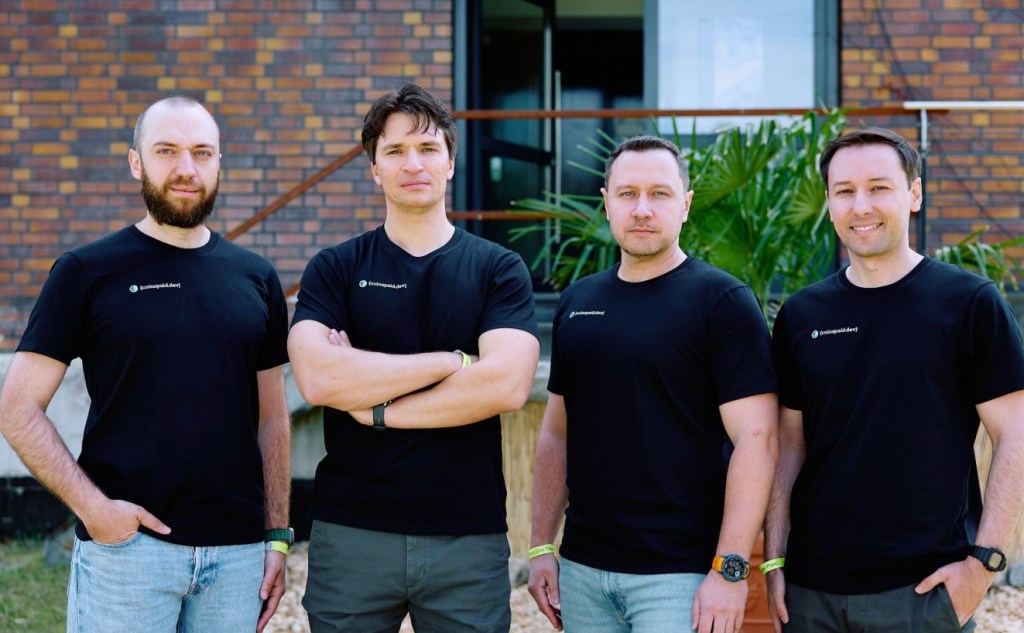
Coinspaid Dev enters this space with substantial technical experience. The company brings together more than 120 engineers across software development, infrastructure engineering, cybersecurity, research, and operations. Over the years, the team has worked on distributed systems supporting live environments across more than 20 blockchain networks.
This background gives the company a practical perspective on blockchain engineering. Building infrastructure in live production environments requires more than theoretical knowledge. Teams must manage high availability, system resilience, performance under heavy load, and secure coordination across multiple blockchain ecosystems.
These challenges grow more complex as blockchain adoption expands. Networks must handle increasing transaction volumes, higher operational demands, and more sophisticated security risks. Infrastructure teams are responsible for ensuring systems remain stable while adapting to rapid technological changes.
Several key areas define modern blockchain infrastructure engineering.
First is distributed systems architecture. Blockchain-related platforms often operate across multiple environments and networks simultaneously. This requires systems that can process data efficiently, maintain synchronization, and prevent failures from affecting overall performance.
Second is blockchain integration. Supporting multiple networks means dealing with different technical standards, APIs, and performance characteristics. Engineering teams must ensure these integrations work reliably under real-world conditions.
Third is cloud infrastructure and scalability. As user demand grows, systems need flexible infrastructure capable of scaling without compromising reliability or speed.
Finally, security and reliability engineering play a critical role. Blockchain infrastructure often supports financial operations, making resilience and cybersecurity essential priorities.
Coinspaid Dev aims to position itself as a dedicated engineering voice within this landscape. Rather than focusing solely on product delivery, the company also seeks to contribute practical insights to the broader industry conversation around blockchain infrastructure and operational excellence.
This approach was recently reflected during Berlin Blockchain Week 2026. Alexey Tulia, Executive Leader at Coinspaid Dev, presented at Futura Camp on the topic of infrastructure challenges in multi-chain environments. His presentation focused on bottlenecks and engineering trade-offs that become visible only when blockchain systems operate at scale.
Such discussions highlight an important reality: progress in blockchain technology depends not only on protocol innovation but also on infrastructure maturity. Strong infrastructure enables blockchain systems to move from experimentation to reliable large-scale adoption.
Coinspaid Dev’s launch signals growing recognition of infrastructure engineering as a core pillar of blockchain development. The brand may be new, but the experience behind it has been built over more than 11 years of real-world engineering work.
As blockchain ecosystems continue to mature, companies focused on infrastructure will likely play a larger role in shaping the future of digital assets and decentralized technologies. Reliable engineering, operational resilience, and practical expertise are becoming central to the next phase of blockchain growth.


 Eduindex
You must be logged in to post a comment.