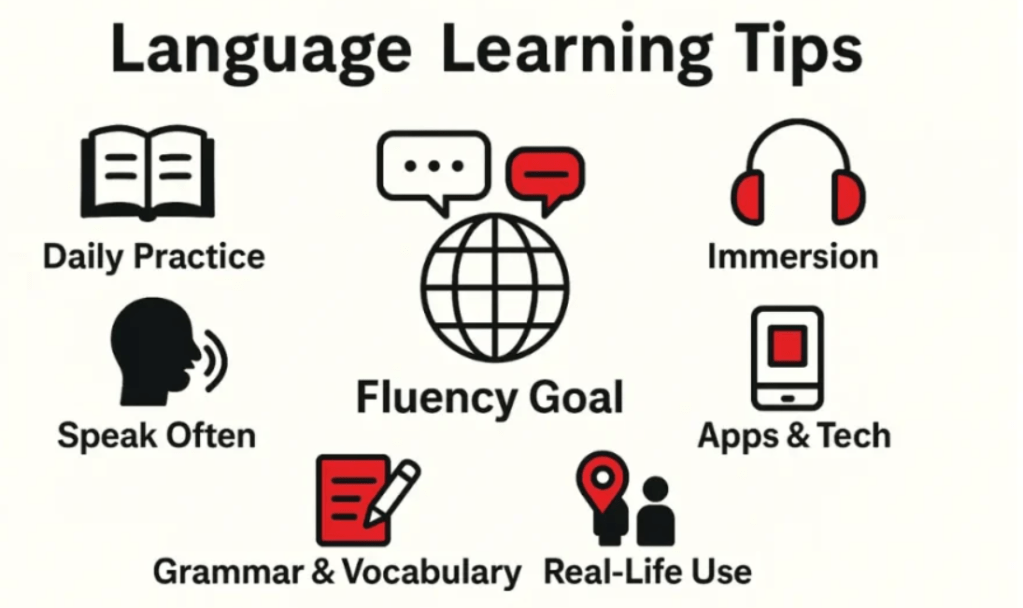
In today’s interconnected world, communication extends far beyond geographical boundaries. Whether you’re pursuing higher education, expanding your career opportunities, traveling abroad, or simply exploring different cultures, learning a new language has become an invaluable skill. Fortunately, modern technology has made language education more accessible than ever before. Many learners now choose to Learn Languages Online because it offers flexibility, personalized learning experiences, and access to qualified instructors from anywhere in the world.
Unlike traditional classroom settings, online language learning allows students to study at their own pace. Busy professionals, university students, and parents can easily fit lessons into their daily schedules without sacrificing work or personal commitments. This convenience has contributed to the rapid growth of digital language education, making multilingualism achievable for millions of learners.
Expanding Career Opportunities
Employers increasingly seek candidates who can communicate across cultures. Speaking multiple languages demonstrates adaptability, cultural awareness, and strong communication skills—all highly valued in today’s global workforce. Industries such as international business, tourism, healthcare, education, technology, and customer support often prioritize multilingual professionals.
Learning a second or third language can also open doors to international assignments, remote work opportunities, and collaborations with global clients. As businesses continue expanding into new markets, employees who can bridge language barriers become indispensable assets.
Enhancing Cognitive Abilities
Scientific research consistently shows that language learning benefits the brain. It improves memory retention, strengthens problem-solving abilities, and enhances concentration. Multilingual individuals often develop better multitasking skills because switching between languages trains the brain to process information more efficiently.
Language learning also encourages critical thinking. As learners become familiar with different grammar structures and vocabulary systems, they naturally develop greater mental flexibility and creativity. These cognitive advantages extend well beyond language acquisition and positively influence everyday decision-making.
Building Meaningful Cultural Connections
Language is deeply connected to culture. Learning another language offers insight into traditions, customs, literature, music, and history that might otherwise remain inaccessible. Rather than relying solely on translations, learners gain the ability to appreciate authentic content in its original form.
This cultural understanding fosters empathy and encourages meaningful conversations with people from diverse backgrounds. Whether traveling abroad or interacting with international colleagues, speaking someone’s native language often creates stronger personal and professional relationships.
The Convenience of Digital Learning
Modern online platforms provide interactive tools that make learning engaging and effective. Features such as live tutoring sessions, pronunciation exercises, vocabulary games, progress tracking, and mobile applications allow learners to practice consistently from virtually anywhere.
Another major advantage is personalization. Students can focus on conversational fluency, business communication, academic preparation, or exam-specific training based on their individual goals. Many platforms also use adaptive learning technologies that adjust lesson difficulty according to the learner’s progress, creating a more efficient educational experience.
Staying Motivated Throughout the Journey
Learning a language requires consistency rather than perfection. Setting realistic milestones, practicing daily, and regularly using the language in real-life situations can significantly improve long-term retention. Watching foreign films, listening to podcasts, reading books, or participating in online conversation groups helps reinforce classroom learning while making the process enjoyable.
Many successful language learners dedicate just 20 to 30 minutes each day to practice. Over time, these small but consistent efforts accumulate into substantial progress. Celebrating milestones—such as completing a course level or successfully holding a conversation—can further boost motivation.
Preparing for a Global Future
Globalization continues to reshape education, business, and personal communication. As international collaboration becomes increasingly common, multilingual skills will remain a valuable advantage. Whether your objective is career advancement, academic success, travel, or personal development, investing in language learning is an investment in your future.
Thanks to the accessibility and flexibility of online education, anyone with an internet connection can begin developing new language skills today. By embracing consistent practice and utilizing high-quality digital learning resources, learners can gain confidence, broaden their perspectives, and unlock opportunities that extend far beyond mastering vocabulary and grammar.
The ability to communicate across cultures is more than just an educational achievement—it is a lifelong asset that enriches personal experiences and creates opportunities in an increasingly connected world.
Daily writing prompt
What’s a time you followed your gut and it turned out to be exactly right?
Education in Thane has grown into a more balanced and thoughtful experience for children. Schools now give cultural activities a meaningful place because these activities support confidence, emotional maturity, creativity, and social understanding. Dance, music, theatre, art, storytelling, debates, and festive events give students practical ways to express themselves. These experiences also make school life more active, joyful, and connected to real learning.
Parents looking for the best school in Thane sometimes value an environment where academics and cultural participation work together. Cultural activities help students speak with clarity, respect different ideas, and take part in group tasks with confidence. This exposure also supports student development beyond regular classroom lessons.
Value Of Cultural Activities In Student Development
Cultural activities help students understand their abilities outside textbooks. A child who may stay quiet in class can show confidence during a skit, song, art display, or debate. These moments help students recognise their strengths and develop a healthier sense of self-worth.
Such activities also improve emotional balance. Rehearsals teach patience, stage events teach courage, and group tasks teach responsibility. Students learn that effort, discipline, and preparation matter as much as the final performance.
Confidence Through Cultural Participation
Cultural events give students repeated chances to face an audience in a safe school setting. Speaking lines on stage, presenting a poem, or taking part in a music performance can reduce hesitation over time. This confidence sometimes supports classroom discussions and everyday communication.
Students also learn how to handle mistakes calmly. A missed step or forgotten line becomes a learning experience rather than a reason to withdraw. This builds resilience, which is an important part of student development.
Creativity And Thought Development
Creative activities allow children to use their imagination in a structured way. Art, drama, music, and storytelling encourage students to think in detail and express ideas clearly. These experiences support original thought and help children connect emotions with expression.
Cultural tasks also sharpen observation. Students notice rhythm, colour, voice, movement, and audience response during activities. This attention to detail supports better focus in academic and social situations.
Social Growth Through Cultural Events
Cultural programmes bring students together in meaningful ways. Group dances, choir performances, plays, and festival activities require coordination, trust, and shared responsibility. Students learn how to listen, adjust, and contribute without losing respect for others.
These experiences also help children understand different traditions. Thane has a rich cultural setting, and school events can introduce students to local festivals, regional arts, music forms, and community values. This creates respect for culture while supporting a broader outlook, a quality also valued by families exploring the best icse schools in Hyderabad.
Greater respect for traditions and different viewpoints
Improved patience during rehearsals and event practice
Deeper friendships through shared school experiences
Cultural Awareness In Thane Schools
Cultural activities in Thane sometimes reflect the city’s lively and diverse character. Students may take part in music, dance, drama, art, poetry, or festival-based programmes that connect learning with local identity. These activities help children feel rooted in their surroundings.
Cultural awareness also supports empathy. Students understand that every tradition carries meaning, history, and emotion. This understanding encourages respectful behaviour in school and in the wider community. Families who explore the best icse schools in Hyderabad also look for this kind of balanced cultural exposure because it supports confident and sensitive learners.
Academic Support Through Culture
Cultural activities can support academic growth when schools plan them with care. Music improves listening skills, drama improves expression, debates improve language ability, and art improves patience. These skills contribute to better classroom participation.
Students also learn time management through event preparation. They understand how to balance homework, practice, and school responsibilities. This habit helps them become more organised and dependable.
Skills Strengthened Through Culture
Clear speech and better vocabulary
Improved memory through songs, scripts, and presentations
Stronger focus during practice sessions
Better discipline through regular preparation
More active participation in classroom tasks
Role Of Teachers And Parents
Teachers play an important role in encouraging students to take part in cultural activities. Gentle guidance helps children feel safe while trying something new. Recognition of effort keeps students motivated even when they are not the main performers.
Parents also shape a child’s attitude towards cultural participation. Support from home gives students the confidence to practise, perform, and enjoy the process. A child benefits most when school and family both value cultural growth.
How To Find A School With Strong Cultural Programmes
A school with strong cultural programmes offers regular music, theatre, art, debate, literary, and festival activities. Parents can look for planned events, active student participation, and teacher support for creative expression. These programmes help students build confidence, communication skills, discipline, teamwork, and cultural awareness.
Parents searching for the best school in Thane often value cultural activities because they support confidence, creativity, emotional strength, discipline, and social awareness. These activities give children practical experiences that shape communication, teamwork, and respect for culture. Cultural participation also plays a meaningful role in overall student growth.
Daily writing prompt
What’s the best advice you’d give to someone younger than you?
Student development includes emotional strength, healthy communication, and respectful behaviour. Children also benefit from self-awareness and positive social habits during academic years. Social-emotional learning may help students respond calmly during pressure and group interaction. These skills can support confidence, discipline, and stronger peer relationships over time.
1. Better Emotional Awareness
Social-emotional learning helps students notice their emotions and respond with care. Many parents who explore the top international schools in Mumbai also review how emotional support is part of student life. Self-awareness may help children express fear, stress, or doubt with more clarity. It also supports calm conduct during tests, group tasks, and peer concerns.
Families in Bangalore often value academic spaces that support emotional health along with lessons. Students may face pressure from exams, activities, and peer groups. Emotional awareness helps with patience during such phases. It may also improve maturity in daily interactions.
2. Clear Communication Skills
Strong communication helps students share views with respect. Social-emotional learning supports honest speech, active response, and polite dialogue. Students who speak clearly may take part in debates, projects, and class talks with more ease. This may help improve confidence during academic activities.
Parents in Mumbai may observe student and teacher interaction during campus visits. Respectful dialogue often shows a healthy social culture. In Bangalore, group-based tasks can aid speech clarity and careful response. Such habits support better peer relationships over time.
3. Conflict Resolution
Conflicts can affect comfort, focus, and discipline during the school day. Social-emotional learning helps children pause, listen, and respond with fairness. It may reduce harsh reactions during peer disputes. Students also learn to respect different views during shared tasks.
Many parents in Bangalore prefer academic spaces that promote calm conduct among students. Conflict resolution lessons may help children handle group pressure with care. In Mumbai, families often value campuses that support empathy and fair dialogue. Such practices can create a more stable social atmosphere.
4. Healthy Peer Bonds
Friendships play a strong role in student confidence. Social-emotional learning may help children build respectful and supportive peer bonds. Group activities teach cooperation, shared duty, and patience. Students feel more secure when positive peer habits are part of daily life.
Families who compare the best ICSE schools in Bangalore may observe how students behave during campus visits. Kind conduct among peers usually reflects sound social values. Several parents in Mumbai also value inclusion and mutual respect. Positive friendships may help improve emotional comfort throughout academic years.
5. Better Focus in Lessons
Emotional balance can affect attention during class. Students who manage stress calmly may focus better on lessons and assignments. Social-emotional learning supports self-control, responsibility, and steady effort. Stable emotions may also improve class participation.
Habits That Support Focus
Calm response during academic pressure
Respectful talk with classmates
Better time use
Clear contact with teachers
Parents in Bangalore may notice that emotionally balanced students respond better during tests and oral work. Focus may also support regular homework and class effort. Families in Mumbai often value positive discipline in academic spaces. Such habits support both emotional growth and subject progress.
6. Builds Confidence
Students take part in debates, cultural events, sports activities, and group projects throughout the academic year. Social-emotional learning may help children speak with greater confidence during such events and public interactions. Shared activities also support self-belief, social comfort, and active participation among peers. Students may show stronger involvement in discussions and presentations after regular peer contact and collaborative tasks.
Many families in Mumbai value opportunities that help children overcome hesitation in social and academic settings. Public speech, drama, music, and team-based tasks can aid confidence and communication skills over time. In Bangalore, project work, competitions, and group activities may support teamwork and leadership qualities among students. These experiences help children feel more prepared and comfortable during social situations and academic events.
7. Respect for Diversity
Students meet classmates from different homes, cultures, and views. Social-emotional learning may help build empathy and respect. It teaches fairness through daily conduct and peer contact. Such values can reduce the distance among classmates.
Parents in Bangalore often prefer campuses that promote respect across student groups. Equal chances in activities may help each child feel valued. Families in Mumbai may also review how discipline and student conduct are handled. A respectful environment supports emotional safety and confidence.
Social-emotional learning has become an important factor for families who review the top international schools in Mumbai. It supports empathy, confidence, focus, and calm conduct during academic life. For parents in Bangalore, these skills may matter as much as facilities or exam results. A balanced environment that values emotional growth can help students build steady personal strength.
A suitable school shapes a student’s academic direction and personal development over time. A detailed review of institutional features supports confident decisions about long-term educational goals. Explore these essential features and take a meaningful step toward selecting the right school.
Educational standards across Bangalore and Hyderabad attract attention due to consistent academic outcomes and organised systems. Many families considerinternational schools in Hyderabad while comparing options across Bangalore for broader academic exposure. Awareness of essential features creates a smooth and well-informed selection process.
1. Admissions Philosophy That Reflects Inclusivity and Clarity
Every reputed institution establishes admission policies that explain procedures with complete transparency. Admission guidelines describe eligibility criteria, timelines, and document requirements in an organised format. Top Schools in Bangalore and Hyderabad maintain open communication channels to support smooth admission experiences.
Inclusive admission practices encourage participation from students across varied academic and cultural backgrounds. Orientation sessions provide insight into academic expectations and institutional values. Consistent admission practices build trust among prospective families.
2. Assessment Methods Reflect Student Progress with Accuracy
Assessment systems provide an accurate measure of academic performance across different subjects. Schools across Hyderabad follow organised evaluation methods aligned with recognised academic standards. Regular assessments offer consistent insight into subject-level performance across academic terms.
Feedback highlights strengths and identifies areas that require focused academic improvement. Transparent grading practices strengthen trust between educators, students, and families. Regular reviews ensure fair and consistent academic evaluation outcomes.
3. Leadership Vision Shapes Long-Term Educational Direction
Institutional direction depends on leadership priorities and long-term academic planning. School leadership teams across Bangalore set academic goals aligned with global education standards. Vision statements reflect commitment toward academic excellence and disciplined development.
Consistent policy execution ensures stability across academic and administrative functions. Institutions recognised among the top schools in Hyderabad reflect strong leadership direction and academic priorities. Open communication from leadership supports confidence among families and staff. Strategic planning guides consistent academic growth across all departments.
4. Digital Learning Integration Across Classroom Environments
Digital systems support classroom instruction through interactive and organised academic delivery. Schools across Bangalore use smart classroom tools and curated digital platforms for subject clarity. Lesson plans include digital resources that support concept explanation and subject understanding.
Teachers receive guidance to ensure effective use of classroom technology tools. Digital systems support academic tracking and maintain communication channels with families. Technology use enhances subject clarity and student classroom engagement.
5. Social Emotional Learning as a Core Educational Priority
Balanced education requires equal attention to emotional awareness alongside academic development. Schools include social-emotional learning (SEL) programs that focus on emotional intelligence and personal discipline. Classroom activities promote empathy, respect, and responsible behaviour across different age groups.
Counselling services remain available to support students who require additional emotional guidance. A positive school environment supports healthy relationships and steady personal growth. Emotional support systems strengthen student confidence and behavioural development.
6. Student Safety Measures Within a Secure Environment
A secure campus environment ensures uninterrupted academic focus and student well-being at all times. Schools across Hyderabad and Bangalore implement controlled entry systems and surveillance measures for campus security. Trained staff supervise key areas to maintain discipline and ensure student safety throughout the day.
Emergency response protocols remain organised and regularly reviewed for effectiveness. Transport systems follow strict safety standards to ensure secure travel arrangements. Safety protocols maintain discipline and protect students across campus areas.
7. Cultural Exposure Encourages Global Awareness and Respect
Exposure to diverse cultures supports a broader perspective and respectful social interaction. Schools across Bangalore and Hyderabad organise cultural events that highlight traditions from different regions and communities. Programs introduce students to global perspectives through meaningful participation and observation.
Language exposure supports better communication across varied cultural contexts and social settings. Cultural engagement fosters mutual respect and strengthens social understanding among students. Cultural programs promote respect for diversity and shared global values.
8. Language Development Strengthens Communication Skills
Strong communication skills form a key part of academic success and future academic readiness. Schools offer language programs aligned with recognised curriculum standards. Classroom instruction focuses on grammar, vocabulary, and comprehension across different proficiency levels.
Public speaking opportunities support confidence and clear expression among students. Language labs provide practice through guided exercises and interactive methods. Language skills improve clarity in both academic and social communication.
A thorough understanding of these features supports a confident and organised school selection process. Families should review each aspect carefully to ensure alignment with long-term academic goals. Many institutions across Bangalore demonstrate these qualities through consistent academic performance and organised development systems. Considerinternational schools in Hyderabadduring comparisons to identify suitable academic environments. Early decisions support access to institutions that reflect strong academic values and consistency.
I have followed Khan Sir’s journey closely, and I believe he is far more than just a popular teacher. From making education accessible and affordable for students from humble backgrounds to helping countless aspirants who could never afford expensive coaching institutes, his contribution has had a real impact on millions of lives. Over the years, he has also participated in various social welfare activities and has consistently remained connected to ordinary people.
At the same time, I believe his greatest strength may also be his greatest weakness—he speaks openly, honestly, and often without filtering his thoughts through the lens of political correctness. There is an old saying:
“अति का भला न बोलना, अति की भली न चुप। अति का भला न बरसना, अति की भली न धूप।”
The wisdom of this proverb lies in its emphasis on balance. Speaking excessively can create problems, but complete silence is not a virtue either. In my view, if Khan Sir has made mistakes, they have more likely arisen from speaking too much rather than from any malicious intent.
But in a democratic country, is speaking on public issues itself wrong? Citizens, teachers, journalists, doctors, lawyers, and public figures all have the right to express their opinions within the framework of the law. People are free to agree, disagree, criticize, or challenge those opinions. That is the essence of democracy. However, disagreement should not automatically lead to the assumption that a person is guilty, malicious, or deserving of condemnation.
What concerns me is how quickly public narratives can become fixed before all facts are known. A controversy emerges, selective clips circulate, opinions harden, and judgments are often delivered long before any fair examination of the facts takes place. Whether this perception is correct or not should be determined through evidence, not emotion.
I am not claiming that Khan Sir should be above scrutiny. No public figure should be. If mistakes have been made, they should be examined honestly. If any law has been violated, appropriate action should follow. But that process must be fair, transparent, impartial, and completely free from prejudice. Neither admiration nor hostility should influence the outcome. The standard must be facts, context, evidence, and due process.
What I find unfortunate is the tendency to judge an individual’s entire life and contribution through the lens of a single controversy while overlooking years of educational service and positive impact. A fair society should be capable of acknowledging both achievements and mistakes with equal honesty.
In a democracy, the answer to speech is more speech, the answer to disagreement is debate, and the answer to allegations is an unbiased investigation. Before conclusions are drawn, every relevant fact should be examined carefully and objectively. Justice demands neither blind support nor blind opposition—it demands fairness.Given the enormous public profile of Khan Sir and the national attention that these allegations have attracted, I believe there is a strong case for an investigation by an independent and highly credible agency such as the CID or, if legally warranted and approved by the competent authorities, the CBI. Such an investigation would not only help uncover the truth but would also inspire greater public confidence in the outcome, whatever that outcome may be.
History should judge people not only by their controversies but also by the lives they have touched and the contributions they have made. When viewed through that broader lens, Khan Sir’s contribution to education and the empowerment of ordinary students remains significant and deserves fair consideration.
Vodka may look simple at first: a clear spirit, usually neutral in taste, often served neat, on the rocks or mixed into cocktails. But quality can vary significantly from one bottle to another. Some vodkas taste clean, soft and balanced, while others feel sharp, harsh or unpleasantly hot.
Price and brand can be useful signals, but they are not the only criteria. High-quality vodka is usually defined by clean aroma, smooth texture, balanced alcohol note, reliable raw materials, careful distillation, proper filtration and clear product information. The right bottle also depends on how it will be used: cocktails, neat drinking, gifting or a home bar.
This vodka buying guide explains how to recognize good vodka, what makes premium vodka different, when budget vodka can still work well and what to check before buying vodka online.
Quick answer
High-quality vodka is usually clean, smooth and balanced, without an aggressive alcohol burn or unpleasant aftertaste. The most important signs are clear product information, reliable raw materials, careful distillation, proper filtration, balanced ABV and a taste profile that matches the intended use. For cocktails, a clean and neutral vodka is often enough, while neat drinking or gifting may justify a softer premium bottle. Price can be a useful signal, but it should not be the only reason to choose a vodka.
What Does “High-Quality Vodka” Really Mean?
High-quality vodka does not simply mean the most expensive bottle on the shelf. Quality is better understood through taste, texture, balance and transparency. A good vodka should feel clean, smooth and controlled, not harsh, chemical or aggressively sharp.
Vodka is often described as a neutral spirit, but neutral does not mean tasteless. Good vodka can still have subtle character: a soft texture, a clean finish, light sweetness, gentle grain notes, a creamy mouthfeel or a slightly mineral edge. These details are usually more noticeable when vodka is tasted neat.
The meaning of quality also depends on purpose. A vodka for cocktails should be clean, neutral and reliable. A vodka for neat drinking should be smoother and more refined. A vodka as a gift should combine good taste, recognizable quality and attractive presentation.
A strong price-to-quality ratio matters more than status alone. A premium vodka can be a good choice, but only when its smoothness, finish and presentation actually fit the occasion.
Key Signs of Good Vodka
The easiest way to recognize good vodka is to look for balance. It should not smell unpleasant, taste rough or leave a burning finish that dominates everything else. A clean vodka feels controlled from aroma to aftertaste.
A good vodka usually has:
a clean and neutral aroma;
a smooth texture;
no strong chemical smell;
no aggressive burning sensation;
a balanced finish;
clear information about ABV and bottle size;
a taste profile that works for cocktails, neat drinking or gifting;
a reasonable price for its quality level;
a reliable brand or clear production background;
transparent information about style and intended use.
The first warning sign is a harsh alcohol burn. Vodka will always have alcohol, but it should not feel sharp in a way that overwhelms the palate. If the aroma feels chemical or the aftertaste is unpleasant, the bottle may be better suited only for mixing or may not be worth choosing at all.
Good vodka does not need to be complicated. It needs to be clean, balanced and appropriate for the way you plan to use it.
Vodka Taste: Should Good Vodka Be Completely Neutral?
Vodka is usually expected to have a neutral taste, but high-quality vodka is not always completely flavourless. The differences are often subtle, but they matter. One vodka may feel crisp and light, another may feel creamy and round, while another may show gentle sweetness or a slightly peppery finish.
For cocktails, neutrality is a practical advantage. A clean vodka should support ingredients such as citrus, soda, ginger beer, tomato juice, coffee or fruit without adding a rough alcohol note. This is why vodka works well in drinks like Moscow Mule, Cosmopolitan, Vodka Soda and Espresso Martini.
For neat drinking, texture and finish become more important. A vodka with a harsh alcohol note may feel acceptable in a mixed drink, but unpleasant when tasted on its own. A smooth vodka should feel soft on the palate and leave a clean finish rather than a burning aftertaste.
Cheap vodka can still work for cocktails if it is clean and balanced. But if you plan to drink vodka neat or serve it as a premium gift, smoothness and finish become much more important.
Raw Materials: Grain, Potatoes or Corn — Does It Matter?
Vodka may be made from different agricultural raw materials. Common bases include grain, wheat, rye, potatoes, corn and other starch- or sugar-containing ingredients. Because vodka is usually neutral, some buyers assume the raw material does not matter. In reality, it can influence texture, softness and aftertaste.
Grain vodka often feels clean, crisp and lightly sweet. Wheat-based vodka can be especially soft and rounded. Rye may bring more structure, spice or a drier edge. Potato vodka is often perceived as fuller, creamier and richer. Corn vodka may feel mild, soft and slightly sweet.
Raw material
Possible character
Best for
Grain
Clean, crisp, lightly sweet
Cocktails, Vodka Soda, home bar
Wheat
Soft, smooth, rounded
Neat drinking, premium bottles
Rye
Spicier, more structured
Vodka Martini, stronger character
Potatoes
Creamier, fuller, richer
Tasting, gifts, neat drinking
Corn
Mild, soft, slightly sweet
Beginners, cocktails, mixed drinks
The raw material can influence texture and finish, but it should always be evaluated together with distillation, filtration, water quality and overall balance. A good raw material does not automatically create good vodka if the production is careless.
Distillation and Filtration: Do They Make Vodka Better?
Distillation helps create a cleaner alcohol base. In vodka production, multiple distillation can improve purity and remove rougher elements. However, the number of distillations is not a quality guarantee by itself. A vodka filtered or distilled many times can still feel unbalanced if the base spirit or final blending is poor.
Filtration can also influence the final profile. Common methods include charcoal filtration, activated carbon filtration, quartz filtration, silver filtration and other processes. Filtration may help create a cleaner, softer and more neutral spirit.
Still, quality is not about marketing numbers only. “Filtered ten times” or “distilled many times” should not automatically be read as “best quality vodka.” What matters is the final result: clean aroma, smooth mouthfeel, balanced alcohol note and pleasant finish.
High-quality vodka is about control. Distillation, filtration, water and blending should work together to create a clean spirit that feels balanced rather than aggressively sharp.
ABV and Balance: Why Alcohol Strength Matters
ABV means alcohol by volume. Many vodkas are bottled around 37.5% to 40% ABV. In the European Union, vodka must have a minimum alcoholic strength of 37.5% ABV.
A higher ABV does not automatically mean higher quality. Stronger vodka may have more power, but good vodka should feel balanced, not just strong. A bottle with poor balance can feel hot even at a standard strength.
For cocktails, 40% ABV is common and versatile because it gives enough structure in mixed drinks. For neat drinking, smoothness, texture and finish are often more important than strength alone.
The ideal vodka alcohol content depends on use. A cocktail vodka should hold up in a drink. A sipping vodka should feel controlled and clean in small sips.
Premium Vodka vs Cheap Vodka: What Is the Real Difference?
Premium vodka often focuses on better raw materials, careful distillation, refined filtration, softer texture, cleaner finish and stronger brand presentation. It may also come in a more elegant bottle, which matters when the vodka is intended as a gift.
Cheap or budget vodka is not always bad. It can be practical for cocktails, long drinks or parties if it tastes clean and does not bring a harsh alcohol burn. The problem begins when the lowest price becomes the only criterion.
Criterion
Premium vodka
Cheap / budget vodka
Taste
Smoother, cleaner, more balanced
Simpler, sometimes sharper
Texture
Softer, rounder
Lighter or rougher
Filtration
Often more refined
Usually simpler
Best use
Neat drinking, gifts, special occasions
Cocktails, long drinks, parties
Price
Higher
Lower to medium
Risk
Overpaying for branding
Harsh alcohol burn or weak balance
A premium bottle makes sense when smoothness, texture and presentation matter. A budget-friendly vodka can still be a good choice for cocktails if it tastes clean and balanced. The right choice is not always the most expensive one. It is the bottle that fits the purpose.
How to Taste Vodka: A Simple Quality Test
Vodka is often served very cold, but if you want to evaluate quality, avoid over-freezing it. Extreme cold can hide both good and bad qualities. A slightly chilled vodka is usually enough to check aroma, texture and finish.
To evaluate vodka quality, check:
Aroma — it should smell clean, not chemical.
Texture — good vodka often feels smooth, not rough.
Taste — it should be balanced and not aggressively sharp.
Finish — the aftertaste should be clean and short to medium, not unpleasant.
Purpose — the bottle should match cocktails, neat drinking or gifting.
Take a small sip and notice whether the vodka feels soft or harsh. A strong burning finish does not automatically mean strength; it may also suggest weak balance or a bottle that is not ideal for neat drinking.
For cocktails, test whether the vodka supports the drink or breaks its balance. A good cocktail vodka should mix easily and not add a rough alcohol edge.
Best Vodka for Cocktails: What Quality Level Do You Need?
Cocktail vodka should be clean, neutral and reliable. It does not always need to be the most expensive bottle, but it should not be harsh. A rough vodka can make a cocktail taste sharp, even when the recipe and ingredients are good.
Vodka works well in many classic drinks, including Moscow Mule, Vodka Martini, Cosmopolitan, Bloody Mary, Espresso Martini and Vodka Soda. In these cocktails, vodka should provide structure without dominating the drink.
For cocktails, choose vodka that is:
clean and neutral;
not aggressively sharp;
versatile;
reasonably priced;
easy to mix with citrus, soda, ginger beer, coffee or juice;
consistent in taste.
A mid-range bottle with a good price-to-quality ratio is often the most practical choice for a home bar. Premium vodka can be used in cocktails, but it is not always necessary for simple mixed drinks.
Best Vodka for Drinking Neat: What to Look For
For neat drinking, smoothness matters more than strong branding. A good sipping vodka should have a clean aroma, soft texture and balanced finish. It should not feel harsh, chemical or unpleasantly hot.
Premium vodka is often a better choice for drinking neat because it is usually made with more attention to softness, mouthfeel and presentation. However, the label alone is not enough. The vodka should still feel clean and balanced in small sips.
Serving temperature matters. Slightly chilled vodka can feel pleasant and smooth, but over-freezing may hide important differences. If a vodka only tastes acceptable when extremely cold, it may not be the best bottle for tasting.
Look for a smooth vodka with a clean finish, clear product information and a style that matches your preference. For neat drinking, small details matter more than they do in cocktails.
Vodka as a Gift: Quality Signals That Matter
Vodka can work well as a gift if the bottle looks premium and the brand feels reliable. For gifts, the safest choice is often classic non-flavoured vodka with a smooth profile and elegant presentation.
Avoid the cheapest bottle if the gift should feel thoughtful or premium. Also be careful with flavoured vodka unless you know the recipient’s taste. A very specific flavour can be interesting, but it is less universal than classic vodka.
Gift situation
Recommended vodka type
Gift for a beginner
Smooth classic vodka
Gift for a cocktail lover
Clean, versatile cocktail vodka
Gift for a spirits enthusiast
Premium vodka with clear quality signals
Formal gift
Recognizable brand or elegant bottle
Safe universal gift
Classic non-flavoured vodka
For a gift bottle, quality signals include brand reputation, bottle design, country of origin, smoothness, clear product details and a price level that matches the occasion.
Reading the Label: What Information Should Be Clear?
A vodka label or product page should make the basic information easy to understand. If important details are missing, it becomes harder to compare quality and price.
Before buying, check:
ABV;
bottle size;
brand name;
country of origin;
raw material, if available;
whether it is classic or flavoured;
intended use;
price-to-quality ratio;
shop reliability.
Flavoured vodka should be clearly identified as flavoured. Classic vodka and aromatised vodka serve different purposes, so they should not be confused. A bottle for Vodka Martini may not be the same choice as a bottle for sweet mixed drinks.
Clear information does not guarantee quality, but it helps you make a better decision. A reliable product page should make comparison easy, not force the buyer to guess.
What to Check Before Buying Vodka Online
When buying vodka online, product information should be clear and practical. Compare brand, bottle size, ABV, origin, style, price and intended use. Check whether the bottle is better suited for cocktails, neat drinking, gifts or a home bar.
A good vodka online shop should make it easy to compare premium and budget options. Sorting, price ranges and product categories help buyers choose more confidently. Availability and delivery conditions also matter, especially when the bottle is needed for a specific occasion.
For readers who want to compare different brands, bottle sizes and price levels in one place, Red & Weiss makes it easy to buy high-quality vodka online and choose a bottle for cocktails, neat drinking or gifting.
Online buying is convenient when the shop gives transparent product information. The better the information, the easier it is to match vodka quality with taste, budget and purpose.
Common Mistakes When Choosing Vodka
Vodka is easy to buy quickly, but that also makes mistakes common. Many buyers choose only by price or bottle design and ignore how the vodka will actually be used.
Common mistakes include:
choosing only by the lowest price;
assuming expensive vodka is always better;
ignoring the intended use;
buying premium vodka only for simple mixed drinks;
choosing flavoured vodka without checking the flavour profile;
ignoring ABV and bottle size;
not reading product information;
choosing a gift bottle only by design;
overlooking harsh alcohol burn.
The safest approach is simple: decide the purpose first, then compare taste, quality, price and product details. This prevents overpaying and also reduces the risk of choosing a bottle that does not fit the occasion.
Final Recommendation: How to Choose High-Quality Vodka
To choose high-quality vodka, start with purpose. For cocktails, choose a clean, neutral and balanced vodka with a good price-to-quality ratio. For neat drinking, choose a smoother premium bottle with a soft texture and clean finish. For gifts, choose a reliable brand with good presentation and clear quality signals.
For beginners, it is usually better to avoid overly harsh vodka and very specific flavoured options unless the taste preference is clear. A classic smooth vodka is often more versatile.
Price matters, but quality is a combination of raw material, distillation, filtration, ABV, taste, finish and intended use. When an online shop provides clear information and makes comparison easy, choosing the right bottle becomes much more reliable.
Daily writing prompt
Share a proverb you think is completely wrong and make your case.
Artificial intelligence has become one of the most talked-about technologies in corporate finance. From forecasting tools to automated reporting systems, vendors increasingly promote AI as a solution capable of transforming financial operations. Yet many organizations are discovering that successful adoption depends less on replacing people and more on combining technology with human expertise.
As reported by The Next Web, the most effective finance departments are not handing over decision-making to algorithms. Instead, they are using AI to streamline processes while keeping experienced professionals responsible for analysis and judgment.
One reason is the difference between forecasting and financial modeling. Forecasting relies on historical data and trend analysis, areas where AI performs exceptionally well. Financial modeling is more complex. It requires understanding how a business operates, identifying relationships between revenue and expenses, evaluating risks, and testing assumptions about future growth. These tasks often involve critical thinking that extends beyond data processing.
Modern AI tools already provide substantial value across finance workflows. They can collect information from multiple systems, reconcile data, identify unusual transactions, and generate forecasts in a fraction of the time required by traditional methods. Scenario planning has also become faster, allowing finance teams to assess the potential impact of changes in pricing, hiring, customer retention, or market conditions within seconds.
The technology is especially useful for eliminating repetitive work. Tasks such as data entry, categorization, formatting, and reconciliation have historically consumed significant portions of finance professionals’ time. By automating these activities, organizations allow their teams to focus on strategy, planning, and decision-making.
Despite these advantages, AI still faces important limitations. One challenge is its tendency to produce confident-looking results even when the underlying assumptions are flawed. A forecast may appear sophisticated and detailed while relying on unrealistic inputs. Unlike an experienced analyst, AI does not naturally question whether a sudden improvement in customer retention or revenue growth is realistic.
Another issue involves business dependencies. Financial outcomes rarely exist in isolation. Sales growth may depend on additional marketing investment, new hiring plans, or operational changes. Human analysts often recognize these connections and adjust their models accordingly. AI systems, however, may struggle to understand such relationships when evaluating future scenarios.
Transparency is another critical factor. Investors, executives, and board members frequently ask how specific figures were calculated. Finance leaders must be able to trace assumptions, formulas, and data sources behind every projection. In many cases, AI-generated outputs still require human validation to provide the level of accountability expected in corporate decision-making.
This reality is reflected in the strategies of major consulting firms. Organizations such as Deloitte and PwC continue investing heavily in artificial intelligence while maintaining a strong focus on human oversight. AI supports activities like document review, compliance checks, and baseline analysis, while professionals remain responsible for interpretation, strategic recommendations, and client guidance.
As a result, a hybrid model is emerging as the preferred approach across the industry. Under this framework, AI handles data collection, forecasting, anomaly detection, and routine analysis. Human experts review assumptions, challenge conclusions, and ensure that outputs align with business realities before they influence important decisions.
Companies evaluating AI-powered finance platforms should consider several key questions. They should determine whether the system explains how conclusions were reached, whether there is clear accountability when errors occur, and how the tool adapts when business conditions change. Answers to these questions often reveal the difference between practical solutions and marketing promises.
The future of finance is unlikely to be fully automated in the near term. Instead, the strongest results are coming from organizations that use artificial intelligence to remove operational friction while relying on experienced professionals for strategic judgment. This balance allows businesses to benefit from faster processes without sacrificing the critical thinking needed to navigate complex financial decisions.
The rapid growth of artificial intelligence has created new opportunities for organizations across industries, including education, research, healthcare, and business. At the same time, the cost of deploying advanced AI models remains a major concern for institutions seeking to integrate these technologies into everyday operations. As a result, interest in open-weight models and more affordable AI infrastructure solutions continues to increase.
According to Stackademic, iFrame introduced a hosted inference service in August 2024 built around Meta’s Llama 3.1 and several other leading open-weight AI models. The service aims to provide enterprise-grade AI capabilities while reducing the costs typically associated with commercial AI platforms.
The launch reflects a broader shift taking place throughout the artificial intelligence sector. Organizations are increasingly exploring alternatives to proprietary systems in order to gain more flexibility, transparency, and control over how AI technologies are deployed. Open-weight models have emerged as an attractive option because they allow developers and institutions to better understand, customize, and manage the systems they use.
Meta’s Llama 3.1 played an important role in accelerating this trend. Released in 2024, the model quickly gained recognition for delivering strong performance across a wide range of tasks. Researchers, developers, and organizations began adopting the model because it offered capabilities comparable to many closed-source alternatives while providing greater deployment freedom.
iFrame’s hosted inference service is designed to simplify access to these models. Instead of building and maintaining complex infrastructure, customers connect through an API and gain access to powerful AI tools without managing hardware resources. This approach helps reduce technical barriers for organizations that want to implement artificial intelligence but lack dedicated infrastructure teams.
The service includes additional software layers intended to improve reliability and consistency. Features such as prompt optimization, structured output controls, and verification mechanisms help organizations generate predictable results across different applications. These capabilities are especially important when AI systems are used in environments where accuracy and consistency matter.
One of the primary advantages highlighted by iFrame is cost efficiency. The company states that the service delivers inference pricing that is approximately 40% to 70% lower than comparable hosted offerings from OpenAI for similar workloads. While savings vary depending on the specific task being performed, the overall goal is to make advanced AI more accessible to a wider range of organizations.
Lower costs have important implications for educational institutions and research organizations. Universities, training centers, and academic programs increasingly rely on AI-powered tools for data analysis, content generation, tutoring support, and research assistance. Budget constraints often limit access to large-scale AI systems, making affordable infrastructure an important factor in technology adoption decisions.
The economics behind the service are based on infrastructure optimization. Rather than depending on a single computing environment, iFrame routes workloads across hyperscale GPU resources while optimizing the software stack responsible for inference. This allows the company to reduce operational expenses without sacrificing performance levels required by enterprise customers.
The growing popularity of open-weight models also supports academic and research objectives. Open systems provide greater transparency, allowing researchers to examine model behavior and explore new applications. This level of visibility is often valuable in educational settings where understanding the technology itself is as important as using it.
Beyond education, the platform supports a wide variety of use cases. According to the company, the hosted inference service has been used for medical coding automation, evidence synthesis, research support, long-context document analysis, and AI-powered assistants. These applications demonstrate how modern inference platforms are becoming foundational components of digital transformation initiatives.
Another factor driving adoption is the desire to reduce dependence on a single technology provider. Many organizations now seek greater flexibility when building AI strategies. Open-weight ecosystems allow businesses and institutions to choose deployment approaches that align with their operational requirements while avoiding long-term vendor lock-in.
The launch also reflects changing perceptions about the future of artificial intelligence infrastructure. For years, many organizations assumed that access to advanced AI required reliance on a small number of proprietary providers. The success of open-weight models is challenging that assumption by showing that high-performance AI can be delivered through alternative approaches.
Industry observers expect this trend to continue as open models improve and infrastructure providers develop more efficient deployment methods. The combination of lower costs, stronger performance, and greater flexibility is encouraging broader adoption across sectors that previously viewed advanced AI as financially out of reach.
As artificial intelligence becomes more integrated into education, research, and professional environments, the importance of scalable and affordable infrastructure will continue to grow. Services such as iFrame’s hosted inference platform demonstrate how organizations are working to make advanced AI capabilities more accessible while maintaining the performance and reliability required for real-world applications.
The introduction of the platform highlights a key development in the AI market: powerful open-weight models, when paired with optimized infrastructure and enterprise-ready software tools, are becoming a viable alternative to traditional proprietary systems. For institutions seeking cost-effective access to advanced AI technologies, this model represents an increasingly attractive path forward.
Daily writing prompt
What’s something you’d love to see in the future, but know you probably won’t live to witness?






















You must be logged in to post a comment.