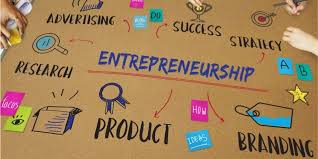
Entrepreneurship Development

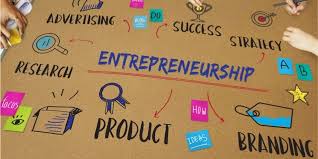
Entrepreneurship is the ability to develop, organize and run a business enterprise, along with any of its uncertainties in order to make a profit. Entrepreneurship is basically the act of creating a business or businesses while building and scaling it to generate a profit. It’s about building a life on your own terms. No bosses. No restricting schedules. And no one holding you back.
Entrepreneurship development is a process of developing certain skills in an individual which are required to make him/her a successful entrepreneur. The success of an entrepreneur can be judged by success of his project or business. Finding a way to sell oneself before anyone believes in one or ones business, being able to explain and prove why their product or service is worth the price or investment, knowing when something is valuable, even if no one else does etc. are some of the features a successful entrepreneur possess.
Big successful companies like Microsoft, Google, Apple etc. have all attained the status they have now because of their respective entrepreneurs. Success of such start-ups not only benefits the people associated with it but also the economy as a whole. It slowly changes the world. Off course not every start up is a massive hit, some might be pretty mediocre and some might even do more losses than gains but nevertheless in the contemporary world, the need and urge for entrepreneurship development has drastically increased.
There are certain characteristics which are observed in entrepreneurs who write big success stories. These characteristics are a prerequisite for becoming a successful entrepreneur. The first and foremost skill is creativity. It means thinking out of the box. Coming up with new ideas, being open to new methodologies, creating something new etc. are some examples of being creative. Creativity gives birth to Originality. Risk taking is another characteristic of a successful entrepreneur. Without the will to explore the unknown, one cannot discover something unique. Risk-taking involves a lot of things. Using unorthodox methods is also a risk. Investing in ideas, nobody else believes in but you is a risk too. Good entrepreneurs are always ready to invest their time and money. But, they always have a backup for every risk they take.
Planning is another characteristic and probably the most important one. They say “If you fail to plan, you plan to fail.” Planning is strategizing the whole thing ahead of time. It basically sums up all the resources at hand and enables one to come up with a structure and a thought process for how to reach ones goal. It involves how to make optimum use of these resources. Facing a situation or a crisis with a plan is always better. It provides guidelines with minimum to no damage incurred to a business.
Other characteristics include passion for the work or business one choose to do, professionalism in the way the work is done, knowledge of the field of work or business, social skills including relationship building. An entrepreneur must be open minded towards learning, people and even failures.

https://www.jbcnschool.edu.in/blog/characteristics-of-an-entrepreneur/

https://www.entrepreneur.com/article/250564

Modern Trends in Indian Art

Modern art refers to the artistic work produced during the period of 1860s to the 1970s and represents the styles and philosophies of the art produced during that era. The term is usually pertains to the art in which the traditions of the past have been thrown aside in a spirit of experimentation. In India, the modern art movement began in the early 1900s. During 1900-1925, Bengal School dominated the Indian art.
Bengal school of painting represented the first art movement in the country. Artists like Abindranath Tagore, Nandal Bose, Raja Ravi Verma, Jamini Roy were some of the pioneers of Bengal school. It was the rebirth of Indian art. Bengal school witnessed the departure of traditional painting methods like tempera. Chinese cloth painting and Japanese wash technique were used. The Japanese water colour technique called wash became the hallmark of Bengal school. This technique diluted the impact of the colours used giving the paintings a mystic sense of space and atmosphere. The these of the paintings included religious, social and historical events. Paintings of landscapes, birds and animals were also done.
After 1925, artists refused to imitate the mannerisms of the art of the past. They argued that such imitation bounds the imagination and creativity of the artists. The contemporary artists stressed on liberating the imagination from the shackles of past. The art after 1925, was therefore very different from the previous Indian arts. There was variety in the techniques used and artworks were different from each other having more or less similarity.
Technique like cubism was used by the artist Gaganendranath. Cubism is a European style of art which aims to show all of the possible viewpoints of a person or an object all at once. Cubistic artworks look like they are made out of cubes and other geometrical shapes. Chiaroscuro, which is a characteristic of the European Renaissance was used in his famous painting ‘Magician’. Chiaroscuro is the use of strong contrasts between light and dark, usually bold contrasts affecting a whole composition.
The soft wash technique was discarded and oil painting started getting more recognition. These paintings had bold and contrasting colour scheme in comparison to the light wash technique of the Bengal school. The credit for popularising oil painting in India goes to Amrita Sher Gil.
Graphic Prints stated getting popular as well. Artist Krishna Reddy used techniques like intaglio and kaleidoscopic effects in his graphic prints. Intaglio is a printmaking technique in which the image is incised into a surface and the incised line or sunken area holds the ink. It is a process of print on engraved design. In his painting ‘Whirlpool’ which is a intaglio on paper, Krishna Reddy has also used the method of viscosity printing. Viscosity printing is a multi-colour printmaking technique which is uses the viscosity of the paint or ink.
Etching and aquatint was also used in contemporary print making. Etching is an intaglio printmaking process in which lines or areas are incised using acid into a metal plate in order to hold the ink. Aquatint is also an intaglio printmaking technique, a variant of etching that produces areas of tone rather than lines. Both of these techniques were used together to create contemporary prints. ‘The Children’ by Somnath Hore, ‘TheDevi’ by Jyoti Bhatt and ‘ Man, Women and Tree’ by K. Laxman Goud are some of the famous prints which have been made using these techniques.

https://www.jagranjosh.com/general-knowledge/bengal-school-of-art-1345270637-1

https://www.flexiprep.com/NIOS-Notes/Secondary/Painting/NIOS-Class-10-Painting-Chapter-9-Contemporary-Indian-Art-Part-1.html

Indian Miniature Paintings

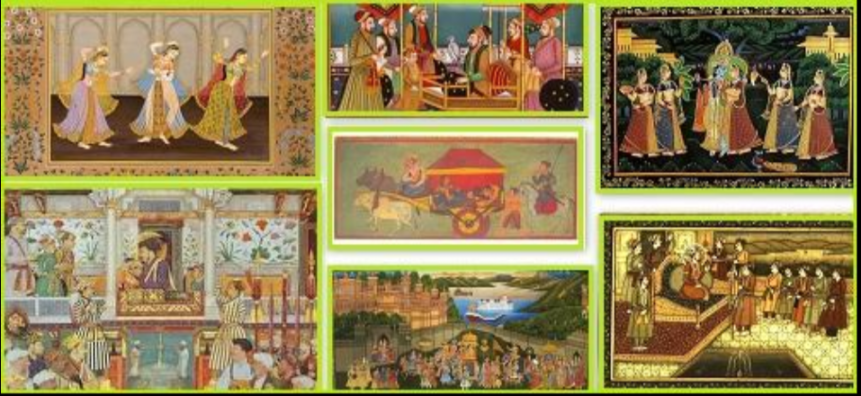
Miniature Art refers to paintings, sculptures, engravings etc. That have small dimensions. Though they are small, they are well detailed. The origin of miniature paintings dates back to the prehistoric times and is profoundly influenced by Indian literature. A miniature painting is generally less than 25 square inches or 100 square centimetres. The subjects in the painting are one -sixth of their actual sizes. Miniature paintings were generally done on materials like cloth, paper, leaves etc. which are quite perishable. These paintings are handmade and very delicate.
Miniature paintings are considered as an ancient art in India and there were many schools for the same, including those of the Rajput’s, Deccan’s and the Mughals. These paintings give an insight into the life of the royals and the common man, the beauty of their womenfolk and the inspirations and devotions of the artists themselves. These paintings are often associated with the Ragas i.e. the melodies of Indian classical music.
Rajasthani School of Miniature Paintings:
This school developed around the areas of Rajasthan, Bundelkhand and Punjab regions. The Rajasthani paintings were greatly influenced by Tulsidas and Kabir. The main theme observed in the illustrations of this school is love in all of its form. Main emphasis is given on the love between human soul and god. This might have been influenced by the Bhakti cult which originated in those days. Paintings are left to the imagination and emotion of the viewers for interpretation.
Features:
Compositions are clear and simple. All figures are in same dimensions. The figure of a woman are duplicated for other women. This is painted as a symbol of femininity. Colours are used harmoniously and are bright with each colour having it’s own specific meaning. The medium mostly used was water colour in tempera hand made paper. The colour scheme is flat and paintings are two dimentional.
Some of the famous Rajasthani miniature paintings:
‘Radha Bani Thani’by Nihal Chand
‘Maru Ragini’ by Sahibdin
‘Chaugan Players’ by Dana

Mughal School of Miniature Painting:
With the advent of Mughal, the Indian miniature paintings shifted to the portraits and richness of colour effects with the unique Persian flavour. During this period, the art specialises in Court and Palace scenes. Themes from Indian epics such as Ramayana, Mahabharata, Bhagvata Purana etc. Are also included. The Indian Miniature painting was at it’s prime time during the period of Mughal Emperor Shah Jahan because he was a great patron of miniature painting. But after his regime, paintings lost their charm and started to decline in the 18th century.
Features:
Mughal paintings denoted the habits of the ruling class. Portraiture was done. Figures were drawn in profile or quarter profile. A decorative border called hasiah was also used. Calligraphy was also done in the paintings. The paintings were male dominated. Portraits of women were drawn from imagination. The medium generally used was water colour in tempera handmade paper.
Some of the famous Mughal Miniature Paintings:
‘Kabir and Raidas’ by Ustad Faquirullah Khan
‘Falcon on a Bird Rest’ by Ustad Mansoor
‘Babur Crossing River Sone’ by Jagannath

https://m.jagranjosh.com/general-knowledge/do-you-know-that-how-indian-art-of-miniature-painting-evolves-1532003322-1

https://artsandculture.google.com/exhibit/indian-miniature-paintings-the-rajasthan-school-academy-of-fine-arts-and-literature/PgLSknKVv0F_JQ?hl=en

Digital Marketing

With the rise in the online world of work, digital marketing is emerging as a crucial field of marketing. In 2019, digital marketing surpassed traditional marketing for the first time. This is due to the fact that, consumers are increasingly getting involved with the online channels. Due to the pandemic, nearly all utilities and services are shifting towards the online mode. In such scenario, digital marketing is increasingly getting popular and necessary to sustain businesses. Digital marketing refers to the marketing that is done using internet or online based technologies like laptops, mobiles, or other digital devices. It is basically advertisements done through digital platforms such as search engines, websites, social media, email, and mobile apps. By implementing an a sound digital marketing strategy, marketers can collect valuable insights into target audience behaviours while opening the door to new methods of customer engagement. Additionally, companies can expect to see an increase in profits.
Digital marketing revolves around 5Ds: digital devices, digital platforms, digital media, digital data, and digital technology.
The first of the 5Ds mainly focuses on digital devices such as smartphones, tablets, desktop computers, TVs, and gaming devices. It mainly deals with the target audience’s interaction and engagement on websites and mobile applications.
Digital platforms like Facebook, Twitter, LinkedIn, YouTube, Instagram etc. Are the preferred platforms to capture the attention of target audience. Digital media revolves around paid, owned, and earned communications channels utilized to build engagement with the target market through several ways such as advertising e-mails, messaging, search engines, and social networks.
Digital data refers audience profiles and engagement patterns with businesses. Digital technology on the other hand focuses on building interactive experiences across a wide range of platforms, from your websites and mobile apps.
To gain an upper hand in the sphere of digital marketing, it is important to understand and creatively utilize the 5Ds for the benefit of the company or business.
There are many platforms that assist in digital marketing. Social media is a great way to promote products or resources organically to brand followers, and engage with consumers. A vast majority of individuals have more than single social media accounts. Platforms like Facebook, Instagram etc. Are very popular and helpful in reaching out to a large audience. Social media platforms allow marketers to reach their prospects in a variety of ways. Marketing teams can use these channels to distribute paid ads and sponsored content. Each platform is different so one can choose accordingly but most have capabilities that allow marketing teams to place ads based on location, job title, interests, age, etc.
E mail marketing is also very useful. It allows organizations to stay connected with prospects and customers, sending them customized newsletters or offers based on past shopping history or brand engagements. Even consumers agree that email plays a role in their purchase decisions. Furthermore, transactional emails are more likely to be opened by subscribers. Digital marketing platforms span several functions in one solution – allowing marketing teams to get a more integrated / holistic view of their campaigns.

https://www.marketingevolution.com/marketing-essentials/what-is-a-digital-marketing-platform-marketing-evolution

https://campaignme.com/how-5ds-of-digital-marketing-are-reshaping-global-business-sector-today/

Sleeping is Important !!!

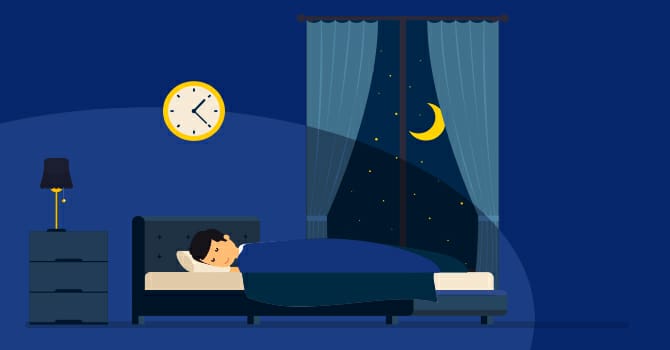
Sleeping is a state of mind which occurs naturally, repetitively and is often characterized by altered consciousness. Sleeping is a very important yet neglected component of ones physical and mental well being. Our body repairs itself when we’re sleeping. Having a good sleep for at least 8 hours have several health benefits.
Sleeping has a direct effect on concentration, productivity, performance and cognition. Lower sleep patterns lead to memory loss, lack of concentration, fatigue, mood swings, irritability etc. With lack of sleep, it is difficult to remember details because it is sleep that enables us to learn and memorise stuff. A good sleep on the other hand provides better performance, more energy, faster speed, better coordination and better mental performance and functioning.
Lack of sleep also causes the person to have an unhealthy lifestyle. This can lead to heart diseases or hyper tension. Getting adequate sleep enables the body to regulate the blood pressure. Less sleep leads to increased blood pressure which can cause strokes, cardiac problems etc. Adequate sleep boosts the immune system of the body. Inadequate sleep and a consequent lowered immunity are welcoming signs for acute diseases.
The mental wellbeing of an individual is very much affected by his sleeping habits. A proper sleep is a mood booster. While we are asleep, our brain processes our emotions. Lack of sleep causes and individual to have more negative thoughts than positive one. Over the years, through researches, it has been found that lack of sleep causes depression in individuals. Depression may lead to morbid thoughts or suicidal tendencies. Insomnia is a condition wherein an individual persistently finds it difficult to fall and stay asleep.
Sleep is also related to social and emotional intelligence. Those people who suffer from lack of sleep on daily basis start to develop a poor emotional intelligence. They fail to recognise or acknowledge emotions or expressions of others. The level of empathy also declines in these individuals.
Sleeping properly leads to a steadier blood glucose. When we’re in deep sleep, the amount of glucose in our blood falls. People with proper sleep are less likely to develop type 2 diabetes. Regular adequate sleep also controls weight. When we’re well-rested, we’re less hungry. Being sleep deprived messes with the hormones in the brain leptin and ghrelin that are responsible for controlling appetite.
Since it is evident that sleeping is more important than we think, here are some ways one can improve his/her sleeping practices.
• The first and foremost thing to do is to have a consistent sleeping pattern. Going to bed at different times every night is a common habit for many people. However, these irregular sleeping patterns could interfere with sleep because they interrupt the body’s circadian rhythm. Going to bed at the same time every night helps the body clock predict when to induce sleep.
•Turning off the lights prior to going to sleep is also helpful. Light influences the circadian rhythm, which helps the brain and body judge when it is night time. The catch is to keep the room dark.
•Avoiding unhelpful habits like taking caffeine or using blue light emitting devices at night is very helpful. These days, our exposure to blue light has increased significantly. This has an effect on our sleeping pattern. The key is to stop using electronic gadgets at least one hour prior to going to sleep.

https://www.webmd.com/sleep-disorders/benefits-sleep-more

https://www.medicalnewstoday.com/articles/322928#21-ways-to-fall-asleep

Short Anime series to binge watch

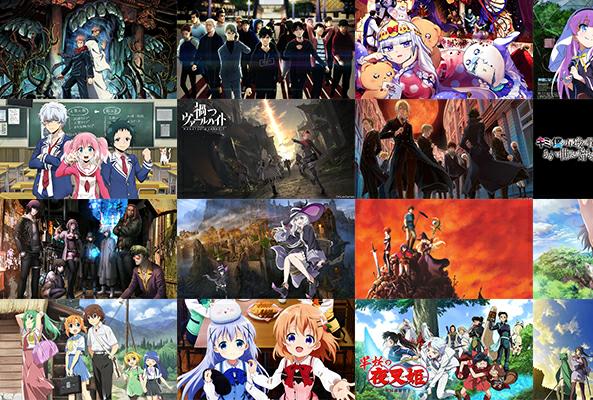
Most of the popular anime series like Naruto, dragon ball z, one piece etc. have more than 200 episodes. They are all great shows off course but watching them requires a lot of time. Due to this reason some people refrain from getting into these series. There are however, many series out there which are very good too and very short indeed.
Here are some of the short but great anime series. Each of these series have utmost 13 episodes which can be watched in a day or two.

• Erased (2016):
Episodes: 12
Genre: Mystery, sci-fi, thriller

Erased is one of the best short anime series out there. It is a bliss for thrill seekers and for people who like the idea of time travel. The story revolves around a 29 year old man who is sent back in time to erase the events which lead to his mother’s death, which began with a series of kidnappings. The anime has very nice soundtrack and beautiful animation and the plot is very interesting. The characters are well written and overall the series is a must watch.

• Blue Spring Ride (2014) :
Episodes: 12
Genre: coming-of-age, drama, romance

Blue spring ride or more popularly known as ao haru ride, is a very decent slice of life romance anime. It is a coming of age drama and shows how the characters grow and change over time. It depicts very well the internal conflicts characters have and is very relatable to watch. The music in this anime is used very well to emphasise the scenes. Overall it is a must watch for those who are into romance genre.

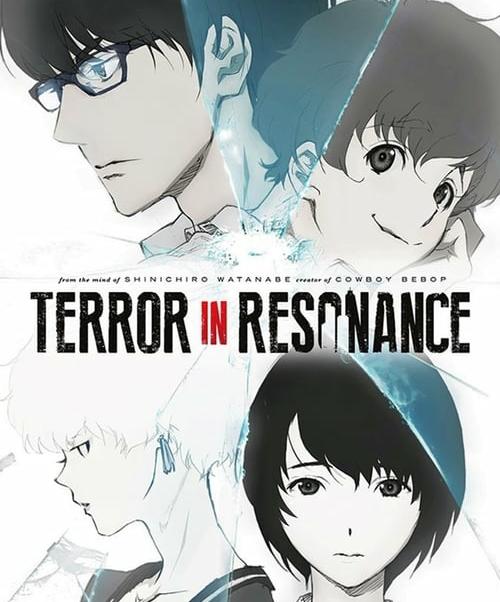
• Terror in Resonance (2014) :
Episodes: 11
Genre: psychological, thriller

This is anime is rather underrated but nevertheless it is one of the best short anime thrillers out there. This anime serves everything in just 11 episodes. Excellent storyline, great music, top notch animation etc. It depicts terrorism very differently and deals with many of the contemporary issues. This is a must watch for everyone.

• Angel Beats! (2010) :
Episodes: 13
Genre: fantasy

This anime is set in a realm of afterlife where a band of teens fight from being taken to the next level. This is a very nice series and worth your time. It has action, drama, fight sequences, tragedies, music, romance and what not. The concept of this anime is very different and it deals with overcoming the regrets of life. It is an epic journey showcased in just 13 episodes!

• Violet Evergarden (2018) :
Episodes: 13
Genre: coming-of-age

This is a more recent anime series. The story revolves around the post war life of an emotionally detached soldier who begins to reconnect with her feelings while searching for the meaning behind her commander’s final words. This anime is a masterpiece. The animation, music, pacing, character designs, backstories etc. all are done very well. It is very empathetic and sentimental anime. This anime is a must watch for anyone!!

Anime movies to watch


Anime refers to the animation works produced in Japan. There are many famous anime series like death note, dragon ball z, Naruto, one piece etc. which have successfully captured the hearts of people all around the globe. Similarly, there are a many anime films which are very good to watch.
Here are some of the greatest anime films which are worth checking out:


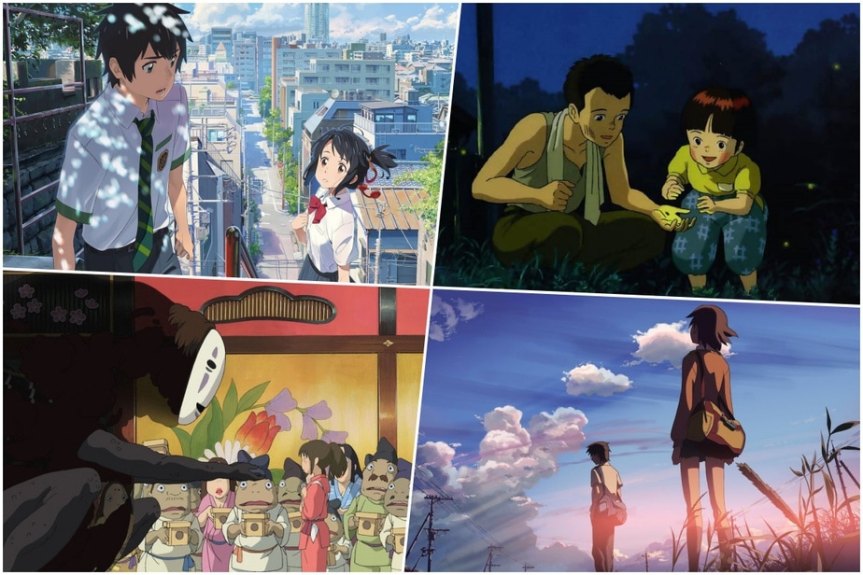
• Your Name ( 2016):

The first thing that comes to mind about this film is it’s extraordinarily breath taking animation. It is directed by Makoto Shinkai and has a 98% Rotten tomatoes rating. It is a one of a kind romantic fantasy film. It is a timeless tale of love of two teenagers who share a magical connection of switching bodies but things get very complicated when they decide to meet in person. This film has a very different take on love. It also depicts the power time has on us and how it changes everything. The music in this film is very stunning and makes the experience even better.

• The Garden of Words (2013) :

This is another Makoto Shinkai’s film. It is rather a mini movie with a runtime of 45 minutes. The animation in this film is very realistic. This film is very soothing to watch. The music and the scenes of rain are very relaxing. T story revolves around a teenager who skips school and meets a mysterious older women who shares his feelings of alienation. This film depicts loneliness and the need of companionship very well. It shows how insecurities can be both cause and result of loneliness. It showcases very relatable thoughts and feelings. Not being able to let go of past, inability to move forward in life, fear of failure, fear of being judged etc. are very aptly portrayed.

• A Silent Voice (2016) :

This is a very emotional film. It is directed by Naoko Yamada. This film depicts the effects bullying has both on the victim and the bully. The story revolves around a boy who bullied a deaf girl to the point where she has to transfer to another school. Years later, he sets out to make amends. It is a very powerful story of redemption of a sinful past. It deals with issues like sucide, self loathe, guilt, bullying, disability etc. This film depicts how self acceptance leads towards healing and how strong karma is. Self love, self forgiveness etc. are portrayed very well. Over all , this film is a roller coaster of emotions.

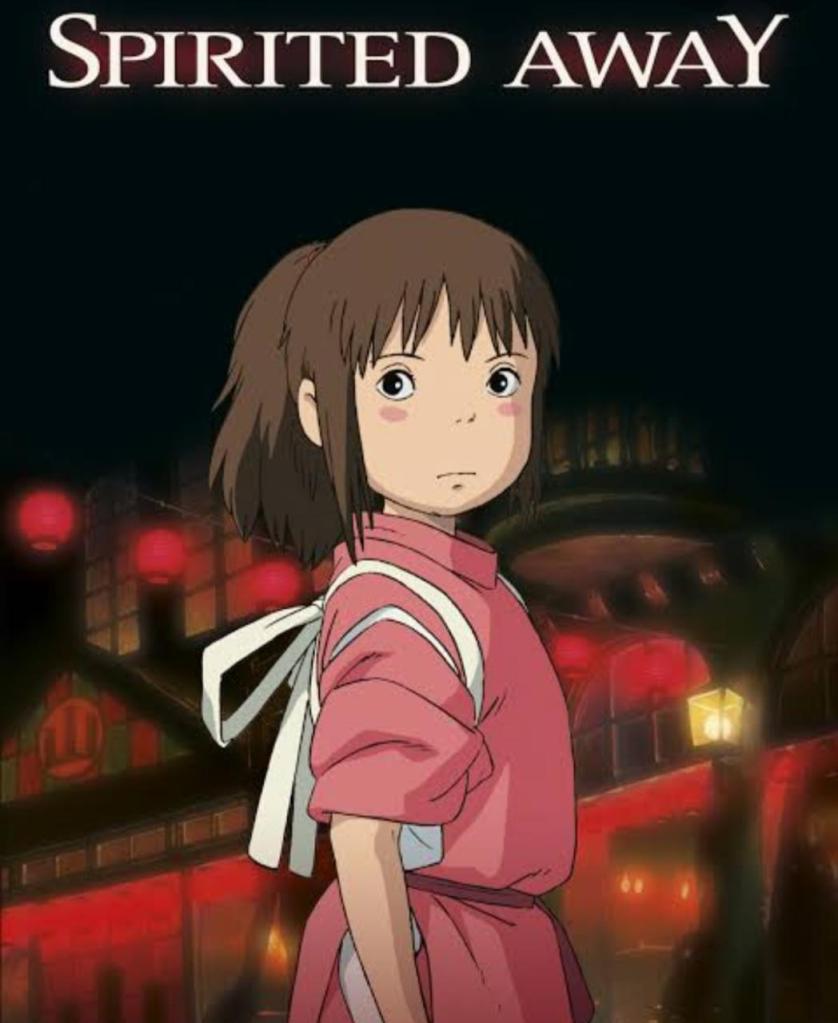
• Spirited Away (2001) :

This is an all time classic. It has a 97% Rotten tomatoes rating and is the winner of 2003 Best Animated Feature in Academy Awards. It is a Studio Ghibli film and is directed by Hayao Miyazaki. It is one of the best film studio Ghibli has produced. The story revolves around a girl whose parents get cursed when they go to a strange amusement park. Then then meets a boy who tells her about that park and how he has to work there to free her self and her parents. Just like any other ghibli film, it is very detailed when it comes to animation, the pacing is not fast which makes it very relaxing to watch and world exploration is done neatly. There are a lot of mythological referencing in the film and is perfect for both children and adults.

Money and it’s Functions

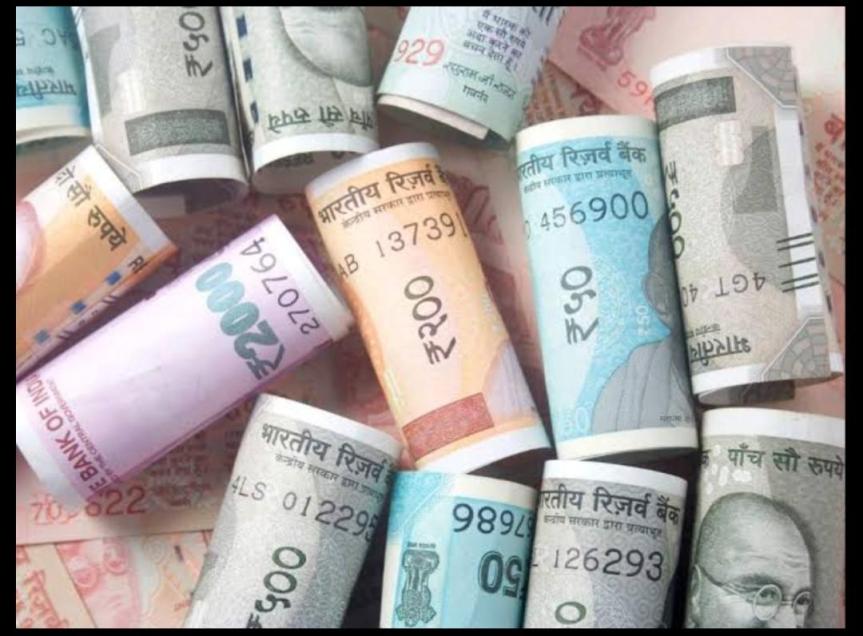
Money a commodity accepted by general consent as a medium of economic exchange. It is basically the legal tender of exchange. The paper currency which we use today has a long history behind it’s origin and evolution. Even today, money is continuously evolving, going from paper to plastic to digital. Over the years, money has changed it’s forms several times but what hasn’t changed is it’s functions. No matter what form it is used in, money almost always serves the same functions.
The functions of money are categorised as primary, secondary and contingent functions.

Primary Functions of Money:

Under this category, money performs it’s two main functions that are medium of exchange and unit of value. In the former case, money has removed the need of double coincidence of wants, something which was very much needed in the batter system which was used earlier. Being a medium of exchange means being generally acceptable. This gives the user freedom of choice and economic independence. It also acts as an intermediary and facilities exchange.
Money as unit of value means money is the standard for measuring values of all goods and services. This value is expressed in terms of price. Price is in terms of monetary unit and money acts as the determiner of rate of exchange. It also helps in calculating important economic parameters like costs, revenue, profits etc.

Secondary Functions of Money:

Under this, money performs three functions. It acts as a standard of deferred payments, it acts as a store of value and as a transfer of value. Money as a standard of deferred payments means that money acts as a standard for payments, which are to be made in future.
Money as a store of value means that money can be used to transfer purchasing power from present to future. Money is a way to store wealth. Although wealth can be stored in other forms also, but money is the most economical and convenient way. Money as a transfer value refers to the fact that money has velocity. It keeps transferring from person to other person.

https://www.yourarticlelibrary.com/economics/money/primary-and-secondary-functions-of-money/30307

Contingent Functions of Money:


Money performs certain contingent functions. These include: distribution of national income, maximization of satisfaction, basis of credit system, money as the most liquid asset. Money helps in distribution of the national product in the form of rent, wage, interest and profit, which are expressed in money terms. Money helps the consumers and producers in maximizing their satisfaction. A consumer derives maximum satisfaction when marginal utility is greater than marginal cost. Money helps in credit creation for banks. Money as a store of value has encouraged savings by people in the form of demand deposits in banks. These deposits are used for generating credit. Money is the most liquid asset of all assets in which wealth is healed. Individuals hold wealth in numerous forms ranging from currency, demand deposits, time deposits to bonds , savings, treasury bills etc. All these forms can be converted into money and vice versa.

https://www.yourarticlelibrary.com/economics/money/contingent-functions-of-money-in-economics/30310

Keynesian Economics

Keynesian Economics is a macroeconomic theory that came into existence after the fall of Classical Economics. It was given by John Maynard Keynes in order to understand the Great Depression of the 1930s. His theory focussed on aggregate demand and aggregate supply. This theory was the refutation to the classical economics.
Keynes theory of employment was based on the principle of effective demand. According to this, the level of employment in a capitalist economy depends on the effective demand. Unemployment is the result of deficiency of effective demand.
Keynes used the term aggregate demand price and aggregate supply price to explain effective demand.
Aggregate demand price refers to the amount of money which entrepreneurs expect to get by selling the output. It is basically the expected revenue from the sale of outputs at a certain level of employment.
Aggregate supply price on the other hand refers to the proceeds necessary for the sale of output at a particular level of employment. Basically each level of employment is related to a particular aggregate supply price.
The determination of effective demand is done by using aggregate demand price and aggregate supply price. The level of employment is determined when aggregate demand price is equal to the aggregate supply price. This level of employment is also the point of effective demand and here entrepreneurs earn normal profits.

Keynes also criticized the idea of excessive saving, unless it was for a specific purpose such as retirement or education. He saw it as dangerous for the economy because the more money sitting stagnant, the less money in the economy stimulating growth. Instead, he focussed more on investment and highlighted it’s role in determining the level of employment in the economy. According to him, aggregate demand function depends on the consumption function and investment function. A fall in any of these two functions result in unemployment. Thus it is the aggregate demand function which is the effective element in the principle of effective demand.
Keynesian economics focuses on demand-side solutions to recessionary periods. The intervention of government in economic processes is an important part of it. Keynesian theorists argue that economies do not stabilize themselves very quickly and require active intervention that boosts short-term demand in the economy.

https://www.investopedia.com/terms/k/keynesianeconomics.asp

Keynes also reformulated the Quantity Theory of Money. He criticised the classical idea of money being neutral. According to him money is the link between the present and the future. The Keynesian theory emphasises that the price level is in fact a consequence of aggregate demand or expenditure relative to aggregate supply rather than of quantity of money.


https://www.yourarticlelibrary.com/economics/money/keynesian-monetary-theory-money-income-and-prices-with-diagrams/37961


The multiplier effect was developed by Keynes’s student Richar Kahn. According to Keynes’s theory of fiscal stimulus, an injection of government spending eventually leads to added business activity and even more spending. This theory proposes that spending boosts aggregate output and generates more income. The magnitude of the Keynesian multiplier is directly related to the marginal propensity to consume. Keynes and his followers believed individuals should save less and spend more, raising their marginal propensity to consume

Classical Economics

Classical economics relates to the school of thought of economics that originated in Britain during the late 18th and early 19th centuries. The classical economists believed in the existence of full employment in the economy. It is believed that ‘The Wealth of Nations’ by Adam Smith published in 1776 marked the beginning of classical economics. J.B. Say, Alfred Marshall, A.C. Pigou are some of the famous classical economists.
This school of economics focused on the theory called the ‘invisible hand‘ being the highlight at the beginning stages of domestic and international supply and demand. They assumed the economy to be laissez faire capitalist. It was a closed economy with no foreign trade. Labour was a homogenous and wages were flexible. It assumed the economy to be in the long run.


https://cleartax.in/g/terms/classical-economics


The Classical school of thought is based on the Law of Markets given by J.B. Say. According to that law “supply creates it’s own demand“. Therefore there can never be the problem of overproduction or unemployment in the economy as whatever is produced is consumed. Unemployment may occur only in the short run and in the long run, economy tends towards full employment.
The Classical economists also believed in wage price flexibility. This concept was given by A.C. Pigou. It was basically the formulation of Say’s Law in terms of labour market. According to this, whenever there is unemployment in the economy, a general cut in money wages will restore full employment condition. Unemployment is a consequence of the rigid wage structure.
They also believed in the existence of equilibrium in the goods market. It is achieved when savings is equal to investment. This equality is usually brought by the mechanism of interest rate. Similarly, the money market is in equilibrium when the demand for money is equal to the supply of money. This concept was explained in the Quantity Theory of Money.

The Fall of Classical Economics:

During the time of The Great Depression i.e. 1929-1930’s, the classical theory failed to be applicable. It failed to solve the problem of depression that plagued for about 43 months. Keynes criticized the classical theory on several grounds.
First and foremost was the classical assumption of full employment equilibrium. Keynes considered it as unrealistic and argued that the situation in the capitalist economy is underemployment and full employment is a special case. He refuted Say’s law of market and stated that it was demand that created supply. He was also against the idea of laissez faire. He believed that self adjustment was not possible in a capitalist system and this was responsible for the Great Depression. He advocated state intervention within the economy through monetary and fiscal measures.
The wage price flexibility was also heavily criticised. In the modern world, where workers have trade unions, any cuts in wages will lead to strikes and industrial unrest. Keynes also stressed that equality between savings and investment was not brought by rate of interest but instead by the level of income and marginal efficiency of capital.
Lastly, the long run analysis of Classical economy was refuted on the grounds of inapplicability. Since it operated in the long run, it is incapable of solving present day economic problems.

https://www.yourarticlelibrary.com/economics/keynes-criticisms-against-classical-theory/24859

Monetary and Fiscal Policy

Monetary and fiscal policy refer to the policies of the government aimed to solve the economic problems in a country.
A monetary policy is a credit control measure adopted by the central bank of an economy. It deals with the demand and supply of money.
Fiscal policy refers to the use of taxation and public expenditure by the government to stabilise the economy.
A monetary policy aims at achieving full employment. Unemployment leads to wastage of potential and resources. Price stability is another goal of monetary policy. Changes in price levels lead to uncertainty in the economy. Achieving economic growth and maintaining a favourable balance of payments are some of the objectives of this policy.
A fiscal policy aims at achieving full employment, stabilizing the price levels and growth rate of the economy, maintaining equilibrium in the balance of payments. It uses taxation to affect national income, output, prices etc.
Monetary policy uses various instruments to achieve it’s goals. Open market operations, bank rate policy, selective credit controls, changes in reserve ratios are some of the instruments of monetary policy. Open Market Operations refers to sale and purchase of securities in money market by the central bank. Bank rate is the minimum lending rate of the central bank. When there is rise in prices, the central bank raises the bank rate and vice versa. Selective Credit Controls are used to influence specific types of credit for specific purposes.
A monetary policy can be classified as an expansionary or a contractionary policy. In the former case, monetary policy is used to overcome a recession or deflationary gap. It generally happens when there is a reduction in demand for consumer goods or investment goods. To control this central bank starts an expansionary monetary policy that reduces credit market conditions and leads to upward shift in demand. In the later case, monetary policy is used to curtail aggregate demand. When the economy faces inflationary gap due to rise in demand for consumer goods and increase in business investment, the central bank increases the cost of bank credit. This is often done by selling government securities, rising discount rate etc.
Similarly, fiscal policy can be classified as neutral, expansionary and contractionary. Neutral policy is usually undertaken when an economy is in equilibrium. In this instance, government spending is fully funded by tax revenue, which has a neutral effect on the level of economic activity. Expansionary policy is usually undertaken during recessions to increase the level of economic activity. In this instance, the government spends more money than it collects in taxes. Contractionary type of policy is undertaken to pay down government debt and to cap inflation. In this case, government spending is lower than tax revenue.
Monetary and Fiscal policy both have their own advantages and disadvantages. Fiscal policy may sometimes result in a domino effect causing one problem to make another and repeat. Fiscal policy can also have issues with time lags. Although monetary policy is not very effective in a recession, it is flexible and works well to slow down the economy. Most people however, prefer fiscal over monetary because its brings low taxes and low interest rates.
https://www.ukessays.com/essays/economics/fiscal-and-monetary-policy-economics-essay.php


https://courses.lumenlearning.com/boundless-economics/chapter/introduction-to-fiscal-policy/

Trade Cycle

Trade cycle or business cycle refers to cyclical fluctuations in economic activities like employment, income, prices etc. It is a characteristic feature of capitalist system. In a trade cycle, there are alternating waves of expansion and contraction. These waves recur frequently and in similar patterns. It comprises of a period of good trade wherein the prices are high and unemployment is low and a period of bad trade wherein the prices are low and unemployment is high.
A business cycle usually consists of four phases. These phases do not have a definite time intervals or periodicity. The four phases are: recovery, prosperity, recession and depression.
Recovery is the first phase in the trade cycle. It is the revival period. Here entrepreneurs increase the level of investment. This in turn leads to increased employment and income. A increased income level means more purchasing power in the hands of people which leads to more demand for consumer goods. This leads to increase in prices for commodities and eventually leads to profit generation Business expectations improve and optimism prevails.
Prosperity is the second phase in the trade cycle. In this stage, demand, output, employment and income are at the peak levels. Increased profits lead to increased stock market values. There is expansion in economic activities. Demand and prices go up. The production level is very high and known as boom. The economy surpasses the level of full employment to reach the level of over full employment. This leads to inflation and is a sign of end of prosperity.
Recession is the third phase of the trade cycle. It starts when there is a downward descend from the peak. The level of investment declines and consequently the demand for raw materials decline as well. Liquidity preference rises in the economy. The margin of profit declines and a wave of pessimism spreads in the business. Recession can be mild or severe.
Depression is the fourth phase of the trade cycle. It’s characteristic feature is the general fall in all economic activities. Production, employment, income decline. This general decline in economic activities lead to fall in bank deposits. Credit creation declines and bank rate falls. Distribution of national income change and margin of profit declines.

https://www.yourarticlelibrary.com/trade-2/trade-cycle-4-phases-of-trade-cycle-discussed/23414


There are several factors responsible for the existence of fluctuations and trade cycles. External factors like political events, growth rate of population, migrations, discoveries, innovations etc are responsible for the cyclical fluctuations in the economy. As far as internal factors are concerned, mechanisms within the economy give rise to repetitive fluctuations. Over investment is one such factor. It is the credit availability by the banks which leads to over investment in capital goods rather than consumer goods. This eventually brings depression in the economy. Competition may be another reason for fluctuations. The profit motive causes firms to anticipate demand and subsequently do excess production. For this, firms hire more workforce and cost of production increases. This raises the prices of the commodities and decline in the demand for them. This ultimately leads to depression.

https://www.investopedia.com/terms/b/businesscycle.asp

Land Reforms in India

Land reforms refer to the efforts made by the government to reform the ownership and regulation of land. Land reforms play a great role in the rural agrarian economy.
During the pre independence period, there were three types of land tenure systems in India.

  1. The Zamindari System– This system was created by the East India Company as a result of the permanent settlement between Lord Cornwallis and landlords. In this system revenue was collected from farmers by the zamindars or the landlords.
  2. The Mahalwari System– This system was introduced by William Bentinck in Oudh and Agra and was latter extended to Madhya Pradesh. In this system the revenue was collected by village headman on behalf of whole village and here whole village was treated as a unit.
  3. The Ryotwari System– This system was introduced in Tamil Nadu and was extended to Maharashtra, East Punjab, Assam, Coorg and Baar. In this system the land revenue was collected was paid directly by the farmers to the state.

In all three systems, there was exploitation and deprivation. Zamindari system created a class of zamindars who did not work and took away surplus from the cultivators. The lives of tenants and sub tenants was miserable. In the post independent India, land reforms were introduced to stop the exploitation that had been prevailing in the land tenure systems.
https://www.indiaagronet.com/indiaagronet/agri_economics/CONTENTS/Land%20Tenure.htm
The first and foremost step in doing so was abolition of intermediaries. The main reason of exploitation was zamindars. The Zamindari Abolition Act took four and a half years to become a law. Official documents state that zamindari has been abolished now and zamindars are now the big landowners. This has lead to a decline in the exploitation of tenants and the feudal rural structure has crumbled down.
Another step taken was the tenancy reforms. Under this, regulation of rent was done. Security of tenure was provided as well. This was done to protect tenants and grant them permanent rights in land. Ownership rights for tenants were also given.
Reorganisation of Agriculture was another land reform. Here ceilings on agricultural holdings were provided. Ceiling refers to the legal limit on the amount of land which an individual can hold. However, in rural India, implementing ceiling laws is rather difficult because of the balance of power is weighted against the landless.
Another land reform was the consolidation of holdings. This reform was done to solve the problem of fragmented land holdings. In this method one consolidated holding is provided equal to the total of scattered plots. The problem that arises in this reform is the fertility and location of the new land which is provided.
Cooperative farming is another land reform which has been advocated to solve the problems created by subdivision of holdings. In this method, farmers who have small land holdings work together for cultivation. It has many advantages. Expensive implements can be bought by clubbing money together. Market surplus of food grain can be obtained more easily. It also encourage the spirit of cooperation.
https://www.rauias.com/daily-current-affairs-for-upsc-ias/land-reforms-in-india-an-analysis-upsc/

How Avatar became timeless series

Avatar is an American animated series which first aired in 2005. Avatar: The Last Airbender series was created by Micheal Dante DiMartino and Bryan Konietzto. It used to air on Nickelodeon. The show was targeted towards kids but today it has a fanbase comprising of not just kids but adults as well. It’s fandom has been growing and is quite active.
Last year, ATLA was released on Netflix and broke one of the major Netflix record.
By appearing on Netflix’s chart for 60 consecutive days, The Last Airbender set a record of becoming the show with the longest consecutive run on streamer’s top 10 TV series chart.

https://www.newsweek.com/avatar-last-airbender-show-netflix-chart-top-10-record-1519004

This show has an IMDb rating of 9.3/10, 97% Rotten Tomatoes and 9/10 TV.com ratings. These ratings are enough to prove what a great show ATLA has been. It’s last episode aired 13 years ago, still ATLA’s fanbase is continuously growing. This is because it is much more than a regular kid’s show.
The story takes place in a world which is divided into four nations: water tribe, earth kingdom, fire nation and air nomads. Avatar, the master of all four elements is the only hope for peace. The 61 episode series is divided into three seasons referred to as ‘Books’ and each book deals with avatar’s journey in mastering a single element.
What makes this series so great is the theme and it’s characters. Every single character is explored thoroughly and given relatable backstory and character development. Zuko’s redemption throughout the series is probably the best redemption arc ever.
The themes it covers are really mature. War, genocide, class inequalities, colonialization, identity crisis, gender inequality, etc. are some of the prominent themes of the series.
The world building done in this show is phenomenal. In the first 10 minutes of episode 1, the whole world of avatar is explained. Throughout the series, and especially in season 2, world exploration is done very correctly.
The depiction of cultural diversity is done flawlessly. Each nation is inspired from a different culture and the way they all are depicted make the avatar world relatable and believable.
The lessons and morals that it teaches can be easily applied to our lives. Lessons like not letting your past affect your present, choosing your own destiny etc. are really inspirational.
The animation it uses is traditional and is inspired by anime. Even though it is quite an old show, the animation is way ahead of it’s time and can be considered as good as all the modern animations. ‘The Last Agni Kai’ a fight sequence, is phenomenal both in terms of animation and music and probably the best fight of the series. The music and ost are really good which make the scenes more impactful.
Overall, Avatar: the last airbender is one of the greatest show of all times and has become timeless. There are two types of people- 1. those who love ATLA and 2. those who have not watched avatar. So go ahead and give this masterpiece a try. It is a must watch!!!
https://www.polygon.com/animation-cartoons/2020/5/15/21260461/avatar-the-last-airbender-netflix-best-episodes-characters-animation

Prejudices and Stereotypes

Prejudices refers to a set attitudes towards a particular group of people. They usually refer to negative attitudes. Attitude is a state of mind or set of views with an evaluative feature. Prejudices are often based on stereotypes about the specific group.
Stereotypes refers to fixed ideas regarding the characterstics of a specific group. Usually, stereotypes consist of undesirable characteristics about the target group. All members of the group are assumed to possess these characteristics which is often not true in reality.
Prejudice is often accompanied by dislike or hatred towards members of the group. Prejudice can be seen in behaviour through discrimination. Discrimination makes a distinction between the two groups by favouring one group over other. Sometimes prejudice can lead to excessive hatred and discrimination which may even lead to mass killing of innocent people. An example of this is the holocaust of Jews by Nazi Germany. Discrimination can controlled by law but attitudes and minds sets of people cannot.
Just like any other attitude, prejudices are also learned through observation, association, exposure to information or through culture. The family, groups, personal experiences, media also play a role in learning of prejudices. In some cases it has been observed that a strong social identity towards one’s own group may cause group bias and lead to negative attitudes towards other groups and lead to prejudice.
Another reason for prejudice is scapegoating. It is a group based way of expressing frustration towards the weaker group and it leads to negative attitudes. Here the stronger group places the blame for its problems on the weaker group. The weaker group is too weak to defend itself.
https://www.bbc.co.uk/bitesize/guides/zcb42hv/revision/3#:~:text=One%20bad%20experience%20with%20a,and%20can%20lead%20to%20prejudice
Sometimes people continue to hold stereotypes because they believe that after all, there may be some truth in what people say. These sorts of beliefs are rather difficult to change as they originate in response to other stronger beliefs.
Stereotypes are also learned in the similar manner as attitudes. Stereotypes are usually formed by hearing different things about the particular group. A single bad experience with the member of a group may lead to the assumption that all members of that group behave that way.
https://blogs.hope.edu/getting-race-right/our-context-where-we-are/the-history-we-inhaled/what-are-the-causes-of-stereotypes/
Stereotypes provide grounds for prejudices which lead to discrimination. This however, is not always true. Sometimes prejudices may develop without stereotypes or may not lead to discrimination. Similarly, discrimination may be seen without prejudice. But even so, these three are often considered to be connected.
Prejudices are attitudes and are not very easy to change if once formed. In order to control it, strategies should focus on minimising the opportunities for learning prejudices or changing such attitudes at an earlier stage. Narrow social identity based on the in-group should not be emphasised and people should be encouraged to seek out truth rather than blindly believing in what they hear.
These goals can be achieved through education and information. By correcting the stereotypes that are formed on false grounds. Emphasis should be given to individual identities rather than group identities. This can weaken strong in-group bias. Increasing the contact between the two groups can remove misunderstandings, mistrust and can lead to communication which may lead to discovery of positive characteristics.