Education

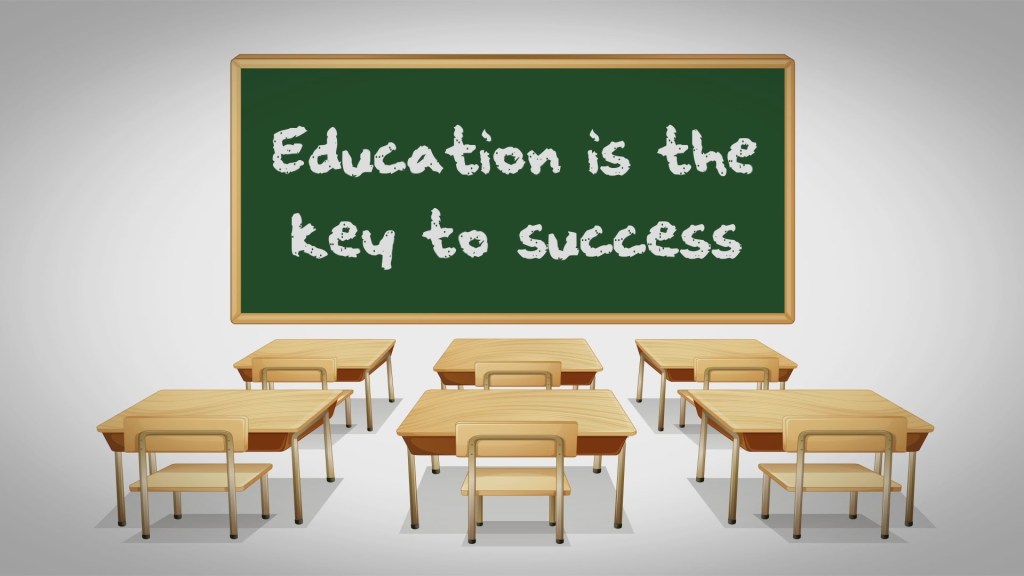
The meaning of education is to educate. The education is the smallest unit of development of that child in which they have interest. Education developed healthy mind in healthy body. Education is the development of internal power of people.

Meaning of education

Narrow meaning of education :- In this education given inside the four walls of school. Broad meaning of education :- In this whole world comes through which every day children learn new skills or news words. There is no definite place to get education.

Aim of education

Three things are important for education

  1. Why education? :- In this what is aim of education is decided.
  2. How education? :- In this the process of education is to be decided.
  3. What education? :- In this syllabus is to be decided.

Need of education

  1. It gives the path.
  2. It gives the idea to do any work.
  3. Education gives the confidence.
  4. It makes selfsupporting.

Factors that determine the purpose of education

  1. Place and time
  2. Need and problems of society
  3. Political ideology
  4. Social ideology
  5. Cultural ideology

All these factors is responsible for education. Also all of these are interlinked to each other. For example a political ideology wants that child learn only that thing, a cultural ideology wants that child learn only the culture of different places.

Hence for this a child can get all types of education through different different people or place.

SWEATING : ITS SIGNIFICANCE AND IMPACTS

Through a variety of reasons, every person sweats on daily basis. Ranging from a hot summer day to a highly productive workout session involving cardio or muscle training, to sweating when you are sick or in sauna, sweating is a natural reaction of our body to suit with existing environments conditions. While the masses hold the perception that sweating only happens in order to regulate our body’s temperature, they might be surprised that it is quite otherwise. Certainly sweating helps in cooling down our body temperature, there are a host of other things that occur in our body along with this phenomenon. One of the major consequences is: body odour, which people find extremely awkward and is considered highly unacceptable within our society. However, it is to be acknowledged that a myriad of other things happen along with mere body temperature regulation and body odour.

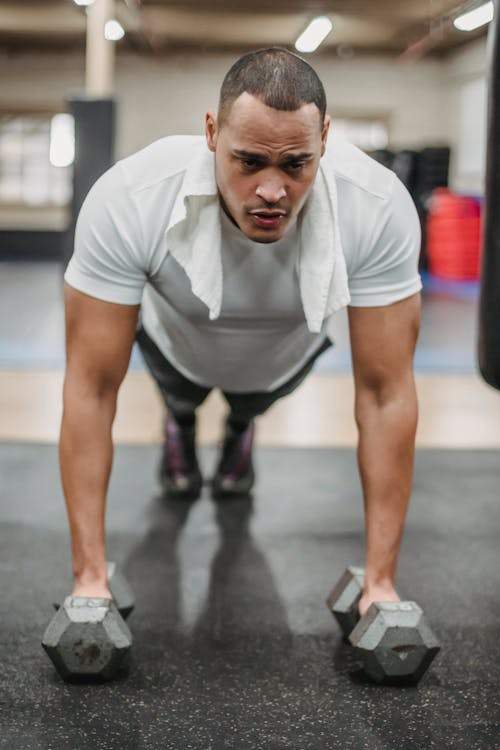
Full body powerful concentrated ethnic sportsman in activewear performing pushing ups with heavy dumbbells during intense workout in contemporary fitness club

These are some of the positive ways in which our body reacts due to sweating. They are discussed below:-

SWEATING IS A DETOXIFIER

Back view anonymous tired female jogger in activewear resting and leaning on tree in autumn park

Apart from the excretory processes of our body to get rid of useless substances from our body, sweating is another way through which our body cleans up. Sweating is highly beneficial in the way that it helps in detoxifying our body. It helps in getting rid of toxins and metals from our body. A study has shown that sweating plays a significant role in getting rid of metals like cadmium, mercury and arsenic as well.

So, make sure to get a good sweat to get rid of any extra gunk from your body!

GET A CLEARER SKIN

Woman in Red Long Sleeve Shirt

Sweating may help us get a clearer skin that we have always wanted and desired. This os evident through the fact that sweating aids in opening up our pores, that may have trapped up any dirt or pollutants that may cause bacteria to grow on our skin and cause a range of issues, such as acne or even allergies. Sweating, hence, helps in flushing out any potential skin-irritants that may be harmful for our skin.

So, get that clear and smooth skin you have always dreamed of by breaking a sweat!

HEART HEALTH

Man in Gray Tank Top Holding Brown Wooden Rings

Surprisingly, sweating plays an important role in maintaining our heart health. This is credited to the fact that as our body heats up, sweating helps our body to cool down and our heart is made to pump blood to the different organs within our body, making our heart break a sweat and aiding it to stay active and keep working.

As a result, sweating ensures our heart’s health and happiness and ours too!

HEALTHY HAIR

Women's Brown Top

Sweating has been proven in improving our hair quality similar to the way it helps our skin. It opens up pores on our scalp, allowing our hair to breath and get the circulation it so needs. However it needs to pointed out that while sweating is good for your hair health, it also leads to excessive build up and dryness on the scalp surface. Hence, it is necessary for us to wash our hair frequently after sweating so as to maintain the hair’s health and wellness!

In conclusion, sweating is an essential function of our body and can provide us innumerable effects that are highly beneficial to us in a variety of ways!

Importance of Yoga

Yoga Benefits

Yoga’s popularity has increased dramatically during the previous few decades. Yoga is also being adopted and recommended by medical professionals and celebrities due to its numerous benefits. While some people dismiss yoga as just another fad and equate it with new age mysticism, others swear by how amazing this kind of exercise feels. What they don’t realise is that what they think of as just another form of exercise will benefit them in unexpected ways. Before we get into the benefits of Yoga, it’s important to first define what Yoga is. Yoga is a way of life that aspires for a healthy mind in a healthy body, not a religion. As stated in Ayurveda in India, man is a physical, mental, and spiritual being, and yoga aids in the development of a balance between these three. Aerobics and other forms of exercise, on the other hand, only provide bodily well-being. These activities have very little to do with spiritual or astral body development.

Yoga is more than just bending and twisting your body while holding your breath. It’s a method for putting you in a state where you can see and experience reality as it is. Your sensory body grows as you allow your energies to become exuberant and ecstatic. The unity that yoga generates allows you to feel the entire universe as a part of yourself, making everything one. It’s a method that motivates you to work for the greater benefit. Yoga aims to achieve perfect harmony between your mind, body, and spirit. You will be able to draw out the best of your ability if you modify yourself so that everything within you works perfectly.

Benefits of Yoga

The following are some of the benefits of Yoga:
1. Enhances mental performance.
2. Reduced anxiety
3. Increases flexibility through modifying gene expression
4. Blood pressure is brought down.
5. Reduces anxiety and chronic back pain by improving lung capacity.
6. In diabetics, it helps to lower blood sugar.
7. Balance is improved.
8. Bone strength
9. Weight management is important.
10. Heart disease risk is reduced.

Yoga as a practise offers numerous advantages that have a favourable impact on a person’s physical and emotional well-being. Yoga can help you with a variety of things, like lowering your blood pressure and increasing your pain tolerance.

  1. Improved Circulation: Yoga helps to increase blood circulation. This means that oxygen and nutrients are transported more efficiently throughout the body. Improved blood flow also means healthier organs and a more youthful appearance.
  2. Yoga Improves Posture: Yoga teaches you how to manage and balance your body. Your body will naturally assume the correct stance with continuous practise. You’ll appear confident as well as healthy.
  3. Improves your mood: Practicing yoga on a regular basis instantly improves your mood by infusing your body with revitalising energy.
  4. Improved Blood Circulation: Daily yoga practise improves blood circulation in the body. As the body slows down, this allows for more oxygenation, resulting in a dramatic fall in blood pressure.
  5. Prevents Premature Aging: Why not age gracefully rather than prematurely? Yes, yoga aids in the detoxification and elimination of toxins and free radicals. Apart from the various advantages, this also helps to slow down the ageing process. Yoga also relieves stress, which is another component that slows down the ageing process.
  6. Stress Reduction: When you’re on your yoga mat, you’re completely focused on the practise. This means that all of your attention is focused on the task at hand, and your mind is gradually draining the stress and problems that have been tormenting it.
  7. A Lower Pulse Rate: Yoga relaxes the body by relieving stress. The pulse rate slows down as the body relaxes. A low pulse rate means that your heart is capable of pumping more blood in a shorter period of time.
  8. Increases Strength: You can develop your strength by using your own body weight. This is a perplexing strength-training technique.

Not Everybody Gets The Privilege Of Having A Happy Family

The family remains one such spot where you have experienced all kinds of emotions. We all love our FAMILY, don’t we?  From laughing loud to crying in silence, we all have experienced the importance of family. The family is the one such place you experience genuine love, the place where you can never find partiality in trust and love. Family is always there to support you in all the right decisions you make and restrict you from the incorrect decisions you take. Family encourages you to connect with people physically, emotionally, and mentally. It identifies you as a capable individual of reaching his/her goals without any hesitations.

How lucky are those people who have a complete family, aren’t they? They have many people around them with whom they can spend time, share their feelings, and experience all the ups and downs in life. The absence of that one really important person breaks you into pieces. Never feel suffocated you are in a joint or a complete family. Think you have a lot of support that only a few people get in their life. Family is a bunch of teachers and students, teachers being who direct you throughout your life and students being from whom you learn not to make mistakes.


The most important lesson is family teaches us our values. They teach us how to respect elders, the importance of helping people in need. Basically, the family is filled with all the interesting topics and lessons we want. The importance of a balanced life can be learnt from family. The right way of maintaining a healthy relationship with family members is by spending time with them, playing games with them, going on outings.

A complete family completes your world. Privileged are those who are blessed with a complete family. Some people don’t acknowledge the importance of a complete family. They take family for granted. They feel parents control them. They don’t spend time with them. There are so many families in this world in which one or the other family member isn’t there. The reason for the separation can be anything, but the loss is irreplaceable. People with the loss really feel helpless in such situations when they desperately need them.

Imagine a family who just makes a home, not a house. A place where family members stay happy, has small fights or arguments, come tired from work to have a good relaxation with family members is HOME. A HOUSE is a place filled with lots of fights, no proper conversations and a lot of misunderstandings.

 A HAPPY FAMILY IS WHERE-

  • You keep your family as a first priority. 
  • Not allow a third person break your family.
  • You trust and love each other unconditionally.
  • Understand and support each other.


It is not very easy to break your family until you put all your efforts to save it. It is important to sit and engage in a calm and healthy conversation on where we went wrong, what are the areas for us to work on so that we don’t commit same mistakes again. In a relationship, understanding is extremely important. If one partner fails to understand, the other should be more understanding to handle the situation very well. A family with constant fights and a lot of misunderstandings will never last long. It’s very important to stay united to save relationships.

A family is blessing where people get to stay happy and share all the matters openly without any hesitations. Always feel lucky to be born in a family where parents are supportive, loving and are ready to do anything for your happiness.

World Photography Day: Perspective of its meaning

What is Photography?

Before giving the answer, let me tell you something.
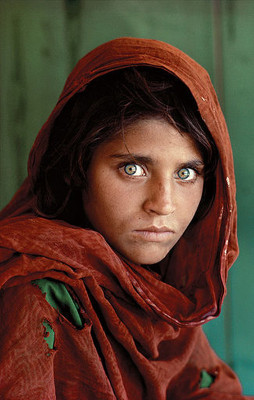
See the little girl in the photograph below.

Isn’t the picture amazing? I feel this photograph must have been clicked by any talented photographers. Such a clear photograph, such a prominent one, the portrait of the young girl is so distinguished.
What is your opinion?
But, now I would like to say you all, that it is one of the world’s most famous photograph clicked by Steve McCurry. Still, now those who were thinking it to be an ordinary photograph must have started thinking that the photograph has to possess something special within it, as it has been clicked by one of the WORLD’S BEST PHOTOGRAPHER, Steve McCurry. Many people will be curious to know whether there is having some mystery within the photograph like that the portraiture of Lady with an Ermine drawn by Leonardo. But, to speak the truth there is no such mystery within the photograph but the real mystery lies within the eyes of the 10-year-old little girl. Sharbat Gula, a Pashtun orphan in the Nasir Bagh was present at the refugee camp near the Afghan-Pakistan border, in December 1984, when Steve went there. Won’t the look of this little girl an incredible one with a penetrating gaze? Yes, that gaze is the special one because the eyes will say you many things. The girl was gleaming into the camera lens. She had this curiosity and anxiety over her face.

So, now if I ask you all, what is photography, then we can say by keeping the dictionary definition apart that it is a vast idea with different opinions from a different type of people. For some, photography may be putting fingers in the button and ‘clicking a photo’ or posing in front of the camera and sharing in social media. But for many, photography is like a passion. Most of the photographers have a common dream to snap a photo that would eventually become world-famous and enter the history books. Photography is nothing but an art which is used to show us the various visions of our life. It will also give us an opportunity to showcase our skills with the camera.
Each and every artistic creation has some inner values, emotions and valuable history attached to it. Artistic creation may vary from painting to sculpting, or from architecture, printmaking to photography. Artist of each category wants to convey to us some real life-related message. Messages can not only be conveyed through writings or scribbling into papers and reading those scribbled words, but they can also be conveyed from between the written lines, between the written words, those words that are not in black and white on the paper. Similarly, a clicked photo has much to say us. Moving or still, and however it is taken, whether, by pinhole camera or phone, the photographic image is the successor to the great art of the past. A photo is a very clever creation may be cleverer than us. It constantly tests our intellect and sees whether we are able to collect the true message from within the frame. It will never reveal its true meaning. It’s us who have to find the true meaning of it.

Wildlife photography tells us about all the different points of wildlife. In wildlife photography, the photographer has to be patient and spend a lot of time to get good pictures and maybe longer time to get some of the best photos. Now, animals will do what they would like to do, one couldn’t command them to be a little soft or to behave cutely. You always have to be ready with your camera so that you don’t miss those shots which are really appreciable or something special. More you spend time with the animals more you will be able to understand their behaviour.

Nature photography shows us an overview of the situation, sometimes in a very aesthetic form, but in recent years it has evolved into photography that reveals a context that, like any documentary photography, explores the relationship of the living to a territory.

On the other hand, war photography involves photographing armed conflict and its effects on people and places. Photographers who are involved in this type of art has life risk, may get harmed due to explosions or gunfight and may many times succumb to death. The main motive of this type of photography is to make the whole world know about the miseries of war. The typical condition in which the soldiers live, they go to the Warfield in order to kill those people whom they never know.

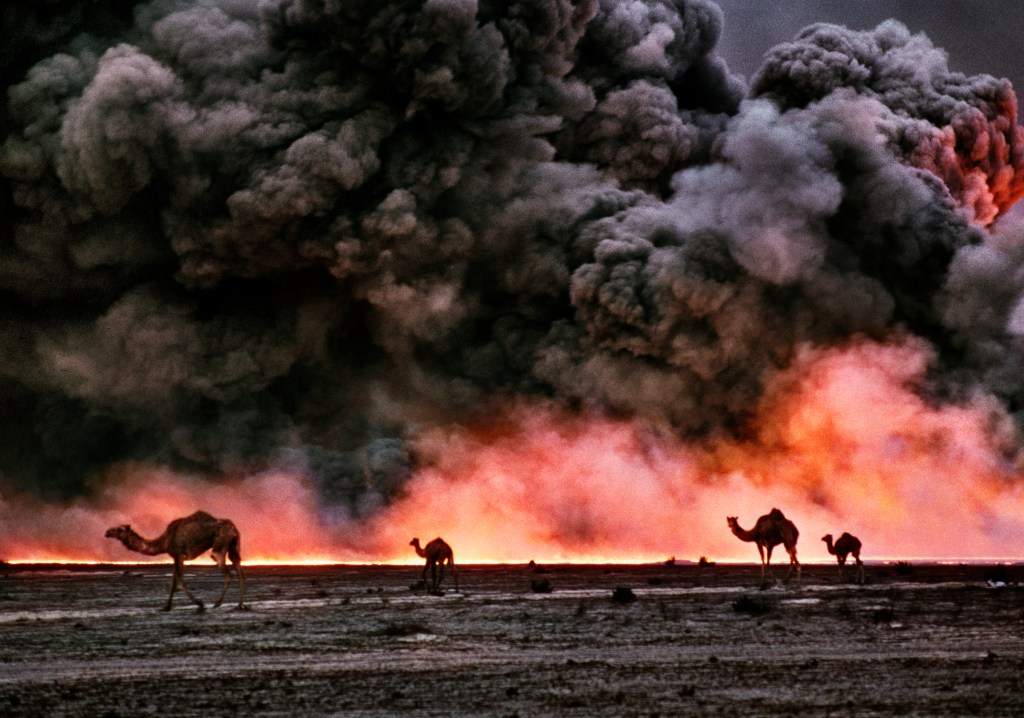
Another photograph clicked by Steve McCurry during the First Gulf War Kuwait, 1991. It shows three camels silhouetted against an explosion of fire and smoke.  “Saddam Hussein had blown up 600 oil wells. It was an environmental catastrophe. Lakes of oil were leaking all over the country, and seeping into the Gulf. Half of it was on fire. There were geysers of oil spurting out of the earth, making it like midnight during the day,” recalled by Steve McCurry. He spotted the camels running along the edge of an oilfield and followed them in his jeep. But they had been blackened by the oil, and there was no way to capture a picture of them against the black cloud behind. Suddenly the camel started running towards the burning area and they have been illuminated by fire and then he clicked the photo and then he realized himself within a minefield. He carefully backs out following the tyres so that he doesn’t get blown up. Thus proves the risk of the work.

So each type of photography has its own purpose. It was rightly said by Elliott Erwitt, “Photography is an art of observation. It has little to do with the things you see and everything to do with the way you see them”. Obviously, it is the viewer’s eye which is responsible the way it would interpret the beauty of the photo. A photographer’s fame and popularity depends on the viewer’s eye because the greatness of photography lies in human insight.  From news images to the Hubble telescope, Photography is the art of real-life – however, manipulated, and real-life creates true art.

Marginalization

Marginality is an experience that affects millions of people throughout the world. People who are marginalized have relatively little control over their lives, and the resources available to them. This results in making them handicapped in delving contribution to society. A vicious circle is set up whereby their lack of positive and supportive relationships means that they are prevented from participating in local life, which in turn leads to further isolation. This has a tremendous impact on the development of human beings.

What is Marginalization?

Marginalization is when an individual or group is put into a position of less power or isolation within society because of discrimination. When an individual is marginalized, they are unable to access the same services and resources as other people and it becomes very difficult to have a voice in society.

It deprives a large majority of people across the globe from participating in the development. It is a complex problem, and there are many factors that cause marginalization. This complex and serious problem needs to be addressed at the policy level.

Meaning of Marginalization

In general, the term ‘marginalization’ describes the obvious actions or tendencies of human societies, where people who they perceive to undesirable or without useful function, are excluded, i.e., marginalized. These people, who are marginalized, from a GROUP or COMMUNITY are known as ‘marginalized groups’. This limits their opportunities and means for survival.

The Encyclopedia of Public Health defines marginalized groups as, “To be marginalized is to be placed in the margins, and thus excluded from the privilege and power found at the center”. Latin observes that ‘Marginality’ is so thoroughly demeaning, for economic well-being, for human dignity, as well as for physical security. Marginal groups can always be identified by members of dominant society, and will face irrevocable discrimination.

Characteristics of Marginalized Groups

Usually, a minority group has the following characteristics :

  • It suffers from discrimination and subordination
  • They have physical and/or cultural traits that set them apart, and which are disapproved of, by a dominant group
  • They share a sense of collective identity and common burdens
  • They have shared social rules about who belongs, and who does not
  • They have a tendency to marry within the group

Various Marginalized Groups and their Problems

1. Women

Under different economic conditions, and under the influence of specific historical, cultural, legal and religious factors, marginalization is one of the manifestations of gender inequality. Gender-based violence and domestic violence is high among women in general in India. Girl child and women from the marginalized groups are more vulnerable to violence. The dropout and illiteracy rates among them are high. Early marriage, trafficking, forced prostitution and other forms of exploitation are also reportedly high among them. In situations of caste conflict, women from marginalized groups face sexual violence from men of upper caste i.e., rape and other forms of mental torture and humiliation.

2. People with Disabilities

People with disabilities have had to battle against centuries of biased assumptions, harmful stereotypes, and irrational fears. The stigmatization of disability resulted in the social and economic marginalization of generations with disabilities, and, like many other oppressed minorities, this has left people with disabilities in a severe state of impoverishment for centuries. The proportion of the disabled population in India is about 21.9 million.

3. Scheduled Caste

The caste system is a strictly hierarchical social system based on underlying notions of purity and pollution. Brahmins are on the top of the hierarchy and Shudras or Dalits constitute the bottom of the hierarchy. The marginalization of Dalits influences all spheres of their life, violating basic human rights such as civil, political, social, economic and cultural rights. A major proportion of the lower castes and Dalits are still dependent on others for their livelihood. Dalits do not refer to caste but suggest a group who are in a state of oppression, social disability and who are helpless and poor. Literacy rates among Dalits are very low. They have meagre purchasing power and have poor housing conditions as well as have low access to resources and entitlements.

4. Scheduled Tribes

They constitute a large proportion of agricultural laborers, casual laborers, plantation laborers, industrial laborers etc. This has resulted in poverty among them, low levels of education, poor health and reduced access to healthcare services. They belong to the poorest strata of the society and have severe health problems.

5. Elderly or Aged People

Lack of economic dependence has an impact on their access to food, clothing, and healthcare. Among the basic needs of the elderly, medicine features as the highest unmet need. Healthcare of the elderly is a major concern for society as aging is often accompanied by multiple illnesses and physical ailments.

6. Sexual Minorities

Due to the dominance of heteronomous sexual relations as the only form of normal acceptable relations within the society, individuals who are identified as having same-sex sexual preferences are ridiculed and ostracized by their own family and are left with very limited support structures and networks of community that provide the conditions of care and support. Their needs and concerns are excluded from various health policies and programs.

7. Patients of Communicable Diseases

Those living with HIV/AIDS, mental illness and disability are more venerable among others. These groups face severe forms of discrimination that denies them access to treatment and prevents them from achieving a better health status.

8. Children

Children Mortality and illness among children are caused and compounded by poverty, their sex and caste position in society. All these have consequences on their nutrition intake, access to healthcare, environment, and education. Poverty has a direct impact on the mortality and morbidity among children. In India, a girl child faces discrimination and differential access to nutritious food and gender-based violence is evident from the falling sex ratio and the use of technologies to eliminate the girl child.


GUANO ISLANDS

Guano islands were discovered on a series of islands off the coast of Peru. These islands are rocky and barren and have no vegetation owning to lack of rain in the area.

The word ‘GUANO’ originated from the Andean indigenous language Quechua, which refers to any form of dung used as a fertilizer in agriculture. So what is guano? Dropping of certain fish eating birds are called as guano. Three birds are primarily producers of guano- white breasted cormorants, grey pelicans and white head gannets or piqueros. Millions of this types of birds reside on these islands because of this island isolation from natural predators and large reserves of anchovy fishes. Due to lack of rain their dropping gets baked in the dry atmosphere preventing nitrates in these droppings from evaporating make it a good fertilizer. Over the course of years guano reserves have accumulated into a thick layer of 100-150 feet guano fertilizer.

Guano has valuable agricultural benefits as it’s a natural fertilizer the crop yields improved which made it high prized commodity during 19th century. It was heavily traded by the European and American traders. It helped to build Peru economy. It Haas been estimated that around mid 1800’s Peruvian excavated over 20,000,000 tons of guano making a huge profit. Eventually Peru suffered a loss due depleted guno and introduction of artificial fertilizers.

Since 1909, the Peruvian government has taken measures to conserve guano reserves by establishing the GUANO ADMINISTRATION COMPANY . The methods includes;

. Keeping the islands off limits to reacumulate their guano reserves and not disturbing the natural habitat of these birds.

. Controlling the commercial fishing industry and setting measures to conserve guano birds feeds.

. Establishing preservation parks on the main land where some birds can migrate so that they can be safe from predators.

. Limiting guano exports and preventing disruption of ocean ecosystem.

Internship, Skill development

As the name itself suggest today we will understand the concept of internship and skill development .Both these are necessary to upgrade an individual’s career goals. For a good and secure job experience and interest is must.

INTERNSHIP : As we know today’s scenario where there is lack of jobs, unemployment and much more issues. Internships provide a platform to an individual to enhance his skills and gain knowledge from an experienced organisation. Experience can only be achieved if we are willing to work. Internships are an easy way to develop these skills without any cost. Most of time people do internships to improve their CV and get their desired jobs in the desired organisation. Yes it helps an individual in achieving these targets. But internship is much more also. Sometimes we don’t know about the work but are interested in doing that and internships give that a chance.

SKILL DEVELOPMENT : Now coming towards another part that is skill development. It is becoming a trend to become more skilled so that a person can provide his services at his best to the organization. If a person is skilled with different type of work then it will help the organization in many ways. Skill means the ability to develop focus on the work in which a person is interested on. Suppose if two persons are skilled with same type then there will be good competition between them and new thoughts will be derived that can help the organization.

The government is also understanding the need and concept of these two. As a result a major change in the education policy will be developing this feeling among the students since childhood and they will be knowing the pros and cons of the outside world in which they will be able to compete. The world is focussing on the coming generations to be more skilled and innovative. It is a way to create your own path on which you don’t have to follow the tradition because these can’t be eliminated. It can only be experienced and achieved.

Hope that the article was helpful…. Thank you !!!

ELECTRONIC PACKAGING

Unlike the name suggests, electronic packaging isn’t the packaging involved in the shipment of electronics or the sales packaging containing electronic devices or components. It is entirely different.

According to Wikipedia, Electronic packaging is the design and production of enclosures for electronic devices ranging from individual semiconductor devices up to complete systems such as a mainframe computer.

Or in more simple terms electronic packaging is the method of enclosing, protecting, and providing physical structure to an electronic component(s) or finished electronic devices.

The purpose of the packaging is to provide protection and at times physical structures to electronic components and devices. The Packaging of an electronic system must ensure its protection from mechanical damage, cooling, radio frequency noise emission, and electrostatic discharge. 

The four major functions served by Electronic packaging are :

It provides the interconnection of electrical signals at various levels 

It distributes power to the electronic circuits and devices

It provides mechanical and environmental protection to the components, circuits, and devices and dissipation of the heat

According to intrepidsourcing, Different Levels of Electronic Packaging

Electronics packaging design is organized in multiple levels namely Level 0 up to Level 5.

Level 0 – this electronic packaging level protects chips and semiconductors which are the simplest and most basic parts of an electronic system.

Level 1 – this electronic packaging level protects electronic components.

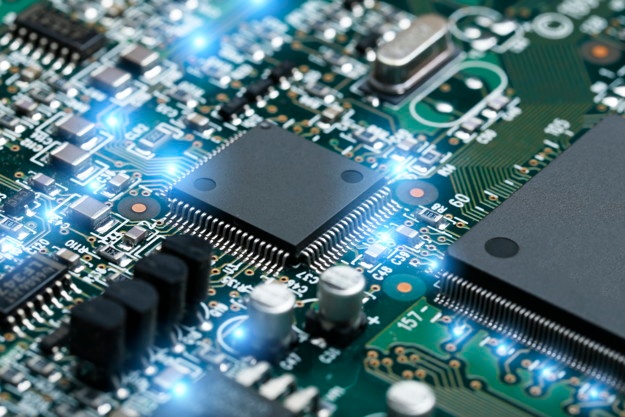
Level 2 – this electronic packaging level protects the printed circuit board.

Level 3 – this electronic packaging level protects assembly, wiring boards and associated components of these.

Level 4 – this electronic packaging level protects modules or collection of assemblies.

Level 5 – this electronic packaging level protects a combination of different modules or the electronic system in general.

These levels are necessary to help electronic manufacturing companies easily assess electronic packaging materials needed for an electronic packaging design. This makes operations more efficient and fluid since they can easily look for what they need simply by describing the electronic packaging level they are currently working on.

Consider a familiar example of a DVD player, a DVD player is an assembly of electronics packed in a rectangular metal case. This provides protection and also allows for the placement of buttons that are used to operate the device as well as the connectors needed to connect the DVD player to other devices.

SWATCH BHARAT SWASTH BHARAT

SWATCH BHARAT SWASTH BHARAT
Whether the Sun shines or it Rains; Cleaning the India should be our aim.
Pledge for cleanliness to show your keenness to clean India. India will teach us the tolerance and gentleness of mature mind, understanding spirit and a unifying, pacifying love for all human beings.” – Will Durant
India is in dire need of a cleanliness drive like Swachh Bharat Abhiyan to eradicate dirtiness. It is important for the overall development of citizens in terms of health and well-being. This a scheme to help us amd to make India healthy and clean and to make India swatch and swasth.

Swachh Bharat Abhiyan is one of the most significant and popular missions to have taken place in India. Swachh Bharat Abhiyan translates to Clean India Mission. This drive was formulated to cover all the cities and towns of India to make them clean. This campaign was administered by the Indian government and was introduced by the Prime Minister, Narendra Modi. It was launched on 2nd October in order to honor Mahatma Gandhi’s vision of a Clean India. The cleanliness campaign of Swachh Bharat Abhiyan was run on a national level and encompassed all the towns, rural and urban. It served as a great initiative in making people aware of the importance of cleanliness. This helped in making the message reach wider. It aims to build sanitary facilities for all households. One of the most common problems in rural areas is that of open defecation. Swachh Bharat Abhiyan aims to eliminate that. Generally, in these areas, people do not have proper toilet facilities. They go out in the fields or roads to excrete. This practice creates a lot of hygiene problems for citizens. Therefore, this Clean India mission can be of great help in enhancing the living conditions of these people. When we will dispose of waste properly and recycle waste, it will develop the country. As its main focus is one rural area, the quality of life of the rural citizens will be enhanced through it. Similarly, they also wanted to make people aware of health and education through awareness programs. After that, a major objective was to teach citizens to dispose of waste mindfully. Most importantly, it enhances the public health through its objectives. This helped in making the message reach wider. It aims to build sanitary facilities for all households.
Every small step towards sanitation will bring a big change for the nation.
Heaven could be on earth, Cleanness is something which has priceless worth.

The main objective of Swachh Bharat Abhiyan is to aware the citizens of the country of their utmost priority and responsibility towards cleanliness in the nearby surroundings and the spread of filth and infectious parasites. The campaign primarily focuses on eradicating the unhealthy practices of open defecation and provide basic sanitation facilities by constructing toilets, solid-liquid waste disposal systems, supplying clean drinking water, etc.

“Let’s make this our plea; we will make India open defecation free.
Cleanness can provide us inner peace, clean India mission is something that we need.
For cleanness we still have hope, because Swachh Bharat Abhiyan has a big scope.”


Swatch Bharat Abhiyan is a great accomplishment and proved out to a one of a kind project in the history of India. We must carry forward the practices of cleanliness with the same enthusiasm and zeal and help each other by keeping our Mother India clean and beautiful.
There are lots of schemes made for us by our government. These Abhiyan tries to make our beautiful India more beautiful and to make us healthier.
We can make our country beautiful; by participating in Swachh Bharat mission we can achieve something fruitful.
Let’s work on cleanliness from our side, and make India feel pride and clean your houses, roads and street, Cleanliness is our basic need. Make India great again, participate in Swachh Bharat mission to bring new reign.
Due to waste lying in the streets cause dangerous diseases which hampers our health and may cause dangerous diseases. These Abhiyan is a kind initiative to help us and to free us from these dangerous diseases. These are some examples how these Abhiyan help us and gift us a healthy life.
Clean India mission is something which we need for progress of our country.

Contaminated water causes many water-borne infections like diarrhoea, and also serves as a carrier for vectors such as mosquitoes spreading epidemics. Open defecation means no sanitation. It fouls the environment, and spreads diseases. According to WHO-UNICEF report (2010), India has the highest rate of open defecation. Access to safe drinking water and good sanitation are vital for family well-being. It results in control of enteric diseases, and boosts child health. A healthy child has better learning and retaining ability. Girls avoid going to school where there are no proper sanitation measures. Sanitation makes a positive contribution in family literacy. One key goal of sanitation is to safely reduce human exposure to pathogens. Pathogens are excreted by infected individuals and if not properly contained or treated, may present a risk to humans who come in contact with them. These individuals can also be exposed to pathogens through drinking water or eating food contaminated with pathogens found in human excreta. According to a UNICEF study, for every 10 per cent increase in female literacy, a country’s economy can grow by 0.3 per cent. Thus, sanitation contributes to social and economic development of the society.
Improved sanitation also helps the environment. Clean drinking water and good sanitation would not prevent infections without practicing good hygiene. A simple habit of washing hands goes a long way towards preventing diseases. The stored water supply may also serve as a source of infection in the absence of hygiene. Sanitation envisages promotion of health of the community by providing clean environment and breaking the cycle of disease. Sanitation systems aim to protect human health by providing a clean environment that will stop the transmission of disease, especially through the fecal–oral route. For example, diarrhea, a main cause of malnutrition and stunted growth in children, can be reduced through adequate sanitation.

If we follow the sanitation system then we can create a healthy world . If we live healthy then we can be wealthy. Swatch bharat is swasth bharat is a true word. If the world become clean then everyone become healthy.
If we want to make India a developed nation then clean India mission is the necessity.
Let’s take oath; by participating in clean India mission we will make our country proud.
Clean India mission is something which we need for progress of our country.
Working towards sanitation will bring a significant positive change for the nation.

MUSHROOMS

” Nature alone is antique, and the

oldest art a mushroom.

~ Thomas Carlyle

Edible mushroom

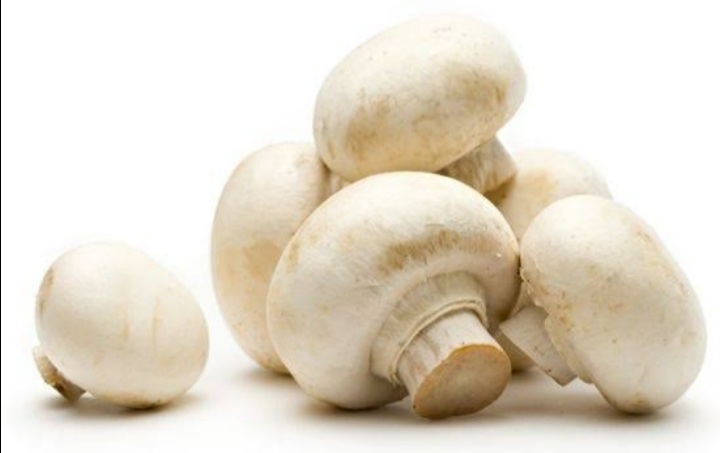
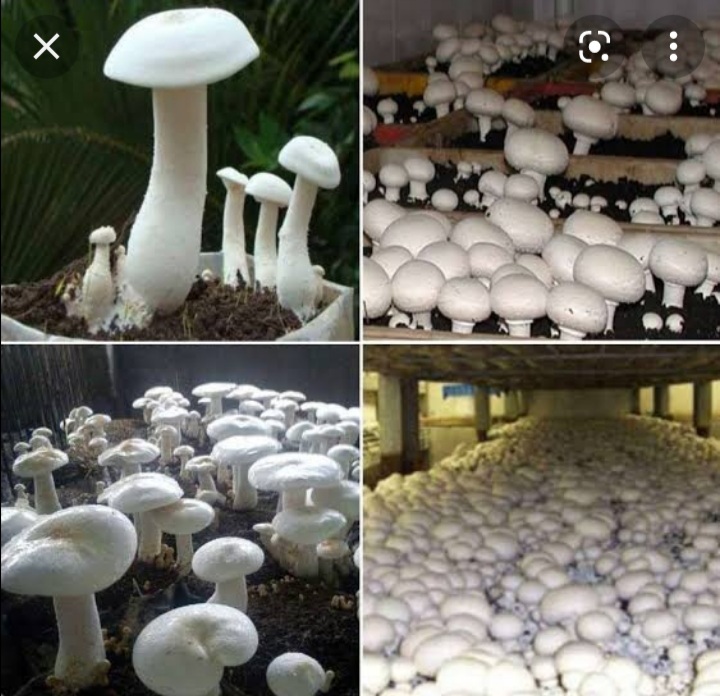
Edible mushrooms are the fleshy and edible fruit bodies  of several species of macrofungi(fungi  which bear fruiting structures that are large enough to be seen with the naked eye). They can appear either below ground (hypogeous) or above ground (epigeous) where they may be picked by hand.Edibility may be defined by criteria that include absence of poisonous effects on humans and desirable taste  and aroma. Edible mushrooms are consumed for their nutritional  and culinary  value. Mushrooms, especially dried shiitake, are sources of umami flavor.Especially tasty and desired mushrooms are referred as “choice edible”

Edible mushrooms include many fungal species that are either harvested wild or cultivated. Easily cultivated and common wild mushrooms are often available in markets, and those that are more difficult to obtain (such as the prized truffle, matsutake  and morel) may be collected on a smaller scale by private gatherers.

Non edible mushroom

There are certain fungi which are not consumed because of the production of toxins like amatoxins and phallotoxins. The fungi which produce these toxins are referred as poisonous fungi or the toadstools e.g., Fly agarics and Amanita pantherina.  The consumption of these fungi results in death due to the activity of the toxins.

Seven of the world’s most poisonous mushrooms are: death cap (Amanita phalloides), Conocy bettilaris, web caps (Cortinarius species), Autumn skullcap (Calerina marginata), destroyin angels (Amanita species), Podostron a cornu-damae and deadly dapperliry (Lepiota brunneoincarnata).

Food values of mushroom

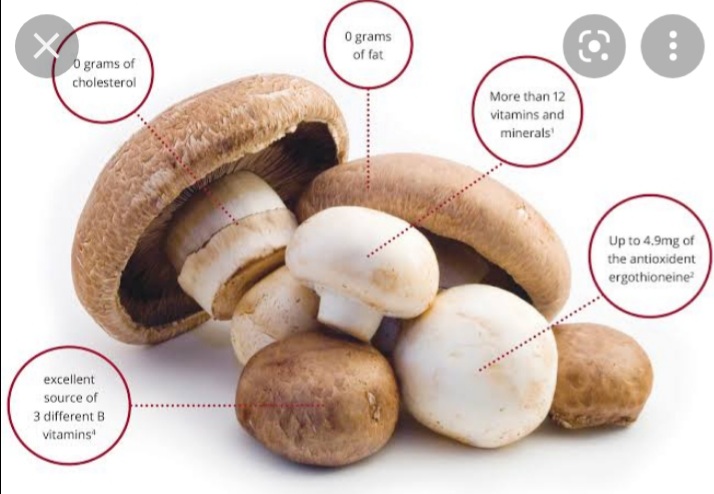
mushrooms contain a modest amount of fiber and over a dozen minerals and vitamins, including copper, potassium, magnesium, zinc and a number of B vitamins such as folate. Mushrooms are also high in antioxidants like selenium and glutathione, or GSH, substances believed to protect cells from damage and reduce chronic disease and inflammation.

Some studies suggest mushrooms are the richest dietary source of another antioxidant called ergothioneine, or ERGO, which is also present in large amounts in red beans, oat bran and liver. ERGO and other antioxidants are primarily concentrated in the caps, not the stems.

Spawn and spawning

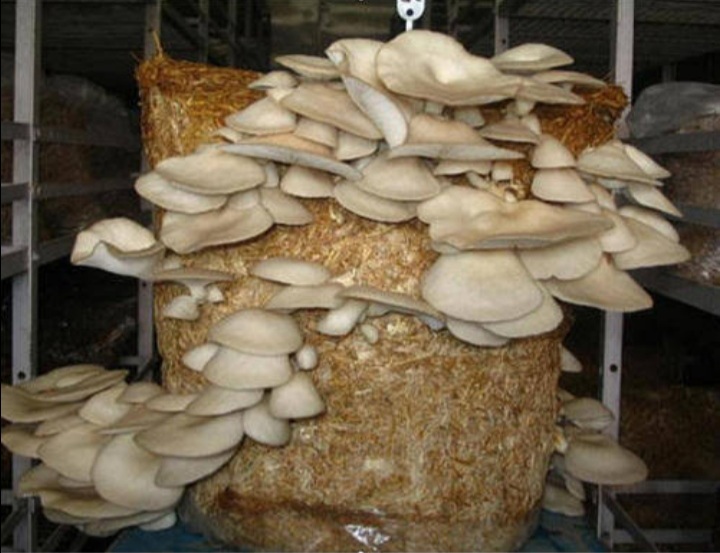
Spawn is the living fungal culture that is called mycelium, grown onto a substrate. It gives the backbone to any mushroom growing operation. … Unlike seeds, the mushroom spawn is grown from selected genetics and cloned for consistent production of a particular cultivar of mushroom.

Types of Mushroom spawn are;

  • Woodchip spawn – Made from woodchips of different hardwoods.
  • Straw spawn – Pasteurized straw inoculated with mycelium.
  • Sawdust spawn plugs – Sawdust spawn in the shape of a plug with Styrofoam on the end.
  • Liquid spawn – Water enriched with mushroom spores or mycelia slurry.

Techniques in mushroom cultivation

On Paddy Straw:

i. Preparation of Spawn

ii. Preparation of Mushroom Bed

iii. Spawning of Mushroom Bed

iv. Watering of Mushroom Bed

v. Mushroom Crop Production

vi. Picking of Mushrooms

vii. Precautions of Mushroom Cultivation

Disease of mushroom

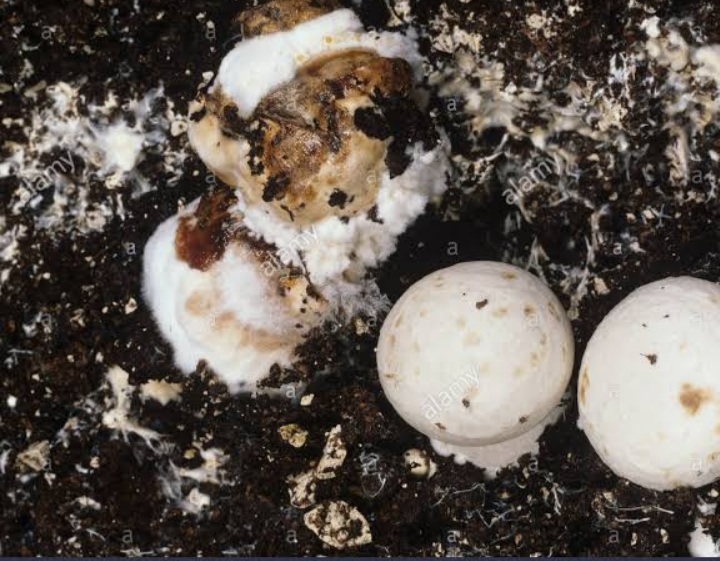
There are many types of fungal disease in mushrooms, but there are three main kinds that cause the most damage to crops. These are Dry Bubble (Verticillium, new name: Lecanicillium), Wet Bubble (Mycogone) and Cobweb (Dactylium, new name: Cladobotryum).

Recipes of mushrooms

Mushroom recipes like kadai mushroom, mushroom biryani, mushroom manchurian and mushroom masala,cream of mushroom soup, methi mushroom, matar mushroom, mushroom pasta,mushroom omlette,mushroom fry……..

” Mushrooms grow in damp places. That’s why they are shaped like an umbrella “

~Alphonse Allais

DEEP LEARNING SERIES- PART 4

The previous article dealt with the networks and the backpropagation algorithm. This article is about the mathematical implementation of the algorithm in FFN followed by an important concept called hyper-parameter tuning.

In this FFN we apply the backpropagation to find the partial derivative of the loss function with respect to w1 so as to update w1.

Hence using backpropagation the algorithm determines the update required in the parameters so as to match the predicted output with the true output. The algorithm which performs this is known as Vanilla Gradient Descent.

The way of reading the input is determined using the strategy.

StrategyMeaning
StochasticOne by one
BatchSplitting entire input into batches
Mini-batchSplitting batch into batches

The sigmoid here is one of the types of the activation function. It is defined as the function pertaining to the transformation of input to output in a particular neuron. Differentiating the activation function gives the respective terms in the gradients.

There are two common phenomena seen in training networks. They are

  1. Under fitting
  2. Over fitting

If the model is too simple to learn the data then the model can underfit the data. In that case, complex models and algorithms must be used.

If the model is too complex to learn the data then the model can overfit the data. This can be visualized by seeing the differences in the training and testing loss function curves. The method adopted to change this is known as regularisation. Overfit and underfit can be visualized by plotting the graph of testing and training accuracies over the iterations. Perfect fit represents the overlapping of both curves.

Regularisation is the procedure to prevent the overfitting of data. Indirectly, it helps in increasing the accuracy of the model. It is either done by

  1. Adding noises to input to affect and reduce the output.
  2. To find the optimum iterations by early stopping
  3. By normalising the data (applying normal distribution to input)
  4. By forming subsets of a network and training them using dropout.

So far we have seen a lot of examples for a lot of procedures. There will be confusion arising at this point on what combination of items to use in the network for maximum optimization. There is a process known as hyper-parameter tuning. With the help of this, we can find the combination of items for maximum efficiency. The following items can be selected using this method.

  1. Network architecture
  2. Number of layers
  3. Number of neurons in each layer
  4. Learning algorithm
  5. Vanilla Gradient Descent
  6. Momentum based GD
  7. Nesterov accelerated gradient
  8. AdaGrad
  9. RMSProp
  10. Adam
  11. Initialisation
  12. Zero
  13. He
  14. Xavier
  15. Activation functions
  16. Sigmoid
  17. Tanh
  18. Relu
  19. Leaky relu
  20. Softmax
  21. Strategy
  22. Batch
  23. Mini-batch
  24. Stochastic
  25. Regularisation
  26. L2 norm
  27. Early stopping
  28. Addition of noise
  29. Normalisation
  30. Drop-out

 All these six categories are essential in building a network and improving its accuracy. Hyperparameter tuning can be done in two ways

  1. Based on the knowledge of task
  2. Random combination

The first method involves determining the items based on the knowledge of the task to be performed. For example, if classification is considered then

  • Activation function- softmax in o/p and sigmoid for rest
  • Initialisation- zero or Xavier
  • Strategy- stochastic
  • Algorithm- vanilla GD

The second method involves the random combination of these items and finding the best combination for which the loss function is minimum and accuracy is high.

Hyperparameter tuning would already be done by researchers who finally report the correct combination of items for maximum accuracy.

HAPPY READING!!!

DEEP LEARNING SERIES- PART 3

The previous article gave some introduction to the networks used in deep learning. This article provides more information on the different types of neural networks.

In a feed-forward neural network (FFN) all the neurons in one layer are connected to the next layer. The advantage is that all the information processed from the previous neurons is fed to the next layer hence getting clarity in the process. But the number of weights and biases significantly increases when there is a large number of input. This method is best used for text data.

In a convolutional neural network (CNN), some of the neurons are only connected to the next layer i.e. connection is partial. Batch-wise information is fed into the next layer. The advantage is that the number of parameters significantly reduces when compared to FFN. This method is best used for image data since there will be thousands of inputs.

In recurrent neural networks, the output of one neuron is fed back as an input to the neuron in the previous layer. A feed-forward and a feedback connection are established between the neurons. The advantage is that the neuron in the previous layer can perform efficiently and can update based on the output from the next neuron. This concept is similar to reinforcement learning in the brain. The brain learns an action based on punishment or reward given as feedback to the neuron corresponding to that action.

Once the final output is computed by the network, it is then compared with the original value, and their difference is taken in different forms like the difference of squares, etc. this term is known as loss function.

It will be better to explain the role of the learning algorithms here. The learning algorithm is the one that tries to find the relation between the input and output. In the case of neural networks, the output is indirectly related to input since there are some hidden layers in between them. This learning algorithm works in such a way so as to find the optimum w and b values for the loss function is minimum or ideally zero.

The algorithm in neural networks do this using a method called backpropagation. In this method, the algorithm starts tracing from the output. It then computes the values for the parameters corresponding to the neuron in that layer. It then goes back to the previous layer does the computations for the parameters of the neurons in that layer. This procedure is done till it encounters the inputs. In this way, we can find the optimum values for the parameters.

The computations made by the algorithm are based on the type of the algorithm. Most of the algorithms find the derivative of a parameter in one layer with respect to the loss function using backpropagation. This derivative is then subtracted from the original value.

Where lr is the learning rate; provided by the user. The lesser the learning rate, the better will be the results but more the time is taken. The starting value for w and b is determined using the initialization.

MethodMeaning
ZeroW and b are set to zero
Xavierw and b indirectly proportional to root n
He w and b indirectly proportional to root n/2

 Where n; refers to the number of neurons in a layer. These depend on the activation function used.

The derivative of the loss function determines the updating of the parameters.

Value of derivativeConsequence
-veIncreases
0No change
+veDecreases

The derivative of the loss function with respect to the weight or bias in a particular layer can be determined using the chain rule used in calculus.

HAPPY READING!!