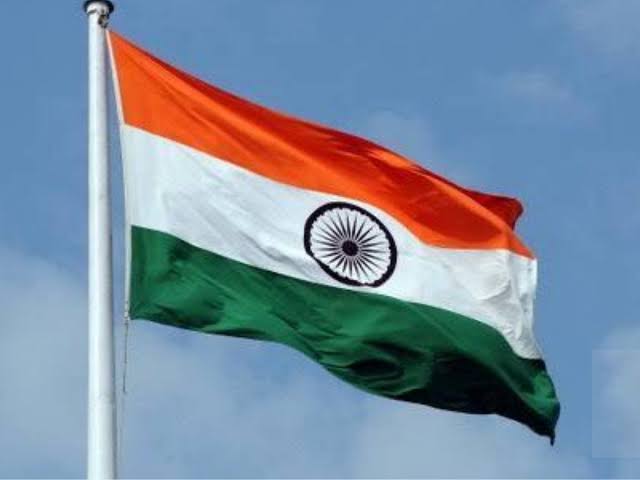
Procrastination

Have you ever put off your homework till the last minute? Or perhaps studied for the test only a day before? Maybe delayed writing an essay till the last possible hour? All of us are guilty of delaying tasks and putting off important work until a later date.  This is essentially procrastinating. It is the action of purposefully delaying any task or activity. In this procrastination essay, we will see the reasons and the solutions to this problem.

As we will see in this procrastination essay, this is not a rare phenomenon. Almost everyone is guilty of it at some point in their lives. So we ask ourselves this question – why do people procrastinate even when they are so busy most of the time? We live in the 21st century, where time is our most precious commodity. And yet, we waste this precious resource procrastinating our time away.

Procrastination Essay

Why do we Procrastinate?

The reasons for a person procrastinating can be varied. It depends on person-to-person and situation-to-situation. However, there are some universal reasons that cause people to delay their tasks and actions. One of the most important ones is the fear of failure. When a person delays doing an important task or is disinterested in finishing it, the cause could be a deep-rooted fear of failure. It is in human nature to avoid and fear failure. So by choosing to never finish the task, we can avoid the consequences as well.

Another reason is the lack of focus and determination. Feeling directionless and unfocused can often cause people to lose their wills to do their jobs. This leads to procrastination. Sometimes the lack of goals and objectives is also the reason a person loses their focus. Since they do not have an end-goal in mind, they end up wasting energy in other useless tasks.

There are other reasons a person may procrastinate. Sometimes, a person may be too much of a perfectionist. This distracts them from other tasks. And then there are other reasons like laziness, low energy levels, easy distractions, etc.

8 Ways to Stop Procrastination

How to Stop Procrastinating?

While procrastinating is a very natural fault we all share, if it gets out of hand it can get quite troublesome. Excessive procrastination can disrupt your life and cause you to lose control of your schedules and deadlines. So when the procrastination gets out of hand, you need to reign it in and get back in control.

One way to stop procrastinating is to break down the dreaded task into little steps. If the work or the task is too overwhelming, we tend to procrastinate about it. But if the job is broken down, then we can tackle one step at a time without being overwhelmed. You can also create a detailed timetable or a timeline of some sort to help you with the steps.

At other times changing your work environment may be beneficial. It can provide you with the boost necessary to stop procrastinating and finish the task. If possible get a friend or a parent to keep a check on your progress. It helps keep the motivation levels up and encourages you to finish the task on time.

The main concern is not to over-focus or blame yourself for procrastinating sometimes. We are all a victim to procrastination from time-to-time. As long as it does not derail your entire schedule, give yourself a break and just get back to work!

The Opposite of Procrastination – Association for Psychological Science –  APS

10 Ways To Stop Procrastinating

So why do I still do it? In fact, how come millions of people all over the world procrastinate even when they know they will regret it? More importantly still, is there anything that you can do to stop wasting your time, put an end to your procrastination, and get your work done? I discovered some great trick which helped me stay focused on my work, and saved me the embarrassment of missing crucial deadlines. Find out 10 tricks which helped me stop procrastinating, and can help you as well!

1. Don’t overthink it:
A plan needn’t be perfect. It should just get the work done. Spending hours, days, or even weeks planning something, is only going to cause you endless delays.

2. Don’t wait too long to start:

So you have come up with the perfect plan to do it. Great! So why aren’t you starting? Stop waiting for the perfect moment, there is no such thing. Start today. Start this very instant. You will thank yourself later.

3. Divide and conquer:
If the British could rule over half the world with this strategy, you can certainly use it to get that priority assignment done! Break it down. Start small, and just keep going. Divide, and conquer it all!

4. Stick to your deadlines:
When you set a deadline for yourself, it is somewhat easy to not follow it. Follow them anyway. Make it a habit. Self-discipline is the only way to conquer procrastination.

5. Remove all obstacles:
Whether you are studying or have an important project submission, it is easy to find things to keep you distracted. Identify what these commonly are, and eliminate them before you start work.

6. Work with others:
Teams are made for a reason. They not only reduce your overall work load, they also keep you focused. Work with other people and surround yourself with them. If you have to study, go to the library or the common room.

Say no to Procrastination. Start... - Union Bank of Nigeria | Facebook

7. Broadcast your goals:
Seek support from your friends and let them know what you are trying to do. Tell them your goals. Their positive feedback will inspire you to work harder.

8. Ask an expert:
There will be people who have already achieved what you are trying to do. Seek them out if you can and ask them for the strategy that helped them succeed.

9. Stop making your life difficult:
There is no need to complicate things. Sometimes a task can be very simple, and we just keep making it harder by delaying or not planning properly. Do yourself a favour and simplify your goals whenever you can.

10. Be sure of why you are doing it:
Setting a goal, such as Complete this assignment in 5 hours is a great start. But what is your end goal? How will you benefit? Remind yourself why you are working so hard, and it will help you stay focused.

So now you have my 10 simple ways to get work done. They helped me stop procrastinating and I hope they will help you succeed as well!


BEING YOUNG AND STUPID!

If you could go back in time and change one thing, what would you like to change?

I wouldn’t change a thing, because all the choices I made in the past, made me the person I am today. I am still a work in progress and have much to learn and grow. Who doesn’t? Therefore I’m no better than any of you. It’s when you fall is when you learn!

You mess up sometimes and that’s ok! you can learn from that mistake. You may hurt people unintentionally or intentionally and you let yourself get hurt too in the process, just so you know how it feels when you fall, and avoid it happening again. You wake up to mornings that succeeded a night you would rather forget. You wake up to mornings that succeeded a night you wish you could remember. You say words you wish you could take back after you start regretting. You wish you had said words you’ll never get the chance to say again.

Being here, in the present, you don’t want to stop believing in yourself.
You think it was worth it, right? Hey, it probably was. It’s OKAY if things don’t go as planned! It’s OKAY to cry and move on!

But is being young and stupid a good enough excuse?

So now, I would like to share an experience of my own, It was during the 12th when I and my best friend decided to go to the same college, away from home, so we became hostelites. But it was during that time, we had a minor argument and misunderstanding, so we both stopped speaking to each other. I had a really bad mental breakdown, It was during that time my dad spoke, saying I was always too dependent on your friends, and I need to let things go and live on! After all, everything happens for a good reason! but people change, when time changes and they grow. But if even after all of those misunderstandings, the person still manages to come back into your life, then he was meant to stay. Now, I and my friend laugh, thinking back as it was such an inane situation.

It was after that time, I realized I needed to be more self-dependent. I also realized communication is the key to solve most of the misunderstandings.

I have met different kinds of people who taught me lessons that changed my perspective.

Here’s a small part from,

“The Little Boy and the Old Man” by Shel Silverstein

Said the little boy, “Sometimes I drop my spoon.” Said the old man, “I do that too.” The little boy whispered, “I wet my pants.” “I do that too,” laughed the old man. Said the little boy, “I often cry.” The old man nodded, “So do I.

We probably behave stupidly because we don’t think, period! And maybe those who turn out to be wise were always full of the wisdom that we weren’t. Sounds philosophical, it’s not.

I’m a big believer in learning from mistakes. I do reflect on my past experiences that carved me into the person I am today.

Happy Independence Day

Independence day is a meaningful and one of the most important dates in history of our country. After a long and exhausting struggle India got its Independent on 15th August, 1947.

To honor this day today we will talk about some of the facts that every Indian needs to know regarding this occasion.

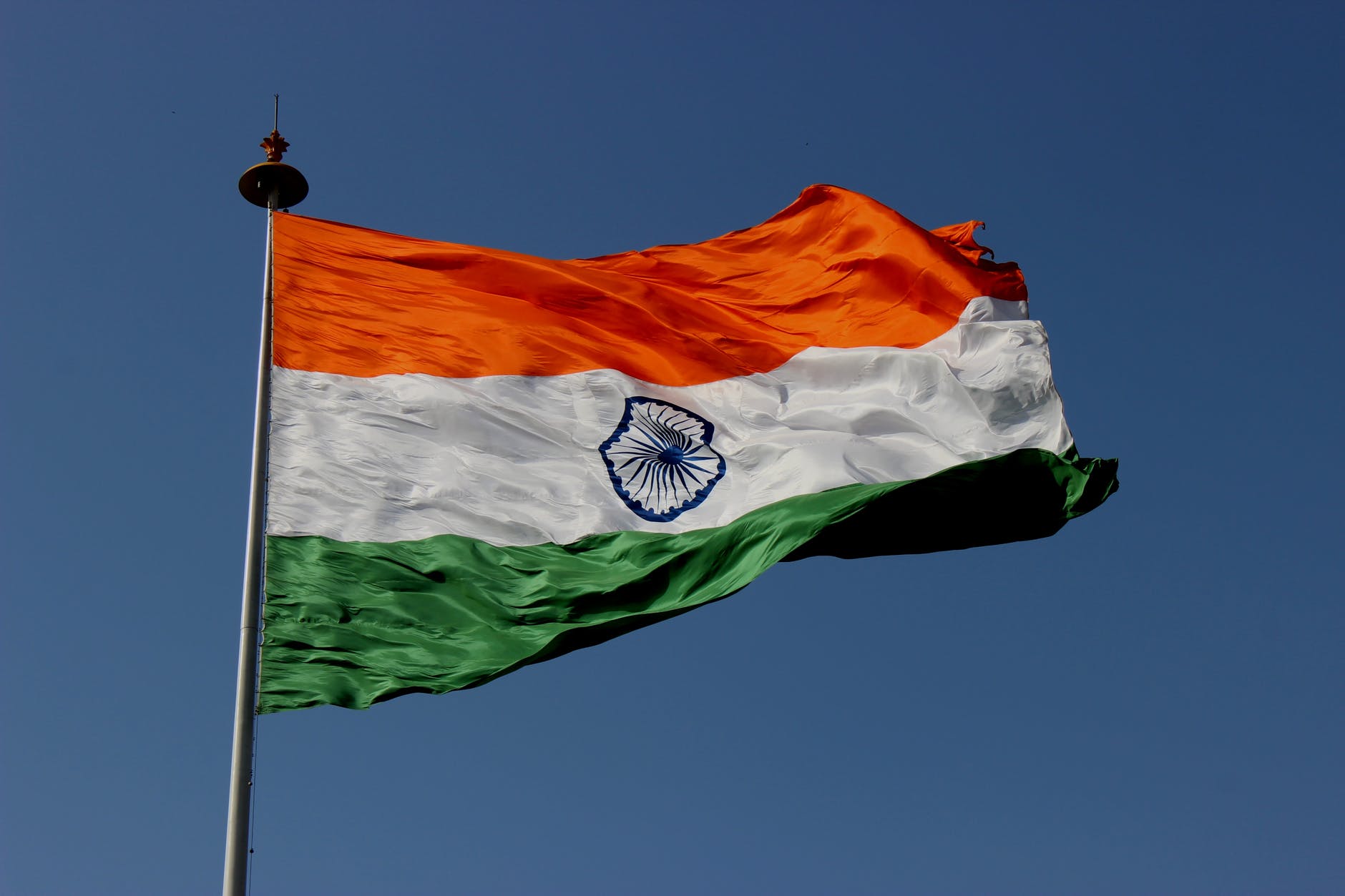
  1. Indian flag was first hosted in year 1906 in Parsee Bagan Square, Kolkata. It had three horizontal stripes of red, yellow and green. It’s first alteration was designed by Pingali Venkayya in in 1921. It is the same flag we host till date. A saffron white and green strip with 24 spokes Ashok chakra.
  2. Besides India there are five other countries who also celebrate their Independence day today. That include South Korea, North Korea, Bahrain, Republic of Congo and Lichtenstein.
  3. Goa was still under Portugal jurisdiction when the country got its independence. It was annexed to India in 1961 and became the last state to join the Indian territory.
  4. Indian flag is only manufactured and licensed by The Khadi Development Village Industries Commission. The Karnataka Khadi Gramodyog Samyukta Sangha located in Dharwad is the only manufacturer of the flag made with cotton.
  5. Our national song ‘Vande Mataram’ was part of the album ‘Anandmath’ composed by Bankim Chandra Chatterjee in 1880s. It was first sung by Tagore in 1896 and officially became the national song on 24th January, 1950.
  6. Lord Mountbatten was obliged to attend the Independence day of both countries, India and Pakistan and hence why he moved Pakistan’s Independence day to 14th August.
  7. Lord Mountbatten chose 15th August as the Independence day to honor the second anniversary of Japan’s surrender to the allied forces.
  8. Mahatma Gandhi wanted the Congress to be disband after country’s independence as the purpose of the party formation was achieved.
  9. India did not have any structural government after achieving independence. There was no president or prime minister at first. Governor general was the person with most authority at that time.
  10. The name ‘India’ originated from the name of River Indus as it was the place of first inhabitants of India.
  11. Bharat Ganarajya is the name of India in Sanskrit and hence the birth of Bharat in hindi.
  12. India hadn’t invaded any other country in last thousand centuries.
  13. Hindi is not the national language of our country but only the official language. It was declared official on 14th September, 1947 in article 343.
  14. Mahatma Gandhi did not attend the first independence day as he was participating in a hunger strike on the same day.
  15. Cyril John Radcliffe is the man behind the design of borders of Independent India despite never visiting the country once.
  16. Our first Prime minister, Jawaharlal Nehru was quite a fashion icon back in the days even making it in a Vogue issue. Nehru jacket was also named after he made it an iconic fashion piece.
  17. India had 562 princely states or kingdoms when it became independent.

75 years of independence of India

So the article is about entering of India into 75 th year of independence this year. As we know the independent word was not associated with India ealier as the Britishers ruled for almost 200 years in India.We were not recognized as a nation in the world. There was no existence of India as an independent country. But after so much of struggle, sacrifices, partition and much more we got independent on the midnight of 15 August 1947. The day which was written in history in golden words. Our first Prime Minister Pt. Jawahar Lal Nehru hoisted the national flag from the ramparts of the Red Fort in Delhi. This was the dawn of a new India towards progress and prosperity. The Independence Day fills every Indian with immense joy and happiness. It is known as the national festival of India. All the offices and every institution across the country celebrates the flag hoisting ceremony. This year the Prime Minister mentioned it as “Amrit Mahotsav”. The people were excited about it and everyone send their videos of singing the national anthem and that too they were played during the ceremony today. We can see a mixture of our traditions and modern resources because of the pandemic situation people could not see the ceremony by being there present as it happened earlier but by this we were a part of the ceremony.

The tricolour flag hoisted from the Red Fort makes us a more proud to be an Indian. India achieved millions of milestones in these 75 years. From earth to space , from being dependent on the world to “Skill India”. India is being known as “vishwaguru” to the world. In the pandemic situation our yoga practices and natural immunity booster were proved a boon to the world. The largest vaccination drive is an example that with proper management and resources we could perform and achieve our objectives in time to benefit people. In every field India is making achievement whether it be medical science or sports or international conferences. India is also focussing on being self dependent on every sector as this the need of the hour. We are a youth country and we have major population as youth. The government is focusing on providing multiple options for the youth. The world is looking towards India as its role model.

Hope you will like the article thank you

Happy Independence Day 🇮🇳

ANTIBODIES – Our Body’s Military Force!

ANTIGENS:

These are the foreign bodies that have the capability to bind with the immunogen and also induce an immune response from our body.
The majority of antigens are made up of protein. But some can also be made of carbohydrates, lipids, or nucleic acid.

ANTIBODIES/ IMMUNOGLOBULINS:

An antibody is a protein molecule that is generated in the living being by the plasma membrane of the cell. The majority of antibodies are produced in the blood, hence the name immunoglobulins.

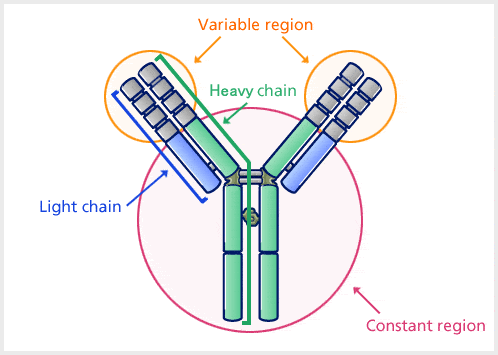
Each antibody consists of four polypeptides– two heavy chains and two light chains joined to form a “Y” shaped molecule.
The amino acid sequence in the tips of the “Y” varies greatly among different antibodies. This variable region, composed of 110-130 amino acids, gives the antibody its specificity for binding antigen.

Antibodies are divided into five major classes, IgM, IgG, Iga, IgD, and IgE, based on their constant region structure and immune functions.

IgG antibody function :

IgG provides long-term protection because it persists for months and years after the presence of the antigen that has triggered their production. IgG protects against bacteria, viruses, neutralizes bacterial toxins, triggers complement protein systems, and binds antigens to enhance the effectiveness of phagocytosis.

IgM antibody function :

IgM is involved in the ABO blood group antigens on the surface of RBCs. IgM enhances ingestions of cells by phagocytosis.

IgA antibody function :

The main function of IgA is to bind antigens on microbes before they invade tissues. It aggregates the antigens and keeps them in the secretions so when the secretion is expelled, so is the antigen. IgA is also the first defense for mucosal surfaces such as the intestines, nose, and lungs.

IgE antibody function :

IgE bind to mast cells and basophils which participate in the immune response. Some scientists think that IgE’s purpose is to stop parasites.

IgD antibody function :

IgD plays a role in the induction of antibody production.

IMMUNE SYSTEM IN OUR BODY:

The main role of the immune system is to recognize the pathogen, respond to the foreign antigens, and memorize them.

LYMPHOID ORGANS:

These are further divided into two types:
1) Primary lymphoid organs: This comprises of bone marrow and thymus, where T-lymphocytes and the B-lymphocytes mature and acquire their antigen-specific receptors.
2) Secondary lymphoid organs: It comprises of lymph nodes, spleen, and Mucosa Associated Lymphoid Tissue (MALT). After maturation of the T- lymphocyte and the B-lymphocyte, they migrate here via blood vascular and lymphatic system, where they undergo differentiation.

VACCINISATION OR IMMUNISATION:

A vaccine is generally a half-killed or weakened disease-causing pathogen that is then given to the healthy individual through injection or drops, which has the ability to generate an immune response but not cause any disease or doesn’t have the ability to spread in the body. This causes acquired immunity against the disease-causing pathogen. This is called as vaccination or immunization.
The concept of vaccination is based on the ‘memory’ of the immune system. Our immune system has the ability to recognize the pathogen if it has once been already spotted and antibodies have been created by our body.
So when the same pathogen enters our body, it is immediately spotted by the lymphocytes, and the antibodies are produced almost instantly given a quick response.

ORGAN TRANSPLANTATION:

It is the process of replacement of diseased tissue with healthier ones. Various factors are involved in transplanting an organ from a donor to a recipient such as tissue matching, immunosuppression, the immune response generated in the recipient. T-cells play a major role in the process of rejection.

CONCLUSION:

Antigens are the substance majority made of protein that has the capability to stimulate the production of antibodies. Antibodies are protein molecule that inactivates the antigen. They are also called immunoglobulins. Lymphoid organs are the place where the maturation of lymphocytes takes place. Vaccine is introduced into our body to prepare antibodies against certain pathogens. While organ transplant has its own pros and cons.

The Indian Tricolour Flag

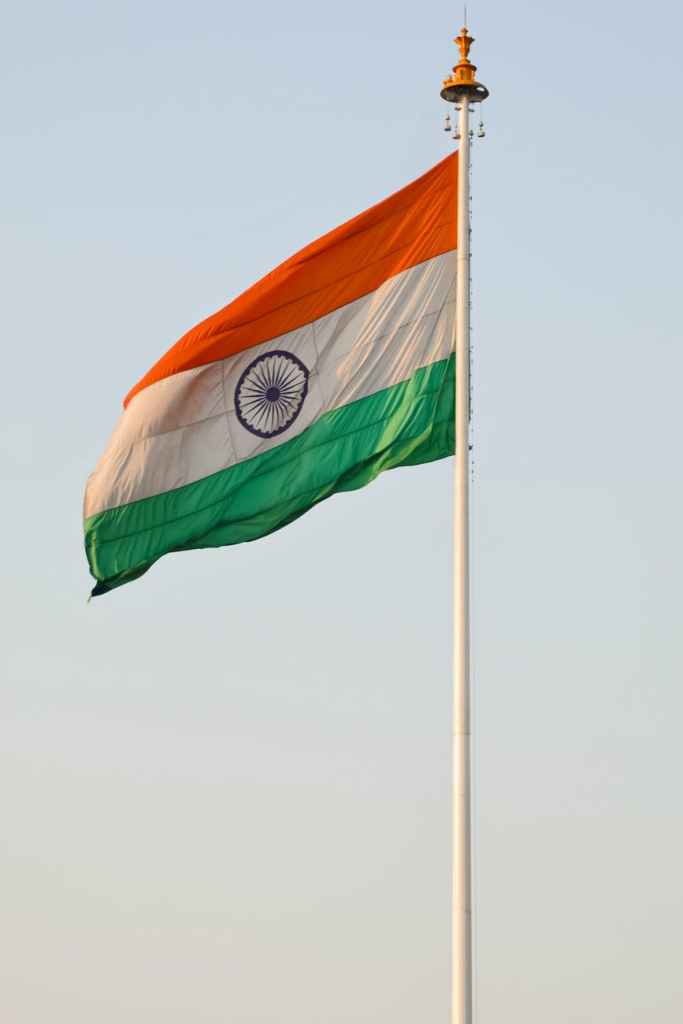
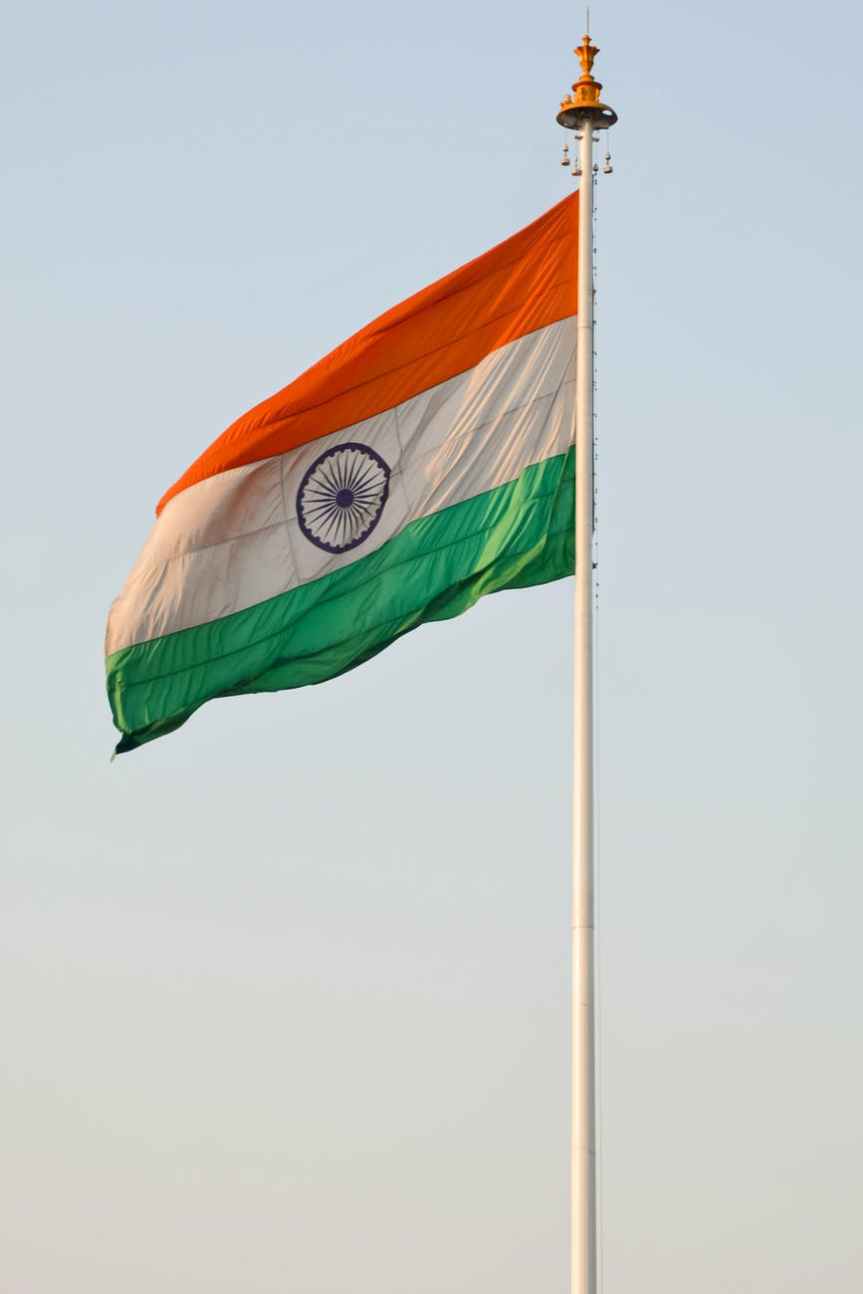
On August 15, 2021, India will commemorate its 75th anniversary of independence. As we get closer to the big day, it’s only natural to look back at the history of the tricolour, or tiranga. Did you realise that our flag’s colours of saffron, green, and white have no communal significance? In this essay, we’ll look at the history of the tricolour, its evolution, and the meaning of the Chakra and the three colours of the flag to learn more about these facts.

Photo by Still Pixels on Pexels.com

The flag of a country is a sign of its independence. The Indian National Flag in its current form was adopted just days before the country declared independence from British rule on August 15, 1947. The decision was made on July 22, 1947, during a meeting of the Constituent Assembly. Between August 15, 1947, and January 2, 1950, it was the national flag of the Dominion of India, and then the Republic of India.

India’s current tricolour flag was adopted after the country gained independence. The old flag’s colour and meaning were retained, but the Dharma Charkha of Emperor Asoka was replaced as the flag’s insignia in favour of the spinning wheel.

The colours of the Indian flag

India’s national flag is a horizontal tricolour with a deep saffron top, white in the middle, and dark green at the bottom. The chakra is represented by a navy blue wheel in the midst of the white ring.

The colour saffron represents the country’s power and bravery. The colour white represents peace and truth. Our land’s fertility, growth, and auspiciousness are symbolized by the green belt.

The “wheel of the law” is shown by Dharma Chakra at the Sarnath Lion Capital, which was built by Mauryan Emperor Ashoka in the 3rd century BC. It meant that life is found in movement and death is found in immobility.

Flag Code

The Indian flag code was changed on January 26, 2002, and inhabitants of India were now allowed to hoist the Indian flag above their homes, offices, and factories on any day, not only national holidays, as was previously the case. Indians can now proudly display the national flag anywhere and whenever they want, as long as the Flag Code is rigorously obeyed to avoid any disrespect to the tricolour. The Flag Code of India, 2002, has been broken into three parts for your convenience. The National Flag is described in general in Part I of the Code. The display of the National Flag by members of the public, private organisations, educational institutions, and other entities is addressed in Part II of the Code. The National Flag is displayed by the Central and State governments, as well as their organisations and agencies, according to Part III of the Code.

Based on law passed on January 26, 2002, there are some guidelines for flying the flag. The following are some of them:

Do’s:

– To promote respect for the Flag, the National Flag may be flown in educational institutions (schools, colleges, sports camps, scout camps, and so on). The flag flying in schools now includes an oath of allegiance.

– On all days and occasions, ceremonial or otherwise consistent with the dignity and honour of the National Flag, a member of the public, a private group, or an educational institution may hoist/display the National Flag.

– Section 2 of the new code recognises that all private persons have the right to fly the flag on their property.

Don’ts:

– The flag may not be used for communal purposes, draperies, or clothing. It should be flown as much as possible from sunrise to sunset, regardless of the weather.

– The flag cannot be permitted to contact the ground, the floor, or the water’s surface. Vehicles, trains, boats, and aircraft cannot have it draped over the hood, top, sides, or back.

– There can be no other flag or bunting higher than the flag. Also, no object can be placed on or above the flag, including flowers, garlands, or symbols. A tricolour festoon, rosette, or bunting cannot be used.

HOW COSTLY IS IT TO SAY A “NO” IN TODAY’S WORLD?

In the modern era, people frequently deny performing certain things that might be either good or bad. Sensible decisions should be carried out as to when a NO should be uttered. A small scope of denial can cause you to pay a hefty price. You assist others presuming that what if you turn them down. But that’s not the case. You love to help others because you love to. Lending a helping hand always can cost you a lot too. Think wisely as to where you want to invest your time. It’s not at all bad to think for yourself.

Never feel ashamed to adamantly deny. If that one word NO is being beneficial to you, then don’t hesitate to do so. It’s impossible to say YES to everything. Prioritize the decisions you make as to whom you have to tell a YES and to whom a NO. This world is filled with greedy people too who wholly want their work to be done. They remember you when they need a favor, else you are like a non-existing creature. People who genuinely care for you and need your help will ask for it, respect it and convey they will always be available for you. Never overlook such people in your life.

It is important to know some things related to denial-

  1. Once a NO is not a NO forever :
  • You deny once doesn’t announce you are denying forever.
  • There might seem to be reasons for your denial. Maybe you are busy with your own work, or are not in a mood to help anyone. 

2. NO need not always be direct :

  • Valid reasons can be voiced out for the reason of your denial.
  • Some people think what if he/she feels bad.
  • Telling a NO may surely not hurt until it is conveyed in a positive way.

3. Happy and Peaceful Environment :

  • When you deny someone, you are reducing the effort and time you are investing there.
  • You have a chance to relax you, not to withstand stress about it.

4. Constant Connection :

  • As said, once a denial doesn’t always mean denial.
  • Continue to establish a connection with that person after you deny.
  • This attitude will surely make the person feel that you don’t have any problem in helping, but the situation makes you do so.
  • It urges him/her to believe that you don’t have any hard feelings for him/her.

5. Devote time yourself :

  • Some people go out of the way to help out others that they don’t give time to themselves.
  • No one is stopping that person from helping others. But the fact to understand is giving importance to you and value you.

Denying for doing something wrong is not at all bad. You should maintain a strong stand and be firm, that the decision that you have taken against the wrong is absolutely correct. Whoever approaches you to change your mind shouldn’t be in a stage to overrule the accurate decisions you have made.

Situations arise where you are being betrayed. The person who did so will try his/her best to prove himself/herself innocent, you should voice out exclaiming a NO, it’s inappropriate. Never be afraid to tell a NO when you aren’t comfortable in doing so. You shouldn’t be forced to do the favor asked. You aren’t hindered at gunpoint to do the favor asked.

In present times, you definitely have a price to pay for everything. It’s left up to you to see where your profit lies. NO can be costly when you do something that you aren’t willing to. You help people when they need you, but are they available to you when you need them the most? Give it a thought.

Project Pegasus: Unfolding The Cyber Spy

Project Pegasus has been in news for quite some time. Project Pegasus is an investigation about the Software Pegasus, in which 16 Media Institutes participated to expose the truth behind Pegasus. India is also one of the country whose name came out during the investigation. So What is Pegasus?

Pegasus is a spying software developed by an Israeli Technology Firm, NSO. According to NSO, the software is used to hack into the phones of their target and keep an eye on their every step. The data collected through this process can be sold to the government of a country and not to any individual or firm.

Pegasus recently became a hot topic not only in India but all around the world. It is not the first time Pegasus has came in news. But why is it highlighted now in India along with the whole world?  

Pegasus came in news after an investigation was done by 16 Media institutions from all around the world. This was initiated by a Not Profit Organisation from Paris along with Amnesty International. The project is called Project Pegasus.

Pegasus is known to infect the phone and can capture every single thing around the subject. It takes control over the phone and collects data about every single thing done by the subject. This software can be really useful to track down criminals and can be helpful to stop them. But is it really used for that?

The investigation in Project Pegasus revealed something else. The investigation revealed OVER 50,000 names that were either being tracked or were people of interest for any future assignment. In India, a list of 300 people was released. The list contains names of more than 40 journalists, 3 opposition Leaders, and two serving ministers. Former and Current Head of Security Organisation is also on this list. It is also said that the phone that was registered in the name of a serving Judge of the Supreme Court is also on the list.

 There has been no statement by the Indian Government on the issue and this can problematic. It is yet not clear if all the numbers in the list are hacked or not. It is concerning regarding privacy and the fundamentals of democracy.

It can be clearly termed as misuse of power and can have a bad effect on citizens. it is really important to take strict actions against it.

5 Greatest Films on India’s Freedom Struggle

Many people find it difficult to conceive living a life of slavery and servitude with no possibility of liberation. However, this was the reality for the entire nation of India only a little more than seven decades ago.

Today is India’s 74th anniversary as a constitutionally democratic and sovereign country. However, without the courage, tenacity, and heroism demonstrated by India’s revolutionaries, the road to freedom would have been significantly more difficult.

Here, we look at five of the best films that pay tribute to individuals who helped us achieve our current level of freedom.

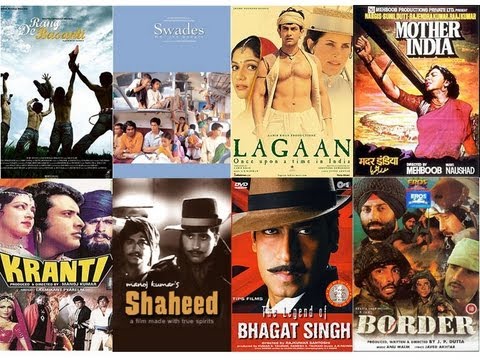
1. Mangal Pandey: Mangal Pandey, directed by Ketan Mehta, transports viewers to the mid-nineteenth century and India’s First War of Independence, the country’s first organised revolt against the British Empire. The plot centres around an Indian soldier who fights the East India Company valiantly. Against all obstacles, Mangal Pandey (Aamir Khan), an Indian Army sepoy, conducts a violent and fierce revolt against India’s colonial occupiers, while preserving his friendship with his British commanding officer, William Gordon. Mangal Pandey, a classic story about the oppressed fighting against their oppressors, is a must-see this Independence Day.

2. Lagaan: Lagaan was India’s entry to the Academy Awards in 2001, written and directed by Ashutosh Gowariker. The film, which stars Aamir Khan and Gracy Singh in the key roles, is set in 1893 and expertly blends sports and politics. Lagaan is a hugely enjoyable film that was a worldwide smash thanks to its devious machinations, musical sequences, and laugh-out-loud humour. When the British overlords of India decide to impose a new tax on Indian villages, Bhuvan, a young man, leads a charge against them, challenging the occupiers to a cricket match. The story that follows is a colourful one of perseverance and intrigue.

3. The Legend of Bhagat Singh: The Legend of Bhagat Singh is a film directed by Rajkumar Santoshi and starring Ajay Devgan. It tells the story of the fiery independence fighter who led an armed battle against British imperialism. The film follows the revolutionary from his childhood, when he witnesses the atrocities perpetrated on his people, to his alliance with the Hindustan Republic Association and the assassination of a British police officer. The Legend of Bhagat Singh is a must-see for anybody interested in learning about the immense sacrifices made by India’s liberation fighters.

4. Gandhi: Mohandas Karamchand Gandhi, the father of the nation, has and will continue to be an unrivalled presence in Indian history. Gandhi, starring Ben Kingsley as Mahatma Gandhi, is a biopic that follows his life and tribulations from his days as a lawyer in South Africa through the nonviolent independence movement he leads in India. Gandhi has near-saintly status in India, yet the film succeeds admirably in depicting his more humanistic side. Richard Attenborough’s biographical drama, filmed and produced by him, received acclaim upon its premiere and won eight Academy Awards, including Best Picture, Best Director, and Best Actor.

5. Rang De Basanti: Rang De Basanti, produced and directed by Omprakash Mehra, is the third film on this list to feature Aamir Khan in the lead role. Following their graduation from Delhi University, a group of young Indians are cast in a documentary about India’s liberation fighters by an English woman. Mehra’s film, which alternates between two time zones, poses some difficult concerns and challenges the viewer to consider what the genuine value of freedom is. Rang De Basanti was also nominated for Best Foreign Film at the Oscars, thanks to its outstanding screenplay and narrative.

Best Free Tools for Screenshot

Photo by Drew Williams on Pexels.com

Are you looking for a guide that will make you aware of all the screenshot editing tools available out there for free? 

Then don’t worry we got you covered with the following top 5 tools for window users to have all the benefits of a screenshot editing tool.

SCREENPRESSO:

DESCRIPTION:

              This screen capture tool is free for all the window versions. It comes with many features of a built-in editor and fast sharing making it a must-have for an easy and fast workflow.

              WORKING:

             The working and its installation are all defined in the following steps:

  • After agreeing to license, the next screen will ask to choose from two option for its working mode:   a. Install on this computer or b. Start without installing.
  • There will be many language options to choose from accordingly.
  • Selecting the desired mode, next screen with options: Capture, Edit, Publish or Close will appear.
  • In capture mode another two option is available: a. Screen Shot Region or b. Record Video Region.
  • Grab the tool from:  https://www.screenpresso.com/download/

JING OR TECHSMITH CAPTURE:

DESCRIPTION:

              This tool comes with many options to work with screenshots with the added feature of sharing captured image URLs on screencast.com to copy-paste the image anywhere.

              WORKING:

             The working and its installation process are given in the following steps:

  • After complete downloading process, a signup process will start for conversion of images to URL for copy paste option and a command of (shift+f11) for capturing will appear.
  • As soon as screen is captured, it will automatically open it in editor phase and there a lot of editing tool is available.
  • Multiple Screen shots can be taken at a time.
  •  Grab the tool from: https://www.techsmith.com/download/jing/

GREENSHOT:

DESCRIPTION:

A lightweight screenshot tool with a quick screenshot creator enables to capture of any region quickly with a highlighting feature in the editor.

               WORKING:

              The working and installation process is given below:

  • After completing process of license agreement, a pop box will appear for language preference with selecting path for storage.
  • As soon is a screen is captured, there will be a lot of option available to open your image with for ex (MS paint, Microsoft Word etc.).
  • Grab it from: https://getgreenshot.org/downloads

SHAREX:

DESCRIPTION:

This tool shareX is easy for capturing screen, quickly sharing option with lightweight Ram consumption making it a good to go choice for screen capture.

WORKING: 

The working and installation process is given below:

  • After completing the download process, the screen will be directed to a dropdown menu which will have a lot of option for editing.
  •  Grab the tool from: https://getsharex.com/

Facts Related To Independence Day

On the Independence Day, Jawaharlal Nehru’s first speech began with, “At the stroke of midnight, when the world sleeps, India shall awake to life and freedom…”

Rabindranath Tagore composed ‘Bharoto Bhagyo Bidhata’ which then later was renamed ‘Jana Gana Mana’ and was adopted as the national anthem by the Constituent Assembly of India.

Karnataka Khadi Gramodyoga Samyukta Sangha (KKGSS), located in Dharwad in Karnataka is the only authorised manufacturer of the Indian flag. It has the sole authority to manufacture and supply the Indian national flag.

Although the Indian Independence Act was approved on 18 July 1947, Lord Mountbatten, the last viceroy and the first Governor-General of India, chose 15 August as Indian Independence Day as it was the same day on which Japan surrendered to the Allied Forces.

Pakistan’s Independence Day should have been on the same day, but lord Mountbatten being the last viceroy of undivided British India had to be present at both ceremonies in Delhi and Karachi. Hence, Pakistan’s Independence Day was celebrated on 14 August.

The name India comes from the River Indus. 

India had no official National Anthem at the time of independence. Later on, Jana Gana Mana, originally written in 1911, was officially adopted as the Indian national anthem on 24 January 1950.

At the time of celebration of the country’s first Independnece, Mahatma Gandhi was not present. He was on a hunger strike that was conducted to stop the communal killings that were triggered due to partition.

There was no president or prime minister heading the country. Independent India lacked in having a structured government. At the time of Independence, The Governor-General was the only and the most authoritative person in India. Later, the political framework developed when India became a republic.

Pandit Jawaharlal Nehru, India’s first Prime Minister, hoisted the national flag 17 times from the fortification of the Red Fort on Independence Day.

India shares its Independence Day with five more countries, Bahrain, North Korea, South Korea, Congo, and Liechtenstein on August 15, but with different years.

The Severance of Unity

Photo by AaDil on Pexels.com

The partition which happened in 1947 still after 75 years at this day of 15th Aug it gets our wound fresh with lots of stories memories and whatnot.

The fear, the uncertainty of again getting dependent on the system which will always give preference based on caste and many things led the thrive of this separation based on a separate electorate for Muslims.

Further, the boundaries and territorial distance of two provinces freshly separated was figured out and we were officially separated on the 14th and 15th of August in 1947.

This Separation left many families ajar, torn, and many wounds that were inflicted for a lifetime, leaving an impact for the generations to come.

Today while we are celebrating the joy of 75 years of Independence, we are also ought to mourn the loss of the families separated during the separation, tears of many for the heart wrecking separation from their loved ones.

Last Minute Mechanism

According to this, the Britishers were able to control our India for the very last minute and giving us the scar for many more years to take on.

Many views are there that suggest that this division and partition was always there even before the 1940s as they were afraid of the political dominance of Hindus that was 80% of the total population over other people.

This Divide and Rule policy of Britishers was made to interest the group, which we’re willing to collaborate with this policy and securing a unitary position for them.

The Legacy which killed and Displaced

After many years of sacrifices and many fights, India got the much-desired independence but it was not the independence only but the start of yet another blood bath where many were tortured, many was killed and many even didn’t make it to their family during the biggest migration that took place.

After the partition of India and Pakistan, many Hindus and Sikhs started to move apart and Muslims too started to move to their respective nation.

Many communities started attacking each other in the terrifying sectarian violence, many casualties took place and millions of people were left without home and family.

Partition Remembrance Day

The partition and its haunting memories can never go down just in pages in history as the deep wound it has on several families either some in that part or some in this part can never be unseen and undo.

To remember our sorrow and joy after 74 years the honorable Prime Minister Modi Ji decided to mourn the 14th of August as the Partition Horror Remembrance Day to always remember the sacrifices of people and their pain.

Many Hindus and Sikhs fled the provinces of the newly made provinces of Pakistan to save their life but a few were able to touch the border of India alive, many also survived the brutal rapes when migrating for their homeland.

Conclusion

Before Muslim and Hindu, we all were a part of our mother India, we all were struggling together for the gift of freedom then how just the fear of something very absurd can make humans so thirsty for the blood of another human in the name of fear, couldn’t they feel the pain they were inflicting on other.

A big loss and a sorrowful ending of brotherhood was all this partition brought on us

ROLE OF SOCIAL MEDIA

 By:Astha Raghav                                                                                                                                                                                                                                                                                                                  After ‘Tech Savvy’, it is the ‘SOCIAL MEDIA SAVVY’ that has become synonymous with today’s generation. About 2/3rd of Indian spend time online on different social networking sites like Facebook,Twitter,Youtube etc.Interaction, live chats, status updates,image as well as video sharing are few of the aspects that play a role in the popularity of social media. On the other hand, customer’s responses, interaction and brand awareness is why the companies are using social media in India and across the globe. Social Media is not only confines to ypu and me but to politicians as well. Our Prime Minister Mr. Narendra Modi even hosted a political conference on Google+ hangouts and this makes him the third politician across the globe to do this after Obama and Australia PM Julia Gillard. Social Media plays the role of a game changer with political leaders faving millions of fans on Twitter and supporters on Facebook as well as Google+.

Role of social media in business and consumer market in India cannot be undermined. Social media and recruitment also gohand in hand. it is becoming an integral part of recruiting firms. So, gone are the days when employment recruiters as well as employees used to rely on employment exchange an classified ads in the newspaper. Most of the organisations have well planned strategies for talent acquisition through social media.

Social media is also playing an important role in IPL by providing up to date and live information. teams are constant touch with their fans through social media. Thus, there is no way to ignore social media for business and entertainment purposes. Social media gives marketers a voice and a way to communicate with peers, customers, and potential consumers. In today’s society, the use of social media has become a necessary daily activity. Social media is typically used for social interaction and access to news and information, and decision making. It is a valuable communication tool with others locally and worldwide, as well as to share, create, and spread information. The role of social media is primarily to connect people. It is a tool designed to connect people from all across the globe. Social media is a tool that is becoming quite popular these days because of its user-friendly features. 

THANK YOU!

Apart from India, here are 5 countries that celebrate Independence Day on 15th August as well

For every Indian, August 15 is a significant date because it was on this day in 1947 that the country gained its legitimate independence from the United Kingdom, putting an end to over two centuries of colonial control. India, the world’s largest democracy, celebrates its independence on August 15, 1947. The founding of the democratic country is commemorated on this day. This is the day India gained independence from the British Raj. Jawaharlal Nehru, India’s first Prime Minister, proudly unfurled the Indian flag at the Red Fort in Delhi on August 15, 1947.

Photo by Studio Art Smile on Pexels.com

In case you were wondering, India is not the only country that celebrates Independence Day on August 15; people all over the world mark this date on their calendars as a national holiday. Here are five more: Republic of Congo, South Korea, North Korea, Bahrain, and Liechtenstein all commemorate their independence on August 15. Here’s additional information on them:

1. Bahrain: Bahrain, which was likewise ruled by the British, gained independence on August 15, 1971, more than two decades after India. Following a United Nations assessment of Bahrain’s population, the British announced a troop pullback east of Suez in the early 1960s. The signing of a treaty between Bahrain and the United Kingdom commemorated Bahrain’s independence day. The country, however, does not commemorate its independence on this day. Instead, it commemorates the succession of the late king Isa bin Salman Al Khalifa to the throne on December 16 as National Day.

2. North Korea: North and South Korea, officially known as the Democratic People’s Republic of Korea, gained independence from Japan on August 15, 1945. During the Russo-Japanese War, Japan conquered Korea. Japan attempted to acquire Korean traditions and culture while also gaining control of the economy for its own gain. Korean resistance groups, known as Dongnipgun, fought Japanese forces along the Sino-Korean border.

3. South Korea: In 1945, the Korean Peninsula was liberated, and on August 15, 1948, autonomous Korean governments were established. The area was officially dubbed the Republic of Korea, and a pro-US administration was founded. The first President of South Korea, Syngman Rhee, was elected, and August 15 was declared a national holiday. The holiday is known as Gwangbokjeol, which translates to “the day the light returned.”

4. Liechtenstein: Liechtenstein, a German-speaking microstate in the European Alps between Austria and Switzerland, celebrates its National Day on August 15. The date was chosen since it was already a bank holiday; the feast of the Assumption of Mary is on August 15. Second, Prince Franz Josef II, the reigning prince at the time, was born on August 16. As a result, the Feast of the Assumption and the Prince’s birthday were combined to form Liechtenstein’s national holiday.  

5. Democratic Republic of Congo: The Central African country, often known as Congo, gained full independence from French colonial overlords on August 15, 1960. It has been under French control for exactly 80 years. In 1880, the country was renamed French Congo, and in 1903, it was renamed Middle Congo. During the first five decades of colonial administration in Congo, economic development was centered on natural-resource extraction, and the techniques used were violent. At least 14,000 people died in the construction of the Congo-Ocean Railroad.