IRRIGATION & ITS TYPES

What is Irrigation?
Irrigation is the process of applying water to the crops artificially to fulfil their water requirements. Nutrients may also be provided to the crops through irrigation. The various sources of water for irrigation are wells, ponds, lakes, canals, tube-wells and even dams. Irrigation offers moisture required for growth and development, germination and other related functions.
The frequency, rate, amount and time of irrigation are different for different crops and also vary according to the types of soil and seasons. The types of irrigation systems are practised based on the different types of soils, climates, crops and resources.
Methods of Irrigation:
Irrigation can be carried out by two different methods:
• Traditional Methods
• Modern Methods
Traditional Methods of Irrigation
In this method, irrigation is done manually. Here, a farmer pulls out water from wells or canals by himself or using cattle and carries to farming fields. This method can vary in different regions.
The main advantage of this method is that it is cheap. But its efficiency is poor because of the uneven distribution of water. Also, the chances of water loss are very high.
Some examples of the traditional system are pulley system, lever system, chain pump. Among these, the pump system is the most common and used widely.

Modern Methods of Irrigation
The modern method compensates the disadvantages of traditional methods and thus helps in the proper way of water usage.
The modern method involves two systems:
• Sprinkler system
• Drip system

SPRINKLER SYSTEM:
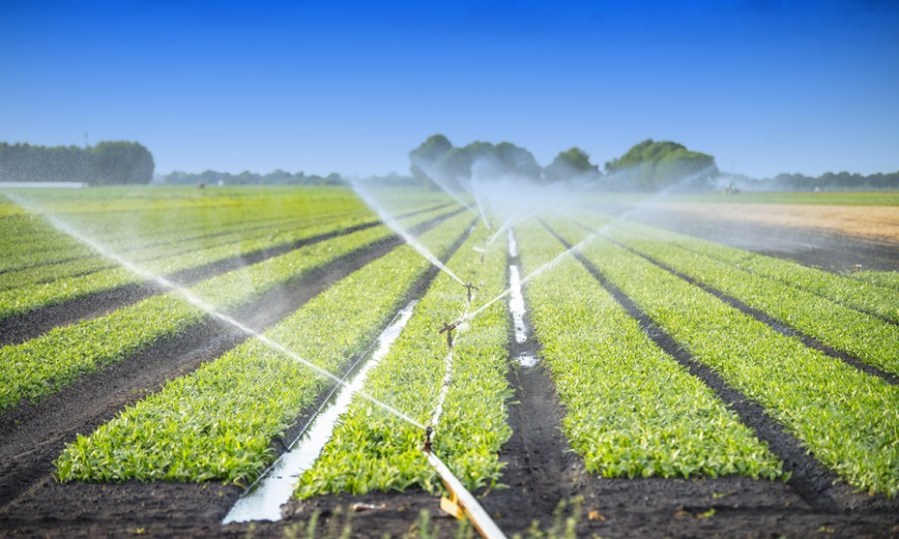
A sprinkler system, as its name suggests, sprinkles water over the crop and helps in an even distribution of water. This method is much advisable in areas facing water scarcity.
Here a pump is connected to pipes which generate pressure and water is sprinkled through nozzles of pipes.
DRIP SYSTEM:
In the drip system, water supply is done drop by drop exactly at roots using a hose or pipe. This method can also be used in regions where water availability is less.

FEW OTHER TYPES OF IRRIGATION ARE:
Localized Irrigation
Water is scattered throughout the land under low pressure. A piped network, that passes throughout the soil, is used for water distribution so that all the plant gets water effectively.
Center Pivot Irrigation
Water is scattered throughout the land by a machine of sprinklers that move on wheeled towers in 360 degrees pattern or a circle that would move around the land and sprinkle water all over the soil and it is really efficient and effective and this procedure or system is well recommended in a lot of countries but mostly used in the USA.
Surface Irrigation
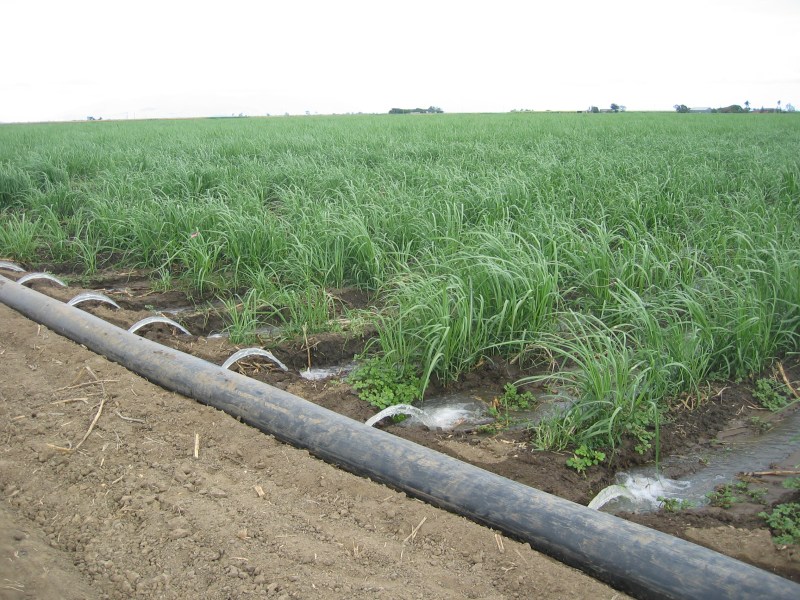
Water is scattered equally throughout the land with the help of gravitational pull and it doesn’t require a machine to take care of it. This consists of a vast amount of irrigation methods in which water is scattered, the things you need to have before you introduce the irrigation water to the basins are by siphons, gated pipe. This system is best suited for areas that have a parallel slope or flat surface and a moderate fine-textured soil type. This helps the surface to have water spread through it evenly as it moves down across the basin.

There are three types of surface irrigation:
• Basin irrigation
• Furrow irrigation
• Flood irrigation
• Bay/border strip irrigation

Lateral Move Irrigation
Water is scattered throughout the land evenly through a series of pipes or water lines, they can either be controlled by hands which could be less effective compared to a man-made machine for sprinkling water all over the land. The sprinkles move only a recommended distance on the field and for the next land, the Reconnection of the water hose is required to cover the next distance. Compared to the other irrigation systems, lateral move irrigation system tends to be way cheaper but requires a lot of labor or manpower.
Sub-Irrigation
In this process, the surrounding water table is raised to scatter water evenly across the land. Methods like pumping stations, canals, gates, ditches, and a few other systems are used to raise the water table. This irrigation method is one of the most effective for scattering water throughout the areas with a high water table.
Manual Irrigation
Water is scattered across evenly around the field with the help of manual power such as labors and watering cans. This system is very labor concentrated.
Each of these methods is useful in its own specific way and it depends on how you are using it and what you are using it on. The lade matters as sometimes the best irrigation system might seem to have flaws in it. Make sure you determine the soil you are using and check whether you have a good supply reservoir filled with water around you which would make it easier for you to take care of your plants.

NUTRITION & ITS TYPES

What is nutrition?
Provision to cells and organisms to support life. Nutrition is the science that interprets the interaction of nutrients and other substances in food in relation to maintenance, growth, reproduction, health and disease of an organism.
Nutrition is a critical part of health and development. Better nutrition is related to improved infant, child and maternal health, stronger immune systems, safer pre
Healthy children learn better. People with adequate nutrition are more productive and can create opportunities to gradually break the cycles of poverty and hunger.
Malnutrition, in every form, presents significant threats to human health. Today the world faces a double burden of malnutrition that includes both undernutrition and overweight, especially in low- and middle-income countries.

Types of Nutrition
Broadly, there are two types of nutrition among living organisms, namely:
• Autotrophic mode
• Heterotrophic mode

Autotrophic Nutrition
In the autotrophic mode, organisms use simple inorganic matters like water and carbon dioxide in the presence of light and chlorophyll to synthesize food on their own. In other words, the process of photosynthesis is used to convert light energy into food such as glucose. Such organisms are called autotrophs. Plants, algae, and bacteria (cyanobacteria) are some examples where autotrophic nutrition is observed.
During photosynthesis, carbon dioxide and water get converted into carbohydrates. These carbohydrates are stored in the form of starch in plants. Plants later derive the energy required from the stored starch.
In plants, stomata are the openings on leaves where gaseous exchange takes place and is regulated by guard cells. Plants take in and release gases through these stomatal pores.
In desert-like habitats, to avoid water loss, guard cells keep these pores closed during the daytime. Later, during the night time, stomata will be opened to absorb carbon dioxide and store in the vacuoles. During the daytime, they will use this stored carbon dioxide to perform photosynthesis.
Other than photosynthesis, plants also depend on soil for micro and macro elements. These elements are used to synthesize proteins and other essential compounds required for the proper functioning and growth of the plants.

Heterotrophic Nutrition
Every organism is not capable of preparing food on its own. Such organisms depend on others for their nutrition. The organisms which cannot produce food on their own and depend on other sources/organisms are called heterotrophs. This mode of nutrition is known as heterotrophic nutrition.
Fungi and all the animals including humans are heterotrophs. Heterotrophs can be of many varieties depending upon their environment and adaptations. Some may eat plants (herbivores) and others eat animals (carnivores) while few eat both (omnivores). Thus we can say survival of heterotrophs depends directly or indirectly on plants.
Heterotrophs are classified into different categories based on their mode of nutrition. They are:
• Parasites (e.g. leeches, ticks)
• Saprophytes (e.g. mushrooms)
• Holozoic (e.g. humans, dogs)

OIL SPILLS: CAUSES AND ITS EFFECTS

What is an Oil Spill?
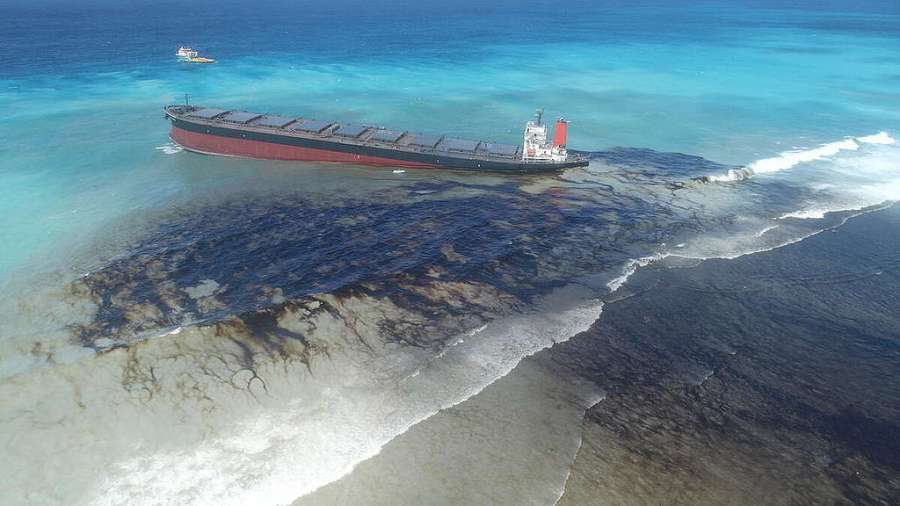
An oil spill is the release of a liquid petroleum hydrocarbon into the environment, especially the marine ecosystem, due to human activity, and is a form of pollution. The term is usually given to marine oil spills, where oil is released into the ocean or coastal waters, but spills may also occur on land.

Where do oil spills happen?
Oil spills that happen in rivers, bays and the ocean most often are caused by accidents involving tankers, barges, pipelines, refineries, drilling rigs and storage facilities, but also occur from recreational boats and in marinas.
Causes of Oil Spill:
People being careless while sailing oil tankers in cruises, equipment breaking down, natural disasters such as hurricanes, storm surge or high winds, deliberate acts by terrorists, acts of war, vandals or illegal dumping are the important causes of Oil spills.

Effects of Oil Spills:
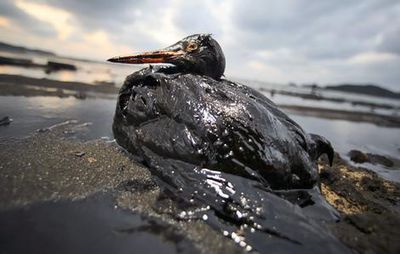
Most oils float on the oceans’ saltwater or freshwater from rivers and lakes. Oil usually spreads out rapidly across the water’s surface to form a thin oil slick. As the oil continues spreading, the slick becomes thinner and thinner, finally becoming a very thin sheen, which often looks like a rainbow.
It affects the food chain of the whole ecosystem. When oil spills occur, it will break down a moderate amount of oil and deposit on the bottom. When oil spreads in the ocean, it breaks and sinks into the ocean which deteriorates the health of the ocean life. It contaminates the natural habitat of the ocean. Oil spills have harsh effects on the coastlines. The birds and the sea mammals are covered by the oil. Oil is so damaging to the whole ecosystem as it covers everything which is nearby the coastlines like sand, animals, grass and soil etc. It destroys everything near the coastline. The oil that spills into the ocean can have a great impact on people’s health who consume seafood. It can be damaging for those marine animals who swim in the ocean and if they ingest oil then it will be destroying them.

CANCER: DEFINTION, CAUSES AND TREATMENT

What Is Cancer?
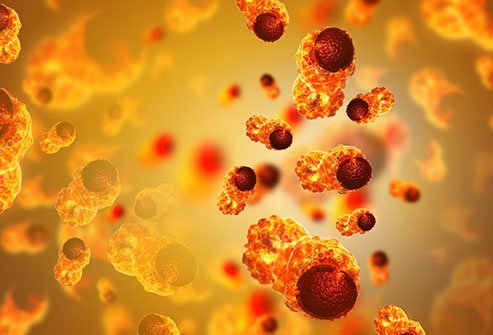
Cancer is a group of diseases involving abnormal cell growth with the potential to invade or spread to other parts of the body. It describes the disease that results when cellular changes cause the uncontrolled growth and division of cells. Some types of cancer cause rapid cell growth, while others cause cells to grow and divide at a slower rate.
Certain forms of cancer result in visible growths called tumors, while others, such as leukemia, do not.
Most of the body’s cells have specific functions and fixed lifespans. While it may sound like a bad thing, cell death is part of a natural and beneficial phenomenon called apoptosis.
A cell receives instructions to die so that the body can replace it with a newer cell that functions better. Cancerous cells lack the components that instruct them to stop dividing and to die.
As a result, they build up in the body, using oxygen and nutrients that would usually nourish other cells. Cancerous cells can form tumors, impair the immune system and cause other changes that prevent the body from functioning regularly.
Cancerous cells may appear in one area, then spread via the lymph nodes. These are clusters of immune cells located throughout the body.

How Does Cancer Develop?
ENLARGE
Cancer is a genetic disease—that is, it is caused by changes to genes that control the way our cells function, especially how they grow and divide.
Genetic changes that cause cancer can happen because:
• of errors that occur as cells divide.
• of damage to DNA caused by harmful substances in the environment, such as the chemicals in tobacco smoke and ultraviolet rays from the sun. (Our Cancer Causes and Prevention section has more information.)
• they were inherited from our parents.
The body normally eliminates cells with damaged DNA before they turn cancerous. But the body’s ability to do so goes down as we age. This is part of the reason why there is a higher risk of cancer later in life.
Each person’s cancer has a unique combination of genetic changes. As the cancer continues to grow, additional changes will occur. Even within the same tumor, different cells may have different genetic changes.
A cancer that has spread from the place where it first formed to another place in the body is called metastatic cancer. The process by which cancer cells spread to other parts of the body is called metastasis.
Metastatic cancer has the same name and the same type of cancer cells as the original, or primary, cancer. For example, breast cancer that forms a metastatic tumor in the lung is metastatic breast cancer, not lung cancer.
Under a microscope, metastatic cancer cells generally look the same as cells of the original cancer. Moreover, metastatic cancer cells and cells of the original cancer usually have some molecular features in common, such as the presence of specific chromosome changes.
In some cases, treatment may help prolong the lives of people with metastatic cancer. In other cases, the primary goal of treatment for metastatic cancer is to control the growth of the cancer or to relieve symptoms it is causing. Metastatic tumors can cause severe damage to how the body functions, and most people who die of cancer die of metastatic disease.

Treatments
nnovative research has fueled the development of new medications and treatment technologies.
Doctors usually prescribe treatments based on the type of cancer, its stage at diagnosis, and the person’s overall health.
Below are examples of approaches to cancer treatment:
• Chemotherapy aims to kill cancerous cells with medications that target rapidly dividing cells. The drugs can also help shrink tumors, but the side effects can be severe.
• Hormone therapy involves taking medications that change how certain hormones work or interfere with the body’s ability to produce them. When hormones play a significant role, as with prostate and breast cancers, this is a common approach.
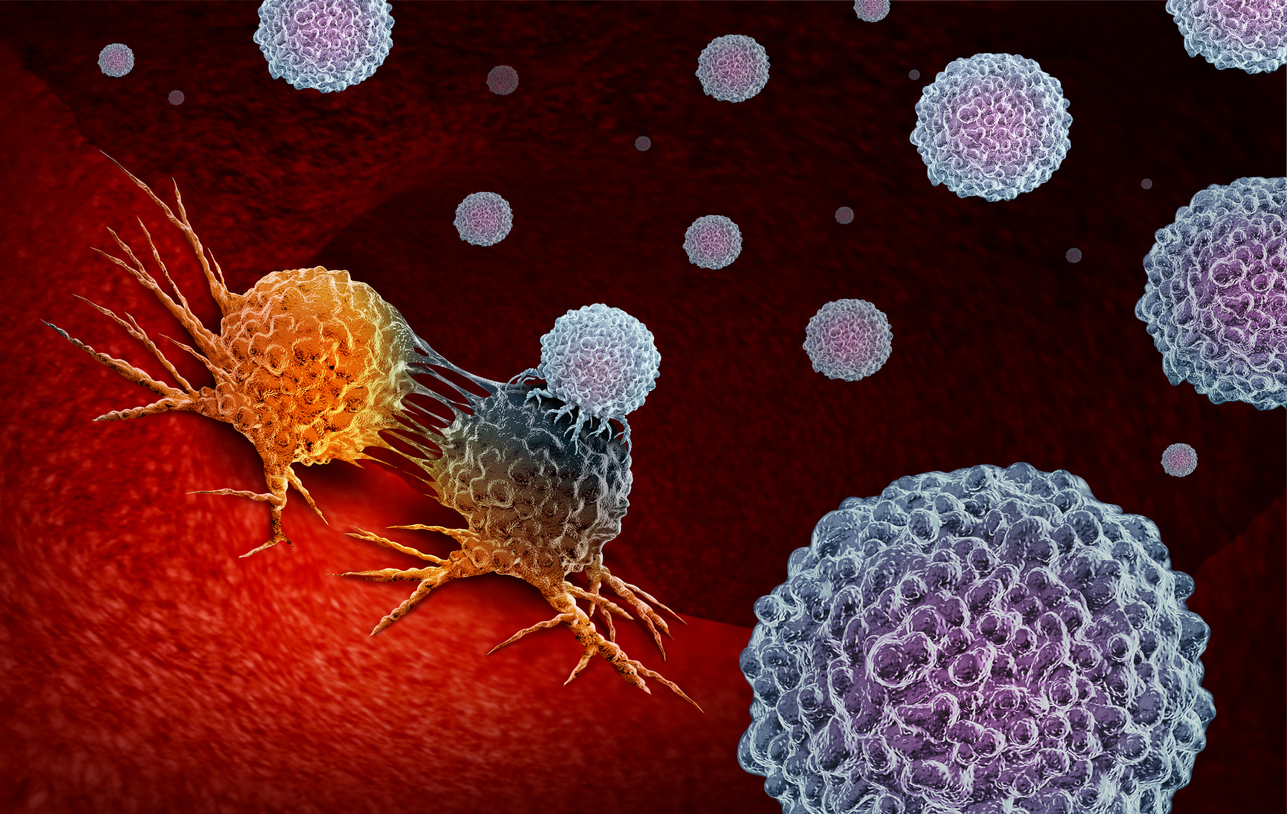
• Immunotherapy uses medications and other treatments to boost the immune system and encourage it to fight cancerous cells. Two examples of these treatments are checkpoint inhibitors and adoptive cell transfer.
• Precision medicine, or personalized medicine, is a newer, developing approach. It involves using genetic testing to determine the best treatments for a person’s particular presentation of cancer. Researchers have yet to show that it can effectively treat all types of cancer, however.
• Radiation therapy uses high-dose radiation to kill cancerous cells. Also, a doctor may recommend using radiation to shrink a tumor before surgery or reduce tumor-related symptoms.
• Stem cell transplant can be especially beneficial for people with blood-related cancers, such as leukemia or lymphoma. It involves removing cells, such as red or white blood cells, that chemotherapy or radiation has destroyed. Lab technicians then strengthen the cells and put them back into the body.
• Surgery is often a part of a treatment plan when a person has a cancerous tumor. Also, a surgeon may remove lymph nodes to reduce or prevent the disease’s spread.
• Targeted therapies perform functions within cancerous cells to prevent them from multiplying. They can also boost the immune system. Two examples of these therapies are small-molecule drugs and monoclonal antibodies.
Doctors will often employ more than one type of treatment to maximize effectiveness.

SALIENT FEATURES OF INDIAN SOCIETY

Indian society is known for its ability of tolerance and acceptance, and social cohesion making it unique in sustaining its culture. The importance of fraternity enshrined in the Preamble of the constitution makes it a duty of every citizen.
Indian society is extensively diverse in cultural and regional aspects and it is pertinent that it is posited in each individual the realization of ideas and objectives in the Preamble concerning every other individual.
India from ancient times has thrived to create a nationality that is neither governed by universalism nor by exclusivity to its interest groups. The multi-cultural conundrum is a salient feature of Indian society that has been a boon and a bane over the history of the country.

SALIENT FEATURES OF INDIA:
• Multi-Ethnic Society
• Multi-Lingual Society
• Multi-Class Society
• Patriarchal Society
• Unity In Diversity
• Tribes
• Family
• Kinship System
• Balance between spiritualism and materialism
• Balance between Individualism and collectivism
• Co-existence of traditionalism and modernity

The multi-ethnic Indian society
Multi-ethnicity is a major salient feature of Indian society. An ethnic group or ethnicity is a category of people who identify with each other, usually based on a common language or dialect, history, society, culture, or nation.
A society with the co-existence of a wide variety of racial groups is a Multi-ethnic society. India is home to almost multiple racial profiles like Nordic, Dinaric, Proto-Australoid, Mongolian, etc.
Multilingualism- salient feature of Indian society
India is home to many native languages, and it is also common that people to speak and understand more than one language or dialect, which can entail the use of different scripts as well.
India’s 2011 census documents that 121 languages are spoken as mother tongues, which is defined as the first lan¬guage a person learns and uses.
Of these languages, the Constitution of India recognizes twenty-two of them as official or “scheduled” languages. Articles 344(1) and 351 of the Constitution of India, titled the Eighth Schedule, recognize the following languages as official languages of the states of India:
• Assamese, Bengali, Bodo, Dogri, Gujarati, Hindi, Kannada, Kashmiri, Konkani, Maithili, Malayalam, Manipuri, Marathi, Nepali, Oriya, Punjabi, Sanskrit, Santhali, Sindhi, Tamil, Telugu, and Urdu.
Six languages also hold the title of classical languages (Kannada, Malayalam, Odia, Sanskrit, Tamil, and Telugu), which are determined to have a history of recorded use for more than 1,500 years and a rich body of literature.
Multi-religious society
India is a cradle of world religions whose ancestors have preached and practiced almost all major religions of the world giving rise to worldly beliefs, practices, rites, rituals, ceremonies, and institutions.
The co-existence of all the religions and variety of faiths has been a shining example of religious pluralism and tolerance.
• The principle of secularism despite several conflicts and riots has been upheld by our citizens time and again.
• Indian Constitution has rightly reflected the idea of multi religions. It states that “every citizen has a right to freely practice, preach, profess and propagate any religion or faith”.
• A secular state has been defined as a “state in which all religions and citizens irrespective of their faith would be treated impartially”.
• Apart from the major religions, several tribal religions are coexisting in Indian society.
UNITY IN DIVERSITY:
“Unity in Diversity” is a phrase implying unity among people with diverse cultural, religious, and other demographic differences. It denotes the sense of oneness and we-ness .In India, people of different religions have continued to respect the ideals and values of people of other religions, and hence, India has always stood up as an integrated nation ready to put its arms around everybody in this world.

TOP 10 ROSE TEA BENEFITS

Roses are always a quintessential part of every culture worldwide as it symbolises love and people use them constantly on auspicious occasion, from proposing to someone to decorating things or to smell perfect, it has a wide range of uses. Do you know it has health benefits too? Yes, you heard it right drinking a cup of rose tea can actually makes you healthier and happy from inside too. Researchers found that drinking a cup of tea can also help in weight loss. Here are the lists of health benefits of rose tea

BENEFITS

IMPROVES IMMUNITY

Good immunity comes from healthy food and healthy food is believed to be a little less in taste but rose tea is not among them, it actually tastes good after consuming it daily and has a good effect on immunity. It boosts immunity and increases body resistance against viruses in this pandemic era.

Weight loss

Drinking a cup of hot rose petal water can help in losing weight according to research conducted. It actually increases the flow of hormones that help in reducing weight.

IMPROVES SLEEP CYCLE

Drinking hot rose water before sleep can help in giving you a relaxing sleep and maintain a perfect sleep cycle. Many people have hectic schedules and lots of stress which disturb their sleep cycle and they cant easily sleep, many use sleeping pills to get sleep which is harmful to their body. Drinking rose water before sleep is the best natural way to get insomnia on track.

BOOSTS FOOD DIGESTION

Some foods are more acidic in nature and difficult to digest, drinking rose water can help in reducing the toxicity and acidity of the stomach and helps in digestion. It contains antioxidants which help in digestion.

HELPS WITH MENSTRUAL CRAMPS

Dysmenorrhea, a condition in which ladies suffer from monthly menstrual cramps actually get relaxed from a cup of hot rose petals and also irregular periods can be controlled by this.

SKINCARE 

It helps in maintaining good smooth skin and also helps in removing dead cell tissue from the skin. It provides good moisture to the skin and provides sufficient oxygen to make the skin glow and stay wrinkle-free skin.

CONTROL MOOD SWINGS

The mood is something that changes in a fraction of time and a person with more mood swings can actually be hard to understand and doesn’t know why it is hard to feel good and bad at the same time. It can be controlled easily with healthy habits which include a cup of rose water tea. Only a single cup can make a dramatic change in the mood swings and reduce it up to 70% in just 2 weeks.

KEEPS you HYDRATED 

Drinking rose water can helps automatically in keeping you hydrated as it is totally made of water and petals of rose so, the daily requirement of water count is also covered by this.

REMOVES TIRED AND FATIQUENESS

It also acts as a refreshment drink and can be drunk to remove fatigue daily which actually is health beneficial. Refreshment with health benefits is such a rare condition earlier but today we have many options and hot rose tea is one among such.

ENVIRONMENTAL POLLUTION


DEFINITION OF ENVIRONMENT: The environment can be defined as a sum total of all the living and non-living elements and their effects which influence human life. While all living or biotic elements are animals, plants, forests, fisheries, and birds, etc. The non-living or abiotic elements include water, land, sunlight, rocks, and air, etc.
The environment offers resources for production which includes both renewable and non-renewable resources. The environment includes the sun, soil, water, and air, which are essential for human life. It sustains life by providing genetic and biodiversity. The environment enhances the quality of life.

DEFINITION OF POLLUTION: Pollution introduces us to the world of hazardous products. These hazardous materials are called Pollutants. Pollutants, such as volcanic ash, may be normal. Human activity such as garbage or runoff created by factories may also generate them. The quality of air, water and land are impaired by contaminants.

ENVIRONMENTAL POLLUTION: Environmental pollution occurs when in due course of time, the environment is unable to absorb and neutralize toxic byproducts of human activities. Environmental Pollution is not a new phenomenon, yet it remains one of the greatest threats to the health and well-being of humanity and one of the major environmental causes of death and morbidity.
In environmental pollution, pollutants originate from a source, are transported by air or water, and are dumped into the soil by human beings.

The long-term impacts of pollution are still being felt despite global attention to the issue. Day by day, our atmosphere is becoming more and more polluted due to anthropogenic activities. It is usually due to the pollutants released into the air, water, soil, etc., through many human activities.
Types of Environmental Pollution
Based on the part of the environment that is polluted, Pollution is of the following types:
1. Air Pollution
2. Water Pollution
3. Soil Pollution
4. Noise Pollution
5. Radioactive Pollution

AIR POLLUTION: Air Pollution occurs due to undesirable changes in the physical, chemical, or biological characteristics of air that exert harmful effects on all living beings. Harmful effects caused by air pollution depend on the Concentration of pollutants, Duration of exposure to the pollutants and Type of the organism it affects.
Effects of Air Pollution:
An increased risk of heart disease, wheezing, coughing, and respiratory problems and skin, nose, and throat irritation can be caused by high levels of air pollution. Air Pollution affects human health in different ways, Air pollution may also cause heart attacks, asthma, and other respiratory complications. Like humans, animals can also suffer from a variety of health problems because of air pollution, including birth defects, reproductive failure and diseases.
Besides the impact on humans and livestock, air pollution causes a variety of environmental effects. Acid rain includes high levels of nitric and sulfuric acids that are formed by the burning of fossil fuels by the oxides and sulfur oxides released into the air. Acid rain kills trees and acidifies soils and bodies of water, making survival difficult for fishes and other marine organisms.

WATER POLLUTION:
Water Pollution is defined as any undesirable change in physical, chemical, or biological properties of water that may affect living beings adversely. Due to human activities, ponds, rivers, oceans, and estuaries are getting polluted in several parts of the world.
Effects of Water Pollution:
The consequences of water pollution depend on where contaminants are dumped. Water pollution is a significant danger to humans, animals and marine life. Water sources near urbanized areas tend to be highly contaminated by the legal and illegal dumping of waste and chemicals by industrial facilities, health centres and individuals.
The death of marine animals, which can destroy the whole food chain, is by far the greatest consequence of water contamination. In drinking water supplies, fertilizer contamination can cause toxic algae blooms that destroy fish and other aquatic animals. Direct exposure to this poisonous algae causes significant human health issues, including neurological symptoms, breathing problems and stomach and liver diseases.
When disinfectants used to treat drinking water enter water contaminated with toxic algae and respond to the production of dioxins, a consequential problem is developed.

SOIL POLLUTION:
Soil Pollution is the build-up of persistent toxic compounds, chemicals, salts, radioactive materials, or disease-causing agents in the soil, which have adverse effects on plant growth and animal health.
Effects of Soil Pollution:
For humans, plants, microorganisms and marine life, land and soil contamination have significant implications. Different skin problems, respiratory problems and even various types of cancers may result from polluted land and soil. These poisonous substances come into direct contact with the human body by eating fruits and vegetables grown in polluted soils, direct contact with the skin and breathing in air polluted by particles and dust.

NOISE POLLUTION:
The unpleasant, discomfort-causing sound from any source is called noise. The sustained presence of harmful, unwanted, or annoying noise in the environment is called noise pollution. Any object that produces noise is a potential source of noise pollution. Examples are television and radio (when played at a loud volume), air coolers, automobiles, blaring loudspeakers, and air conditioners.
Effects of Noise Pollution:
Noise has a jarring effect on us. One should not underestimate the impact of noise pollution on people. Some of the harmful effects of noise pollution are Irritation and loss of concentration, Sleep disturbance and stress (which can lead to high blood pressure) and Ear damage and loss of hearing.

RADIO POLLUTION:
It is the release of radioactive waves into the environment which are harmful for the environment. This is considered one of the most dangerous pollution because of its permanent effects. It can cause cancer, infertility due to exposure, congenital disabilities, and blindness. It can permanently change the soil, air, and water. It can even cause mutation in species which can propagate for ages.

GLOBAL WARMING

Global Warming Definition:
“Global warming is a gradual increase in the earth’s temperature generally due to the greenhouse effect caused by increased levels of carbon dioxide, CFC’s, and other pollutants.”


The Earth is warming up, and humans are at least partially to blame. The causes, effects, and complexities of global warming are important to understand so that we can fight for the health of our planet.
Global warming is the long-term warming of the planet’s overall temperature. Though this warming trend has been going on for a long time, its pace has significantly increased in the last hundred years due to the burning of fossil fuels. As the human population has increased, so has the volume of fossil fuels burned. Fossil fuels include coal, oil, and natural gas, and burning them causes what is known as the “greenhouse effect” in Earth’s atmosphere.
The greenhouse effect is when the Sun’s rays penetrate the atmosphere, but when that heat is reflected off the surface cannot escape back into space. Gases produced by the burning of fossil fuels prevent the heat from leaving the atmosphere. These greenhouse gasses are carbon dioxide, chlorofluorocarbons, water vapor, methane, and nitrous oxide.
The excess heat in the atmosphere has caused the average global temperature to rise overtime, otherwise known as global warming.

Global warming has presented another issue called climate change. Sometimes these phrases are used interchangeably, however, they are different. Climate change refers to changes in weather patterns and growing seasons around the world. It also refers to sea level rise caused by the expansion of warmer seas and melting ice sheets and glaciers. Global warming causes climate change, which poses a serious threat to life on earth in the forms of widespread flooding and extreme weather. Scientists continue to study global warming and its impact on Earth.

POVERTY & HUNGER


What is Poverty?
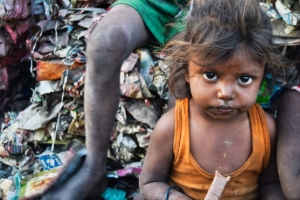
Poverty is the state of one who lacks a usual or socially acceptable amount of money or material possessions. Poverty is said to exist when people lack the means to satisfy their basic needs.
When a person is unable to get minimum basic necessities of life this situation is known as poverty. When parents are not in a condition to send their children to school or a situation where sick people cannot afford treatment and families do not have proper clean water, sanitation facilities, and regular jobs.
Poverty, according to the World Bank, is a severe lack of well-being that has various aspects. Low earnings and the inability to obtain the essential commodities and services required for a dignified existence are examples.
Poverty also includes poor health and education, a lack of access to safe drinking water and sanitation, a lack of physical security, a lack of voice, and a lack of capacity and chance to improve one’s life.

Causes of Poverty:
Poverty is a consequence of the uneven distribution of material resources and wealth on a global scale and within nations. Sociologists see it as a social condition of societies with an unequal and inequitable distribution of income and wealth, of the de-industrialization of Western societies, and the exploitative effects of global capitalism
Poverty is not an equal opportunity social condition. Around the world and within the U.S., women, children, and people of color are far more likely to experience poverty than are white men.

Sociologists recognize Poverty into few different types:
• Absolute poverty is what most people probably think of when they think of poverty, especially if they think about it at the global level. It is defined as the total lack of resources and means required to meet the most basic standards of living. It is characterized by a lack of access to food, clothing, and shelter. The characteristics of this type of poverty are the same from place to place.
• Relative poverty is defined differently from place to place because it depends on the social and economic contexts in which one lives. Relative poverty exists when one lacks the means and resources required to meet a minimum level of living standards that are considered normal in the society or community where one lives.
• Income poverty is the type of poverty measured by the federal government in the U.S. and documented by the U.S. Census.
• Cyclical poverty is a condition in which poverty is widespread but limited in its duration. This type of poverty is typically linked to specific events that disrupt a society, like war, an economic crash or recession, or natural phenomena or disasters that disrupt the distribution of food and other resources.
• Collective poverty is a lack of basic resources that are so widespread that it afflicts an entire society or subgroup of people within that society. This form of poverty persists over periods of time stretching across generations.
• Concentrated collective poverty occurs when the kind of collective poverty described above is suffered by specific subgroups within a society, or localized in particular communities or regions that are devoid of industry, good-paying jobs, and that lack access to fresh and healthy food.
• Case poverty occurs when a person or family is unable to secure resources required to meet their basic needs despite the fact that resources are not scarce and those around them are generally living well.
• Asset poverty is more common and widespread that income poverty and other forms. It exists when a person or household does not have enough wealth assets (in the form of property, investments, or money saved) to survive for three months if necessary.

HUNGER:
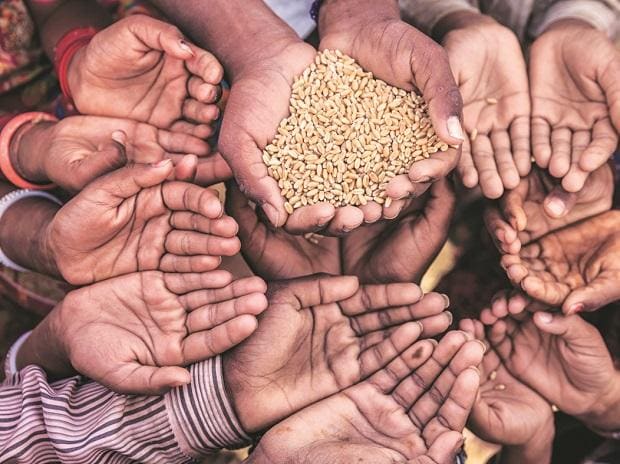
Rises in the costs of living make poor people less able to afford items. Poor people spend a greater portion of their budgets on food than wealthy people. As a result, poor households and those near the poverty threshold can be particularly vulnerable to increases in food prices. For example, in late 2007 increases in the price of grains led to food riots in some countries. The World Bank warned that 100 million people were at risk of sinking deeper into poverty. Threats to the supply of food may also be caused by drought and the water crisis. Intensive farming often leads to a vicious cycle of exhaustion of soil fertility and decline of agricultural yields. Approximately 40% of the world’s agricultural land is seriously degraded. In Africa, if current trends of soil degradation continue, the continent might be able to feed just 25% of its population by 2025, according to United Nations University’s Ghana-based Institute for Natural Resources in Africa. Every year nearly 11 million children living in poverty die before their fifth birthday. 1.02 billion people go to bed hungry every night. According to the Global Hunger Index, Sub-Saharan Africa had the highest child malnutrition rate of the world’s regions over the 2001–2006 period.

LAND REFORMS

What are Land Reforms?
Land Reforms refer to the redistribution of Lands from the rich class to the poor class. It includes operations, leasing, regulations of ownership, sales, and the inheritance of Land since Land redistribution requires legal changes.


In an agrarian economy like India with massive inequalities of wealth and income, great scarcity and an unequal distribution of land, coupled with a large mass of people living below the poverty line, there are strong economic and political arguments for land reforms.Due to all these compelling reasons, Land reforms had received top priority by the governments at the time of independence. The Constitution of India left the adoption and implementation of the land reforms to the state governments. This has led to a lot of variations in the implementation of land reforms across states.

The pattern of agriculture is always irregular in India. In the pre-independence era, tenants, peasants, and small farmers suffered a lot due to the revenue systems of Mahalwari, Zamindari, ryotwari. One of the major reasons was the unequal distribution of land. Landholdings were concentrated in few hands. The majority of farmers were being exploited. The struggle of class between the bourgeoisie and the proletariat was not a new thing. After independence, it was pivotal and need of an hour to focus upon land distribution checks. Especially, it was the rural population that was facing the maximum hindrance in socio-economic development.India under the British Raj had witnessed a lot of such atrocious regulations that exploited the poor and helpless in many aspects. Among them, land ownership contributed significantly to preventing the socio-economic growth of the backward population.The government of independent India came up with acts and laws to establish equal rights and ownership of land, which now constitutes a crucial episode of India’s economy. In the following lesson, you will come across a detailed discourse on land reforms in India after independence and their importance.
The instruments that are visualized for social justice are known as Land Reforms. Land Reforms refer to the redistribution of Lands from the rich class to the poor class. It includes operations, leasing, regulations of ownership, sales, and the inheritance of Land since Land redistribution requires legal changes.
After independence in 1947, an inadequate agricultural output was apparent. In order to fix this situation, the Indian government took measures to alter existing regulations for a better outcome.

These acts formed agrarian reforms in India after independence.
he Land Reforms in post-independent India had various components:
• Abolition of Intermediaries: The first step taken by the Indian government under land reforms post-independence was passing the Zamindari Abolition Act. The abolition of the zamindari system was done that removed the layer of intermediaries who used to stand between the state and the cultivators. In many areas, superior rights were taken away from the zamindars and weakened their economic and political power.
The primary reason of a backward agrarian economy was the presence of intermediate entities like, jagirdars and zamindar who primarily focussed on collecting sky-rocketing rents catering to their personal benefits, without paying attention to the disposition of farms and farmers. Abolition of such intermediaries not only improved conditions of farmers by establishing their direct connection with the government but also improved agricultural production.

• Regulation of Rents
This was in direct response to the unimaginably high rents which were charged by intermediaries during British rule, which resulted in a never-ending cycle of poverty and misery for tenants. Indian government implemented these regulations to protect farmers and labourers from exploitation by placing a maximum limit on the rent that could be charged for land.

• Tenancy Reform: The tenancy Reform led to the introduction of regulation of rent, providing security tenure, and conferring ownership to the tenants. In the pre-independence period, the rent which was paid by the tenants was exorbitant producing 35% to 75% of gross throughout the country. The primary attempt of the Reform was either to regulate rents and give some security to the tenants or outlaw tenancy altogether.
Legislations were passed in all states of the country to grant tenants with permanent ownership of lands and protection from unlawful evictions on expiry of the lease. This law protects tenants from having to vacate a property immediately after their tenure is over unless ordered by law. Even in that case, ownership can be regained by tenants with the excuse of personal cultivation.

• Ceilings on Landholdings- This Reform referred to the legal stipulation of maximum size after which no farm household or farmer can hold any Land. By the year 1961-62 the government of all states passed the Land ceiling acts and in order to bring uniformity across states, a totally new ceiling policy was evolved in 1971. This law was enacted to prevent the concentration of land ownership in a few hands. It placed an optimum limit on the total measure of land which an individual or a family can hold. Along with fixation of land ceilings, this rule enables the government to take ownership of the additional or extra amount of land, which in turn, is given to minor tillers or farmers with no land. With the help of these Reforms, the states were able to identify and take possession of Lands exceeding the ceiling limits from the households and redistribute them to the Landless families.

• Consolidation on Land Holdings- The term consolidation referred to the redistribution or reorganization of the fragmented Lands into one single plot. The trend of the fragmentation of Land increased because of the growing population and fewer work opportunities and this fragmentation made the personal supervision and the irrigation management tasks very difficult. Therefore, the act of Landholdings consolidation was introduced which states that if there are few plots of Lands of a farmer then those Lands were consolidated in one bigger piece which was done by the process of exchanging or purchasing.

A major problem of the agrarian structure of India is land fragmentation, which hinders large-scale farming and production. This problem was solved with this regulation which permitted farmers to consolidate minor fragments of land owned by them into a singular piece of land. This enabled tenants to carry out agricultural operations in a larger field, which could be done by exchanging land or purchasing additional pieces.

What is artificial intelligence (AI)?

The first thing that comes to mind when we hear the term
Artificial intelligence is, what exactly is AI? We see computers workaround for
us all the time but we don’t truly understand what AI actually is and how it
works, so read along to find out.

The purpose of Artificial intelligence is to give
machines, especially computer systems the ability to simulate human
intelligence processes. What is often referred to as AI is nothing more than
machine learning when only one component among many others that AI has.

Python, java, etc. are some of the popular programming
languages which are used to write machine learning algorithms that serve as the
foundation to build specialized software and hardware required by AI to achieve
specific goals it has been programmed to do.

Ai works by gathering large amounts of data, analyzing
them to find patterns and correlations present, and subsequently using them to
make predictions about the future as accurately as possible. For example, an
image recognition tool can be fed millions of images to look for certain
objects present in it. the perfect example of AI is the mars curiosity rover, as it is on an entirely different planet collecting samples analyzing them and sending the results back to earth.


Categories of AI


AI can be categorized in two ways i.e. weak or
strong 

  • Weak/narrow
    AI
     is usually designed and trained to complete a
    particular task for e.g. Apple’s Siri is a really good example of a
    software program that uses weak AI.


  • Strong
    AI 
    also referred to as Artificial General Intelligence
    (AGI), is used to perform tasks that require cognitive abilities to do so.
    The tasks performed by them tend to be much more complex in nature. A really
    good example of software that utilizes a strong AI can be found in
    self-driving cars, hospital operating rooms, etc. 


The four types of AI


There are mainly four types of AI which can range from
intelligence systems that are task-specific and widely in use all around the
world to sentient systems which have not yet been developed.


1) Reactive machines- they are the
most basic type of artificial intelligence. It uses algorithms that enable it
to give optimized output, which will be the same if the inputs are identical.
For e.g. Chess-playing AIs are based on reactive AIs.


2) Limited memory AI- they are the
type of AIs that have the ability to utilize past experiences to improve their
future decisions but they can store limited amounts of data and have a
relatively short length of memory. For e.g. self-driving cars are the best
example of a machine that utilizes limited memory AI.


3) Theory of Mind AI- this type of
AIs has social intelligence enabling them to understand human emotions. They
will be able to understand human emotions and have the ability to predict
behavior which can be extremely helpful in making a Chabot that could
potentially have the ability to even fool humans into believing that the Ai was
an actual human being. The only thing they lack is that they are not
self-aware. 


4) Self-aware AI- this is the
future of artificial intelligence, these machines will have their own
consciousness, sentiments, and will be self-aware and will be a lot like us
humans in terms of emotions behavior patterns, etc. a lot of scientists believe
that AI will never become self-aware or as one might say ‘Alive’.


Applications of Artificial intelligence 


1) AI in healthcare

With the availability of large and complex data in
healthcare implies that Artificial intelligence will be used to process and
analyze it to help us in many ways. One of the most useful and common
applications of AI will be in diagnosis and treatment recommendations. IBM
Watson is one of the best-known healthcare AI software which can mine a
patient’s data and data from other sources to formulate a hypothesis and it
even gives it a confidence scoring scheme as well. 


2) AI in business 

AI is the best thing to happen for business owners
because AI can help you automate the routine tasks which would normally take
hours to do and it can do it with great accuracy too. Not only routine tasks
but AI can also be used to analyze and interpret data which can be very useful
for analyzing customer behavior to help you improve your marketing strategies
and it is extremely cost efficient as well. 


3) AI in finance 

AI can be used by individuals to help manage their
personal finances and can also be used by financial institutions to manage and
analyze large amounts of data. These types of software can help to conduct
fundamental and technical analyses on different companies and funds by
automatically taking information from their balance sheets. these types of AI software
are also capable of executing trades on the stock exchange on behalf of you and
with greater accuracy and results as they remove the emotional aspect which
would affect your trades if you execute them by yourself 


4) AI in law 

AI in law can help save hundreds of man hours which are
spent sifting through documents and analyzing them manually for discrepancies
by automating this process. This helps to make the entire process a lot more
efficient, time-saving and improves customer service. 


5) AI in manufacturing 

In its early stages of development, AI was only being
used to perform a single task and still required some form of human
intervention at all stages of the production process but, with the recent
advancement in technology, entire production lines can now be replaced by AI
machines and the whole process can now be automated as the AI is now capable of
multitasking. It can now produce and assemble the product all while performing
quality checks on each and every product which was simply not possible earlier
when the human workforce was used for everything. 
 

HISTORY OF AKBAR

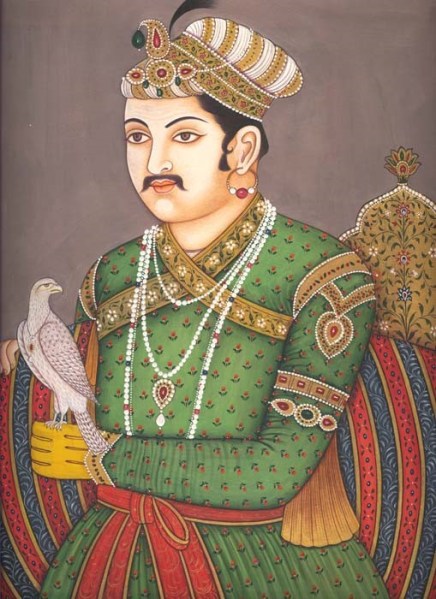
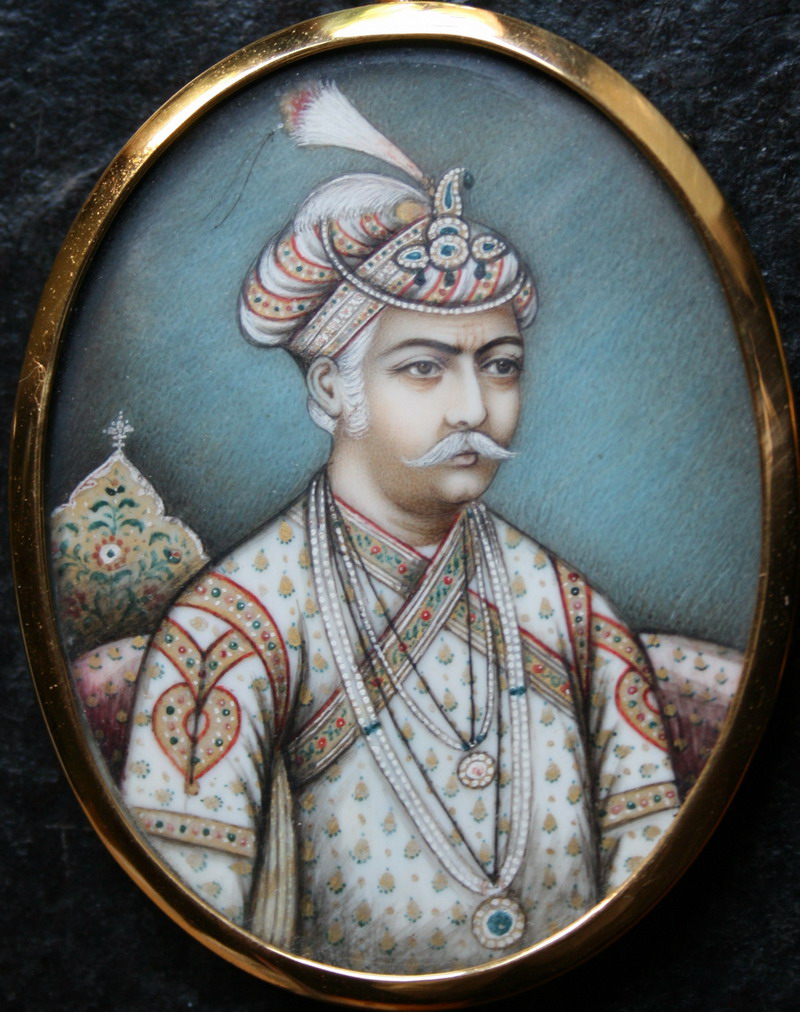
Abu’l-Fath Jalal-ud-din Muhammad Akbar Akbar was born on October 15,1542.He was popularly known as Akbar The Great.

Akbar succeeded his father, Humayun, under a regent, Bairam Khan, who helped the young emperor expand and consolidate Mughal domains in India. Bairam Khan taught him the ruling and war techniques which made him a strong personality and a successful general. Akbar gradually enlarged the Mughal Empire to include much of the Indian subcontinent. His power and influence, however, extended over the entire subcontinent because of Mughal military, political, cultural, and economic dominance. To unify the vast Mughal state, Akbar established a centralised system of administration throughout his empire and adopted a policy of conciliating conquered rulers through marriage and diplomacy. To preserve peace and order in a religiously and culturally diverse empire, he adopted policies that won him the support of his non-Muslim subjects. Mughal India developed a strong and stable economy, leading to commercial expansion and greater patronage of culture. Akbar himself was a patron of art and culture. Although he could not read and write, he was fond of literature, and created a library of over 24,000 volumes in several languages. Akbar dedicated the first decade of his rule towards expanding his empire. Under the regency of Bairam Khan, Ajmer, Malwa and Garhkatanga were annexed into the Mughal territories. After consolidating the empire, Akbar concentrated on establishing a stable and subject-friendly administration at the center to govern his vast empire. The principles of Akbar’s administration were based on moral as well as material welfare of his subjects. He brought about several changes in existing policies to establish an environment of uniform opportunities to people irrespective of religion.
The Emperor himself was the supreme governor of the empire. He retained ultimate judicial, legislative and administrative power above anyone else. After consolidating the empire, Akbar concentrated on establishing a stable and subject-friendly administration at the center to govern his vast empire. The principles of Akbar’s administration were based on moral as well as material welfare of his subjects. He brought about several changes in existing policies to establish an environment of uniform opportunities to people irrespective of religion.
The Emperor himself was the supreme governor of the empire. He retained ultimate judicial, legislative and administrative power above anyone else. Akbar introduced reforms in judicial system as well and for the first time, Hindu customs and laws were referred to in case of Hindu subjects. The Emperor was the highest authority in Law and the power to give capital punishment rested solely with him. The major social reform introduced by Akbar was the abolition of the Pilgrimage Tax for Hindus in 1563 as well as the Jazia tax imposed on the Hindu subjects. He discouraged child marriage and encouraged widow remarriage. Akbar was probably the first Islamic ruler in India who sought stable political alliances through matrimony. He married several Hindu Princess including Jodha Bai. Akbar’s rule was marked by wide religious tolerance and liberal outlook. Akbar was profoundly religious himself, yet he never sought to enforce his own religious views on anyone; be it prisoners of war, or Hindu wives or the common people in his kingdom. He gave great importance to choice and abolished discriminatory taxes based on religion. He encouraged building of temples and even churches his empire. Out of reverence for the Hindu members of the Royal Family he banned the cooking of beef in the kitchens. He took several steps to unite the Muslim and Hindu society. For his contribution he was fondly called as Akbar by the people.

In 1605, at the age of 63, Akbar fell ill with a serious case of dysentery. He never recovered from it and after three weeks of suffering, he passed away on October 27, 1605 at Fatehpur Sikri. He was buried at Sikandra, Agra.

गाँधी जी – एक ईमानदार इंसान

सत्य और अहिंसा के पुजारी महात्मा गाँधी के जीवन से जुड़े किस्से और कहानियां काफी रोचक रही हैं।आज भी गाँधी जी को श्रद्धांजलि अर्पित करने और सम्मान देने के लिए प्रतिवर्ष उनकी पुण्यतिथि पर याद किया जाता है। राष्ट्रपिता महात्मा गाँधी ने भारत की आजादी में महत्वपूर्ण भूमिका निभाई। उनका पूरा नाम मोहनदास करमचंद गांधी है लेकिन भारतीय स्वतंत्रता संग्राम में अहम योगदान और महान कर्मों से उन्हें राष्ट्र के पिता, महात्मा और बापू भी कहा जाता हैं।गाँधी जी बचपन से ही बहुत ईमानदार थे। यह बात इस छोटी सी कहानी से साबित होती है। एक बार स्कूल में शिक्षकों ने सभी छात्रों से कुछ अंग्रेजी शब्दों की स्पेलिंग लिखवायी। सभी बच्चों ने स्पेलिंग लिखी।शिक्षक ने सभी बच्चों की स्लेट्स इकठ्ठा की। उन्होंने देखा की गाँधी की स्पेलिंग गलत थी। उन्होंने गाँधी से इशारा किया की अपने पास के बच्चे की स्पेलिंग की नकल करो। लेकिन गाँधी ने ऐसा नहीं किया।परीक्षा के अंत में शिक्षक ने गाँधी से पूछा की तुमने नकल क्यों नहीं की? मैंने तुम्हें इशारा किया, तुमने देखा नहीं। तो गाँधी बोले, गुरूजी मुझे नकल नहीं करनी थी। शिक्षक बोले, तुम अकेले हो जिसका उत्तर गलत है।गाँधी बोले, मैं जानता हूँ गुरूजी पर मैं गलत रास्ता अपनाना नहीं चाहता। गाँधी के बचपन से जुड़ी इस घटना से यह पता चलता है कि महात्मा गाँधी बचपन से ही ईमानदार रहे थे।इसके साथ साथ गांधीजी एक जागरूक पत्रकार थे उन्होंने “यंग इंडिया”, नवजीवन और हरिजन जैसे समाचार पत्र प्रकाशित किए। उन्होंने समाचार पत्र का इस्तेमाल आंदोलनों के आयोजन में अहिंसा के उपयोग के संबंध में अपनी अनूठी विचारधारा और विचारों को फैलाने के लिए किया और पाठकों से ब्रिटेन से भारत की अंतिम स्वतंत्रता के लिए विचार करने, संगठित करने और योजना बनाने का आग्रह किया। साथ ही में गांधीजी एक कामयाब वकील भी थे।

HISTORY OF BRIHADESHWARA TEMPLE


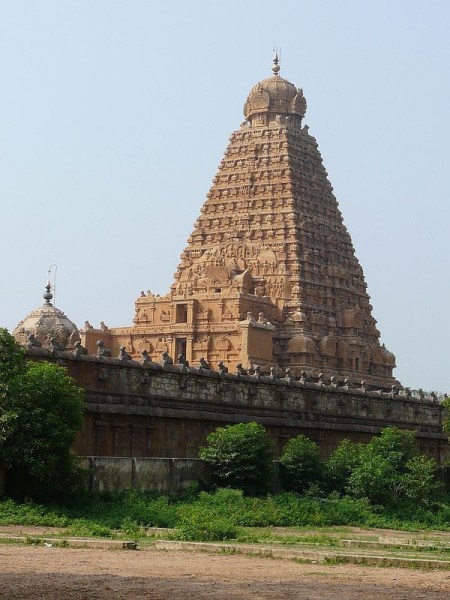
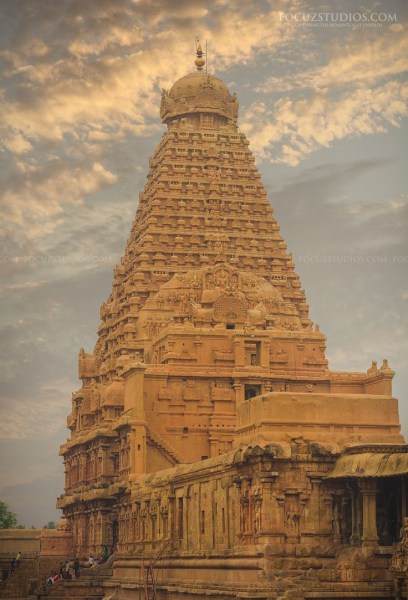
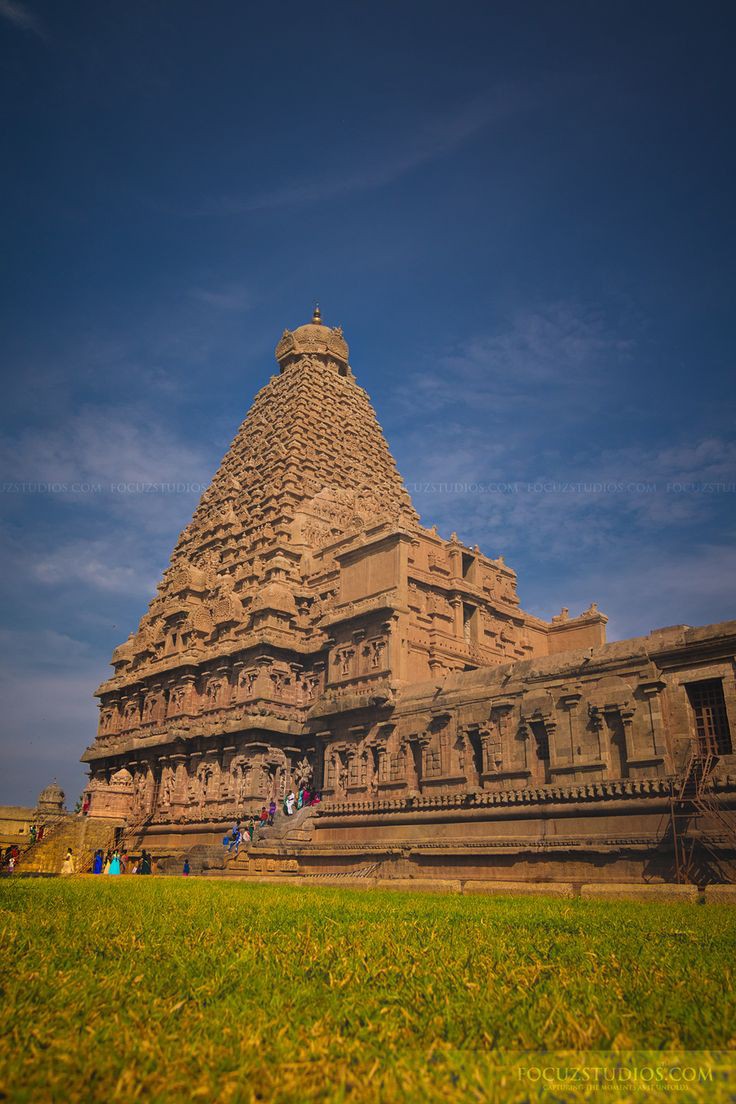
Brihadeeshwara Temple is originally known as Peruvudaiyar Kovil locally known as Thanjai Periya Kovil. It is located in Thanjavur. It is one of the largest Hindu temples and an exemplary example of a fully realized Tamil architecture.


It was built by Raja Raja Chola I in 1010 AD, Brihadeshwara Temple is an ancient temple . The deity of the temple is Lord Shiva,in his dancing pose who is called the Nataraj. The temple is also known as Rajeswara Temple, Rajarajeswaram and Periya Kovil. The temple was built, like a fortress on the shores of a river, by the king to grace the Chola Empire. This thousand-year-old temple is now part of the UNESCO World Heritage Site adding to its exceptional historical and cultural value. The truth is that the secret of the construction of the great temple is still unknown. The large temple construction system is designed in the form of light bonding. During the construction of this temple, when each stone was bound, a threaded gap was left behind. The reason is the way the temple was built and the pure granite stones used for it. While everyone thinks that granite was introduced in the 20th century, it is surprising that over 130,000 tons of granite was used in this temple about 1000 years ago. The temple is a magnificent architectural construct that will never stop surprising anyone visiting the temple. The major attraction of the temple is the 216-feet-tall tower that is built above the Sanctum of the temple. This flamboyant tower can be seen by anyone entering the city from afar. Another breathtaking thing that will sure stupefy the visitor is the magnificent Nandi statue built at the temple; it is about two meters in height, six meters in length and two-and-half meters in width, and weighs around a whopping 20 tons for a statue built from a single stone. Various postures of the famous classical dance, Bharathanatyam, are sculpted finely on the exterior walls of the upper storey of the temple. The temple is a myriad of surprises , by its architectural features. The topmost structure of the temple, called Vimana, weighs around 80 tons, and it is a mystery how the builders got it up there. There are several musical pillars, which make different sounds when taped, at the temple. The architecture of the temple is done so cleverly that the temple casts no shadow on the ground when the sun is at its peak. This is a phenomenon that attracts thousands of tourists and architectural enthusiasts from across the world to unravel the architectural mystery of the temple. Brihadeshwara Temple is also the first all-granite temple in the world, and the fact that granites are not available within the 100-mile radius of the temple only makes it all the more astonishing. Granite is as heavy a stone to carry as it is to carve, but none of that seemed to have shied the king from realizing the temple the way he envisaged.

It took only 7 years to built the temple. The Thanjavur Great Temple is a majestic work of art built over a thousand years ago in a time when science was not developed and there were no technical tools.Foreign researchers researching the Great Temple, with the help of today’s state-of-the-art techniques and science, are still scratching their heads over the mystery of its construction, despite standing upside down and researching the anchor. Yet they themselves come to an assumption and come to the conclusion that they would have built like this, or built like that.The majesty of the temple carries it’s pride to many centuries.

HISTORY OF TAJ MAHAL

Taj Mahal is one of the seven wonders in the world .Taj Mahal History has its own interesting story behind its inspiration and construction. The Taj Mahal is one of the best mausoleums of all times. It is a monument built with ivory-white marble located in Agra, Uttar Pradesh. The Taj Mahal incorporates and expands on design traditions of Persian architecture and earlier Mughal architecture.

In the sixteenth century, the tomb was built by a Mughal Emperor Shah Jahan (son of Mughal Emperor Jahangir), for his wife as a tribute to her after her demise. Shah Jahan, at the age of 14, married a Persian princess, Mumtaz Mahal. He had many wives but was intensely in love with Mumtaz and she too returned the same. Mumtaz was known for her mesmerizing beauty and grace. In 1632, unfortunately, after giving birth to their 14th child, a baby girl, Mumtaz Mahal passed away. The last wish to Shah Jahan was, he would not marry again and would build a palace (Mahal) as an essence of their infinite love. It was the same year when Shah Jahan started building the monument for his beloved wife. Further moving on in the history of Taj mahal its construction took many years. Several laborers, masons, artisans, in layers, painters, stone-cutters and calligraphers were called from not only different parts of the country but also from all over Asia and Iran. Around Twenty two thousand laborers worked extremely hard for making this white castle. Most of the white marble was brought from Rajasthan, India. The construction was completed in 1653 as mentioned in the Taj Mahal History. It is said that after the construction Shah Jahan had cut the hands of all the laborers so that they cannot make such a beautiful monument again.
Shah Jahan had for sons, among whom was Auarangzeb. Shah Jahan wanted his eldest son to become his heir but Aurangzeb, in the greed of the thrown, overthrew and imprisoned Shah Jahan and had a conflict with his brothers for the sake of the thrown. Shah Jahan could not bear all this and died in 1666 as per the history records. Then, he was also buried alongside of Mumtaz Mahal under the dome of the palace. By the late 19th century, parts of the buildings had fallen badly into disrepair. During the time of the Indian rebellion of 1857, the Taj Mahal was defaced by British soldiers and government officials, who chiseled out precious stones and lapis lazuli from its walls.

At the end of the 19th century, British viceroy Lord Curzon ordered a massive restoration project, which was completed in 1908. He also commissioned the large lamp in the interior chamber, modeled after one in a Cairo mosque. During this time the garden was remodeled with British-style lawns that are still in place today.After Independence ,our government took measures to protect to protect the Taj Mahal. Taj Mahal is one of the wonders that brings proud due to its marvellous.