Google is eyeing moving some production of its Pixel smartphone lineup to India, according to a report, the latest in a series of phonemakers with growing ambitions to locally assemble their handsets in the world’s second largest market.
Like Apple, Google has also been moving some of its manufacturing efforts outside of China. Nikkei Asia reported that Google was also planning to move some Pixel manufacturing to Vietnam.
Google is considering moving some production of Pixel phones to India. This move comes following disruptions in China from COVID-19 lockdown and the country’s rising tensions with the United States. Parent company Alphabet Inc has reportedly invited bids from manufacturers to make between 500,000 and 1 million Pixel smartphones.
According to a report by The Information, Google is aiming to produce 10-20 per cent of the estimated annual production for Pixel. Chief Executive Officer Sundar Pichai reportedly considered a plan for manufacturing in India earlier this year but the final decision is yet to be made, the report said. However, if the approval follows through, India will need to import components from China. Alphabet is also considering Vietnam as an alternative.
The move away from China comes as the Biden administration plans to broaden the curbs on US shipments of semiconductors to China. US companies like KLA Corp, Lam Research Corp and Applied Materials Inc have been forbidden from exporting chipmaking equipment to Chinese factories.
Business Process Outsourcing (BPO) is the delegation of the Ownership, Administration, and Operation of a process to a third party. Many people see it as an evolution from Information Technology Outsourcing (ITO). Business Process Outsourcing (BPO) is the delegation of one or more IT-intensive business processes to an external provider that in turn owns, administers and manages the selected process based on defined and measurable performance criteria. Business Process Outsourcing (BPO) is one of the fastest growing segments of the Information Technology Enabled Services (ITES) industry.
Several MNCs are increasingly unbundling or vertical disintegrating their activities i.e. they have begun outsourcing activities which formerly performed in house and concentrating their energies on a few functions. Outsourcing involves withdrawing from certain stages/activities and relying on outside vendors to supply the needed products, support services or functional activities. These outside vendors are called BPOs. The outsourcing industry is growing from strength.
Why do everything yourself, when someone else can do it at low cost? In the current scenario, the theory says exactly the same. The global market today is highly competitive and continuously changing. A company must, thus, focus on improving productivity and at the same time, cut down costs. This is the basic premise of outsourcing. Outsourcing works because what is non-core for one organisation, is core for another.
In brief, business process outsourcing can be seen as a process in which a company delegates some of its in-house operations or processes to a third party. Thus, it is a transaction through which one company acquires services from another, while maintaining ownership and ultimate responsibility for the processes.
The company then informs its provider what it wants, and how it wants the work to be performed. The main motive for business process outsourcing is to allow the company to invest more time, money and human resources into core activities and building strategies, which fuel company growth.
In a bid to connect Indian startups with the US-based investors, SETU programme (Supporting Entrepreneurs in Transformation and Upskilling) has been launched by Union Minister Piyush Goyal. SETU will act as a bridge between American and Indian companies. The start-up will help entrepreneurs in upskilling, transforming and leveraging the success stories of the Indian diaspora in the US.
SETU will be a Techno-Financial, Incubation and Facilitation Programme to support all aspects of start up businesses, and other self-employment activities, particularly in technology-driven areas. It aims to create around 100,000 jobs through start-ups.
The initiative would connect startups in India to US-based investors and startup ecosystem leaders with mentorship and assistance in various areas including funding, market access and commercialisation.
SETU is designed to break geographical barriers between mentors based in the US who are willing to invest in entrepreneurship and sunrise startups in India. The interaction will be supported through the mentorship portal under the Startup India initiative MAARG, or the Mentorship, Advisory, Assistance, Resilience, and Growth programme, which is a single-stop solution finder for startups in India.
The portal has been developed with the idea to be made accessible from every corner of the country to connect with a mentor. A mentor will offer human intelligence in guiding the startups.
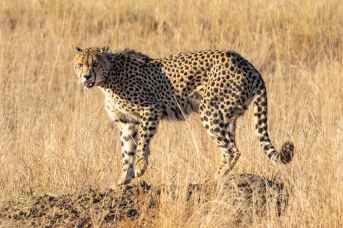
Cheetahs that went extinct in India back in 1952 are now set to make a come back to the country. The Centre has launched an action plan under which 50 cheetahs will be introduced in India in the next five years.
As a part of an ambitious project to reintroduce the extinct spotted cat species in the country, the first batch of 12 cheetahs from South Africa is expected to reach India in October this year, said officials as quoted by news agency PTI.
The wildlife experts team from South Africa visited India to inspect the holding facility where the cheetahs will be released
For the first time, the animals are being sent to India where its population has become extinct in the early 1950s, Fraser said, adding that the last confirmed was seen in 1953.
During the flight to India, the cheetahs will be fully awake in their transport crates and would be tranquilized to keep them calm.
After reaching India, the cheetahs would be released from their transport crates into a holding facility for the Indian team to monitor their health and to ensure that they are hunting again before releasing them into the reserve which will be their final destination.
In a developing country like India, the role and importance of small-scale industries is very significant towards poverty eradication, employment generation, rural development and creating regional balance in promotion and growth of various development activities.
It is estimated that this sector has been contributing about 40% of the gross value of output produced in the manufacturing sector and the generation of employment by the small-scale sector is more than five times to that of the large-scale sector.
This clearly shows the importance of small-scale industries in the economic development of the country. The small-scale industry have been playing an important role in the growth process of Indian economy since independence in spite of stiff competition from the large sector and not very encouraging support from the government.
The following are some of the important role played by small- scale industries in India.
Employment generation:
The basic problem that is confronting the Indian economy is increasing pressure of population on the land and the need to create massive employment opportunities. This problem is solved to larger extent by small-scale industries because small- scale industries are labour intensive in character. They generate huge number of employment opportunities. Employment generation by this sector has shown a phenomenal growth. It is a powerful tool of job creation.
Mobilisation of resources and entrepreneurial skill:
Small-scale industries can mobilize a good amount of savings and entrepreneurial skill from rural and semi-urban areas remain untouched from the clutches of large industries and put them into productive use by investing in small-scale units. Small entrepreneurs also improve social welfare of a country by harnessing dormant, previously overlooked talent.
Equitable distribution of income:
Small entrepreneurs stimulate a redistribution of wealth, income and political power within societies in ways that are economically positive and without being politically disruptive.
Thus small-scale industries ensures equitable distribution of income and wealth in the Indian society which is largely characterised by more concentration of income and wealth in the organised section keeping unorganised sector undeveloped. This is mainly due to the fact that small industries are widespread as compared to large industries and are having large employment potential.
Regional dispersal of industries:
There has been massive concentration of industries m a few large cities of different states of Indian union. People migrate from rural and semi urban areas to these highly developed centres in search of employment and sometimes to earn a better living which ultimately leads to many evil consequences of over-crowding, pollution, creation of slums, etc. This problem of Indian economy is better solved by small- scale industries which utilise local resources and brings about dispersion of industries in the various parts of the country thus promotes balanced regional development.
Promotes exports:
Small-scale industries have registered a phenomenal growth in export over the years. The value of exports of products of small-scale industries has increased to Rs. 393 crores in 1973-74 to Rs. 71, 244 crores in 2002-03. This contributes about 35% India’s total export. Thus they help in increasing the country’s foreign exchange reserves thereby reduces the pressure on country’s balance of payment.
Supports the growth of large industries:
The small-scale industries play an important role in assisting bigger industries and projects so that the planned activity of development work is timely attended. They support the growth of large industries by providing, components, accessories and semi finished goods required by them. In fact, small industries can breath vitality into the life of large industries.
Passengers sitting in the rear seat of a car and not wearing seatbelts might also be fined soon, said Union Transport Minister Nitin Gadkari. In an exclusive interview, Gadkari said that although it was mandatory for rear-seat passengers to wear a seatbelt, people have not been following the same. Henceforth, they would be fined because at “any cost, lives have to be saved”. However, he emphasised that fining people was not the goal, but cutting down of road accidents by 50 per cent by 2024 was the aim.
Although a fine of Rs 1,000 is already in place under Article 138 (3) of the Central Motor Vehicle Rules (CMVR), the problem seems to be more about user behaviour and enforcing the regulations. Most people in India overlook belting up in the rear seats of a car, often assuming they are in a much safer place since there is no dashboard or steering wheel right in front of them.
The road transport and highways minister further said he was trying to work with the states to find ways to reduce accidents on National Highways as law and order comes under the state governments.
The government has asked online retail giant Amazon to stop selling devices designed to disable car seatbelt alarms, transport minister Nitin Gadkari told Reuters, citing potential safety risks. Apart from this, the Ministry of Road Transport and Highways has also written to the consumer affairs ministry to ask e-commerce companies to stop selling devices designed to disable car seat belt alarms, news agency PTI has reported citing a senior government official.
The concept of social responsibility in relation to business means that the firm functions to accomplish its financial objectives and serves the society as well. No business exists in isolation. Every organ of the society contributes towards the success of a business. Thus it becomes imperative that business too does something for the society in return. This responsibility of business towards the society is called social responsibility.
A socially responsible firm should not work solely for profit maximization but should also seek the welfare of different sections of the society. Social responsibility of business refers to its obligations to take those decisions and perform those actions which are acceptable in terms of the objectives and values of the society.
Why business need to do social responsibility?
Business is a Part of Society:
Since business organisations are a part of society they must have a positive attitude towards the needs of society. Business is only a sub-system of society and this sub-system must contribute to the welfare of the main system. Therefore, the decisions taken by the manager should take into consideration the welfare of not only his organisation but also the welfare of other sub-systems (different parts of society like customers, shareholders, employees, etc.)
Long-Term Interest:
It is in the long-term interest of the business to discharge its social obligations by serving different interest groups such as employees, consumers, government and citizens. Wise business persons know that unless they serve the society by fulfilling its needs, they will not be able to climb the success ladder.
Indebted to Society:
A business uses the resources of the society for its functioning. Hence, it becomes obligatory for it to pay back its dues by serving the society. Businessmen should tend to the needs of the society and use its resources for community welfare. This practice ultimately helps the organization in establishing itself on the strong foundation of a pleased society and a cooperative labour force.
Public Image:
The activities of business towards the welfare of the society earn goodwill and reputation for the business. The earnings of business also depend upon the public image of its activities. People prefer to buy products of a company that engages itself in various social welfare programmes. Again, good public image also attracts honest and competent employees to work with such employers.
Social Awareness:
These days, employees and customers are more informed about their rights. While consumers expect the seller to abide by the fair trade practices, workers want fair wages and other employee benefits. If the expectations of these interest groups are not met, they may resort to either anti-social activities or seek help from trade unions and consumer courts. This will lead to industrial turmoil and unrest within the society which is harmful for proper functioning of the business.
Stress is a natural part of life, and like many things, it’s important to learn how to manage it. If you’re suffering from stress, here are some helpful tips for coping:
Find a hobby
If you’re looking for a way to manage stress and unwind, a hobby can be an excellent option. It doesn’t have to be something specific or intense; you could simply enjoy doing something that inspires you every day.
Whatever it is that makes your heart race with excitement, there’s probably an outlet for it in your life—if not now then at some point in the future. Taking up knitting or painting might seem like an odd choice when you’re stressed out by midterms and finals, but these activities can become routine sources of relaxation as well as hobbies!
When we were kids growing up, many of us were fond of playing sports: football or baseball games were favorite pastimes at our houses during the summer months because they gave us something physical (and occasionally competitive) to do together after school hours were over. Nowadays however there are plenty other ways for parents and kids alike alike enjoy getting involved together outside on weekends – whether through volunteering with community organizations like Habitat For Humanity; going camping together on family camping trips; taking part in organized activities such as dance lessons where everyone learns new moves together while having fun at once too 🙂
Build a daily routine
The first step to managing stress is building a daily routine. A morning routine, afternoon routine and evening routine are all good places to start.
Make sure you have your coffee (or tea) before 7:30 AM. This will help you get going in the morning and prevent late-night cram sessions later on in the day when you’re tired or distracted by something else that needs doing.
Get through at least one workout session per week—even if it’s just walking around campus for 30 minutes with friends or playing basketball with teammates after class! Exercise helps burn off energy so that mentally challenging tasks don’t seem insurmountable anymore; moreover, exercise has been shown to reduce anxiety levels as well as improve moods overall.* Go grocery shopping once per week rather than buying food from convenience stores because they tend to have higher prices than supermarkets do; however replacing fast food with healthy alternatives like salads instead of burgers will save money while still providing nutritious meals throughout each day.* Try not using social media sites like Facebook or Twitter too frequently either during lunch breaks at work because this causes users’ lives outside office hours become blurred together into one giant blur which makes everything seem more difficult than before since now there’s no separation between work life & personal life anymore.
Eat healthy food
Eating a balanced diet is key to managing stress. It helps you feel more energized and less tired, which can help you avoid getting sick or stressed out by hunger pangs. If possible, eat a healthy breakfast every morning—this will give you the energy boost that makes it easier for you to get through your day!
If eating junk food is something that stresses out your stomach (and let’s be honest here: who doesn’t love pizza?), try finding healthier snacks like fruit salad bites or even granola bars instead of sugary ones. The key here is moderation; no one should ever eat too much junk food because this will only make them feel worse afterwards.
Get in touch with your family
Stress is a normal part of life and as such, it’s important to find ways to manage your stress. One way you can do this is by talking with your family about how they can help.
Family members are a great source of support when it comes to helping you manage stress—and they may not even realize how much they’re helping! If you have parents or siblings who live nearby, consider asking them if they’d like some help managing their own lives and those around them. You could even offer up some of your time (or money) in exchange for their assistance so that everyone benefits from their efforts together.
Get enough sleep
Sleep is important for learning and memory.
It’s also linked to stress reduction.
Getting enough sleep can help reduce your stress levels, which will make you more productive at school or work.
Go for a walk
You can get away from the stress of school by going for a walk.
Go for a walk alone or with friends if you’d like, but don’t worry about being seen—the point of walking is just to move your body, not impress others. Listen to music while you walk (or listen in silence), and try to take in some fresh air too. Take your dog for a long walk around the neighborhood; they’ll love it! If possible, try walking at least 10,000 steps each day—that’s equivalent to running one mile per hour continuously for 30 minutes straight! When I was younger and had more energy than I do now as an adult who’s trying everything she can think of not only stay healthy but also keep fit at age 55+.
Listen to music
Music is a great way to relax and de-stress. You can listen to any music you like, but try not to choose something that’s too hard or fast. Music can also help you focus on what’s important in your life, which will help keep things in perspective when they get overwhelming.
Music can also help with sleep! I recommend listening before bed because it helps calm your mind enough so that it doesn’t keep tossing and turning at night because of all the stressors going through your head during the day (or even week).
Meditate
Meditating is a great way to relax and unwind. It can help you deal with stress, anxiety and depression, improve your memory and creativity, even slow down the aging process.
If you’re new to meditation or have never tried it before there are plenty of ways that beginners can begin:
Sit comfortably in a comfortable position (sitting or lying down).
Close your eyes if possible – this might help you focus better on what you are doing (most people choose not to cover their eyes).
Start by breathing normally through both nostrils for one minute without counting the breaths or trying anything else at first; this will help clear any thoughts from your mind so that when they come back again later on during meditation they won’t distract us from our task at hand which is meditating.
Talk to someone about your stressors
Talking to someone about your stressors is an important part of managing them. You can talk to your friends and family, but it’s also helpful to talk about the stressors with a therapist or counselor. If you feel comfortable talking about this issue with a doctor, go for it! The same goes for religious leaders, coaches and mentors who have experience dealing with similar issues in their own lives. And if none of these people are available yet, teachers are usually willing to listen when students come seeking guidance from them (or even just want advice on how they should handle their own problems).
Few more steps to encounter stress
Stress can be caused by a variety of factors including work-related issues, relationships with friends and family members or even just having too much on your plate at once. In order to manage stress effectively there are some steps that you can take:
Start taking breaks from time to time during the day (even if only for 5 minutes). This will help you relax and recharge so that when you return back into work mode again; everything feels fresh again.
Try getting outdoors more often during the day so that there’s less time spent indoors where all these feelings tend to accumulate over time because there isn’t much else going on besides watching TV shows while eating pizza as opposed being outside enjoying nature around us all… You get what I mean? 🙂
I hope this article has given you some useful tips for managing your stress. Remember that the best way to deal with a stressful situation is to stay calm and take action. Use our tips above and find something that helps you relax, like giving yourself time away from your responsibilities or getting some exercise – anything will do.
India has overtaken the UK to become the fifth-largest economy in the world. Economists and business executives anticipated that India’s position would continue to improve in the years to come due to greater economic growth.
According to figures from the International Monetary Fund (IMF), India passed the United Kingdom (UK) to become the fifth-largest economy in the world in the last quarter of 2021. India’s economy currently ranks just four nations ahead of it in terms of size in dollars. The United States, China, Japan, and Germany are the only nations with economies larger than India’s. The UK is currently in sixth place, just behind India.
IMF’s own forecasts show India overtaking the UK in dollar terms on an annual basis this year, putting the Asian powerhouse behind the US, China, Japan and Germany. A decade ago, India ranked 11th among the largest economies, while the UK was fifth. The government is expecting the economy to grow at 7-7.5 per cent in 2022-23, in line with its projections made at the beginning of this financial year. India registered a growth of 8.7 per cent in 2021-22.
While India has overtaken the United Kingdom in terms of the size of the economy, the per capita income in India remains very low. When it comes to per capita income, which is a measure of how much money is made per person in a country, India is ranked 122 out of 190 countries.
India is set to become the third largest economy in the world by 2029. A State Bank of India report said India will surpass Germany in 2027 and most likely Japan by 2029 at the current rate of growth. The report said that the country has undergone a large structural shift since 2014 and is now the 5th largest economy overtaking the United Kingdom.
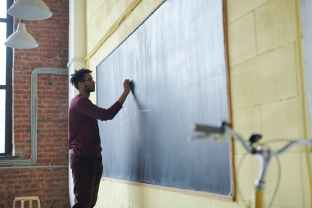
The word teacher in India is much more than a word of professional identity. The feeling goes very deep with a teacher. If we look into ancient India, we can find a vast role of gurus (teachers) in shaping the beliefs of our disciples. This tradition still exists today, even though it has waned a bit after being hit by the fierce waves of time.
In India, Teachers’ Day is celebrated on 5th September on the birth anniversary of Dr. Sarvepalli Radhakrishnan. In the year 1965, some of the prominent students of Late Dr S. Radhakrishnan organised a gathering to pay obeisance to that Great Teacher of repute. In that gathering, in his speech Dr Radhakrishnan expressed his deep reservation regarding his birth anniversary celebration and emphasised that his birth anniversary should be celebrated as ‘Teachers’ Day’, by paying homage to other Great Teachers of India and Bangladesh. Since the year 1967, 5th September is celebrated as Teachers’ Day till date.
There is a celebratory tradition that students across the country follow in the vibe of the prestigious day. Students dress up like their teachers and do roleplaying activities with junior classes, showing a glimpse of admiration for their modern age gurus. Teachers are showered with gifts, flowers and handmade greeting cards and many more tokens of appreciation from their students as a symbol of respect and gratitude for providing versatile guidance to them. Students also organize cultural events, up memorable speeches, shows, group activities and much more.
The word Guru is derived from two Sanskrit words GU meaning Darkness and RU meaning Destroyer so guru means “one who destroys darkness”. The above Sanskrit quote means that the guru or teacher is a combination of three deities (Brahma, Vishnu, and Mahesh) from Indian mythology who bestow great wisdom and remove darkness from the lives of their students.
Though becoming a teacher is not an easy task, they have to be patient and solve their students’ problems for a better future. They teach their students about the importance of time and how to manage and achieve something in their life. They teach us how to respect our elders and parents and how to treat other people around us. The future and present of children totally depend on the education they get from their teachers and it is only they who sometimes become our best friends and help us to remove the mess created by us somewhere in our life.
“An awesome teacher is hard to find, difficult to part with, and impossible to forget.”
The fifth of September is observed as Teacher’s Day every year. A day to behold, a day to rejoice in, and a day to be pleased with. In India, we observe Teachers’ Day on September 5 every year to commemorate the birthdate of Dr. Sarvepalli Radhakrishnan, the nation’s former president, and recipient of the Bharat Ratna award, who was born on this day in 1888.
According to Wikipedia, Sarvepalli Radhakrishnan was an Indian politician and philosopher who served as the country’s second president from 1962 to 1967 as well as its first vice president from 1952 to 1962. In addition, he served as the 4th Vice-Chancellor of Banaras Hindu University from 1939 to 1948 and the second ambassador of India to the Soviet Union from 1949 to 1952. The best universities in the world, like Harvard, frequently requested guest lectures.
He once thought every everyone as his students. When asked to celebrate his birthday by his friends and students one day, Dr. Radha Krishnayya responded, “It would be a tremendous pleasure for me if you all celebrated my birthday, but I want you all to show the greatest thanks to your teacher on my birthday.” Since then, September 5 has been designated as Teacher’s Day.
True instructors, according to Dr. Radha Krishnayya, are those who encourage independent thought.
You will have many teachers during your life, whether they are math professors or science instructors. You might have a favorite professor. From a variety of perspectives, the student claims that “the mother is the first teacher, who teaches us the ethics, values, and how to live in this world.” According to a proverb, instructors serve as our second mothers because they educate us on how to live our lives to the fullest, just as a mother gives birth to us.
I concur, however, I would also add, “Let the instructor be our second mother, but the mother is our first teacher.” She counts you in an I-centric world. She teaches you to put money aside when you’re in a tight spot. There is also the reality that occupations would not exist without teachers. Although a painful fact, this one nonetheless exists. Beyond the classroom, or at least around the world, teacher-led learning has an impact.
A vocation that teaches another is teaching. “If a country wants to be corrupt-free and become a nation of beautiful minds, then three members can make a difference, they are the father, the mother, and the teacher,” said Dr. APJ Abdul Kalam in one of his beautiful quotes. There is a famous question: If you had to choose between God and a teacher, which would you pick? Some may claim that I will select God. But instead, you wind up going wrong there. You learn from the teacher, who also demonstrates the way to God. But, if you find a simple way to approach God, you end up loving your life.
Finally, even though it will never be enough, I would like to express my thanks in words in some little but meaningful way. Just a select few teachers are capable of instructing this young generation, and I am honored to have been their student.
India got its first Indigenous Aircraft Carrier with Prime Minister Narendra Modi commissioning INS Vikrant in Kochi, marking a significant step towards strengthening the ‘Aatmanirbhar Bharat’ goal in the strategic sector of defence.
The Vikrant has 76 per cent indigenous content, which includes combat management system, electronic warfare suite, data network, and integrated platform management system, among others. As far as the origin of the word goes, the ‘Vi’ prefix in the Sanskrit word Vikrant denotes something that is distinctive or extraordinary, and the ‘krant’ suffix means to move or advance in a direction.
Named after her illustrious predecessor, which had played a vital role in the 1971 war, INS Vikrant is designed by the Indian Navy’s in-house Warship Design Bureau (WDB) and built by the Cochin Shipyard, a public sector shipyard. With the commissioning of Vikrant, India will have two operational aircraft carriers, which will bolster the maritime security of the nation.
Stretching to 262m, Vikrant in its length exceeds that of two football fields and is 62m wide. Its height of 59m packs in 14 decks in all and the vessel features over 2,300 compartments and provides room for a crew of 1,600 personnel and includes specialised cabins for women officers. Construction of the vessel began in 2009 at the Cochin Shipyard Ltd (CSL) and the total cost involved is around Rs 23,000 crore.
An aircraft carrier is one of the most potent marine assets for any nation, which enhances a Navy’s capability to travel far from its home shores to carry out air domination operations. Many experts consider having an aircraft carrier as essential to be considered a “blue water” navy — that is, a navy that has the capacity to project a nation’s strength and power across the high seas. An aircraft carrier generally leads as the capital ship of a carrier strike/ battle group. As the aircraft carrier is a prized and sometimes vulnerable target, it is usually escorted in the group by destroyers, missile cruisers, frigates, submarines, and supply ships.
India is home to some of the most stunning natural attractions and historical sites in the world. With so many places to visit and things to do, it’s hard to know where to start. But if you want something off-the-beaten path, these 10 destinations are sure to satisfy your wanderlust.
1. Goa
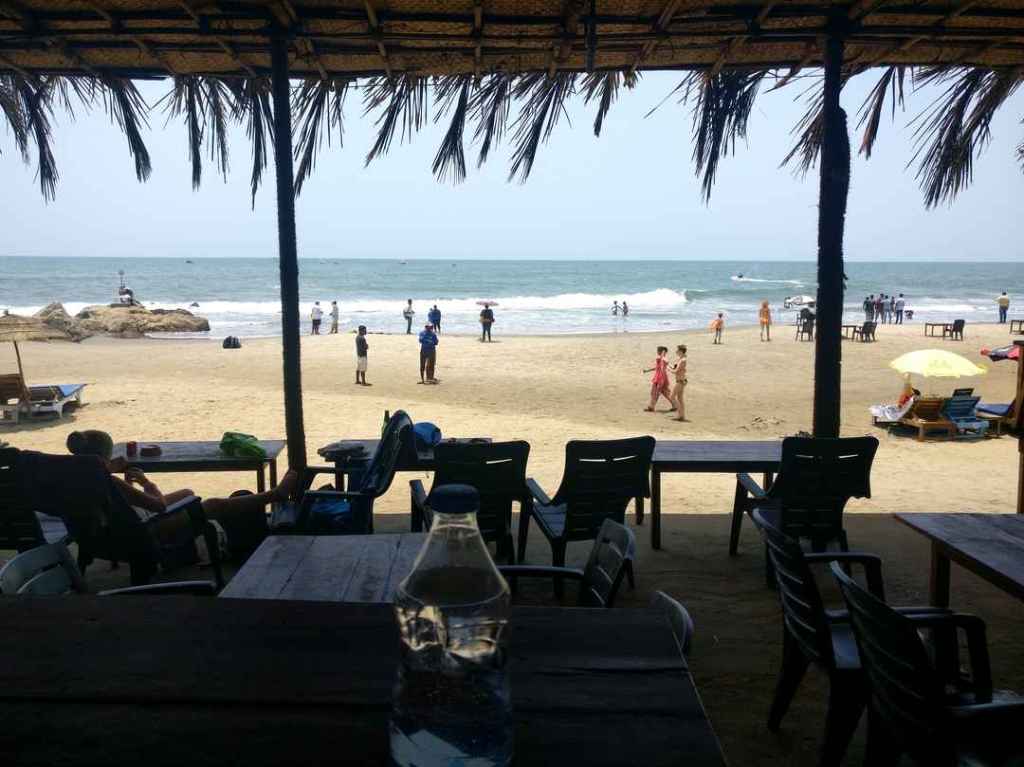
Vagator Beach, Goa
Goa is a popular tourist destination in India and has been attracting visitors for years. It’s known for its beaches, which are clean and have plenty of space to relax on them.
Goa also has great food, music and culture. The best way to experience all this is by staying at an airbnb or other bed & breakfast type place that hosts travelers from around the world!
2. Kerala
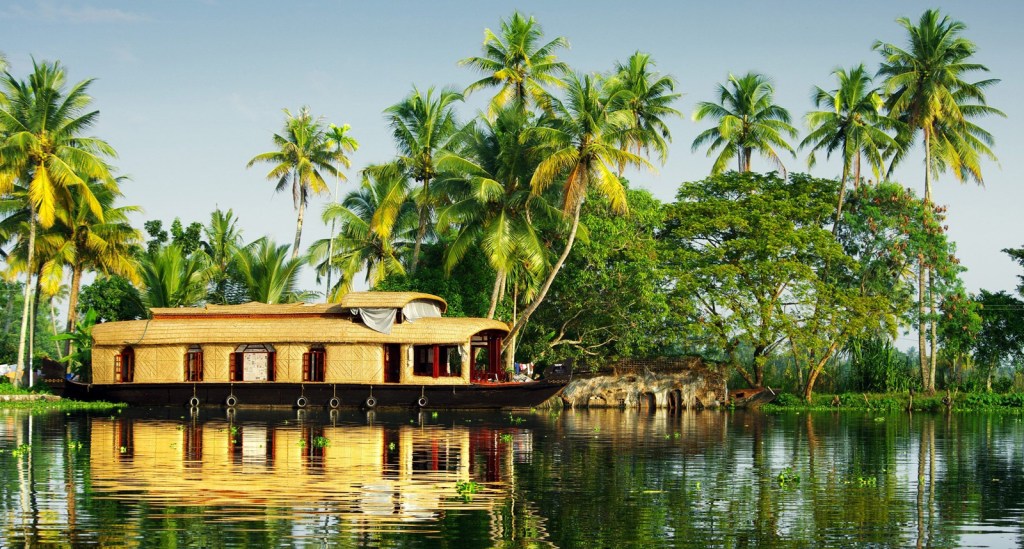
Kumarakom, Kerala
Kerala is a beautiful place to visit in India. It has many beaches, backwaters and historical sites. One of its most famous attractions is the backwaters of Alleppey that are home to some interesting wildlife sanctuaries. The state also has many temples which are a must-see during your trip here.
3. Andaman and Nicobar Islands
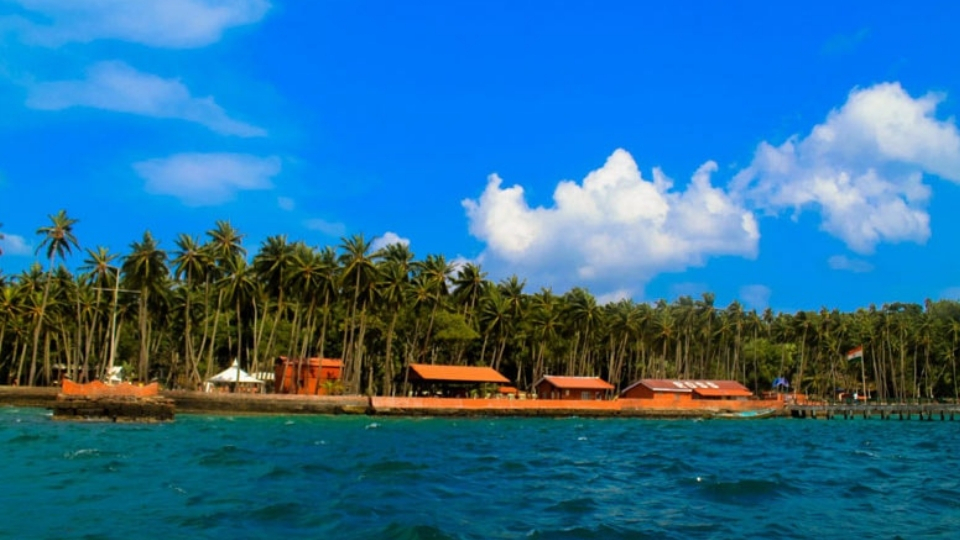
Andaman
The Andaman and Nicobar Islands are located in the Bay of Bengal, just off India’s coast. These islands are a part of India and home to many different tribes. The islands have a great climate for relaxation, as well as beaches with white sand.
4. Pondicherry
Serenity beach, Pondicherry
Pondicherry is a city in the union territory of Puducherry. It was formerly known as Pondicherry and it is located on the Coromandel Coast, India’s east coast, which is known for its beaches and resorts. The city has an old-world feel to it with buildings that date back to French rule over India during the 19th century.
Pondicherry has many beaches where you can go swimming or just relax on your day off from work.
5. Leh Ladakh
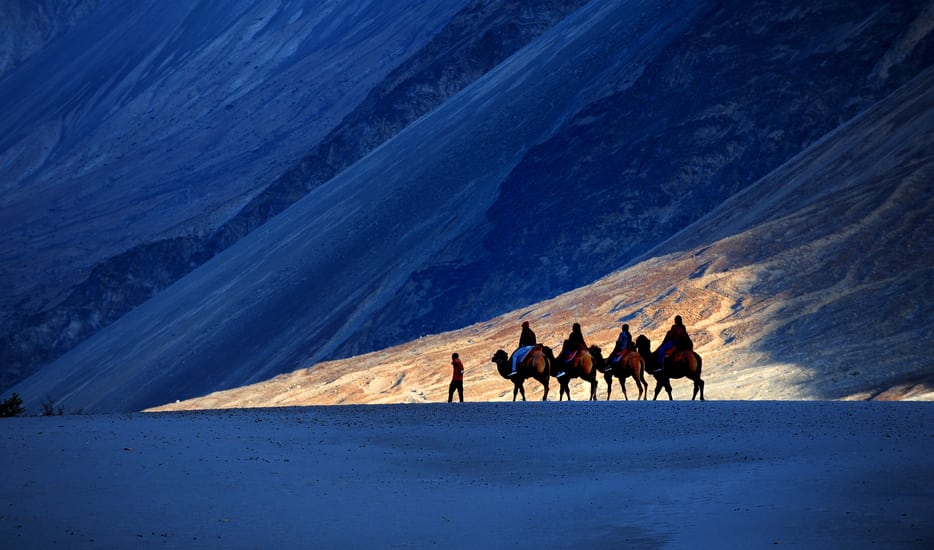
Nubra Valley, Ladakh
Leh Ladakh is a cold desert in the Himalayas, close to the Chinese border. It’s a great place to visit if you want to see the mountains and enjoy some hiking or trekking. There are many places where you can go for this activity, but one of them is called “Nubra Valley”. In this valley there are many different things that you can do: horseback riding (on horses), skiing down from a mountain peak or just walking around looking at all those beautiful views.
6. Rajasthan
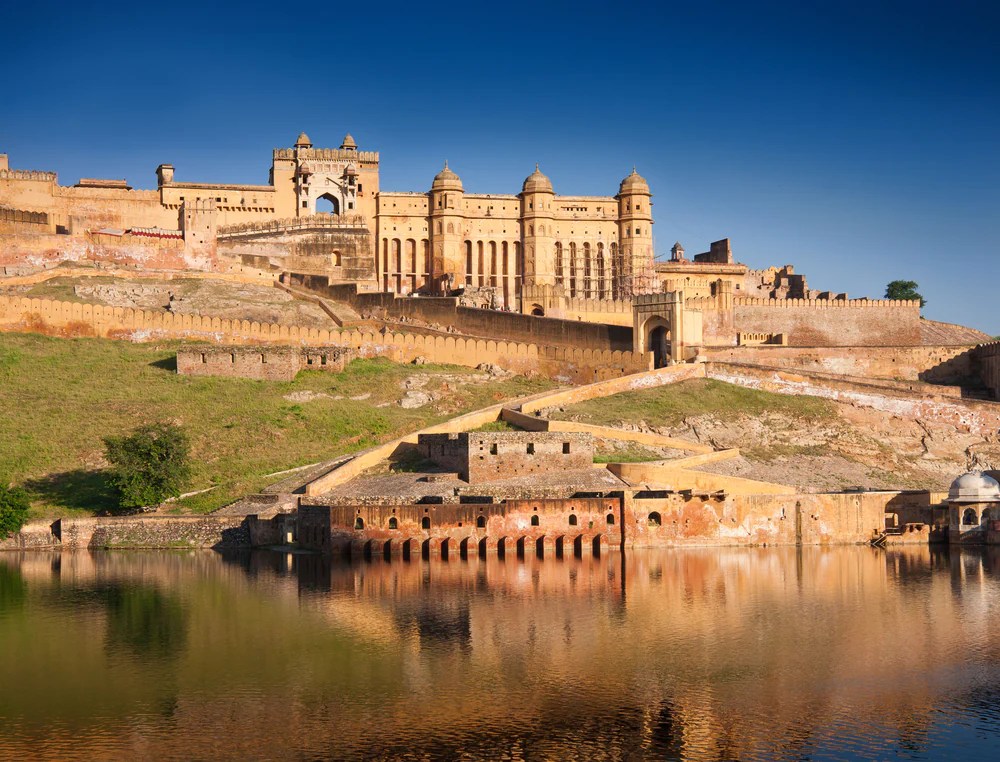
Amer fort, jaipur
Rajasthan is a state in northern India. It has a desert climate, but it’s also known for its palaces and forts. The city of Jaipur is home to several of these attractions, including the Amber Fort and Jantar Mantar Observatory. It also has many lakes, some famous (Lake Pichola) and some not so much (Kumbhalgarh). Some people visit these lakes during wintertime because they’re warm then; others go there in summer because it looks like an ice skating rink. There are plenty of temples as well: we’re talking about hundreds of them.
7. Darjeeling
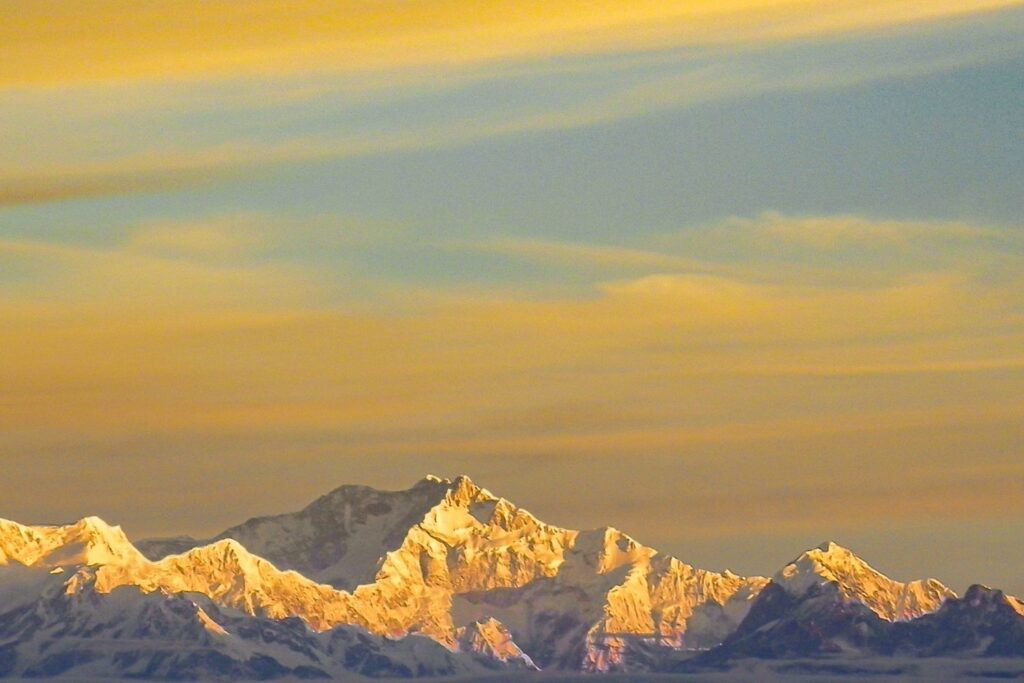
The Kanchenjunga
Darjeeling is a hill station in West Bengal. The city is located on the foothills of the Himalayas and offers panoramic views of the plains below.
The town has been known for its tea plantations since 1834 when it was first discovered by British colonists. It’s also a popular destination for trekkers, who can choose from several trails to explore this beautiful area along with its rich history and natural beauty.
8. Varanasi
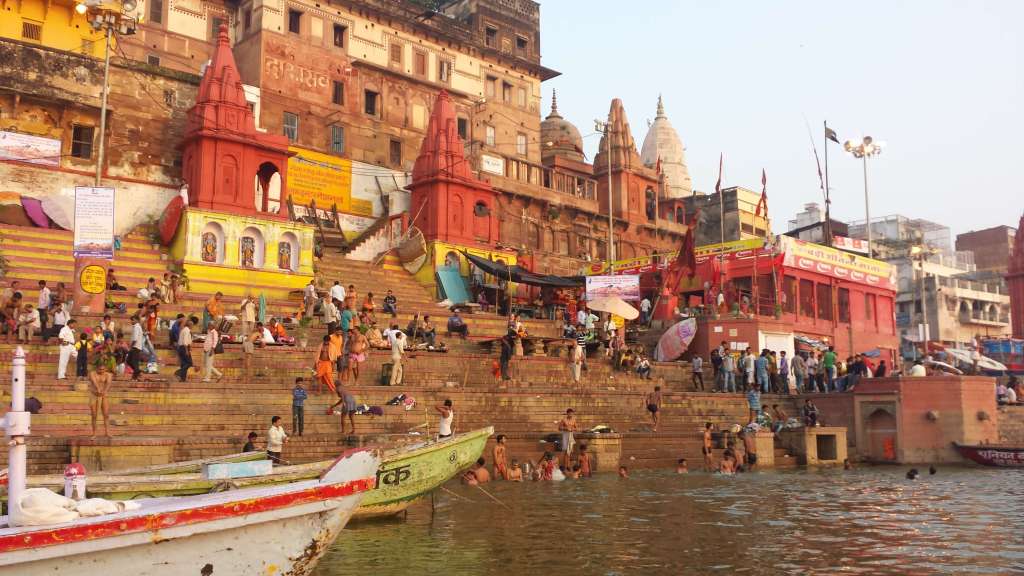
A ghat in varanasi
Varanasi is a religious, cultural and historical city located on the banks of River Ganges. It has been called one of the most sacred places in India as it’s believed that Lord Shiva resided here for some time before passing away.
The city is known for its ghats (steps leading down to the river), temples and food which are all part of its rich history. Varanasi offers tourists everything they need during their stay – from budget accommodation options to luxury hotels & resorts offering everything from pampering spa treatments to yoga classes at sunrise. Not only this but there are plenty of things to do when you visit Varanasi including visiting one or more ghat sites where pilgrims perform rituals during monsoon season when temperatures rise up high enough so visitors can bathe in freezing waters without getting cold feet.
9. Rishikesh
Rafting in Rishikesh
Rishikesh is full of amazing sights—from its spectacular natural surroundings to its historic temples and churches. Other sights include Lakshman Jhula Bridge built between 1822–1823 across River Ganges near Yamuna Sagar Lake during British rule; Vishwanath Temple dedicated specifically because he was considered Hindu god Vishnu’s favorite son; Kedarnath Temple built by King Bhagwan Nand Lal in memory of his father who died while building this temple during his lifetime. River rafting and other fun activities are organised here.
10. Gulmarg, Jammu and Kashmir
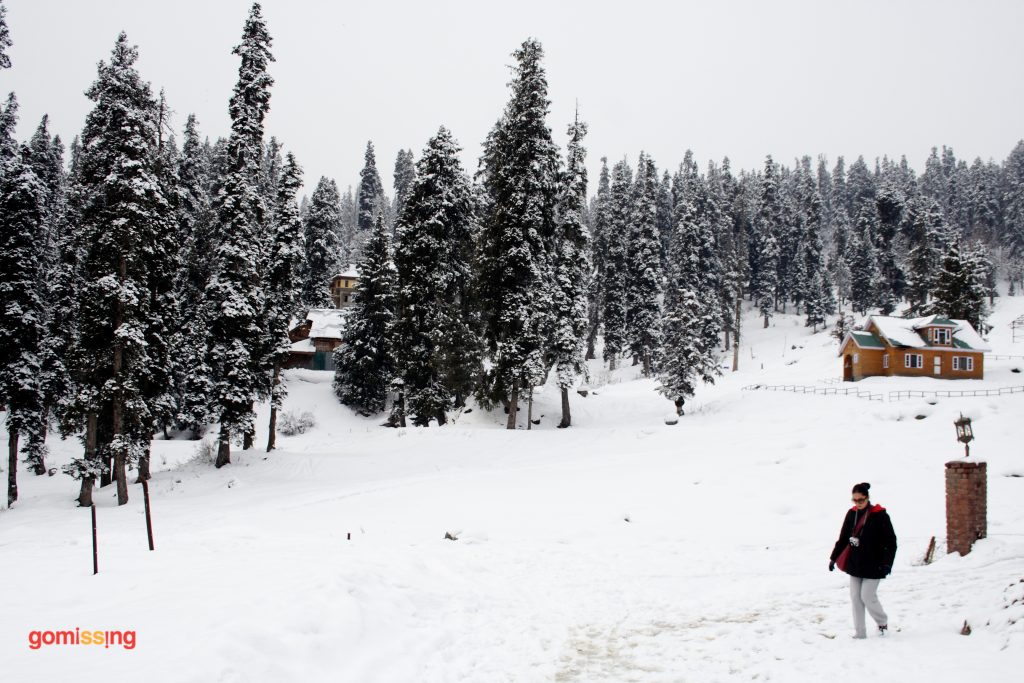
Gulmarg Golf Club area
Gulmarg is a ski resort in Kashmir, located at an altitude of 11,500 feet. It is one of the oldest and most popular tourist destinations in Jammu and Kashmir. The area has 300 km of pistes that can be reached by cable cars or snowshoes. Gulmarg also hosts many other activities like skiing, heli-skiing, snowboarding and more.
These are just a few of the travel destinations in India that you can experience and enjoy.
Business ethics comprises various traits, such as trustworthiness and transparency in customer services. Ethical business practices strengthen customer relationship that is of prime importance for long-term organizational success. It deals with retaining and creating a long-lasting impression in the minds of customers. Such impressions help the enterprise to win the trust of customers and get more business.
Business ethics plays a very crucial role in various management functions, which are given as follows:
i. Ethics in Finance:
It deals with various ethical dilemmas and violations in day-to-day financial transactions. An example of ethical violations is data fudging in which enterprises present a fabricated statement of accounts and other records, which are open to investigation. Ethics in financial transactions gained importance when due to their insufficiency nations suffered massive economic meltdowns.
The following are the ethics in finance:
a. Following truthfulness and authenticity in business transactions
b. Seeking the fulfilment of mutual interests
c. Getting the economies and financial units freed from greed-based methodologies.
ii. Ethics in Human Resource Management:
It deals with the enforcement of the rights of employees in an enterprise.
Such rights are as follows:
a. Having a right to work and be compensated for the same
b. Possessing a right for free association and participation
c. Enjoying a right for fair treatment in an enterprise
d. Holding a right to work in a hazard-free environment
e. Blowing whistle (an activity where an employee can raise voice against any wrong practice of anyone in an enterprise)
iii. Ethics in Marketing:
Deals with a number of issues, which are as follows:
a. Misinforming the customers about the products or services
b. Deciding high prices for the products and services
c. Creating false impression on the customers/consumers about the features of products
d. Promoting sexual attitudes through advertising; thus, affecting the young generation and children.
iv. Ethics in Production:
It deals with the responsibility of an organization to make sure that products and processes of production is not causing harm to the environment.
It throws light on the following issues:
a. Avoiding rendering services or producing products that are hazardous to health. For example, tobacco and alcohol
b. Maintaining ethical relations with the environment and avoiding environmental pollution.
Boston Consulting Group (BCG) Matrix is a four celled matrix (a 2 * 2 matrix) developed by BCG, USA. It is the most renowned corporate portfolio analysis tool. It provides a graphic representation for an organization to examine different businesses in it’s portfolio on the basis of their related market share and industry growth rates. It is a two dimensional analysis on management of SBU’s (Strategic Business Units). In other words, it is a comparative analysis of business potential and the evaluation of environment.
According to this matrix, business could be classified as high or low according to their industry growth rate and relative market share.
Relative Market Share = SBU Sales this year leading competitors sales this year.
Market Growth Rate = Industry sales this year – Industry Sales last year.
The analysis requires that both measures be calculated for each SBU. The dimension of business strength, relative market share, will measure comparative advantage indicated by market dominance. The key theory underlying this is existence of an experience curve and that market share is achieved due to overall cost leadership.
BCG matrix has four cells, with the horizontal axis representing relative market share and the vertical axis denoting market growth rate. The mid-point of relative market share is set at 1.0. if all the SBU’s are in same industry, the average growth rate of the industry is used. While, if all the SBU’s are located in different industries, then the mid-point is set at the growth rate for the economy.
Resources are allocated to the business units according to their situation on the grid. The four cells of this matrix have been called as stars, cash cows, question marks and dogs. Each of these cells represents a particular type of business.
Stars- Stars represent business units having large market share in a fast growing industry. They may generate cash but because of fast growing market, stars require huge investments to maintain their lead. Net cash flow is usually modest. SBU’s located in this cell are attractive as they are located in a robust industry and these business units are highly competitive in the industry. If successful, a star will become a cash cow when the industry matures.
Cash Cows- Cash Cows represents business units having a large market share in a mature, slow growing industry. Cash cows require little investment and generate cash that can be utilized for investment in other business units. These SBU’s are the corporation’s key source of cash, and are specifically the core business. They are the base of an organization. These businesses usually follow stability strategies. When cash cows loose their appeal and move towards deterioration, then a retrenchment policy may be pursued.
Question Marks- Question marks represent business units having low relative market share and located in a high growth industry. They require huge amount of cash to maintain or gain market share. They require attention to determine if the venture can be viable. Question marks are generally new goods and services which have a good commercial prospective. There is no specific strategy which can be adopted. If the firm thinks it has dominant market share, then it can adopt expansion strategy, else retrenchment strategy can be adopted. Most businesses start as question marks as the company tries to enter a high growth market in which there is already a market-share. If ignored, then question marks may become dogs, while if huge investment is made, then they have potential of becoming stars.
Dogs- Dogs represent businesses having weak market shares in low-growth markets. They neither generate cash nor require huge amount of cash. Due to low market share, these business units face cost disadvantages. Generally retrenchment strategies are adopted because these firms can gain market share only at the expense of competitor’s/rival firms. These business firms have weak market share because of high costs, poor quality, ineffective marketing, etc. Unless a dog has some other strategic aim, it should be liquidated if there is fewer prospects for it to gain market share. Number of dogs should be avoided and minimized in an organization.



















 Eduindex
You must be logged in to post a comment.