ARE WE LOSING OUR CULTURE AS A NATION

India is, the cradle of the human race, the birthplace of human speech, the mother of history, the grandmother of legend, and the great grandmother of tradition. our most valuable and most instructive materials in the history of man are treasured up in India only. India is country whose foundation are culture and tradition. Indian culture is several centuries old and consist of ethical values and traditional practices. Today in 21st century, we have evolved, it’s a century where we have access to different societies and part of the globe. We are getting to know about the world and in this process, we are losing our culture which is our identity, we are influenced towards the western world and western culture. Culture is one of the strongest pillars of our country and I feel that we are losing it day by day. Although globalization has played an immense role towards the economic growth of our country, but when its dark side is witnessed, we get to know that a great amount of cultural identity and traditional values have been lost, which cannot be regained through any amount of economic prosperity.
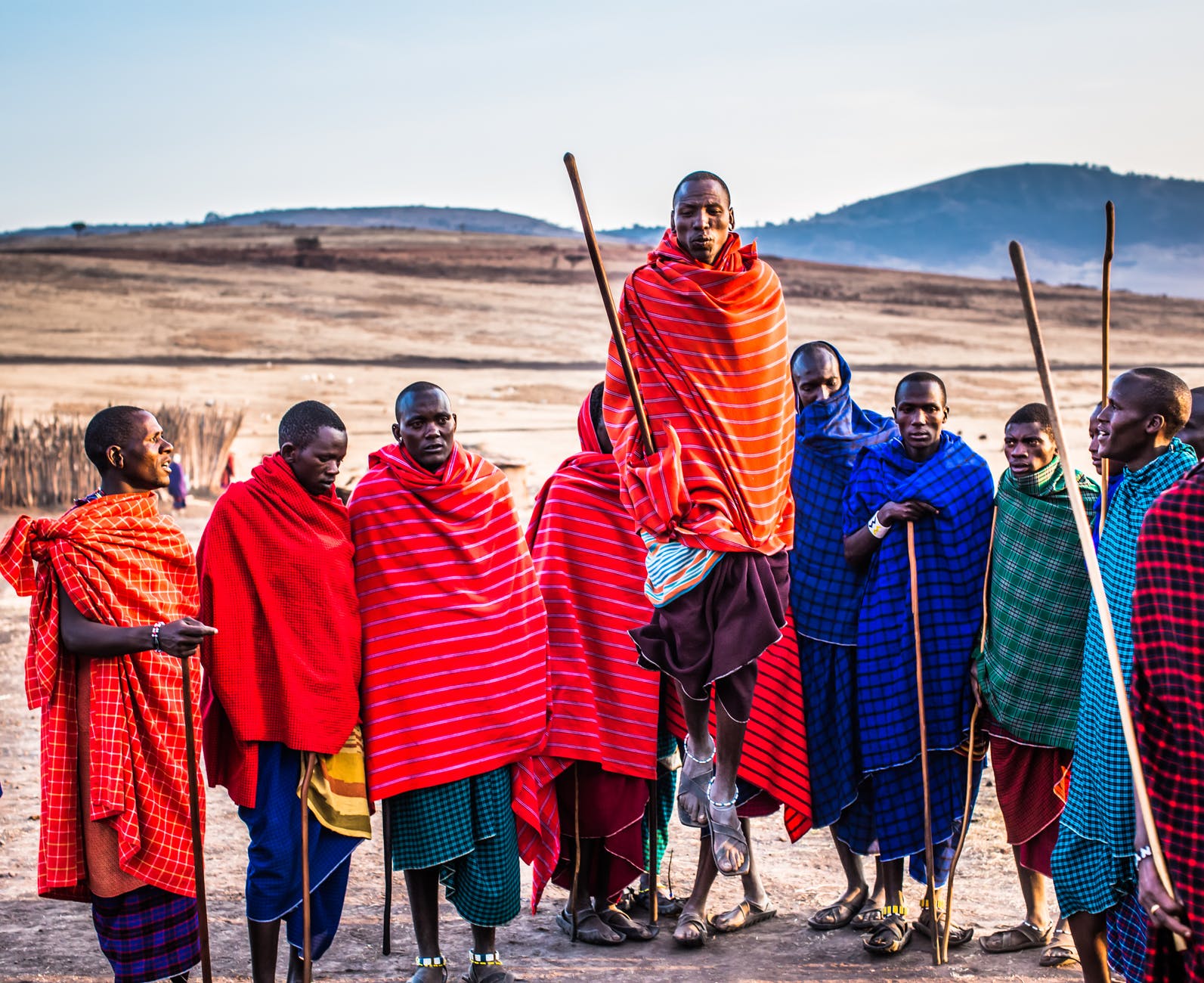
Photo by Follow Alice on Pexels.com

 It’s not a doubt that we have made English a superior language. If a person speaks his mother tongue, we may judge him on the other hand when someone speaks fluent English, we are impressed by it. Sanskrit is India’s one of the oldest languages which seems like it doesn’t exist much. Few years ago, touching feet of elders as a greeting was a mandatory practice but today its not followed in many parts of our nation. If we talk about Food, we want to eat pizza and burger over dal roti and when it comes to clothing, we find our comfort in western clothes. Today, for most of us western dresses are our daily wear clothes and not the traditional ones. If we talk about sports, our traditional games like kho-kho, kabaddi and our national sport Hockey is not much famous in our country. If given a choice we rather watch and play cricket, football or the digital gaming world like PlayStation games which is now the favorite of our youth.  People get annoyed hearing Indian music which have Ragas, Talas which give us pleasure. But on the other hand the they like pop, rock and hip-hop. India offers a number of classical dance each of which can be traced to different parts of the country and because of the western outlook most of them tend to follow it. Some festivals are associated with renowned historical or cultural places like the Khajrao festival, Taj Mahoutsav, etc. We must give equal importance to the Indian culture as we are Indians and shouldn’t let any culture to come in our way. 

Culture is the name for what people are interested in, their thoughts, their models, the books they read and the speeches they hear. Respect and preserve our culture because it gives us an identity and defines us- what we are, who we are and where we have come from, it makes us unique. Don’t forget your roots and be proud of our culture.
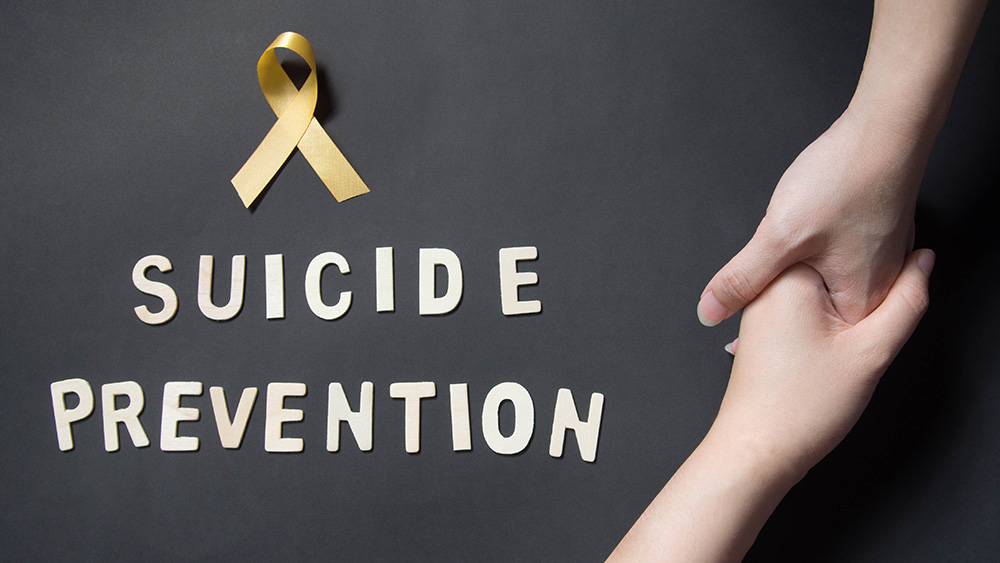
Suicide cases in India & Suicide Prevention

See the source image

When one commits suicide then it is that single moment when one does not care for anyone, neither parents, nor family or friends, but just want to culminate his or her life for one particular reason. He or she wants to rest in peace. But who knows about life after death, whether life after death is peaceful or do we have to go through our previous karmas in future lives or where God will send us or what he will make us. There are many mysterious questions that cannot be answered. This means that you know nothing about your condition after death. So, presuming death is peaceful than life is not 100% true. Young Indians especially wealthy and educated are more likely to commit suicide as development is forcing youth to the condition of hopelessness. Job anxiety, competition, educational pressure, and society can also increase the number of suicide cases in India. As more and more number of young ones are relying on electronic gadgets than their family, the frustration level is increasing. The younger generation is also facing pressure from their families to get higher marks and many parents believe that their kids should come first in the class. This is one of the leading causes of suicides in the school-going generation in India. But whatsoever may be the reason, this step is not a solution to any problem. One must be strong enough to face the realities of life. Accept both good and bad with open arms and do not let anything disturb you.

Suicide is preventable

Together, we must all stand up, speak up, and advocate for better policies and implementation of resources for mental health. We must view suicide as a condition needing treatment, not as a punishment. A multi-pronged approach must be taken to decrease the world’s suicide rate. Mental health education and resources for dealing with symptoms of mental health should be taught and promoted from an early age. Doing so will provide an avenue for the maintenance of dignity and help-seeking behavior. If you know someone who is feeling suicidal or is emotionally distressed, tell them that you care for them. Being an active listener and being aware of signs of distress can help you to be there and make the person realize that you will help them and that they deserve to be helped. Being empathetic helps the person feel understood and heard. It is important to realize that feeling suicidal is not the nature of the person but a mere state of mind. People feel suicidal because they feel nothing else will work out and their death will solve the problem. Suicidal thoughts are often linked with a mental disorder and can be treated well.

World Suicide prevention Day

World Suicide Prevention Day is an awareness day observed on 10 September every year, in order to provide worldwide commitment and action to prevent suicides, with various activities around the world since 2003. The aim of the day is to research and collect data on suicidal behavior, determine the various causes and why its signs go unnoticed, and developing sound practices and policies for suicide prevention. Events and activities on World Suicide Prevention Day include conferences, seminars, and discussion forums; formulating new policies for suicide prevention; the use of media as a tool for promoting awareness; memorial ceremonies to remember those who lost the battle to mental illness; educating adolescents on suicide and who to reach out to if needed; and establishing support groups and special facility centers as resources for depression and suicide awareness and treatment.

SELF IMPROVEMENTS, GOOD & BAD HABITS

See the source image

“No matter who you are, no matter what you did, no matter where you’ve come from, you can always change, become a better version of yourself.”

Self improvement is an inner process, which focuses on changing one’s attitude toward oneself and toward the world, and on getting rid of harmful habits and building new good habits. The purpose of this inner process is to improve your behavior and habits, and to create happiness and satisfaction into your life. The aims of self-improvement are to learn to adopt a positive mindset, to get rid of negative habits, and to build positive habits and behavior. It is a process to make ourselves better and happier people. Self-improvement usually starts by becoming more aware of ourselves, our behavior and our reactions. It requires that we earnestly desire to improve ourselves, better our life, and build good relations with people. Self improvement improves your mental health, and helps you become aware of any bad habit, so you can change it. It also improves your life and helps you achieve your goals. This process includes simple steps to make you feel good about yourself, learn new skills, and even practice physical activity to improve your health and energy level.

Here is my try of self improvement:

My 5 Good Habits:

1. Drinking good amount of water

It is essential for a person to drink 3-4 liters of water everyday. There are many benefits of water that we often take for granted. Water not only helps hydrate our bodies, but it can also help prevent headaches, aid in digestion, and relieve bloating. Since water is a natural liquid, it’s much healthier for humans to drink than carbonated or high-sugar drinks like sodas or juices.

2. Going to gym

I go to gym 6 days a week. With our busy routine most of us tend to put our physical and mental health on the last of part of our day-to-day list. But the lack of exercise can cause serious health issues for you down the road. I believe that each one of us should at least take out 1 hour for any exercise activity.

3. Think Positive

Every time a negative thought enters your mind, think of the polar opposite thought to help train your brain to think positively. Objecting to negative or toxic thoughts by replacing them with positive thoughts is a healthy way to help challenge thoughts that don’t uplift you.

4. Spend Time with Family

One of the most neglected good habits is spending time with family. Thankfully I spend a good amount of time with my parents and siblings even though on some days I have a hectic schedule. It relaxes me and I fell happy from inside.

5. Practice good hygiene

One of the good habits of mine is practicing good hygiene along with a self care routine. Showering each evening or morning, doing my skin care routine before going to sleep is something which helps me to feel fresh and overcome my bad moods.

My 5 Bad Habits:

1. Not eating green vegetables

It is always recommend for us to eat more and more vegetables, especially green leafy veggies because they are very beneficial for our health and body as well. They not only help us to stay young, improve our bone strength and eye health but also prevent us from deadly disease such as cancer. I believe this is my worst habit and each one of us should adapt it.

2. Bad sleep routine

I go to bed at around 1:00 a.m. and wake up late the next day because of which I also miss my classes. By developing such bad routine we are putting our health at a higher risk.

3. Use phone before sleeping

One simple effect that watching a screen right before bed has is the fact that we don’t get tired enough to sleep. It keeps our mind psychologically engaged. All of us including myself should avoid using phone before we go to sleep.

4. No Morning Walk

Walking in the morning on a regular basis will result in multiple health benefits and not only improves physical health but also mental and emotional well-being. Morning walk enhances our metabolism, which may be a sign of getting a healthier body.

5. I study on bed and not on a table

A very bad habit of mine is that I always study while sitting or laying on a bed. Because of this I sometimes have neck as well as back pain. We should study on a proper table-chair , it helps us to focus on our work.

Cyberbullying: A Brutal Reality

See the source image

These days people are totally dependent on the internet. The Internet became a necessity in human lives, the more people are using the internet the more it is developing. And the more it is developing the more it is creating an impact in the society. Communicating with people became so easy. But everything has its own drawbacks and so does the internet, Cyberbullying being one of them. Cyber Bullying is nothing but bullying someone on online platforms such as Facebook, What’s-app, Instagram, tweeter etc. But it is said to be bullied only when something negative is shared about someone and that can cause a huge harm to their reputation. Cyber bullying is so dangerous because it gives the ability to harass anyone in public at any time through devices and mostly students are the victims of these kinds of harassment.

Effects of cyberbullying

Cyberbullying is a very serious issue affecting not just the young victims, but also the victims’ families, the bully, and those who witness instances of cyberbullying. However, the effect of cyberbullying can be most detrimental to the victim, of course, as they may experience a number of emotional issues that affect their social and academic performance as well as their overall mental health. When bullying happens online it can feel as if you’re being attacked everywhere, even inside your own home. It can seem like there’s no escape. The effects of cyberbullying also include mental health issues, increased stress and anxiety, depression, acting out violently, and low self-esteem. Cyberbullying can also result in long-lasting emotional effects, even if the bullying has stopped. The effects can last a long time and affect a person in many ways like feeling ashamed or losing interest in the things you love, tired ,experiencing symptoms like headaches. The feeling of being laughed at or harassed by others, can prevent people from speaking up or trying to deal with the problem. In extreme cases, cyberbullying can even lead to people taking their own lives. Cyberbullying can affect us in many ways. But these can be overcome and people can regain their confidence and health.

How to put an end to cyberbullying

If you experience cyberbullying, you may want to delete certain apps or stay offline for a while to give yourself time to recover. But getting off the Internet is not a long-term solution. You did nothing wrong, so why should you be disadvantaged. We all want cyberbullying to stop, which is one of the reasons reporting cyberbullying is so important. But creating the Internet we want goes beyond calling out bullying. We need to be thoughtful about what we share or say that may hurt others. We need to be kind to one another online and in real life. It’s up to all of us!

It is important for us to understand that it can be a very small step to go from what is intended to be a harmless joke to a full-blown cyberbullying campaign. The lack of face-to-face interaction and the feeling of power one gains from sitting behind a computer screen can turn what might normally be a traditional case of schoolyard teasing into a steady onslaught of harassment, shaming, and threats of bodily harm.

“Bullying is a horrible thing. It sticks with you forever. It poisons you. But only if you let it.”

Are Covid-19 Vaccines Safe for Pregnant Women

See the source image

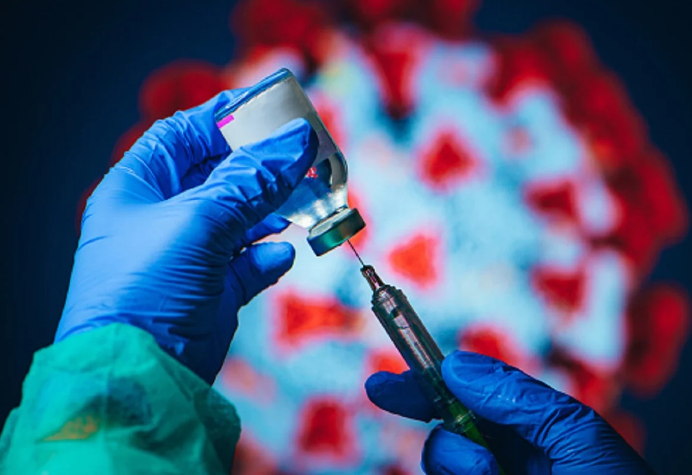
In a major policy shift, the Health Ministry on 2th July 2021 announced that pregnant women can now get vaccinated against Covid-19. Covid-19 vaccinations can save both pregnant woman and the child, said Dr N K Arora, Chairman, National Technical Advisory Group on Immunization. The Covid-19 vaccination has been expanded to include all citizens above 18 years of age, making more than 69 per cent of the population eligible, of which nearly half 48 per cent are women. Recent studies have shown that pregnant women who get infected with Covid-19 are more likely to require intensive care. Coronavirus infection during pregnancy can result in rapid deterioration of health and affect the fetus also. The health ministry released a fact sheet and detailed information for Medical Officers for counselling pregnant women. All pregnant women need to register themselves on the Co-WIN portal or may get themselves registered on-site at the Covid-19 vaccination center. The process of registration for pregnant women remains the same as of the general population and as per the latest guidance provided by Health Ministry from time to time.

Why should pregnant women take vaccine

Pregnancy does not increase the risk of Covid-19 infection. Most pregnant women will be asymptomatic or have a mild disease, but their health may deteriorate rapidly, affecting the fetus. It is also important for pregnant women to take all precautions to protect themselves from acquiring Covid-19, including taking vaccination against Covid-19. It is therefore advised that a pregnant woman should take Covid-19 vaccines. Multiple studies and experts have recommended that vaccines available in the market are safe for pregnant women to take.

How does covid-19 affect the health of pregnant women

Over 90 percent pregnant women recover without any need for hospitalization. A recent study by the Indian Council of Medical Research (ICMR) revealed that the case fatality rate in pregnant and postpartum women was 5.7 percent in the second wave as compared to just 0.75 percent in the first wave. Moreover, 28.7 percent of pregnant and postpartum mothers had severe symptoms in the second wave, as compared to 14.2 percent who showed any symptoms in the first wave. Those who are symptomatic appear to be at a higher risk of severe infection and death. In case of severe disease, they will need to be hospitalized. Pregnant women who are older than 35 years of age, and those who have underlying health conditions such as high blood pressure, obesity, are at higher risk of getting severe illness.

Precautions which need to be taken

Taking precautions against COVID-19 is extremely important for pregnant women, and so, it is advised that they take the COVID-19 vaccine. Multiple studies and experts have maintained that vaccines available are safe for pregnant women to take. The Covid-19 vaccination schedule can be started anytime during pregnancy. If a woman has been infected with Corona virus during the current pregnancy, she should be vaccinated soon after the delivery. Practice Covid appropriate behavior : wearing a double mask, frequent handwashing, maintaining physical distance and avoiding crowded areas to protect themselves and those around from spreading the COVID-19 infection.

OLYMPICS 2020: Tokyo

See the source image

After a year’s delay, the Tokyo Summer Olympics appear set to proceed. The world’s best athletes will once again compete in the pool, on the track, around the velodrome and high above the trampoline. But the circumstances will be most unusual. The Summer Games, scheduled for Tokyo in July and August 2020, were delayed for a year because of the pandemic. The Games are currently scheduled to proceed July 23 to Aug. 8, 2021.  The International Olympic Committee and the Tokyo organizing committee are determined to hold the Games after years of planning. They are also eager to hang on to the billions of dollars in television money that they would lose if the Games were canceled. Organizers say postponing again is not possible.

STILL KNOWN AS OLYMPICS 2020: Despite coming a year late, the Games are still called Tokyo 2020. T-shirts, mugs, signage and other branded gear will all reflect that.

Japanese against Olympics

Around 80 percent of people in Japan think the Games should not go on this summer. It has been over a year since Japan proclaimed its first one-month state of emergency back in April 2020. There have been many outbreaks throughout this year as a direct result of the non-existent COVID-19 mitigation measures. For the entire year of the global pandemic, the Abe and Suga governments focused on downplaying the pandemic, doing everything in their power to ensure the Summer Tokyo Olympics will be held this year in July. This includes covering up the realities in the country’s hospitals. As a result , people of Japan are now protesting and demanding to stop Olympics this summer. On 10th July participants in the demonstration gathered in front of a five-star hotel in the capital, where the International Olympics Committee (IOC) President Thomas Bach stays, chanting ‘no more Olympics’.

History

The Olympic Games are an international sports festival that began in ancient Greece. The original Greek games were staged every fourth year for several hundred years, until they were abolished in the early Christian era. The revival of the Olympic Games took place in 1896, and since then they have been staged every fourth year. The ancient Olympics were held every four years between August 6 and September 19 during a religious festival honoring Zeus. The Games were named for their location at Olympia, a sacred site located near the western coast of the Peloponnese peninsula in southern Greece. Their influence was so great that ancient historians began to measure time by the four-year increments in between Olympic Games, which were known as Olympiads. The first modern Olympics were held in Athens, Greece, in 1896. In the opening ceremony, King Georgios I and a crowd of 60,000 spectators welcomed 280 participants from 13 nations, who would compete in 43 events, including track and field, gymnastics, swimming, wrestling, cycling, tennis, weightlifting, shooting and fencing. The official symbol of the modern Games is five interlocking colored rings, representing the continents of North and South America, Asia, Africa, Europe and Australia. The Olympic flag, featuring this symbol on a white background, flew for the first time at the Antwerp Games in 1920.

Have Olympics been cancelled or postponed before?

Since the opening of the first modern Olympic Games in 1896, the international sports competition has never been postponed but only been canceled three times: once during World War I (1916) and twice during World War II (1940, 1944). The 1916 Games were inconveniently scheduled for Berlin when World War I broke out. Those Games, and the Summer Games, which were somehow scheduled for Tokyo, did not happen. The Winter and Summer Games in Italy and Britain in 1944 never happened either.

The Amazon Rainforest

See the source image

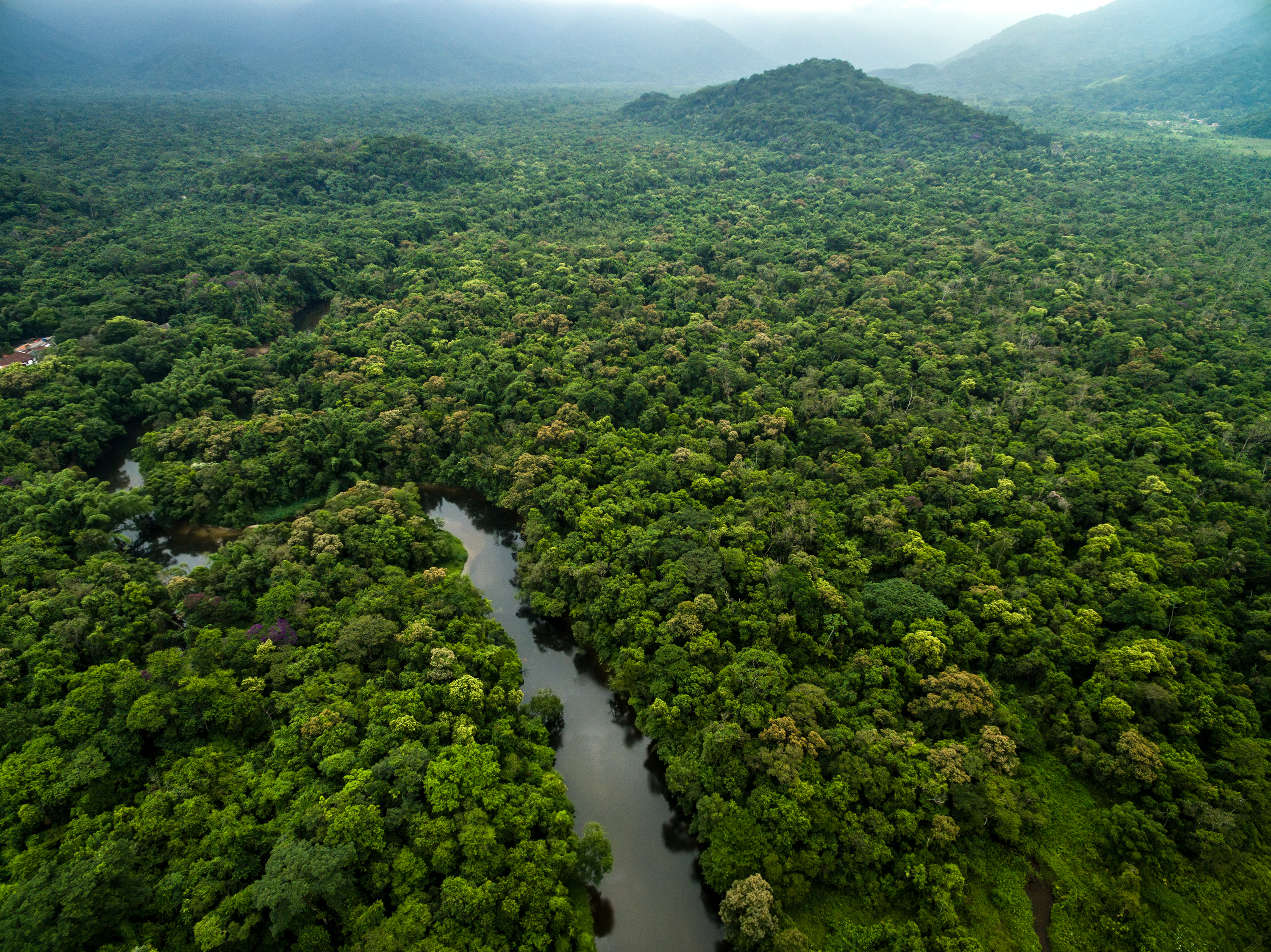
The Amazon Forest is the biggest rainforest in the world with the highest density of plant and animal species anywhere, covering nine countries with 5,500,000 kmof forest cover. Moreover, it is bigger than all the other rainforests combined. It is home to more than thousands of species of animals, plants, and trees, making it the most bio-diverse rainforest on the planet. One in ten of the world’s known species live in the Amazon. It is also known as The Amazon Jungle and is located in the South American continent and has the Amazon basin acting as the source of the magnificent Amazon River.

Ecosystem

Amazon rainforest has the biggest ecosystem in the world. This ecosystem is driven by the great Amazon River, which covers thousands of miles and is the main foundation of the ecosystem. The river basin, with an average temperature of 26C and heavy humid and rainfall levels, has a direct impact on the ecosystem.

The presence of this hot and humid climate has influenced the presence of different species of both plants and animals, making the rainforest have the largest number of species for the kingdoms Animalia and Plantae, including many endangered species. Further, it is home not only to wildlife but also to indigenous people who have been living in the forest. The ecosystem of the rainforest is so big that it helps to control the entire planet’s atmospheric carbon levels. This is attributed to the Amazon basin, which is home to over ten times the annual carbon emissions from fuel consumption.

Plants & Animals

The Amazon biome is home to as many as 80,000 plant species in the Amazon. The tropical climate of the Amazon is the biggest contributing factor for the vast types of plants. The varying climate ensures that all types of plants can grow during the different seasons. The Amazon is home to over 2,000 different animal species. There are over 427 mammal species, 1,300 bird species, 427 amphibian species, 3,000 fish species, and 378 reptile species. In addition to this, there are over 2 million insect species in the Amazon rainforest. One in five of the bird species lives only in this rainforest.

Deforestation

There has been a massive reduction of the Amazon forest area by residents in the nine regions. According to National Geographic, about 17 percent of the Amazonian rainforest has been destroyed over the past 50 years. The major reasons for this are human settlement and search for agricultural land. The land surrounding any river basin is always suitable for farming, given that it harbors suitable nutrient content and, thus, soil fertility. Similarly, the presence of forest cover translates into better soil quality in terms of humus and water retention leaving no chance of soil erosion. Although the soil in the forest is fertile, there is a deterring factor. The fertility of the soils in the Amazon is easily depleted over a short time rendering farming on a single piece of land quite difficult. This is because the sandy soils are thin, thus not suitable for farming.

Wildfire in Amazon

Fires breaking every year in the Amazon rainforest are often caused by accidents during the dry months. Every year, the dry season causes wild fires that destroy wildlife. However, many satellite photographs also show that the fires in the Brazil region of the Amazon were set deliberately to clear many acres of land.

Climate Change of the Amazon Rainforest

Over time, global climate change and more deforestation will likely lead to increased temperatures and changing rain patterns in the Amazon, which will undoubtedly affect the region’s forests, water availability, biodiversity, agriculture, and human health. Industrial farming, urban expansion, mining, petroleum extraction, dams and irresponsible timber production have also led to massive forest loss. As deforestation continues and the effects of climate change intensify, we run the risk of losing this spectacular ecosystem for future generations.

JEFF BEZOS: WORLD’S RICHEST MAN

See the source image

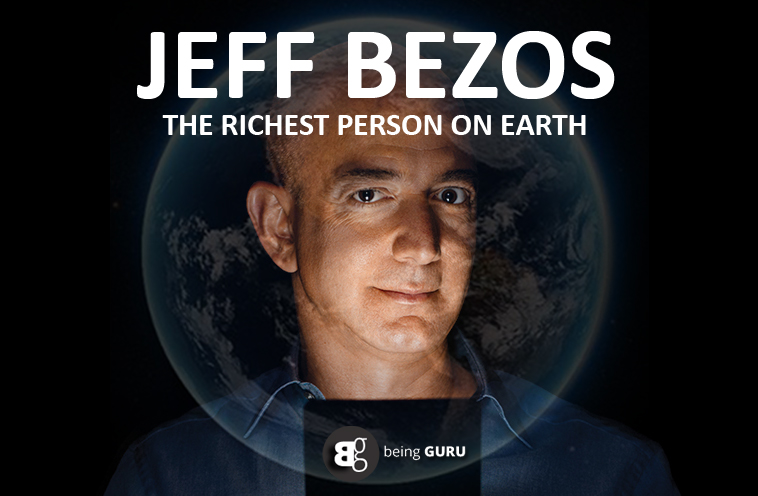
Even after stepping down as the CEO of Amazon, Jeff Bezos remains at the top of the Forbes The World’s Real-Time Billionaires list, as he holds onto the number one position with an iron grip. With an estimated net worth of $203 billion according to Bloomberg Billionaire Index, Bezos’ fortune has skyrocketed since he first founded the company in 1994.

Professional Life

Jeff Bezos is the founder of Amazon, World’s largest internet company, and second to hit the US$ 1 Trillion mark after Apple. Jeff founded the company in 1994 as an online book store. Although Amazon is now bigger than ever, it wasn’t the only name on his mind. Relentless was another such name, and even today if you visit relentless.com you’ll be redirected to Amazon. Today, Amazon has expanded into various sectors including cloud computing, home assistant hardware, music/video streaming services, organic foods, and many more. In 2017, Amazon’s net profit was US$ 3 Billion. Same year, in November Jeff Bezos sold 1 million Amazon shares worth US$ 1.1 Billion. But, in 2018 the profits jumped to about $12 Billion. Jeff also owns a rocket company that goes by the name of Blue Origin. It is one of SpaceX’s competitor and Jeff’s cue to become a Trillionaire.

His fortune saw a substantial increase in 2020. When the pandemic hit and most businesses were floundering, Amazon was thriving as e-commerce demand went through the roof. Thanks to the blossoming business boom, his net worth went up by $75 million in that year alone. He has faced a certain amount of criticism for this over the years. While his fortune grew, and many of his warehouse workers were living on food stamps, there was a public backlash against the business tycoon. He received a salary of $81,840 as the CEO of Amazon and additional compensations worth $1.6 million last year. His fortune even exceeds the national GDP of certain nations and even the entire British Monarchy, as per the Business Insider report. Fair to say Bezos does not live like the average American. One prime example is that he does not pay Income tax. According to USA Today, and data accessed from the Internal Revenue Service, in 2007, an already billionaire Bezos, was not paying any federal taxes. A few years later in 2011, he again paid no taxes and even received a $4,000 tax credit for his children. His retirement from his leadership role at the forefront of the company marks a big change for the market landscape as Andy Jassy takes over.

Advices given by Jeff Bezos

Take Risks

“When you think about the things that you will regret when you’re 80, they’re almost always the things that you did not do. They’re acts of omission. Very rarely are you going to regret something that you did that failed and didn’t work or whatever”

Make good decisions-Fast

Bezos believes that the key to maintaining an innovative business is to make “high-quality, high-velocity decisions.” “All of my best decisions in business and in life have been made with heart, intuition, guts not with analysis”

Don’t lose your distinctiveness

We all know that distinctiveness – originality – is valuable. We are all taught to ‘be yourself.’ What I’m really asking you to do is to embrace and be realistic about how much energy it takes to maintain that distinctiveness. The world wants you to be typical – in a thousand ways, it pulls at you. Don’t let it happen.”

Bezos said “The fairy tale version of the advice ‘be yourself’ is that all the pain stops as soon as you allow your distinctiveness to shine. That version is misleading. Being yourself is worth it, but don’t expect it to be easy or free”.

Donate Blood, Save Lives!

See the source image
Your few drops of Blood can be someone’s new ray of hope.

“A drop of blood can save a life! Don’t waste it and donate blood.”

Blood donation is a vital part of worldwide healthcare. It relates to blood transfusion as a life-sustaining and life-saving procedure as well as a form of therapeutic phlebotomy as a primary medical intervention. Over one hundred million units of blood are donated each year throughout the world. Donation is the only way of obtaining blood. In the presence of medical and technological advances it is wrongly thought that blood can currently be made but the only source is through blood donation. In developed countries donors are volunteers who donate for their community and whereas in developing countries many people often donate only when their family and friends need it. The prospective donors are being checked that there blood is safe for use. Specialist medical staffs are available at all times during the donation drive and it safe and painless procedure. There is no risk for donors irrespective of the age factor. There is a constant need for regular blood supply because blood can be stored for only a limited time before use. Regular blood donations by a sufficient number of healthy people are needed to ensure that safe blood will be available whenever and wherever it is needed.

Why should you donate blood

Blood is the most precious gift that anyone can give to another person the gift of life. A decision to donate your blood can save a life, or even several if your blood is separated into its components – red cells, platelets and plasma – which can be used individually for patients with specific conditions.

The reason to donate is simple because it helps to save people’s lives. In fact, every two seconds of every day, someone needs blood. Since blood cannot be manufactured outside the body and has a limited shelf life, the supply must constantly be replenished by generous blood donors only.Many patients are waiting for operation in hospital but because of non-availability of blood donors they have to wait unless they find s reliable source they have to keep on waiting. Every two seconds someone in the world needs blood which are required for surgeries, cancer treatment, chronic illnesses, and traumatic injuries etc.

Who should not donate blood

  1. Pregnant or lactating women, or those who have recently had an abortion.
  2. Persons who are on steroids, hormonal supplements or certain specified medication.
  3. Persons with multiple sexual partners or those who are addicted to drugs.
  4. Persons who have had an attack of infection like jaundice, rubella, typhoid or malaria.
  5. Persons who have undergone surgery in the previous six months.
  6. Persons who have consumed alcohol in the 12 hours prior to donation.
  7. Women should avoid donation during their menstruating period.

Blood donation is a major concern to the society as donated blood is lifesaving for individuals who need it. Blood is scarce. There is a shortage to active blood donors to meet the need of increased blood demand. One of the biggest challenges to blood safety particularly is accessing safe and adequate quantities of blood and blood products. Safe supply of blood and blood components is essential, to enable a wide range of critical care procedures to be carried out in hospitals. Interactive awareness on blood donation should be organized to create awareness and opportunities for blood donation.

LUNG CANCER

See the source image

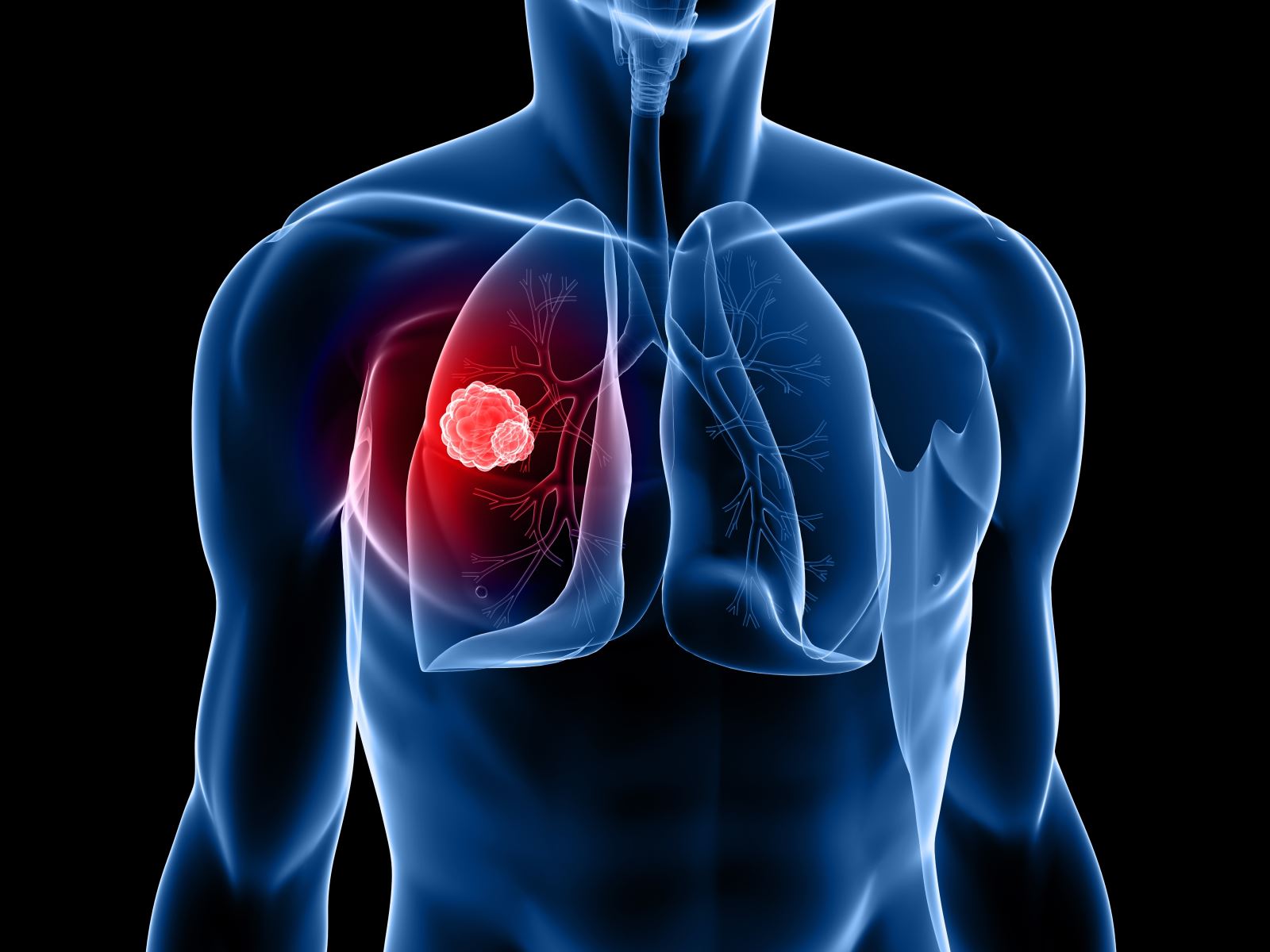
Lung cancer is a disease in which uncontrolled abnormal cell growth begins in the lungs. Lung cancer is a type of cancer that begins in the lungs. Your lungs are two spongy organs in your chest that take in oxygen when you inhale and release carbon dioxide when you exhale. Lung cancer begins in the lungs and may spread to lymph nodes or other organs in the body, such as the brain. Cancer from other organs also may spread to the lungs.  Lung cancer is the leading cause of cancer deaths worldwide. People who smoke have the greatest risk of lung cancer, though lung cancer can also occur in people who have never smoked. The risk of lung cancer increases with the length of time and number of cigarettes you’ve smoked. If you quit smoking, even after smoking for many years, you can significantly reduce your chances of developing lung cancer.

Causes of Lung Cancer:

  • Radon, a radioactive gas found naturally in soil and rocks
  • Smoking
  • Asbestos
  • Mineral and metal dust
  • Air pollution
  • Radiation treatment to your chest or breast
  • HIV/AIDS

Symptoms of Lung Cancer

Lung cancer typically doesn’t cause signs and symptoms in its earliest stages. Signs and symptoms of lung cancer typically occur when the disease is advanced. The symptoms are as follows

  • Chest pain that worsens when you breathe deeply, laugh, or a cough.
  • Hoarseness
  • A lingering or worsening cough
  • Shortness of breath
  • Wheezing
  • Weakness and fatigue
  • Loss of appetite and weight Loss
  • Coughing up phlegm or blood
  • Muscle Weakness
  • Nausea
  • Vomiting
  • High blood pressure and High blood sugar
  • Confusion
  • Coma

Prevention

  • Stop smoking. Stop smoking now. Quitting reduces your risk of lung cancer, even if you’ve smoked for years. Talk to your doctor about strategies and stop-smoking aids that can help you quit. Options include nicotine replacement products, medications and support groups.
  • Avoid secondhand smoke. If you live or work with a smoker, urge him or her to quit. At the very least, ask him or her to smoke outside. Avoid areas where people smoke, such as bars and restaurants, and seek out smoke-free options.
  • Avoid carcinogens at work. Take precautions to protect yourself from exposure to toxic chemicals at work. Follow your employer’s precautions. For instance, if you’re given a face mask for protection, always wear it. Ask your doctor what more you can do to protect yourself at work. Your risk of lung damage from workplace carcinogens increases if you smoke.
  • Eat a diet full of fruits and vegetables. Choose a healthy diet with a variety of fruits and vegetables. Food sources of vitamins and nutrients are best. Avoid taking large doses of vitamins in pill form, as they may be harmful. For instance, researchers hoping to reduce the risk of lung cancer in heavy smokers gave them beta carotene supplements. Results showed the supplements actually increased the risk of cancer in smokers.
  • Exercise most days of the week. If you don’t exercise regularly, start out slowly. Try to exercise most days of the week.

As India is a country of diversity, Thinking of oneness for India is like a nightmare!

See the source image

INDIA: A Diverse Country

Indian culture is one of the most ancient cultures present in the world. The country is quite diverse and is home to several communities, each of whom has their own culture and traditions. It is this combination of various amazing cultures that make India one of a kind. The Indian cultural diversity is what makes India unique and beautiful.

The vast differences in the customs, traditional beliefs and rituals can be witnessed across every state of India. The festivals, the art forms, and to an extent, even the dressing style of the people are quite different in Northern India when compared to those in Southern India. While most of the Indian women wear the saree, the style of draping the saree varies in different parts of India. This difference can be seen, not only among different states but also among the various communities within the same state. The people differ considerably in the social habits. They differ in their dresses, customs, food habits and manners. Different kinds of festivals are observed in different parts of the country by different categories of people. The people of India speak different languages. There are in India separate group of people with their own language. Each of these people’s has its own literature. More than 200 different languages are used in India. The principal languages of India are Sanskrit, Hindi, Bengali, Oriya, Assamese, Gujarati, Marathi, Sindhi, Urdu, Punjabi, Tamil, Telegu, Malayalam, Kashmiri and Kannada.

Thinking of oneness: A Nightmare

A century ago millions of people saw the dream of a free India, a country where all the people of so much diversity in language, religion, social status, community and tradition would live in peace and harmony this dream came true in 1947 when our country got its independence. A part of our ancestors dream was respect and protection of diversity which was written into the Constitution. The leaders wanted a constitution for all Indians which guaranteed their rights and protect them.

India is home for more than 1.3 billion people and if there is some level of discrimination towards a particular section of the society then the integrity of India may face many challenges. Time and again, history has shown that if the ruling group i.e. government is partial towards a certain group then the unity of people comes under great danger. The Act is in complete violation of Article 14 (Right to Equality) as our constitution specifically prohibits any kind of discrimination on the basis of religion. When this republic was being built by our founding fathers, this factor was considered to be one of the major pillars of the countryConflicts between people can be created by political parties. Political leaders fight elections on the lines of cast, community and religions, they may divide the people on communal basis to use them as their vote banks. These tendencies are very harmful and unhealthy for any society. Riots may take place between different sections of our country which will eventually lead to bloodbath and destruction of our motherland. Situations like these are nothing but a nightmare!

Social Media: A Blessing or a curse

See the source image

Our world is changing rapidly with the change in technology. We have seen some massive good and bad effects of technology in our lives and society. Social media can be a blessing and a curse depending upon your product, service, and the specific platforms you choose to use. We all are addicted to some social media channels like Facebook, Twitter, Instagram, and Snapchat etc. It’s a hard fact that social media has changed our lives in both negative and positive ways.

Positive Impact

We are living in a modern age of internet when no one deny the presence of social media. The world has changed a lot in the last decade or so. After the creation of the Internet, the world has become a global village. Information is accessible everywhere and any time. In earlier days we used to send letters to our friends and family members, and it took days to reach the destination. Now with the blessing of internet we can write emails and send messages through WhatsApp and can communicate with each other without any delay. In this pandemic where Coronavirus has completely changed our way of living, just imagine if there was no internet how we could have survived in this situation. Now somehow with many apps available in the market we were able to minimize the impact of this pandemic and continue our routine work. Classes are conducted online due to which students do not have to waste their time sitting idle at home. Many people have started online start ups , they can sit at their home and work online without going to offices.

Negative Impact

Social media is leaving negative effects on its users in many ways. People try to talk less and only where it is necessary. They avoid communicating with their family and try to spend more time using social apps. It is usually seen among kids that they do not talk much with their family and prefer to spend more of their time using social gadgets and remain alone in their rooms. It has become another popular trend that they use short forms in their conversation instead of promoting their native language. The frequent use of social media has decreased the physical activities of the generation which is causing a lack of confidence. People who use social media find it hard to speak confidently sitting in some gathering. The people who are habitual of using social media have less informative skills because their mindset doesn’t allow them to think out of their spam as the use of social apps restricts their thinking. Its addictive usage is creating visual and headache problems among its users. The harmful rays that come out of the devices that they use, affects their brain and eyes. Social media users show fearless and rude behavior to their parents and show no interest in family gatherings and sittings. Its usage has increased the demand for money and facilities which sometimes leads the user to superiority or inferiority complex. Crime cases and very especially women harassment cases have also been increased because of the influence of social media on society. 

Is Having One Global Language Preferable: Why/Why Not

See the source image

Global language is the language spoken internationally that many people learn as a second language. We use language to communicate and send messages to other people. Language is very important to have because it eases our lives by making our transfer of information to others much more easily. Different languages are spoken all over the world. There are between 10000 languages spoken. The country with the most languages spoken is Papua New Guinea. In New Guinea they speak approximately 820 languages, with English, as one of their official languages. 

One Global Language

If there was to be a single global language that all the world’s citizens would have the ability to communicate easily with individuals from different countries thus creating more equality. If the world was better able to understand each other than there would likely be a reduced amount of conflict because there would be no loss of communication when being translated. A single global language would also prove to be more efficient in the global economy because the worlds businesses and corporations would be better able to communicate. For instance, every country has their own language because of cultural differences and background but in school they are taught another language to be able to communicate with someone of another ethnicity if they needed to.

Most of the wars and conflicts in our history are because of not having proper communication between nations. Countries such as USA and Canada usually have very good relationship partially because of having adequate mutual understanding of each other. This understanding between nations can be achieved when the nations and not only the intellectuals are able to communicate with each other directly. We live in a world where there exists thousands of languages , it is not possible for a person to learn all the languages so it’s not possible for us to have several global languages.

No Global Language

If we decide to keep one global language then all other languages would eventually disappear and along with them their cultures would disappear as well. Each language and culture is beautiful with its own way of life and own perspectives which will be lost if there were only one language. Our language is our identity to tell people where we come from and yes we could not change the worlds language because to learn it , it would be hard and it takes more time learn. There would be the argument from every country, France could say that they want the world to speak French or the British could say that they want the world to speak English also the music would be boring because all the music has one language and we also like different languages music. There should not be a global language because it would take away from the individuality of the differing countries and their diverse cultures. The world would be bland and if everyone was the same, new ideas and inventions would stagnate. The diverse groups of people in the world are what makes the human race what we are.

CHILD LABOUR

See the source image

Child labor — a social ill that continues to plague Indian society

We live in 21st century which is an era of a modern and advanced society. There are some dark truths that run deep in our roots, Child Labour being one of them. While some of us are aware about it, many others deny to acknowledge this truth. Child Labour occurs when children are forced to take up work at an age they need to study and enjoy the phase of innocence. Child Labour leads to the loss of childhood and escalates the exploitation of children in various forms. India faces situations where children are forced to work under adverse conditions. Despite Laws against Child Labour, many children remain exploited as cheap Labour as the authorities are unable to implement strict laws and actions to protect children.

Laws in India

The Child Labour (Prohibition and Regulation) Act, 1986, was the only enacted provision by the Indian Constitution against child Labour and its atrocities. Other provisions stated by the Indian Constitution are: Article 24 of the Indian Constitution states that no child below the age of fourteen shall employ in any hazardous employment or factory but not in non-hazardous industries. Article 39(f)) of the Indian Constitution states that children and young adults are to be protected against moral and material abandonment or any forms of exploitation. Unfortunately, these laws and regulations lack active and proper implementation and enforcement.

Root of child labour

The leading cause of child Labour is extreme poverty in India. To supplement their parents income or being the only wage earners in the family, children end up as Labourers in various industries. Hence, enforcement alone cannot help solve it. The Government has been laying a lot of emphasis on the rehabilitation of these children and on improving the economic conditions of their families. Child Labour is quite relevant in India due to poor schooling opportunities and the country’s high poverty rate. The other major factor is that children provide cheap labour, the person who wants labour has to pay less to them than adult labour. The child can be commanded more than an adult. The pull factor of the child labour is the profit maximization. The causes to failure to control the child labour are poverty, low wages than adult, unemployment, absence of schemes for family allowance, migration to urban areas, large family size, children being cheaply available, non existence of strict provisions for compulsory education, illiteracy, ignorance of parents and traditional attitudes13.

CONCLUSION

Child labour is a significant problem in India. The prevalence of it is shown by the child work participation rates which are higher in Indian than in other developing countries. Equal opportunities for development to all children during the period of growth should be our aim. For this purpose even we citizen should join hands with government and other institutions which are set up for this purpose. Educating the child can be a solution for solving the problem of child labour. To provide compulsory primary education and in order to reduce the burden on parents to meet the expenditure for their children’s education, while they are struggling for a day’s meal, our Government had allotted funds. But due to the lack of awareness most of the poor families are not availing these facilities. So, proper steps have to be taken to create awareness.

SELF-LOVE

See the source image

Self-love is a state of appreciation for oneself that grows from actions that support our physical, psychological and spiritual growth. Self-love means having a high regard for your own well-being and happiness. Self-love means taking care of your own needs and not sacrificing your well-being to please others. Self-love means not settling for less than you deserve. When you love yourself, you have an overall positive view of yourself. This doesn’t mean you feel positive about yourself all the time. That would be unrealistic! For example, I can temporarily feel upset, angry, or disappointed with myself and still love myself. If this is confusing, think about how this works in other relationships. I can love my son even though I sometimes feel angry or disappointed with him. Even in the midst of my anger and disappointment, my love for him informs how I relate to him. It allows me to forgive him, consider his feelings, meet his needs, and make decisions that will support his wellbeing. Self-love is very much the same. Which means, if you know how to love others, you know how to love yourself!

Self-love can mean something different for each person because we all have many different ways to take care of ourselves. Figuring out what self-love looks like for you as an individual is an important part of your mental health. Self-love means accepting yourself as you are in this very moment for everything that you are. It means accepting your emotions for what they are and putting your physical, emotional and mental well-being first.

Ways to practice self-love include:

  • Becoming mindful. People who have more self-love tend to know what they think, feel, and want.
  • Taking actions based on need rather than want. By staying focused on what you need, you turn away from automatic behavior patterns that get you into trouble, keep you stuck in the past, and lessen self-love.
  • Practicing good self-care. You will love yourself more when you take better care of your basic needs. People high in self-love nourish themselves daily through healthy activities, like sound nutrition, exercise, proper sleep, intimacy and healthy social interactions.
  • Making room for healthy habits. Start truly caring for yourself by mirroring that in what you eat, how you exercise, and what you spend time doing. Do stuff, not to “get it done” or because you “have to,” but because you care about you.

Why is self-love important

If you grew up without any models for self-love or anyone who talked to you about the importance of being good to yourself, you might question its value. Well, without self-love, you’re likely to be highly self-critical and fall into people-pleasing and perfectionism. You’re more likely to tolerate abuse or mistreatment from others. You may neglect your own needs and feelings because you don’t value yourself. And you may self-sabotage or make decisions that aren’t in your own best interest. Self-love is the foundation that allows us to be assertive, set boundaries and create healthy relationships with others, practice self-care, pursue our interests and goals, and feel proud of who we are.