MENSTRUAL HYGIENE

Menstrual Health

Menstruation is one of the most significant processes a woman’s body undergoes. Therefore, it is no wonder that we tend to get flustered with the idea of getting our very first period, often forgetting to pay attention to the need for ensuring good menstrual hygiene. A UNICEF study shows that in India, inadequate awareness about menstrual hygiene compels 23% girls to drop out of schools after they start menstruating. This is a stage where girls are often confused and scared as to how to go about their first period since knowledge on basic hygienic practices towards menstruation is often not well addressed. Menstrual health and cleanliness are often neglected but they are extremely important for the health of any woman.

Some Important Factors

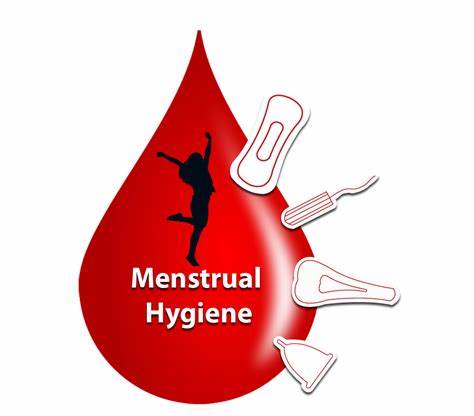
  • From sanitary pads, tampons to menstrual cups, each woman should choose a product that provides her maximum comfort. It must be kept in mind that only one method of sanitation must be used at a time; using multiple ones can lead to rashes, infections or even Toxic Shock Syndrome.
  • Girls getting their periods for the first time are bound to have a lot of concerns, which should be addressed right away. It is crucial to understand that they will require proper guidance to navigate their way towards comprehending the significance of menstrual hygiene. Approaching an expert or a doctor is always the right way to go about this.
  • Ensure that your body is relaxed and comfortable at all times. Choose comfort and be well-rested. Try to look past any age-old perceptions which indicate that women should not indulge in activities during these days. We must encourage women to be active and prove that periods do not get in the way of living lives. Comfort and hygiene can still go hand-in-hand during periods with the availability of an array of services and products in the market.
  • Bathe and wash yourself regularly. Bathing regularly during periods is important as it removes the excess blood that could cause an infection. It can also help alleviate the mood and reduce menstrual cramps. You can also relieve your period pain through mild heat therapy. For cleansing, a gentle foaming cleanser can be used to eliminate infection-causing bacteria, while preserving the good ones you need for a healthy vulva.
  • It is always beneficial to be ready beforehand with all the necessary supplies that you would require. Carrying a multi-purpose pouch containing intimate care kits will surely serve the need of the hour for ultimate comfort and convenience. After your first period, it is best to keep a track of the next period date through apps, which will regularly monitor your cycles

Menstrual Hygiene Day

World Menstrual Hygiene Day is observed on May 28. The main idea behind marking this day is to change the social stigma associated with menstruation. The date May 28 was chosen to observe the day because on an average the menstrual cycle for most women is 28 days and the menstruation period for most women is for five days. Hence, the date was kept as 28/5.  Never consider menstruation as a problem but never neglect hygiene during menstruation to stay happy and healthy. 

PLUTO: A DWARF PLANET

See the source image

What Exactly is Pluto?

Pluto is one of the most mysterious and controversial celestial objects in the solar system. Pluto is a complex and mysterious world with mountains, valleys, plains, craters, and maybe glaciers. Discovered in 1930, Pluto was long considered our solar system’s ninth planet. But after the discovery of similar intriguing worlds deeper in the distant Kuiper Belt, icy Pluto was reclassified as a dwarf planet. Pluto is orbited by five known moons, the largest of which is Charon. Charon is about half the size of Pluto itself, making it the largest satellite relative to the planet it orbits in our solar system. Pluto and Charon are often referred to as a double planet.  Pluto’s four other moons are named Kerberos, Styx, Nix and Hydra.

Some facts about Pluto

The name of Pluto was suggested by an 11 years old girl named Venetia Burney. When her grandfather told her the news that they have founded a new planet, then she said that Why not we can put its name Pluto under the name of the Roman Gods.

Pluto is very, very cold. It is much colder than Antarctica. It is so cold that Earth’s air would freeze into a kind of snow there. Pluto has less gravity than Earth. This means a person would weigh much less on Pluto than on Earth. It is so distant that the Sun’s light, which travels about 300,000 km per second, takes more than five hours to reach it. An observer standing on Pluto’s surface would see the Sun as an extremely bright star in the dark sky, providing Pluto on average 1/1,600 of the amount of sunlight that reaches Earth. Pluto’s surface temperature therefore is so cold that common gases such as nitrogen and carbon monoxide exist there as ices. Pluto is one third water, it is in the form of water ice which is more than 3 times as much water as in all the Earth’s oceans, the remaining two thirds are rock. Pluto’s surface is covered with ices, and has several mountain ranges, light and dark regions, and a scattering of craters.

Why Pluto is known as a dwarf planet

Pluto is a dwarf planet because it has not cleared the neighborhood around its orbit. Pluto goes around the sun, it’s round enough, it’s got moons, and behaves like a planet, but the idea is that Pluto did not form the same way as the rest of the planets. Pluto’s orbit is both eccentric and inclined more than the rest of the planets by about 17 degrees. That’s suggests something is different about this object.

Comparison with the other planets of solar system

Compared with the planets, Pluto is also anomalous in its physical characteristics. Pluto has a radius less than half that of Mercury; it is only about two-thirds the size of Earth’s Moon. Next to the outer planets—the giants Jupiter, Saturn, Uranus, and Neptune—it is strikingly tiny. When these characteristics are combined with what is known about its density and composition, Pluto appears to have more in common with the large icy moons of the outer planets than with any of the planets themselves. Its closest twin is Neptune’s moon Triton, which suggests a similar origin for these two bodies (see below Origin of Pluto and its moons).

DOCTOR’S DAY

See the source image

The shield to our Health, the protector of our families, we grandly celebrate  Doctors Day in India to honor every doctor’s relentless hard work in securing our nation in every possible way. We graciously thank all the doctors, physicians for their dedicated hours in contributing to our country. The difficult times amid COVID-19 have once again reminded us about the contributions and sacrifices made by doctors and the healthcare staff around the globe daily. In honor of this noble profession, Doctor’s Day is celebrated on different dates across the world. This year is once again dedicated to all those doctors and healthcare professionals who are serving in these trying times by risking their lives either in primary as well as secondary care setups or in dedicated COVID care facilities.

Doctor’s Day in India

Doctors Day in India is celebrated on July 1st every year.  The aim of observing National Doctor’s Day is to draw attention to the role and duties of medical professionals in saving lives. The purpose of the day is to recognize their roles and responsibilities. During the Covid-19 outbreak, when the number of cases rose tremendously, doctors have been working around the clock, risking their lives in order to save as many lives as possible. Instead of worrying about their own and their families safety, they decided to serve the country. They worked tirelessly in the hour of crisis.

History

National Doctors’ Day is celebrated on July 1, in India, to mark the birth and honor the contributions of renowned physician and former West Bengal chief minister Dr Bidhan Chandra Roy. The first National Doctors’ Day was celebrated in the year 1991. He was instrumental in establishing institutions like Chittaranjan Cancer Hospital, Chittaranjan Seva Sadan, among others. He was awarded with the Bharat Ratna on February 4, 1961.

Doctor’s Day 2021

The Doctors Day 2021 will be all about the critical role of health care professionals in combating pandemics together. We are looking to celebrate this venerable day with zeal and embrace the success in fighting the COVID-19 till now. In his ‘Mann ki Baat’ address on the last Sunday of June 27th, Prime Minister Narendra Modi reminded the nation of the contributions made by doctors and corona warriors during the Coronavirus pandemic. He said that the nation “must pay its tributes to the the doctors who ensured that India did not succumb to the challenges posed by Covid-19.”Prime Minister Narendra Modi tweeted, “On Doctors Day, my greetings to all doctors. India’s strides in the world of medicine are commendable and have contributed to making our planet healthier.” PM Modi, in his Mann Ki Baat address on Sunday, remembered Dr BC Roy and said, “We must pay tribute to our doctors who ensured that India did not succumb to the challenges posed by Covid-19.”

For all of us, the current pandemic that the world is undergoing is perhaps the most difficult time we are ever facing in our lives. It is even more difficult for the doctors who are working tirelessly to ensure that all those that are infected are provided with proper medical facilities. Their contributions and hard work deserve our gratitude each and every day and not only on any particular day. Their contribution to the healthcare industry is incomparable.

COLORISM IN INDIA

See the source image

Colorism

Colorism is the practice of favoring lighter skin over darker skin. The preference for lighter skin can be seen within any racial or ethnic background. Race can be defined as the attributes, traits and features which differentiates one group from the other existing social groups. In simple words, races are the physical qualities that one inherits biologically and serves as a way of self-identification from the other groups. Racism is a theory that one race is superior that the other based on the physical attributes, caste, creed, ethnicity or origin. A person is being racist when he displays the emotions of hatred, prejudice, biasness and intolerance against another person solely due to his skin color, structure of his lips, language, place of origin or any other attribute which he might have gained biologically.

Colorism in India

India is known as one of the most mega diverse nations in the world. It is indeed a diverse country and a home for people belonging to different caste, religion, color, creed, culture and traditions. Indians are known for their varied degrees of skin complexion termed as fair skinned and dark skinned. The skin color has always remained an important factor in determining a person’s value and worth. Fair skin people are considered to be of a superior status than to the people with a dark sin. Racism has been prevailing in India since the Rig Veda Period, followed by the Mughal era and the British ruleWe live in a society where the people are highly obsessed with one’s skin tone. Indians have varied degrees of skin complexion and they are categorized as fair, dusky, dark etc. Indians believe that fair-skinned people are of a much more worth and value than those who are dark skinned. The fair is considered the intellectual and gets the respect, dignity and the social status while the dark are left behind struggling for their rights and status. We face color hatred and prejudice and somehow still choose to remain silent about it.

The people need to understand that a person’s worth or status is not determined by his or her color. There are numerous cosmetic brands promoting skin lightening creams and lotions. There are advertisements promoting the desperate need of looking fair. The question is why? No one has the right to question or judge one’s complexion. Racial discrimination brings down the morale and the enthusiasm of the dark, they do not get a chance to stand up and speak up or fight for themselves. The mindset of the Indian society should realize the fact that no matter what the skin tone is, what caste or origin a person belongs to, irrespective of all the other physical traits, a person is entitled to equality before the law and has every right to deserve the same respect and honor a fair person gets. Racism is a refuge for the ignorant. It seeks to divide and to destroy. It is the enemy of freedom, and deserves to be met head-on and stamped out.

JAIPUR: THE PINK CITY

See the source image

 HISTORY OF THE PINK CITY

Jaipur is popularly known as the Pink City of Rajasthan, which is not only Pink but also the most colorful city of India. The city is the mixture and combination of Indian culture and modern experiences. Jaipur is probably the first planned city of India. It was planned to design in Pink color, as the color signs for hospitality. The city is known to give an unending experience to the tourist as well as the localities. Pink city has its own vibes and flavors which blends to perfection and brings a completely different exposure. Jaipur is all about forts, museums, food, monuments, shopping and many more things. As a tourist or a newbie in the city, it is always considered to explore the city as a local but in the end, it becomes too messy.

Why Jaipur is known as Pink City

The moment you arrive in Jaipur you will witness that the walls of most building are painted in “pink” terracotta color. The color resembles the city’s heritage and culture. Going back in the history, when Maharaja Sawai Ram Singh was in power and when Prince Albert came to Jaipur during the India tour in 1876. Maharaja wanted to impress the Prince and hence, he planned an extreme strategy. Maharaja constructed a large concert hall and named it after Prince Albert Hall Museum. Then, he decided to repaint the entire city for beautification and chose terracotta pink for the same. The color was durable in all weather conditions. The color represents hospitality. The queen of Maharaja Sawai Ram Singh loved the color and asked the Maharaja to make a law that every house in Jaipur should be pink in color and use of any other color is illegal. The law was passed in the year 1877 and it is effective till today.

PLACES TO VISIT IN JAIPUR

  1. Jal Mahal- Jal Mahar, as per the name suggests is the water palace in Jaipur. Its tropical architectural style with a mixture of Rajput and Mughal structures are just amazing to human sight. It is located in the middle of the Man Sagar Lake and it was built for the royal family to on a summer gateway.
  2. Amer Fort- One of the most famous forts of India. The Amer fort is located on a hill, earlier it was a strong defense around the city. The Indian and Mughal blend of architecture is immensely beautiful. It is said that even the attackers did not want to destroy it.
  3. Hawa Mahal- It was built by Maharaja Sawai Pratap Singh in 1799. The Hawa Mahal was built for the royal women to enjoy festivals and events. It is made of beautiful pink and red sandstone. The structure is in such a way that royal women could enjoy the street view and city life without coming in the sight of the public. It’s shape is like a crown of Lord Krishna which has 953 jharokhas also called as windows in a five-story building.
  4. Nahargarh Fort- Nahargarh fort beautifully displayed the unique blend of Indian and European architectural style. It was built by Madhavendra Bhawan, he built 12 similar suites for his queens. Its construction was done in such a way that Maharaja was able to visit any queen’s suite and none of the other could acknowledge it.

Agriculture is not farming it’s feeding.

Agriculture is defined as the science and art of soil farming, and this definition emphasizes the primary nature of plant production in agriculture. It is not only a means of livelihood but a way of life. Agriculture is the most fundamental form of human activity and involves not only the cultivation of crops but also the domination of animals. Thus, agricultural land is the most basic of the world’s vast and diverse resources, and it provides food, clothing, and shelter to the human population. It is the main source of food, feed, and fuel. It is the basic foundation of economic development. Agriculture is the backbone of our economy. Agriculture is not only important from an economic point of view, but it has a profound impact on our social, political, and cultural life.

The agriculture industry in India reached a value of INR 63,506 billion in 2020. The agriculture industry represents an important component of the Indian economy both in terms of its contribution to the GDP as well as a source of employment to the majority of the country’s population. This sector is currently showing immense opportunities, with India presently being one of the world’s largest agricultural producers by value. A number of transformations have taken place in this sector over the past few decades. These include – rising penetration of the organized sector, growth in contract farming, agriculture becoming more mechanized, easy loan facilities, rise of exports, use of agrochemicals and high yielding seeds, and an increasing role of the private sector in processing, branding and marketing.

India is the second-largest populated country accounting for 18% of the total world population. With an increase in the population, the need for various agricultural products has increased significantly. This rise has prompted the farmers to adopt enhanced technologies and methods in dairy, fisheries and livestock in order to meet the diversified food needs of the people. Additionally, more than 50% of India’s population is dependent on agricultural products which is further promoting the growth of the market.

Over the past few years, India’s GDP has been growing at a steady pace which has resulted in a rise in the disposable incomes of the consumers. This rise has driven the agriculture market both in terms of the producer and consumer. It has enabled farmers to invest more in advanced agricultural infrastructure such as irrigation facilities, quality seeds, equipment’s, fertilizers, warehousing, cold storage, etc. It has also increased the consumers purchasing power creating a positive impact on the domestic demand of agriculture products. India represents one of the most bio-diverse countries in the world. The country encompasses various types of climatic conditions and soil types suitable for cultivating a large number of cereals, fruits, vegetables, flowers, cash crops, etc. The Indo-Gangetic plain, for instance, represents one of the most fertile lands across the globe. In addition, India also represents the second largest fish producing country in the world. The country has diverse resources ranging from deep seas to lakes in the mountains and more than 10% of the global biodiversity in terms of fish and shellfish species.

The establishment of rural banking and credit system has also played a pivotal role in the growth of the agriculture industry. The transformation of agriculture from subsistence to commercialization requires investment on the farm along with the use of modern inputs. With the availability of credit, the constraint on certain inputs like seed, fertilizer, pesticides, hired labor, etc. has been reduced.

RACISM IN THE FORM OF COLORISM

Our country has a history of being ruled by the whites, i.e. the Portuguese, the Dutch and French traders, the Mughals, the British. They were relatively fairer than the rest of the Indian population. This succession by the white people left behind the desperate desire of looking fair. Indians felt that only the light skin people can attain power, dignity and respect as they were the master race. The racial prejudice in our country has taken the form of colorism. The basic definition of colorism means that differentiating or classification of a person from another on the basis of the skin tone or complexion. Discrimination against the members of the same race due to their dark skin complexion is called colorism. The black people are generally considered of a lower status and they are included in the lowest strata of the society while the fair is considered the noble and intellectual. In our Indian society, the complexion of a person is given a lot of importance, fair people are believed to have positive impacts and the dark has negative impacts. This is how the stereotypical mindsets of the Indians work. The black is now hated upon, it is highly condemned by the people worldwide. 

Racism and colorism are very closely related to each other. People with a lighter skin tone were considered as a rich of an upper-caste while people with a dusky skin tone is considered as a poor of a lower caste. Due to the color discrimination, the black people face problems all over the world. It brings down their morale, enthusiasm, self-efficiency to a great extent. They fear the world outside, the voices of the black people go unheard. They do not receive the right amount of appreciation, instead they face constant hatred and are subjected to brutality. The black people face harassment be it in either a physical or virtual form on any online platform. They are bullied not only on the basis of their color, but also on the basis of the structure of their lips or any facial attribute. The black color is the least preferred color in the entire human race. They are denied access to educational institutions, workplace or employment services, social services etc. There is no system which would act as a protection shield against the brutal and the inhumane bullying. The crime rate against the black has evidently increased, but people choose to be silent about it. If the same crime had been done to a white, then the public and the law would have done their best to win justice.

The social media and the advertising agency contribute to a great extent in favoring the notion of colorism. It is well known that the people would prefer a lighter skin tone than a deeper one and they would try their level best to reduce the tone of their skin color using any artificial means. People tend to follow the social media, their role models and hence in a despair to look fair. There are numerous cosmetic brands and skin lightening industries which came up as a solution to their consumer’s needs. In 1975, the “Fair and Lovely” cream was launched by Hindustan Unilever. This brand added a lot to the theory of colorism. It had become an indispensable requirement in the life of the young girls. It denoted that the deep complexion was not acceptable by the society anymore and how the dark people prove to be a disappointment. Only the fair people could achieve success and lead a happy life. Such fairness cream commercials promote the concept that how fairness is the only means of achieving success, dignity, honor and respect. Such products created an obstacle in the society by differentiating people on their skin tone. There was no actual appreciation of the natural beauty and color anymore. It led to the formation of biasness on the preference on the skin tone and color. Colorism really brings down the level of self-esteem and confidence in life of the people which in turn creates a confined status. 

CLIMATE CHANGE

“Saving our planet, lifting people out of poverty, advancing economic growth… these are one and the same fight. We must connect the dots between climate change, water scarcity, energy shortages, global health, food security, and women’s empowerment. Solutions to one problem must be solutions for all.”

Climate is sometimes mistaken for weather. But climate is different from weather because it is measured over a long period of time, whereas weather can change from day to day, or from year to year. The climate of an area includes seasonal temperature and rainfall averages, and wind patterns. Different places have different climates. A desert, for example, is referred to as an arid climate because little water falls, as rain or snow, during the year. Other types of climates include tropical climates, which are hot and humid, and temperate climates, which have warm summers and cooler winters.

Climate change is the long-term alteration of temperature and typical weather patterns in a place. Climate change could refer to a particular location or the planet as a whole. Climate change may cause weather patterns to be less predictable. These unexpected weather patterns can make it difficult to maintain and grow crops in regions that rely on farming because expected temperature and rainfall levels can no longer be relied on. Climate change has also been connected with other damaging weather events such as more frequent and more intense hurricanes, floods, downpours, and winter storms. In polar regions, the warming global temperatures associated with climate change have meant ice sheets and glaciers are melting at an accelerated rate from season to season. This contributes to sea levels rising in different regions of the planet. Together with expanding ocean waters due to rising temperatures, the resulting rise in sea level has begun to damage coastlines as a result of increased flooding and erosion.

The cause of current climate change is largely human activity, like burning fossil fuels, like natural gas, oil, and coal. Burning these materials releases what are called greenhouse gases into Earth’s atmosphere. There, these gases trap heat from the sun’s rays inside the atmosphere causing Earth’s average temperature to rise. This rise in the planet’s temperature is called global warming. The warming of the planet impacts local and regional climates. Throughout Earth’s history, climate has continually changed. When occurring naturally, this is a slow process that has taken place over hundreds and thousands of years. The human influenced climate change that is happening now is occurring at a much faster rate. To avoid the worst effects of climate change, we need to dramatically reduce global carbon emissions. But we must also prepare for the significant and unavoidable consequences of carbon emissions such as increasing temperatures, shifting precipitation patterns, ocean acidification, sea level rise and the increasing intensity and frequency of extreme weather events. WWF works with local communities, governments and others around the world to help nature and people prepare for the many impacts of a changing climate. e are the first generation to feel the sting of climate change, and we are the last generation that can do something about it.

MENTAL PEACE

We are human, and we look at happiness and peace everywhere around us , and also in another human being. But the Self Mental Peace come from the inner side.

Mental peace refers to the deliberate state of spiritual calm and the potential of stressors such as the burden arising from pretending to perform at an optional level with a positive mind (inner peace). Peace of mind is generally associated with joy, happiness, calmness, prayer, yoga, meditation etc. many spiritual practices refer to this peace as an experience of knowing oneself. But we all know that inner peace is important to mental health. The human beings who are mentally strong are confident that they can handle whatever life throws their way.

The people you surround yourself with affect the way you think, feel and behave. Mentally strong people don’t waste their time or energy trying to change toxic people. They established healthy emotional and physical boundaries.

These people take appropriate accountability. They recognize the responsibility for their choice, but they acknowledge factors beyond their control like the state of the economy, the weather and other people’s choice.

Mentally strong people are willing to put in the hard work it takes to gain contentment. They refuse to give in to instant gratification or temporary attachment. They look for ways to build a brighter future by creating long term goals. People face their fear, venture into unknown areas and test their limits. They know that being uncomfortable is tolerable and allowing themselves to experience discomfort is the key to living a better life.

Finally, further reflection on the nature of basic human needs in relationship to self and identity can provide the means to address the most deep rooted of inner conflicts. Just find inner peace and unwrap your best self.

How to get mental peace:-

Connect with something larger than yourself. There are several theories that emphasize the need for balance to produce wellness in our lives. An aspect of that theory includes spiritual wellness. Spiritual wellness promotes tranquility and harmony within yourself and within your life and is essential for mental wellness. This does not mean that you have to become religious if you aren’t; it means you must find something bigger than just yourself with which to connect. Try connecting to the awe of nature or outer-space, or in the bonds people form with each other. Finding something outside of yourself to connect with will help bring peace to your mind.

 Find meaning in your everyday life. Spiritual wellness can also help you build on your understanding of your purpose in the world. This will help you find meaning in your everyday life  If you feel fulfilled with your contribution to the world, your mind will be more at peace. Actions that could help you build your understanding include connecting with others through volunteerism or finding other ways to help and serve others. You may also find meaning in other activities, such as taking care of your family or loved ones, or doing the best job you can at your place of employment.

ORGANIC FARMING

                           ok
” With wrong farming methods, we turn fertile land into desert. Unless we go back to organic farming and save the soil, there is no future” Today more and more people across the globe are accepting and practicing organic farming. What is Organic farming exactly? Well Organic farming is a agriculture method which is done without using any chemicals like fertilizers and pesticides, it was introduced in the world in 20th century. As we know that by 20th century our world became more advanced in technology and started using chemicals in agriculture to increase the production rate. But as the time went by people realized that these chemicals were actually degrading the quality of soil and the food crops. Also, people were tired of eating food which was full of chemicals, they were not getting any nutrients from the food. Hence, the idea of Organic Farming originated in the west which was accepted by people across the globe with open arms. The basic idea of Organic Farming was to provide food products with maximum nutritious value and minimum dangerous ingredients.
Big Misconception about Organic Farming : There is a big misconception that organic foods are relatively expensive. The truth is they are actually cheaper because they don’t require the application of expensive pesticides, insecticides, and weedicides. In fact, you can get organic foods direct from the source at really reasonable prices.
BENEFITS OF ORGANIC FARMING:-
1. To Accrue the Benefits of Nutrients                                                                                      Foods from organic farms are loaded with nutrients such as vitamins, enzymes, minerals and other micro-nutrients compared to those from conventional farms. This is because organic farms are managed and nourished using sustainable practices.                                                                                                                         
2. Natural and Better Taste                                                                                                         Those that have tasted organically farmed foods would attest to the fact that they have a natural and better taste. The natural and superior taste stems from the well balanced and nourished soil. Organic farmers always prioritize quality over quantity.
3. Direct Support to Farmers                                                                                                     Purchasing food items from organic farmers is a surefire investment in a cost-effective future. Conventional farming methods have enjoyed great subsidies and tax cuts from most governments over the past years. This has led to the proliferation of commercially produced foods that have increased dangerous diseases like cancer.
Four Principles of Organic Farming                                                                                                                                                                                                                                                                                    1. Principle of Health                                                                                                              Organic agriculture must contribute to the health and well being of soil, plants, animals, humans and the earth. It is the sustenance of mental, physical, ecological and social well being. For instance, it provides pollution and chemical-free, nutritious food items for humans.                                                                                                               
2. Principle of Fairness                                                                                                      Fairness is evident in maintaining equity and justice of the shared planet both among humans and other living beings. Organic farming provides good quality of life and helps in reducing poverty. Natural resources must be judiciously used and preserved for future generations.                                                                                                        
3. Principle of Ecological Balance                                                                                             Organic farming must be modeled on living ecological systems. Organic farming methods must fit the ecological balances and cycles in nature.
4. Principle of Care                                                                                                                     Organic agriculture should be practiced in a careful and responsible manner to benefit the present and future generations and the environment. As opposed to modern and conventional agricultural methods, organic farming does not depend on synthetic chemicals. It utilizes natural, biological methods to build up soil fertility such as microbial activity boosting plant nutrition. Secondly, multiple cropping practiced in organic farming boosts biodiversity which enhances productivity and resilience and contributes to a healthy farming system.


ARE WE LOSING OUR CULTURE AS A NATION

India is, the cradle of the human race, the birthplace of human speech, the mother of history, the grandmother of legend, and the great grandmother of tradition. our most valuable and most instructive materials in the history of man are treasured up in India only. India is country whose foundation are culture and tradition. Indian culture is several centuries old and consist of ethical values and traditional practices. Today in 21st century, we have evolved, it’s a century where we have access to different societies and part of the globe. We are getting to know about the world and in this process, we are losing our culture which is our identity, we are influenced towards the western world and western culture. Culture is one of the strongest pillars of our country and I feel that we are losing it day by day. Although globalization has played an immense role towards the economic growth of our country, but when its dark side is witnessed, we get to know that a great amount of cultural identity and traditional values have been lost, which cannot be regained through any amount of economic prosperity.

 It’s not a doubt that we have made English a superior language. If a person speaks his mother tongue, we may judge him on the other hand when someone speaks fluent English, we are impressed by it. Sanskrit is India’s one of the oldest languages which seems like it doesn’t exist much. Few years ago, touching feet of elders as a greeting was a mandatory practice but today its not followed in many parts of our nation. If we talk about Food, we want to eat pizza and burger over dal roti and when it comes to clothing, we find our comfort in western clothes. Today, for most of us western dresses are our daily wear clothes and not the traditional ones. If we talk about sports, our traditional games like kho-kho, kabaddi and our national sport Hockey is not much famous in our country. If given a choice we rather watch and play cricket, football or the digital gaming world like PlayStation games which is now the favorite of our youth.  People get annoyed hearing Indian music which have Ragas, Talas which give us pleasure. But on the other hand the they like pop, rock and hip-hop. India offers a number of classical dance each of which can be traced to different parts of the country and because of the western outlook most of them tend to follow it. Some festivals are associated with renowned historical or cultural places like the Khajrao festival, Taj Mahoutsav, etc. We must give equal importance to the Indian culture as we are Indians and shouldn’t let any culture to come in our way. 

Culture is the name for what people are interested in, their thoughts, their models, the books they read and the speeches they hear. Respect and preserve our culture because it gives us an identity and defines us- what we are, who we are and where we have come from, it makes us unique. Don’t forget your roots and be proud of our culture.

INTERNATIONAL YOGA DAY: JOURNEY OF THE SELF,THROUGH THE SELF, TO THE SELF

Yoga is an invaluable gift from our ancient tradition. Yoga embodies unity of mind and body, thought and action, a holistic approach that is valuable to our health and our well-being. Yoga is not just about exercise; it is a way to discover the sense of oneness with yourself, the world and the nature. It helps to maintain the health of not only our physical body but also our mind and soul. Just a simple act of meditation can help relieve many problems such as stress, anxiety diabetes, depression and much more. We human beings are often worried about their mental and physical health. But we never pay heed to exercises or activities due to the busy lifestyle. Later we will complaint and curse our destiny. It’s in our hands to create a good and healthy environment for us. There are lots of benefits and we will get to know it’s impeccable results only when we do. Start by doing giving some time for your mental peace.

 Every yoga asana has various health benefits of its own. Especially in these times where one cannot go outdoors, it only increases the importance of yoga to keep oneself fit. Early morning yoga helps in good blood circulation and oxygen inhalation in our body. lt makes us free from daily life stress and pushes us forward to do our daily works with utmost concentration. By doing so, we can lead a healthy happy life with our family. Emphasis yoga! Practice It! Stay fit!

HISTORY OF YOGA:

Yoga is considered to be an ancient practice that originated 5,000 years ago in India. Yoga was developed as a way to interconnect the mind, body and soul to step closer into enlightenment. As the practice became popular in the west, it became popularized as an exercise and relaxation method, with claims to help the body’s general well-being, alleviate physical injuries and chronic pain.

The idea of International Yoga Day was first proposed by Prime Minister Narendra Modi on September 27, 2014, during his speech at the UN General Assembly, where a resolution to establish June 21 as International Yoga Day was introduced by India’s Ambassador, Asoke Kumar Mukerji. The date of June 21 was chosen as it is the Summer Solstice, the day where there is the most sun out of every other day of the year.

2021 Theme: Yoga for well-being

The Day will be marked at a time when COVID-19 pandemic continues to upend lives and livelihoods of people globally. 

Beyond its immediate impact on physical health, the COVID-19 pandemic has also exacerbated psychological suffering and mental health problems, including depression and anxiety, as pandemic-related restrictions continue in various forms in many countries. This has highlighted the urgent need to address the mental health dimension of the pandemic, in addition to the physical health aspects. 

The message of Yoga in promoting both the physical and mental well-being of humanity has never been more relevant. A growing trend of people around the world embracing Yoga to stay healthy and rejuvenated and to fight social isolation and depression has been witnessed during the pandemic. Yoga is also playing a significant role in the psycho-social care and rehabilitation of COVID-19 patients in quarantine and isolation. It is particularly helpful in allaying their fears and anxiety.

On this International Yoga Day, let us not forget our roots and make use of this wonderful gift from our ancestors to the fullest.

Father’s day 2021: 10 BEAUTiful quotes

See the source image

The man who makes us believe in dreams and helps them come true. Fathers, they deserve much more appreciation for everything they do to keep a family together. The way father loves us in silent and hidden way no one can love us that much in that way. 

Life without dad is swimming without life jacket in the ocean. He will lift his child up on his shoulder for a reason that he has to see the world which is not even seen by him.  He may be poor, but he never let his child to feel down, instead he always make his own daughter/son to feel as a princess/prince of his own kingdom. He builds a strong house for his children with the bricks of his own house. He sacrifices everything he has for their children’s happiness.  

Father’s Day was celebrated for the first time on July 5, 1908, in West Virginia, USA, after a mining incident took place. It was observed in honor of all the fathers who lost their lives in that mishap. Father’s Day is a holiday of honoring fatherhood and paternal bonds, as well as the influence of fathers in society. The third Sunday of June is celebrated as Father’s Day it acknowledges and celebrates the contribution of fathers to their own families and society at large. It is the day one recognizes the importance of the role a father plays in one’s life. To show their love for their fathers or father-like figures, children buy or make presents and write and draw cards.

A father is someone we look up to anytime no matter what our age is. We made mistakes, he stood by our side and made us realize it. He supported us in our achievements and failures. This Father’s Day, give him back some of the love he has given us throughout his life.

10 beautiful quotes to share with your father on this day:

“Dad – a son’s first hero, a daughter’s first love.” – John Walter Bratton

“A father’s tears and fears are unseen, his love is unexpressed, but his care and protection remain as a pillar of strength throughout our lives.” – Ama H. Vanniarachchy

“She did not stand alone, but what stood behind her, the most potent moral force in her life, was the love of her father.” – Harper Lee

“My dad always told me why do you want to fit into a glass slipper. Shatter it that’s somebody else’s slipper.” – Priyanka Chopra

“My father used to say that it’s never too late to do anything you wanted to do. And he said, ‘You never know what you can accomplish until you try.” – Michael Jordan

“When you’re young, you think your dad is Superman. Then you grow up, and you realize he’s just a regular guy who wears a cape.” – Dave Attell

“I’ve said it before, but it’s absolutely true: My mother gave me my drive, but my father gave me my dreams. Thanks to him, I could see a future.” – Liza Minnelli

“Any fool can have a child. That doesn’t make you a father. It’s the courage to raise a child that makes you a father.”- Barack Obama

“My father didn’t tell me how to live. He lived, and let me watch him do it.” – Clarence Budington Kelland

“I am not ashamed to say that no man I ever met was my father’s equal, and I never loved any other man as much.” – Hedy Lamarr


GIRL INFANTICIDE IN INDIA

We live in 21st century which is an era of a modern and advanced society. There are some dark truths that run deep in our roots, Female infanticide being one of them. While some of us are aware about it, many others deny to acknowledge this truth. Female infanticide is the intentional killing of baby girls due to the preference for male babies and from the low value associated with the birth of females. It is the dowry system, lack of financial independence, social customs and beliefs that have downgraded the females to a secondary status comes discrimination, domestic violence and girl infanticide. There are still several cases reported every year of girl infanticide in our country. It is a fact that even though we are in a global society, the major part of our country’s population lives in rural area. In the rural areas, most women give birth in their homes only and because of this we still don’t have the accurate data of girl infanticide.

Sex Ratio indicates the proportion of males to females in a certain population, whereas, in India, the sex ratio is calculated as the number of females per 1000 males. A girl child is considered to be a liability by early societies, and even today, also many people have the same mindset regarding female children. Many parents consider it better to invest in a son than in a daughter. Female infanticide causes an imbalance in the society among the number of males and females. The Socio-Cultural perspective relates to gender differences on a household level, whereas the demographic perspective focuses more on gender differences in the desired family composition. According to a report by the Indian government in 2018, around 63 million women are missing in India. With a decline in sex ratio, the number is going to increase more in the near future. Thus, Indian sex ratio can be characterized as adverse and a declining one, which favors male more than female. There is an immediate requirement for strict regulations to keep a check on such traditions, which is carried out in many parts of India.

According to a recent report by the United Nations Children’s Fund (UNICEF) up to 50 million girls and women are missing from India’ s population as a result of systematic gender discrimination in India. In most countries in the world, there are approximately 105 female births for every 100 males. In India, there are less than 93 women for every 100 men in the population. The United Nations says an estimated 2,000 unborn girls are illegally aborted every day in India. In our country women face problem in the family and psychological disturbance because of giving birth to the girl child and regretted being women. Most of the women reported that they killed their babies under pressure from their husbands. Many a time the husbands would beat up their wives and force them to kill the female child because she is an economic burden. .

Even though the law is a powerful instrument of change yet law alone cannot root out this social problem. The girls are devalued not only because of the economic considerations but also because of socio-cultural factors, such as, the belief that son extends the lineage, enlarges the family tree, provides protection safety and security to the family and is necessary for salvation as he alone can light the funeral pyre and perform other death related rites and rituals. It is, therefore, essential that these socio and cultural factors be tackled by changing the thought process through awareness generation, mass appeal and social action. It’s a high time that we as a country come together and put an end to this heinous crime.

Body positivity

Body positivity means accepting your body despite its flaws. Feeling confident about your body, accepting yourself the way you are and loving yourself immensely is the essence of the concept. Body positivity is accepting the body you have as well as the changes in shape, size, and ability it may undergo due to nature or age throughout your lifetime. It’s about breaking the stereotypes created by the society.

Society has shaped us in many ways, possibly more than we realize. Since our childhood we see our people including our parents and friends criticizing and making comments on our weight because of which many of us become insecure and conscious. Media has set an idealized beauty look by featuring ultra-thin and fair tone models in magazines which leads to lower self-esteem and depression. Social media users choose to share the best parts of their life with world, they cover their flaws by filters and beauty editor apps. People compare themselves with others and begin to feel that they are not good enough. There is no such thing as a perfect body, the concept of perfection is in itself a flawed concept. Real beauty comes from within, the most beautiful people in the world are those who have a good heart. It’s a high time for body-positive initiatives. One’s self-esteem should never be dependent on one’s appearance. Appearances aren’t everything. Characters, values, skills are attributes one must seek to acquire and develop. Don’t try and emulate someone else’s looks or personality. Be authentic, that’s what will make you stand out.

Body positivity also aims to help people understand how popular media messages contribute to the relationship that people have with their bodies, including how they feel about food, exercise, clothing, health, identity, and self-care. By better understanding the effect that such influences have, the hope is that people can develop a healthier and more realistic relationship with their bodies.

The first steps against body positivity tend to start at home. Women are told from young ages that being pretty will help them thrive, they are to act feminine, and that how much they weigh will be a constant presence in their life. Teenage girls and boys are constantly bombarded with images of celebrities who are skinny and have Eurocentric features. The message is clear: this is what success is supposed to look like. It is skinny, but not too skinny, girls, who have perfect hair and makeup, or extremely masculine boys without any hint of low self-esteem. Despite this, the past years have shown body positivity movements and campaigns that have grown, as well as efforts for more diverse model spectrums that have made strides in society.

As individuals we need to stop pressuring ourselves to change the way we look to fit society’s standards on how we should appear. We need to appreciate ourselves and our bodies. Everyone is born to be different and that means not being perfect. We shouldn’t change ourselves to fit in society’s expectations of our appearance. We are beautiful, we are special, we are unique and we shouldn’t let anyone else tell us otherwise. Let’s break the idealized beauty standers and the stereotypes created by the society. Everyone is beautiful in their own way and what matters is the inside beauty and not the outer appearance.