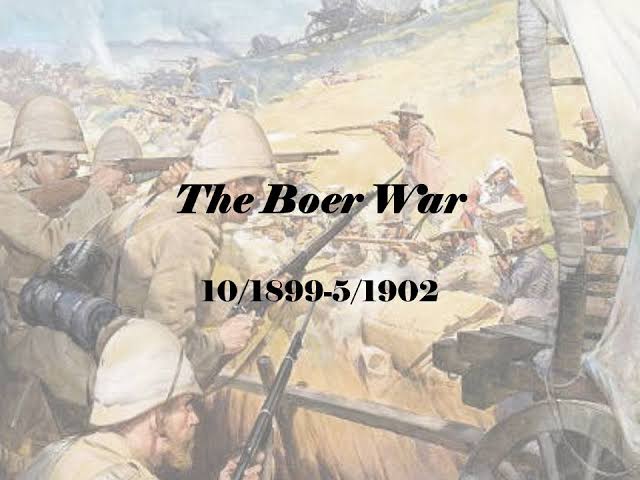
🌟The relationship between the two British colonies of Natal and Cape Colony and the two independent Boer states of the Transvaal and the Orange Free State had long been unfriendly. 🌟The discovery of gold in Transvaal ,in 1886 ,led to large numbers of British miners settling in and around Johannesburg.
🌟The Boers hated these people whom they referred to as Uitlanders. 🌟The Boers taxed them heavily apart from denying political rights. 🌟The question was whether the British or the Boers were to be Supreme in South Africa.
🌟Fearing attacks from the British, the Boers armed themselves and decided to attack. 🌟The Boer War lasted for three years,1899 – 1902. 🌟Initially, the Boers were successful.But by the first half of 1900,the Boer army was defeated. 🌟Pretoria was occupied.
🌟The Boers took to guerrilla fighting. 🌟In retaliation the British destroyed farms and crops. 🌟They set up internment camps for Boer women and children. Shortage of food,medical and sanitary facilities caused the death of 26,000 people.
🌟The British annexed the two Boer states. Boers were however promised self-government in due course. 🌟In 1907 full responsible government was given to the Transvaal and the Orange Free State. 🌟The four states formed into a union and the South Africa Act passed by the British Parliament in 1909 provided for a Union Parliament at Cape Town. The Union of South Af6came into being in May 1910.
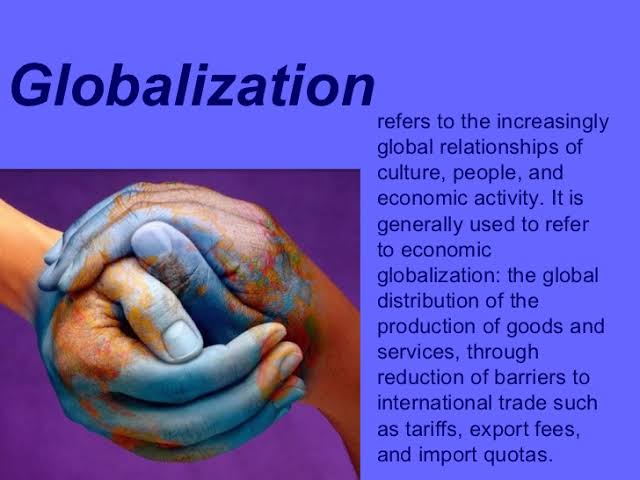
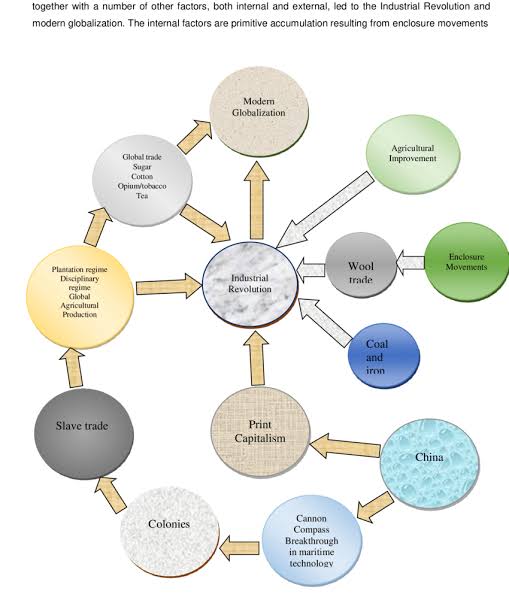
The term of ‘ Globalization ‘ was introduced by Pro. Theodore Levitt. The historical background of Globalization can be discussed on three stages.
Globalization🌎🌏
Stage:1 Stage:2 Stage:3 Archaic Proto Modern
Archaic Globalization🌏🌎 :
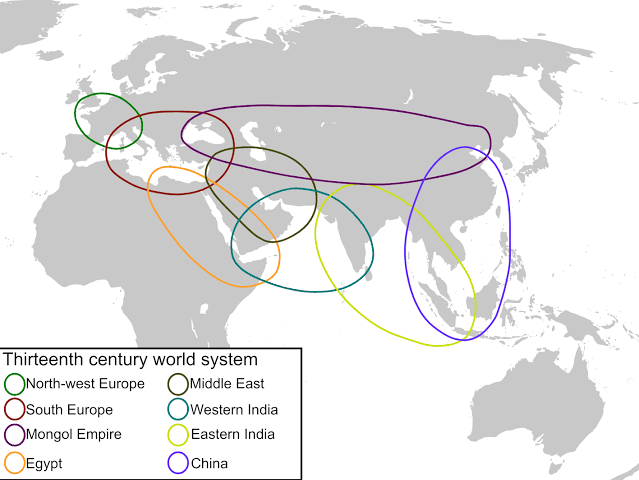
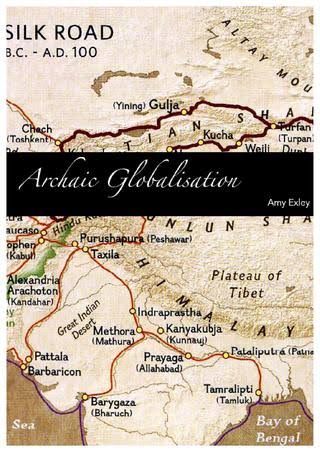
🌟According to Andre Gunder Frank,Globalization has been in existence since the rise of trade links between sumer and Indus Valley civilization in the 3rd millennium BC (BCE). 🌟An early form of Globalization economics and culture ,known as Archaic Globalization existed during the Hellenistic Age.
🌟When commercialized urban centers were focused around the axis of Greek culture over a wide range that stretched from India to Spain with such cities as Alexandria, Athens and anthioch ,as its center. 🌟An early from of Globalization in the trade link between the Roman Empire, Parthian Empire and the Han Dynasty inspired the development of the Silk Road. 🌟The Islamic Golden Age was also an important early stage of Globalization.
Proto Globalization 🌏🌎:
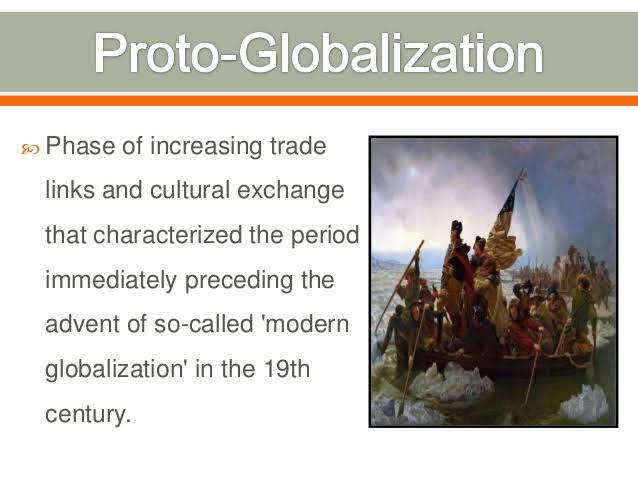
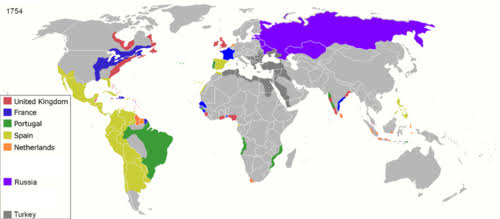
🌟 Proto – Globalization is characterized by the rise of maritime European empires,in thec16 th and 17th centuries. 🌟In the 17th century, Globalization became private business phenomenon like British East India Company was founded in 1600.
🌟The first Dutch East India Company was found in 1602. 🌟In 16 th Century, Portuguese started establishing trading posts (factories) from Africa to Asia and Brazil.
Modern Globalization🌎🌏 :
🌟The 19th century witnessed the advent of Globalization approaching its modern form. 🌟Between the Globalization in the 19th and in the 20 th Century there are significant differences.
🌟The global trade in this centuries as well as the capital, investment and the economy and another one is the global trade in the 20th century shows a higher share of trade in merchant production. 🌟 A growth of the grade in services and the rise of production and trade by multinational firms. 🌟Multinational trade contracts and agreements have been signed ,like the General Agreement on Tariffs and Trade [GATT] and World Trade Organization [WTO].
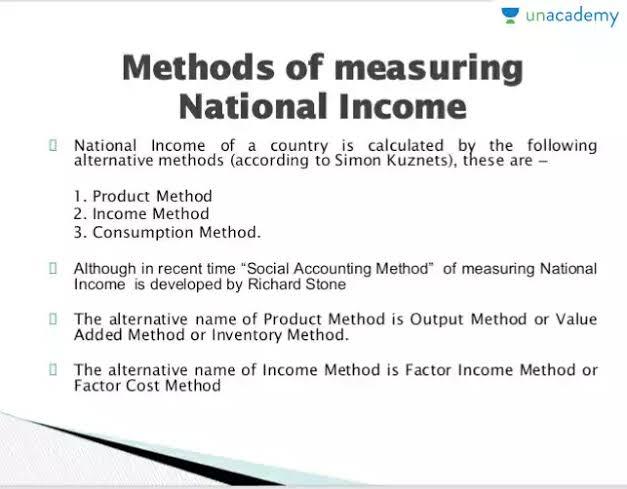
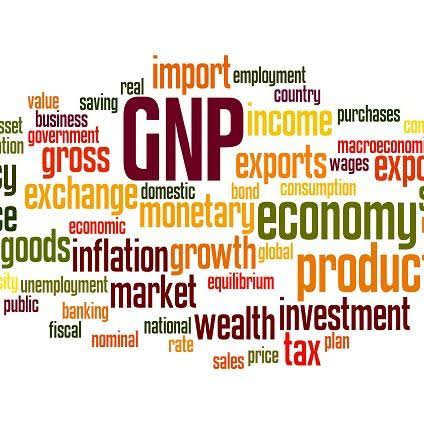
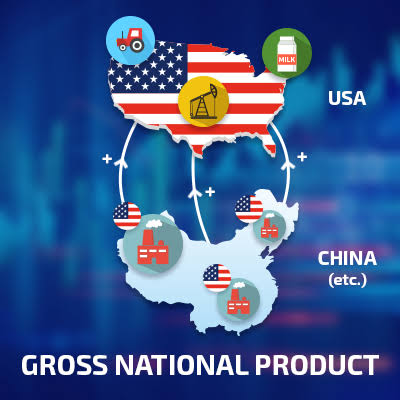
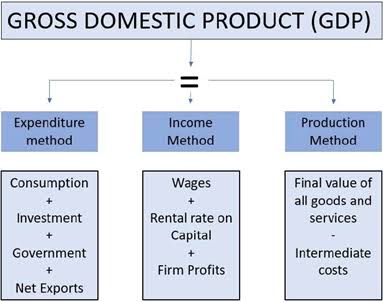
🔹 Gross National Product is the total value of goods and services produced and income received in a year by domestic residents of a country.
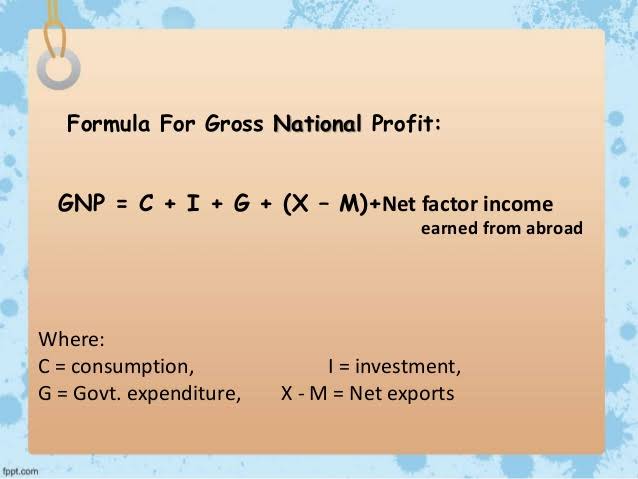
🔹It includes profits earned from capital invested aboard GNP = C+I+G+(X-M)+ NFIA
C= Consumption I= Investment G= Government Expenditure X-M = Export – Import NFIA = Net Factor Income from Abroad.
🌟Gross Domestic Product (GDP) :
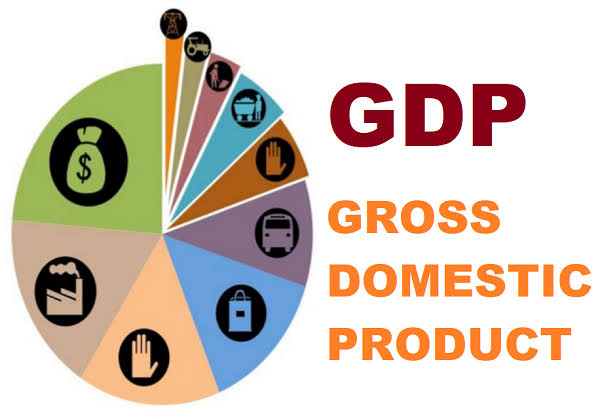
Gross Domestic Product (GDP) is the total value of output of goods and services produced by the factors of production within the geographical boundaries of the country.
🌟Net National Product (NNP) :
🔹Net National Product (NNP) is arrived by making some adjustment with regard to depreciation. 🔹NNP = GNP – Depreciation
🌟Net Domestic Product (NDP) :
🔹Net Domestic Product (NDP) is a part of Gross Domestic Product. 🔹 It obtained from the Gross Domestic Product by deducting the Quantum of tear and wear expenses (depreciation). 🔹NDP = GDP – Depreciation
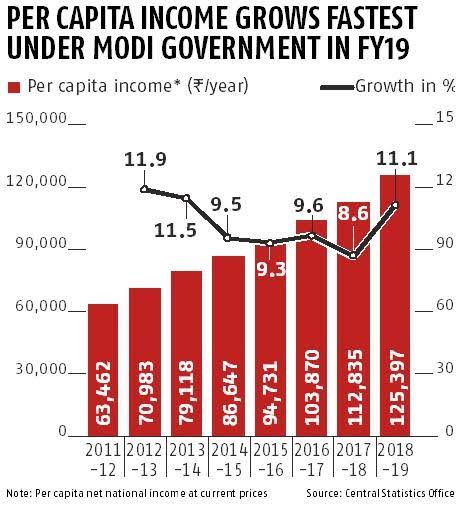
🌟Per Capita Income (PCI) :
🔹Per Capita Income or Output per person is an indicator to show the living standard of people in a country. 🔹It is obtained by dividing the National Income by the population of a country. 🔹Per capita Income = National Income / Population
🌟Personal Income (PI) :
🔹Personal income is the total money Income received by individuals and households of a country from all possible sources before direct taxes, therefore, Personal income can be expressed as follows. 🔹PI = NI corporate Income Taxes – Undistributed corporate profits – social security contribution + Transfer payment.
🌟Disposable Income(DI) :
🔹Disposable income means actual income which can be spent on consumption by individuals and families, thus,it can be expressed as 🔹DPI = PI – Direct Taxes (From consumption approach DI = Consumption Expenditures + Savings)
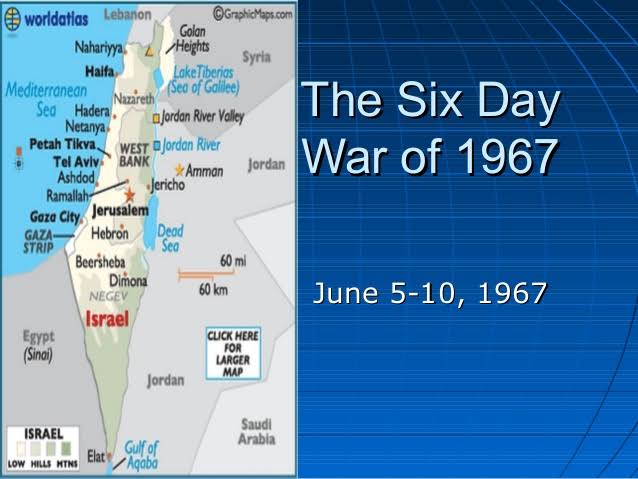
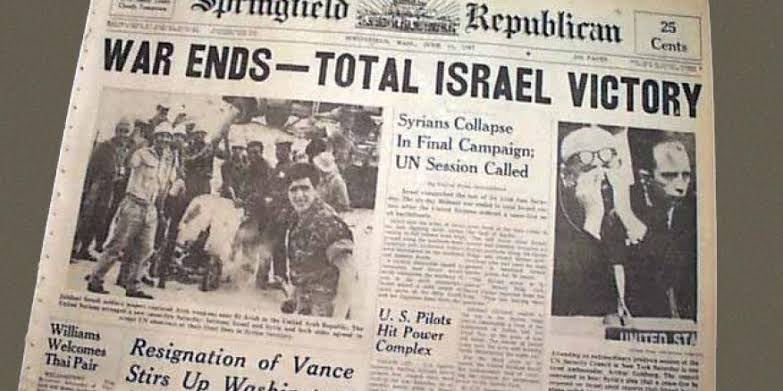
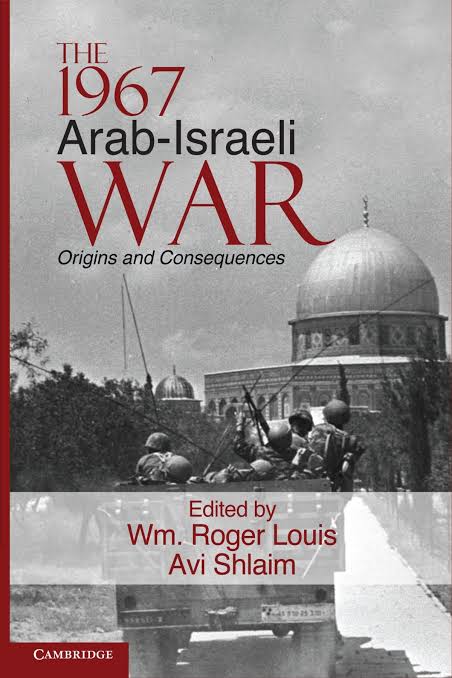
🌟Ever since the formation of the Palestinian Liberation Organization (PLO), Israel came to be attacked frequently by Palestinian guerrilla groups based in Syria, Lebanon and Jordan. 🌟Israel restored to violent reprisals and in November 1966 an Israeli strike on the Village of Al – Samu in the Jordanian west Bank ,left 18 dead and 54 wounded.
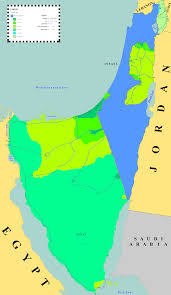
🌟Israel’s air battle with Syria in April 1967 ended in the shooting down sis Syrian MiG fighter jets. 🌟In his bid to demonstrate Egypt’s support for Syria Nasser mobilized Egyptian forces in the Sinai, seeking the removal of UN emergency forces stationed there on May18.
🌟 On May 22 he closed the Gulf of Aqaba to Israeli shipping. King Hussein of Jordan signed a mutual defense pact with Egypt. 🌟Accordingly, it was decided to place Jordanian forces under Egyptian command. Soon, Iraq too joined the alliance.
🌟The Arab losses in the war were heavy. The defeat demoralized both the Arab public and the political elite. 🌟The six – Day War also marked the start of a new phase in the conflict between Israel and the Palestinians. 🌟The conflict created hundreds of thousands of refugees and brought more than one million Palestinian in the occupied territories under Israeli rule.
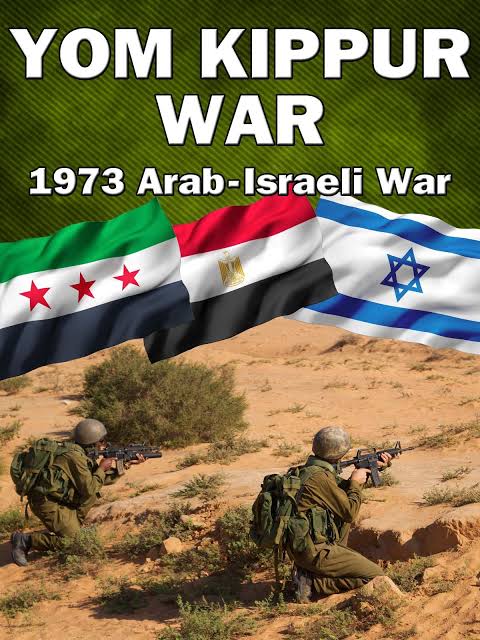
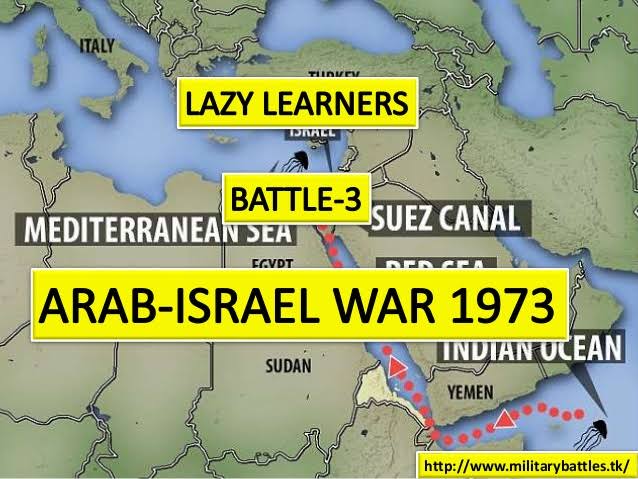
Arab – Israeli War 1973🤺🤺 :
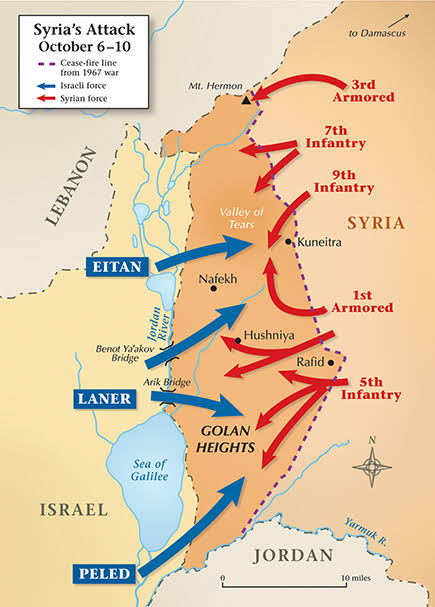
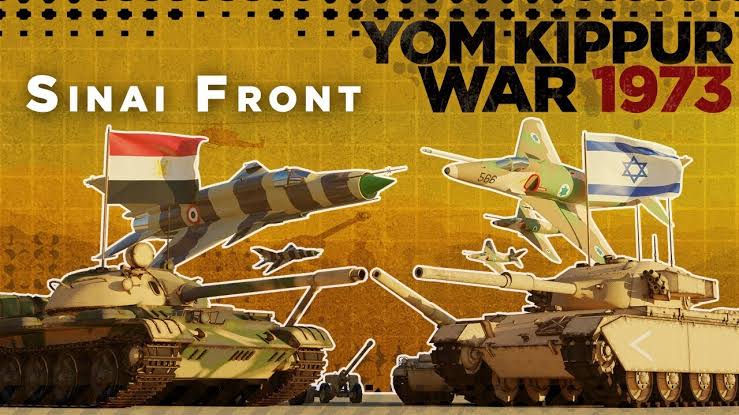
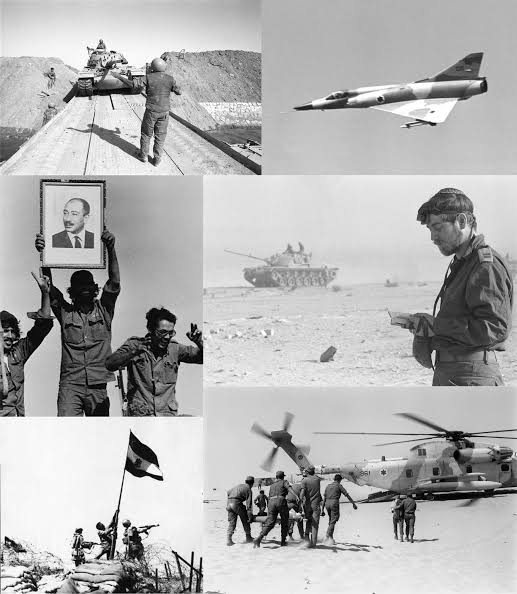
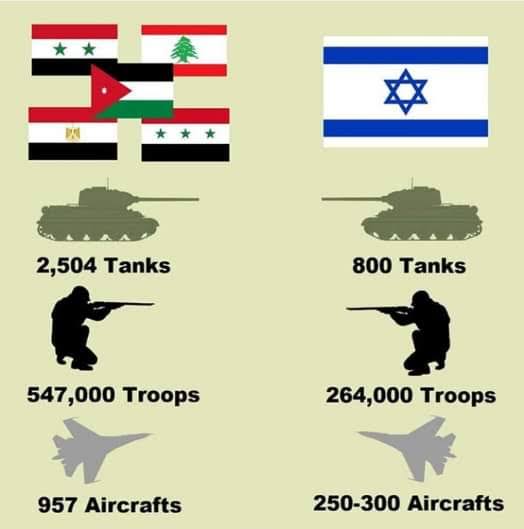
🌟Egypt and Syria under President Anwar Sadat and Hafez al- Assad respectively concluded a secret agreement in January 1973 to bring their armies under one command. 🌟Assad was keen on retrieving Golan Heights.
🌟Aware that his country’s weapons were outdated, Sadat offered the Israelis a peace deal,if they withdrew from Sinai. 🌟Israel rejected the offer. Egypt and Syria launched a sudden and surprise attack on the Yom Kippur religious holiday ( 6 October 1973)
🌟Though Isreal suffered heavy casualties it finally pushed back the Arab forces. 🌟But this time,due to UN intervention, Israel was forced to return to its 1967 position.
🌟By the way of mediation the US succeeded in asserting its hegemony over the region and its oil. 🌟It’s strategy of encouraging Hostility between states and people’s resulted in a succession of wars – civil war in Lebanon, and the war between Iraq and Iran in the 1980s.
🌟Israel’s invasion of Lebanon in 1982 and the US – led war against Iraq in 1991.
🌟He appoints the Prime Minister and the other members of the Council of Ministers, distributing portfolios to them on the advice of the Prime Minister. 🌟The appointment of Governors of the States, the Chief Justice and other Judge of the Supreme Court and high Courts,the attorney General,the Comptroller and Auditor General, the Chief Election Commissioner and other Election Commissioners the Chairman and other Members of the Union Public Service Commission Ambassadors and high Commissioners to other countries. 🌟He is the Supreme commander of the defense force of India,in this capacity the president appoint Army,Navy,and Air chiefs.
Legislative Powers :
🌟He inaugurates the session of the parliament in addressing it after the General election and also at the beginning of the first session each year. 🌟All bills passed by the Parliament become “Laws of Acts” only after getting assent of the President. 🌟Money bills cannot be introduced in the parliament without his approval. President terminates the sessions of both or any of the House of Parliament. He can even dissolve the Lok Sabha before the expiry of the term of the House. 🌟He nominates 12 persons to the Rajya Sabha and two persons belonging to Anglo – Indian Community.
Financial Powers:
🌟Money bill can be introduced in the Parliament only with his prior recommendation. 🌟The annual Budget of the is presented before the Lok Sabha only with the permission of the President.
🌟He can make advances out of the contingency fund of India to meet any unexpected expenditure. 🌟He constitutes a finance commission after every five years to recommend the distribution of revenue between the centre and the State .
Judicial Powers:
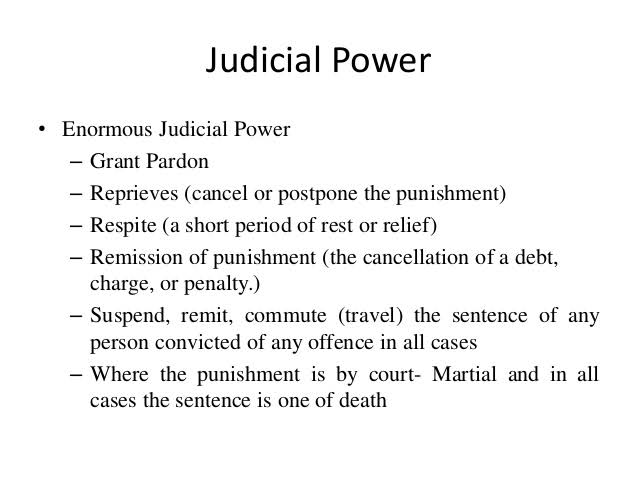
🌟Article 72 confers on the President Powers to grant pardons,replies,respite or the sentence of any person convicted of an offence. 🌟The President is not answerable to any court of law for excercise of his/her power.
Military Powers:
🌟Article 53(2) lays down that “the Supreme commander of the Defense Force ofv5he Union shall be vested in the President and the excercise thereof shall be regulated by law “. 🌟The President is thus declared to be the Supreme Commander of the defense Force of the country.
Diplomatic Powers:
🌟The President appoints Indian diplomats to other countries and receives foreign diplomats posted to India. 🌟The ambassador designate becomes ambassador after calling on the President and presenting his credentials.
Emergency Powers:
🌟The President has been empowered by 5he Constitution to proclaim Emergency. 🌟Article 352 confres power on the President to make a proclamation of Emergency on the grounds of war ,external aggression,or armed rebellion. This is known as National Emergency.
🌟Article 356 confres power on the President to make a proclamation of State Emergency by declaring that the Government in a state cannot be run on in accordance of the provisions of the Constitution. 🌟Under Article 360, the President is vested with the power to proclaim Financial Emergency, if he is satisfied that the financial stability or,the credit of India or any part of India is threatened, by any reason.
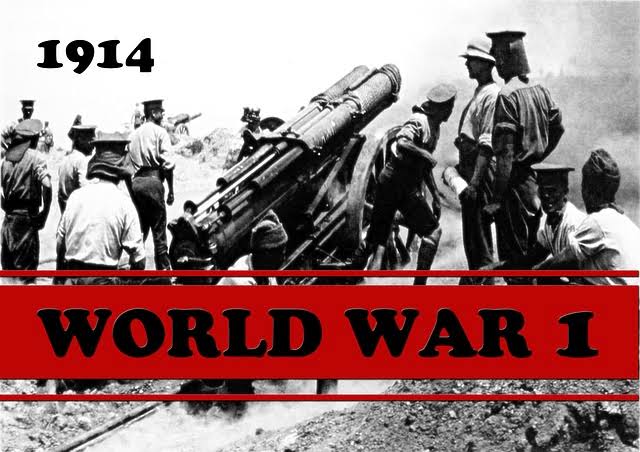
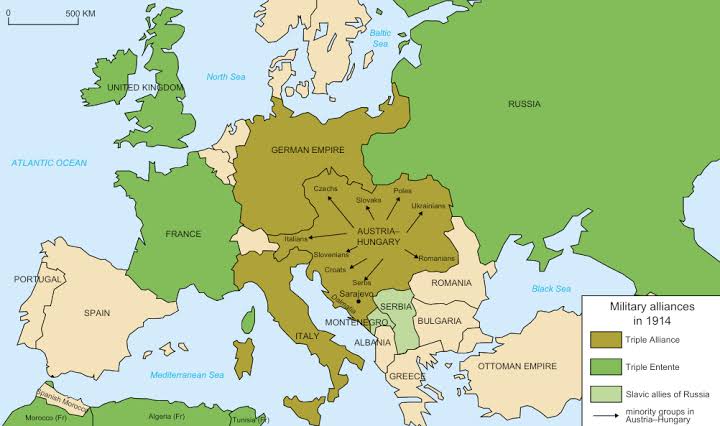
🌟In 1900 five if the European Great Powers were divided into two armed camps. 🌟The Central Powers – Germany,Austria – Hungary Italy under Bismarck formed the Triple Alliance in 1882. 🌟The other camp consisted of France and Russia with the promise of mutual help.
🌟Japan preferred to ally with Britain (1902) as it was hostile towards Russia and France. 🌟The Anglo-Japanese Alliance prompted France to seek an Alliance with Britain which resulted in the Entente Cordiale (1904). 🌟Britain an agreement with Russia and formed the Triple Entente of Britain , France and Russia.
Violent Forms of Nationalism :
🌟With the growth of Nationalism, the attitude of “my country right or wrong I support it” developed. 🌟The love for the one country demanded hatred for another country . 🌟England’s Jingoism, France’s Chauvinism and Germany’s Kultur were militant forms of Nationalism, contributing decisively to the outbreak of War.
Aggressive Attitude of German Emperor :
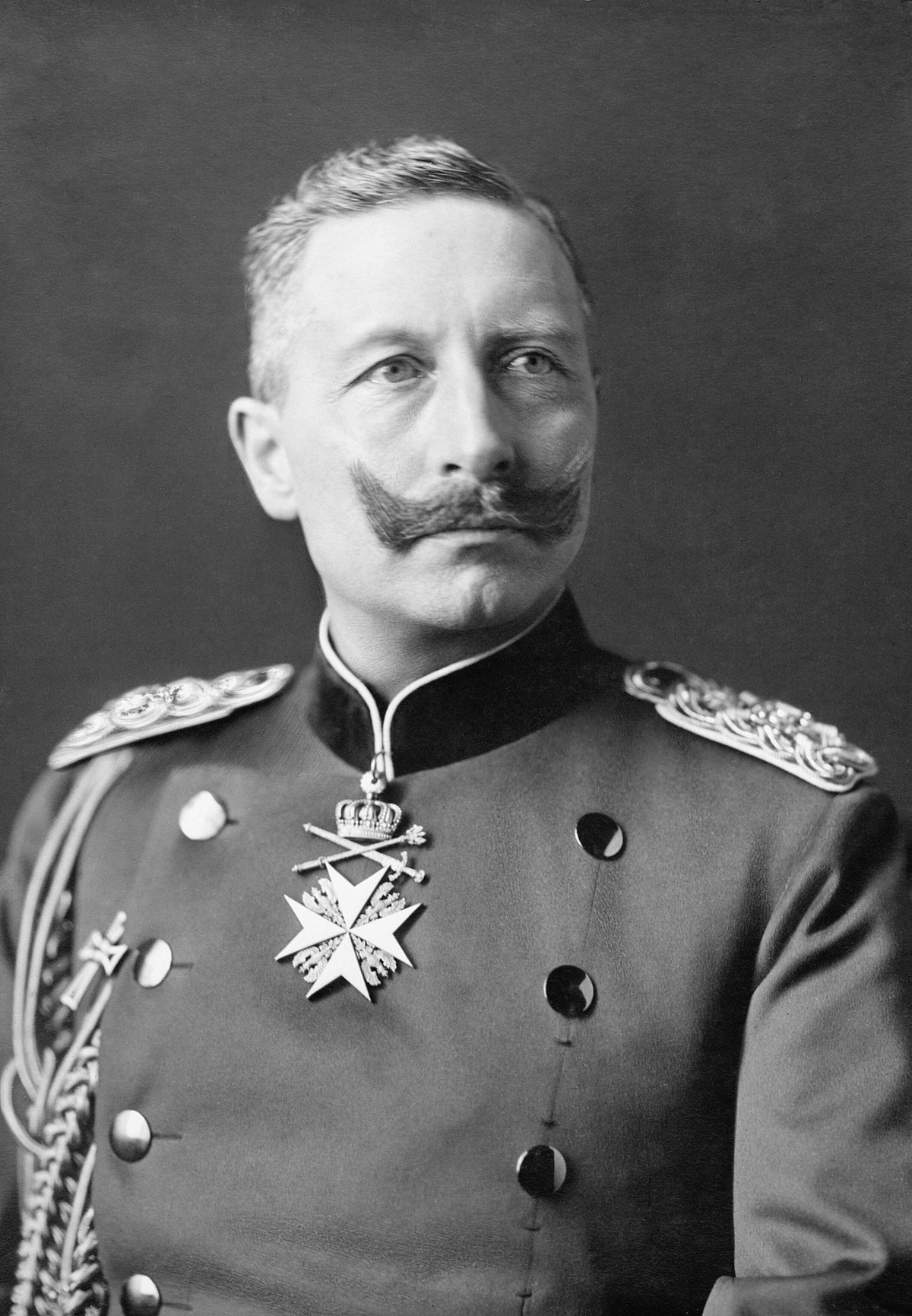
🌟Emperor Kaisers Whilhelm || of Germany was ruthlessly assertive and Aggressive. 🌟Napoleon’s defeat at Trafalgar (1805) with Germany’s Aggressive diplomacy and rapid building of naval bases convinced Britain that a Germany navy could be directed only against her. 🌟Britain embarked on a naval race, which heightened the tension between the two Powers.
Hostility of France towards Germany :
🌟France and Germany were old rivals. Bitter memories of the defeat of 1871 and loss of Alsace and Lorraine to Germany ranked in the minds of the French. 🌟German interference in Morocco added to the bitterness. 🌟The British agreement with France over Morocco was not consented by Germany as they demanded an international conference to decide on the future of Morocco.
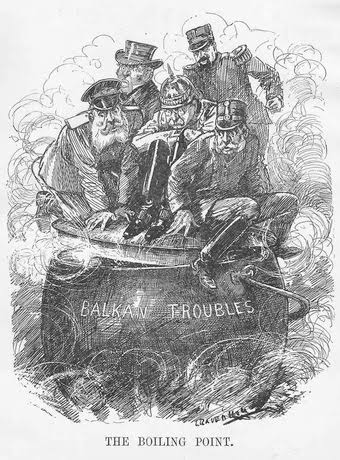
Imperial Power Politics in the Blakans :
🌟With the Young Turk Revolution of 1908, Austria and Russia resumed their activities in the Balkans. 🌟Austria announced the annexation of Bosnia and Herzegovina.
🌟Austria’s action aroused intense opposition from Serbia. Germany firmly supported Austria. 🌟The enmity between Austin Serbia led to the outbreak of war in 1914.
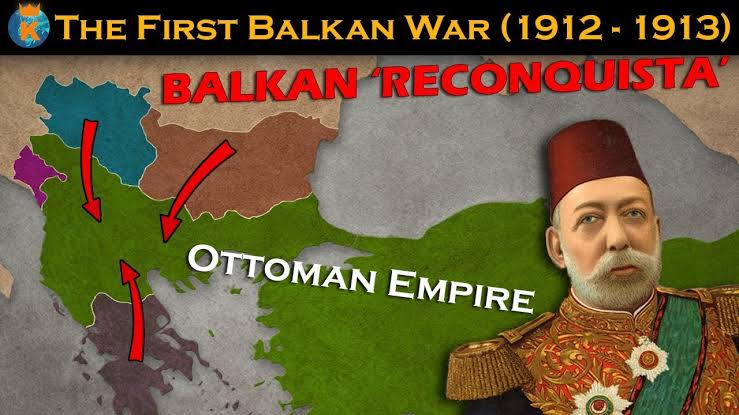
The Balkans Wars :
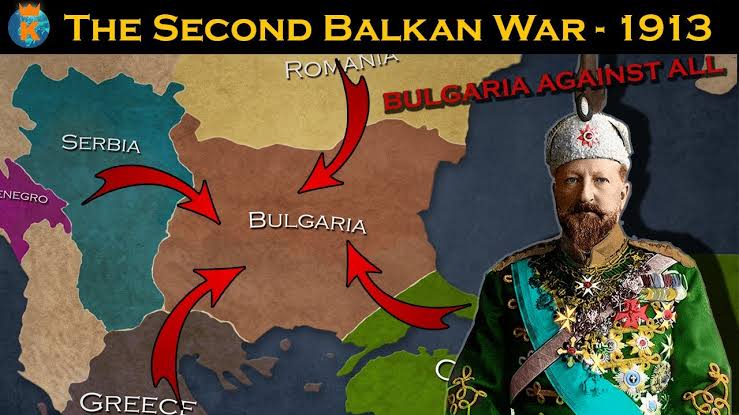
🌟Both the Turks and their subjects of different nationalities in the Balkans indulged in the most frightful massacres and atrocities in the Balkans. 🌟They attacked Greece, Serbial ,Bulgaria and later Montenegro for the control of it. In March 1912 they formed the Bslkan League. The League attacked and defeated Turkish forces in the first Balkan War(1912-1913).
🌟According to the Treaty of London signed in May 1913 the new state of Albania was created . 🌟The Second Balkan war ended with the signing of the Treaty of Bucharest in August 1913.
Immediate Cause :
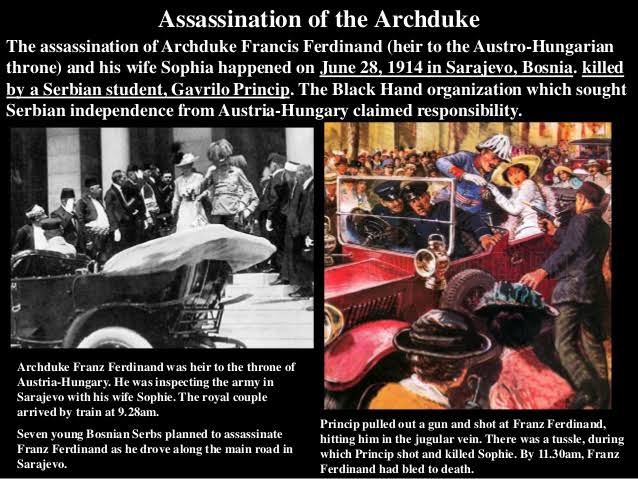
🌟The climax to the events in the Balkans occurred in Sarajevo in Bosnia. 🌟On 28 June 1914, Archdale Franz Ferdinand was assassinated by Principe, a Bosnian Serb. Austria saw in this an opportunity to eliminate Serbia as an independent state.
🌟Germany thought that it should strike first and declared war on Russia on 1st August. 🌟Germany had no quarrel with France ,but because of the Franco-Russian Alliance,the German army which was planning a war against both France and Russia wanted to use the occasion to its advantage. 🌟The German violation of Belgian neutrality forced Britain to enter war.
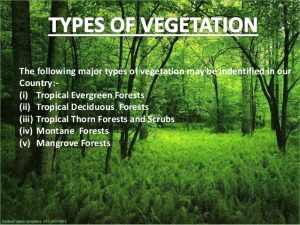
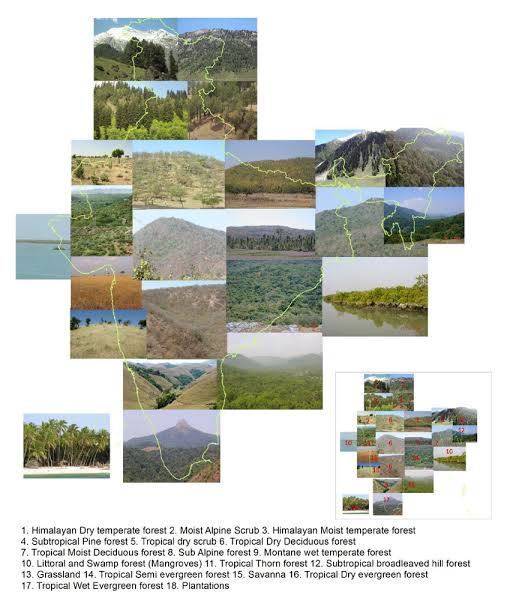
Natural vegetation refers to a plant community un affected by man either directly or indirectly.
Topic Evergreen Forest 🌳:
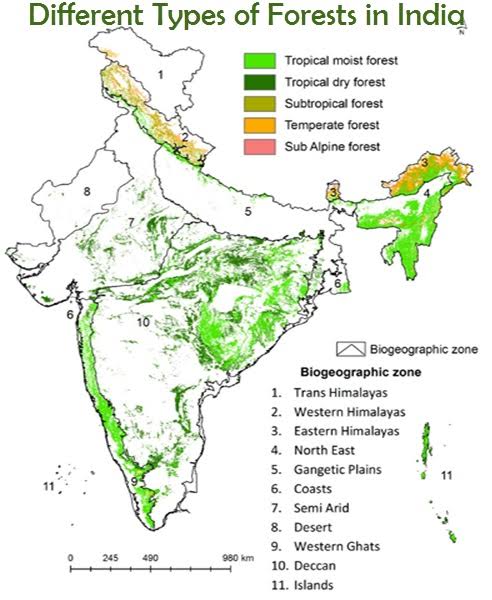
🌟These Forests are found in areas with 200 cm or more annual rainfall. 🌟The annual temperature is more than 22°C and the advantage annual humidity exceeds 70 percent. 🌟Western Ghats in Maharashtra, Karnataka Kerala,Andhaman-Nicobar Islands, Assam, West Bengal,Nagaland, Tripura, Mizoram, Manipur and Meghalaya states have this type of Forest. 🌟The most important tress are rubber, mahogany, ebony rosewood etc.,
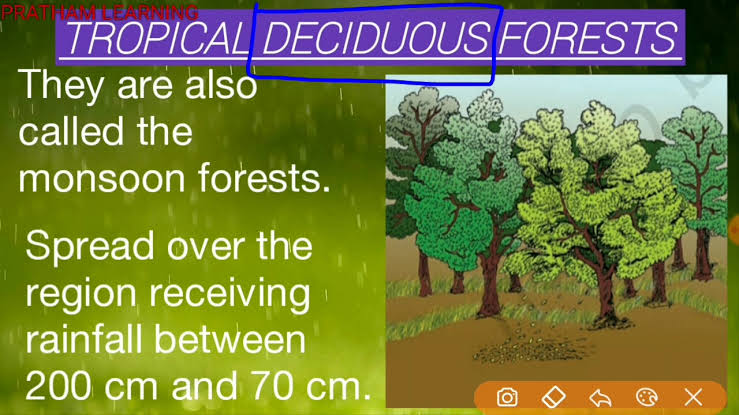
Tropical Deciduous Forest🌳 :
🌟These are found in the areas with 100 to 200 cm annual rainfall. These are called “Monsoon Forests “. 🌟The meann annual temperature of this region is about 27°C and the average annual relative humidity is 60 to 70 percent. 🌟Teak and sal are the most important tress. 🌟Sandalwood, rosewood, Kasum etc ., are trees of economic importance. 🌟They provide fragrant oil vanish,sandal oil and perfumes.
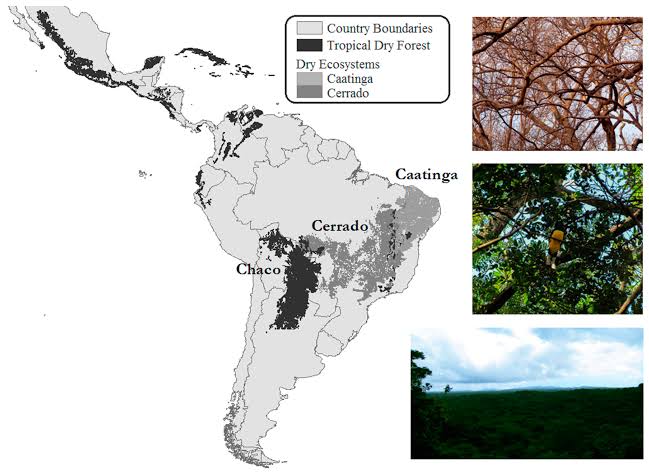
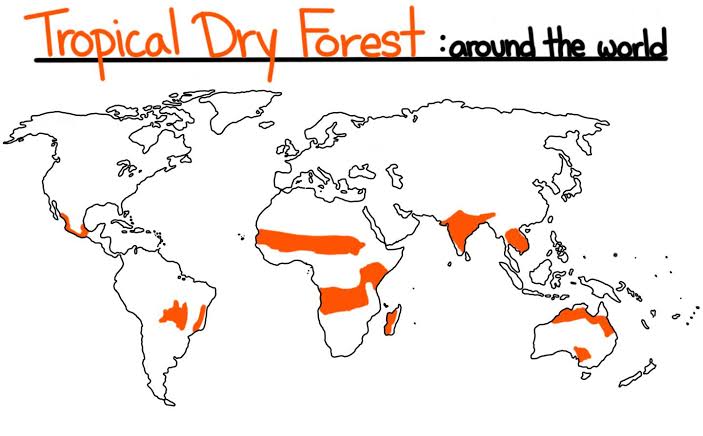
Tropical Dry Forest🌳 :
🌟These are found in the areas with 50 to 100 cm annual rainfall. 🌟Mahua, banyan ,amaltas,palas,haldu,kikar,bamboo, babool,khair etc., are the important species. 🌟These are also called as “Tropical thron forests”. These are found in the areas having annual rainfall of less than 50 cm. 🌟They have low humidity and high temperature.
Mountain or Motane Forest🌳 :
These Forests are classified on the basic of altitude and amount of rainfall. Accordingly two different type of Forests namely i. Eastern Himalayas Forest ii. Western Himalayas Forest.
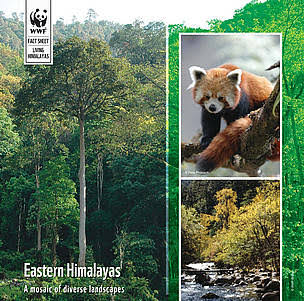
i. Eastern Himalayas Forests🌳:
🌟 These are found on the slopes of mountains in north-east states. 🌟These Forests receive rainfall of more than 200 cm. 🌟The vegetation is of Evergreen type. 🌟The Altitude between 1200-2400m found in this type of Forest. 🌟Sal ,oak , Laura, amura, chestnut,cinnamon are the main areas.
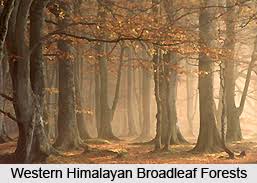
ii. Western Himalayas Forest🌳:
🌟These Forests are found in the states of jammed and Kashmir, Himachal Pradesh and Uttarakhand. 🌟Upto 900 m Altitude semi desert vegetation is found and it is known for bushes and small tress. 🌟 In Altitude from 900 to 1800 m, chir tree is the most common tree.
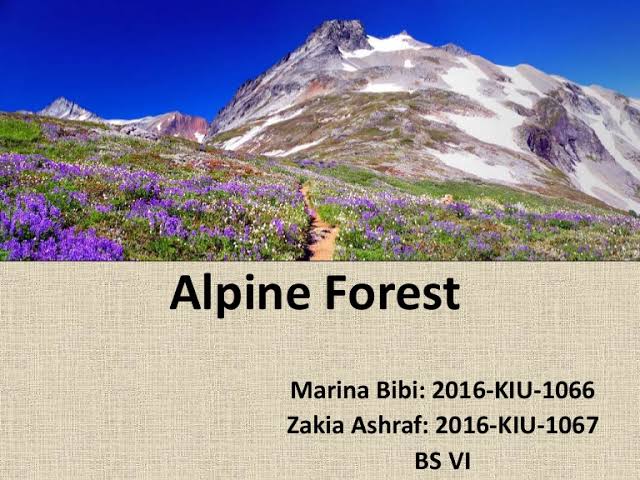
Alpine Forest 🌳:
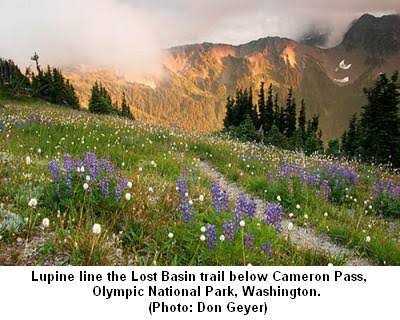
🌟 It occurs all along the Himalayas with above 2400m Altitude. 🌟These are purely having coniferous trees. 🌟Oak,silver fir,pine and juniper are the main trees of these Forests. 🌟The Eastern parts of Himalayas has large extent of these Forests.
Tital Forest 🌳:
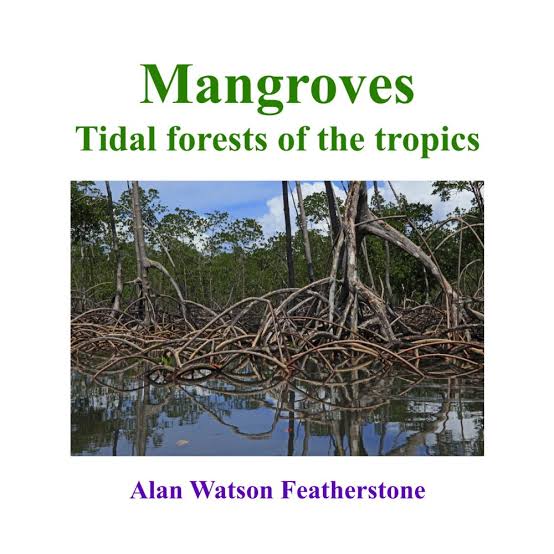
🌟These Forests occur in and around the deltas ,estuaries and creeks prone to tidal influence and as such are also known as delta or swamp Forests. 🌟The delta of the Ganga – Brahmaputra has the largest tidal Forest. 🌟The deltas of Mahanadi ,Godavari and Krishna rivers are also known for tidal Forests. 🌟These are also known as mangrove Forest.
Coastal Forests 🌳:
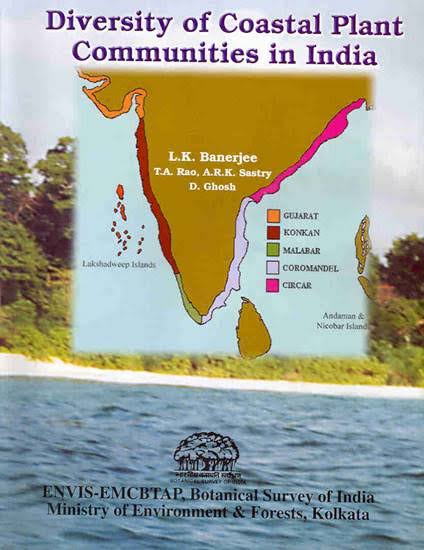
🌟There are littoral Forests. 🌟Causing,palm and coconut are the dominant trees. 🌟Both the Eastern and western coasts have this type of Forests. 🌟The coast of Kerala and Goa are known for this type.
Riverine Forest 🌳:
🌟These Forests are found along the rivers on Khadar areas. 🌟These are known for tamarisk and tamarind trees. 🌟The Rivers of Great plains are more prominent for this type of natural vegetation
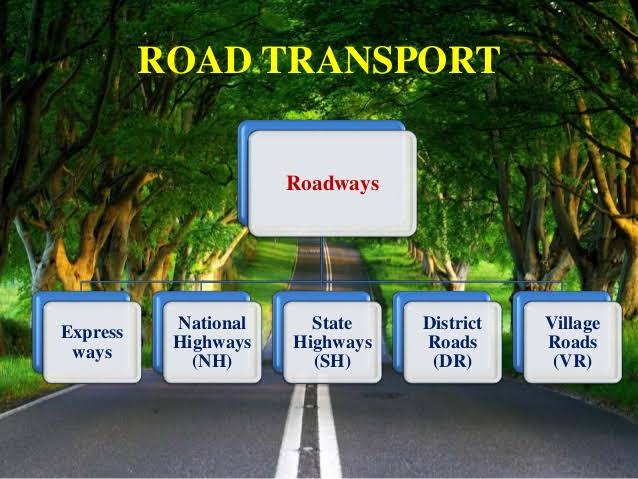
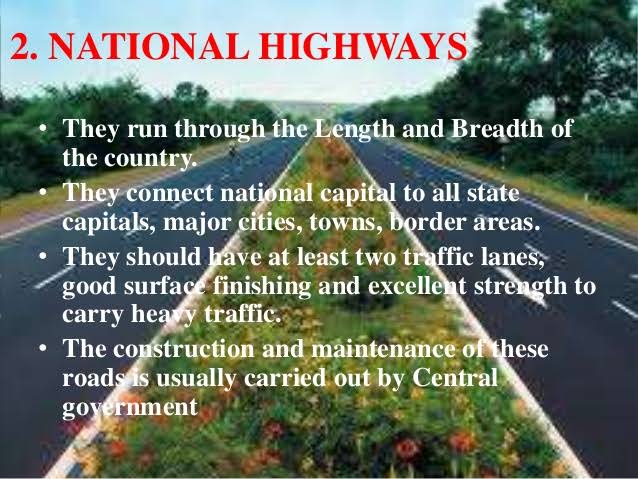
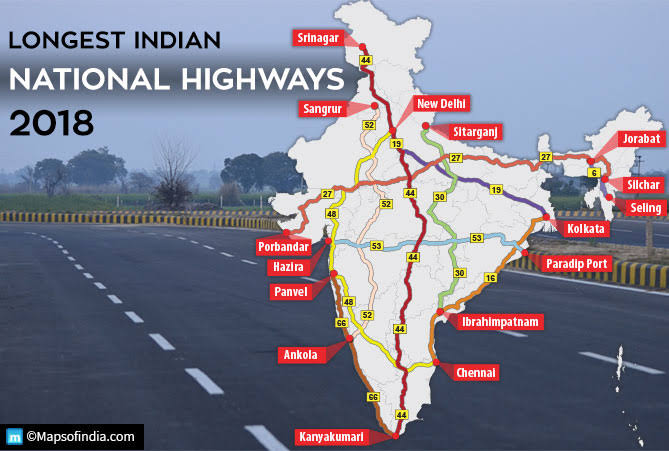
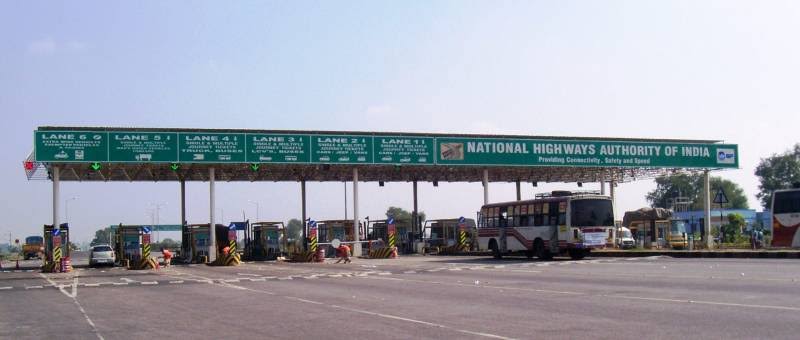
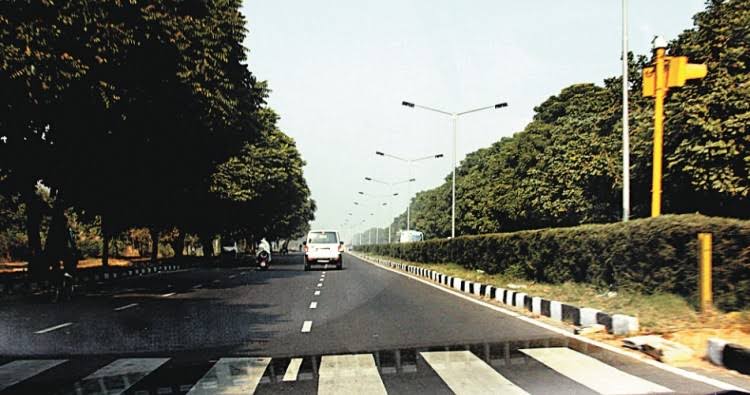
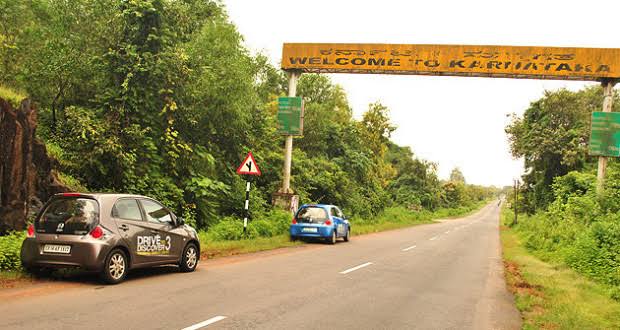
🌟National Highway form the most important system of road transportation in India. 🌟These Highway are running through length and breadth of the country connecting capitals of states, major ports,raji junctions, industrial and tourist centers. 🌟Ministry of Rosd Transport and Highway of India, is responsible for the development and maintenance. 🌟The total length of the National Highway (NHs) in India is 1,01,011 km. 🌟The longest National Highway is NH-7 which runs from Varanasi in Uttar Pradesh to Kanyakumari in Tamil Nadu covering a distance of 2369 km. 🌟The shortest national Highway is NH-47 ,which runs from Ernakulam to Kochi port (Willington Island) covering a distance of 6 km.
State Highway🛣🚧 :
🌟The state Highway are usually roads that link important cities, towns and district headquarters within the state and connect them with National Highways or Highways of neighbouring states. 🌟These roads are administrated and financed by state governments . 🌟It runs to the length of 1,76,166 km as of 2016.
District Roads 🚧🛣:
🌟District Roads provide connectivity between the District and taluk headquarters with the state Highway and national Highway . 🌟 They are contracted and maintained by the Public Works Department of the states. 🌟The total length of the roads of his category is 5,61,940 km (16.80%) in 2016.
Rural Roads (Village Roads) 🛣🚧:
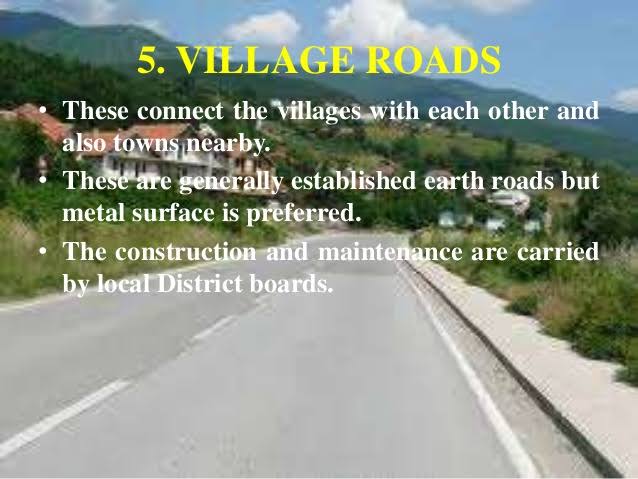
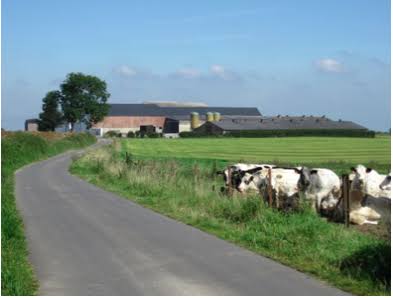
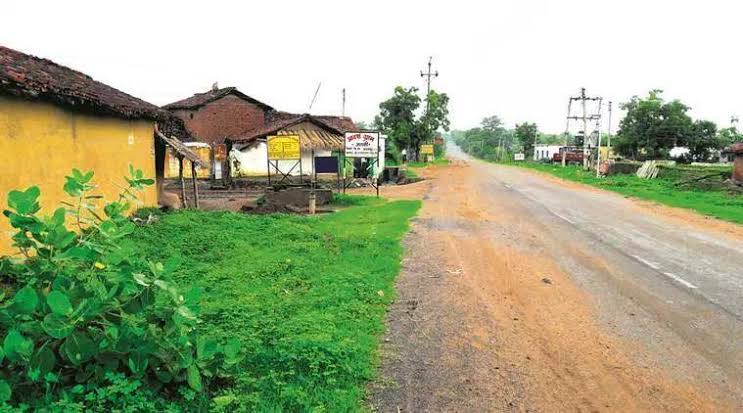
🌟These Roads are vital providing links in the Rural areas. 🌟They are maintained by the Village Panchayats . 🌟 The total length of Rural roads in India is 39,35,337 km as of 2016. 🌟Rural roads consist of Panchayat roads, of the pradhan Mantri Gram Sadak Yojana (PMGSY) and those constructed by the states PWDs.
Border Roads🚧🛣 :
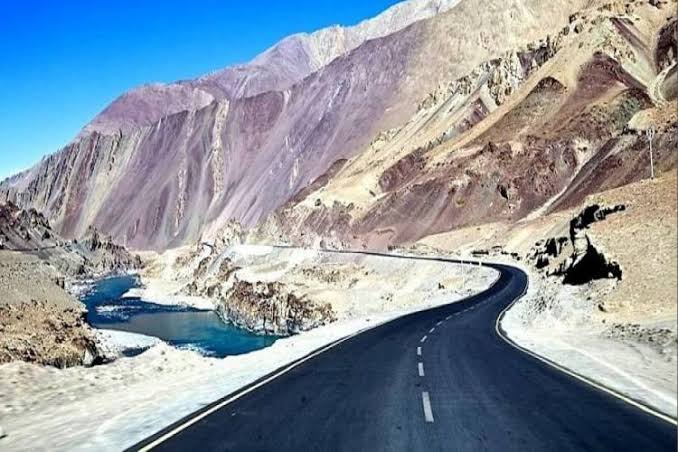
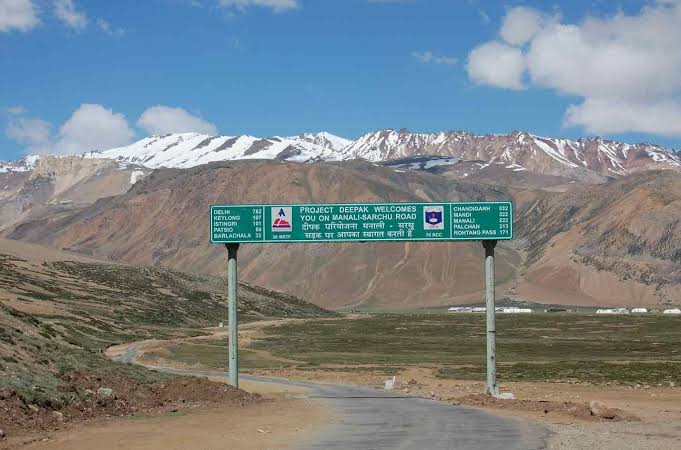
🌟These are the roads of strategic importance in Border areas. They are constructed and maintained by Border Roads of Organization. 🌟Border Roads Organization are constructed world’s highest roads joining Chandigarh and Leh in Ladakh .This road runs at an average altitude of 4,270 meters.
Golden Quadrilateral 🛣🚧:
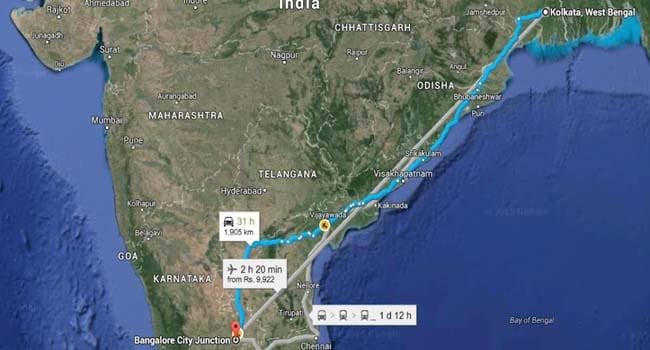
🌟5,846 km long road 4/6 lanes connecting, India’s four metropolitan cities: Delhi-Kolkatha-Chennai-mumbai-Delhi. 🌟This project was launched in 1999.
North-South and East-West corridors 🚧🛣:
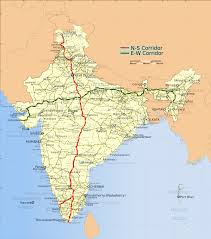
🌟North-South corridors aims at connecting srinagar in Jammu and Kashmir with Kaniyakumari in Tamilnadu (including kochi-Salem Spur) with 4,076 km long road. 🌟The East – West corridor has been planned to connect silchar in Assam with the port Town of Porbandar in Gujarat with 3,640 km of road length. 🌟The two corridors intersect at Jhansi.
Expressways 🛣🚧:
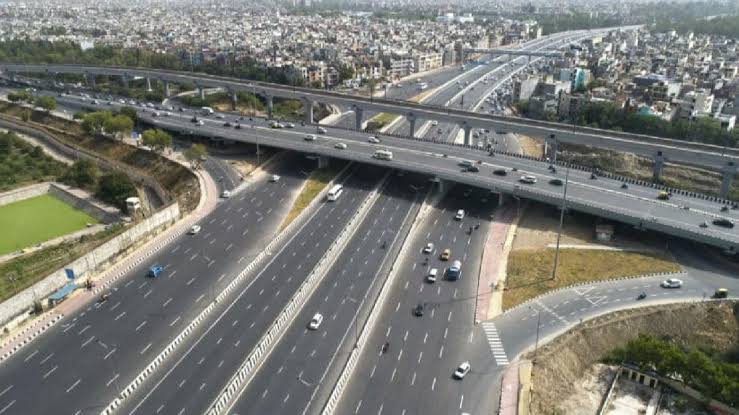
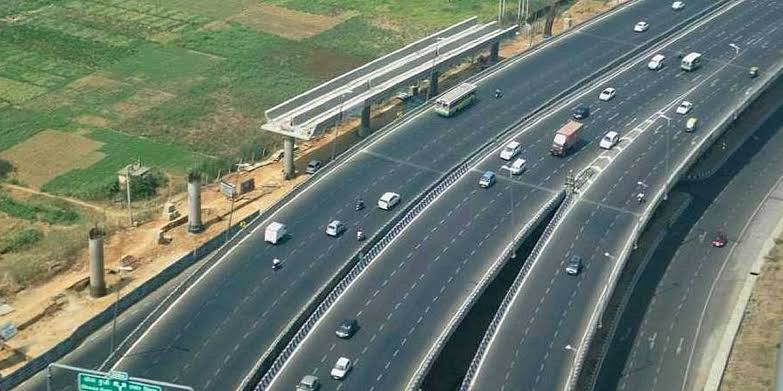
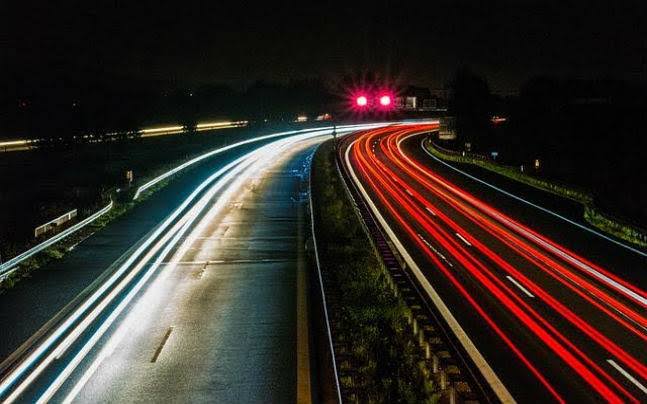
These are multi – lane good quality Highway for high speed traffic. Some of the important expressways are;
Mumbai – Pune road
Kolkata – Dumdum Airport road
Durgapu – Kolkata road
Yamuna expressways between Delhi and Agra.
International Highway🚧🛣:
🌟These are the roads that link India with neighbouring countries for promoting harmonious relationship with them. 🌟These Highway have been constructed with an aid from world Bank under an agreement with the Economic and Social Commission for Asia-Pacific (ESCAP). 🌟These roads connect important Highway of India with those of the neighbouring countries such as Pakistan, Nepal, Bhutan, Bangladesh and Myanmar.
National Highway form the most important system of road transportation in India.
These Highway are running through length and breadth of the country connecting capitals of states, major ports,raji junctions, industrial and tourist centers.
Ministry of Rosd Transport and Highway of India, is responsible for the development and maintenance.
The total length of the National Highway (NHs) in India is 1,01,011 km.
The longest National Highway is NH-7 which runs from Varanasi in Uttar Pradesh to Kanyakumari in Tamil Nadu covering a distance of 2369 km.
The shortest national Highway is NH-47 ,which runs from Ernakulam to Kochi port (Willington Island) covering a distance of 6 km.
The state Highway are usually roads that link important cities, towns and district headquarters within the state and connect them with National Highways or Highways of neighbouring states.
These roads are administrated and financed by state governments .
It runs to the length of 1,76,166 km as of 2016. District Roads:
District Roads provide connectivity between the District and taluk headquarters with the state Highway and national Highway .
They are contracted and maintained by the Public Works Department of the states.
The total length of the roads of his category is 5,61,940 km (16.80%) in 2016.
Rural Roads (Village Roads):
1.These Roads are vital providing links in the Rural areas.
They are maintained by the Village Panchayats .
The total length of Rural roads in India is 39,35,337 km as of 2016.
Rural roads consist of Panchayat roads, of the pradhan Mantri Gram Sadak Yojana (PMGSY) and those constructed by the states PWDs. Border Roads:
These are the roads of strategic importance in Border areas. They are constructed and maintained by Border Roads of Organization.
Border Roads Organization are constructed world’s highest roads joining Chandigarh and Leh in Ladakh .This road runs at an average altitude of 4,270 meters. Golden Quadrilateral:
5,846 km long road 4/6 lanes connecting, India’s four metropolitan cities: Delhi-Kolkatha-Chennai-mumbai-Delhi.
This project was launched in 1999. North-South and East-West corridors:
North-South corridors aims at connecting srinagar in Jammu and Kashmir with Kaniyakumari in Tamilnadu (including kochi-Salem Spur) with 4,076 km long road.
The East – West corridor has been planned to connect silchar in Assam with the port Town of Porbandar in Gujarat with 3,640 km of road length.
The two corridors intersect at Jhansi. Expressways:
These are multi – lane good quality Highway for high speed traffic. Some of the important expressways are;
Mumbai – Pune road
Kolkata – Dumdum Airport road
Durgapu – Kolkata road
Yamuna expressways between Delhi and Agra. International Highway:
These are the roads that link India with neighbouring countries for promoting harmonious relationship with them.
These Highway have been constructed with an aid from world Bank under an agreement with the Economic and Social Commission for Asia-Pacific (ESCAP).
These roads connect important Highway of India with those of the neighbouring countries such as Pakistan, Nepal, Bhutan, Bangladesh and Myanmar.
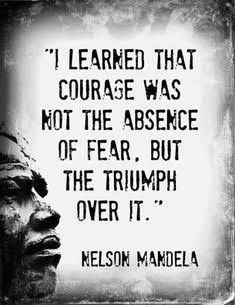
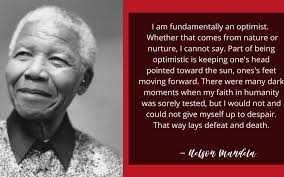
Resentment is like drinking poison and then hoping it will kill your enemies.” “I learned that courage was not the absence of fear, but the triumph over it. The brave man is not he who does not feel afraid, but he who conquers that fear.” “Education is the most powerful weapon which you can use to change the world.”
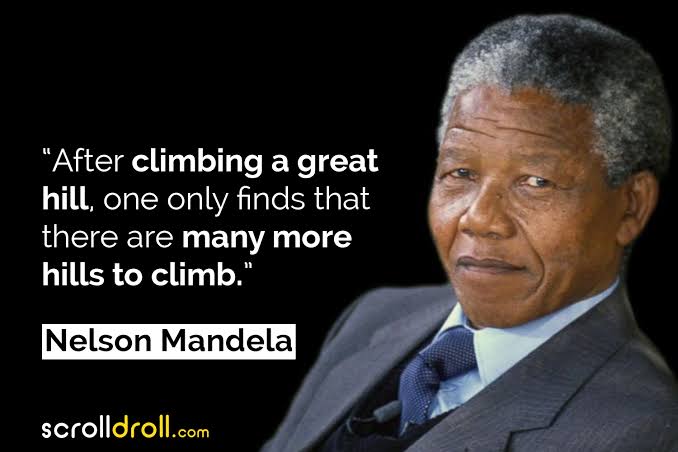
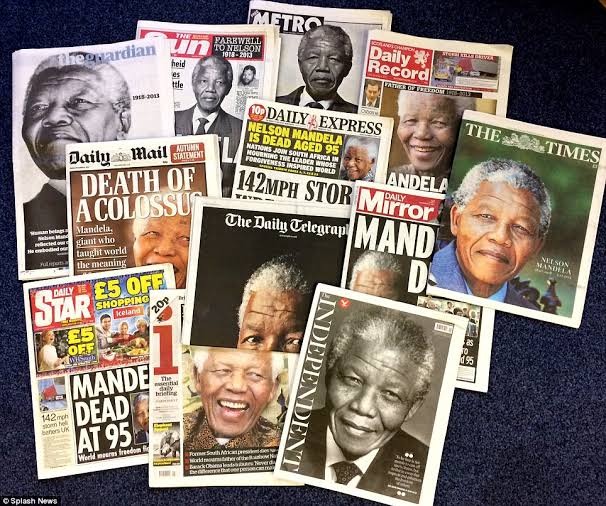
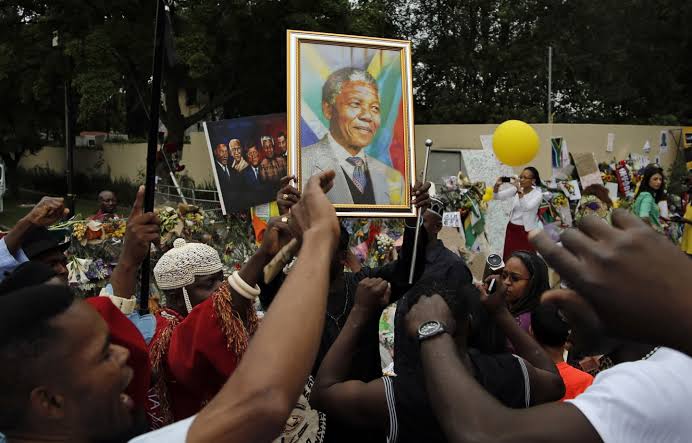
⭐Nelson Rolihlahla Mandela (xhosa pronunciation :[xo’li??A mande?la]; born 18 July 1918) is a South African anti-apartheid revolutionary and politician who served as President of South Africa from 1994 to1999. He was the first black south African to hold the office ,and the first elected in fully representative,multiracial election. His government focused on dismantling the legacy of apartheid through tackling institutionalisef racism, poverty and inequality ,and fostering racial reconciliation. Politically in African nationalist and democratic socialist,he served as the President of the African National Congress (ANC) from 1991 to 1997 . Internationally, Mandela was the secretary General of the Non-Aligned Movement from 1998 – 1999.
⭐A xhosa born to the Thembu Royal family, Mandela attended Fort Hare University and the University of witwatersrand,where he studied law. Living in Johannesburg,he became involved in anti-colonical politics, joining the ANC and becoming a founding member of its Youth League.
⭐In 1962 he was arrested, convicted of sabotage and conspiracy to overthrow the government,and sentenced to life imprisonment in the Rivonia Trail. Mandela served 27 years in prison.
⭐Becoming ANC President,Mandela published his autobiography and led negotiations with President F.W. de Klerk to abolish apartheid and establish multi-racial elections in 1994 ,in which he led the AMC to victory. He was elected President and formed a Government of National Unity. As President,he established a new Constitution and initiated the Truth and Reconciliation commission to investigate past human rights abuses, while Introducing policies to encourage land reform, combat poverty and expand healthcare services.
⭐Controversial for much of his life, right-wing critics denounced Mandela as terrorist and communist sympathiser . He has nevertheless received international aaclaim for his anti-colonical and anti-apartheid stance, having received over250 awards, including the 1993 Nobel Peace Prize,the US Presidential medal of Freedom and the Soviot Order of Lenin. He is held in deeo respect within South Africa, and has been described as "the father of Nation." He is often referred to by his Xhosa clan name of Madiba.
⭐But the late 1960s, Mandela's fame had been eclipsed by Steve Biko and the Black Consciousness Movement. (BCM).
⭐He was awarded an honorary decorate in Lesotho ,the Nehru prize for international Understanding in India in 1970, and the Freedom of the city of Glasgow, Scotland in 1980 . In March 1980 the slogan “Free Mandela” was Developed by journalist Percy Qoboza, sparking an international campaign that led the UN Security Council to call his release . Presidency of South Africa: 1994-1999.
⭐South Africa's first black President , Mandela became head of a Government of National Unity dominanted by the ANC-which alone had no experience of governance - but containing representatives from the National Party and Inkatha. In keeping with earlier agreement ,de Klerk became first Deputy President, while Than Mbeki was selected as second.
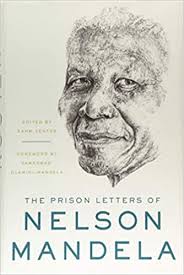
⭐In December 1994, Mandela's autobiography, Long walk to Freedom ,was finally published. Across the world , Mandela cane to be seen as "a moral authority" with a great " concern for truth". Considered friendly and welcoming , Madela exhibited a " relaxed charm" when talking to others, including his opponents. Although often befriending millionaires and dignitaries,he enjoyed talking with their staff when t official functions. In later life,he was known for looking him too trusting of with their staff when at official functions. In later life,he was known for looking him too trusting of others. He was renowned for his stubbornness and loyalty,and exhibited a " hot temper" which could flare up in anger in certain situations,also being "moody and dejected" away from the public eye. He also had a mischievous sense of humour.
⭐Within South Africa, Mandela is widely considered to be “the father of the Nation”, and “the founding father of democracy”, being seen as ” the national liberator,the saviour ,it’s Washington and Lincoln rolled into one”. In 2004, Johannesburg granted Mandela the freedom of the city, with sandton square being renamed Nelson Mandela square, after a Mandela statue was installed there. In 2008, another Mandela statue was inveiled at Groot Drakenstein Correctional Center, formerly Victor Verster Prison, near Cape Town , standing on the spot where Mandela was released from the prison.
⭐He has also received international aaclaim. In 1993, he received the joint Nobel Peace Prize with de Klerk. In November 2009, the united Nations General Assembly proclaimed Mandela's birthday, 18 July,as "Mandela Day", marking his contribution to the anti-apartheid struggle. It called on individuals to denote 67 minutes to doing something for others,commemorating the 67 years the Mandela had been a part of the movement.
⭐Awarded the US Presidential Medal of Freedom,and the order of canada, he was the first living person to be made an honorary Canadian citizen. The last reciprocate of the Soviot Union's Lenin Peace Prize from the Soviot Union,in 1990 he received the Bharat Ratna Award from the government of India, and in 1992 received Pakistan's Nishan-e-Pskitan . In 1992 he was awarded the Ataturk Peace Award by Turkey. He refused the award, citing human rights violations committed by the Turkey at the time, but later accepted the award in 1999. Elizabeth 2 nd awarded him the Bailiff Grand Cross of the Order of St.John and the order of Merit.
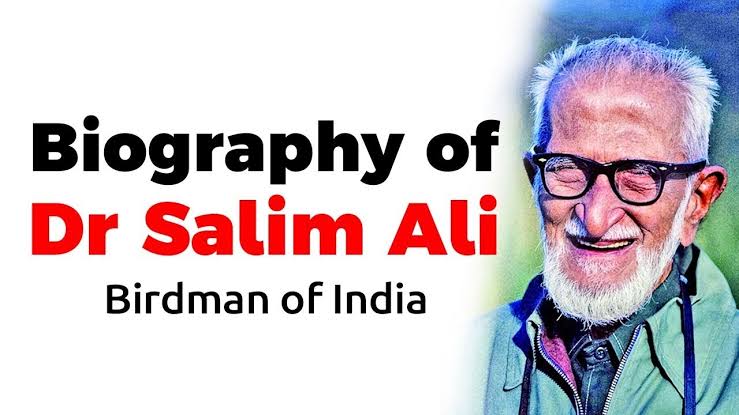
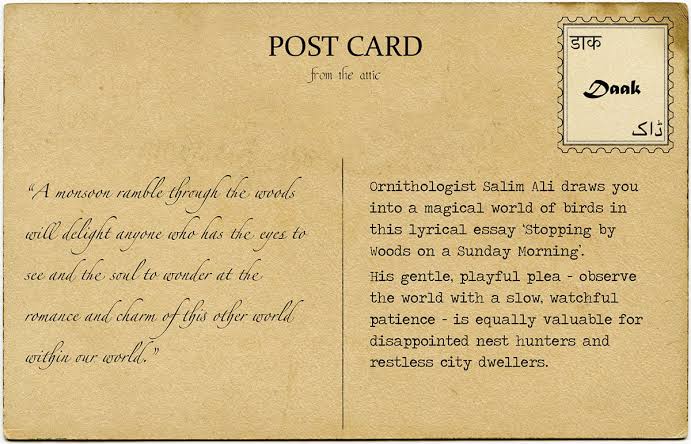
Salim Moizuddin Abdul Ali (November 12, 1896- July 27,1987) was an Indian ornithology and naturalist. Known as the “🇮🇳birdman of India🇮🇳”, Salim Ali was among the first Indias to contact systematic bird survey across India and his bird books helped develop ornithology. He became the key figure behind the Bombay Natural History society after 1947 and used his personal influence to garner government support for the organization,create the Bharatpur bird sanctuary ( Keoladeo National Park) and prevent the destruction of what is now the silent valley National Park. He was awarded Indian’s second highest Civilian honour ,the padam vibhushan in 1976.
Early life❕❣❕:
Salim Ali was born into a sulaimani Bohra Muslim family of bommey, the ninth and youngest child. His father Moizuddin died when he was an one year old and his mother Zeenat-un-nissa died when he was three. The children were brought up by his maternal uncle Amiruddin Tyabji,and childness aunt, Hamida Begum ,in a middle-class household in Khetwadi, Mumbai. Another uncle was abbas Tybji,well known Indian freedom fighter. Salim was introduced to the series study of birds by W.S. Millard, secretary of the Bombay Natural History Society (,BNHS), who identified unusually coloured Sparrow that young Salim had shot for sport with is tough airgum. Millard identified it as a yellow-throated Sparrow,and showed Salim around the society’s collection of stuffed birds . Millard lent Salim a few books including Eha’s common birds of Bombay, encourage d Salim to make a collection of birds and co-operation offered to train him in skinning and preservation. Millard also introduced young Salim to (later sir) Norman Boyd Kinnear,the first paid curator at all BNHs, who later provide help from the British Museum. In his autobiography, The Fall of Sparrow Ali notes the yellow -throated Sparrow event as the Turning point of his life that let him into ornithology,an unusual career choice, especially for an Indian in those days. His early interest was in books on hunting in India and he became interested in sport -shooting , encourage d by the hunting interests of his foster-father Amiruddin. Shooting contests we’re often held in the neighbourhood in which he grew and among his playmates was Iskandar Mirza, a distant cousin who was a particularly good marksman and who went on in later life to become the first president of Pakistan.
Burma and Germany🦜🕊 :
Salim Ali's early education was at St. Xavier's college, Mumbai. Following a difficult first year in college,he dropped out and went to Tavoy,Burma(Tenasserim) to took after the family's wolfram (Tungstem) mining (tungsten was used in armour plating and valuable during the war) and timber interests there. The forest surrounding this area provided an opportunity for Ali to hone his naturalist (and hunting) skills. He also made acquaintance with J C Hopwood and Berthold Ribbentrop who were with Forest Service in Burma.
Other contribution🐦🦅:
⭐Dr. Ali had considerable influence in conservation related issues in post- Independence India especially through Prime Ministers Jawaharlal Nehru and Indira Gandhi was herself a keen birdwatcher, influence by Ali's bird book (a copy of the book of Indian Birds was gifted to her in 1942 by her father Nehru who was in Dehra Dun jail while she herself was imprisoned in Naini Jain and by the Gandhian birdwatcher Horace Alexander. Ali influenced the designation of the Bharatpur Bird Sanctuary and in decision in decisions that save the Silent Valley National Park. One of Ali's later interventions at Bharatpur involved the exclusion of cattle and graziers from the sanctuary and this was to prove costly and resulted in ecological changes that led to a deciline in the numbers of many species of waterbirds.
⭐Dr. Ali was a frequent visitor to the Doon school where he was an engaging and perusuasive advocate of ornithology to successive generation of pupils. As a consequence,he was considered to be part of the Dosco fraternity and became one of the very few people to be made an honorary member of The Doon School Old Boys Society.
Personal views🐦🦅:
⭐Salim Ali held may views that were contrary to the mainstream ideas of his time. A question that he asked frequently was about the collection of bird specimens particularly in later life when he became known for his conversation related activism. Although once a fan of shikar(hunting) literature,Ali held strong views on hunting but upheld the collection of bird specimens for scientific study. He held the view that the practice of wildlife conservation needed to the practical and not grounded in philosophies like ahimsa. He suggested that his fundamental religious sentiment had hindered the growth of bird study in India.
⭐In the early 1960s the national bird of India was under consideration and Salim Ali was intent that it should be the endangered Great Indian Bustard , however this proposal was over-ruled in favour of the Indian peafowl.
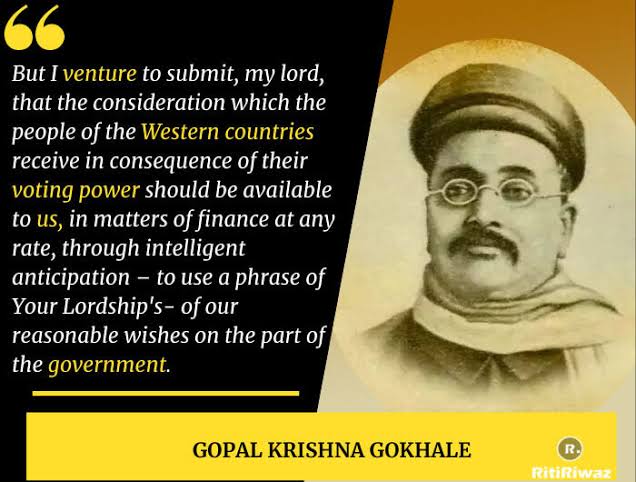
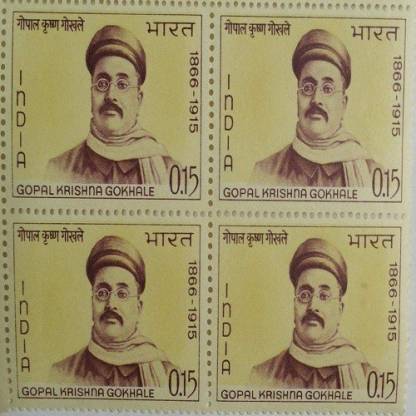
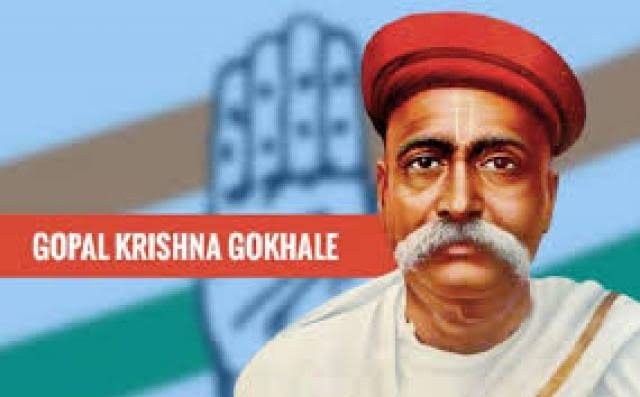
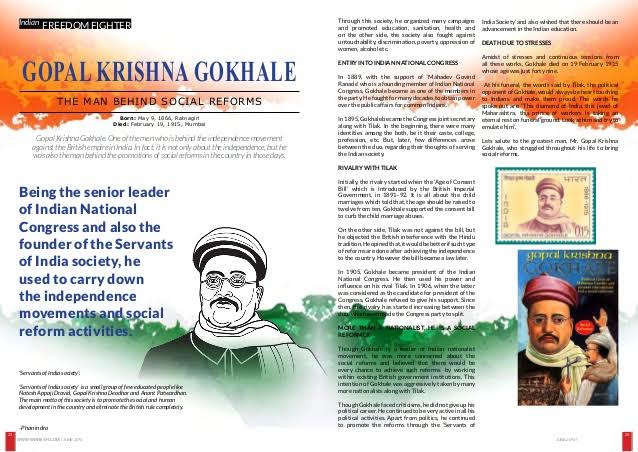
Gopal Krishna Gokhale CIE was an Indian liberal political leader and a social reformer during the Indian Independence Movement. Gokhale was a senior leader of the Indian National Congress and the founder of the Servants of India Society.
Gopala Krishna Gokhale’s Speech👨🏫:
Gopala Krishna Gokhale,a great freedom fighter and social reformer was a guru to Mahatma Gandhi. He supported the education of women and welcomed Western education in India. He delivered this speech in response to the address present to him by the students of Chennai (then Madras) on 25th July 1911 at Mumbai.
The sheltered Life of students:
He was remained of his own student he was addressing them. Students lead a very sheltered life but they have certain responsibilities and they are expected to perform certain duties.
He list these duties under four heads ;
⭐A student’s first duty is to him/her self. Acquiring knowledge is one’s primary duty-not only for one’s success in the examination but also for one’s life. One can gain the ulmost advantage as a student if one seek knowledge with devotion and whole-hearted love.
⭐The second requisite is to mould one's character. It is invidious (unjust) to distinguish between the value of character and knowledge. Both are indispensable (necessary).This character must show itself in sincerity, vigorous action and in lift sentiments. One needs to acquire a character which will raise the whole life of the people admist whom one moves and for whom one is expected to work.
⭐A strong,firm and noble character makes one a good citizen. A strong character is needed to occupy the place of seniors and be a good example to Juniors,and the succeeding generation. In short,both character and knowledge are absolutely necessary for students.
⭐A student's duty towards his follow students will teach him/her co-operation which includes adjustment, giving in at times and standing up for one's view without hurting other's feeling. Such a sense of co-operation should be developed into a habit to last one's whole life time. Without it, life in future may be miserable. A student's third duty is towards those who have authority over him/her.
Obedience to parents :
Obedience to parents is essential for acquiring knowledge. Parents take care of their children and find the means to enable them to pursue studies. Their withes should prevail in all matters. Students lean on parents till they can stand on their own feet. Once their education is completed they should use their own judgement to make decisions.
Reverence to Teacher👨🏫 :
Students must show reverence (respect) to their teachers. A student learn values of discipline,and co-operation with his fellow only in an institution. The true Spirit of discipline and co-operation is gained only at school or at college and cannot to gained later.
Duty to government :
A student owes his/her duty towards the government which is the highest authority over him. All students who are simple-minded should not fall a prey to disturbing/ agitating emotions. They should not exercise independent judgement in these instances. As long as they are students, loyalty and patriotism should govern theirind and heart. Hostility or negative attitude towards the government will give raise to Distrubances.
Responsibility to the wider world :
Finally a student should be aware of needs, living conditions, Injustice, struggles and sufferings of those around him. Sympathy towards the afflicted (affected) , willingness to redress and remedy should be their duty. Awareness and observance of the public needs comes before commitment.
Conclusion :
Gokhale’s speech to the students suits students of all times. The talk gives a clear insight into the life of gokhale,the reverence he had towards himself, parents, teachers, friends,the community around him and his country.
A.P.J. Abdul Kalam was born in a necessitous and little educated Tamil family on 15 October 1931, at Rameswaram district of Tamil Nadu, India. His father, Jainulabdeen Marakayar, was a boat owner and imam of a local mosque; and his mother, Ashiamma Jainulabiddin, was a homemaker.
Dr. APJ Abdul Kalam’s vision for the Nation:
Vision of the Nation from India 2020 India vision,2020 is a planned proposal by former Indian President Dr. A.P.J. Abdul Kalam ,to make India a developed country by 2020
Overview :
India vision 2020 was initially a document prepared by the Information Technology,Forecasting & Assessment Council (TIFAC) of India's Department of science & Technology under the chairmanship of Dr.A.P.J. Abdul Kalam & a team of 500 experts. The plan is further detailed in the book India 2020 ; a vision for new millennium,which Dr.A.P.J. Abdul Kalam co-authoref with Dr.Y.S. Rajan.
Kalam describes the plan as follows :
“In transforming the Nation into a developed country,five areas in combination have been identified.Based on India’s core competencies , natural Resources & Talented manpower for integrated action to double the growth eate of GCD and realize the vision for developed India.
The fiver Areas :
⭐ agriculture & food processing; Aimed at doubling the present production of agricultural processing &food
⭐ Infrastructure with relible electric power; Providing urban amenities to rural areas,& increasing solar power operations
⭐ Education & health care; Directed towards abolishing illiteracy ,social security & and overall health for all.
⭐ Information & Communication Technology ; Increased E-governance to promote education, Telecommunication & Telemedicine (in Remote Areas,)
⭐ Critical Technology & Strategic Industries ; The growth of nuclear technology, spacy technology &defence technology.
The land of snow :
Trekking is an exciting adventure. Athushi Despande travels to the Land of snow,the Himalayas,aware of it's dangers. He walked to the Milam Glacier on the edge of Tibet. He took a guide , Mr.Khem Nam and a sturdy Porter, Laxmi with him.
The path :
The Indo-China war had affected the villages and the people had field from the path to Milam. Most if the villages were abandoned and appeared to be the ghost villages (Burfu and Bilju) His four day trekking was adventure.
The Weather Conditions :
On their sixth day of trekking,it had rained a whole day and night that made the conditions worse for further travel. They took shelter in a cave Occasional sunshine,Hailstorms,wind chases one another.
The View of glaciers :
The summit of Mandayo spiralled up the blue sky like a cork screw. It had steep cliffs on all faces it looked surmountable. There was the Nanda pal glacier which had icy waters below. It was snow everywhere. To their trained eye,their goal was near. They saw nine small glaciers. Crevasse dotted their way. They marked their route carefully with black stones. They reached twin ponds of Dudh and Suraj Kund with a stunning ice fall as the back drop. The author drank the sweetest water of the pond.
Conclusion :
The author was fortunate to see the deity,Nanda Devi. He paid his obeisance to the Goddess and returned Munnusiyari happily. He cherishes his experiences happily.
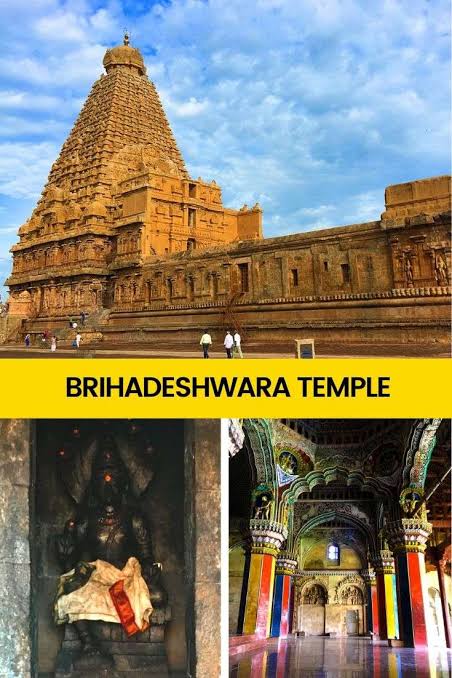
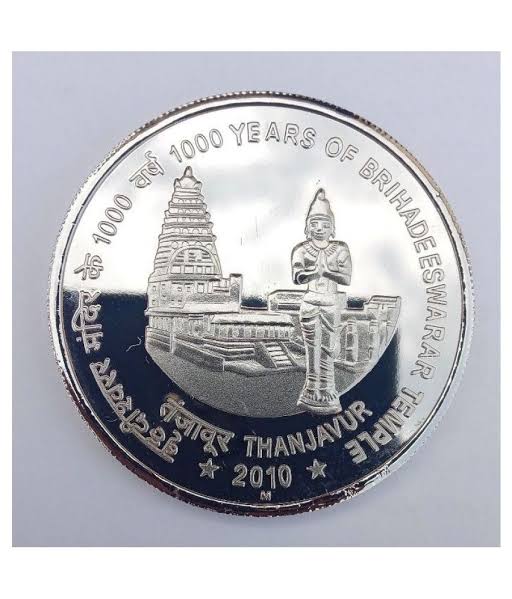
Brahadeeswara Temple The year 2010 celebrated the thousand years of cultural and historical, heritage of the Brahadeeswarar Temple.
The 1000-years old Timeless Heritage 🛕🕉🛕:
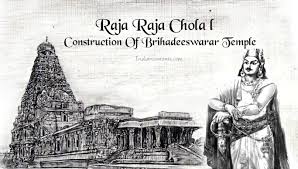
King Rajaraja cholesterol constructed the Brahadeewarar Temple, commonly known as the Big Temple by the natives of Tanjore . It's architecture marvel,fine proportions and intricate carvings and grandeur make it a symbol of cultural and sculptural expertise. Tanjore " The Granary of Tamilnadu", is also the seat of Carnatic music,dance,traditional handicrafts and stylized bronze work. Hence, the Chola's made it their capital.
Visit to the Nayak Palace🛕🛕:
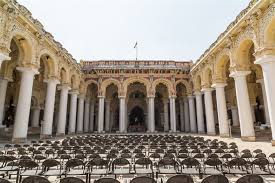
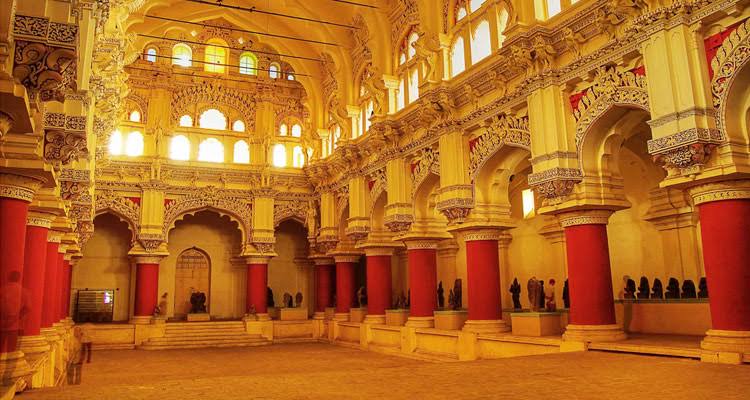
With a great thirst for Indian culture ,the author visited the palace complex which was built by the Nayaks in the 16 th Century. The Martha's had renovated it later. The Royal Muslim here has a collection of urns,drums,manuscripts,gifts, jewellery weapons and other belongings of the Maratha. A painting of Maratha King welcomes one to the Durbar Hall. An array of pallava and chola on the craftsmanship of their Era.
The 11th century Brahadeeswarar Temple🛕🕉🛕 :
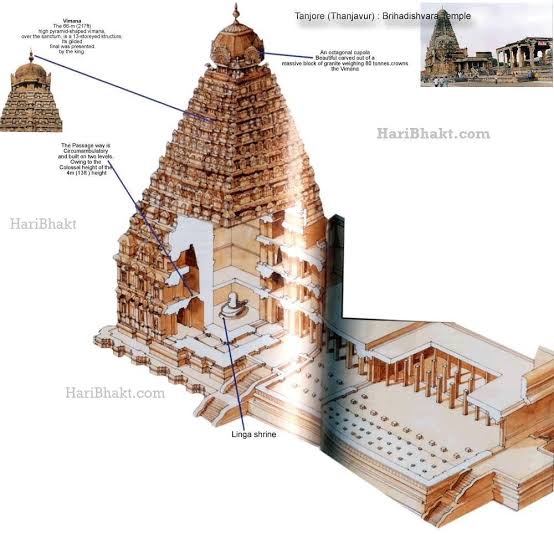
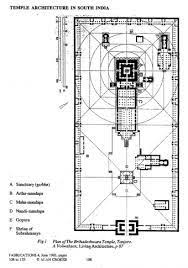
The magnificent structure of the Big Temple, situated in an area of 750 feet by 400 feet surrounded by a moat welcomed him. Its marvellous engineering technology could be judge by the vimanam. The towering vimanam is built up with stones with bonding and notching and without the use of mortar. It is baffling to note how the topmost stone of 80 tons was placed without modern of the divine mount Kailash. The sculpture and structure is incomparable. The shrine for lord Muruga is an integral part of the Temple. It is an elaborately carved stone structure, a designer's delight. It would take weeks if not months to copy the unrepeated designs on each of the short pillars of this shrine. The chiseled would have indeed taken months to complete each shapes.
The magnanimous King Rajaraja Chola🛕🛕:
The author stood in awe,astonishment and reverence when he saw a walled fortress inside -a standing testimony of the Chola's opulence and vision . The huge statues reflect their steadfast reverence to Lord Shiva. Rajaraja, his sisters and his queens donated gold and silver to build this Temple.
The intricate carvings and murals🛕🕉🛕:
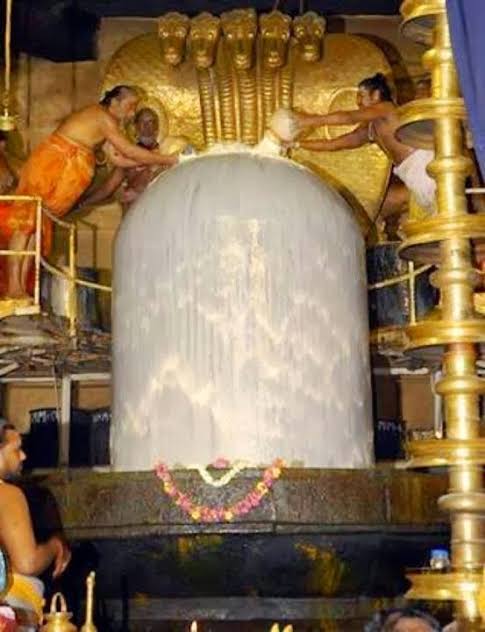
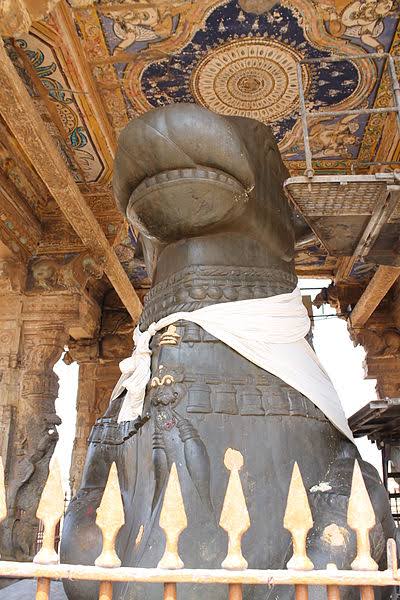
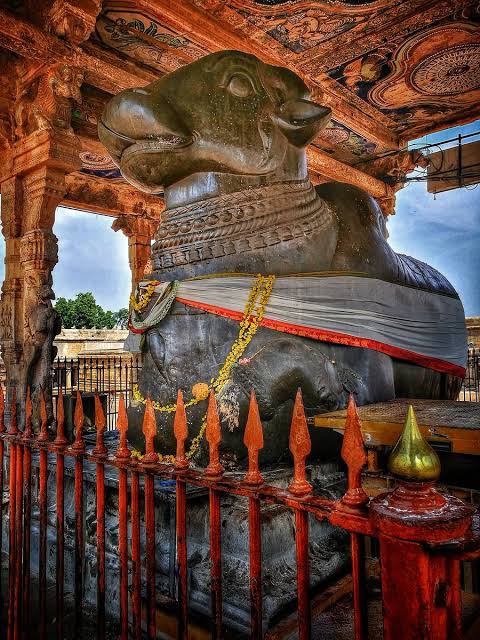
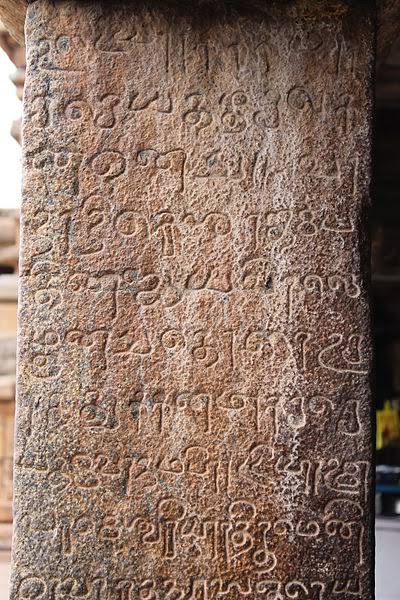
The delicate carvings on the pillars and the inscriptions on the walls of the temple are delight to a historian's sense. The deities and Shiva Linda's in the pillaged cloisters are worthy to be admired. The huge Shiva Linga in the sanctum sanatorium and the Nandhi Statue depict the large heartedness of Cholas , who did not hesitate to spend large sums of money. The sculpture and engineering technology of this 11th century Temple is truly admirable. The huge granite stones had been interlocked so perfectly with a harmonious bonding that they can withstand rains ,wind and heat down the centuries.
The might vimanam🛕🛕:
Unlike many Temple the 58m tall and 13-storyed vimanam makes the Gopurams. In its splendid idea ,it's impressive vision, its displays of the mighty effort of construction-it stands as a testimony for centuries to come.
It’s Dedication🛕🕉🛕:
Among all the temples dedicated to all suites, this is the only Temple which has been dedicated to Brahadeeswarar. When the devotee king anointed it with holy water from all the sacred rivers of India, little did he think that the Big Temple would stand for 1000 years and forever. The big Temple will live as long as Indian history lives.
The year 2010 celebrated the thousand years of cultural and historical, heritage of the Brahadeeswarar Temple.The 1000-years old Timeless Heritage :King Rajaraja cholesterol constructed the Brahadeewarar Temple, commonly known as the Big Temple by the natives of Tanjore . It’s architecture marvel,fine proportions and intricate carvings and grandeur make it a symbol of cultural and sculptural expertise. Tanjore ” The Granary of Tamilnadu”, is also the seat of Carnatic music,dance,traditional handicrafts and stylized bronze work. Hence, the Chola’s made it their capital.Visit to the Nayak Palace :With a great thirst for Indian culture ,the author visited the palace complex which was built by the Nayaks in the 16 th Century. The Martha’s had renovated it later. The Royal Muslim here has a collection of urns,drums,manuscripts,gifts, jewellery weapons and other belongings of the Maratha.
A painting of Maratha King welcomes one to the Durbar Hall. An array of pallava and chola on the craftsmanship of their Era.The 11th century Brahadeeswarar Temple :The magnificent structure of the Big Temple, situated in an area of 750 feet by 400 feet surrounded by a moat welcomed him. Its marvellous engineering technology could be judge by the vimanam. The towering vimanam is built up with stones with bonding and notching and without the use of mortar. It is baffling to note how the topmost stone of 80 tons was placed without modern of the divine mount Kailash. The sculpture and structure is incomparable. The shrine for lord Muruga is an integral part of the Temple. It is an elaborately carved stone structure, a designer’s delight. It would take weeks if not months to copy the unrepeated designs on each of the short pillars of this shrine. The chiseled would have indeed taken months to complete each shapes.The magnanimous King Rajaraja Chola :The author stood in awe,astonishment and reverence when he saw a walled fortress inside -a standing testimony of the Chola’s opulence and vision . The huge statues reflect their steadfast reverence to Lord Shiva. Rajaraja, his sisters and his queens donated gold and silver to build this Temple.The intricate carvings and murals :The delicate carvings on the pillars and the inscriptions on the walls of the temple are delight to a historian’s sense. The deities and Shiva Linda’s in the pillaged cloisters are worthy to be admired. The huge Shiva Linga in the sanctum sanatorium and the Nandhi Statue depict the large heartedness of Cholas , who did not hesitate to spend large sums of money.
The sculpture and engineering technology of this 11th century Temple is truly admirable. The huge granite stones had been interlocked so perfectly with a harmonious bonding that they can withstand rains ,wind and heat down the centuries.The might vimanam:Unlike many Temple the 58m tall and 13-storyed vimanam makes the Gopurams. In its splendid idea ,it’s impressive vision, its displays of the mighty effort of construction-it stands as a testimony for centuries to come.It’s Dedication :Among all the temples dedicated to all suites, this is the only Temple which has been dedicated to Brahadeeswarar. When the devotee king anointed it with holy water from all the sacred rivers of India, little did he think that the Big Temple would stand for 1000 years and forever. The big Temple will live as long as Indian history lives.





























































 Eduindex
You must be logged in to post a comment.