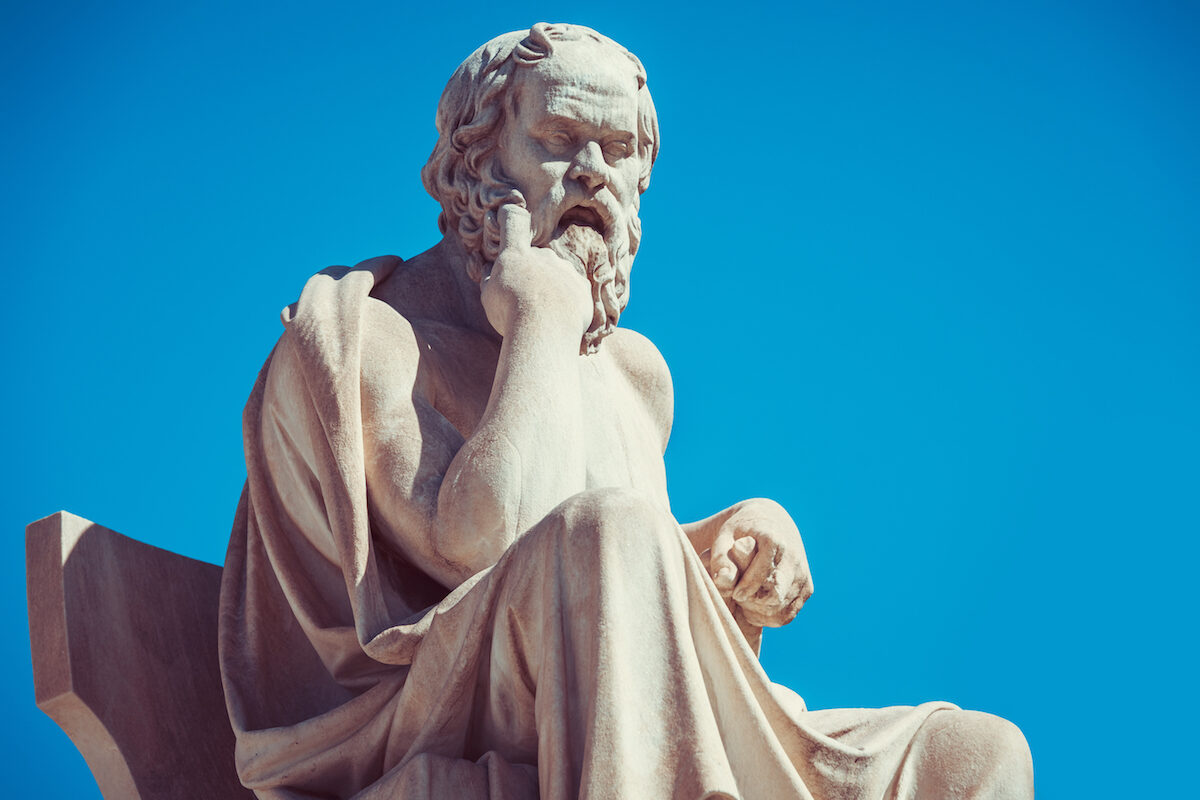
SOCRATES

Socrates of Athens was one of the most famous figures in world history for his contributions to the development of ancient Greek philosophy which provided the foundation for all of Western Philosophy. He is, in fact, known as the “Father of Western Philosophy” for this reason. He was originally a sculptor who seems to have also had a number of other occupations, including soldier, before he was told by the Oracle at Delphi that he was the wisest man in the world. In an effort to prove the oracle wrong, he embarked on a new career of questioning those who were said to be wise and, in doing so, proved the oracle correct: Socrates was the wisest man in the world because he did not claim to know anything of importance.

Plato
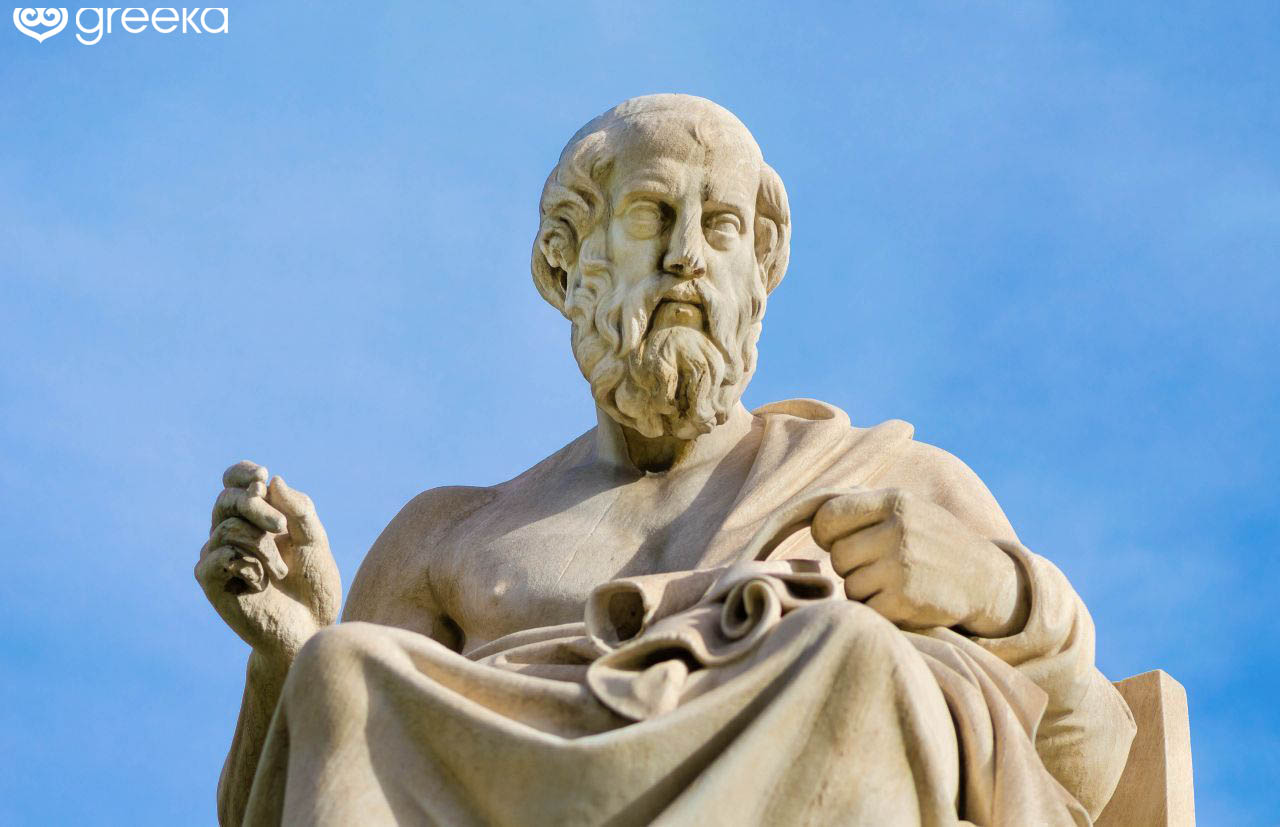
His most famous student was Plato (l. c. 428/427-348/347 BCE) who would honor his name through the establishment of a school in Athens (Plato’s Academy) and, more so, through the philosophical dialogues he wrote featuring Socrates as the central character. Whether Plato’s dialogues accurately represent Socrates’ teachings continues to be debated but a definitive answer is unlikely to be reached. Plato’s best known student was Aristotle of Stagira (l. 384-322 BCE) who would then tutor Alexander the Great (l. 356-323 BCE) and establish his own school. By this progression, Greek philosophy, as first developed by Socrates, was spread throughout the known world during, and after, Alexander’s conquests.

Early Life

Socrates was born c. 469/470 BCE to the sculptor Sophronicus and the mid-wife Phaenarete. He studied music, gymnastics, and grammar in his youth (the common subjects of study for a young Greek) and followed his father’s profession as a sculptor. Tradition holds that he was an exceptional artist and his statue of the Graces, on the road to the Acropolis, is said to have been admired into the 2nd century CE. Socrates served with distinction in the army and, at the Battle of Potidaea, saved the life of the General Alcibiades. He married Xanthippe, an upper-class woman, around the age of fifty and had three sons by her. According to contemporary writers such as Xenophon, these boys were incredibly dull and nothing like their father. Socrates seems to have lived a fairly normal life until he was told by the Oracle at Delphi that he was the wisest of men. His challenge to the oracle’s claim set him the course that would establish him as a philosopher and the founder of Western Philosophy.

The Oracle and Socrates

When he was middle-aged, Socrates’ friend Chaerephon asked the famous Oracle at Delphi if there was anyone wiser than Socrates, to which the Oracle answered, “None.” Bewildered by this answer and hoping to prove the Oracle wrong, Socrates went about questioning people who were held to be ‘wise’ in their own estimation and that of others. He found, to his dismay, “that the men whose reputation for wisdom stood highest were nearly the most lacking in it, while others who were looked down on as common people were much more intelligent”. The youth of Athens delighted in watching Socrates question their elders in the market and, soon, he had a following of young men who, because of his example and his teachings, would go on to abandon their early aspirations and devote themselves to philosophy (from the Greek ‘Philo’, love, and ‘Sophia’, wisdom – literally ‘the love of wisdom’). Among these were Antisthenes of Athens (l. c. 445-365 BCE), founder of the Cynic school, Aristippus of Cyrene (l. c. 435-356 BCE), founder of the Cyrenaic school), Xenophon, whose writings would influence Zeno of Citium, (l.c. 336-265 BCE) founder of the Stoic school, and, most famously, Plato (the main source of our information of Socrates in his Dialogues) among many others. 

Trial and Death of Socrates

In 399 BCE Socrates was charged with impiety by Meletus the poet, Anytus the tanner, and Lycon the orator who sought the death penalty in the case. The accusation read: “Socrates is guilty, firstly, of denying the gods recognized by the state and introducing new divinities, and, secondly, of corrupting the young.” It has been suggested that this charge was both personally and politically motivated as Athens was trying to purge itself of those associated with the scourge of the Thirty Tyrants of Athens who had only recently been overthrown. His execution was delayed for 30 days due to a religious festival, during which the philosopher’s distraught friends tried unsuccessfully to convince him to escape from Athens. On his last day, Plato says, he “appeared both happy in manner and words as he died nobly and without fear.” He drank the cup of brewed hemlock his executioner handed him, walked around until his legs grew numb and then lay down, surrounded by his friends, and waited for the poison to reach his heart.


The Downfall of Sushil Kumar

From making India proud by winning medals in two different Olympics to becoming the main accused in a murder case, decorated wrestler Sushil Kumar has come a long way, and fans are left gutted with the big twist in his life. Sushil’s international success triggered a revolution and created an inspirational legacy. The reserved grappler from Najafgarh’s Baprola village is till date India’s only world champion (2010) in the sport. He is also the only one to claim two individual Olympic medals, an exceptional feat for a country that has seen very limited success at the Games. But, now the goodwill, respect, honour that Sushil earned so far in his career is at stake as for the nation he is not just an Olympic medalist but also an absconder in a murder case.

Early Life

Son of DTC bus conductor, Sushil grew up in a non-descript village called Baprola on the outskirts of Delhi. He was inspired to take up the sport by his cousin Sandeep. However, Sandeep quit the sport because the family could support just one wrestler and Sushil was the chosen one. At the age of 14, Sushil started training at the Chhatrasal Stadium’s akhada under the guidance of pehalwans Yashvir and Ramphal and later by Arjuna awardee Mahabali Satpal Singh and then at the Railways camp by coach Gyan Singh. But it was not until he met former wrestler and Coach Satpal Singh, Sushil recognised his potentials in freestyle wrestling.

Struggle

Where other international athletes had their own equipment and training facilities, Kumar had to struggle with whatever he could do by himself and the support of his Guru Satpal. Being a pure vegetarian, he couldn’t eat flesh which is a usual dose for wrestlers. However, his family supported him for his dreams by sending him tinned milk, Ghee, and fresh vegetables so that he doesn’t rely on mess meals only. But what made him unique was that he never thought of quitting his dreams despite the lack of facilities. Instead, Sushil toiled hard to earn success and eventually awarded victory in the year 2003 by dominating the Commonwealth Wrestling Championships and also won a bronze at the Asian Wrestling Championship.

Rise to Fame

In 2008, Sushil’s bronze medal at the Beijing Olympics had ended India’s 56-year-long wait for an Olympic medal in wrestling following which he became a household name by coming out of nowhere and landing India a bronze in the Olympics. From training in mud pits to sleeping with 20 other boys, it was a giant leap for the grappler. The achievement had a tremendous impact as Indian wrestling witnessed the rise of Yogeshwar Dutt, Geeta, and Babita Phogat, their cousin Vinesh, Rio bronze medallist Sakshi Malik and World medallists Bajrang Punia, Ravi Dahiya, and Deepak Punia after that. For the bronze medal at the 2008 Beijing Olympics, Sushil was awarded the Rajiv Gandhi Khel Ratna award, India’s highest sporting honour.Sushil credits his ‘father figure’ Satpal, under whom he has trained for 13 years, as someone who has inculcated in him discipline and dedication. In 2010, Sushil created history when he became the first Indian to win a gold medal at the FILA World Wrestling Championships held in Moscow. The same year, he also competed at the Commonwealth Games and made everyone shell-shocked with his unfazed and undeterred performance as he clinched the gold medal. Owing to his superb show, Kumar was chosen to represent the nation by bearing the Indian flag in the 2012 London Olympics and once again made the country proud by winning a silver medal in the 66 kg category which was India’s third Olympic medal in wrestling. Sushil then went onto win gold medals in the 2014 and 2018 Commonwealth Games in the 74 kg category, thus creating a stack of 3 Commonwealth gold medals through his sturdy performances at three consecutive Games.

The Downfall

Sushil first made the headlines for all the wrong reasons when in 2016 he had been involved in a dispute with the national wrestling federation over the matter of representing India at the Rio Olympics. Although another wrestler — Maharashtra’s Narsingh Yadav — had won the quota, Sushil, by virtue of his record, had wanted trials to be held. Yadav eventually ended up failing a dope test just weeks before the Olympics. Yadav claimed he was the victim of conspiracy and filed an FIR accusing a young wrestler from Chhatrasal of tampering with his food. That case remains unresolved. Then in 2018, Sushil once again found himself stuck neck-deep in a swamp when following an ill-tempered bout, Sushil’s opponent Parveen Rana and his brother were assaulted by a group of people he said were supporters of the Olympic medalist. Rana and his brother ended up requiring hospital treatment and an FIR was registered against Sushil and his supporters.

Murder Accusation?

Sushil Kumar is one of the accused in the Chhatrasal Stadium scuffle incident where Sagar Rana, a former junior national champion, lost his life on May 4. Sushil, who has been absconding since the night of the scuffle, is said to be involved in the incident where two factions of wrestlers allegedly opened fire on each other, leaving several injured and 23-year-old Sagar Rana dead. Following the incident, an FIR of murder, abduction, and criminal conspiracy was registered against Kumar. Meanwhile, the Delhi Police on Monday (May 17) said they will reward an amount of Rs one lakh to anyone, who can provide intel about two-time Olympic medallist Sushil Kumar. The police have also stated that a sum of Rs 50,000 will be given to individuals, who will pass information regarding Ajay, also an accused in the same matter. As per the latest development in the case, Rohini Court in New Delhi will hear the anticipatory bail plea of two-time Olympic medalist Sushil Kumar on Tuesday (May 18) apropos the case. Of course, the case is under investigation and Sushil’s involvement needs to be proved in a court of law. He remains innocent until proven otherwise, but the events leading to Sagar’s death and Sushil’s subsequent disappearance have already tarnished the decorated wrestler’s image and reputation.

The Impact of LINKIN PARK!

I, like many people my age, grew up listening to Linkin Park. At this point in life, it is almost impossible to not have heard at least one of their songs (or be unaware of how large a band they’ve become within the music industry). While we continue to see new technical advances and innovative artists/bands, many of us music listeners today are heavily impacted by the art of the 90’s and 2000’s. Our culture at the time was a beautiful ball of oddness that came with new shifts in music. Many of these bands and artists were able to find immense success at the dawn of the internet era, and have in many ways lead the way for new evolutions in music (inspiring many of the bands and artists we love today).

Linkin Park is one of those acts. They burst through the music industry with a sound that captured the youth across the world. Throughout their career the band has released seven studio albums. In honor of Chester Bennington’s life and art, here is a look into Linkin Park’s music and legacy, and how the band sincerely pushed themselves to create their purest work, and change music.

Hybrid Theory (2000)

The album kicked off the nu metal/rap metal sound that Linkin Park would become associated with for years to come. Electric guitar tones that borderline on industrial sounds blended with electronic beats to create instrumentals packed with emotional angst. While Mike Shinoda’s rapping provided a catchy atmosphere to the work, it was Chester Bennington’s singing/screaming that really created such a profound heavy and somber energy to the material. Thinking of the crazy adrenaline and build up in such tracks as “One Step Closer”, “Papercut”, and “A Place for My Head”, really helped to further introduce heavy music into the mainstream. “Crawling”, “Runaway”, and “My December” are key examples of how Bennington was able to capture the emotion and turmoil of life.

Meteora (2003)

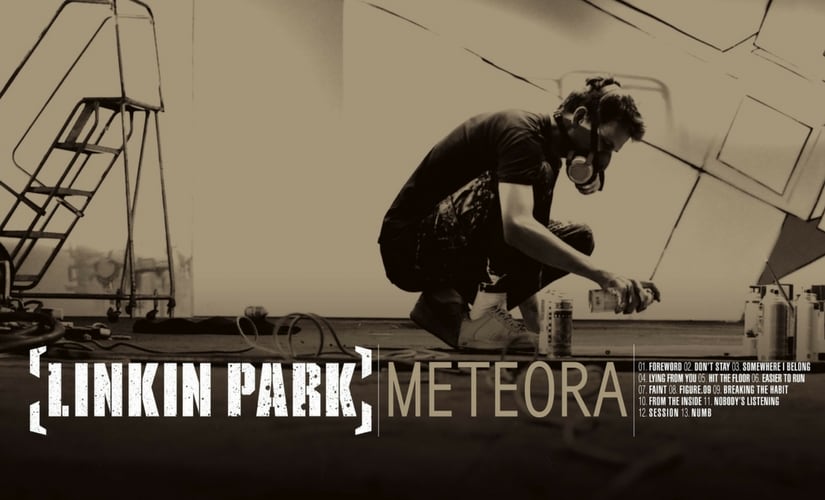
Meteora continued with these instrumental sounds, balancing out the use of heavy riff roaring bangers, and stunning songs of rich somber tones. Bennington came out in full force with rage and angst throughout the record, kicking things off right away in “Don’t Stay”. The hyper record scratching and electric vibrant guitar notes presented a pulse-racing intro, packed with vicious screams from Bennington. There’s the ever-popular “Faint”, where Shinoda raps over an electronic infused rock instrumental, the chorus bursting with fiery guitar work and Bennington’s screams. Meteora is also where a lot of fans would discover “Breaking The Habit” and “Numb”. The other side of what makes these records so important, is the fact that they sincerely capture the angst and life of being a teenager. I think the word “angst” gets thrown around a lot in a negative context, but if we look at it as a pure emotion, Linkin Park really grabbed hold of what it was like to be a teenager. 

Minutes to Midnight (2007)

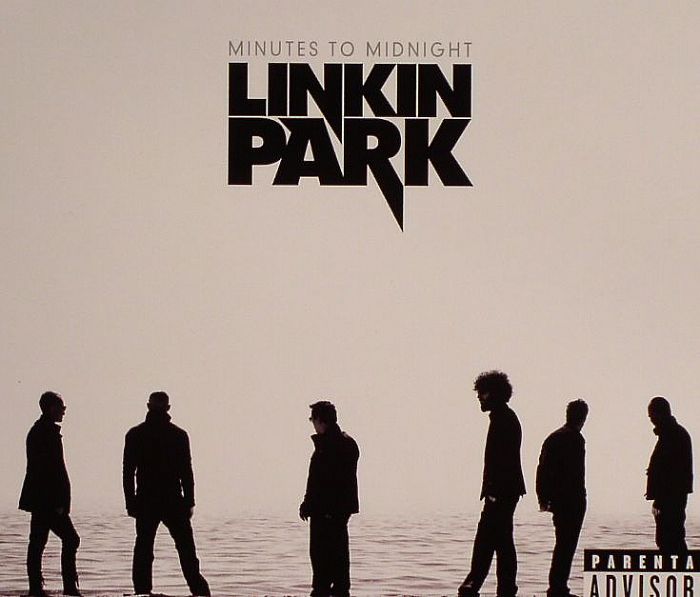
Linkin Park took four years in between Meteora to present Minutes to Midnight. Many folks probably remember this record for the one song that made its way into the Transformers movie (“What I’ve Done”). Minutes to Midnight would be the first step that Linkin Park would take to abandoning the nu metal sound.  While tracks like “Bleed It Out” had Shinoda spitting to a catchy rock rhythm, the hip hop flow could still be felt throughout the work. The only time there was any semblance of that nu metal-like vibe was in the guitar chugs that came from “No More Sorrow”. Other than that though, Minutes to Midnight was more of a rock record, coming out with upbeat rhythms that could be found in such tracks as “Given Up”.

A Thousand Suns (2010)

A Thousand Suns kept to Shinoda’s hip hop style and the rock sound, but played around with more of an electronic essence. The hip hop energy really came forth in “When They Come for Me” and “Wretches and Kings”, with work such as “Waiting for the End” taking on a very playful pop approach. Then there was “Blackout”, which presented an industrial EDM style instrumental under Bennington’s singing and screaming.  It was during these years where some fans began to find themselves torn between the music and the changes that the group was taking on. 

Living Things (2012)

The album opened with “Lost in the Echo”, kicking things off with a radiant EDM vibe. This continued in “Burn It Down” and “Lies Greed Misery”. The group even played around with some folk-like vocalization in “Castle of Glass”, distancing themselves more from their supposed trademark sound. The album still included heavy elements, the track “Victimized” coming off with punk adrenaline and flavor. These three albums showed drastically different sides to Linkin Park. The instrumental components were surely the biggest differences, but I would argue that thanks to the vocal styles and lyrical approach of Bennington and Shinoda, all three of these records still felt like Linkin Park

The Hunting Party (2014)

right away with “Keys to the Kingdom” you got Bennington’s rage-fueled screams with a steady drum beat and rock and roll tone. The track burst with Bennington’s vocals and Shinoda’s fast spitting style, presenting a super catchy song. Whether it is screams or rapping, The Hunting Party kept to a rock foundation with strong drum work and vibrant guitars.  “Guilty All the Same” and “Final Masquerade” are terrific examples of this core sound that catered to both vocal styles of Shinoda and Bennington. “War” was a standout track, capturing a sincere and brutal punk viciousness and speed. There are less of those somber and angst-ridden songs found on previous works, and instead more heart-racing adrenaline. For those who had been missing out on a heavier Linkin Park sound, this was a killer record.

One More Light (2017)

Chester’s last performance

It would be three years later when Linkin Park would release One More Light, perhaps the band’s most controversial record. There are light elements of rock felt throughout the work, but for the most part the music builds off of electronic pop. When the band released their first single “Heavy”, there began a flurry of comments ranging from all spectrums of approval to distaste. Other than “Talking to Myself”, this record doesn’t really have too much of that bubbly pop sound. There are traits of it throughout the album, but there is more of that emotional tinge that is reminiscent of the band’s earlier work. The beats dip with shadow and brightness to give off a somber aura, infusing the elements of dark and light emotions.

Many of us grew up with Bennington’s vocals and lyrics, some of us growing up suffering (and still suffering) from the same struggles that plagued his life. Linkin Park will forever be one of the most influential bands of our time. As a band, they committed to their desire in evolving their sound. This act was a lot of people’s first loves when it came to music. It became that band that got people to find a way to let go of anger or pain, and find something that gave their lives hope and inspiration. They are a band that touched the lives of millions of people trying to find themselves and make sense of life. Throughout all their albums, Linkin Park have built a legacy to always be remembered by. We have the music forever in our hearts and bursting through our eardrums, Chester’s voice still singing and screaming away.


Attilla The Hun

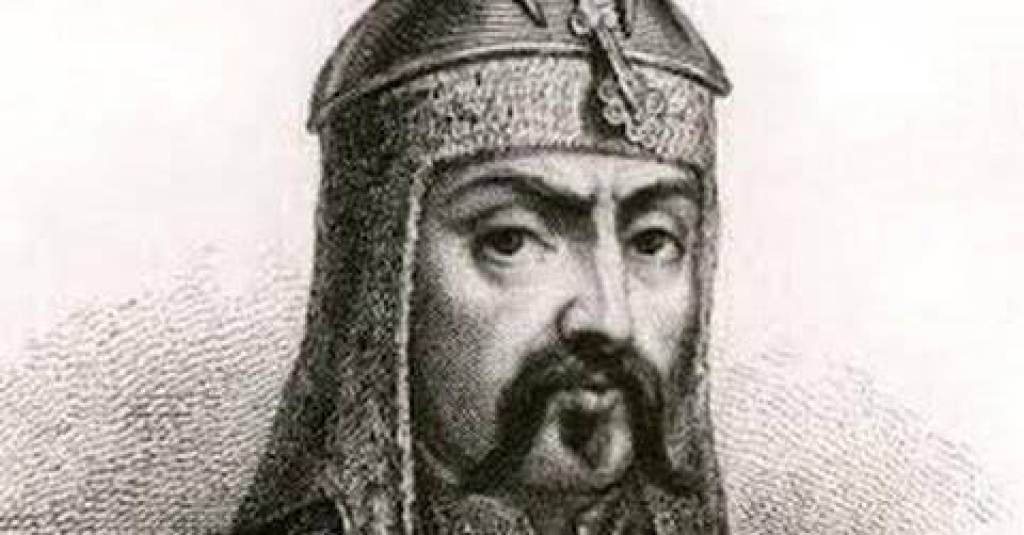
Attila was a warrior king of the Hun people who reigned in the fifth century. History remembers him as the most savage invader of the Roman Empire. Attila was supposedly born in 406 AD in present-day Hungary. He was the son of a powerful royal aristocrat of the Hun Empire. The Hun people were nomadic Eurasian people who settled in Central And Eastern Europe in the second century. As a prince of the empire, Attila was educated in politics, military and diplomatic relations. At the time the Hun people were being ruled by two of Attila’s uncles. This was twin rulership system was unique to the Hun people..

In 434 the two uncles passed away and Attila and his younger brother Bleda continued with the twin leadership style. Unlike Bleda, Attila was a man of war from the onset of his leadership. He forged diplomatic ties with the Roman military commander Aetius. Aetius headed the army of the Western Roman Empire which had its capital in Rome. The Eastern Roman Empire had its capital in Constantinople, which is today’s Istanbul. In 445 Attila killed his brother and declared himself the sole king of the Hun Empire. He consolidated the various chiefdoms of the Hun into a unitary kingdom. 

Peace at Magnus

When Attila and his brother Bleda assumed power in 434, the Hun Empire was on the verge of war with the Eastern Romans. Dissident Hun princes had taken exile in the Roman Empire. The princes were accused of aiding the Romans in plundering the Hun’s royal treasures including the royal burial sites. The Roman Emperor decided to agree with the peace terms of the Huns. The Romans were to pay a tax of seven hundred pounds of pure gold annually. The peace agreement was later called The Treaty of Magnus. The treaty did not hold for long.

In 441, Attila and his brother invaded the Eastern Roman territory in the Balkans. The two brothers were merely avenging the betrayal of the treaty by their Roman counterparts. The plundered treasures had not been returned and the dissidents were still freely living in the Roman territory. In 443, the Hun army was at the doorstep of the Roman capital Constantinople. The two parties renegotiated the Magnus treaty. This time the imposed tax was punitive. The seven hundred pounds was tripled to two thousand one hundred pounds of pure gold. To express their anger, the Huns imposed a late payment penalty of six thousand pounds of gold for the delays in the previous treaty. The Roman emperor obliged.

Rise of Attila

Huns vs Romans

In 447 Attila who was now the imperial king, invaded the eastern Roman Empire once more. This time Attila led his forces to destroy many Roman cities in the Balkans all the way to Greece. Sensing his downfall, the Eastern Roman Emperor negotiated another treaty. Attila led his army out of Roman territory. The conditions of peace put the Eastern Roman Empire at the mercy of Attila. Having rampaged in the east, Attila decided to invade the Western Roman Empire. In 450, he waged war with the Western Romans in the guise of wanting to free the Roman princess Honoria from a forced marriage. In the fighting later called the Battle of Catalunian Plains, the Roman coalition army stood its ground. For the first time in his life, Attila had met formidable resistance. By the end of the war, heavy casualties were witnessed by both armies. The Visigoth king who fought alongside the Roman army was dead. Half of the Roman army had been killed. On the other side, the Hunnic army had been defeated. Attila retreated to his Central European Hunnic Empire. In a show of defiance, Attila made another incursion into the Western Roman territory. This time, Attila went for the capital Rome. When Milan and Aquileia fell into Attila’s hands, the Roman Pope Leo I intervened. Attila pulled out his forces after the meeting.

Attila’s Death

Attila invaded northern Italy in 452 but spared the city of Rome due to the diplomacy of Pope Leo I and the rough shape of his own troops. Legend has it that St. Peter and St. Paul appeared to Attila, threatening to strike him dead if he did not settle with Pope Leo I. Attila died the following year, in 453, before he could try once again to take Italy. Attila left behind a divided family. His appointed successor, his oldest son Ellac, fought with his other sons, Dengizich and Ernakh, over control of their father’s empire, which was ultimately divided among them. Among many memorable quotes, Attila the Hun is remembered for saying of his powerful reign, “There, where I have passed, the grass will never grow gain.”

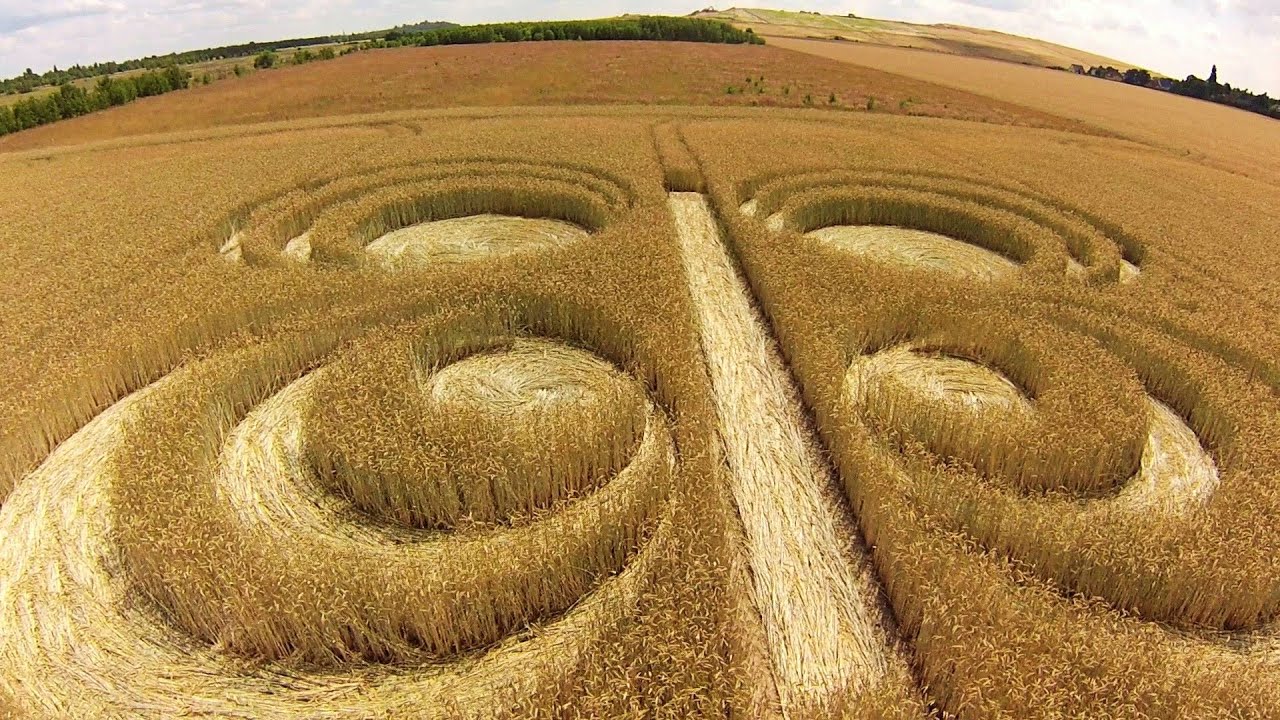
Crop Circles

Crop circles are the strange patterns that appear mysteriously overnight in farmers’ fields—provoke puzzlement, delight and intrigue among the press and public alike. The circles are mostly found in the United Kingdom, but have spread to dozens of countries around the world in past decades. The mystery has inspired countless books, blogs, fan groups, researchers and even Hollywood films. Crop circles and their mysterious origins have spawned years of debate and speculation about whether or not they are formed by aliens. Some people believe that crop circles are used as a message from a foreign species. That perhaps they represent some sort of alien language. Others believe that they are a hoax by people who wish to scare or stun the people who view them. But whatever the reason people believe what they do, crop circles have a long and vibrant history that has many legends swirling around it.

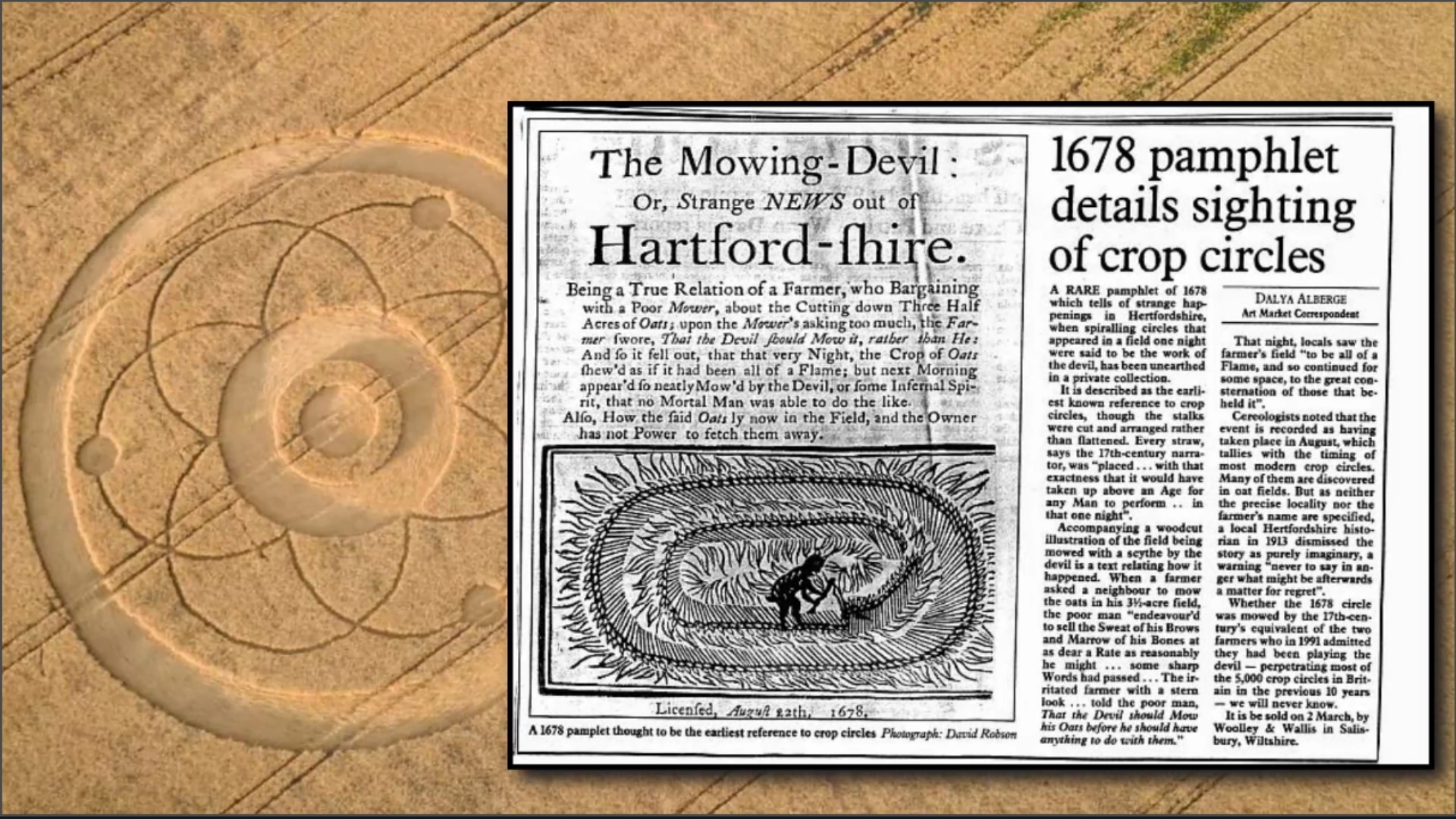
The first appearance of a crop circle was in England 1678. The “Mowing Devil” was the first reported incident of a crop circle, and the farmer who found the circle said that there was a devilish entity that visited his farm. That goes against the usual descriptions of crop circles because they are typically described as being patted down into the shape and not cut. Since then, many crop circles have popped up in the countryside of the United Kingdom, but throughout the years, crop circles have begun to appear in other countries. In 1966 in Australia, a farmer said that he saw a flying saucer leave a swampy area, and when he investigated the area he found a circular pattern lain into the reeds and swamp grass. The crops in his field were trampled or cut down in the shape of a circle. The circle was recorded on a wood engraving.

Man-made crop circle

The theories on the origins of crop circles are wide and varied. One explanation in the 1980s said that they are formed from overactive hedgehogs. Another theory says that specific wind patterns to an area could cause the crop to lie down. One theory includes earth’s energy fields and meridians. The force of the energy on the land would cause the crop to fall. But many people who believe in an extraterrestrial origin think that aliens use their enhanced technology to send energy down from outer space to create patterns in the crop. Others still believe that spaceships are the cause for the varying patterns in the ground.

Benjamin Radford, a contributor for LiveScience, said that  one case from the United Kingdom in 1991 had two men come forward and admit to creating hundreds of crop circles, which leads people to believe that mostly the circles’ origins are very human. They were inspired by the case in Australia, so they tried to blame the circles on UFOs. Many of the examples of crop circles being linked to UFOs gets confused about whether it’s really about the UFO or the crop circle. Like with the case in Australia, the legend becomes more about the sighting of a UFO or an alien spaceship than it is about the actual crop circle. It’s an interesting debate that is waged between believers in science and believers in the supernatural. Many people, like the man in Australia who allegedly saw a UFO by a crop circle, claim that they can see unusual light sources or flying objects near the place they find a circle. Others, and the vast majority of people who investigate crop circles, believe that it is pure science and trickery that form these circles.

At any rate, with the technology and advancements that we have in this day and age, it doesn’t seem so unlikely that a human could make such a sophisticated design in crops. Taylor notes that crop circle artists aren’t going to give up their secrets any time soon, either. Whether the creation is supernatural or not, the mystery behind the creation of the circles is still key to holding people’s interest in the designs.  The human race has advanced by leaps and bounds in the last century and certainly has the capacity to develop technologies beyond our wildest dreams that could be the source of crop circles.

Mariana Trench

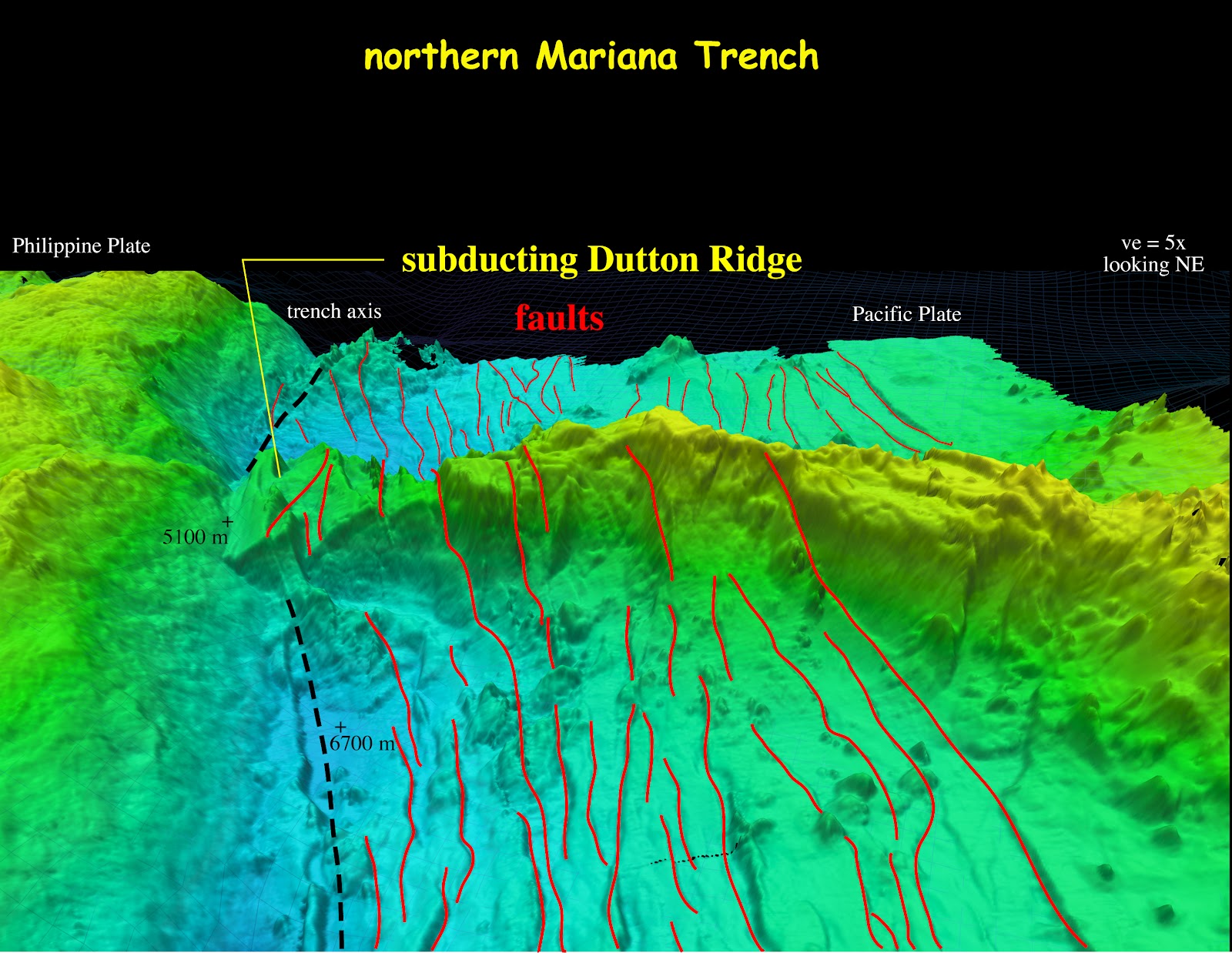
The Mariana Trench is a crescent-shaped trench located in the western Pacific, just east of the Mariana Islands near Guam. The region surrounding the trench is very remarkable and is the cradle for many unique environments. The Mariana Trench contains the deepest points on Earth, bubbling vents of liquid sulfur and carbon dioxide, active mud volcanoes, and marine life adapted to pressures a thousand times greater than sea level. The Mariana Trench is the deepest place you can find in the ocean. Its depth is difficult to measure from the surface, but modern estimates vary by less than 1,000 feet.

Discovery

In 1860, Charles Wyville Thomson, wanted to make a boat trip to conduct oceanographic studies. On December 21, 1872, he sailed on the HMS Challenger, a modified warship for the voyage carrying everything from fishing gear to microscopes. The main objective was to travel the oceans to measure depth, temperature and salinity. On March 23, 1875, while the team was conducting studies near the Mariana Islands, the sea literally swallowed 8 kilometers of a measuring line they were carrying. It was at that moment that the researchers had managed to discover the abyss. In the nineteenth century, it was discovered that there was a place where no one had yet arrived, the deepest place that existed in the ocean, known as the black hole or the Mariana Trench. In 2012, the first expedition was made by James Cameron, who was the first person in charge of continuing studies on the grave.

Characteristics

The main characteristics of the Mariana Trench are as follows:

  • It is considered to be the deepest area in the oceans.
  • It is located in the Pacific Ocean, east of the Mariana Islands.
  • They coincide with a subduction zone, a place where two tectonic plates collide.
  • It is approximately 2,550 kilometers long and 69 kilometers wide.
  • The deepest part of the pit is known as the Challenger Abyss.
  • They have an amount of water equivalent to 1000 times more than the earth has.
  • It lacks illumination.

Location

The Mariana Trench is located in the Pacific Ocean, east of the well-known Mariana Islands. It lies at the bottom of the Pacific Ocean, on the north western side, east and south of the islands. It has 11° 21´ north latitude and 142° 12´de east longitude, near Guam, a place located between the coast of Indonesia and China.

Fauna & Fauna

Image taken by James Cameron’s Odyssey

In 2016, the U.S. National Oceanic and Atmospheric Administration carried out an expedition with the aim of trying to gather information on the area. Some of the creatures they found are:

  • Bellota worms: it is a mollusk with a snail shell. It is considered as a new species, although there is no idea about its geology, habitat or origin.
  • Elf Shark: Its color is pink, and its consistency is very viscous. They are capable of growing several meters.
  • Dumbo Octopus: The most eye-catching thing are their jumped eyes and their furrowed mouth. It can swallow its prey whole.
  • Dragon Fish: Its teeth are large, and it is a hunter by nature. It has no scales and its skin is slippery, very similar to an eel.
  • Eel Shark: Its body is rounded, and its head flattened, it is very similar to a dinosaur. Apparently it has been living for 80 million years. It has 20 rows of teeth and gills in its body.

Challenger’s Abyss

At 10,994 meters deep, it is considered the deepest point in the ocean. Its name was given in 1872. Only one man has managed to reach 10,898 meters in the submarine Deepsea ChallengerJames Cameron. He described the trench as an environment very much like a lunar desert. The only thing he could see were blind worms that had adapted to the situation. In 2013, scientists discovered that the abyss was full of life. onar beams sent to the ocean floor are updated many times per second, and verified by Global Positioning Satellites. These maps clearly indicate the Mariana Trench as the deepest of its kind, and so far the Challenger Deep is its lowest measured point.

What is Data Science?

As the world entered the era of big data, the need for its storage also grew. It was the main challenge and concern for the enterprise industries until 2010. The main focus was on building a framework and solutions to store data. Now when Hadoop and other frameworks have successfully solved the problem of storage, the focus has shifted to the processing of this data. Data Science is the secret sauce here. Data Science is a blend of various tools, algorithms, and machine learning principles with the goal to discover hidden patterns from the raw data. But how is this different from what statisticians have been doing for years? The answer lies in the difference between explaining and predicting. 

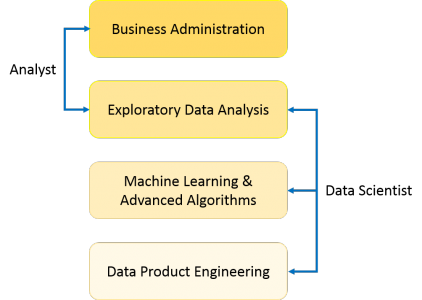
From the above image, it is clear that a Data Analyst usually explains what is going on by processing history of the data. On the other hand, Data Scientist not only does the exploratory analysis to discover insights from it, but also uses various advanced machine learning algorithms to identify the occurrence of a particular event in the future. A Data Scientist will look at the data from many angles, sometimes angles not known earlier.

So, Data Science is primarily used to make decisions and predictions making use of predictive causal analytics, prescriptive analytics (predictive plus decision science) and machine learning.

  • Predictive causal analytics – If you want a model that can predict the possibilities of a particular event in the future, you need to apply predictive causal analytics. Say, if you are providing money on credit, then the probability of customers making future credit payments on time is a matter of concern for you. Here, you can build a model that can perform predictive analytics on the payment history of the customer to predict if the future payments will be on time or not.
  • Prescriptive analytics: If you want a model that has the intelligence of taking its own decisions and the ability to modify it with dynamic parameters, you certainly need prescriptive analytics for it. This relatively new field is all about providing advice. In other terms, it not only predicts but suggests a range of prescribed actions and associated outcomes.
  • Machine learning for making predictions — If you have transactional data of a finance company and need to build a model to determine the future trend, then machine learning algorithms are the best bet. This falls under the paradigm of supervised learning. It is called supervised because you already have the data based on which you can train your machines. For example, a fraud detection model can be trained using a historical record of fraudulent purchases.
  • Machine learning for pattern discovery — If you don’t have the parameters based on which you can make predictions, then you need to find out the hidden patterns within the dataset to be able to make meaningful predictions. This is nothing but the unsupervised model as you don’t have any predefined labels for grouping. The most common algorithm used for pattern discovery is Clustering.

Why Data Science?

Traditionally, the data that we had was mostly structured and small in size, which could be analyzed by using simple BI tools. Unlike data in the traditional systems which was mostly structured, today most of the data is unstructured or semi-structured. One can understand the precise requirements of your customers from the existing data like the customer’s past browsing history, purchase history, age and income. No doubt you had all this data earlier too, but now with the vast amount and variety of data, you can train models more effectively and recommend the product to your customers with more precision. The self-driving cars collect live data from sensors, including radars, cameras, and lasers to create a map of its surroundings. Based on this data, it takes decisions like when to speed up, when to speed down, when to overtake, where to take a turn – making use of advanced machine learning algorithms. Data from ships, aircraft, radars, satellites can be collected and analyzed to build models. These models will not only forecast the weather but also help in predicting the occurrence of any natural calamities. It will help you to take appropriate measures beforehand and save many precious lives.

The following infographic shows the various domains in which Data Science is creating its impression:

Role of a Data Scientist

Data scientists are those who crack complex data problems with their strong expertise in certain scientific disciplines. They work with several elements related to mathematics, statistics, computer science, etc (though they may not be an expert in all these fields). They make a lot of use of the latest technologies in finding solutions and reaching conclusions that are crucial for an organization’s growth and development. Data Scientists present the data in a much more useful form as compared to the raw data available to them from structured as well as unstructured forms.

GREEK MYTHOLOGY

Greek mythology, body of stories concerning the gods, heroes, and rituals of the ancient Greeks. That the myths contained a considerable element of fiction was recognized by the more critical Greeks, such as the philosopher Plato in the 5th–4th century BCE. In general, however, in the popular piety of the Greeks, the myths were viewed as true accounts. Greek mythology has subsequently had extensive influence on the arts and literature of Western civilization, which fell heir to much of Greek culture. Although people of all countries, eras, and stages of civilization have developed myths that explain the existence and workings of natural phenomena, recount the deeds of gods or heroes, or seek to justify social or political institutions, the myths of the Greeks have remained unrivaled in the Western world as sources of imaginative and appealing ideas. Poets and artists from ancient times to the present have derived inspiration from Greek mythology and have discovered contemporary significance and relevance in Classical mythological themes.

Sources of Myths: The Homeric poems

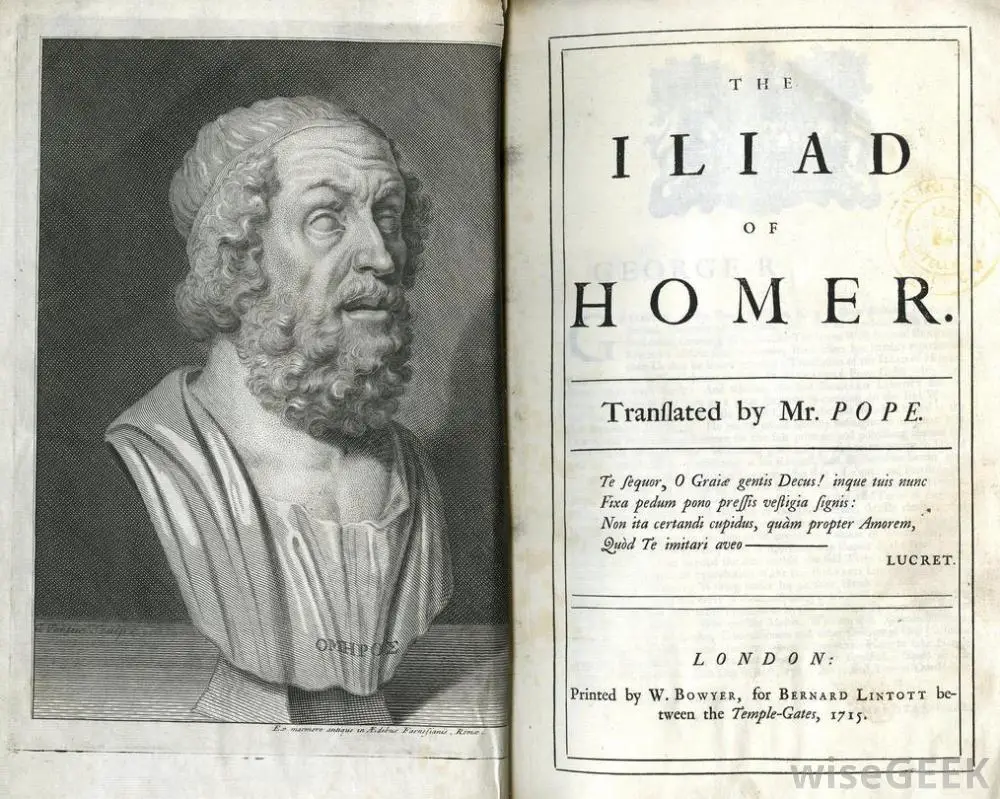
The 5th-century-BCE Greek historian Herodotus remarked that Homer and Hesiod gave to the Olympian gods their familiar characteristics. Few today would accept this literally. In the first book of the Iliad, the son of Zeus and Leto is as instantly identifiable to the Greek reader by his patronymic as are the sons of Atreus. In both cases, the audience is expected to have knowledge of the myths that preceded their literary rendering.

Sources of Myths: The works of Hesoid

he fullest and most important source of myths about the origin of the gods is the Theogony of Hesiod (c. 700 BCE). The elaborate genealogies mentioned above are accompanied by folktales and etiological myths. The Works and Days shares some of these in the context of a farmer’s calendar and an extensive harangue on the subject of justice addressed to Hesiod’s possibly fictitious brother Perses.The Theogony declares the identities and alliances of the gods, while the Works and Days gives advice on the best way to succeed in a dangerous world, and Hesiod urges that the most reliable—though by no means certain—way is to be just.

Sources of Myths: Archaeological Discoveries

The discovery of the Mycenaean civilization by Heinrich Schliemann, a 19th-century German amateur archaeologist, and the discovery of the Minoan civilization in Crete by Sir Arthur Evans, a 20th-century English archaeologist, are essential to the 21st-century understanding of the development of myth and ritual in the Greek world. Geometric designs on pottery of the 8th century BCE depict scenes from the Trojan cycle, as well as the adventures of Heracles. The extreme formality of the style, however, renders much of the identification difficult, and there is no inscriptional evidence accompanying the designs to assist scholars in identification and interpretation. 

Forms of Myths: Religious Myths

Olympus

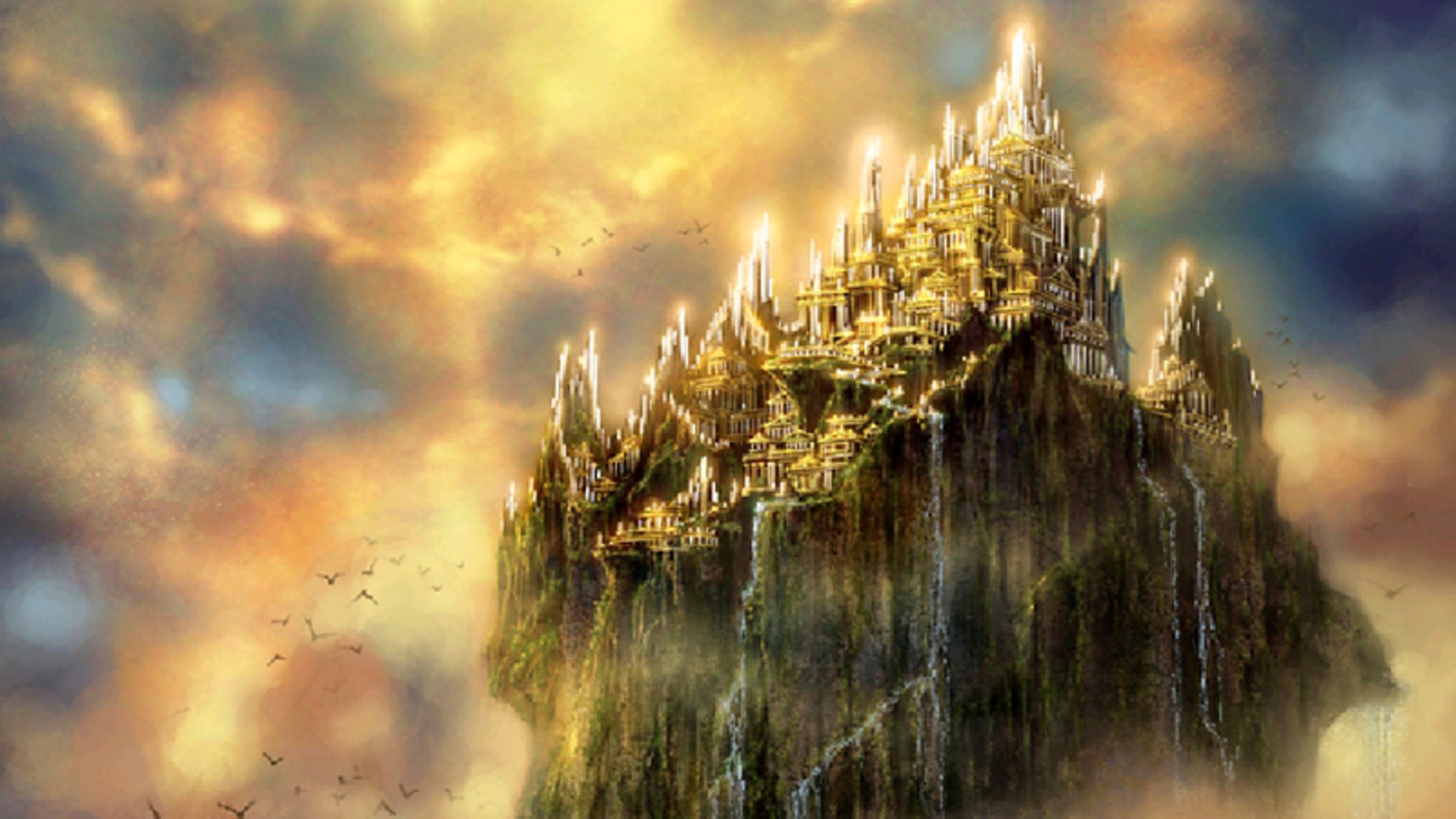
Greek religious myths are concerned with gods or heroes in their more serious aspects or are connected with ritual. They include cosmogonical tales of the genesis of the gods and the world out of Chaos, the successions of divine rulers, and the internecine struggles that culminated in the supremacy of Zeus, the ruling god of Olympus (the mountain that was considered the home of the gods). They also include the long tale of Zeus’s amours with goddesses and mortal women, which usually resulted in the births of younger deities and heroes. Myths of Dionysus, on the other hand, demonstrate the hostility aroused by a novel faith. Some myths are closely associated with rituals, such as the account of the drowning of the infant Zeus’s cries by the Curetes, attendants of Zeus, clashing their weapons, or Hera’s annual restoration of her virginity by bathing in the spring Canathus.

Forms of Myths: Legends

Hercules fighting the Nemean Lion

Myths were viewed as embodying divine or timeless truths, whereas legends (or sagas) were quasi-historical. Hence, famous events in epics, such as the Trojan War, were generally regarded as having really happened, and heroes and heroines were believed to have actually lived. Earlier sagas, such as the voyage of the Argonauts, were accepted in a similar fashion. Most Greek legends were embellished with folktales and fiction, but some certainly contain a historical substratum. Such are the tales of more than one sack of Troy, which are supported by archaeological evidence, and the labors of Heracles, which might suggest Mycenaean feudalism. Again, the legend of the Minotaur (a being part human, part bull) could have arisen from exaggerated accounts of bull leaping in ancient Crete.

Forms of Myths: Folktales

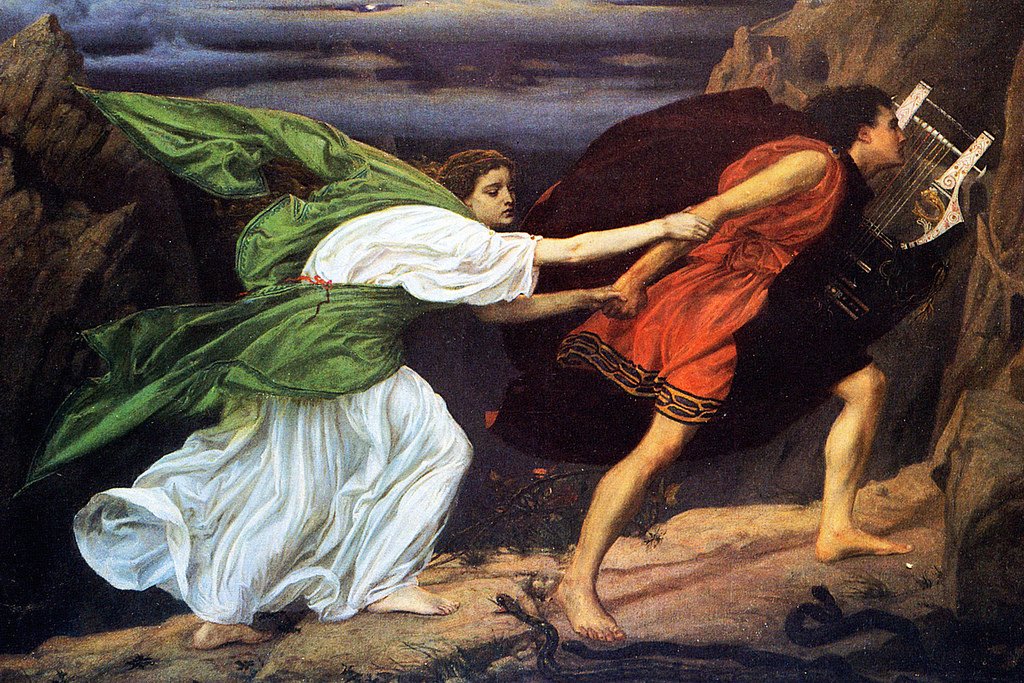
Folktales, consisting of popular recurring themes and told for amusement, inevitably found their way into Greek myth. Such is the theme of lost persons—whether husband, wife, or child —found or recovered after long and exciting adventures. Journeys to the land of the dead were made by Orpheus (a hero who went to Hades to restore his dead wife, Eurydice, to the realm of the living), Heracles, Odysseus, and Theseus (the slayer of the Minotaur). The victory of the little man by means of cunning against impossible odds, the exploits of the superman (e.g., Heracles), or the long-delayed victory over enemies are still as popular with modern writers as they were with the Greeks.

Universal Human Values

Human values are necessity in today’s society and business world. Human values are the features that guide people to take into account the human element when one interacts with other human. They have many positive characters that create bonds of humanity between people and thus have value for all human beings. They are strong positive feelings for the human essence of the other. These human values have the effect of bonding, comforting, reassuring and procuring serenity. Human values are the basis for any practical life within society. They build space for a drive, a movement towards one another, which leads to peace. In simple term, human values are described as universal and are shared by all human beings, whatever their religion, their nationality, their culture, and their personal history. By nature, they persuade consideration for others. These are described below:

Co-operation

It is the procedure to work jointly to attain some goal, but many scholars visualize co-operation as a luxury and not an important human value. It is unquestionably one of the most vital assets one can have when working through a problem. Having the opinions and voice of another person will not only draw out a discussion of the topic, but also lead person to good solution. Co-operation has been under-appreciated for years in its importance and should be held in high regard.

Caring

This human value is viewed as exhibiting kindness and concern for others, the true importance of this value comes from the work or practice of looking after those unable to care for themselves. Caring for others both physically and spiritually is an extremely important value to have; people will always rely on someone else for help at one point or another, but we often fail to realize how much of a difference caring for another person can make.

Honesty

Honesty is also vital human values. Presently, adopting an honest approach can often feel intimidating and impossible, but people fail to realize is that it is not the act of simply telling the truth that makes someone honest rather the quality of person who is being honest. An honest person is often straight, upright, sincere and fair and being an honest person brings more reward to the soul than the damage a lie could do.

Love, Respect & Faith

The presence of love in human life, the love they have for their families, friends, our faith and for themselves is important source of energy to lead smooth life. Respect is a feeling of deep esteem for someone or something elicited by their abilities, qualities, or achievements. Faith is complete trust or confidence in someone or something.

Beauty

Beauty is something that has really been spoiled by human society. The way we think about something that is beautiful is judged on a purely physical response, but the true meaning of beauty is being in balance and harmony with nature. Many researchers would argue that beauty is not a human value and, although beauty is a subjective experience, when they analyze what a subject of beauty is, it becomes anything that resonates with personal meaning, not just emotion. The prominence of this Human Value is clear when people think about the things that bring meaning into their life such as family and friends, these things become beautiful in a greater sense.

Wisdom

Wisdom is also significant human value in many ways; under-appreciated in its importance, in its value in our lives and in its true meaning. Wisdom is also very often confused with words like knowledge or intelligence but the word wisdom is defined as the quality of having experience and good judgment and the resulting soundness of that action or decision.

Role of family and society in teaching values

Moral values such as truthfulness, happiness, peace, justice are inculcated in children’s thoughts, feelings and actions and they function as ideals and standards that govern their actions in their life. The value system practiced in the family becomes automatic to the young family members if they are taught moral values thoroughly. The family has a great responsibility to pass on to the children many truths and values, and competencies to accomplish their place in life, whatever the society, whatever the culture or times. The family, forms the child’s viewpoint towards people and society, and helps in mental development in the child and supports his desires and values. Delightful and joyful atmosphere in the family will develop the love, affection, tolerance, and generosity. A child learns his behaviour by demonstrating what he sees around him.

Role of educational institutions

Value education is important to help everyone in improving the value system that he/she holds and puts it to use. Once, one has understood his/ her values in life he/she can examine and control the various choices he/she makes in his/ her life. Many reports signify that the aim of educational institutions should not only be to teach education alone but should also be to inculcate values and improving skills of children and teens. In school, children are affiliates of a small society that exerts a great influence on their moral development. Teachers serve as role model to students in school. They play a major role in inculcating their ethical behaviour.

POMPEII

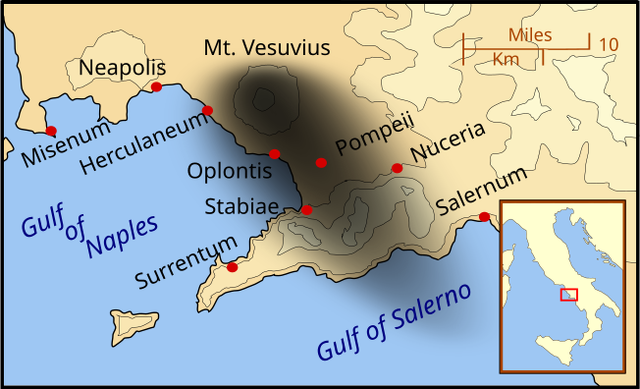
Pompeii, is a preserved ancient Roman city in Campania, Italy, 14 miles southeast of Naples, at the southeastern base of Mount Vesuvius. Around noon on August 24, 79 CE, a huge eruption from Mount Vesuvius showered volcanic debris over the city of Pompeii, followed the next day by clouds of blisteringly hot gases. Buildings were destroyed, the population was crushed or asphyxiated, and the city was buried beneath a blanket of ash. For many centuries Pompeii slept beneath its pall of ash, which perfectly preserved the remains. When these were finally unearthed, in the 1700s, the world was astonished at the discovery of a sophisticated Greco-Roman city frozen in time. Grand public buildings included an impressive and an amphitheatre; lavish villas and all kinds of houses, dating back to the 4th century BCE, were also uncovered. Inside were some preserved remains of people sheltering from the eruption; others lay buried as they fled; bakeries were found with loaves still in the ovens. The buildings and their contents revealed day-to-day life in the ancient world—and stirred 18th-century interest in all things classical.

History

It seems certain that Pompeii, Herculaneum, and nearby towns were first settled by Oscan-speaking descendants of the Neolithic inhabitants of Campania. Archaeological evidence indicates that the Oscan village of Pompeii, strategically located near the mouth of the Sarnus River, soon came under the influence of the cultured Greeks who had settled across the bay in the 8th century BCE. Pompeii is first mentioned in history in 310 BCE, when, during the Second Samnite War, a Roman fleet landed at the Sarnus port of Pompeii and from there made an unsuccessful attack on the neighbouring city of Nuceria. After the war, Pompeii, along with the rest of Italy south of the Po River, received Roman citizenship. However, as a punishment for Pompeii’s part in the war, a colony of Roman veterans was established there under Publius Sulla, the nephew of the Roman general.

Mt. Vesuvius

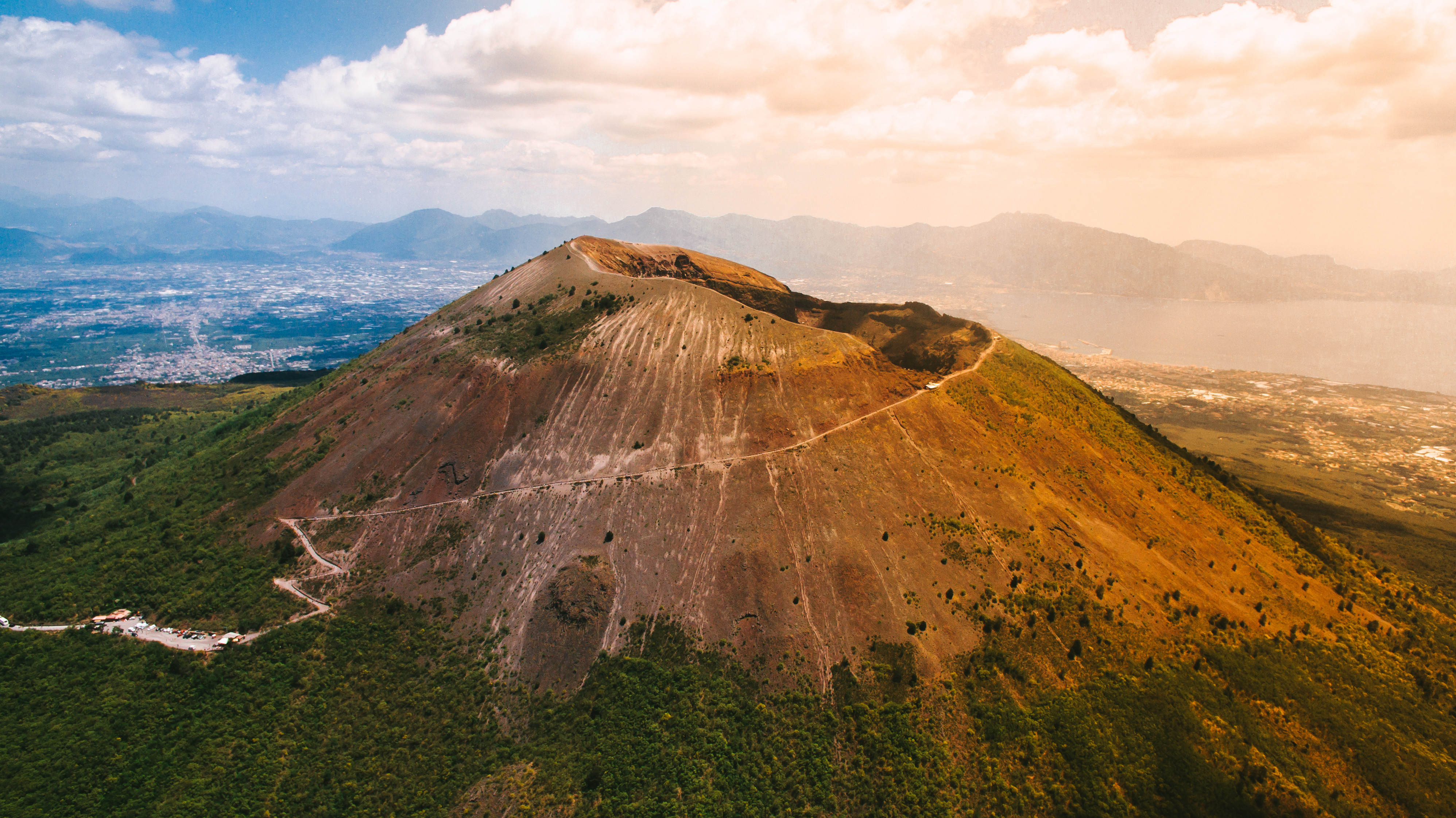
Mt. Vesuvius erupted on August 24, 79 CE. A vivid eyewitness report is preserved in two letters written by Pliny the Younger to the historian Tacitus, who had inquired about the death of Pliny the Elder, commander of the Roman fleet at Misenum. Pliny the Elder had rushed from Misenum to help the stricken population and to get a close view of the volcanic phenomena, and he died at Stabiae. Site excavations and volcanological studies, notably in the late 20th century, have brought out further details. Just after midday on August 24, fragments of ash, pumice, and other volcanic debris began pouring down on Pompeii, quickly covering the city to a depth of more than 9 feet and causing the roofs of many houses to fall in. Surges of pyroclastic material and heated gas, known as nuées ardentes, reached the city walls on the morning of August 25 and soon asphyxiated those residents who had not been killed by falling debris. Additional pyroclastic flows and rains of ash followed, adding at least another 9 feet of debris and preserving in a pall of ash the bodies of the inhabitants who perished while taking shelter in their houses or trying to escape toward the coast or by the roads leading to Stabiae or Nuceria. Thus Pompeii remained buried under a layer of pumice stones and ash 19 to 23 feet (6 to 7 metres) deep. The city’s sudden burial served to protect it for the next 17 centuries from vandalism, looting, and the destructive effects of climate and weather.

The Remains

The city of Pompeii was shaped irregularly because it was built on a prehistoric lava flow. Excavations indicate that the southwestern part of the town is the oldest, but scholars do not agree on the stages by which the walls were expanded or on who the builders were. The walls are 2 miles (3 km) in circumference, and they enclose an area of about 163 acres. The public buildings are for the most part grouped in three areas: the Forum (elevation 110 feet), located in the large level area on the southwest; the Triangular Forum (82 feet), standing on a height at the edge of the south wall overlooking the bay; and the Amphitheatre and Palaestra, in the east. The Forum was the centre of the city’s religious, economic, and municipal life; it was a large rectangular area surrounded by a two-story colonnaded portico. The Triangular Forum is the site of the Doric Temple, the oldest temple in Pompeii. Between the 3rd and the 1st century BCE a theatre, a palaestra (sports ground), and a small covered theatre were built to the east of the Triangular Forum. The temples of Zeus Meilichius and of Isis and the old Samnite palaestra were nearby. n the east corner of Pompeii was the Amphitheatre, and to the west a large palaestra was built to replace the old Samnite palaestra. Baths were scattered throughout the town.

Importance as a Historical Source

The extent of the archaeological sites makes them of the greatest importance, for they provide a unique source of information about so many aspects of social, economic, religious, and political life of the ancient world. The bakeries, complete with mills, kneading machines, and ovens, some still containing loaves of bread, show how this staple of everyday life was produced. The shops of the sculptor, toolmaker, and gem cutter, as well as the factories for fish sauce and lamps and the many wine and food shops, document other aspects of ancient life. Pompeii was a busy port town that exported products throughout the Mediterranean region. Merchants and tradesmen found food and lodging near the city gates and the Forum. Further, Pompeii offers the best opportunity for the study of city planning and land use in an ancient city. Excavations since the mid-20th century have revealed an unexpected amount of open land. Unfortunately, the excavations are constantly endangered by the ravages of weather, tourist traffic at the site, and destructive vegetation. 

Hannibal Lecter : The Greatest Villain of all Time

One of the great villains created in the past 50 years is Hannibal Lecter, in the movie The Silence of the Lambs, from the book by Thomas Harris, Red Dragon. The original film created from Harris’ book, entitled Manhunter, going on in the films that followed, and has given us a bar to reach for as far as villains are concerned. Hannibal the Cannibal was one of the key characters that inspired audiences to clamor for stories, movies and TV that feature him, Manhunter, The Silence of the Lambs, sequel and two prequels: HannibalRed Dragon and Hannibal Rising, and a relatively successful NBC television series, Hannibal.

Characteristics

Some of his characteristics are obvious; he is a murderer and eats human flesh, which is gruesome. In exchange for some freedoms, Hannibal cooperates with FBI profiler Will Graham, offering information to hunt down a killer on the loose. There are several facets that contribute to Hannibal’s draw, not just his smarts and charisma, ruthlessness and perversion, but he also has his own bizarre code of ethics. His intelligence is revealed to the audience not only in the way he manages and negotiates for himself, escapes imprisonment, in his ability to accurately track down the killer, but also in the insane rationalization for his bizarre behaviors. He kills people he thinks commit insufferable crimes, but also those who insult his cultural sensibilities. He tries to kill Mason Verger just because he was rude while his therapy session.

Chilling Quotes

Hannibal Lecter portrayed by Mads Mikkelsen

His humor and intelligence are weapons he wields with facility at will. One of his most famous lines in Silence of the Lambs shows Clarice Starling exactly the lengths to which he will go to satiate himself. “A census taker once tried to test me. I ate his liver with some fava beans and a nice Chianti.” “Killing must feel good to God too. He does it all the time, and are we not created in his image?” “I do wish we could chat for longer but I’m having an old friend for dinner.” Saying stuff like that while keeping a straight face makes Hannibal Lecter a charming yet terrifying person.

Performances

  • Brian cox played Lecter in 1986’s Manhunter. Manhunter centers on Will Graham, a retired criminal profiler who seeks an incarcerated Lecter’s assistance after being recruited to hunt down a new killer known as “The Tooth Fairy”. Cox’s Lecter is much more low-key and less charismatic than Anthony Hopkins’ version.
  • Gaspard Ulliel, a French actor and model, as a young Hannibal in 2007’s Hannibal Rising, which reveals the cannibalistic serial killer’s backstory. Unfortunately, Hannibal Rising earned bad reviews, and is almost unanimously considered the worst movie featuring Lecter. Ulliel’s Hannibal doesn’t at all seem like he would grow up to be the man we saw in the Hopkins films, and also looks and sounds absolutely nothing like Hopkins.
  • Mads Mikkelsen: If there’s anyone in Anthony Hopkins’ league when it comes to playing Hannibal Lecter, most fans would argue it’s Mads Mikkelsen, star of NBC’s Hannibal TV series. Many Lecter fans were skeptical of a new take on the character, especially one on network TV. Those same fans were taken aback at just how great Bryan Fuller’s series turned out, and how spellbinding Mikkelsen proved to be in the role. While Hannibal was never a ratings hit, it lasted for three highly acclaimed seasons.
  • Anthony Hopkins: One of the greatest suspense thrillers of all time, The Silence of the Lambs adapted Thomas Harris’ sequel to Red Dragon, which in many ways boasts a similar setup. FBI rookie Clarice Starling (Jodie Foster) is tasked by boss Jack Crawford with seeking the help of an incarcerated Hannibal (Anthony Hopkins) in order to track down a killer dubbed “Buffalo Bill” (Ted Levine). The Silence of the Lambs went on to clean up at the Oscars, and make Hopkins’ Hannibal a pop culture touchstone. Hopkins would reprise the role for 2001’s Hannibal, which saw Julianne Moore take over as Clarice, and return again for Red Dragon, which saw a redo of the Lecter/Graham story with Edward Norton as Will.

Qausars

When astronomers first started using radio telescopes in the 1950s to study the Universe, they discovered a strange phenomenon. They found objects that shone brightly in the radio spectrum, but they couldn’t see any visible object associated with them. They called them quasi-stellar radio sources, or “quasars” for short. Within a decade of their discovery, astronomers learned that these quasars were moving away at tremendous velocities. This velocity, or red-shift of their light, indicated that they were billions of light-years away; beyond the capabilities of most optical telescopes. It wasn’t until the 1960s when a quasar was finally tied to an optical object, a distant galaxy.

Here’s where Astronomers got creative. Maybe quasars weren’t really that bright, and it was our understanding of the size and expansion of the Universe that was wrong. Or maybe we were seeing the results of a civilization, who had harnessed all stars in their galaxy into some kind of energy source. Then in the 1980s, astronomers started to agree on the active galaxy theory as the source of quasars. That, in fact, several different kinds of objects: quasars, blazars and radio galaxies were all the same thing, just seen from different angles. And that some mechanism was causing galaxies to blast out jets of radiation from their cores.

Black hole at the center of Milky Way

We now know that all galaxies have supermassive black holes at their centers; some billions of times the mass of the Sun. When material gets too close, it forms an accretion disk around the black hole. It heats up to millions of degrees, blasting out an enormous amount of radiation. The magnetic environment around the black hole forms twin jets of material which flow out into space for millions of light-years. This is an AGN, an active galactic nucleus. Since our own Milky Way has a supermassive black hole, it’s likely that we have gone through many active stages, whenever material is falling into the black hole; our galaxy would be seen as a quasar. But other times, like now, the supermassive black hole is quiet.

Supermassive black holes aren’t always feeding. If a black hole runs out of food, the jets run out of power and shut down. Right up until something else gets too close, and the whole system starts up again. The Milky Way has a supermassive black hole at its center, and it’s all out of food. It doesn’t have an active galactic nucleus, and so, we don’t appear as a quasar to some distant galaxy. With new powerful telescopes, astronomers have observed that some quasars have long jets of material firing out from the center of the galaxy. These are channeled by the magnetic fields created by the supermassive black hole’s rotation in the accretion disk. The most luminous quasars can exceed the radiation output of an average quasar. We may have in the past, and may again in the future. In 10 billion years or so, when the Milky way collides with Andromeda, our supermassive black hole may roar to life as a quasar, consuming all this new material.

How AI will shape our future

Artificial intelligence has had a huge impact on many industries in recent years and will continue to benefit them in the future. The pandemic-induced acceleration of technology adoption has led many sectors, both private and public to leverage AI for their advantage and growth. In the last few years, AI has enabled many innovations and driven the proliferation of technologies like IoT, robotics, analytics, and voice assistants. According to a report, AI topped the patent filings in 2020. This is not new, AI has been securing a large number of patents in the last few years.

Impact of AI

Artificial Intelligence has had huge impacts in the healthcare sector, especially since the pandemic last year. AI and other disruptive technologies powered a patient-centered healthcare system. This new care scenario is all digital and highlights the importance of data and analytics. Predictive analytics, machine learning, and AI played a pivotal role in drug discovery and vaccine development. In the coming years, the use of these advanced technologies will become the norm, and easily accessible electronic medical records will simplify diagnostics. AI will enable healthcare systems to track and monitor patients in real-time, gain genetic data, and each person’s lifestyle. Algorithms will take up the charge of diagnosing health conditions and prescribing suitable treatments.AI has a lot to offer to the transportation and manufacturing sectors. In the coming years, we might witness the perfect evolution and commercialization of smart and autonomous vehicles. Self-driving cars are already available today, but by the next two to three decades, the world will witness more people using them. The manufacturing sector will also gain benefits from AI. Increased use of robots in factories and predictive analytics in the sector will enhance the quality of products and streamline the logistics and supply chain. Other potential impacts of AI would be in elder care systems, education, finance and business,  customer services, media, space exploration, smart cities, and smart homes.

Will AI Dismantle the Human Workforce?

his fear has always been looming on artificial intelligence. Experts and tech giants like Elon Musk and Stephen Hawkings have warned humans against the adverse consequences and threats of the technology. One of the widely claimed consequences is AI taking over the human workforce and causing massive job losses. This claim is highly overblown and researchers agree that although AI might displace humans from some job roles, it will not replace the whole workforce. AI is likely to replace routine jobs and repetitive tasks like picking and packaging goods, separating and segregating materials, responding to repetitive customer queries, etc. Even today some of these functions are still done by humans and AI will take over these tasks in the future. Thus, the human workforce engaged in these simple and routine jobs should be upskilled and trained to perform new skills. As we are very far from reaching artificial general intelligence, the current technology cannot augment human intelligence fully. This is the reason people should be trained to do high-skilled tasks like programming, coding, and others that are essential for the future. The transition from the old to the new job should be smoothened to reduce the massive impacts.

Should we fear Apocalypse?

Recently, a paper published by researchers at AMOLF’s Soft Robotic Matter group, exhibited how self-learning robots can easily adapt to changing circumstances. These small robotic units were connected to each other for them to learn on their own to move. The future will harness the hidden capabilities of AI and encourage the creation of self-learning robots. Reinforcement learning and training algorithms based on Generative Adversarial Networks will be explored. AI will also prove a flagbearer for sustainable technologies and will be used against fighting climate change by reducing pollution levels and encouraging green AI research. Another threat posed by AI is the violation of human rights by impacting privacy. For example, voice assistants like Alexa and technologies like facial recognition have been blamed for invading the privacy of humans and probably eavesdropping into their lives. These technologies are feared to be used by the powerful state and federal authorities against specific minorities and will curtail the freedom of speech and expression. Thus, AI needs to evolve much to move ahead of these criticisms and enable an ethical and trustworthy system in the future.

Hence, AI as such might not become a threat to human existence. However, there are chances that humans might misuse the capabilities of the technology for causing harm. The scenario of war robots being used to feed harmful motives through their algorithms can be an example. Therefore, in the years ahead, it is necessary to develop an ethical AI ecosystem without human biases and this might alleviate the potential risks of AI in the future.

The Legendary Kentaro Miura

Legendary manga creator Kentaro Miura of the critically acclaimed Berserk series has passed away at the age of 54. He died on May 6 due to acute aortic dissection. Miura is best known for both his stunning artistic prowess and compelling storytelling abilities that he employed in his seminal series Berserk. Since it began in 1989, his masterpiece has spawned a 1997 anime adaption of the manga’s earlier chapters, three movies covering the same events as the original adaptation in 2012-13, and a 2016 series that delved into the manga’s later arcs for two seasons. Miura’s work, which also influenced a proliferation of gaming adaptations, was still ongoing with 40 volumes of 364 chapters and more than 35 million copies sold worldwide.

Berserk told the story of Guts, a former mercenary who later embraced the ominous identity of the Black Swordsman. For the majority of the series, Guts seeks revenge against his former friend Griffith who sacrificed his companions so he could achieve his dream of building his own kingdom. On his bloody conquest, Guts is plagued by demons, as the world falls into an existential state of chaos as a direct result of Griffith’s selfish actions.

Although a manga artist, Miura pioneered a new artistic style that was unheard of at the time and that, even now, few have attempted or even considered to replicate. This bold step in breaking away from the norm of how characters and settings are drawn in this particular medium allowed Miura to venture into an incredibly dark and intricate world that set it apart from other manga. Regardless of this stark departure, Berserk always felt like a manga, allowing Miura to grasp and fully benefit from all of the best characteristics and qualities that the medium has to offer, without sullying his own artistic genius and direction.

When he began Berserk, Miura embraced an extreme form of violence that transcended what existed in manga at the time. It may have been a risky move, but it was a tactic that ended up strengthening his story and deepening his characters in a way that any normal depiction of violence could never achieve. It was clear that Miura understood how much of an impact such unsettling depictions could have on readers.

Yet, despite the existential despair that Kentaro Miura created, humanity still shone through in Berserk, as Guts strove to protect his friends and Casca, the woman he loved, from the interminable wave of nihilistic violence that surrounded them. In fact, near the end of his manga series, Miura began hinting at the seemingly impossible, undermining what drove so many to embrace his work in the first place. Guts, despite being propelled by hate and anger for so long, appeared to have been letting go of his hatred of Griffith. Even in the violent world that he himself created, Miura was willing to break his own rules, all for the sake of love and hope. Kentaro Miura was a visionary. He was a legend. He will be missed. RIP.

Iceberg Melltdown

Scientists who assess the planet’s health see indisputable evidence that Earth has been getting warm in some cases rapidly. Many believe that human activity, especially the burning of fossil fuels and the resulting collection of greenhouse gases in the atmosphere, have caused this warming trend. In the last decade scientists have documented record-breaking average annual surface temperatures and have observed other signs of change all over the planet: in the distribution of ice and temperatures of the oceans.

Ice is changing everywhere on the Earth. The famous snows of Kilimanjaro have melted more than 85 percent since 1911. Glaciers in the Indian Himalayas are retreating so fast that researchers fear that most central and eastern Himalayan glaciers could actually disappear by 2035. Arctic sea ice has thinned so much over the past half century, and its extent has declined by about 10 percent in the past 30 years. NASA’s repeated laser altimeter readings show the edges of Greenland’s ice sheet shrinking continuously. Freshwater ice breakup in the Northern Hemisphere now occurs nine days earlier than it did 150 years ago, and autumn freeze-up ten days later. When temperatures rise and ice melts from the icebergs, more water flows to the seas from glaciers and ice caps, and ocean water eventually warms and expands in volume. This combination of effects is the most important factor in raising average global sea level between ten and twenty centimeters in the past hundred years, according to the Intergovernmental Panel on Climate Change (IPCC).

There are absolutely no words to describe how much, and how fast, the ice is changing. Researchers predicted long ago that the most visible impacts from a globally warmer world would occur first at higher latitudes: rising sea temperatures air, earlier snowmelt, later ice freeze-up, reduction in sea ice, worse erosion, increase in storm intensity. All these impacts have been documented in Alaska. “The changes observed here provide an early warning system for the rest of the planet,” says Amanda Lynch, an Australian researcher who is the chief investigator on a project that works with Barrow’s residents to help them implement scientific data into management decisions for the city’s infrastructure.

Ian Hall, also of Cardiff University, who co-directed the scientific expedition, indicates that the results can contribute to understand how the Earth’s climate will respond to anthropic changes. Similarly, Jiménez Espejo, noted that last year, during an expedition aboard Hespérides, the French Navy research vessel, they were able to observe the various huge icebergs that had just broken into several pieces next to the islands of South Georgia. Ocean warming may cause the trajectories and the melt patterns of these large icebergs to change in the future, in a way affecting the currents and, therefore, our climate and the reliabilty of the models that scientists can use to predict it.