Union Minister for Education, Shri Dharmendra Pradhan, visited the Indian Institute of Technology (IIT) Delhi today, where he interacted with undergraduate, postgraduate and doctoral students, as well as innovators and researchers. Secretary, Department of Higher Education Dr. Vineet Joshi; Director, IIT Delhi, Prof. Rangan Bannerjee; and senior officials of the Ministry of Education and IIT Delhi were present on the occasion.
During the interaction, the Minister underlined the importance of self-reliance in line with the vision of the Prime Minister Shri Narendra Modi in his Independence Day address, this year. He stressed that the present moment offers a unique opportunity to to emphasize on the need for achieving self-reliance, ignite collective action for driving national priorities and fulfilling the vision of ‘Samridhh Bharat’ by 2047.
The Minister engaged with students to learn more about their dreams, aspirations, areas of research, the technological challenges they are currently pursuing, and their perspectives on the challenges and opportunities outlined by the Prime Minister. He also shared his views on enhancing capabilities and expanding the spirit of innovation.
The Minister encouraged the students to bring forward their innovative ideas, work on the challenges and keep hustling until we achieve self-reliance in every sphere.
He stated that the Government stands shoulder to shoulder with India’s innovators and researchers for shaping a brighter future for our coming generations and also for establishing India as a global hub of solutions.
Sharing his thoughts on the occasion, the Minister his confidence that the talent, tenacity and resolve of our youth coupled with the pursuit of self-reliance will pave the way for strengthening Bharat’s capabilities as well as enhancing her technological and economic sovereignty.
He highlighted the crucial role of IITs as the bedrock of a self-reliant India. Backed by the rock solid support of PM Shri Narendra Modi, the talented YuvaShakti are going to rewrite the rules of technology, innovation and entrepreneurship and build a ‘Samridhh and self-reliant Bharat’.
The Minister also informed that he would revisit the Institute to review the innovations being developed by the students.
Speaking on the occasion, Secretary, Department of Higher Education, Dr. Vineet Joshi reiterated the Prime Minister’s Independence Day message on the role of youth in making the country self-reliant. He underlined that the Department is extending all possible support to higher education institutions in advancing innovation, strengthening research capacities and addressing national challenges in line with the vision of Atmanirbhar Bharat. He expressed confidence that IIT Delhi, through its students and faculty, will continue to play a leading role in developing technologies and solutions of global relevance.
As environmental concerns and health awareness rise, so does the demand for plant-based cuisine. This trend has set the stage for a new era in the culinary world, with plant-based culinary schools taking a leading role in shaping the future of gastronomy. Professional chefs and culinary enthusiasts are increasingly seeking specialized education to cater to the growing interest in vegan and vegetarian diets. The establishment of these innovative institutions signals a significant shift in the food industry as it adapts to the preferences of health-conscious consumers. Below, we delve into how these educational centers are commanding change and influencing the broader culinary landscape.
The Emergence of Plant-Based Culinary Schools and Their Impact on the Food Industry
Plant-based culinary school programs are emerging in response to shifting dietary trends and the growing demand for ethical, sustainable food. These institutions teach chefs to craft flavorful, creative dishes using nutrient-rich, plant-based ingredients without sacrificing taste or presentation. Their innovative approach blends traditional cooking techniques with modern sustainability practices, preparing chefs to excel in a changing food industry.
Beyond cooking, these schools influence the broader food supply chain by increasing demand for fresh produce, organic farming, and ethical sourcing. Graduates often become industry leaders and advocates for wellness, using their skills to inspire healthier eating habits and promote environmentally responsible dining.
Catering to the Surge in Vegan and Vegetarian Lifestyles Through Education
The rise of veganism and vegetarianism has revealed a gap in traditional culinary education, leading to the emergence of plant-based culinary schools. These institutions offer specialized programs that address the complexities of vegan and vegetarian cooking, emphasizing nutritional balance and ethical considerations. Aspiring chefs learn to create wholesome, flavorful dishes that meet the expectations of plant-based diners while appealing to a wider audience.
Equipped with both culinary expertise and knowledge of plant-based nutrition, graduates are reshaping dining experiences worldwide. Training focuses on innovative recipe development, teaching students to replace traditional ingredients with plant-based alternatives, resulting in unique flavors and textures that invite even meat-eaters to explore plant-based cuisine.
Cutting-Edge Techniques and Ingredients in Plant-Based Culinary Training
Plant-based culinary schools equip aspiring chefs with innovative skills, introducing avant-garde techniques and unconventional ingredients that redefine vegan and vegetarian cuisine. Students explore molecular gastronomy, plant-derived proteins, and versatile components like jackfruit, aquafaba, and nutritional yeast to craft complex flavors and textures that rival meat-based dishes.
Emphasis is placed on sustainability, encouraging the use of seasonal, locally sourced produce and fostering relationships with farmers to discover distinctive ingredients. Creativity is central to the training, with students encouraged to experiment and break from traditional culinary norms. This approach cultivates the ability to develop signature dishes that reflect both technical expertise and forward-thinking approaches to plant-based cooking.
How Plant-Based Culinary Schools Are Fostering Sustainable Food Practices
Plant-based culinary education centers on environmental respect, blending meat-free cooking techniques with sustainability principles. Students learn to minimize food waste, source responsibly, and adopt eco-friendly practices like composting, zero-waste cooking, and energy-efficient operations. Training emphasizes water conservation, energy savings, and reducing plastic use, fostering environmentally conscious habits.
Nutrition is also integrated, highlighting the health benefits of plant-based diets and their role in supporting both human well-being and the planet. By combining sustainability, food, and culinary creativity, these programs prepare chefs to lead kitchens that prioritize green practices while maintaining flavor and quality. The curriculum ensures sustainability becomes ingrained in students’ daily professional approach.
The Role of Plant-Based Culinary Education in the Future of Gastronomy
Plant-based culinary education is poised to transform the food industry by redefining traditions, influencing consumer tastes, and promoting ethical, sustainable, and health-conscious dining. These specialized schools act as incubators for innovation, encouraging chefs to challenge culinary norms and inspire new food products, dining concepts, and cultural attitudes toward eating.
As awareness grows about the environmental and health impacts of diet, demand for plant-based cuisine is expected to rise, creating opportunities in restaurants, food media, and entrepreneurship. Graduates of these programs will play a vital role in addressing food security, public health, and climate concerns, shaping a greener and more conscientious approach to gastronomy.
Overall, plant-based culinary schools are laying the groundwork for a revolution in the food industry. Their commitment to teaching chef-driven sustainability, innovative techniques, and a plant-centric ethos is setting a new standard in culinary arts education. As this movement grows, it is poised to benefit not only individual health and gastronomic creativity but also our planet as a whole.
Today’s businesses operate in an environment that demands efficiency and agility. To keep up with the fast-paced world and complex business processes, organizations turn to advanced technological solutions. One such critical tool is enterprise resource planning software, which unifies various functions within a company, streamlining operations and facilitating better decision-making. Understanding the intricacies of this software can empower businesses to take their productivity to new heights. Below, let’s delve into what ERP software encompasses and how it can transform your business.
Enterprise resource planning (ERP) software serves as the integrated management core of a company’s business processes, often in real-time. It is designed to collect, store, manage, and interpret data from various business activities, including product planning, manufacturing, sales, and marketing. By doing so, it breaks down information silos and enables departments to work more collaboratively.
ERP systems often encompass modular applications that can be tailored to specific needs. This means that while the core functionality remains consistent, additional features and modules can integrate seamlessly to address the unique requirements of different businesses. Their flexibility is one of the many reasons why they have become indispensable to modern organizations.
The implementation of ERP systems can range from lightweight and accessible cloud-based solutions to more robust, on-premises installations. Companies seeking to boost their operational efficiency often find that investment in enterprise resource planning software is not only beneficial but essential for maintaining competitive parity in their respective industries.
Core Components of ERP Systems
ERP systems are composed of several core components, which include modules for finance, human resources, manufacturing, supply chain management, and customer relationship management. Each module is designed to address specific areas of the business, ensuring comprehensive coverage of all operational aspects.
The finance module often serves as the backbone of the ERP system, offering functionalities such as general ledger, accounts payable, accounts receivable, and asset management. These tools enable businesses to manage their financial data with precision and comply with accounting standards.
On the production side, manufacturing modules help businesses with production planning, product lifecycle management, and inventory control. Supply chain modules, conversely, provide insights into procurement, order processing, and logistics, allowing for enhanced coordination across the entire supply chain.
The Evolution and History of ERP Software
The concept of ERP systems has its roots in the manufacturing sector, stemming from material requirements planning (MRP) software developed in the 1960s. MRP was designed to optimize inventory management and production scheduling, primarily in the manufacturing industry.
As computing technology advanced, MRP evolved into MRP II during the 1980s, which added more features such as labor and financial planning capabilities, expanding beyond inventory control. This set the foundation for the first true ERP systems, which began to consolidate various business processes into a cohesive system in the early 1990s.
The proliferation of the internet and the onset of cloud computing in the 2000s dramatically changed the ERP landscape. Cloud-based ERP solutions emerged, offering more flexibility, lower upfront costs, and ease of access compared to traditional on-premises systems. This technology democratized ERP software, making it accessible to small and mid-sized enterprises as well.
Today, ERP software continues to evolve with the integration of cutting-edge technologies such as artificial intelligence, machine learning, and the Internet of Things (IoT). These advancements are transforming ERP systems into even more intelligent and adaptive tools that can anticipate business needs and automate complex processes.
Benefits of Implementing an ERP Solution in Your Business
Adopting an ERP solution can significantly improve business operations. One of the most immediate benefits is increased operational efficiency; automated data entry and business process integration save time and reduce manual errors. Consequently, businesses can allocate their resources more effectively.
Enhanced collaboration is another advantage of ERP systems. By providing a centralized data repository, employees across different departments have access to the same up-to-date information. This information symmetry fosters better communication and coordinated efforts across the company.
Implementing ERP software also provides better insights for decision-making. With comprehensive reporting tools and analytics, businesses can analyze performance metrics and derive actionable insights. This data-driven approach to management can lead to more effective strategies and a competitive advantage.
ERP software serves as a cornerstone of modern business operations, offering a broad spectrum of benefits that can significantly enhance efficiency and provide valuable insights to drive strategic growth. With careful consideration and strategic implementation, an ERP system can be the catalyst for transforming the way your business operates.
On the auspicious occasion of Raksha Bandhan, the President of India, Smt. Droupadi Murmu, met and interacted with students from diverse educational institutions, including government schools, Kendriya Vidyalayas, Jawahar Navodaya Vidyalayas, Kasturba Gandhi Balika Vidyalayas (KGBVs) along with Children with Special Needs, representing various States and Union Territories at the Rashtrapati Bhavan today .
The celebration highlighted the cultural diversity of India and the spirit of unity. In her address, the President emphasised that Raksha Bandhan symbolises a bond of love that can be shared with anyone, including elders, peers and even environment. She emphasised that trees protect the earth, acting as guardians and therefore must be planted and nurtured with care. She urged the students to carry forward this vision of love, protection and responsibility towards both people and the environment.
Minister of State for Education & Minister of State (IC), Ministry of Skill Development & Entrepreneurship, Shri Jayant Chaudhary graced the occasion. Secretary, Department of School Education & Literacy, Ministry of Education, Shri Sanjay Kumar, along with senior officials from the Ministry, also attended the celebration.
The event featured vibrant cultural presentations by students, who donned their traditional attire and showcased the rich traditions of their respective regions. As part of the celebration, students presented eco-friendly rakhis and handmade greeting cards to the President, symbolising environmental awareness, creativity and inclusivity.
This memorable event provided students with a once-in-a-lifetime opportunity to celebrate Raksha Bandhan with the President of India, deepening their understanding of the cultural and constitutional heritage of India.
The National Task Force on Student Mental Health and Suicide Prevention in Higher Educational Institutions has officially launched its dedicated website today.
Constituted under the Chairmanship of Former Justice Shri Ravindra Bhat, the Task Force aims to develop comprehensive, recommendations to improve student wellbeing and prevent suicides in HEIs.
The Chairperson emphasized that the National Task Force, constituted by the Hon’ble Supreme Court of India, is distinct from previous committees and task forces, as it is not confined to any particular institution or category of institutions. Rather, it brings all types of Higher Education Institutions (HEIs) across the country within its purview.
He further highlighted the Task Force’s diverse composition, comprising experts from fields such as social sciences, disability rights, gender studies, clinical psychology, community medicine, and others.
Underscoring the multi-pronged strategy being adopted, he urged all stakeholder groups to extend their active support and collaboration.
Dr. Vineet Joshi highlighted that the National Task Force is engaging with a wide spectrum of institutions, ranging from central and state universities to private colleges, technical institutes, and other Higher Education Institutions (HEIs) across the country. He emphasized that this inclusive approach ensures that the concerns, challenges, and perspectives of diverse institutional settings are taken into account while formulating recommendations.
He further stated that the Department of Higher Education is extending all possible support to the Task Force, be it in terms of coordination, data sharing, policy inputs, or facilitating outreach to institutions and stakeholders. Dr. Joshi reiterated the Department’s commitment to strengthening student well-being and mental health frameworks within higher education, and affirmed that the Ministry is closely aligned with the objectives of the Task Force.
The newly launched website serves as a central platform to gather diverse perspectives from key stakeholders including:
• Students of Higher Education Institutions (HEIs)
• Parents of such students
• Faculty Members
• Mental Health Service Providers
• Heads of Institutions
• General Public, including friends or family members of students affected by suicide, alumni, NGOs, media professionals, and other concerned citizens.
The portal hosts structured online survey questionnaires, available in English and Hindi, designed to collect anonymous and confidential inputs on a wide range of themes including:
• Campus environment
• Inclusivity and belongingness
• Sources of distress and systemic discrimination
• Existing support systems and grievance redressal mechanisms
• Suggestions for improving student wellbeing
In addition to stakeholder surveys, a specialized Institutional Survey has been made available for Heads of HEIs to submit data on reported suicides, preventive mechanisms, and student support infrastructure in their respective institutions.
The website also includes an open space for concerned citizens to share personal insights, observations, and recommendations.
On-Ground Consultations and Institutional Visits
As part of its multi-pronged approach, the Task Force is undertaking visits to various higher education institutions across the country. These visits involve:
• Direct interactions with students, faculty, administrators, and grievance redressal committee members
• Open fora for students to voice their experiences
• Special focus on the needs and perspectives of students from disadvantaged and marginalised communities
• Assessing on-ground infrastructure and support services for student wellbeing
The Task Force is also consulting with subject matter experts, NGOs, mental health professionals, and reviewing relevant data, reports, and research to ensure a comprehensive and evidence-based approach.
The National Task Force appealed to all stakeholders and the State Nodal Officers appointed for this initiative to actively participate in the process by responding to the surveys in large numbers. The diversity of views and lived experiences collected through this participatory process will play a critical role in shaping the final recommendations of the Task Force.
For more information and to participate, please visit: ntf.education.gov.in
The event was attended by the Chairperson of National Task Force, Shri Ravindra Bhat; Secretary, Department of Higher Education and member Secretary of the National Task Force, Dr Vineet Joshi; Joint secretary, Department of higher education and convenor of the task force, Smt Rina Sonowal Kouli; Members of the task force, as well Secretary, Department of Legal affairs as an ex-officio member; officials from NIC & Ministry of Education and representatives from media.
Delta-9 tetrahydrocannabinol is the main ingredient in cannabis that affects the mind. People are drawn to it for reasons like relaxation, a sense of euphoria, and relief from problems such as nausea or low appetite. The interest in products with this chemical keeps climbing, especially since hemp-derived products are now easy to find in many states.
Some people turn to Delta-9 to help with conditions like poor appetite or ongoing discomfort. Surveys carried out in 2024 show that many buyers use these products to manage stress, find relief, or for simple relaxation. The chemical’s appeal is linked to its noticeable mind-altering effects, easy access in many parts of the United States, and steady marketing that highlights potential wellness benefits.
Safety Under the Microscope: What the Evidence Says
Despite the steady increase in buyers, safety is a main concern. Clinical data points out a number of health risks when Delta-9 is used regularly or in high amounts. Reports from addiction experts and treatment centers tell us that long-term and frequent use increases the chance of developing a dependence. Some people who use Delta-9 show signs of needing more over time to get the same effect, and withdrawals can occur if use suddenly stops.
Researchers point to connections between steady Delta-9 use and the later use of other substances, and some medical professionals describe a stronger risk of mental health disorders in regular users. Effects can include anxiety, paranoia, and in certain cases, psychosis, especially among those with a personal or family history of psychiatric issues.
Short-term effects are possible as well. People using Delta-9 products can feel high, with slower judgment and less coordination, trouble remembering things, a racing heart, or higher pressure in their blood vessels. Poison control centers in the United States report calls about children who accidentally ate cannabis edibles, and some calls end with hospital visits. For this reason, pediatric doctors keep warning parents and health agencies about Delta-9 products that look like candy or snacks.
Product Forms and Common Consumer Choices
People now have many ways to buy Delta-9 products, including gummies, oils, tinctures, and delta 9 vape pens. Some prefer gummies for convenience, while others find tinctures easier to dose. These choices depend on taste, speed of effect, and comfort with inhaled versus ingested products.
Delta 9 vape pens are often sold next to edible products and infused beverages at stores. Surveyed users have pointed out differences in onset time, describing inhaled products as producing quicker effects compared to edibles. It is important to know that these product types can vary in dosage accuracy, purity, and risk for accidental overuse.
Problems with Content, Purity, and Testing
Testing of Delta-9 products in retail settings exposes gaps between what is promised and what is delivered. Lab analyses performed across several states in 2024 and 2025 found that about two-thirds of legal Delta-9 products had a potency level at least ten percent off from what was listed on the label. More telling, over seven in ten companies did not properly test their products for contaminants. That means buyers could be exposed to pesticides, solvent residues, or heavy metals without knowing.
Regulated states require products to go through stricter screening. In states with laxer rules or with so-called hemp loopholes, there is almost never a consistent approach to lab tests or required results. Consumer groups and watch organizations recommend looking for third-party lab certificates before buying, but these reports are not always available or reliable. Many lab reports from sellers skip testing for certain possible contaminants.
Regulation and Legal Status: Varied and Complex
Federal law treats Delta-9 THC differently depending on its origin and strength. If the product comes from marijuana and has more than 0.3 percent by dry weight, it remains an illegal substance under United States law. Hemp-derived products with 0.3 percent or less are legal at the federal level, but this has given rise to edible products that stay under the legal threshold by weight, yet still carry a strong mind-altering effect. More than half of states allow some form of recreational or medical use, and rules differ sharply from one state to another.
For example, states like California and Colorado run strict testing and permit both recreational and medical cannabis sales. Texas only allows very low-THC hemp products, and these must follow extra testing rules. Some states do not allow any sale of this chemical, while others only let people use it if they have a qualifying medical need. Almost all states block people under twenty-one from buying Delta-9, but sales and accidental use among children are still reported.
Groups with Higher Risks and Work-Related Concerns
Some people face more risk when using Delta-9. Those in safety-focused jobs, such as transport workers, face rules that forbid Delta-9 use on or off the job. Mistakes linked to slower thinking or movement can put lives at risk. Rules are in place for testing truck drivers and commercial operators, and government officers keep working to improve detection standards.
People who use other drugs face risks from drug interactions. Delta-9 interacts with medications metabolized through the liver, such as certain psychiatric and sedative drugs, raising the risk of harmful effects.
Safety Watchdogs and Medical Expert Advice
Federal and state authorities urge caution about Delta-9. The United States Food and Drug Administration does not approve any over-the-counter Delta-9 products for any medical use in 2025. Endorsements and claims about health benefits are widespread, but these are not supported by large, well-run studies. Public safety groups demand tighter testing, more honest labeling, and better enforcement to keep products out of reach of the young.
Doctors who specialize in addiction and mental health suggest that people with a history of substance use disorder, mental illness, or those taking other medications should avoid Delta-9 or talk first with a healthcare provider. At the same time, risk is generally higher with regular use or high doses, especially in edible forms that are easier to take too much of at once.
Summary
Delta-9 products are common because they are easy to access, are promoted for wellness claims, and produce noticeable effects on mood and body. Consumers face real safety concerns. These include inaccurate doses, possible contamination, health risks for certain groups, inconsistent rules, and a lack of routine safety checks in many markets. Those who choose to use Delta-9 are advised to look for proper lab testing and to understand their state’s laws and risks before buying or using these products.
The Journal of International Women’s Studies (JIWS) offers a prestigious fellowship competition twice per year, aimed at supporting projects that align closely with its mission of advancing scholarship and awareness in the field of women’s studies from a global and intersectional perspective. This fellowship is designed to empower scholars, activists, and creators who are working on innovative and impactful projects that contribute meaningfully to gender justice and women’s rights worldwide.
Funding and Frequency
Total Annual Prize Pool: $1,600 (approximately $800 per semester).
Number of Recipients per Semester: 2–3 winners.
Award Amount per Winner: Between $300 and $1,200, depending on project scope and budget.
Award Cycles: Two per year.
Awards Announcement:
May (for February deadline)
December (for September deadline)
For the first half of 2025, JIWS is placing special emphasis on proposals from Latin American countries, encouraging submissions from researchers, artists, and activists in that region.
Submission Guidelines
Applicants are required to prepare a comprehensive proposal that clearly communicates the scope, feasibility, and impact potential of their project.
1. Proposal Requirements
Length: 3–4 pages, double-spaced, 12-point font.
Content Structure:
Goals of the Project – Clearly state the objectives and intended impact.
Methodology – Describe how the project will be implemented, including research methods, creative processes, or activism strategies.
Qualifications – Explain the applicant’s expertise, experience, and suitability for carrying out the project.
Budget Estimate – Provide:
The amount sought (between $300–$1,200).
A detailed expense breakdown (e.g., travel, materials, equipment, data collection, production, dissemination).
2. Curriculum Vitae (C.V.)
A current C.V. highlighting relevant academic achievements, professional experience, publications, and other qualifications must be submitted alongside the proposal.
Alignment with JIWS Mission
All proposals must integrate the mission of JIWS as a central element. The journal’s mission can be found here: JIWS Mission Statement. Applicants should demonstrate how their project advances the journal’s commitment to fostering international, interdisciplinary perspectives on gender and women’s issues.
Award Conditions
Recipients of the fellowship are expected to:
Submit a Final Report – Detailing the outcomes, challenges, and impacts of the funded project.
Provide a Project-Appropriate Contribution to JIWS – This can take the form of:
An article or essay for publication in JIWS.
Creative outputs such as videos, artwork, or literary pieces, depending on the nature of the project.
Application Deadlines
February 15 (for funding decisions announced in May)
September 15 (for funding decisions announced in December)
Applications are accepted on a rolling basis, but funds are distributed twice yearly and subject to availability. To ensure consideration, applicants must submit by the stated deadlines.
Submission Method
All application materials (proposal, budget, and C.V.) should be sent as attachments via email to: 📧 JIWS@bridgew.edu
Key Points at a Glance
Detail
Information
Prize Money
$1,600 annually (shared among 2–3 winners per semester)
The concept of tokenizing real estate has emerged as a transformative development in both the property market and the broader financial ecosystem. Tokenization refers to the process of converting rights to an asset into a digital token on a blockchain. When applied to real estate, it allows properties or shares of properties to be represented digitally, enabling new ways for investors and owners to interact with this traditionally complex and illiquid market. This innovation promises increased accessibility, transparency, and efficiency in real estate investment. If you’re just getting started with crypto, it helps to use clear and trusted educational resources that explain each part step by step.
In traditional real estate investment, owning a property outright or holding shares in real estate investment trusts (REITs) often requires significant capital and involves complex legal and administrative processes. Tokenization breaks down these barriers by creating digital tokens that represent fractional ownership in a property. These tokens are recorded on a blockchain, which ensures security, immutability, and traceability.
Investors can purchase tokens that correspond to a percentage of ownership in a residential or commercial property. This fractional ownership model allows people to invest smaller amounts, diversifying their portfolios without the need for large capital commitments. The blockchain ledger maintains a transparent record of ownership, transactions, and dividends or rental income distributions.
Benefits of Real Estate Tokenization
Tokenization offers several advantages compared to traditional real estate investing. One key benefit is liquidity. Real estate is generally considered an illiquid asset because buying or selling property can be time-consuming and costly. Tokenized real estate assets can be traded on digital exchanges or peer-to-peer platforms, providing investors with a way to enter and exit positions more quickly and with lower transaction costs.
Accessibility is another major advantage. By lowering the minimum investment threshold, tokenization opens real estate investment to a wider pool of investors, including retail investors who were previously excluded from this market due to high entry costs. This democratization can help unlock vast amounts of capital that were traditionally locked away in physical property.
Transparency and security are enhanced through the blockchain’s immutable ledger. Each transaction and token issuance is recorded securely, reducing the risk of fraud and enabling investors to verify ownership and transaction histories easily. Smart contracts can automate processes like rent distribution or voting rights for property management decisions, reducing administrative overhead.
Challenges and Considerations
Despite the promise of real estate tokenization, several challenges remain. Regulatory frameworks around tokenized assets are still evolving and vary by jurisdiction. Compliance with securities laws, property ownership rights, and investor protections must be carefully navigated. The legal recognition of tokenized ownership rights is crucial for the long-term success of this model.
Valuation of tokenized real estate assets can be complex. Unlike traditional securities, real estate properties are unique and influenced by various factors such as location, condition, and market trends. Ensuring accurate pricing and preventing manipulation on secondary markets require robust mechanisms.
Technology adoption is another consideration. Real estate stakeholders, including developers, investors, brokers, and legal professionals, need to understand and trust blockchain-based solutions. Education and collaboration across industries will play a key role in widespread adoption.
Market Use Cases and Examples
Several projects and platforms have already begun exploring real estate tokenization. Some offer tokens tied to commercial properties, allowing investors to gain exposure to office buildings or retail spaces. Others focus on residential properties or mixed-use developments. Token holders may receive a share of rental income or participate in decisions about property management and improvements.
Tokenization also facilitates cross-border investment by simplifying the purchase process for international investors. This can increase capital flow into real estate markets that were previously difficult to access due to regulatory and logistical hurdles.
Moreover, tokenization can integrate with other emerging technologies such as decentralized finance (DeFi), allowing investors to use real estate tokens as collateral for loans or to engage in yield farming strategies, further expanding investment opportunities.
The Impact on Real Estate Markets
Tokenizing real estate has the potential to reshape the market by introducing more efficiency and inclusivity. It can reduce reliance on intermediaries such as brokers, lawyers, and banks, streamlining transactions and lowering costs. This could lead to faster deal closings and reduced paperwork.
By broadening the investor base, tokenization may increase demand and drive capital into projects that might otherwise struggle to secure funding. Smaller developers and property owners could benefit from access to new sources of investment capital.
However, the shift also raises questions about market volatility and speculation. The increased liquidity of tokenized assets could lead to more frequent trading and price fluctuations, potentially impacting property values and market stability.
Future Outlook
As blockchain technology matures and regulatory clarity improves, real estate tokenization is expected to grow significantly. Industry collaborations, pilot projects, and advancements in smart contract functionality will help address current limitations.
Greater integration with traditional finance, including banks and institutional investors, will further legitimize tokenized real estate as a viable asset class. Enhanced platforms that combine real estate expertise with blockchain technology will simplify the investment experience for users.
Ultimately, tokenizing real estate represents a new era that blends the stability of physical assets with the innovation of digital finance. This convergence promises to create more dynamic, transparent, and accessible real estate markets worldwide.
Conclusion
Tokenizing real estate offers a powerful way to democratize property investment and unlock liquidity in a traditionally illiquid market. While regulatory and technological challenges remain, the benefits of increased accessibility, transparency, and efficiency position tokenization as a key driver of real estate’s future. As the ecosystem evolves, tokenized real estate may become a mainstream investment option, transforming how individuals and institutions participate in property markets.
In the digital era, human relationships are being increasingly shaped by technology. From online dating platforms to AI-powered matchmaking, love has taken a virtual form in many aspects. But beyond dating apps and social media interactions lies a newer frontier: blockchain-based love contracts. These smart contracts enable couples to record their romantic commitments on an immutable ledger, ushering in a future where relationships might be encoded with as much permanence as legal and financial transactions. You can get a better understanding of market basics when you Visit immediate-mspark.com and take your time.
At its core, a love contract on the blockchain is a smart contract that symbolizes or formalizes a romantic agreement between two individuals. While traditional love contracts have been private agreements or playful affirmations, blockchain allows these contracts to become publicly verifiable digital records.
These smart contracts can include conditions such as time-based milestones, shared digital assets, or symbolic gestures like jointly minted NFTs. Some couples use them to store anniversaries or tokens of shared experiences, while others tie them to joint goals or mutual promises. The decentralized nature of the blockchain ensures these records are tamper-proof, creating a new type of romantic permanence.
Symbolism vs. Functionality
There’s a distinction between symbolic love contracts and functional ones. Symbolic contracts might be nothing more than public declarations of affection encoded on-chain, akin to digital tattoos. Functional contracts, on the other hand, might have enforceable conditions. For example, a couple could set up a contract where shared crypto assets become accessible only after a certain period or upon meeting specific criteria, mimicking a digital prenuptial agreement.
This fusion of emotion and technology opens debates about how far we want to entangle love with code. Are we reducing the human element, or merely finding new ways to honor it in an age of digitization?
The Role of NFTs in Digital Love
Non-fungible tokens (NFTs) have played a significant role in love contracts. Couples have begun minting NFTs that represent their union, complete with unique metadata such as shared memories, location of the first date, or digital artwork representing their bond. These NFTs serve both as symbolic markers and as digital heirlooms.
Beyond aesthetics, NFTs can also hold smart contract logic. A relationship NFT might change appearance over time, reflect anniversaries, or contain unlockable content for the couple. Some platforms offer customizable NFT experiences specifically designed for romantic partnerships, and this market is steadily expanding.
Privacy and Consent Concerns
With love contracts on a public blockchain, privacy becomes a critical issue. Recording intimate moments or personal agreements on an immutable, transparent ledger may seem romantic but can have unintended consequences. Not all blockchains are privacy-focused, meaning personal information could be exposed to anyone who knows how to search for it.
Consent must be explicit and mutual. As with any digital transaction, both parties should understand what they’re agreeing to, including the permanence of blockchain records. Privacy-preserving blockchains or zero-knowledge technologies may offer solutions, allowing couples to share their bond without full public disclosure.
Relationship Gamification and Milestone Tracking
Some blockchain-based platforms gamify relationships. Partners can earn rewards for reaching shared goals, from saving a certain amount of money together to completing joint fitness challenges. These smart contracts can track progress, assign virtual badges, and even unlock joint benefits.
While this might add fun and structure to relationships, it also raises concerns about turning intimacy into a transactional experience. Relationships naturally evolve, and codifying love through blockchain milestones may unintentionally add pressure or rigidity.
Legal Implications and Ethical Questions
Though love contracts may appear informal, they enter a gray legal area if they include binding financial elements or joint ownership of digital assets. In some jurisdictions, such agreements could be considered enforceable, potentially leading to complex legal entanglements if the relationship dissolves.
Moreover, critics question the ethics of intertwining emotional intimacy with automated enforcement. What happens if one party wishes to revoke or amend a contract? While code can automate processes, it often lacks the nuance needed to handle human relationships. The idea of encoding love and its terms in code brings forth philosophical considerations about autonomy, trust, and the imperfection of human bonds.
Blockchain as a Record of Shared History
Beyond formal contracts, some couples use blockchain to record meaningful events—wedding vows, travel logs, or messages of affection—on-chain. These digital mementos serve as a timestamped history of their relationship. The permanence of blockchain ensures these memories are preserved without fear of deletion or data loss.
This use-case shifts blockchain from a tool of finance to a medium for storytelling. Just as people once carved initials into trees or wore lockets, today’s couples may use the blockchain as a new kind of emotional archive.
Conclusion
Love contracts on the blockchain represent a noel intersection of emotion and code. They offer new ways for couples to express, document, and sometimes even structure their relationships through decentralized technologies. While full of creative and symbolic possibilities, they also introduce serious questions around privacy, ethics, and the appropriateness of turning relationships into digital agreements. As the technology matures, society will continue to explore where the line should be drawn between romantic expression and programmable logic.
Cryptocurrency has emerged as a revolutionary force in the financial sector, challenging traditional systems and redefining how value is transferred, stored, and managed. Unlike conventional currencies controlled by governments and central banks, cryptocurrencies operate on decentralized networks powered by blockchain technology. This fundamental difference underpins many of the unique characteristics that distinguish cryptocurrencies from traditional financial assets and systems. Many students Visit https://x-bitcoin.org/ to understand how prices and patterns work together in real time.
At the core of cryptocurrency’s uniqueness is decentralization. Unlike traditional financial systems that rely on intermediaries such as banks or payment processors, cryptocurrencies function on distributed ledgers maintained by a network of independent nodes. This decentralization removes the need for trust in a single authority, allowing users to transact directly with one another.
The trustless nature of cryptocurrency transactions is facilitated by cryptographic algorithms that secure the network and verify transactions. This mechanism enhances transparency and reduces the risk of fraud, censorship, or manipulation often associated with centralized institutions.
Digital Scarcity and Controlled Supply
Traditional fiat currencies can be printed at will by central banks, often leading to inflation and devaluation. Cryptocurrencies, by contrast, have programmed supply limits. For example, Bitcoin has a fixed supply cap of 21 million coins, which introduces scarcity similar to precious metals like gold.
This controlled supply creates value through rarity and protects against inflationary pressures that can erode purchasing power over time. The predictable issuance schedules of many cryptocurrencies also allow users and investors to plan with greater certainty regarding future supply.
Global Accessibility and Inclusivity
Cryptocurrencies transcend geographic boundaries, enabling anyone with internet access to participate in the financial system. This global accessibility contrasts sharply with traditional banking, which can exclude individuals due to location, socioeconomic status, or lack of documentation.
Digital wallets and mobile apps have simplified crypto ownership, allowing people in underbanked regions to access financial services previously out of reach. This inclusivity has significant implications for economic empowerment and financial inclusion worldwide.
Programmability and Smart Contracts
Beyond simple transfers of value, many cryptocurrencies support programmable money through smart contracts. These self-executing contracts automatically enforce terms and conditions encoded on the blockchain, enabling complex financial interactions without intermediaries.
Smart contracts facilitate decentralized finance (DeFi) applications such as lending, borrowing, and asset exchange. This programmability expands the functionality of cryptocurrencies beyond traditional money, creating opportunities for innovation in financial products and services.
Immutability and Security
Once a transaction is recorded on a blockchain, it becomes nearly impossible to alter or delete. This immutability ensures the integrity of transaction histories and protects against tampering. Combined with cryptographic security, it provides a robust framework that enhances user confidence.
Traditional financial records are often vulnerable to fraud, hacking, or data loss. Cryptocurrencies’ secure and immutable ledgers offer a more resilient alternative, particularly in an increasingly digital world where data integrity is paramount.
Pseudonymity and Privacy
Cryptocurrency transactions can offer varying degrees of privacy. While most public blockchains record transactions openly, they do not necessarily link addresses to real-world identities. This pseudonymity protects user privacy better than many traditional systems.
Some cryptocurrencies go further, implementing privacy-focused features that obscure transaction details entirely. This capability appeals to users seeking confidentiality, though it also raises regulatory and compliance considerations.
24/7 Availability and Speed
Unlike traditional financial markets and banking hours, cryptocurrency networks operate continuously, allowing transactions to be processed at any time, day or night. This constant availability enhances convenience and supports a global economy that never sleeps.
While transaction speeds vary by network, many cryptocurrencies can process payments faster than conventional banking systems, especially for cross-border transfers. This efficiency reduces delays and costs associated with international payments.
Lower Transaction Costs
Cryptocurrency transactions often bypass intermediaries, which can result in lower fees compared to traditional payment methods. This cost advantage is particularly significant for remittances and micropayments, where high fees can erode value.
However, transaction costs can fluctuate depending on network congestion and protocol design. Innovations such as layer 2 scaling solutions aim to further reduce costs and improve throughput.
Ownership and Control
With cryptocurrencies, users hold private keys that grant direct control over their assets. This self-custody contrasts with traditional finance, where assets are often held and controlled by third parties. Direct ownership reduces reliance on intermediaries and lowers counterparty risk.
However, it also places the responsibility for security on users, requiring them to safeguard their private keys carefully. Loss or theft of keys can result in irreversible loss of funds, emphasizing the importance of education and secure practices.
Innovative Financial Ecosystems
Cryptocurrencies have given rise to entirely new financial ecosystems, such as decentralized finance (DeFi), non-fungible tokens (NFTs), and decentralized autonomous organizations (DAOs). These innovations challenge conventional financial models by enabling peer-to-peer interactions and governance.
DeFi platforms replicate traditional banking services without central intermediaries, promoting transparency and accessibility. NFTs create digital scarcity for unique assets, transforming art, entertainment, and collectibles. DAOs introduce novel organizational structures based on community consensus and blockchain governance.
Conclusion
Cryptocurrency’s uniqueness in the financial world stems from its decentralized architecture, programmability, security, and accessibility. By redefining how value is created, exchanged, and controlled, cryptocurrencies challenge longstanding financial paradigms and unlock new possibilities for innovation and inclusion. As technology and adoption continue to evolve, cryptocurrencies are poised to play an increasingly influential role in shaping the future of global finance.
The European Union has emerged as a key player in shaping the regulatory landscape for digital assets, recognizing the rapid growth and influence of cryptocurrencies and blockchain technology across its member states. This recognition comes with the challenge of balancing innovation, investor protection, and financial stability within a complex, multinational legal framework. The EU’s approach involves creating comprehensive legislation aimed at regulating digital assets while fostering a secure and transparent environment for market participants. You can Go quple.io to discover how small changes in data can mean bigger trends.
One of the most significant steps the EU has taken is the introduction of the Markets in Crypto-Assets regulation, commonly known as MiCA. This legislation seeks to establish a harmonized framework across all EU countries, ensuring consistency in how digital assets are regulated. MiCA classifies crypto-assets into various categories, including e-money tokens, asset-referenced tokens, and other crypto-assets, each subject to tailored regulatory requirements.
MiCA mandates clear transparency and disclosure requirements for issuers and service providers, ensuring that investors have access to crucial information before engaging with digital assets. Additionally, the regulation sets prudential safeguards for asset-backed tokens and outlines rules for crypto-asset service providers, including custodians, trading platforms, and wallet providers. By doing so, MiCA aims to protect consumers and promote market integrity.
Consumer Protection and Market Integrity
Consumer protection is a fundamental goal of the EU’s regulatory framework. MiCA introduces stringent requirements for safeguarding user assets, including obligations on crypto firms to maintain adequate security measures and liability for losses resulting from negligence or security failures. These rules are intended to increase trust in digital asset services and reduce the risk of fraud and theft, which have historically plagued the industry.
Moreover, the EU is focused on maintaining market integrity by preventing market abuse such as insider trading and market manipulation. Crypto-asset service providers are required to monitor suspicious activities and report them to relevant authorities, enhancing transparency and accountability within the sector.
Environmental and Sustainability Considerations
The EU has also taken a proactive stance on the environmental impact of blockchain technology. As the energy consumption of some cryptocurrencies, particularly those based on proof-of-work consensus mechanisms, has drawn widespread criticism, the EU is exploring ways to encourage sustainable practices. MiCA requires issuers to disclose the environmental footprint of their digital assets, allowing investors to make informed choices.
In addition, the EU is contemplating establishing minimum sustainability standards for crypto-assets and the associated infrastructure. This move reflects a broader commitment within the Union to align technological innovation with environmental goals and to encourage the development of energy-efficient blockchain solutions.
Licensing and Cross-Border Operations
A notable feature of MiCA is its provision for licensing and passporting of crypto-asset service providers. This means that once a company is authorized in one EU member state, it can operate freely across the entire Union without needing separate licenses. This system is designed to promote cross-border business and reduce regulatory fragmentation, which has historically been a barrier to growth and innovation in the crypto industry.
However, challenges remain regarding the consistent application of licensing standards across different countries. While some member states have developed robust regulatory environments, others are still adapting, leading to concerns about regulatory arbitrage and uneven enforcement.
Anti-Money Laundering Efforts
The EU recognizes the risks that digital assets pose in facilitating money laundering and terrorist financing due to their pseudonymous nature and ease of transfer across borders. To address this, the European Anti-Money Laundering Authority (AMLA) is extending its supervision to include crypto-asset activities, bringing them under the same rigorous controls as traditional financial institutions.
Crypto firms must adhere to strict know-your-customer (KYC) and transaction monitoring requirements, reporting suspicious activities promptly. These measures are critical in ensuring that the digital asset market does not become a safe haven for illicit finance.
Regulatory Challenges and Future Outlook
Despite significant progress, the EU’s digital asset regulation faces ongoing challenges. Balancing innovation with risk management is complex, particularly in a rapidly evolving sector. The technological diversity of crypto-assets and the emergence of new decentralized finance (DeFi) platforms require adaptable regulatory approaches.
Furthermore, the EU must coordinate with global regulators to prevent regulatory gaps that could be exploited. International cooperation is essential to manage the cross-border nature of digital assets and to establish global standards that support the growth of the industry while safeguarding the financial system.
Impact on the Crypto Industry and Investors
The introduction of a clear regulatory framework by the EU is expected to boost confidence among investors and businesses alike. Clear rules reduce uncertainty and can attract institutional participation, potentially leading to increased liquidity and market maturity. At the same time, smaller startups may face compliance costs, which could impact innovation if not managed carefully.
Overall, the EU’s efforts signal a commitment to creating a safe, transparent, and competitive market for digital assets, positioning the Union as a leader in crypto regulation on the world stage.
Conclusion
The European Union’s stance on digital assets reflects a comprehensive attempt to regulate a dynamic and complex market while promoting innovation and protecting consumers. Through the implementation of MiCA and related measures, the EU aims to provide a consistent and transparent regulatory environment that supports the growth of the digital economy. As the sector continues to evolve, the EU’s regulatory framework will play a crucial role in shaping the future of cryptocurrencies and blockchain technology across Europe and beyond.
Crypto mining has evolved into a powerful industry with a significant impact on the global economy and technological innovation. However, this digital gold rush also brings with it a growing environmental concern. The process of mining cryptocurrencies, especially those that rely on proof-of-work mechanisms like Bitcoin, requires substantial computational power and energy consumption. As the debate around sustainability intensifies, understanding the true environmental footprint of crypto mining is essential. Many students visit the site to understand how prices and patterns work together in real time.
Crypto mining involves solving complex mathematical problems to validate transactions on a blockchain network. Miners compete to be the first to solve a block and are rewarded with cryptocurrency. This process, known as proof-of-work (PoW), is fundamental to maintaining the security and integrity of decentralized networks.
To perform these tasks, miners use highly specialized hardware called Application-Specific Integrated Circuits (ASICs). These machines are designed for maximum efficiency but still require immense electrical input. The more computational power added to the network, the more difficult the problems become, thus demanding even more energy.
Energy Consumption and Carbon Emissions
One of the primary environmental concerns with crypto mining is its energy use. Estimates vary, but studies often compare Bitcoin mining’s energy consumption to that of entire countries. For instance, at its peak, the Bitcoin network consumed more energy annually than countries like Argentina or the Netherlands.
Most mining operations are set up in regions with cheap electricity, often derived from non-renewable sources such as coal. This leads to high carbon emissions. The carbon footprint of mining is influenced not only by the quantity of energy used but also by the type of energy consumed. Fossil fuels produce far greater emissions compared to renewable sources.
Geographic Concentration and Impact
Crypto mining is not evenly distributed across the globe. It tends to cluster in countries or regions offering low-cost energy, favorable regulations, or cool climates that reduce cooling costs. China was once the epicenter of global Bitcoin mining, but after regulatory crackdowns, operations shifted to countries like Kazakhstan, Russia, and the United States.
This geographic concentration can strain local power grids and environmental resources. In some cases, it has led to blackouts or diverted electricity from essential public services. Additionally, mining facilities contribute to environmental degradation through land use, noise pollution, and electronic waste from outdated hardware.
Renewable Energy Adoption
In response to criticism, a growing number of mining operations are shifting toward renewable energy sources. Hydroelectric, wind, and solar power are increasingly being used to power mining rigs. Countries like Iceland and Canada, rich in renewable resources, are becoming attractive hubs for sustainable mining.
Some mining companies are also entering into power purchase agreements with renewable energy providers or building their own renewable infrastructure. While this is a step in the right direction, the global share of mining powered by renewables remains relatively low, and transitioning at scale remains a challenge.
Innovations for Sustainable Mining
Technology and innovation are playing a crucial role in reducing the environmental impact of crypto mining. Techniques such as immersion cooling, which submerges mining hardware in non-conductive liquids, help to manage heat more efficiently and reduce energy consumption.
Other initiatives include carbon offset programs where companies invest in reforestation or renewable projects to balance their emissions. Some developers are working on new consensus mechanisms, such as proof-of-stake (PoS), which significantly reduce energy requirements by eliminating the need for high-powered computations.
Furthermore, community-driven initiatives are pushing for transparency and accountability. Platforms now exist to track the environmental impact of different cryptocurrencies and mining pools, enabling consumers to make more informed choices.
Regulatory and Market Responses
Governments and regulators are starting to respond to the environmental concerns of crypto mining. Some regions have implemented restrictions or bans on mining due to its strain on energy infrastructure and environmental impact. In contrast, others are offering incentives for sustainable mining practices.
At the market level, investors are becoming more conscious of environmental, social, and governance (ESG) factors. Companies engaged in crypto mining are under increasing pressure to disclose their environmental practices. This is influencing how capital is allocated and could drive further innovation in sustainability.
The Future of Eco-Friendly Crypto
As environmental issues become more pressing globally, the crypto industry faces mounting pressure to adapt. The shift toward more sustainable models will likely accelerate, especially as technologies evolve and public scrutiny intensifies. While proof-of-work remains dominant in certain networks, alternatives like proof-of-stake are gaining traction.
The future of crypto mining may lie in a hybrid model that leverages renewable energy, cutting-edge cooling technologies, and eco-friendly practices. Collaboration among developers, miners, regulators, and environmental advocates will be essential in achieving a more sustainable balance between innovation and responsibility.
Conclusion
Crypto mining’s environmental footprint is a complex and evolving issue. While the industry has made strides toward sustainability, significant challenges remain. Addressing the environmental concerns of crypto mining requires a multifaceted approach that includes technological innovation, policy reform, and global cooperation. As the digital economy continues to expand, the push for greener mining practices must be part of the broader conversation about cryptocurrency’s role in a sustainable future.
Cryptocurrency introduces a new form of digital money that operates independently of traditional banks. At its core is the blockchain, a decentralized ledger that records all transactions across many computers worldwide. This decentralization ensures transparency and security since no single entity controls the data. Each block in the chain contains transaction details linked to the previous block, making it resistant to tampering. If you want to keep learning at your own speed, there’s more info here to guide you through every part.
Cryptocurrencies themselves are digital assets secured by cryptography. Bitcoin, the first cryptocurrency, started in 2009 and paved the way for thousands of others, often called altcoins. To use cryptocurrencies, individuals need a wallet. This tool stores private and public cryptographic keys. The private key is a secret code granting access to funds, while the public key acts like an address for receiving money. Protecting the private key is essential because losing it means losing access to your cryptocurrency.
How Cryptocurrencies Work: Mining and Consensus
Cryptocurrencies rely on network consensus to validate transactions. In proof of work systems like Bitcoin, miners use powerful computers to solve complex puzzles, validating transactions and securing the network. Successful miners earn cryptocurrency as a reward.
Due to proof of work’s high energy use, many newer cryptocurrencies use proof of stake instead. Proof of stake selects validators based on the amount of cryptocurrency they “stake” or lock up, making the process more energy-efficient and scalable.
Another key innovation is smart contracts—self-executing contracts coded directly into a blockchain. They automatically enforce terms once conditions are met, enabling decentralized finance applications like lending and trading without middlemen. Operating these smart contracts requires paying gas fees, transaction costs to compensate network validators.
Coins, Tokens, and NFTs
Understanding the difference between coins and tokens is important. Coins like Bitcoin and Ethereum operate on their own blockchains, while tokens are created on existing blockchains and usually represent assets or utilities within applications.
One popular type of token is the non-fungible token. Non-fungible tokens represent unique digital assets such as art, music, or collectibles. Unlike cryptocurrencies, which are interchangeable, each non-fungible token is one of a kind and proves ownership and authenticity on the blockchain.
Altcoins refer to all cryptocurrencies other than Bitcoin, offering a wide variety of features and purposes in the digital ecosystem.
Market Terms and Trading Basics
Cryptocurrency trading happens on exchanges, online platforms where users buy, sell, and swap digital assets. Some exchanges allow trading between cryptocurrencies and traditional currencies like the US dollar.
A cryptocurrency’s size is often measured by its market capitalization, which multiplies the current price by the total number of coins in circulation. This helps investors compare different cryptocurrencies.
Due to the high price swings in cryptocurrencies, volatility is significant. Many investors adopt a HODL strategy—holding their assets long-term despite market ups and downs. This term originated from a misspelling but now represents a popular investment philosophy.
Security, Governance, and Network Changes
Security is critical in the crypto world. The ledger keeps an immutable record of all transactions, distributed across the network for transparency. Sometimes, disagreements or updates cause a fork, splitting the blockchain into separate versions. Forks can be soft (backward-compatible) or hard (non-compatible), occasionally resulting in new cryptocurrencies.
A key advantage of cryptocurrencies is decentralization, where no single party controls the system. This reduces risks of censorship and centralized failure. Governance increasingly happens through community-driven models like decentralized autonomous organizations, allowing token holders to participate in decision-making.
Additional Important Terms
Other essential terms include gas fees, which fluctuate with network demand and affect transaction costs and speeds. Users send cryptocurrency to unique wallet addresses, similar to account numbers. Liquidity indicates how easily an asset can be bought or sold without affecting its price significantly, important for market health.
Private keys must be kept secure; losing them means losing funds forever. Cold wallets store keys offline for safety, while hot wallets are online but more vulnerable. The rise of decentralized applications expands blockchain uses beyond money, enabling games, social media, and marketplaces without centralized control.
Conclusion
Knowing these cryptocurrency terms provides a solid foundation to navigate the digital asset space confidently. From understanding blockchain basics to market concepts and security essentials, this vocabulary demystifies a complex ecosystem. As the crypto world grows and evolves, a firm grasp of these terms will empower users to make informed decisions and engage safely in this innovative financial frontier.
Non-fungible tokens (NFTs) have rapidly evolved beyond mere digital assets into powerful vessels of cultural expression. These unique tokens, representing ownership of digital or physical items on a blockchain, encapsulate more than just art or collectibles—they reflect identities, histories, communities, and social movements. The cultural value embedded in NFT collections reshapes how culture is created, preserved, and shared in the digital age. Examining this phenomenon reveals the transformative role NFTs play in connecting creators and audiences, fostering new forms of cultural heritage, and challenging traditional notions of value. Many people start at graminator.io to learn about timing and basic market behavior.
NFTs function as modern artifacts that document and preserve moments, ideas, and creative works in an immutable digital form. Unlike traditional art or collectibles, NFTs carry metadata and provenance on-chain, guaranteeing authenticity and ownership in perpetuity.
This permanence allows digital culture—memes, digital art, music, virtual fashion—to be archived with verifiable history, elevating ephemeral content into lasting cultural artifacts.
Creators embed narratives, symbolism, and identity into their tokens, reflecting broader cultural contexts. As a result, NFT collections become repositories of cultural memory, capturing zeitgeists and social commentary.
Community and Identity in NFT Spaces
Many NFT collections foster vibrant communities that coalesce around shared values, aesthetics, or purposes. Ownership of certain NFTs often confers membership in exclusive groups, creating social bonds and collective identities.
These communities organize events, collaborations, and charitable initiatives, extending cultural impact beyond the digital realm.
NFTs enable individuals to express affiliation with cultural movements, subcultures, or social causes, democratizing cultural participation.
This social dimension adds depth to NFT value, rooted in belonging and shared narratives.
Representation and Diversity Through NFTs
NFT platforms have opened avenues for underrepresented artists and communities to showcase their culture on global stages. By bypassing traditional gatekeepers, marginalized voices gain visibility and economic opportunity.
Collections highlighting indigenous art, LGBTQ+ themes, or activism illustrate NFTs’ role in amplifying diverse cultural expressions.
This inclusivity enriches the cultural landscape, promoting cross-cultural dialogue and understanding.
The cultural value of NFTs is thus intertwined with social empowerment and equity.
Economic Implications of Cultural NFTs
The monetization of cultural expressions through NFTs transforms creative economies. Artists can directly monetize digital creations, retaining royalties via smart contracts, ensuring ongoing income.
Collectors invest in culturally significant NFTs, sometimes valuing them for historical importance or community status rather than pure speculation.
NFT marketplaces facilitate exchange and discovery, fostering vibrant economic ecosystems around culture.
This shift challenges traditional models of art commerce and intellectual property management.
Challenges in Assessing Cultural Value
Determining the cultural value of NFTs is complex, involving subjective judgments and evolving criteria. Unlike physical artifacts, digital tokens lack tactile presence, complicating appraisal.
Market hype and speculative bubbles can obscure genuine cultural significance.
Moreover, rapid creation and turnover of NFTs risk diluting meaningful cultural contributions.
Critical discourse and scholarly engagement are necessary to contextualize and evaluate NFTs within broader cultural frameworks.
Preservation and Legacy Considerations
While blockchains provide permanence, the sustainability of cultural NFTs depends on platform longevity, technological standards, and user engagement.
Efforts to archive associated digital content and ensure accessibility are vital for enduring cultural impact.
Collaborations between technologists, cultural institutions, and creators can establish best practices for preservation.
Legacy planning for NFTs may redefine how cultural heritage is managed in the digital era.
Intersection with Traditional Culture and Institutions
NFT collections increasingly intersect with museums, galleries, and cultural festivals, bridging digital and physical worlds.
Exhibitions of NFT art challenge curatorial norms and invite new audiences.
Partnerships with established institutions legitimize NFTs as cultural artifacts and open dialogues on authenticity, value, and ownership.
These interactions foster hybrid cultural ecosystems blending tradition and innovation.
Future Directions for Cultural NFTs
The cultural value of NFTs is poised to deepen with advances in immersive technologies, such as virtual and augmented reality, enabling richer experiences.
Cross-chain interoperability will expand cultural exchange across platforms.
Emerging narratives around digital identity, provenance, and social impact will shape future collections.
As NFTs mature, their role in cultural production, preservation, and consumption will become increasingly central.
Conclusion
NFT collections encapsulate multifaceted cultural value that transcends digital ownership. They serve as contemporary artifacts, community catalysts, platforms for representation, and engines of creative economies.
Navigating challenges around valuation, preservation, and integration with traditional culture is essential to harness their full potential.
By embedding culture into blockchain tokens, NFTs redefine how society creates, shares, and sustains cultural heritage in the digital age, marking a transformative chapter in human expression.
Market crashes are turbulent episodes marked by rapid and significant declines in asset prices, triggering panic and uncertainty among investors. Understanding the contrasting behaviors of institutional and retail investors during such downturns is vital for grasping market dynamics and recovery patterns. While both groups experience fear and uncertainty, their strategies, resources, and psychological responses differ considerably. Analyzing these differences reveals insights into market resilience, liquidity, and long-term impacts. To learn at your own pace, tools from quantum-espace.com/ are a great starting point.
Institutional investors encompass entities such as hedge funds, mutual funds, pension funds, and insurance companies. They manage large pools of capital with professional teams employing rigorous risk management and research-driven strategies.
Institutions often have access to sophisticated tools, real-time data, and direct market access. Their investment horizons tend to be longer-term, guided by mandates and fiduciary responsibilities.
These factors influence how institutions react during market crashes, often emphasizing measured responses and portfolio rebalancing.
Characteristics of Retail Investors
Retail investors are individual participants trading their own capital, ranging from novices to experienced traders. They generally have smaller portfolios and limited resources compared to institutions.
Retail investors may rely on publicly available information, social media, or sentiment indicators, sometimes leading to herd behavior or emotional trading.
Their investment decisions can be influenced heavily by psychological biases and short-term market movements.
Initial Reactions During Crashes
During market crashes, retail investors often exhibit heightened fear and panic selling, driven by loss aversion and emotional responses. The sudden drop in prices can trigger rapid liquidation to avoid further losses.
This behavior can exacerbate downward price momentum, leading to sharper declines.
In contrast, institutional investors may execute more strategic decisions, including temporary reductions in exposure, deploying hedging instruments, or opportunistic buying of undervalued assets.
Their capacity to absorb shocks and maintain discipline often moderates market volatility.
Liquidity and Market Stability
Institutions contribute significantly to market liquidity, acting as counterparties during distressed selling. Their presence can stabilize markets by providing buy-side demand even in downturns.
Retail investors, by contrast, can generate volatile order flows, sometimes causing abrupt price swings due to emotional selling.
However, mass retail participation can also introduce liquidity, particularly in decentralized or emerging markets.
The balance between institutional and retail activity affects crash severity and recovery speed.
Use of Risk Management Tools
Institutional investors typically employ advanced risk management techniques, including stop-loss orders, options hedging, and portfolio diversification, which help mitigate crash impacts.
Retail investors may lack access or knowledge to utilize such tools effectively, increasing vulnerability during downturns.
The presence of risk controls in institutional portfolios promotes more measured reactions and preservation of capital.
Behavioral Differences and Psychological Factors
Retail investors are more prone to cognitive biases such as panic selling, herd mentality, and overreaction to negative news.
Institutions, staffed with professionals, emphasize data-driven decision-making, although not immune to behavioral errors.
The differing psychological dynamics influence market flows and post-crash sentiment.
Impact of Information and Communication
Institutions have privileged access to detailed market intelligence and direct communication channels, enabling timely and informed responses.
Retail investors often depend on mass media, social networks, and sometimes misinformation, which can amplify fear and uncertainty.
The information gap affects reaction speed and quality during crises.
Long-term Strategies and Recovery
Institutional investors often view crashes as buying opportunities, increasing exposure to undervalued assets and supporting market recovery.
Retail investors may struggle to re-enter markets promptly due to losses, fear, or lack of capital, potentially missing rebounds.
This divergence influences wealth accumulation and market participation post-crash.
Regulatory and Structural Factors
Regulations often afford institutions protections such as circuit breakers and capital requirements, aiding stability during crashes.
Retail investors face fewer protections and may experience more direct impacts from rapid price moves and market suspensions.
Structural differences in access and rules shape behavior and outcomes.
Case Studies: Historical Crash Behaviors
Examining events like the 2008 financial crisis or the 2020 COVID-19 crash illustrates these behavioral contrasts. Institutions deployed liquidity and hedges, while retail investors engaged in panic selling followed by cautious re-entry.
The growth of retail participation in recent years, fueled by commission-free platforms, has altered dynamics, sometimes increasing volatility.
Understanding these patterns helps anticipate future market reactions.
Conclusion
The behavior of institutional and retail investors during market crashes reflects distinct resources, psychology, and strategies. Institutions generally act as stabilizing forces with disciplined responses, while retail investors may amplify volatility through emotional trading.
Recognizing these differences is essential for policymakers, market participants, and educators aiming to enhance market resilience and investor outcomes. Bridging information gaps, promoting risk literacy, and fostering prudent strategies among retail investors can mitigate adverse effects during downturns, supporting healthier markets overall.


















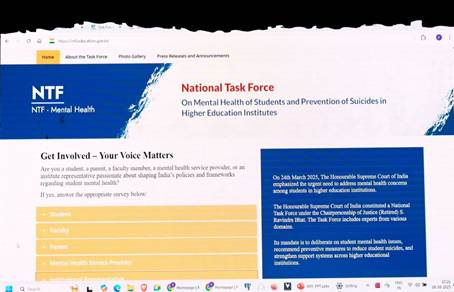










 Eduindex
You must be logged in to post a comment.