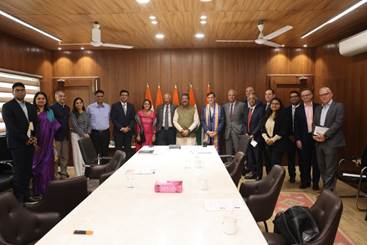
The United States and India Continue to Expand Comprehensive and Global Strategic Partnership

Today, United States President Joseph R. Biden and Indian Prime Minister Narendra Modi affirmed that the U.S.-India Comprehensive Global and Strategic Partnership, the defining partnership of the 21st century, is decisively delivering on an ambitious agenda that serves the global good. The Leaders reflected on a historic period that has seen the United States and India reach unprecedented levels of trust and collaboration. The Leaders affirmed that the U.S.-India partnership must be anchored in upholding democracy, freedom, the rule of law, human rights, pluralism, and equal opportunities for all as our countries strive to become more perfect unions and meet our shared destiny. The Leaders commended the progress that has made the U.S.-India Major Defense Partnership a pillar of global security and peace, highlighting the benefits of increased operational coordination, information-sharing, and defense industrial innovation. President Biden and Prime Minister Modi expressed unrelenting optimism and the utmost confidence that the tireless efforts of our peoples, our civic and private sectors, and our governments to forge deeper bonds have set the U.S.-India partnership on a path toward even greater heights in the decades ahead.

President Biden expressed his immense appreciation for India’s leadership on the world stage, particularly Prime Minister Modi’s leadership in the G-20 and in the Global South and his commitment to strengthen the Quad to ensure a free, open, and prosperous Indo-Pacific. India is at the forefront of efforts to seek solutions to the most pressing challenges, from supporting the global response to the COVID-19 pandemic to addressing the devastating consequences of conflicts around the world. President Biden commended Prime Minister Modi for his historic visits to Poland and Ukraine, the first by an Indian Prime Minister in decades, and for his message of peace and ongoing humanitarian support for Ukraine, including its energy sector, and on the importance of international law, including the UN charter. The Leaders reaffirmed their support for the freedom of navigation and the protection of commerce, including critical maritime routes in the Middle East where India will assume co-lead in 2025 of the Combined Task Force 150 to work with Combined Maritime Forces to secure sea lanes in the Arabian Sea. President Biden shared with Prime Minister Modi that the United States supports initiatives to reform global institutions to reflect India’s important voice, including permanent membership for India in a reformed U.N. Security Council. The Leaders voiced their view that a closer U.S.-India partnership is vital to the success of efforts to build a cleaner, inclusive, more secure, and more prosperous future for the planet.

President Biden and Prime Minister Modi applauded the success of the Initiative on Critical and Emerging Technology (iCET) in deepening and expanding strategic cooperation across key technology sectors, including space, semiconductors, and advanced telecommunications. Both Leaders committed to enhance regular engagements to improve the momentum of collaboration in fields such as artificial intelligence, quantum, biotechnology, and clean energy. They highlighted ongoing efforts to strengthen collaboration with like-minded partners, including through the Quad and a U.S.-India-ROK Trilateral Technology initiative launched earlier this year to build more secure and resilient supply chains for critical industries and ensure we collectively remain at the leading edge of innovation. The Leaders directed their governments to redouble efforts to address export controls, enhance high technology commerce, and reduce barriers to technology transfer between our two countries, while addressing technology security, including through the India-U.S. Strategic Trade Dialogue. Leaders also endorsed new mechanisms for deeper cyberspace cooperation through the bilateral cybersecurity dialogue. The Leaders recommitted to expand the manufacturing and deployment of clean energy, including finding opportunities to expand U.S.-India cooperation in solar, wind and nuclear energy and the development of small modular reactor technologies.

Charting a Technology Partnership for the Future

President Biden and Prime Minister Modi hailed a watershed arrangement to establish a new semiconductor fabrication plant focused on advanced sensing, communication, and power electronics for national security, next generation telecommunications, and green energy applications. The fab, which will be established with the objective of manufacturing infrared, gallium nitride and silicon carbide semiconductors, will be enabled by support from the India Semiconductor Mission as well as a strategic technology partnership between Bharat Semi, 3rdiTech, and the U.S. Space Force.

The Leaders praised combined efforts to facilitate resilient, secure, and sustainable semiconductor supply chains including through GlobalFoundries’ (GF) creation of the GF Kolkata Power Center in Kolkata, India that will enhance mutually beneficial linkages in research and development in chip manufacturing and enable game-changing advances for zero and low emission as well as connected vehicles, internet of things devices, AI, and data centers. They noted GF’s plans to explore longer term, cross-border manufacturing and technology partnerships with India which will deliver high-quality jobs in both of our countries. They also celebrated the new strategic partnership between the U.S. Department of State and the India Semiconductor Mission, Ministry of Electronics and Information Technology in connection with the International Technology Security and Innovation (ITSI) Fund.

The Leaders welcomed steps our industry is taking to build safe, secure, and resilient supply chains for U.S., Indian, and international automotive markets, including through Ford Motor Company’s submission of a Letter of Intent to utilize its Chennai plant to manufacture for export to global markets.

The Leaders welcomed progress toward the first joint effort by NASA and ISRO to conduct scientific research onboard the International Space Station in 2025. They appreciated the initiatives and exchange of ideas under the Civil Space Joint Working Group and expressed hope that its next meeting in early 2025 will open additional avenues of cooperation. They pledged to pursue opportunities to deepen joint innovation and strategic collaborations, including by exploring new platforms in civil and commercial space domains.

The Leaders also welcomed efforts to enhance collaboration between our research and development ecosystems. They plan to mobilize up to $90+ million in U.S. and Indian government funding over the next five years for the U.S.-India Global Challenges Institute to support high-impact R&D partnerships between U.S. and Indian universities and research institutions, including through identifying options to implement the Statement of Intent signed at the June 2024 iCET meeting. The Leaders also welcomed the launch of a new U.S.-India Advanced Materials R&D Forum to expand collaboration between American and Indian universities, national laboratories, and private sector researchers.

The Leaders announced the selection of 11 funding awards between the National Science Foundation and India’s Department of Science and Technology, supported by a combined $5+ million grant to enable joint U.S.-India research projects in areas such as next-generation telecommunications, connected vehicles, machine learning. The Leaders announced the award of 12 funding awards under the National Science Foundation and Ministry of Electronics and Information Technology, research collaboration with a combined outlay of nearly $10 million to enable joint U.S.-India basic and applied research in the areas of semiconductors, next generation communication systems, sustainability & green technologies and intelligent transportation systems. Furthermore, NSF and MeitY are exploring new opportunities for research collaboration to enhance and synergize the basic and applied research ecosystem on both sides.

The Leaders celebrated that India’s Department of Biotechnology (DBT) along with National Science Foundation of the United States announced the first joint call for collaborative research projects in February 2024 to address complex scientific challenges and innovate novel solutions that leverage advances in synthetic and engineering biology, systems and computational biology, and other associated fields that are foundational to developing future biomanufacturing solutions and advance the bioeconomy. Under the first call for proposals, joint research teams responded enthusiastically and results are likely to be announced by the end of 2024.

The Leaders also highlighted additional cooperation we are building across artificial intelligence (AI), quantum, and other critical technology areas. They highlighted the second convening of the U.S.-India Quantum Coordination Mechanism in Washington in August and welcomed the announcement of seventeen new awards for binational research and development cooperation on artificial intelligence and quantum via the U.S.-India Science and Technology Endowment Fund (IUSSTF). They welcomed new private sector cooperation on emerging technologies, such as through IBM’s recent conclusion of memoranda of understanding with the Government of India, which will enable IBM’s watsonx platform on India’s Airawat supercomputer and drive new AI innovation opportunities, enhance R&D collaboration on advanced semiconductor processors, and increase support for India’s National Quantum Mission.

The Leaders commended ongoing efforts to build more expansive cooperation around 5G deployment and next-generation telecommunications; this includes the U.S. Agency for International Development’s plans to expand the Asia Open RAN Academy with an initial $7 million investment to grow this workforce training initiative worldwide, including in South Asia with Indian institutions.

The Leaders welcomed progress since the November 2023 signing of an MOU between the Commerce Department and the Ministry of Commerce and Industry to enhance the two countries’ innovation ecosystems under the “Innovation Handshake” agenda. Since then, the two sides have convened two industry roundtables in the U.S. and India to bring together startups, private equity and venture capital firms, corporate investment departments, and government officials to forge connections and to accelerate investment in innovation.

Powering a Next Generation Defense Partnership

President Biden welcomed the progress towards India concluding procurement of 31 General Atomics MQ-9B (16 Sky Guardian and 15 Sea Guardian) remotely piloted aircraft and their associated equipment, which will enhance the intelligence, surveillance and reconnaissance (ISR) capabilities of India’s armed forces across all domains.

The Leaders recognized the remarkable progress under the U.S.-India Defense Industrial Cooperation Roadmap, including ongoing collaboration to advance priority co-production arrangements for jet engines, munitions, and ground mobility systems. They also welcomed efforts to expand defense industrial partnerships, including the teaming of Liquid Robotics and Sagar Defence Engineering for the co-development and co-production of unmanned surface vehicle systems that strengthen undersea and maritime domain awareness. The Leaders applauded the recent conclusion of the Security of Supply Arrangement (SOSA), enhancing the mutual supply of defense goods and services. Both Leaders committed to advance ongoing discussions on aligning their respective defense procurement systems to further enable the reciprocal supply of defense goods and services.

President Biden welcomed India’s decision to set a uniform Goods and Services Tax (GST) of 5 percent on the maintenance, repair, and overhaul (MRO) sector, including on all aircraft and aircraft engine parts thereby simplifying the tax structure and paving the way for building a strong ecosystem for MRO services in India. The Leaders also encouraged the industry to foster collaboration and drive innovation to support India’s efforts to become a leading aviation hub. The Leaders welcomed commitments from U.S. industry to further increase India’s MRO capabilities, including for the repair of aircraft and unmanned aerial vehicles.

The Leaders hailed the teaming agreement on the C-130J Super Hercules aircraft recently signed between Lockheed Martin and Tata Advanced Systems Limited, the two companies that co-chair the U.S.-India CEO Forum. Building on longstanding industry cooperation, this agreement will establish a new Maintenance, Repair and Overhaul (MRO) facility in India to support the readiness of the Indian fleet and global partners who operate the C-130 Super Hercules aircraft. This marks a significant step in U.S.-India defense and aerospace cooperation and reflects the two sides’ deepening strategic and technology partnership ties.

The Leaders lauded the growing defense innovation collaboration between our governments, businesses, and academic institutions fostered by the India-U.S. Defense Acceleration Ecosystem (INDUS-X) initiative launched in 2023, and noted progress achieved during the third INDUS-X Summit in Silicon Valley earlier this month. They welcomed the enhanced collaboration between the Indian Ministry of Defence’s Innovations for Defence Excellence (iDEX) and US Department of Defence’s Defense Innovation Unit (DIU) through the Memorandum of Understanding signed at the Silicon Valley Summit. The efforts via the INDUSWERX consortium to facilitate pathways for defense and dual-use companies in the INDUS-X network to access premier testing ranges in both countries, were appreciated.

The Leaders also recognized the clear fulfillment of the shared goal to build a defense innovation bridge under INDUS-X through the launch of “joint challenges” designed by the U.S. DoD’S DIU and the Indian MoD’s Defence Innovation Organization (DIO). In 2024, our governments have separately awarded $1+ million to U.S. and Indian companies that developed technologies focused on undersea communications and maritime intelligence, surveillance, and reconnaissance (ISR). Building on this success, a new challenge was announced at the most recent INDUS-X Summit that focused on Space Situational Awareness (SSA) in the Low Earth Orbit (LEO).

The Leaders welcomed ongoing efforts to deepen our military partnership and interoperability to maintain a free and open Indo-Pacific, noting that India hosted our most complex, largest bilateral, tri-service exercise to date during the March 2024 TIGER TRIUMPH exercise. They also welcomed the inclusion of new technologies and capabilities, including a first-ever demonstration of the Javelin and Stryker systems in India, on the margins of the ongoing bilateral Army YUDH ABHYAS exercise.

The Leaders welcomed the conclusion of the Memorandum of Agreement regarding the Deployment of Liaison Officers, and the commencement of deployment process of the first Liaison Officer from India in US Special Operations Command (SOCOM).

The Leaders commended work to advance cooperation in advanced domains, including space and cyber, and looked forward towards the November 2024 bilateral cyber engagement to enhance the U.S.-India cyber cooperation framework. Areas of new cooperation will include threat information sharing, cybersecurity training, and collaboration on vulnerability mitigation in energy and telecommunications networks. The Leaders also noted the second U.S.-India Advanced Domains Defense Dialogue in May 2024, which included the first-ever bilateral defense space table-top exercise.

Catalyzing the Clean Energy Transition

President Biden and Prime Minister Modi welcomed the U.S.-India Roadmap to Build Safe and Secure Global Clean Energy Supply Chains, which launched a new initiative to accelerate the expansion of safe and secure clean energy supply chains through U.S. and Indian manufacturing of clean energy technologies and components. In its initial phase, the U.S. and India would work together to unlock $1 billion of multilateral financing to support projects across the clean energy value chain for renewable energy, energy storage, power grid and transmission technologies, high efficiency cooling systems, zero emission vehicles, and other emerging clean technologies.

The Leaders also highlighted the U.S. International Development Finance Corporation (DFC)’s partnership with India’s private sector to expand clean energy manufacturing and diversify supply chains. To date, DFC has extended a $250 million loan to Tata Power Solar to construct a solar cell manufacturing facility and a $500 million loan to First Solar to construct and operate a solar module manufacturing facility in India.

The Leaders lauded the strong collaboration under the Strategic Clean Energy Partnership (SCEP), most recently convened on September 16, 2024 in Washington DC to strengthen energy security, create opportunities for clean energy innovation, address climate change and create employment generation opportunities, including through capacity building, and collaboration between industry and R&D.

The Leaders welcomed collaboration on a new National Center for Hydrogen Safety in India and affirmed their intent to utilize the new Renewable Energy Technology Action Platform (RETAP) to enhance collaboration on clean energy manufacturing and global supply chains, including through public-private task forces on hydrogen and energy storage.

The Leaders also announced a new Memorandum of Cooperation between the U.S. Agency for International Development and the International Solar Alliance aimed at promoting more responsive and sustainable power systems that leverage diverse renewable energy sources.

The Leaders reaffirmed their commitment to accelerate the development of diverse and sustainable supply chains for critical minerals under the Minerals Security Partnership targeting strategic projects along the value chain. The Leaders looked forward to the signing of the Critical Minerals Memorandum of Understanding at the forthcoming U.S.-India Commercial Dialogue and pledged to hasten bilateral collaboration to secure resilient critical minerals supply chains through enhanced technical assistance and greater commercial cooperation.

The Leaders welcomed the progress made on joint efforts since 2023 for India to work toward IEA membership in accordance with the provisions of the Agreement on an International Energy Program.

The two Leaders reaffirmed their commitment to accelerating the manufacturing and deployment of renewable energy, battery storage and emerging clean technology in India. They welcomed the ongoing progress between India’s National Investment and Infrastructure Fund (NIIF) and the U.S. International Development Finance Corporation to provide up to $500 million each to anchor the Green Transition Fund as well as encourage private sector investors to match these efforts. Both sides look forward to the expeditious operationalization of the Green Transition Fund.

Empowering Future Generations and Promoting Global Health and Development

The Leaders welcomed India’s signature and ratification of the Agreements under Pillar III, Pillar IV and the overarching Agreement on the Indo-Pacific Economic Framework for Prosperity (IPEF). The Leaders underscored that IPEF seeks to advance resilience, sustainability, inclusiveness, economic growth, fairness, and competitiveness of the economies of its signatories. They noted the economic diversity of the 14 IPEF partners that represents 40 percent of global GDP and 28 percent of global goods and services trade.

President Biden and Prime Minister Modi celebrated the new U.S.-India Drug Policy Framework for the 21st Century and its accompanying Memorandum of Understanding, which will deepen collaboration to disrupt the illicit production and international trafficking of synthetic drugs and precursor chemicals, and deepen a holistic public health partnership.

The two Leaders signaled their commitment to the objectives of the Global Coalition to Address Synthetic Drugs Threats and work towards combatting the threat of synthetic drugs and their precursors through mutually agreed initiatives to promote public health through coordinated actions.

The Leaders applauded the first-ever U.S.-India Cancer Dialogue held in August 2024, which brought together experts from both countries to increase research and development to accelerate the rate of progress against cancer. The Leaders applauded the recently launched Bio5 partnership between the United States, India, ROK, Japan, and the EU, driving closer cooperation on pharmaceutical supply chains. The Leaders applauded the Development Finance Corporation’s $50 million loan to Indian company Panacea Biotech to manufacture hexavalent (six-in-one) vaccines for children, reaffirming our joint commitment to advance shared global health priorities, including bolstering support for primary healthcare.

The leaders welcomed the signing of Memorandum of Understanding (MoU) between the Ministry of Micro, Small and Medium Enterprises and Small Business Administration for promoting cooperation between U.S. and Indian small and medium-size enterprises by improving their participation in the global market place through capacity building workshops in areas such as trade and export finance, technology and digital trade, green economy and trade facilitation. The MoU also provides for the joint conduct of programs for women entrepreneurs to empower them and facilitate trade partnership between women-owned small businesses of the two countries. The Leaders celebrated that, since the June 2023 State visit, the Development Finance Corporation has invested $177 million across eight projects to support Indian small businesses and drive economic growth.

The Leaders welcomed enhanced cooperation on agriculture between the U.S. Department of Agriculture and India’s Ministry of Agriculture and Farmers Welfare, in areas such as climate-smart agriculture, agriculture productivity growth, agriculture innovation, and sharing best practices related to crop risk protection and agriculture credit. The two sides will also enhance cooperation with the private sector through discussions on regulatory issues and innovation to enhance bilateral trade.

The Leaders welcomed the formal launch of the new U.S.-India Global Digital Development Partnership, which aims to bring together U.S. and Indian private sector companies, technology and resources to deploy the responsible use of emerging digital technologies in Asia and Africa.

The Leaders welcomed strengthened trilateral cooperation with Tanzania through the Triangular Development Partnership, led by the U.S. Agency for International Development and India’s Development Partnership Administration to jointly address global development challenges and foster prosperity in the Indo-Pacific. The partnership focuses on advancing renewable energy projects, including solar energy, to enhance energy infrastructure and access in Tanzania, thereby bolstering energy cooperation in the Indo-Pacific. They also desired to explore the expansion of the triangular development partnership in areas of health cooperation, particularly for critical technical areas of mutual interest including digital health and capacity building of nurses and other frontline health workers.

The Leaders acknowledged the July 2024 signing of a bilateral Cultural Property Agreement that will facilitate implementation of the 1970 Convention on the Means of Prohibiting and Preventing the Illicit Import, Export, and Transfer of Ownership of Cultural Property. The agreement marked the culmination of years of diligent work by experts from both countries and fulfills President Biden’s and Prime Minister Modi’s commitment to enhance cooperation to protect cultural heritage highlighted in the joint statement when they met in June 2023. In this context, the leaders welcomed the repatriation of 297 Indian antiquities from the U.S. to India in 2024.

The Leaders look forward to building on India’s ambitious G20 presidency to deliver on shared priorities for the G20 Leaders’ Summit in Rio de Janeiro, including: bigger, better, and more effective MDBs, including by following through on Leaders’ pledges in New Delhi to boost the World Bank’s capacity to help developing countries address global challenges, while recognizing the imperative of achieving the sustainable development goals; a more predictable, orderly, timely and coordinated sovereign debt restructuring process; and a pathway to growth for high-ambition developing countries that are facing financing challenges amid mounting debt burdens by increasing access to finance and unlocking fiscal space taking into account country specific circumstances.

*****

Fact Sheet: Quad Countries Launch Cancer Moonshot Initiative to Reduce the Burden of Cancer in the Indo-Pacific

Today, the United States, Australia, India, and Japan are launching a groundbreaking effort to help end cancer as we know it in the Indo-Pacific, starting with cervical cancer, a largely preventable disease that continues to be a major health crisis in the region, and laying the groundwork to address other forms of cancer as well. This initiative is part of a broader set of announcements made at the Quad Leaders Summit .

The Quad Cancer Moonshot will serve to strengthen the overall cancer care ecosystem in the Indo-Pacific by improving health infrastructure, expanding research collaborations, building data systems, and providing greater support for cancer prevention, detection, treatment, and care.

Cervical cancer, while preventable through vaccination and usually treatable if detected early, remains the third leading cause of cancer deaths among women in the Indo-Pacific region. Fewer than one in 10 women in the Indo-Pacific have completed their human papillomavirus (HPV) vaccination series, and fewer than 10% have undergone recent screening. Many countries in the region face challenges related to healthcare access, limited resources, and disparities in vaccination rates. Through this initiative, Quad countries will work to address these gaps by promoting HPV vaccination, increasing access to screenings, and expanding treatment options and care in underserved areas.

Altogether, our scientific experts assess that the Quad Cancer Moonshot will save hundreds of thousands of lives over the coming decades. These steps build on the Biden-Harris Administration’s steadfast commitment to ending cancer as we know it. More than two years ago, President Joe Biden and First Lady Jill Biden reignited the Cancer Moonshot with the goals of reducing the cancer death rate in the United States by at least half—preventing more than 4 million cancer deaths—by 2047, and improving the experience of people who are touched by cancer.

Cancer is a global challenge that requires collective action and cooperation beyond any single nation’s effort. By working together, the Quad aims to implement innovative strategies to prevent, detect, treat and alleviate the impact of cancer on patients and their families. Quad partners also intend to work, within respective national contexts, to collaborate in advancing research and development in the area of cancer and to increase private sector and non-governmental sector activities in support of reducing the burden of cervical cancer in the region. Today Quad countries are pleased to announce the following ambitious commitments from our governments and non-government contributors:

QUAD COUNTRIES

Quad countries intend to continue their strong commitments to Gavi including with HPV vaccines in the Indo-Pacific, with the United States making an early pledge of at least $1.58 billion over five years.

In addition, Quad countries will work together with United Nations agencies on bulk purchasing of HPV diagnostics to bring down the cost of cervical cancer screening, and work with the International Atomic Energy Agency to improve access to and quality of medical imaging and radiation therapy.

United States

The Department of Defense, through the U.S. Navy, intends to support HPV vaccine expert exchanges with Indo-Pacific partners, starting in 2025. This partnership will enable healthcare professionals from partner nations to receive hands-on training, build capacity, and strengthen healthcare systems across the Indo-Pacific, focusing on preventive health services like HPV vaccination. The initiative aims to bolster regional cooperation on cancer and promote health security in the region.

The Food and Drug Administration’s (FDA) Oncology Center of Excellence intends to arrange a technical visit to India within the next twelve months to set up collaborations with stakeholders under FDA’s ‘Project Asha’. Working together with the FDA India Office, leading oncologists, patient advocacy groups, clinical trial sponsors, and government stakeholders, this new partnership will focus on capacity-building efforts, including education on the design, conduct, and management of clinical trials, promoting international standards, helping streamline approval processes, sharing regulatory expertise, and increasing cancer clinical trial access.

The U.S. National Cancer Institute (NCI) intends to expand its support as a leading funder of global cancer research and global cancer research training in the Indo-Pacific region. This portfolio currently includes nearly 400 active projects involving investigators and institutions in South Asia, East Asia, and the Pacific, including major investments specifically focused on testing cervical cancer vaccination, screening, and treatment interventions and strategies that can meet the needs of women and girls worldwide. The NCI will also expand its support for global cancer control efforts more broadly through scientific support provided to countries via the International Cancer Control Partnership, International Agency for Research on Cancer, and World Health Organization (WHO) Collaborating Center.

The NCI will expand ongoing collaborations with nations in the Indo-Pacific region to provide evidence-based cancer information for health professionals and people affected by cancer to this global audience. NCI will aim to support the public education needs of the Quad Cancer Moonshot Initiative by providing its expert-curated, comprehensive, and authoritative cancer information to health professionals and patients in the Indo-Pacific. This will include a comprehensive collection of information on cancer topics such as adult and pediatric cancer treatment, screening, prevention, genetics, supportive and palliative care, and integrative, alternative, and complementary therapies, including extensive information related to the screening, prevention, diagnosis, and treatment of cervical cancer.

The Centers for Disease Control and Prevention (CDC) will support HPV vaccination programs, improve vaccine distribution and strengthen cancer surveillance and prevention systems in the Indo-Pacific region. This will include working with the Philippines Ministry of Health on an HPV vaccination program evaluation, focusing on behavioral and social drivers to inform future vaccine distribution. CDC will also contribute to broader cancer control efforts by supporting cancer control plan development to strengthen the overall cancer care ecosystem in the region.

CDC intends to provide technical assistance and disseminate best practices informed by pilot cervical cancer screening studies in the U.S. Pacific territories and freely associated states, as well as continuing to support CDC-funded national cancer control programs in U.S. Pacific Island Jurisdictions (PIJs). These efforts will involve sharing evidence-based strategies to improve early detection of cervical cancer. In addition, CDC intends to disseminate an implementation guide that can assist PIJ efforts to improve their screening capacity and encourage partnerships to promote cervical cancer screening, including guidance on how to build medical and laboratory capacity to conduct primary HPV testing and follow-up tests, and improve data systems to monitor screening to enhance cancer prevention and care infrastructure.

The U.S. International Development Finance Corporation (DFC) will look to support eligible private sector-driven projects to prevent, diagnose, and treat cancer, including cervical cancer. In particular, DFC will look to accelerate the deployment of innovative approaches and technologies to underserved communities.

The U.S. Agency for International Development (USAID) will look to provide critical financial and technical support to expand HPV vaccination access. The U.S. government, through USAID has made an unprecedented pledge of at least $1.58 billion to Gavi, the Vaccine Alliance, which will bolster global efforts to increase vaccine coverage, including HPV vaccines, in low- and middle-income countries, helping to protect millions of women and girls from cervical cancer across the Indo-Pacific and beyond.

The State Department, through Global Health Security and Diplomacy (GHSD)-President’s Emergency Plan for Relief (PEPFAR), will share best practices on the rapid scale-up of cervical cancer screening and treatment efforts among people living with HIV, including commodity procurement and health system strengthening in low-and-middle-income countries. This collaboration will enhance the integration of cervical cancer screening into existing HIV treatment programs, increasing access to life-saving interventions. It will also focus on improving supply chains for essential medical supplies needed for screening and treatment.

Australia

Through Australian Government and philanthropic contributions, total funding commitments to the Elimination Partnership in the Indo-Pacific for Cervical Cancer (EPICC) consortium will expand to AUD $29.6 million. EPICC is a new program that builds on decades of research and clinician leadership to advance the elimination of cervical cancer across the Indo-Pacific by improving HPV-related policies, planning and readiness in any country in the region. EPICC is piloting HPV programs for future scale-up in Timor-Leste and Solomon Islands, expanding sub-national vaccination programs to support country readiness in Malaysia, Fiji and Papua New Guinea, and supporting the establishment of national sustained HPV elimination programs in Tuvalu, Vanuatu and Nauru. EPICC works across six priority areas to eliminate cervical cancer, including strengthening primary prevention through HPV vaccination support, secondary prevention of cervical cancer through HPV screening and treatment for pre-cancer, laboratory strengthening for cervical cancer screening and diagnosis, digital health work to generate data for decision making and strengthened models of care, supporting cervical cancer management (across both treatment and palliative care), and policy and modelling support across all pillars of the cervical cancer elimination pathway.

With a total Australian Government commitment of AUD 16.5 million [$11 million], the expanded EPICC project will extend its reach to more women in the Indo-Pacific. It will also support partner organizations in the region working on cervical cancer elimination to participate in the next Global Forum on Cervical Cancer Elimination, which will have a strong Indo-Pacific focus.

Through their charity Minderoo Foundation, Dr. Andrew Forrest AO and Nicola Forrest AO are expanding a lifesaving contribution to EPICC with a further AUD13.1 million [$8.81 million]. This additional funding will see EPICC expanded to up to 11 countries in the region and brings Minderoo’s total commitment to AUD21.7 million. The expanded program will see 140,000 women in the Pacific region screened over the next 4 years, as well as the establishment of national elimination programs and the empowerment of governments to sustain the program for future generations of women and girls.

India

India will share technical expertise in digital health through its National Non-Communicable Disease (NCD) portal. As part of its $10 million commitment to support the World Health Organization (WHO) led Global Initiative on Digital Health, India will provide technical assistance to the Indo-Pacific region. This includes offering technical support for the use of its National Non-Communicable Disease portal, which tracks long-term data on cancer screening and care.

India commits to providing HPV sampling kits, detection tools and cervical cancer vaccines worth $7.5 million to the Indo-Pacific region. This significant contribution aims to strengthen local efforts to prevent and detect cervical cancer and empower communities with affordable, accessible tools for early detection and prevention, while supporting vaccination programs to reduce the disease burden across the region.

India is scaling up population-based screening for oral, breast, and cervical cancers through its National Progamme for Prevention and Control of Non-Communicable Diseases. In particular, India uses the Visual Inspection with Acetic Acid (VIA) method for cervical cancer screening, which is simple, cost effective and efficient and allows healthcare workers to detect early signs of cervical cancer without the need for advanced laboratory infrastructure, making it a model for other regions in the Indo-Pacific.

India is expanding access to specialized cancer treatment centers under its “Strengthening of Tertiary Care Cancer Centres” program. The Government of India is supporting both states and union territories to improve treatment capacity across the county, ensuring that people from all parts of the country, including underserved areas, can receive high-quality care.

India is committed to affordable cancer treatment through Pradhan Mantri Jan Arogya Yojana (PMJAY). As part of its broader health coverage efforts, PMJAY, India is committed to providing affordable cancer treatments to its citizens, ensuring financial protection for those most in need.

India’s commitment to cervical cancer elimination is further supported by implementation research led by the Indian Council of Medical Research (ICMR). The research is focused on enhancing cervical cancer screening, early diagnosis and initiation of treatment. The results and findings will be shared with the Indo-Pacific countries in the coming years, to strengthen regional collaboration.

Japan

Japan is providing medical equipment, including Computed Tomography (CT) and Magnetic Resonance Imaging (MRI) scanners, and other assistance worth approximately $27 million, to countries in the Indo-Pacific region. These countries include Cambodia, Vietnam, and Timor-Leste, as well as contributing to international organizations.

Through the Japan International Cooperation Agency and other organizations, Japan has committed approximately $75 million from FY2019 to FY2023 in the Indo-Pacific to combatting cancer including cervical cancer. This includes providing relevant medical equipment and facilities, medical diagnosis, health system strengthening, and technical assistance.

Japan is committed to improving the access to vaccines and promoting the women’s health including the prevention and control of cervical cancer through Global Health Initiatives or International Organizations such as Gavi, UNFPA, IPPF. Japan intends to continue its commitment to support this initiative.

Toward the achievement of universal health coverage, Japan intends to strengthen capacity for addressing cancer including cervical cancer in the Indo-Pacific region by health system strengthening. Japan will also continue to support combatting cancer including cervical cancer in the region through National Cancer Center Japan’s partnership with each Quad country’s cancer related institution.

NON-GOVERNMENTAL ORGANIZATIONS

Collaboration with the private and non-profit sectors of all Quad countries is indispensable to the success of this initiative, as their collective innovation, resources, and commitment will be critical in advancing progress against cancer in the Indo-Pacific region. Quad countries are pleased to announce the following actions from non-government contributors:

Improving Access to Cancer Screening and Prevention

The World Bank is significantly increasing its commitment to cervical cancer prevention and treatment in the Indo-Pacific region through a comprehensive health systems approach, including $400 million in HPV-related investments globally over the next three years. In line with its broader goal to provide quality, affordable health services to 1.5 billion people by 2030, the World Bank, along with the Global Financing Facility (GFF) for Women, Children, and cervical cancer. With projects in countries such as Vietnam, Laos, Cambodia, Bangladesh, Indonesia, and the Philippines, the World Bank is supporting cervical cancer screening, HPV vaccination, and treatment by integrating these services into primary healthcare systems. This includes expanding access to screening for underserved populations, strengthening service delivery, and leveraging partnerships to improve diagnostics and treatment. In addition, the World Bank is working to address supply chain challenges and ensure the sustainable production and distribution of HPV vaccines, with a focus on increasing access across the region. Through this approach, the World Bank aims to create sustainable and equitable health systems that can address the growing burden of cervical cancer and support long-term health outcomes for women and girls across the Indo-Pacific.

Women investors and philanthropists of the Women Health and Economic Empowerment Network (WHEN) will deploy a joint investment of more than $100 million over the next three years, with funding targeted for cervical cancer in Southeast Asia. These funds will be working to fill essential gaps for improving the prevention, screening, diagnosis, and treatment of cervical cancer. WHEN’s women investors and philanthropists will deploy grant, concessional, and investment capital into HPV screening, medical imaging, pathology, radiotherapy, training for healthcare workers, and the solarization of health facilities.

The Serum Institute of India, in partnership with Gavi, will support the procurement of up to 40 million doses of the HPV vaccine for distribution across the Indo-Pacific region. This commitment can be expanded based on demand, ensuring a steady supply of vaccines to address the cervical cancer burden in underserved areas. By increasing access to lifesaving vaccines, this commitment will help prevent cervical cancer and promote equitable healthcare across the region.

The Bill and Melinda Gates Foundation, alongside other donors and countries earlier this year, committed to support cervical cancer elimination. The foundation announced it intends to commit up to US$180 million over four years to help accelerate the global uptake of HPV vaccines, develop new prophylactic HPV and therapeutic vaccines and diagnostic tools and fund clinical studies.

Sabin Vaccine Institute, through the Global HPV Consortium (GHC), will support a new country-based coalition to promote cervical cancer elimination. The Cervical Cancer Elimination Consortium-India (CCEC-I) will collaborate with the Government of India, wherever appropriate, to pilot “100 Cervical Cancer Mukt (Cancer Free) Districts” through their integrated SAVE Strategy: Screening, Access to Treatment, Vaccination, Education. This is in continuation of GHC’s commitment to the Indo-Pacific region, having previously collaborated with Indonesia’s Ministry of Health to support development of their National Cervical Cancer Elimination Plan.

Jhpiego, in partnership with the Philippines Department of Health and with support from Roche, is increasing awareness, demand and access for cervical cancer screening by educating women on the importance of HPV testing and the risk of cervical cancer. The Centralized Laboratory Model of Screening project is expanding coverage of cervical cancer screening with introduction of the WHO elimination strategy-recommended high performance HPV testing, and thermal ablation treatment for precancers, in five highly urbanized Local Government Units of the Philippines – with strengthened referral pathways to ensure a pathway to treatment.

Illumina is committed to supporting the development and adoption of genomic diagnostic tests to fulfill the promise of precision medicine in the Indo-Pacific Region. The objective of this initiative is to ensure that advanced-stage (>50%) and non-HPV driven (~5%) cervical cancer patients receive correct diagnoses and possible suitable therapies such as Poly (ADP-ribose) polymerase (PARP) inhibitors and immune checkpoint inhibitors (ICI). Similar initiatives are being explored with gynecological oncology organizations in Australia and Japan.

Roche Diagnostics is expanding its cervical cancer screening and diagnosis initiatives in the Indo-Pacific region. Roche Diagnostics will expand efforts in the Indo-Pacific to increasing access to screening and raising awareness building on the experience gained in partnership with Japan including on providing education to women, training healthcare workers, and developing digital solutions for efficient follow-up care; and in partnership with Australia on promoting cervical cancer screening among under-screened and never-screened groups, including Aboriginal, Torres Strait Islander, and culturally diverse communities.

Becton Dickinson & Co. (BD) is making comprehensive investments in cervical cancer screening in the Indo-Pacific. BD is working with Obstetric and Gynecological Societies to deliver education for clinicians on cervical cancer screening best practices, with an aim of reaching over 1,200 clinicians and support staff by early 2025. BD is also investing in pilots to inform the design of large-scale HPV screening rollout and programs to reach under-served communities. Through their longstanding partnership with Direct Relief, BD is working with the Self-Employed Women’s Association (SEWA) to facilitate screening for over 20,000 women. Under the program, 400 screening camps will offer screening, diagnosis and mental health support.

Improving Cancer Care Delivery

Project ECHO will accelerate cervical cancer elimination in the Indo-Pacific region through 10 new learning networks that facilitate effective and accessible prevention and care. More than 180 public health organizations in 33 countries leverage the ECHO Model, an evidence-based training and mentorship framework for community-based health care professionals, to improve cancer care delivery. By 2028, Project ECHO will launch at least 10 new communities of practice, with local partners and ministries of health in Indonesia, Vietnam, Malaysia, and other Indo-Pacific countries to accelerate cervical cancer elimination, including programs for HPV vaccine implementation, treatment of precancerous lesions, and use of essential curative therapies.

The American Cancer Society is committed to reduce the global burden of HPV-related cancers by increasing support of civil society organizations globally, including in the Indo-Pacific Region. Support for these organizations, initially focused on cancer civil society organizations and medical societies, includes catalytic grants and technical assistance for implementing evidence-based, low-cost behavioral interventions aimed at optimizing the demand and uptake of life-saving prevention services through widespread healthcare provider trainings.

The American Society of Clinical Oncology (ASCO) will update its global guidelines on the Management and Care of Women with Invasive Cervical Cancer to incorporate new recommendation-changing scientific evidence on optimal approaches to the treatment of cervical cancer. Once completed, ASCO will work with its members, including their Asia Pacific Regional Council, and partner oncology societies in the Indo-Pacific to support the usage of these guidelines, along with companion guidelines on primary and secondary prevention of cervical cancer, by cancer clinicians for improved patient outcomes in the region.

The International Atomic Energy Agency (IAEA) is expanding its Rays of Hope initiative to strengthen radiotherapy and medical imaging capacities in the Indo-Pacific region. Through this initiative, 13 countries and territories have requested support, and efforts are already underway to raise awareness and increase cervical cancer screening rates. The IAEA has designated cancer institutes in Japan, and India as Rays of Hope Anchor Centres, serving as hubs for capacity building in education, training, research, innovation, and quality assurance.

The Union for International Cancer Control is committed to working with its 1150 members across 172 countries to address inequities and drive global action in cervical cancer elimination, including in the Indo-Pacific region over the next three years as part of the ‘Elimination Partnership in the Indo-Pacific for Cervical Cancer’. Leveraging flagship convening platforms, established learning opportunities, alongside its rich network and proven ability to collaborate across sectors, UICC will support national partners to improve access to care, sustain progress and ultimately, reduce the burden of cancer for populations around the world.

Increasing Capacity for Cancer Research, Infrastructure, and Training

Memorial Sloan Kettering Cancer Center and Australia’s Royal North Shore Hospital in Sydney launch a $40 million public-private partnership that will advance international clinical trials of precision oncology and liquid biopsy technologies, including for the detection and elimination of cervical cancer. A generous donation of $20 million to each institution from Australian philanthropists Mr. Gregory John Poche and the late Mrs. Kay Van Norton Poche, will support this public-private partnership, accelerating the development of cutting-edge diagnostic and treatment tools for the Indo-Pacific region and beyond.

Amazon Web Services, Inc. (AWS) will support organizations in the Indo-Pacific region in their ability to prevent, detect, and treat cervical cancer, will provide cloud computing credits and enable access to AWS and datasets via the Registry of Open Data on AWS. Researchers are using AWS to identify patterns and variances from datasets secured from the Cancer Genome Atlas and others through AWS.

Pfizer will expand the INDovation initiative to build oncology capacity at the primary care level in the Indo-Pacific. INDovation was launched by Pfizer two years ago to support local startups. Under the program, Pfizer has awarded nearly $1 million in grants to startups, including those related to cervical cancer, and worked in partnership with the government and universities. Pfizer is now expanding the program to focus on oncology with the goal of strengthening primary care health centers. Under this phase, Pfizer will award grants to up to 10 startups that can deploy solutions to help enhance early diagnosis and patient services at the primary care setting with potential deployment across primary health centers in the region.

Elekta will expand radiotherapy capacity in the Indo-Pacific, closing an important treatment gap in the region to contribute to eliminating cervical cancer. Initiatives include establishing radiotherapy training centers in Southeast Asia, conducting treatment courses with regional medical centers and implementing cloud-based platforms to improve quality of care in radiotherapy through knowledge sharing, and peer review sessions among the member centers of the Asia-Pacific radiation oncology network.

MD Anderson commits to expanding their cervical cancer research, training and education programs to the Indo-Pacific region. MD Anderson currently collaborates with the Ministry of Health of Indonesia on the implementation and evaluation of cervical cancer screening, diagnosis and treatment programs and helps train medical providers in-country to perform colposcopy, ablation, loop electrosurgical excision procedure (LEEP), and surgery. MD Anderson commits to expanding these programs to ministries of health in the Indo-Pacific interested in partnerships to eliminate cervical cancer.

Increasing Cancer Awareness and Education to Empower People

Hologic, a global leader in diagnostic and medical imaging solutions for cervical and breast cancer, is working with government agencies and health care providers in the Indo-Pacific region to educate and raise awareness on cervical cancer. Hologic is currently expanding access to innovative technologies such as artificial intelligence in cervical cancer screening to scale population-based programs to overcome provider shortages in the Indo-Pacific region. In addition, Hologic commits to the continued publication of the Global Women’s Health Index, a comprehensive global survey about women’s health, filling a critical gap in what the world knows about the health and well-being of the world’s women and girls.

The Global Initiative Against HPV and Cervical Cancer will promote HPV vaccination, cervical screening and early treatment projects with partners and collaborators in the Indo-Pacific Region. These efforts will include organizing the Asia-Pacific Workshop in Bangkok to share knowledge and best practices within the region and expanding awareness efforts to further enhance awareness initiatives throughout the Indo-Pacific.

******

Fact Sheet: 2024 Quad Leaders’ Summit

On September 21, 2024, President Joseph R. Biden, Jr. hosted Prime Minister Anthony Albanese of Australia, Prime Minister Kishida Fumio of Japan, and Prime Minister Narendra Modi of India in Wilmington, Delaware, for the fourth Quad Leaders’ Summit.

The Quad was established to be a global force for good. This year, the Quad is proudly executing tangible projects that benefit partner countries across the Indo-Pacific—including in the Pacific, Southeast Asia, and the Indian Ocean Region. The Quad is working together at unprecedented scope and scale to deliver on Indo-Pacific partners’ priorities. Together, the Quad is leading ambitious projects to help partners address pandemics and disease; respond to natural disasters; strengthen their maritime domain awareness and maritime security; mobilize and build high-standard physical and digital infrastructure; invest in and benefit from critical and emerging technologies; confront the threat of climate change; bolster cyber security; and cultivate the next generation of technology leaders.

ENDURING PARTNERS FOR THE INDO-PACIFIC

Over the past four years, Quad Leaders have met six times, including twice virtually. Quad Foreign Ministers have met eight times, most recently in Tokyo in July. Quad country representatives convene on a regular basis, at all levels, to consult one another, exchange ideas to advance shared priorities, and deliver benefits for partners across the Indo-Pacific region. All Quad governments have institutionalized the Quad at all levels and across a diverse array of departments and agencies. Today, Quad Leaders announced new initiatives to solidify these habits of cooperation and to set up the Quad to endure for the long-term.

Each Quad government has committed to work through their respective budgetary processes to secure robust funding for Quad priorities in the Indo-Pacific region to ensure an enduring impact.

The Quad governments also intend to work with their respective legislatures to deepen interparliamentary exchanges, and encourage other stakeholders to deepen engagement with Quad counterparts. Yesterday, Members of Congress announced the creation of a bipartisan, bicameral Congressional Quad Caucus.

In the coming months, Quad Commerce and Industry ministers will meet for the first time.

Quad Leaders also welcome the leaders of the Quad Development Finance Institutions and Agencies deciding to meet to explore future investments by the four countries in the Indo-Pacific, including in health security, food security, clean energy, and quality infrastructure. This builds on a previous meeting in 2022 between the heads of the Export Finance Australia, the Australian Infrastructure Financing Facility for the Pacific, India Export-Import Bank, Japan Bank for International Cooperation, and U.S. International Development Finance Corporation (DFC).

The United States will host the 2025 Quad Foreign Ministers Meeting, and India will host the 2025 Quad Leaders Summit.

GLOBAL HEALTH & HEALTH SECURITY

In 2023, the Quad announced the Quad Health Security Partnership to strengthen coordination and collaboration in support of health security in the Indo-Pacific. The Quad Health Security Partnership is delivering on its commitments to strengthen the Indo-Pacific’s ability to detect and respond to outbreaks of diseases with epidemic or pandemic potential, including through a set of new initiatives announced today.

Quad Cancer Moonshot

The Quad is launching the historic Quad Cancer Moonshot, a collective effort to leverage public and private resources to reduce the number of lives lost to cancer in the Indo-Pacific, with an initial focus on cervical cancer. Altogether, the Quad Cancer Moonshot announced today is projected to save hundreds of thousands of lives over the coming decades. More information can be found here.

Pandemic Preparedness

Quad countries are committed to supporting health security and resiliency efforts across the region, including continued support for the Pandemic Fund.

The Quad reaffirms commitment to bolstering health security across the Indo-Pacific region. In 2024, the Quad Health Security Partnership advanced regional resilience through the second pandemic preparedness table top exercise, building on the success of the Quad Vaccine Partnership to enhance prevention, early detection, and response to potential disease outbreaks, and is exploring developing Standard Operating Procedures for Pandemic Response. The Quad’s collaborative efforts included training health specialists from the Indo-Pacific to strengthen regional capabilities for health emergencies.

India will host a workshop on pandemic preparedness and release a white paper outlining emergency public health responses.

Australia is increasing the pool of public health specialists who are ready to deploy, in-country or in the region, in response to disease outbreaks, with the first training session to commence in Darwin, Australia, in the coming days.

In coordination with Quad partners, the United States is pledging over $84.5 million to partner with fourteen countries in the Indo-Pacific region to strengthen capacity to prevent, detect, and respond to infectious disease threats.

Mpox

In response to the current clade I mpox outbreak, as well as the ongoing clade II mpox outbreak, the Quad plans to coordinate our efforts to promote equitable access to safe, effective, quality-assured mpox vaccines, including where appropriate expanding vaccine manufacturing in low and middle-income countries.

HUMANITARIAN ASSISTANCE AND DISASTER RELIEF (HADR)

Twenty years ago, the Quad first came together to respond to the devastating 2004 Indian Ocean earthquake and tsunami, surging humanitarian assistance to affected countries. In 2022, Quad Foreign Ministers signed the Guidelines for the Quad Partnership on HADR in the Indo-Pacific. In May 2024, following a tragic landslide in Papua New Guinea, Quad countries coordinated their response in accordance with these guidelines. The Quad collectively provided over $5 million in humanitarian assistance. Quad partners continue to support Papua New Guinea in its longer-term resiliency efforts. The Quad continues to deepen HADR coordination and support partners in the region in their longer-term resiliency efforts.

Quad governments are working to ensure readiness to rapidly respond, including through pre-positioning of essential relief supplies, in the event of a natural disaster; this effort extends from the Indian Ocean region, to Southeast Asia, to the Pacific.

In the coming months, Quad HADR experts will conduct a tabletop exercise to prepare for potential future disasters in the region.

Quad partners are working together to provide over $4 million in humanitarian assistance to support the people of Vietnam in light of the devastating consequences of Typhoon Yagi.

MARITIME SECURITY

Quad partners are working side-by-side with partners throughout the region to bolster maritime security, improve maritime domain awareness, and uphold a free and open Indo-Pacific.

Indo-Pacific Partnership for Maritime Domain Awareness and Maritime Training

Quad Leaders launched the Indo-Pacific Partnership for Maritime Domain Awareness (IPMDA) at the 2022 Quad Leaders’ Summit in Tokyo. This initiative provides partners with near-real-time, cost-effective, cutting-edge radio frequency data, enabling them to better monitor their waters; counter illegal, unreported, and unregulated fishing; respond to climate change and natural disasters; and enforce their laws within their waters.

Since the announcement, in consultation with partners, the Quad has successfully scaled the program across the Indo-Pacific region—through the Pacific Islands Forum Fisheries Agency, with partners in Southeast Asia, to the Information Fusion Center—Indian Ocean Region, Gurugram. In doing so, the Quad has helped well over two dozen countries access dark vessel maritime domain awareness data, so they can better monitor the activities in their exclusive economic zones—including unlawful activity.

In the next phase of implementation, announced today, the Quad intends to layer new technology and data into IPMDA over the coming year, to continue to deliver cutting edge capability and information to the region. The Quad intends to leverage electro-optical data and advanced analytic software to sharpen the maritime domain awareness picture for partners.

Today the Quad announced a new regional Maritime Initiative for Training in the Indo-Pacific (MAITRI) to enable our partners in the region Indo-Pacific partners to maximize tools provided through IPMDA and other Quad partner initiatives, to monitor and secure their waters, enforce their laws, and deter unlawful behavior. The Quad countries look forward to India hosting the inaugural MAITRI workshop in 2025.

Quad countries are coordinating comprehensive and complementary training across the full suite of legal, operational, and technical maritime security and law enforcement knowledge domains. Quad partners have pledged to expand engagement with regional maritime law enforcement fora, share best practices, and improve civil maritime cooperation.

Indo-Pacific Logistics Network

The Quad launches today a Quad Indo-Pacific Logistics Network pilot project, to pursue shared airlift capacity among the four nations and leverage collective logistics strengths, in order to support civilian response to natural disasters more rapidly and efficiently across the Indo-Pacific region. This effort will complement existing efforts with Indo-Pacific partners.

Coast Guard Cooperation

The U.S. Coast Guard, Japan Coast Guard, Australian Border Force, and Indian Coast Guard plan to launch a first-ever Quad-at-Sea Ship Observer Mission in 2025 in the Indo-Pacific to improve interoperability. Through this effort, members of Japan Coast Guard, Australian Border Force, and Indian Coast Guard will spend time on board a U.S. Coast Guard vessel operating in the Indo-Pacific. The Quad intends to continue with further missions in the Indo-Pacific.

QUALITY INFRASTRUCTURE

The Quad is delivering quality, resilient infrastructure to the region to increase connectivity, build regional capacity, and meet critical needs.

This year, the Quad countries’ export credit agencies (ECAs) signed and are implementing a Memorandum of Cooperation, which supports supply chain resilience, critical and emerging technologies, renewable energy, and other high-quality projects in the Indo-Pacific. Quad ECAs are strengthening communication on pipeline information and provision of relevant financing for projects in the Indo-Pacific region, and will pursue joint business promotion efforts that involve industry experts, project developers, and other major market players.

The Quad released joint Principles for Development and Deployment of Digital Public Infrastructure, underscoring the Quad’s commitment to an inclusive, open, sustainable, fair, safe, reliable, and secure digital future to advance shared prosperity and sustainable development.

The Coalition for Disaster Resilient Infrastructure organized a workshop in India to empower partners across the Indo-Pacific to strengthen power sector resilience.

Quad Ports of the Future Partnership

The Quad Ports of the Future Partnership will harness the Quad’s expertise to support sustainable and resilient port infrastructure development across the Indo-Pacific, in collaboration with regional partners.

In 2025, Quad partners intend to hold the inaugural Regional Ports and Transportation Conference, hosted by India in Mumbai.

Through this new partnership, Quad partners intend to coordinate, exchange information, share best practices with partners in the region, and leverage resources to mobilize government and private sector investments in quality port infrastructure across the Indo-Pacific region.

Quad Infrastructure Fellows

The Quad Infrastructure Fellowship was announced at the 2023 Quad Leaders’ Summit to improve capacity and deepen professional networks across the region to design, manage, and attract investment in infrastructure projects. Over the past year, it has expanded to more than 2,200 experts, and Quad partners have already provided well over 1,300 fellowships.

Undersea Cables and Digital Connectivity

Through the Quad Partnership for Cable Connectivity and Resilience, Quad partners continue to support and strengthen quality undersea cable networks in the Indo-Pacific, the capacity, durability, and reliability of which are inextricably linked to the security and prosperity of the region and the world.

In support of these efforts, Australia launched the Cable Connectivity and Resilience Centre in July, which is delivering workshops and policy and regulatory assistance in response to requests from across the region.

Japan has conducted capacity building trainings to enhance connectivity and resilience in the Indo-Pacific through cooperation with specialized agencies and international organizations. Japan intends to further extend technical cooperation to improve public information and communication technology infrastructure management capacity for an undersea cable in Nauru and Kiribati.

The United States has conducted over 1,300 capacity building trainings for telecommunication officials and executives from 25 countries in the Indo-Pacific; today the U.S. announces its intent, working with Congress, to invest an additional $3.4 million to extend and expand this training program.

Investments in cable projects by Quad partners will help support all Pacific island countries in achieving primary telecommunication cable connectivity by the end of 2025. Since the last Quad Leaders’ Summit, Quad partners have committed over $140 million to undersea cable builds in the Pacific, alongside contributions from other likeminded partners.

Complementing these investments in new undersea cables, India has commissioned a feasibility study to examine expansion of undersea cable maintenance and repair capabilities in the Indo-Pacific.

CRITICAL AND EMERGING TECHNOLOGY

The Quad is working in lockstep to stay at the forefront of technology innovation, and remains committed to harnessing emerging technologies for the benefit of people across the Indo-Pacific, and deploying these technologies to facilitate economic prosperity, openness, and connectivity.

Open Radio Access Network (RAN) and 5G

In 2023, Quad partners announced the first-ever Open RAN deployment in the Pacific, in Palau, to support a secure, resilient, and interconnected telecommunications ecosystem. Since then, the Quad has committed approximately $20 million to this effort. Building on this initiative, the Quad announces an expansion of Open RAN collaboration to deliver trusted technology solutions.

The Quad plans to expand support for ongoing Open RAN field trials and the Asia Open RAN Academy (AORA) in the Philippines, building on the initial $8 million in support that the United States and Japan pledged earlier this year.

In addition, the United States plans to invest over $7 million to support the global expansion of AORA, including through establishing a first-of-its-kind Open RAN workforce training initiative at scale in South Asia, in partnership with Indian institutions.

Quad partners also welcome the opportunity to explore additional Open RAN projects in Southeast Asia.

Quad partners will also explore collaborating with the Tuvalu Telecommunications Corporation to ensure the country’s readiness for nationwide 5G deployment.

Artificial Intelligence (AI)

Through the Advancing Innovations for Empowering NextGen Agriculture (AI-ENGAGE) initiative announced at the 2023 Quad Leaders’ Summit, Quad governments are deepening leading-edge collaborative research to harness artificial intelligence, robotics, and sensing, to transform agricultural approaches and empower farmers across the Indo-Pacific. The Quad announces an inaugural $7.5+ million in funding opportunities for joint research, and highlights the recent signing of a Memorandum of Cooperation among the four countries’ science agencies to connect research communities and advance shared research principles.

The Quad recognizes the importance of advancing international efforts to achieve safe, secure and trustworthy artificial intelligence systems, including through the outcomes of the Hiroshima AI Process, GPAI New Delhi Ministerial Declaration 2023, and UN General Assembly resolution 78/625 on “Seizing the opportunities of safe, secure and trustworthy artificial intelligence systems for sustainable development.” The Quad seeks to further deepen international cooperation on artificial intelligence systems and interoperability among artificial intelligence governance frameworks.

Quad countries, through the Standards Sub-Group, launched two Track 1.5 dialogues on AI and Advanced Communications Technologies to promote international standardization cooperation, including frameworks for AI conformity assessment.

Biotechnology

The Quad partners look forward to launching the BioExplore Initiative – a joint effort supported by an initial $2 million in funding to use AI technology to study and analyze biological ecosystems across all four countries. This initiative will help advance our ability to discover and use the diverse capabilities found in living organisms to yield new products and innovations with the potential to diagnose and treat disease, develop resilient crops, generate clean energy, and much more. The initiative will also aim to build technological capacity across the Quad nations.

This project will also be underpinned by the forthcoming Quad Principles for Research and Development Collaborations in Critical and Emerging Technologies, which advances sustainable, responsible, safe and secure collaborations in biotechnologies and other critical technologies among the Quad and across the region.

Semiconductors

Quad Leaders welcome the finalization of a Memorandum of Cooperation for the Semiconductor Supply Chains Contingency Network to facilitate collaboration in addressing semiconductor supply chain risks.

The Quad Investors Network

The Quad Investors Network (QUIN) is a nonprofit initiative launched at the 2023 Quad Leaders’ Summit. The QUIN aims to accelerate investments in critical and emerging technologies across the Indo-Pacific region, bringing together investors, entrepreneurs, technologists, and public institutions from the Quad countries to support innovation that aligns with the Quad’s shared values and promotes economic growth, resilience, and regional stability. This year, the QUIN supported ten major strategic investments and partnerships across the Quad in the critical minerals, renewable energy, cybersecurity, and aerospace sectors.

The QUIN has advanced additional frameworks to foster the development of new technologies and facilitate investment partnerships for emerging startups, including through finalizing a Memorandum of Understanding for the creation of a startup campus in Tokyo, supported by the QUIN and the Chiba Institute of Technology’s Center for Radical Transformation.

The QUIN is also working to establish a new venture accelerator in Tokyo through a collaboration between the University of Tokyo, Northeastern University, and the QUIN. These collaborations will not only fuel technological advancements but also strengthen the economic ties among the Quad nations, contributing to a more integrated and resilient Indo-Pacific region.

Finally, the QUIN developed a Quantum Center of Excellence, which produced a report this year highlighting ways each Quad country’s Quantum ecosystems can work together to collectively leverage capital and expertise.

CLIMATE AND CLEAN ENERGY

The Quad recognizes the existential threat climate change poses to the world, the Indo-Pacific, and in particular island nations in the Pacific and in the Indian Ocean region, and is taking ambitious steps to mitigate and adapt to the effects of climate change, promote clean energy innovation and adoption, and support sustainable development.

Climate Adaptation

The Quad intends to expand its Early Warning Systems and the Climate Information Services Initiative (CIS), announced at the 2023 Leaders’ Summit. This will help improve Pacific Island countries’ access to high-quality climate data and services, and increase partners’ capacity to prepare for and respond to climate change and its impacts.

The United States plans to provide 3D-printed automatic weather stations to the Pacific in 2025 to support local weather and climate forecasts, and also train experts in Fiji with the goal of operating a regional center to develop and deploy this technology.

Australia is also strengthening Early Warning Systems through Weather Ready Pacific, a Pacific-led initiative supported by the Pacific Islands Forum Leaders in 2021 that drives and delivers on the EWS4ALL UN initiative in the Pacific.

Japan is also enhancing cooperation with Pacific Island countries under its “Pacific Climate Resilience Initiative”, inter alia, by strengthening disaster risk reduction and preparedness through satellite technology and by promoting clean energy through capacity building and installation of renewable energies.

The Quad also plans to train experts in Kiribati, Samoa, Solomon Islands, Tonga, and Vanuatu to better monitor and forecast flash floods, for timely and accurate warnings, reducing human and economic losses from flash floods.

Clean Energy

Our countries intend to strengthen our cooperation to align policies, incentives, standards, and investments around creating high-quality, diversified clean energy supply chains that will enhance our collective energy security, create new economic opportunities across the region, and benefit local workers and communities around the world, particularly across the Indo-Pacific. We will work together, through policy and public finance, to operationalize our commitment to catalyzing complementary and high-standard private sector investment in allied and partner clean energy supply chains. We note the uniquely complementary capabilities Quad partners share across the battery supply chain, and pledge to focus near-term efforts on strengthening mineral production, recycling, and battery manufacturing across our respective industries.

Quad Leaders announced a Quad Clean Energy Supply Chain Diversification Program last year, which aims to support the development of secure and diversified clean energy supply chains in the Indo-Pacific region. Australia will open applications for the Quad Clean Energy Supply Chains Diversification Program in November, providing AUD 50 million to support projects that develop and diversify solar panel, hydrogen electrolyzer and battery supply chains. Secure and diversified clean energy supply chains are an integral part of achieving the Indo-Pacific’s collective energy security, emissions reduction goals and transition to a net zero future.

India commits to invest $2 million in new solar projects in Fiji, Comoros, Madagascar, and Seychelles.

Japan has committed to $122 million grants and loans, both public and private, in renewable energy projects in the Indo-Pacific.

The United States, through the DFC, has extended a $250 million loan to Tata Power Solar to construct a solar cell manufacturing facility and a $500 million loan to First Solar to construct and operate a solar module manufacturing facility in India, and continues to seek opportunities to mobilize private capital to solar, as well as wind, cooling, batteries, and critical minerals to expand capacity and diversify supply chains.

The Quad announces an initiative to boost energy efficiency, including the deployment and manufacturing of affordable, high-efficiency, cooling systems, to enable climate-vulnerable communities to adapt to rising temperatures while simultaneously reducing strain on the electricity grid. The United States intends to invest an initial $1.25 million of technical assistance financing to this effort.

CYBER SECURITY

The Quad is working together to build a more resilient, secure, and complementary cyber security environment for Quad countries and partners.

The Quad has [developed/released] the Quad Action Plan to Protect Commercial Undersea Telecommunications Cables, to advance the Quad’s shared vision for future digital connectivity, global commerce, and prosperity.

Quad countries are also partnering with software manufacturers, industry trade groups, and research centers to expand the Quad’s commitment to pursuing secure software development standards and certification, as endorsed in the Quad’s 2023 Secure Software Joint Principles.

Quad partners will work to harmonize these standards to not only ensure that the development, procurement, and end-use of software for government networks is more secure, but that the cyber resilience of our supply chains, digital economies, and societies are collectively improved.

Throughout this fall, each Quad country plans to host events to mark the annual Quad Cyber Challenge promoting responsible cyber ecosystems, public resources, and cybersecurity awareness. This year’s Cyber Challenge campaigns will focus on establishing career pathway programs to increase the number and diversity of global cybersecurity professionals, including increased participation by women, in this rapidly growing field. Last year’s Quad Cyber Challenge included over 85,000 participants across the Indo-Pacific region.

Capacity building projects like the Quad Cyber Bootcamp and the international conference on cyber capacity building in the Philippines are important initiatives to enhance cybersecurity and workforce development in the Indo-Pacific region.

The Quad is undertaking joint efforts to identify and mitigate vulnerabilities to national security and protection of critical infrastructure networks, and coordinate more closely including on policy responses to sharing of cyber threat information on significant cybersecurity incidents affecting shared priorities.

COUNTERING DISINFORMATION

The Quad is working together to foster a resilient information environment, including through its Countering Disinformation Working Group, by supporting media freedom and addressing foreign information manipulation and interference, including disinformation, which undermines trust and sows discord in the international community.

PEOPLE-TO-PEOPLE TIES

Quad countries are building enduring ties between their peoples. Stakeholders from Quad countries have participated in International Visitor Leadership Program (IVLP) and other exchanges, on topics related to cyber security, workforce development for critical and emerging technologies, women in STEM, government transparency and accountability, combating disinformation, and regional maritime governance.

The Quad Fellowship

Together with the Institute of International Education, which leads implementation of the Quad Fellowship, Quad governments welcome the second cohort of Quad Fellows and the expansion of the program to include students from ASEAN countries for the first time. The Government of Japan is supporting the program to enable Quad Fellows to study in Japan. The Quad welcomes the generous support of private sector partners for the next cohort of fellows, including Google, the Pratt Foundation, and Western Digital.

The Quad looks forward to the Quad Fellowship Summit in Washington, DC, in October, organized by the Institute of International Education.

Additional People-to-People Initiatives

India announces a new initiative to award fifty Quad scholarships, worth $500,000, to students from the Indo-Pacific to pursue a 4-year undergraduate engineering program at a Government of India-funded technical institution.

SPACE

The Quad recognizes the essential contribution of space-related applications and technologies in the Indo-Pacific. The four countries plan to continue delivering Earth Observation data and other space-related applications to assist nations across the Indo-Pacific to strengthen climate early warning systems and better manage the impacts of extreme weather events.

The Quad welcomes India’s establishment of a space-based web portal for Mauritius to support the concept of open science for space-based monitoring of extreme weather events and climate impact.

Space Situational Awareness Initiative

Quad partners intend to share expertise and experience in space situational awareness (SSA), contributing to long-term sustainability of the space environment. Cooperation is intended to leverage SSA and space traffic coordination capabilities in the civil domain, including to help avoid collisions in outer space and manage debris.

COUNTERING TERRORISM

The Quad hosted its first Counter Terrorism Working Group (CTWG) in 2023 and will meet annually to discuss CT threats, Quad CT good practices, and ways the Quad can work together to mitigate acts of terrorism through information sharing, consequence management and strategic messaging. The Quad CTWG currently focuses on countering the use of unmanned aerial systems (C-UAS), chemical, biological, radiological and nuclear devices (CBRN), and the internet for terrorist purposes. The Quad CTWG discusses new CT lines of effort on which to collaborate, hosts technical workshops for establishing CT good practices, and explores ways to engage non-Quad members with Quad-established CT expertise.

*****

United States of America returns 297 antiquities to India

In keeping with close bilateral ties and to foster greater cultural understanding, the U.S. State Department’s Bureau of Educational and Cultural Affairs, and the Archaeological Survey of India under Ministry of Culture, Government of India had signed a Cultural Property Agreement in July 2024 to fulfill the commitments made by President Biden and Prime Minister Modi to enhance cooperation to protect cultural heritage, as reflected in the Joint Statement issued after their meeting in June 2023.

Photo by Pause the Moment ud83dudcf8 on Pexels.com

On the occasion of the visit of Prime Minister Shri Narendra Modi to the United States, the US side facilitated the return of 297 antiquities that had been stolen or trafficked from India. These will shortly be repatriated to India. In a symbolic handing over, a select few pieces were showcased to Prime Minister and President Biden on the sidelines of their bilateral meeting in Wilmington, Delaware. Prime Minister thanked President Biden for his support in the return of these artefacts. He noted that these objects were not just part of India’s historical material culture, but formed the inner core of its civilization and consciousness.

The antiquities belong to a time period spanning almost 4000 years, from 2000 BCE – 1900 CE and have origins in different parts of India. Majority of the antiquities are terracotta artefacts from Eastern India, while others are made in stone, metal, wood and ivory and belong to different parts of the country. Some of the notable antiquities handed over are:

  • Apsara in sandstone from Central India belonging to 10-11th century CE;
  • Jain Tirthankar in bronze from Central India belonging to 15-16th century CE;
  • Terracotta vase from Eastern India belonging to 3-4th century CE;
  • Stone Sculpture from South India belonging to 1st century BCE-1st century CE;
  • Lord Ganesh in Bronze from South India belonging to 17-18th century CE;
  • Standing Lord Buddha in sandstone from North India belonging 15-16th century CE;
  • Lord Vishnu in Bronze from Eastern India belonging to 17-18th century CE;
  • Anthropomorphic figure in copper from North India belonging to 2000-1800 BCE;
  • Lord Krishna in bronze from South India belonging to 17-18th century CE,
  • Lord Karthikeya in granite from South India belonging to 13-14th century CE.

In recent times, restitution of cultural property has become an important aspect of India-US cultural understanding and exchange. Since 2016, the US Government has facilitated the return of a large number of trafficked or stolen antiquities. 10 antiquities were returned during PM’s visit to USA in June 2016; 157 antiquities during his visit in September 2021 and a further 105 antiquities during his visit in June last year. The total number of cultural artefacts returned from US to India since 2016 stands at 578. This is the maximum number of cultural artefacts returned by any country to India.

******

The country is moving towards Ram Rajya- VP

Daily writing prompt
List three jobs you’d consider pursuing if money didn’t matter.

The Vice-President, Shi JagdeepDhankhar today reflected on the profound influence of national leadership, stating “Although there is a lot in a name, the name ‘Nar’ plus ‘Indra’, ‘Narendra’, has made everything possible.”

Photo by Sonika Agarwal on Pexels.com

Commending the significant strides made in housing development, Shri Dhankhar stated that over 21,000 houses have been sanctioned and constructed in the region, under various government initiatives. He emphasized the remarkable transformation taking place in the country, attributing this progress to the leadership  “The specialty here is that whatever gets sanctioned becomes possible. Why is everything becoming possible in the country? It is because the person who is making it possible is leading the country,” he said.

Acknowledging the profound changes witnessed in the last decade concerning the selection of recipients for some of the nation’s highest civilian honors, including the Padma Shri, Padma Bhushan, Padma Vibhushan, and Bharat Ratna awards, Shri Dhakhar remarked  “A big change has come in the last 10 years. Now, the recipients of these prestigious awards are those who are truly deserving. People across the country now say that the awards are being given to the right individuals”. He further noted that this progress symbolizes India’s journey towards “Ram Rajya”. “This reflects that the country is changing and moving towards Ram Rajya,” he said.

Highlighting India’s emergence as the center of the biggest change of this century, Shri Dhankhar stated, “Those who think big have made India the main center of the world. There is no other country like India. I am not the one saying this—major global institutions are acknowledging this transformation. A massive change, one that was previously unimaginable, is unfolding.”

Emphasizing the transformative governance, Shri Dhankhar pointed to the unprecedented developments in infrastructure and essential services across the country. “Did you ever imagine that, with the help of the government, such a powerful voice would rise, that every household would have access to electricity, gas connections, and toilets? And now, the Prime Minister has even initiated the solar energy system,”he said.

Recognizing the Government’s commitment to transforming lives through economic empowerment, he stated, “I request Prafullaji to organize a small camp here for Mudra loans. Once informed, people will realize the Government of India has a policy to empower them economically, enabling not only self-employment but also providing jobs to others.”

Underscoring that education is the centre of the biggest change today, Shri Dhankharurged everyone to prioritize their children’s education. “Education is the centre of the biggest change today. I request all of you to pay a lot of attention to the education of your children,” he said.

Emphasizing the holistic progress of Bharat across water, land, sky, and space, Shri Dhankhar urged citizens to reflect continuously on their contributions to the nation’s advancement, stating, “We are moving towards Ramrajya, and each of us can play a significant role in this journey.”

Shri Praful Patel, Hon’ble Administrator, UT of DNH&DD and Lakshadeep and other dignitaries were also present on the occasion.

Read full text here : https://pib.gov.in/PressReleasePage.aspx?PRID=2057518

****

Football Betting and Depression among Youths in Obio/Akpor Local Government Area of Rivers State

Daily writing prompt
What’s the trait you value most about yourself?

Mina Margaret Ogbanga (PhD)

River State University

mina.ogbanga@ust.edu.ng

Idongesit Gladys Hilary

Department of Sociology, Ignatius Ajuru University of Education, Rumuolumeni Port Harcourt

Abstract

The study investigated football betting and depression among youths in Obio/Akpor Local Government Area, Rivers State. The study was guided with one research question, one objective as well as one hypothesis. The scope of the study was delimited into geographical scope and the content scope which addressing the issue football betting and depression. They were synthesized to explain the nexus between football betting and depression. Methodologically, the study adopted a correlation research design using quantitative research approach to get the view of the sample respondents. The sample size of 400 was used to determine through census sampling technique. The research instrument was questionnaire. The validity of the instrument was content validity, while the reliability was obtained through test-retest technique which gave an index of 0.80. The method of data analysis included the chart, mean and T-test. The findings of the study revealed the reasons for football betting among football betting youths in Obio/Akpor Local Government Area, Rivers State and also found that various depressed symptoms characterized the football betting games such as financial constraints, conflict with family members, emotional traumas and many more. It was recommended among others the need for youths to consider reaching out to mental health professionals, such as a therapist or counselor, or social workers who can provide personalized support and guidance as this can help them to understand and address the underlying causes of their depressive symptoms related to football betting.

Photo by Pixabay on Pexels.com

Introduction

Football (soccer) is one of the most popular sports in the world which is associated with important betting activities (Armstrong & Carroll, 2017). A common belief, widely spread among those who participate in football betting activities, is that knowledge and expertise on football lead to better prediction skills for match outcomes (Armstrong & Carroll, 2017). This belief precipitated the high increase in the number of youths who participate in football betting. Football betting is the activity of predicting football results and placing a wager on the outcome. The frequency of football bet varies from culture to culture. Uzochukwu and Ohiri (2021) maintained that in recent times, the economic hardship in Nigeria is becoming unbearable hence, most people are finding it difficult to meet their basic needs. They further stated that unemployment and underemployment rate is on the increase, and businesses are collapsing and depression rate is increasing daily which all result to people involving in different risky behaviour to survive. One of the risky behaviour is gambling which has been reported to be related to some criminal behaviour and prominent amongst then is football betting which most Nigerian youths are addicted to. (Oyebisi, et al., 2012).

The Nigerian sports betting (online and offline) and gaming industry has grown geometrically in the past few years (Uzochukwu & Ohiri, 2021). Accordingly, to them, this remarkable growth can be attributed to the country’s population and increased access to the internet via enabled internet devices such as mobile phones, tablets, laptop, desktops etc. Many adolescents, youths, young adult, educated and non-educated Nigerians are involved in football betting (Eboh, 2015). Football betting has become part of mainstream culture through the entertainment, leisure, sport, and tourism industries and it is a significant source of revenue to governments and private enterprises (Eboh et al., 2012). It also comes in different forms `ranging from betting and prediction, lottery, casino betting and virtual games. Football betting also poses a source of harm and concern to some Nigerians due to its negative impact on individuals, families and communities through problem gambling (Deans et al., 2017). While most people handle recreational football betting in a controlled way, many get addicted. It is therefore essential that football betting and problem gambling are well understood, and that the regulation of football betting at individual, community, industry and government levels is well informed.

Statistically, about 60 million Nigerians between the ages of 18 and 40 are involved in active sports betting. On average, these punters spend roughly ₦3,000 Naira every day on bets enterprise (Eboh et al., 2012). For instance, data report from Klynveld and Goerdeler (2016) revealed that a leading sports betting company in Nigeria makes an average monthly turnover of $10 million dollars. Sport betting shops can now be spotted in almost every street in Lagos and new ones are popping up daily. In Nigeria gambling is regulated by the National Lottery Regulatory Commission (NLRC) and it is worthy to note that all forms of gambling including football betting are restricted from all residents of Nigeria below 18 years enterprise (Eboh et al., 2012). The present paper is on the trends of football betting and the change in the appetite of youths who engage in this game in Obio/Akpor Local Government Area, Rivers State

Objective of the Study

The main objective of this study is to investigate the nexus between football betting and depression among football betting youths in Obio/Akpor Local Government Area, Rivers State. In specific terms, the objective is to;

  1. To investigate how the trends of football betting how the trends of football betting affect change in the appetite of youths who engage in this game in Obio/Akpor Local Government Area, Rivers State.

Hypothesis

Ho1 The more the youths involves themselves in football betting and also becomes unsuccessful in the game, the more they become depress in Obio/Akpor Local Government Area, Rivers State

Significance of the Study

This study would be useful as it will reveal the relationship between football betting and depression among football betting youths in Nigeria. The study will be of a huge benefit to government, parents, teachers, counsellors, social workers and future researchers. The study would be beneficial to government in the sense that the study will reveal the prevalence of pathological betting and its negative effects on the mental health of the youths. This will enable government to initiate laws that will regulate football betting and other gambling activities. The government through this study will be informed of the importance of social workers in addressing some of these social issues.

Operational Definition of Terms

The following terms are operationally defined;

Depression: This is a mental disorder characterized by persistent sadness and loss of interest in activities one usually enjoys.

Betting: Betting is the action of gambling money, possessions, time, or something else on the outcome of something, such as a game or race. In other words, the act or practice of playing games of chance for a stake; usually money. We can also, in most cases, use the word ‘gambling’ with the same meaning.

Football betting: This refers to the activity of predicting football results and placing a wager on the outcome.

Football Betting Youths: These are young people between the ages of 18-40 who engage in football betting in Obio/Akpor Local Government Area, Rivers State.

Trends of Football Betting in Nigeria

Motorcycle Racing: With the rest of the events, the situation is similar. Motorcycle racing allows us to bet on the winner of the test or make a combine. They are motorcycle races on a speedway-type circuit where you only turn to the left side. Each participant has their quotas, and the race lasts only 1 minute.

Virtual Motorcycle Racing: In these speed cycling races, you can bet on the winner from a group of 8 runners or make a combine. As in other virtual sports, the race is short but exciting.

Greyhound Racing: Greyhound racing is practically identical to motorcycle racing. In them, the virtual dogs must go around a circular circuit, and before it, we can bet on the winner or make a combined. The dog with the lowest odds does not have to win here, as it does in real life.

Horse and Trotter Racing: You can also bet on horse races. As with the other specialties, you bet only on the winner or in combinations. You will see a race in a virtual racetrack with a quite successful setting. Trotting competitions are a bit slower and maybe a bit more boring.

Match Bet: This is the simplest form of football betting in which you pick the result of a football match. You can bet on the three different outcomes which are a home team to win, the away team to win or a draw. It’s important to note that match bets are paid out on the outcome after 90 minutes, so if the scores are level then, the draw is the winning bet, irrespective of the outcome after extra time or penalties.

Bet Builder/Same Game Multi: Bet builders are one of the newer additions to football betting and have become one of the more popular ways to bet on the sport in recent years. Sometimes referred to as same game multis, these bets are effectively an accumulator of outcomes from a single match rather than a number of matches. These bets are obviously less likely to come in because of the number of outcomes that need to happen. However, they are perfect if you are knowledgeable about both teams and want to place small-stake bets at the bigger odds that can be realised by combining numerous outcomes, such as the number of yellow cards, corners and goal scorers, rather than betting on each individual market.  You can also include player props, which we explain below, in bet builders. Player props are also becoming a popular form of betting on their own.

Player Props/Player Stats: This is a way of showing how the football betting market has continued to evolve with an in-depth set of markets released for various Premier League and international matches. This is different to the goal scoring or card markets, and includes the ability to bet on players to have a certain number of shots, tackles and even off sides. There are also ever-growing prop markets that lead to some intriguing bets such as how many free-kicks, goal-kicks and throw-ins there are in a match. What’s on offer differs widely from bookmaker to bookmaker, but one of the bookies with the most player props available is bet365. There is also now the option to bet on the number of passes a player makes in a match, which can be a fascinating bet to follow and allows customers to use their own research before making the specific bet (Hing, Lamont, Vitartas & Fink 2015)..

Whole-goal handicap: Liverpool -1, Arsenal +2. The figures next to each team are applied to their score in the match.  If you bet on Liverpool, you win if they win by a two-goal margin or more. You lose if they draw or lose. And you get your stake back if they win by a one-goal margin, which is cancelled out by the -1, making the handicap result a draw. If you bet on Arsenal, you win if they win, if they draw or if they lose by only a one-goal margin. You lose if they lose by a three-goal margin or more. And you get your stake back if they lose by a two-goal margin, which is cancelled out by the +2, making the

European handicap bet: A European handicap is similar to an Asian handicap but with two main differences: one is that the draw remains an option and the other is that the handicaps are only ever whole numbers. 

Half-time/full-time: You can bet on the result of the first half and/or the second half. You can bet on the home team, away team or draw for one or both halves. This bet is for the more advanced football fan who has prior knowledge to indicate the teams who start or finish matches strongly or weakly. Knowing the starting line-ups and whether key players are missing through injury or being rested can also be an advantage with this type of bet.

Double Chance: You can bet on two of the three outcomes of the match to increase your chance of winning. The combinations are:

  • Home team or draw
  • Away team or draw
  • Home team or away team

If either of your combinations wins you will be paid out. The odds are lower than betting on just a single match outcome as there is more chance of winning, but this bet is good for bettors who want to reduce the element of risk.

Goal scorer Betting: As it suggests, this is a bet on a particular player to score during a match. You can bet on various outcomes, such as your selection to be the first or last goalscorer in the match or to score at any time during it. The odds on them scoring at any time will be shorter because there is obviously a greater chance of that happening. These bets are often quite good to take a chance on when a player has been in a rich vein of form, or if a team is overall better than their opponents making a player more likely to find the back of the net. You can choose from any of the players on the pitch, with bookmakers often having good offers to go with some of the markets within goal scoring and boosts throughout the different matches, depending on how they’re going.

Correct Score/Scorecast/Wincast: A correct score bet is one in which you predict the final score of a match. Remember that this will be the outcome after 90 minutes in cup ties that could go to extra time and/or penalties. The prices for correct score bets are often attractive but, of course, predicting the exact score is far from easy. A Scorecast is a bet that combines selecting a goalscorer and the correct score. For example, you can bet on Mohamed Salah to score and Liverpool to win 2-0. Again, the odds on such bets have higher odds because you are betting on the likelihood of two outcomes. Some bookmakers will also let you choose the goalscorer in a Scorecast to be the first, last or at any time. A Wincast is similar to a Scorecast, but involves selecting a goalscorer and the outcome of the match rather than the correct score. The odds will not be as high as a Scorecast because it is easier to predict the outcome rather than the scoreline. 

Over and Under Betting: This is a bet on the total number of times an event (for example, goals, corners, yellow cards) will happen during a match.  Bookmakers allocate a baseline number to a match and you can bet on whether there will be more (over) or fewer (under) than that number. The baseline number will never be a whole number, which guarantees that the outcome will be one of two: over or under. (You can’t score half a goal.) So in a match where a bookmaker is offering Over or Under 2.5 goals, you win if you bet on Over and three or more goals are scored, but you lose if the total is none, one or two. Likewise, if you bet on Under, you win if none, one or two goals are scored and lose if the total is three or higher. 

Draw No Bet: This is where you bet on the outcome of a match, but if it ends in a draw then you will get your stake back. However, this means the odds will usually be lower than other markets.

In-play betting: As the name suggests, in-play betting involves making a bet on an outcome during an event, such as backing the next team to score in a match you are watching on television. Bookmakers offer several markets, such as the next goalscorer, which team will win the next corner or throw-in, or who will be the next player to be shown a yellow card. There are also some great markets to follow on in-play sites such as ‘corner races’ and on bet365 certain specials within the prop markets available such as shots and player shots.

Research Methodology

Research Design

Correlation research design was adopted in this study. The correlation research design refers to a relationship between two variables that have nothing to do with any extraneous variable. It is a non-experimental research method where the researcher has to assess the statistical relationship between the two variables to reach the desired outcome (Wilson, 2020).

Area of Study

Obio-Akpor is a local government area in the metropolis of Port Harcourt, one of the major centres of economic activities in Nigeria, and one of the major cities of the Niger Delta, located in Rivers State. The local government area covers 260 km2 and at the 2006 Census held a population of 464,789. Its postal code or ZIP code is 500102. Obio-Akpor has its headquarters at Rumuodomaya. The original indigenous occupants of the area are the Ikwerre People

Population of the Study

The population of the study is not known. Thus, it comprised of all betting youths in Obio/Akpor Local Government Area, Rivers State, both males and female  who engage in any form of football betting formed the targeted population of this study.

Sample Size and Sampling Technique

Sample size of 400 was adopted. To determine the sample size for the study, the convenience sampling technique was used. The reason is because since the population of football betting youths is not known in Obio Akpor LGA, the researcher used the numbers of respondents that could be easily accessed and reached. The convenience sampling technique again was used to select five communities given the availability of time and resources to represent the entire communities where betting are done. These zones are Elimgbu, Rumuolumeni, Choba, Rumuodumaya and Rumuokoro. After this, purposive sampling technique was used to identify 4 betting centers in each zone, having 20 betting centres Furthermore, the researcher allocated 80 samples to each zone and each betting unit had 20 samples using purposive sampling.

Types of Data and Instrument for Data Collection

The researcher utilized the integration of both primary and secondary data. The primary data invoived the use of questionnaire. As for the secondary data, it adopted the use of published and unpublished material. As for the questionnaire instrument which is a form of primary data, a self-designed instrument titled Football Betting and Depression Questionnaire (FBDQ) were used as instruments for data collection. The instruments was segmented into two sections, such as A and B. The section A is known as Socio-demographic data, it was used for the collection of personal information from the respondents like location, gender, socio-economic background, age and class. Section B consisted of items that elicit responses from the respondents based on their feelings and opinions given the variables of the study. The section B of the instrument patterned alongside the Likert scale. All the items responded to a 4-points modified Likert scale of Strongly Agreed (SA) = 4, Agreed (A) = 3, Disagreed (D) = 2, and Strongly Disagreed (SD) = 1, respectively.

Validity of the Instruments for Data Collection

The content validity was used. To achieve this, the researcher submitted the designed instrument to the supervisor and two other experts in Department of Sociology for content validity. The experts will vet and make corrections were necessary. These corrections were incorporated in structuring the final draft of the instruments. The instrument therefore adjudged reliable to be used.

Reliability of the Instruments for Data Collection

To determine the reliability of the instrument, a test-retest technique was used. The researcher visited and administered the same instrument to a sample of 40 football betting youths in Ikwerre local government area, Rivers State which was outside the sample of the study at two weeks interval. The 40 respondents represent 10 percent of total sample size which is standard in research agendum (Wilson, 2020).  A reliability coefficient above 0.80 was obtained as the data was subjected to Pearson’s Product Moment Correlation Coefficient.

Method of Data Collection

The researcher visited the sampled betting centres in Obio/Akpor Local Government Area that were used for the study and administered the 400 copies of the questionnaire to the respondents (football betting youths). The researcher also sought the services of research assistance for distribution of questionnaire and its retrieval. The essence of this was to ensure high percentage return. The researcher at each occasion explained the purpose of the study, the content of the questionnaire and mode of completion to the respondents.

Methods of Data Analysis

Various statistical tools were adopted to analyze the data. The charts, mean () and and independent T-test were used for analysis. The researcher used these tools in different ways. First, the bio-data was used to analyze the socio-demographic characteristics. The mean () was used as statistical tools to answer the research questions. Finally, the independent t-test was used to test the null hypotheses at 0.05 level of significance.

Data Presentation and Analysis

Research Question One: How do the trends of football betting affect the change in appetite of youths who engage in this game in Obio/Akpor Local Government Area, Rivers State?

Table 1: Showing statistical scores for how the trends of football betting among football betting youths affect the change in appetite of youths who engage in this game

S/NItemsSA (4)A (3)D (2)SD (1)MeanDec
1I often engage in football betting150  160  50  40  3.50A
2Correct Score is one of the games introduced174  160  36  30  3.72SA
3Football betting has become more popular among youths in recent years142  170  48  40  3.32A
4Do you accept that some betting youths plays double chance140175  65  20  3.52SA
5Do you agree most youths bet on Virtual football and Motorcycle Racing192  150  45  13  3.51SA

Source: Fieldwork, 2023.

The above table shows statistical score for how the trends of football betting among football betting youths affect the change in appetite of youths who engage in this game in Obio/Akpor Local Government Area, Rivers State. First, item 1 on often engagement in football betting had the mean score of 3.50. Secondly, item 2 on correct score is one of the games introduced had a mean score of 3.72. Also, item 3 on football betting has become more popular among youths in recent years had a mean score of 3.32.  Item 4 that that some betting youths plays double chance had a mean score of 3.52.  Finally, item 5 on  mean score of 3.5. With the homogeneity in the result, it implies that all the items support they are the trends of football betting youths that affect the change in appetite of youths who engage in this game in Obio/Akpor Local Government Area, Rivers State.

Test of Hypothesis

Ho1 The more the youths involves themselves in football betting and also becomes unsuccessful in the game, the more they become depress in Obio/Akpor Local Government Area, Rivers State

Table 1: TTest analysis for youths football betting, becoming unsuccessful in the game, and becoming depress

VariableMeanSDStandard errorDFCalculated T-valueCritical T-valueRemark
1. I felt emotionally depressed whenever I lose a bet.3.51.88.02526    398    7.453    1.064    Sig.
2. My family always see me as not responsible due to my habit of betting3.50.76.05104    

Source: Research Fieldwork (2023).

Two items were selected to test the hypothesis. First item specified emotionally depressed whenever I lose a bet and the second was my family always see me as not responsible due to my habit of betting. The table shows that the calculated t-value is 7.453, while the critical t-value is 1.064 at 0.05 level of significant and at 398 degree of freedom. Since the calculated T-value is greater than the critical t-value at 0.05 level of significance, the result shows that the alternate hypothesis is accepted. This means that the more the youths involves themselves in football betting and also becomes unsuccessful in the game, the more they become depress in Obio/Akpor Local Government Area, Rivers State.

Discussion of Findings

Trends of Football Betting among Football Betting Youths

The study was able to find the trends of football betting among football betting youths in Obio/Akpor Local Government Area, Rivers State. First of all, it was found that most youths often engage in football betting, and they usually play correct score which is one of the games introduced in football betting. Again, football betting has become more popular among youths in recent years and some betting youths play double chance as well as bet on Virtual football and Motorcycle Racing. All these trends and others are football betting that in one way or the other affected youths by making them depressed. Despite all this, study by Sen (2016) revealed that there are increasing Popularity of Football betting and this has experienced significant growth in popularity over the years. The ease of online betting platforms and the widespread availability of mobile apps have contributed to this trend. Also, he added that football is a globally popular sport, and as a result, football betting has a wide international reach as major football events like the FIFA World Cup and UEFA Champions League attract a substantial amount of betting activity. Chuks (2019) who looked at trends in football betting presented that there has been a rise in in-play or live betting. This allows bettors to place wagers during a match, taking advantage of real-time events and changing odds. In-play betting offers an interactive and dynamic experience for football bettors. More importantly was the mobile betting; this technology has revolutionized the way people bet on football. With the availability of dedicated betting apps, users can easily place bets from their smartphones or tablets, making it convenient and accessible.

Summary of the Findings

The result showed the trends of football betting include correct score, more popular of betting, plays double chance, and virtual football and motorcycle racing, thus, that it has adverse effect that prompt change in appetite of youths who engage in this game in Obio/Akpor Local Government Area, Rivers State.

Summary and Conclusion

The study investigated how the trends of football betting affect change in the appetite of youths who engage in this game in Obio/Akpor Local Government Area, Rivers State. The study carefully considered how the the fact that football betting is becoming a disturbing trend following the psychosocial issues arising from such activity in Obio-Akpor and other areas. Thus, the scope of the study was delimited into geographical scope which covers the study within Obio/Akpor Local Government Area Rivers State, while the unit of analysis will be selected football betting youths in Obio/Akpor Local Government Area in Rivers State; and the content scope, addressing the issue football betting and depression. In the same line, the study operationalized some concepts vital concepts that relate to the study such as football betting, betting, depression, etc. Methodologically, the study adopted a correlation research design as it helps to employ the use of quantitative research approach (questionnaire) to get the view of the sample respondents. The sample size of 400 was used determined through convenience sampling technique. The research instrument used was questionnaire. The validity of the instrument was content validity, the help of my supervisor and two other experts were given a draft to effect corrections. The method of data analysis included the following: chart, mean and T-test. The study has been able to explain the issue of football betting and depression among youths. Depression is not a positive concept and that necessitated the study findings with the intent to give some justifiable recommendations. While some people engage in sports betting without any notable at-risk behaviours, for others it can become a dangerous addiction and trigger depressive symptoms. Left untreated, sports betting addiction can have many negative social, psychological and physical repercussions. These include relationship conflict and breakdown; debt, financial problems and bankruptcy; work issues and job loss; stressanxiety and depression; and insomnia, lack of appetite and stomach problems. In extreme cases it can lead to suicidal thoughts and attempts.

Recommendations

It may not be easy for youths to completely avoid various aspect of betting as new ones keeps unfolding without considering its implications, there should be need for total abstinence. Secondly in situation where it becomes difficult to abstain, the youths should conduct thorough research and analysis. This is because successful betting requires knowledge and understanding of the teams, players, and various factors that can influence match outcomes. Before placing a bet, invest time in researching team form, injury news, head-to-head records, home and away performances, and other relevant statistics. Relying on informed decisions based on accurate and up-to-date information can help you.

References

American Psychiatric Association (2013). Diagnostic and Statistical Manual of Mental Disorders, 5th Edn. doi: 10.1176/appi.books.9780890425596

Armstrong, A., & Carroll, M. (2017). Gambling activity in Australia—fndings from wave 15 of the HILDA survey. Australian Gambling Research Centre, Australian Institute of Family Studies.

Ayandele, O., Popoola, O., &Obosi, A. (2019). Infuence of demographic and psychological factors on attitudes toward sport betting among young adults in Southwest Nigeria. Journal of Gambling Studies, 35(5) 343–354.

 Bandura, A. (1977). Social learning theories. Prentice Hall.

Browne, M., Langham, E., Rawat, V., Greer, N., Li, E., Rose, J., Rocklof, M., Donaldson, P., Thorne, H., Goodwin, B., Bryden, G., & Best, T. (2016). Assessing gambling-related harm in Victoria: A public health perspective. Victorian Responsible Gambling Foundation.

 Bunn, C., Ireland, R., Minton, J., Holman, D., Philpott, M., & Chambers, S. (2019). Shirt sponsorship by gambling companies in the English and Scottish Premier Leagues: Global reach and public health concerns. Soccer and Society, 20(6), 824–835.

Burke, W. J. (2009). Fitting and interpreting Cragg’stobit alternative using Stata. The Stata Journal, 9(4), 584–592.

Chikotora,P. (2016). Motives for gambling in sports betting among Gweru residents. A dissertation submitted to the Faculty of Social Sciences in partial fulfilment of the requirements for the BSC honours degree in PsychologyGweru, Zimbabwe, Midlands State University

Cowlishaw, S., & Kessler, D. (2016). Problem gambling in the UK. Implications for health, pyschosocial adjustment and healthcare utilisation. European Addiction Research, 22(10)90–98.

Cragg, J. G. (1971). Some statistical models for limited dependent variables with application to the demand for durable goods. Econometrica, 39(5), 829–844.

Deans, E. G., Thomas, S. L., Daube, M., &Derevensky, J. (2016). I can sit on the beach and punt through my mobile phone: The influence of physical and online environments on the gambling risk behaviours of young men. Social Science and Medicine, 166,(9) 110–119.

Deans, E. G., Thomas, S. L., Daube, M., &Derevensky, J. (2017). The role of peer infuences on the normalisation of sports wagering: A qualitative study of Australian men. Addiction Research and Theory, 25(2), 1–11.

 Deans, E. G., Thomas, S. L., Daube, M., Derevensky, J., & Gordon, R. (2016a). Creating symbolic cultures of consumption: An analysis of the content of sports wagering in advertisements in Australia. BMC Public Health, 16, 208–215.

 Deans, E. G., Thomas, S. L., Derevensky, J., &Daube, M. (2017b). The infuence of marketing on the sports betting attitudes and consumption behaviours of young men: Implications for harm reduction and prevention strategies. Harm Reduction Journal, 14(1), 1–12.

Deans, E.G., Thomas, S.L, Derevensky, J. &Daube, M. (2017). The influence of marketing on the sports betting attitudes and consumption behaviours of young men: Implications for harm reduction and prevention strategies. US National Library of Medicine National Institutes of Health.

Dehalwar, K., & Sharma, S. N. (2023). Fundamentals of Research Writing and Uses of Research Methodologies. Edupedia Publications Pvt Ltd.

Dowling, N. (2014).  The impact of gambling problems on families (AGRC Discussion Paper No. 1). Australian Gambling Research Centre, Melbourne.

 Dowling, N., Oldenhof, E., Cockman, S., Suomi, A., Merkouris, S., & Jackson, A. (2019). Problem gambling and family violence: Factors associated with family violence victimization and perpetration in treatment-seeking gamblers. Journal of Interpersonal Violence, 36(15–16), 7654–7669.

Eboh, V.C. (2015). Prevalence and determinants of gambling behaviour among undergraduate students. (A case study of Federal University OyeEkiti). A research project submitted to the Department of Sociology, Faculty of Social Sciences and Humanities FOYE for the award of Bachelor of Science.

 Fulton, C. (2017). Developments in the gambling area: Emerging trends and issues supporting the development of policy and legislation in Ireland. Department of Justice and Equality

Gainsbury, S. M. &Derevensky, J.L. (2013).Betting patterns for sports and races: a longitudinal analysis of online wagering in Australia. Journal of Gambling Studies, 11(8), 1-16

Gainsbury, S. M. &Derevensky, J.L. (2013).What do we currently know about the impact of new media gambling games upon current and future gambling among young people? Presented at the 15thInternational Conference on Gambling & Risk Taking, Las Vegas, Nevada

Gainsbury, S. M., Hing, N., Delfabbro, P., Dewar, G., & King, D. (2014). An exploratory study of interrelationships between social casino gaming, gambling, and problem gambling. International Journal of Mental Health and Addiction, 13(1), 136–153.

Georgiu, D (2015).Trends in Gambling Behaviour 2008-2014. London.

Greene, W. H. (2018). Econometric analysis (8th ed.). Pearson Education.

Haba, S. (2020). What is the difference between betting and gambling?https://pediaa.com/what-is-the-difference-between-betting-and-gambling/

Hing, N., Lamont, M., Vitartas, P., & Fink, E. (2015). Sports-embedded gambling promotions: A study of exposure, sports betting intention and problem gambling amongst adults. International Journal of Mental Health and Addiction, 13(1), 115–135.

Hing, N., Russell, A. M., & Browne, M. (2017). Risk factors for gambling problems on online electronic gaming machines, race betting and sports betting. Frontiers in Psychology, 8, 779. [11].

Hing, N., Russell, A., Lamont, M., &Vitartas, P. (2017). Bet anywhere, anytime: An analysis of Internet sports bettors’ responses to gambling promotions during sports broadcasts by problem gambling severity. Journal of Gambling Studies, 33, 1051–1065.

Hing, N., Russell, A., Thomas, A., &Jenkinson, R. (2019). Wagering advertisements and inducements: Exposure and perceived infuence on betting behaviour. Journal of Gambling Studies, 35, (9) 793–811.

Hing, N., Russell, A., Vitartas, P., & Lamont, M. (2016). Demographic, behavioural and normative risk factors for gambling problems amongst sports bettors. Journal of Gambling Studies, 32(5) 625–641.

Ogbanga, M. M. (2024). Communication Skills in Social Work. EduPedia Publications Pvt Ltd.

Ogbanga, M. M. (2024). Oil, Gender and Unemployment: Social Issues in the Niger. Eduindex.

Sharma, S. N. (Ed.). (2016). New perspectives in sociology and allied fields. EduPedia Publications (P) Ltd.

Uzochukwu, C. & Ohiri, K.E. (2021). An assessment of patterns, risks and effects of online sports betting among youths in South-East Nigeria. International Journal of Innovative Science and Research Technology, 6(4), 172-179

The Impact of Counseling on the Treatment of Post-Traumatic Stress Disorder (PTSD)

Daily writing prompt
What’s the trait you value most about yourself?

Mina Margaret Ogbanga

River State University

Mina.Ogbanga@ust.edu.ng

&

Secundus Esther Sobeye

Ignatius Ajuru University of Education

Abstract

Post-Traumatic Stress Disorder (PTSD) is a severe mental health condition that affects individuals who have experienced traumatic events, often leading to long-term psychological, emotional, and physical challenges. This study investigates the impact of counseling on the treatment of PTSD, exploring how different therapeutic approaches contribute to symptom reduction and overall well-being. A mixed-methods approach, including quantitative symptom assessment and qualitative interviews, was used to evaluate the effectiveness of counseling interventions such as Cognitive Behavioral Therapy (CBT), Eye Movement Desensitization and Reprocessing (EMDR), and supportive counseling. The findings suggest that counseling significantly improves PTSD symptoms, including reductions in anxiety, flashbacks, and emotional distress. Moreover, counseling enhances coping mechanisms and emotional resilience, leading to improved quality

Keywords: Counseling; Post-Traumatic Stress Disorder; Post-Traumatic Stress Disorder

Photo by Alex Green on Pexels.com
  1. INTRODUCTION:

Posttraumatic stress disorder has been a known diagnosis in            psychology for many years. It was during and after World War I             that      instances of “shellshock” or “combat fatigue” were first             becoming        prevalent. By World War II, it was noted many        gains in therapy           made during the past decades or so seemed to evaporate in a         haze of            PTSD. Since then, wars in many parts of the world have            exposed many             more soldiers to things no human should have to      see.             However, several        factors have kept PTSD on     the back burner                       until recent years.             It was commonly referred to as          many different            things and        considered one of the “lesser”            disorders. PTSD is a   modern disorder,         in that it is a signature             disorder of the modern            era.

 This paper examined the impact of counseling in treating post-                   traumatic stress disorder (PTSD). The overall objective was to                        determine how effective counseling can be in helping those who are experiencing or looking to recover from the trauma of PTSD. A brief         discussion of PTSD is presented to help in the understanding of the         subject matter, and it will be discovered how PTSD can be treated by

counseling.     

1.1.      BACKGROUND OF PTSD

The Diagnostic and Statistical Manual of Mental Disorders IV (DSM-IV), a          manual used by psychiatrists and psychologists to diagnose and        classify            presenting mental disorders, defines post-traumatic stress           disorder (PTSD)          as a severe anxiety paradigm that develops after       exposure to a traumatic         event. Exposure can include events such as   war experience, interpersonal             violence, childhood abuse, natural         disasters, and even exposure to terrorist         incidents. The symptoms             generally involve re-experience of the traumatic       event, avoidance of     reminders, emotional numbing, and hyperarousal.   Almost anyone            exposed to a life-threatening event could develop PTSD,             but it is well    recognized that some people are more prone to developing it.          Some   of these risk factors include being female, having a lower level of            education, being a member of a minority group, and the loss of a                      significant other. However, some protective factors have also been identified.             These include better functional adaptation, being optimistic,            having better social support, having higher levels of education, and           being   employed. Drug, as well as psychosocial treatments such as             counseling,      are widely used to treat PTSD.

1.2       IMPORTANCE OF COUNSELING IN PTSD TREATMENT

Counseling plays a crucial role in addressing Post-Traumatic Stress            Disorder (PTSD) by providing individuals with a safe and supportive       environment to process their experiences, learn coping strategies, and work towards healing and recovery. Here are several key reasons why        counseling is essential in the treatment of PTSD:

1.2.1    Trauma-Informed Care: Counselors trained in trauma-informed              approaches understand the complex interplay of biological,                     psychological, and social factors contributing to PTSD. They can                         provide specialized care that acknowledges the impact of trauma on           an individual’s thoughts, emotions, and behaviors.

1.2.2    Emotional Regulation: Counseling helps individuals learn healthy                        ways    to regulate their emotions, reducing symptoms of hyperarousal and      emotional dysregulation commonly associated with PTSD.                 Through          techniques such as mindfulness, relaxation exercises,           and emotion-            focused therapy, individuals can develop skills to     manage distressing      emotions more effectively.

1.2.3    Trauma Processing: Counseling provides a structured framework for        individuals to explore and process traumatic memories in a controlled   and      supportive manner. Therapeutic modalities such as Cognitive        Behavioral       Therapy (CBT), Eye Movement Desensitization and                        Reprocessing (EMDR), and exposure therapy help individuals confront      and      reframe distressing thoughts and memories, reducing their          intensity and    emotional impact over time.

1.2.4    Cognitive Restructuring: PTSD often involves distorted beliefs about                  oneself, others, and the world, leading to feelings of guilt, shame, and     hopelessness. Counseling helps individuals identify and challenge         these    negative beliefs, replacing them with more adaptive and realistic     perspectives. Cognitive restructuring techniques empower individuals      to         regain a sense of control over their thoughts and emotions.

1.2.5    Skill-Building: Counseling equips individuals with practical coping           skills and strategies to manage PTSD symptoms in their daily lives.            These may include problem-solving skills, communication techniques,      assertiveness training, and stress management techniques. By          enhancing        coping resources, individuals can navigate triggers and        stressors more             effectively, reducing the impact of PTSD on their             functioning.

1.2.6    Support and Validation: Counseling provides a nonjudgmental                and      empathetic space for individuals to express their feelings, fears,    and      experiences without fear of stigma or rejection. The therapeutic      relationship between counselor and client serves as a source of                    validation, support, and encouragement, fostering a sense of safety         and trust          necessary for healing.

1.2.7    Prevention of Secondary Complications: Untreated PTSD can lead        to a      range of secondary complications, including depression, anxiety             disorders,       substance abuse, and relationship problems. Counseling      interventions aim        to mitigate these risks by addressing underlying                    trauma-related issues and promoting resilience and adaptive coping.

counseling offers a holistic and integrative approach to addressing the                    complex and multifaceted nature of PTSD. By combining evidence-         based interventions with empathy, understanding, and collaboration,       counselors play a vital role in supporting individuals affected by     trauma on        their journey towards healing, recovery, and resilience.

  • UNDERSTANDING PTSD
  • DEFINITION AND SYMTOMS OF PTSD

2.1.1    Definition:

The Diagnostic and Statistical Manual (DSM-5; American Psychological Association, 2013) defines post-traumatic stress   disorder (PTSD) as a mental health disorder that occurs following a          traumatic event. Symptoms of PTSD include intrusive distressing      memories of the traumatic      event, flashbacks, nightmares, and intense          psychological distress and      physical reactivity upon exposure to reminders of the trauma. Following the       traumatic event, an individual            with PTSD will often make effortful             attempts to avoid reminders of the     trauma, resulting in unhealthy behavior         patterns and negative coping           mechanisms. Most concerning, PTSD is        inherently characterized by    severe arousal.
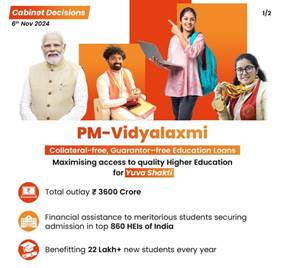
 2.2      Symptoms of PTSD:

Post-Traumatic Stress Disorder (PTSD) manifests through a variety of                   signs and symptoms that can significantly impact an individual’s daily                 functioning and overall well-being. These symptoms typically develop               after exposure to a traumatic event and can persist for months or even                         years. Here are some common signs and symptoms of PTSD:

2.2.1 Intrusive Thoughts: Individuals may experience recurrent, distressing            memories of the traumatic event. These memories may be          accompanied by          vivid flashbacks or nightmares, causing significant             psychological distress.

2.2.2    Avoidance Behaviors: People with PTSD often go to great lengths to                      avoid reminders of the traumatic event. This may include avoiding         certain places, activities, or people associated with the trauma, as well            as avoiding      thoughts or feelings related to the event.

2.2.3    Negative Alterations in Mood and Cognition: PTSD can lead to                  persistent negative beliefs about oneself, others, or the world.               Individuals may experience feelings of guilt, shame, or self-blame, as         well as a diminished interest in activities they once enjoyed. They may       also have difficulty remembering key aspects of the traumatic event or   experience distorted beliefs about its meaning.

2.2.4    Hyperarousal Symptoms: Individuals with PTSD may exhibit         heightened       levels of arousal or reactivity. This can manifest as                      hypervigilance,           exaggerated startle responses, difficulty concentrating, irritability, or   problems with sleep, such as insomnia or restless sleep.

2.2.5    Emotional Numbing: Some individuals may experience a numbing of                    emotions, wherein they feel detached or estranged from others. They                may have difficulty experiencing positive emotions or maintaining                     close relationships, leading to social withdrawal or isolation.

2.2.6    Physical Symptoms: PTSD can also manifest in physical symptoms            such as headaches, gastrointestinal issues, or chronic pain. These                       symptoms may not have an apparent medical cause but can be linked         to         the individual’s psychological distress.

2.2.7  Alterations in Arousal and Reactivity: Hypervigilance, exaggerated              startle response, difficulty concentrating, sleep disturbances, and                       irritability or outbursts of anger.

though it is not everyone who experiences a traumatic event will                 develop PTSD, and the severity and duration of symptoms can vary widely among individuals. Additionally, symptoms may fluctuate over     time, worsening during times of stress or when triggered by reminders       of         the trauma.

2.3       CAUSES AND RISK FACTORS

            Post-Traumatic Stress Disorder (PTSD) can develop as a result of               exposure to a traumatic event. While not everyone who experiences trauma develops PTSD, certain factors can increase the risk of             developing      the disorder. Here are some common causes and risk            factors associated        with PTSD:

2.3.1    Experiencing Trauma: The primary cause of PTSD is exposure to a                        traumatic event. This can include direct experience of trauma,                        witnessing a traumatic event, or learning about a traumatic event                       happening to a loved one. Examples of traumatic events include                  combat exposure, physical or sexual assault, natural disasters,                     accidents, or life-threatening medical diagnoses.

2.3.2    Severity and Duration of Trauma: The severity and duration of the              traumatic event can influence the likelihood of developing PTSD.                       Traumatic experiences that are particularly severe, prolonged, or life-       threatening are more likely to result in PTSD.

2.3.3    Pre-existing Vulnerabilities: Certain individual factors may increase                       susceptibility to PTSD. This includes a history of previous trauma or            adverse childhood experiences, genetic predisposition to anxiety or    mood disorders, personality traits such as high neuroticism or low resilience,             and a family history of mental health conditions.

2.3.4    Biological Factors: Biological factors, such as alterations in brain               structure and function, neurotransmitter imbalances, and                   dysregulation of the stress response system (e.g., hypothalamic-                        pituitary-adrenal axis), may contribute to the development and                    maintenance of PTSD symptoms.

2.3.5   Psychological Factors: Psychological factors, including cognitive                processes, coping styles, and beliefs about oneself and the world, can              influence the risk of PTSD. Negative appraisals of the trauma, feelings          of         guilt or shame, and maladaptive coping strategies (e.g., avoidance, substance             use) may exacerbate symptoms.

2.3.6    Social Support: Adequate social support following a traumatic event          can       serve as a protective factor against the development of PTSD.                   Conversely, perceived lack of social support, social isolation, or                 interpersonal conflicts may increase vulnerability to PTSD.

2.3.7    Environmental Factors: Environmental factors, such as ongoing                  stressors, socioeconomic disadvantage, limited access to mental                       health care, and exposure to secondary stressors (e.g., discrimination,            financial strain), can exacerbate PTSD symptoms or impede recovery.

the presence of risk factors does not guarantee the development of PTSD, and       resilience factors (e.g., coping skills, social support, access      to mental health          care) can mitigate the impact of trauma and promote           resilience.        Additionally, PTSD is a complex and multifaceted disorder             influenced             by the interaction of biological, psychological, social, and   environmental             factors.

  • TYPES OF COUNSELING FOR PTSD

            Counseling for Post-Traumatic Stress Disorder (PTSD) encompasses                      various therapeutic approaches tailored to the unique needs and              preferences of individuals affected by trauma.

3.1       Cognitive Behavioral Therapy (CBT):

            Cognitive Behavioral Therapy (CBT) is one of the most widely                   researched and empirically supported treatments for PTSD (American    Psychological Association, 2017). CBT focuses on identifying and                  challenging maladaptive thoughts and behaviors related to the                     traumatic event, as well as developing coping skills to manage               distressing emotions and symptoms. Techniques such as cognitive         restructuring, exposure therapy, and behavioral activation are          commonly       used in CBT for PTSD (Resick et al., 2008).

3.2       Eye Movement Desensitization and Reprocessing (EMDR):

            Eye Movement Desensitization and Reprocessing (EMDR) is a                   specialized form of therapy that integrates elements of cognitive              therapy with bilateral stimulation, such as eye movements or tactile taps, to facilitate the processing and desensitization of traumatic     memories        (Shapiro, 2001). EMDR aims to help clients reprocess                        distressing       memories and associated beliefs, reducing their emotional            intensity and                promoting adaptive resolution.

3.3       Prolonged Exposure Therapy (PE):

 Prolonged Exposure Therapy (PE) is a structured and evidence-based                    therapy for PTSD that involves gradual and systematic exposure to      trauma-related memories, situations, and cues in a safe and controlled                    environment (Foa et al., 2007). Through repeated exposure, clients             learn to             confront and process traumatic memories without     experiencing   overwhelming distress, leading to habituation and           symptom reduction over         time.

3.4       Trauma-Focused Cognitive Processing Therapy (TF-CBT):

            Trauma-Focused Cognitive Processing Therapy (TF-CBT) is an      evidence-         based therapy that integrates elements of cognitive-        behavioral, exposure-  based, and trauma-focused interventions to             address PTSD symptoms in    children and adolescents (Cohen et al.,          2006). TF-CBT emphasizes             psychoeducation, skill-building, and gradual exposure to trauma-related    material within a supportive and      validating therapeutic relationship.

3.5       Narrative Exposure Therapy (NET):**

            Narrative Exposure Therapy (NET) is a narrative-based therapy that                       aims to help individuals construct coherent and integrated narratives       of         their traumatic experiences (Schauer et al., 2011). Through guided           storytelling      and emotional processing, clients gradually integrate                        fragmented      memories into a cohesive narrative, fostering a sense of       mastery and     meaning-making in relation to their trauma.

3.6       Mindfulness-Based Interventions:

            Mindfulness-based interventions, such as mindfulness-based stress reduction         (MBSR) and mindfulness-based cognitive therapy (MBCT),         have     shown promise in augmenting traditional PTSD treatments by promoting       present-moment awareness and acceptance of difficult         thoughts and             emotions (Kearney et al., 2013). These techniques help        clients develop            nonjudgmental awareness of their experiences,                      reducing reactivity      to trauma-related triggers and enhancing emotional        regulation.

counseling techniques play a critical role in the treatment of PTSD by                    providing individuals with effective tools to process trauma, manage               symptoms, and promote recovery. By integrating evidence-based     approaches      such as CBT, EMDR, PE, mindfulness, TF-CBT, and NET,             counselors       can offer comprehensive and personalized care that              addresses the   unique needs of clients affected by trauma.

  • EFFECTIVENESS OF COUNSELLING IN TREATING PTSD

Counseling is widely recognized as an effective treatment for Post-             Traumatic Stress Disorder (PTSD), with numerous studies supporting    its        efficacy in reducing symptoms and improving overall functioning in individuals affected by trauma. Here’s an overview of the effectiveness      of         counseling in treating PTSD, supported by citations and references:

4.1       Evidence-Based Therapies: Several counseling approaches, such as            Cognitive Behavioral Therapy (CBT), Eye Movement Desensitization       and      Reprocessing (EMDR), Prolonged Exposure Therapy (PE), and       Trauma-           Focused Cognitive Processing Therapy (TF-CBT), have been             extensively      researched and shown to be effective in treating PTSD         (American             Psychological Association, 2017).

   4.2    Symptom Reduction: Counseling interventions for PTSD have been                       associated with significant reductions in PTSD symptoms, including                        intrusive thoughts, avoidance behaviors, negative alterations in mood   and      cognition, and alterations in arousal and reactivity (Bradley et al.,             2005).

   4.3    Improvement in Functioning: Counseling has been shown to improve                    overall functioning and quality of life in individuals with PTSD,                         including improvements in social relationships, occupational    functioning, and psychological well-being (Courtois & Ford, 2013).

  4.4     Long-Term Benefits: Research suggests that the benefits of                         counseling       for PTSD are often maintained over time, with many                      individuals      experiencing sustained symptom relief and functional        improvement   months or even years after completing therapy (Resick        et al., 2008).

4.5       Effectiveness Across Populations: Counseling interventions for PTSD                    have been found to be effective across diverse populations, including     military veterans, survivors of interpersonal violence, refugees, and   individuals from various cultural backgrounds (Sue & Sue, 2015).

  • THE ROLE OF A COUNSELOR IN TREATING PTSD

Counselors play a vital role in the comprehensive treatment of Post-           Traumatic Stress Disorder (PTSD), offering individuals affected by                   trauma a supportive and therapeutic environment to address their                symptoms, process traumatic experiences, and promote healing and            recovery. This section explores the multifaceted role of counselors in the       treatment of PTSD, highlighting their responsibilities, therapeutic    approaches,     and the importance of the therapeutic relationship.

5.1       Assessment and Diagnosis:

            Counselors are trained to conduct comprehensive assessments to                 determine the presence and severity of PTSD symptoms. Through                       structured interviews, self-report measures, and clinical observation,    counselors can establish a diagnosis and develop an individualized treatment         plan tailored to the unique needs of each client (American            Counseling      Association, 2014).

5.2       Psychoeducation:

            Counselors provide clients with psychoeducation about PTSD, helping                   them understand the nature of the disorder, common symptoms, and         available treatment options. Psychoeducation empowers clients to          make   informed decisions about their care, reduces feelings of shame        or self- blame, and fosters a sense of hope and agency in the recovery    process            (Courtois & Ford, 2013).

5.3       Trauma-Focused Therapy:

            Counselors employ evidence-based trauma-focused therapy                        modalities, such as Cognitive Behavioral Therapy (CBT), Eye                Movement Desensitization and Reprocessing (EMDR), and prolonged             exposure therapy, to address PTSD symptoms (American    Psychological Association, 2017). These therapies help clients process   traumatic         memories, challenge maladaptive beliefs, and develop                       coping skills to manage distressing emotions and triggers.

5.4       Creating a Safe Therapeutic Environment:

            Counselors prioritize creating a safe and trusting therapeutic           environment where clients feel validated, respected, and supported.   This environment encourages open communication, exploration of             difficult           emotions, and collaboration in the therapeutic process. By   fostering a sense         of safety, counselors help clients feel empowered to     confront their trauma and work towards healing (Herman, 1992).

5.5       Crisis Intervention and Safety Planning:

            Counselors are trained to provide crisis intervention and develop                safety plans for clients experiencing acute distress or suicidal ideation.        They offer immediate support, assess risk factors, and collaborate                  with clients to identify coping strategies and resources to manage               crises effectively (National Institute for Health and Care Excellence,        2018).

5.6       Collaboration and Referral:

            Counselors collaborate with multidisciplinary teams, including                   psychiatrists, primary care physicians, and social workers, to ensure       comprehensive care for clients with PTSD. They may also facilitate          referrals to specialized treatment programs, support groups, or                    community resources to address clients’ holistic needs (American                       Counseling Association, 2014).

5.7       Empowerment and Advocacy:

            Counselors empower clients to advocate for themselves and access             appropriate services and support systems. They validate clients’          experiences, validate their strengths and resilience, and help them             navigate           systemic barriers to care. By advocating for clients’ rights    and needs,       counselors promote empowerment and self-advocacy in             the recovery    process (Sue & Sue, 2015).

In conclusion, counselors play a pivotal role in the treatment of PTSD,                   providing compassionate, evidence-based care that addresses the         complex          needs of individuals affected by trauma. Through assessment, psychoeducation, trauma-focused therapy, and advocacy, counselors             support clients on their journey towards healing, recovery, and        resilience.

  • CHALLENGES AND LIMITATIONS IN COUNSELING FOR PTSD

While counseling is an essential component in the treatment of Post-                      Traumatic Stress Disorder (PTSD), it also faces various challenges and                      limitations that can impact the effectiveness of interventions and the                        therapeutic outcomes for individuals affected by trauma. This section                 explores some of the key challenges and limitations encountered in             counseling for PTSD, drawing from empirical research and clinical                   literature.

6.1       Treatment Engagement and Retention:

            Engaging individuals with PTSD in counseling can be challenging due       to         barriers such as stigma, shame, and avoidance behaviors (Hoge et     al., 2004).        Additionally, maintaining consistent attendance and            adherence to    treatment protocols may be difficult, particularly for            individuals             experiencing symptoms of emotional numbing or     hypervigilance.

6.2       Comorbidity and Complexity:

            PTSD often co-occurs with other mental health conditions, such as             depression,      anxiety disorders, and substance abuse, which can                 complicate       treatment outcomes (Kessler et al., 2005). Addressing                  comorbid         conditions requires a multidisciplinary approach and may    necessitate longer- term or more intensive interventions.

6.3       Cultural and Linguistic Diversity:

            Counseling approaches must be culturally sensitive and tailored to the                    diverse needs and backgrounds of clients with PTSD (Sue & Sue,                    2015). Language barriers, cultural differences in help-seeking                behaviors, and mistrust of mental health systems can hinder access to         and             engagement with counseling services among culturally diverse        populations.

6.4       Limited Access to Specialized Care:

            Access to specialized trauma-focused therapies, such as Cognitive Behavioral       Therapy (CBT) or Eye Movement Desensitization and   Reprocessing   (EMDR), may be limited in certain geographic areas or             healthcare settings      (American Psychological Association, 2017). Long wait times, insurance             constraints, and resource shortages can delay            access to evidence-based        treatments for individuals with PTSD.

6.5       Therapist Competence and Training:

            Ensuring that counselors have adequate training and supervision in             trauma-informed care is essential for providing effective treatment for           PTSD (Courtois & Ford, 2013). However, not all counselors may have   specialized training in trauma-focused interventions, leading to       variations        in treatment quality and outcomes.

6.6       Resistance and Avoidance:

            Individuals with PTSD may exhibit resistance or avoidance behaviors        in         therapy, particularly when confronted with traumatic memories or            emotions         (Resick et al., 2008). Overcoming resistance and fostering          engagement     requires patience, empathy, and a collaborative         therapeutic approach.

6.7       Limited Generalizability of Research Findings:

            While numerous studies have demonstrated the efficacy of trauma- focused            therapies for PTSD, the generalizability of these findings to         real-world       clinical settings may be limited (Bradley et al., 2005).              Factors            such as sample heterogeneity, treatment fidelity, and external          validity             can influence the applicability of research findings to diverse          populations and contexts.

In conclusion, while counseling is a vital component in the treatment          of         PTSD, it faces several challenges and limitations that can impact its            effectiveness and accessibility. Addressing these challenges requires     a          multifaceted approach that addresses systemic barriers, enhances    therapist             training and competence, promotes cultural humility and                 diversity,         and fosters innovation in treatment delivery and              implementation.

  • INNOVATION AND FUTURE DIRECTIONS IN COUNSELING  FOR        TREATING PTSD

Innovations and future directions in counseling for treating Post-                Traumatic Stress Disorder (PTSD) are essential for advancing the field and      improving outcomes for individuals affected by trauma. Here are          some    emerging trends and potential innovations in PTSD counseling,      supported        by citations and references:

7.1       Technology-Assisted Interventions:** The use of technology, such as                    teletherapy, virtual reality (VR), and mobile applications, shows            promise in       expanding access to PTSD counseling and delivering        evidence-based           interventions in novel ways (Rizzo et al., 2019). Virtual       reality exposure          therapy, in particular, allows individuals to engage in           immersive and            realistic simulations of trauma-related scenarios,        providing a safe and    controlled environment for therapeutic exposure          and desensitization.

   7.2    Culturally Tailored Interventions: Culturally tailored counseling                 interventions acknowledge the diverse backgrounds, experiences, and     needs of individuals with PTSD, incorporating cultural values, beliefs,            and      practices into treatment approaches (Hinton et al., 2013).     Culturally        competent counseling promotes trust, engagement, and relevance for   clients from various cultural and ethnic backgrounds,   enhancing        treatment effectiveness.

  7.3     Integrated Care Models: Integrated care models, which involve                   collaboration between mental health providers, primary care            physicians,      and other healthcare professionals, aim to address the       complex needs of        individuals with PTSD by offering comprehensive   and coordinated services             (Zatzick et al., 2019). These models              emphasize a holistic approach to        treatment, addressing both mental           and physical health concerns within the         same care setting.

7.4       Community-Based Interventions: Community-based counseling                  interventions involve delivering PTSD treatment in community settings,               such as schools, workplaces, faith-based organizations, or community              centers, to increase accessibility and engagement (Price et al., 2013).             By       bringing services to where individuals live, work, and socialize,                  community-based interventions reduce barriers to care and promote     early intervention and prevention efforts.

  7.5     Transdiagnostic Approaches: Transdiagnostic approaches to            counseling       for PTSD recognize the overlap and comorbidity of PTSD            with other mental        health conditions, such as depression, anxiety, and     substance use disorders           (Norrholm & Jovanovic, 2018). By targeting            underlying             transdiagnostic processes, such as emotion dysregulation     or negative      cognitive schemas, these interventions offer a more      efficient and flexible   approach to treatment.

            innovations and future directions in counseling for treating PTSD hold       the       potential to enhance accessibility, effectiveness, and relevance of             interventions for individuals affected by trauma.

  • CONCLUSION

            In conclusion, counseling is an effective and evidence-based           treatment         for PTSD, offering individuals affected by trauma a range of      therapeutic      approaches to address their symptoms, promote healing,           and enhance    resilience. By providing a supportive and collaborative        therapeutic             environment, counselors play a vital role in supporting        individuals on their journey towards recovery and well-being.

The conclusion of the paper on counseling for treating Post-Traumatic                   Stress Disorder (PTSD) highlights the effectiveness of counseling                interventions in addressing the complex needs of individuals affected    by        trauma. Counseling approaches such as Cognitive Behavioral          Therapy             (CBT), Eye Movement Desensitization and Reprocessing    (EMDR),         Prolonged Exposure Therapy (PE), Trauma-Focused         Cognitive        Processing Therapy (TF-CBT), and Narrative Exposure             Therapy (NET)           have demonstrated efficacy in reducing PTSD          symptoms and improving             overall functioning.

Moreover, the paper emphasizes the importance of ongoing             innovation       and future directions in PTSD counseling, including the     integration of technology-assisted interventions, culturally tailored                         approaches,     integrated care models, community-based interventions,      and             transdiagnostic frameworks. These innovations aim to enhance       accessibility, effectiveness, and relevance of PTSD treatment, while   also addressing the diverse needs and preferences of individuals from             various cultural, social, and demographic backgrounds.

By embracing these advancements and adopting a holistic and client-                     centered approach to treatment, counselors can continue to play a pivotal role      in supporting individuals on their journey towards healing,           recovery, and resilience in the aftermath of trauma.

Overall, the paper underscores the significance of counseling as a               cornerstone of PTSD treatment, while also highlighting the need for          ongoing research, collaboration, and innovation to further advance the     field and improve outcomes for individuals affected by trauma.

  • SUMMARY

summary of the key points discussed in the paper on            counseling for                         treating Post-Traumatic Stress Disorder (PTSD):

10.1.   Definition of PTSD:  PTSD is a psychiatric disorder that can develop in                  individuals following exposure to a traumatic event. It is characterized by        a range of symptoms, including intrusive thoughts, avoidance    behaviors,        negative alterations in mood and cognition, and alterations in arousal and      reactivity.

10.2.    Effectiveness of Counseling: Counseling interventions, such as                   Cognitive Behavioral Therapy (CBT), Eye Movement Desensitization       and      Reprocessing (EMDR), Prolonged Exposure Therapy (PE), Trauma-Focused         Cognitive Processing Therapy (TF-CBT), and          Narrative Exposure             Therapy (NET), have demonstrated efficacy in         reducing PTSD symptoms      and improving overall functioning.

10.3.  Challenges and Limitations: Despite its effectiveness, counseling for            PTSD faces challenges such as treatment engagement and retention,         comorbidity and complexity, cultural and linguistic diversity, limited             access to specialized care, therapist competence and training,          resistance        and avoidance, and limited generalizability of research   findings.

10.4.    Innovations and Future Directions: Emerging trends and innovations in                  PTSD counseling include technology-assisted interventions, culturally                       tailored approaches, integrated care models, community-based                   interventions, and transdiagnostic frameworks. These innovations aim        to             enhance accessibility, effectiveness, and relevance of PTSD            treatment.

Counseling plays a pivotal role in the treatment of PTSD, offering              individuals affected by trauma a range of therapeutic approaches to address their symptoms, promote healing, and enhance resilience.             Ongoing          research, collaboration, and innovation are essential for                   advancing        the field and improving outcomes for individuals affected         by trauma.

Overall, the paper emphasizes the importance of counseling as a                 cornerstone of PTSD treatment while also highlighting the need for           ongoing innovation and future directions to further enhance the                 effectiveness and accessibility of PTSD counseling interventions.

References:

American Counseling Association. (2014). ACA Code of Ethics.                Alexandria, VA: Author.

American Psychological Association. (2017). Clinical practice guideline    for       the treatment of PTSD. Retrieved from https://www.apa.org/ptsd-     guideline

Courto

American Psychiatric Association. (2013). Diagnostic and statistical           manual of mental disorders (5th ed.). Arlington, VA: Author.

American Psychological Association. (2017). Clinical practice guideline    for       the treatment of PTSD. Retrieved from https://www.apa.org/ptsd-     guideline

Bisson, J. I., Roberts, N. P., Andrew, M., Cooper, R., & Lewis, C.              (2013). Psychological therapies for chronic post-traumatic stress                 disorder (PTSD) in adults. Cochrane Database of Systematic Reviews,   12(12), CD003388.

Bradley, R., Greene, J., Russ, E., Dutra, L., & Westen, D. (2005). A                       multidimensional meta-analysis of psychotherapy for PTSD. American           Journal of Psychiatry, 162(2), 214-227.

Cohen, J. A., Mannarino, A. P., & Deblinger, E. (2006). Treating trauma    and      traumatic grief in children and adolescents. Guilford Press.

            Courtois, C. A., & Ford, J. D. (Eds.). (2013). Treating complex traumatic               stress disorders: An evidence-based guide. Guilford Press.

            Diagnostic and Statistical Manual (DSM-5; American          Psychological              Association, 2013).

Foa, E. B., Hembree, E. A., & Rothbaum, B. O. (2007). Prolonged             exposure therapy for PTSD: Emotional processing of traumatic                 experiences therapist guide. Oxford University Press.

            Hinton, D. E., Chhean, D., Pich, V., Safren, S. A., Hofmann, S. G., &         Pollack, M. H. (2013). A randomized controlled trial of cognitive-       behavior          therapy for Cambodian refugees with treatment-resistant           PTSD and panic          attacks: A cross-over design. Journal of Traumatic   Stress, 26(5), 664-671.

Hoge, C. W., Castro, C. A., Messer, S. C., McGurk, D., Cotting, D. I., &                Koffman, R. L. (2004). Combat duty in Iraq and Afghanistan, mental           health problems, and barriers to care. New England Journal of                    Medicine, 351(1), 13-22.

Kessler, R. C., Berglund, P., Demler, O., Jin, R., Merikangas, K. R., &                   Walters, E. E. (2005). Lifetime prevalence and age-of-onset                       distributions of DSM-IV disorders in the National Comorbidity Survey   Repli

            Price, M., Kuhn, E., Hoffman, J. E., & Ruzek, J. I. (2013). A feasibility                  trial of a telephone‐delivered, mental health intervention for survivors    of         acute respiratory distress syndrome. General Hospital Psychiatry,    35(2), 112-      117.

Resick, P. A., Monson, C. M., & Chard, K. M. (2008). Cognitive                processing therapy: Veteran/military version. Department of Veterans    Affairs.

Shapiro, F. (2001). Eye movement

            Rizzo, A., Koenig, S., & Rothbaum, B. O. (2019). Virtual reality in the                  treatment of PTSD: Progress and future directions. Current Opinion in    2Psychology, 31, 7-12.

Schauer, M., Neuner, F., & Elbert, T. (2011). Narrative exposure                therapy: A short-term intervention for traumatic stress disorders after         war,     terror, or torture. Hogrefe Publishing.

            Shapiro, F. (2001). Eye movement desensitization and reprocessing:                       Basic principles, protocols, and procedures (2nd ed.). Guilford Press.

            Sue, D. W., & Sue, D. (2015). Counseling the culturally diverse: Theory    and      practice (7th ed.). John Wiley & Sons.

             Norrholm, S. D., & Jovanovic, T. (2018). Tailoring therapeutic      strategies         for treating posttraumatic stress disorder symptom clusters.        Neuropsychiatric         Disease and Treatment, 14, 2625-2645.

            Zatzick, D. F., Jurkovich, G. J., Rivara, F. P., Russo, J., Wagner, A.,                       Wang, J., … & Katon, W. (2019). A randomized stepped care                      intervention trial targeting posttraumatic stress disorder for surgically                         hospitalized injury survivors. Annals of Surgery, 270(3), 406-413.

Book Publication Offer from EduPub

 EduPub is excited to announce a special book publication offer for aspiring authors! Whether you are an academic, researcher, or professional, this is the perfect opportunity to bring your work to a global audience at a highly affordable rate.

Key Benefits:

  • 50% Discount on all book publication services.
  • Complete Publishing Package: Includes ISBN allocation, professional editing, cover design, and distribution across major online platforms.
  • Global Reach: Your book will be made available through international distribution networks, ensuring maximum visibility.
  • Quick Turnaround: Fast publication process with professional guidance at every step.
  • Author-Friendly Royalties: Earn high royalties from the sales of your published book.
  • Open Access Option: Share your work freely with scholars and readers across the world.

Take advantage of this exclusive offer to publish your work with EduPub, a trusted name in academic and professional publishing. Let your ideas reach a wider audience and build your author portfolio with confidence!

For more details, visit www.edupub.org

GATE 2025 important Update

The GATE exam 2025 is just around the corner, and if you’re planning to take it, here’s what you need to know.

Exam Dates
The exam is scheduled to take place on February 1, 2, 15, and 16, 2025 ¹. Make sure to mark these dates on your calendar.

Eligibility Criteria
To be eligible for the exam, you must have cleared your 10+2 standard and hold a bachelor’s degree in a relevant discipline ¹. This includes students who have completed government-accredited programs in engineering, technology, architecture, science, commerce, arts, or humanities.

Registration Process
The registration process is currently ongoing at the GOAPS portal, and the last date to fill out the application form without a late fee is September 26, 2024 ¹. Don’t miss this deadline!

Application Fees
The application fees for GATE 2025 remain unchanged from last year. For all candidates, including foreign nationals, the fee is INR 1800 without a late fee and INR 2300 with a late fee ¹. For SC/ST/PwD and female applicants, the fee is INR 900 without a late fee and INR 1400 with a late fee.

Exam Pattern
The exam pattern will remain the same as last year, with a 3-hour online CBT mode ¹. Each paper will have a General Aptitude section and a subject-specific section.

Syllabus
The syllabus for all 30 subjects has been released on the official website, gate2025.iitr.ac.in ¹. Make sure to check it out and plan your preparation accordingly.

Preparation Tips
According to previous year’s toppers, it’s essential to understand your capabilities, make a proper plan, and optimize your preparation with both hard work and smart work ¹. Start preparing early, and don’t hesitate to seek help from recommended books and online resources.

Important Dates

  • Release of application form: August 28, 2024
  • Last date to fill out application form without late fee: September 26, 2024
  • Admit card release date: First week of January 2025
  • GATE 2025 exam date: February 1-16, 2025
  • Answer key release: Fourth week of February 2025
  • Result declaration: Second week of March 2025 ¹

Stay focused, and good luck with your preparation!

The Impact of Job Satisfaction and Work Motivation on Job Loyalty in Outsourcing Employees

Daily writing prompt
What aspects of your cultural heritage are you most proud of or interested in?

Deanysa Buggy Asih1, Yudit Oktaria Kristiani Pardede2

Gunadarma University, Faculty of Psychology, Jl. TB Simatupang Pasar Minggu, Jakarta Selatan, Indonesia

ABSTRACT

Employees who work in a company are expected to know well the core values, culture and goals of the organization, so that employees can get to know the company where they work well. However, outsourcing employees who basically come from service providers outside the company do not know about this. Therefore it is difficult for outsourcing employees to grow their work loyalty to the company where they work. Meanwhile, loyal employees are related to the goals, objectives, culture and values ​​of the organization. Employee loyalty can go up and down, one of which is due to job satisfaction factors. Job satisfaction felt by employees can increase employee work loyalty. Therefore, we need a motivator in the form of meeting physical and non-physical needs. This need is an encouragement or motivation for employees to work in a company. This study aims to determine the effect of job satisfaction and work motivation on work loyalty of outsourcing employees. This study uses a quantitative approach with research participants totaling 100 outsourcing employees obtained through sampling techniques. The analysis method used is simple and multiple regression. Based on the data analysis that has been done, it is known that there is an effect of job satisfaction on work loyalty of outsourcing employees by 54.3%, there is an effect of work motivation on work loyalty of outsourcing employees by 47.1% and there is an effect of job satisfaction and work motivation which together affect work loyalty of outsourcing employees by 25.7%, the remaining is influenced by other factors outside the research.

Keywords: Job Satisfaction, Work Motivation, Work Loyalty, Outsourcing

Photo by Tom Fisk on Pexels.com

INTRODUCTION

Every individual wants to do a good job and make an important contribution to the organization or company where they work. According to Elmuti., Grunewald., & Abebe (2010) most companies believe that to compete globally, they must look at the efficiency of Human Resources (HR) and control costs rather than just relying on increasing revenue. According to Wahyuningtyas & Utami (2018) in order for HR and cost control to be efficient, of course the company must concentrate on a series of processes or activities to create products and services related to its core competencies. With the concentration on the company’s core competencies, a number of products and services will be produced that have quality and competitiveness in the market in order to compete in the business world.

Products and services that have quality will certainly be able to compete globally to improve their competitive position in the increasingly global market. Companies can save costs and maintain quality by relying more on external service providers for activities that are seen as complementary to their core business. This is related to outsourcing which functions as a partnership to improve the company’s business (Elmuti., Grunewald., & Abebe, 2010).

One of the complementary activities to improve the company’s business is recruitment. Every prospective employee who is accepted feels unclear about their employment status, namely outsourcing employees or permanent employees. Employee status is a condition that distinguishes one employee from another in the company. Employment status is a person’s position in doing work, namely whether the person’s position is as a laborer or employee. The status of outsourcing employees is included in non-permanent employees and their employment status is included in outsourcing employees (Barthos, 2001).

Outsourcing is the delegation of daily operations and management of a business process to an external party (an outsourcing service provider). Through delegation, management is no longer carried out by the company, but is delegated to the outsourcing service company (Soewondo, 2004). In addition, according to Wahyuningtyas & Utami (2018) Outsourcing is an effort to obtain skilled workers and reduce the burden and costs of the company in improving the company’s performance so that it can continue to be competitive in facing global economic and technological developments by handing over the company’s activities to other parties.

The handover of HR activities to outsourcing services is widely used by organizations around the world, because it is considered profitable. As is the case in the telecommunications industry of Pakistan. In the telecommunications sector of Pakistan, external recruitment companies or so-called outsourcing are known to have high work loyalty. Although they do not know the core values, culture, and goals of the organization well, employees are still able to grow their work loyalty. Employees can quickly adapt to their work environment because a comfortable work environment is created so that employees feel at home and are willing to stay in the company as long as they are still needed by the company. Work loyalty is related to the goals, objectives, culture, and values ​​of the organization. Employees are able to know and adapt to this after they have been in an organization for a long time (Jamil & Naeem, 2013).

According to Flippo (2013) Work loyalty itself is the determination and ability to obey, carry out and practice something that is obeyed with full awareness and responsibility. Robbins (2006) defines loyalty as the willingness to protect and save oneself. While Hasibuan (2002) describes loyalty as loyalty reflected by the willingness of employees to maintain and defend the organization inside and outside of work.

Work loyalty is fundamental to the industry because loyal employees will provide high work results along with work efficiency (Elmuti, Grunewald, & Abebe, 2010). Companies that fail to create strategic HR practices can lose valuable employees due to lack of employee loyalty to the company (Meyer & Allen, 1997). Through outsourcing, companies generate profits through HR which is the company’s most valuable asset. While HR itself will feel disadvantaged, so that employees are unable to grow their loyalty in working in the company where they work (Jamil & Naeem, 2013).

Employee loyalty in an organization is absolutely necessary for the success of the organization itself, one of the factors that causes employee work loyalty to increase or decrease is job satisfaction (Citra. L.M., & Fahmi. M, 2019). According to Colquitt, LePine, & Wesson (2012) Job satisfaction is a level of pleasant feeling obtained from the assessment of one’s work or work experience. In addition, according to Mathis and Jackson (2000) job satisfaction is a positive emotional state resulting from the evaluation of work experiences carried out by an individual.

Achieving employee job satisfaction will increase employee work loyalty. Job satisfaction expresses a number of conformities between a person’s expectations about his/her work, which can be in the form of work performance given by the company and the rewards given for his/her work. In essence, a person is encouraged to be active because he/she hopes that it will bring a better and more satisfying situation than the current situation. So working is a form of activity that aims to obtain job satisfaction (Mathis and Jackson, 2000).

Job satisfaction can be seen from employees who feel happy with their work. They will give more attention, imagination and skills in their work. Therefore, a motivator is needed for employees, namely providing physical and non-physical needs. These needs are an encouragement for employees in carrying out activities in a company. This encouragement is called work motivation (Arianty, Bahagia, Lubis, & Siswadi, 2016).

According to Vroom (in Setiawan, 2015) work motivation is how much effort is made to achieve certain results or rewards. Meanwhile, according to Purnama (2008), work motivation is the entire process of providing work motivation to subordinates in such a way that they are willing to work sincerely in order to achieve organizational goals efficiently and economically.

Based on the results of research conducted by Jamil & Naeem (2013) showed that work loyalty has an impact on outsourcing employees. This means that work loyalty that grows in each individual does not depend on the status of the employee, whether permanent or outsourcing. Employee loyalty that grows in the outsourcing company has a positive impact on employee engagement, employees have a sense of attachment to the organization or company where the employee works. In addition, research conducted by Wibowo & Sutanto (2013) also stated that the results of the study showed that there was an influence of job satisfaction and work motivation on employee loyalty in the sales department where if the work motivation of employees in the sales department increased, then the loyalty of employees in the sales department would increase. The regression results also showed that employee loyalty CV. Pratama Jaya was influenced by job satisfaction and work motivation, which was 66.7%. Another study conducted by Thanos, Pangemanan, and Rumokoy (2015) also stated that work motivation and job satisfaction had a significant partial effect on employee loyalty at PT Kimia Farma Apotek.

Based on the explanation that has been presented previously, the hypothesis that can be developed in this study are:

  1. H1: job satisfaction and work motivation affect work loyalty in outsourcing employees;
  2. H2: job satisfaction affects work loyalty in outsourcing employees;
  3. H3: work motivation affects work loyalty in outsourcing employees.

RESEARCH METHODS

The population in this study were outsourcing employees and had the following characteristics: outsourcing employees, had worked for 6 months to 3 or more, because it is expected that during this period of work, real behavior can be seen which is reflected as an action of their loyalty in working for the company where the outsourcing employee works.

The sample (subject) of the study consisted of 100 outsourcing employees who had the same characteristics as the population. Sampling was carried out using non-probability sampling techniques and with purposive sampling types. The answer choices on each scale range from 1 – 6 ranging from strongly disagree to strongly agree.

Job satisfaction in this study can be seen through the scores obtained in the job satisfaction scale according to Spector, (1994) namely aspects of salary, promotion, superiors, benefits, non-material rewards, working conditions, coworkers, nature of work, and communication. This measuring instrument contains 36 items divided into 17 favorable items and 19 unfavorable items. One example of an item in the job satisfaction scale is “I feel paid a fair amount for the work I do”. Based on the results of the analysis of the reliability test of the job satisfaction scale, a Cronbach alpha of 0.870 was found, which means that the scale is reliable in measuring job satisfaction.

Work motivation in this study can be seen through the scores adapted by researchers from Tremblay, MA, Blanchard, CM, Taylor, S., Villeneuve, M., and Pelletier, LG (2009) which are arranged based on the form of work motivation according to Deci & Ryan (2000) namely amotivation, intrinsic motivation, external regulation, projected, identified, integrated, extrinsic motivation. This measuring instrument contains 18 favorable items. One example of an item in the work motivation scale is “The awards given by the company are appropriate”. Based on the results of the analysis of the reliability test of the work motivation scale, a Cronbach’s alpha of 0.840 was found, which means that the scale is reliable in measuring work motivation.

Work loyalty in this study is known based on the score obtained through the work loyalty measurement scale adapted by Asih (2018) which is compiled based on aspects of work loyalty, namely obeying regulations, being responsible, dedicated and honest in working. This measuring instrument contains 32 items divided into 30 favorable items and 2 unfavorable items. One example of an item in the work loyalty scale is “I like to work hard, am agile and always want to do my best for the company”. Based on the results of the analysis of the reliability test of the work loyalty scale, a Cronbach’s alpha of 0.967 was found, which means that the scale is reliable in measuring work loyalty.

The data processing technique in this study used simple and multiple regression tests.


RESULTS AND DISCUSSION

Based on the results of the reliability test in this study to determine the consistency of the measuring instrument based on items that have been declared to have good discrimination power and proven by the Alpha Cronbach technique with the help of the IBM SPSS Statistic version 23 program. According to Azwar (2012) the reliability coefficient on the scale that shows high consistency and stability of values, namely 0.70 to 1. Based on the results of the reliability test that has been carried out, the scale of job satisfaction, work motivation and work loyalty is known to have good alpha Cronbach reliability test values, this means that the reliability coefficient on the scale as a whole shows high consistency and stability of values. The results of the reliability test on the three variables can be seen in the following table:

Table 1. Reliability Test

VariableAlpha CronbachResult
Job Satisfaction (X1)0,870Reliable
Work Motivation (X2)0,840Reliable
Work Loyalty (Y)0.967Reliable

Based on the results of the study, it is known that the variables of job satisfaction and work motivation have an effect on work loyalty in outsourcing employees. The results of the regression test on the three variables can be seen in the following table:

Table 2. Regression Test

VariableFRR SquareSig
Job Satisfaction (X1)117,5760,7390,5430,000
Work Motivation (X2)87,1600,6860,4710,000
Job Satisfaction (X1) and Work Motivation (X2)16,7730,5070,2570,000
on Work Loyalty (Y)    
  1. Effect of Job Satisfaction on Work Loyalty

Based on the results of data analysis on the job satisfaction variable, the F value is 117.576 and the significance coefficient is 0.000 (p <0.01), meaning that the job satisfaction variable has a very significant effect on work loyalty. The R value on job satisfaction of 0.739 indicates a positive relationship direction and a strong relationship. The R Square value of 0.543 means that job satisfaction affects work loyalty by 54.3%, the remaining 45.7% is influenced by other factors.

These results indicate that the hypothesis that states that there is an effect of job satisfaction on work loyalty in outsourcing employees is accepted. This means that the satisfaction felt by employees in working can increase or decrease their work loyalty to the company. The results of this study are in line with research conducted by Susilowati and Supriyadi (2018) which states that job satisfaction affects work loyalty by 34.3%. The higher the job satisfaction felt by employees, the higher the employee’s work loyalty to the company.

Employees who are satisfied will achieve work loyalty within the company. Job satisfaction is basically something that is individual, while each individual has a different level of satisfaction. In a company, leaders must pay serious attention to the job satisfaction of the employees they lead, because job satisfaction has a chain with the organization’s human resources, organizational performance, and the sustainability of the organization itself (Husni., Musnadi., and Faisal, 2018).

  • Effect of Work Motivation on Work Loyalty

Based on the results of data analysis on the work motivation variable, the F value is 87.160 and the significance coefficient is 0.000 (p <0.01), meaning that the work motivation variable has a very significant influence on work loyalty. The R value on work motivation of 0.686 indicates a positive relationship direction and a strong relationship. The R Square value of 0.471 means that work motivation affects work loyalty by 47.1%, the remaining 52.9% is influenced by other factors. These results indicate that the hypothesis that there is an influence of work motivation on work loyalty in outsourcing employees is accepted. This means that work loyalty can grow and increase if the motivation felt by employees in working also increases.

The results of this study are in line with research conducted by Swadarma and Netra (2020) which states that there is a positive and significant influence between work motivation and employee loyalty at Rame Cafe Jimbaran of 41.6%. If motivation increases, employee loyalty will increase. High work motivation in employees will make employees work harder in carrying out their work. On the other hand, with low work motivation, employees do not have work enthusiasm, give up easily and have difficulty completing work (Husni., Musnadi., and Faisal, 2018).

The growing employee work motivation can come from themselves or from outside themselves. According to Herzberg (in Robbins & Judge, 2006) stated that basically motivation is divided into two main types, namely, intrinsic motivation and extrinsic motivation. Intrinsic motivation is motivation related to themselves to feel satisfied such as achievement, appreciation, responsibility, opportunities to advance, and the work itself. While extrinsic motivation is motivation from outside themselves such as physical working conditions, interpersonal relationships, company policies and administration, supervision, salary, and job security.

  • Effect of Job Satisfaction and Work Motivation on Work Loyalty

Based on the results of data analysis on the variables of job satisfaction and work motivation, the F value is 16.773 and the significance coefficient is 0.000 (p <0.01), meaning that the variables of job satisfaction and work motivation have a significant influence on work loyalty. The R value on job satisfaction and work motivation of 0.507 indicates a positive relationship direction and a strong relationship. The R square value of job satisfaction and work motivation of 0.257 means that job satisfaction and work motivation together affect work loyalty by 25.7%, the remaining 74.3% is influenced by other factors.

These results indicate that the hypothesis that states that there is an influence of job satisfaction and work motivation on work loyalty in outsourcing employees is accepted. This means that the satisfaction and motivation in working felt by outsourcing employees can foster their work loyalty in their workplace. The results of this study are in line with research conducted by Husni., Musnadi., And Faisal (2018) which states that job satisfaction and work motivation owned by prison employees in Aceh Province have an effect on the emergence of employee work loyalty. In addition, another study conducted by Citra and Fahmi (2019) also stated that job satisfaction and work motivation together have an influence of 73.9%, while the remaining 26.1% of work loyalty is influenced by other variables.

Employee loyalty is a positive employee attitude towards the company where they work. Employees with a high level of loyalty can work not only for themselves but also for the benefit of the company. Therefore, the role and duties of a leader in acting and making decisions are very influential, so that they can be a benchmark for actions and motivation for employees in all forms and positive activities that will later build enthusiasm and job satisfaction and even employee work loyalty itself (Citra and Fahmi, 2019).

CONCLUSIONS AND RECOMMENDATIONS

Based on the results of the study, it can be concluded that job satisfaction influences work loyalty in outsourcing employees by 54.3%, the rest, 45.7% is influenced by other factors outside the study. Furthermore, work motivation influences work loyalty in outsourcing employees by 47.1%, the rest, 52.9% is influenced by other factors outside the study. Thus, job satisfaction and work motivation influence work loyalty in outsourcing employees by 25.7%, the rest, 74.3% is influenced by other factors outside the study.

Based on the results of the study, the following suggestions can be submitted so that employees are expected to continue to reflect work loyalty in their workplaces such as in terms of obeying regulations, being responsible, dedicated and honest in working.

REFERENCES

Arianty, N., Bahagia, R., Lubis, AA, & Siswadi, Y. (2016). Human Resource Management. Medan: Perdana Penerbitan.

Asih, DB. (2018). Contribution of extrinsic work motivation and intrinsic work motivation to work loyalty. Thesis. Gunadarma University: Jakarta.

Basir Barthos. (2001). Human resource management: a macro approach. Jakarta: Bumi Aksara.

Citra. LM, & Fahmi. M. (2019). The influence of leadership, job satisfaction and work motivation on employee loyalty. Scientific journal of master of management. 2(2). 214-225.

Colquitt, J., LePine, J., & Wesson, M. (2012). Organizational Behavior: Improving Workplace Performance and Commitment (3rd Edition). New York: McGraw-Hill Education.

Elmuti. D., Grunewald. J., & Abebe. D.(2010). Consequences of outsourcing strategy on employee quality of work life, attitudes, and performance. Journal of business strategy. 27(2). 178-203.

Flippo, E.B. (2003). Personnel management. Jakarta: Erlangga.

Hasibuan, M.S.P. (2002). Human resource management. Jakarta: Bumi Aksara.

Husni., Musnadi. S., & Faisal. (2018). The influence of work environment, comfort and motivation on job satisfaction and its impact on employee loyalty in Aceh Province. Journal of Master of Management. 2(1). 88-98.

Jamil. R., & Naeem. H. (2013). The impact of external outsourcing recruitment process on employee commitment and loyalty: empirical evidence from Pakistan’s telecommunications sector. Journal of business and management. 8(2). 69-75.

Jamil. R., & Naeem. H. (2013). The impact of outsourcing external recruitment process on the employee commitment and loyalty: empirical evidence from the telecommunication sector of Pakistan. Journal of business and management. 8(2). 69-75.

Mathis, R. L., & Jackson, J. H. (2000). Human resource management 9th ed. Cincinnati: South -Western College Publishing.

Mathis, R.L., & Jackson, J.H. (2000). Human resource management 9th edition. Cincinnati: Southwest College Publishing.

Ni’mah. I., & Nasif. K. (2016). Analysis of outsourcing employee welfare from the perspective of PT Spirit Krida Indonesia employees. Journal of Islamic economics. 4 (2). 300-317.

Ni’mah. I., & Nasif. K. (2016). Analysis of outsourcing employee welfare from the perspective of PT Spirit Krida Indonesia employees. Journal of Islamic Economics. 4 (2). 300-317.

Pelletier, L.G., Rocchi, M.A., Vallerand, R.J., Deci, E.L., Ryan, R.M. (2013). Validation of the revised sport motivation scale (SMS-II). Journal Psychology of Sport and Exercise. 14 (1). 329-341

Pelletier, LG, Rocchi, MA, Vallerand, RJ, Deci, EL, Ryan, RM (2013). Validation of the revised sports motivation scale (SMS-II). Journal of Sport and Exercise Psychology. 14 (1). 329-341 Robbins, S. (2006). Organizational Behavior. Jakarta: PT. Indeks Grup Gramedia.

Robbins, S. (2006). Organizational behavior. Jakarta: PT. Indeks Grup Gramedia.

Smith, P. C., Kendall, L. M., & Hulin, C. L. (1969). Measurement of satisfaction in workand retirement. Chicago: Rand McNally.

Smith, PC, Kendall, LM, & Hulin, CL (1969). Measuring job satisfaction and retirement. Chicago: Rand McNally.

Spector, P.E. (1985). Measurement of human service staff satisfaction: development of the Job satisfaction survey. American journal of community psychology. 13 (6). 693-713.

Spector, PE. (1985). Measuring human service staff satisfaction: development of a job satisfaction survey. American journal of community psychology. 13 (6). 693-713.

Susilowati, F., & Supriyadi, I. (2018). Work loyalty caused by job satisfaction in construction company employees. Orbith Journal. 14 (2). 97-103.

Susilowati, F., & Supriyadi, I. (2018). Work loyalty caused by job satisfaction in construction company employees. Orbit Journal. 14 (2). 97-103.

Suwondo, Candra. (2004). Outsourcing; Implementation in Indonesia. Jakarta: Gramedia.

Swadarma, I. P. S., & Netra, I. G. S. K. (2020). Compensation, work motivation, and work environment influence employee loyalty at Rame Café Jimbaran seafood. Management Journal. 9 (5). 1738-1757.

Thanos, C.A., Pangemanan, S.S., & Rumokoy, F.S. (2015) The effect of job satisfaction and employee motivation on employee loyalty (case study of PT Kimia Farma Apotek in Sam ratulangi, Manado). Jurnal ilmiah berkala. 15 (4), 313-321.

Umar, H. (2005). Research methods for business theses and dissertations. Jakarta: PT. Raja Grafindo Persada.

Wahyuningtyas, Safira., Utami, H.N. (2018). Analysis of differences in performance between outsourcing employees and permanent employees. Journal of business administration. 60 (3). 96-103.

Wibowo, J., & Sutanto, E.M. (2013). The influence of leader member exchange (LMX), work motivation and job satisfaction on employee loyalty in the sales department of CV. Pratama Jaya in Madiun. Agora Journal. 1 (3), 1-9.

Internet Addiction: A Study on College going Students of District Anantnag

Daily writing prompt
What could you do more of?

[1]Ms. Anjumah Majeed, [2]Ms. Iqra Hafiz, [3]Mr. Firdose Ahmad Mir,
[4]Dr. Mohd Arif Hussain Bhat, [5]Mr. Bilal Ahmad Shah, [6]Dr. Asif Qadri,[7]
Mr. Ishfaq Ahmad Wani


ABSTRACT

The current research paper explores the phenomenon of internet addiction among College going students of district Anantnag. The study which was descriptive in nature was conducted on 100 College going students belonging to five different colleges of district Anantnag. The students were sampled by using simple random technique (Lottery Method) whereas, colleges were purposively selected. Data were collected by using a standardized tool developed by Daman Deep Kaur Gulati, Dr. Jose J. Kurisunkal and Dr. Mamta Bakliwal 2021. The data were analyzed by using t-test. The major finding of the study revealed that Internet Addiction is more in Arts Stream Students belonging to different Colleges of district Anantnag as compared to Science stream students belonging to different Colleges of district Anantnag.

Key Words: Internet Addiction, Lottery Method, t-test.

Photo by Max Fischer on Pexels.com

INTRODUCTION

In the modern digital age, the internet has become an integral and indispensable component of daily life for billions of people around the world. What was once considered a novel technological innovation has rapidly evolved into an essential tool for communication, information-gathering, entertainment, and a multitude of other functions.The Internet’s pervasive presence and increasingly ubiquitous accessibility through smartphones, laptops, tablets, and other digital devices have transformed the way individuals interact with the world and each other.

The ubiquity of the internet in the 21st century has ushered in a technological revolution, profoundly shaping the way we work, learn, socialize, and entertain ourselves. The internet has become an essential resource for a vast array of daily activities, from professional tasks and academic research to personal communication and leisure pursuits. It has enabled instantaneous access to a wealth of information, fostered global connectivity, and revolutionized the way we consume and share content.

However, as the internet has become more deeply embedded in the fabric of modern society, a concerning trend has emerged – the growing problem of problematic internet use and internet addiction. Internet addiction, characterized by an inability to control one’s use of the internet despite the presence of negative consequences, has emerged as a significant public health concern in recent decades. As individuals, particularly young people, find themselves spending more and more time online, the detrimental effects of this excessive and compulsive internet use on mental health, physical well-being, social relationships, academic or occupational performance, and overall quality of life have become increasingly apparent.

Nature and Scope of Internet Addiction

In order to fully understand the issue of internet addiction, it is essential to first explore the definition and conceptualization of this behavioural disorder. Internet addiction, also referred to as problematic internet use or compulsive internet use, has been the subject of extensive research and debate among scholars and clinicians in recent decades.

The term “internet addiction” was first introduced in the 1990s by Dr. Ivan Goldberg, a psychiatrist who observed patterns of excessive and uncontrolled internet use among his patients. Goldberg proposed that individuals could become addicted to the internet, experiencing symptoms similar to those associated with substance addictions, such as tolerance, withdrawal, and impaired function in daily life. Since then, a growing body of research has sought to further define and characterize this emerging behavioural addiction.

One of the key challenges in defining internet addiction lies in the fact that the internet is not a single, discrete activity, but rather a platform that enables a wide range of activities, from social media and online gaming to e-commerce and information-seeking. As such, internet addiction is often conceptualized as a multidimensional construct, with various sub-types or “addictions” related to specific internet-enabled behaviours, such as social media addiction, online gaming addiction, or cybersex addiction.

Despite this complexity, researchers have proposed various frameworks and diagnostic criteria for internet addiction. One of the most widely recognized models is the Generalized Problematic Internet Use Scale (GPIUS), developed by Caplan and colleagues. This model posits that internet addiction is characterized by a cognitive-behavioural syndrome, including symptoms such as mood regulation, compulsive use, cognitive preoccupation, and negative outcomes.

Another influential framework is the Internet Addiction Test (IAT), developed by Dr. Kimberly Young. The IAT assesses the degree of preoccupation, compulsive use, withdrawal symptoms, and negative consequences associated with problematic internet use. This assessment tool has been widely used in both clinical and research settings to identify and measure the severity of internet addiction.

It is important to note that the classification and diagnosis of internet addiction remain subject to on-going debate and refinement. While the American Psychological Association (APA) has recognized “Internet Gaming Disorder” as a condition warranting further study in the Diagnostic and Statistical Manual of Mental Disorders (DSM-5), the broader concept of internet addiction has not yet been formally included as a distinct diagnostic category. However, many researchers and clinicians advocate for the recognition of internet addiction as a legitimate behavioural addiction, akin to substance use disorders or gambling addiction.

Risk Factors and Etiological Mechanisms of Internet Addiction

The development of internet addiction is a complex and multifaceted process, influenced by a variety of individual, social, and environmental factors. Understanding the underlying risk factors and etiological mechanisms that contribute to the emergence and maintenance of this behavioural disorder is essential for designing effective prevention and intervention strategies.

Individual Factors :

 A growing body of research has identified several individual-level factors that may predispose individuals to the development of internet addiction. Personality traits, such as high levels of impulsivity, sensation-seeking, and neuroticism, have been consistently linked to an increased risk of problematic internet use. Individuals with these characteristics may be more likely to engage in compulsive and excessive online behaviours as a means of mood regulation or stimulation-seeking.

Additionally, the presence of co-occurring mental health conditions, such as depression, anxiety, and attention-deficit/hyperactivity disorder (ADHD), has been associated with a higher likelihood of internet addiction. These underlying psychological and neurological factors may contribute to a heightened vulnerability to the development of addictive behaviours, including problematic internet use.

Demographic factors, such as age and gender, have also been identified as risk factors for internet addiction. Adolescents and young adults, particularly males, have consistently been found to be more susceptible to developing internet addiction. This may be partially attributed to the developmental changes and social pressures experienced during these life stages, as well as the increased accessibility and pervasiveness of digital technologies among younger generations.

Social and Environmental Factors

 Beyond individual-level characteristics, social and environmental factors also play a significant role in the etiology of internet addiction. The quality and nature of an individual’s interpersonal relationships and social support systems can influence the risk of developing problematic internet use. For instance, individuals with poor social skills, limited social connections, or dysfunctional family environments may be more likely to turn to the internet as a means of socialization, emotional regulation, or escape from real-world problems.

The availability and accessibility of the internet, as well as the design and features of digital platforms and applications, can also contribute to the development of internet addiction. The ubiquity of smartphones and the constant connectivity they provide, combined with the reinforcing and addictive design elements of social media, online gaming, and other internet-based activities, can foster compulsive and excessive use.

Moreover, cultural and societal factors, such as the normalization of technology use, the perceived importance of online presence and participation, and the lack of digital literacy and self-regulation skills, can also shape an individual’s relationship with the internet and increase the risk of problematic use.

Neurobiological and Psychological Processes

 In addition to the individual, social, and environmental factors, researchers have also explored the potential Neuro-biological and psychological mechanisms underlying internet addiction. Emerging evidence suggests that the neurological and Neuro-chemical processes involved in the development of substance addictions may also play a role in the etiology of internet addiction.

Studies have found that excessive internet use and engagement in certain online activities, such as gaming or social media use, can trigger the release of dopamine and other reward-related neurotransmitters in the brain’s reward system. This can lead to a heightened sense of pleasure and reinforcement, potentially fuelling compulsive and addictive behaviours.

Furthermore, the cognitive and behavioural patterns associated with internet addiction, such as attentional biases, cognitive preoccupation, and impaired self-regulation, may be underpinned by specific psychological processes. These include the development of maladaptive coping strategies, distorted cognitions related to the internet and its use, and impaired executive functioning and impulse control.

 By understanding the multifaceted risk factors and etiological mechanisms involved in the development of internet addiction, researchers and clinicians can better inform the design and implementation of targeted prevention and intervention strategies. This comprehensive approach is crucial for addressing the growing public health concern of problematic internet use in the digital age.

REVIEW OF RELATED LITERATURE

Various research studies have been conducted by various research scholars across the globe on internet addiction. Few of them have been presented below in chronological order;

In the study by Menon, Shanker & Narayanan, Lakshmi & Kahwaji, Ahmad (2018), the researchers investigated the internet addiction among college students. The study was conducted on 300 students in a management institute in India, were 300 students (first, second and third years’ students) were sampled and the result shows that the older students were more internet addicted than the younger students. It also showed that men were more addicted than women. 

A cross sectional study was conducted by Prashant Bagdey, Hemant Adikane, Uday Narlawar, Dadasaheb Dhage, Kishor Surwase, Alka Kaware (2018) for investigating the association between mental health and internet addiction among college students in Nagpur city. The result showed that the students aged from 17-25 years were high on internet addition. They suggested that excessive use of the Internet effects on physical, mental health and social well-being of students.

A cross sectional study on internet addiction and their relationship with depression among professional college students was carried out by Subhashini KJ, Praveen G (2018). The study was conducted on 300 students from Hassan Institute of Medical Sciences (Government Medical College) and Government Engineering College, Karnataka. They found that out of 300 students 173 (57.7%) were found to be internet addicted and 67 (38.7%) among them were found to be depressed and a there was positive relation between internet and depression. A male student shows more internet addiction than female students. 

Azher, Musarrat (2018) has explored the relationship between Internet Addiction and Anxiety among 300 PG students form University of Sargodha. The data was collected by Internet Addiction Scale (I.A.S) and Beck Anxiety Scale.  The result finding showed that internet addition was more in male students as compare to female students and also suggested that there was positive relationship between internet addiction and anxiety level among University students. 

A cross sectional study on 1304 undergraduate college students (716  were females and 588 were males) was conducted in Udupi taluka Karnataka by Sharma B,Ashok L,Chandrasekaran V, Monteiro A (2018) to examine the correlates of  internet addiction. They found the prevalence of internet addiction was 44% and this was associated gender, father’s occupation, mother’s education, availability of personal gadgets, use of smartphone, exposure to internet at young age and there was positive relationship between internet addiction and level of depression, anxiety, and stress. 

A study conducted by Teena Sarao & Dr. Poonam Sharma (2017) on the relationship between the Internet use and locus of control among college students. The result indicated that internet addicted students’ feel symptoms of tolerance, withdrawal and escape, frequent interpersonal and academic conflicts, and physical health-threatening risks related to problem. The result also showed that men facing more problems then women and they found positive correlation between external locus of control and problem Internet use.

RATIONALE OF THE STUDY

1. Prevalence and Growing Concern

  • Increasing Usage: College students are among the most frequent users of the internet, and their usage often extends beyond academic purposes to social media, gaming, and other online activities. With the rise in digital technology, understanding the extent and impact of internet addiction in this demographic is critical.
  • Rising Trends: Recent studies and reports suggest that internet addiction is becoming more prevalent among young adults. Research can provide updated data and insights on how widespread the problem is among college students.

2. Impact on Academic Performance

  • Academic Challenges: Internet addiction can significantly impact students’ academic performance by leading to procrastination, reduced concentration, and lower grades. Investigating this relationship can help identify the extent of these effects and inform strategies to mitigate them.
  • Educational Outcomes: Understanding how internet addiction affects learning outcomes can help educators develop targeted interventions to support students in maintaining academic performance while managing their internet use.

3. Mental Health Concerns

  • Psychological Effects: Internet addiction is associated with various mental health issues, including anxiety, depression, and stress. Research can provide insights into how these issues specifically affect college students and identify potential mental health support needs.
  • Support Systems: By highlighting the mental health impacts, your research can contribute to developing better support systems and resources within college environments.

4. Social and Behavioral Implications

  • Social Interactions: Internet addiction can affect students’ social relationships and communication skills. Research can explore how excessive internet use impacts students’ interactions with peers, family, and faculty.
  • Behavioral Patterns: Studying behavioral patterns associated with internet addiction can help in understanding the broader social consequences and developing interventions to promote healthy social interactions.

5. Identification of Risk Factors

  • Understanding Triggers: Research can identify specific risk factors contributing to internet addiction among college students, such as academic stress, social pressures, or personal traits. This information can be used to develop preventive measures.
  • Targeted Interventions: Identifying risk factors allows for the design of targeted interventions and support programs that address the root causes of internet addiction rather than just its symptoms.

6. Development of Effective Interventions

  • Evaluating Existing Programs: Your research can assess the effectiveness of current interventions and support programs aimed at reducing internet addiction. This evaluation can help refine and improve these programs.
  • Innovative Solutions: By identifying gaps in existing research, you can propose new strategies or solutions to help students manage their internet use more effectively.

7. Contributing to Policy and Practice

  • Institutional Policies: Findings from your research can inform college policies related to internet use and mental health support, promoting a healthier academic environment.
  • Educational Practices: Research outcomes can help educators and counselors develop best practices for integrating technology use in a way that supports rather than hinders student success.

8. Future Research Directions

  • Foundation for Further Study: Your research can lay the groundwork for future studies on related topics, such as the long-term effects of internet addiction or the impact of emerging technologies on student behavior.

STATEMENT OF THE PROBLEM

The problem under study was worded as, “Internet Addiction: A Study on College going Students of District Anantnag”.

OBJECTIVE

To compare internet Addiction scores among College going Students of District Anantnag with respect to Stream.

H0= There is no significant difference in Internet Addiction scores among College going Students of District Anantnag based upon their stream.

DELIMITATIONS OF THE STUDY

  • The study was conducted on 100 college going students only,
  • Study was conducted on 05 colleges only.

SAMPLE AND SAMPLING TECHNIQUE

The current study was descriptive in nature. The sample of the study consisted of 100 college going students from 05 going students belonging to district Anantnag. Out of the 100 sampled students 50 were Male and 50 were Female. The students were sampled by using simple random sampling technique (Lottery Method) and the colleges were sampled by using purposive sampling technique. Gender equality was maintained wherever possible. Respondents were selected from diverse socioeconomic status.

TABLE 1.0 depicts the brief sample of the study

S.No.Name of the CollegeGender Male                  Female
01GDC Boys Anantnag1510
02GDC Women Anantnag0020
03GDC Mattan1005
04GDC Kokernag1505
05GDC Bijbehara1010
 Total5050
 Grand Total100

TOOLS

For data collection Internat Addiction Scale (IAS) developed by Daman Deep Kaur Gulati, Dr. Jose J. Kurisunkal and Dr. Mamta Bakliwal 2021

DATA COLLECTION PROCEDURE

Data were collected from 05 different colleges of district Anantnag. After taking the prior permission from the principals of the selected colleges, the respondents selected for the current study were made aware about the objective of the research and were assured that their responses are being used for research purpose only and will be kept confidential.

STATISTICAL TECHNIQUE

The data were analyzed with help of T-Test.

ANALYSIS AND FINDINGS

The data related to the objective was collected and analysed by using t-test. But before applying t-test, the investigator checked the assumptions of t-test which are normality and Homogeneity as has been discussed below;

ASSUMPTION OF NORMALITY

H0= the distribution of Internet Addiction Scores of Arts and Science students belonging to different Colleges of district Anantnag do not deviate significantly from normality.

Tests of Normality
 StreamKolmogorov-SmirnovaShapiro-Wilk
StatisticdfSig.StatisticdfSig.
Internet addiction scoresArts.08650.200*.96650.165
Science.10950.194.95650.059
*. This is a lower bound of the true significance.
a. Lilliefors Significance Correction

From above table it is clear that Kolmogorov-Smirnov Statistics for Internet Addiction scores of Arts students belonging to different Colleges of district Anantnag is 0.086 with df 50, whose significance value is 0.200 which is greater than 0.05, thus the value is not significant at 0.05 level of significance. In view of this the null hypothesis that the “distribution of Internet Addiction Scores of Arts students belonging to different Colleges of district Anantnag do not deviate significantly from normality” is accepted.

Similarly, the Kolmogorov-Smirnov Statistics for Internet Addiction scores of Science students belonging to different Colleges of district Anantnag is 0.109 with df 50, whose significance value is 0.194 which is greater than 0.05, thus the value is not significant at 0.05 level of significance. In view of this the null hypothesis that the “distribution of Internet Addiction Scores of Science students belonging to different Colleges of district Anantnag do not deviate significantly from normality” is accepted.

From above table and discussion it is quite clear that Assumption of Normality gets fulfilled. The investigator further proceeded to check the second assumption which is;

Assumption of Homogeneity:

H0= “there is no significant difference in the variance of Internet addiction scores of Arts and Science Students belonging to different Colleges of district Anantnag”.

  Levene’s Test for Equality of Variances   
Internet Addiction Scores FSig.tdfSig (2-tailed)
Equal variances assumed.109.7423.83798.000
Equal variances not assumed  3.83797.082.000

From table it is clear that Levene’s F value is 0.109, its significant value is 0.742, which is greater than 0.05. Hence, the value is not significant at LOS 0.05. Thus, the Null Hypothesis that “There is no significant difference in the variance of scores of Internet Addiction of Arts and Science Students belonging to different Colleges of district Anantnag” is accepted. Hence the assumption of Homogeneity of variance holds good.

Further from the above table it is clear that t-value is 3.837 with df= 98, whose two tailed significance value is 0.000 which is less than 0.01 level of significance. Hence the value is significant at 0.01 level of significance. In view of this the null hypothesis that’ “there is no significant difference in Internet Addiction Scores of Arts and Science Stream Students belonging to different Colleges” is rejected which means that Internet Addiction is  not Independent of Stream.

Therefore, it can be concluded that Internet Addiction Scores of Arts and Science Stream Students belonging to different Colleges of district Anantnag differ significantly.

Also, from the Table below it is observed that mean of Internet Addiction Scores of Students belonging to Science Stream is 67.3600 which is significantly less than the mean of Internet Addiction Scores of Students belonging to Arts Stream which is 75.3600. Therefore, it can be concluded that Internet Addiction is more in Arts Stream Students belonging to different Colleges of district Anantnag as compared to Science stream students belonging to different Colleges of district Anantnag.

Group Statistics
 StreamNMeanStd. DeviationStd. Error Mean
Internet addiction scoresArts5075.360010.920421.54438
Science5067.36009.905181.40080

Similar to our research findings, here are some research studies that suggest internet addiction varies with academic stream or field of study:

1. “Internet Usage Patterns and Addiction Among Students of Different Streams” (2019) by Sharma, A., et al. published in Journal of Educational Technology, 15(3), 1-12. This study found that students from the commerce stream were more likely to experience internet addiction than students from the arts and science streams.

2. “Internet Addiction and Academic Performance: A Study of Students from Different Disciplines” (2020) by Gupta, A., et al. published in Journal of Educational Computing Research, 58(4), 866-881.This study found that students from the engineering and management disciplines were more likely to experience internet addiction than students from the arts and science disciplines.

3. “Internet Addiction and Its Relationship with Academic Performance Among Students of Different Streams” (2018) Singh, S., et al. published in International Journal of Advanced Research in Computer Science, 9(1), 240-246.This study found that students from the arts stream were more likely to experience internet addiction-related problems than students from the science and commerce streams.

                     In contrast to our results here are some studies whose findings suggest that internet addiction is same irrespective of the academic stream of students

1. “Internet Addiction Among University Students: A Study of Engineering and Humanities Students” (2017) by, Kumar, A., et al. (2017) in  International Journal of Advanced Research in Computer Science, 8(3), 355-361.- This study found no significant differences in internet addiction between engineering and humanities students.

2. “Internet Addiction Among University Students: A Cross-Sectional Study” (2019)  Al-Dhahir, M., et al. in Journal of Taibah University Medical Sciences, 14(1), 34-41.  – This study found no significant differences in internet addiction among students from different faculties (arts, science, engineering, and medicine).

REFERENCES

Ahmet A. (2011). Internet Addiction, depression, Anxiety and stress. International Online Journal of Educational Sciences, 2011, 3(1):138-148.

Akin, A., & Iskender, M. (2011). Internet Addiction and Depression, Anxiety and Stress. International Online Journal of Educational Sciences, 3(1), 138-148. 

Akin, A. (2012). The relationships between internet addiction, subjective vitality, and subjective happiness. Cyber psychology, Behavior and Social Networking, 15, 404–410.

Alderman, H., Behrman, J. R., Lavy, V., & Menon, R. (2001). Child Health and School Enrolment: A Longitudinal Analysis. Journal of Human Resources, 36, pp. 185-205. 

Alexa. C. Curtis (2015). Defining Adolescence. Journal of adolescent and family health, Volume.7, Issue.2.

Aneshensel, Carol S. (1992). ―Social Stress: Theory and Research. American Review of Sociology 18:15–38.

Anderson, K. J. (2001). Internet use among college students: An exploratory study. Journal of American College Health, 50(1), 21-26.

Anderson CA, Horowitz LM, French R. (1983) Attributional style of lonely and depressed people. Journal of Personality and Social Psychology, 45:127–136. doi: 10.1037//0022-3514.45.1.127.

Angela Leite, Ana Ramires, Susana Amorim (2020). Psychopathological Symptoms and Loneliness in Adult Internet Users: A Contemporary Public Health Concern. International Journal of Environmental Research and Public HealthOpen Access Journal, page no. 1-17.

Arnett, J. J. (1995). Adolescents’ uses of media for self-socialization. Journal of Youth and Adolescence, 24 (5), p- 519-533.

Aslam, M., & Kingdon, G. (2010). Parental Education and Child Health – Understanding the Pathways of Impact in Pakistan.

Atindra Nath Dutta (2016), A comparative study of mental health of addicted and          non-addicted adolescent students, The International Journal of Indian Psychology, Volume 4, Issue 1, No. 76, ISSN 2348-5396 (e) DIP:

18.01.017/20160476

Azher, M. (2014). The Relationship between Internet Addiction and Anxiety among students of University of Sargodha. International Journal of Humanities and Social Science, 4 (1), 288.

Behrman, J., & Deolalikar, A. (1988). Health and Nutrition. In H. Chenery, & T. Srinivasan, Handbook of Development Economics (Vol. 1, pp. 631-711). Amsterdam, North Holland.

Berte, D.Z., Mahamid, F.A. & Affouneh, S. (2019) Internet Addiction and Perceived Self-Efficacy Among University Students. Int J Ment Health Addiction. https://doi.org/10.1007/s11469019001608

Bernaras E, Jaureguizar J. & Garaigordobil M (2019). Child and Adolescent Depression: A Review of Theories, Evaluation Instruments, Prevention Programs, and           Treatments.     Front. Psychology. 10:543. doi: 10.3389/fpsyg.2019.00543

Betul Keles, Niall McCrae & Annmarie Grealish (2020). A systematic review: the influence of social media on depression, anxiety and psychological distress in adolescents, International Journal of Adolescence and Youth, 25:1, 79-93, DOI: 10.1080/02673843.2019.1590851

Bélanger, F., & Crossler, R. (2011). Privacy in the Digital Age: A Review of Information Privacy Research in Information Systems. MIS Quarterly, 35(4), 1017-1041. doi:10.2307/41409971

Mir Firdose Ahmad , Shah Bilal Ahmad, Rather Ilyas Ahmad , Bhat Mohd           Arif Hussain  (2021). A Comparative Study Of Internet Addiction Among           Higher Secondary School Students Of District Anantnag, published in                Elementary Education Online, 2021; Vol 20 (Issue 2): pp. 3960-3970, doi: 10.17051/ilkonline.2021.02.412


[1] Student Indira Gandhi National Open University, New Delhi, J&K, INDIA

[2] Former Student, University of Kashmir, Department of Economics, J&K, INDIA

[3] Assistant Professor (Environmental Science), GDC Women Anantnag, J&K, INDIA

[4] Principal, Islamia Faridiya College of Education Kishtwar, J&K, INDIA

[5] Assistant Professor (Education), GDC Women Anantnag, J&K, INDIA

[6] Assistant Professor (Kashmiri), GDC Mattan Anantnag, J&K, INDIA

[7] Teacher at Department of School Education, J&K, INDIA

Human Security; Assessment of the Coping Mechanisms of Women and Children in IDPs Camps in Abuja, Nigeria

Daily writing prompt
What could you do more of?

*Adah, Obaa Daniel, 1Badey Dinebari

*Centre for Gender and Development Studies, University of Port Harcourt

1Department of Sociology, Faculty of Social Sciences, University of Port Harcourt.

Abstract

The present study is focused on assessing the coping mechanisms of women and children in IDPs camps in Abuja as components of the Human security needs of these vulnerable groups of persons. The theoretical background was the Human Needs theory. The study employed a survey research design using mixed method for data collection, quantitative data was obtained by the administration of questionnaires while qualitative data was gotten through key informant interview schedule, participants were drawn using purposive sampling technique. The data generated using the questionnaires was analyzed using descriptive statistics of frequency counts and percentages, presented in tables. The data generated from the interview schedule was analyzed using the explanation building technique. The results showed that women and children had applied coping mechanisms to address the challenges faced in the IDP camps and these mechanisms have contributed to their overall human security, however, there is a mixed perception of the effectiveness of the interventions applied as there is need for more tailored, sustainable, and inclusive interventions. The study recommends amongst others collaboration and coordination among humanitarian actors, government agencies, local authorities, and community-based organizations to ensure a coherent and integrated response to the needs of displaced women and children, empowerment of women and youth as agents of change within the IDP camps by providing opportunities for leadership, skills development, and civic engagement.

Keywords: Internally Displaced Persons, Coping Mechanisms, interventions, Women and Children.

Photo by Kevin Ku on Pexels.com

1.0 Introduction

Like many other African nations, Nigeria is strikingly incapable of offering human security that meets international standards. Nigeria has around one-third of Africa’s IDP population and approximately 10% of the world’s IDP population. Nigeria ranks third in the global ranking, with around 3.3 million displaced persons, primarily women and children (IDMC, 2018). Insecurity caused by the Boko Haram (BH) insurgency and military counter-insurgency operations affects around 26 million people in Northeast Nigeria, with over 14 million in desperate need of humanitarian assistance (OCHA, 2017). Women and children are typically more vulnerable than other affected displaced populations, contributing to the grave human rights violations that they face (Brookings Institution, 2014).

Furthermore, women and children experience displacement in ways that men do not, and they face unique obstacles that must be acknowledged in order to offer them the proper and specific help they require (IDMC, 2020). Unfortunately, this distinction is rarely considered while giving aid and protection. Instead, gendered behaviors in IDP camps have reinforced previously existent discrimination against women and children. These IDP experiences, according to UNFPA (2016), are rooted in uneven and discriminatory social norms, gender inequity, and stereotypes. According to IDMC (2014), the ongoing lack of disaggregated data on displacement dynamics has resulted in a lack of awareness of Nigeria’s displacement dynamics and fragmented, unsuitable, and ineffective response actions. As a result, internally displaced persons face many obstacles in various camps across Nigeria.

Nigeria has faced numerous hurdles since gaining its independence, including nation-building, industrial and scientific advances, political and economic development, high education standards, and health care quality. Human security has been a big concern for the Nigerian government despite the country’s abundance of riches. It has also significantly weakened the country’s economy by depressing investment and tourism. Many other elements work together to impede the attainment of human security, aside from the government’s apathetic attitude towards it. Even worse, Nigeria is one of the nations where the most horrible terrorist organizations, like Boko Haram, are based, drawing attention, support, and engagement from around the world. Human insecurity has a detrimental impact on a country’s ability to achieve the current Millennium Development Goals (MDGs) and the upcoming Sustainable Development Goals (SDGs). Displaced persons are now more vulnerable as a result of internal displacement. In addition, it makes the victims’ poverty worse, endangers national security, causes property loss and suffering, violates human rights, discriminates, malnourishes displaced children, and spreads diseases. Rape, child labor, poor health, and inadequate education have all claimed the lives of women and children. Notably, women, the victims of displacement, lack enough necessities (Walsh, 2016). Despite these concerns and issues, there is a distinct shortage of research evidence on human security in general, especially those facets of human security related to the sustenance of IDPs, such as food and social security. Most studies on IDPs have either focused on non-conflict-induced Displacement (non-CID) or, when focused on CID, have generally focused on reasons for displacement, types of displacement, and international legal instruments that control IDPs (Mehari, 2017). According to Taylor-Robinson and Oleribe (2016) and Bamidele (2023), most studies have not assessed the coping mechanisms of IDPs, especially women and children. IDPs in Nigeria are in a severe and precarious situation, with ever-worsening living conditions, including food and social insecurity. This should be considered in addition to the high frequency of human insecurity and IDPs’ lack of a long-term solution (IDMC, 2019). As a result, this study seeks to assess the coping mechanisms of IDPs and the situation of women and children in the New Kuchingoro and Wassa Internally Displaced Persons (IDPs) Camps as a means of offering suggestions and insights that can help find long-term solutions that will safeguard their human security.

  1. Objectives of the Study

1.   Determine the coping mechanisms employed by women and children in selected IDP Camps to address the challenges they face and their impact on their resilience and overall human security.

  • Evaluate the effectiveness of the coping mechanism employed by women and children in the selected IDP Camps in promoting human security.
  • Assess the effectiveness of the interventions implemented by different stakeholders in addressing the human security needs of women and children in the selected IDP Camps.

1.2 Research Questions

  1. What coping mechanisms are employed by women and children in selected IDP Camps to address the challenges they face and their impact on their resilience and overall human security?
  2. How effective are the coping mechanism employed by women and children in the selected IDP Camps in promoting human security?
  3. How effective are the interventions implemented by different stakeholders in addressing the human security needs of women and children in the selected IDP Camps?

2.0 Literature Review

2.1 Theoretical Framework

Theory of Human Needs

The human needs theory (HNT), first put forth by renowned psychologist Abraham Maslow in his groundbreaking article “A Theory of Human Motivation,” published in the esteemed psychological review in 1943, serves as the foundation for this empirical study. The HNT, which has had a significant impact on psychology, maintains that human wants are inherently non-negotiable as well as intrinsic and universal. It asserts that some requirements are essential for human life and general well-being (Olanrewaju et al., 2018). Despite what the general public believes, these demands go beyond the necessities of food, shelter, and water. They include necessities that are both material and immaterial, as well as a variety of other demands that people have a strong desire to satisfy (Marker, 2005). As a result, the HNT provides deep insights into both the root causes of conflicts and viable paths for their settlement. Prominent academics generally acknowledge its effectiveness as a valuable tool for mediation, proactive peace-building, and post-conflict peace-building initiatives (Danielsen, 2005).

As for Osagioduwa and Oluwakorede (2016), the HNT posits that conflicts mostly stem from the unfulfilled demands of individuals at many levels, including the individual, societal, and collective levels. Drawing on the research of Burton (1990, referenced in Danielsen, 2005), it is clear that marginalized groups frequently turn to violence in order to express their rights and satisfy their unfulfilled wants as a result of the ongoing disregard for global human needs. Renowned scholars like Max Neef (1991), Burton (1990), and Maslow (1943) have studied the HNT in great detail. They have concentrated their research on the complex relationship between human needs and conflicts at different levels of society, from intrapersonal and interpersonal conflicts to international conflicts and intergroup conflicts (Danielsen, 2005). The basic tenet that conflict emerges when the needs of individuals and groups are not sufficiently satisfied helps explain the relationship between conflict and human needs (Olanrewaju et al., 2018). Consequently, only when the wide range of human needs is well met and conflict interests are appropriately addressed can effectively conflict resolution be accomplished

2.2 Conceptual Clarification

Human Security, according to UNDP Human Development Reports (1994), the first significant document addressing the issue, refers to protection from damaging upheavals in daily life and protection from long-term threats like famine, disease, and oppression. Protection against both traditional and contemporary safety risks, such as persistent poverty, ethnic violence, human trafficking, climate change, pandemics, international terrorism, and sudden economic downturns, is referred to as human security. Such threats often turn into international issues. A former UN Secretary-General, Kofi Annan, in his perspective, asserts that human security is linked to defending national interests within the parameters of foreign policy or even international security in the event of a nuclear war (HDR, 1994, cited in Titko & Kurtynet, 2019).

According to Bayar and Aral (2019), human security is the establishment of political, social, environmental, economic, military, and cultural institutions that collectively provide individuals with the means of surviving, supporting themselves, and maintaining their dignity. Two essential elements make up the notion of human security, initially presented in the Human Development Report 1994. These are the freedoms from desire and fear. In order to be free from fear, people must be safeguarded against dangers, including physical harm, armed conflict, and war, using various strategies, including the architecture of peacebuilding. However, emancipation from non-violent dangers to people’s welfare and dignity, such as poverty, malnourishment, illnesses, environmental degradation, and others, is necessary for freedom from want (Woldetsadik, 2018). Szpak (2015) further describes human security in terms of its emphasis on people, their lives, their functioning in society, their autonomy, access to the market, and social chances, citing the 1994 Human Development Report. In addition, it addresses the State of peace, which is a prerequisite for human security. Living in a state of peace and safety where everyone is free to exercise their fundamental liberties and human rights without hindrance means being humanely secure. Individuals must be able to fulfill their objectives and aspirations as well as their societal demands. According to Jacobs (2016), human security encompasses all human needs for survival, development, and growth, not just the requirement for physical defense against aggression.

The first global study to project security more comprehensively was the United Nations Human Development Study (HDR) of 1994 (Lawal & Mbiba, 2020). Along with rules and regulations for execution, it considers the socioeconomic requirements of people and communities as a crucial aspect of security (Aduloju & Pratt, 2014). The study was written in response to the “Economics of Peace” Round Table discussion on North-South relations in Costa Rica in 1990. All participants in the Round Table acknowledged and accepted the need for a more dynamic and widely accepted security paradigm in the post-Cold War era. In the post-Cold War order framework, the emphasis was on the need to cut back on military spending and instead concentrate on human-centered development, such as bettering the economy and the environment, to achieve world peace (North-South Roundtable 1990). The HDR made the case that the definition of security had been applied too narrowly for too long, with the definitions being limited to the defense of national interests abroad, the security of territory against external assault, or the prevention of a nuclear holocaust. Rather than being directly linked to people, it has been more strongly linked to nation-states (HDR 1994).

According to Titko and Kurtnets (2019), the elements of human protection are economic security, food security, health protection, environmental security, personal (physical) security, community security, and political security

2.3 Empirical Review

Adams (2021) conducted a study on the challenges faced by displaced individuals, particularly females, in Borno State, Nigeria. The study focused on the humanitarian crises experienced by female internally displaced persons (IDPs) in specific IDP camps, namely Jerusalem IDP camp, Zabarmari IDP camp, Muna Dati IDP camp, Ethiopia IDP camp, and Teachers’ Village IDP camp. These crises were primarily caused by the activities of Islamist Jihadists, herdsmen, and armed bandits. The paper explored a range of predicaments faced by female IDPs, including human rights violations, sexual violence and abuses, environmental racism, hunger, starvation, health issues, educational marginalization, and social ostracism. In response to these challenges, the study examined the role of the Christian Association of Nigeria (CAN) and other Christian charities in addressing the humanitarian crises faced by female IDPs in the selected camps. To gather data, the study employed an observer-as-participant ethnographic approach with a combination of qualitative and quantitative data collection techniques. The collected data were analyzed using the Statistical Package for the Social Sciences (SPSS), and the study drew on the human needs theory as its theoretical framework. The research findings indicated that CAN and other Christian charity organizations have made commendable efforts in responding to the crises, with a response rate of 98.1%. The study concludes that considering the diverse array of challenges faced by female IDPs in the selected IDP camps, the timely and intensified response from CAN is crucial.

Additionally, by identifying and applying the fundamental principles of the human needs theory, the crises faced by female IDPs can be significantly reduced. Overall, Adams’ study sheds light on the challenges of forced displacement and coping strategies employed by displaced women in selected IDP camps in Nigeria, emphasizing the role of CAN and other Christian charities in addressing the humanitarian crises faced by female IDPs in the study area. While the study explored the challenges faced by IDPs in Borno State, it focused more on the plight of women and children in IDP Camps in Nigeria from 2015 to 2020.

Olanrewaju and Omotoso (2018) examined the challenges faced by displaced women in selected IDP camps in Nigeria, with a particular focus on the lack of adequate care and financial resources. The study utilized a qualitative approach, employing a descriptive survey and conducting focus group discussions to gather responses from the participants. The study’s main findings highlighted that the lack of adequate care and financial resources were the significant challenges affecting displaced women. Economic opportunities were identified as the most significant coping strategy employed by these women. The data generated from the study aimed to contribute to the development of a framework for implementing global best practices in the management of internal displacement in Nigeria. The study objectives revolved around assessing the challenges linked to internal displacement in Nigeria and exploring the coping strategies adopted by displaced women. The study design used a qualitative approach to conduct focus group discussions and a descriptive survey. The sample population consisted of all Boko Haram terrorism-displaced women living in selected IDP camps in Nigeria, with a total of 116 respondents. The participants were divided into different groups based on their marital status and age. The focus group discussions were audio-recorded, transcribed verbatim, and subjected to qualitative and quantitative analysis. It is important to note that no specific intervention was provided to the study participants as the primary focus of the research was to assess the challenges associated with internal displacement in Nigeria and explore the coping strategies adopted by displaced women. Based on the findings, the study put forth several policy recommendations. These recommendations included the adoption of a legal and institutional framework for managing internal displacement, the development of a national displacement policy, and the necessity to evaluate intra-gender vulnerabilities and implement targeted interventions to address the specific needs of displaced women. While the study shares some semblance with the theme of the present study, unlike the present study, the focus is on the general plight of women and children in IDP camps in Abuja from 2015-2020.

3.0 Methodology

The study employed a survey research design using mixed method for data collection. Both quantitative and qualitative data was used for the study, quantitative data would be gotten by the administration of questionnaires while qualitative data was gotten through key informant interview schedule, purposive sampling technique was used to draw participants for the study from the entire population of IDPs. The data generated using the questionnaires was analyzed using descriptive statistics of frequency counts and percentages, presented in tables. The data generated from the interview schedule was analyzed using the explanation building technique.

4.0 Results

Research Question One: What coping mechanisms are employed by women and children in selected IDP Camps to address the challenges they face and their impact on their resilience and overall human security?

Table 1: Coping Mechanisms and Human Security

StatementStrongly DisagreeDisagreeNeutralAgreeStrongly Agree
I Employ coping mechanisms to address challenges10 (5.1%)20 (10.3%)30 (15.4%)80 (41.0%)55 (28.2%)  
Coping mechanisms contribute to overall human security8 (4.1%)15 (7.7%)25 (12.8%)85 (43.6%)62 (31.8%)

The data in Table 1 suggests that many women and children employ coping mechanisms to address the challenges they face in the IDP camps. Additionally, a notable majority believe these coping mechanisms contribute to their overall human security. This underscores the resilience and agency of women and children in the face of adversity but also emphasizes the importance of supporting and strengthening these coping strategies to enhance human security further.

Respondents’ utilization of coping mechanisms reflects their resilience and adaptive capacity in navigating the challenges of displacement. Strengthening these coping strategies is essential for promoting human security and well-being among displaced populations. Efforts to support and empower women and children in the IDP camps should focus on enhancing their access to resources and opportunities that enable them to cope effectively with adversity.

Research Question Two: How effective are the coping mechanism employed by women and children in the selected IDP Camps in promoting human security?

Table 2: Effectiveness of Interventions

StatementStrongly DisagreeDisagreeNeutralAgreeStrongly Agree
Interventions effectively address human security needs12 (6.2%)20 (10.3%)35 (17.9%)85 (43.6%)43 (22.1%)

Responses to Table 2 regarding the effectiveness of interventions in addressing human security needs indicate a mixed perception among respondents. While a significant proportion agree that interventions effectively address these needs, a notable number express disagreement or neutrality. This highlights the importance of evaluating existing interventions to identify gaps and areas for improvement in ensuring comprehensive support for displaced populations.

The mixed perceptions regarding the effectiveness of interventions underscore the importance of ongoing evaluation and improvement in humanitarian response efforts. Identifying and addressing gaps in existing interventions is essential for maximizing their impact and ensuring that the needs of displaced populations are adequately met. Strengthening coordination and collaboration among stakeholders is crucial for enhancing the effectiveness and sustainability of interventions in the IDP camps.

The consensus among respondents regarding the need for context-specific recommendations for sustainable improvement in human security highlights the importance of tailored approaches to addressing the unique challenges displaced populations face. Implementing these recommendations is essential for promoting long-term resilience and well-being among women and children in the IDP camps. Failure to act on these recommendations could perpetuate cycles of insecurity and vulnerability, undermining efforts to build a more inclusive and resilient society.

In summary, the quantitative analysis results provide valuable insights into the perceptions and experiences of women, children, and NEMA staff in the IDP camps, highlighting both achievements and areas for improvement in promoting human security and well-being. Addressing the identified challenges and implementing targeted interventions is essential for creating safe, supportive, and sustainable environments for displaced populations in Abuja, Nigeria.

Research Question Three: How effective are the interventions implemented by different stakeholders in addressing the human security needs of women and children in the selected IDP Camps?

Theme 1: Support and Interventions

The qualitative responses shed light on the perspectives of displaced populations regarding the support and interventions provided by humanitarian organizations and government agencies. Participants appreciated the assistance received but highlighted the need for more tailored, sustainable, and inclusive interventions. These findings align with the quantitative data indicating mixed perceptions regarding the effectiveness of interventions, underscoring the importance of addressing gaps in coordination, communication, and resource allocation to maximize the impact of humanitarian response efforts.

“We appreciate the support provided by humanitarian organizations, but more needs to be done to address our specific needs and priorities. There are times when we feel overlooked or marginalized in the aid distribution process.” – Participant J.

“Government agencies and NGOs play a crucial role in assisting, but gaps in coordination and communication need to be addressed. Sometimes, there is duplication of efforts, leading to inefficiencies in resource allocation.” – Participant K

“We need sustainable interventions that empower us to rebuild our lives and regain our independence. Short-term aid is not enough to address the root causes of our displacement. We need long-term solutions that address the underlying drivers of conflict and displacement.” – Participant L.

The qualitative reflections offer critical perspectives on humanitarian actors’ and government agencies’ support and interventions. While quantitative data may assess the effectiveness of interventions in terms of outcomes, qualitative narratives elucidate the processes, dynamics, and underlying challenges shaping the delivery and impact of assistance. Participants’ accounts of appreciating assistance and experiencing gaps in coordination, communication, and inclusivity highlight the complexities and limitations of humanitarian response efforts. These findings underscore the need for participatory, accountable, and context-sensitive approaches to humanitarian action. Strengthening community engagement, promoting transparency and accountability, and fostering partnerships with local actors can enhance interventions’ relevance, responsiveness, and sustainability. By centering the voices and priorities of displaced populations, humanitarian actors can ensure more effective, dignified, and rights-based assistance, ultimately fulfilling human security for all.

5.0 Summary/Conclusion

Most respondents employ coping mechanisms to navigate the challenges of displacement, demonstrating resilience and adaptability. These strategies contribute significantly to overall human security, enhancing safety, well-being, and resilience within the camp environment. Recognizing and supporting these coping mechanisms is crucial for empowering displaced populations and improving their human security. Research emphasizes the importance of community support and adaptive strategies in promoting resilience among displaced individuals.

The majority of respondents believe that interventions effectively address human security needs, indicating a positive perception of efforts by various stakeholders. These interventions, which focus on preventing and responding to sexual violence and mainstreaming gender-sensitive approaches, are essential for protecting displaced populations. Coordinated efforts by humanitarian agencies, government authorities, and civil society organizations are vital in addressing IDPs’ complex challenges and enhancing their human security within camp settings. The positive impact of these interventions underscores the importance of continued support and collaboration in humanitarian responses.

6.0 Recommendations

Strengthen Community-based Support Systems: Foster community cohesion and social support networks within the IDP camps to promote resilience and mutual assistance among residents. Facilitate community-led initiatives, peer support groups, and cultural activities to strengthen social ties and address psychosocial needs.

Enhance Coordination and Collaboration: Foster collaboration and coordination among humanitarian actors, government agencies, local authorities, and community-based organizations to ensure a coherent and integrated response to the needs of displaced populations. Establish mechanisms for information sharing, joint planning, and monitoring of interventions to maximize effectiveness and minimize duplication of efforts (UNHCR, 2020).

Empower Women and Youth: Empower women and youth as agents of change within the IDP camps by providing opportunities for leadership, skills development, and civic engagement. Promote participation in decision-making processes, community governance structures, and advocacy initiatives to amplify the voices and priorities of marginalized groups (UNDP, 2016).

Strengthen Child Protection Systems: Strengthen child protection systems within the IDP camps to safeguard the rights and well-being of children, including prevention and response to child labor, trafficking, and exploitation. Provide specialized services for vulnerable children, such as reunification with family members, psychosocial support, and access to education and healthcare (UNICEF, 2019).

References

Adams, A., (2021) – Title: Challenges Faced by Displaced Individuals, Particularly Females, in Borno State, Nigeria, Journal of Humanitarian Assistance 10-14.

Aduloju, T., & Pratt, S. (2014). Human Security in International Relations: Theoretical Perspectives and Practical Implications. International Politics Journal, 22(4), 401-415.

Bayar, S., & Aral, M. (2019). Institutional Approaches to Human Security: A Comparative Analysis. Journal of Peace Research, 25(2), 145-160.

Lawal, A. and Mbiba, B. (2020). Human Security in the Northeast Nigeria: Some  Conceptual Reflection. In International Conference on Engineering, Applied Sciences and System Modeling (pp. 397-409). Springer, Cham.

Lawal, A., & Mbiba, B. (2020). The Role of Human Security in Conflict Resolution: A Case Study of Nigeria. Conflict Resolution Quarterly, 38(3), 321-335.

Maslow, A. H. (1943). A theory of human motivation. Psychological Review, 50(4), 370-396.

Maslow, A. H. (1954). Motivation and personality. Harper & Row.

Max Neef, M. (1991). Human scale development: Conception, application, and further reflections. Apex Press.

OCHA (2019): United Nations Office for the Coordination of Humanitarian Affairs. (2019). Sexual Exploitation and Abuse in Internal Displacement Camps: An Overview.

OCHA (2022). World Humanitarian Data and Trends. Journal of Humanitarian Studies, 17(1), 45-59.

Olanrewaju, A. M., Omotoso, S., & Alabi, O. (2018). Environmental governance and internal displacement in Nigeria: issues, challenges, and prospects. International Journal of Scientific & Engineering Research, 9(10), 130-139.

Osagioduwa, E. O., & Oluwakorede, O. (2016). Understanding the dynamics and causes of internal displacement: a case study of Nigeria. African Journal of Interdisciplinary Studies, 2(1), 1-16.

Titko, A., & Kurtynet, B. (2019). Understanding Human Security: Conceptual Foundations and Contemporary Debates. Security Studies, 28(1), 89-105.

Szpak, M. (2015). Human Security: A Comprehensive Overview. Journal of International Relations, 41(3), 321-335.

Woldetsadik, T. (2018). Human Security and Development: A Case Study of Ethiopia. Development Policy Review, 36(4), 489-506.

IDMC (2020). Internal Displacement: Global Overview of Trends and Developments in 2019. Disaster Studies Journal, 18(3), 201-215.

IDMC (2021). Internal Displacement: Global Overview of Trends and Developments in 2020. Journal of Global Humanitarian Action, 5(2), 110-125.

UNDP, 2018: United Nations Development Programme (UNDP). (2018). Human Development Indices and Indicators: 2018 Statistical Update. Retrieved from http://hdr.undp.org/sites/default/files/2018_human_development_statistical_update.pdf

UNHCR. (2019). Report on the Protection of Internally Displaced Persons.

UNDP. (1994). Human Development Report 1994: New Dimensions of Human Security. Retrieved from http://hdr.undp.org/sites/default/files/reports/255/hdr_1994_en_complete_nostats.p

UNDP. (1994). Human Development Report 1994: New Dimensions of Human Security. Retrieved from http://hdr.undp.org/sites/default/files/reports/255/hdr_1994_en_complete_nostats.p

UNDP. (1994). Human Development Report 1994: New dimensions of human security. Oxford University Press.Gasper, 2023

UNDP. (1994). Human Development Report 1994: New dimensions of human security. United Nations Development Programme.

UNDP. (2016). Human Development Report 2016: Human Development for Everyone.

UNDP. (2012). Human Development Report 2012: Sustainability and Equity: A Better Future for All. Retrieved from http://hdr.undp.org/sites/default/files/reports/249/hdr_2012_en_complete.pdf

United Nations Guiding Principles on Internal Displacement. (2015). United Nations Human Rights Council. Retrieved from https://www.refworld.org/pdfid/43f7b8832.pdf

UNHCR. (2012). Refugee children: Guidelines on protection and care. United Nations High Commissioner for Refugees.

UNHCR. (2016). Global trends: Forced displacement in 2016. Retrieved from https://www.unhcr.org/statistics/unhcrstats/5943e8a34/global-trends-forced-displacement-2016.html

UNHCR. (2018). UNHCR Policy on Age, Gender and Diversity Mainstreaming and Vulnerable Children Living in a World with HIV/AIDS.

Effective Data Strategy for AI and Big Data Implementation: Insights from Industry Applications

Daily writing prompt
What brands do you associate with?

Dr. Raj Vayyavur, Senior, IEEE

 rvayyavur@gmail.com

 Abstract— Data strategy is critical to the successful implementation of artificial intelligence (AI), big data, and metadata management across various industries. This paper explores how effective data strategies impact AI implementation, public health systems, emergency department (ED) data management, and the banking sector, with an emphasis on big data and metadata. In AI-centric applications, the emerging concept of data-centric AI (DCAI) emphasizes data quality and maintenance, shifting focus from model development to data optimization. In public health, metadata facilitates real-time data integration and interoperability, enabling faster response times and better outcomes. Emergency departments utilize metadata for patient care optimization, while banks implement both offensive and defensive data strategies to ensure compliance and enhance customer experiences. The role of big data and metadata is further explored, particularly in creating data governance frameworks that support AI-driven analytics. Despite its potential, implementing data strategies faces challenges, including data quality, privacy concerns, and regulatory compliance. Limitations such as resource constraints and the evolving nature of data governance highlight the need for continuous improvement in data strategies. This paper also provides an empirical review and research limitations, stressing the importance of refining data strategies to keep pace with technological advancements. In conclusion, robust data strategies are essential for harnessing the full potential of big data and AI, making them critical drivers of innovation and competitive advantage across multiple sectors.

Keywords Data Strategy, Artificial Intelligence, Big Data, Metadata, Data-Centric AI, Public Health, Banking, Emergency Department, Data Governance, Data Analytics

Photo by ThisIsEngineering on Pexels.com

I. INTRODUCTION

    In the modern digital era, the proliferation of data has led to transformative changes across industries, driven by innovations in artificial intelligence (AI), big data analytics, and metadata management. As organizations strive to stay competitive and meet the evolving demands of their customers, the role of data as a strategic asset has become more crucial than ever. AI, big data, and metadata are central to this transformation, offering organizations the ability to harness vast amounts of information, derive actionable insights, and improve decision-making processes.

Artificial Intelligence (AI) has emerged as a cornerstone of technological innovation, enabling machines to perform tasks that traditionally required human intelligence. From natural language processing to predictive analytics, AI is revolutionizing how businesses operate, optimizing processes such as customer service, supply chain management, and fraud detection. However, the success of AI systems heavily depends on the quality of the data they are trained on. The concept of data-centric AI (DCAI) highlights this dependency, shifting the focus from merely developing better algorithms to ensuring that data quality, labeling, and maintenance are prioritized throughout the AI development lifecycle [1].

Alongside AI, the growth of big data has been pivotal in enabling organizations to make informed, data-driven decisions. Big data refers to the large volumes of structured and unstructured data generated by digital systems, social networks, sensors, and other sources. Its defining characteristics, often summarized as the three Vs—volume, variety, and velocity—mean that traditional data management techniques are no longer sufficient to handle the sheer scale and complexity of data generated today. Organizations that can successfully implement big data analytics can gain insights into customer behaviors, operational inefficiencies, and market trends, thereby gaining a competitive edge [2]. However, the key challenge remains: managing and extracting value from this data in a way that is both cost-effective and efficient.

A critical component in managing big data and AI is the role of metadata, which can be thought of as “data about data.” Metadata provides essential context, describing the characteristics, structure, and meaning of data within a given system. By leveraging metadata, organizations can ensure that their data assets are discoverable, interpretable, and usable by AI systems and data analysts alike. Metadata also plays an integral role in ensuring data governance and compliance with regulations such as the General Data Protection Regulation (GDPR), as it allows for better traceability and accountability of data usage [7].

Together, AI, big data, and metadata form the foundation of data strategies, which define how organizations manage, organize, and govern their data assets. A well-structured data strategy is critical for ensuring that data is reliable, accessible, and actionable, enabling organizations to derive maximum value from their data investments. In sectors like healthcare, finance, and public services, effective data strategies are essential for meeting regulatory requirements, improving operational efficiency, and fostering innovation [3].

The role of data strategies in enhancing AI implementation, optimizing big data use, and ensuring metadata management is the focus of this research. This paper explores how data strategies are applied across various industries, such as public health, emergency departments, and the banking sector, to support AI-driven decision-making, improve interoperability, and enhance regulatory compliance. In addition to highlighting the successes of data strategies in these fields, the paper discusses the challenges and limitations organizations face in implementing effective data governance frameworks and sustaining data quality over time.

The synergy between AI, big data, and metadata is becoming increasingly critical as organizations transition from traditional data management practices to more advanced, data-driven models. In the context of AI, data-centric AI (DCAI) emphasizes the importance of having well-structured, high-quality data that AI models can learn from. DCAI shifts the focus away from refining algorithms and instead highlights the value of improving the data that fuels AI systems. This approach ensures that AI implementations are more robust, adaptable, and capable of handling real-world complexities, where data imperfections often hinder AI performance [1].

Big data analytics, meanwhile, empowers organizations to leverage vast datasets to uncover hidden patterns, correlations, and insights. The ability to process and analyze such data in real time is a game changer in industries like finance, healthcare, and retail, where decisions must be made rapidly and accurately. However, the sheer volume, velocity, and variety of big data present significant challenges. Without an effective data strategy, organizations may struggle with data silos, inconsistencies, and quality issues, making it difficult to extract actionable insights [4]. A sound data strategy integrates big data into decision-making processes by ensuring that data is governed, cleansed, and accessible to the appropriate systems and stakeholders.

Metadata plays a crucial role in organizing and understanding big data, particularly when dealing with complex datasets from various sources. As organizations collect and integrate data from disparate systems, metadata ensures that this data is correctly categorized, labeled, and stored in a way that allows for easy retrieval and analysis. For example, in healthcare, metadata can help streamline access to patient records, allowing for seamless transitions between different care providers or systems [7]. Metadata also supports data governance, ensuring that data is used responsibly and in compliance with regulatory requirements.

The rise of data governance frameworks has also been a critical development in managing data across industries. These frameworks establish policies and procedures for how data is collected, stored, and used, ensuring consistency, accountability, and compliance with both internal standards and external regulations. Strong data governance is particularly important in industries such as banking and healthcare, where sensitive information must be protected while still being accessible for decision-making and service delivery. A well-governed data environment allows organizations to mitigate risks related to data breaches, privacy violations, and non-compliance, while also unlocking new opportunities for innovation and operational efficiency [6].

In the sections that follow, we will delve deeper into the application of data strategies in different sectors. We will explore the role of AI, big data, and metadata in shaping public health initiatives, optimizing emergency department operations, and transforming banking systems. We will also examine the challenges organizations face in implementing these strategies, including data quality issues, cost constraints, and the evolving regulatory landscape.

This paper aims to provide a comprehensive overview of how data strategies can be effectively deployed to harness the full potential of AI and big data. By drawing on both empirical examples and theoretical insights, we will show that a well-defined and adaptable data strategy is essential for organizations looking to innovate and stay competitive in today’s fast-paced, data-driven world. Through a combination of case studies and analyses, we will highlight best practices for implementing data strategies across industries and offer recommendations for overcoming common obstacles in data governance and AI deployment.

Fig.1. Data Strategy Framework for AI and Big Data

II. LITERATURE REVIEW

A. Big Data and Data Strategy

The concept of data strategy has evolved significantly over the years. Traditional data management focused on storage and retrieval; however, the advent of big data and AI has introduced more dynamic data ecosystems. Big data analytics has become crucial in improving decision-making, particularly in industries like finance and healthcare, where timely insights lead to better customer service and patient outcomes [3]. Big data has been recognized as a vital resource that can be leveraged to unlock value through advanced analytics, enhancing competitiveness and driving innovation [4].

B. Data-Centric AI (DCAI)

Data-centric AI (DCAI) emphasizes the importance of high-quality, well-maintained data. Instead of focusing solely on improving AI models, DCAI advocates for better data governance, data augmentation, and data labeling to ensure that AI systems are trained on reliable datasets [5]. This approach has proven critical in industries that rely on predictive analytics and machine learning to forecast outcomes, such as the banking sector, which uses AI for fraud detection and customer behavior analysis [6].

C. Metadata and Data Governance

Metadata plays a key role in data strategies by ensuring that data is findable, accessible, and understandable. Metadata supports data governance frameworks, which are essential for compliance with regulatory standards, particularly in heavily regulated industries like finance and healthcare [7]. The effective use of metadata also ensures that data is properly categorized and easily accessible, making it a critical component for organizations aiming to streamline data processes and maintain high levels of data quality. Metadata-driven frameworks help maintain data traceability, ensuring that organizations can track the origin and usage of data, which is particularly important for compliance purposes in industries such as healthcare and finance [8].

III. Industry Use Cases and Insights

    The successful implementation of data strategies across various industries highlights the critical role of AI, big data, and metadata in improving operational efficiency, decision-making, and regulatory compliance. This section explores the application of data strategies in key sectors such as AI-driven industries, public health, emergency departments (ED), and the banking sector.

A. AI Implementation

The increasing reliance on artificial intelligence (AI) has necessitated robust data strategies to ensure the successful development and deployment of AI systems. A critical concept that has emerged in this context is data-centric AI (DCAI), which shifts the focus from improving AI algorithms to improving the quality of data fed into these models. Data-centric AI emphasizes the importance of data collection, labeling, and continuous maintenance, all of which are essential to ensure AI models are accurate, reliable, and adaptable to real-world applications [1]. Data strategies for AI implementation must ensure data quality through effective governance frameworks and metadata management, allowing for better traceability, context, and usability of data.

Industries that have embraced AI solutions—whether in manufacturing, finance, or logistics—have found that the accuracy and effectiveness of AI models hinge on the quality of data available. Data strategies in these industries typically focus on improving data governance processes, managing metadata to ensure data traceability, and maintaining data quality through robust frameworks. These strategies help to mitigate the risks of biased, incomplete, or low-quality data influencing AI outcomes, leading to more trustworthy and effective AI systems [1].

B. Public Health Data Management

Public health systems around the world rely heavily on data-driven insights to guide their policies and improve patient outcomes. Effective data strategies in this sector are critical to managing vast amounts of health-related data, ensuring that data is not only accurate but also accessible across different platforms. Metadata management plays a key role in public health, enabling seamless integration and interoperability between various healthcare systems [9].

Public health agencies have recognized the importance of real-time data integration to enhance disease surveillance, track patient outcomes, and guide public health initiatives. For example, the integration of electronic case reporting (eCR) systems has significantly reduced the manual workload associated with reporting, thereby streamlining data flows and improving response times [9]. This highlights the importance of ensuring that data strategies are built with a focus on interoperability, which is critical for making data shareable and usable across multiple platforms and stakeholders. Metadata facilitates this process by providing essential context for the data, ensuring that information from different systems can be aligned and understood cohesively.

Furthermore, public health agencies often face the challenge of ensuring data privacy and security, particularly when dealing with sensitive patient information. Therefore, robust data governance frameworks are necessary to ensure compliance with health regulations such as the Health Insurance Portability and Accountability Act (HIPAA) and the General Data Protection Regulation (GDPR). These frameworks focus on protecting sensitive data while still allowing for the secure sharing and use of data for public health initiatives [3].

C. Emergency Department (ED) Data Strategy

Emergency departments (EDs) face unique data management challenges due to the high volume of patients and the need for real-time access to accurate medical records. Effective ED data strategies focus on ensuring data interoperability and facilitating rapid access to patient information. Metadata plays a central role in categorizing and organizing patient data, ensuring that healthcare professionals can access accurate information when making critical decisions [10].

The increasing use of AI in emergency departments for predictive analytics has further heightened the importance of robust data strategies. AI systems in EDs rely on continuous streams of data, including patient health records, diagnostic results, and real-time monitoring data. Therefore, metadata management ensures that data from different sources is compatible and usable by AI systems, ultimately improving patient care by enabling faster decision-making and optimizing the allocation of resources [10].

In this context, metadata and data governance frameworks ensure that data is securely stored, easily retrievable, and compliant with healthcare regulations. As emergency departments increasingly adopt AI-driven solutions for patient care and operational efficiency, maintaining high data quality through comprehensive data strategies becomes critical for successful AI implementation.

D. Banking Sector

The banking industry has embraced data strategies as an essential component of its operations, driven by both the need to enhance customer experience and to comply with increasingly stringent regulations. Banks employ both offensive and defensive data strategies to meet these objectives. Offensive data strategies focus on leveraging data for growth, such as through personalized financial products, predictive analytics for customer engagement, and AI-driven fraud detection systems [7]. Defensive strategies, on the other hand, prioritize data protection, regulatory compliance, and risk management.

A key element of data strategies in banking is ensuring compliance with data privacy laws such as the GDPR and the Payment Services Directive (PSD2). This requires banks to implement robust data governance frameworks that control access to sensitive information, track data usage, and ensure that data handling practices are in line with regulatory requirements [11]. Metadata plays an integral role in this process, ensuring that financial data is traceable, well-organized, and easily auditable.

Additionally, the banking sector relies heavily on AI and big data analytics to optimize operations, particularly in areas such as fraud detection, risk management, and customer relationship management. By utilizing AI systems powered by comprehensive data strategies, banks can process vast amounts of transactional data in real time to detect anomalies and provide personalized customer service. For these AI systems to function optimally, data strategies need to ensure that data is accurate, reliable, and updated consistently [7].

E. Insights from Data Strategy Implementation

Across all these industries, several key insights can be drawn regarding the implementation of data strategies:

Data Quality: Data quality is paramount in ensuring the success of AI systems, particularly in industries that rely on real-time analytics. Poor data quality can result in inaccurate predictions, inefficiencies, and increased risks. Ensuring data quality through proper governance frameworks, metadata management, and regular data audits is essential for effective data strategy implementation [5].

Metadata Management: Metadata serves as the backbone of many data strategies by enabling data interoperability, traceability, and compliance. Organizations that effectively manage their metadata are better equipped to integrate data from multiple sources, track data lineage, and ensure compliance with regulatory requirements [8].

Data Governance: Data governance is critical across all industries to ensure compliance with privacy and security regulations. Effective data governance frameworks allow organizations to control access to data, ensure data integrity, and mitigate the risks of data breaches or regulatory non-compliance [12]. These frameworks are especially important in highly regulated sectors such as healthcare and banking, where the improper handling of data can have serious legal and financial repercussions.

AI and Big Data Integration: Successful AI systems are built on a foundation of high-quality data and effective metadata management. The integration of big data analytics and AI enables organizations to derive insights that can inform decision-making, improve operational efficiency, and drive innovation [6]. However, without a robust data strategy, these systems may fail to deliver the expected outcomes.

IV. RESEARCH LIMITATION

    Despite the potential benefits of implementing robust data strategies, there are several limitations to consider. One major challenge is the high cost and complexity of establishing comprehensive data governance frameworks, particularly for smaller organizations. These frameworks require significant investments in technology, training, and infrastructure, which may be prohibitive for organizations with limited resources [12].

Another limitation lies in maintaining data quality across diverse and complex datasets. As organizations integrate data from multiple sources, ensuring data accuracy, consistency, and completeness becomes increasingly difficult. This is particularly challenging in industries like healthcare and finance, where the quality of data can directly impact decision-making and operational outcomes [9].

Privacy and regulatory concerns also pose significant challenges. Organizations must navigate an evolving landscape of data protection laws and regulations, which can vary by region and industry. Ensuring that data strategies comply with these regulations requires ongoing adjustments and monitoring, which can add to the complexity and cost of implementation [7].

V. CONCLUSION

    Effective data strategies are critical for the successful implementation of AI, big data, and metadata management across various industries. This paper has examined how data strategies impact AI systems, public health management, emergency department operations, and banking processes. Data-centric AI (DCAI), with its focus on data quality and maintenance, is emerging as a crucial approach for organizations aiming to optimize AI-driven systems. Additionally, the role of metadata in improving data interoperability and traceability has been emphasized across several sectors.

While there are challenges to implementing robust data strategies—such as high costs, privacy concerns, and data quality issues—the potential benefits far outweigh these limitations. As industries continue to adopt digital technologies, refining and optimizing data strategies will be essential to unlocking the full potential of AI and big data. In conclusion, data strategies are not just operational necessities; they are strategic assets that can drive innovation, efficiency, and competitive advantage in today’s data-driven world.

Acknowledgment

    I would like to express my deepest gratitude to the researchers, scholars, practitioners, and experts whose invaluable contributions have laid the foundation for this research. Your dedication, insights, and pioneering work have been instrumental in shaping the understanding and knowledge within this field. Without your relentless pursuit of excellence, this research would not have been possible. Thank you for your commitment to advancing the boundaries of knowledge, which continues to inspire and guide future endeavors.

References

[1] Daochen Zha, Zaid Pervaiz Bhat, Kwei-Herng Lai, Fan Yang, Xia Hu, “Data-Centric AI: Perspectives and Challenges,” SIAM, 2023.

[2] Mauricius Munhoz de Medeiros, Antonio Carlos Gastaud Maçada, José Carlos da Silva Freitas Junior, “The Effect of Data Strategy on Competitive Advantage,” The Bottom Line, vol. 33, no. 2, pp. 201-216, 2020.

[3] R. Fleckenstein, L. Fellows, “Implementing a Data Strategy,” Modern Data Strategy, 2018.

[4] L. DalleMule, T. H. Davenport, “What’s Your Data Strategy,” Harvard Business Review, vol. 95, no. 3, 2017.

[5] Sestino Andrea, Kahlawi Zakaria, De Mauro Andrea, “Decoding the Data Economy: Emerging Themes and Challenges,” PREPRINT, 2023.

[6] A. Ng, D. Laird, L. He, “Data-Centric AI Competition,” DeepLearning AI, 2021.

[7] J. LaValle, E. Lesser, R. Shockley, M. S. Hopkins, N. Kruschwitz, “Big Data, Analytics, and the Path from Insights to Value,” MIT Sloan Management Review, vol. 52, no. 2, 2011.

[8] G. Grover, R. Chiang, T. Liang, D. Zhang, “Creating Strategic Business Value from Big Data Analytics: A Research Framework,” Journal of Management Information Systems, vol. 35, no. 2, 2018.

[9] “Public Health Data,” Public Health Journal, 2023.

[10] “Emergency Department Data Strategy,” Medical Data Management Report, 2023.

[11] “Data Strategy of Banks,” Banking Data Strategies Report, 2023.

[12] “From Strategy to Execution: Bridging the Gap Between Data Strategy and Data Governance,” Data Governance Journal, 2023.

[13] A. McAfee and E. Brynjolfsson, “Big Data: The Management Revolution,” Harvard Business Review, vol. 90, no. 10, pp. 60-68, 2012.

[14] D. Loshin, “The Practitioner’s Guide to Data Quality Improvement,” Elsevier, 2010.

[15] M. Wamba, A. Gunasekaran, S. Akter, S. J. Ren, R. Dubey, and S. J. Childe, “Big Data Analytics and Firm Performance: Effects of Dynamic Capabilities,” Journal of Business Research, vol. 70, pp. 356-365, 2017.

[16] T. Davenport, J. Harris, “Competing on Analytics: The New Science of Winning,” Harvard Business Review Press, 2017.

[17] C. Shorten and T. Khoshgoftaar, “A Survey on Image Data Augmentation for Deep Learning,” Journal of Big Data, vol. 6, 2019.

[18] I. Goodfellow, J. Shlens, and C. Szegedy, “Explaining and Harnessing Adversarial Examples,” in Proceedings of the International Conference on Learning Representations (ICLR), 2015.

[19] S. Venkatasubramanian and M. Alfano, “The Philosophical Basis of Algorithmic Recourse,” in Proceedings of the ACM Conference on Fairness, Accountability, and Transparency (FAccT), 2020.

[20] D. Ratner, C. M. De Sa, S. Wu, D. Selsam, and C. Ré, “Data Programming: Creating Large Training Sets, Quickly,” in Proceedings of the Neural Information Processing Systems (NeurIPS), 2016.

AUTHOR

Dr. Raj Vayyavur (Senior, IEEE) is a distinguished transformation expert, practitioner, and leader in the IT field with over two decades of experience. He currently serves as the Director of Enterprise Architecture at Public Consulting Group (PCG). His comprehensive expertise spans Enterprise Architecture (EA), Artificial Intelligence (AI), Project Portfolio Management, Software Engineering, IT Management & Governance, and more. Dr. Vayyavur is renowned for his strategic vision, deep technological expertise, and strong business acumen, which he uses to lead transformative initiatives that align IT strategies with business objectives, driving organizational success and delivering measurable outcomes.

A prolific author, Dr. Vayyavur has published numerous research papers on technology, enterprise architecture, and project portfolio management, solidifying his position as a thought leader in the field. His work has been featured in leading journals and conferences, offering actionable insights and bridging the gap between theory and practice. He frequently speaks at prestigious forums, including IEEE conferences, where he shares his insights on the latest trends in technology and enterprise architecture.

Holding advanced degrees in Computer Science, Business Administration, an MBA, and a Doctorate, Dr. Vayyavur is committed to continuous learning and staying at the forefront of industry developments. His active participation in the IEEE and PMI communities, where he serves as a senior member, reviewer, judge, and chair for various committees, further reflects his dedication to advancing the field.

Through his visionary leadership, Dr. Vayyavur has set new standards for technology management, earning recognition as a sought-after transformation expert known for driving innovation and excellence in every project he leads.


Modeling Business Capabilities and Processes: Techniques and Practical Applications

Daily writing prompt
What could you do more of?

Dr. Raj Vayyavur, Senior, IEEE

 rvayyavur@gmail.com

 Abstract— Capability and process modeling are critical techniques in enterprise architecture (EA) that help align business strategies with IT infrastructure. These methods offer structured approaches for organizations to visualize, assess, and optimize their competencies, processes, and dependencies. This paper explores several key modeling techniques, including business capability modeling, process mapping, and dependency mapping, using real-world use cases from industries such as telecommunications, healthcare, banking, and broadcasting. These case studies illustrate how organizations can improve alignment between operations and business objectives, enhancing overall efficiency and decision-making.

Keywords Capability Modeling, Process Mapping, Dependency Mapping, Business-IT Alignment, Enterprise Architecture, Telecommunications, Healthcare, Banking, TOGAF, Gartner, Operational Efficiency, Strategic Decision-Making

Photo by Lukas on Pexels.com

I. INTRODUCTION

    In today’s fast-paced and technology-driven environment, organizations across industries are continuously challenged to optimize their operations and stay competitive. The convergence of business and IT strategies has become more critical than ever, as companies seek to leverage technology not only to streamline processes but also to achieve their broader strategic goals. Enterprise Architecture (EA) frameworks, particularly those centered on capability and process modeling, play a pivotal role in ensuring that businesses can adapt and thrive in such complex landscapes.

Capability and process modeling have emerged as fundamental tools within enterprise architecture, enabling organizations to capture and visualize their core competencies, workflows, and the relationships between different systems and processes. These modeling techniques allow businesses to gain deeper insights into their operations, identify inefficiencies, and make informed decisions that improve both operational efficiency and alignment between business and IT [1]. As organizations become more dependent on technology to drive innovation and growth, the importance of these models in managing complexity and enabling transformation cannot be overstated.

One of the significant challenges faced by enterprises today is the growing need to ensure that IT systems and business processes are not only aligned but also flexible enough to support rapid change. Organizations are increasingly turning to capability models to assess their current competencies and identify gaps that may hinder their ability to respond to evolving market conditions [2]. These models provide a structured approach to assessing an organization’s readiness to meet future demands, offering a roadmap for where to invest in technology or process improvements.

Process modeling, on the other hand, provides a lens through which organizations can examine their operational workflows in detail. By mapping out the flow of work and decision points, organizations can better understand how activities are carried out and where inefficiencies or bottlenecks occur. This enables businesses to implement targeted solutions, such as process automation or system upgrades, that drive greater efficiency and reduce operational costs [3]. Dependency mapping further complements this by offering insights into the interconnections between systems and processes, allowing organizations to anticipate the impact of changes across their operations [4].

The need for capability and process modeling is evident in numerous sectors, including telecommunications, healthcare, banking, and broadcasting, where organizations must manage highly complex environments. For instance, in the telecommunications industry, organizations rely on capability models to assess and manage the growing demand for digital services. In healthcare, process modeling helps streamline patient data management, while in banking, dependency mapping ensures that front-end and backend systems remain in sync as institutions pursue digital transformation strategies [7].

While frameworks such as TOGAF provide guidance on defining capabilities and processes, the application of these models in real-world contexts highlights their tangible benefits. The ability to visualize, assess, and optimize capabilities allows organizations not only to align their operations with their strategic goals but also to remain agile in the face of uncertainty and change [5].

This paper explores the key techniques of capability modeling, process mapping, and dependency mapping, examining their practical applications across various industries. Through real-world use cases, we will demonstrate how these models can be leveraged to enhance organizational efficiency, improve decision-making, and better align business strategies with IT capabilities.

Fig.1. Key Concepts of Capability & Process Modeling

II. GENERAL CONCEPTS OF CAPABILITY & PROCESS MODELING

A. Business Capability Modeling

Business capability modeling captures the abilities required by an organization to achieve its objectives. Capabilities encompass people, processes, technology, and information. A well-defined capability model aligns business strategies with operational execution, providing a holistic view of the organization’s abilities. Capabilities can be mapped and evaluated based on maturity, guiding decision-making for process improvements or IT investments.

B. Process Mapping

Process mapping visually represents workflows, decisions, and information flows across an organization. By creating visual models of processes, organizations can gain insight into how work is carried out, where inefficiencies exist, and how IT systems can support workflows. Process mapping is vital for identifying bottlenecks, improving coordination, and streamlining operations.

C. Dependency Mapping

Dependency mapping identifies relationships between business capabilities, processes, and IT systems. This technique helps organizations understand how changes in one area impact others. Dependency mapping ensures that organizations make informed decisions about process changes or technology upgrades without disrupting critical business operations.

III. DEFINING CAPABILITIES: TOGAF Vs. GARTNER APPROACHES

    Different frameworks offer distinct methods for defining capabilities. Two commonly used frameworks are TOGAF and Gartner, each providing unique advantages.

A. TOGAF’s Noun-Based Approach

TOGAF defines capabilities using nouns, emphasizing what the organization can do. Examples include:

·         Resource Management

·         Customer Service

·         Product Development

This approach provides a structured, high-level view of the organization’s capabilities, focusing on outcomes and categories [5].

B. Gartner’s Verb-Based Approach

Gartner’s model uses verbs to define capabilities, making them more action-oriented and focused on processes. For example:

·         Plan and Manage Resources instead of Resource Management

·         Deliver Customer Service instead of Customer Service

·         Design and Develop Products instead of Product Development

By defining capabilities with verbs, organizations can focus on processes and actions that drive outcomes, making the model more dynamic and actionable [6].

C. TOGAF vs.  Gartner Approach

TOGAF (Noun-Based)Gartner (Verb-Based)
Resource ManagementPlan and Manage Resources
Customer ServiceDeliver Customer Service
Product DevelopmentDesign and Develop Products
Risk AssessmentAssess and Mitigate Risks
Financial PlanningPlan and Execute Financial Strategy

Table 1. TOGAF vs. Gartner Approaches

TOGAF offers a high-level structure, while Gartner’s approach focuses more on the processes that drive results. Both methods are valuable, depending on the organization’s goals and context.

IV. KEY TECHNIQUES & REAL USE CASES

A. Business Capability Modeling: Telecom Industry

A telecommunications company applied business capability modeling to manage rising demand for DSL services. The company mapped key capabilities, including network planning, demand forecasting, and customer service management, identifying inefficiencies in resource allocation. By assessing the maturity of each capability, the company prioritized investments in areas that were critical but underdeveloped. For instance, the customer service management capability was identified as a low-maturity, high-priority area, leading to investments in automation and employee training [1].

CapabilityDescriptionMaturity LevelPriority for Investment
Network PlanningAbility to manage infrastructure for service deliveryMediumHigh
Customer Service ManagementHandling customer inquiries and technical issuesLowHigh
Demand ForecastingPredicting future customer demand for DSL servicesHighLow

Table 2. Telecommunications Capability Model

This approach enabled the telecommunications company to align its IT infrastructure with business needs, ensuring that investments were made in areas that had the greatest impact on service delivery and customer satisfaction.

B. Process Mapping: Healthcare Industry

A healthcare organization used process mapping to streamline patient data management and billing workflows. The initial process maps revealed inefficiencies such as repetitive data entry and manual handoffs between departments, leading to delays in billing and patient care. By visualizing these processes, the organization introduced automated systems to integrate patient records across departments, reducing errors and improving the speed and accuracy of billing [2].

Fig.2. Process Mapping in Healthcare

Process mapping allowed the healthcare provider to automate repetitive tasks, improve information flow, and enhance overall service efficiency.

C. Dependency Mapping: Banking Industry

A banking institution used dependency mapping to assess relationships between its digital banking systems and backend legacy systems. The bank aimed to enhance its online and mobile banking services but found that upgrading the front-end systems would overwhelm the backend legacy infrastructure. Through dependency mapping, the bank identified dependencies that required simultaneous upgrades to the backend systems to avoid bottlenecks [3].

Front-End SystemDependent Backend SystemsUpgrade Needed
Mobile Banking AppCore Banking, Fraud DetectionYes
Web-Based Banking PlatformCore Banking, Customer Data SystemsYes
ATM NetworkLegacy Systems, Customer RecordsNo

Table 3. Inter-organizational Capability Sharing in Broadcasting

Dependency mapping enabled the bank to prioritize system upgrades, ensuring smooth integration between front-end and backend operations.

Fig.3. Dependency Mapping for Banking Digital Services

D. Inter-organizational Collaboration: Broadcasting Industry

In the broadcasting industry, inter-organizational collaboration is increasingly important as companies seek to pool resources and share capabilities. Several broadcasting companies used business capability maps to align their operations for joint ventures in content distribution and technology sharing. By developing a shared capability map, the companies identified areas of synergy and reduced costs through resource sharing [4].

CapabilityCompany A ContributionCompany B Contribution
Content DistributionInfrastructure for video streamingLicensing agreements for content
Customer Relationship ManagementCall center servicesCRM software and data analytics
Advertising and SponsorshipsPartner relationships with advertisersProgrammatic ad-buying systems

Table 4. Inter-organizational Capability Sharing in Broadcasting

The use of business capability maps allowed the broadcasting companies to leverage each other’s strengths, reducing operational costs and improving service delivery.

V. CONCLUSION

    Capability and process modeling are vital techniques for aligning business strategies with operational execution. By using methods like business capability modeling, process mapping, and dependency mapping, organizations can visualize their competencies, streamline workflows, and optimize resources.

Real-world examples from telecommunications, healthcare, banking, and broadcasting industries demonstrate how these modeling techniques help organizations improve business-IT alignment, enhance operational efficiency, and make informed strategic decisions. Depending on their needs, organizations can choose between TOGAF’s noun-based approach and Gartner’s verb-based approach for defining capabilities.

Acknowledgment

    I would like to express my deepest gratitude to the researchers, scholars, practitioners, and experts whose invaluable contributions have laid the foundation for this research. Your dedication, insights, and pioneering work have been instrumental in shaping the understanding and knowledge within this field. Without your relentless pursuit of excellence, this research would not have been possible. Thank you for your commitment to advancing the boundaries of knowledge, which continues to inspire and guide future endeavors.

References

[1] T. Barroero, G. Motta, and G. Pignatelli, “Business Capabilities Centric Enterprise Architecture,” in IFIP TC 5 International Conference on Enterprise Architecture, Integration, and Interoperability, Brisbane, Australia, 2010.

[2] F. Yilmaz, O. Schmidt, and F. Matthes, “Interorganizational Business Capability Maps: Use Cases for Horizontal Collaboration,” in Proceedings of the Americas Conference on Information Systems (AMCIS), Montreal, 2021.

[3] S. Kurnia, P. Taylor, S. Kotusev, and G. Shanks, “Artifacts, Activities, Benefits, and Blockers: Exploring Enterprise Architecture Practice in Depth,” in Proceedings of the Hawaii International Conference on System Sciences (HICSS), 2020.

[4] F. Yilmaz et al., “Deriving a Process for Interorganizational Business Capability Modeling through Case Study Analysis,” in Proceedings of the International Conference on Enterprise Information Systems (ICEIS), 2021.

[5] The Open Group, The TOGAF Standard, 10th Edition — A Pocket Guide, Van Haren Publishing, 2022.

[6] T. Barroero, G. Motta, and G. Pignatelli, “Business Capabilities Centric Enterprise Architecture,” in Proceedings of the IFIP TC 5 International Conference on Enterprise Architecture, Integration, and Interoperability, 2010.

[7] N. Rohani, “Leveraging Enterprise Architecture in Decision-Making,” University of Kebangsaan Malaysia, 2020.

[8] K. Bakhtiyari, A. R. Barros, and N. Russell, “Enterprise Architecture for Business Network Planning: A Capability-Based Approach,” in Proceedings of the International Conference on Advanced Information Systems Engineering, Springer, Cham, 2015, pp. 257-269.

[9] J. Fleischer, M. Herm, and J. Ude, “Business Capabilities as Configuration Elements of Value-Added Networks,” Production Engineering, vol. 1, no. 2, pp. 187-192, 2007.

[10] G. Bondel, A. Faber, and F. Matthes, “Reporting from the Implementation of a Business Capability Map as a Business-IT Alignment Tool,” in Proceedings of the 22nd International Enterprise Distributed Object Computing Workshop (EDOCW), IEEE, 2018, pp. 125-134.

[11] S. Chopra and M. S. Sodhi, “Supply-Chain Breakdown: Understanding the Risks,” MIT Sloan Management Review, vol. 46, no. 1, pp. 53-61, 2004.

[12] T. Mueller, D. Schuldt, B. Sewald, M. Morisse, and J. Petrikina, “Towards Inter-Organizational Enterprise Architecture Management: Applicability of TOGAF 9.1 for Network Organizations,” in Proceedings of the 19th Americas Conference on Information Systems, Chicago, IL, 2013.

[13] K. Provan and P. Kenis, “Modes of Network Governance: Structure, Management, and Effectiveness,” Journal of Public Administration Research and Theory, vol. 18, no. 2, pp. 229-252, 2008.

[14] A. Aleatrati Khosroshahi, M. Hauder, S. Volkert, F. Matthes, and M. Gernegroß, “Business Capability Maps: Current Practices and Use Cases for Enterprise Architecture Management,” in Proceedings of the 51st Hawaii International Conference on System Sciences (HICSS), 2018.

[15] G. Toppenberg, S. Henningsson, and G. Shanks, “How Cisco Systems Used Enterprise Architecture Capability to Sustain Acquisition-Based Growth,” MIS Quarterly Executive, vol. 14, no. 4, pp. 151-168, 2015.

[16] F. Matthes, F. Yilmaz, and O. Schmidt, “Interorganizational Business Capability Maps: Use Cases for Horizontal Collaboration,” Americas Conference on Information Systems (AMCIS) Proceedings, 2021.

[17] The Open Group, The TOGAF Standard, Version 9.2: A Pocket Guide, Van Haren Publishing, 2018.

[18] D. Ulrich and M. Rosen, “The Business Capability Map: The ‘Rosetta Stone’ of Business/IT Alignment,” Cutter Consortium Enterprise Architecture, vol. 24, no. 4, 2011.

[19] P. Runeson and M. Höst, “Guidelines for Conducting and Reporting Case Study Research in Software Engineering,” Empirical Software Engineering, vol. 14, no. 2, pp. 131-164, 2009.

[20] R. K. Yin, Case Study Research and Applications: Design and Methods, 6th ed., Sage Publications, 2017.

AUTHOR

Dr. Raj Vayyavur (Senior, IEEE) is a distinguished transformation expert, practitioner, and leader in the IT field with over two decades of experience. He currently serves as the Director of Enterprise Architecture at Public Consulting Group (PCG). His comprehensive expertise spans Enterprise Architecture (EA), Artificial Intelligence (AI), Project Portfolio Management, Software Engineering, IT Management & Governance, and more. Dr. Vayyavur is renowned for his strategic vision, deep technological expertise, and strong business acumen, which he uses to lead transformative initiatives that align IT strategies with business objectives, driving organizational success and delivering measurable outcomes.

A prolific author, Dr. Vayyavur has published numerous research papers on technology, enterprise architecture, and project portfolio management, solidifying his position as a thought leader in the field. His work has been featured in leading journals and conferences, offering actionable insights and bridging the gap between theory and practice. He frequently speaks at prestigious forums, including IEEE conferences, where he shares his insights on the latest trends in technology and enterprise architecture.

Holding advanced degrees in Computer Science, Business Administration, an MBA, and a Doctorate, Dr. Vayyavur is committed to continuous learning and staying at the forefront of industry developments. His active participation in the IEEE and PMI communities, where he serves as a senior member, reviewer, judge, and chair for various committees, further reflects his dedication to advancing the field.

Through his visionary leadership, Dr. Vayyavur has set new standards for technology management, earning recognition as a sought-after transformation expert known for driving innovation and excellence in every project he leads.


The Influence of Emotional Maturity and Self-Control on Aggressiveness among Students Participating in Martial Arts

Daily writing prompt
What could you do more of?

Rimshayelly Fitri

Gunadarma University, Faculty of Psychology, Jl. TB Simatupang Pasar Minggu, Jakarta Selatan, Indonesia

ABSTRACT

This study aims to look at measuring the emotional maturity with self control towards aggressiveness in students who follow the martial arts. In this study using 75 participants. Participants are students, both male and female who follow the martial arts for at least a year. The data collection technique used in this study was purposive sampling technique. The analysis in the study used multiple regression tests. The results showed that there was a significant effect of 19%, which means that there was an influence between emotional maturity and self control on agressiveness in students who follow the martial arts.

Keywords: Student, Emotional Maturity, Self control, Aggressiveness, Martial arts

Photo by Matheus Natan on Pexels.com

INTRODUCTION

Aggressiveness or violent behavior is not a new phenomenon in Indonesia. Every year, there are numerous cases of violence occurring within society, such as murder, robbery, kidnapping, rape, brawls, and many more. This aggressive behavior is highly detrimental to the community, not only in terms of material loss but also in causing fatalities that lead to trauma and deep sorrow for the victims’ families.

According to data obtained from the police registration records (Sub-directorate of Political and Security Statistics, 2014), crime incidents in Indonesia during the 2011–2013 period tended to fluctuate. The total number of crime incidents, or crime totals, decreased from around 347,000 cases in 2011 to approximately 341,000 cases in 2012. However, in 2013, it increased again to around 342,000 cases.

Mass brawls during the 2005–2011 period included fights between groups of residents, fights between villagers, fights between residents and security forces, and fights between students or university students, as well as inter-ethnic fights. The percentage of villages that managed to resolve conflicts between residents and fights between students or university students in 2011 was 90.83% and 86.21%, respectively. Meanwhile, the coverage for resolving conflicts between residents and security forces and inter-ethnic fights was only 72.22% and 83.33%, respectively. From the above data, it can be concluded that mass brawls occurred most frequently among residents and students (Sub-directorate of Political and Security Statistics, 2014).

Every person has the right to receive a proper education, security, and comfort. However, in reality, many students still experience violence and even die tragically. One such case involved a student from an outdoor activity club at a university in Yogyakarta. An activity that was supposed to provide meaning and good experience ended tragically due to violent behavior by senior students towards juniors (Rudiana, 2017).

The aggressive phenomena mentioned above also occur among students involved in martial arts activities, such as karate, taekwondo, jiu-jitsu, judo, hapkido, wrestling, taido, taijutsu, pencak silat, kung fu, and muay thai. Mashudi (2011) reported a violent incident involving a student martial arts member in Kediri. This violent behavior involved two martial arts schools, namely Kera Sakti and PSHT. Bony (22), a PSHT warrior, was beaten by about nine members of Kera Sakti at his boarding house. A duel ensued, with several moves exchanged between the victim and his attackers. The victim was punched and kicked, sustaining injuries, but they were not severe.

Martial arts, which should serve as a means of self-defense, is regrettable if the knowledge acquired is misused, for instance, to assert dominance, engage in brawls, rob, or deliberately harm others. Ideally, martial arts should be used to protect oneself only when there is a threat to oneself or others. In karate, for example, before starting training, there is an opening ceremony and a recital of the karate oath, which includes maintaining personality, adhering to honesty, striving for excellence, preserving etiquette, and mastering self-control. Based on these five principles, the researcher concludes that karate is not only about physical strength or demonstrating power but also about character development and self-control, both inside and outside the dojo.

According to Allen and Anderson (2017), aggressive behavior is intended to harm someone who does not wish for such an event. To control aggression, self-control is essential in an individual.

When talking about self-control, every individual should be able to restrain themselves from actions that could harm themselves or others, focus more easily on achieving goals, choose beneficial actions, demonstrate emotional maturity, and not be easily influenced by impulses or actions that provide temporary pleasure (Hurriyati, 2013). According to Nofziger (2001), self-control is the ability and willingness to resist temptations in situations that may hinder long-term goals and delay gratification. Nofziger also states that self-control is the ability to manage emotional impulses, thus suppressing tendencies toward undesirable behavior. Therefore, good self-control in a person is necessary to avoid aggressive actions. This is consistent with the findings of Hurriyati’s (2013) study, which suggests that self-control can be used to predict aggressive behavior.

In addition to self-control, the vulnerability of emotional maturity is also a factor in controlling aggressive behavior. Emotional maturity is a state or condition of achieving a level of emotional maturity and development, whereby the individual no longer exhibits emotional patterns that are inappropriate for social settings (Sarwono, 2017). Pastey and Aminbhavi (2006) describe emotionally mature individuals as those who can manage their emotional lives effectively.

The purpose of this study is to empirically examine the influence of emotional maturity and self-control on aggressiveness among students involved in martial arts activities.

RESEARCH METHODS

This study uses a quantitative approach and involves 75 students as participants. The participants are active students who have participated in martial arts student organizations for at least one year. Data collection was conducted using a questionnaire method. The sampling technique used was purposive sampling, which is a sample selection based on specific criteria (Sugiyono, 2009).

The measurement tools used in this study include three variables: emotional maturity (X1), self-control (X2), and aggressiveness (Y). The emotional maturity scale used in this research is based on the emotional maturity scale by Singh and Bhargavawas (1990), which measures five aspects of emotional maturity, such as emotional stability, emotional development, social adjustment, and integration. This scale consists of 41 items. After calculating item discrimination, 8 items were discarded. The remaining 33 items have a reliability of 0.896. One example of an item on this scale is, “When I am angry, I feel like fighting with others.”

The self-control scale is based on Tangney’s self-control scale (2004) consisting of 21 items, covering aspects such as self-discipline, non-impulsive actions, healthy lifestyle, work ethic, and reliability. After item discrimination analysis, 2 items were removed, leaving 19 items with a reliability of 0.853. An example of an item on this scale is, “I am able to control my emotions in stressful situations.”

The aggressiveness scale used in this study is based on the aspects of aggressiveness described by Buss and Perry (1992), including physical aggression, verbal aggression, anger, and hostility. This scale consists of 24 items. After item discrimination analysis, no items were discarded. The reliability of this scale is 0.873. An example of an item on this scale is, “Sometimes I cannot control the urge to hit someone.”

RESULTS AND DISCUSSION

Based on the research findings, a regression test was conducted to determine the influence of emotional maturity on aggressiveness. The results of this simple regression analysis show an F value of 0.004 and a significance coefficient of 0.947 (p≤0.005). Additionally, the R square value obtained is 0.000, indicating that the influence of emotional maturity on aggressiveness is 0%. The regression test results can be seen in Table 1 below.

Table 1. Regression Test Results of Emotional Maturity on Aggressiveness

FSigR Square
0.0040.9470.000

Based on the regression test results in Table 2 below, a test was conducted to determine the influence of self-control on aggressiveness. The regression analysis shows an F value of 16.142 and a significance coefficient of 0.000 (p≤0.005). These results indicate that the aggressiveness variable is influenced by the self-control variable. Furthermore, the R square value obtained is 0.181, indicating that the influence of self-control on aggressiveness is 18.1%, while the remaining 81.9% is influenced by other factors not explained in this study.

Table 2. Regression Test Results of Self-Control on Aggressiveness

FSigR Square
16.1420.0000.181

Based on the regression test results in Table 3 below, a test was conducted to determine the influence of emotional maturity and self-control on aggressiveness. The results of this multiple regression analysis show an F value of 8.439 and a significance coefficient of 0.001 (p≤0.005). These results indicate that the aggressiveness variable is influenced by both emotional maturity and self-control variables. Additionally, the R square value obtained is 0.190, indicating that the influence of emotional maturity and self-control on aggressiveness is 19%, while the remaining 81% is influenced by other factors not explained in this study.

Table 3. Regression Test Results of Emotional Maturity and Self-Control on Aggressiveness

FSigR Square
8.4390.0010.190

Based on the hypothesis testing results, it is found that emotional maturity does not affect aggressiveness, while self-control does affect aggressiveness (minor hypothesis), and emotional maturity and self-control together affect aggressiveness among students participating in martial arts (major hypothesis). From these two hypotheses, it is found that the minor hypothesis in this study is rejected, and the major hypothesis is accepted. This indicates that emotional maturity and self-control together have an influence on aggressiveness. However, emotional maturity alone does not affect aggressiveness.

The lack of influence of emotional maturity on aggressiveness may be due to other factors that have a greater impact on aggressiveness. Aggressiveness can be influenced by internal factors, external factors, environmental stressors, and situational stimuli. Internal factors influencing aggressiveness include genes, hormones, emotions, stress, instincts, blood chemistry, frustration, and self-concept. External factors include family, peers, neighbors, and school (Susantyo, 2011).

Steffgen and Gollwitzer (2007) stated that emotional maturity is not just a symptom in aggressive behavior; other factors can also influence aggressive behavior, such as triggers, amplifiers, moderators, or even ultimate goals of aggressive behavior.

According to Susantyo (2011), understanding the complexity of aggressive behavior allows for the development of a comprehensive strategy to address the issues in individuals (perpetrators), particularly their behavior.

Self-control has an influence on aggressiveness of 18.1%. Self-control is closely related to reducing the risk of psychosocial problems, such as delinquency and aggressiveness. Factors that weaken self-control increase aggression, while factors that strengthen self-control reduce aggression (DeWall, Finkel, & Denson, 2011).

This is in line with the theory of Goldfield and Merbaum (Indraprasti & Rachmawati, 2008), which defines self-control as the ability to organize, guide, regulate, and control impulses within oneself, directing behavior toward positive consequences. Self-control varies between individuals; some have high self-control, while others have low self-control. Individuals with high self-control can change events and act as the main agents in directing behavior toward positive consequences.

The findings of this study are supported by previous research conducted by Asmoro, Matulessy, and Meiyuntariningsih (2018), which found that the higher the self-control, the lower the aggressive behavior, and vice versa. Individuals with good self-control tend to direct themselves positively and not harmfully.

Emotional maturity and self-control have a significant influence on aggressiveness, amounting to 19%. The findings of this study are supported by previous research conducted by Hurriyati (2013), which indicated a significant relationship between emotional maturity and self-control with aggressive behavior. Behavior is considered aggressive if it shows actions such as physical assault, object assault, verbal or symbolic attack, violating property rights, or attacking someone else’s possessions. Individuals with good emotional maturity and self-control tend to be able to reduce aggressive behavior. Further, Meldrum, Young, and Weerman (2009) stated in their study that individuals with a high level of emotional maturity tend to have better self-control, preventing aggressive behavior. With such self-control, individuals can weigh options and make appropriate decisions for their problems.

Hurlock (2012) states that emotionally mature individuals will have good self-control, can express their emotions appropriately and according to the situation, and can adapt well, providing appropriate responses to the circumstances they are experiencing.

In Puspitasari’s (2018) study, it was found that the lower the emotional maturity, the higher the aggressive behavior. Individuals with high emotional maturity tend to remain optimistic in facing difficult tasks beyond one’s expectations and are not easily provoked by negative emotions or easily offended. They also have a high level of patience, do not like to impose their opinions, and do not need to struggle to solve problems.

Emotional maturity is a state or condition of achieving a level of maturity in emotional development, where the individual is involved in emotional control (Guswani & Kawuryan, 2011).

With good emotional maturity and self-control, individuals can avoid aggressive actions that may harm themselves and others. Each individual has a mechanism that helps regulate and direct behavior. Based on this study, it is clear that emotional maturity and self-control are factors influencing aggressive behavior.

CONCLUSIONS AND RECOMMENDATIONS

Based on the results of this study, it can be concluded that emotional maturity alone does not have an effect on aggressiveness, while self-control alone does have an effect on aggressiveness. However, emotional maturity and self-control together can influence aggressiveness. This indicates that the higher the emotional maturity and self-control, the lower the aggressiveness in students participating in martial arts.

REFERENCES

  1. Allen, J. J., & Anderson, C. A. (2017). Aggression and Violence: Definitions and Distinctions. In The Wiley Handbook of Violence and Aggression. Doi: 10.1002/9781119057574. whbva001.
  2. Asmoro, A.R., Matulessy, A., & Meiyuntariningsih, T. (2018). Kematangan emosi, kontrol diri, dan perilaku agresif pada anggota korps brigade mobil dalam menangani huru hara. Jurnal Psikologi Teori dan Terapan, 9(1), 39-48.
  3. Buss, A.H., & Perry, M. (1992). Personality process and individual differences; the aggression questionnaire. Journal of Personality and Social Psychology, 63(3) 452-459. 12
  4. DeWall, N.C., Finkel E.J., & Denson, T.F. (2011). Self control inhibits aggression. Social and Personality Psychology Compass, 5(7) 458-472.
  5. Guswani, A. M., & Kawuryan, F. (2011). Perilaku agresi pada mahasiswa ditinjau dari kematangan emosi. Jurnal Psikologi Pitutur, 1(2), 86-92.
  6. Hurlock, E. (2012). Psikologi perkembangan: Suatu pendekatan sepanjang rentang kehidupan. Jakarta : Erlangga.
  7. Hurriyati, D. (2013). Hubungan antara kontrol diri dengan perilaku agresif pada anggota polisi resot pagar alam. Jurnal Ilmiah Psyche, 9 (1), 39-48.
  8. Indraprasti, D. & Rachmawati, M. A. (2008) Hubungan antara kontrol diri dengan perilaku minum-minuman keras pada remaja lakilaki. (Naskah Publikasi Tidak Diterbitkan.) Yogyakarta; Program Studi Psikologi Fakultas Psikologi Dan Ilmu Sosial Budaya Universitas Islam Indonesia.
  9. Mashudi, D. (2011, 20 November). Bentrok satu pendekar psht vs sembilan pendekar kera sakti di kediri. Diakses pada 18 April 2022, darihttps://www.tribunnews.com/regional/2011/11/20/bentrokpendekarpshtvs9pendekar-kerasakti-di-kediri.
  10. Meldrum, R. C., Young, J. T., & Weerman, F. M. (2009). Reconsidering the effect of selfcontrol and delinquent peers: Implications of measurement for theoretical significance. Journal of Research in Crime and Delinquency, 46(3), 353-376.
  11. Nofziger, S. (2001). Bullies, fight, and guns: Testing selfcontrol theory with juveniles. Washington: LFB Scholarly Publishing LLC.
  12. Pastey, G. S., & Aminbhavi, V. A. (2006). Impact of emotional maturity on stress and self confidence of adolescents. Journal of the Indian Academy of Applied Psychology, 32(1), 66–70.
  13. Rudiana, A.P. (2017, 25 Januari). Kasus mapala UII, korban sebut nama senior sebelum wafat. Diakses pada 20 April 2022,  dari https://nasional.tempo.co/read/839762/kasus-mapala-uii-korban-sebut-nama-senior-sebelum-wafat.
  14. Sarwono, S.W. (2017). Psikologi sosial. Jakarta: Salemba Humanika
  15. Singh, Y., & Bhargava, M. (1990). Manual foremotional maturity scale. Agra: National Psychological Corporation.
  16. Sub Direktorat Statistik Politik dan Kemanan. (2014). Statistik kriminal. Jakarta : Badan Pusat Statistik.
  17. Sugiyono. (2009). Metode penelitian kuantitatif dan kualitatif. Bandung: CV. Alfabeta.
  18. Susantyo, B. (2011). Memahami perilaku agresif. Sebuah Tinjauan Konseptual, 16(03).
  19. Steffgen, G. & Gollwitzer, M. (2007). Emotions and aggressive behavior. Gottingen: Hogrefe.
  20. Tangney, J. P., Baumiester, R. F., & Boone, A. L. (2004). High self control predicts good adjusment, less pathology, better grades, and interpersonal success. Journal of Personality, 72(2), 271-3