NARCO-TERRORISM DANGER IN INDIA

 The theory of narco-terrorism stems from the realization that the two phenomena of drugs trafficking, and terrorism are inextricably linked, and that, as a result, a coordinated anti-drug and anti-terror policy can and must be employed to effectively combat both threats. Because of its nefarious partnership with terrorist groups, narcotic trafficking, which began as an organized cross-border crime, has now evolved into a menace to nation states. 
Although it has been known for decades that there is a relationship between the drugs trade and terrorist organizations, as suggested by the name narco-terrorism, the international focus on terrorism after September 11, 2001, has intensified the attention given to the issue of narco-terrorism.

The Golden Crescent is the world’s greatest illegal opium production. In 1999, Afghanistan and Pakistan alone accounted for over 6000 metric tonnes of total illegal output. Because of this high-level production, narco-terrorism is increasingly linked to the reigns of central and southeast Asia. India being the southern part of Asia  is concerned because these narcotics are a key source of money for Pakistani-sponsored terrorism in our nation. Also, India is the sole licit provider of opium to the international pharmaceutical sector, with an annual export income of roughly Rupees 209 crores in 1999. The economy of the Pak-Afghan border is based on poppy and cannabis cultivation. The drug money is being smuggled into the Indian money market in an unorganized but methodical way because of which financial institutions suffer. 

Because of illicit drug trafficking from Afghanistan and Pakistan poses a threat to India’s polity and economy. This issue requires serious attention from policymakers and law enforcement organizations before it is too late to intervene. Similar contention was also made by India’s home minister, Amit shah. He recently visited the National Forensic Sciences University (NFSU) in Gandhinagar to unveil the Centre of Excellence for Research and Analysis of Narcotic Drugs and Psychotropic Substances, which was established during Prime Minister Narendra Modi’s term as Chief Minister of the State of Gujrat. There he announced that India now faces the threat of narco-terror because of the rise of narcotics where drug traffickers and peddlers use drug money to promote their unlawful and disruptive operations. So to tackle this ongoing issue the Government has determined that narcotics would not be let into the nation, and that India will not be used as a transit point. He also mentioned that It is critical to put an end to this threat. 
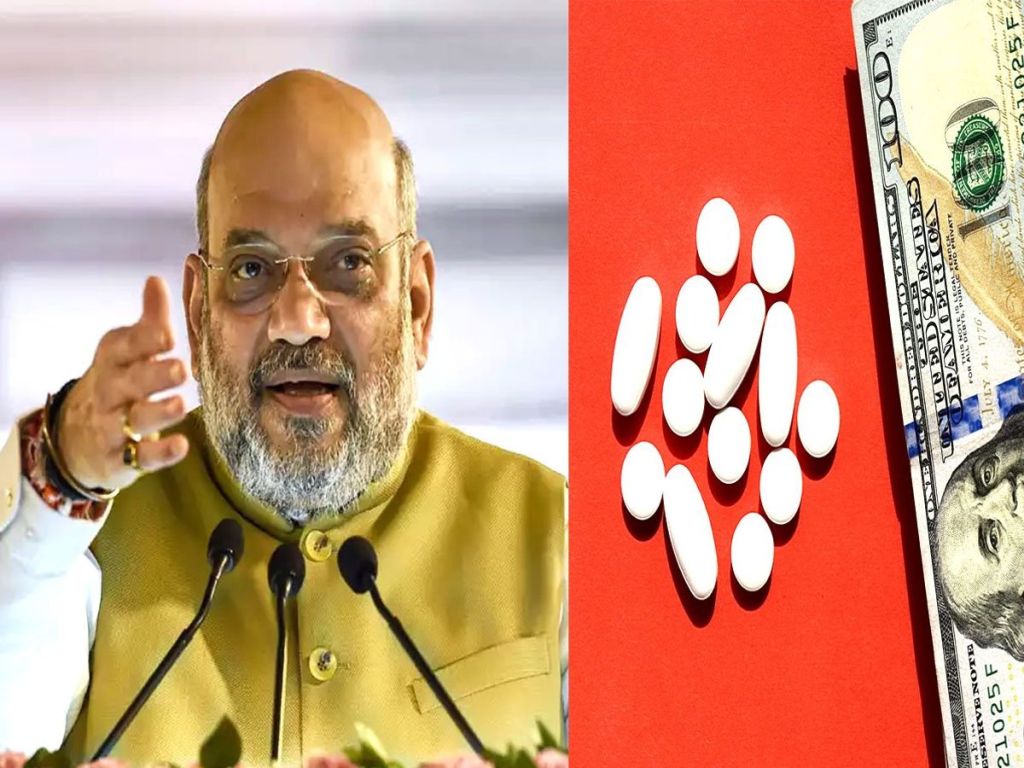
Talking about the inauguration he said that this Centre was chosen to be connected to Gujarat’s Forensic Science University when the government was constituted for the second time under Prime Minister Narendra Modi because to appreciate the university’s outstanding services, the union government had designated it as a national center of excellence. He further added that the administration emphasized the need of using scientific techniques to conduct faster and more effective criminal investigations. Therefore, Forensic science will play a significant part in this. He also commended the forensic science institution for its contributions to criminal investigations into cyber and drug-related crimes.
The theory of narco-terrorism stems from the realization that the two phenomena of drugs trafficking, and terrorism are inextricably linked, and that, as a result, a coordinated anti-drug and anti-terror policy can and must be employed to effectively combat both threats. Because of its nefarious partnership with terrorist groups, narcotic trafficking, which began as an organized cross-border crime, has now evolved into a menace to nation states. 

Although it has been known for decades that there is a relationship between the drugs trade and terrorist organizations, as suggested by the name narco-terrorism, the international focus on terrorism after September 11, 2001, has intensified the attention given to the issue of narco-terrorism.

The Golden Crescent is the world’s greatest illegal opium production. In 1999, Afghanistan and Pakistan alone accounted for over 6000 metric tonnes of total illegal output. Because of this high-level production, narco-terrorism is increasingly linked to the reigns of central and southeast Asia. India being the southern part of Asia  is concerned because these narcotics are a key source of money for Pakistani-sponsored terrorism in our nation. Also, India is the sole licit provider of opium to the international pharmaceutical sector, with an annual export income of roughly Rupees 209 crores in 1999. The economy of the Pak-Afghan border is based on poppy and cannabis cultivation. The drug money is being smuggled into the Indian money market in an unorganized but methodical way because of which financial institutions suffer. 

Because of illicit drug trafficking from Afghanistan and Pakistan poses a threat to India’s polity and economy. This issue requires serious attention from policymakers and law enforcement organizations before it is too late to intervene. Similar contention was also made by India’s home minister, Amit shah. He recently visited the National Forensic Sciences University (NFSU) in Gandhinagar to unveil the Centre of Excellence for Research and Analysis of Narcotic Drugs and Psychotropic Substances, which was established during Prime Minister Narendra Modi’s term as Chief Minister of the State of Gujrat. There he announced that India now faces the threat of narco-terror because of the rise of narcotics where drug traffickers and peddlers use drug money to promote their unlawful and disruptive operations. So to tackle this ongoing issue the Government has determined that narcotics would not be let into the nation, and that India will not be used as a transit point. He also mentioned that It is critical to put an end to this threat. 

Talking about the inauguration he said that this Centre was chosen to be connected to Gujarat’s Forensic Science University when the government was constituted for the second time under Prime Minister Narendra Modi because to appreciate the university’s outstanding services, the union government had designated it as a national center of excellence. He further added that the administration emphasized the need of using scientific techniques to conduct faster and more effective criminal investigations. Therefore, Forensic science will play a significant part in this. He also commended the forensic science institution for its contributions to criminal investigations into cyber and drug-related crimes.
Should Employers Check Social Media Accounts of Potential Employees?

In today’s world everyone has at least one social media account. This shows how much social media has gained popularity especially among youth. With this rise, an increasing number of companies are utilizing it to screen job prospects which means they check their potential employee’s social media account. So, make sure your social media profiles are appropriate for work because it could possibly have negative impact on your work life. It has the potential to cost you your present work as well as future career chances. According to a poll conducted by career builder in 2018, the result depicted that 70% of employers use social media to evaluate candidates throughout the recruiting process, while 43% use it to check on current employees.

Employers examine social media accounts for a variety of reasons, but the most common one is to ensure that a candidate is a good match for their firm. they do so because social media accounts allow them to get a look of a person’s personality outside of their resume, which aids them in finding the best candidate for their company.

However, Before relying on any information obtained from social networking sites such as Facebook, Twitter, Instagram, or LinkedIn, it’s vital to understand that there are several flaws to be wary of. When checking a candidate’s social media history, employers and HR professionals should be cautious. A social media history should only be evaluated as part of a comprehensive background check on job applicants. A criminal history record, as well as academic and job verifications, should all be included in a background check that can easily be done by hiring a third-party who is good in running background checks on applicants. 

Everyone who is seeking for a job or will be applying in the future should examine their social media profiles and not entirely delete their online presence. Because as per statistics 47% Employers do not call  people for interviews if they can’t locate them online. More than a quarter of employers say they like to acquire more information before phoning a candidate, and 20% say they expect candidates to have an online presence. so, deleting a social media account out of fear of shame is a no-no. you can simple keep it clean anyway. 

Now, the question of privacy comes into play. So, Employers are perfectly legal to examine public social media platforms, but anything beyond public accounts is a murky area. As long as the employer has access to public information that everyone can see, there should be no privacy concerns.  But a major pitfall is that A social media search, on the other hand, cannot provide a check on the authenticity or veracity of the material. As with any other background or reference check, the information obtained through social media must be checked for accuracy because a person’s whole career is dependent on that 1 job. Employers should use extreme caution when using social media searches to gather information about job candidates. At the absolute least, companies should consult their attorneys before obtaining information for employment reasons via social media. 

As per the data collected, following are the types of posts and behaviors that left a negative impression on employers. It is essential to know this because more than half of the employers i.e. 57% polled claimed that they discovered something through their social screenings that caused them to reject a candidate. 

Provocative or improper photos, videos, or information were shared by a job candidate: 40%
job applicants disclosed details regarding their drinking or drug use: 36%
Discriminatory remarks on color, gender, religion, and other factors were made by a job candidate: 31%
The following job contender was related to illegal activity: 30%
An applicant for a job lied about their qualifications: 27%
Candidate’s communication abilities were poor: 27%
A job seeker slandered their prior employer or coworkers: 25% 
The screen name of a job seeker was unprofessional: 22%
Former employers’ private information was disclosed by a job candidate:  20% 
Candidate for a job lied about an absence: 16%
Candidate postings are very frequent: 12%

Professionals should not take any shortcuts when it comes to establishing a positive internet presence once they have landed a job. According to the survey, 48% of companies visit social networking sites to do background checks on existing employees and as per sources they had fired them too. So one seeking job or an employee should keep his/her social media accounts clean in order to secure their jobs. 

Every Indian should be mindful of the potential ten Laws and Rights

The Indian judicial system has bestowed a great deal of authority on the citizens of the country to guard their basic rights. Regrettably, not everyone is aware of their rights and power. As an Indian citizen, it is critical that you are knowledgeable with the country’s laws and rights that not only protect people’s interests but also make our lives easier. Below providing 10 rights and liabilities that everyone should be aware of:-

1.If your cylinder bursts, you are entitled to a 40-lakh insurance payout.

According to the legislation, all registered LPG users are entitled to a Rs 40 lakh insurance policy in the event of death or property damage caused by cylinder explosions. This is a blanket for the whole family. But however, this is partly true as reported, the insurance coverage is not Rs 40 lakh. The court decides the amount according to the victim’s age, salary and other conditions. To claim this compensation, customers must file a FIR with the nearest police station and send it to the gasoline business in question.

2. Motor Vehicle Act 1988

Sections 185 and 202 of the Motor Vehicle Act of 1988 provide that if your 100ml blood contains more than 30mg of alcohol while driving, the police can arrest you without a warrant.

3. Women can only be arrested by female cops.

Only female officers have the authority to arrest women, and they must remain at the police station the whole time. If only male cops have arrived for the arrest, women have the right not to attend to the station. Male police officers should obtain a formal authorization from the magistrate to escort the lady in the event of a serious offence. 

4. Section 46 of Criminal Procedure Code- Before sundown, women should be detained.

Women must be detained before sundown, no lady can’t be arrested earlier than 6 A.M. and after 6 P.M.   

5. In hotels, you can ask for water and use the restroom for free under the Indian Sarais Act of 1887.

A person is permitted by law to request free water from any hotel. Even if you are not a client, you can use a hotel’s toilet for free even if it’s a 5 star hotel. 

 6. Domestic Violence Act of 2005: 

In today’s time live-in relationships are so common because of which this law becomes extremely important to know about. Under this act, It is not illegal for a young boy and a young girl to live together in a “live-in relationship.” Even the baby from this connection is a legal son or daughter who has full ownership of his or her father’s possessions.

7. Maternity profit act of 1961

No company can fire a pregnant woman under the Maternity Profit Act of 1961. It might result in a maximum sentence of three years in jail. 

If the company (government or private) employs more than ten people, the pregnant woman is entitled to 84 days of paid maternity leave.

8.  Section 129 of motor vehicle act

Part 129 of the Indian Motor Automobile Act states that two-wheeler users must wear a helmet. Part 128 of the Motor Vehicle Act sets a maximum of two riders per motorcycle. This regulation also states that if a traffic cop takes something from a car or motorcycle, it is illegal. You have entire authority to file a legal proceeding against the officer.

9. The Most Retail Value Act of 2014

It states that a storekeeper cannot charge more than the written value of a product, but a shopper has the option to pay less than the stated value of a commodity.

10. Part -13 of the Hindu Marriage Act, 1955

It states that any husband or wife may file for divorce in a court of law on the grounds of adultery (a physical relationship outside of marriage), impotency, leaving home without notice, changing Hindu faith and adopting a different faith, madness, incurable illness, and no information about the husband or wife.

PSYCHOLOGY FACTS THAT WILL ASTOUND YOU

As we all know the fact that the human psyche is immensely complicated so fresh research that sheds light on why we are the way we are is published every day. Now, Have you ever pondered why you feel or act the way you do? The answer of this question is that the way you are and what you do are largely determined by how your mind works. So human brain is really important without which it’s difficult to survive. Isn’t It remarkable how, at some level, every ‘unique’ mind works the same way? 

Here are psychological truths that explain human nature and provide a clear explanation of why things happen to us the way they do, as well as our reactions to them. These mind-blowing psychological truths explain everything about how you act or how you feel the way you do.

  1. Various Research have been conducted which prove that if you make your objectives public, you are less likely to achieve them because you lose motivation to do that. 
  2. Our plan A is less likely to succeed if we have a backup plan. Researchers discovered that when volunteers considered a backup plan before beginning a job, they performed worse than those who had not. Furthermore, as students understood they had alternatives, their desire to achieve the first time around dwindled. The researchers emphasize that planning ahead is beneficial, but you may be more effective if your intentions are unclear.
  3. When you go to sleep, the last person on your thoughts is either the source of your happiness or your anguish.
  4. If we’re not in danger, fear might feel pleasant. You receive all the adrenaline, endorphins, and dopamine from a fight-or-flight reaction while you’re watching a terrifying movie or going through a haunted house, but no matter how terrified you are, your brain knows that you’re not actually in danger—so you relax.
  5. Your mind rewrites dull people’s repetitive speeches to make them sound fascinating.
  6. We might be able to bond by “catching” a yawn. Isn’t it sound interesting? Well, Even if you aren’t weary, why do you yawn when someone else does? One of the most popular explanations for why yawning is contagious is that it demonstrates empathy. People who are less inclined to express empathy—for example, toddlers who haven’t yet mastered it are more likely to yawn when seeing the reaction of someone else. 
  7. While money may purchase pleasure to some extent, studies suggest that after Rs 49 lakhs per year, more money does nothing to improve contentment.
  8. We want to squeeze cute things for a purpose. When we’re overwhelmed with positive feelings, such when staring at an unbelievably adorable young animal, a little bit of aggressiveness helps us balance off that high, Cuteness aggression is what it’s called, and individuals who have it don’t actually want to destroy that lovely puppy.
  9. We believe that the future is promising. Whether you like where you are now or not, according to study published in Current Biology, most of us have a “optimism bias” that convinces us that the future will be better than the present. We imagine ourselves progressing in our jobs, never getting divorced, raising little angels, and living to a ripe old age. It’s possible that not all of them are feasible.
  10. Smarter individuals have a tendency to underestimate their own abilities. People who are ignorant believe they are clever.

If u find it relatable or interesting comment down in the comment section.

DINING ETIQUETTE: MAKES EATING A PLEASANT EXPERIENCE FOR EVERYONE

Etiquette refers to correct manners and behaviour in a formal eating scenario in the world of dining. Making a positive impression at both lunch/dinner interviews and social business scenarios requires proper manners. The following tips can help you stand out as a polished professional, even if common sense is frequently your greatest guide.

SOCIAL HOUR

The objective of reception or sociable hours is usually to network for jobs and entertain clients. Follow the majority of people in the room’s lead and the following fundamental guidelines:

  1. At least one hand should be free. If you’re standing, always use one hand to hold a drink or food; never use both. Hold a drink in your left hand so you have a dry hand to provide a solid but not crushing handshake. 
  2. You can eat and drink while sitting,  but standing and greeting is usually preferable. 
  3. Maintain strong eye contact. Don’t forget to greet the host/hostess and refrain from interrupting discussions.
  4. Approaching two individuals who are deep in discussion is not a good idea. Wait until there is a pause in the conversation to introduce yourself. To join the conversation, look for visual signals. 
  5. Make eye contact with the other person. Inquire about people’s backgrounds and occupations. 
  6. Always provide your contact information and be aware of when it is time to go. Move on to the next group or person, follow up with prospective contacts, and assimilate new information.
  7. Maintain a professional and courteous tone throughout your discussions. In certain situations, stay away from contentious topics like politics, religion, and sports. Make an effort not to take over the conversation.

ARRIVAL OR SITTING DOWN

  1. Arrive on time, and if you know you’ll be late, phone ahead. 
  2. Bags, handbags, sunglasses, mobile phones, and briefcases should not be placed on the table. 
  3. Maintain correct posture and keep your elbows away from the table. 
  4. Wait 15 minutes before phoning to inquire about your dinner companions’ arrival status.
  5. When meeting someone get up if you are seated, smile and extend your hand, that handshake should last for 3-4 seconds. 
  6. Men are expected to help ladies with their chairs, but this does not always happen; at luxury establishments, wait staff may provide assistance. 
  7. Take your napkin, fold it in half, and lay it on your lap once seated.

TABLE SETTING AND USAGE OF NAPKIN

  1. When faced with a variety of dining utensils, keep in mind the rule of thumb of starting on the outside and working your way in. If you have two forks, for example, start with the fork on the exterior. 
  2. Never converse with your cutlery and never make a fist with a utensil. 
  3. When you’re not using the utensils, place them on your plate rather than on the table.
  4. Following your host’s lead, you should place your napkin on your lap shortly after sitting down at the table. The end of the napkin on your legs should be folded inwards.
  5. Throughout the meal, the napkin should be kept on your lap. If you leave the table, place your napkin on your chair as an indicator to the waiter that you will be back or to the left of your plate after the meal which signifies the meal is over and you are done.  

BEING SERVED AND PLACING AN ORDER

1. Unless your host urges you to, do not order the most costly item on the menu, appetisers, or dessert. Even if the interviewer orders alcohol, it is better not to order it; nevertheless, if alcohol is taken, it should be drunk in moderation. 

2. Ordering things that are messy or difficult to consume is not a good idea (i.e. spaghetti, French onion soup).

3. Before you begin, wait until everyone has been served, unless the person who hasn’t been served urges you to do so.

BE AWARE OF DIFFERENT TYPES OF EATING 

  1. Continental or European Style: Use the right hand to cut the food and the left hand to hold it while cutting and eating. 
  2. American Style: Use the right hand to cut the food and the left hand to hold it, then swap hands to eat with the right hand.

WHILE EATING 

  1. While eating Slowly chew your food and take only a few tiny nibbles at a time. 
  2. Chew with your mouth closed and avoid talking while eating.
  3. Bread should be ripped into little pieces and just a few tastes of butter should be consumed at a time. Bread should not be sliced with a knife or eaten whole. 
  4. Instead of blowing on your soup, gently stir it to chill it. Take a spoonful of soup and move it away from you. 
  5. It is not necessary for you to clean your plate. Leaving some food on your plate is considered courteous.

AFTER YOU’VE COMPLETED 

1.When you’re done, don’t stack or push your dishes away; instead, leave them in the same position. 

2. Place your fork and knife diagonally across the plate, side by side, with the fork and knife pointing at 10:00 and 4:00 on a clock face, respectively. This indicates to the wait staff that you have completed your meal. 

3. In most cases, the individual who begins the dinner pays and tips appropriately.

INTERNET CENSORSHIP

In today’s time everyone uses internet and all of us at least have one social media account. The Internet is massive. According to Broadband Search, the Internet connects 4.79 billion individuals, or over two-thirds of the world’s population. Of course, this number continues to rise and will continue to do so in the future. With so many individuals connected, we now live in an era when we have access to an infinite quantity of data.It is expanding at a breakneck speed that no one knows how many people use it. 

When the internet was first developed, it was intended to be a futuristic environment where people could freely interact and learn. However, depending on which nation you are in, the internet may not be as accessible. Hence, censorship come into play. So what basically is internet censorship?

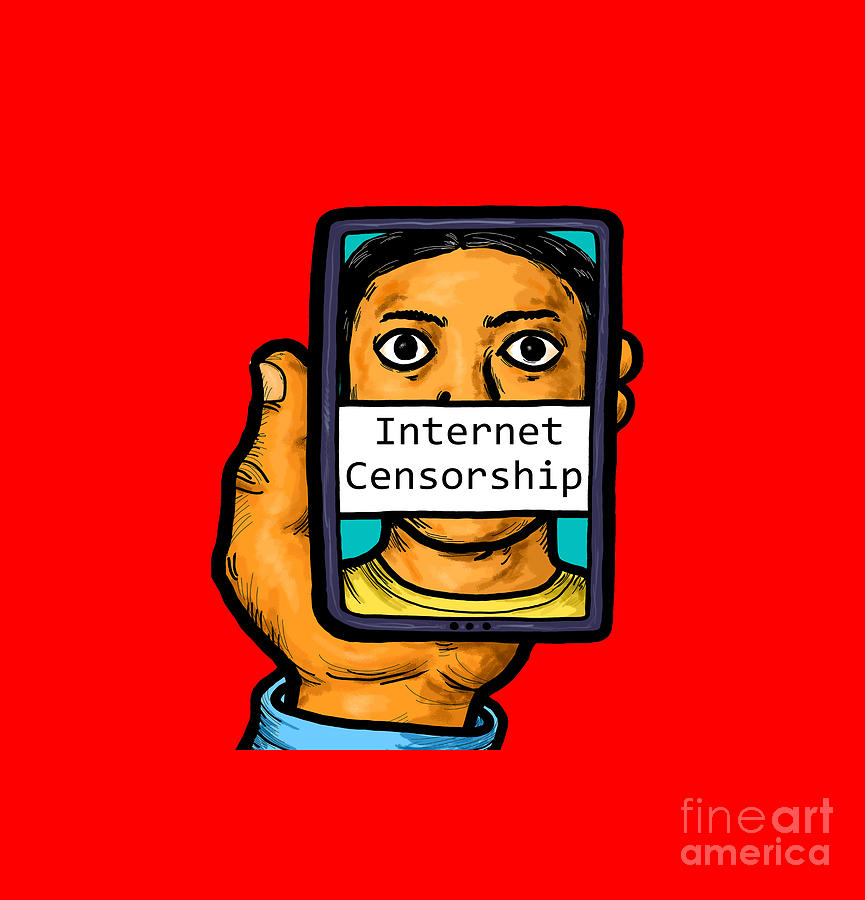
The practice of banning or censoring particular online information is known as internet censorship. Information which is often censored is porn, file shared through decentralized networks which we call peer-to-peer network, the media reports on events, websites from other countries, social media etc. Censorship can be carried out by institutions, governments, or any other entity that has power over the visibility of others on the internet. Internet censorship can be good or bad depending on the reason of why is it banned? When utilized for good, it may be used to restrict hate speech or other dangerous or sensitive content, block access to copyrighted information, and more. However, when utilized for the wrong reasons, it may be used to restrict public opinion, freedom of expression, and demonstrations.

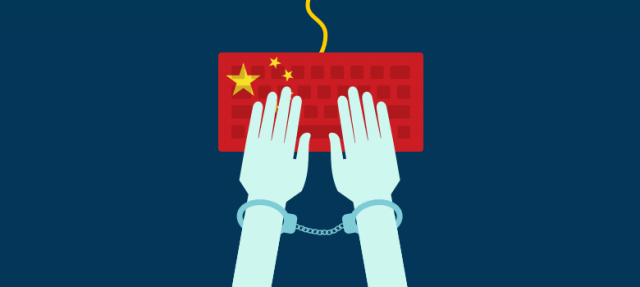
Many nations have internet filtering laws, and they vary widely throughout the world. The majority of western continents, such as Europe and North America have no internet regulation compared to other nations where the extent of internet censorship is extensive. For instance, In the People’s Republic of China, internet censorship is among the most severe in the world. Many major websites are prohibited, including Google, Facebook, and Twitter. Unfortunately, the Chinese government utilizes its authority to suppress information about the government, oppress citizens, and prohibit any kind of media that criticizes the government. 

So likewise, it can be said that internet censorship has its own pros and cons. The pros and cons are highlighted in the table given below:-

ADVANTAGESDISADVANTAGES
1. Internet censorship may be used to hunt down and shut down dangerous websites. Hence, it improves internet security.1.Freedom of expression is suppressed which is self-evident, and we’ve seen it in above instances that China and Myanmar are two countries that showcase how it has been abused. Simple remarks said against the government, or a favorite individual might result in imprisonment or detention.
2. Internet filtering can be used to prevent users from accessing unlawful or dangerous information. Human trafficking, illicit narcotics, frightening films, and other disturbing content are examples of this. This is very useful for the younger readership. therefore, it allows us to browse safely.  2. While limiting fake news and misleading information is a good thing, it may also be used to limit information. This is a common tactic employed by China to keep civilians from witnessing police violence and corruption. In other words, it has the ability to regulate information flow – sometimes excessively. And we all know that too much of everything is dangerous. 
3. We’ve all heard of false information. You can’t believe everything you read on the internet. We can fact-check sources and uncover incorrect information because of internet restrictions.3. it also limits economic opportunities because when a government approves legislation allowing Internet filtering, everyone must submit their material for approval before it can be published. That implies entrepreneurs would have to pitch their ideas to government officials with no assurance of being able to launch a firm which in turn leads to lower economic opportunity. 

Nowadays, Internet censorship is at the center of discussions around freedom of speech, as disinformation and foreign manipulation of social media have become key topics. The issue of internet censorship is divisive because it has two sides just like the coin has. One is for good and other one for evil. After studying how other nations manage digital censorship, I am certain that some kind of it should be implemented and placed in the hands of the appropriate authorities. After all, the Internet might be a very hazardous place if there are no rules in place but excess restriction is menacing. 

IS VACCINE DISCRIMINATION A BARRIER TO GLOBAL TRAVEL?

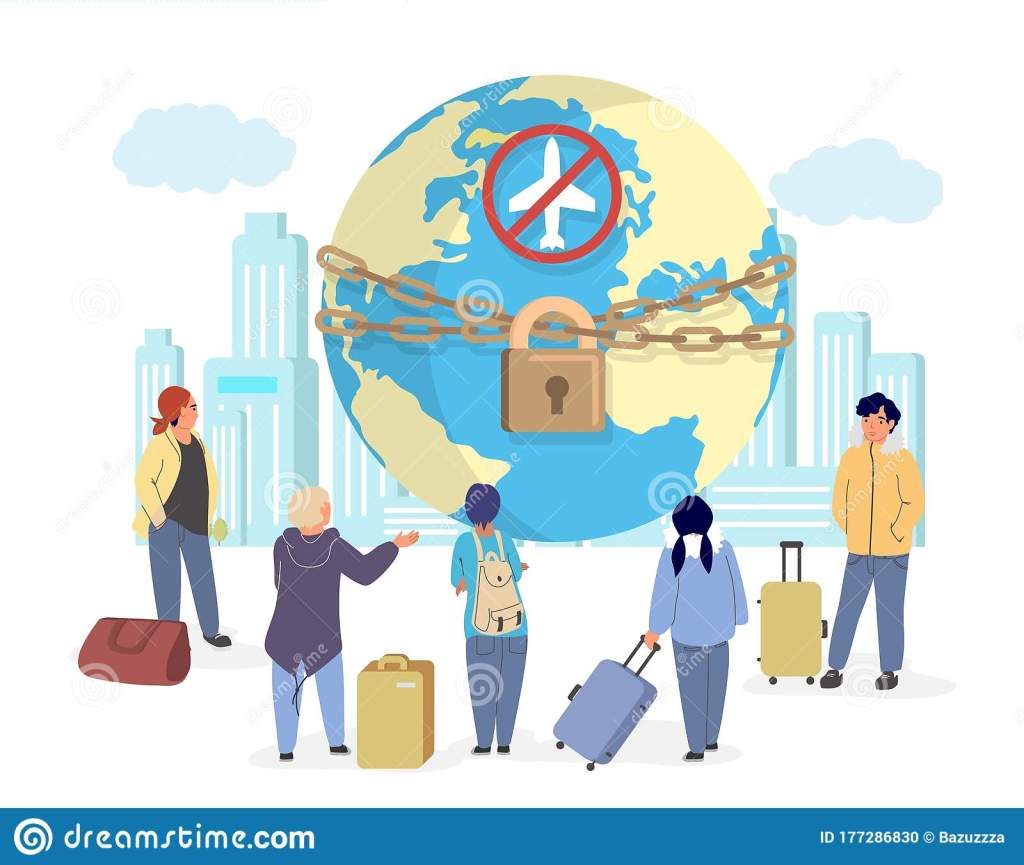
Who doesn’t love travelling? Travelling is all about collecting moments and exploring the world with comfort. Especially in the times of covid, where people are home bound, there is an eager need to travel and enjoy the freedom instead of staying at home because Beyond discovery, travel broadens our understanding of the planet, other species, and cultures, and assists us in becoming better global citizens. Apart from it, many people and students are home stuck who wanted to go abroad to pursue education and get back to their respective jobs in the other countries but are stuck due to pandemic. However, many countries have opened their doors for the Indian citizens to travel in their countries but the basic requirement to travel is vaccination.

 As well all know that in India Covaxin, produced in-house by Bharat Biotech in Hyderabad, and Covishield, manufactured by the Serum Institute of India in Pune, are presently being used in  coronavirus inoculation program. The WHO has approved the covishield but covaxin is yet to approve. So, there are the bunch of Indian citizens who are skeptical about the approval of covaxin and hence for now, they can’t travel abroad until and unless the vaccine is not approve by world health organization. Therefore, many people are of the opinion that the test should be the main basis to travel abroad and not the jabs. 

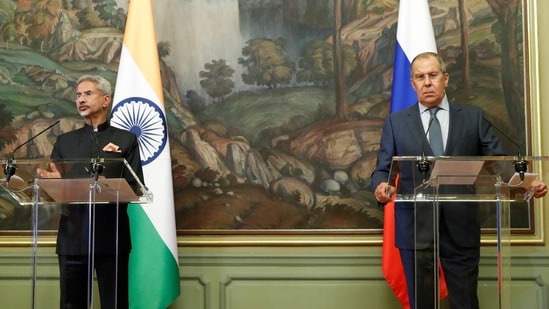
 Recently, S Jaishankar, the Union’s external affairs minister, said on Friday that international travel based on coronavirus (Covid-19) testing is “good enough,” despite the fact that some nations have made vaccination mandatory, and that a deal must be reached. He said after meeting with his Russian colleague, Sergey Lavrov, during a joint news conference that “People who are tested before foreign travel and tested on arrival is a good enough foundation for travel, but other countries have recently added the problem of vaccination,”

 India has previously demanded that each EU member state do so independently. Consider granting a similar exemption to those who have received Covid-19 vaccines in India, such as Covishield and Covaxin, and accepting the immunisation certificate obtained through the Cowin site. According to Jaishankar, he and Lavrov discussed how visitors from their respective nations are not “discriminated against” and how “understandings” about Indian and Russian travel to one other’s countries may be established. The continuing Covid-19 epidemic, according to the external affairs minister, has allowed Russia and India to display the strength of their collaboration, with the development of Sputnik vaccine being one of them. The Russian foreign minister also stated that both Russia and India are opposed to vaccine politicization, and that he is “sure” that the majority of nations would follow suit. 

Russia’s foreign minister, Sergei Lavrov, also stated that Russia is willing to discuss the possibility of coordinating their actions related to vaccinated citizens, including certification of those who have been vaccinated, and that they can reach an agreement in this area that will serve as an example to other countries.

GENETIC ENGINEERING

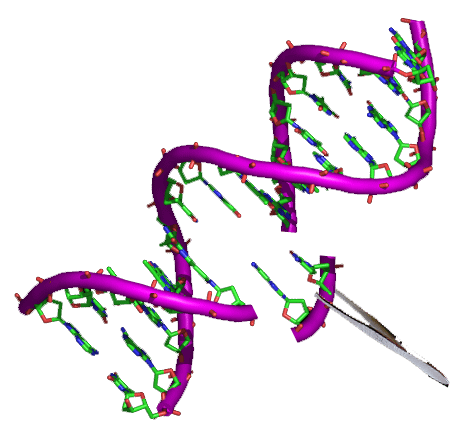
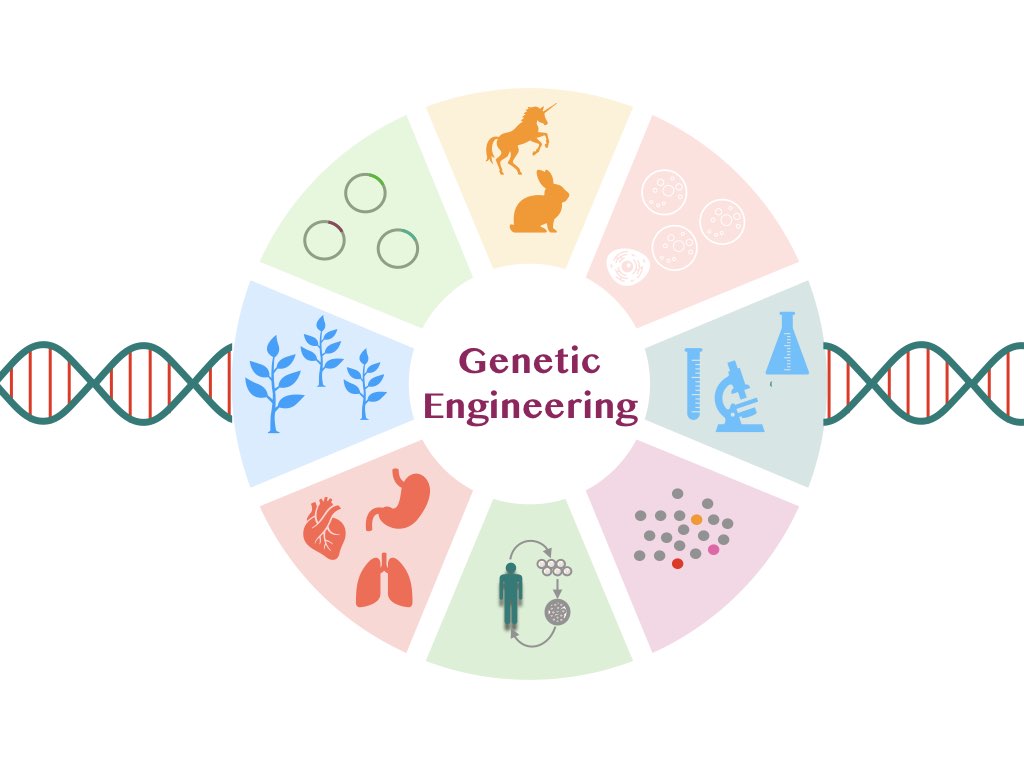
Genetic engineering also known as genetic modification is the direct manipulation of DNA to modify an organism’s traits mainly observable physical properties in a specific way. Scientists utilize it to improve or change the features of an individual organism. It may be used to treat anything from a virus to a sheep. For example, genetic engineering can be utilized to create plants with better nutritional value or that can withstand pesticide treatment. It has also been used in animals to create sheep which would generate a therapeutic protein in their milk that can be used to cure cystic fibrosis, as well as worms that glow in the dark to help scientists understand more about illnesses like Alzheimer’s.

Firstly, if we look at the history, it was created to aid in the prevention of disease transmission. With the advent of genetic engineering, scientists may now alter the way genomes are built to eliminate illnesses caused by genetic mutation. today, genetic engineering is utilized to treat diseases including cystic fibrosis, diabetes, and a variety of others.

 Genetic engineering also helps in detecting the problems even before the child is born which in turns help in curing the illness and diseases in unborn children. Humans aren’t the only ones that benefit from genetic modification. We can use genetic engineering to create foods that can endure extreme temperatures such as very hot or very cold while also providing all of the nutrients that people and animals require to thrive. Animals and plants can have their development rates genetically altered to mature more quickly. In order to improve productivity od diary or meat or even wool, animals can potentially be genetically changed. 

However, with advantages comes disadvantages as well. Thus, Allowing scientists to tear down boundaries that should maybe be left alone has a lot of drawbacks.

Many religions, after all, think that genetic engineering is equivalent to playing God, and ban it from being used on their children, for example. Aside from religious issues, there are a variety of ethical concerns such as longer life expectancy is already generating societal difficulties throughout the world, so intentionally extending everyone’s life on Earth might lead to much more problems into the future, ones that we can’t possibly anticipate. Genetic engineering can also lead to genetic defects which scientists really can’t foresee because human body is a complex structure.

Furthermore, Genetic engineering aids in the resolution of a problem by introducing genes to the organism that will assist it in combating the issue. This can have unfavourable consequences. A plant, for example, may be engineered to require less water, but this would make it intolerant of direct sunshine. Also, nature being a complicated web of interconnections, many side effects can be caused as a consequence of using genetically modified genes. 

Therefore, In a world where genetic engineering is advancing at a breakneck pace, the dangers of going too far with it are a constant source of concern because no one can’t really anticipate what consequence will it create  and where it will lead us. Changing creatures’ DNA has definitely raised a few heads. It could work wonderfully, but who knows whether interacting with nature is truly safe. As a result, it appears that genetic engineering is both a mixed blessing, as we stand to gain as well as lose by furthering this field of study.

ACIDIFICATION OF THE OCEANS AND ITS CONSEQUENCES

Ocean acidification is defined as a drop in the pH of the ocean over time, largely due to the uptake of carbon dioxide (CO2) from the atmosphere. Defining it simply, as we all know human activities releases CO2 into the atmosphere which leads to atmospheric warming and climate change. The seas absorb around a third to half of the CO2 produced by human activities. While this serves to slow atmospheric warming and climate change, it also has a direct chemical impact on seawater, which we refer to as ocean acidification.

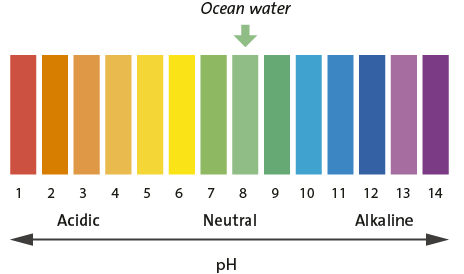
pH as mentioned above is frequently used to describe ocean acidification. The pH scale measures acidity and alkalinity. A pH of less than 7 is acidic, whereas a pH of higher than 7 is alkaline, or basic. 

Currently, the average pH of ocean water is 8.1. Because the pH scale is logarithmic, a one-point change in concentration corresponds to a tenfold change in concentration. Carbon dioxide (CO2) levels in the atmosphere have been rising for more than 200 years, or since the industrial revolution, mainly to the combustion of fossil fuels and changes in land use. The ocean absorbs roughly 30% of the CO2 that is emitted into the atmosphere, and as atmospheric CO2 levels rise, so do ocean CO2 levels. 

As a consequence, the median pH of ocean surface waters has dropped somewhat, from 8.2 to 8.1. This translates to a 26% increase in ocean acidity, which is about 10 times quicker than any other period in the previous 55 million years.

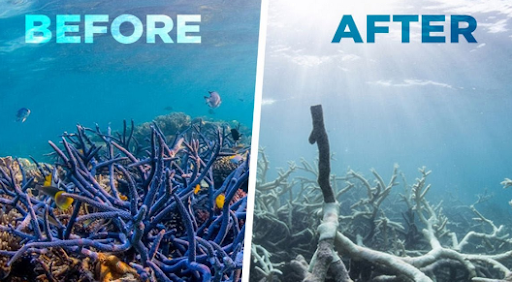
But now, the question arises why the seawater becomes acidic. So to answer this we must understand that When co2 is consumed by seawater, it triggers a chain of chemical processes that result in an increase in hydrogen ion concentration. As a result of this rise, saltwater becomes more acidic and carbonate ions become less prevalent. Carbonate ions are essential mainly for marine shells and carol skeletons because these ions  are the building components of it. Reduced carbonate ions can make it difficult for calcifying animals including oysters, sea urchins, shallow water corals, deep sea corals, and calcareous plankton to develop and maintain shells and other calcium carbonate structures.

Due to such increased acidification, whole world’s seas especially coastal estuaries and rivers, are being affected by ocean acidification and it eventually affects the ocean chemistry because In more acidic environments, certain fish’s ability to detect predators is harmed. And when these creatures feel threatened, the entire food web feel threatened as well.

Taking the future world in view, due to the increase in atmospheric co2 , it will have a direct impact on the degree of future ocean acidification. So if, current greenhouse gas emissions continue, ocean acidity might rise by 0.4 units by the end of the century. However, Ocean acidification will not be consistent throughout the planet. Polar waters and upwelling zones, which are frequently located along continents’ west coastlines, are predicted to acidify more quickly than temperate or tropical regions. Depending on the environment, the pH will vary substantially. 

Therefore, While the ultimate answer to lessen the ocean acidification is to reduce global greenhouse gas emissions. It can be done by  adopting certain difficult decisions and activities which can help us prepare for the negative impacts of ocean acidification. On a smaller scale, Water quality improvements, Development of fisheries management methods that are sustainable, New technology implementation such as development of aquaculture industry and  protecting Marine ecosystems that are very fragile and endangered may assist marine ecosystems adapt better with changing environmental circumstances by mitigating the negative impacts of other local factors.

INDIA’S UNEMPLOYEMENT DILEMMA

Unemployment refers to those who are competent and actively seeking employment but are unable to find one. Those in the workforce who are working but are not in a suitable position are included in this category.

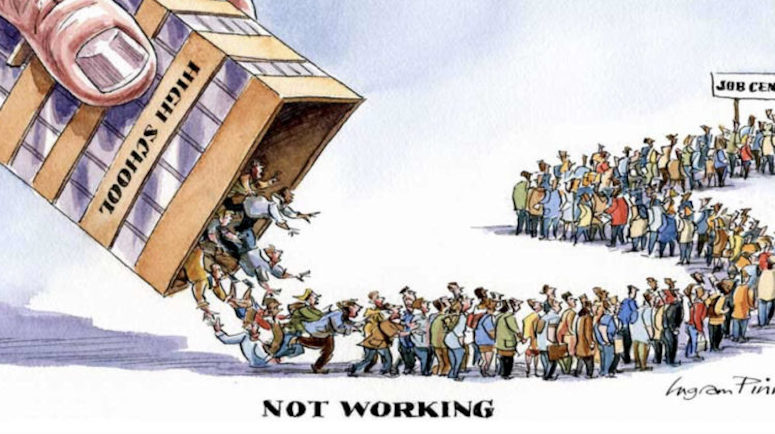
In India, because of its rising population and need for jobs, the country’s unemployment difficulties are significant. There are hundreds of thousands of individuals out there that are unemployed.

As per, center for monitoring Indian economy (CMIE) report India’s unemployment rate is 12.81 percent as of June 8th, 2021, despite the lockdown and limitations on movement. Previously, India’s unemployment rate increased from 6.5 percent in March 2021 to 8% in April 2021, rising to 14.7 percent by the end of May, while employment decreased from 37.6 percent in March to 36.8 percent in April. Many companies have been forced to close because of the lockdown to contain the coronavirus epidemic, resulting in increased unemployment across the country. So, if we ignore this problem, it will become the nation’s undoing. 

The administration has taken the situation seriously and is taking steps to reduce unemployment gradually. Following are the initiatives taken by Indian government to tackle the problem of unemployment: –

  1. TRYSEM (Training of Rural Youth for Self-Employment) was established by the government in 1979. The goal of this program was to assist jobless youngsters in rural regions aged 18 to 35 years old in learning self-employment skills. Women and youth from the SC/ST group were given priority. 
  2. In the following year, 1980, the government established the Integrated Rural Development Program (IRDP) with the goal of creating full-time jobs in rural regions.
  3. In 1982, Sri Dharmasthala Manjunatheshwara Educational Trust, Canara Bank, and Syndicate Bank collaborated on a new project called RSETI/RUDSETI. The goal of RUDSETI, which stands for Rural Development and Self Employment Training Institute, was to reduce young unemployment. RSETIs (Rural Self-Employment Training Institutes) are currently handled by banks with active participation.
  4. The Jawahar Rozgar Yojana (JRY) began in April 1989 by combining two existing wage employment programs, the RLEGP (Rural Landless Employment Guarantee Program) and the NREP (National Rural Employment Program), on an 80:20 cost-sharing basis between the state and the center.
  5. The Mahatma Gandhi National Rural Employment Guarantee Act (MNREGA) was passed in 2005, giving individuals the right to work in rural areas. MGNREGA’s employment plan aims to offer social security by guaranteeing all families with adult members who choose unskilled labor-intensive jobs a least of 100 days of paid work per year.
  6. In November 2014, the National Skill Development Mission was established to pursue the ‘Skill India’ goal in ‘Mission Mode,’ bringing together current skill training programs and combining scale and quality of skilling efforts with speed.
  7. In 2015, the Pradhan Mantri Kaushal Vikas Yojana (PMKVY) was introduced. The goal of PMKVY was to enable the country’s young to enroll in industry-relevant skill training to earn a better living
  8. In 2016, the government announced the Start-Up India Scheme. The goal of the Startup India programs was to create an environment that nurtured and promoted entrepreneurship throughout the country.
  9. In the same year, the Stand Up India Scheme was also introduced to help women and SC/ST borrowers get bank loans between Rs 10 lakh and Rs 1 crore to start a greenfield business.

Furthermore, the government makes some restrictions flexible under these programs so that jobs might be produced in the private sector as well. To sum up, we may say that India’s unemployment crisis has reached a tipping point. However, the government and local governments have finally recognized the problem and are striving to address it to minimize unemployment. Also, this problem should be addressed correctly by determining its causes so that it doesn’t create a major social and economic problem that has far-reaching consequences across the board if left neglected. 

GRATITUDE- A LIFE CHANGING HABIT

Gratitude is  the characteristic of being joyful and is the willingness to express gratitude for and reciprocate kindness. According to Harvard medical school “People express thanks for the wonderful things in their lives As a consequence of which gratitude allows people to connect to something bigger than themselves whether it’s other people, nature, or a greater force.” 

It serves as a reminder that you have enough and that you are sufficient. 

Gratitude is a life changing habit because it has plethora of scientifically validated advantages. People who consistently practice gratitude in their daily lives by setting aside time to notice and reflect on the things for which they are grateful about get endless advantages as follows:-

  • Enhances mental well-being

Gratitude has a significant positive effect on psychological well-being. It boosts our self-esteem, stimulates positive thoughts, and elevates our optimism. In an older research from 2003 it has been found out that gratitude was connected to enhanced mood. Recently, According to a study published in 2020, expressing thankfulness on a regular basis might help alleviate anxiety and depressive symptoms.

  • Immune system booster

Gratitude has been demonstrated to aid in the development of a positive attitude. Over the years various researches have been conducted which shows improved immune system and lower stress levels as a result of practicing gratitude. According to a 2004 assessment of data, stress reduces the immune response to possible physiological threats, but mental well-being can assist your body fight sickness which can be done by being thankful. 

  • It multiplies happiness and makes you a happier person 

Many researchers have found out that Gratefulness and happiness are inextricably linked. Practicing to be grateful might be a simple and effective strategy to increase your happiness. Gratitude, whether expressed or received, makes both people happier and allows them to see things in a more positive light which helps in lowering our focus on negative emotions and accepting everything about our situation if its bad and good.

  • It also helps in building better relations 

Gratitude is essential in the formation of new connections as well as the strengthening of old ones. According to a 2010 study, spouses who expressed appreciation to one another reported higher relationship satisfaction and pleasure the next day. Thus, it can be said that Gratitude might make couples feel more happy with one other in love relationships and help them in building a strong relationship with each other.

  • Boosts optimism

It also makes a person optimistic who thinks that good things will happen. It can be concluded by seeing the result of 2018 study which states that gratitude practice might help you create an optimistic perspective if you’re not typically optimistic. A study was also conducted in 2003 on participants in which Participants felt more hopeful and positive about their current lives and the future after just 10 weeks of frequent gratitude practice.

So, I want to conclude that Gratitude is essential for bringing about change in one’s life. It relieves tension, makes you humble, and improves the quality of your relationships. It takes away your bad energy and replaces it with positivity. I believe that everyone should master the art of thankfulness in order to witness a positive shift in their lives. It can be done by making a gratitude journal of your own, meditation and Paying attention to the small pleasures in life which will offer you a lot of delight andshall almost certainly have a beneficial long-term impact on your mental health and well-being, if practiced daily. 

why hasn’t the world health organization(WHO) authorized Covaxin yet?

Traveling the world is valuable and who doesn’t want such worthwhile experience. Even In this trying times, everyone has an urge to travel the globe to experience the beauty of the world and have incredible experiences to add up in their brain’s memory bank.

But are you the one who is vaccinated by covaxin but can’t be treated as vaccinated and be permitted to travel across international borders?

Well, here are the reasons why covaxin is not approved by world health organization yet. 

First of all, we need to understand the process of getting a vaccine approved By WHO. It consists of four parts, Namely,

1. acceptance of the manufacturer’s expression of interest, 

2.A pre submission meeting between WHO and the manufacturer, 

3. Acceptance of the dossier for review by WHO, 

4.Decision on status of assessment and the final decision on approval.

Now If we talk about  the approval of covaxine which was manufactured by Bharat Biotech. The first step itself is not completed yet. That is the acceptance of the manufacturer’s expression of interests is not accepted by the WHO and more information is needed as reported by Who in order to clear the first stage. Bharat Biotech, located in Hyderabad, submitted 90 percent of the documents required for the WHO’s Emergency Use Listing in April month. The rest of the paperwork would be presented this month, according to the statement provided by the manufacturing company.

The second step which consists of a pre submission meeting between WHO and the bharat biotech will also be held in this month Meanwhile, the WHO authorized the Pune-based Serum Institute of India (SII), which manufactures Astrazeneca’s Covishield vaccine, on February 15 after passing the same four phases. The approval procedure is classified, and it is unclear what papers are needed at this time to approve covaxine. Therefore, the Indian people who got fully vaccinated by covaxine are sceptical of it’s authorization by WHO because recently, US food and drug administration also rejected Bharat Biotech’s proposal for an emergency use authorization (EUA) of Covaxin, delaying the company’s vaccine launch in that country. 

The government of india’s take on US FDA disapproval is that it respects the FDA’s decision not to grant Covaxin an EUL, but claims it will have no influence on India’s immunisation programme. Union minister of information and broadcasting prakash javedekar said in the press briefing that “The World Health Organization (WHO) has not made a judgement on whether or not persons who have been vaccinated with Covaxin should be prohibited from travelling. Covaxin is a vaccination that has shown to be one of the most successful to date.”

So, when can we expect the authorization of covaxin by world health organization is a question we all needs answer for. On June 9 bharat biotech said that the company will reveal all of Covaxin’s phase 3 trial results in July 2021, after which it will commence the phase 4 trial while concurrently applying for a complete license in India. The submission of trial results are important because it is a prerequisite for Obtaining the WHO Emergency Use Listing.

A good news for the people who got inoculated by covaxine is that so far, few countries like Iran, Philippines, Mauritius, Mexico, Nepal, Guyana, Paraguay and Zimbabwe have approved the Covaxin. But, The European Union and the United States are unwilling to let Indians who have been vaccinated with Covaxin to enter their countries since WHO authorisation is still pending.

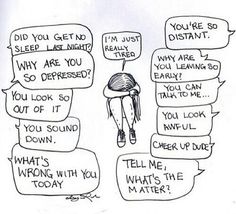
ARE INTROVERTS MORE PRONE TO DEPRESSION THAN EXTROVERTS?

To begin with we first need to understand what exactly introversion and extroversion is. Introverts become exhausted when they are with other individuals, but when they are alone, they restore their vitality, whereas extroverts are the people who gets energetic when they are surrounded by people but when they are alone, they grow exhausted and gloomy. We must understand that there is nothing wrong with being either especially  the people who are introverts because they are the one’s  who are often looked down upon because of their personality traits of being diffident and timid. But they are the ones who have creative and original mind and are a great problem-solvers. 

However, a prominent symptom of depression is withdrawal from people which is also a personality trait of introverts who likes to be in solitude away from others. Thus, someone who doesn’t know the introvert well might believe that the person have depression or social anxiety based on these traits. But a closed one can motivate the introvert to seek professional help. 

REASONS WHY INTROVERTS ARE MORE PRONE TO DEPRESSION

1.BRAIN ACTIVITY IN INTROVERTS

Introverts don’t want or crave more stimulation from other people because they already have a lot on their minds. Because of which their brain activity is significantly higher than that of extroverts, according to neurological research. But this has a negative as well as positive aspect since such brain activity can be used as strength because introverts typically are brilliant thinkers and creators but but it can also be a disadvantage because they may overthink certain ideas and emotions especially overthinking negative emotions like guilt, embarrassment, and helplessness as a result of social isolation can cage their minds and make them more vulnerable to mental health disorders.

2. Traits of being a perfectionist and self-assertive 

There are many self-help books which claim that being a perfectionist will not help you in gaining power over others or do not exhibit self- confidence instead it develops negative emotions. Introverts do have this personality trait of being a perfectionist and are very self-assertive because of which they feel unsatisfied with themselves and with their lives of not doing good enough. And it leads to mental exhaustion and creates anxiety and they become more prone to depression. So, a gentle reminder to all the people who are being harder on themselves, to relax and be gentler and cautious of these traits.

3.Tendency of being alone

Being at ease with oneself and enjoying alone should be viewed as a strength but As we all know that excess of everything is dangerous. So, Excessive seclusion is a harmful habit that can lead to depression and other psychological problems and is the one thing the introverts should be mindful about.  

Many studies were conducted to see the linkage between introversion and depression, and it has been found out that introversion contribute to the onset of depression. A research was conducted in 2017 which suggests that people with lower extroversion tends to have more social anxiety and depressive thoughts such as suicide because they have higher levels of neuroticism which means experiencing negative feelings. 

So people with introversion are more likely to have a higher risk of depression and if someone is suffering from depression or other mental health condition should seek mental health professional help in order to correctly diagnose, treat, and analyze such diseases because recovery takes time and asking for help is a brave move.

IS EDUCATION EASIER WITH DISTANCE LEARNING?

Life changes with the passage of time, as does the circumstance. And the perfect example to relate to this phrase is the situation in which we are living today. The ongoing pandemic scenario has altered conventional lifestyles while also bringing remote learning into the spotlight.

So, distance learning is a form of learning in which lectures are broadcast over the air or lessons are delivered through mail, with the learner not having to attend a school or institution. This learning method is not entirely unique to us, but due to the ongoing circumstances it has become a catchword and has lately swept the world by storm. 

Traditional learning, in contrast to distant learning, needs several variables to support education for students, such as infrastructural setups and study materials which in turn elevates the cost level. however, everything has its pros and cons and I’m going to highlight the advantages and disadvantages of traditional learning and distance learning below in order to make a judgment upon the selected topic.

TRADITIONAL LEARNINGDISTANCE LEARNING
ADVANTAGESDISADVANTAGES
It is highly interactive and keeps the student motivatedLack of individual attention and feedback
Access to libraries and research materials Limited scope of practical learning
Lesser chances of distraction Higher chances of distraction
Helps in maintaining interpersonal interactions Don’t help in developing oral skills and social interactions
No technical difficulties Technical difficulties 
  
DISADVANTAGESADVANTAGES
Less affordableIt is much more affordable 
Transportation is needed to attend lectures that will cost the learner money as well as time.No commutation needed to attend classes which saves time and money 
Access to gain multiple  knowledge is challengingEasier access to knowledge 
Cannot work while learningCan work while learning
Does not ensure flexibility with timeEnsures flexibility with time 
Geographical boundary is a barrier to gain knowledge No location restriction to earn knowledge 

After comparing the benefits and drawbacks of online learning and traditional learning it can be said that online learning has certain drawbacks, but as we can see in this information age, we don’t have any other option than to obtain knowledge through online platforms; it may evolve to be user-friendly and become an integral part of human life, just like traditional education. Because in today’s educational system, distance learning is becoming more and more accepted, and the online programs are becoming diversified. With the ongoing technical advances distance learning disadvantages will soon be no longer drawbacks. For example- In today’s world, everyone is getting their education through e-learning, which is a type of distance learning that makes studying more engaging and convenient. It also allows the student to progress at their own speed because e-learning materials may be accessed at any time. When we look at the statistics of e learning, we can see that it is becoming a trend lately in learning and development since it saves time, money, and effort in building up educational institutions and training programs, as well as in delivering content to learners. So therefore, it can be said that distance learning which includes e learning can become the future of education globally and education becomes easier with distance learning. 

Eve teasing: A Judicial Perspective

The verbal or physical abuse or harassment of women in public places such as streets, public transit, parks, and other places where people gather, as well as making lewd gestures like winking, whistling, or staring is defined as eve teasing.

Haryana government recently conducted a survey on eve teasing which highlights that the maximum reports related to eve teasing occurs when females return or travel to schools, college and their respective workplace. However, a different study on eve-teasing suggests that only 10% of such cases are reported in the police station. The major reason of such less reporting is that our society doesn’t pay head to such incidents and ignore the victim by saying ‘they just touched or winked at you. What’s the harm in it? They didn’t commit any severe offences.’

But well they did and it’s high time that women as well as the society should be aware of the legal rights relating to eve-teasing so that innocent victims do not commit suicide or are murdered because as seen in various studies such incidents happen when harassment went unreported. 

WOMEN’S RIGHTS AND LIABILITIES WITH REGARD TO EVE TEASING

  • The apex court of India ‘the supreme court’ when dealing with Vishakha vs state of Rajasthan provided us with guidelines relating to the act amounting to sexual harassment which includes the following:-

1. Undesired sexually determined behavior, either directly or indirectly

2. any type of bodily contact or advances

3. any demand or request for sexual favors

4. statements that are sexually oriented

5. any sexually harassing physical, verbal, or nonverbal activity, such as showing pornography or making obscene jokes.

 Anyone who is experiencing such acts or witnessing someone who is suffering the above-mentioned rules amounting to sexual harassment can submit a complaint in the court or police station. 

  • Furthermore, eve teasing also includes stalking which means An individual’s repeated harassment or threatening behavior, such as following a person, showing up at their home or workplace, making harassing phone calls, leaving written messages or items, or vandalizing their property is now included in the Indian law under Section 354D of Indian penal code which provides imprisonment to the stalker up to 3 years. 

Hence, The persistent, unwelcome involvement of one person with another, for any reason, can be declared illegal and punishable if the behavior causes a person to fear violence or anguish, or disrupts their mental peace.

  • Indian penal code, 1860 provides few sections which deals with the protection of women’s dignity against the behavior that degrades women’s dignity which are as follows:-

SECTION 294 OF IPC

Under section 294 of ipc, If someone conducts any obscene activities in a public area, or sings, recites, or utters any indecent song or lyrics in a public place, or even a spot close to a social setting which annoys the other will be punished with imprisonment upto 3 months, fine or both  under this act. This section is not gender specific so anyone might be a victim or perpetrator. 

SECTION 509 OF IPC

this section is known as eve-teasing section which states that anybody who has the intent to insult a woman’s modesty by uttering any phrase, producing any sound, gesture, or displaying any object with the intent that such gesture or words are heard by the woman or intrudes upon her seclusion will  be penalised with a year in prison or a fine.

SECTION 292 OF IPC

Section 292 deals with the act of showing obscene or pornographic images, booklets to a female will be fined Rs. 2000 and sentenced to two years in prison. Furthermore, if the offender repeated this offence, he will be sentenced to up to five years in prison and a fine of Rs. 5000.

SECTION 354 OF IPC 

Under this section, If a person knowingly assaults or uses illegal force against a woman in order to offend her modesty, will be imprisoned minimum for 1 year but can extend up to 5 years and fine. The subparts of this section are as follows:-

  1. SECTION 354A 

Sexual harassment is now an explicit offence under Section 354A of the Indian Penal Code, owing to the Criminal Law (Amendment) Act, 2013.

This act increased the imprisonment upto 3 years and fine and both of any offender who passes any derogatory remarks or makes obscene gestures towards a female thus, invading her privacy.

2. SECTION 354B

This section deals with disrobing which states that Any individual who uses unlawful force against a woman with the intent of disrobing her or forcing her to be naked is responsible under this provision. The punishment given to the offender will be minimum of 3 years but upto 7 years is acceptable. 

3. SECTION 354C

It deals with the act of voyeurism which simply means sexual fascination of watching other people participate in sexual behaviors such as undressing, sexual intercourse, or other actions that are normally considered private will be held liable minimum for 1 year but can extend to 3 years and fine. 

  • Moreover, Eve-teasing is deemed unconstitutional since it infringes on a person’s right to privacy by prying into his or her private life. thus, breaching fundamental right to life provided by our indian constitution( Article 21)  because it undermines a woman’s dignity as well as her self-respect.

Thus, there is an urgent need to address this rapidly rising problem and it can only be done by realizing how dangerous and evil ‘eve teasing’ can be if it is not stopped at an early age and what ill effects it leaves on the person experiencing it. The society mainly females should be aware of the rights and liabilities relating to eve teasing so that they can stand up against it even if the society doesn’t support them and bring a change in this society.