Unification of Italy

(1815-1871)

Introduction

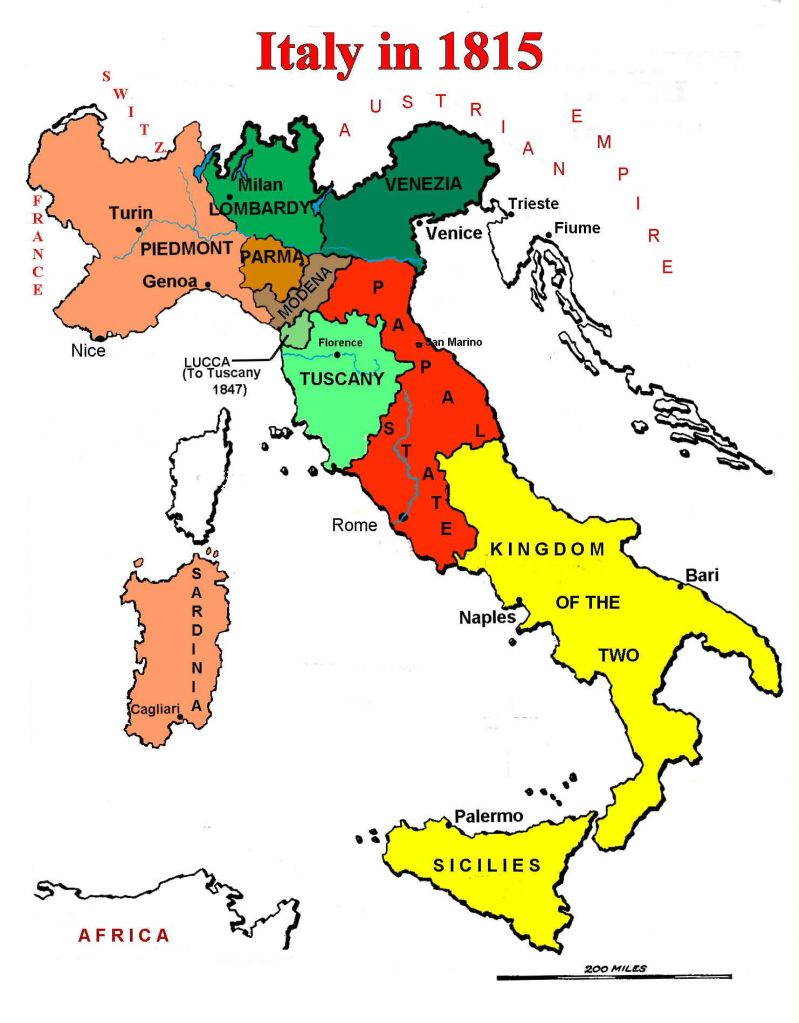
Nationalism arose mainly after the Napoleon attack in 1796. He consolidated the four major areas and people of Italy wanted revival of rich culture as during that of Renaissance period.

Congress of Vienna (1815)

As Italy was a large area, it could emerge as another powerful state. Therefore it was not declared as an independent state but distributed among kingdoms of France, Spain and Austria.

Like German unification, Italian unification was also done in three parts.

  • 1858-59 : War against Austria and integration of Lombardy
  • 1860 : Integration of Parma, Modena, Tuscany, Naples and Sicily
  • 1866 : Integration of Venice and in 1871, Rome.

(Nationalism arose in 1815 but actually started in 1858.)

Causes of Unification

  • Nationalism Wave of nationalism swept across Europe in nineteenth century, Language, Religion and Territory.
    • Italian thinkers, writers, artists started bringing up cultural traditions
    • Secret societies were formed for political change to overthrow Austrian government.
    • Carboneria was a secret organisation (1800-31) aimed simply ato remove foreign rule and tyranny.
    • Guiseppe Mazzini was the first person who gave idea of unification. In 1831 formed YOUNG ITALY a nationalist group. He gave the Republican ideology and was exciled to France but smuggled patriotic pamphlets to Italy. However, all his insurrections sadly failed.
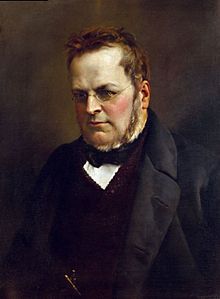
  • Cound Cavour who was the Prime Minister of Piedmont Sardinia (1852) under King Victor Emanuel II was the architect of Italian Unification.
    • He founded nationalistic newspaper Il Risorgiments. Gave civil rights freedom of press and economi development.
Cavour’s policies

  • Built up Sardinian economy
  • Believed unified Italy should be reborn as monarchy
  • Spread telling of unification to neighbouring states
  • Helped France and British soldiers in crimean War. At the conference, he highlighted Austria’s suppression over Italy. Thereby gained sympathy.

Phase I (1858-59)

  • Lombardy and Venice were instigated by cavour against Austria
  • Austria declared war on Sardinia
  • Italy with French helped emerged as victor and liberated Lombardy
  • But could not lierate Venice
  • Lombardy was therefore integrated

Phase II (1860)

  • Parma, Modena, tuscany was ruled by client state of Habsburg.
  • Plebiscite was conducted here and people voted to join Piedmont- Sardinia.
  • Some popal states were also unified.
  • Challenge: cavour had a deal with France only for Austria. the Southern Italy was under Bourbon dynasty who were relatives of Napoleon III. This could dismantle Cavour and Napoleon III’s relation.
  • Guiseppe Garibaldi came to rescue. Cavour asked him to lead Sardinian army against Sicily. these armies were called Red Shirts. With this, Naples and Sicily were also liberated.
  • On this Cavour said to Napoleon III- Bourban dynasty =had been overthrown by a revolutionary garibaldi. I will not attack Pope. Kindly ask pope yo let my army pass through so that I can go attack Sicily.
  • In 1861, Victor Emannuel II provclaimed the kingdom. Sadly Cavour died at the age of 50, due to over work.

Phase III 1866, 71

  • The King signed treaty with Prussia with following terms
    • both against Austria
    • Italy will help in Austria-Prussia war.
    • Venice will be given to Italy after any such war.
    • There was a Battle of Sodowa (1866) where Prussia won and Venice was given to Italy.
  • Papal State was still under France.
    • But in Franco Prussian war france lost. Napoleon III was captured.
    • Rome was captured and made capital of Italy.
    • But since they respected Pope, Vatican city is still under the control of Pope.
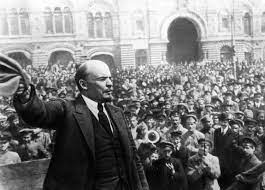
CAUSES OF RUSSIAN REVOLUTION 1917

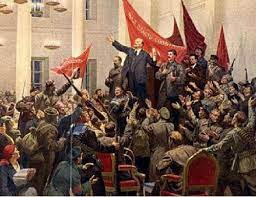
Russian Revolution popularly known as the Russian Revolution of 1917 was a set of two revolutions. 1) February Revolution (according to Julian calendar, otherwise in March for other nations). It overthrew the imperial government.

2) October Revolution (according to Julian calendar, otherwise November for other countries). This revolution placed Bolsheviks in power.

By 1917, the bond between the Czar and Russian population had been broken. Governmental corruption and inefficiency were rampant. Tsar’s reactionary policies of Dissolution of Duma (or the Russian parliament) spread dissatisfaction among public.

But it was government’s inefficient prosecution of World War 2 which led to making the revolution inevitable.

Causes

i) Autocratic Government and its defects

  • Tsar was a despotic ruler. Nicholas II was called ” The Father of Nation”.
  • All administrative decisions were taken by him despite the fact that a Parliament existed.
  • He was the head of the Church, Commander of Army, etc.
  • But the system was defective.

ii) Disability of Bureaucracy’s Army

  • Most officers belonged to rich background. They favoured Czar.
  • The poor and common men were neglected
  • There were no proper facilities for Army.
  • This created frustration.

iii) Social Dissatisfaction

  • The society was divided into two categories-
    • The Haves
    • Have nots
  • The Haves belonged to elite class, they occupied all administrative positions and favoured Despotism.
  • Whereas the the category of Have nots contained all the poverty stricken men deprived of every advantage.

iv) Industrial Revolution

  • Russia was an agricultural society.
  • Industrialisation replaced labours and annual work.
  • This increased further the already high unemployment percentage.
  • Therefore the advancing economy contrasted with the miserable lives of workers.
  • Meanwhile, the Communist ideology of Karl Marx started to spread.

v) Intellectual Revolution

  • Idea of equality nitroduced through French Revolution.
  • The Allied powers in the World War I propagated Democracy and Nationalism.
  • Western Literature translated several important works and the youth was mad to realise that the root cause of backwardness was Autocracy of Tzar.

Later during the second phase of revolution, Lenin and Trotsky headed and overthrew Kerensky’s government.

Results of revolution

  • Lenin became the Prime Minister
  • March Revolution removed Czar and gave powers to middle class.
  • November Revolution established the government fully supported by laborers.

Fall of Berlin Wall

The story begins after the end of World War 2. The second World War was fought between Axis (Germany, Italy, Japan, Hungary, Romania, Bulgaria) and Allied powers (U.S., Britain, France, USSR, Australia, Belgium, Brazil, Canada, China, Denmark, Greece, Netherlands, New Zealand, Norway, Poland, South Africa, Yugoslavia). Axis lost. After Hitler, Allied powers decided to divide Germany into 4 parts. Later they merged and divided into two- became West Germany and East Germany. It was divided on the basis of Capitalist and Communist ideas.

On August 13, 1961, the Communist government of the German Democratic Republic (GDR, or East Germany) began to build a barbed wire and concrete “Antifascistischer Schutzwall,” or “antifascist bulwark,” between East and West Berlin. The official purpose of this Berlin Wall was to keep so-called Western “fascists” from entering East Germany and undermining the socialist state, but it primarily served the objective of stemming mass defections from East to West. 

Even though Berlin was located entirely within the Soviet part of the country (it sat about 100 miles from the border between the eastern and western occupation zones), the Yalta and Potsdam agreements split the city into similar sectors. The Soviets took the eastern half, while the other Allies took the western. This four-way occupation of Berlin began in June 1945.

Permanent Migrations also started. This was uni-directional- communism was centralised, with less job opprtunities, the conditions deteriorated so much that until 1961, 20 percent (around 3.5 million people) of east population had settled to west.

The east government started thinking of solution to this Brain drain. The post war agreement divided the capital Berlin into two. The eastern part would be under the influence of Soviet Union and west would be under the influence of allies.

On 13th August 1961, the wall was revealed to the world. But the public was definitely disappointed. Some people simply tried to climb over the wall at night when the guards were not able to see. so the east government put barbed wires on the top of the wall. As time passed government started making the wall stronger and with this, people also got creative in ways of escaping.

On February 1989, a man hit the wall with a very heavy cargo truck. he escaped through the hole. To stop these kind of escapes, government started using innovative ideas.

In February 1985, East Germany got a new leader Mikhail Gorbachev. He recognised and acknowledgd the problems. He decentralised the political and economic controls, brought two measures Perestroika (reconstructing and Glasnost (Transparency), allowed private company to enter.

Finally eastern government decided to ease the regulations. On November 9 1989, due to a misunderstandimg by spokesperson, the news spread that the Fall of Berlin would come into effect immediately.

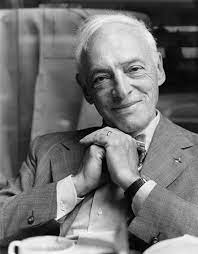
SAUL BELLOW AS A NOVELIST

Saul Bellow was born in 1915 in Canada to his immigrant parents who moved from Russia to Montreal an year before his birth.

“Bellow is one of the giants of the twentieth century novel.”- Irish Times

His family moved to Chicago when Bellow wa nine years old. This city has often been mentioned in his novel. He went to University of Chicago later Northwestern University. He initially wanted to pursue English but felt English faculty was anti -Jewish. Therefore opted for Sociologyand Anthropology. As a result we find his knowledge of human behaviour significant in his novels.

“Bellow and Bloom inhaled books and ideas the way we breathe air.”- John Podhoretz (Bellow’s friend0

His major works include Dangling Man (1944), The Victim (1947), Adventures of Augie March (1954), Seize the Day (1956), Herzog (1964), Humboldt’s gift (1975), Mr. Scrambler’s Planet (1970). He is the only ovelist to have been awarded with three National Book Award for Fiction in 1954, 1965 and 1971 reapectively.

Characterisation

Characterisation in Bellow’s novels are peculiar. His protagonists are mostly picaresque. They have atypical yet extraordinary characterisations. His noel The Adventures of Augie March was compared to Spanish Classic “Don Quixote”.

The protagonist shows affirmation after facing all the predicaments. For example Tommy Wilhelm of Seize the Day and protagonist of Herzo, they both are living an alienated life and searching for happiness throughout. At the end came out successful.

Autobiographical Tone is often found in Saul Bellows novels. His protagonists reflect his intentions, Chicago is the setting and heroes are mostly Jewish. In Dangling Man the hero waits to be drafted in world war 2 and in Adventures of Augie MArch, Bellow depicted his father’s ordeals and how life was during Great Depression.

“His ability to show how Great Depression felt instead of showing Depression distinguishes him from the rest.”

Individualism and quest for self identity are also his major themes. Writing style of Bellow is often descriptive- he provides minute details. For example in Seize the day, while talking about a normal conversation between Tommy and Dr. Tamkin, he provides minute details in this way:

”…. whose fingers in his pockets were feeling in the little envelops for the Phenaphen Capsules.”- Seize the Day.

He writes in a colloquial tone. He writes about blatant culture and gives historical references. As a modern novelist he considered Modern Age as=Literature as Victim Literature, His protagonist were often Victimized.

The thing which sets him apart from others is the Optimism he gave to his endings.

Tommy for example the protagonist of Seize the Day realizes the futility of materialism after getting so many failures. Therefore he was full of optimism.

Bellow’s novels have mindset different from their contemporaries. They did not contain story rather stream of consciousness was important.

He died in 2005 in Brooklyn.

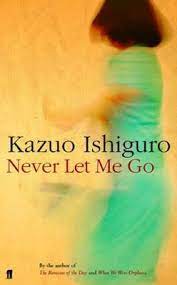
Never Let Me Go- Kazuo Ishiguro

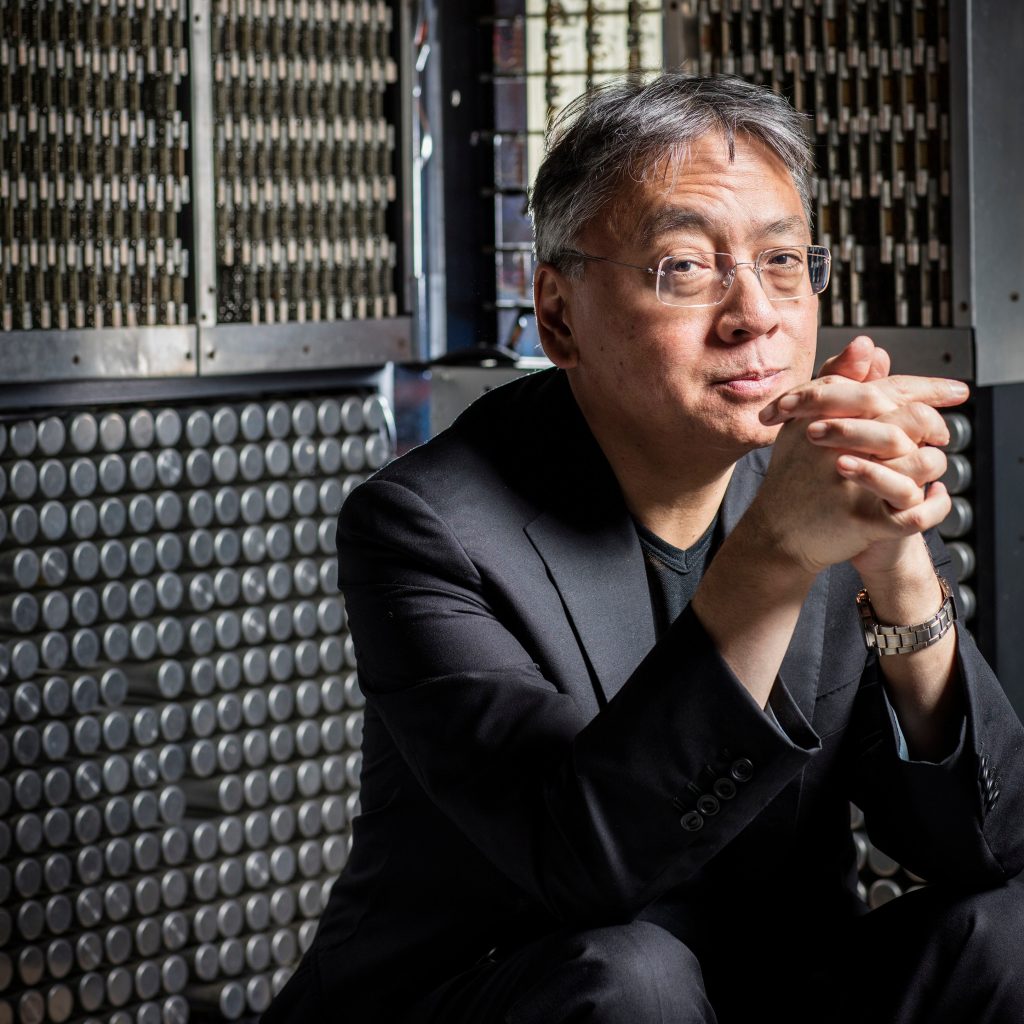
Never Let Me Go is an English novel by Kazuo Ishiguro. Ishiguro is a British novelist, screen writer, musician and short story writer. His novels are majorly based on memory and have a great emotional force. His most celebrated works include The Remains of the Day, When we were Orphans, Never Let Me Go. He has received Man Booker Prize in 1989 and Nobel Prize in Literature in 2017.

Never Let Me Go is a dystopian science fiction novel written in 2005. It is a novel showing what happens when a society is allowed to use scientific experiment without considering the consequences. It is a story with systematised and legalised cloning.

Kathy is the central character and narrator telling of their lives at Hailsham, the seemingly idyllic place with dark secrets. The characters are shown to be normal humans at first. Eventually we coe to know that they were clones made to support the humanity by donating their organs. And eventually completing (a euphemism for dying)

Ishiguro examines many important issues like identity crisis, nostalgia and friendship. Questioning humanity and morality is also a prominent theme. The novel contemplates on the the way clones were treated. It allows the reader to question the ethics of human cloning.

Friendship and Love depict the human relationship. Giving these dimensions to clones directly indicates towards their humane feelings. Jealousy is also one of the factors of the humane side of the scientifically developed clone.

Memory plays an important role in Kazuo Ishiguro’s novels. The novel is a record of 30 years old kathy’s recalling of past memories. She preserves the memory of closed Hailsham, her completed- friends. The novel epitomises the desire to hold on. When in Hailsham, Kathy dances to a song by Judy Waterbridge, Never Let Me Go, holding an imaginary baby. Through these small incidents we see how memory holds an important position.

“Memories, even your most precious ones, fade surprisingly quickly. But I do not go along with that. The memories I value most, I do not ever see them fading.”

The novel has various themes and symbols enhancing the emotional and artistic quality of author to deal with such deplorable topics.

Evaluation of Otto Von Bismarck

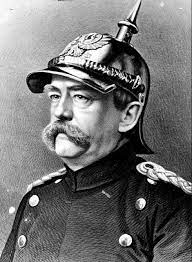
Otto Von Bismarck (1815-1898) was a Conservative Statesman from Prussia. He was appointed as the Prime Minister of Prussia by William II. He remained the first chancellor of German federation from 1871 to 1890.

After joining the office, his primary objective was Unification of Germany. For this he chose the path of diplomacy throughout the process.

He believed in Real Politik, an ideology of Machiavelli, i.e. the policy to be applied rather than have a handbook. In his famous Blood Iron Speech he said:

"Germany doesn't look to Prussia's Liberalism but to her power... not by speeches and majorities will the Great queestions of the day be decided but by Iron and Blood."

Role in Unification of Germany

Diplomacy

He won the support of Liberals and Socialists with following policies:

  • He banned Social Democratic Party but started Social Welfare Program which included health insurance, accident insurance and old age pensions.

For liberals he diminished church rights. Also made anti church and anti Catholic policies. The struggle between the church and Bismarck was called Kulturkamph.

Bismarck was also in favour of Industrialization which added points in favour of Liberals.

War strategies

i) Prussia + Austria againdst Denmark (1864)

(Diplomacy to gain Austrian support)

Denmark lost

Prussia and Austria took over Schelweig and Holstein respectively.

ii) Austria-Prussian War (1866)

(Prussia was supported by Italy)

prussia won in 7 weeks

Austria’s allies were annexed and Prussia became leader of German unification

iii) Franco Prussian War (1871)

(Planned to arouse Nationalism by France attack on Germany)

Aims of policy:

Wanted to isolate France thereby remaining in good terms with Austria and Russia

  1. Driekaiserbund (League of Three Emperors) was Bismarck’s policy of isolating France
  2. He hosted Congress of Berlin 1878. The result left Russia angry and signed out of Driekaiserbund.
  3. To safeside Germany he made Reinsurance Treaty 1887, with Russia.
  4. Dual Alliance 1879, with Austria became “the way to cornerstone of the foreign policy” says Caer.
  5. Bismarck wanted to remain neutral and did not want to disturb Balance of Power. However pressure built during Scramble of Africa.

Bismarck enjoyed formidable reputation. His handling of Vongress of Berlin helped prevent war in Europe. Biggest criticism for him is his disregard for people of small nations. He ignored the wish of people of Ottoman Empire during Berlin Conference.

Arrest of Raj Kundra

On Monday this week, buisnessman and a famous actress Shilpa Shetty’s husband was arrested for allegedly being connected to an adult film racket.

The matter came to light after Kundra was found in connection with Kamak (Umesk) . Usmek was a part of UK production house, who uploaded such contents. Police said that it was connection to Kamak and the company that uploaded such pornographic contents that landed Kundra in trouble.

Raj Kundra had applied for anticipatory bail just last month in connection with pornography itself. The cyber police had registered an FIR against various platforms which were showcasing such pornographic contents. The court is likely to decide on the anticipatory bail application next week.

On February 4 this year, the Mumbai police said they had arrested five people for putting women into porn world with treachery. They would promise these aspiring actresses for roles in web series. These women came to Mumbai from different places of country and were lured by the false offers. On the day of shoot, however, the scripts they would get were changed. They were threatened to expose themselves or else were asked to foot bill for the shooting preparations.

Once the movies were shot, the accused uploaded them in mobile apps. The apps would earn profits of lakhs and lakhs. But since porn is illegal in India, these contents were also illegal.

The arrest, according to police ere based on two aspects. One, nabbing of those who produced the clips and the second being the people behind uploading them. Some of these production house would also broadcast from servers outside the country. Raj Kundra was also found in connection with the similar production house ased in United Kingdom.

Raj Kundra is currently in police custody while the Mumbai Crime Branch has recovered several videos, emails, chats connected to the case. he is remanded in custody till 23 July.

“The White Tiger”- Class Struggle from a Humorous Perspective

“The White Tiger” (2008), a Man Booker Prize winner novel by Arvind Adiga is his debut novel.

Compelling, angry and darkly humorous. The White Tiger is an unexpected journey into a new journey into a new India. Adiga is a talent to watch.
   -Mohsin Hamid

The story revolves around Balram Halwai- a self declared “self-made entrepreneur”, a rickshaw puller’s son who skillfully climbs India’s social ladder to become a chauffer and later a successful businessman.

The novel is in epistolary form. He writes from his office in Bengaluru to Chinese officer Premier wen Jiabo with the goal of telling him about India.

The novel’s specialty is the simple language used to describe complex political and social theories. Balram belongs to the village Laxmangarh or “Darkness”, as he names it. Throughout the novel, we get to see Balram’s perspective of rich and poor. He is the psychopath-anti hero who killed his employer Mr. Ashok. He justifies his actions in the whole process.

“You can take almost anything you hear about our country from the prime minister and turn it upside down and then you will have then you will have truth thing.”

Balram in his letter

The subtle statements arouse emotions of humour and also give the facts. The novel is written in the tradition of ‘expose writing’. This uses plots as a means to examine social institutions. Balram’s dark comic provides an ironic yet emotional edge to the work. Balram holds positive view of the caste system. He expresses a significant degree of nostalgia praising the orderliness. In his mind people were struck where they were and considered it as the natural state. So there was a general sense of satisfaction.

On this context he puts forward the theory of Rooster Coop. It is Balram’s metaphor for describing oppression of India’s poor class. Roosters in a coop watch the other get slaughtered, but are unwilling to rebel and break out of the coop. He actively argues that poor stop each other from escaping. Therefore the Rooster Coop is guarded from inside- thinks Balram.

Animal imagery is yet another humorous aspect to illustrate the flaws in social conditions. The four landlords who oppressed the villagers are namely The Stork, The Buffalo, The Raven and The Wild Boar. These landlords resemble the characteristics of respective animals. The other names are The Mongoose and Country Mouse.

And then, thanks to all the politicians in Delhi, on the fifteenth of August 1947, the day British left- the cages had been let open… Those were the hungriest, ferocious, had eaten everyone else up and grown big bellies.

The statement draws connection between the animals and how people of India live.

TROUBLESOME TIMELINE OF AFGHANISTAN

Afghanistan’s timeline is replete with political instabilities, wars, massacres and conflicts. Partly due to internal conflicts and majorly due to foreign invasions. Afghanistan has a far longer history as a distinct national entity with continuity to the present than most of its neighbors. Contrary to some views, Afghanistan is a geographically well-defined country. Also, Afghanistan can be effectively governed and politically stable. The monarchial state that ruled from 1933 to 1973 under Zahir Shah was unlike today’s modern industrialized countries. It did, however, keep the peace and maintain order. Although the government did not provide services to most of the population (education and health, for example, were available mostly in urban areas and for elites), it did carry out the above basic state functions, which subsequent governments have struggled to fulfil.

King Zahir Shah, like his father Nadir Shah, had a policy of maintaining national independence while pursuing gradual modernization, creating nationalist feeling, and improving relations with the United Kingdom. However, Afghanistan remained neutral and was neither a participant in World war II nor aligned with either power bloc in the Cold War thereafter. This proved beneficial as the country was friends with both the enemies of Cold War. The trouble started brewing when the King was away to Italy and Daoud Khan launched a bloodess coup and became the first President of Afghanistan, abolishing the monarchy.

 Daud Khan’s social and economic reforms during his time as prime minister and president were thought to be relatively successful, but his foreign policy tensed relations with neighbouring countries, and he was assassinated in 1978 during the Saur Revolution led by the communist People’s Democratic Party of Afghanistan (PDPA). PDPA declared its establishment and Nur Muhammad Tarakki led the party. From here Afghanistan would be laid as hotbed of international terrorism.

In 1979, the Soviet Army took over the land. Between 562,000 and 2,000,000 Afghans were killed and millions more fled the country as refugees, mostly Pakistan and Iran. Between 6.5%–11.5% of Afghanistan’s population is estimated to have perished in the conflict. The war caused grave destruction in Afghanistan and is believed to have contributed to the Soviet collapse  and the end of the Cold War, in hindsight leaving a mixed legacy to people in both territories.


The Taliban emerged in the early 1990s in northern Pakistan following the withdrawal of Soviet troops from Afghanistan. Afghans, weary of the mujahideen’s excesses and infighting after the Soviets were driven out, generally welcomed the Taliban when they first appeared on the scene in the 1990’s. They appeared on the scene as an ultraconservative group with political, religious and social control. Their early popularity was largely due to their success in stamping out corruption, curbing lawlessness and making the roads and the areas under their control safe for commerce to flourish. However they also followed cruel punishments like public execution. They imposed sharia law in the places they undertook.

Taliban fostered Islamic terror groups including al-Qaeda of Osama bin Laden and anti-India terror outfits operating from Pakistan. One of them had hijacked an Indian passenger plane in 1999 and flown it to Kandahar with Taliban security demanding the release of terrorists locked up in Indian jails. At the height of their power, the Taliban controlled nine-tenth of Afghanistan before Osama bin Laden’s al-Qaeda carried out the 9/11 terror attacks in the US killing about 3,000 people. The terror attack evoked an angry response from the US and its Nato allies which was directed against al-Qaeda but rooted out the Taliban from Afghanistan for 20 years. The 9/11 attacks brought the US-led Nato forces to Afghanistan’s Bagram airbase after the Taliban again rejected the demand to extradite Osama bin Laden. The US landed in Afghanistan in October. By mid-December 2001, the Talban were fleeing from their strongholds including Kandahar, and an interim government formed by anti-Taliban groups that had met in Germany took over power in Afghanistan.

The war in Afghanistan — launched on October 7, 2001 in the wake of the September 11 attacks — is the longest ever waged by the United States.

By the end of 2018, the US was firmly committed to completing a pull-out, putting the Afghan government of President Ashraf Ghani under pressure of a resurging Taliban.

In January 2019 the Afghan government admitted it had lost more than 45,000 security personnel in the previous five years during the tenure of Ashraf Ghani and the period of Taliban resurgence.

On the other hand, the Donald Trump administration was determined to bring its soldiers back from Afghanistan. A deal was signed between the US and the Taliban in February 2020 following several rounds of negotiations in Qatar. The US and Nato were to withdraw troops from Afghanistan in a time-bound manner.

The US-Taliban war had ravaged Afghanistan. And, in this war-ravaged country, the Taliban did not face the problem of recruitment and funding for its operations. Pakistani madrasas and Islamic seminaries in Afghanistan kept the supply of jihadi fighters on. The Taliban also got help from the antagonism against American presence within Afghanistan.

The Talibs never gave up on their hold over Afghan land. After its defeat at the hands of American forces, the Taliban resorted to guerrilla warfare. It would strategically target installations, public places or officials, military bases and government convoys from 2001 onward. It has succeeded in its strategy and evidently survived possibly the biggest counter-insurgency operations for 20 years by the most powerful military forces of the US and the Nato.

The 2019 survey showed that less than 15 per cent Afghans were Taliban sympathisers. But it drastically changed when the US entered into a peace deal negotiation with the Taliban in 2020. Close to 55 per cent of the surveyed Afghans said they believed that the Taliban would restore peace and order in Afghanistan.

Reference
https://economictimes.indiatimes.com/news/defence/the-war-in-afghanistan-by-the-numbers/articleshow/84167514.cms?utm_source=contentofinterest&utm_medium=text&utm_campaign=cppst

REMEMBERING NELSON MANDELA

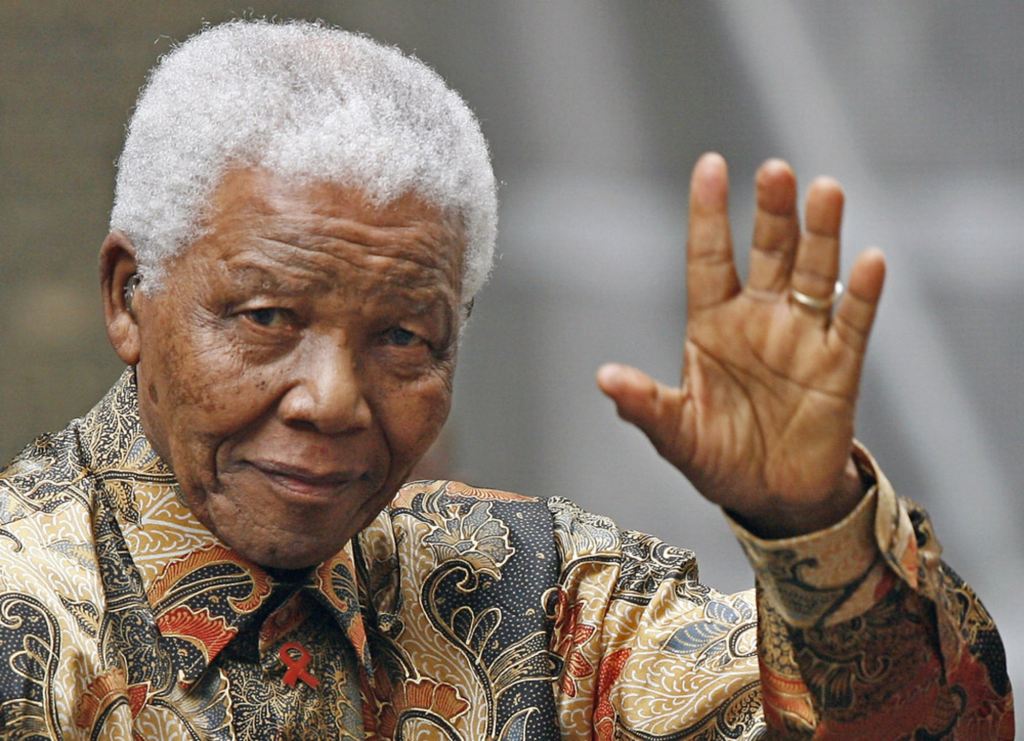
Nelson Mandela, the figurehead of Africa’s Anti-aparthied movement and the first Black President was born on this day, July 18, 1918  into the Thembu royal family in South Africa. He was the first elected Black President who was elected in a fully democratic election. Mandela became involved in protests against the racist policies of South Africa’s government in his 20s, and is known for having spent 27 years in prison for political offenses.  He served as the president of the African National Congress (ANC) party from 1991 to 1997. The South Africans who love him refer to him as Tata, father. He was an active member of African National congress. Mandela had always looked for peaceful ways to protest.

However, the Sharpville massacre in March 1960, where 69 Black South Africans were shot and killed by police and hundreds wounded during a peaceful protest; contributed to deteriorating relations with the White minority government. The resistance fighter who for years had denounced violence suddenly saw a need to use arms in the struggle for equality.

Mandel abandoned his peaceful stance and started advocating sabotage against the White Government. He went underground and co-founded Umkhonto we Sizwe (Spear of the Nation), the military wing ofhe ANC. During this time he was known as Black Pimpernal for his ability to evade capture. In 1962, he went to Algeruia to eran the Guirella warfare tactic. On the way of his return he was arrested along with other members at a road block. He was sentenced to life imprisonment for guerrilla war actions against the government. International pressure to free Mandela grew over time and he was released after 27 years of imprisonment. He declared his commitment to peace and reconciliation with the country’s white minority on the day of his release, which turned into a large-scale celebration that included a global media presence. People in the street cheered in support of Tata.

Mandela’s biggest influence on the new South Africa was his personal determination that anger over the crimes of the past, including his 27 years as a political prisoner, should not motivate future laws and actions. Key to this was his 1995 establishment of a Truth and Reconciliation Commission that investigated historic human rights violations and gave vent to grievances.

His negotiations with the South African president in the early 90s, F.W. de Klerk helped in cession of aparthied system of racial segregation. Mandela along with Klerk received Nobel Peace Prize for their efforts in 1993.

Mandela’s other key legacy is his extensive charitable work, including the creation of the Nelson Mandela Foundation,  the Nelson Mandela Children’s Fund. Starting from 2002, Mandela encouraged AIDS awareness and treatment. 46664 – the HIV-AIDS initiative was named after his prison number.

In 2009, the United Nations declared that July 18, Mandela’s birthday, would be a worldwide day of community service known as Nelson Mandela International Day.

MH-60R SEAHAWK- from US to India

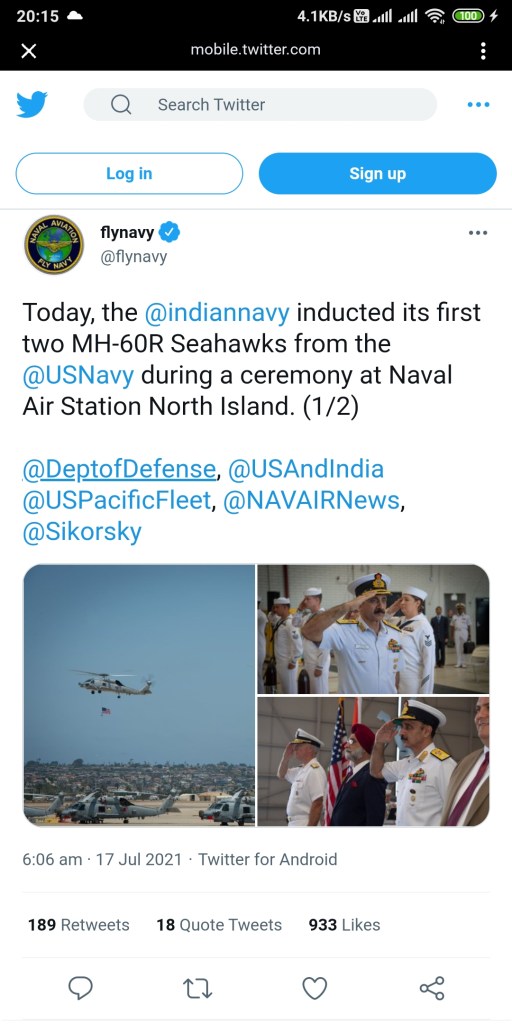
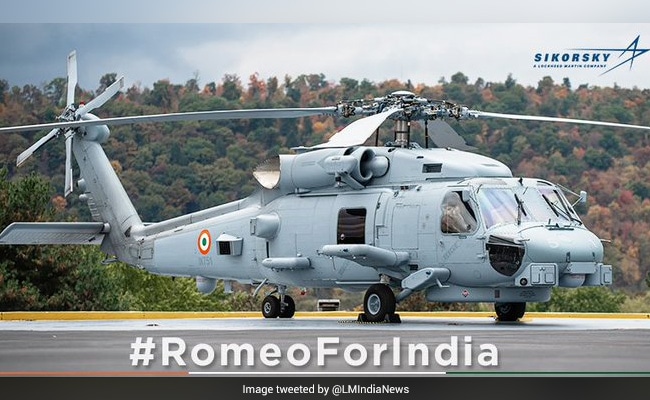
MH-60R, the world’s most advanced maritime helicopter was inducted to Indian navy by the US navy today. This is yet another sign of strengthening India-US defence relationship.

The ceremony procuring the first two MH-60R multi role helicopters was held at the Naval Air Station North Island or NAS North Island, San Diego on Friday. It was attended by India’s ambassador to the US Taranjit Singh Sandhu.

The Indian navy is procuring 24 helicopters in total for $2.4 billion. Ambassador Sandhu noted in his tweet that the trade has expanded to over 20 billion dollars in the past couple of years. “India US friendship is touching skies”, he tweeted.

There are over 300 Seahawks in service worldwide including US, Danish, Australian and Saudi Arabian navies. It was introduced in US navy in 2006. The procurement of 24 Seahawks was cleared by the fence ministry on August 25, 2018.

Features

Skirosky Aircraft developed the MH-60R Seahawk multi-mission helicopter also known as “Romeo”, inorder to replace the US Navy’s SR-60 & SH-60 helicopter fleet.

The MH-60R features a spacious cabin to fit 4 flight crew and five passengers. Dimensions of cabin are 3.2m long, 1.3 m high and 1.8 m wide. The helicopter is equipped with digital open architecture, night vision, mass memory data storage, flight management computer and operations software.

The helicopter can be armed with Mk 54 lightweight torepodoes for ASW missions. A number of weapons can be carried including eight Hellfire antisurface missiles and .50 calibre guns for ASuW missions.

The MH-60R is tolerant against small arms fore and medium calibre high-explosive projectiles. The energy absorbing landing gear offers increased survivability in the battlefield.

The 24 procured helicopters would be modified with several India-unique equipment and weapons.

“The induction of these helicopters would enhance the Indian Navy’s three dimensional capabilities…. Inorder to exploit these porent helicopters the first batch of Indian crew is presently undergoing training in the US” said the spokesperson

Panchali is a victim to fate-The Palace of Illusions

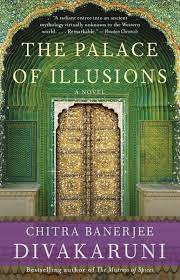
The Palace of Illusions by Chitra Banarjee Devakaruni (2008) reimagines the world famous Indian epic, the Mahabharta. The story has been narrated from Draupadi’s point of view. It is half history, half myth and wholly magical.

Since the eternity, Draupadi has been blamed for being the cause of the great war while the actions of men are neglected. Drauopadi has been a passive figure in the past but Chitra Banerjee gives her a voice, the authority to navigate. The plot of Palace of Illusions majorly focuses her relationship with Krishna and her secret longing for Karna.

Draupadi and her brother Drishtadyum were born out of fire sacrifice. Draupadi was not expected, however was accepted. Both the siblings had been their for each other from the beginning. Her love for Dhri (Drishtdyum) stopped Draupadi from marrying Karna because Dhri’s life was at stake. This decision, however, she would regret or lifetime.

By becoming the wife of five brothers- the Pandavas, it was clear, Panchali had no absolute control over her fate. Infact she herself said

“Aren’t we all pawns in the hands of time, the greatest player of them all.”

Karna’s vengeance did not stop the Vastraharan- the most shameful act in history and Panchali became its victim.The anger brewing in her made her seek revenge through her husband. This feeling of vengeance in Draupadi is given more weightage. But people fail to see the faults of her husband who in addiction of the game and to keep his so called words betted his wife’s pride.

When the war started , it was Sage Vyaasa who assure Draupadi that the war was the result of seed sown long ago and not her fault. Several hundreds lost lives, Panchali lost her brother, father and beloved Karna only to get the blame of being the cause of war.

Only at the end when she dies, she comes to know her origin.

Try to remember that you are the instrument and I the doer.

Krishna to Panchali

Therefore it is clear at the end that Panchali was just a pawn and this fate was chosen for her by the almighty. This novel justifies the allegations put on her since time eternal.

Fertilizers pose threat to ecosystem

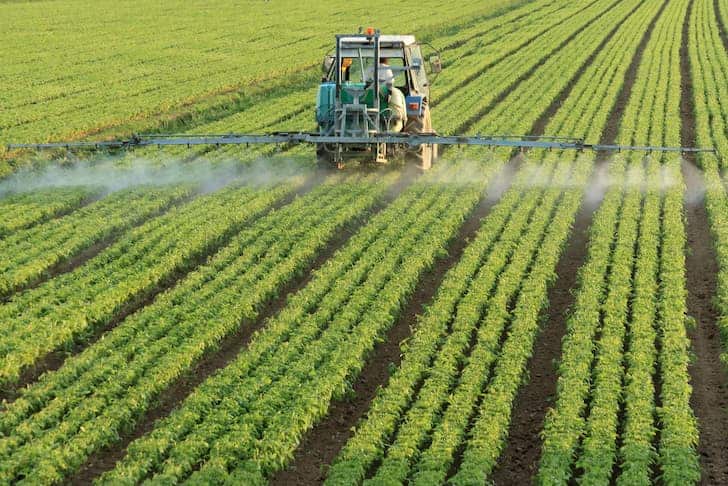
The chemical substances supplied to the crops to increase their productivity and crop yield are called fertilizers. They contain the essential nutrients required by the plants to grow- nitrogen, potassium, and phosphorus. Fertilizers are chemical substances supplied to the crops to increase their productivity. These are used by the farmers daily to increase the crop yield. The fertilizers contain the essential nutrients required by the plants, including . They enhance the water retention capacity of the soil and also increase its fertility.

Pros

  • increase plants’ tolerance towards pests. This has
  • reduced reliance on insecticides and herbicides, thereby, producing healthier crops.
  • Consequently, diseases have reduced, providing aesthetic value to the crops.
  • improve the water holding capacity of the plants and increase root depth.
  • The potassium content present in the fertilizers strengthens the straws and stalks of the plants.
  • The phosphorus present in the fertilizers helps in the faster development of roots and formation of seeds in the plants.
  • Nitrogen in the fertilizers enhances the growth of the plants

Cons

  • They are expensive.
  • The ingredients in the fertilizers are toxic to the skin and respiratory system.
  • Excessive use of fertilizers damages the plants and reduces soil fertility.
  • Leaching occurs and the fertilizers reach the rivers causing eutrophication.
  • Long term use reduces the microbial activity and disturbs the pH of the soil.

Eutrophication

Eutrophication is the gradual increase in the concentration of phosphorus, nitrogen, and other plant nutrients in an aquatic ecosystem.  These substances enter the ecosystem primarily by runoff( runoff includes not only the waters that travel over the land surface and through channels to reach a stream but also interflow, the water that infiltrates the soil surface and travels by means of gravity) from land that carries debris and products of the reproduction and death of terrestrial organisms. Rainfall washes off the fertilizers from field into water. The amount of organic material that can be broken down into nutrients increases thereby enriching the ecosystem. This creates suitable living conditions for algae and microbes to grow and proliferate. Algae often develop on the surface, preventing the light penetration and oxygen absorption necessary for underwater life. Eutrophic waters are often murky and may support fewer large animals, such as fish and birds, than non-eutrophic waters.

The phenomenon of lack of oxygen in body which leads to unconsciousness and death is called Asphyxiation. This poses as the main reason of mass killing of fish. According to reports, causes of natural fish kills are:

■ Lack of oxygen in the water (anoxia). The majority of natural kills are caused by this problem.
■ Naturally toxic water. Acidic water containing toxic levels of aluminium leached from acid-sulphate soils
has been identified on the floodplains of Magela Creek and Nourlangie Creek.
■ Disease, especially red spot disease, often kills fish but this only rarely results in a large number of deaths at
one time.


During the day, aquatic plants and algae produce oxygen as a by-product of photosynthesis, raising the
levels of oxygen in the water. At night, the oxygen is used up by respiration of all the aquatic biota, reaching a minimum level at dawn. The decay of dead plant material at the end of the Wet season can aggravate this effect. With high temperatures and declining water levels at the end of the Wet and the Dry season, there may be little or no oxygen left in the predawn period. This causes oxygen stress to the fish and can result in deaths

Since the chemical fertilizers adversely affect soil fertility, biofertilizers were brought into use. These are substances that contain living or latent cells, and even micro-organisms. They provide the soil with the necessary nutrients and microbes for the growth of the plants. They help the soil to retain its fertility. They are environment-friendly and also destroy pathogenic components responsible for causing disease in plants. Acetobacter and Rhizobium are widely used biofertilizers.

STORMING OF BASTILLE (July 14, 1789)

The French revolution which began in 1789 changed the face of europe. It dismantled the ancient monarchial government and introduced the ideas of liberty, fraternity and equality. It was followed throughout the world. It all began on one day in July when the people of Paris captured a 14th century gothic prison known as Bastille.

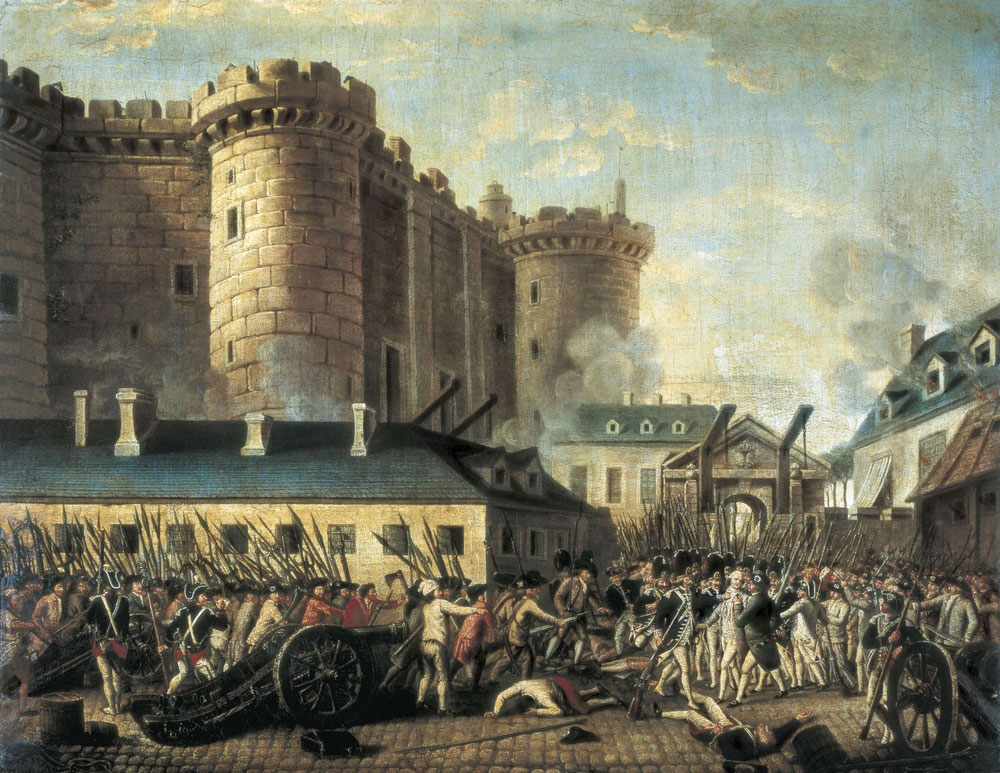
Paris was at boil from the early summer of 1789. People had been suffering from food shortage and weight of taxes to pay King Louis XI’s vast debts. The political tumult caused by establishment of the Estates General, France’s Parliament and disappointments caused by the dismissal of the popular minister Jaques Necker on July 111th stimulated the event. Paris, close to insurrection and in Francoi Mignet’s words, “intoxicated with liberty and enthusiasm”, showed wide support for the AssemblyMoreover, the militarisation of city caused a menace amongst public,. Since June the king had appointed troops at the periphery of Paris. The Parisians looted approximately 3000 firearms and five canons. The weapons however needed gunowder which was stored at Bastille. So the march went to prison to grab the gunpowder for the newly liberated weapons.

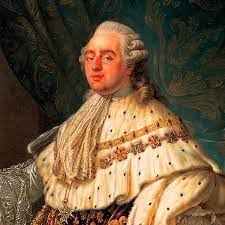
KING LOUIS XVI

The crowd gathered outside the fortress around mid-morning, calling for the pulling back of the seemingly threatening cannon from the embrasures of the towers and walls and the release of the arms and gunpowder stored inside. Two representatives from the Hotel de Ville were invited into the fortress and negotiations began, while another was admitted around noon with definite demands. The negotiations dragged on while the crowd grew and became impatient. Parisians burst into an outer courtyard and a battle erupted. Nearly 100 citizens and 8 prison guards were killed. The governor and 3 of his officers were beheaded. H=On hearing that the Bastille had fallen Louis XVI asked the duke de La Rouchefoucald “So, is there a rebellion?”, to which he replied “No sir, a revolution!”.

The storming of Bastille unfurled the French Revolution. This would force the King to begin concessions and embolden people’s movement to overthrow monarchy. In 1880, France declared the Storming of Bastille their national holiday. Throughout the century of revolutions in France, Storming of Bastille on July 14, 1789 retained its power as the most important symbol of people bringing down despotic government.

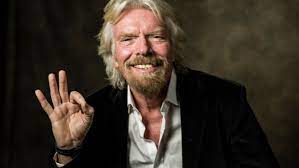
RICHARD BRANSON

Sir Richard Charles Nicholas Branson (born 18th July 1950), soon going to be 71, is an English business tycoon, investor, author and now a commercial astronaut. He founded the Virgin Group in the 1970s which today controls more than 400 companies in various fields. Branson desired to be an entrepreneur from a very young age. His first business venture, at the age of 16, was a magazine called Student. In 1970, he set up a mail-order record business. He opened a chain of record stores, Virgin Records—later known as Virgin Megastores—in 1972. Virgin Group Ltd. is a British multinational venture capital conglomerate founded in February 1970. Branson’s Virgin brand grew rapidly during the 1980s, as he started Virgin Atlantic airline and expanded the Virgin Records music label. In 1997, Branson founded the Virgin Rail Group to bid for passenger rail franchises during the privatisation of British Rail. The Virgin trains brand operated the Inter City West Coast franchise from 1997 to 2019. In 2004, he founded spaceflight corporation Virgin Galactic, based in California, noted for the SpaceShipTwo suborbital spaceplane designed for space tourism. In 2006, he founded Virgin Comics LLC, stating that Virgin Comics will give “a whole generation of young, creative thinkers a voice”. In 2014, Branson and Virgin StartUp launched the “Foodpreneur” food and drink focused start-up competition. Winners received mentorship from Branson, legal support, and brand counseling.

The name “Virgin” arose when Richard Branson and Nik Powell formed a record shop. It was suggested by one of the earliest employees as thy were all new to business. They considered themselves virgins in business. Virgin StartUp is the Virgin Group’s not-for-profit company, helping entrepreneurs across the UK to start, fund and scale their business.

World record attempts

1986: Fastest Ocean Crossing; he beat the record by two hours with sailing expert Daniel McCarthy.

1991 Branson crossed the Pacific from Japan to Arctic Canada, 6,700 miles, in a balloon of 2,600,000 cubic feet. This broke the record, with a speed of 145 miles per hour.

1998:  made a record-breaking flight from Morocco to Hawaii but were unable to complete a global flight

2004, Branson set a record by travelling from Dover to Calais in a Gibbs Aquada in 1 hour, 40 minutes and 6 seconds, the fastest crossing of the English Channel in an amphibious vehicle.

His latest feat includes him becoming the first billionaire founder of a space company to travel to the edge of space. a flight. On July 11, 2021 Branson along with Beth Moses, Sirisha Bandla (the third Indian American woman to fly into space) and Colin Bennett and reached edge of space (86 kilometers or 53 miles) on a Virgin Galatic spacecraft called VSS Unity.