The Ease of Living Index (EoLI) 2020 has been released by the Housing and Urban Affairs Ministry. Bengaluru, The Silicon Valley of India, topped the Ease of Living Index 2020 in the million-plus population category, followed by Pune, Ahmedabad, Chennai and Surat. Whereas Shimla has been adjudged the most liveable city with a population of less than a million, followed by Bhubaneshwar, Silvassa, Kakinada and Salem.
According to the Government, the Ease of Living Index is “a tool that evaluates the quality of life and impact of various initiatives for urban development.” Furthermore, a statement released by the ministry said,” It provides a comprehensive understanding of participating cities across India based on the quality of life, economic-ability of a city, and its sustainability and resilience.” Moreover, the parameters such as quality o life, economic ability, sustainability and citizen perception survey were used to measure the liveability of the cities.
Gender discrimination persists in every layer of our society. Whether it is workplace or home, gender bias has posed several challenges in women’s life. Moreover, it has become a barrier to career development for women in India.
The survey conducted by LinkedIn has released The Opportunity Index 2021 report. The survey focused on how women perceived opportunities and challenges in their career.
More than 10,000 women from all walks of life surveyed across the Asia Pacific (APAC) region, and 2,285 respondents were covered in India. The report said, “85% of working women in India believe they missed out on a raise and promotion because of their gender.” When compared, this is higher than the Asia Pacific (APAC) region’s average of 60%.As per the findings, 1 in 5 women believes that favourable bias towards men exists in the workplace. But 66% of professionals think that gender equality has improved in India. 70% of working women and working mother think that familial responsibilities become a hurdle in their career development, and as many as 37% of women feel that they are given fewer opportunities and are paid less than men due to gender difference.
Meanwhile, 9 in 10 women stated that they were negatively impacted by COVID-19. “Women have been disproportionately impacted amid COVID-19, and the expectations to juggle home and work life have wreaked havoc in their lives,” the report added. The report further revealed the top three job opportunities sought by both genders are job security, a job that they love and a good work-life balance. Despite having similar goals, 63% of women feel that a person’s gender is important to get ahead in life.
Lack of professional guidance through networks is other barrier in the career development of working women. Robust maternity leaves, flexibility, reduced or part-time schedule and other new opportunities can help women to move further in their professional life.
12670 applicants gave the interview for the post of Chaprasi(Peon). These includes engineers, graduates & post graduates
What are your reactions after seeing the above picture ? Well , whatever your reaction is, just think over that.
Youth, the age group which decides the progress of a country. And we Indians are lucky to have a large no. of youths. Every 5th( 20%) out of the total youth population in the world resides in India.India, at present, is home to the largest population of youth in the world.
By having such a large population of youth, we could easily be the largest economy of the world. We could easily achieve all the sustainable development goals.
But where are we ? Just see India’s rankings in the fields of poverty, hunger,equality, corruption, unemployment. Out of 189 countries ,India’s ranking was 131 on Human Development Index 2020.
And why are we at such position ? Well , there’s no need to define , the first picture of this blog is self explanatory. Just imagine how would you feel if you’re post graduate but are applying for the exam whose demand is just 8th class. Just think.
We are turning our ‘would be asset’ into a liability.
No. of educated youth is higher than the uneducated ones. Aren’t we indicating that ,”if you want employment , don’t study ?”At the one hand we talk about literacy rate , and on the other hand there’s no job for the literate ones.
And yes, the angry Indian youth is opposing the Indian government. Just see the image below –
Angry Indian Youth tweeted more than 50Million tweets in just an hour on february 25th in demand of employment.
Why is Indian youth not getting proper employment ? Why is there so much anger among the youth ?
Lack of skill training is what everyone calls , the cause of unemployment. But now,let’s not discuss over that.
Let’s discuss the other reason lack of jobs in Indian job market. The no. of jobs is not increasing at the rate the population is increasing in India. If the government invests in creating new jobs and the government policies are well implemented then we could have jobs for our every citizen.
Of course a lot of jobs could be created,which fit well to the need of time. And yes , that skill training portion is also the need of time.There’s a huge share of engineering people in jobless market. And the main reason behind this is lack of skills. The curriculum of Indian universities is still a decade old. There’s no focus on the need of market.
The dream of seeing , our love, our India, leading the world could be fulfilled if and only if we get succeed in turning our youth into asset rather than liability.
Most of the people believe that high IQ is really important to be successful in life and we also had evidence to prove the fact. Just look at some of the most famous people in the history like Shakespeare, Leonardo Da Vinci, Albert Einstein, Isaac Newton, Stephen Hawkins or Marie Curie; they all something in common and that is high IQ.
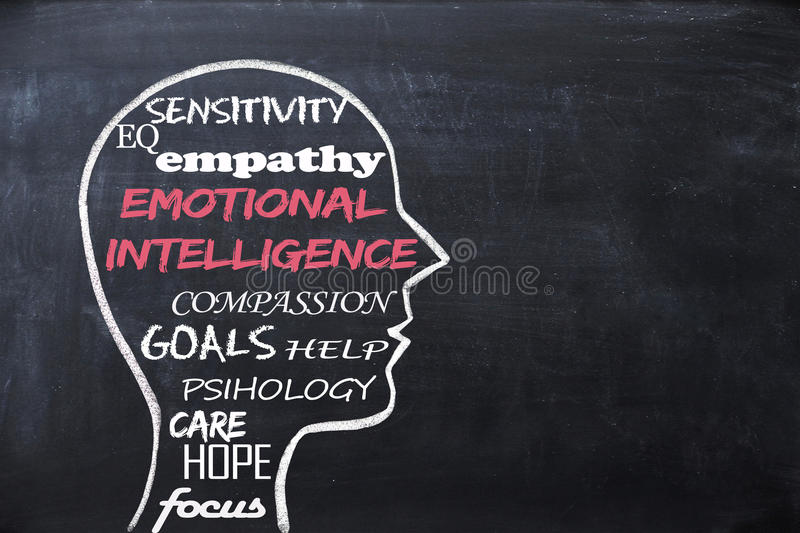
And it is only recently that scientists have started realizing the importance of emotional intelligence and its contribution in our journey to be successful.
Emotional intelligence is a form of intelligence that is required to function effectively in a workplace. A good IQ is not enough to be successful in life. You may find many people who are academically talented, but are unsuccessful in their own life. They experience problems in family, workplace and interpersonal relationships.
Emotional intelligence is defined as “the ability to monitor one’s own and other’s emotions, to discriminate among them, and to use the information to guide one’s thinking and actions”. Emotional Quotient (EQ) is used to express emotional intelligence in the same way as IQ is used to express intelligence. A person with high EQ is able to express empathy and is able to cooperate and work effectively with colleagues.
Emotional intelligence is receiving increasing attention by schools and employers. Many programmes are being made for improving emotional intelligence as they encourage cooperative behavior, develop better teamwork and are very useful in preparing students to face the challenges of life outside the classroom.
It helps to manage your emotions in stressful situations and encourages positive thinking. It helps us in handling criticism better and instead of getting offended, work on self improvement.
An ancient-Roman ceremonial carriage has been unveiled near the Roman city of Pompeii. The four-wheeled chariot made of iron, bronze and tin with mineralized wooden remains, almost in an excellent state of preservation, was found near the stables of an ancient villa at Civita Giuliana, north of the walls of the ancient city in Italy.
The new find is the first ceremonial carriage unearthed while other chariots, used for transport and other purposes, have been previously found at Pompeii,said officials. Moreover, preserved remains of two men and horses who were victims of Vesuvius eruption were discovered last year.
According to the Park officials, the aim of the excavation around Civita Giuliana was to investigate the illegal activity in the area.
Massimo Osanna, the outgoing director of Pompeii archaeological site called the chariot, “An extraordinary discovery that advances our understanding of the ancient world.” The Culture Minister Dario Fransceschini stated that Pompeii always surprise us with its discoveries and it will continue to do so for many years, with 20 hectares still to be dug up.
The eruption of Mount Vesuvius in 79 A.D. buried the once thriving and sophisticated Roman city of Pompeii under meters of ash and pumice. Pompeii is an archaeological site located in the Compania region of Italy, near the coast of Naples. Architect Domenico Fontana first discovered the ruins at Pompeii in the late 16th century and the excavations began in about 1750. spreading over 66 hectares of land, the archaeological site of Pompeii is a snapshot of Greco-Roman life and a UNESCO world heritage site.
An iceberg of 1270 sq. km in size has broken off from Antarctica. This happened in the Burnt Ice Shelf, the Iceberg is apparently is of the shape of Indian capital New Delhi. According to the reports it was breaking at the rate of 1km per day.
Icebergs are pieces of ice that have broken off from glaciers or ice shelves and are now floating in open water, according to the National Oceanic and Atmospheric Administration.
The North Rift crack grew toward the northeast at a rate of about 0.6 miles (1 km) per day in January; but on the morning of Feb. 26, the crack widened a couple hundred meters in just hours. This ice split happened due to a natural process, and there’s no evidence that climate change played a role, according to the statement. The Brunt Ice Shelf, a 492-foot-thick (150 meters) slab of ice, flows west at 1.2 miles (2 km) per year and routinely calves icebergs.
The thickness of the iceberg is 150 meters. A picture of this has also been released by the British Antarctic Survey. According to scientists the incident occurred in the Burnt Ice Shelf area. This disintegration is called ‘calving’, in which vast icebergs separate from the frozen area.
The current calving was first recorded in November 2020. By January 2021, the speed of its breakdown had reached one km per day, on Friday it was eventually declared broken. There is so much snow on Antarctica that if it breaks and melts in the sea, the water level will rise by 70 meters. Many cities and islands will be completely submerged.
Ice calving, also known as glacier calving or iceberg calving, is the breaking of ice chunks from the edge of a glacier. It is a form of ice ablation or ice disruption. It is the sudden release and breaking away of a mass of ice from a glacier, iceberg, ice front, ice shelf.
According to researchers “Our teams at B.A.S.(British Antarctic Survey) have been prepared for the calving of an iceberg from Brunt Ice Shelf for years,” Dame Jane Francis, the director of the B.A.S., said in a statement. “Over coming weeks or months, the iceberg may move away; or it could run aground and remain close to Brunt Ice Shelf.”
Why do icebergs melt?
When an iceberg reaches warm waters, the new climate attacks it from all sides. On the iceberg surface, warm air melts snow and ice into pools called melt ponds that can trickle through the iceberg and widen cracks. At the same time, warm water laps at the iceberg edges, melting the ice and causing chunks of ice to break off. On the underside, warmer waters melt the iceberg from the bottom up. This phenomenon of ice-calving happens over a long period of time but the fast paced climate change had accelerated the process.
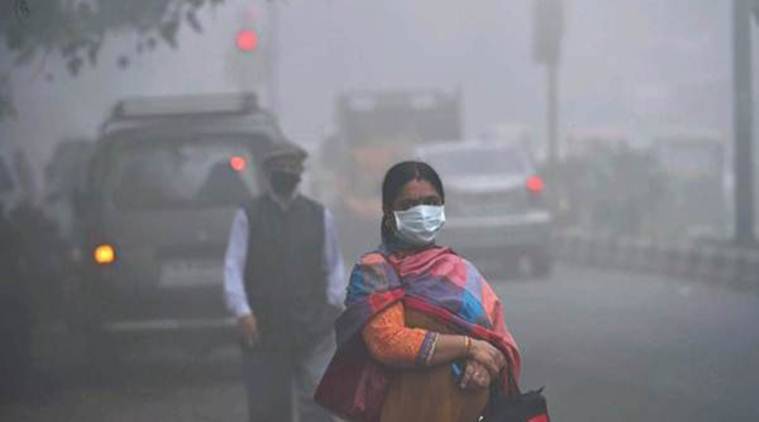
According to recent analysis of a Delhi-based non-profit, Centre for Science and Environment(CSE), the North Indian cities see spike in winter pollution than the average of South Indian cities. Centre for Science and Environment(CSE) extensively analysed real-time and data from 99 cities to shed light on the winter air of 2019 and 2020. According to the report, the most polluted cities this winter were located in Delhi-NCR, Uttar Pradesh, with Ghaziabad and Bulandshahar topping the list. The cities with the worst pollution rise includes Lucknow, Gurugram, Jaipur, Vishakapatnam, Agra, Navi Mumbai and Jodhpur, while Kolkata is the only megacity in this group. The cities that have met the national 24- hour standard (60 μg/m3) during the winter season are Santa, Mysuru, Vijayapura and Chikkamagaluru.
Out of 99 cities, only 19 showed substantial improvement in PM 2.5 levels, one of these was Chennai. In fact, Mysuru in Karnataka and Santa and Maiha in Madhya Pradesh are the cleanest cities in the country. However, Delhi experienced an increase in the seasonal average but a decline in the seasonal peak. It is important to note that, apart from the megacities, it is the smaller and the emerging cities that are becoming pollution hotspots. The report said that the levels of PM 2.5 worsened in 43 out of 99 cities. PM 2.5 refers to fine Particulate Matter (smaller than 2.5 micrometers in diameter) that floats in the air, exposure to it is harmful to health, than any other pollutant. The particles are so minute that they cannot be seen through naked eyes. PM 2.5 and PM 10 are harmful as they can enter our lungs easily and cause severe respiratory problems. Anumita Rouchowdhury, CSE’S Executive Director in charge of research and advocacy, said, “The northern Indo-Gangetic Plain is the most affected, as other regions also experience a rise, but with lesser intensity. However, the average level of PM2.5 during summer and monsoon in 2020 was considerably lower than the previous year due to lockdown, but the winter PM2.5 concentration has risen compared with 2019 in many cities.” But the question is, why does air quality deteriorate during winter? During winter, the level of PM2.5 is high. Polluting activities such as burning of biomass to warm up homes, burning stubble at the end of the harvest season, increase in the number of brick kilns are the major reason for high level of PM2.5 in winter. In addition to these, during winter the air near the atmosphere gets denser and cooler in contrast to normal condition in which warmer air mass is over lane by cooler air mass. The cool air trapped by warm air creates a kind of atmospheric lid known as inversion. Other factors such as vehicular and industrial emission led to rise in winter pollution.
The experts call for reforms and action in sectors such as industrial, power plants and waste management to control the rise in winter pollution and bend the annual pollution curve. Other measures to mitigate air pollution are- 1) Creating public awareness about the ill-effects of air pollution. 2) Making stringent vehicle emissions’ norms. 3) Improvement in traffic management. 4) Reducing road dust by changing road infrastructure. 5) Proper implementation of government initiatives to combat pollution.
Glassophobia & shyness are two different things. But people often misunderstood themselves as shy.If you also think that you are just shy of speaking in public, then you need to rethink if it’s just shyness or something worser than this, a phobia of public speaking.
Shyness when crosses the limits then turns to the glassophobia.Sometimes the past negative experiences cause or intensify the fear. It all starts with the thoughts like what will people think about me ? what if I will stumble over my words ? what if I will forget what to say ? what if people start laughing at me ? With time these thoughts intensify and may cause physical and mental problems. Sometimes it may cause the person to suffer from inferiority complex.
Glossophobia is the medical term for the fear of public speaking. It isn’t a dangerous disease but yes it can lead to stress in the extreme cases. It may be due to lack of preparation , & in this case it doesn’t cause that much harm. It’s cause may be one of the most common psychiatric disorders, . Social anxiety disorder.
Anxiety due to lack of preparation or due to amaturity is common to many.In fact, some experts estimate that as much as 77% of the population has some level of anxiety regarding public speaking.Of course many people are able to manage the fear.
But about 10 percent are genuinely terrified and are physically debilitated by even the thought of public speaking. True glossophobics will go to great lengths to avoid speaking in a group situation.If you are the one who faces problems in work,school or in social life due to this anxiety, then it’s possible that you suffer from a phobia of speaking out.
Even the thought of presentations, group activites & answering a question can cause the anxiety.Such people start thinking of excuses to avoid the events where they are going to be the centre of attention.
Physical symptoms of glassophobia may include – Sweating , Increased heart rate , Raise in blood pressure ,Dry mouth , Difficult breathing , Nausea or vomiting in extreme cases, Headache, Muscle tension, Dizziness, Dilation of pupils, need to urinate, vocalised pauses , Shaking or quivering voice , weakened voice tone , Trembling , Panic attack , Feeling lack of energy.
Of course it’s difficult to overcome the fear , but it’s not impossible. Psychotherapy, medication,exposure therapy and herbal remedies , different ones can be applied , depending on the severity of fear. Many people are able to overcome their glossophobia with cognitive behavioural therapy(CBT). There are other ways one can try at home. Like practicing in front of mirror , talking with close ones & then asking them to analyze you , focusing on your way of speaking. According to me , Meditation is the best way to overcome any fear.
Remember , everything you want is on the other side of fear. Choose fight instead of flight.
According to the Center for Science and Environment (C.S.E.) State of India Environment Report – 2021, the corona epidemic has had a lasting impact on the health and economic conditions of 37.5 million children across the country.
CSE Director General Dr. Sunita Narayan, said that children from new-born to 14 years will have more health-related problems. There is a possibility of low weight of children, lack of physical development according to age and increase in mortality.
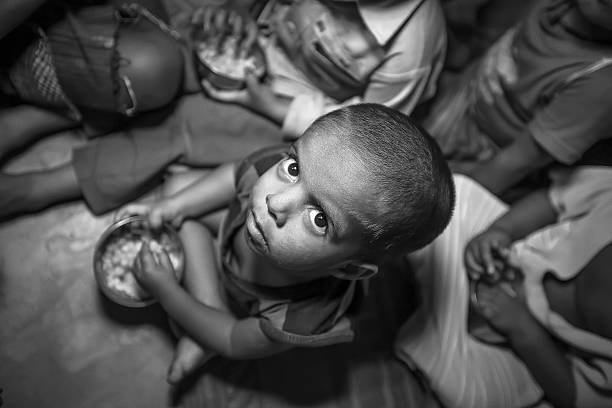
Child from a poverty stricken family gets a free meal at his school.The schools are run by some volunteer organisations or individuals and have inadequate facilities. Yet some people are working relentlessly to help these poor children.
One of the reasons could be India’s struggling with Covid-19 lock down interrupted crucial government schemes that benefit hundreds of millions of women and children. But that still doesn’t explain the rise in malnutrition rates in the years leading up to the outbreak of Covid-19 in 2020.
According to reports, India’s latest National Family Health Survey (NFHS), which shows that children in several states are more undernourished now than they were five years ago, is based on data collected in 2019-20. The survey was conducted in only 22 states before the onset of the pandemic – so experts fear the results will be much worse in the remaining states, where the survey began after the lock down ended.
In rural places the problem seems to have begun earlier. Rural areas have seen a steep rise in the proportion of undernourished children compared with 2015-16, when the last survey was conducted.
Due to malnutrition in infants and young children stunting in growth and even experience wasting away of muscle and anemia. The proportion of severely underweight children has risen. Stunting refers to lower than expected height for age, wasting shows lower than expected weight for height, and anemia is a deficiency of hemoglobin in blood.
Most of the Indian women are anemic and poor women, especially so. According to the experts, the worsening rate of malnutrition could be a result of women struggling to access nutrition benefits because undernourished mothers give birth to undernourished babies.
Migration to cities is also a reason for this. Many families migrate to cities to make a better living. But that also means being left out of massive government schemes that are mostly delivered at local level – so benefits aren’t easily transferred across districts or states.
The National Family Health Survey-5 report, the latest data set on health and nutrition, showed that of the 22 states and Union Territories in the year 2019-20, a majority reported an increase in malnutrition parameters such as stunting and wasting of children, anemia in children and in women between 15-49 years of age.
Due to poor health of children, there may be adverse effects on education and workplace too. This report released online, has been prepared by 60 environmental and other experts from all over the world. The epidemic forced approx. 50 crore children over all the world to leave school. More than 50 percent of these children are in India. Dr. Sunita Narayan said, “An additional 115 million people have come under extreme poverty due to the epidemic.” Most of them live in South Asia.
Given this situation, there is a need to enhance allocations for government schemes to address child malnutrition as well as for schemes promoting nutrition for pregnant and lactating mothers. A group of people should be assigned who provide health and nutrition counseling to pregnant mothers. Better health care and nutritious meals for the pregnant mother, because with proper pre-natal care, adequate food and timely health check-ups, a pregnant woman stays fit and gives birth a healthy child and for that there is a need for huge amount of investments. Different sectors of the government need to coordinate to handle this problem effectively. There are some independent organizations who are working actively to help the unprivileged sections of India and educating others about the problem and with enough funds and support from us maybe they can tackle with the problem more effectively.
The erstwhile Sardar Patel Stadium has been revamped into the world’s biggest cricket stadium. The newly built Sardar Patel Stadium also known as Motera Stadium is renamed after the incumbent Prime Minister of India. However, only the cricket stadium is renamed after the Prime Minister of India, the Gujarat Cricket Association has expanded the stadium into a sports enclave called the Sardar Vallabhbhai Patel Sports Enclave, which includes facilities for other sports as well.
The enormity of the Motera Stadium has surpassed the seating capacity of the Melbourne Cricket Ground, in Australia. The iconic stadium has a capacity of 110,000 spectators, next to Rungrado May Day Stadium in Pyongyang, North Korea, which can accomodate 114,000 viewers.
An awe-inspiring stadium spread over 63 acres of land is connected with Ahmedabad city, making it easy for the fans to reach the venue without being stuck in traffic jams.
Moreover, the stadium has an Olympic-size swimming pool, 76 air-conditioned corporate boxes, to beat the heat, 4 dressing rooms and 11 different pitches made of both black and red soil. A built-in clubhouse, restaurants, 3D projector as well as gym further add glory to the marvelous structure. The iconic stadium is structured in such a fashion that spectators can have an unobstructed view in the stadium. The stadium has no traditional floodlights, instead it has ring of LED lights, making it the only cricket stadium in India to have such unique feature. Also, it has the world’s biggest parking space within the premises, which can hold up to 30,000 cars and 10,000 two-wheelers!
The oil marketing companies have continuously been surging the price of fossil fuels for the past few weeks which resulted in the prices reaching an all-time high. During a time when the country is struggling to recover from the covid crisis, the fuel price hike is sure to have a tremendous impact on its citizens and economy. The rise in the price of commodities and public transportation are expected along with a significant dip in the automobile industry. Today, the price of LPG cylinders have been increased by 25 rupees, resulting in a cumulative hike of about 200 rupees within the past three months.
India, being the third-largest importer of oil in the world has always ended up on the suffering end whenever the crude oil price has seen a surge in the international market. The recent firming of international crude oil rates in addition to the high taxes levied on fuel by central and state governments is the major reason for the extremely high fuel price in the country. Since India follows a dynamic system for altering fuel rates, oil marketing companies are mostly responsible for the recent hikes and the government has no control over it. However, the government does impose a tax on the base price of fuel. At the moment, Indians pay one of the highest taxes on fuel in the world.
By late January, the price of extra premium petrol has touched the magic digit of 100 at Rajasthan, with Madhya Pradesh and many other states following the trend in early February. The price of diesel has also set the record of reaching an all-time high in the past days. A remarkable fact is that the Indian citizens are paying about 200% of the actual fuel price as taxes, by far the highest anywhere in the world. Sources close to the oil companies have reported that the fuel prices might see a further hike as the companies will be forced to meet the global developments to avoid making losses on the sale of the fuels. The price of LPG is also on the rise with the surge being constantly climbing higher for the third in this month itself. Within the last 10 days, the price of LPG was increased by more than 50 rupees.
The government is looking forward to getting the situation under control as the surge in the price of auto fuels can directly reflect in its economy and might even result in inflation. Though short term remedies like cutting down taxes and other related costs are in line, the major emphasis is on turning towards sustainable and renewable energy resources and reducing the dependency on fossil fuels in the long run. Plans have already been laid on increasing the natural gas share in the energy basket and to cut short the reliance on fossil fuels to about 60% of the total energy share by 2030.
Listening is an important skill that we use daily. You might not give it much thought but it does have a huge impact on your academics, job success and even personal relationships and happiness. Even though it might seem to you that it is a passive behavior as it involves silence, but it is not true.
Sometimes when you’re distressed because of a problem be it work related or a personal issue you just dial your best friend without giving it much thought, have you ever thought why? Most of the times we just want someone to listen to our side of the story patiently without being judgmental. We are not looking a solution for our problems but sometimes it just feels good to vent out that stuff. Everybody has a person to whom they can confide in about anything, for most people it’s their best friend, it’s because they feel understood and not judged.
Good listening is an important skill required in many professions these days. It is one of the main skills required by the people working as counselors and therapists. Because the person feels heard by the counselor, they find it easier to confide into them.
In some cultures, it is taught to emphasize on listening by being a silent communicator when receiving messages from elders or seniors. Buddhism, for instance, has a concept of mindfulness which means devoting your complete attention to the task you’re doing at the moment. It helps in developing longer attention span and good listening skill.
Listening requires a person to be attentive and therefore it is an active skill. Hearing and listening are not the same. Hearing is only a part of listening. When a person actually listens, he/she pays attention to what is being said and if required respond to it. Being a good listener means you listen to others without getting distracted and with their full attention and have the capacity to analyze and then respond.
Now there are many people out there who listen just to respond without understanding completely the context of what is being said. We must be a patient listener and not be in a hurry to respond. We should refrain from forming an early judgement, prejudices and be open to all ideas.
When in doubt about the meaning of what is being said we should paraphrase it and check with the speaker whether or not they have been clearly understood by you. In the long run, developing active listening skills is sure to help you in various areas of your life.
Everybody knows what is nanotechnology, it is the study and control of matter at the nano-scale, rearranging atoms and molecules. Nanotechnology has made marvelous contributions in the world of science especially in computer science and medical science.
But have you heard of green nanotechnology? The name itself suggests that it has something to do with greenery. It is the study of how nanotechnology can benefit the environment, such as by using less energy during the manufacturing process, the ability to recycle products after use and using Eco-friendly materials.
It builds on the principles of green chemistry and green engineering, and focuses on using the unique effects that occur in nano-scale materials.
Green nanotechnology can help to provide clean water to billions of people via novel filtration techniques, and has the ability to decontaminate dirty water. It can help in increasing the use of renewable energy and help in waste management too.
It can also influence the design of nano-materials and products by eliminating or minimizing pollution from the production of these materials.
It is all about making green nano-products and using them in support of sustainability. Sustainable development refers to a development that meets the needs of the present of the present, without compromising the ability of future generations to meet their own needs. It will aim at producing nano-materials without harming environmental or human health.
Nanotechnology can help reduce agricultural waste and bring down pollution levels. Scientists are working on nano-engineered enzymes that will allow simple and cost-effective conversion of cellulose from waste plant parts into ethanol.
Another example is rice husk that can become a source of renewable energy with nanotechnology. When rice husk is burned into thermal energy or bio-fuel a large amount of high quality nano-silica is produced, which can be further utilized to make other materials such as glass or concrete.
Nano sensors dispersed in the field can also detect presence of plant viruses and the level of soil nutrients.
Nanotechnology can reduce manufacturing costs for solar cells as a result of using a low temperature process.
Nanotechnology is being hailed as the next sunrise industry for India. The Department of Science and Technology of the Central Government has announced a national initiative in nano-materials, while the Jawaharlal Nehru Center for Advanced Scientific Research, Bangalore, has pioneered the study of nanotechnology in India. Prof. C.N.R Rao and the center has done world class research in nanotechnology using state of the art equipment.
A stream of nanotechnology-based products is beginning to emerge in India, with applications in the security realm. Besides D.R.D.O. (Defense Research & Development Organization) serious researches are also taking place in institutions like IIT, and Madras University.
Hopefully, in the near future as we advance further in the field of green nanotechnology, it will help us in replacing existing products with Nano-products that are more environment friendly.
With the examination schedules being declared its hard not to get anxious about our exams. Examination anxiety is a fairly common among students of all age groups, you would think a grown-up would know how to prepare for exams without being stressed out given all their previous experiences but that’s not the case. It is the uneasiness that occurs before, during, or after an examination and is not age-restricted.
Many people experience feelings of anxiety around examinations and find it helpful in some ways, as it can be motivating and create the pressure that is needed to stay focused on one’s performance. Examination nerves or fear of failure are normal for even the most talented student.
However, stress of examination results in such high degrees of anxiety in some students that they are unable to perform at their full potential, like they have shown in less stressful situations.
Sometimes it can result from the pressure to perform well in examination so that they don’t get judged by others (relatives, classmates, teachers), which is often the root cause for their negative thoughts about themselves, feelings of inadequacy, helplessness, and loss of status and self-esteem.
High stress can interfere with the student’s preparation, concentration, and performance so it is very important to manage it effectively so that it doesn’t get in the way of you giving your best performance in the exams. Just like other stressful situations, it is very easy to cope with examination anxiety and here are some ways to do so-
Prepare well– Plan it out and give yourself enough time to familiarize yourself with the content and the pattern of the question papers.
Multiple rehearsals- Practice as many mock papers as possible, when you are with your friends’ test each other by asking each other questions on the examination topics.
Inoculation- When practicing for examinations try to do so in an environment that is similar to the examination hall to prepare yourselves physically and mentally.
Think positive- Have faith in your abilities and emphasize on your strengths and try to think positively to motivate yourself.
Seek help- When facing a problem, do not hesitate to ask for help from your friends, seniors, teachers or parents. It will help you to feel stress-free and also give you an insight into the problem.
While preparing for examinations, exercising regularly even if a little bit and resting properly before the exam will be really helpful. Overview and weigh one’s strengths and weaknesses, plan a revision timetable, space out revision periods, and most importantly on the examination day concentrate on staying calm.
In light of the recent ‘Farmer’s protest toolkit controversy’, a 22-year-old environmental activist from Bengaluru, Disha Ravi has been arrested by the Delhi police on Sunday 14th February 2021. She is now under five-day police custody as the Delhi Magistrate decided to remand her following the arrest. She has been booked under Indian Penal Code Sections 124(a) for sedition, 153(a) for promoting enmity between different sections of the society and 120(b) for criminal conspiracy. She is accused of involvement in the composition of the “toolkit”, an online document shared by the International environmental activist Greta Thunberg, which consists of action plans to protest against the farm bill. Police claimed that the toolkit had the violence on 26th January as one of its “action plans” to protest against the farm bill, in addition to the pro-Khalistani elements.
Since last October, thousands of farmers have been camping on the national capital borders, protesting against the three newly passed farm laws introduced by the NDA government. On the republic day, the tractor rally conducted by the protesting farmers has resulted in great commotion as the farmers attempted to enter the national capital region, storming the Red Fort complex and clashing with the police and security forces. The police allege that plans for such actions were formulated in the online document, described as a “toolkit” that Ravi created and shared with Thunberg. “The main aim of the toolkit was to create misinformation and disaffection against the lawfully enacted government,” said a police official. “The toolkit sought to artificially amplify the fake news through various tweets which they have created in the form of a tweet bank. The document that they drafted had secessionist and pro-Khalistani content embedded into it through links and texts” he added.
The arrest of Disha has instigated furious criticism against the fascist actions of the government regarding the farmers protest. The efforts made by the government to silence and oppress the voice of the farmers and the people supporting them is more of a provocative manner than a call for peace.










 Eduindex
You must be logged in to post a comment.