The Ponzi Scheme

What is it?

The Ponzi scheme is an investment fraud and one of the most infamous white-collar crimes in history. It is named after Charles Ponzi, the historical scamster who was best known for his financial crimes in the early 1900’s. He was from Italy, but it was after he moved to America that he started his fraudulent activities. The scheme he developed involved conning investors into giving him millions of dollars, and then paying them returns with other investor’s money. Investors were promised that in consideration of their investment, they would receive large returns of up to 50% in 45 days, or up to 100% in 90 days. Instead of paying these investors out of the actual profit of his business, Ponzi paid these investors by further borrowing from new investors. The investors were inclined to accept these deals as it was investment with seemingly high returns and little to no risk. In this way, Ponzi created a chain of borrowing and repaying from various investors, in the process pocketing some of the money from each transaction for himself.

The Ponzi scheme seems to be the prefect con, with the scammer earning large amounts of money, and the unsuspecting investors also satisfied with their exponential returns. This 100-year-old scheme is so well planned that is made use of even by today’s white-collar criminals. The prime example is Bernie Madoff, who in 2008 was caught operating the largest Ponzi scheme in history. Not all the Ponzi scheme cases are big enough to make the headlines, as some white-collar offenders run this scheme to a small extent. However, it can be said without a doubt that this scheme is one of the most standard, but also effective white-collar crimes a criminal can commit. However, investors are now becoming increasingly aware of these schemes, and there are also several anti-fraud agencies monitoring investment activities. Some of the basic parameter’s investors must identify to avoid falling into a Ponzi scheme are;

  • High returns with little or no risk
  • Overly consistent returns
  • Unregistered investments
  • Unlicensed sellers
  • Issues with paperwork
  • Secretive, complex strategies

The presences of all these features means that there is almost certainly a Ponzi scheme being run. It is evident from these features that it is investors dream to have such characteristics in a business, which is the primary reason why it is so tempting for many investors to fall prey to this scheme. However, over the years, corporate investors have come to realise that if it seems too good to be true, it often is.

Bernie Madoff Case

Many people are of the view that white-collar crimes are more serious than normal crimes committed on a day-to-day basis. Normal crimes are high-risk, low-reward situations such as shoplifting or robberies, wherein the perpetrator is taking a large risk in order to secure a relatively small reward. White collar crimes, on the other hand, are low-risk, high-reward situations. Such perpetrators commit crimes which generally go unnoticed for long periods of time, until some thorough investigation takes place or some questions are raised. In this time, they can earn exponential amounts of money as a result of their offences. We can take the example of Bernie Madoff here, one of the best-known white-collar offenders of all time. He committed the largest financial fraud in the history of the US, which involved around $65 Billion. Madoff had been committing corporate fraud and it was going unnoticed, with his career continuing on for about 20 years even after he committed such serious offences. This is evidence to the nature of white-collar crimes as being low-risk, high-reward crimes. It was only in 2008 that he was apprehended by federal authorities, and pleaded guilty to 11 federal crimes. He also admitted to operating the largest private Ponzi scheme in history. Hence, he was sentences to 150 years in prison in 2009 (the maximum for a person his age), for spending 20 years of his career defrauding clients and committing other federal felonies (including securities fraud, wire fraud, mail fraud, money laundering, theft from employee benefit plan, and many more). In February of 2020, Madoff’s lawyer pleaded for compassionate release of Madoff from prison, citing health and wellness issues (kidney failure and deteriorating health). However, this bid for release failed and Madoff continues to serve his prison time.

Madoff did not sound remorseful when interviewed in the years after his crimes, but he does show some self-awareness. “It wasn’t like I was being blackmailed into doing something, or that I was afraid of getting caught doing it,” he continues. “I, sort of, you know, rationalized that what I was doing was OK, that it wasn’t going to hurt anybody.” This is a prime example of neutralization of crimes by a perpetrator.

The Do’s and Don’ts of a Group Discussion (GD)

What is a GD?

Group Discussion (GD) refers to a methodology generally used in selection processes, such as those of companies and colleges, wherein a group of individuals are brought together to interact and communicate with one another. On the basis of such interaction, many personality traits and behavioral characteristic are determined by the examiner or conductor of the GD. An individual’s interpersonal skills, leadership qualities, social traits, public speaking skills, etc. can all be judged through their performance in a group discussion. Generally, in a group discussion, a topic or problem is given to the group, and all the members are allowed to interact with one another, sharing their own knowledge, ideas and solutions to the problem. Some people might be assertive and open about their ideas, while others might be more reserved and unwilling in the sharing of theirs. All these qualities are identified and recorded, to be later used in the selection of capable individuals.

Organizations are able to determine whether particular applicants have the qualities they are seeking in prospective employees or recruits. The topics given in a group discussion vary depending on the type of GD being conducted. These include; ‘Topical’ group discussion (based on current affairs or current trends), ‘Case Studies’ (a complex situation to be interpreted is given to the group) or ‘Abstract’ group discussions (based on abstract topics without any set direction or flow). The specific qualities that might be tested in a GD include; confidence, flexibility, reasoning skills, leadership qualities, creativity, knowledge, patience, communications skills, etc.

There are certain essentials to be followed, as well as certain essentials to be avoided when taking part in a group discussion. These can be enumerated as the ‘Do’s’ and ‘Don’ts’ of a GD;

Do’s

  • Be an active listener. This involves intently listening to what other people have to say. Proper listening is arguably more important than constantly talking in a GD.
  • Be as natural as possible. There is no need to be overly formal or address everyone formally. One must speak as if he would normally speak in such a setting.
  • Be coherent and reasonable when talking. The points made should be easy for the others to understand and should also be logical such that they contribute to the topic at hand.
  • Be brief and precise. Talk on a point for a reasonable amount of time and deliver the point briefly. This retains the attention of others and makes the point simple and accurate.
  • Be polite and respect the contributions of other members. Even if there is a disagreement, this should be done in a polite manner without pointless quarrels.
  • Be as positive as possible and do not try to dominate others. Positivity implies being warm and kind with others, since it is a discussion and not a debate.
  • Be an active speaker in case knowledge of the subject is vast. This could involve initiating the discussion, providing facts and figures, or even being slightly assertive.
  • Be conscious of body language. Although it is necessary to be natural, one must also keep in mind to follow appropriate body language (making eye contact while talking, etc.) and dress appropriately.

Don’ts

  • Get angry or become too aggressive. One must keep their emotions in check while participating in a GD as anger can cloud analytical skills and rational thinking.
  • Interrupt others while they are talking. This is a sign of poor manners and will reveal certain deficiencies in character, which people will scorn at.
  • Try to initiate the discussion or be assertive while lacking knowledge of the topic at hand. The lack of knowledge and impulsiveness will become evident from the points made.
  • Make points which are irrelevant or random and do not contribute to an understanding of the topic. Such points disrupt the logical flow of the conversation.
  • Shout and argue with someone if they try to counter your point. It is not a debate, and neither is it a competition. Some mutual disagreements may occur.
  • Speak with lack of confidence or uncertainty about the point being made. When one is speaking, he should do so with confidence and surety in himself
  • Try to dominate the discussion or get personal with somebody. Maintain a calm demeanour and ensure that a sense of respect is prevalent throughout.
  • Be restless and display poor/negative body language. This will portray a lack of social etiquette, poor manners, and a sense of disrespect to all the other members in the GD.

Hence, these are some of the main do’s and don’ts of a group discussion. Following these will allow individuals to gain all the necessary skills and benefits from a GD.

Corporate Governance in Indian Companies

Introduction

Corporate Governance refers to the framework in a company comprising the generally accepted practices, policies and processes according to which the firm operates and is managed.

Corporate governance has become an essential component in the functioning of a company, and it has the potential of causing an improved or enhanced market performance. Corporate governance primarily focusses on creating transparency, accountability, and disclosure in the corporate environment. In other words, it promotes ethical practices in the company, allows for efficient communication of information, and proper allocation of responsibility. Another important function of corporate governance is to maintain a judicious balance between the interests of the stakeholders and board of directors. The board of directors are primarily responsible for the operational decisions and processes of the company, and it is imperative to outline their authority with respect to the stakeholders to ensure mutual cooperation and corporate success.

With regard to India, corporate governance has been on the up rise mainly due to globalization and liberalization. The SEBI had made the first ever regulations on corporate governance in 2000, based on the recommendations of the Kumar Mangalam Birla Committee Report and Narayan Murthy Committee Report. With the many national and multinational corporations coming up in India in the face of globalization, there was a need to introduce corporate governance so as to confront the competition that has arisen. Therefore, it is apparent that good corporate governance ensures mutual cooperation and protects the long-term interests of the shareholders. The question then arises whether good corporate governance is also proactively helping companies in their regular financial performance.

The Effects of Corporate Governance on Financial Performance

The financial performance of a firm indicates how successful it has been in its business, and whether it has been able to effectively use its assets in generating revenue. The role that corporate governance plays in benefiting financial performance of Indian companies has been studied extensively over the past years, and varying conclusions can be derived from these studies. The many variables and principles of corporate governance have been studied in the Indian corporate environment so as to ascertain their impact on financial performance. These can be consolidated as such:

  • Board Size: A study conducted by researchers Kathuria and Dash observed the influence of the Board size on financial performance of Indian companies. The results showed that performance improved when the size of the board increased, and that a smaller board of directors was generally not influential in financial growth. Corporate governance principles necessitate that the board of directors collaborate with the other corporate entities so as to ensure better performance.
  • Board Independence: An independent director is one who does not have any vested interest in the company, and works solely to improve the corporate position and credibility of the firm. They also play a large role in enforcing corporate governance standards. Numerous studies conducted with regard to board independence in the Indian context have showed that a larger proportion of independent board directors is associated with improved financial performance.
  • Board Meetings and Committees: As corporate governance principles require the company to maintain transparency and disclosure, conduction of regular board meetings is required. It has been found that Indian companies conducting regular board meetings has caused a better financial performance, as there is constant discussion of the company’s operations and decisions are made that positively impact the company.

Therefore, from the research conducted, it is evident that sound corporate governance and its implementation in Indian companies has the potential of positively impacting financial performance and growth. Some of the more general reasons why corporate governance is seen as a stimulant of financial growth are:

  • Increased access to financing
  • Higher firm valuation
  • Improvement in operational performance
  • Reduced risk of financial crises

Conclusion

Ultimately, it can be inferred that the impact of corporate governance on Indian companies has been known to be favourable for the most part. However, it is important to highlight an important point here. It cannot be concluded that corporate governance has a positive effect on all Indian companies, or for all companies in general. For some there may be an insignificant impact, while for others there might be no impact at all. However, for most companies in most industries, corporate governance implies support in the financial position. Factors mentioned in this paper such as board size, independency, composition, meetings and committees mostly seem to show a positive relationship with financial performance of Indian companies.

The primary goal with which corporate governance is introduced into a company is to increase transparency, disclosure and accountability, which subsequently gives way to other long-term benefits including financial stability and growth. Therefore, many Indian companies are increasingly looking to practice corporate governance. In conclusion, despite the fact that there is no consensus on whether corporate governance has an undeniable positive impact on financial and firm performance, it can be said that it helps the company in many facets regardless.

Foreign Aid and Economic Dependency

Introduction

Foreign aid is the voluntary transfer of money, resources, or services (in the form of a gift, grant, or loan) from one country to another, or from an international organization to a certain country, for the ultimate benefit of the recipient country. Hence, the implication here is that the recipient country is in a position of debt, shortage, or some economic strife, such that it requires the assistance of other countries or international organizations (UN, NGOs, and other foundations). It is commonly seen when the more developed countries of the world provide aid to the developing nations, especially after they have suffered from some natural disasters, economic crisis situations or serious conflicts that have caused widespread damage.

Foreign aid, however, is not a purely humanitarian practice, and many countries engage in it with varying objectives. Some countries provide foreign assistance with the objective of furthering the political agenda of a government, thereby allowing it to attain diplomatic recognition. Thus, apart from solely providing economic and social support to the country, many donors provide aid as a means to strengthen and consolidate their political and strategic interests in the country or region.

Many economists argue that foreign aid fosters dependency and corruption in recipient countries, while others argue that it fosters economic growth and helps countries in their development. It is thereby a two-handed conclusion that is arrived at here, where we can say that foreign aid can have strong positive effects, but it clearly depends on what it is used for by the recipient, and whether it is invested efficiently and effectively.

What is Foreign Economic Dependency?

Foreign economic dependency is an international power structure in which weaker countries end up relying on economically stronger countries for financial support, which thereby allows the stronger countries to exercise a certain degree of economic and political control over the weaker nation.

Foreign economic dependency is one of the most important ways in which a country can regrow and rebuild itself after a natural disaster. It does this by getting foreign medical aid and disaster aid, and it helps in rebuilding livelihoods by helping the victims of the calamity directly. Without foreign economic aid a country would definitely have a much more difficult time to rebuild itself. However, dependency on foreign aid also often plays a significant role in shaping the economic and political framework of the weaker nation. The donor countries often use the aid they provide to push forward the economic and political policies preferred by them in the target countries. The receiving nation cannot do much in this case as there is the threat of the powerful nation ending the aid if the receiving nation does not comply with them.

Foreign aid is not only from countries but also from international organizations like the World Bank, but these organizations also might force their economic policies on the receiving nation. For example, the country must agree to adjust its economic structure, liberalize and privatize its economy and also increase its financial accountability. Moreover, paying back these huge loans is a difficult task for the receiving nation while trying to maintain/build a healthy economy at the same time, which leads to their economy taking significant damage.

Hence, foreign dependency usually leads to lesser development in the economically dependent country because it has to tailor its policies to the interest of the stronger country, and this usually leads to the weaker country neglecting to do things which are best for its own development. This causes things like faster environmental destruction and creation of only temporary growth that prevents sustainable development and economic independence.

Conclusion

It can be concluded that the ultimate question about whether foreign aid is really effective or not has not yet been fully settled. This is due to the fact that there is enough evidence to convince a person of both sides of the argument. While there have been cases where foreign aid has done wonders, like in Ethiopia, there are also cases where foreign aid has worsened countries, like Somalia. It is essential for recipient countries to give due importance not only to their economic policies, but also in ensuring that foreign aid is directed towards productive and beneficial causes in the country.

The unfavorable result, as discussed in this article, is when foreign aid leads to economic dependency. In such cases, countries are left with little to no autonomy, and the stronger countries get a say in how to operate them for their own benefit. As long as such a situation is avoided, and foreign aid is mainly helpful for the purposes of resolving humanitarian crises and assisting underdeveloped countries, then it is a helpful practice.

Uniform Civil Code in India

Introduction

India is a very diverse nation having several different cultures, traditions and religions. This diverse nature of India makes it a vibrant and varied country, where it reconciles different religious and cultural views to form one unified nation. However, this also necessitates the need for personal laws that govern each religion and allow their followers to live according to certain religion-specific laws and regulations. For example, Hindus have the Hindu Marriage Act (1955), Muslims have the Muslim Personal Law (Shariat) Application Act (1937), Christians have the Indian Christian Marriage Act (1871), etc. The personal laws are aimed at giving each religion a fair opportunity at following their own customs and traditions. However, many instances in Indian history are evidence to the fact that distributing justice on the basis of religion leads to a multitude of communal issues. Moreover, numerous personal laws have been found to be discriminatory in nature and thereby in derogation of the Fundamental Rights as given in the Indian Constitution. Many a times, these personal laws are regressive in nature and represent ancient societal views that show no congruence to the current, progressive Indian society. It is in view of this that the framers of the Indian constitution, and many other prominent figures during the period of drafting, made efforts to implement a ‘Uniform Civil Code’ in the interest of national consolidation and communal harmony.

The Uniform Civil Code

The Uniform Civil Code refers to a single set of rules or a singular code of law that is applicable to all the citizens of India, regardless of their religious affiliations or which community they belong to. Such a code is the hallmark of a contemporary, progressive nation that has ascended the need for segregation based on religion, caste, race, etc. Article 44 of the Indian Constitution states that a ‘Uniform Civil Code’ is to be implemented for the citizens of India. The Article reads: “The State shall endeavour to provide for its citizens a uniform civil code throughout the territory of India.” Therefore, the idea of a uniform civil code is enshrined in the Indian constitution and stands as a something that the country should strive for. However, it is included as one of the Directive Principles of State Policy, and not as a Fundamental Right or constitutional guarantee. Hence, despite being mentioned in the constitution, there have been no significant steps taken by India to realise such a code.

Goa is the only state in India to have a fully functioning uniform civil code called the Portuguese Civil Code (1867). This code replaces the personal laws based on religion in Goa, and introduces a common law for all its residents regardless of their religion, caste, gender, etc. For example, according to the code, a Muslim man whose marriage is registered in the State of Goa cannot practice polygamy. Although polygamy is a part and parcel of the Muslim personal law, it is nullified in the State of Goa due to the presence of a UCC. Furthermore, a married couple share equal property and divide their assets equally, and succession rights for men and women are similar in Goa. Thus, Goa acts as a contemporary example as to how a uniform civil code works, and what it involves.

Evaluation of the Uniform Civil Code

It can be said that the uniform civil code is a very polarising concept, and that it can bring about both benefits and adversities. It is important to understand these before a solid decision about it can be made. In case it seems like the benefits outweigh the adversities, then it should be implemented, and vice-versa. These can be discussed as:

Pros

  • The application of a uniform code will allow for a much more coherent and efficient system of administration, mitigating a lot of the confusion and conflict created due to the existence of numerous personal laws.
  • A uniform civil code is the hallmark of a secular democracy like India. As mentioned in the Preamble, India is a secular country and does not identify any particular state religion. It is acceptive of all faiths, and gives the freedom to practice and preach any religion its citizens deem suitable for themselves.
  • A common feature seen among most personal laws is discrimination towards women. This is again a reflection of ancient and obsolete beliefs that have no place in modern society. The uniform civil code, however, is devoid of any such discrimination and promotes equal treatment of both genders.
  • Possibly the most important pro is that the implementation of a uniform civil code will infuse the Indian legal system to make it one well-oiled machine. As of right now, the segregation of different personal laws implies different practices in different religions.

Cons

  • Although aiming for communal harmony, the uniform civil code may cause some divisiveness in the Indian society. Communities such Hindus and Muslims have deep-rooted hate against each other, and neither one will be pleased to follow the same code as the other. Hence, the UCC may cause some communal disharmony.
  • It will be a very lengthy and cumbersome process to come up with a uniform civil code that is equitable and non-discriminatory in nature. Realistically, it will take numerous years and make use of many resources, which might not be the best idea considering the many issues India has to focus on in the current times.
  • Most importantly, as mentioned before, people in India have deep emotional ties to their religions. The introduction of such a code that trumps their personal laws is not advisable and can lead to antipathy from the citizens of India.

Conclusion

Ultimately, the debate around the uniform civil code does have valid arguments both for and against it. It boils down to whether it is worth sacrificing some diversity for a stable law and order situation in India. I believe that the UCC could be the need of the hour, and could help in building the egalitarian society India is striving for. India’s long history of communal disputes and discrimination can come to an end, or at least be reduced exponentially, and there can be national integration and unity. However, such a uniform code cannot be suddenly implemented with the hope that it will rectify issues. People should be educated and made aware about it, and a gradual approach should be administered in introducing the UCC.  This will allow it to be effective and accepted in society. Furthermore, each community’s interests should be taken into consideration. In this way, the secular nature of India will be preserved and it will allow for India to progress and grow.

The Curious Case of D.B. Cooper

What Happened?

On the 24th of November, 1971, a nondescript man bought a ticket under the alias Dan Cooper (who later came to be known by his pseudonym, D.B. Cooper) for a Boeing 727 aircraft at Portland, Oregon bound for Seattle, Washington in the USA. Thus began one of the great unsolved mysteries in FBI history which puzzles people to this day.

Cooper was a quiet man who appeared to be in his 40s, wearing a business suit with a black tie and white shirt. He settled down into his seat and ordered a bourbon and soda drink while waiting for the flight to take off. A while later, he handed the flight attendant a note informing her that he had a bomb in his suitcase, and that he wanted her to sit next to him. The flight attendant did as she was told and took the seat next to him. Cooper opened his suitcase, revealing a bunch of wires and red sticks, proving to the flight attendant that his suitcase did in fact comprise of a bomb.

He then communicated his demands to the flight attendant and made her write them down. Cooper had demanded 4 parachutes and $200,000 in $20 bills on arrival at Sea-Tac Airport (Seattle). The flight attendant then notified the captain of the plane, who further communicated this information to the relevant authorities in Seattle. The police and ground forces in Seattle hurriedly assembled the money and parachutes to be delivered to Cooper. Meanwhile, the pilots were flying the aircraft in circles above Seattle Airport, with the fabricated excuse that there was some minor mechanical problem so they could not land safely. In reality, they were simply stalling for time as the money and parachutes were being brought in.

After about 3.5 hours of delay, the flight landed in Seattle and Cooper’s requirements were met immediately. With the money and parachutes delivered, he dismissed the 36 passengers in the aircraft, as well as 2 of the 6 crew members. After this, the aircraft refuelled, and Cooper ordered the pilots to set a new course for Mexico City via Reno and Yuma. Following his orders, the plane took off for the said destination.

While on course, on the first leg of the journey towards Reno, Cooper ordered all the remaining crew members to go and enter the cockpit of the plane. It was at this point of time that Cooper lowered the rear stairs of the airplane and jumped out of it wearing a parachute and carrying his $200,00 in ransom money. He had jumped at 8:00 p.m. straight into an ongoing thunderstorm and was never seen again, and his fate remains a mystery to this day. Although the most probable outcome is that he died, the possibility that he survived could not be ruled out due to lack of evidence of his death.

Furthermore, his real identity also remains an eternal mystery. The only traces Cooper left behind were some cigarette butts, a hair on the headrest of his seat, and his clip-on necktie. However, no DNA samples could be drawn from these items. The case was taken up by the FBI, and their investigation went on for decades and came to be known as the ‘NORJACK’ (Northwest Hijacking) case.

Conclusion to the Case

The only significant lead on this case came in 1980, when an 8-year-old boy wandering the banks of the Columbia River came across a rotting package full of $20 dollar bills amounting to $5,800. The serial numbers on the bills found by the boy matched those on the bills of money given to Cooper during the time of the hijacking, and so the FBI continued their investigations.

However, there were no more significant findings, and the FBI were not able to ascertain the real identity of D.B. Cooper even after following around 800 leads and questioning numerous suspects. Finally, in 2016, the FBI announced that it was giving up their investigations of this case and had decided to dedicate their resources to other cases.

The Sopranos – A Timeless Classic

The Sopranos is an American television drama series considered to be masterpiece by critics and audiences alike. Created and written by David Chase, The Sopranos aired for six seasons (1999–2007) on Home Box Office (HBO) and earned an international following as a result of its excellence. The Sopranos is said to have set the standard for what a crime drama series should be; full of suspense, thrill and excitement. It is impossible to overstate The Sopranos’ influence on television across the globe. Many famous and successful shows that followed The Sopranos in years to come like Breaking Bad and Peaky Blinders seem to have traces of inspiration and borrow certain elements from this legendary show.

Synopsis

Set in New Jersey, The Sopranos follows Mafia boss Tony Soprano (James Gandolfini) through regular sessions with a psychiatrist (Lorraine Bracco) to whom he goes for help after experiencing panic attacks that cause him to black out. His infidelity and the violent nature of a life in organized crime form the backdrop for the dysfunctional relationship he has with his own family. Beset by enemies and family difficulties, he struggles to come to terms with power, morality, and death.

Christopher (Michael Imperioli), Paulie (Tony Sirico), and Silvio (Steve Van Zandt) form Tony’s most trusted inner circle, while many others enter and leave the circle as the series progresses. The themes of identity, guilt, and denial are highlighted by the selective acknowledgment of the harsh realities of Tony’s crime world by his wife, Carmela (Edie Falco), and the Sopranos children, Meadow (Jamie-Lynn Sigler) and Anthony Jr. (Robert Iler).

Popularity

The Sopranos is widely regarded as one of the greatest television series of all time. It won a multitude of awards, including Peabody Awards for its first two seasons, 21 Primetime Emmy Awards, and 5 Golden Globe Awards. It has been the subject of critical analysis, controversy, and parody, and it has spawned books, a video game, soundtrack albums, and assorted merchandise. Several members of the show’s cast and crew were largely unknown to the public but have since had successful careers. In 2013, the Writers Guild of America named The Sopranos the best-written TV series of all time, and many sites have ranked it the best television series of all time.

The main reason for the show’s success has to be James Gandolfini and his portrayal of Tony Soprano. The masterful complexity of Gandolfini’s portrayal of Tony Soprano and the uneasy juxtaposition of brutality and sensitivity on display challenge the viewer to step inside Tony’s world and examine his choices from an intimate and personal perspective. Gandolfini plays Tony as a rough and tough guy, but doesn’t neglect the gentle fragility guarded within him. Not good, not bad, just human. It was also so famous because of how it explored so many important themes that really reflected modern America’s existential preoccupations. The show highlights things like mental health, homosexuality, family relations, sexual harassment, etc. It was a raw and real show that didn’t pull any punches. Hence, it is not just a mob drama, but also a social satire, a domestic drama and a statement of the rise in Western consumerism. The Sopranos rightly got a lot of praise for nearly all of this, but one thing is often overlooked; it was also a really funny show. It was funny not because the script was full of jokes and punchlines, but because it created very funny situations and circumstances in a very natural manner. All of these aspects and elements made it not only a show well worth watching, but also one that set the benchmark and is revered to this day.  

Conclusion

The influence of The Sopranos cannot be quantified, and it was the foundation upon which HBO became a cultural force. Sex and the City premiered on HBO six months before The Sopranos, breaking ground for women in television and comedy and becoming an influential trend factory. But while Sex and the City gave HBO glitz, The Sopranos gave it gravitas. Due to this show, the network became synonymous with quality drama, the great TV-making seal of approval.

Many contend that till today, The Sopranos remains the best TV series in the world. Though this is subjective, there seems to be overwhelming support from audiences and critics alike that this show is one of the best, if not best crime drama ever made. Regardless, if you have not seen it yet, you should definitely give it a try and you may notice how this show laid the groundwork for many other great shows in years to come.

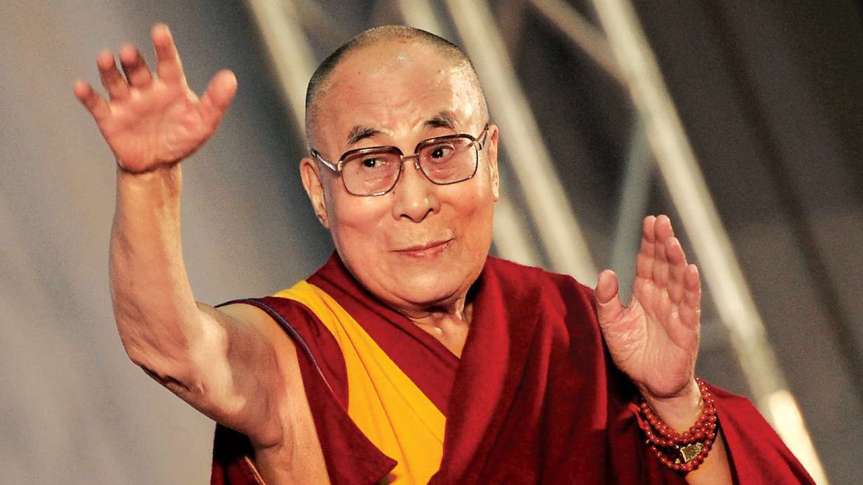
Who is the Dalai Lama?

In Tibetan Buddhism, a ‘Lama’ is a spiritual teacher and ritual expert who fulfils many types of roles for his community, and ‘Dalai’ generally refers to big or mighty. So, the Dalai Lama is a title conferred to the spiritual and political leaders of the Tibetan People. The Dalai Lamas are believed by Tibetan Buddhists to be manifestations of Avalokiteshvara or Chenrezig, the Bodhisattva of compassion and the patron saints of Tibet. Bodhisattvas are realized beings, inspired by the wish to attain complete enlightenment, and who have vowed to be reborn in the world to help all living beings. Throughout much of history, the Dalai Lamas were just as much political leaders as they were spiritual leaders. Tibetan Buddhists believe that the Dalai Lama reincarnates as a child when he dies, and thereby establish a line of successors based on who they identify as the reincarnations of the previous Dalai Lama.

The Current Dalai Lama

Tenzin Gyatso is the 14th and current Dalai Lama of Tibetan Buddhism. He was born on July 6, 1935, to a farming family located in Taktser, Amdo, north-eastern Tibet. He was recognized as the incarnation of the 13th Dalai Lama in 1937, and was thereafter enthroned as the 14th Dalai Lama in 1940. After China’s invasion of Tibet in 1950, His Holiness was vested with full political powers as head of state in Tibet. Using his political power, In 1954 he went to Beijing and met with Mao Zedong and other Chinese leaders to negotiate over China’s invasion of Tibet. Eventually, in 1959, following the brutal suppression of the Tibetan national uprising in Lhasa by Chinese troops, His Holiness was forced to escape into exile for fear of being kidnapped by the Chinese government. Since then, he has been living in Dharamshala, northern India.

The Dalai Lama set up a government-in-exile in Dharamshala, in the Himalayan Mountains. In 1989 he was awarded the Nobel Peace Prize for his non-violent struggle for the liberation of Tibet. He has consistently advocated policies of non-violence, even in the face of extreme aggression. He also became the first Nobel Laureate to be recognized for his concern for global environmental problems. Despite his past as a political leader, in 2011 he gave up his political powers and focused more on religious and ethical teaching.

The succession of the current Dalai Lama is under threat, due to his history of anti-Chinese resistance in Tibet, and the Chinese government has long worked to undermine the Dalai Lama’s authority. They have banned displaying a photo of the Dalai Lama and have launched re-education campaigns that force Tibetan dissenters to disown the Dalai Lama and embrace Chinese authority. In the first decade of the 21st century, the Dalai Lama suggested that his successor could be appointed by him rather than selected as his reincarnation, but this idea was rejected by the Chinese government. The Chinese government declared that the tradition of appointing a new Dalai Lama had to be upheld, as the title of ‘Dalai Lama’ itself is granted by China’s central government. Since 2011, after he stepped down as head of the Tibetan government-in-exile, he has written a number of books on Tibetan Buddhism and an autobiography.

The Future

The current Dalai Lama has gone on record to say that he may be the last Dalai Lama. He stated that the Dalai Lama institution will cease one day, and that there is no guarantee that some incompetent Dalai Lama won’t come next, who will disgrace himself or herself. So, it is much better that a centuries-old tradition should cease to exist at the time of a quite popular Dalai Lama.

Even if the institution continues, the Dalai Lama has stated that no recognition or acceptance should be given to a candidate chosen for political ends by anyone, including those in the People’s Republic of China. In other worlds, the Dalai Lama cannot be chosen as political puppet by anyone, especially China who would benefit from having a candidate that is submissive to their interest. Therefore, on 24 September 2011, clear guidelines for the recognition of the next Dalai Lama were published, leaving no room for doubt or deception.

As of today, the Dalai Lama has still not made his intentions clear, but has said that he will consult leading Lamas of Tibet’s Buddhist traditions, the Tibetan public, and other concerned people with an interest in Tibetan Buddhism to assess whether the institution of the Dalai Lama should continue after him. However, the Chinese government probably has their own plans too. This is an example of politics and religion being intertwined. As a historically political figure, the reincarnation of the Dalai Lama is not just a matter of theology and doctrine, it also has major implications on the future of the Tibetan people and the future of religious freedom rights in China.

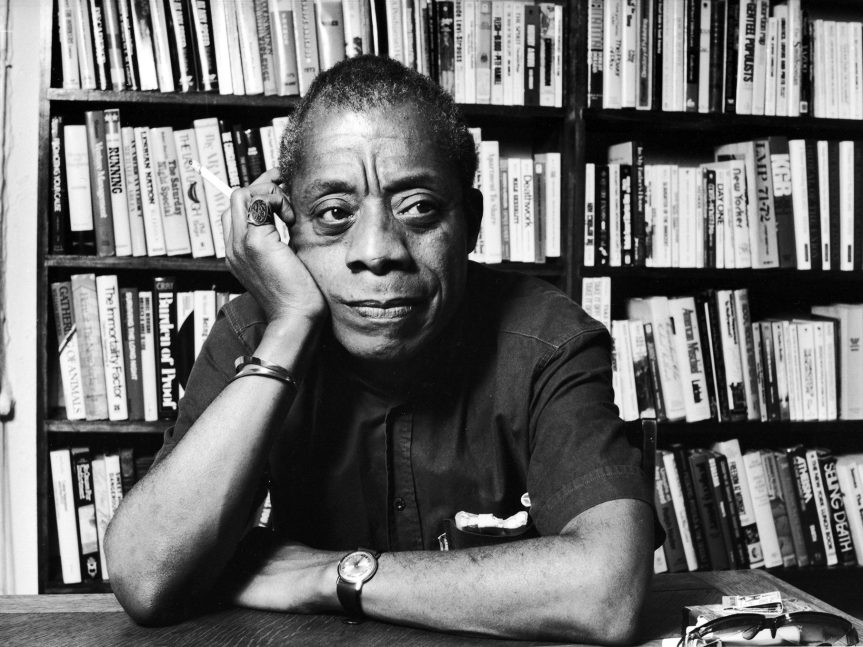
James Baldwin: Empowerment Through Words

James Baldwin was an American essayist, novelist, and playwright whose eloquence and passion on the subject of race in America made him an important voice, particularly in the late 1950s and early 1960s, in the USA and throughout much of western Europe. One of the 20th century’s greatest writers, Baldwin broke new literary ground with the exploration of racial and social issues in his many works. He was especially known for his essays on the Black experience in America. In light of recent incidents in America, with the killing of George Floyd and all the violence against black people, James Baldwin’s literary works have resurfaced and remain relevant even today. Unfortunately, the violence seen in America decades ago is still in existence, and Baldwins works brings these matters to light.

Early Years

James Baldwin was born the illegitimate son of Emma Jones on August 2, 1924, in Harlem, New York. When he was three, his mother married the Reverend David Baldwin, a fire and brimstone lay preacher who legally adopted James. Despite their strained relationship, Baldwin followed in his stepfather’s footsteps and served as a youth minister in a Harlem Pentecostal church from the ages of 14 to 16. He developed a passion for reading at an early age and demonstrated a gift for writing during his school years. Baldwin published numerous poems, short stories and plays in the magazine, and his early work showed an understanding for sophisticated literary devices in a writer of such a young age. After graduating from high school in 1942, he had to put his plans for college on hold to help support his family, which included seven younger siblings. He took whatever work he could find, including laying railroad tracks for the U.S. Army in New Jersey.

During this time, Baldwin frequently encountered discrimination, being turned away from restaurants, bars and other establishments because he was an African-American. After being fired from the New Jersey job, Baldwin sought other work and struggled to make ends meet.

Aspiring Writer

James Baldwin started devoting his time to write a novel, trying to fulfil his dream of becoming a writer. Eventually he befriended writer Richard Wright, through whom he was able to land a fellowship in 1945 to cover his expenses. Baldwin started getting essays and short stories published in such national periodicals as The Nation, Partisan Review and Commentary.

Three years later, Baldwin made a dramatic change in his life and moved to Paris on another fellowship. The shift in location freed Baldwin to write more about his personal and racial background. He once told the New York Times; “Once I found myself on the other side of the ocean, I see where I came from very clearly…I am the grandson of a slave, and I am a writer. I must deal with both,” The move marked the beginning of his life as a “transatlantic commuter,” dividing his time between France and the United States.

Major Works

Baldwin had his first novel, Go Tell It on the Mountain, published in 1953. The loosely autobiographical tale focused on the life of a young man growing up in Harlem grappling with family issues and religion.

In 1954, Baldwin published his next novel, Giovanni’s Room. It told the story of an American living in Paris and broke new ground for its complex depiction of homosexuality, a then-taboo subject. Baldwin was open about his homosexuality and relationships with both men and women, and believed that human sexuality cannot be limited by rigid categories.

In 1957 he returned to the United States and became an active participant in the civil rights struggle that swept the nation. Delving into his own life, he provided an unflinching look at the Black experience in America through such works as Notes of a Native Son (1955) and Nobody Knows My Name: More Notes of a Native Son (1961), which explored Black-white relations in the United States. This theme was also central to his novel Another Country (1962), which examines sexual as well as racial issues.

Nobody Knows My Name hit the bestsellers list, selling more than a million copies. While not a marching or sit-in style activist, Baldwin emerged as one of the leading voices in the Civil Rights Movement for his compelling work on race.

Final Years

By the early 1970s, Baldwin seemed to despair over the racial situation. He had witnessed so much violence in the previous decade, especially the assassinations of Malcolm X and Martin Luther King Jr., caused by racial hatred. While his literary fame faded somewhat in his later years, Baldwin continued to produce new works in a variety of forms. He published a collection of poems, Jimmy’s Blues: Selected Poems, in 1983 as well as the 1987 novel Harlem Quartet. Baldwin died on December 1, 1987, at his home in St. Paul de Vence, France. Never wanting to be a spokesperson or a leader, Baldwin saw his personal mission as “bearing witness to the truth.” He accomplished this mission through his extensive and timeless literary legacy

How Rich People Avoid Taxes

Taxes are those compulsory financial charges or some other type of levy imposed on a taxpayer by a governmental organization in order to fund government spending and various public expenditures. Everyone who is of a certain pay grade and receiving a certain amount of income has to pay taxes, and even corporations have to pay a certain amount of money in the form of taxes. Hence, there are various types of taxes that must be paid as a financial obligation to the government, to help in defraying government expenses for public welfare. The money given in the form of taxes are meant to be put to productive use, thereby benefitting all those people who have given tax in the first place. However, nowadays we can observe the trend of inequitable taxing in many countries, as the rich are getting away with tax avoidance while ordinary middle class and working-class people are being taxed unreasonably. Failure to pay taxes, as well as tax evasion/avoidance is punishable by law, but many rich people get away with these activities.

The Main Reason

While regular working-class people get paid wages and salary as their income, the rich do not get paid any such fixed remuneration. People with normal jobs get a pay check and pay income tax, ranging from 10-37%. However, wealthy people mainly have capital income, meaning they earn from investments like stocks and real estate. These investments are taxed as capital gains tax, and things like long-term stock have a maximum tax rate of only 20%. Thus, the capital gains tax is taxed at nearly half the rate as income tax. It is clear that there is a large discrepancy in taxation here. This is evidenced by the fact that a billionaire like Warren Buffet has said that he pays less tax than even his secretary.  

Hence, billionaires often face small and insubstantial tax amounts in comparison to what they are earning, and the main reason for these small tax rates is the fact that these people maintain their wealth differently than ordinary people. Their wealth is not being held in their wallets or in their bank accounts. Instead, it is being held in assets like stocks and real estate, which are only taxed when sold. Until then, they are considered ‘unrealized’ and cannot be counted as income. Even when they are sold, the capital gains tax that applies is minimal.

People like Warren Buffet and Jeff Bezos are worth so much money because of the stock they hold, but these stocks are not tangible, spendable or taxable money. This allows them to preserve their wealth effectively, and protect it from excessive taxation. Jeff Bezos, the richest man in the world, pays almost nothing in taxes because his holdings are not defined by U.S. laws as taxable income unless and until he sells them. So, even though he is worth around $200 billion, he is never taxed unless he sells a stock and turns it into real money. This is why we say billionaires are worth so much, but almost never have to pay taxes.   

Conclusion

The reality is that most rich people today do not pay taxes proportionate to their wealth or earnings. It is definitely a problem if wealthy people are not paying their fair share of taxes while normal people are bearing the burden of taxation. Such taxation systems allow the rich to keep getting richer without any real consequence, while everyone else is limited from increasing their financial position due to high tax obligations. To solve this, maybe taxes could be imposed on wealth, or on gains in the stock market. Wealth is the value of the things you own, such as stocks, bonds, houses, etc. Generally, there is no tax on wealth, but it should be implemented as a means of more justified taxation. Even things like increasing the income tax of those at the top, or increasing estate tax will help in taxing the rich more. Basically, taxation must become proportionate to wealth so as to keep a check on the rich, while staying fair to the people working normal jobs.

What is Bipolar Disorder?

Bipolar disorder, also known as manic depression, is a mental illness that causes extreme mood swings between emotional highs (mania or hypomania) and lows (depression). The word bipolar itself means two extremes. Hence, it is a mental health condition characterized by extreme shifts in moods and mental states. Depression causes feelings of sadness or hopelessness, and you lose interest or pleasure in most life activities. When your mood shifts to mania or hypomania, you may feel euphoric, full of energy or unusually irritable. These mood swings can affect sleep, energy, activity, judgment, behavior and the ability to think clearly. People with bipolar disorder may have trouble managing everyday life tasks at school or work, or maintaining healthy relationships. There is no known cure, but there are many treatment options available that can help to manage the symptoms. 

Causes

The exact cause of bipolar disorder is unknown, but several factors may be involved. For example, researchers believe that certain people with bipolar disorder have biological differences that cause chemical imbalances in the brain. There is also the factor of genetics, as bipolar disorder is more common in people who have a first-degree relative, such as a sibling or parent, with the condition.

Types

  • Bipolar I disorder: This involves manic episodes lasting 7 days or more, or severe mania that requires hospitalization. The person may also experience a major depressive episode that lasts 2 weeks or more. Thus, this type is characterized by extreme and severe highs and lows.
  • Bipolar II disorder: This features both mania and depression, but the mania is less severe than in bipolar I, and doctors call it hypomania. A person with bipolar II may experience a major depressive episode preceding or following a manic episode. Hence, here there are briefer, less extreme periods of elation with longer periods of depression.
  • Cyclothymic disorder: Also known as cyclothymia, this type includes symptoms of hypomania and depression that last for 2 years or more in adults or 1 year in children. These symptoms do not fit the criteria for wholly manic or depressive episodes.
  • Other types: People with these disorders experience symptoms that do not fall into the above categories. The symptoms may stem from drug or alcohol use or medical conditions, for example.

Symptoms

The three main symptoms of this illness are those mentioned earlier; mania, hypomania, and depression. These symptoms also vary depending on the type of bipolar disorder. The most serious type is Bipolar I, where a person experiences both mania and depression very deeply.

Mania is an emotional high that makes people feel excited, impulsive and euphoric. But these exceed ordinary feelings of joy, causing racing thoughts, rapid speech, sleeplessness, hypersexual feelings, and risky actions. Hypomania is generally associated with bipolar II disorder. It is similar to mania, but not as severe.

Depression causes things like low mood, dwindling interest in hobbies, changes in appetite, feeling worthless, sleeping too less/too little, and suicidal thoughts. Basically, life loses all colour for a person experiencing depression, and it is very hard for them to enjoy anything or feel any positive emotions.

Treatment

Though it cannot be cured, bipolar disorder can be controlled with treatment. Medication is the cornerstone of bipolar disorder treatment, and psychotherapy can help many patients learn about their illness and how to cope with it, preventing future mood episodes. Treatment aims to stabilize the person’s mood and reduce the severity of symptoms. The goal is to help the person function effectively in daily life.

Medications known as ‘mood stabilizers’, such as lithium, are the most commonly prescribed type of medications for bipolar disorder. These medications are believed to correct imbalances in brain signaling. Because bipolar disorder is a chronic illness in which mood episodes typically recur, ongoing preventive treatment is recommended. Bipolar disorder treatment is individualized, as individuals react differently and symptoms vary widely. It is important to get a correct diagnosis and find a suitable treatment as per the individual.

People suffering from bipolar disorder have their life split in two realities; elation and depression. For someone constantly bouncing between emotional states, it can be hard to find the balance which will help lead a healthy life. Hence, we should also support the people in our lives suffering from bipolar disorder and help them cope with such extreme and debilitating emotions.

Major World Religions

Religions exist in all parts of the world, in different forms. Religion is prominent worldwide because it gives answers to the age-old questions of where humans came from, what is our place in this world, and where do we go after we die. Religions are systems of belief that have developed in response to these and other eternal mysteries. Hence, they were formed as a way to explain humanity’s unanswerable questions and comfort us with the fact that there is some higher power(s) acting as the controlling force in the universe. With time, many new religions have developed in the world, each giving their own explanations and defining their own gods/principles. Obviously, it is impossible to know which religion is accurate, or whether any religion is accurate at all. However, it is important to understand the various religions we have in the world, as they provide meaning and purpose to many individuals. Here is a brief look at some of the major world religions.

Hinduism

It is the major religion of India, but is also present in other parts of the world. There are a variety of beliefs and spiritual practices in Hinduism, which is why it is sometimes referred to as a ‘way of life’ as opposed to a single organized religion. There is a pantheon of gods in Hinduism, and different people may worship different deities. Hindus believe in the doctrines of samsara (the continuous cycle of life, death, and reincarnation) and karma (the universal law of cause and effect). One of the key thoughts of Hinduism is atman, or the belief in a soul. This philosophy holds that living creatures have a soul, and they are all part of the supreme soul (paramatman). The goal is to achieve moksha, or salvation, which ends the cycle of rebirths to become part of the absolute soul. Furthermore, Hindus strive to follow dharma, which is a code of living that emphasizes good conduct and morality.

Judaism

Judaism is the world’s oldest monotheistic religion, dating back nearly 4,000 years. It is most commonly practiced in the USA and Israel. Unlike Hinduism, followers of Judaism believe in only one God who communicates to believers through prophets. The Jewish sacred text is called the Tanakh or the Hebrew Bible, and Talmud is a collection of teachings and commentaries on Jewish law and principles. Jewish people worship in holy places known as synagogues, and their spiritual leaders are called rabbis. The six-pointed Star of David is the symbol of Judaism.

Buddhism

Buddhism is a religion that was founded by Siddhartha Gautama (the Buddha) more than 2,500 years ago in India. Its practice has historically been most prominent in East and Southeast Asia, but its influence is growing in the West. Followers of Buddhism do not acknowledge a supreme god or deity. Instead, they focus on achieving enlightenment, which is a state of inner peace and wisdom. When followers reach this spiritual echelon, they are deemed to have experienced nirvana. The path to enlightenment is attained by following morality, meditation and wisdom. Buddha’s most important teachings, known as The Four Noble Truths, are essential to understanding this religion.

Christianity

Christianity is the most widely practiced religion in the world. The Christian faith centers on beliefs regarding the birth, life, death and resurrection of Jesus Christ. This is also a monotheistic religion. Christians believe there is only one God, and he created the heavens and the earth. This divine Godhead consists of three parts: the father (God himself), the son (Jesus Christ) and the Holy Spirit. The Holy Bible includes Jesus’s and his disciples’ most important teachings, and offer instructions for how Christians should live. The cross is the main symbol of Christianity, representing the crucifixion of Jesus Christ and how he died as a sacrifice for everyone’s sins.

Islam

Islam is the second largest religion in the world after Christianity, with about 1.8 billion Muslims worldwide. Muslims are also monotheistic and worship only one, all-knowing god known as Allah. Islam teaches that Allah’s words first reached the people in Mecca, through the divine messenger known as prophet Muhammad. Muslims live a life of complete submission to Allah, and believe that all that happens in life is god’s will. The Quran is the major holy text of Islam, and Mosques are the places of worship for Muslims. Followers worship Allah by praying and reciting the Quran. They believe there will be a day of judgment, and life after death.

Conclusion

The religions mentioned here are only some of the most popular ones in the world. In fact, there are hundreds of religions with different beliefs and practices. Religion has been an aspect of culture for as long as it has existed, and its main purpose is to provide a person with insight into life and give them some meaning. A person can choose to follow whichever religion fulfils his spiritual needs and gives him something meaningful to believe in.

Drink More Water

Water is a vital part of our everyday lives and is used by our body in many different ways. It is so important that humans can’t survive for more than a week without fresh water. However, a lot of us underestimate the importance of drinking water daily and do not truly appreciate what water does for our bodies. Depending on factors such as location, fat index, age and sex, the average human is between 55-60% water. In fact, the brain alone is made up of 73% water, the lungs are 83%, and even bones contain some amount of water. Despite all this, many people take it for granted, not drinking even close to the adequate amount of water needed for bodily functions to take place properly. So, an understanding of how water helps us may encourage people to drink water more frequently.

Some of its Benefits

  • You need water to stay hydrated and maintain an adequate amount of fluid in your body. Water helps in the production of sweat, which keeps body temperatures cool as you exercise. When you perspire, the excess heat from your body is lost to the atmosphere through evaporation, regulating your body at an optimal temperature. Water also prevents your muscles from getting tired as fast and allows you to have a quicker recovery post-workout.
  • Drinking more water can actually help in weight loss. When your stomach senses that it is full, it sends signals to the brain to make you feel full. This reduces your hunger and makes you less likely to overeat.
  • There is a strong correlation between your mental energy levels and how hydrated you are. Water is needed in every cell in your body and your brain cells are no exception. Water helps transport oxygen and nutrients to the brain for optimal mental function.
  • One of the most common causes of headaches is dehydration. When you are dehydrated, the brain contracts temporarily due to fluid loss. Hence, drinking water helps in preventing headaches and other minor health problems.
  • Constipation occurs when the stools in your colon don’t get enough water. When you are dehydrated, water is diverted from the large intestine to hydrate the rest of your body. So, ample amount of water needs to be consumed to ensure healthy bowel movements.
  • Kidney stones are hard deposits of salt and minerals that form within the kidney or urinary tract. You need enough fluids in your system to dilute the concentration of minerals that can turn into these stones. Hence, water prevents the formation of kidney stones.
  • When your skin is dehydrated, it will become dry, tight and flaky. Staying hydrated can reduce the appearance of ageing, making you look younger and fresher.

How much water should you drink?

The body constantly loses water throughout the day, mostly through urine and sweat but also from regular body functions like breathing. To prevent dehydration, you need to get plenty of water from drink and food every day. The recommended daily water intake for adults is 8 – 10 glasses of 250ml each glass. However, there is no universally agreed quantity of water that must be consumed daily, and the amount may vary depending on the person. Many internal and external factors determine how much water a person should drink per day. So, we must identify in our own lives whether we think we are getting enough water or not. In case you are feeling excessive thirst, dry mouth, dry skin, headaches, sleepiness, dizziness, etc., it is an indication that you are not drinking enough water.

It is also important to highlight that though drinking ample amount of water everyday is important, one should not overdo it. Drinking too much water can lead to water intoxication, which is when the levels of salt and other electrolytes in your body become too diluted. While it is rare, this can be a medical emergency if the electrolytes in your body fall too low and too fast.

At the end of the day, we should drink an adequate amount of water as per our requirements. This will allow us to reap the benefits of water, and prevent symptoms of not drinking water.

The Traffic in Bengaluru

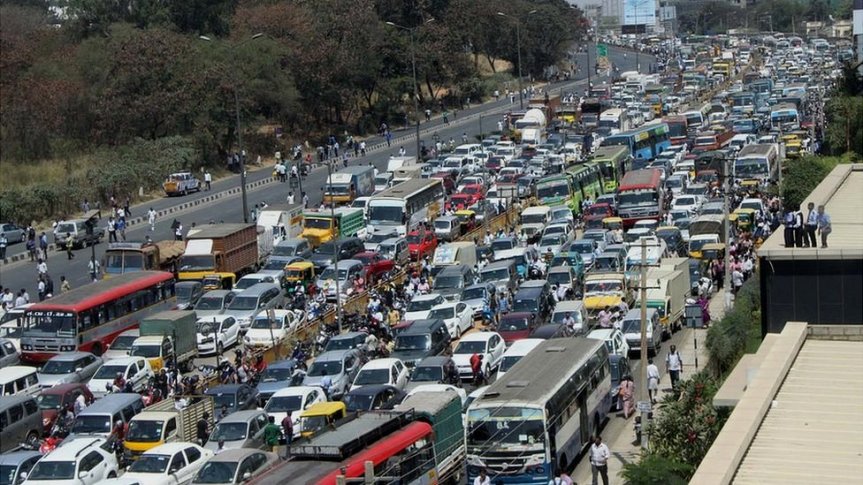
We know that India in general suffers from traffic jams in many different parts of the country. This is essentially due to the population density and thereby, the vehicle density that is prevalent in the country. With so many people using automobiles, there is bound to be traffic and packed roads especially in high populated metropolitan cities. When speaking of traffic in India, people often talk about Mumbai as being the city with the worst traffic. This is understandable as Mumbai is the most highly populated city in India. It is also India’s financial hub and gets a lot of tourism. However, there is one other city that gives strong competition to Mumbai, and which many claim is definitely the city with the worst traffic in India. It is so bad that it can even content to be the city with the worst traffic in the world. That city is Bengaluru. Bengaluru sees constant bad traffic on a day-to-day basis, and every single person that comes from the city can testify on how bad the condition really is. But why is this so?

Why is it so bad?

On average, it is estimated that a Bangalore citizen spends about 10 days in traffic. This is an unimaginable amount for a lot of us from outside Bangalore, who might experience traffic here and there but nothing compared to Bangalore. Furthermore, the average speed travelled on Bangalore roads is only 11 km/h, and it is estimated that it could decrease to 8 km/h if no measures are taken to curb traffic. The unusual thing here is that the speed is low not only with traffic but also without it. This is because the roads in Bangalore, and in generally in India, are multi-purpose public goods serving a wide variety of uses other than motorized transport that slow down travel (hawkers, stalls, parked vehicles, etc.).

The generally agreed reason behind the traffic is that it is because of the rapid and unplanned growth of the city. Bangalore’s traffic advisor M.N. Sreehari himself has said that Bangalore suddenly went from a sleepy village, to a town, to a city. These unforeseen and unplanned changes in the city left it unprepared to deal with the traffic.

Bangalore is often described as the Silicon Valley of India as it is home to the IT industry. Since the early 1990s, with the advent of globalization and privatization, global technology firms began opening offices in Bangalore and a large number of support industries have grown around it, bringing with them a huge influx of people from all over India. Many Indians and NRIs started moving to Bangalore to try building their start-ups, which Bangalore is known for today.

Hence, Bangalore’s population grew from 5.6 million in 2001 to 8.7 million in 2011. Today, it is estimated to have reached 11.5 million. So, the population has grown exponentially, but the infrastructure and roads have not been able to keep up the pace.

Apart from this, even the general road layout is to be blamed for the traffic. Rather than having a grid pattern which promotes the flow of traffic, Bangalore has a star pattern which causes a lot of interceptions and jams. Bangalore used to have grid like roads, but it gradually became more star shaped because of unplanned change and development. Also, the roads themselves are mostly in bad conditions and full of potholes. Potholes are one of the reasons for traffic congestion and road accidents. There is also illegal construction on these roads which narrow them down, causing more jamming.

Furthermore, the public transport like buses carry only about 45% of the city’s traffic and the metro system is still underdeveloped. This means that most people are dependent on their private transport. The city has 6.6 million private vehicles, including one million cars. Every day, another million vehicles enter from outside the city, clogging its already choked streets. Adding to this problem is the fact that one-third of the city roads are taken away by parking and encroachments.

Conclusion

Bengaluru’s traffic is undeniably bad, and measures need to be taken to curb traffic jams and congestion in the city. The traffic has had wide ranging effects on pollution and on the health of people, not to mention it is an immense waste of a person’s time. Even companies in Bengaluru have started pulling out of the city to move to tier 2 and tier 3 cities because the traffic is simply bad for business. It is the statutory and constitutional duty of civic bodies to maintain roads and footpaths. If the administration takes steps to solve the traffic issue in the city, Bengaluru will become a much more popular city and gain a better reputation.

Why is Dowry Still Popular in India?

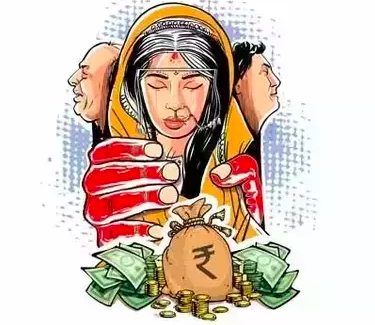
Dowry is basically the transfer of parental property, gifts, money or anything else of monetary value, usually by the wife’s family to the husband and his family upon marriage. Hence, dowry serves as a gift from the bride’s family to the groom’s family in consideration of their marriage and accepting the bride into the groom’s home. This practice of dowry is an old, obsolete and discriminatory practice. It has its roots in ancient Indian culture that placed women at an inferior position to men, such that women had to pay a price through dowry just to be with them. In older times, women had no individual identity and their identity was tied to their husbands through marriage. Dowry is a practice which took advantage of this convention and exploited women due to their inferior social position. With the change in times and beliefs, the payment of dowry has been prohibited under specific Indian laws such as the Dowry Prohibition Act, 1961 and subsequently by Sections 304B and 498A of the Indian Penal Code. However, the practice is still prevalent to a high degree in India today despite its prohibition, leading to things like harassment, domestic violence and even dowry deaths. There are many reasons for this.

Reasons for Dowry till existing

  • Firstly, dowry still exists in India because it is perceived as a source of easy income by the groom’s family. This is why we see the practice of dowry today predominantly in the rural areas and among the households of the poor. Without any of their own effort or hard work, and by simply relying on this social convention, the groom’s family can ask for dowry and gain wealth for free. Yet, research suggests that dowry is highly prevalent even among urban households and households of the rich and educated. This is unusual and it raises the question as to why someone who is educated and aware of laws indulge in the practice of dowry. Even recently in 2019, there was CCTV footage released of a retired Madras High Court judge Nooty Rama Mohana Rao harassing and beating his daughter in law for the payment of dowry. Hence, there are other factors that cause the practice of dowry to continue.
  • In most cases, due to patriarchy and preference of a boy child over a girl, the sex ratio in many states of India is disparate. This leads to a greater number of men compared to women. It could be argued that due to a greater number of men, dowry might hardly exist. However, this isn’t practically true, because the men having characteristics desired by the bride and her family are few. These characteristics include physical features, income, family status, etc. Thus, the bid for these highly demanded men leads to the existence of dowry. This is a typical market approach focusing on the demand and supply of desired partners which still exists in India today. Dowry is essentially the price to be paid to gain a husband or son-in-law, called the ‘groom price’.
  • Another reason for the prevalence of dowry is the notion of security. Research suggests that in-laws show more preference towards the daughter-in-law that brings a large dowry, giving her more autonomy and say in households matters and giving her fewer chores to do. In some cases, the bride herself encourages the payment of dowry as she sees it as a transfer of wealth from her paternal side to her husband’s side, leading to a rise in the financial position and status of her new family. Hence, the play of power and autonomy has led dowry to still exist.

Conclusion

Hence, we can see that despite its abolishment, dowry is still practiced to a large extent in India. This is because of the reasons stated above, and also generally because we are in a modern era with new requirements. We have an open economy which fosters free trade and globalization, which in turn has nurtured a consumerist attitude in us. The growing consumerism has affected the way dowry is perceived in India, and it is now being encouraged as it helps satisfy the consumerist needs of people. Furthermore, any attempt by a woman to file a complaint or report a case of domestic violence/harassment with regard to dowry is often silenced by the husband or his family by threat or coercion. Therefore, India must try its best to create some sort of support system for women and work to abolish the practice of dowry at all levels so as to remove this discriminatory practice from Indian society.