Public Relations

When the COVID-19 pandemic situation began and the whole world went into lockdown, the taxi and food delivery services company, Uber, released a video on YouTube called “Thank You for Not Riding” that was part of the campaign #MoveWhatMatters. The campaign was an effort by the company of thanking its customers for reducing travel and maintaining social distancing. They compensated Uber drivers around the world who were not able to work for many months and provided free rides and food deliveries to front-line healthcare workers and citizens. This was Uber upholding the responsibility it has in such a challenging situation. In the last two years, a lot of interesting public relations campaigns have been taken up by companies and organizations across the world.

Public Relations or PR refer to the process of communication between an organization, company, or individual, and the public. It is the art and science of talking to the right audience in the right way. Public relations can influence and shape a company’s image, reputation and brand perception. A PR specialist or PR Officer is responsible for maintaining the image of the company they work for. To ensure the company’s good image, they can formulate communication plans and use media and other direct and indirect mediums.

The primary aim of PR is to maintain a good relationship with the public, their target audience, investors, employees and stakeholders which would help the company get a positive reputation, encouraging people to believe the company is honest and relevant.

If PR is related to maintaining a company’s relevance within the public, how is it really different from advertising? Here is the difference. Advertising is paid promotion while PR is earned. Companies pay newspapers, television channels and other media to display their Ads but PR promotes a brand using editorial content appearing in various media. Audiences usually look at Ads skeptically while PR promotions help in building trust in the audience because it has a third-party validation by the medium in which it is promoted. They are also cheaper compared to advertising and marketing services in the industry.

PR is influential in building brand reputation. A good PR agency can help a company improve its credibility and reputation. They make sure the company is getting proper attention and positive feedback for all of their projects, works and news updates. PR also has a very important role to play in crisis management or situations in which the image of a company may be in danger, which may be due to some miscommunication. It is the PR team’s responsibility to communicate with their target audience and public and clear the possible misconceptions. They have to work to get rid of the negative publicity the company may have received.

Here are two more examples of great PR campaigns in India:

#TouchOfCare by Vicks:

Companies often try to bring attention to compelling public issues with their campaign. In 2017, Vicks released a heartwarming video as part of its campaign #TouchOfCare. The video showed how Gauri, a transgender woman, raised an orphan girl, Gayatri, with all the love and care in the world, even when she faced struggles in society. Vicks believes that everyone deserves to be cared for and receive the touch of care. With this video, they showed how everybody needs someone to care and love them, whether they are connected by blood or not. The video got lots of positive feedback, generating about 4 million views in the first 48 hours in which it was released.

#ItsJustAPeriod by Stayfree

Stayfree launched the campaign #ItsJustAPeriod in 2020 to encourage period-related conversations and remove the stigma associated with it in Indian families, particularly as India went into lockdown and schools closed. A video was released on YouTube with many actors and influencers coming forward in support of the movement. With the majority of the Indian population at home, this campaign was able to get a huge social media outreach, with 10.17 million engagements collectively on Facebook, YouTube and Instagram.


The Success Story of Sugar Cosmetics

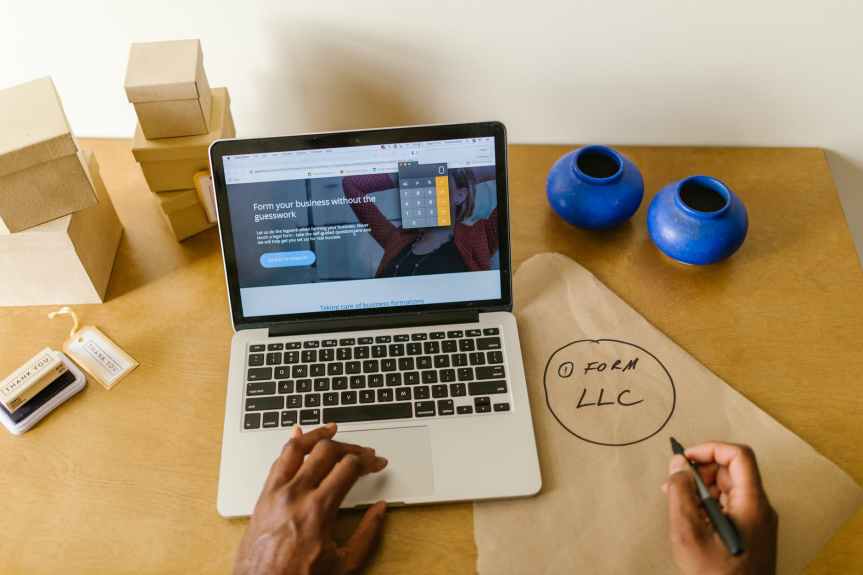
When Vineeta Singh and her partner, Kaushik Mukherjee started fab Bag in 2012, it was their second entrepreneurial venture. It was a monthly makeup and beauty subscription for women in which a subscriber would receive a bag of 4 to 5 beauty products every month. These products would be selected from various brands based on the customer’s preferences and skin type. It was in 2015 that they made another attempt and began Sugar Cosmetics. With Fab Bag, Vineeta realized that a lot of the foreign and local makeup brands were not suited for Indian skin tones. This is how they set up Sugar cosmetics with the aim of providing affordable and compatible products catered to Indian complexion. This meant a lot of their products could be used by consumers even if they had to use public transport for long distances to go to work. In 2022, it has established its place in India’s beauty industry, competing with famous brands like L’Oreal and Lakme.

Vineeta Singh, CEO and Co-founder of Sugar Cosmetics

For the initial two years, Sugar stayed as an online-only brand, after which, it started to move into offline retail. Today, this Mumbai-based D2C (Direct to Customer) brand has over 2500 outlets in over 120 cities across India. In five years, it has managed to cross Rs.100 crore revenue, with the company witnessing its biggest leap in success right after the COVID-19 lockdown.

According to Abhay Pandey, general partner at A91 Partners and one of the backers of the cosmetic company, what really helped this brand was its perfectly timed beginning when India was witnessing two major trends- a rapidly growing beauty business and increasing internet usage by consumers. By launching as a digital-only start-up, they were able to gain a set of loyal consumers. These consumers, mostly millennials, felt empowered by the consumer-oriented products of the company. The founders began Sugar based on three core ideas – listening to consumers, staying away from discounting and focusing on content for consumers. This is the strategy they have always stuck to and it has proved very useful for them. The company sells basic makeup products like foundation cream, concealer, eyeliner, lip-liners, mascara, lipsticks, as well as skin-care products and makeup kits. Lipsticks and Lip crayons contribute to 65% of their revenue, with best-selling brands like ‘Matte as Hell’, ‘Nothing Else Matters’, and ‘Seal the Show’.

The COVID-19 situation saw the company depend strongly on social media marketing to survive and strengthen its relationship with consumers. Sugar had always managed an omnichannel presence even before the lockdown. They collaborated with a lot of YouTube and Instagram influencers when they started to attract millennials and urban Indian women to their products. When COVID-19 hit, it was not the easiest time, with many companies being forced to shut down their operations. Sugar also saw a complete halt in sales during the lockdown in the months of April and May. Warehouses and retail outlets were shut down. However, they started to get an increasing amount of sales from June onwards as the retail team at Sugar figured out how to make the entire sales online. They made full use of their app which was launched in 2020, and their social media presence to continue with customer engagement. Their app has been downloaded 100,000 times and they boast a huge online presence, with 2 million followers on Instagram. According to Vineeta Singh, content was and is one of their main focus points. They aim to build a brand with great influencer and social media marketing.
While their products are manufactured across USA, Germany, India and South Korea, and they have distributors in America, Sugar Cosmetics remains focused on the Indian market.          

Social Media Management

In this highly digital era that we live in, every company is trying to make use of social media to increase its presence and gain clients. At this point, social media management is something every management student and prospective job seeker should be knowing about.

Social Media Management is the process of using social media platforms like Twitter, Facebook and Instagram to create, publish and then analyze content for a company. It includes analyzing social media audiences and developing a strategy to create and distribute content for social media profiles, and engage with users. Efficient and well-organized management of social media actually gives many good opportunities for companies to profit more. Brands and companies can use social media to increase brand awareness and store visits. In a company, a Social Media Manager takes on the task of social media management. Social media managers need to be skilled professionals at social media marketing, management and advertising so that the company can reach its goals such as increasing social media revenue and user engagement. They could be working as a consultant or an in-house employee.

  • Social media helps brands engage with users all over the world. This is something traditional marketing and advertising cannot achieve as well as social media networks. Certain platforms like Instagram and Pinterest also help brands connect with niche audiences.
  • With this kind of extensive reach, the brand can now align their marketing initiatives with user behaviour.
  • Not to mention how convenient and cost-effective a social media initiative is. Setting up an account, posting content and engaging with users through chats and comments are all free of cost. Advertising on social media is a very profitable way of building a strong online following.

Major social media platforms used by brands and companies include Facebook, Twitter, Instagram, LinkedIn and Pinterest. There are several paid and unpaid tools that help in managing social media networks by scheduling posts, content, responding to inquiries and comments, etc.  

Photo by Kaboompics .com on Pexels.com

Here are 3 essential steps that will help a brand gain useful information about its social media strategy and direct it through the right path:

Reviewing the company’s social media through an audit:

Conducting a social media audit will help a company understand how effective its marketing strategy is. The audit would include listing all the social media profiles of the company and reviewing social media analytics regarding top-performing posts, engagement, publishing frequency follower growth, traffic sources, average response time, audience interests and demographics. Analyzing this data and reviewing competitor’s social media presence aids the brand in improving its social media management and identifying where it might be wasting its resources.

Researching Target Audience:

Having a good idea about who your audience is, is essential for efficiently managing social media. It helps in creating relevant content and boosting customer relationships. Without knowing your target audience you are basically wasting a lot of time, money and resources.

Determining the Right Social Media Platforms:

While a company should definitely have social media profiles on top networks like Facebook, Twitter and LinkedIn, it should put most effort on networks that is used most by its audience. Not every platform may work well for the brand’s vision and marketing strategy. It should prioritize and put in effort for every platform according to how frequently its audience uses them. Brands that cater to a niche audience can also make use of such platforms that connect with its specific audience demographics.    
Start-up to Success: Ola Cabs

Gone are the days when commuting without a personal vehicle, used to be an issue for city dwellers. Either they had to resort to public transport which is not always the safest option, or book rental car services way before the trip for enormous amounts. Now with the coming up of app based cab riding services, voyaging has become easier for city dwellers.

And Ola is one of the key players in the market in regard to cab services. It is the first Indian cab aggregator company. Ola has made it much easier for the public to book cab at their own convenience. The company started in 2010 by Bhavish Aggarwal and Ankit Bhatia, and since then it has been bridging the gap between cabs and commuters.

Ola partners with a number of taxi drivers and owners, and with the help of their app they allows people to book cabs by entering their pick up location and destination. Ola has users in over 250 Indian cities and employs more than 2.5 million driver-partners.

How did it start ?

It all started when Bhavish Aggarwal while journeying from Bandipur to Bangalore, was left abandoned in his journey by his driver. This was because the driver was renegotiating the already decided payment. This unfortunate incident lead him to come up with a economical and satisfying cab service. And thus, Ola cabs was born.

The founders of Ola, Bhavish Aggarwal and Ankit Bhatia are both IIT Mumbai graduates, and launched Ola in December 2010. Both of them became the youngest billionaires of India, at the age of 25 and 26.

The name of the company is driven from the Spanish word ‘Hola’ that translates to ‘Hello’. The name ‘Ola’ probably indicates their services as easy and simple to use. Their logo is simple yet elegant and has the ‘O’ in the shape of a tyre.

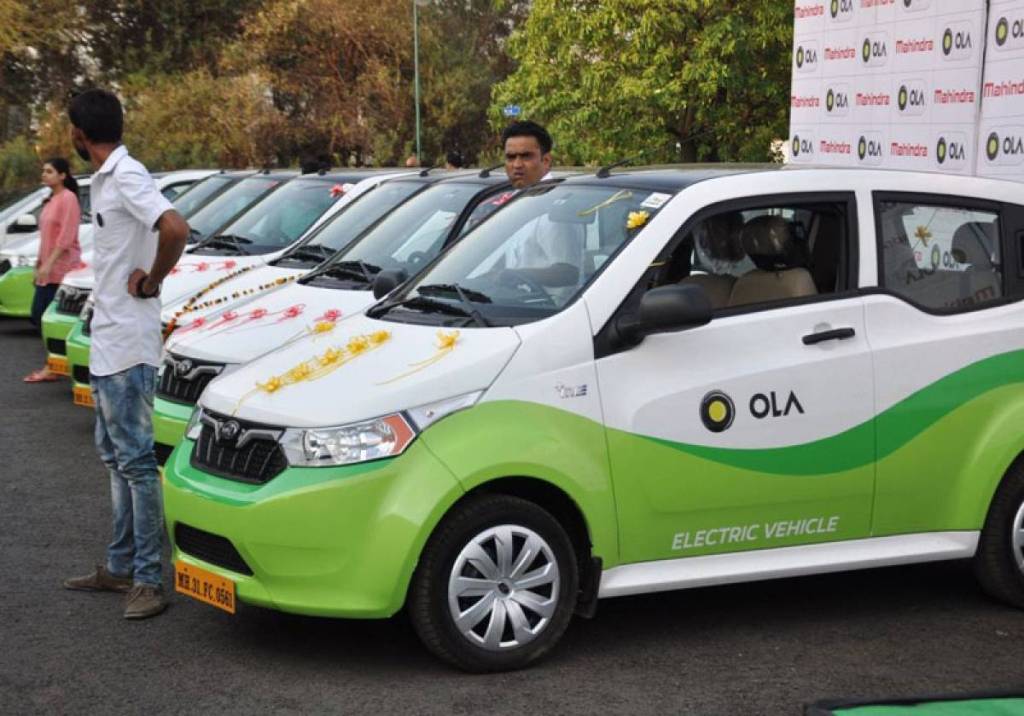
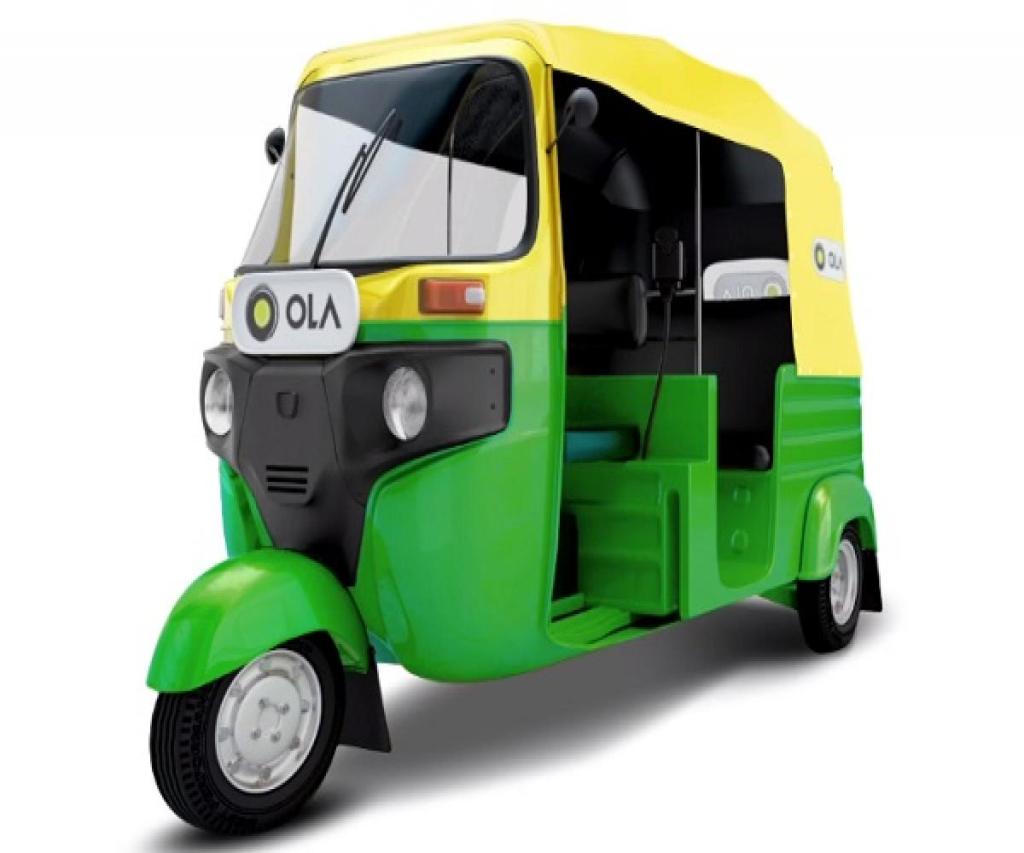
Ola has a wide range of car categories to choose from, such as hatchback, sedan, SUV and more. Travellers choose them depending on their budget and number of people travelling. For travelling within the city, people can hire cabs, bikes, autos and even e-rickshaws through Ola.

Challenges and Competitors

In the initial day of the start up they had to code for long hours and sometimes 48 hours straight. They even had to drive customers to their desired locations at times because the drivers did not show up. As much as Ola wanted to spread their services across India, they faced the issue of internet connectivity in smaller town. Thus, they designed the app so that I could accommodate network connectivity in smaller towns. However, after bagging an investment worth 2 crores, things were finally in track and there was no looking back.  

Every business has its fair share of competitors and so does Ola. Uber is Ola’s biggest competitor. There are other players in the Indian market such as, Meru Cabs, Zoomcars, PeIndia Cabs, Carzonerent and more. Rapido is increasing taking over the bike taxi segment as well, which is the competitor to Ola’s bike services.

Needless to say, just like most businesses, Ola too had to bear the burnt of the COVID-19 pandemic. The travel and transport sector was hit severely with the pandemic as there were repeated lockdowns and curfews affecting its revenue generation. However, with the upliftment of lockdowns and curfews, it is believed that Ola will regain its revenue generation soon.  

Addition and Expansions

In spite of facing ups and downs through out the years Ola manages to sail through smoothly. Over the years Ola introduced new services in ‘Ola pedal’, which is a huge success in IIT Kanpur and IIT Madras campuses. They have also introduced the option to book cabs on an hourly basis to travel out of the city and have named the segment ‘Ola outstation’.

‘Ola money’ was also introduced and the product includes Ola money credit card, Ola money post-paid, Ola money mobile wallet and Ola money hospicash. Ola launched ‘Ola corporates’ in 2016, where employees book their rides through Ola, and the fare is deducted from the company’s Ola corporate prepaid account.

In March 2015 Ola acquired ‘TaxiForSure’, another taxi aggregator for $200 million, and maintained its stand in the country’s cab hailing market. Another impressive deal was when Ola acquired Foodpanda-India, an food delivery aggregator in 2017 at a valuation of $40-$50 million. In 2018 onwards, Ola expanded its services overseas in countries of New Zealand, Australia and United Kingdom.

                     Clocking more than 150,000 bookings per day, Ola holds a little less than half of the Indian market (as of the Uber’s 2020 report). The CEO of Ola Bhavish Aggarwal has disclosed that the company is planning on initiating an IPO in the coming years. Ola plans on further expanding their services in remote areas, making India travel luxuriously on a budget.  

Contemporary Fashion: The Minimalist’s Coverbook

Models walk the runway at the 3.1 Phillip Lim Fashion Show during Mercedes-Benz Fashion Week Fall 2015 at Skylight Clarkson SQ. on February 16, 2015 in the Brooklyn borough of New York City.

Introduction

The sense of fashion never goes out-of-date for a true fashionista. Among the Millions of fashion lingos in today’s market , one that often dominantly buzzes around, is the term “Contemporary Fashion”.Meant to describe labels with a designer aesthetic and more accessible price points and we use the term “accessible” loosely, with most pieces averaging out around $500 , the term means big bucks where the fashion industry’s concerned, having become one of the biggest areas people spend their money in the last few years.

What Contemporary Fashion Is

Contemporary apparel is clothing that is accessible, in price and in terms of the way people wear it. The contemporary category often contains more modern-style clothes compared to the higher end luxury market. The voice of the contemporary industry is a bit more modern and a tad younger. Contemporary brands appeal to both the luxury shopper and the new breed of aspirational shopper.  This tier has become a go-to for women who can no longer justify shelling out huge amounts of cash on designer garb. It is also appealing to people bored of regular fashion and who are prepared to spend that little bit extra for something that will last.

A great contemporary brand is one with a unique look and feel. Garments and accessories will have interesting construction details and a good-quality finish. The collections are in line with seasonal trends but also incorporate signature items that consumers immediately recognize and associate with the designer brand.

A Harpen Fashion Show

Is It Futurist: The Sustainability Question

In fashion, the term ‘futuristic’ is often used to describe avant-garde clothing designs. It could refer to several things, such as the clothing’s method of production, the materials used, or the garment’s design. Futurism can even refer to the 20th century Italian art movement, and indeed, this movement addressed the problem of designing fashion for the 20th century. We would learn much by examining Futurist fashions in order to understand its legacy in relation to contemporary fashion designers viewed as futuristic today. This paper will review this legacy by looking at five specific examples—Italian Futurists and their contribution to classless and genderless fashion; French designer Yves Saint Laurent’s iconic minidress inspired by the De Stijl art movement; fashion designed specifically for women with active lifestyles; technological advancement and space exploration seen in the designs of André Courrèges and Pierre Cardin; and advancements in textile manufacturing during the late 20th and early 21st century in relation to Karl Lagerfeld, Donatella Versace, and Hussein Chalayan. This leads to the primary analysis of Iris van Herpen and other contemporary designers including Noa Raviv and Neri Oxman. Their designs will be discussed in relation to the problem of labelling fashion as futuristic.

A Paris Georgia Apparel

Challenges of Contemporary Fashion

The contemporary brands fashion market is clearly brimming with a high level of competition. The up-and-coming contemporary designers are forced to continuously compete with older, established luxury brands in the targeting of the younger generation of consumers. The contemporary market began out of consumers’ need and want to own versatile clothing that could be worn on a daily basis.  Stylish consumers were hungry for locating a head-to-toe outfit that luxury brands create, but could be sold at a more reasonable tag.

Simone Racha Catwalk Show at London Fashion Week

Scopes of Contemporary Fashion

Due to the fact that contemporary brands appeal to several groups of consumers, this industry will continue to see global opportunities. Fashion editors and industry insiders agree that contemporary brands have stolen the limelight and are helping to bridge the gap between luxury brands and main street.

Not only will contemporary labels allow you to up your designer arsenal without forcing you to exist on an exclusively Kraft Dinner diet, but the pieces are also constructed with everyday wear in mind (no couture-like assembly required). Not to mention that contemporary lines still boast that oh-so-coveted designer aesthetic and quality craftsmanship—perfect if you’re looking to break away from the usual suspects in fast fashion retail.

Famous Contemporary Fashion Designers and Their Works

Carven: Founded in 1945 in Paris, Carven has enjoyed a resurgence since the hiring of designer Guillaume Henry in 2009, who transformed the house from old-school couturier into the cool girl’s label du jour.

Carven Spring 2014 ready-to-wear collection
Carven Fall-Winter 2015-16 collection

N°21:  Started in 2010 in Milan by designer Alessandro Dell’Acqua, the brand offers a smorgasbord of whimsical designs that can be effortless.

N°21 Spring- Summer 2018 collection
N°21 Spring-Summer 2021 collection

Jonathan Simkhai: Starting from NYC His first womenswear collection was shown in 2010, where Simkhai debuted his take on dressing for today’s cosmopolitan woman. A master at tailoring oversized pieces to flatter the female form, his designs run the gamut from exaggerated boxer shorts to basketball jerseys.

Simkhai Fall 2017 collection
Simkhai Fall 2020 ready-to-wear collection

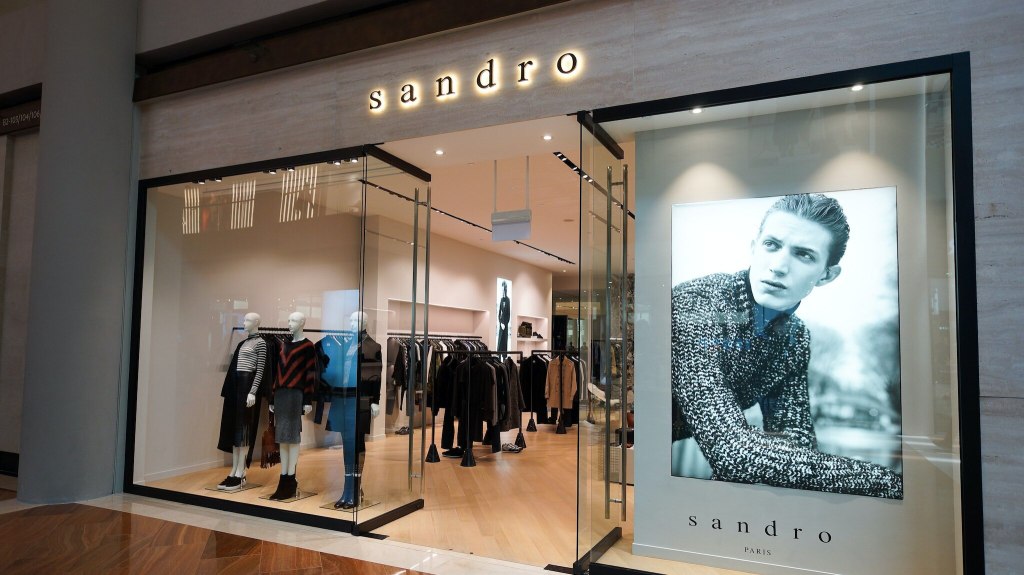
Sandro : Launched by husband-and-wife duo Didier and Evelyne Chétrite, Sandro is a well-known and popular brand in the contemporary market.  Since its launch in 1984 (in the Marais district of Paris), the label has gathered a cult following with women charmed by its insouciant, season less separates and rock’n’roll aesthetic. Sandro has stores worldwide in places such as New York and Japan, and a flagship store based in Covent Garden, central London.

A Sandro Store
Sandro Spring-Summer 2021 Menswear Collection

Conclusion

Consumers want to feel like they own something special and unique. They want exclusive quality labels that are not mass produced, yet are still affordable.  It is important to keep in mind that this category is less expensive then higher tiers such as Haute Couture, but the prices are clearly higher than budget collections.The changing demographic of fashion consumers and the rise of contemporary brands. To stay in the game, luxury fashion marketers must compete on a global scale.

Start-up to Success: Zomato

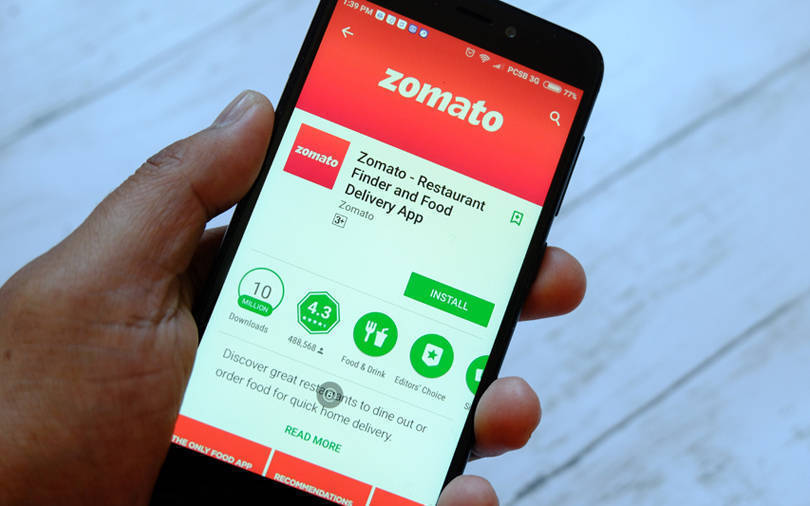
On lazy days when we aren’t in the mood to cook and don’t want to go out either, Zomato is one the first things that comes to our mind, to rescue us in situations like these. Zomato is an Indian food delivery aggregator app, other than delivery food from various partnered restaurants under one roof, it also provides concrete information regarding the restaurant, that includes the menu, reviews, pricing and more.  

The founders Deepinder Goyal and Pankaj Chaddah launched Foodiebay, a food directory website in 2008, and later rebranded it as Zomato in 2010. And since then the growth of Zomato has been phenomenal despite of having few ups and downs. The company is one of India’s first food-tech unicorn.

Origin of Zomato

The founders of Zomato, Deepinder Goyal and Pankaj Chaddah who are both IIT Delhi graduates worked as analysts at Bain and Company, Delhi. One day at their office they realised that there were a lot people who were waiting for a long time just to get a flash of the menu card at a nearby café. And at that moment, they came up with a solution to put an end to such inconveniences. And thus, Foodiebay was launched.   

Foodiebay gained tremendous user base and growth rate, and within nine months of its launch, it became the largest restaurant directory in Delhi NCR. It initially started out in Delhi and eventually extended their services to Mumbai and Kolkata, and now all across India. After having two successful years, the founders decided to go international. After being backed by investors and little modification, Foodiebay was rebranded to be called Zomato in 2010.

In 2012, Zomato started its international with its UAE launch and eventually launching its services in Europe and South Asia. In 2015, it launched Zomato Gold, which is a membership program in which consumers can avail exclusive deal at Gold-tagged restaurants.

Struggles of Zomato

Zomato had a good start to the business till 2014, as it had a fully functional international service, however things took a turn since 2015, and it went through a ‘make or break’ point. In 2015, Zomato laid off 300 employees to curb losses. In the same year, Zomato acquired Urbanspoon in the USA, and rebranded it as their own company, but things did not go as expected and the venture failed miserably.

In 2016, Zomato had to cut out its services in several countries like the US, UK, Chile, Canada, Brazil, Sri Lanka. Ireland, Italy and more. And when they resumed, Zomato had to resort to remote services. In 2017, Zomato faced its biggest blow as it encountered a cyberattack with a hacker that had breached into 17 million users record from the company database. However, the issue was soon resolved, as the hacker just wanted to prove that there were loopholes in the security system.

In 2019, the #logout campaigned surfaced when the partnered restaurants called out Zomato for consuming their profit margins through, Zomato Gold and Infinity dining service. The restaurants also highlighted unreasonably high commissions and arbitrarily applied additional charges. Post this campaigned Zomato altered Zomato Gold rules and discontinued Infinity dining features. In the following years, Zomato has been involved in a number of other controversies, which have been resolved soon.

Re-establishing Itself

Despite having such controversies, Zomato claims to have registered a rise of 177% of restaurant partners and got on board an additional 73,000 restaurants. Zomato has over 1.4 million listed restaurants and 12,000 restaurant partners aligned with its app, as of August 2021.

Zomato has raised more than $2.1 Billion in funding, and continues to do so. In the 12 years of its journey, Zomato acquired around 14 companies, and one of their biggest acquisition was Uber Eats- India for $206 Million in January 2021.

Despite having tough competitors like Swiggy, Foodpanda, it still managed to generate a revenue of $1 billion in the financial year 2021. And offered Rs 9,375 crore as initial IPO, which opened for subscription during July 14-15 July 2021, and received a strong reception from investors. The public issue was subscribed 38 times, which is the highest in the last 13 years among IPOs valued at more than Rs 5,000 crore.

Zomato also has a strong social media presences, which helps in connecting with urban youth. It produces content that are trendy and relevant to the target demographic.  

                      Zomato changed the Indian food delivery system and it continues to mould it further. Zomato’s tagline ‘Never have a bad meal’, truly lives up to it. Zomato shows that despite of having ups and downs, they stood strong and sailed through it, and continue to improve themselves by adding new and relevant features.

Start-up to Success: Nykaa

The cosmetic market is a 1.3 billion dollar industry in FY2020, and the growth is only expected to be double in the future. The amazing growth of the industry, along with rapid digitization, led its way to the establishment of the e-commerce giant, Nykaa.

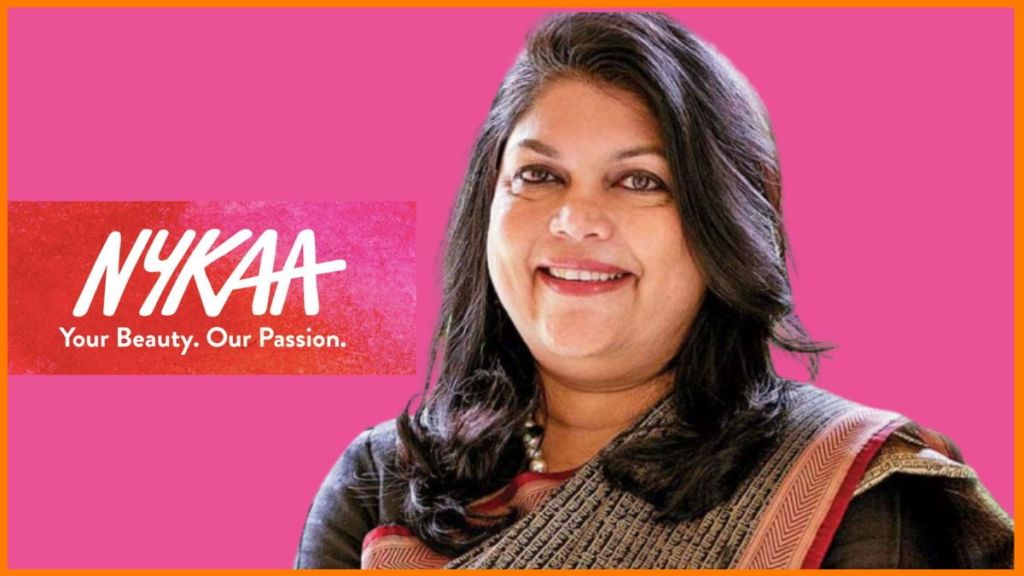
Nykaa was established by Falguni Nayar in 2021, as a retail company that sells cosmetic commodities online. However, after its enormous growth Nykaa also offers offline stores all across India. The company also offers comprehensive content that includes product reviews, beauty how-to videos, expert written articles, and even an e-magazine.

Origin of Nykaa

Prior to the coming of Nykaa, there was a huge discrepancy in regard to the beauty market. Falguni Nayar, the founder of the company, noticed the inconsistencies in the market of beauty products, and thus came the idea of the beauty e-commerce. ‘Nykaa’, the name comes from the Sanskrit word ‘nayaka’ which means actress or ‘one in the spotlight’.

Nykaa initially started as an online corporation and eventually turned to be an omnichannel strategy. Nykaa has its base in Mumbai, and showcases a wide variety of beauty and cosmetic products for all genders. Other than beauty and cosmetics, Nykaa is also a retailer for intimate wear, garments, jewellery, home décor and more. Nykaa also sells luxury brands such as Estee Lauder, Dior, Chanel, Gucci to name a few.

Soon after its success, Nykaa also launched its line of in-house products, under the same name. The products include a wide range of products from cosmetic to skin care to bath and body products and more.

About the founder

Falguni Nayar was a student at IIM Ahmedabad, where she pursued her MBA in Finance. She then joined Kodak Mahindra Capital Company, as an investment banker. She worked in Kodak Mahindra for 18 years, amidst which she decided to pursue her entrepreneurial venture, and resigned from the bank. And today, she is India’s first self-made billionaire.

The beauty and cosmetic products market in India was not at par with that of other countries like France and South Korea, despite of having a high demand market. She had the vision to see India in par with these countries in terms of catering to the beauty industry. And she thus, fulfilled her desire to established the online beauty sector a reliable source for consumers to confidently purchase authentic products.

Being passionate about beauty herself, she wished Nykaa to be a one stop solution for a Indian woman’s selfcare need, and change their grooming experience for the better. Nykaa’s motto Your beauty, Our passion, truly justifies their claim.

Future of Nykaa

Nykaa claims to make 5 million per month as revenue across India, and the numbers are only expected to grow. During the pandemic, online sector grew exponentially, and Nykaa shined exceptionally, helping India with delivering essentials during the lockdown.

Along with online deliveries, Nykaa has 80 plus stores all across India, and they are planning on growing 180 stores all over India by the year 2024. And they are further planning on expanding internationally.

Nykaa came into the spotlight when it launched IPO for subscription during the October 28 to November 1 2021, and fixed a price band of Rs 1085-1125 apiece for maidan offer. Nykaa was offered 81.78 times over the 2.64 crore shares that were being offered. Nykaa had a dream debut in its IPO where the market cap of the company crossed Rs 1 lakh crore. The valuation of Nykaa surged almost to $13 billion in its Indian market debut. And the valuation of Nykaa is only expected to grow further in the coming years.  

                    Falguni Nayar started Nykaa at the of 50 with no prior experience, and changed the fate of Indian beauty industry. The biggest take away from this journey is that, age is just a number, and you can turn your dreams and passion into a billion dollar industry when you have an entrepreneurial mindset. Falguni Nayar will be an inspiration for the generations to come.  

Is Indian Handicraft at risk ?

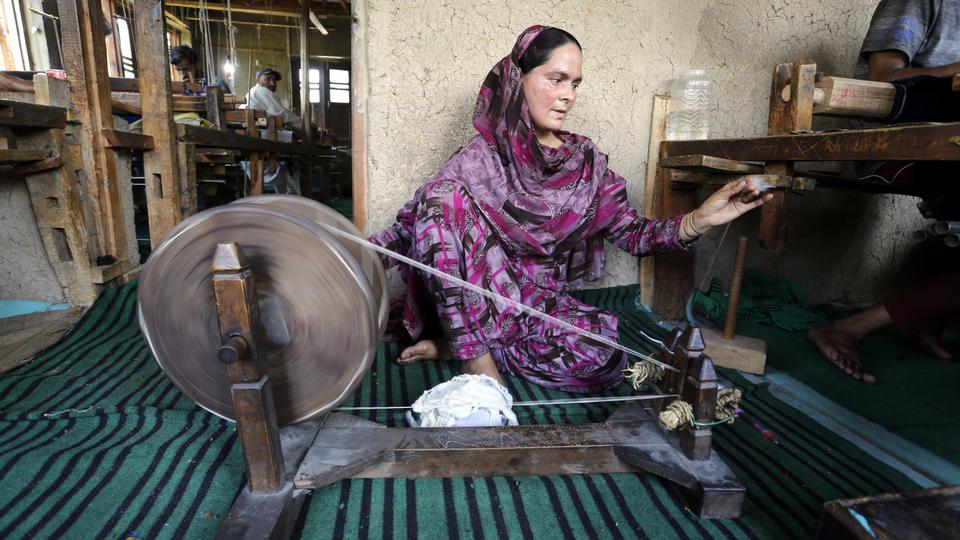
Handicraft as we all know it, is the craft work of processing materials by hands or simple hand tools. The outcome of such a craftwork involves decorative pieces or useful objects. The materials used in the making are mostly natural, but can be industrially processed or even recycled too.

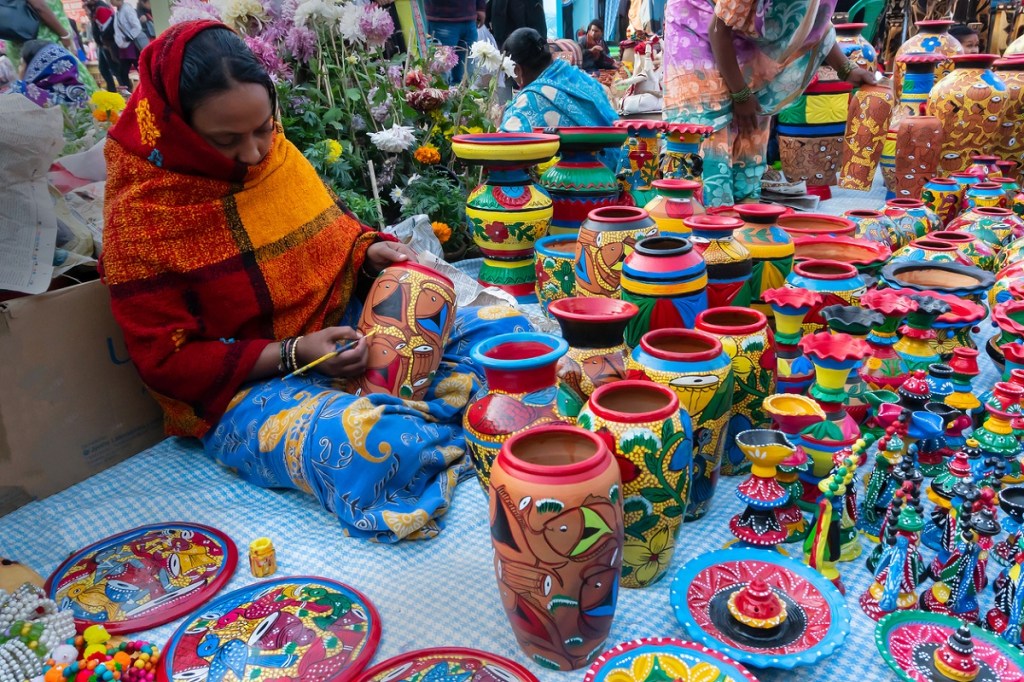
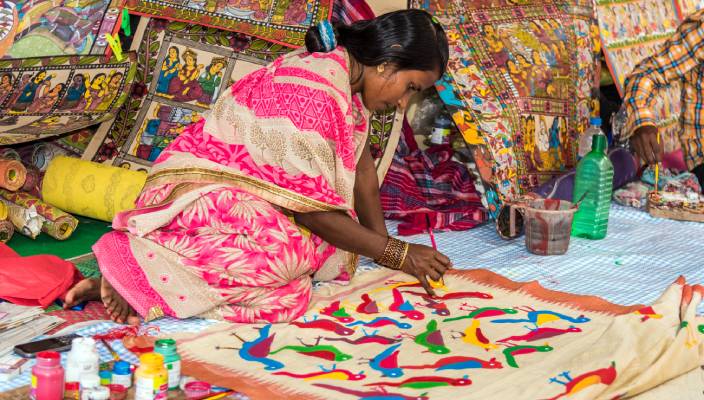
Handicraft is an artform that is deeply rooted in the traditions of India. And the sector provides livelihood to lakhs of people. They produce goods ranging from carpets, potteries, paintings, embroidery and the list goes on. Every region in India has handicraft that is unique to that region. Such as Chikan Kari weaving from Lucknow. Madhubani paintings from Mithalia, Bidri metal handicraft from Karnataka, Pashmina shawls from Kashmir and so on.

However, over the years this industry had to endure certain challenges, making it hard for the artisans to flourish and make a living.

Issues faced by artisans

There are a number of reasons why artisans in the craft industry are facing problems. Some of the widely varied reasons are;

  • Informal sector- Handicraft industry is a highly informal sector. Artisans are usually structured through informal contracts between traders, middlemen, master artisans and low skilled artisans. Along with that, this industry is largely unorganised, making it hard for the industry to flourish organically.
  • Lack of education- The lack of education makes it difficult for the artisans to manage inventory, access government schemes information and bargain with traders and middleman.
  • Outdated production methods- Artisans lack the funds to upgrade to better tools and technologies or undergo training.
  • Competition from organised sector- Artisans are losing customers, due to the arrival of cheaply priced machine made products, especially Chinese made goods.

These are few of the reasons handicraft industry is lagging behind. However, it is never too late to make amends and prevent the sector from sinking.

How to revive the Handicraft industry?

One of the first steps to be taken to boast the Handicraft industry, is the action to make this industry organised. It is a given fact that middlemen and traders mend their ways into benefiting from the sales by jeopardizing the livelihood of artisans. Having an organised and formal sector will help with the righteous distribution  of profit. This is the task of the government to take needful action and prioritise this industry just like any other high yielding industry.

Along with taking into account the mission of creating awareness among the artisans and educating them on basic information about the working and functioning of the industry. Apart from that, it is also important for the government to create awareness among the common public and urge them to help save the livelihood of handicraft workers, and avoid choosing cheaper machine made alternative. Thus helping to preserve the Indian tradition.

Government’s role in empowering Indian Handicraft

Over the past few years, the Government of India has launched schemes and plans that could potentially benefit the handicraft artisans. Some of the schemes are;

  • National Handicraft Development Programme
  • Ambedkar Hastshilp Vikas Yojna
  • Handicraft Mega Cluster Mission
  • Integrated Handloom Development Scheme

Mentioned above are just few of the schemes launched by the government. But just launching schemes would not be of much help, until and unless those schemes are actually implemented at the grassroot level.

In instances like these, NGOs like Cradftizen Handicraft, Asha Handicraft Association, etc.,  play a vital role in campaigning such schemes across the artisans, and making them aware about their right and benefits.

                   The handicraft industry makes Rs 25,000 crores annually by exporting goods. This sector has a lot of potential that can be tapped and channelised into a highly profitable industry, along with benefit and uplifting the artisans, who are keeping the Indian traditions and craft alive.

Shark Tank: India

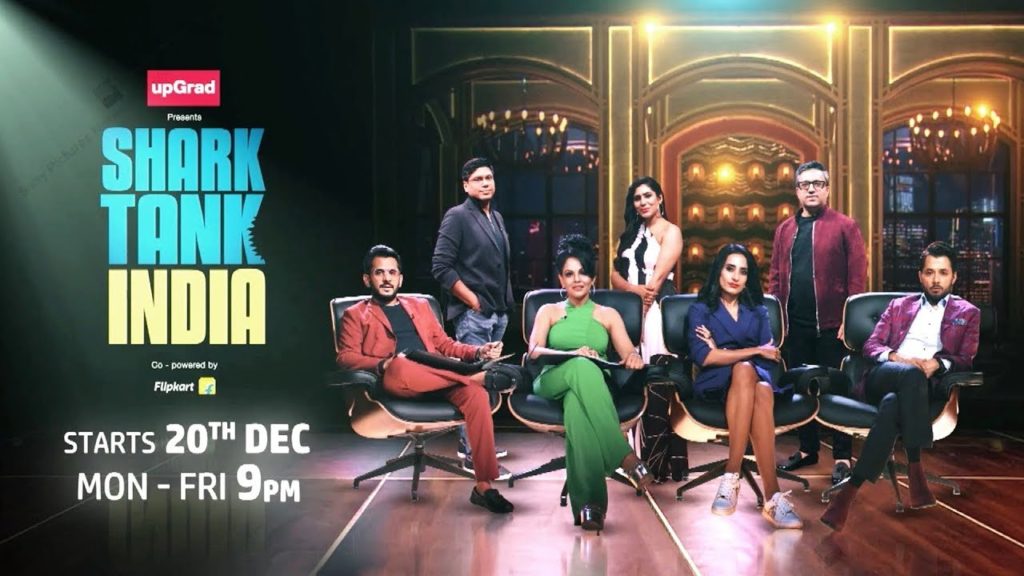
A one of a kind business reality TV series that has got India hooked is Shark Tank, India. Shark Tank is a series were aspiring entrepreneurs pitch in their business models to a panel of investors whom they refer to as Sharks, and persuade them to invest in their ideas. Shark tanks provides budding entrepreneurs the opportunity to secure the deals that would make them successful businesses.

This reality show is the Indian franchise of the American business reality show of the same name, which first aired in 2009. The Indian version is broadcasted on Sony Entertainment Television (SET), and is available online on its respected OTT platform and YouTube.

About the Sharks

The Indian version has seven panellist on board. All the panellists are giants in their respective area of business and hence, Sharks. The list includes:

  • Ashneer Grover- founder and Co-founder of BharatPe
  • Anupam Mittal- founder and CEO of People Group Shaddi.com
  • Aman Gupta- Co-founder and CMO of boat
  • Vineeta Singh- Co-founder and CEO of Sugar Cosmetics
  • Namita Thapar- Executive Director of Emcure Pharmaceuticals
  • Ghazal Alagh- Co-founder and CIO of Mama Earth
  • Peyush Bansal-  Founder and CEO of Lenskart

All the Sharks brought on the table their area of expertise to help the entrepreneurs with their venture along with investment for a reasonable percentage of equity.

The investments

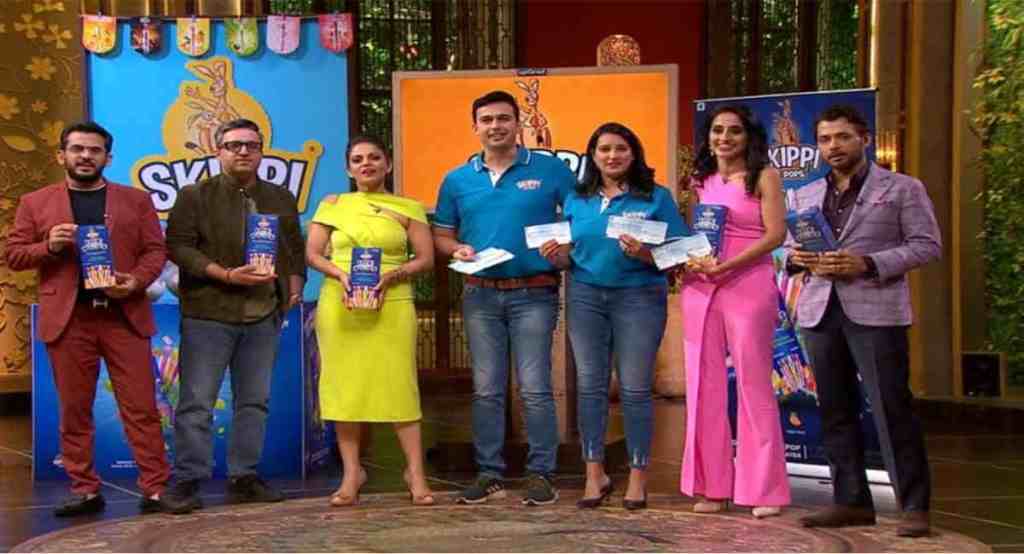
The show helped 67 start-ups bag funding for their venture which is estimated to be at 41.98 crores in total. The highest investments were made for 1 crore to 10 start-ups. The start-ups that bagged the investment were genuine problem solvers whose product or service could help the nation along with generating enough revenue and profit.

The investments ranged from ice popsicles, sugar free ice creams, Ed tech apps, textiles, braille literacy device, canned cocktail, lounge wears, and more. The Sharks invested in a wide variety of start ups in exchange for reasonable, and sometimes negotiable equity.

However, there were instances were participants had to head back with no investment, nevertheless the participants received constructive criticism from the Sharks for their start up, and to further establish it.

Success of the Show

The show has been a massive success and there are possible rumours of a second season. The show has 9 point rating on IMDB, and a substantially good TRP ratings. The show first aired from 21st December 2021, and has 35 episodes.

There were 50,000 plus applicants out of which 198 candidates for selected for the show. And after the massive success of the first season, the application number is only expected to increase in the possible next season.

The presence and popularity of the show was also felt on social media, as feeds  and homepages were flooded with relevant and funny memes made from Shark Tank India. This is one of the reason the show gained a massive audience, and helped connect with the youth on a closer level and inspired more entrepreneurs to follow their entrepreneurial venture.

                     Shark Thank India not only entertained but also provided crucial business advice to entrepreneurs both on the show and the ones outside who just started with their entrepreneurial journey. Such reality shows truly justify entertainment with a purpose.

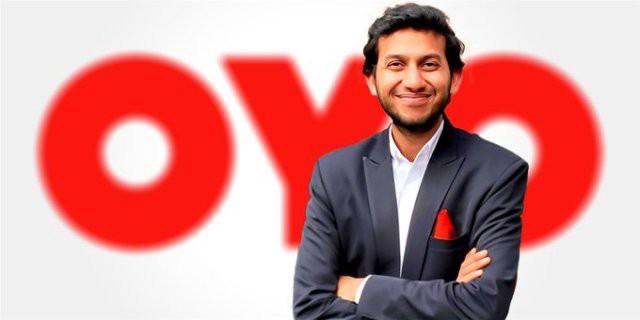
Start-up to success: OYO

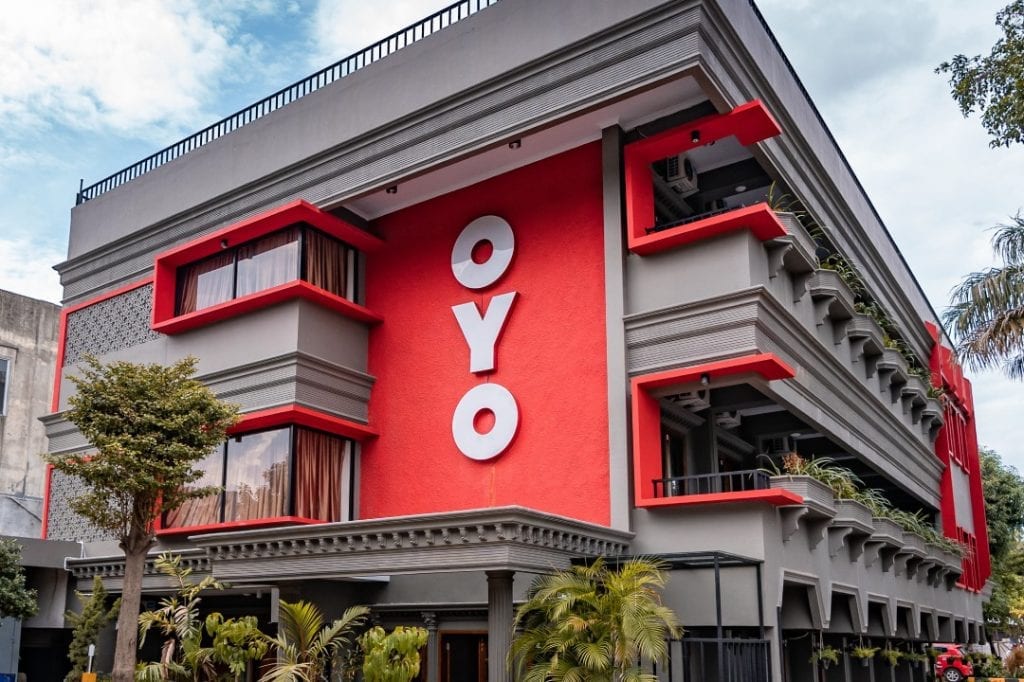
OYO Hotels and Homes is one of the first choices that comes to our mind when we think of affordable and comfortable accommodation while on a vacation. The success of OYO as a hospitability empire has been enormous, and it has been growing ever since the inception of the company in 2013 by Ritesh Agarwal.

OYO stands for ‘On Your Own’. And OYO has been a leading venture in the avenue of budget-friendly rooms along with offering commendable hospitability services. The company has been adding ways to improve its quality and services for the consumers over the years.

The origin of OYO

Ritesh Agarwal aspired to be a coder, and left for Kota in 2009. However he later realised that coding was not for him. Meanwhile he wrote and published his book ‘Indian Engineering Colleges: A Complete Encyclopaedia of Top 100 Engineering Colleges’, which turned out to be a hit. He was then selected for Asian Science Camp held at Tat Institute of Fundamental Research, Mumbai. Later he was among 20 students under 20 who received Thiel Fellowship with a sum of $100.000 for two years. Thus providing him with the resources to drop out of college to start something of his own.

Since Ritesh Agrawal travelled a lot and stayed in different hotels, he realised the poor condition of the hospitality sector, and was motivated to start Oravel Stays in 2011, which was later relaunched as OYO Hotels and Homes in 2013. He envisioned OYO as the all-encompassing accommodation system where people could enjoy all the best facilities of hospitality sector in a budget.

Eventually OYO spread all over India, generating revenue of 51 lacs in 2013-14 and 2.4 Crores in 2014-15. OYO also bagged investment from big shot companies like Lightspeed India, Sequoia, Softback and most recently Microsoft in 2021.

The Struggles of OYO

OYO did not become a success overnight. It had to endure its fair share of struggles and setbacks on its way to success. OYO was surrounded with allegations of cheating and fraud. In 2019, a Bengaluru hotelier accused OYO for not paying his dues. However, OYO rejected such claims.

Other instances includes the death of a national level shooter in an OYO hotel due to electrocution, and an OYO employee raping a women, and a few more. In all these cases OYO clarified its stand and coped with authorities to help with the investigations.  

Other then such instances of setbacks, OYO also had to deal with the obstacles of COVID-19. Like all businesses, the hospitality sector was also hit severely with the pandemic. The hospitality sector revenue generation was down by 50-60% in 2020, as a result the OYO employees had to go through a pay cut of 25%.

Success of OYO

After dealing with its fair share of struggles and shortcomings, OYO has established itself as the World’s third largest and fastest growing hotel chains and home and living spaces. After 8 years of business OYO operates in 800 cities in more than 80 countries. It has 23,000 hotels under, 850,000 rooms and 46,000 vacation homes worldwide.  

In 2019, OYO generated a revenue of $951 million, and is believed to revive itself from the effects of pandemic in the coming years. Ritesh Agarwal was declared the youngest CEO at 17, he was also declared the world’s youngest self-made Billionaire after Kylie Jenner in 2020. And he has a number of other titles to his name such as Forbes 30 under 30 and much more.

                      Nonetheless, the biggest takeaway is that, a teenager with an entrepreneurial mindset manifested his dreams into reality and made it big to a billion dollar industry. Ritesh Agarwal has an inspiring story that can surely encourage other young minds.

SEO-it?

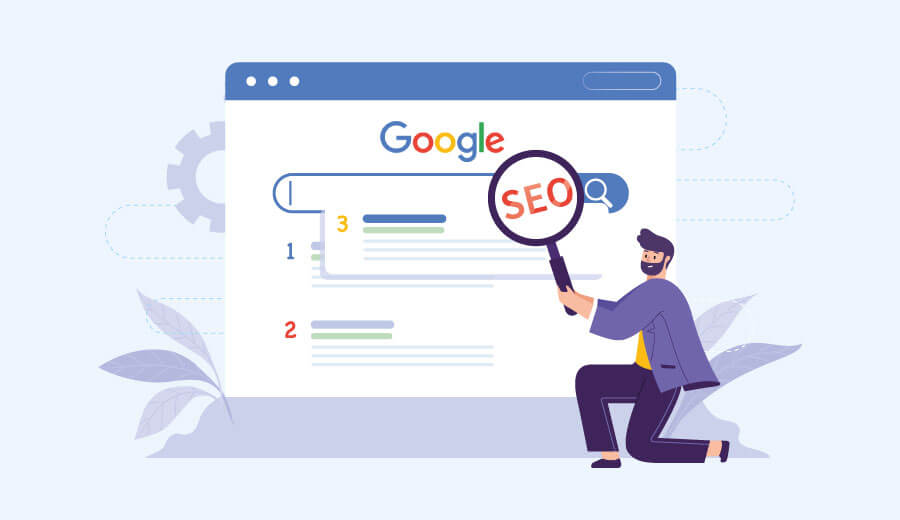
Search Engine Optimisation or SEO is the process of improving the quality and quantity of website traffic for a website or web page, through the use of search engines. SEO can be quite helpful in the realm of organic marketing, that is, it helps to generate unpaid traffic for a website or webpage. Ranking higher on search engine’s result page indicates a good SEO.

In order for small scale business owners to make a substantial online presence, developing SEO is of paramount importance. Learning to optimise search engine to the most of  their advantage is a big advantage when it comes to selling of products and services. However, SEO is not just limited to benefitting businesses, but it is useful to rank any and every thing that we look for in search engines result pages. Having good SEO will help your website rank higher in searches, thus increasing your website traffic.

How does SEO work?

Search engines such as Google or Bing have bots that crawl or go through different websites and web pages, and collect information. These information are then indexed, that is, categorised to give the searcher exactly what they are looking for, when they are searching. After indexing the information, it is analysed to check for accountability and accuracy related to the given search query, and are then ranked accordingly in the search result pages.

Having a good SEO equals to higher rank in search engine result pages. SEO solely depends on organic search rankings and cannot be negotiated like paid search ads.

How to build a good SEO?

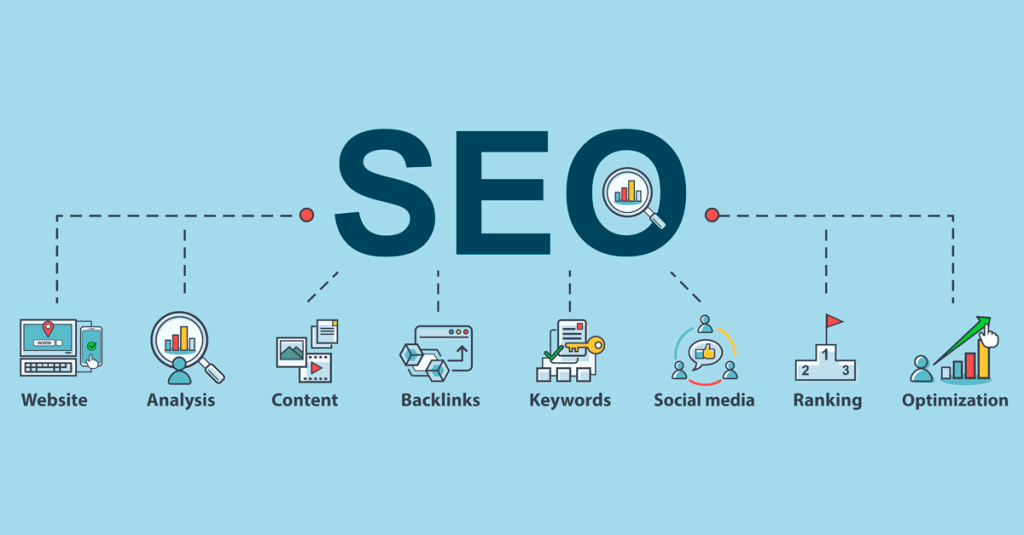
There are certain factors that affect SEO. Some of the factors are:

  • Keywords- It is immensely important to have relevant keywords in the website or webpage, that matches the searcher’s query.
  • Link- Having organic links in other websites can immensely boast with SEO.
  • User-friendly URL- Having a website or webpage that is user-friendly and compatible on both desktops and mobile phones are highly recommended for higher rankings.
  • Sitemaps- It is important to have a well-structured layout of the website.
  • Social Media- Having a good social media presence also helps with SEO.
  • Content- Content is king. A good content can automatically produce good SEO.
  • Tracking- it is important to track if the SEO efforts are working or not.

There are more such factors that help with SEO. There are SEO score trackers, that check the SEO of the website and give a score, along with the errors they found. Such as Ubersuggest by Neil Patel, and google itself and more.

SEO as a marketing strategy

As it has been mentioned above, a good SEO boasts the sites’ presence and ranking on search engine result pages, which in turn helps with marketing, without having to spend much on it. It is important to know what the consumers want and optimise their experience to exactly what they are searching for.

SEO is fundamental to digital marketing. A higher ranking can imply that the website is doing better than their competitors and thus increasing the website traffic. In short, SEO is the foundation of having holistic marketing, and can come in as pivotal element in both organic and paid marketing.

                   For any venture to make a place for itself, SEO is the way to go, especially in these times when online business has peaked and will continue to do so. However, not just businesses but SEO helps consumers in identifying the query and presenting them with what they searched for. Nonetheless, learning to optimise search engines can also be a skill too!  If you’re looking for a digital marketing agency to boost your website’s SEO, check out Leading Solution.

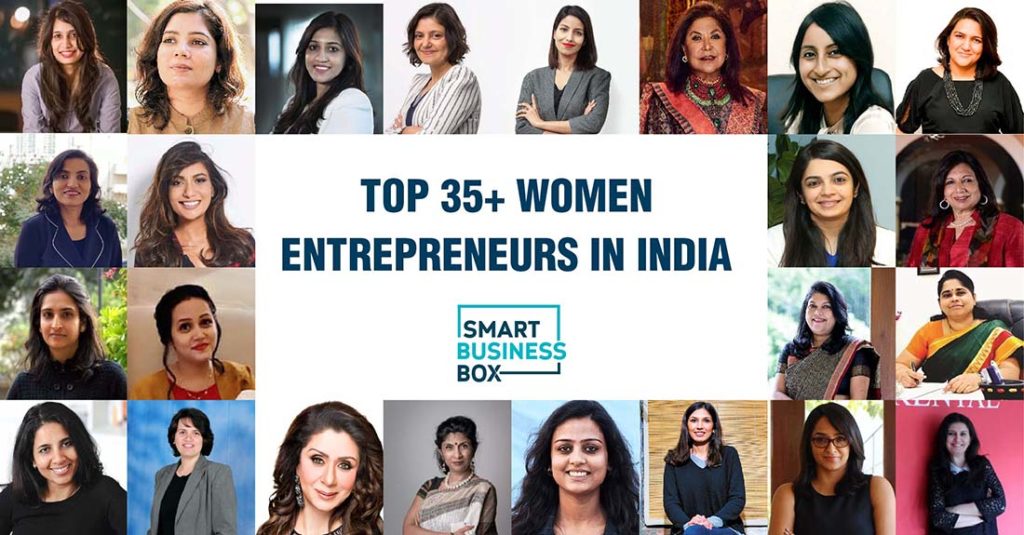
Women Entrepreneurship in India

Confucius once said ‘Choose a job you like , and you will never have to work a single day in your life’, and this stands true for all the entrepreneurs out there, who are following their passion, and dedicating their time, sweat and blood for the creation of their product or service. Entrepreneurship is a field which requires the individual to accept ambiguity and challenge despite being exposed to uncertainties and criticisms.

We all have heard and know of male entrepreneurs who envision their dreams into reality. However, this is not the case for the female counterpart. Female entrepreneurs have to break through centuries old conventions and take a stand for themselves to venture into the business world.

According to Forbes India, Women make up to 13.76 percent of entrepreneurs in India, this is fairly less than its male counterpart. However, it can be seen that the numbers are accelerating at an impressive rate.

Need of the Hour

According to an article by Times of India, Women owned business in India are likely to rise 90 percent in the next five years, as compared to the US (50%) and UK (24%). Such statistics are clearly impressive as it not only established the potential Indian women entrepreneur possess, but also encourages the younger generation to propagate venture on their own and not just depend on employers.  

The urge to have women entrepreneurs onboard will not only benefit to boast the economy of the country but also help to manifest the socio-political and economic development of women.

Government schemes for women entrepreneurs

The Government of India has launched substantial number of programs and schemes, that would benefit women entrepreneurs in India. According to an article by Indifi, GOI launches 9 such schemes that empowers women entrepreneurs. Few of the schemes are:

  1. Annapurna Scheme- this scheme provides loans to women in food catering industries who are still establishing their small scale business.  
  2. Dena Sakti Scheme- this scheme is for women entrepreneurs in the field of agriculture, retail, manufacturing or micro-credit business.
  3. Mudra Yojana Scheme- this scheme tries to improve the status of women by providing them loans to make them self-reliant and financially independent.

There are more such schemes that are especially catered to help empower women entrepreneurs coming from all walk of lives.

Pandemic and women entrepreneurs

The pandemic has affected employment all over the world, and women employees are no exception to it. With the on-going lockdowns many lot their jobs, and thus in order to make their living we could see a number of small women entrepreneurs trying to make their living by selling handmade masks, jewellery, embroidery, selling home cooked food on the streets and much more. This provided them the opportunity to be financially independent and make a living for themselves in their own terms. Although the sales and profit are not guaranteed, it at least helps them feed themselves, which is a better alternative to unemployment.

The pandemic also saw the rise of small urban-women owned businesses such as selling handmade crochets, macramé, resin products and much more, whose primary medium of marketing are through social networking sites. These are mainly owned by the young women who are treating it as a side hustle, along with focusing on their respective careers and educations. Thus, being self-reliant along with having a career alternative.

                   Being an entrepreneur requires a vision and dedication to achieve this goal. Falguni Nayyar started her entrepreneurship journey with Nykaa at the age of 50 and now she is one of the first two women self-made billionaires in India. Its never too late to start a venture of your own.

If I Ran The World

Now go to Daisy at Home to get the If Kids Ran the World themed menu. We invite you to share your dinner photos with us any time of the month on our Family Dinner Book Club Facebook page. If Kids Ruled the World Leo and Diane Dillon is a story about kids helping make our world a better place. .If it’s so inspiring that kids rule the world, read it aloud and it will impact your student community.

This book is a true celebration of childhood, play and imagination. This is the pinnacle of Dr. Seuss, celebrating the young imagination and creating a fantasy world that will delight and captivate readers of all ages. Description Leo and Diane Dillon, two-time Caldecott Medalists, show children how to create a more generous and peaceful world through play where everyone can share with each other. Two-time Caldecott Medalists Leo and Diane Dillon show how children can use play to create a more generous and peaceful world for all.

Diane Dillon lives in Brooklyn, New York. Leo and Diane Dillon are two of the most famous illustrators of our time. Leo and Diane created award-winning picture books, book covers, magazines and other works of art until Leo’s death in 2012. This is their last collaboration. Their long list of awards includes two Caldecott Medals, a NAACP Image Award, five Coretta Scott King Awards and Honors, four Boston Globe-Horn Book Awards, and induction into the Society of Illustrators Hall of Fame. They also won Coretta Scott King awards in 2003 for Rap a Tap Tap Heres Bojangles – Think of That and in 2005 for Virginia Hamilton’s People Could Fly – Picture Book.

The Dillons’ contributions to art and illustration, and their lifelong dedication to the diversity of children’s books, makes it uncomfortable to criticize If Kids Ruled the World. Criticism is further tempered by the fact that the book was the last edition the couple created together: Leo died before the book was finished.

Particularly helpful is the emphasis on sharing all the good things that come alive in the world the child has created. The story presents idealistic opportunities for global camaraderie and justice for all people – if only children ruled the world. In the colorful tree house, the children’s rainbow identifies the most important needs in our complex world, while the following branches feature boys and girls who happily help others.

If kids rule the world, even adults are better off. I like that the author points out that if children rule the world, then there will be more kindness and harmony. They say that if children rule the world, young people will make sure everyone has enough to eat and everyone can wear whatever they want without being ridiculed.

The book enlightens the reader about what would happen if children were in charge of the world. This book has so little to do with the world in which real children live, and it seems that this is a gesture, not a call to action. Leo Dillon’s latest book with Diane Dillon imagines what the world would be like if kids were in charge.

The Dillons, in their latest collaboration (Leo died in 2012), are turning the creation of this ideal world into a game; no holiness, no sense of tiresome duty. Perhaps Dillon’s intent was to show diversity, but a scene like this suggests that the past is irrelevant to the present.

They do not think about the poor and do not think about the proper development of the nation and the world as a whole, which shows how self-centered and selfish the rulers of the world are. In the current world scenario, every person who wants to be the president or prime minister of a country has only one goal – to rule the country or the world for the sake of money and power. The world cannot depend only on the rich; the poor also play a very important role in the whole environment.

I would just like to be a guiding light for the world and not impose thoughts on people that are not suitable for me as a ruler or even the people of the world as citizens. Seriously, if I really ruled this world, I would make sure that every person is happy in everything they do, and also respect each other or even the life of the other. That when you leave, you will be a better person than when you started.

It makes us doubt everything and in some cases robs us of the will to live. Our idea of ​​what looks good in the context of work no longer matches.

This means that in a world where we work more independently of others, there will be less feedback. Many agencies will move to campus or shared workspaces instead of a store front. Sarah and I take turns showing the children table decoration crafts.

On the 15th of each month, we share the title of the featured book. Satisfy your voracious literary appetite with a lifetime supply of free books in all formats and genres, as well as books, videos, and audiobooks that don’t wait. Pair it with ever-expanding shelf space so you never have room for your collection.

All people, regardless of gender or socioeconomic status, have the opportunity to learn to read and write. At birth, new mothers will be encouraged to attend parenting courses to learn how to care for their baby, including feeding and accompanying the baby through the various stages of his or her young life. If the child is out of wedlock, the mother will receive additional advice on how to cope emotionally and financially if she does not have family support.

Organize a conversation for the company’s senior management (both men and women) so that you can also share it with your boss, team, or HR. Women leaders can create ROI in their organizations, industries and the world right now. And putting the world in the hands of women would be too simplistic.

If you have a solid idea of ​​how to make a difference and are brave enough to lead the way, then I believe the world needs you right now. Because I’m willing to bet that your ideas, talents and drive can make the world a better place, and I love being a woman who supports you.

But I can’t do all this work alone, so I’m going to select a few key senators, representatives, and governors to serve as my advisory committee. But I suspect that after experiencing all the upgrades and upgrades to our core services, I will garner the most votes.

Finally, to say that I would do all this if I had to manage this world is easier than to actually implement them. I also understand that you may be the type of woman who wants to better understand what they’re getting into before jumping into a conversation. do not worry.

Impact Of Increasing Oil Prices On Indian Economy

The latter will come true as more than half of India’s remittances will go through the Gulf countries, which are likely to see better economic conditions with higher oil prices. In terms of numbers, a $10-a-barrel rise in crude oil prices would increase spending on commodity imports by about $20 billion, offset in part by a $6-billion increase in oil exports and dollars in workers’ remittances. The cost of imports will be halved if the price of crude oil continues to hover around $30 a barrel. In addition, every $10 increase in crude oil prices has a direct impact on a country’s current account (CAD) deficit.

Thus, when crude oil reaches $85 per barrel, the oil deficit will rise to $106.4 billion, or 3.61% of India’s GDP. According to a report by the Reserve Bank of India (RBI), every $10/barrel rise in crude oil prices would lead to an additional deficit of $12.5 billion, equivalent to 43 basis points of India’s GDP. According to an analysis by the Reserve Bank of India, every $10-a-barrel rise in crude oil prices would result in an additional $12.5 billion deficit. Higher prices affect the current account deficit, which means that the value of imported goods and services exceeds the value of exports.

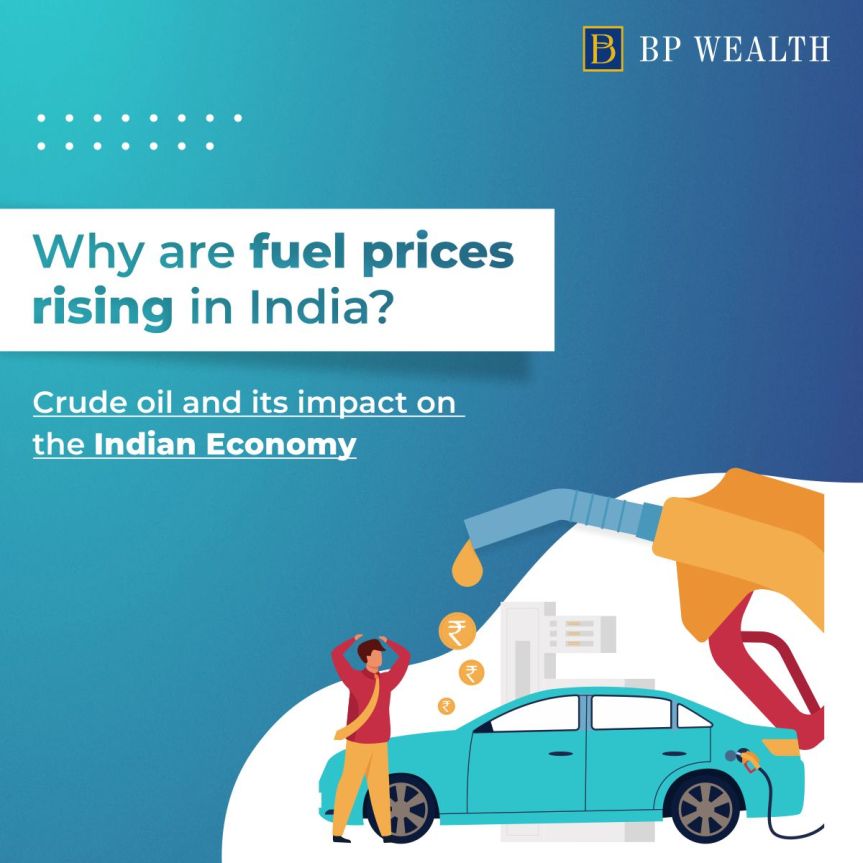
Changes in commodity prices can affect the economic ecosystem at all levels, from family budgets to corporate income and national GDP. Rising oil prices have a negative impact on several factors such as the stock market, currency, inflation, transportation and manufacturing sectors, and government spending. Rising oil prices will drive up the cost of energy, which, combined with the oncoming winter and increased commercial activity as the pandemic eases, will have a major impact on the economies of most countries of the world. India, which relies on imports for more than 80% of its fuel consumption and already has fuel prices above Rs 100 for both petrol and diesel in most cities, will be no exception.

Rising crude oil prices have helped lift the price of gasoline and diesel in India to record highs. High crude oil prices are the result of less drilling by shale gas producers in the United States, disruptions to crude oil supplies due to hurricanes in the Gulf of Mexico, and runaway fuel demand as the global economy stabilizes. -19 pandemic, which significantly reduced economic activity. With the global economic recovery following COVID-19, global demand for crude oil increased in 2021, driving prices up sharply. Crude oil prices have risen steadily since early 2021, when Brent crude traded at around $52 a barrel, fueled both by hopes of improved demand thanks to regional economic recovery and reduced supply from major oil producing countries.

Crude oil prices hit a two-year high, with Brent oil rising above $71 a barrel on Wednesday, reaching its highest level since May 2019, when major oil-producing countries announced they were joining plans to gradually increase crude oil production. World crude oil prices rose to their highest level in 13 months, driven by strong demand prospects amid a global economic recovery and supply disruptions in the Middle East. In February and March 2020, crude oil prices accelerated their decline in response to the coronavirus pandemic and the expected sharp decline in oil demand. The fall in prices is associated with an increase in supply due to hydraulic fracturing.

This was followed by price increases again since 2004, and this upward trend in the cost of oil continues to this day. In addition, since 1996 there have been high fluctuations in oil prices. If we look at the evolution of crude oil prices since the 1950s (see attached chart), price spikes have mostly been accompanied by geopolitical tensions or other factors. leading to a supply shortage.

Due to the pandemic, these oil-producing countries continue to slowly increase production, which leads to higher oil and gas prices. According to the IEA, oil production in non-OPEC Plus countries will increase by 710,000 bpd in 2021. 5.4 million bpd in 2021 and another 3.1 million bpd in 2022.

Since none of the largest oil-producing countries in the world is likely to increase oil supplies, experts predict that by 2019 the price could even reach $100 per barrel. Despite a 430% jump in Brent oil prices since March 2020, oil seems cheap. long term vision. Goldman Sachs expects Brent oil prices to exceed $80 on average in the third quarter of this calendar year, with peaks above that price; JP Morgan expects crude oil to top $80 in the last quarter of 2021, and Bank of America expects Brent oil prices to hit $100 by next summer.

Any rise in global crude oil prices directly affects India as the country imports over 80% of its oil. India paid over $110 billion for oil imports in 2017. Thus, if oil prices double within a year, a country’s import spending will also double over the same period.

Since India imports most of its fuel, it needs more dollars to buy crude oil, which results in liquidity being squeezed. This is bad news for India, which depends on imports for 85% of its crude oil needs and is the third largest importer of fossil fuels in the world.

Given India’s dependence on oil imports and the current pressure on the country, New Delhi is pushing OPEC to increase oil production to contain prices. Analysts say a rise in production by major oil producers is probably India’s biggest hope for a short-term solution, as some economists warn of the risk that crude oil prices could approach $100 a barrel by the end of this year. At the same time, oil-producing countries will be careful enough to maintain a balance in production so that prices do not collapse.

There will also be a significant impact on the Consumer Price Index (CPI) and the CPI inflation rate could be 5% in FY23 due to higher oil prices. The report predicts that rising oil prices could also lead to WPI-based inflation rates of 12% and 6% in FY22 and FY23 respectively. % of crude oil will lead to an increase in India’s Wholesale Price Index (WPI). by almost 0.9%.

An increase in oil prices by 15-25% within one year will affect the Indian economy in different ways. As a general rule, a $10 per barrel increase in crude oil prices would have a negative impact on the current account deficit of $10-11 billion (or 0.4% of GDP). Therefore, rising crude oil prices could increase India’s spending, thereby negatively impacting India’s budget deficit, the difference between total government revenue and total spending.

The Era Of Digitalisation

Even those who remain in their current positions will need to be trained in the emerging new technologies of the digital age. This transformation could be a key proposition as organizations seek specialized skills in their workforce to achieve their business goals and add value to the business. Of course, improving the quality of solutions through digital transformation is not only about technology companies.

Companies that understand the technologies of the digital age know that customers have a choice. This is why digital marketing and strategy is mainstream and the focus for starting digitalization. To succeed in this new digital age, businesses must use digital technologies in everything. Start digitizing, the truth is that innovation will never stop.

The era of digital transformation has arrived for companies of all sizes and types, from Fortune 500 companies to startups. The influence of digital technologies prevails in all areas of our lives, and therefore the current era is also called the “digital age”. The process of digitization began about fifty years ago with the advent of information technology and digital electronics.

Today, we are probably alone in the midst of a transformation between the pre-digital era and the post-digital era. To truly understand this progression, it is important to see where we come from and where we are going. When trying to understand what the digital age is, it is important to understand that it is driven by technology.

India’s industry has shifted to digitalization, with some industries able to recognize and capitalize on the benefits earlier than others. With access to “big data” and artificial intelligence algorithms, companies in the digital age can make data validate almost any conclusion they want. In 2020, we have been consuming more information through digital data and video at home, in our hands, and on demand. Digital technologies open up enormous opportunities in accessing, storing and transmitting information, and digital reading environments offer ways to present information that is difficult or impossible to obtain in the form of text on paper.

Digitization improves many processes in several ways, email and automation being one of them. Just like electricity and its impact on corporate and individual life, digital technologies will also become ubiquitous. Along with these advances, the changes in network speeds with the deployment of 5G and the devices capable of accessing those speeds will further advance the technology of the digital age. Social networks are taking over the digital world and their population is increasing year by year.

With multiple social media platforms available around the world, many companies are considering social media as an integral part of their marketing strategy. It is a wise decision for a company to include social media in their marketing campaign as they are online 24/7 waiting for a customer to check out a product to purchase or a potential customer who is looking for a service to use in their business.

From time to time, no matter which social media platform a company uses, the algorithms change. Well, digitization is any process in which information is converted into a virtual or digital format and organized into bits. To explore this new form of work, characterized by rapid change and transformation, mainly digital publications of literature and statistics were used.

Based on this data, several papers are being prepared, some of which have already been presented at the Digilog talks, the EPSA conference and the DVPW congress. The practical part presents the advantages and disadvantages of digital nomadism, opportunities and challenges, and based on this, possible recommendations for action and possible future strategies for employees, self-employed workers and traditional companies are obtained. The theoretical part explains and delimits the terms underlying the work, and presents the concept and development of digital nomadism.

Digitalization targets a wide range of cutting-edge issues seen by the Company, which include ensuring adequate broadband bandwidth to provide legitimate and versatile association administrations (correspondence administrations) with data for all segments of the population at large, which varies by age, gender and occupation. . Government agencies have sent out various plans to people working in different fields to promote digitization and also to reassure people that this is a reliable, fast and beneficial change. In all scenarios, it seems to be beneficial to enhance the digital skills of stakeholders.

We show that digital agricultural policies do more than replace analog technologies used in traditional agricultural policies. In particular, it provides opportunities for better spatial targeting and tool customization, including results-based grants.

Digital transformation can also improve the quality of solutions through managed and incremental product launches. Every company’s path to digital transformation will be different because each company has unique needs and goals.

As digitalization disrupts society and business models, it presents both a challenge and an opportunity for compliance managers. This transformation is more than ever a compelling argument to emphasize the importance of business ethics in the conduct of any business. Walk the Talk management sets the tone for values ​​throughout the organization, not just by maximizing efficiency, monitoring business processes, and automating compliance reviews. He will explain what will be required of traditional employees and digital nomads in the future, what opportunities and risks will present and what adjustments traditional companies will have to make.

In the near future, companies as a relevant target group will be interested in digital nomads on two fronts. Using digital technology and understanding them are two completely different beasts. Nearly 80 percent of companies are reportedly pursuing digital initiatives, and nearly 70 percent believe they need to invest in digital strategies to remain competitive.

This era of modernization is being supported in Belgium by the rebuilding plan of Wallonia, a community organization created to provide direct support to local authorities in the field of information technology and digitization in order to achieve the following dual goal. Hence, in order to promote and work with this developing new idea of ​​digitization, the government sent a program called “Computerized India”. However, it remains unclear what the digitalization of the sector will mean for future agricultural policy.

These include 1) digitalization of the sector in line with current directions at current rates as a base case, 2) strong digitalization of the regulatory government, 3) use of autonomous agricultural technologies, and 4) digitalization of the food business. Technology-based pricing strategies, such as dynamic pricing, have become widespread across industries around the world. If you want to find your products and/or services on search engines like Google, Bing, and others, you can include search engine optimization (SEO) in your list of digital marketing strategies and strategies. The search engine is definitely and will be on the list, especially in digital marketing.

They do this to make it easier to manage, control and monitor water consumption in real time. An amplification of this is digital or modern nomadism, in which people work multi-locally from home, in the office, in specially equipped co-working spaces or on the street in so-called transit zones, such as at the airport. However, if a company invests resources in alleviating its operational and implementation weaknesses by leveraging digital transformation (in this case, by automating manual processes), it can bring the continuous added value of mobile capabilities to market faster.