Heritage trains in India that you must enjoy a ride on

Heritage rails are more than just tourist attractions. Not only they helps create a romantic feel, but also give us a glimpse of the history of the land. Although heritage railways have renovated most of their trains for technical advancements and safety purposes, they still carry the old-school charm. The views on these routes are just unparalleled. Here’s a list of heritage trains that you need to definitely enjoy a ride on.

Kalka-Shimla Railway

This narrow gauge railway chugs between Kalka and Shimla, and is famous for offering beautiful views of forests and hill regions. It was built in 1898 to connect Shimla, the summer capital of India, with the rest of the Indian rail system. It is 2 ft 6 inch (762 mm) narrow gauge railway in North-West India, and was built by HS Harington. It is now operated by the Northern Railway. UNESCO added the Kalka-Shimla railway to mountain railways of India World Heritage Site in 2008.

Darjeeling Himalayan Railway

The toy train, this train travels between New Jalpaiguri station and Darjeeling station. The Darjeeling Himalayan Railway started in the end of the 19th century, and covers six zigzag routes and five large loops to reach higher altitudes. In 1999, this route was declared as a World Heritage Site; it has also been one of the country’s most famous tourist attractions. The setting of the train journey also has a vintage charm to it, a ride on this train will definitely change your outlook toward train travel.

Nilgiri Mountain Railway

The Nilgiri Mountain Railway is in Tamil Nadu, and was built in 1908 by the British. The route runs from Mettupalayam to Udhagamandalam (Ooty), and takes around 4.8 hours to complete. Most times, just one train travels on this route each way; however, during the peak summer season, four trains run each way, everyday. In July 2005, UNESCO designated it as a World Heritage Site, and is now operated by the Salem railway division.

Matheran Hill Railway

This train is on the tentative list of UNESCO World Heritage Sites, yet a ride on this train will be one of the best rides ever!. This narrow gauge train runs between Neral and Matheran in Maharashtra. Interesting thing to note here is that it chugs along the well-known Western Ghats, so in terms of views, you are in for a ride. Further, this 21 km long route has been in operation since 1907. The train starts its journey in Neral, and then ascends the Matheran hill by going through two large zig-zags before completing its 140 hours’ journey.

Poverty in India

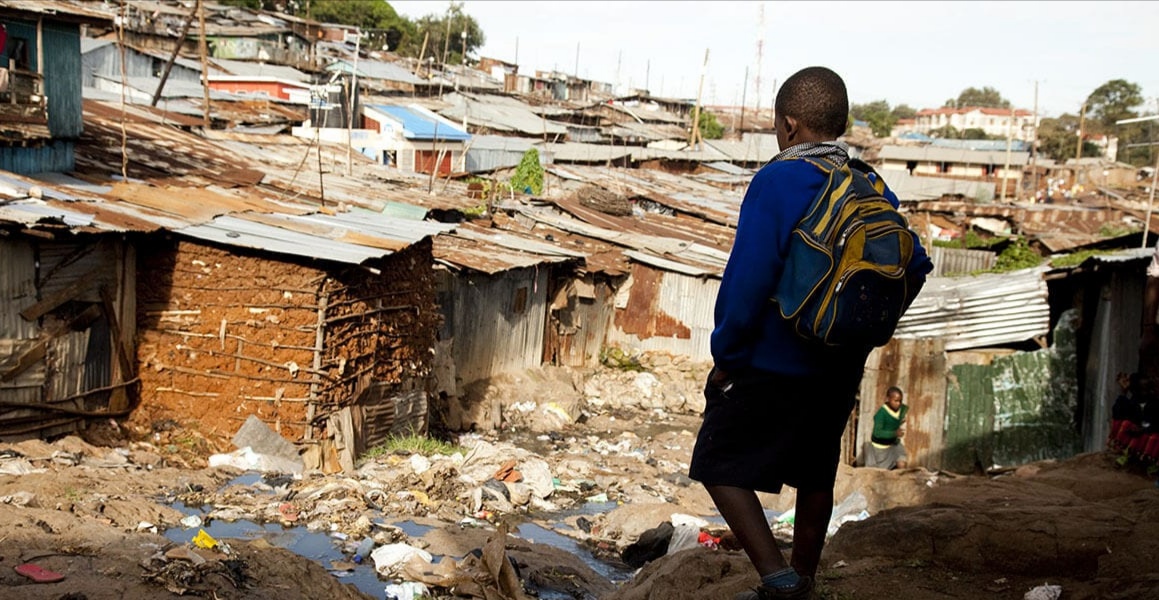
Poverty one of the major problem in India. India is the second most populous country after China with 1.2 billion people and it is the seventh largest country in the world in terms of area.

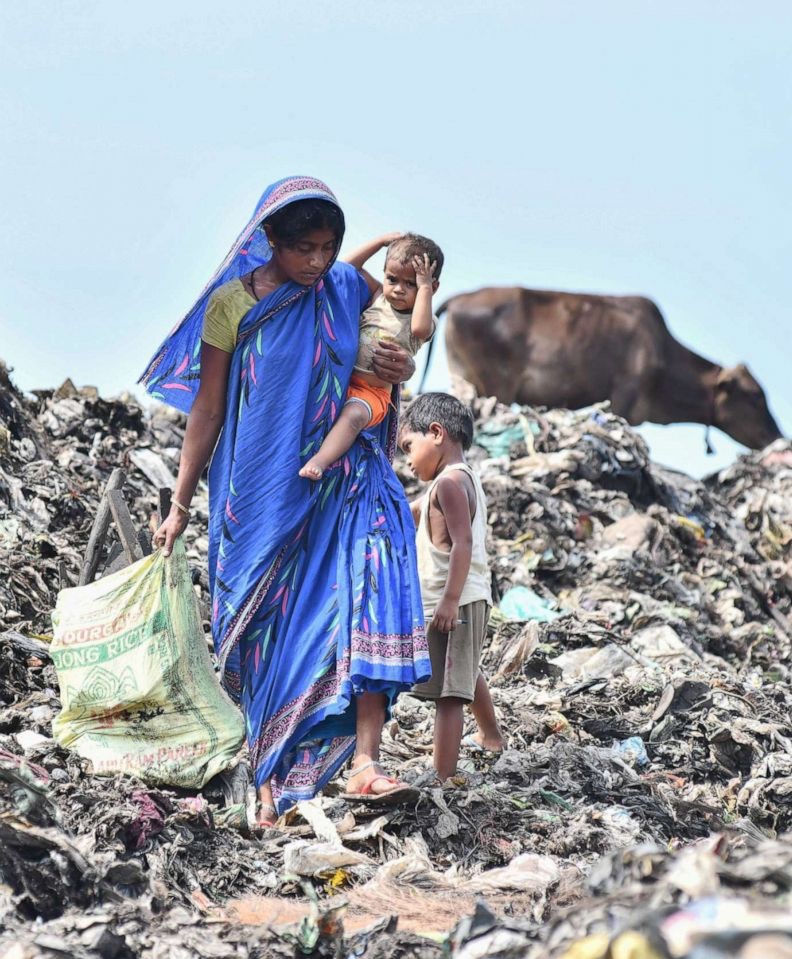
Around ⅔rd of people in India live in poverty in which 68.9 % of Indian population lives on less than 2 dollar a day and over 30% even have less than 1.25 dollar per day. And thus they are considered extremely poor.

India subcontinent is one of the poorest country in the world.

The most poor section of our country is children and Womens. They are considered as the weakest member of Indian society and that’s why they suffer the most.

In India womens are not considered as the strongest member of the society because of a patriarchy.

Education and job for womens are not considered important in our society.

By preventing education for Childrens and womens leads to the poverty and poverty is also preventing children from getting an education

Poverty in India impacts children and families in a variety of different ways:-

  • High infant mortality
  • Child labour
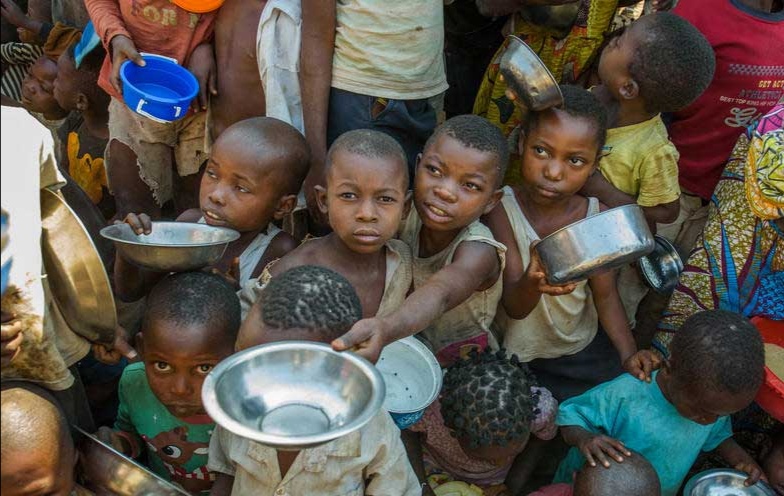
  • Malnutrition
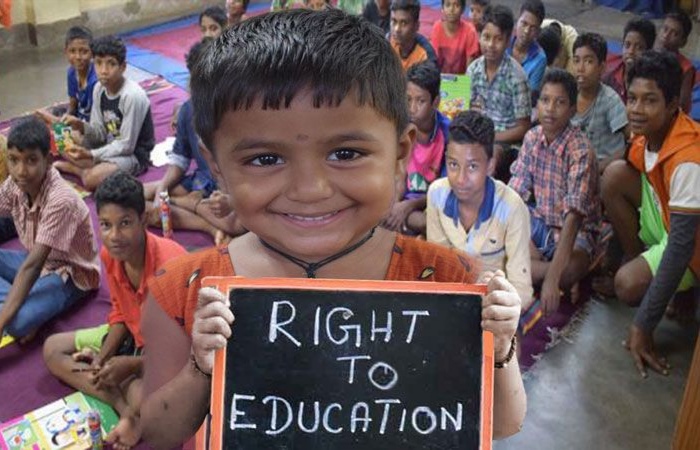
  • Lack of education
  • Child marriage

High infant mortality rate

  • India is one of the country with highest child mortality rate.
  • Around 1.4 million children die each year in India their fifth birthday.
  • Major causes of death are due to pneumonia, malaria, diarrhoeal diseases as well as chronic Malnutrition.

Child labour

  • Child labour for children under the age of 14 in India is prohibited by law.
  • According to official figures 12.5 nilganj children between the age of 5 to 14 are working.
  • It is believed that Indian children’s contribute to the living wood of their poor family.
  • Children’s work in the field in factories, in quarries, private households .

Malnutrition

  • India is one of the world’s top countries when it comes to Malnutrition.
  • 7.8 infants were found to have birth weight less than 2.5Kg
  • More than 200 million people don’t have sufficient access food.

Lack of Education

  • Most of childrens have no access to education in India.
  • Girls are excluded from the school in higher numbers with respect to boys.
  • We should have to treat them equally but it is believed to be inferior on lower caste.
  • Without education, chances of finding living from employment in India is impossible.
  • If educated peoples start teaching childrens at free of cost then it also be very useful in making a better world.
  • Like If 30 college students are studying in 1 course and they start teaching poor childrens only 1 day per month then the childrens study 1 month at free of costs.
  • We also have to put some efforts in making better world not for others, but for ourselves as well.

Child marriage

  • As we know Child marriage is crime according to Child marriage Restraint Act, 1929.
  • But it is still widespread in many regions of India.
  • Poverty is also the main reason behind this.

Overpopulation

  • Overpopulation leads to high competition in every aspects of life.
  • We see lack of job opportunities, education.
  • Food production is not as much to fulfill the need of this higher population.
  • Due to overpopulation, and not doing work after having such high population in India is main reason behind poverty.
  • If we utilise this overpopulation as the opportunity to increase country’s financial condition then it actually going to worth it.

Facts about Yagnaseni- Draupadi

Draupadi’s birth

Draupadi was the daughter of King Drupada of Panchala. Draupadi was an unwanted child born to him. She was not born from her mother’s womb. Instead, it is said that Draupadi was born out of revenge as an adult. King Drupada was defeated by the Pandava prince Arjuna on behalf of Drona, who then took half of his kingdom. By burning the fire of revenge, king Draupada performed tapas followed by a Yajna to obtain a boy child as a means of blessing who can take revenge from Guru Drona. Draupadi appeared as a beautiful dark-skinned young woman from the sacrificial fire after her sibling Dhrishtadyumna.

Various names of Draupadi

Draupadi is one of the leading characters of Mahabharata. Draupadi is known by several names and each name defines her different qualities.

  • Drupadi – daughter of king Drupad
  • Panchali – Princess of the kingdom of Panchala
  • Parshati – Granddaughter of Prishata
  • Yagnaseni – Born from the sacrificial fire
  • Sairandhri – An expert maid
  • Nityayuvani – One who remains young forever and never becomes old.
  • Malini – One who makes garlands.
  • Krishnaa – Represent for her dark complexion and pure skin, radiating purity, honor, and principality.

Draupadi condition for Pandavas

Draupadi agreed to become the wife of five Pandavas on one condition, i.e., she would never share her household with any other women, which means the Pandavas had no right to bring their other wives to Indraprastha.

Draupadi cursed the Dogs

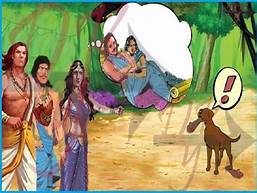
Draupadi mentioned a condition in front of Pandavas that only one brother was allowed to enter her chamber at a time. The Pandava who will enter her chamber will keep his shoes outside the chamber. The one who will violate this condition will be sent to long-term exile.

But one day, when Yudhisthar was in her chamber, the dog stole his shoes. Unaware of the fact Arjun entered the chamber of Draupadi seeing no shoes outside and saw his brother Yudhisthir with Draupadi copulating. Arjun was sent to exile as per the condition of Draupadi. Embarrassed Draupadi cursed dogs by saying: “All the world will see you copulate in public, stripped of all shame.”

Incarnation of Kali

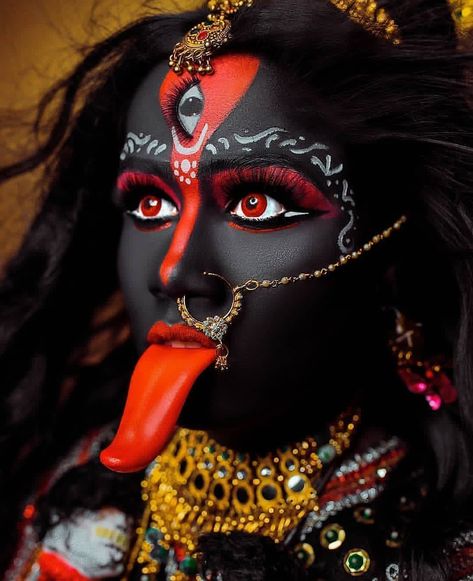
There is a common belief in South India that Draupadi was also an incarnation of Maha Kali. She was born to assist Lord Krishna to destroy all the arrogant Kings. That is why they are considered brothers and sisters although Draupadi was born from fire.

Avatars of Draupadi

As per Narada Purana and Vayu Purana, she is the combined avatar of;

Goddess Shyamala (wife of Dharma)

Bharati (wife of Vayu)

Shachi (wife of Indra)

Usha (wife of Ashwin)

Parvati (wife of Shiva)

Draupadi blessed to be a virgin

Draupadi is one of Panchakanyas including- Sita( Kunti), Ahalya, Draupadi, Tara, and Mandodari , known as five virgins. She used to walk through fire to regain her virginity and purity before she moved to the next Husband.  Such rules were never perceived before this. Pandavas have other wives, but these wives used to stay with their parents and they used to travel to them to visit their wives in four years.

History of Tea in India

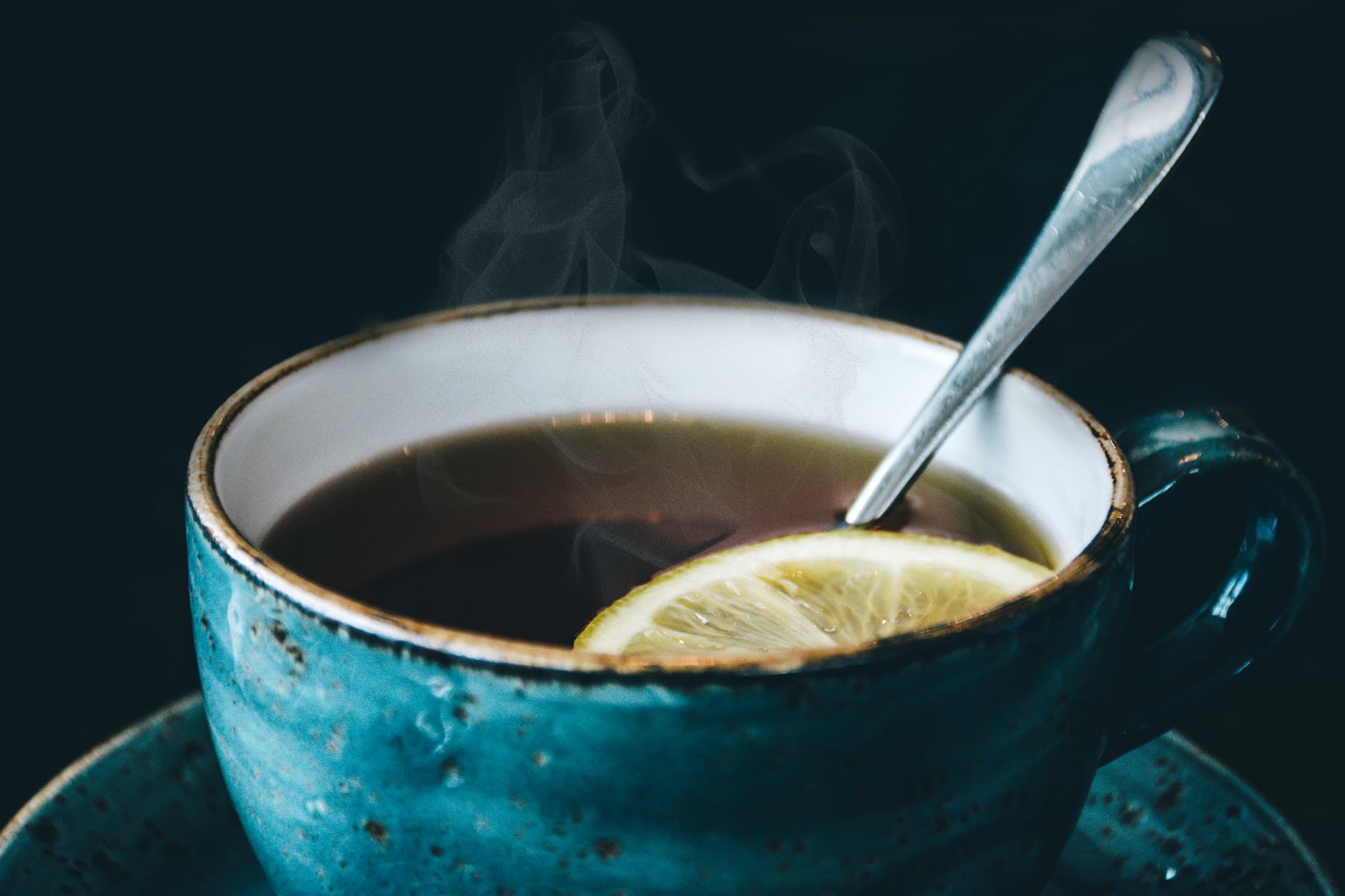
Though the Camellia synesis is also native to India, and grew in the wild long before its actual value was understood, it is thought that tea was carried to India by silk caravans travelling from China to Europe centuries ago.

Native Americans ate the leaves occasionally, but they were largely employed for their medicinal powers.

Photo by Lisa on Pexels.com

It took a long time for it to evolve into what is currently known as chai, a flavorful black tea sweetened with sugar and milk, along with spices like cardamom and ginger, and used in cooking, vegetable dishes, and soup.

Tea was initially introduced to Indians by the British and is now an integral component of daily life. Tea originated in India thanks to the British, who sought to break China’s tea monopoly after discovering that Indian soil was ideal for growing these plants.

The presence of native flora indicated that the soil was suitable for transplanting Chinese seedlings, and the Assam valley and Darjeeling’s towering mountains were chosen as early tea planting sites.

Tea manufacturing in India began to blossom after 14 years of fruitless attempts, allowing the manufacture of a tea that was equivalent to, if not better than, its Chinese counterpart.

The native tea species

When Scotsman Robert Bruce identified a native type of Camellia sinensis plant in Assam in 1823, commercial tea plantations were first created under British rule.

According to legend, a local merchant named Maniram Dewan brought Bruce to the Singpho people, who drank a tea-like beverage. The Singphos gathered fragile leaves from a wild plant and dried them in the sun.

It’s worth noting that, at the time these changes were taking shape, the East India Company was attempting to break the Chinese monopoly on the global tea trade due to a growing conflict of interests.

In response to this scenario, one of the Company’s initiatives was to begin producing tea in British possessions, particularly India.

Around the year 1840, India’s tea industry began to take shape. Chinary tea plants, which were first tested in Assam, were later tested in the high-elevation districts of Darjeeling and Kangra, where they thrived.

Tea planting in Darjeeling began in 1841, when Archibald Campbell, the first superintendent of Darjeeling, experimented by planting a few chinar trees.

Tea consumption has evolved in a variety of ways, with each region of this large country producing its own chai variations. On one end of the scale are the gourmet stores that sell and serve good Indian tea, while on the other are the simple roadside chaiwallas who offer hundreds of steaming cups to people from all walks of life.

Photo by Tatiana Syrikova on Pexels.com

While India is today known for its high-quality tea and the countless cups of chai consumed by Indians, the custom of drinking tea as a regular beverage did not begin in India.

Tea had been used as a medicinal drink in India since ancient times (nearly identical to China), but it had never been used as a beverage.

After years of selling tea to Portugal, Japan opted to seal its doors to the rest of the world and isolate itself, leaving the global tea trade in the hands of the Chinese. While China was willing to trade, it was adamant about keeping the secrets of tea cultivation.

Darjeeling tea estates began in the 1850s, and the world soon sampled the “Champagne of teas,” Darjeeling tea.

The Chinese tea monopoly was fully broken with the creation of Darjeeling tea and widespread marketing by the British, and Indian teas quickly seized both the market and the imagination of worldwide tea consumers; and the rest, as we all know, is history.

References

http://www.teatrunk.in

http://www.wikipedia.com

http://www.cafesrichard.com

http://www.teabox.com

JHANSI RANI LAXMIBAI

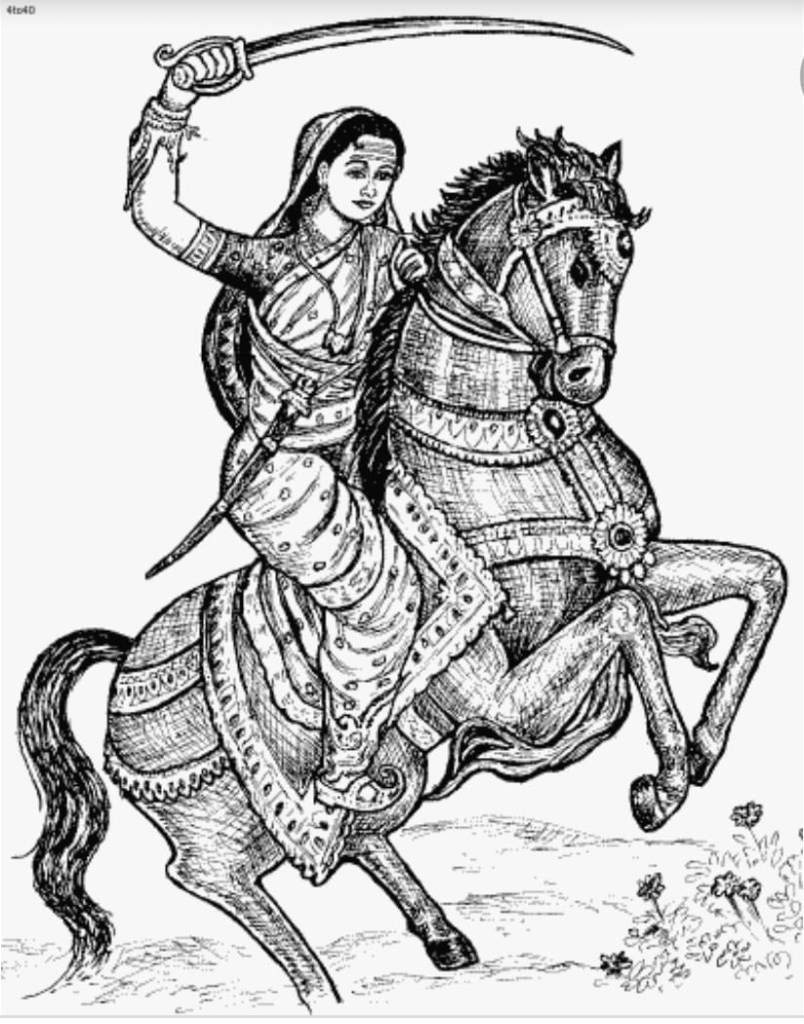
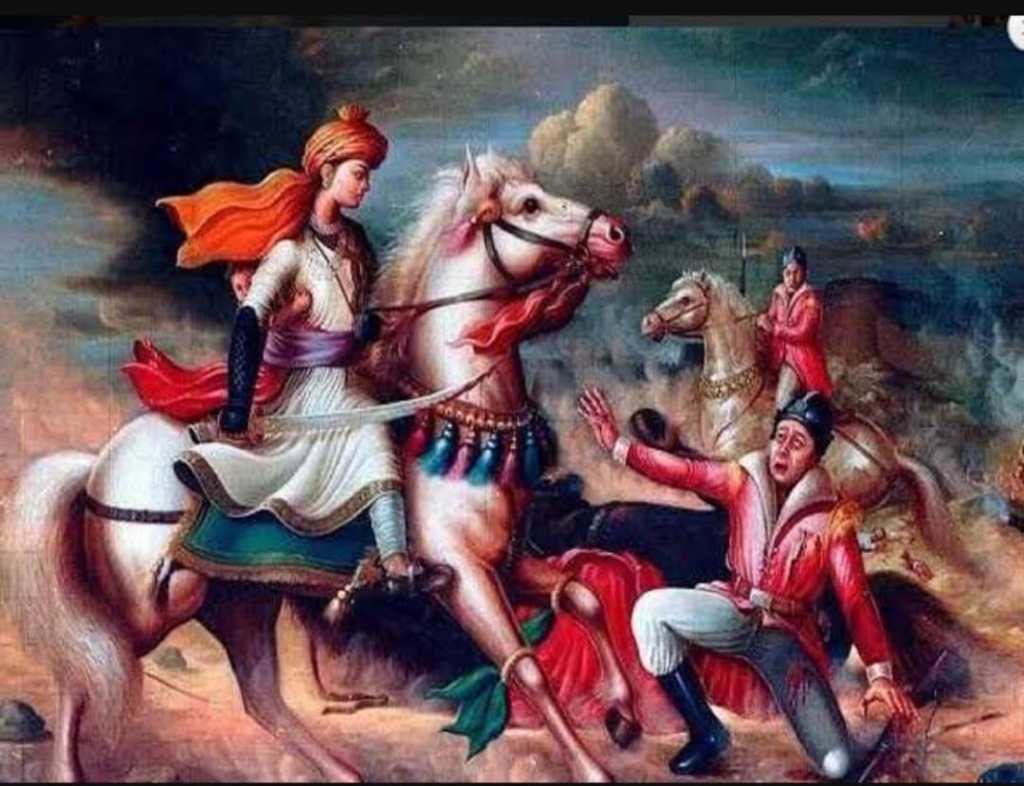
Jhansi ki rani ,the one who fought bravely against the rule of British inspired many women all over the world with her bravery and courage .Her father Monopanth Thambe raised her like a warrior. Even though she was born in a Brahmin family, she can fight like a kshatriya since her childhood. she started to think against slavery from the childhood itself .she always wanted to end the rule of British.

She was born on 19 November 1828 in Varanasi . From childhood she was educated at home ,able to read and write , very independent than others of her age .When she was married to Maharaja Gangadar Rao Newalkar ,she got renamed from Manikarnika to Lakshmi Bai .she helped a lot to her husband to defend the Jhansi from the influence of British. she is the best women warrior i have ever heard . Her thoughts makes every Indian women to stand for themselves and other people who are in need.

she gave birth to a boy child in 1851 and named him as Damodar Rao .He was dead due to the backsliders .Later they adopted a boy named Anand Rao and then renamed as Damodar Rao on the day before the maharaja died . Generally, after the death of husband wife needs to shave her head as a ritual . But ,Manikarnika refused to shave her head and decided to take place of her husband to protect the people of her kingdom to not let the name of her husband down. she wanted to end the attrocities of Britishers .She also encouraged many women to become soldiers and trained them to fight .

she asked many villagers to help help her in the fight to take the rule of british over them. she even strenghtened her people with her great skillful ambition. she didn’t hesitate to take her child to the war .she tied her son to her back and fought war like a legend . she never showed her back eventhough they have less weapons and soilders than their opponents. Throughout the life she never headed down and maintained her dignity . she also died like a legend in her young age of 30.

whatever her fault in British eyes may have been ,her countrymen will ever remember that she was driven by ill-treatment into rebellion ,and that she lived and died for her country ,we cannot forget her contribution for India. _ COLONEL MALLESON

Uniform Civil Code in India

Introduction

India is a very diverse nation having several different cultures, traditions and religions. This diverse nature of India makes it a vibrant and varied country, where it reconciles different religious and cultural views to form one unified nation. However, this also necessitates the need for personal laws that govern each religion and allow their followers to live according to certain religion-specific laws and regulations. For example, Hindus have the Hindu Marriage Act (1955), Muslims have the Muslim Personal Law (Shariat) Application Act (1937), Christians have the Indian Christian Marriage Act (1871), etc. The personal laws are aimed at giving each religion a fair opportunity at following their own customs and traditions. However, many instances in Indian history are evidence to the fact that distributing justice on the basis of religion leads to a multitude of communal issues. Moreover, numerous personal laws have been found to be discriminatory in nature and thereby in derogation of the Fundamental Rights as given in the Indian Constitution. Many a times, these personal laws are regressive in nature and represent ancient societal views that show no congruence to the current, progressive Indian society. It is in view of this that the framers of the Indian constitution, and many other prominent figures during the period of drafting, made efforts to implement a ‘Uniform Civil Code’ in the interest of national consolidation and communal harmony.

The Uniform Civil Code

The Uniform Civil Code refers to a single set of rules or a singular code of law that is applicable to all the citizens of India, regardless of their religious affiliations or which community they belong to. Such a code is the hallmark of a contemporary, progressive nation that has ascended the need for segregation based on religion, caste, race, etc. Article 44 of the Indian Constitution states that a ‘Uniform Civil Code’ is to be implemented for the citizens of India. The Article reads: “The State shall endeavour to provide for its citizens a uniform civil code throughout the territory of India.” Therefore, the idea of a uniform civil code is enshrined in the Indian constitution and stands as a something that the country should strive for. However, it is included as one of the Directive Principles of State Policy, and not as a Fundamental Right or constitutional guarantee. Hence, despite being mentioned in the constitution, there have been no significant steps taken by India to realise such a code.

Goa is the only state in India to have a fully functioning uniform civil code called the Portuguese Civil Code (1867). This code replaces the personal laws based on religion in Goa, and introduces a common law for all its residents regardless of their religion, caste, gender, etc. For example, according to the code, a Muslim man whose marriage is registered in the State of Goa cannot practice polygamy. Although polygamy is a part and parcel of the Muslim personal law, it is nullified in the State of Goa due to the presence of a UCC. Furthermore, a married couple share equal property and divide their assets equally, and succession rights for men and women are similar in Goa. Thus, Goa acts as a contemporary example as to how a uniform civil code works, and what it involves.

Evaluation of the Uniform Civil Code

It can be said that the uniform civil code is a very polarising concept, and that it can bring about both benefits and adversities. It is important to understand these before a solid decision about it can be made. In case it seems like the benefits outweigh the adversities, then it should be implemented, and vice-versa. These can be discussed as:

Pros

  • The application of a uniform code will allow for a much more coherent and efficient system of administration, mitigating a lot of the confusion and conflict created due to the existence of numerous personal laws.
  • A uniform civil code is the hallmark of a secular democracy like India. As mentioned in the Preamble, India is a secular country and does not identify any particular state religion. It is acceptive of all faiths, and gives the freedom to practice and preach any religion its citizens deem suitable for themselves.
  • A common feature seen among most personal laws is discrimination towards women. This is again a reflection of ancient and obsolete beliefs that have no place in modern society. The uniform civil code, however, is devoid of any such discrimination and promotes equal treatment of both genders.
  • Possibly the most important pro is that the implementation of a uniform civil code will infuse the Indian legal system to make it one well-oiled machine. As of right now, the segregation of different personal laws implies different practices in different religions.

Cons

  • Although aiming for communal harmony, the uniform civil code may cause some divisiveness in the Indian society. Communities such Hindus and Muslims have deep-rooted hate against each other, and neither one will be pleased to follow the same code as the other. Hence, the UCC may cause some communal disharmony.
  • It will be a very lengthy and cumbersome process to come up with a uniform civil code that is equitable and non-discriminatory in nature. Realistically, it will take numerous years and make use of many resources, which might not be the best idea considering the many issues India has to focus on in the current times.
  • Most importantly, as mentioned before, people in India have deep emotional ties to their religions. The introduction of such a code that trumps their personal laws is not advisable and can lead to antipathy from the citizens of India.

Conclusion

Ultimately, the debate around the uniform civil code does have valid arguments both for and against it. It boils down to whether it is worth sacrificing some diversity for a stable law and order situation in India. I believe that the UCC could be the need of the hour, and could help in building the egalitarian society India is striving for. India’s long history of communal disputes and discrimination can come to an end, or at least be reduced exponentially, and there can be national integration and unity. However, such a uniform code cannot be suddenly implemented with the hope that it will rectify issues. People should be educated and made aware about it, and a gradual approach should be administered in introducing the UCC.  This will allow it to be effective and accepted in society. Furthermore, each community’s interests should be taken into consideration. In this way, the secular nature of India will be preserved and it will allow for India to progress and grow.

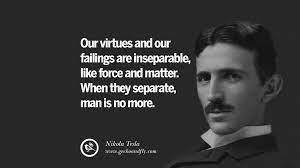
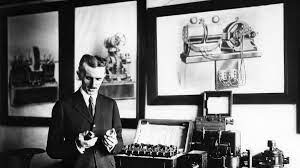
NIKOLA TESLA!!!

Many scientists have left their mark in the field of science. Their hardwork have led us to this development. Yes, if those scientists wern’t think of those different ideas, will you be able to live in this cosy and comfortable world. Think of those days, there were no mobile phones, mixer grinder, car and even current. When we think of this, the fullest credits goes to the scientists who invented this right? If there is no Edison, will there be any current now? If there is no Graham Bell, will there be a telephone? Have you ever thought if you can live without current and mobile phones? The answer would be no. Okay, let me get the point. You know about Edison, Graham Bell, Albert Einstein etc., and you know something about them. I will tell you about a scientist who left his mark in the field of physics. Yes. I’m to talk about our Nikola Tesla. He made many breakthrough in the production, application and transmission of the electric power. The first alternating current motor was invented by him. This made a breakthrough in the field of engineering. Come on! Let’s know something about him.

NIKOLA TESLA (1856 – 1943)

Nikola Tesla was born on 10th July 1856 in Croatia, America. His father, Milutin Tesla was preist in Eastern Orthodox Church. His mother,Đuka Mandić was very talented and she has the power to memorise Serbian epic poems. The crave for knowledge in Tesla came from his mother. Tesla was the fourth child of the family. He had three sisters and an older brother. His brother died when Tesla was five years old.

Tesla said that his interest in demonstration of electricity came from his physics teacher. He has a talent to calculate integral calculus in his head which prompted his teachers to believe that he was cheating. In 1875, Tesla enrolled at the Imperial Royal Technical College, Gauz, on a Military Frontier scholarship. During his first year, Tesla never missed a lecture, earned the highest grades possible, passed nine exams. He even got the letter of recommendations from his dean. After his father’s death in 1879, Tesla lost his scholarship and addicted to gambling. He never get through the final semester exams and didn’t finish of his degree. To hide fact, he severed the ties with his family and his friends thought that he was dead.

TESLA IN THE FIELD OF ELECTRICITY

  • In 1884, he reached America with the letter of inrtoduction to work with Thomas Edison, whose DC-based electrical works were fast becoming the standard in the country. Edison hired Tesla and the two worked hard tirelessly on Edion’s inventions. After some months, they two parted their ways due to some issues related to their business.
  • Tesla discovered, designed and developed ideas for a number of important inventions which were officially patented by other inventors including dynamos and the induction motor. Tesla designed the alternating-current (AC) electrical system, which had become the prominent power system of the 20th century and has remained the worldwide standard ever since.
  • In 1887, Tesla found funding for his new Tesla Electric Company, and by the end of the year, he had successfully filed several patents for AC-based inventions.
  • In 1895, Tesla designed what was among the first AC hydroelectric power plants in the United States.
  • In the 19th century, Tesla patented Tesla coil, which laid the foundation for wireless technologies and is still used in radio technology today. The heart of an electrical circuit, the Tesla coil is an inductor used in many early radio transmission antennas. The coil works with a capacitor to resonate current and voltage from a power source across the circuit.

Tesla died due to Chronic Thrombosis on 7th January 1943. He died in New York where he lived for sixty years. He worked hard to prove himself in the field of electricity. As the result of his hardwork, he was able to leave his marks in the field of elctricity. These are just a few information given by me. If you began to search on him, you can know various interesting facts about him.

Read more;

History of the Olympic Games

Introduction

The Olympic Games are an international sports festival which is held every four years. The goal of these games is to cultivate human beings through sports and contribute to world peace. The Summer and Winter Games are held separately. The last Olympics was held in Brazil. After that, it was supposed to be held in 2020 but because of the pandemic, it got postponed to 2021 and is being held in Japan from 23rd July to 8th August 2021.

History

The Olympic games originated in ancient Greece which would make it as old as 3,000 years. From then it was revived in the late 19th century. The Games were held every four years in Olympia from the 8th century B.C. to the 4th century A.D. Olympia was located in the western Peloponnese peninsula, honouring the god Zeus. They used to be held from August 6 to September 19. It became such an important part of the culture that people start measuring time by the interval between the Olympics, this measurement of time is called the “Olympiad”. These games were an intrinsic part of a religious festival in honour of Zeus and the first recorded champion is known to be Coroebus of Elis, who was a cook. He won the sprint race in 776 BCE.

In 776 BCE, there was just one event, that of a footrace which was known as “stade”. This very word is the origin of the modern English word “stadium”. Other competitions were added over the decades. Wrestling and pentathlon were introduced in 708 BCE, boxing was introduced in 688 BCE.

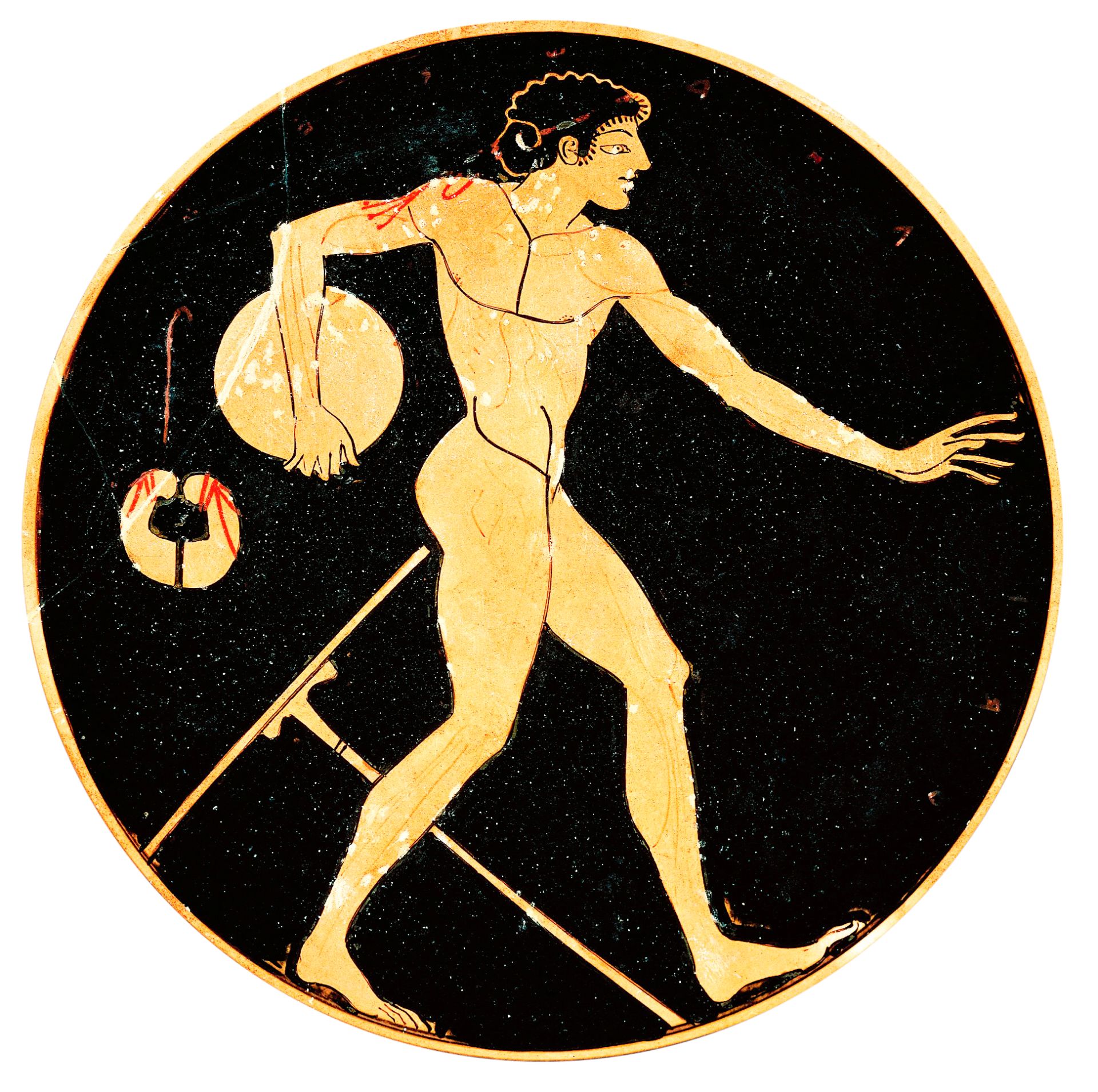
In ancient Olympics, all events were held on one day, from that they later shifted to covering all events in four days. It is also said that the participants followed the practice of participating in the nude. This practice has been tried to explain and the top explanations are that nudity bespoke a rite of passage, nudity was a holdover from the days of hunting and gathering, the Greeks believed that nudity had a special power to ward off any harm, public nudity used to be a costume of the upper class and to be nude in public without erection showed a high level of self-control.

Women in Olympic Games

There were no women participants in the ancient Olympics, although some names of women can be seen on the official list of Olympics victors as the owners of the stables for the chariot entries.

Demise of Olympics

In the middle of the 2nd century BCE, Greece had lost its independence to Rome. The Romans did not think kindly of athletics. They thought that stripping naked and competing in public was a degrading act.

Modern Olympic Movement

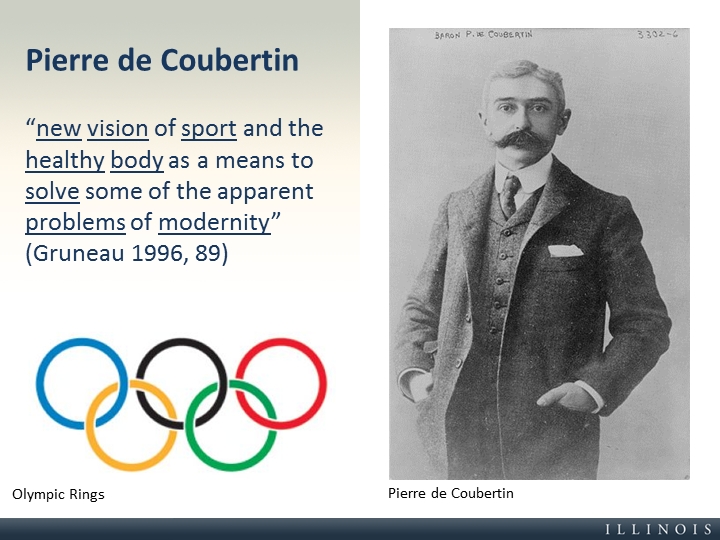
The architect of the modern Games was Pierre, baron de Coubertin who was born in Paris. In 1890, he traveled to England where he met Dr. William Penny Brookes who had been trying to revive the ancient Olympic Games for decades. He got the idea from a series of modern Greek Olympiads held in Athens since 1859. Brookes first attempt at British Olympiad in 1866 was successful but the subsequent attempts were unsuccessful. In the 1880s Brookes started arguing to begin an international Olympics in Athens. But Coubertin stole Brookes’ idea and proposed the same in 1892 at a meeting of the Union des Sports Athletiques in Paris. Coubertin faced a lot of problems in the establishment of this, like refusal by the Greek Prime Minister but when a new Prime Minister took place, Coubertin and his colleague were able to convince him and the Games were held in the first week of April 1896.

Conclusion

Coubertin said the spirit of the Olympic Games is “The elevation of the mind and soul, overcoming differences between nationalities and cultures, embracing friendship, a sense of solidarity, and fair play; ultimately leading to the contribution towards world peace and betterment of the world.”

References

THE PICARESQUE NOVEL

The Picaresque novel is a famous technique in earlier periods. These techniques were used to record the Kings’ and other person’s victories in and out of the battlefields even during his adventures. This form of literature helped in recording the real historical heroes and events from various perspectives. Many authors adapted these techniques and succeeded in making new epic fictions, mythologies, and other real events and incidents.

The Picaresque Novel originated in Spain. The term ‘Picaresque’ is derived from the Spanish ‘picaro’ meaning an anti-hero or rogue. A Picaresque novel is generally an autobiography account of the hero’s fortunes, sufferings and wanderings. It is a combination of episodic tales arranged as journeys. They episodes generally depict low life in a rambling manner and come to an abrupt ending.

The first prose fiction in the nature of the picaresque was John Lyly’s ‘Euphues’ published in 1578 detailing the loves and adventures of a young Athenian called Euphues. Six years later, Thomas Nash published his ‘Unfortunate Traveller’, a more perfect picaresque romance dealing with the travels and adventure of a page called Jacky Wilton. Defoe’s ‘Moll Flanders’ published in 1722 had an affinity with the picaresque mode of writing. But Smollett’s  ‘The Adventure of Ferdinand Count Fathom’ is a more perfect form of the picaresque. However, it was Fielding’s ‘Tom Jones’ which established the respectability of the picaresque novel. Fielding’s novel describes through 18 book’s the adventures and several love affairs of The Young anti-hero Tom Jones. Elements of the picaresque can be found in Dickens’s Nicholas Nickleby and in Joyce Cary’s “The horse’s mouth.”

The object of the picaresque novel is to take a central figure through a succession of scenes and adventures, introduce a great number of characters around him and thus build-up picture of society. In the eighteenth century and before travel was the only way to get acquainted with social life. That is why heroes in the Picaresque novels are travelling heroes. The hero in a picaresque novel is always in the Whirlpool of adventures and he has to be present in several human situations. The picaresque hero often transcends the level of the rogue into a tragic figure with human attributes as in the case of Fielding’s Tom Jones.

Another feature of the picaresque novel is the dynamic movement of the hero. He should run through a succession of scenes as Tom does during his journey to London. The novelist constructs the picture of society through the narration of the hero’s wanderings. Smollett sends his hero Roderick Random not only to London but also to France and for a ship journey. The picaresque novel may go deeper into a contemplation of the more intricate relationship between good and evil. They also reveal the strange truth that generous impulses exist even in those whom society considers as rougues. Tom Jones is a generous and manly youth in spite of the rouguish elements in his character.

Until now this technique is used by various authors for various books in the name of Mythologies, fiction, and other Genres.

Short stories within novels

All about autobiography

Kargil Vijay Diwas 2021

Introduction

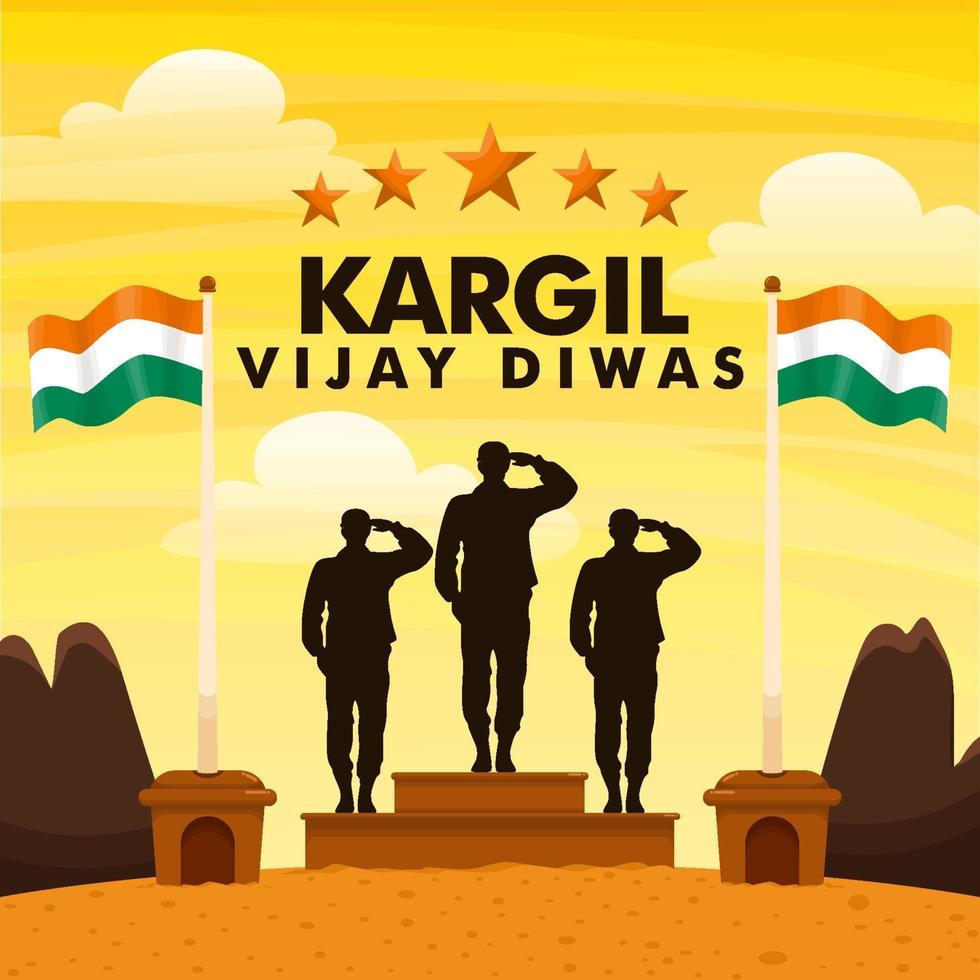
Kargil Vijay Diwas is celebrated every year on July 26th to remember the sacrifice of the Indian soldiers during the Kargil war of 1999 with Pakistan. The brave-hearted men of the Indian army had aided the Indian air force in defeating Pakistan on this very day 22 years ago.

Kargil War

The war was fought between India and Pakistan from May to July 1999 in the district of Kargil which is in Kashmir, along the Line of Control (LOC). It is also known as “Operation Vijay”. India launched “Operation Vijay” to clear the Pakistani infiltration in the Kargil sector. A huge part of this war was the Indian Air Force’s role in acting along with the Indian Army ground troops. Indian Air Force’s role was to flush out the regular and irregular troops of the Pakistan Army. This operation of flushing out the Pakistani troops was given the codename “Operation Safed Sagar” which means “White Sea”.

Cause of the War

This war was caused because the Pakistani troops infiltrated the Indian side of the Line of Control acting as Kashmiri militants. The Line of Control is the de facto border between India and Pakistan in Kashmir. In the starting stages of the war, Pakistan blamed Kashmiri militants for all the fighting but later they messed up and left some documents because of casualties which showed clear involvement of the Pakistani paramilitary forces. Adding to that, later a statement by the then Prime Minister of Pakistan, Nawaz Sharif, and the Chief of Army Staff, General Pervez Musharraf, confirmed the involvement of the Pakistani paramilitary which was being led by General Ashraf Rashid. With the help of Operation Vijay and Operation Safed Sagar, the Indian Army recaptured most of the area. Adding to that, Pakistan was facing international diplomatic opposition so they had to withdraw their forces as well.

This War is the most recent example of high-altitude warfare in mountainous terrain which for obvious reasons posed logistical challenges.

World’s Opinion

Pakistan was greatly criticized for instigating war. They claimed they did not start the war and that it was the Kashmiri militants but a lot of evidence contradicted their claim and nobody believed them, for one, the war was at heights where only trained soldiers could fight, and not some simple freedom fighters.

Pakistan’s Prime Minister, Nawaz Sharif had flown to the United Stated to ask the US President Bill Clinton for support, who showed his clear disapproval and asked him to withdraw his soldiers from the Indian territory.

The G8 nations at that time, Canada, France, Germany, Italy, Japan, Russia, United Kingdom, and the United States supported India. Even the European Union opposed Pakistan’s violation of the LoC. China who is known as a long-time ally of Pakistan also suggested retreating and settling the issue peacefully. Even ASEAN supported India.

Gallantry Awards

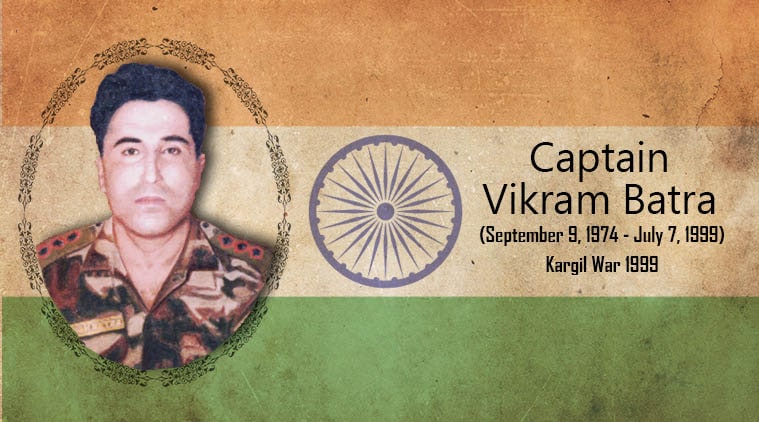
Four Param Vir Chakras were awarded to – Grenadier Yogendra Singh Yadav, Lieutenant Manoj Kumar Pandey, Captain Vikram Batra, and Rifleman Sanjay Kumar. And eleven Maha Vir Chakras were awarded.

Facts

  • The war was fought at a height of 8,780 feet. 
  • The soldiers had to fight at a temperature of minus 10 degrees Celsius. 
  • Operation Safed Sagar was the first time the Air Force conducted an operation at the height of 32,000 above sea level. 
  • The pilots and engineers of the Air Force were given just one week to train. 
  • As many as 527 Indian soldiers laid their lives and the Indian Army built a memorial wall with all the names of the soldiers who lost their lives. 

Conclusion

The victory of the success of Operation Vijay meant a lot to India and all the Indians. Till now, every year Indians remember July 26th as the day of victory and remember the sacrifice their fellow Indians paid for the safety of all.

References

Be Safe With Your Dinnerware

Are you staring at your plate right now with suspicious eyes? If so, then relax and take off that crease from your forehead. If you are worried about lead being present in your dishes, then we are here for you. Here all your doubts about how to test dinnerware for lead will be addressed and you don’t have to worry.

Safety is the first thing anyone wants while buying any product. You wouldn’t have thought about searching for lead in your dinnerware. Did you? Dinnerware is the most regularly used item in our homes, but to find that unsafe for us is disappointing. And also you shouldn’t be even asking this question. Think about it, you bought a nice dinner set from a respectable company, but here you are getting suspicious? Don’t worry any further. We will clear all your suspicions. Come on, let’s have a look at how to test your dinnerware for lead?

Why is Lead unsafe?

Lead is a harmful toxin that if ingested, may cause serious damage to the body systems. Children and pregnant women stay at a higher risk of health issues from the toxic effects of lead. You may have heard of lead poisoning too. It is very real and lethal.

Lead does not leave your body after entering. It accumulates there and due to this, even small amounts are harmful to health. You need to remove lead from your dinnerware so that you can eat your food safely.

Why is Lead Used in Dinnerware?

Lead is used in dinnerware for glazes and bright colors. It is basically used to beautify the dishes. The glazes that make the dishes shine like glass, the bright red color designs, these all are lead. It seems nice but it’s lethal. Lead also provides strength to the dishes and prevents them from moisture.

How Does Lead Enter Our Body?

There are many ways in which lead can enter our bodies. Let us point them out for you.

  1. If hot food is served on plates with glaze, the heat tends to extract the traces of chemicals from the surface and enter the food.
  • If you heat your food in the microwave, it can get lead into it. So don’t heat too many times.
  • Serving too much acidic food on a plate can also cause lead to enter the food. Acids tend to fast forward the process.

What Type of Dishes Contain Lead?

Dishes come in many varieties, so it can be hard to figure out the safest one. But we have something for you that can help. Now try to avoid the following things when looking for dishes:

  1. Antique dishes that may be passed down in your family from generations.
  • Heavily designed dishes, especially with bright colors like red, yellow, or orange.
  • Used dinnerware found in thrift stores or second-hand dishes you bought at a lower price.
  • Terra cotta dishes which are heavily glazed
  • Handmade dishes or pots.
  • Any dish with corroded glaze, or old dishes with worn-out designs.
  • Dishes with designs made above the glazed surface.

How to Test For Lead in Dishes?

You didn’t think you can check for the lead with plain sight, did you? No, you can’t. But there are some ways to test dishes for lead. One of them is to avoid the above mentioned types of dishes. Another useful way is by testing the dinnerware by home kit for testing lead in dinnerware.

Home Kit for testing lead in dinnerware is mainly useful for high content lead testing. It does not detect if there are only small amounts of lead in the dishes.

Another way is to send the dishes to a laboratory. But this may be a bit of absurd advice considering everyone doesn’t have access to labs and it is a bit expensive as well.

Method to Test For Lead With Home Kit

  1. Buy the chemically tested swabs, which are not very expensive.
  • Clean your dish with the swab.
  • If your dish contains lead, the lead detector on the swab with turn bright red indicating the presence of lead in your dish.
  • Or use a small chipped section of the glaze from the dish.
  • Peel a small part of the glaze and test it with the swab for more accuracy.

This method doesn’t tell you the exact amount of lead present in the dish. It is not much use but is fine for testing at home.

Method For Testing Lead in Laboratories

  1. Laboratories use X-ray systems to test for lead in dishes.
  • This method tells the accurate amount of lead present in the dish by using some electron reactions (which you don’t need to know about).

There are many ways to test for lead in laboratories. But some of them might damage the dish in the process. So this method is not feasible.

How to Reduce Exposure to Lead From Dishes?

The following points might be of some help:

  1. Stop using antique dishes
  • Don’t heat food in contaminated dishes
  • Don’t use highly glazed dishes for regular use
  • Stop storing food in contaminated dishes for a long time
  • Don’t wash the dishes containing lead in the dishwasher
  • Don’t serve acidic food on dishes containing lead. It speeds up the process.

Safest Lead Free Dinnerware

Choosing lead-free dinnerware for your safety is not that hard as it sounds. Just keep some points in mind next time while shopping for dishes.

  1. Choose the dishes with minimum designs
  2. Dishes with less glaze will be safe
  3. Plain white plates or dishes is definitely a winner
  4. Try to find less bright colored dishes
  5. We recommend more glass dishes. With them, you can be sure they are lead-free.
  6. If you are an appreciator for old, vintage dishes, you may want to restrict to the plain white ones.
  7. Melamine is considered to be the safest as it is more plastic than a glazed surface.

Now you are just a step away from buying lead-free dinnerware. Step out, go to that store, keep these few points in mind and find the perfect dinner set for you. And we hope now you know how to test for lead in dinnerware.

Dinnerware Patterns

Planning on throwing a big dinner party? Or just having some guests over for the night? Either way, we know what you are looking for. Are you looking for something innovative to do to impress your friends? We got you.

A big party means you need to take out your stock of dinner sets you have hidden in that cabinet. Yes, you read it right. Go on, take them out and think about how to decorate the dining table for the night. Maybe we can help you there. We will show you how to mix and match dinnerware for your party. But what else are you thinking? Flowers? Accessories for the table? Fancy table mats? Or candles maybe? That is nice but what about your precious dinnerware waiting to be showcased. Come on, let’s see what you need to do.

Why Mix and Match?

If you want to throw a big party., you will need a good amount of the same dinner sets. About 20 to 30 plates of the same design with the spoons and bowls too will be needed. No one is that stupid to buy these many dishes of the same design. So what you want is to mix and match your dinner sets to make your table look presentable and great.

How to Mix and Match Dinnerware?

It depends on how you want your table to look. Do you want a bright cheery mood? Or do you prefer a more classic look? Whatever you want, we are here to help you.

Either you decide to order takeout or cook your best dish, it’s always nice to make your table presentable. It sets the right mood for the dinner party. Let us find out how you can make the table a feast for your eyes.

  • Start with deciding a color scheme – The most important thing to keep in mind while setting the table is to devise a color scheme. The base color for the dinner sets. We recommend it to be a plain color. You can take it as bright red large plates with plain white side plates and add some golden metal spoons and forks. Or you can go with a dull color like brown or maybe royal blue with a contrast of silver would be nice.
  • Consider the mood of the gathering – You want to set the mood right for the party. Decide whether you want a formal gathering or a fun friends’ night out. For a formal dinner, you might want to seem classy then put some flowers and candles on the table.
  • Include different items – Your table will look good if it has some different fun items. They may be stemmed glasses for drinks or big fancy soup bowls. Adding napkins going with the color scheme might be a good addition. Set different sizes of spoons for starters and meals.
  • Metals shine bright – Metals make a good addition to the table. They add a bit of sparkle to the setting. There are no restrictions if you want to add some silver, gold, or bronze spoons and forks. They add to the charm of your dining table.
  • Add shapes and textures – Setting your table with different shapes of dishes would be nice and fun. Add two different shapes of glasses for drinks and water. Be bold and imaginative when adding patterns to the set. If a color doesn’t suit your mood then maybe go for more textured plates and dishes. Consider a floral pattern of plates with plain side plates which go with golden spoons.
  • A sense of nature – Bring in some natural materials and add one bright color like blue with classic white plates. Spice it up by giving it a traditional and classy look. Add some flowers too in the vase.
  • Consistency is the key – You need to be consistent. Whatever you selected at the starting, keep it up till the end. Whatever color or pattern you want make it consistent for every seat. Whether it is the color scheme, the flowers, table mats, or the water glasses, try to keep all the items consistent throughout the table. Even if your table is mismatched but is consistent, it will definitely look perfect.
  • Crisp and colorful – You want it to be a cheerful picnic dinner then you can go with solid colors lining your table. Mix it with a contrasting color to make it look colorful and complete. Maybe add some small pattern with the side plates or the glasses.

Some Other Things to Keep in Mind

There are some other different things to keep in mind while setting your table for the big night. We told you all about what to do, now let’s come to what not to do. Some tips for you not to do are mentioned below:

  1. Do not exaggerate the number of items on the table. Keep them less but enough for using easily.
  2. Do not go too bold with the color scheme. You don’t want a simple dinner party to look like a royal dinner, do you?
  3. Try to add patterns but not many. Stick to only one or two patterns.
  4. You can set each seat with different settings but try to keep the color scheme the same throughout the table to ensure consistency.
  5. If you plan on keeping flowers and candles on the table, keep them at a distance from each other. Keep only two vases and three candles for a small table. For a much longer table, keep four vases with five or six candles only.
  6. Keep your focus on decorating the table with your dinnerware and not just the other accessories. Bear in mind to keep the dinner sets the main attraction of the table.

Go ahead enjoy your party now. We told you everything you need to know to host an amazing dinner. Hope you got your answer on how to mix and match dinnerware. Set your table with your creativity and sense of design and woo your guests with beauty on the table. Don’t forget to invite us!

29 interesting facts about 29 different states(Part-1)

India is a diverse country with 29 states. In this blog, we are going to see 29 facts for 29 states, 1 fact for 1 state.

Jammu and Kashmir

World’s only floating post office is located at Dal lake, Jammu and Kashmir. It is the most attracting place for tourist. Every year lakh’s of people come to see this post office. It is the only post office in this world that floats on water.

Maharastra

Lonar Lake, also known as Lonar crater is located at Lonar in Buldhana District, Maharashtra. This lake was created by a meteorite collision. This lake has diameter of 1.2 kilometre and it is 137 feet deep.

Rajasthan

Karni Mata Temple in Rajasthan is one of the strangest temples in this world. This is a strange temple because, approximately 25,000 thousands of rats live there. It is also called the temple of rats. It is believed that Karni Mata manifests herself into rats. Devotes eat the prasad after the rat taste them.

Mizoram

Many shops in Mizoram are without shopkeepers. Means the shopkeepers keeps the products open in there store and keep a small box. Customers come and take the products and deposit the money in the small boxes. These shops run on a principle of trust. This tradition is known as Nghah-Lou-Dawr.

Uttarakhand

There is a lake in Uttarakhand called Roopkund lake. This is a mystery lake in Uttarakhand. It is also called as skeleton lake, at the bottom of this lake, you can find many skeletons there deposited under mysterious circumstances.

Tamil Nadu

You have seen in many movies that people walk on fire. You actually think it is not true. But in reality it is true, people in Tamil Nadu celebrate fire-walking ceremony, which is a honor to goddess Draupati Amman.

Andhra Pradesh

Have ever wondered will snow fall in south India. The answers is Yes, there is a beautiful village in Andhra pradesh called Lambasingi, it is the only place where snows falls in south India.

Gujarat

Do you know a single voting poll was set up for a man, named Mahant Bharatdas in Gujarat. He used to live alone in the Gir west forest. Unfortunately, he died in 2019.

Uttar pradesh

As, we all know Uttar pradesh is the most populated state in India. The population of Uttar pradesh is 20 crores, which is equal to 65 percent of US population. If Uttar Pradesh is country, then it would be ranked as 5th most populated country in the world.

Madya Pradesh

Madhya pradesh has the largest reserves of diamonds and coppers in India. It is also rich coal, manganese, bauxite and dolomite.

Assam

For everyone in India have only one national anthem whether he is from north or south. But people in Assam have there own anthem called ‘O Mur Apunar Dex’ written by famous poet Lakshminath Bezbaroa, this anthem was adopted in 1927.

Kerala

Kerala is most literate state in India with literacy rate 93.91%. Also It is the only state in India to have hospitals and banks in every village. Apart from this, it is the first state to receive rainfall in India.

This is just part-1, part-2 will come soon. That’s all from my side I hope you like it. Thank you.

WHAT IS A NOVEL

The novel owes its existence to man’s interest in other men and the great panorama of human passion and action. Both the drama and the novel are compounded of the same material but in drama and the literary element is bound up with the elements of stage settings and interpretations through acting. So, Marion Crawford terms the novel as “Pocket theatre”. The novel may be defined as long narrative prose detailing the actions of fictitious people. Meredith calls it a ‘summing of actual life’. The novel combines narration and description, history and philosophy, poetry and fantasy, social criticism, and a particular view of life.

Elements of the Novel:

The novel has various elements.

  1. In the first place, it should have a plot. The novel deals with elements and actions and how these are presented is the plot.
  2. Secondly, the men and women who are involved in these elements and actions appear as characters in the novel.
  3. The third element is the dialogue the mean of interaction among the characters.
  4. The fourth element is the scene and the time of action because the characters must interact, do or suffer at some place or time.
  5. The fifth element is the style in which the narration is done.
  6. The Sixth Element is the view of life presented by the novelist.

The Plot:

The plot in a novel is the organization of incidents. The theme should have substantial value and human interest. It is primarily concerned with the things which make life strenuous, intense, and morally significant.

There are two types of plots – organic and episodic. In the first, the characters and events are well interwoven that no character or incident can be removed from the novel without causing damages to the whole. The plot and Jane Austen novels are examples. The second type of plot is loosely formed and characters and incidents have no essential bearing on each other. The picaresque novels of Fielding and even some of the novels of Dickens have episodic plots. How the various elements in the plot or organized to achieve a definite artistic purpose is called the structure. Unity in structure and plot is to be observed.

The Characterization:

Characterization is the act of presenting the characters alive and real to our imagination. The men and women in the novel must move through it like living beings they should remain in the readers’ memory after the novel is laid aside. There are two types of characterization – the direct or the analytic and the indirect or dramatic. In the analytical method, the novelist portrays his Characters from outside, dissects their passion, thoughts, and feelings, and even passes judgment upon them.

The Dialogue:

Dialogue is well managed, gives vividness, and actually to the plot and the characters. Dialogue reveals the passion and the emotion of the character and advises the movement of the plot. Dialogue should Constitute an organic element in the story. It should be natural, appropriate, and dramatic. It should be in keeping with the personality of the speaker.

The Time and Place of Action:

Time and place of action in a novel refer to the whole setting of the story, both social and material. They are novels of sea life, military life, industrial life of district life, and life of different classes of people. There are novels with a regional background; there are novels written in the historical background. whatever may be the setting, the novelist should master its details and then present a lively picture of it.

The novel is concerned with life and so the novelist’s view of life may be revealed in the novel. A novelist may make creative observations on human life. By the selection and organization of the material, and by the presentation of character and development of the plot, the novelist can show us what he thinks of life. However, the novelist should not indulge in propaganda or preaching. His philosophy is a part of the structure of the novel and should reveal itself through the interpretation of life, thought, character, and temper of the work as a whole.

The chief characteristics of Shakespearean novels

Must read two books by Paulo Coelho-2

Olympics

The modern Olympic Games or Olympics (French: Jeux olympiques) are leading international sporting events featuring summer and winter sports competitions in which thousands of athletes from around the world participate in a variety of competitions. The Olympic Games are considered the world’s foremost sports competition with more than 200 nations participating. The Olympic Games are normally held every four years, alternating between the Summer and Winter Olympics every two years in the four-year period.

Their creation was inspired by the ancient Olympic Games (Ancient Greek: Ὀλυμπιακοί Ἀγῶνες), held in Olympia, Greece from the 8th century BC to the 4th century AD. Baron Pierre de Coubertin founded the International Olympic Committee (IOC) in 1894, leading to the first modern Games in Athens in 1896. The IOC is the governing body of the Olympic Movement , with the Olympic Charter defining its structure and authority.

The evolution of the Olympic Movement during the 20th and 21st centuries has resulted in several changes to the Olympic Games. Some of these adjustments include the creation of the Winter Olympic Games for snow and ice sports, the Paralympic Games for athletes with disabilities, the Youth Olympic Games for athletes aged 14 to 18, the five Continental games (Pan American, African, Asian, European, and Pacific), and the World Games for sports that are not contested in the Olympic Games. The IOC also endorses the Deaflympics and the Special Olympics. The IOC has needed to adapt to a variety of economic, political, and technological advancements. The abuse of amateur rules by the Eastern Bloc nations prompted the IOC to shift away from pure amateurism, as envisioned by Coubertin, to the acceptance of professional athletes participating at the Games. The growing importance of mass media has created the issue of corporate sponsorship and general commercialisation of the Games. World wars led to the cancellation of the 1916, 1940, and 1944 Olympics; large-scale boycotts during the Cold War limited participation in the 1980 and 1984 Olympics; and the 2020 Olympics were postponed until 2021 as a result of the COVID-19 pandemic.

The Olympic Movement consists of international sports federations (IFs), National Olympic Committees (NOCs), and organising committees for each specific Olympic Games. As the decision-making body, the IOC is responsible for choosing the host city for each Games, and organises and funds the Games according to the Olympic Charter. The IOC also determines the Olympic programme, consisting of the sports to be contested at the Games. There are several Olympic rituals and symbols, such as the Olympic flag and torch, as well as the opening and closing ceremonies. Over 14,000 athletes competed at the 2016 Summer Olympics and 2018 Winter Olympics combined, in 35 different sports and over 400 events. The first, second, and third-place finishers in each event receive Olympic medals: gold, silver, and bronze, respectively.

The Games have grown so much that nearly every nation is now represented. This growth has created numerous challenges and controversies, including boycotts, doping, bribery, and a terrorist attack in 1972. Every two years the Olympics and its media exposure provide athletes with the chance to attain national and sometimes international fame. The Games also provide an opportunity for the host city and country to showcase themselves to the world

Ancient Olympics

The Ancient Olympic Games were religious and athletic festivals held every four years at the sanctuary of Zeus in Olympia, Greece. Competition was among representatives of several city-states and kingdoms of Ancient Greece. These Games featured mainly athletic but also combat sports such as wrestling and the pankration, horse and chariot racing events. It has been widely written that during the Games, all conflicts among the participating city-states were postponed until the Games were finished. This cessation of hostilities was known as the Olympic peace or truce.[7] This idea is a modern myth because the Greeks never suspended their wars. The truce did allow those religious pilgrims who were travelling to Olympia to pass through warring territories unmolested because they were protected by Zeus.[8] The origin of the Olympics is shrouded in mystery and legend; one of the most popular myths identifies Heracles and his father Zeus as the progenitors of the Games.According to legend, it was Heracles who first called the Games “Olympic” and established the custom of holding them every four years. The myth continues that after Heracles completed his twelve labours, he built the Olympic Stadium as an honour to Zeus. Following its completion, he walked in a straight line for 200 steps and called this distance a “stadion” (Greek: στάδιον, Latin: stadium, “stage”), which later became a unit of distance. The most widely accepted inception date for the Ancient Olympics is 776 BC; this is based on inscriptions, found at Olympia, listing the winners of a footrace held every four years starting in 776 BC.[14] The Ancient Games featured running events, a pentathlon (consisting of a jumping event, discus and javelin throws, a foot race, and wrestling), boxing, wrestling, pankration, and equestrian events. Tradition has it that Coroebus, a cook from the city of Elis, was the first Olympic champion.

The Olympics were of fundamental religious importance, featuring sporting events alongside ritual sacrifices honouring both Zeus (whose famous statue by Phidias stood in his temple at Olympia) and Pelops, divine hero and mythical king of Olympia. Pelops was famous for his chariot race with King Oenomaus of Pisatis. The winners of the events were admired and immortalised in poems and statues. The Games were held every four years, and this period, known as an Olympiad, was used by Greeks as one of their units of time measurement. The Games were part of a cycle known as the Panhellenic Games, which included the Pythian Games, the Nemean Games, and the Isthmian Games.

The Olympic Games reached the height of their success in the 6th and 5th centuries BC, but then gradually declined in importance as the Romans gained power and influence in Greece. While there is no scholarly consensus as to when the Games officially ended, the most commonly held date is 393 AD, when the emperor Theodosius I decreed that all pagan cults and practices be eliminated Another date commonly cited is 426 AD, when his successor, Theodosius II, ordered the destruction of all Greek temples.

Modern Games

Forerunners

Baron Pierre de Coubertin

Various uses of the term “Olympic” to describe athletic events in the modern era have been documented since the 17th century. The first such event was the Cotswold Games or “Cotswold Olimpick Games”, an annual meeting near Chipping Campden, England, involving various sports. It was first organised by the lawyer Robert Dover between 1612 and 1642, with several later celebrations leading up to the present day. The British Olympic Association, in its bid for the 2012 Olympic Games in London, mentioned these games as “the first stirrings of Britain’s Olympic beginnings”.

L’Olympiade de la République, a national Olympic festival held annually from 1796 to 1798 in Revolutionary France also attempted to emulate the ancient Olympic Games. The competition included several disciplines from the ancient Greek Olympics. The 1796 Games also marked the introduction of the metric system into sport.

In 1834 and 1836, Olympic games were held in Ramlösa (Olympiska spelen i Ramlösa), and an additional in Stockholm, Sweden in 1843, all organised by Gustaf Johan Schartau and others. At most 25,000 spectators saw the games.

In 1850, an Olympian Class was started by William Penny Brookes at Much Wenlock, in Shropshire, England. In 1859, Brookes changed the name to the Wenlock Olympian Games. This annual sports festival continues to this day. The Wenlock Olympian Society was founded by Brookes on 15 November 1860.

Between 1862 and 1867, Liverpool held an annual Grand Olympic Festival. Devised by John Hulley and Charles Melly, these games were the first to be wholly amateur in nature and international in outlook, although only ‘gentlemen amateurs’ could compete.The programme of the first modern Olympiad in Athens in 1896 was almost identical to that of the Liverpool Olympics. In 1865 Hulley, Brookes and E.G. Ravenstein founded the National Olympian Association in Liverpool, a forerunner of the British Olympic Association. Its articles of foundation provided the framework for the International Olympic Charter. In 1866, a national Olympic Games in Great Britain was organised at London’s Crystal Palace.