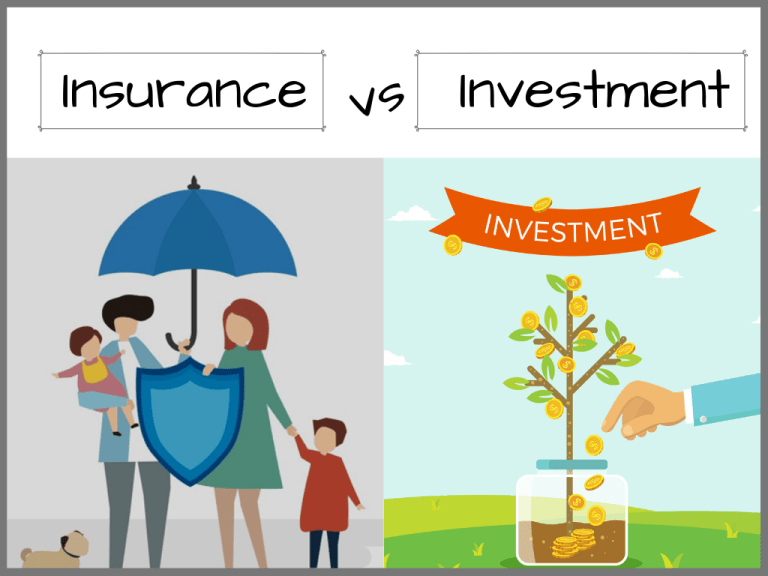
In today’s world, it is very easy to confuse Insurance with Investment. One might feel that he/she is investing in their future and decreasing their future financial burden because he/she purchased an insurance policy. Let’s take a look at the definition of insurance and investment.
Insurance refers to a contract or policy in which an individual or entity receives financial protection or reimbursement against losses. It protects the insured against risk of losses or damage.
Investment, on the other hand, refers to an asset or item acquired with the goal of generating income or appreciation. For example, real estate, mutual funds, shares etc.
With the increase in types of insurance policies and persuasive insurance sales representatives, people tend to think of insurance as investments. However, Insurance merely provides protection in the event of loss, which may or may not arise. In case of no loss or damage, sum total of all the insurance premium paid is profit for the insurance company.
On the other hand, the main purpose of an investment is to generate income by providing returns (dividends and interest) and/or capital gains (value appreciation; increase in price). Insurance does not provide any substantial returns. It merely provides reimbursement in the event of loss/damage and therefore, it is not an investment.
Do you need Insurance?If yes, what kind?
Insurance planning is essential to protect against different kinds of risks and to be financially prepared in case of loss or damage to life or property. However, it should not be used a means to invest.
There are different types of insurance which can be broadly classified into Personal, Property and Liability. There are three types of insurance that you must have to protect against risk, not as an investment: Health insurance, Term life insurance and Automobile insurance.
Health insurance is a must to ensure that in case of an accident or injury, hospital and medical bills don’t eat away your savings.
Term life insurance ensures that in case of death of the earning member of the family, the family has enough to survive for a substantial period of time. Term life insurance has a fixed period and hence, has a very low monthly premium with a decent coverage. However, if the policy expires and the insured is still alive, the insured does not get any amount back. So, this policy should only be taken by the earning member at the right life stage in case he/she does not own enough assets to leave behind for his/her family.
Automobile Insurance (third party) is mandated by the Government of India on the purchase of a vehicle and hence, every vehicle owner should have one.
Other types of insurances sold and bought in the name of ‘investment’ like Endowment plans, Money back policy and the new policy called Unit-linked insurance plans(ULIP) which allows you to invest in the stock market should be avoided at all costs.
It is much more profitable to invest in the market through mutual funds or investor’s Demat account than to do the same through insurance companies. The rate of return in the market is much higher and it doesn’t cost as much as Insurance.
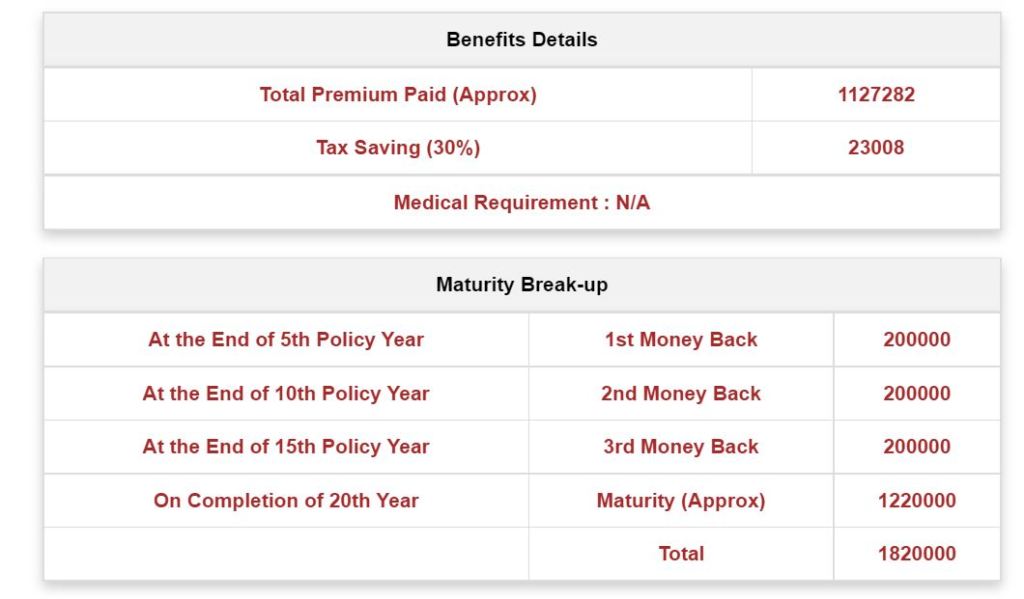
For example, if you buy Money Back insurance plan with a policy term of 20 years with ₹10,00,000 assured cover, the monthly premium calculated on LIC premium calculator comes out to be around ₹6300-6500 per month.
As calculated above, the total premium paid is ₹11,27,282 and the total amount received is ₹18,20,000. The total profit/return (approx.) is only ₹6,90,000 in 20 years. The return on investment (Return/Total Amount paid x 100) is only 61%.
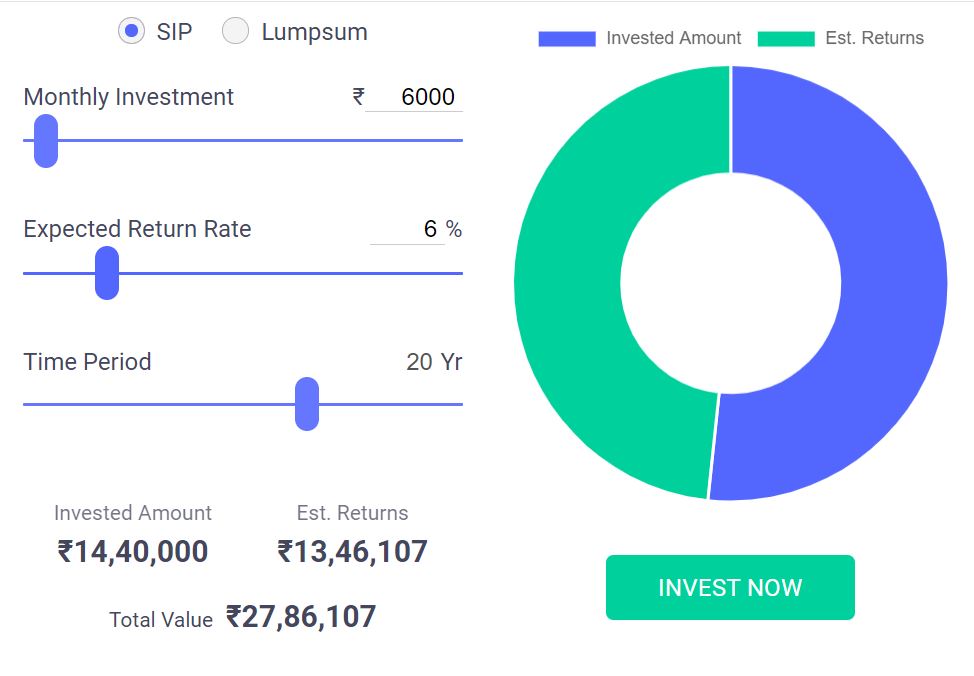
However, if the same amount is invested in SIP of any instrument with a return rate of just 6% for the same time period (20 years), the returns (calculated on Groww SIP calculator) are much higher.
₹6000 rupees invested monthly in any instrument with a return rate of only 6% for 20 years gives a return of ₹13,46,000 making the total value of the investment ₹27,86,000. The ROI (Return/Total Amount paid x 100) in this scenario is 93%.
Conclusion
Although Insurance is an essential part of Financial Planning to protect against different kinds of risks which varies from person to person, it should not be mixed with Investment. For greater returns and growth, investors should directly invest in the market or in any other instrument which suits their risk appetite and capacity.
Human development refers to the process of widening people’s choices, freedom and opportunities as well as raising the level of their well being. Human development focusses on the enlargement of all human choices whether economic, social, cultural or political. Economic growth or development alone cannot guarantee human development. This is because these two terms pertain to economic advancement which is usually expressed in monetary terms. Accumulation of wealth does not necessarily mean the fulfilment of several kinds of human choices. For instance, a society does not have to be rich to afford democracy or equality. It is the how we use the wealth and not the wealth itself that is decisive in attaining human development. The real wealth of a society is its people and development of those people can transform that society. In recent times, an alternative to GNP as a measure of economic development has lead to computation of the Human Development Index. This measure has been enlarged and many related indices like gender development index, gender inequality index, human poverty index, etc. have been developed as well. Human development is necessary for several reasons. Human development leads to higher productivity. A healthy and skilled labour is a very important productive asset for any economy. Improvement in education not only enhances skills but also helps in lowering family sizes. Education makes people aware of the benefits of smaller families. Human development also leads to a better physical and social environment. Population growth effects the environment. Deforestation, desertification etc decline with a decline in poverty. Reduced poverty also contributes to a healthy civil society, increased democracy and greater social stability. Human development embraces the entire society and not just the economy. The political, cultural and social factors are given much importance as the economic factors. Some of the important components of human development are equity, empowerment, sustainability and productivity. People must enjoy equitable access to opportunities. They must be empowered so that they are in a position to exercise choices of their own free will. The development should be sustainable i.e. needs of future generations should also be under consideration. Productivity is an essential part of human development as therefore should always be a priority. In the recent years, economists have shifted their concern from economic growth to human development. This has lead to the creation of Human Development Index (HDI). HDI is a measure of human development done on the basis of three dimensions: long and healthy life, access to education and decent standard of living. Long and healthy life can be measured through life expectancy while literacy rate shows access to knowledge. For measuring standard of living, GNP is often used. Since human development is so closely linked to economic growth, it is important that planning in economic growth should coincide with human development. It means that equal emphasis should be laid on production and distribution objectives. Human beings should be declared the ultimate objective of economic planning. There are enormous difficulties in doing so but it is worthwhile.
You must have heard about the word addiction. According to its etymology , the root of the word addict comes from the Latin word addictus which means “to devote, sacrifice, sell out, betray or abandon.”
Tess Callahan , a recovered drug addict defined addiction as , “ Addiction is just a way of trying to get at something else. Something bigger. Call it transcendence if you want, but it’s a rat in a maze. We all want the same thing. We all have this hole. The thing you want offers relief, but it’s a trap.”
Addiction is a trap , a disorder. One can refer to addiction as , Substance use disorder (SUD) . Drugs , alcohol , smoking and many others are some common types of addiction .
It’s nerve racking to think something so pernicious is something so common for the world we live in .
What is a drug addiction ?
WHO defines drug addiction as _”, a state of periodic or chronic intoxication detrimental to the individual and to society produced by the repeated consumption of drugs , natural or synthetic …”
Drug abuse , drug addiction ,drug trafficking have been the tragedies of the 20tj century and have been passed on with no less vigour to the 21st century .
International Day Against Drug Abuse and Illicit Trafficking
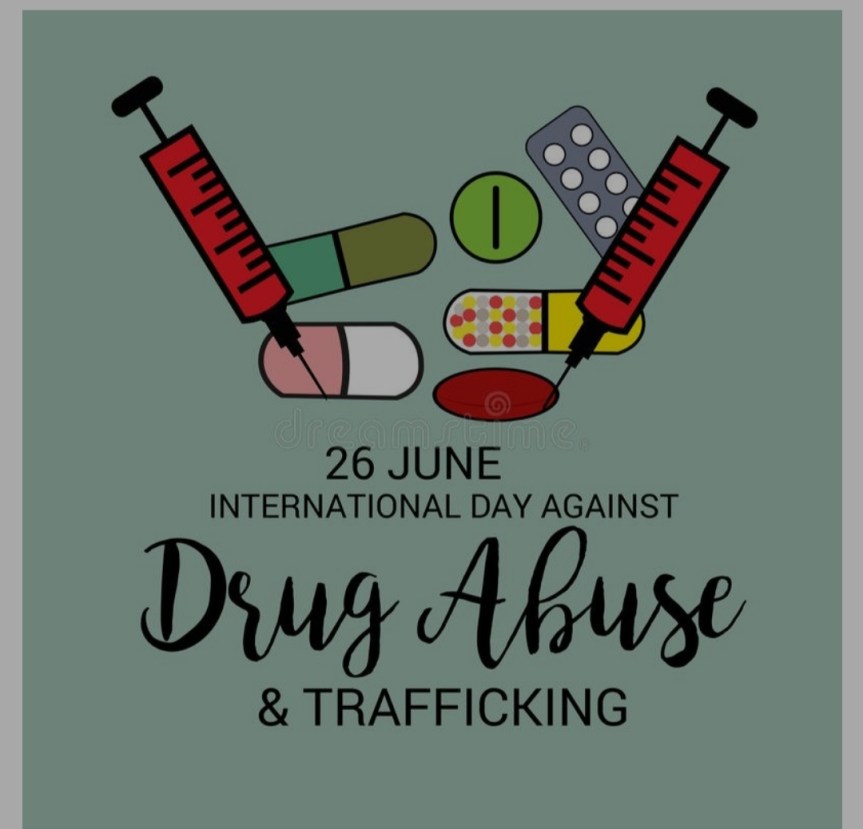
26th June ,has been celebrated as the United Nation International Day Against Drug Abuse and Illicit Trafficking since 1989 .
The International conference in Vienna during 17-26 June ,1987 on Drug abuse and Illicit Trafficking, two important texts , Comprehensive Multidisciplinary Outline of Future Activities in Drug Abuse Control & Declaration of the International Conference on Drug Abuse and Illicit Trafficking were adopted and 26th June was declared as United Nation International Day Against Drug Abuse and Illicit Trafficking in 1989.
Every year , The United Nations Office on Drugs and Crime (UNODC) releases a World Drug Report . The report provides data and facts about the intensity of drug problems around the world. The data is completely key statistics and factual data obtained through official sources. UNODC also provides practical solutions to get to grips with these problems and abiding to be committed to attaining a vision of good health .
The World Drug Report provides a global overview of the supply and demand of drugs (such as opiates, cocaine, cannabis, amphetamine-type stimulants and new psychoactive substances ) , as well as their evil effects on health .
World Drug Report — 2021 , focuses not only on drug addiction potential effects but also on the impact of the COVID-19 pandemic, assisting Member States in addressing challenges that may arise in the near future.
The 2021 report , consisting of five separate booklets, providing an in-depth analysis of the global drug markets and giving a comprehensive picture of the measurable effects and potential impact of the COVID-19 crisis on the world drug problem. Covid -19 has already made the heedless public aware about the importance of health on a global level.
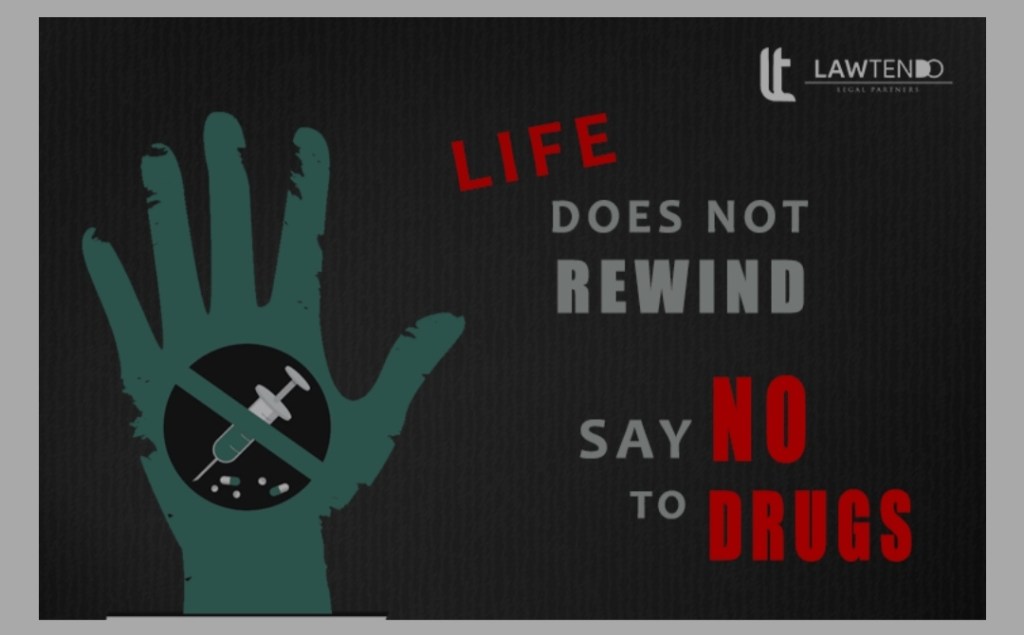
World Drug Day is a day to spread awareness , put the kibosh on use of drugs , to research and share life saving facts , help people recover , to do their part by taking a firm stance against misinformation , while being staunch supporter against drug abuse and illicit trafficking and sharing only the real help facts on drugs and save lives.
Theme 2021 :-
This year, the theme of International Day Against Drug Abuse and Illicit Trafficking is ‘Share Facts On Drugs, Save Lives”
Information sharing makes a profound impact on individuals’ lives. It ensures that an individual receives the right information at the right time. . Facts about health risks posed by drug abuse and solutions to tackle the problem will help us move towards a society free of drug abuse.It’s like an imperative guard which promotes welfare .
The theme of the 2021 International Day Against Drug Abuse and Illicit Trafficking aims at restraining misinformation and promoting sharing real facts on drugs and their evil effects on health and solutions to tackle the world drug problem.
Causes of Addiction :-
Dr Lawrence Kolb, the first medical director of the Public Health Service Narcotic Hospital in Lexington shared THE PSYCHOLOGY OF ADDICTION according to him ” addicts are thrill seekers; they are modest people who use drugs to overcome feelings of inferiority. Drugs allowed them to feel “grandiose” in life. They use their DRUG to escape their problems and feel like they can deal with any problem that they are subjected to. Each drug seeking episode is another opportunity to outsmart anyone, feel the thrill of the hunt and come back alive to feel the ‘high’ again.”
According to his research , for an individual to become an addict, factors like, biological, social, cultural and environmental factors have a big contribution. “Peer pressure” is a common cause for any addict to begin their journey of addiction.
According to Ram Ahuja , a known sociologist , causes of drug abuse can be classified as follows :- • Psychological Causes • Physiological Causes. • Social Causes • Miscellaneous Causes.
Some special causes include :-
• Using drugs for ” kicks “or “thrill “. • Peer Group Influence . • Feeling of Alienation and lack of motivation • To Escape from the Pressure and Conflicts of Life .
Recovery from drug addiction :-
James Lee Curtis on addiction recovery said , “Recovery is an acceptance that your life is in shambles, and you have to change it.”
An addiction to drugs isn’t a character flaw or a sign of weakness, but it’s a trap like Johann Hari said , ” Addiction is an adaptation. It’s not you–it’s the cage you live in.”
To recover from drug addiction takes much more willpower than it actually seems. Abusing illegal drugs can create changes in the brain, causing powerful cravings and a compulsion to use it over and over again and being sober feels like an untouchable goal .
But , ” If you chased your recovery like you chased your high, you would never relapse again.” – By Unknown with words of encouragement for those in drug addiction recovery
No matter how hopeless the situation seems or how many times any individual fails . With the right treatment and support, change is always possible.
Control of Drug Abuse :-
There are many ways to control drug addiction :-
Educational Approach :-
As 2021 , theme of UN international Day Against Drug Abuse and Illicit Trafficking is ” ‘Share Facts On Drugs, Save Lives”, It’s important to have education about the evil effects of drug consumption .
Cannabis, heroin, opium , marijuana, morphine , cocaine , codeine and many such drugs are recorded to be the most commonly used . There has also been evidence of an increasing prevalence of methamphetamine as well. There are different types of drugs which are consumed and get addicted by the public with zero awareness about its harmful effects . Methamphetamine Addiction, Cannabis Addiction, alcoholism etc are different types of addiction. It is important to have information from credible sources and restrain others from spreading misinformation.
Behaviour therapy :–
Therapy and counseling may be done with an individual, a family or a group can be as helpful as medical treatment . Therapists suggest strategies to individuals to cope with drug craving , help in medication during relapse , can suggest alternative activities which help in preventing drug abuse etc.
There are basic three types of behavioural therapy :-
1: Cognitive-behavioral therapy, which seeks to help patients to recognize, avoid and cope with situations in which they are most likely to relapse . 2: Multidimensional family therapy, which is designed to support the recovery of the patient by improving family functioning.
3:Motivational interviewing, which is designed to increase patient motivation to change behavior and enter treatment.
Community Approach ( Institutions & Self Help groups ) :-
Many communities , such as Narcotics Anonymous, Alcoholics Anonymous help people with their addiction .A 12-step recovery support group, like Narcotics Anonymous (NA), is one the best help for an addict.
The community supports a vision that addiction is a chronic disorder with a danger of relapse.
Institution like , NIDA, The National Institute on Drug Abuse (NIDA) is one of the institutes under the National Institutes of Health , and is responsible for funding more research on drug abuse and addiction than any other agency in the world. Many NIDA-funded studies focus on achieving a deep and essential understanding of substance abuse of drugs . NIDA seeks to educate the public and keep them updated on their new findings and how these findings may indicate the need for changes in legislation, medical care, or prevention efforts.
Treatment Centers :-
Treatment centres offer help for people who have an addiction problem. A rehabilitation centre would offer individual, group or family therapy sessions. Such centers focus on understanding the nature of addiction, finding solutions and helping individuals to be drug-free and preventing relapse.
Such treatment center perform “Detoxification”
The goal of detoxification, also called “detox” or withdrawal therapy, is to enable you to stop taking the addicting drug as quickly and safely as possible .
These treatment centers provide medication like methadone and buprenorphine that can be used to treat addiction to prescription opiates, and behavioral therapies can be used to treat addiction to prescription stimulants, benzodiazepines, and other drugs.
Self -help :-
Overcoming an addiction and staying drug-free require a persistent effort. But as Vince Lombard said , ” Once you learn to quit, it becomes a habit.”
Committing to sobriety is a big one step towards controlling addiction . Recovery requires time, motivation, and support, but by making a commitment to change, you can overcome your addiction and regain control of your life.
Kurt Cobain on the futility of substance abuse ( drug abuse ) says ,
“Drugs are a waste of time. They destroy your memory and your self-respect and everything that goes along with your self-esteem.”
Every year on 26th June , one can help others to regain their self esteem and overcome addiction which seems impossible.
Many people struggle with addiction, the first step toward recovery is the toughest .
” One of the hardest things was learning that I was worth recovery.” – Demi Lovato. One can help addicts restructure their life and replace destructive habits and behaviour with healthy ones ,let them know their worth and help them lead a positive and healthy life.
Taxes constitute a major source of revenue for modern governments. The total revenues of modern states besides tax revenues, non–tax revenues, customs and excise duties etc. also constitute parts of the revenue system. Tax revenues are important and useful as they do not create any liability to the state. Taxation is the only practical means of raising the revenue to finance government spending on the goods and services that most of us demand. Setting up an efficient and fair tax system is, however, far from simple, particularly for developing countries.
Purpose of Taxation: Taxation is an important part of the national economic development. It serves many purposes, which are as follows:
1. Pace of Economic Development: Tax policy can affect the pace of economic development and the way the rewards of that development are distributed.
2. Improvement of Different Sectors: Collection of revenue helps to improve the performance of different sectors of the country. It cannot perform its administrative and development activities without collection of revenue. It is the main objective of tax.
3. Redistribution of Income: It means the transfer of income from some individuals to others caused by progressive tax. Such redistribution from rich to poor reduces inequality. This can be accomplished by increasingly higher taxes, for example, estate and income tax.
4. Correction of Externalities: Taxes can correct externalities and other forms of market failure such as monopoly. The purpose of taxes is to enable the government to regulate social welfare activities and to create a market to induce such activities. Also, government spending by using collection of taxes by increasing productive capacity and thus overcoming market failure. For example, health care may lead to a more healthier and productive workforce.
5. Import Taxes: Import taxes may control imports and therefore help the country’s international balance of payments and protect industries from overseas competition. Indigenous industries may be awarded protection by way of taxation with the help of imposition of high custom duties on foreign goods.
Objectives and Principles of Tax:
1. Tax as a Percentage of GDP: The current economic turmoil and recession requires special measures from governments. Degrees of taxation must be clearly stated as a percentage of Gross Domestic Product. Substantial tax gains show that there is quite a lot of burden on individuals as well as business houses. There must be an appraisal done before a tax is levied to question the requirement for new regulations and to set up a precise and up-to-date estimate of costs.
2. Tax Simplification and Stability: Tax legislation and operation should be simple and straightforward to understand and comply with. To avoid too much time consumption in coping up with tax compliance, the volume of legislation must be kept to a minimum. Amendments in tax law, especially those that are opposite to earlier tax breaks or incentives that were the basis of business planning, must be reduced as much as possible.
3. Openness, Transparency and Accountability: Tax policies should be transparent and without bias, but for a part of a declared discriminatory policy such as one required for promoting new businesses. There is a wider political question about the extent to which it is appropriate to use taxation as an instrument of social policy, for example, penalising smoking by heavy duties or environmental taxes to mitigate climate change.
4. Certainty: This principle has been given by Adam Smith and explained earlier. The law should be framed in such a way that its interpretation must be the same whosoever analyses it. Authorities must be capable to amend and alter long established practices to which businesses are used to. Taxpayers must have certainty over Revenue authorities’ interrelations.
5. Tax Competitiveness: The globalisation of business implies that every nation must make sure that its tax rates are competitive and its administration user friendly. Tax is a significant issue and a deciding factor in setting up a business.
6. The tax base of a nation is more important than its rate. For instance, the headline corporate tax.
7. Efficiency: Efficient tax systems need to be developed so that the amounts due to the government can be collected without any delay, avoidance or evasion. Such efficiency would prevent the build-up of a black economy on one hand, and help the taxpayers in tax payment procedure on the other.
Hence, a tax system that is rational, equitable and simple needs to be created. To promote growth, a stable revenue stream is needed so that inequalities are reduced and economic sustainability is achieved.
Remember..Sparrows? Do you know when was the last time you saw them in bulk or even in a small group.
I recall being amazed at these little birds as a kid, the way they used to walk on the grounds here and there eating little chunks of food everywhere, listening their squeeky noices all around the whole day especially in the mornings, watching them build their nests. I couldn’t understand their chirping but each time I heard them it felt like they are talking to me, and I wished i could talk to them as well. Trying to play with birds was one of the favourite activities of every kid back in early centuries. And the best memory would surely be when these little cute creatures entered our classrooms in the morning chirping and flying around and the whole class would concentrate on it rather than the teacher.
However, as the times passed, everyone grew old and indulged into the race of life. We all forgot to find the happiness in those little things. But the worst part is we also forgot our responsibilities. Responsibilities towards nature, Environment and all the living organisms within. We humans became selfish. In order to make our lives easy, comfortable and full of luxuries and for several other purposes to benefit us we started snatching away even the basic necessities that is., their habitats from birds and all the other animals. Just because these organisms couldn’t express themselves or stand up for themselves or claim any properties on their own doesn’t mean they aren’t having a right to all these. The world, it’s environment including the space has been equally provided and rightfully belongs to all the living beings on this planet and we have no right to exclude any being from here for our profits.
STATE OF BIRDS IN INDIA OVER A PAST FEW YEARS.
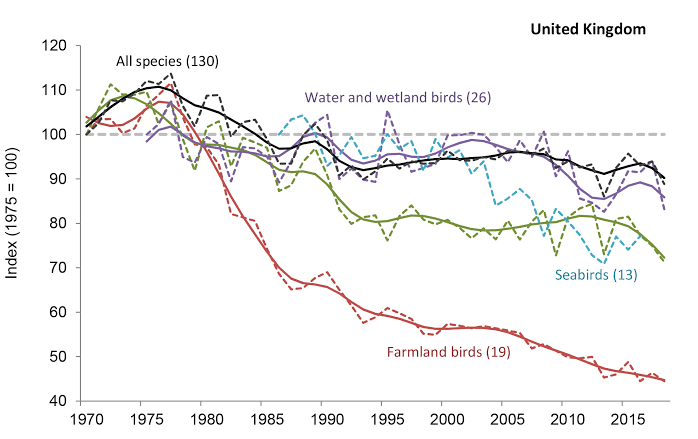
According to the reports of, https://www.stateofindiasbirds.in/ over 867 species of birds have been assessed from over 10,00,000 observations contributed by 15,500 birdwatchers all over the country, 52% of species show clear decline over the past decades, there’s 100% increase in the abundance of peafowl across the country and 101 species are classified as of High Conservation Concern.
CAUSES OF THESE CIRCUMSTANCES
The Foremost major cause found for this increasing problem is ‘HUMAN’. Top Human activities causing these extinctions and deprivations in numbers of birds include increased Human population. The rapidly increasing population all over the country calls for increased requirement of space for human beings to settle and survive due to which the constructors generally tend to destruct the habitat of birds and animals ( basically, clearing out forests by deforestation or burning down the whole fields), excessive egg collection takes place for providing/ having fancy meals, highly increased number of vehicles being purchased for easier travelling and comfort, luxury and for proving high status by humans in a past few years have resulted in a huge hike in pollution levels which is continuously degrading the quality of air and creating more dangerous environment for birds to live and breathe in. Another reasons including bird trafficking done nationally and internationally for selling birds as food, pets, leather, etc. Using immense amounts of pesticides and herbicides on plants which are not only harmful for humans but also for birds as it damages or inculcate diseases inside their body leading to their deaths. Global warming done by us creates severe climatic changes which has an immense impact on bird extinction makes it difficult for them to survive. It also destroys their abilities to fight diseases.
Birds are also said to be sensitive to magnetic radiation. Increasing number of cell phones and network towers affect them severely as the over limit microwaves radiated by the towers are responsible to damange their eggs and embryos and it even affects and damages their brain cells up to an extent.
For example, one of the most popular extinct species of birds is DODO. It were flightless and mentally weak birds which lived solely on the island of Mauritius in Indian Ocean. It’s limited range, inability to fly and lack of exposure along with fear of humans contributed to it’s rapid extinction. Humans in 17th century took an advantage of these shortcomings of the speechless and helpless organsims and killed it huge numbers for food . This, resulting in its extinction.
ON THE CONTRARY..
There are hundreds of such examples of birds and animals being extinct due to selfish deeds of humans. Perhaps, we should be the ones to save, protect these organisms as only humans are the ones who are learned and know the actual importance of maintaing a balanced environment. There’s no choice of bringing back the already extincted ones so we can ‘ let the bygones be bygones’ and now as we are clearly acknowledged with the information of the quantity and kinds of bird population deprivation, necessity of protecting these species, pros and cons to of our methodologies and activities and what damage it causes and what preventive measures we could take unlike the people in earlier times all of us should on whole come up together and do our bit in saving our Country’s immense biodiversity.
“Sexual intercourse or sexual acts by a man with his own wife, the wife not being under fifteen years of age, is not rape.”
Nevertheless, the world’s largest democracy slips far behind terms of legislative development and revisions in response to evolving societal needs. One of the causes for this is the backlog in case resolution. Marital Rape Legislation is the same way. The law has always been ambiguous when it comes to marital rape. Women all across the world, not only in India, are victims of marital rape. People began to demand justice and adequate regulations on marital rape as society progressed. India is one of the thirty-six countries that have not yet made marital rape a crime. All of these countries have their own legal opinions and justifications for not criminalising. The perception of marital rape varies greatly from country to country. Deem on this stumbling block has always been out of sync. Some Islamic countries, including as Afghanistan, Algeria, Bangladesh, and Pakistan, discuss the concept of shariyat and the role of their customs in not criminalising marital rape. China is a country where the law protects same-sex couples and victims of violence.
What is the most common form of rape in India? The definition of rape established in Section 375 of the Indian legal code covers all types of statutory offences including non-consensual intercourse with a woman (IPC). The non-criminalization of marital status rape is permitted in India under Exception a couple of to Section 375. On the other hand, unwanted sexual activity between a husband and a woman over the age of fifteen is exempt from Section 375’s definition of “rape,” and hence is not punishable. Following the establishment of marital status relations, it is possible for a better half to transmit her husband’s eternal consent to have sex with her.
Both legal and constitutional rights may be violated by marital rape.
1. The non-criminalization of marriage rape stretches back to the nation-state era, according to the Coverture Doctrine. The practise of matrimonial rape profoundly affected and developed the idea of combining a woman’s identity with that of her husband. When the IPC was founded within the decade, a mate was not considered a separate legal entity. The IPC’s marriage exemption was created in response to Victorian paternal ideals that denied men and women equality, prohibited married women from holding property, and dissolved husband and mate identities under the “Doctrine of Coverture.” 2. Matrimonial rape may constitute a breach of Article 14 of the Indian constitution, which guarantees equality. The Exception separates women into two groups based on their legal status and prevents men from committing crimes against their wives. As a result of the Exception, married women might be persecuted purely because of their support, although single women are protected from similar offences.
3. Section 375 of the Indian penal code is designed to protect women while punishing those who commit rape. Exempting husbands from societal control, on the other hand, goes against the aim, because rape has long-term consequences regardless of whether or not a woman is married. Married ladies may also find it more difficult to flee abusive situations because they are de jure and financially linked with their spouses 4. Health, privacy, dignity, safe living conditions, and a safe environment are among the rights guaranteed in Article 21, according to the Supreme Court’s innovative interpretation.
Conclusion In India, husbands and wives today have separate and independent legal identities, and most current jurisprudence is particularly concerned with women’s safety.
As a result, it is past time for the legislature to recognise this legal flaw and repeal Section 375 (Exception 2) of the IPC, bringing marital rape under the jurisdiction of rape legislation.
India is fast transitioning from a developing to a developed country as a result of growing industrialization and globalization. Wherever there is progress, though, there will be disagreements. Increased competition, industrial growth, modernization, and technological advancements accompany increased growth and development, paving the way for more conflicts and cases to be heard by our country’s already overburdened courts and tribunals. With so many cases built up and waiting in the courts, the costs of litigation, and the unreasonable delays in redressing grievances, countless people are now driven to use Alternative Dispute Resolution (ADR) techniques to resolve their disagreements.
Physical harm or mental agony are the causes of personal injury cases, which are caused by the actions or negligence of another party. Auto accidents, defamation of character, product defects, and medical malpractice are just a few examples of personal injury claims. Contact a legal practitioner in your state to determine whether your personal injury case is valid in the eyes of the law. If you are injured or incur losses as a result of someone else’s negligence, that person or corporation is legally responsible (liable) and may be obliged to compensate you. The court looks for negligence—carelessness on the part of one of the parties involved—to assess liability.
Whoever is found to have been less cautious is legally liable for at least a portion of the damages. Compensation is usually determined by the quality of your evidence and the severity of your injuries. In Personal Injury cases, a legal specialist is suggested above all others in order to maximize your compensation in the face of insurance companies, which typically defend such cases. Personal injury situations are extremely serious. They frequently end in serious injury, long-term impairment, and even death.
Victims rely on a personal injury lawyer to get the financial damages they need to pay for medical treatment, replace lost income forever, and recompense them for their pain and suffering. They have a far lower chance of securing reasonable compensation if they are doing not hire a trained, experienced personal injury lawyer. That’s why, if you’ve been injured in a car accident, it’s critical that you hire the best personal injury lawyer to defend you. Here are some factors to believe when making your decision: Choose a personal injury lawyer who specializes in this type of case. Your personal injury lawyer should be ready to objectively assess a case’s merits, estimate its price , and identify the simplest approach for pursuing it. In addition, he or she should have a lot of experience in the field. Your personal injury lawyer should also stay up to date on the latest advances in the field. Choose a private injury attorney who has addressed insurance companies before. The majority of defendants in personal injury cases are represented by insurance company lawyers. Because these corporate lawyers want to disburse as little as possible, a novice personal injury lawyer may find himself at an obstacle in these talks. As a result, finding a private injury lawyer with a diary of successful settlements is critical. Choose a personal injury attorney who has handled cases in court. Despite the fact that the majority of personal injury claims are handled out of court, personal injury lawyers can sometimes achieve favorable settlements by threatening to go to trial.
To avoid costly trials, unfavorable publicity, and the possibility of a court awarding the plaintiffs more money, defendants are frequently eager to pay more money to the plaintiffs.
The Indian government has three branches . Judiciary is one of them. The Judiciary is a judicial system that interpreting and applies Law. Clear Judicial service examination is the first dream of every law aspirants. Many Law aspirants graduate from the different different law school to clear Judicial Service Examination. In Law field many opportunities are there like advocacy, the litigation, the law firm, the legal officer the legal advisor but most of the law student dream to prepare and clear Judicial Service Examination and become a judge. The Judicial Services Examination ensures a safe and comfortable employment environment. Furthermore, it provides selected applicants with an opportunity to serve their country. Every year, between 50,000 and 60,000 people apply for the Judicial Services Examination, but only those are clear exam, who studied with a goal and in accordance with a philosophy, succeed. Judicial Services must be achieved. India Judiciary exam are not Union exam means it not conducted by union government. It conducted by the State Government. Every state has its own eligibility, process ,qualifications, courses for Judiciary exam. Mostly every state divide judiciary in 3 phase • Preliminary Exams • Mains Exam • Interview round
1 PreliminaryExam – The preliminary exam is used to screen candidates for the main examination. It includes Inquiries that are objective in nature. The preliminary examination marks are not taken into account in the final selection. States have different percentages of qualifying marks. The preliminary examination requires a minimum score of 60% for general candidates and 55% for restricted candidates. 2 Mains Exam – This is a subjective sort of exam. Three to four papers form the exam. The ultimate selection is based on the candidates’ performance. The number of candidates called for viva-voce is three times the number of slots. 3Viva-Voce/Personal Interview — This is the final stage of the selection process, during which candidates are evaluated on a variety of variables, including general interest, personality, and IQ. This examination is conducted in English as well as in Hindi language. State has decided exam marks and pattern according to him.
Benefits to clear Judicial Services Examination:-
• In the Indian system, the position of deicide is the most prestigious. • Candidates who are selected in the Judicial Services Examination have a safe and comfortable job. • It also provide Allowances and Facility.
Tiers of Judiciary Exam There are two tiers to a career in the legal system. • Lower judicial service:– which is allocated for recent graduates through an entrance examination administered by the various State Public Service Commissions (UP, MP, Rajasthan, and Haryana, Bihar, Punjab so on) or the high courts (Delhi). A career path through this ensures on-time promotions and a solid tenure. • Higher Judicial Services:- The chosen candidates get announce as extra District Judges, that and their promotion is quicker. Civil decides (junior division) have Judicial Jurist (Second Class) powers, while Chief Judicial Jurists have Judicial Jurist (Second Class) powers (First Class).
Conclusion: For those who want to serve the public in a high-status position, judicial service may be a good option. It provides a secure and safe job with a competitive wage package.
Flipkart was founded in October 2007 by Sachin Bansal and Binny bansal former employees of amazon and graduated from IIT Delhi. It is an Indian company who had its headquarters in Banglore. Initially the company started online book sales with country-wide shipping.
Being a two-man startup, they took care of everything from developing their website to delivering books. they’d managed to deliver 20 shipments in 2007 itself. In 2008, that they had moved into a 2BHK apartment .
Slowly, their business began to boom and by the end of 2009, Flipkart had managed to sell books worth ₹4 crores. In brief span of time, Sachin and Binny had managed to grow their company at an incredible pace and that they had also developed their personalities as entrepreneurs.
With new partners and more investment, Flipkart was able to dive into the electronics category. So they started selling mobiles in 2010.Flipkart had gathered enough fame to build that quantity of trust among its customers. They come up with a superb idea of introducing Cash on Delivery as mobiles were costly thing as compared to books.
And then later they came with ideas like return policy. These features were liked by customers. Flipkart began to expand its market to different products and acquired many ecommerce websites. You may be suprised to know that flipkart also owns myntra.
Jeffrey Preston “Jeff Bezos” was born on the 12th of January 1964 in Albuquerque, Modern Mexico. His father,Ted Jorgenson, was one of the best unicyclists and part of a local troupe The Unicycle Wranglers who put on execution at county fairs and sideshows whereas Jeff was still an infant Jeff Bezos has gone to River Oaks Elementary School in Houston from the fourth to sixth review. He would spend summers at the farm working on changed assignments such as fixing windmills, laying pipe, vaccinating cattle, and other cultivate work. His grandfather, Lawrence Gise, was a huge role demonstrate in his life, with this wide-ranging information of science and steady nearness on the ranch as well. Within the year 2010 commencement speech, Jeff told graduates that his grandfather instructed him how “it is harder to be kind than clever”. Bezos has begun his first business at school. It was called The Dream Institute, and it was an educational summer camp for fourth, fifth, and sixth graders. There were a few books that Bezos required his members to examined. After a while, the time period, Jeff’s family was moved to Florida and was transferred to Miami Palmetto Senior Tall School, where he exceeded expectations at his studies and realized he adores computers. He was even welcomed to take part in the Student Science Preparing Program at the College of Florida, where he won a Silver Knight Grant in 1982 and was a National Justify Scholar. Bezos graduated as the school valedictorian and a National Justify Scholar, securing his spot at Princeton University. Bezos arranged to study physics at Princeton University, but he before long decided to return to his love of computers. He graduates with two Bachelor of Science degrees in computer science and electrical design from Princeton University. After the completion of his graduation, Bezos went to Wall Road, where computer science was progressively in demand, and worked in several firms. The Work at FITFEL had him flying each week between New York and London. Bezos remained in the fund realm with the Bankers Trust, where he rose to vice president and the investment firm D.E. Shaw. The company specialized in the application of computer sciences to the stock market, and Bezos was hired for his by and large ability within the field at D.E Shaw. Amazon career is the major step of Jeff Bezos’s success story. Bezos quit D.E Shaw in 1994 and moved to Seattle to press into the possibilities of the internet market by opening a web bookstore. He made the decision by drawing up a list of possible items that he might offer with the assistance of the internet, including programs, CDs, and hardware. In the conclusion, books were the choice because of the wide run of titles in presence. Another advantage of an internet store was a then-recent US Preeminent Court administering that mail-order catalogs did not have to be compelled to pay charges in states where they did not have a physical presence. In a nutshell, Bezos paid zero tax for the item he sold through the internet. Bezos chose that Seattle would be a perfect pet for his new business at the time since of the huge pool of hi-tech ability. Bezos has supervision to secure $1 million from his companions and family, sufficient to set up his business within the garage of his Seattle domestic. Bezos at first consolidated the company as “Cadabra” on the 5th of July 1994. In addition, a year afterward, he considered changing it when his attorney misheard the word “Cadaver”, but that was not the most exceedingly bad one. Another alternative was “MakeltSo”, a catchphrase from Captain Picard in Jeff adored Star Trek.it seems to have moreover been “Aard,” which would help push the company to the front of the site postings. Jeff too enlisted the domain names Awake.com, Browse.com, Bookmall.com, and Relentless.com. At last, Bezos has chosen Amazon after looking through the words that begin within the dictionary. Bezos liked the reverberation between one of the planet’s longest streams and the biggest bookstore.
The social issue is a problem that influences by many citizens within a society.
Social issue be a group of common problem in present society and one that many people struggle to solve. Social issues are distinguished from economic issues. Some issues have both social and economic aspects, such as immigration. There are also issues that don’t fall into either category, such as wars.
The definition of a social problem has both an objective component and a subjective component. The objective component involves empirical evidence of the negative consequences of a social condition or behavior, while the subjective component involves the perception that the condition or behavior is indeed a problem that needs to be addressed.
social issues influence society
Slow social change is desirable, but rapid social change threatens social order. Social problems weaken a society’s stability but do not reflect fundamental faults in how the society is structured. Solutions to social problems should take the form of gradual social reform rather than sudden and far-reaching change.
COVID-19 from 2020 is the hell of the year for all of us . the world facing many issues in this pandemic situation . many of people lose thire dear and nears ones and many of finacial supports many of the people become homeless, they don’t have proper food to continue thire lifes
In every conntry thire many of issues facing in society , in this pandemic the people facing issues are:
Suicide Prevention
With so many people forced into lockdown and isolation over the last year, many people have suffered from poor mental health. In Victoria alone, there has been a 40% spike in calls to various mental health hotlines as a consequence of COVID-19, and it is now more important than it ever has been to pay attention to the struggles of millions of people around the world
Family Violence
Another victim of the pandemic are families who are in dangerous situations due to loss of work, lockdowns and being isolated from the public. Record rates of family violence were recorded in 2020, and cases have increased dramatically, resulting in many support services struggling to help those in need
The Rise In Homelessness
Over the last year, the number of people who have been forced into homelessness has surged as short-term coronavirus and housing protections have phased down. Due to loss of income, many families have had to bear the burden of being kicked out of housing due to an inability to pay rent.
Our Ecological Crisis
Poverty and pandemic aside, another issue we are facing is the ecological crisis due to the collapse of ecosystems and troubling disappearance of biodiversity. Although the slowdown in economic activity due to COVID-19 created a very brief reduction in global carbon emissions, it is impossible to ignore the mounting effects of unchecked human activity over the last decade or so
Speeding Up The Vaccine Rollout
Last but certainly by no means the least, 2021 will see the COVID-19 vaccines being rolled out in most countries around the world. Although more than 360 million vaccine doses have been administered, there is a troubling gap between vaccination programmes in various countries, with many yet to report even a single dose.
Common of Social Issues
Poverty and Homelessness. Poverty and homelessness are worldwide problems. …
Climate Change. A warmer, changing climate is a threat to the entire world. …
Overpopulation. …
Immigration Stresses. …
Civil Rights and Racial Discrimination. …
Gender Inequality. …
Health Care Availability. …
Childhood Obesity.
Poverty and Homelessness
Poverty and homelessness are worldwide problems. According to Habitat for Humanity, one-quarter of the world’s population lives in conditions that harm their health and safety. Many do not have shelter, a basic human need for survival.
This social issue also goes beyond the 25% of the population directly affected. Because of the lack of shelter for this vulnerable population, there is greater stress on government and social programs, including schools and healthcare systems.
Climate Change
A warmer, changing climate is a threat to the entire world. Climate change affects the entire world population, and the Union of Concerned Scientists calls this social issue “one of the most devastating problems humanity has ever faced.”
The 800 million people already living in extreme poverty will be impacted most severely. Around the world, people are already noticing warmer winters, more severe storms and rainfall events, and more frequent wildfires. These issues already put stress on governments and systems in many countries.
Overpopulation
As the population of the world grows, resources become scarcer. The United Nations reports that the current population of 7.7 billion people is expected to grow in coming decades, with a projection of 8.5 billion people by 2030.
The fastest growing areas of the world, such as sub-Saharan Africa, often face already scarce resources like land for farming. As the population becomes more than the country can sustain, people will need to move elsewhere to avoid starvation and homelessness.
Immigration Stresses
People move from one country to another, and in itself, this isn’t a social problem. However, immigration can place stress on government programs and social systems within a country, and it can be a divisive topic in a society. These immigration-related stresses affect many people.
Civil Rights and Racial Discrimination
Civil rights, or the rights of citizens in a country to have equal treatment socially and politically, is another one of the most significant social issues in America and around the world. More than 40 years after the Civil Rights Act passed, almost 60% of African Americans still live in segregated neighborhoods and 90% of African Americans report that racial discrimination is still a major problem.
Gender Inequality
A report from the Pew Research Center Fact Tank indicates that about 50% of Americans feel the country needs to do more to address the income gap between men and women. Women still lag behind men in wages and top leadership positions held, although they are now more likely to attain a college degree.
Worldwide, the situation is even more extreme. UNICEF reports that 12 million girls are married before they reach adulthood, and 98 million high school-aged girls do not attend school.
Health Care Availability
When people are sick or hurt, they need access to medical care to get better. According to the Centers for Disease Control and Prevention (CDC), almost one in 20 U.S. citizens do not obtain needed medical care because of the cost. Worldwide, 97 million people become impoverished by seeking needed medical care, as reported by the World Health Organization (WHO). Governments around the world are working on this problem, as are nonprofit organizations.
Childhood Obesity
Some types of social problems are health-based, but they also have an impact on socio-economic issues. For instance, the CDC reports that 18.5% of U.S. children are considered obese, having a body mass index at or above the 95th percentile.
However, the childhood obesity epidemic doesn’t affect all children equally. Children in families where the parents have more education and higher incomes are far less likely to be obese than those in families with less education and lower incomes.
Poor Leadership
Many of the social problems in society are connected in subtle ways, but all social problems are connected to the leadership of countries, corporations, and other groups. An ongoing Gallup poll asks Americans to rate the most important problems and social issues facing the country. By far, the most significant issue was poor leadership; 28% of respondents list it as the number one problem.
Social Issues Teens facing
Advances in technology mean today’s teens are facing issues that no previous generation has ever seen. While some issues are not exactly new, electronic media has changed or amplified some of the struggles young people face.
Depression
According to The National Institute of Mental Health, an estimated 3.2 million adolescents in the United States had at least one major depressive episode in 2017. That means about 13% of teenagers may experience depression before reaching adulthood.
Depressive disorders are treatable, but it’s important to seek professional help. If your teen seems withdrawn, experiences a change in his sleep patterns, or starts to perform badly in school, schedule an appointment with your teen’s physician or contact a mental health professional. Do not delay getting help for your teen if you notice these symptoms
Bullying
It’s also important to talk to your child about when and how to get help from an adult. Remind them that asking for help is not a sign of weakness, but instead a show of courage. Talking about how someone has humiliated them is never an easy topic.
Sexual Activity
Of the 20 million new sexually transmitted diseases each year, more than half were among young people between the ages of 15 and 24.
Parents may not be aware that their children are sexually active, however. Talk to your teen about sex, even if you don’t think your child is engaging in sexual activity.
Drug an Alcohol use
Make sure you have regular conversations with your teen about the dangers of drugs. And don’t forget to mention the dangers of prescription drugs, too. Many teens do not recognize the dangers of taking a friend’s prescription or popping a few pills that are not prescribed to them.
Unfortunately, teens often underestimate how easy it is to develop an addiction. And they don’t understand the risks associated with overdosing. Be sure you are talking about these risks on a consistent basis.
Fixing Social Issues
Although many Americans feel their leaders are the biggest problem they face, governments, corporations, and communities are working to fix some of the top social issues. These are just a few of the actions they are taking:
Schools are implementing anti-bullying programs, which the PACER National Bullying Preventions Center says can decrease bullying by up to 25%.
Community efforts to help reduce childhood obesity include adding salad bars to school lunches, focusing on physical fitness, and adding obesity prevention initiatives to hospitals.
The U.S. enacted the Affordable Care Act (ACA) to begin addressing the challenges in health care availability, and it remains an important political issue.
The European Union is on track to meet its goals for reducing carbon emissions and helping mitigate the effects of climate change. Other countries are also working hard to make progress.
The distribution of powers is an important feature of federalism. When a federal state is formed it involves a division of authority between the central and the state government. The tendency of federalism is to limit on every side the action of the govt. and to separate the strength of the state among co-ordinate and independent authorities are particularly noticeable. In terms of different Articles read with Schedule VII of the Indian Constitution, the Union Parliament and State Legislatures have the power to make legislation. It further provides List I which is allocated for the Parliament, List II being those within the domain of the State Legislatures and List III which represent those areas where both Parliament and State Legislatures carry concurrent law making powers. The Constitution of India through Article 254 states that a law on a subject-matter prescribed in List III enacted by the State Legislature would be valid only in case, where it is not in violation to a law made by the Parliament on the same subject-matter. So as to put more light and certainty the principle “Doctrine of Repugnancy” was introduced, which is used to find out when and where a State law turns repugnant to the Parliamentary legislation.
Repugnancy is described as “a discrepancy or contradiction between two or more portions of a legal instrument (such as legislation or a contract)” by Black’s Law Dictionary. The Constitution of India can be easily described as a federal constitution because it contains the essential principles of a federal constitution. However the word federal isn’t directly mentioned in a very qualifying sense anywhere within the constitution. Dr. Ambedkar while addressing to the Constituent Assembly explained that the word “Union” is employed over “Federation” because “Indian Federation is not the result of an agreement among the States, as in the United States of America. Secondly, the states do not have any right to separate from the federation.” And this also articulates the supremacy of the Centre over the constituent States, and therefore the justification for the same can only be appreciated more in a country like India because of its heterogeneous character. Part XI of the Constitution deals with the “relations between the Centre and the States.” From article 245 to 254, these articles especially deal with the legislative relations between the centre and the states and the principle of Central supremacy is also mentioned in the same provisions too. And it’s in the light of this structural impulse, why we must appreciate the implication of the doctrine of repugnancy in its relation with the Constitutional law. The doctrine of repugnancy is often roughly understood as a conflict resolution principle, which is invoked when there exist two different tiers of Legislature, each competent to legislate on a similar subject, and where there is an irreconcilable inconsistency between the provisions of two laws enacted by the two legislatures on this field in exercise of their legislative competency. And the constitutional provisions which are relevant for solving such questions of repugnancy are to be found in Article 254 of the Indian Constitution.
It asserts that repugnant laws are laws that are so incompatible with one another that they can’t stand together at the same time, and that such a situation emerges when one law’s command, authority, or provision directly conflicts with another law’s command, power, or provision. The word “inconsistent” itself, within the legal sense, has been outlined as mutually repugnant in the sense that acceptance of one leads to the abandonment of the other. In such a situation, the ground-norm foresees a mechanism to resolve such a conflict, for “it is not possible to obey one law without disobeying the other”. The resolution proposed may vary from one polity to the other. Generally, one law prevails over another and the paramount legislation is determined by the nature or character of the federation.
Article 254 of the Constitution of India provides for the resolution of conflicts between Central and State legislations that are wholly repugnant to one another. The term “existing laws” which is mentioned under Article 254 has been defined under Article 366, clause 10, and these are the laws which are made by the competent legislatures before the Constitution. The provisions under Article 254 are attracted only if the statutes in question are wholly incompatible with one another and can’t stand together. And that there is no repugnancy unless the two laws are wholly repugnant to each other and their conjunctive application would manufacture absurd results. This doesn’t mean that the laws ought to be inconsistent in each and every letter and provision, but that in so far as the provisions are in fact inconsistent, the inconsistency should be absolute, so as to be militating against any possibility for harmonious construction.
As an interpretation principle, it’s a well-established principle of procedure that there is a presumption in the favor of the constitutionality of laws and also the onus to prove repugnancy lies on the party assailing the challenged law. Even so, the doctrine of harmonious construction dictates that the courts interpret the provisions of the laws in such a way as to avoid repugnancy and allow for the smooth coexistence of the challenged laws, with the laws being struck down on grounds of repugnancy in the manner prescribed by Art. 254(1) only when “the laws are fully inconsistent and absolutely irreconcilable.”
The laws made by the legislature of a state legislature or the Parliament with respect to their exclusively assigned spheres might incidentally with no consequence get in the restricted sphere, but as long as it can be shown that the legislation in its pith and substance falls in the four corners of the assigned sphere, the law would be intra-vires. The doctrine of pith and substance applies to concerns of repugnancy as well, though in a different way. If it can be shown that a law in pith and substance falls under a State or Union entry and any infringement on a concurrent subject is incidental and inconsequential, no repugnancy would arise.
There have been a number of judgments in India, on cases related to repugnancy arising out of conflicts between legislation with respect to Article 254 of the Constitution, and the widely held view on the scope, meaning and implication of repugnancy in several cases. M. Karunanidhi vs. Union of India[1], where a Constitution Bench of the Supreme Court considered the principles to be applied for determining repugnancy between a law made by the Parliament and a law made by the State Legislature, is one of the most commanding and authoritative judgments on the subject doctrine. Honorable court in this case, laid down following conditions which are essential for any repugnancy to arise.
That there is a clear cut and direct inconsistency between the Central Act and the State Act.
That such an inconsistency is absolutely irreconcilable.
That the discrepancy between the provisions of the two Acts is of such a kind that it brings them into direct conflict with one another, making it impossible to obey one without disobeying the other.
Thereafter, the Honorable Supreme Court after referring to reasoning of many judgments on the subject laid down following propositions:
That in order to decide the question of repugnancy it must be demonstrated that the two enactments contain conflicting and irreconcilable provisions, so that they cannot stand together or operate in the same field.
By implication, there can be no repeal unless the discrepancy is visible on the face of the two Acts.
There is no repugnancy where two statutes occupy the same field but there is room or opportunity for both statutes to operate in the same field without colliding.
That where there is no inconsistency but a statute occupying the same field looks to create distinct and separate offenses, no question of repugnancy arises and both the statutes continue to operate in the same field.
The aforesaid analysis of the relevance of the doctrine of repugnancy brings forward some salient points. The doctrine of repugnancy as interpreted by the courts in India, applies to law only when they’re wholly irreconcilable. The doctrine of harmonious construction asserts that the courts should interpret the statutes so as to avoid the occurrence of repugnancy and protect the legislative sanctity of the authority. The widely advocated view confines the application of repugnancy to only Concurrent List enactments. The current judicial position on repugnancy has numerous political implications. While the separation of laws under the State List from scrutiny from the perspective of repugnancy gives the State Legislature the freedom to enact on matters under the State List, the Centre’s supremacy has led to a situation where the Centre has professed a tendency to occupy entire fields in the Concurrent List to its exclusive jurisdiction through its laws. There has also been a tendency to use the President’s assent to advance the Central government’s policy in the states rather than allowing for repugnant but locally necessary laws to operate in the states based on discretion based on policy efficiency and in the spirit of the constitution. The most significant problem, however, has been the push to read Art 254 in a broader sense, to include concurrent field disputes in its scope, which would include Articles 252 and 253. The proposed explanation is that the text of the provisions allows for a much broader interpretation, that the terms “in the Concurrent List” are indicated to qualify only existing laws, and that the phrases “which the Parliament is competent to enact” apply to post-Constitutional laws. It’s also proposed that the provisions in Article 246 only provide the guiding principle, subject to which Article 254 must provide for a more comprehensive dispute resolution mechanism.
Poverty entails more than the lack of income and productive resources to ensure sustainable livelihoods. Its manifestations include hunger and malnutrition, limited access to education and other basic services, social discrimination and exclusion, as well as the lack of participation in decision-making. In 2015, more than 736 million people lived below the international poverty line. Around 10 per cent of the world population (pre-pandemic) was living in extreme poverty and struggling to fulfil the most basic needs like health, education, and access to water and sanitation, to name a few.
While pre-pandemic global poverty rates had been cut by more than half since 2000, the COVID-19 pandemic could increase global poverty by as much as half a billion people, or 8% of the total human population.
For those who work, having a job does not guarantee a decent living. In fact, 8 per cent of employed workers and their families worldwide lived in extreme poverty in 2018. One out of five children live in extreme poverty. Ensuring social protection for all children and other vulnerable groups is critical to reduce poverty.
Recent estimates for global poverty are that 9.2% of the world, or 689 million people, live in extreme poverty on $1.90 or less a day, according to the World Bank.
Money isn’t a complete measure of poverty. Other dimensions of poverty include access (or lack thereof) to work, health, nutrition, education, sanitation, housing, etc.
A study of 13 developing countries found that government spending on education and health accounted for 69% of the total reduction of economic inequality. The entire health budget of Ethiopia, a country of 105 million people, is equivalent to just 1% of the fortune of the world’s richest man, Amazon CEO Jeff Bezos.
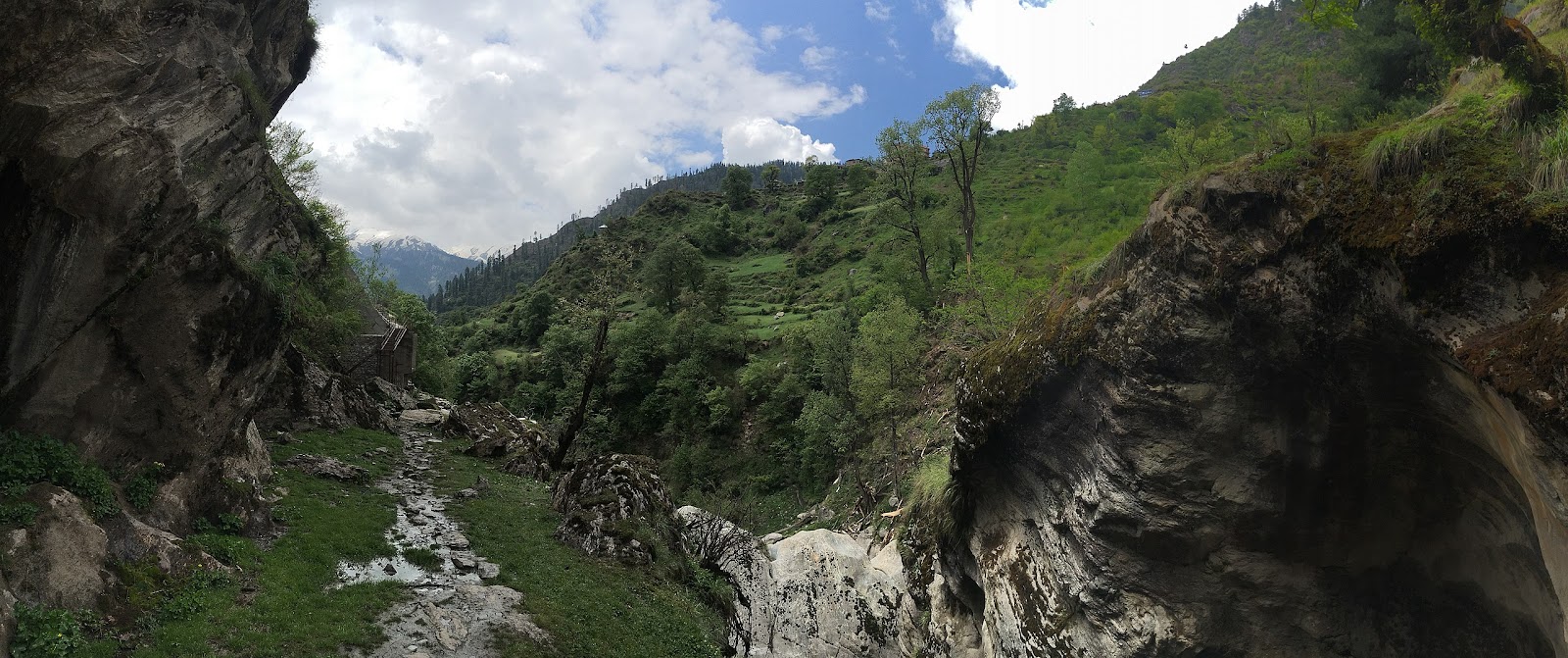
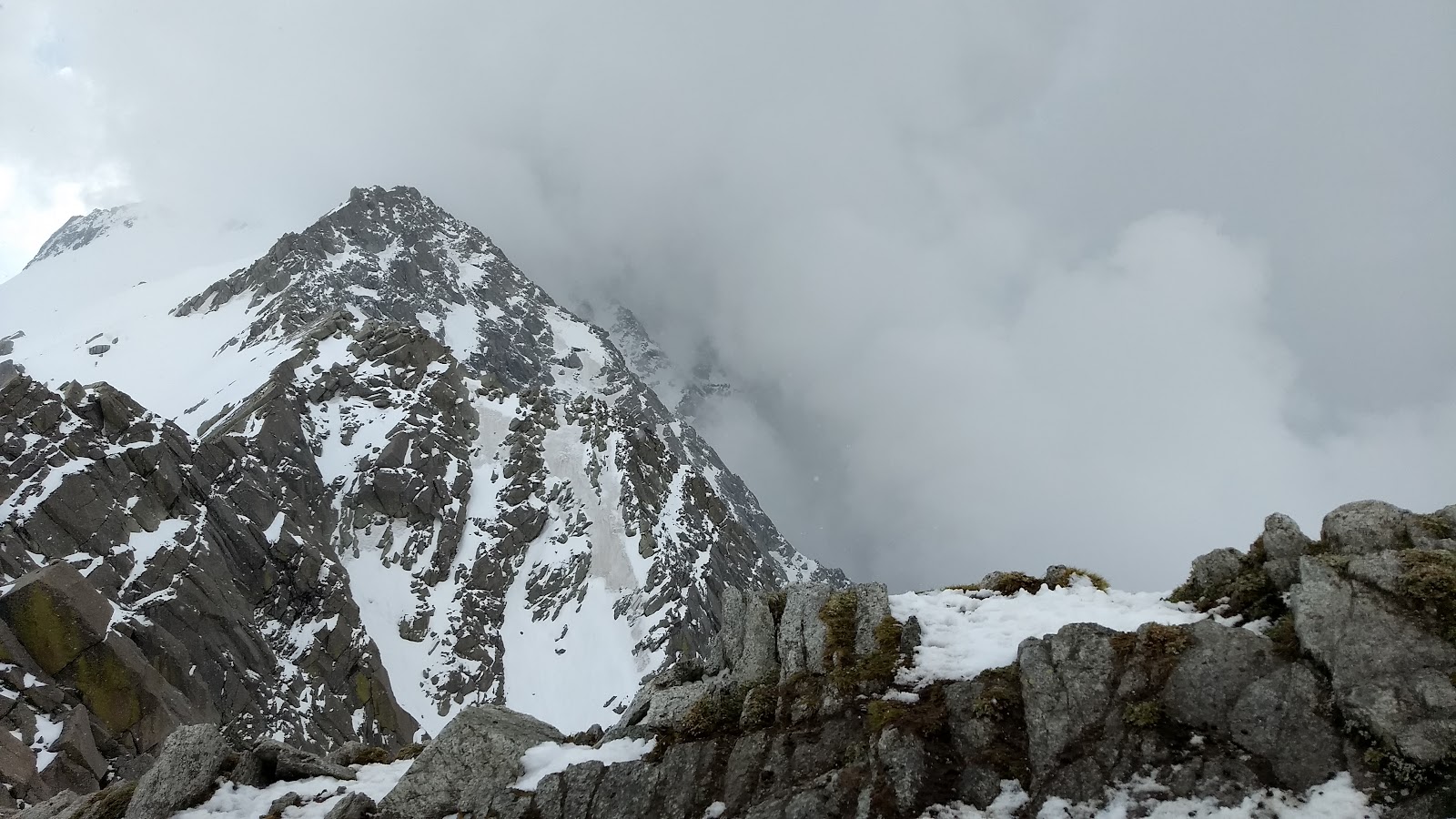
The beautiful range of mountains keep convincing all folks that Himachal Pradesh is definitely an area wherever God should be taking a breath each whereas. Brimmed with snow, the landscapes, temples, and hills glorify the land even further.
Himachal handily may be a paradise for trekkers. This north Indian state is home to many exciting treks taking to alpine lakes, meadows, sprawling valleys, apple orchards, foot of some lofty range of mountains, Peaks and even to Hindu spiritual sites.
We are going to show top 5 best trekking destinations in Himachal:
1.Triund Trek, Mcleodganj (Easy)
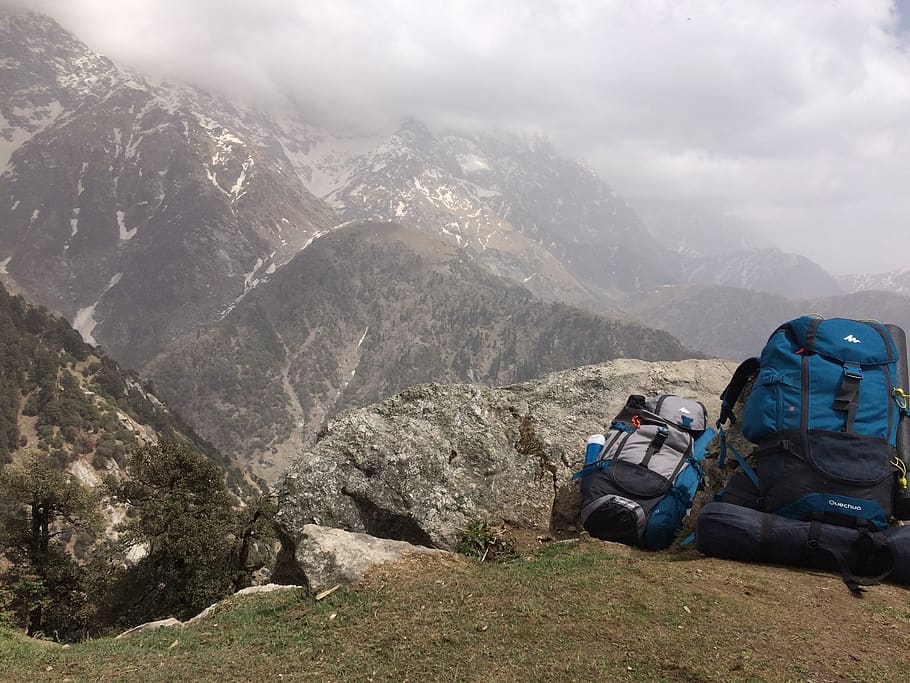
At a distance of eight klick from McLeod Ganj Bus Stand and thirteen klick from Dharamshala, Triund could be a lovely hill settled in Dhauladhar Mountains in Kangra district of Himachal Pradesh. it’s placed at Associate in Nursing altitude of 2842 m. Triund is a common trekking website in McLeod Ganj and attracts a great deal of holidaymakers each year. It’s additionally one in every one of the most effective trails of short treks in Himachal state. Triund offers the proper reading of the Dhauladhar Mountains on one facet and Kangra natural depression on the opposite.
Triund is Associate in Nursing eight klick trek from the McLeod Ganj Bus Stand. This is often atiny low and a simple trek, which may be done either from McLeodganj or Dharamkot, that is a pair of klick previous McLeodganj. The path is half-dozen klick from Dharamkot and passes through Galu Devi temple. From this temple, it takes around three hours to reach Triund. The initial half the trek could be a gradual incline and also the last a pair of kicks from Snowline restaurant involves a steep climb all the way until Triund. The last one klick has twenty two exhausting curves before finally reaching Triund. on the method there square measure several tiny Tea outlets wherever one will refresh throughout the hike. Trek may also be started from Bhagsu Nag.
There is a Devi Temple placed on the highest of Triund Hill for the best purpose. From here one will have a lovely read of the Moon Peak and Hindu deity Pass. renowned among trekkers and hikers, there’s a snowline at Ilaka visited by adventurers that could be any trek from Triund Hill.
2.Hampta Pass Trek, Manali (Easy to Moderate)
Hampta Pass is known for its stunning landscape and totally different terrains that ne’er cross. Witness the postcard-type landscapes, have the bone-chilling expertise of a stream crossing, get a day nap aboard the attractive wildflowers and notice solitude at Chandratal Lake.
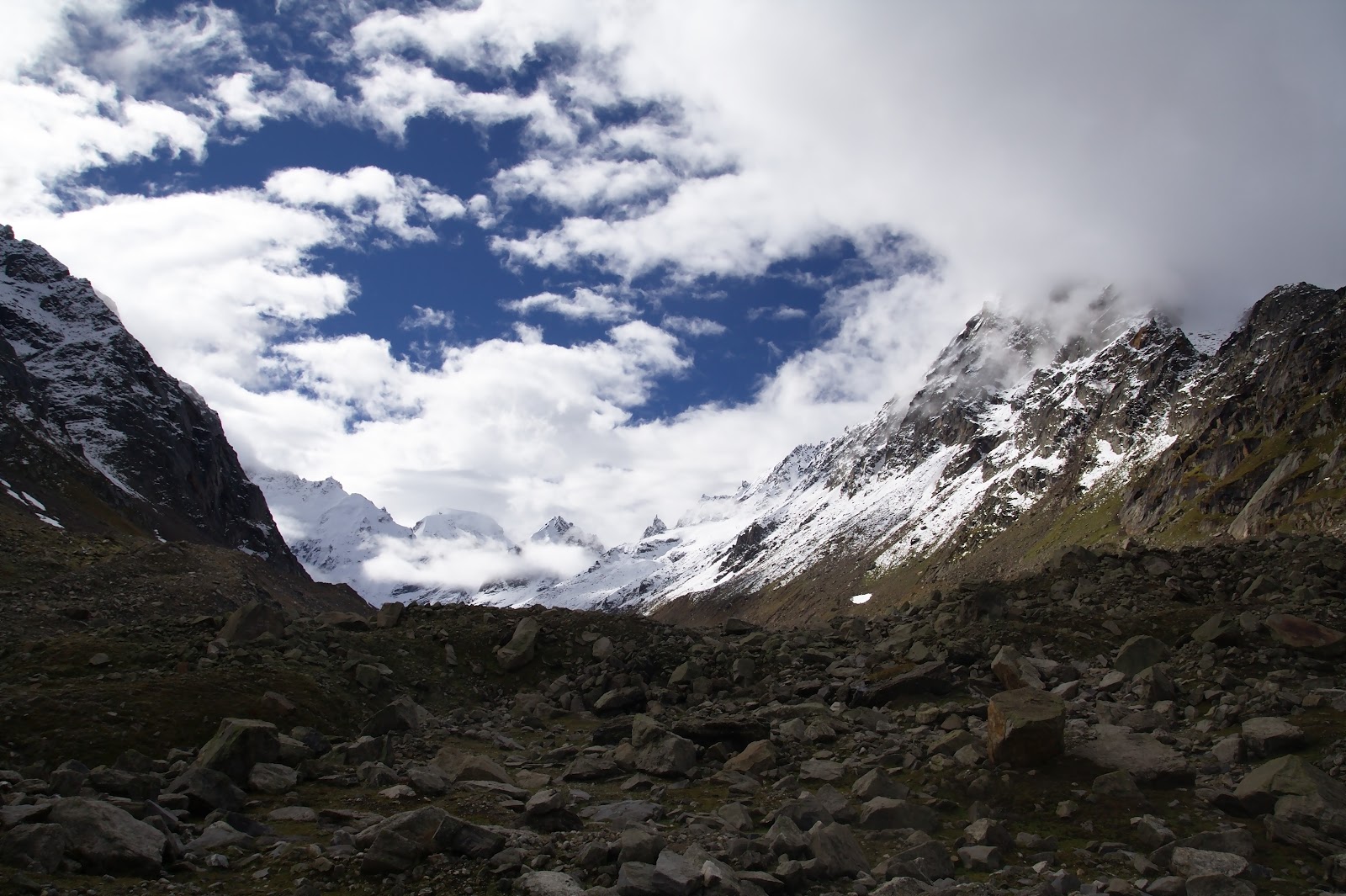
Hampta Pass introduces you to the technique of stream crossing, the art of walking on snow bridges and additionally to the challenges of downward-sloping down the slippery mountain. Hampta pass may be an all-round trek wherever you see totally different landscapes starting from forest to meadows to snow and additionally get a glimpse of mountain risks like rough parcels and high altitude challenges. For all sensible reasons, Hampta Pass is one amongst the simplest treks in Himachal.
3.Bhrigu Lake Trek, Manali (Easy to Moderate)
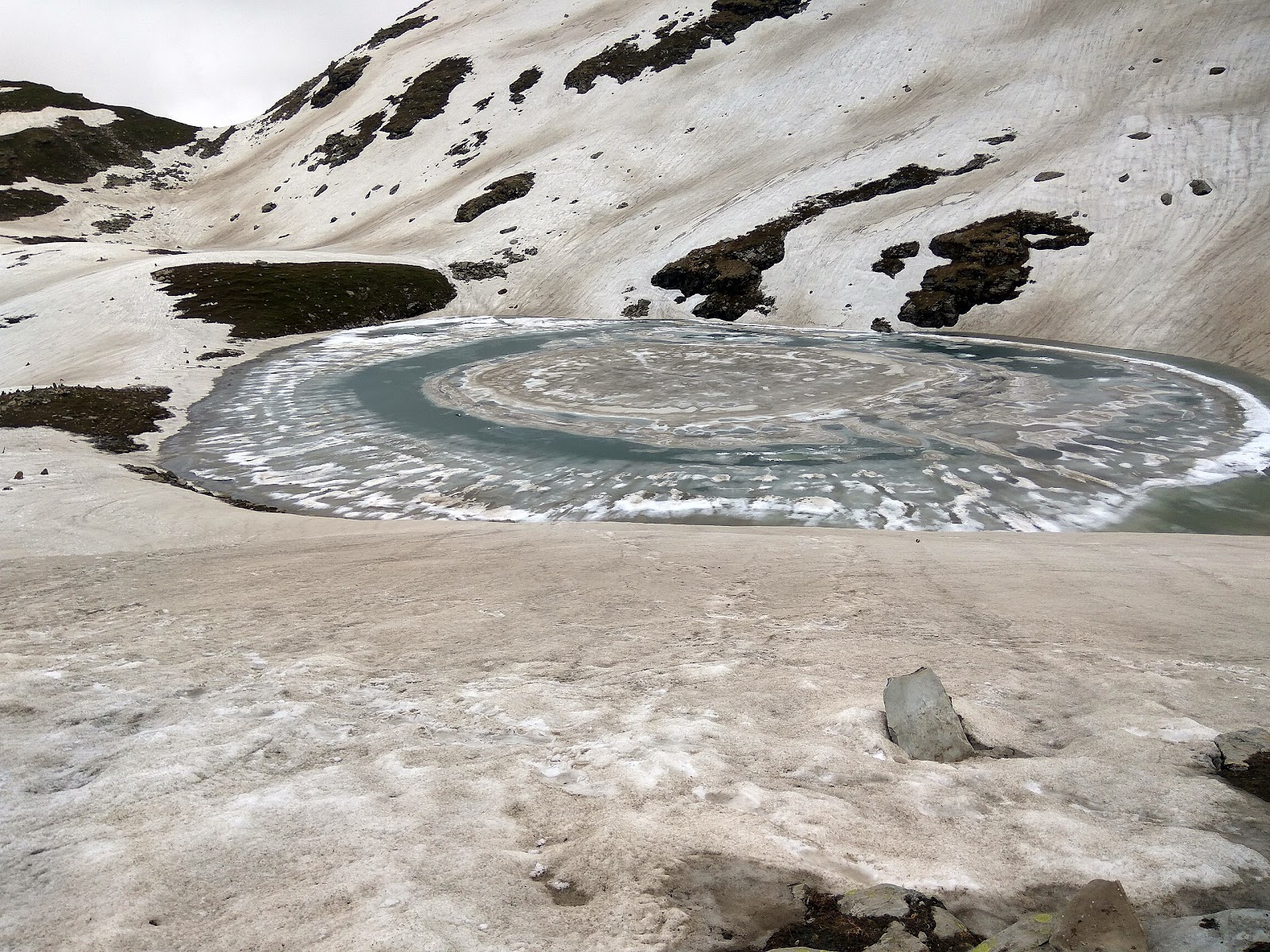
If you’re a beginner in Trekking In Himachal Pradesh, then Bhrigu Lake Trek is definitely a perfect selection for you. No different trek will take you to the fascinating peak in just 2 days than Bhrigu Trek. Also, you need to understand that this place has been the house to Bhrigu Maharishi and folks feel blessed to have achieved it. before moving, check that you’ll trek the steep trails and don’t get petrified of them. Besides that, you need to visit this Bhrigu lake before the Gregorian calendar month because the state changes in the middle of that month.
4.Kheerganga Trek, Kasol (Easy)
A seductive watercourse, Kheerganga is one among the simplest travel destinations because it looks like a gap between the doors to heaven. you’ll forget the reckoning of your time after you keep passing through the exciting views in your approach. Eventually, you’ll be able to cowl this twelve klick trek in five to six hours or most daily. Trust us, you’ll definitely fall infatuated with the sweetness of Kheerganga.
5.Indrahar Pass Trek, Dharmshala (Easy)
Among the trekking routes from Dharmshala, Indrahar Pass trek is one among the foremost fashionable places below Himachal Pradesh business. It begins from the Kangra depression and takes you to the Ravi geographic region, endowing you with the fascinating great thing about Dhauladhar ranges on your approach. The issue that you simply area unit getting to love the foremost is that the path comprising snow bridges, curved streams of mountains, and also, the cedar tree trees.
Now that we have known the major dental health problems we must also know that apart from brushing teeth twice daily, there are other rituals that need to be followed for a healthy oral space. Because many a time it happens that despite brushing teeth diligently, some food debris gets left behind which gives the bad bacterias a chance to harm our tooth.
All the times we remind ourselves that a healthy body leads to a healthy mind. But, unfortunately, we forget that a healthy oral space leads to a healthy body.
Maintaining healthy and shining teeth is crucial because our mouth is the threshold of our body. Most of the things that enter our body comes through this space. So, looking after its health and hygiene is necessary. Hence, I am illuminating you with some of the dental care regimes that you need to give attention to for clear, healthy teeth.
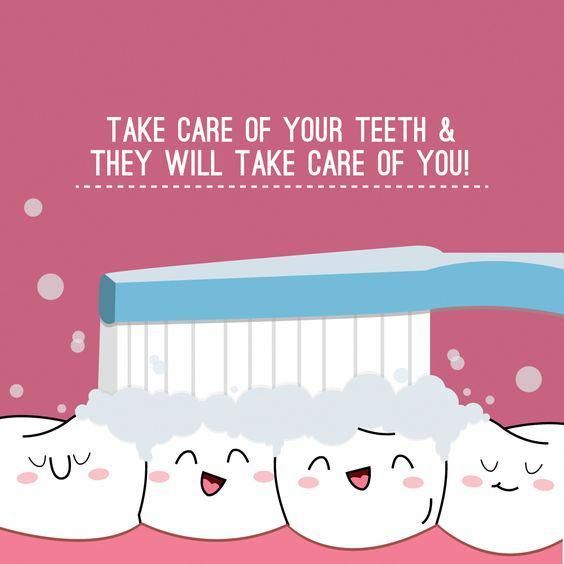
SOURCE- PINTEREST
FLOSSING:
Flossing is a dominant method for protecting teeth from decaying. Cut 18 inches of floss and wind it around the middle finger of each hand. Insert the floss between your tooth and gently slide it up into the space between the gum and the tooth. It will slide down all the trapped debris down. Hold the floss tightly against the tooth. Gently rub the side of the tooth, moving the floss away from the gum with up-and-down motions. Repeat this method on the rest of your teeth.
CHOOSING THE RIGHT BRUSH:
Always look for a brush whose head and bristles are small enough to reach into the tiny spaces between your teeth. According to the International Dental Health Association, most adults require a small or medium-sized toothbrush for this purpose.
SOURCE- PINTEREST
GARGLE WITH MOUTHWASH:
Add mouthwash to your dental care regime. A mouthwash goes to all those pockets of spaces where bristles and floss cannot reach. It helps in hunting down the plaque-causing bacteria and gives your mouth a fresh odor. All you need to do is to gurgle mouthwash 3- 4 times a day, after every meal.
CHANGE BRUSH FREQUENTLY:
Brushes tend to worsen after a while. Their bristles get disjoined, gets detached, or become blunt. These types of brushes don’t clean the teeth properly. So if you’re using the same toothbrush for a long time, you may not be getting the best clean anymore. Hence, change your brush within three to four months or when the bristles start to tear apart.
EAT HEALTHY:
The greatest and most important part of all the oral care regime is eating healthy. Consume calcium-rich food for strong teeth and gum. Drink plenty of water in a day. It helps wash away food particles and keeps your saliva levels high. Water also washes away the bad bacterias and gives you a fresh odor. Apart from milk, cheese, and yogurt, celery, carrots, and crunch veggies are other healthy foods for strong teeth. Also, have a check your drinking habits and discard smoking cigarettes.
So, bring down all the habits into your dental care regime and you would be able to have a clean and healthy set of teeth.







 Eduindex
You must be logged in to post a comment.