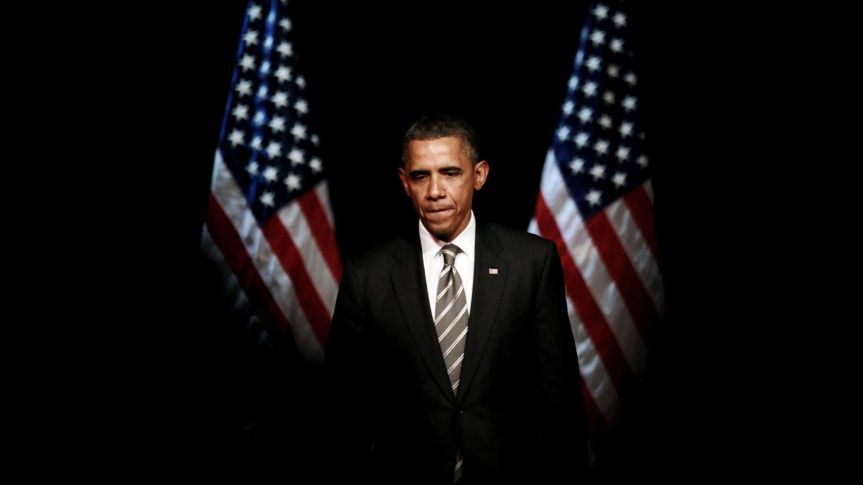
Barack Obama created history in a very many ways. he is the 1st African-American president of the U.S. and a name recognized for his charisma, intelligence, and skill to figure things under pressure, there are several things to be learned from him. Here are few takeaways from Barack Obama.
Treat Everybody with same respect
Obama became renowned for his respectful and polite manner. Even once he was attacked by his opponents, he kept his calm, and he showed loads of respect to everybody, no matter their rank. this is essential, as we should always offer everyone constant level of respect. There is no such thing as being superior or inferior because everyone is doing one thing necessary and has constant dignity because the rest and need to be revered In the end, it pays off to be respectful and kind, as a result of you never know how another person will impact your life.
Stay Calm
Something that distinguished Obama was his cool manner and skill to take things easy. He did not take it personally or, if he did, he was careful to not act from the point of anger. Even throughout a crisis, panicking won’t solve any problem. Instead, it might make everything worse. attempt to keep cool and calm under pressure and not react from a place of emotion. Instead, you would like to stay your head and build choices that may cause the most effective outcome.
Keep Your Perspective
There are some things in life you can’t change. where you were born, who are your relations with, what is happening right away in the world may well be on the far side your management. However, keeping your eyes open for future opportunities is important. You might not be ready to make amendment of your past, however you’ll be able to, for sure, change your future. It can not be done in one stroke, however. rather like Obama, you would like to figure hard for your long-run goals and build a game set up that may bring you nearer to the opportunities you would like to have.
Educate Yourself
Obama is keen on reading and learning and he has been recognized as an individual with loads of education and information. Educating yourself throughout your life can assist you perceive your higher self and find solutions. It will conjointly open additional doors for you within the future. Finance in your own education is often worthwhile. Ignore the haters While all politicians have their justifiable share of haters, Obama had loads of vitriolic ones assaultive of him. However, he failed to allow them to stop his success.
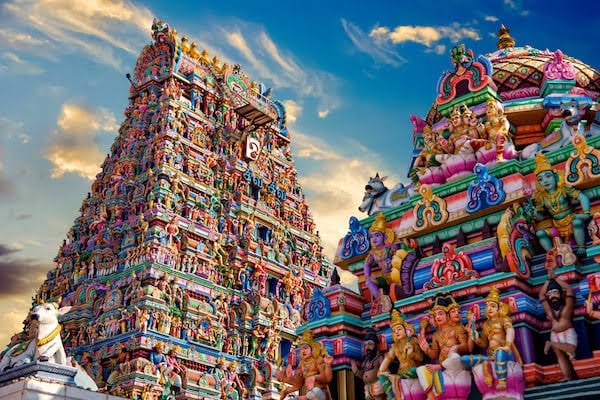
Tamil Nadu is a southern state of India which is supremely rich in culture and heritage. Known to be one of the oldest civilisations in the world, the people of Tamil Nadu belong to the prestigious Dravidian Family. Tamilians also, like other South Indians, take much pride in their rooted Tamil culture and make great efforts to protect their 2000 years old history. The state has been ruled by the Cholas, Pandyas and the Pallavas and has been flourishing since. The art and architecture have been their creations which are used and maintained even today.
Out of 74 million Tamil people in the world, around 62 million live in Tamil Nadu. Rest of the Tamilians are scattered in different parts of India and the world, mostly in the northeast of Sri Lanka. People who live in the state understand the ethnicity of their culture and how it marks their identity in the world. They are very adherent towards their rituals and traditions like following the caste system, religion and community traits, etc.
Tamil is the official language of the state. It is a derivative of Brahmi script, and the letters represent sounds, much like the Mandarin language. Not only most of the people in Tamil Nadu speak Tamil, but it is also spoken by many in Sri Lanka, Mauritius, Singapore, and Malaysia.
RELIGION – A great amount of relevance is given to a person’s religion when it comes to personal identity. Although four-fifths of the population of the state are Hindus, rest of them are divided in Islam, Christianity, and Jainism. Their rituals include deity worship and animisms like tree worship, animal worship and stars and planets worship. Many Hindus are followers of different religious institutions called ‘Matha’ which are the centres of Monastic studies.
MUSIC AND DANCE – Tamil Music has evolved over the years. The most important form of music was the Carnatic music which considered only for the elite who could understand the intricacy of music. For others, Telugu songs and a mix of traditional numbers from a source of entertainment.
Bharatnatyam is the official dance form of Tamil Nadu, recognized all over India and the world. It’s a complicated dance form with subtle moves of body parts and expressions. Some other folk dances like Parai, Villuputtu Karakaatam, and Kuthu are also performed by local people including tribal people.
TRADITION AND ARCHITECTURE – Most traditional art are religious in some form and usually centres on Hinduism, although the religious element is often only a means to represent universal—and, occasionally, humanist—themes.
The most important form of Tamil painting is Tanjore painting, which originated in Thanjavur in the 9th century. The painting’s base is made of cloth and coated with zinc oxide, over which the image is painted using dyes; it is then decorated with semi-precious stones, as well as silver or gold thread. A style which is related in origin, but which exhibits significant differences in execution, is used for painting murals on temple walls; the most notable example are the murals on the Kutal Azhakar and Meenakshi temples of Madurai, the Brihadeeswarar temple of Tanjore.
Tamilnadu sculpture ranges from elegant stone sculptures in temples, to bronze icons with exquisite details. The medieval Chola bronzes are considered to be one of India’s greatest contributions to the world art. Unlike most Western art, the material in Tamil sculpture does not influence the form taken by the sculpture; instead, the artist imposes his/her vision of the form on the material. As a result, one often sees in stone sculptures flowing forms that are usually reserved for metal.
“WHERE SHIVA EXISTS IN EVERY STONE , IS UTTRAKHAND “
And this statement gives the justification of why Uttarakhand is know as “the land of gods “. Uttarakhand was formed on 9th November 2000 as the 27th State of India, when it was carved out of northern Uttar Pradesh. Located at the foothills of the Himalayan mountain ranges, it is largely a hilly State, having international boundaries with China (Tibet) in the north and Nepal in the east. On its north-west lies Himachal Pradesh, while on the south is Uttar Pradesh. It is rich in natural resources especially water and forests with many glaciers, rivers, dense forests and snow-clad mountain peaks. Char-dhams, the four most sacred and revered Hindu temples of Badrinath, Kedarnath, Gangotri and Yamunotri are nestled in the mighty mountains.
LET ME GIVE YOU A BRIEF ABOUT THE MAJOR TEMPLES FOR WHICH UTTARAKHAND IS FAMOUS FOR :
PANCH BADRI ( 5 BADRI )
a. BARDINATH : Badrinath is the northern Dham of the four sacred Dhams called Char Dham. Though the Badrinath temple is believed to date to the Vedic period, the current structure was built in the 8th century AD by Adi Shankaracharya. The other three dhams are Rameswaram in the south, Dwarka in the west and Jagannath Puri in the east; all of these four temples are dedicated to god Vishnu. Adi Shankara’s basic intention was to unite the country under the banner of Hinduism. The temple, which had been subjected to damage due to snow avalanches and landslides, several times in the past, was last restored in the 19th century. Badrinath is also part of Chota Char Dham, four sacred temples in Uttarakhand. The others include the Shiva temple of Kedarnath and the sources of the holy rivers Ganges and Yamuna.
b. AADI BADRI : In ancient times, when approach to the main shrine of Badrinath was closed due to weather conditions, pilgrims worshipped Vishnu at this temple. Adi Badri, also known as Helisera according to revenue records, is a tiny temple complex enclosed within a space of 14 meters (46 ft.) X 30 meters (98 ft.). The height of the temples vary from 2–6 meters (6.6–19.7 ft.).
c. BHAVISHAY BADRI: According to the legend of Bhavishya Badri (literally “Badri of the future”), when evil transcends the world, the mountains of Nara and Narayana would block up the route to Badrinath and the sacred shrine would become inaccessible. The present world will be destroyed and a new one established. Then, Badrinath will appear at the Bhavishya Badri temple and be worshipped here, instead of the Badrinath shrine.
d. DHAYAN BADRI : The legend of Dhyan Badri (meditating Badri) is linked to the Urvashi, son of King Puranjaya of the Pandavas lineage who meditated in the Urgam region and established the temple for Vishnu. The image of Vishnu is four-armed, made of black stone and in a meditative posture.
e. YOGADHYAN BADRI : Yogadhyan Badri, also called Yoga Badri, is located at Pandukeshwar at the elevation of 1,829 meters , close to Govind Ghat and is as ancient as the main Badrinath shrine . Legend has it that King Pandu, father of the five Pandavas – heroes of the Hindu epic Mahabharata, meditated here to god Vishnu to cleanse him of the sin of killing of two mating deer, who were ascetics in their previous lives. The Pandavas were also born here and Pandu died and attained salvation here. Pandu is believed to have installed the bronze image of Vishnu in the Yogadhyan Badri shrine. The image is in a meditative posture and thus the image is called Yoga-Dhyan (meditative) Badri. The idol is life size and has been carved from Shaligram stone. According to legend, the Pandavas, after defeating and killing their cousins Kauravas in the Mahabharata war, came here to repent.
2. PANCH KEDAR ( 5 KEDAR )
A folk legend about Panch Kedar relates to the Pandavas, the heroes of the Hindu epic Mahabharata. The Pandavas defeated and slayed their cousins — the Kauravas in the epic Kurukshetra war. They wished to atone for the sins of committing fratricide and Brahmanahatya (killing of Brahmins — the priest class) during the war. Thus, they handed over the reins of their kingdom to their kin and left in search of lord Shiva and to seek his blessings. First, they went to the holy city of Varanasi (Kashi), believed to be Shiva’s favorite city and known for its Shiva temple. But, Shiva wanted to avoid them as he was deeply incensed by the death and dishonesty at the Kurukshetra war and was, therefore, insensitive to Pandavas’ prayers. Therefore, he assumed the form of a bull (Nandi) and hid in the Garhwal region.
Not finding Shiva in Varanasi, the Pandavas went to Garhwal Himalayas. Bhima, the second of the five Pandava brothers, then standing astride two mountains started to look for Shiva. He saw a bull grazing near Guptakashi (“hidden Kashi” — the name derived from the hiding act of Shiva). Bhima immediately recognized the bull to be Shiva. Bhima caught hold of the bull by its tail and hind legs. But the bull-formed Shiva disappeared into the ground to later reappear in parts, with the hump raising in Kedarnath, the arms appearing in Tungnath, the face showing up at Rudranath, the nabhi (navel) and stomach surfacing in Madhyamaheshwar and the hair appearing in Kalpeshwar. The Pandavas pleased with this reappearance in five different forms, built temples at the five places for venerating and worshipping Shiva.
3. PANCH PRAYAG( FIVE PRAYAG )
VISHNU PRAYAG : The Alaknanda River, which originates from Satopanth glacier is joined by the Dhauli Ganga River near Joshimath . Alaknanda flows in front of the Badrinath temple, one of the most revered Hindu shrines. Dhauli Ganga originates from the Niti Pass, after traveling a distance of 25 km (15.5 mi) from its source to the Vishnu Prayag
2. NAND PRAYAG :Nand Prayag is the second Prayag in the cascade sequence of the confluences where the Nandakini River joins the main Alaknanda River. According to one tale, a noble King Nanda performed Yagnya (fire-sacrifice) and sought blessings of God. Hence, the confluence is named after him.
3. KARNA PRAYAG : KARN Prayag is the location where Alaknanda River is joined by the Pindar River that originates from the Pindar glacier, below the Nanda Devi Mountain range. The epic Mahabharata legend narrates that Karna did penance here and earned the protective gear of Kavacha (armour) and Kundala (ear rings) from his father, the Sun god, which gave him indestructible powers. The name of the confluence is thus derived from the name of Karna.
4. RUDRA PRAYAG : At Rudra Prayag the Alaknanda meets the Mandakini River. The confluence is named after god Shiva, who is also known as Rudra. According to a widely narrated legend, Shiva performed the Tandava here, Tandava is a vigorous dance that is the source of the cycle of creation, preservation and dissolution. Shiva also played his favourite musical instrument the Rudra veena here. By playing the Veena, he enticed god Vishnu to his presence and converted him to water.
5. DEV PRAYAG : Dev Prayag is the confluence of the two holy rivers, the Bhagirathi – the chief stream of the Ganges and the Alaknanda. It is the first prayag on the way to Badrinath. Beyond this confluence, the river is known as Ganges. The holiness of this place is considered equal to the famous Triveni sangam confluence at Allahabad where the Ganges, Yamuna and Saraswati rivers merge.
A part from temples , there are many other famous place to pay a visit for . some of them are , Dehradun , Nainital , Mussoorie , Rishikesh, Haridwar , Almora , Kausani , Pithoragarh , Chopta , Ranikhet , valley of flowers , etc. One in his life time should make a visit to this state , to see nature from you soul , from your eyes . It is a heaven on earth .
Global warming yet again comes to news as it has been for the past soo many years and there’s gonna be nothing we are going to do about it once again. Even then, as a moral duty, I feel this compelling desire to inform all of my fellow malefactors of the supplementary and thoroughly under-appreciated results of our activities.
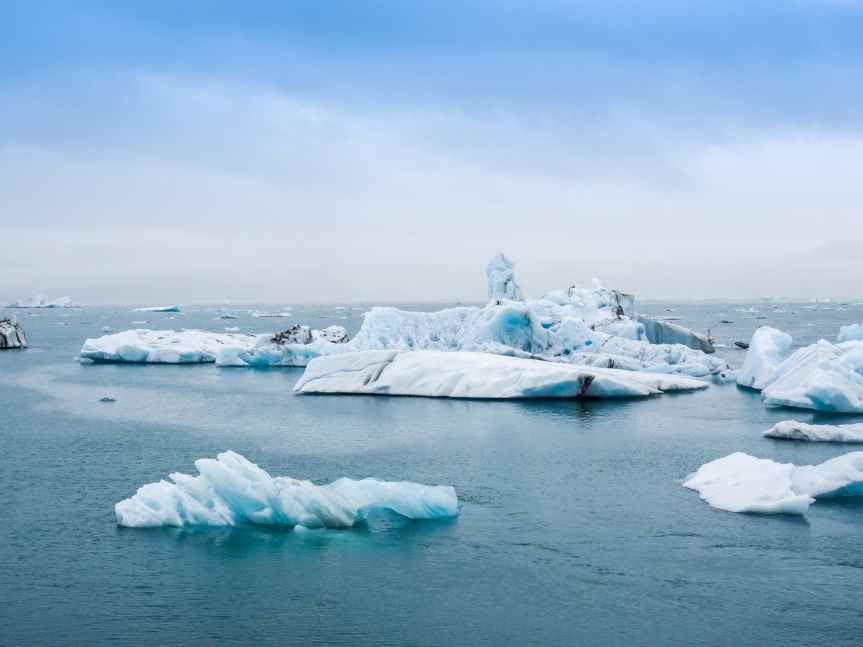
Let’s bestow upon them our much needed, though short term, attention. Today, I read on the newspaper about how the Ladakh glaciers are retreating due to global warming and decreased winter precipitation and that the Atlantic Meridional Overturning Circulation (AMOC)- a prominent warm ocean current belt particularly important for Europe and by extension, the whole earth has weakened over the centuries and reached a tipping point.
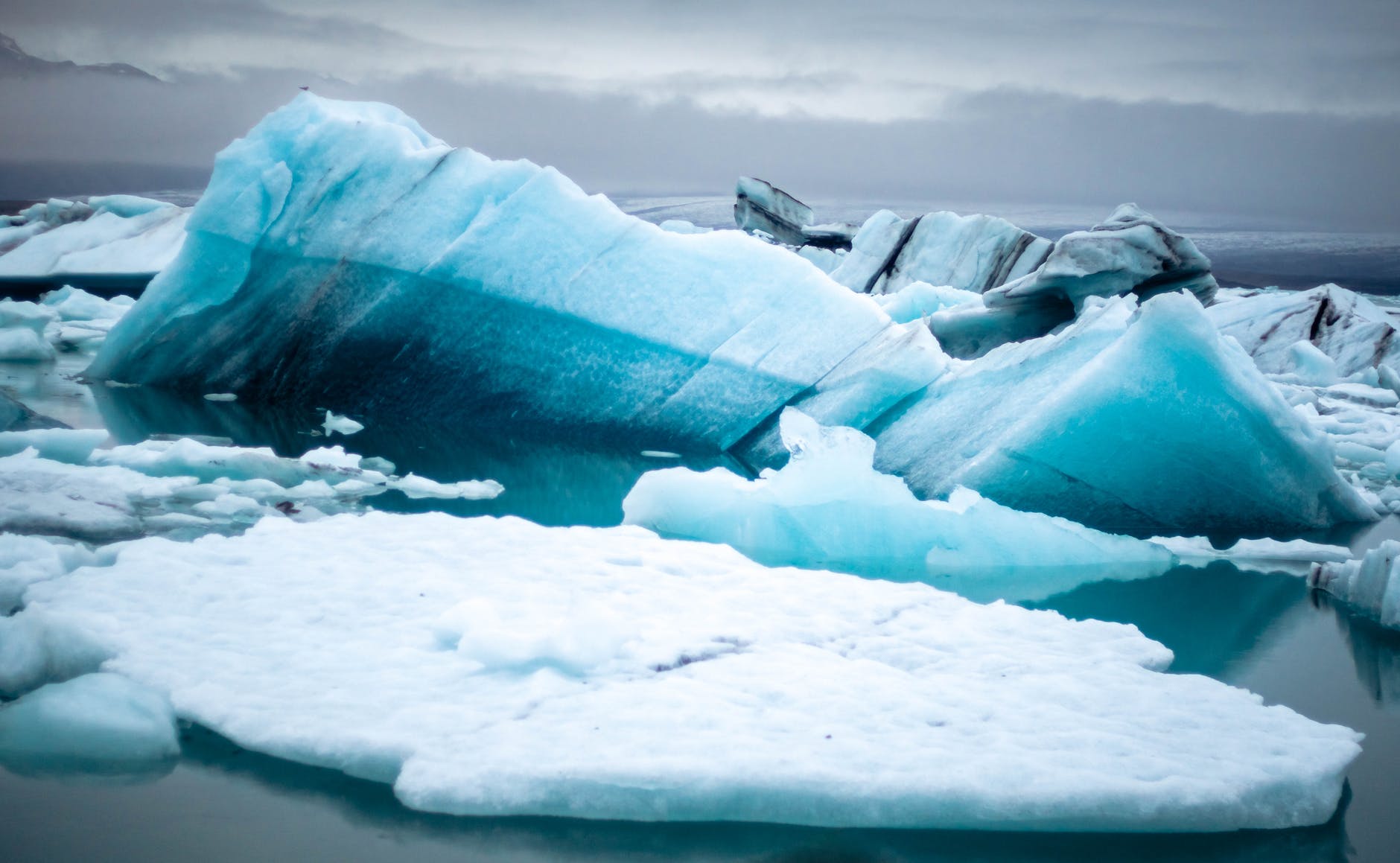
Lets start with the issue of the Ladakh Glacier. “The Pensilungpa Glacier located in Ladakh’s Zanskar Valley is retreating due to an increase in temperature and a decrease in precipitation during winters”, a recent study conducted by a team of scientists from the Wadia Institute of Himalayan Geology(Dehradun) revealed. Now with the increasing temperatures and retreating glaciers, it might be very well possible for the current snowfall in those areas to be replaced with rainfall: the snowfall that is responsible for balancing temperature of the lower altitude zones. It is now very much a possibility that the summer and winter patterns of surrounding regions are very much likely to be changed. We might very well be having winter rains real soon people, and floods.
And now, lets move towards the AMOC- The Atlantic Meridional Overturning Circulation-a result of difference in the water’s density(caused due to temperature and salinity difference). Well, that plus the combined effort of continental boundaries and Coriolis force(due to gravity). A large system of ocean currents, it is quite prominent in the Atlantic ocean. It is quite easily recognizable with the northward flow of warm, salty(salt dissolving capability increases with temperature. In colder regions, after being provided a sufficient time to cool off, these waters descend as denser and cold waters) water in the upper layers and a southward flow of colder, deep waters. Global warming is one of the main reasons of the slowing down of this current, contributing by causing the Arctic circle to warm, Greenland(a prominent ice sheet zone) to melt, rainfall to increase and the flow of fresh water to the Northern sea to intensify(It initially had high salinity due to no fresh water river drainage and less intermixing caused by ocean currents). Though, it is being said the rising temperature of the Indian ocean will keep the current going. The increased precipitation in the Indian ocean will draw winds from other parts of the world, lowering the amount of rainfall in the Atlantic ocean. It will increase the salinity of the AMOC current waters and increase the strength of the flow of current.
Seems like the global warming is creating a problem and further creating another one with the purpose of solving the first one and somehow completely increasing both the problems together. Wait, replace the global warming with humans. Quite amusing, how we managed to create a string of issues and now they are finding more and more beads to stitch, and we sit by and watch it all unfold. Well, not all of us, obviously. Most of us don’t even know of these unique products of our everyday activities. But, now that we are at it, we will let them know and invite, or rather force them all to join us in the midst of the unfolding of a future disaster, as we all sit by and do nothing.
I have started this chain, would be later adding more to it. You all share it. After all, the more the merrier. Right?
Speaking is the art of conveying thoughts and feelings vocally through language. It may be an informal speech or a formal one. Informal speech is the casual conversations that you have in our day-to-day life. Formal speech is the conversations that you have in official meetings, schools, and colleges. It is one of the communication skills that are necessary to maintain good relationships in the work environment. This skill gives the ability to speak with others effectively. Here are few tips that will help you to improve your verbal skills.
EXPAND YOUR VOCABULARY
Learning new words and phrases every day can widen your vocabulary. Have a target to learn few words per day and follow that throughout the year. For example, if you learn one word per day then you should have learned 365 new words in one year. These targets help you to have gradual increments daily. While you are learning be specific in what you are learning. Analyze what terms you require and learn accordingly.
CONCENTRATE ON YOUR PRONUNCIATION
You might know a lot of words, but do you pronounce them all correctly? You may or may not. When you are learning words have the habit of learning them with the right pronunciation. You may also need to learn how to use the word, intonation, and stress. Try to use a particular accent throughout your speech and don’t mix up different accents. This will showcase your speaking efficiency.
SPEECH SHADOWING
Shadowing helps to improve your language fluency. Shadowing is the technique of repeating a speaker right after him. It is like giving an echo to the speaker’s speech. Take a video of a good speaker and listen to it. Shadow the speaker with subtitles first, then try without transcripts. Start from simple videos, practice until you speak them perfectly, and move on to the next higher-level video.
IMITATE GOOD SPEAKERS
This is an effective way of improving your style and proficiency by listening to others. Listen to many good speakers and try to imitate them. Here, copying is not wrong rather it is good to do so as it helps in betterment your style and outlook. First, listen, observe then imitate. While you imitate record yourself to compare with the original one. You can repeat to listen as many times as you need until you are ready.
PRACTICE DAILY
Have a good practice of speaking the language. You may practice by speaking with your friends, colleagues or even with your family members. Start your practice from normal conversations and improve it gradually. You may also attend online classes to practice and speak along with a teacher to guide you. Practice by seeing yourself in the mirror. This self-talk enables you to know your expressions and body language. Record yourself when you practice and listen to it to correct your mistakes. Always speak with confidence in yourself. This shows your speech up. Try to keep the natural flow of the language. Use shortened forms and learn to use the word stress correctly. Participate in public events and competitions without hesitation. This will be a great learning for anyone because you gain confidence and lose fear as you do it in front of an audience.
These are some of the points that you could follow if you want to improve your speaking skills. Always keep in mind that even the best speakers emerged from the worst. So, practice hard until you master the skill. HAPPY LEARNING😊.
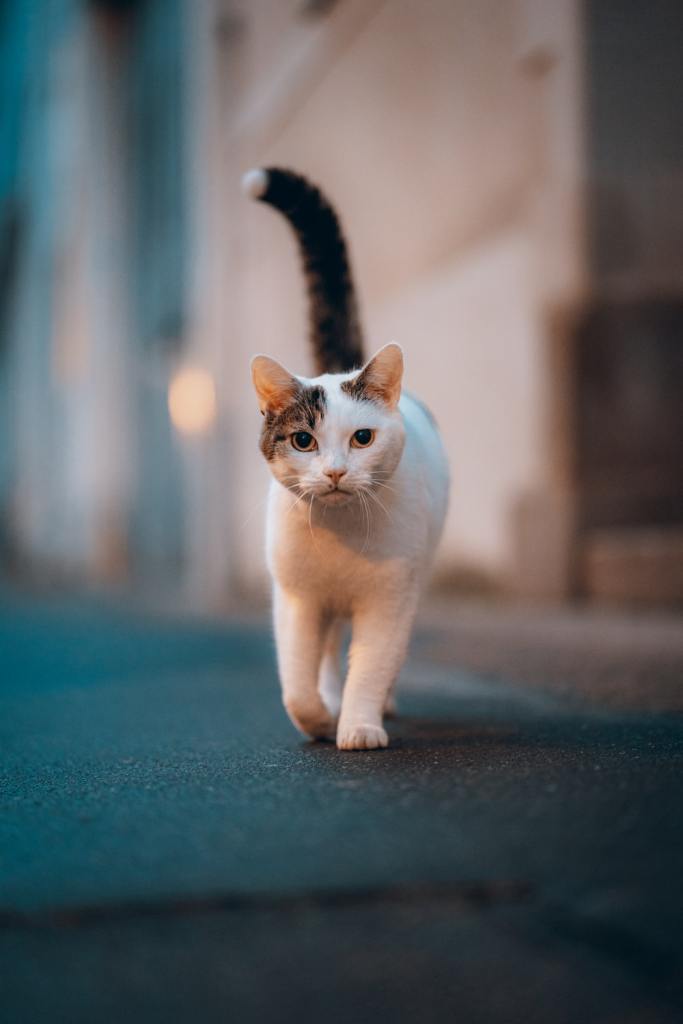
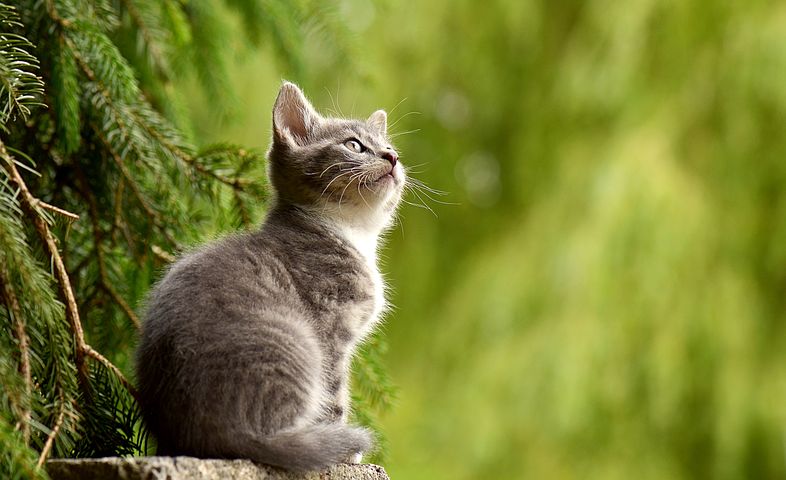
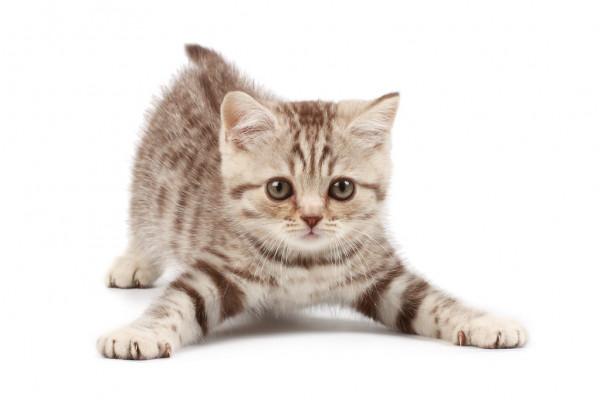
Theme this day and importance. Ways we can adopt, protect, and cherish our feline friends, and Important facts to know about them.
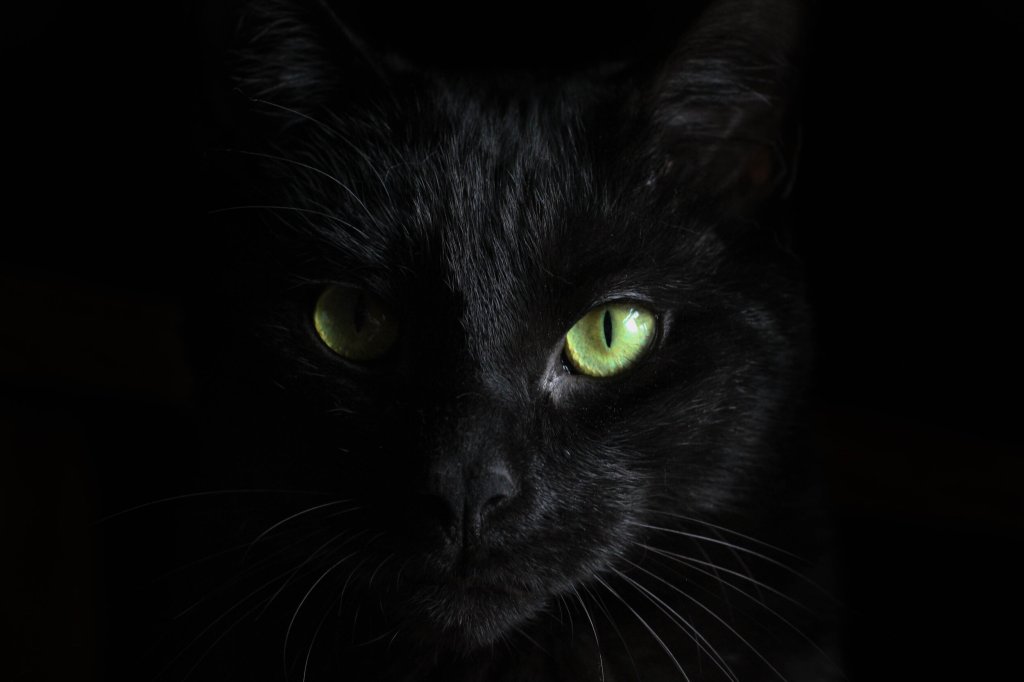
Some cat pictures to bless your eyes.
Theme : ‘ BE CAT CURIOUS’
Cats: Fluffy, mature, savage, intellectually and emotionally sharp, and blessed divine gifts. Besides my intense love for them let’s dive into some scientific knowledge about cats. The cat is a domestic, small carnivorous mammal. It’s Binomial Name is Felis Catus. Often, they are called Domestic Cats to distinguish them from the Wild Cats. Usual types of cats: Farm cat, a house cat or a feral cat. Around 7500BC, Cats are known to be first domesticated in the Near East especially in the Ancient Egypt.
Cats have inborn hunting and territorial characteristics. it’s very, very important for them to survive. Being wary of humans and other animals helps them not to fall in the traps of horrific poachers and deadly animals. There are terrible people who lure cats in just to torture, sell your pets by kidnapping them, and all of this just for alleged “Fun” or “Money”. Abuse surrounding feline creatures have been growing. You can not only protect your cat partners but also donate, foster, food drive, neuter drive, and protect animals around you as well. Remember that your one act of kindness gives a safe home for cats. It isn’t necessary to care for them by bringing them home.
First time celebrated in 2002 by the International Fund for Animal Welfare (IFAW), Canada
IMPORTANT NOTE: For their safety and wellness, make sure your cat wears a safety collar and an ID tag.
Cats are naturally curious and love to explore. Due to vehicles (Crossing road or sleeping under cars for shade), poachers, coyotes, owls, and what not. Obviously, we don’t want to rob outside life from cats just to keep them completely safe since indoor things or genetic diseases can hurt them as well.
It is always better to train them about goods and bad, cat-friendly leashes for walking if they like it, and taking precautions. You can take following steps to care for them:
Build an outdoor Catio.
Do not put bells on their collars
Have a back-up caretaker, like a neighbor(Not completely), siblings, or a trusted friend.
VACCINATIONS! VACCINATIONS like rabies, feline leukemia and feline distemper vaccine.
Always leave a bowl of extra food and water before you go out.
Tend to injuries immediately.
GET AN ID TAG! An ID tag has the cat’s name and your phone number.
Do not declaw very often They need it to protect themselves.
Neutering cats might feel a little extreme, but it is for their own safety.
Get acknowledged with flea-, tick-, and intestinal parasite–preventive medications with veterinary directions. About 250 heritable genetic disorders have been identified in cats,
Aim is to enable and inspire people to understand cats’ individual needs and perspective, and to act in the interests of each cat’s welfare. We do this by creating and sharing knowledge, insights, skills and current best practice so people can feel confident in their ability to help cats and to challenge ignorance and misconceptions,
– International Cat Care
Facts:
Cats can actually taste the air.
A cat can also heal itself by purring.
Cats love milk, they are actually lactose intolerant and must avoid it.
A female cat can be referred to as a molly or a queen, and a male cat is often labeled as a tom.
A cat’s nose is as distinctive as a human’s fingerprint.
Left paw is typically their dominant paw.
Cats are known to represent mythic symbols of divinity.
Cats can jump up to six times their length.
Look out for stray cats if you can’t adopt them. NGOs conduct neuter drive, food drive, fostering kittens or adult cats. You can donate to them who take actions and take baby steps while learning how to help and advocate for stray cats.
Consider:
Adopt a senior cat.
Foster newborn babies.
Donate for the cause.
If possible, start a group to gather money and have a checkup of cats around you.
Give them loads of love, you will never ever regret it.
Cats are so precious beings. They will be your parent, sibling, baby, best friends forever, nanny, ninja cat just for biting and licking afterwards. Their varies personalities will amaze you and fill you with love. They are truly one of the best companions.
The motivational genre is concentrated on motivating the readers to achieve their goals. It focuses on problems and helps to solve the puzzle. It also helps to improve the character and the personality of the readers.
Motivation:
The term motivation is derived from the Latin word, ‘Movere’ meaning ‘To Move’. Motivation can be referred to as a combination of motive and action. Motivation is an action word that influences every aspect of our daily lives. Motivation is fundamental in the level of success and individual attains.
Characteristic of motivational literature:
In Literature, “Motivation” is defined as a reason behind a character-specific action or behavior. This type of behavior is characterized by the characters on consent and willingness to do something. Characters have some motivation for every action, as do people in real life. Therefore, The implicit or explicit reference to a motivation of a character makes the piece of literature seems closer to life and reality.
Indian motivational literature:
The God of Small Things by Arundhati Roy
Arundhati Roy is one of the prominent writers in India. Her famous works are “The God of Small Things” and “The mystery of utmost happiness”. The God of Small Things is an inspirational encounter with two twin sisters who go through a series of unfortunate events in life. This work is a big booster of inspiration that helps us to boost up our self moral self-esteem and inspiration to embark upon a new beginning full stop the book will make you realize that need for change on the futility to become rigid in life.
If you are happy in a dream, does that count?
African literature:
I know why the caged bird sings by Maya Angelou
I know why the caged bird sings is a 1969 autobiography describing the early years of American writer and poet Maya Angelou. It shows how the strength of character and the love of literature can help overcome racism and trauma. This autobiography touches on themes such as race, sexuality, love, and identity. Struggles to separate sexuality and love in two separate category due to the lack of love from her family and on account of being sexually abused.
Hoping for the best, prepared for the worst, and unsurprised by anything in between.
Austrian literature:
Man’s search for meaning by Viktor E Frankl
Viktor E Frankl is an Austrian doctor, a writer, and a Holocaust from the Nazi concentration camp. This book is about how he lived inside the camp and how he managed to survive. And to stand for the title he talks about logotherapy that is a person needs a reason to survive. This book is full of meaning and hope.
Those who have a “why” to live, can bear with almost any “how”.
Lebanese literature:
The Prophet by Kahlil Gibran
The Prophet is a short book with enormous wisdom within the pages. The Prophet provides timeless spiritual wisdom on a range of subjects including giving, eating and drinking, clothes, buying and selling, crime and punishment, laws, teaching, time, pleasure, religion, death, beauty, and friendship. It is not a religious book but it is spiritual. In this book every word is like a poem, it has its rhythm and rhyme schemes.
“Your children are not your children you may give them your love but not your thoughts for they have their own thoughts.”
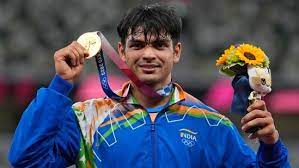
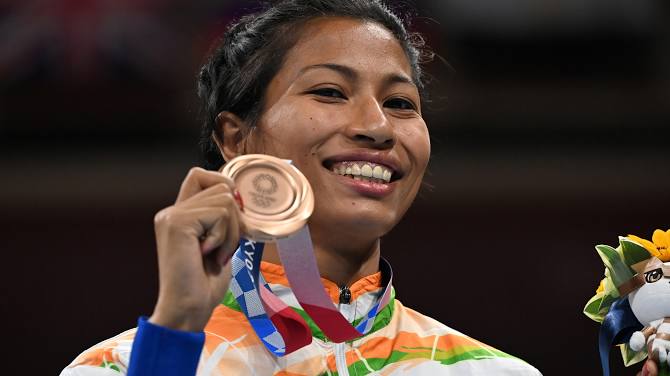
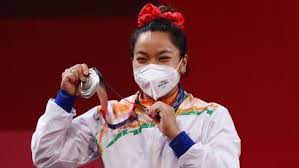
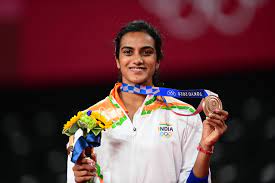
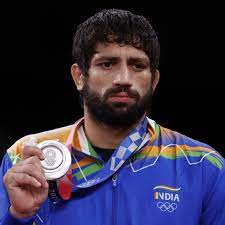
India is nation of 1.3 billion individuals yet we are aching for gold medals. Though little nations like France, Japan and Germany have more gold medals than our complete awards till now. What could be the explanation ? Do our people need potential or difficult work ? No, we have potential however we don’t utilize it.
Since our youth we are advised to do well in examinations, we scarcely have any games period in our school. Numerous nations have sports like gymnastic, volleyball and swimming in their school however we don’t have any. A few guardians don’t permit their children to play any games since they imagine that it could influence their scholarly.
In our nation sports like cricket are given more significance. Cricketers are viewed as God though scarcely anybody knows the names of our Hockey players which is our national sport. Cricket isn’t directed in Olympics. Simply 10 to 12 nations play cricket and we feel extraordinary in the wake of winning a World cup directed between those 12 nations. Cricket is a game which brought by Britishers while games like Kabaddi and wrestling are from India.
Our Government additionally spend extremely less cash on sports. A portion of the players don’t have appropriate equipment. They additionally need to battle a great deal since some of them come from small towns. They need to confront analysis which the players of different nations don’t confront.
After this load of issues we anticipate that our country should win medals and assuming we don’t, we censure our players. We have been playing Olympics from 100 years while China from 69 years then additionally they have all out 250 gold medals though our all out awards are scarcely 40. Our players are not lacking anyplace they simply need our help and legitimate offices. Assuming we need our nation to more win medals in next Olympics then we should chip away at these issues.
The culture of West Bengal is an Indian culture which has its roots in the Bengali literature, music, fine arts, drama and cinema. Different geographic regions of West Bengal have subtle as well as more pronounced variations between each other, with Darjeeling Himalayan hill region and Duars showing particularly different socio-cultural aspects.
West Bengal’s capital Kolkata—as the former capital of India—was the birthplace of modern Indian literary and artistic thought, and is referred to as the “cultural [or literary] capital of India”. The presence of paras, which are cluster of neighbourhoods that possess a strong sense of community, is characteristic of West Bengal. Typically, each para has its own community club and, on occasion, a playing field. Residents engage in addas, or leisurely chats, that often take the form of freestyle intellectual conversation. However, with the growth of apartments, expansion of neighbourhoods and rapid urbanization, this culture is on decline.
LITERATURE –
The Bengali language boasts a rich literary heritage, shared with neighbouring Bangladesh. West Bengal has a long tradition in folk literature, evidenced by the Charyapada, Mangalkavya, Shreekrishna Kirtana, Thakurmar Jhuli, and stories related to Gopal Bhar. In the nineteenth and twentieth century, Bengali literature was modernized in the works of authors such as Bankim Chandra Chattopadhyay, Michael Madhusudan Dutt, Rabindranath Tagore, Kazi Nazrul Islam, and Sharat Chandra Chattopadhyay. Coupled with social reforms led by Ram Mohan Roy, Swami Vivekananda, and others, this constituted a major part of the Bengal Renaissance. The middle and latter parts of the 20th century witnessed the arrival of post-modernism, as well as literary movements such as those espoused by the Kallol movement, hungryalists and the little magazines.
THEATRE AND FILMS –
West Bengal has a tradition of folk drama known as jatra. Kolkata is the home of the Bengali cinema industry, dubbed “Tollywood” for Tollygunj, where most of the state’s film studios are located. Its long tradition of art films includes globally acclaimed film directors such as Academy Award-winning director Satyajit Ray, Ritwik Ghatak, Mrinal Sen, Tapan Sinha, and contemporary directors such as Aparna Sen, Buddhadeb Dasgupta, Goutam Ghose, Koushik Ganguly, Rituparno Ghosh, Anjan Dutt, Kamaleswar Mukherjee, Sandip Ray.
MUSIC –
The Baul tradition is a unique heritage of Bengali folk music, which has also been influenced by regional music traditions. Other folk music forms include Kabigaan, Gombhira, Bhawaiya, kirtans, and Gajan festival music. Folk music in West Bengal is often accompanied by the ektara, a one-stringed instrument. West Bengal also has a heritage in North Indian classical music. The state is recognised for its appreciation of rabindrasangeet (songs written by Rabindranath Tagore) and Indian classical music. Nazrul Geeti is another classical music of Bengal, which is written and composed by poet Kazi Nazrul Islam. He was person in Bengal music who created the first Bengali ghazals.
Popular music genres include adhunik songs. Since the early 1990s, new genres have emerged, including one comprising alternative folk–rock Bengali bands. Another new style, jibonmukhi gaan (“songs about life”), is based on realism.[16] UNESCO selected The Rural Craft Hub of Bengal to showcase their artwork in Paris in 2015.
FESTIVAL AND CELEBRATIONS –
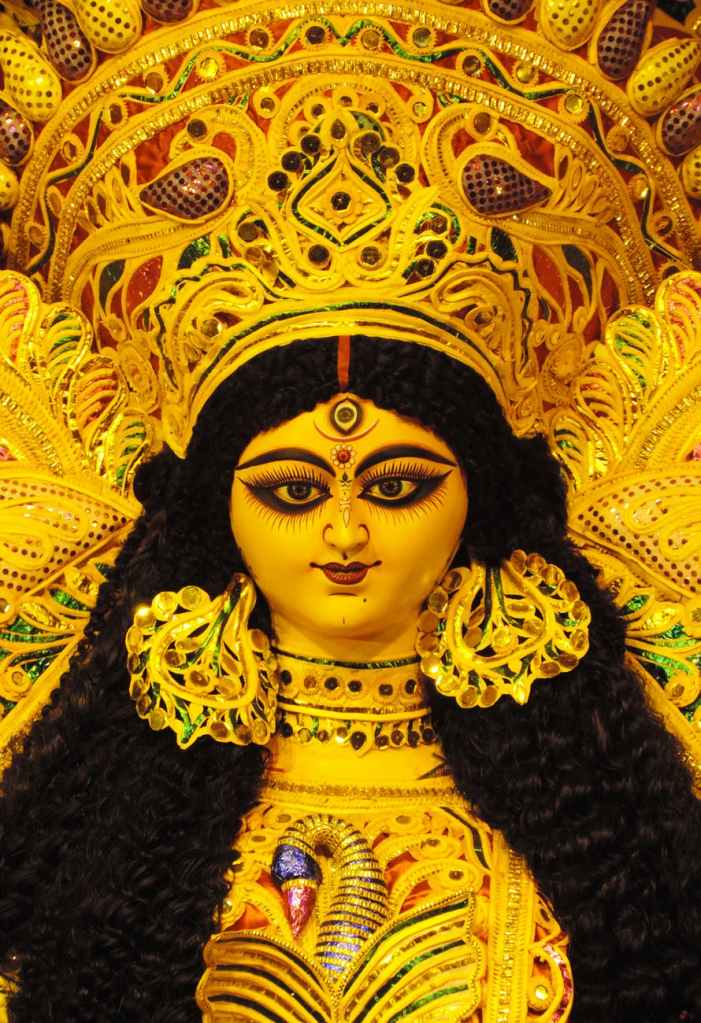
West Bengal is famous for its culture and festivals are an inevitable part of this culture. Some festivals are celebrated statewide, while others are local in nature. There are also various other village fairs and seasonal tribal festivals. Durga Puja is the biggest and most important festival of West Bengal, and it features colourful pandals, decorative idols of Hindu goddess Durga and her family, lighting decoration and immersion processions. Other major festivals are Kali Puja, Diwali, Holi, Saraswati Puja, Jagaddhatri Puja, Rath Jatra, Kojagori Lakshmi Puja, Vishwakarma Puja, Poush Parbon, Poila Boishakh, Christmas. Kolkata Book Fair, Kolkata International Film Festival and Dover Lane Music Festival are major annual cultural events of Kolkata, whereas Poush Mela, Ganga Sagar Mela, Jhapan are some of the major annual fairs of the state.
An unprofessional resume screams SKIP! Remember to keep it sleek and professional with proper highlighting, bullets, and minimal colours. Don’t make it fancy or too simple, don’t use any kind of word or sentence, which will look like a command or too unprofessional, make it professional. Ensure that it isn’t too busy, too colourful or has illegible fancy font styles.
Check out my posts, ‘Tools to enhance your resume’ for more on this.
Not linking your portfolios, and recommendation
One of the most common mistakes that are made while creating a holistic resume is not providing links to these. Ensure you add a hyperlink to your port folio and recommendation. Also, ensure it is accessible to the employer to view! Recommendations are like a golden star on your resume. Keep it short, but do provide a contact that they can reach out to, for verification. Never forgot to add this!!
Not highlighting well enough
Sure, we did tell you what to highlight. But what do you not highlight? Unnecessary minor details, especially in a stretched – out manner. Just add what is important, that will make it look good but if you add small things, it will make your resume look bad. So just remember that you have added things which are important and don’t make it too long. Use action verbs to describe your daily responsibilities and experience.
Sorry, they can’t come to the phone right now
Why? Because they listed an incorrect contact details on their resume or didn’t list one at all. So many times we never check our personal information and because of this even if you got the job you will miss it. Be careful to double and triple check your contact information. E-mail addresses and phone numbers should be highlighted for easier identification.
Too long to read
Keep it short. Your ideal resume should not exceed 2 pages. Employers usually have to go through several resumes in a single day. A super lengthy resume, just make it easier for them to glance and skip. Make it effective and short.
Grammatical or spelling error
Not only is it extremely unprofessional, but it also implies to the employer that you are not very interested in the position. Use tools like Grammarly to run spelling and grammar checks. Additionally, you could also run it by a friend, just in case you missed something. It’s that easy!
Football is a family of team sports that involve, to varying degrees, kicking a ball to score a goal. Unqualified, the word football normally means the form of football that is the most popular where the word is used. Sports commonly called football include association football (known as soccer in North America and Oceania); gridiron football (specifically American football or Canadian football); Australian rules football; rugby union and rugby league; and Gaelic football. These various forms of football share to varying extent common origins and are known as football codes.
There are a number of references to traditional, ancient, or prehistoric ball games played in many different parts of the world. Contemporary codes of football can be traced back to the codification of these games at English public schools during the 19th century. The expansion and cultural influence of the British Empire allowed these rules of football to spread to areas of British influence outside the directly controlled Empire. By the end of the 19th century, distinct regional codes were already developing: Gaelic football, for example, deliberately incorporated the rules of local traditional football games in order to maintain their heritage. In 1888, The Football League was founded in England, becoming the first of many professional football associations. During the 20th century, several of the various kinds of football grew to become some of the most popular team sports in the world.
Several of the football codes are the most popular team sports in the world. Globally, association football is played by over 250 million players in over 200 nations, and has the highest television audience in sport, making it the most popular in the world. American football, with 1.1 million high school football players and nearly 70,000 college football players, is the most popular sport in the United States, with the annual Super Bowl game accounting for nine of the top ten of the most watched broadcasts in U.S. television history . The NFL has the highest average attendance (67,591) of any professional sports league in the world and has the highest revenue out of any single professional sports league. Thus, the best association football and American football players are among the highest paid athletes in the world.
Australian rules football has the highest spectator attendance of all sports in Australia. Similarly, Gaelic football is the most popular sport in Ireland in terms of match attendance, and the All-Ireland Football Final is the most watched event of that nation’s sporting year.
The Ode may be defined as a ‘rhymed lyric often in the form of an address, generally dignified or exalted in the subject, feeling and style’. It is also defined as any ‘strain of enthusiastic or exalted lyrical verse directed to fixed purpose and dealing progressively with a dignified theme’. An ode is noted for its logical evolution of thoughts and it has a certain amount of complexity and elaboration, unlike a simple lyric.
An ode usually begins with an address to somebody or something. Sometimes the opening line or lines may contain an apostrophe as in the case of Shelley’s ‘Ode to the west wind’ or Tennyson’s ‘To Virgil’s. An ode may be written on an important public event or the death of a distinguished person. Marvell’s ‘Ode upon Cromwell’s Return from Ireland’ belongs to the first category and Tennyson’s ‘Ode on the Death of Duke of Wellington’ belongs to the second category.
Origin of Ode:
The ode is of Greek origin. There were two traditions of odes in Greece. The first type of the Dorian mode was so called from the district and dialect in which it arose. It is also called the Pindaric ode because Pindar, the ancient Greek poet, was its greatest exponent. The second type of ode is the lesbian old so-called because it flourished at first on the island of lesbos. It is also called the horatian ode because the great Latin poet Horace was its best practitioner. Thomas Gray’s odes ‘The progress of Poesy” and “The Bard” belong to the Dorian or Pindaric school. Marvell’s ‘Ode upon Cromwell’s Return from Ireland’ is the best example of a Horatian ode in English.
A pindaric or Dorian ade consists of three parts:
The strophe, the anti-strophe, and the epode. they correspond to the three stages of the recital of an ode during a dance. The Horatian ode consists of several short stanzas similar in length and arrangement.
In the early stages, the English ode was influenced by the two Greek models. But gradually the English ode begins to pursue a course of its own. There are two types of odes in English, the regular and the regular.
Regular odes:
The regular odes have a series of exactly similar stanzas as in the odes of Keats. Other examples of regular verbs are Collin’s ‘ode to evening’ and Shelley’s ‘ode to the west wind’.
Irregular odes:
Irregular odes have tons of different lengths and arrangements. There are sudden changes in versification, meter, and mood. Wordsworth’s Ode on Intimations of Immortality from recollections of early childhood and Coleridge’s ‘Dejection: An Ode’ are good examples of irregular odes.
Some famous odes:
Ode To A Nightingale John Keats. My heart aches, and a drowsy numbness pains.
Ode On A Grecian Urn John Keats.
Ode To Autumn John Keats.
Ode To The West Wind Percy Bysshe Shelley.
Ode To Wine Pablo Neruda.
Ode To Sadness Pablo Neruda.
Ode On Solitude Alexander Pope.
Ode To The Book Pablo Neruda.
Conclusion:
In English Ben Jonson, Milton and Gray wrote Pindaric Odes. Marvell road Horatian odes. Other important poets who wrote odes were Spenser, Collins, Keats, Shelley, and Tennyson. Perhaps the ode is the most popular lyrics form except the Sonnet.
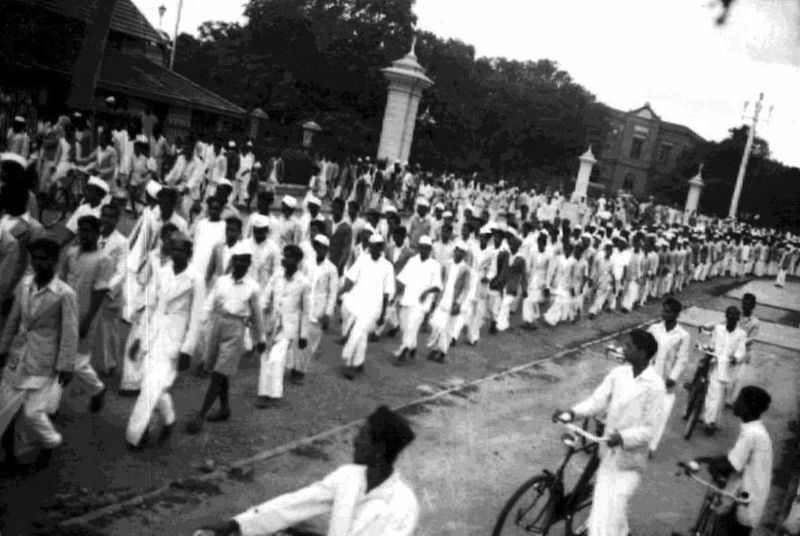
August 8th marks a very iconic day in Indian history. The Indian National Congress declared its ultimatum for the British to leave India. This movement in itself had contested set of consequences – the strengthening of the Muslim League, the rise of freedom struggle motivated Subash Chandra Bose to invade the British camps in Noth East and Gandhi, for the fist time in his career was willing to go agressive even if he had his own definitions of the word – when he announced, “karo ya maro” (Do or Die).
The Quit India movement came up at the heels of the failure of the Cripps Mission that was sent by the Raj to secure Indian cooperation towards the British war efforts in the second world war. The leader of the mission, Sir S. Cripps was left wing British statesman who was sympathetic to the cause of Indian self rule but was also a member of the war cabinet of 1942.
The proposals of the mission were refused by the Congress which had seen similar proposals in the first world war where the Raj had promised more autonomy but ended up imposing harsher taxes that resulted in the Non-Cooperation movement, the Rowlatt and Jalia Walah Bagh massacres. The Indian National Congress resigned from its positions in all provincial governments and announced the Quit India Resolution that led a national movement that was difficult for the British to look after in the face of the then ongoing second world war. Virtually all of the INC leaders were jailed for the next three years and the Muslim league got enough time to build itself a support that shook the years Gandhi had spent projecting himself and his colleagues as leaders of a secular, united state of India. To add to it was the vehement opposition Hindu nationalists showed to the movement where many, including the Hindu Mahasabha and Veer Savarakar denounced the movement pointing out to the power vacuum it might cause and quite correctly predicitng the Muslim League partially filling the same.
The British soon left the subcontinent – too weak due to the war to control a population that was showing both civil disobedience and had an army of its own – a reference to the insurgency and attacks the INA had started in the Raj’s territories.
The Quit India movement – with all its pros and cons and consequences formed a very important phase in the history of modern India.
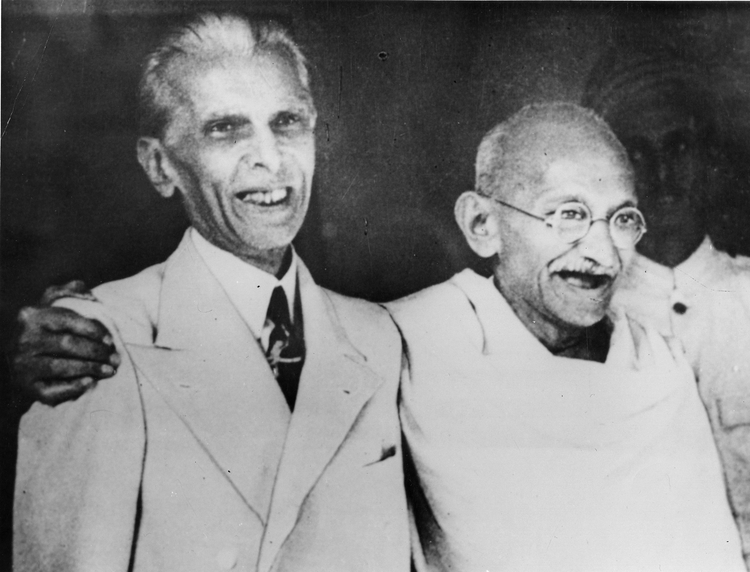
Jinnah and Gandhi had quite different outlook and faced different consequences due to the Quit India Movement – one failed in his projection of a secular and inclusive India, the other successfully used it to campaign for Pakistan
The Culture of Uttar Pradesh is an Indian Culture which has its roots in the Hindi and Urdu literature, music, fine arts, drama and cinema. Lucknow, the capital of Uttar Pradesh, has several beautiful historical monuments such as Bara Imambara and Chhota Imambara. It has also preserved the damaged complex of the Oudh-period British Resident’s quarters, which are being restored.
Uttar Pradesh attracts large number of visitors, both national and international; with more than 71 million domestic tourists (in 2003) and almost 25% of the All-India foreign tourists visiting Uttar Pradesh, it is one of the top tourist destinations in India. There are two regions in the state where a majority of the tourists go, viz. the Hindu pilgrimage circuit and the Agra circuit.
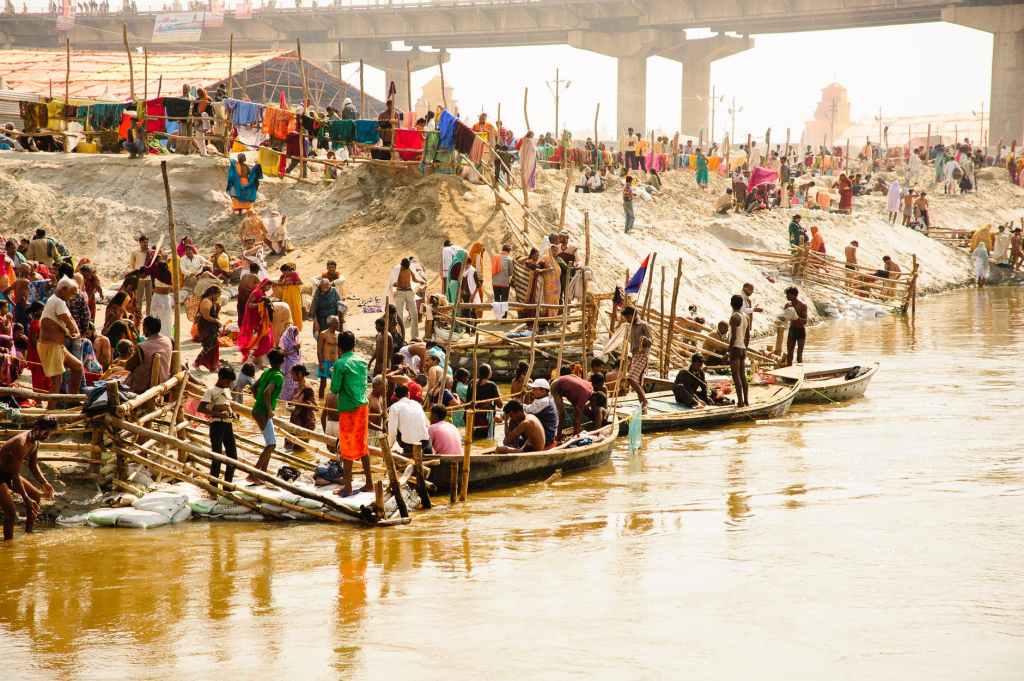
The pilgrimage circuit includes the holiest of the Hindu holy cities on the banks of sacred rivers Ganges and the Yamuna: Varanasi (also considered world’s oldest city), Ayodhya (birthplace of Lord Rama), Mathura (birthplace of Lord Krishna), Vrindavan (the village where Lord Krishna spent his childhood), and Allahabad (Prayagraj) (the confluence or ‘holy-sangam’ of the sacred Ganges-Yamuna rivers).
The city of Agra, gives access to three World Heritage Sites: Taj Mahal, Agra Fort and the nearby Fatehpur Sikri. Taj Mahal is a mausoleum built by Mughal Emperor Shah Jahan in memory of his beloved wife, Mumtaz Mahal. It is cited as “the jewel of Muslim art in India and one of the universally admired masterpieces of the world’s heritage”. Agra Fort is about 2.5 km northwest of its much more famous sister monument, the Taj Mahal. The fort can be more accurately described as a walled palatial city. Fatehpur Sikri was the world-famous 16th-century capital city near Agra, built by the Mughal emperor Akbar the Great, whose mausoleum in Agra is also worth a visit. Dayal Bagh in Agra is a modern-day temple and popular tourist sight. Its lifelike sculptures in marble are unique in India.
MUSIC AND DANCE – The state is home to a very old tradition in dance and music. During the eras of Guptas and Harsh Vardhan, Uttar Pradesh was a major centre for musical innovation. Swami Haridas was a great saint-musician who championed Hindustani Classical Music. Tansen, the great musician in Mughal Emperor Akbar’s court, was a disciple of Swami Haridas.
Kathak, a classical dance form, involving gracefully coordinated movements of feet along with entire body, grew and flourished in Uttar Pradesh. Wajid Ali Shah, the last Nawab of Awadh, was a great patron and a passionate champion of Kathak. Today, the state is home to two prominent schools of this dance form, namely, Lucknow Gharana and Banaras Gharana.
LANGUAGE – The common state-language of Uttar Pradesh is standard Hindi. While standard Hindi (Khari boli) is the official language, several important regional Hindi ‘dialects’ are spoken in the state and among these are: Awadhi, Bhojpuri, Braj, Kannauji, Kaurvi, Gurjari, Bagheli and Bundeli, besides several local dialects that do not have a formal name. Urdu is prominent in Uttar Pradesh as Lucknow was once the centre of Indo-Persianate culture in north India.
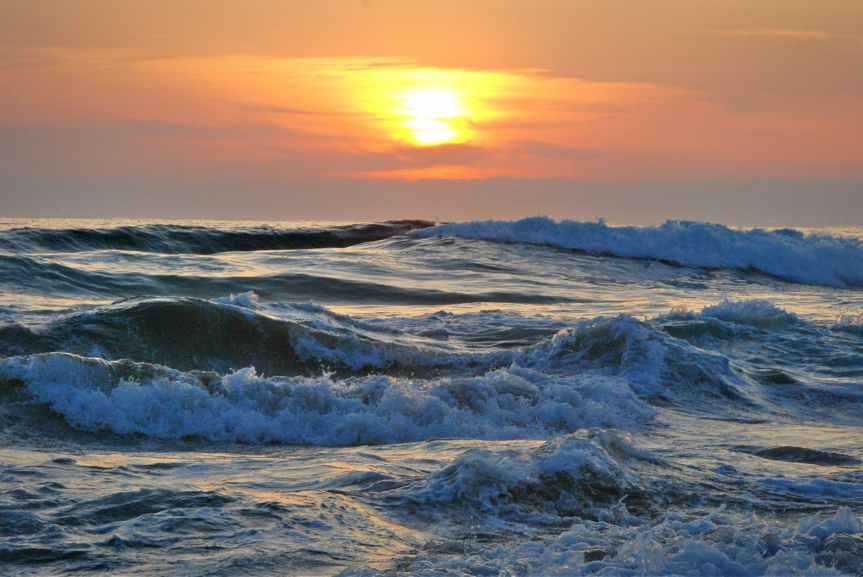
Pacific ocean is the largest ocean in the whole world, covering 32 % of the Earth’s total surface area and about 46% of the Earth’s water. It also has the largest number of coral species. It stretches to the Bering Sea in the north and the Southern ocean to the South, in the west are the continents of Australia and Asia and on the east the Americas. The world’s deepest point, The Challenger deep in the Mariana Trench (eastern boundary of the Filipine tectonic plate), reaching a depth of 35,850 feet is located in the Pacific ocean. It also has the southern hemisphere’s deepest point- The Horizon deep in the Tonga Trench at a depth of 35,509 feet. It also has many marginal seas-
South China sea
East China sea
Sea of Japan
Sea of Okhotsk
The Philippine sea
Coral sea
Solomon sea
Tasman sea
Yellow sea
The word Pacific means ‘Peaceful’ though the ocean is anything but peaceful. The Pacific ocean has the ‘Pacific Ring of fire’, the largest ring of active volcanoes and earthquake zone in the world. The Japanese Islands and The Philippines islands are a result of volcanic activity. The Pacific ocean has the largest number of islands (around 25,000) including the island groups of Micronesia, Melanesia and Polynesia (he largest- stretching from Hawaii to New Zealand) and the world’s largest archipalego- The Indonesian islands, an island groups of around 17,500 islands. It also has the Great Barrier Reef, the largest coral reef(2,300 km) along the eastern coast of Australia and The Coral Sea islands, atolls present to the west of the barrier reef. The temperature decreases longitudinally going towards the poles, though the temperate region has the highest temperature. There also exist latitudinal variations depending upon the oceanic currents. Salinity also varies latitudinally as well as longitudinally with temperature. High temperature zone have high salinity. Addition of fresh water lowers the salinity. The ocean currents also lead to intermixing of currents thereby lowering the salinity. The highest surface salinity occurs in the southeastern zone and the lowest salinity occurs in the extreme northern zone of the Pacific.
This is something about the largest and one of the most majestic oceans in the world.
Kindly note: Use the acronym PAISA to remember names of the 5 type of oceans:









 Eduindex
You must be logged in to post a comment.