Biomedical Wastes

Our environment is degrading day by day. India with its growing population is also keeping up with the waste generation.

Nowadays pollution is everywhere whether its air pollution, water pollution, land pollution, noise pollution, radioactive pollution and the pollution from E waste what not?

Biomedical Waste( BMW) is any waste produced during the diagnosis treatment or immunization of human or Animal Research activities retaining threat or in the production the testing of biological or in health camps.

Let the waste of the ‘sicks’, not ruin the life of the ‘healthy’

Common generator of Biomedical wastes are :-

  • Hospital
  • Emergency Medical Services
  • Medicinal Research Laboratories
  • offices of physician , dentist, veterinarians
  • home Health Care
  • funeral homes

From WHO stats 2000,the improper treatment of medical waste( primary use of infected needles and syringes) caused 21 million hepatitis B infection and 2, 60, 000 HIV infections worldwide.

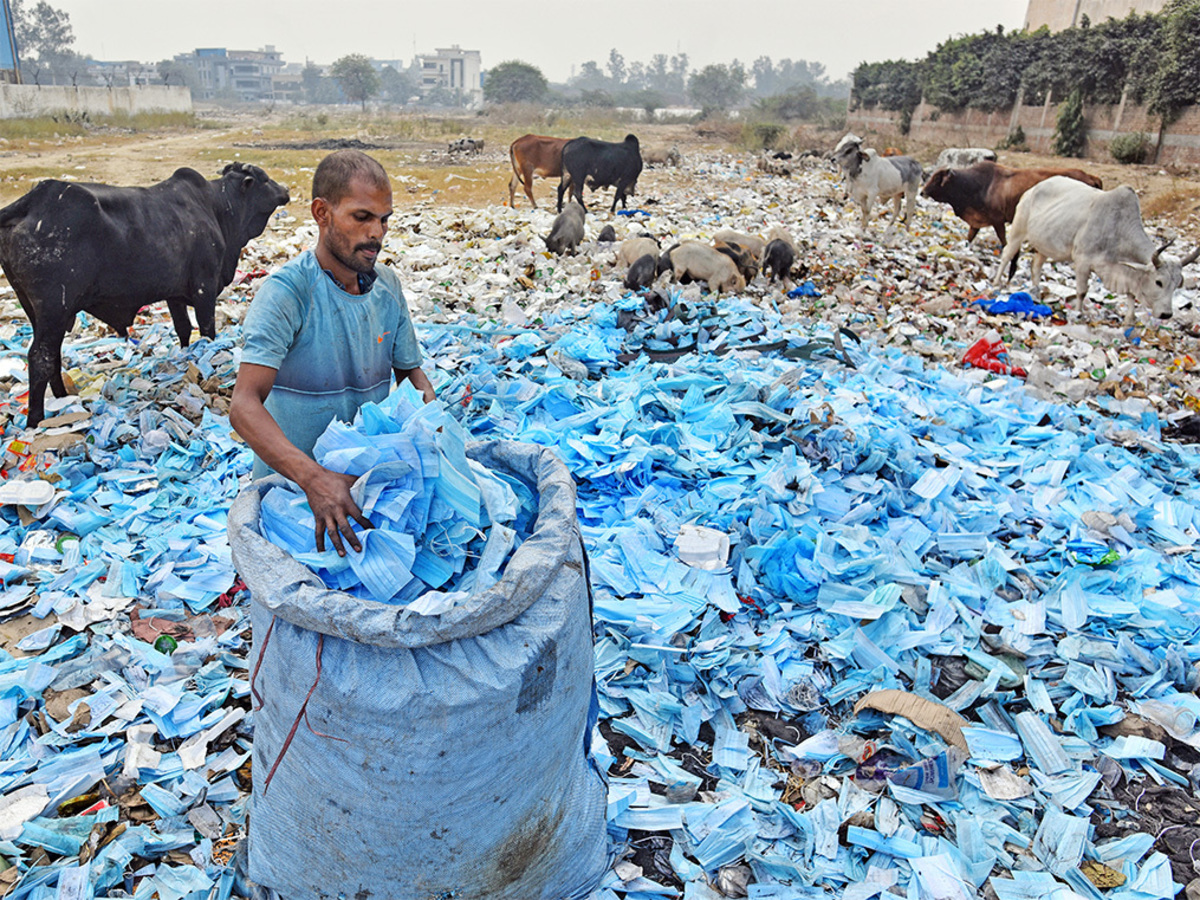
During this pandemic situation, we have witnesses another huge list of Biomedical Waste generation in India. India generated over 18000 tons of covid-19 related biomedical waste in starting 4 months of this pandemic. This includes personal protective equipment (PPE), gloves, face mask, head cover, plastic coverall, hezmet suit and syringes among others.
Types of Biomedical Waste

Infectious waste

  • Suspected of containing pathogen in a sufficiently large quantity or concentration to result in disease in susceptible host.
  • Cultures and stock of infectious Agent from laboratory.
  • Waste from operation and autopsies on patient with infectious disease.
  • Waste having come into contact with infected hemodialysis patient.

Pathological waste

  • Infectious material containing dead tissue may conceal specially dangerous and communicable infectious Agent.
  • Include – blood, body fluid, tissues, organs, body parts, human foetus etc.
  • Subcategory of pathological waste is Anatomical waste.
    • Consist of identifiable human or animal body parts healthy or otherwise.

Radioactive waste
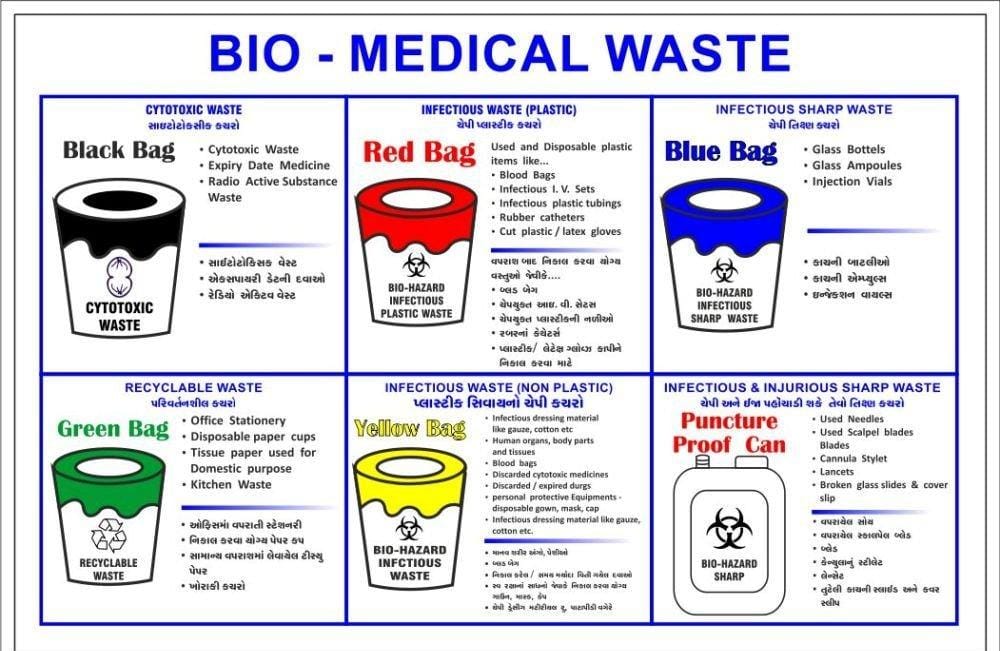
  • Waste generated during the different application of radioisotopes in biological research on medicine.
  • May contain infectious biological components from Anatomical, research or clinical sources.
  • By product of various nuclear Technology process.
  • Include-
    • Nuclear medicine
    • nuclear research
    • Nuclear power
    • Manufacturing
    • construction
    • Caol
    • Rare Earth mining
    • Nuclear weapon reprocessing

Pharmaceutical waste

  • Contaminated or expired drugs and vaccine as well as antibiotics and pills.
  • Result from many activities and location in health care facilities.
  • Small quantities at households can often be thrown away in the municipal waste stream.
  • But large quantities kept at pharmacies distribution Centre, Hospital etc. be managed to minimise the risk of release or to exposure to the public.

Genotoxic waste

  • Waste from drugs that are used in radiotherapy and units.
  • One of the type of hospital waste that are extremely dangerous and may cause cell mutation or cancer.
  • Cytotoxic drugs are main components.
  • Include –
    • Urine
    • Faeces
    • Vomit treated with Chemicals or cytotoxic drug.

Sharps

  • Object that are Sharp enough to cut or puncture the skin.
  • Transmit infections directly into the bloodstream.
  • Generally treated as highly hazardous medical waste regardless of whether they are contaminated or not.
  • Includes –
    • knife
    • Blades
    • Infusion set
    • Needles
    • Broken Glass
    • Nails
    • Scalpel

Chemical waste

  • Contain radioactive element poses particularly difficult problem of disposal.
  • Includes –
    • Heavy metal from Medical appliance
    • Disinfectant
    • Solvent
  • Difficulty in disposal are partly technical and partly political
    • The radioactive constituent that find their way into groundwater and surface water must be kept to exceedingly small amount for very long time.
    • Fear of mysterious effect of radiation, politician reluctant to consider disposal of radioactive waste in the area of their constituent.

Mawlynnong- India’s pride

Located in the east Khasi hills 90 kilometers away from Shillong, in the state of meghalaya is this small village with around 600 inhabitants , which was acclaimed to be the cleanest village in India in 2005. In 2003, it was also acclaimed as the cleanest village in Asia. Known as “God’s own garden” , this small village has already made a big impact on the world by showing the world how the following of all the rules and living in harmony with the nature can help in making this world a beautiful place to co-exist.

How did Mawlynnong became the cleanest village

Back in 1887 when India was still under the British rule, Mawlynnong suffered from a devastating plague which the villagers believed to be the wrath of evil witches and didn’t knew what to do. According to history, Welsh Christian missionaries from Bangladesh were sent to help the people recover from the plague there. The missionnaries took care of the people and started to educate them. They also told them that the plague was not the result of wrath of evil witches, rather it was extreme uncleannliness in the village which caused that plague. The villagers then started to clean their houses as well as every nook and corner of the village . The tradition continues till date. Interestingly, villagers link the tradition of cleanliness to Christianity. They say it is the missionaries that changed their lives and taught them ways to reach God through cleanliness and since then they follow the religion of Christianity. This is the true model of how the superstitions if used positively can bring a large impact.

The villagers also decided to have drainpipes to efficiently remove the filth from their houses and now every single house has a proper and efficient drainage system.

The streets there have beautifully carved bamboo dustbins outside every house and in every public place. The villagers turn the wet compost from the domestic use into manure which they use to grow the vegetables and fruits. The village is a model of the adequate use of every resource available and the best example of recycle and reuse.

Other highlights of this wonderful village

Rain water harvesting is another feature of the village. When it rains, which is a verycommon thing in the state of Meghalaya people collect rainwater even in bottles. The base of the bottle is cut and the inverted bottle is then hanged at the place where it can capture rain drops. The mouth of the bottle is attached to a pipe which is then connected to the washroom and is used in toliets and to clean the floor.

Proper sanitization is another prominent feature here where every house has proper toilets and even the public toilets are healthily maintained.

Also, the village has a 100% literacy rate. Nelson Mandela once rightly said that EDUCATION IS THE ONLY WEAPON WHICH CAN BE USED TO CHANGE THE WORLD. Mawlynnong being the best example of this proverbial fact.

Last but not the least, The living root bridges are the classic feature of the place which also attracts a large number of tourists every year from across the globe. At a time , when humans talk about science and innovation here is an extra ordinary example of bio engineering made by humans in joint partnership with the nature. This man made root bridge was originally constructed by the villagers to cross the overflowing stream during monsoon by intertwining the thick roots of a variety of rubber tree (Ficus elastica), grown on the other side of the stream. The intertwined roots were then kept in a position over the stream such that it can be crossed. The roots were then covered by large rocks and mud to complete the path. Over the years , as the roots grew the bridge became stronger. Each day when any villager spot a new root merging , they immediately join it with the bridge and hence it continued to become strong and stay still bearing the heavy rains of the North Eastern Monsoon.

To see the bridge, one has to take a simple downward trek where the entry fee of Rs. 10 is taken from each visitor to see the bridge which is used for the village development.

How it manages cleanliness even today

Every day at a designated time no matter what the weather is , an appointed set of sweepers come and clean the nook and corner of the village which takes them around an hour. It is the dedication of the people and the fear that if they violate cleanliness even for a day, curse will fall upon them, is the thing which drives them to continuously strive hard to continue with the old age tradition even today.

A place like Mawlynnong which attracts a large number of tourists each year , the cleanliness and the sanitization is hard to maintain but they do it. Plastic bags, smoking and littering is completely banned in the area. Any violators are bound to pay a mandatory hefty fine and sometimes also serve the prison sentence.

It won’t be wrong to say that MAWLYNNONG IS THE TRUE MODEL OF AN IDEAL BEAUTIFUL PLACE which inspires us in so many ways. It tells us that every effort counts .

Economic Benefits of Biodiversity

All of us live in a world where we depend on each other for our needs. Almost all of our needs are met through biodiversity, directly or indirectly. Biodiversity refers to the variability among living organisms from all sources including terrestrial, marine and other aquatic ecosystems and the ecological complexes of which they are part, this includes diversity within species, between species and of ecosystems. Biodiversity in short is our whole environment including flora, fauna, microbes, gases and everything that constitutes our planet earth. It is the foundation of life.


Biodiversity is of great importance when it comes to its economic benefits. Here are some of the economic benefits of biodiversity.


(1) Biodiversity provides us with potential raw materials – Biodiversity provides a great diversity of materials for the construction and fuel including wood, biofuels and plant oils that are directly derived from wild and cultivated plant species.


(2) Food and fresh water – The most important services for the survival of human beings like food and water are provided by the biodiversity. Biodiversity regulates the flow and purification of water.
(3) Organic waste disposal – Biodiversity acts as an organic disposal ground for waste materials, as many things are naturally decomposed in the environment with the help of microbes present in the soil.


(4) Climate and air quality control – Trees provide shade while forests influence rainfall and water availability both locally and regionally. They also play an important role in regulating air quality by removing pollutants from the atmosphere.


(5) Nitrogen fixation – Nitrogen fixation is essential for plant growth and an insufficient quantity of it frequently limits biomass production in both natural and agricultural ecosystems. To increase production of crops, a process called biological nitrogen fixation is implemented through chemical uses, however natural biological nitrogen fixation proves to be healthier and more yielding than the commercial one.


(6) Moderates natural disasters – Extreme weather events or natural hazards include floods, storms, tsunamis, avalanches and landslides. Ecosystems and living organisms create buffer against natural disasters, thereby preventing possible damage. E.g. wetlands can soak up floodwater while trees can stabilize slopes.


(7) Species Habitat – Habitats provide everything that an individual plant or animal needs to survive. Each ecosystem provides different habitats that can be essential for species’ lifecycle.


(8) Medicinal Resources – Ecosystems and their biodiversity provide many medicinal plants used in traditional medicine and as well as provide raw materials for the pharmaceutical industry.


(9) Pollination – Insects and wind pollinate plants and trees, which is essential for propagation and development of fruits, vegetables and seeds.


(10) Biotechnology- Biodiversity has led to an important field of study in science known as biotechnology. Biotechnology refers to the technologies produced from animals, plants and microbes. Biotechnology is of utmost importance because it provides us with various beneficial products and inventions that lead to an advance in our economy and in human life.

(11) Tourism – Ecosystems and biodiversity play an important role for many kinds of tourism, which in turn provides considerable economic benefits and is a vital source of income for many countries.


These are only a few important economic benefits of biodiversity. Biodiversity as a whole has a lot more benefits and is our main sustainer of life. Therefore, we must strive to conserve our biodiversity.

HOW TO CONTROL YOUR EMOTION ?

Benefits of Meditation 101: How To Meditate In Less Time

There is no doubt that emotions play a very important role in the field of games and sports but it is also essential for a sportsperson to have enough control over emotions . If a sportsperson is unable to control his emotion during the competition , it can damage or ruin his sports career . If there is appropriate control over emotions, the emotional energy may be utilised into proper and constructive channels. A number of research studies have shown that we can control our emotions well before the provoking situation occurs. We can prepare ourselves ahead of time. We can take some physical actions , can learn new ways of thinking and understanding how emotions work . Emotions can be controlled up to a desired level by the following methods.

  • Control your breathing : For appropriate control over your emotions you should try to control your breathing whenever you note certain physiological changes such as dry mouth and elevated heart rate . Find a comfortable place. Take a normal breathe first , then start inhalation. Allow your chest to expand as you fill air into your lungs. Take six to ten deep breaths per minute . In this way, you can control your breathing which will ultimately control your emotions .
  • Meditation : Meditation can be used for controlling your emotions. It can be ideal for staying calm in between the rounds of competition . First of all, sit in a comfortable position . After that pick or select a short focus word that has significant meaning for you and that you associate with relaxation . The word may be relax , smooth , calm or easy, etc . Then close your eyes slowly. After that breathe slowly repeating the focus word. Be passive and avoid other thoughts which come into your mind . Continue this process for 10 to 15 times.
  • Repression: Repression means to avoid the undesirable emotions when these arise in an individual . However , there may be some problems in using this method because sometimes the undesirable emotions may enter into unconscious mind and later on these burst spontaneously with greater force.
  • Introspection: It may be applicable for educated individuals . They can introspect themselves in the stages of different emotions. As soon as they start introspection into themselves, emotions are usually vented out .
  • Redirection: Redirection means the change of direction in the display of emotions.

Books- Our best companion

INTRODUCTION

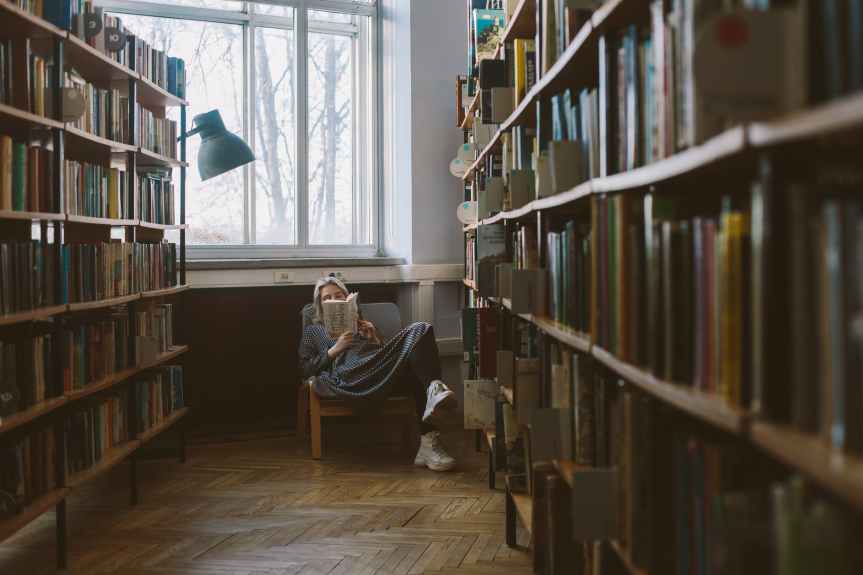
Our best companies are books because they provide us with knowledge and comfort of mind.

Despite the fact that we have family and friends with whom we may discuss our opinions, we believe that books are the finest way to live a life full of wisdom and without explanation.

A book may be the one thing that one may read all day and leave all of their difficulties behind.

Photo by Mau00ebl BALLAND on Pexels.com

Although a book might provide us with knowledge, we should never expect us to remain obedient to the information provided. Books can also teach you about other facets of life.

Books are regarded for providing unbiased and reliable information. Books provide us with reliable research and information on a subject.

Like a wonderful buddy, good books approach our minds with knowledge and nice thoughts.

It is true that books are our best friends. Books will not abandon us in the face of adversity. They will be a terrific company for us at all times.

There are a lot of fantastic books out there that can help us modify our minds. To be motivated and inspired in our daily lives, we need a lot of good thoughts.

Learning new abilities by reading a book is a great approach to do so.

We can gain a comprehensive understanding of a subject. When we are feeling lonely, we can curl up with a nice book. I can assure you that you will begin to feel better. We must constantly avoid reading terrible novels.

A poor book can destroy your head and cause you to think negatively. That is why, before selecting a book, we should seek recommendations from friends or the internet.

Books can be expensive to purchase at times, but investing in a good book is well worth it. Money cannot be used to measure knowledge. That is why you should never stop purchasing books.

The public library has a lot of free books. If you like to read, you can also borrow books from your friends and elders. When you’re having a bad day and are feeling down, books can assist. Books can help you get out of a bind.

Photo by Leah Kelley on Pexels.com

We can learn many good things while reading a good book.

Books written by famous and experienced people helps us to become a better human being and also teach us how to serve the society in the best possible way.

When we are alone, we can always pick up a book and start reading to feel relax.

FAMOUS QUOTES

Good friends, good books, and a sleepy conscience: this is the ideal life.- Mark Twain

A great book should leave you with many experiences, and slightly exhausted at the end. You live several lives while reading.- William Styron

QUALITIES WE CAN LEARN FROM GOOD BOOKS

Being smart entails having a strong learning ability.


Brave: Willing to tackle challenges head on.


Nothing is impossible if you keep trying.

Demonstrate compassion by expressing positive thoughts toward people.

Don’t Insult Anyone: Be humble.

Always be grateful for what others have done for you.

Help others: Be a source of assistance to everyone.

Be Positive: Enjoy yourself in whatever you do.

Respect for people and their property is one of the most important moral values.

REFERENCES

http://www.vowelor.com

http://www.paragraphbuzz.com

Nutritive Tomatoes

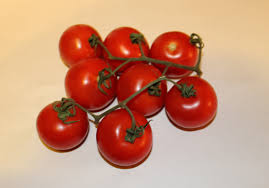
Tomato is one of the common vegetables in our kitchen. Everywhere in the world You will be able to see tomato. Tomato is an edible berry type of vegetable and its binomial name is Solanumly copersicum. Its origin is western South America and Central America. Tomato is originally color in red but some types of tomato are color yellow, purple, green etc. It tastes sour or sweet or both in the sometime.

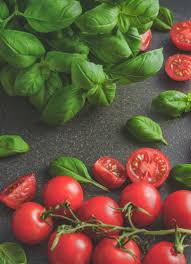
Colorful Tomatoes

Tomatoes Diversity

Various type of tomato:

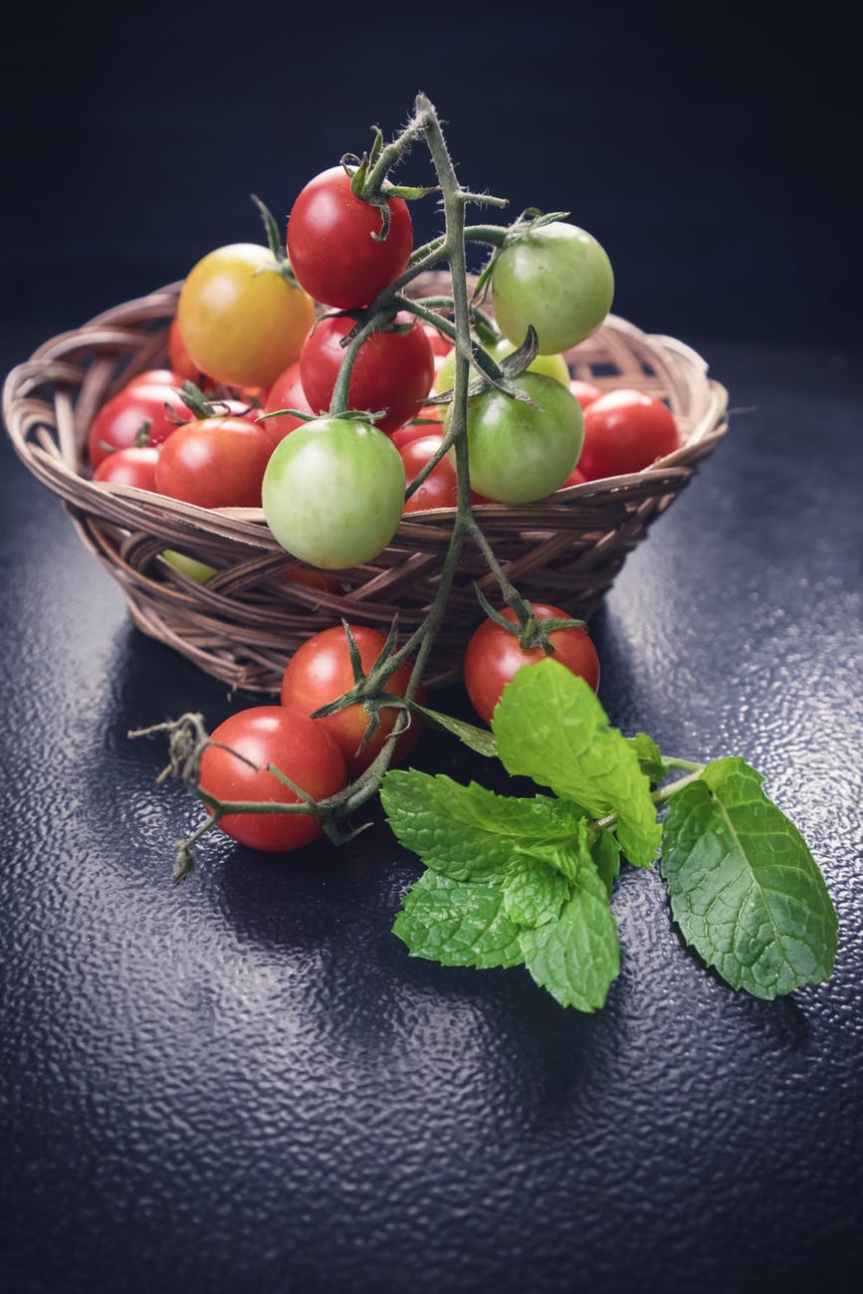
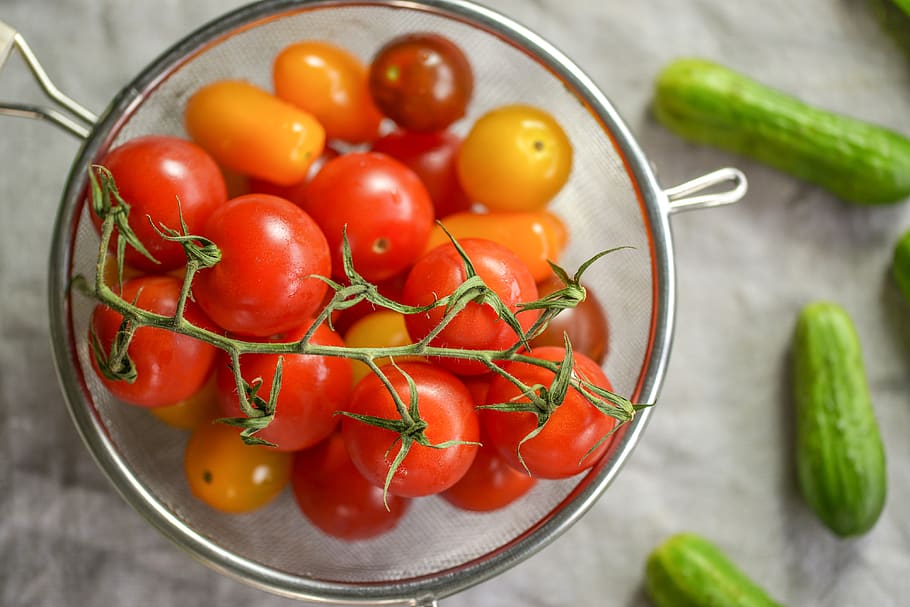
  1. Cherry tomatoes: They are size of a cherry. They are sweet juicy and tender and looks so beautiful. They are mostly used in salad and snacks. They test sour more than sweet. It can be red, yellow, purple and other colors.
  2. Grape tomatoes: They are much smaller than Cherry tomatoes and very tasty. It is also used in salads, grilling, roasting, snacking. They are crispy and juicy.
  3. Red Beefsteak tomatoes: They are mild in taste, juicy and in medium size. They are good to make sauces and salad, grill and Salsa.
  4. Roma tomatoes: They are quite larger than Cherry tomatoes. They are Tangy, have few seeds and meaty. It is good to make sauce and sandwich.
  5. Green beef steak tomato: They are colour in bright light green and in large size and very Meaty. It tastes tangy, tarty. It is eaten as sauce salsa pickling or by juice.
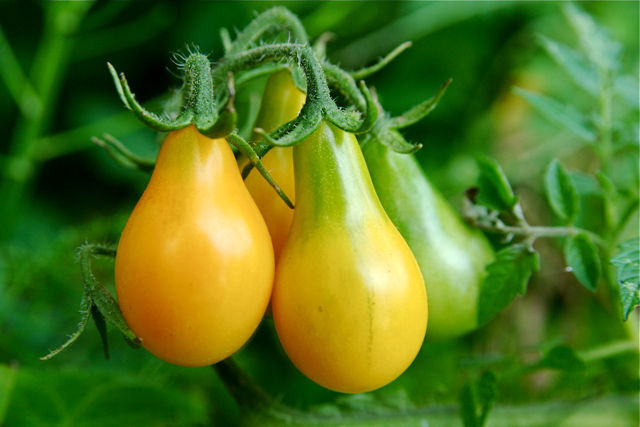
  6. Heirloom tomatoes: They are in various colour like light red dark brown red yellow etc. They are Meaty, firm, tangy or sweets and with good textures. It is used in soup, sandwich and roasting purpose. These are not the only variety of tomatoes. There is also Cocktail tomato, tomatoes on the vine, Green tomato, plum tomato, yellow tomato, pear tomato, Brandywine tomatoes, Cherokee purple tomatoes, black krim tomato, celebrity tomato and many more.

  • Cherry tomatoes
  • Red Grape Tomatoes
  • Red Beefsteak tomatoes
  • Roma tomatoes
  • Green beef steak tomato
  • Heirloom tomatoes
  • Pear tomatoes
    Black Krim Tomato
    Plum Tomato
    Tomato on vines
    Yellow Tomatoes
    Tomato as Snakes

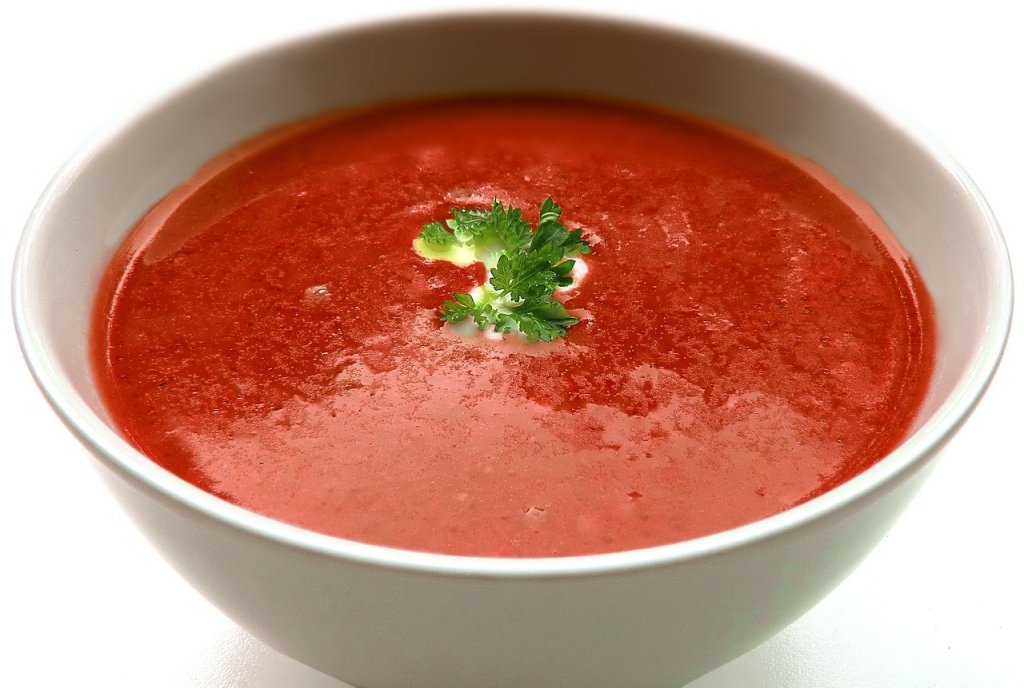
    How to eat: Tomato is a vegetable which can be eaten in both cooked and uncooked way. Tomato is a very important ingredient in salad. Tomato soup are very tasty and healthy. There is also other type of dishes are available and you all know about tomato sauce /ketch up which are very common and popular and it taste sweet and sour.

    Tomato soup
    Tomato Salad

    Nutrition value: According to USDA (United States Department of Agriculture) the nutrients present in 100-gram raw tomato is –

    1. Fat 0.2g with 0% daily value.
    2. No saturated fat is present.
    3. No cholesterol 5 mg sodium with 0% daily value.
    4.  237mg potassium with 6% daily value.
    5. 3.9 g carbohydrates with 1% daily value.
    6. 1.2g dietary fiber with 4% daily value.
    7. 2.6 gm of sugar.
    8.  0.9 gm of protein with 1% Daily value.
    9. 22% daily value of Vitamin C.
    10. 5% daily value of Vitamin B6.
    11. 1% daily value of calcium.
    12.  2% daily value of magnesium.
    13. 1% daily value of iron.
    14. Tomato does not contain any cholesterol, fat, vitamin D.
    15. Tomato contains 95% water.
    16. It gives away almost 18 Cal energy.
    17. Tomato is a very good source of vitamin C, fiber, Vitamin A.
    18. Tomato also contains folate(or vitamin B9),Vitamin K, and some antioxidants (Lycopene, beta carotene, chlorogenic acid, Naringenin) etc.
    Tomato for Health

    Health benefits:

    1. lycopene is an antioxidant which prevents the growth of Cancer cells in our body. Tomato contains good amount of lycopene. So, tomato fight against Cancer. Research says that risk chances of prostate cancer can be reduced by consuming tomato.
    2. Tomato is a very good source of vitamin C wards off the Common health disease like common cold, flu. So, tomato is very good vegetable for preventing these common health problems.
    3. Tomato is a healthy diet vegetable as it has very low amount of fat and cholesterol and helps to lose the body weight.
    4. As I have said before, Tomato has lots of Vitamin A. Vitamin A specially zeaxanthin and lutein (a form of Vitamin A) are important for our retina. So, tomato is very good for our eyesight.

    5. Tomato contains many antioxidants which improves our skin health and make our skin much glowing and protects from Sunburn.
    6. Lycopene, Vitamin A, Vitamin E and Vitamin C are good nutrients for our heart. Lycopene helps to reduce the bad LDL cholesterol in blood and thus it protects our heart from various heart health issue including heart attack.

    ALL ABOUT AUTOBIOGRAPHY

    Write in an autobiography the author writes the story of his own life and achievements. It is the successful presentation of personality. It takes its origin in the common human heart to express once-on achievement in the form of writing. The writer may give a full account of his life in detail or he may give only a few anecdotes or events from his life.

    The great drawback of an autobiography is that it can never be complete because it comes to an end before the author’s death. Doctor Johnson preferred autobiography to biography saying that every man’s life is best written by himself. The writer of his own life has the full knowledge of the truth through sometimes he made disguise or suppress it in his writings. From the psychological viewpoint also an autobiography is preferable because the writer knows what are the motives, hopes, and omissions that prompted him to decisive moments in his life. Thus while biography is the product of second-hand knowledge, autobiography is the product of the first-hand experience. R.L. Stevenson says, “There is no truer sort of writing than what is to be found in autobiographies, and certainly none more entertaining”.

    An autobiography is a candid narration of events in the author’s life. It may take the form of a confession, apology, self-scrutiny, or a mere delightful account. When it is a mere account of facts without reference to the author’s inner conflicts and motives it is an objective autobiography. When an autobiography reveals the character and inner struggle of the writer and the present a searching analysis of his moods, motives, and fancies, it is subjective. St. Augustine’s confession’s, the earliest example of an autobiography, belongs to the subjective kind. So also Rousseau’s ‘Confessions’ written in the 18th century. Three other important autobiographies appeared in the 18th century. Those of David Hume, Edward Gibbon, and Benjamin Franklin.

    Chief characteristic of an autobiography:

    • Truth should be the Hallmark of an autobiography. facts should not be perverted. A true picture of the writer’s personality should emerge from the autobiography. Gandhiji’s autobiography is the best example in this respect.
    • Courage and frankness are the essential virtues of a good writer of an autobiography. The writer should not be secretive and reluctant. Bertrand Russell’s three-volume autobiography is noted for these qualities.
    • The author of an autobiography should be objective in dealing with contemporary events and personalities. Autobiographies of Gibbon and Nehru are good examples of this kind.
    • The author should not be verbose in his description or narration.
    • Self-consciousness is the very essence of an autobiography. An autobiography should not aim at self-effacement as in the autobiography of T.E. Lawrence. Similarly, the author of an autobiography should not indulge in self-clarification.
    • The style should be interesting and even entertaining. A natural felicity of expression and flashes of humor and wit are essential attributes of an autobiography.

    Some difficulties an autobiographer faces:

    • He is likely to forget the impressions and emotions connected with the events that happened in the distant past. Sometimes there may be embarrassing episodes he would like to hide or reveal only partially.
    • It is difficult for anyone to be entirely objective while dealing with contemporary persons and events that have affected his personal life and happiness.
    • An autobiographer is likely to omit the details of daily life that are common. This may lead to some falsification.

    WHAT IS LITERATURE https://eduindex.org/2021/07/22/what-is-literature/

    ADVANTAGES OF EBOOKS https://eduindex.org/2021/07/22/advantages-of-e-books/

    Ethical Theories

    The English word ‘Ethics’ is derived from the great word ethikos which means the “character”. And the word itself comes from the word ethos which means the ” character”, moral nature.

    Theory of ethics:

    • Deontology
    • Utilitarianism
    • Virtues
    • Right
    • Relativism

    (1) Deontology-

    Deontology is practically duty-based, and is not affected by the consequences. It insists that people should stick to their obligations and duties when confronted in decision-making. A deontologist believes that morality is the responsibility of everyone as well as duty. For example, a man steals three loaves and a gallon of milk to feed his family, it would be supported by a deontologist because of the moral responsibilities and obligations of the man to look after his family. Sometimes deontologists are unable to determine the nature of the action.

    (2) Utilitarianism

    Utilitarianism is consequences-based. It is based on one’s ability to predict the consequences of an action. Utilitarianism is a moral theory that implements fair choices to ensure the least amount of harm to be done to all parties involved. The utilitarianism approach requires that you decide what course of action needs to be done and evaluate the outcome of every action. For example, Jack walks into a hostage situation, there are 20 hostages and he is told that if he shoots one hostage he will save the life of the other 19. Utilitarianism will support Jack’s killing of one of the hostages because the life of the other 19 hostages is a greater benefit, even though the cost would be one person’s life.

    There are two types of Utilitarianism and are as follows:

    (a) Act Utilitarianism- A person who performs the acts that benefit the most of the people, regardless of personal feeling or the societal constraints such as law.

    (b) Rule Utilitarianism seeks to benefit most of the people in the fairest way and with the readiest.

    (3) Virtues

    The virtue ethical theory judges the person by his/her character and behavior rather than by the actions which may differ from his/her normal behavior. When observing an unethical person the virtues theory considers the person’s reputation and purpose for committing the act. If a high school student is temperate, modest, intelligent, and plagiarized on a class writing assignment the virtue theory analyzes the student’s past personality traits and interpersonal skills to determine whether the student is truly guilty.

    (4) Rights

    Rights are established by the society or by the government and are protected by them. Rights are considered ethical because a large number of people adhere to them.

    (5) Relativism

    It is a theory that deems your moral obligations and beliefs to be based on the individual environment. For example in America cannibalism is considered taboo while in other cultures the act of consuming another human flesh is accepted as sacrifice and ritual. Relativism determines morals and ethics according to the society that is being observed. Relativism argues that every society and culture believes differently thus each culture must be evaluated according to its particular patterns and influence and traditions.

    Karnam Malleswari – Torch-bearer for women in Olympics

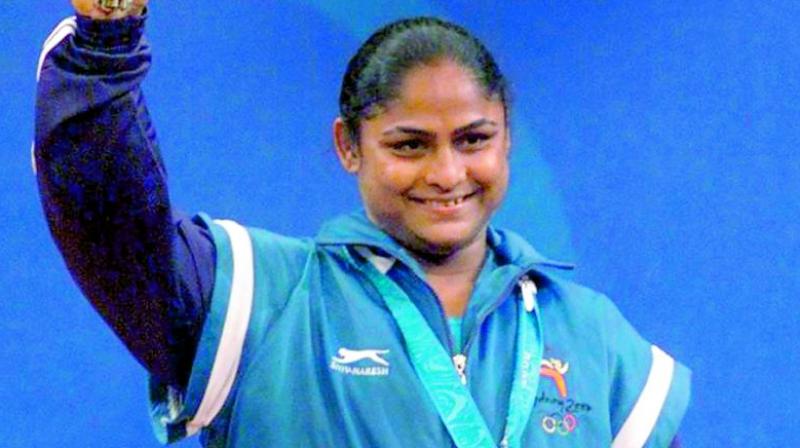
    Karnam Malleswari is the first Indian woman to win a medal at the Olympics and first Indian woman weightlifter to win gold at the World Championships.

    Saikhom Mirabai Chanu made India proud by getting India’s first medal at Tokyo Olympics 2021. She won silver medal in weightlifting am being the first Indian lifter to do so. But, most of us realized now about first Indian woman to win an Olympic medal in 2000 (Sydney). She won Bronze medal in weightlifting in 2000. Let us remember Honorable Karnam Malleswari.

    Karnam Malleswari :-

    She was born on 1 June 1975, Voosavanipeta near Amadalavalasa, a hamlet in Andhra Pradesh. Her father Karnam Manohar was a college-level football player. She has four sisters. They are all well trained in weightlifting. It was her mother Shyamala, who encouraged and became her strength till the end Karnam Malleswari to pursue a dream. Her career started when she was 12. She was trained under coach Neelamshetty Appanna.

    I feel proud to have created this pathway for our girls and to see them winning Olympic medals. Some even tell me today, ‘Ma’am you started it all’, so I feel delighted to have changed the perception, and it still remains my endeavor.

    But Neelamshetty Appanna turned her away for being too weak and thin. Her mom encouraged her to keep going by training hard and proving herself that she can be whoever she wants to be. She was then noticed by Olympic and world champion Leonid Taranenko at a national camp ahead of 1990 Asian camp as a visitor since her sister Krishna Kumari, was selected for the camp. After testing her, he recommend her to the Bangalore Sports Institute.

    It was her time to start shining, she broke 9 records in junior national weightlifting championships in 1990; which was her first championship.

    Achievements:

    • Silver in her maiden senior national championship in 1990.
    • Bronze in her first weightlifting World Championships in 1993.
    • Gold in her next weightlifting World Championships in 1994, making her the first Indian woman weightlifter to win gold at the World Championships.
    • Silver at the 1994 Asian Games.
    • Malleswari won the world title in the 54 kg division in 1994 and 1995. Gold in World Championships in 1995.
    • Bronze in the World Championships in 1996. – Four consecutive medals in World Championships-
    • Silver at the 1998 Asian Games.
    • Bronze in the Olympics Game at Sydney in 2000.

    In 1997, she married a fellow weightlifter Rajesh Tyagi, and in 2001 gave birth to a son. She took a maternity leave in 2001. She went to The Olympics at Athens in 2004 but due to severe back injury, she couldn’t give her best. She had to retire after that.

    What is she doing now?

    She works as the Chief General Manager (General Administration) of Food Corporation of India; Yamunanagar, Haryana.

    Awards:

    1. Honored with Arujna Award in 1994.
    2. Rajiv Gandhi Khel Ratna in 1999.
    3. Padma Shri Award in 1999.

    NEWS:

    On International Olympic Day 2021, the Delhi government appointed India’s first woman Olympic medal winner Karnam Malleshwari as the first vice-chancellor of Delhi Sports University.

    REFERENCES:

    https://en.wikipedia.org/wiki/Karnam_Malleswari

    https://olympics.com/en/featured-news/karnam-malleswari-india-weightlifting

    SHORT STORIES WITHIN NOVELS – PART 2

    As we already read about the secret to living happily from The Alchemist book by Paulo Coelho. Today we will look at two different stories from different books.

    THE KITE RUNNER BY KHALID HOSSEINI

    It was a dark little tale about a man who found a magic cup and learned that if he wept into the cup, his tears turned into pearls. But even though he had always been poor, he was a happy man and rarely shed a tear. So he found ways to make himself sad so that his tears could make him rich. As the pearls piled up, so did his greed grow. The story ended with the man sitting on a mountain of pearls, knife in hand, weeping helplessly into the cup with his beloved wife’s slain body in his arms.

    This story must give you goosebumps but, the real conclusion is when Amir the protagonist and the narrator of the book The Kite Runner wrote this story and shared it with his friend Hassan, who is a servant’s boy of Amir’s family. Hassan was shocked and impressed with Amir’s story but, he asked why he has to kill his own wife, instead of he can shed tears by cutting onions?

    MORAL: When you have to choose something… Choose wisely.

    VERONICA DECIDES TO DIE BY PAULO COELHO:

    Zedka started to narrate a story to Veronica.

    A powerful wizard, who wanted to destroy an entire kingdom, placed a magic potion in the well from which all the inhabitants drank. Whoever drank that water would go mad.

    The following morning, the whole population drank from the well and they all went mad, apart from the king and his family, who had a well set aside for them alone, which the magician had not managed to poison.
    The king was worried and tried to control the population by issuing a series of edicts governing security and public health.
    The policemen and inspectors, however, had also drunk the poisoned water, and they thought the king’s decisions were absurd and resolved to take no notice of them.

    When the inhabitants of the kingdom heard these decrees, they became convinced that the king had gone mad and was now giving nonsensical orders. They marched on the castle and called for his abdication.

    In despair the king prepared to step down from the throne, but the queen stopped him, saying:
    ‘Let us go and drink from the communal well. Then we will be the same as them.’

    The king and the queen drank the water of madness and immediately began talking nonsense.
    Their subjects repented at once; now that the king was displaying such wisdom, why not allow him to continue ruling the country?

    After drinking water from the poisonous well all became mad and equal. The country continued to live in peace although its inhabitants behaved very differently from those of its neighbors. And the king was able to govern until the end of his days.

    Zedka asked veronica: Do you know what exists outside beyond the walls of this asylum?

    Veronica said People who have all drunk from the same well.

    MORAL: Zedka and Veronica both are patients in the asylum. Through this story, Zedka symbolically tells that people think they are civilized and normal. But, when they encounter some strange people they started to divide the borders and make them as a patient.

    SHORT STORIES WITHIN NOVELS https://eduindex.org/2021/07/24/short-stories-within-novels/

    THE GOTHIC NOVEL https://eduindex.org/2021/07/21/the-gothic-novel/

    Report writing

    B. S. Yediyurappa's visit to college

    Introduction:

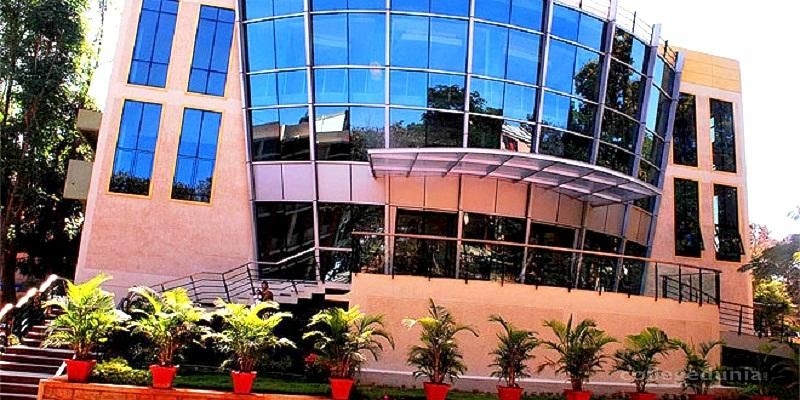
    A memorable event organised by the management committee of Jyoti nivas college was the visit of the chief minister of Karnataka, B. S. Yediyurappa on 1st November 2019. The seminar was held in the jam-packed auditorium where the air was filled with ambition, enthusiasm and curiosity. Even though the audience was intrigued and was greatly looking forward to this event, they managed to maintain decorum and made sure that nobody was hurt in the process of entering the venue. This showed the positive spirit of the college and the students.

    A memorable event organised by the management committee of Jyoti nivas college was the visit of the chief minister of Karnataka, B. S. Yediyurappa on 1st November 2019. The seminar was held in the jam-packed auditorium where the air was filled with ambition, enthusiasm and curiosity. Even though the audience was intrigued and was greatly looking forward to this event, they managed to maintain decorum and made sure that nobody was hurt in the process of entering the venue. This showed the positive spirit of the college and the students.


    When the event began, there was a lamp lighting ceremony and was followed by a mesmerising performance by the classical dance team of the college. The principal Sister Dr. Elizabeth gave a very welcoming speech and the audience were looking forward to learn something meaningful from our beloved chief minister. The MC introduced the chief minister and requested him to share his knowledge with the audience. The entire audience was looking forward to those words of wisdom and gaining knowledge which might not be able to gain through textbooks.


    As the event progressed, Mr.B.S. Yediyurappa gave a heartwarming speech about his attachment towards the language and the state Karnataka. It made the audience aware of how Karnataka has been neglected by its own people and how we need to respect and cherish more of it. He described how much the land meant to him, it’s special features and the beauty of the state.


    The event was to help the students understand the importance of the language Kannada on the auspicious day of Kannada Rajyotsava(November 1). On that occasion we could see the joy and respect for our respected chief minister as there was pin drop silence as he kept us entertained with his experienced words and also at the same time educated us in a friendly manner. The great chief minister spoke true words which were from his heart and that was very visible as he spoke so fondly and proudly of his language and culture. The audience learnt so much that they were left speechless. He made sure we understand how important it is to be in touch with our culture and tradition and have deep respect for our language.


    As the event came to an end, few teachers and volunteers distributed refreshments and beverages to the students who were part of the occasion. This acted as a morale booster as the students were excited to look forward to how to make use of the wise words from the principal and the esteemed guest.

    Conclusion:
    At the end of the event, the entire audience was In awe and had even more respect for the language and the state. The event was very helpful and meaningful. It spread positivity among its audience and helped us gain perspective. It made us realize that it’s important to love yourself and your roots and not be ashamed of it. Being able to accept who you are is the truest way you can pay back for everything you have received from the nature and it’s resources.

    The need to save the ocean

    To paraphrase a line from Ron Burgundy, the ocean is a big thing. Big enough for scientists to point out that the term “Earth” is a misnomer. Water may be a more accurate name for a world that is nearly 3/4 covered in water, with marine plants contributing a whopping 50 percent or more of the oxygen we breathe. With all of that stated, it’s past time (high tide?) for us to band together to save the resource that has been depleted.

    Photo by Kellie Churchman on Pexels.com

    The state of the ocean is not good

    The bad news is that human activity is wreaking havoc on the environment. The good news is that there are several things we can do to help stop (and even reverse!) those detrimental behaviors, which is why this is a message about hope and empowerment rather than doom and gloom.

    Plastic pollution is destroying the ocean

    A non-profit that works to protect the ocean Every year, 17.6 billion pounds of plastic is estimated to escape into the ocean from land-based sources, according to Oceana. Every 60 seconds, a garbage truck full of plastic is dumped into our waterways. The world’s most renowned (and largest) rubbish dump is located in the ocean.

    The Great Pacific Garbage Patch covers 1.6 million square kilometres and contains 1.8 trillion bits of plastic in an estimated 80,000 metric tonne landfill. Plastic garbage in the ocean is believed to kill over one million sea animals each year, including sea turtles, sharks, and coral reef (yes, coral reef is an animal!).

    Plastics in the ocean will surpass fish in the ocean (!?) by 2050, according to research, and 99 percent of seabirds will have plastics in their GI tract. Plastic pollution is not only destructive to the ocean; there is also evidence that it is harmful to humans.

    Acidification in the ocean

    Carbon dioxide emissions absorbed by the oceans over decades have changed the underlying chemistry of our ocean, resulting in an increase in acidity. Acidification causes small decreases in shell density in small creatures, which support entire ecosystems despite their small size.

    As the world’s seas warm, species are moving in large numbers to new locations, posing new challenges or simply failing to develop as they should, while millions of people rely on fish as their primary source of nutrition. It’s also causing the Great Barrier Reef to perish. Coral reefs require all of the protection we can provide, given the disastrous effects of climate change.

    Because it has the potential to cause the most apparent and immediate human misery, sea-level rise may be the most well-known of these concerns. Low-lying areas such as Miami and the South Pacific islands are growing increasingly vulnerable; 10% of the world’s population lives on the low-lying coast.

    Meanwhile, deoxygenation, which is most typically caused by algal blooms fed by nutrient-rich fertilizer run-off, is causing enormous dead zones and suffocating marine life.

    Overfishing

    Fishing techniques that are illegal, uncontrolled, and unreported are common. Humans have already brought the giant grouper, several skates and rays, and a dozen or more other sturgeon species to the brink of extinction through fishing.

    Bluefin tuna is one of the fish species whose populations may never recover as a result of unsustainable fishing techniques. Other apex predators, such as sharks, are among the most endangered.

    Places like Monterey Bay National Marine Sanctuary have shown how impactful policy changes can be in helping species rebound.

    Ocean conservation isn’t just a hobby for those who enjoy the water. You might not be a scuba diver, a fisherman, or a seaside dweller. Perhaps you have a seafood allergy and despise surfers! Even so, chances are you still breathe air and enjoy life when there is less human suffering.

    Plants and trees are oxygen-producing powerhouses. But wait till you see what oceanic greens can accomplish! (Hint: it’s not just trees.)  More than half of the oxygen on the earth is produced by marine plants. 

    Thoughts famous people have about ocean

    Jacques Cousteau: “The sea, once it casts its spell, holds one in its net of wonder forever.”

    Beyoncé Knowles: “I’m always happy when I’m surrounded by water, I think I’m a mermaid or I was a mermaid. The ocean makes me feel really small and it makes me put my whole life into perspective… it humbles you and makes you feel almost like you’ve been baptized. I feel born again when I get out of the ocean.”

    William Wordsworth: “The ocean is a mighty harmonist.”

    John F. Kennedy: “We are tied to the ocean. And when we go back to the sea, whether it is to sail or to watch, we are going back from whence we came.”

    Photo by Emiliano Arano on Pexels.com

    Ways in which you can help save the ocean

    1. EDUCATE YOURSELF

    Step 1: Land and sea are far more intertwined than most people think, and activities taken on land have substantial consequences in the ocean. The good news is that there are a plethora of tools available—Pinterest offers a plethora of ocean-saving categorieS.

    2. Opt for Ocean and Earth-Friendly Products

    Oceana’s #1 is to demand plastic-free alternatives to items such as plastic water bottles, straws, plastic cutlery, coffee cups, bags, balloons, plastic-wrapped produce, and take-out food containers.

    References

    http://www.growensemble.com

    http://www.wikipedia.com

    How to choose a book to read for growth

    In today’s time, everyone has free and easy access to social media. On some days we keep scrolling all through the day without even realising what are we doing. We say, “I’m bored”. So, what are we doing to get rid of the boredom?

    Those in their teens, especially late teens and early 20s are about to go to college. Some are serious about their future. Some are still thinking. Some know what to do. Some are worried about what do to. Some know they want to do something, just don’t know what. Some probably, don’t even think much. For everyone, books are the solution. How?

    Well, agreed, there are many courses that one can do. Many podcasts one can listen to. What’s the need for books?! Dead weights! Well, these ‘dead weights’ are what great minds write once they’ve achieved what they wanted to achieve. These weights helped them on their path. Some write to explain their journey and what they learnt so the younger gen can learn and grow. Some help those who know what they want to do, some help the others, who don’t know what they want to do. Some books help you make a path while some help you find your path. Some even help you during your path. But, we can just listen to podcasts of those books!

    Well, not every book has been made into a podcast. Also, we listen to podcasts on our phones. And, let’s be honest. One ping is all it takes for our entire focus and concentration to go, poof! So, I guess I’ve made my point.

    Moving on, what books should we read to help us grow? And how to develop an interest in boring non-fiction? How do we find out what books to read?

    For starters, some people enjoy reading non-fiction. So, let’s rule out the thought that they are all boring and try to keep an open mind.

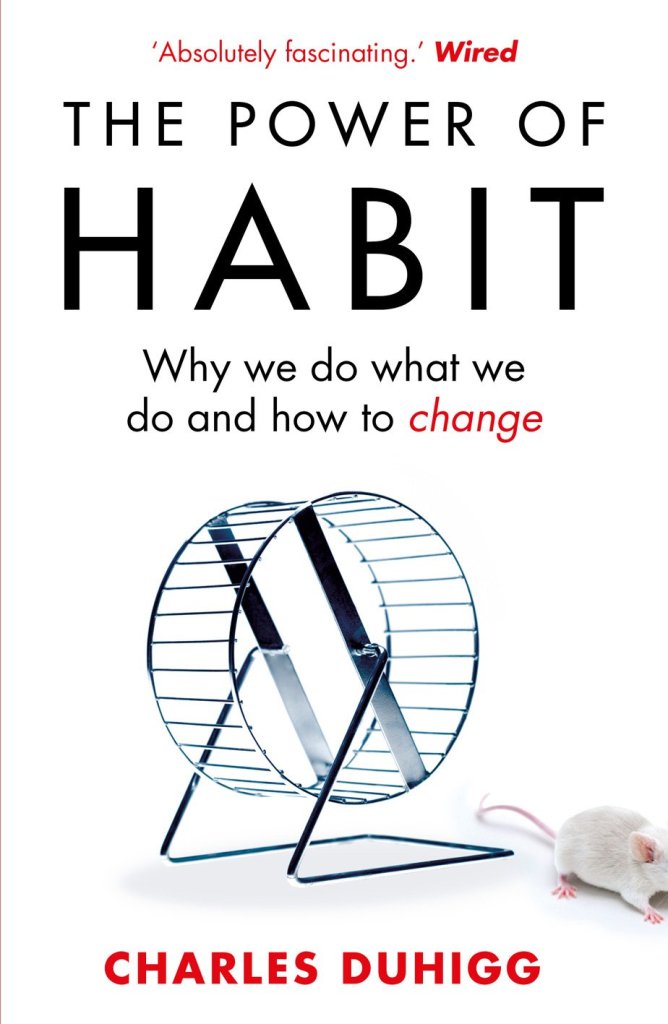
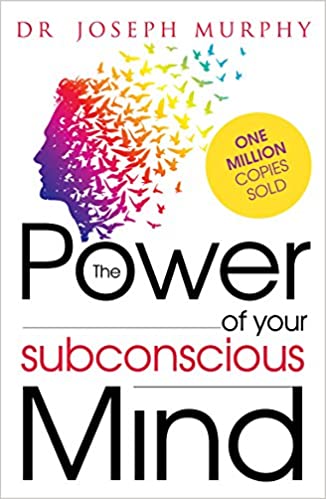
    To know what book to read, try finding out what your goal is. If, for example, you wish to know your superpowers, read books on the subconscious mind, like The Power of your Subconscious Mind by Dr Joseph Murphy. Our subconscious mind is supreme, once you know how to utilise its strengths. If you are lazy and wish to break it and make a healthy habit, you can read The Power of Habit by Charles Duhigg.

    Similarly, if you know what you want to do, look up books on Google, find out what you like best, which book suits your needs the best and read it. 

    Every book is a gem and there are many gems for each person out there. All one has to do is know what do they wish to learn/know and look for a book which suits their needs. 

    Here’s a list of books that I would recommend.

    1. The Power of Habit
    2. The Power of your Subconscious Mind
    3. How to Talk to Anyone
    4. Think and Grow Rich
    5. The 80/20 principle
    6. The Power of Now
    7. Don’t Overthink it
    8. The Subtle Art of Not Giving a F*ck
    9. Everything is F*cked
    10. The Rudest Book Ever

    MOSQUITO BAT OR LIQUID VAPOURIZER???

    Rainy season is on. Many mosquitos gonna form and attack so, it’s better for us to get prepared to fight against mosquitos. Here, I’m going to explain the benefits and drawbacks of each. It will be useful for us to the make right decision in purchasing products.

    electric MOSQUITO BAT:

    ADVANTAGES:

    1. It does not give off vapors of toxic chemicals like other repellents.
    2. It is cheap, highly effective, handy and reusable.
    3. Some of them have a torch light also. It is not only used for mosquitoes, but also for small insects like bees, house flies, etc. 
    4. It is convenient to use.
    5. The mosquito dies instantly before our eyes.
    6. Not much weight to hold on . It usually feels like you are playing tennis .
    7. No pollution to the environment .
    8. Humans will not get affected by harsh chemicals.

    DISADVANTAGES:

    1. All mosquitoes can’t die at a time . Some Mosquitoes can escape from our sight.
    2. Takes time to search and kill.
    3. When a mosquito contacted in the bat. The mosquito bat sounds like a diwali cracker.
    4. Should not be used when gas is leaked in your house. It may explode.
    5. It should also be kept away from the children as it is not a toy.

    MOSQUITO LIQUID VAPOURIZER:

    ADVANTAGES:

    1. Time consumption less.
    2. All mosquitoes dies at a time.

    DISADVANTAGES:

    1. Mosquito sprays and liquid vaporizers contain chemicals like pyrethin and diethyl toluimide (DEET) which cause breathing difficulty, respiratory problems, dizziness, stomach irritation, nausea, vomiting, skin infections and so on.

    2. An one time usage of mosquito-repellent vaporizer and the amount of 100 cigarettes smoked is roughly same. The release of ultrafine grain by the Vaporizer can be retained in the lungs and triggers asthma in the short term and in long term it could cause cancer.

    3. It pollutes the environment on a high level.

    4. It is costly hence, it has to buy once the liquid gets over.

    5. Causes health issues on children , adults and aged people.

    6. In rare cases , Prolonged usage and intake can cause even death .

    7. Can be used only for mosquitoes .multi usage of it is not possible.

    All about Intermittent Fasting

    Intermittent fasting is a type of eating regimen in which you alternate between fasting and eating on a regular basis. Intermittent fasting has been shown in studies to help people lose weight and prevent — or even reverse — disease.

    Photo by Trang Doan on Pexels.com

    What is Intermittent Fasting?

    Many diets emphasise what to eat, but intermittent fasting emphasises when to eat.

    Intermittent fasting is when you only eat at certain times of the day. Fasting for a set number of hours each day or eating only one meal a couple of times a week can aid fat loss. Scientific data also suggests that there are certain health benefits.

    Mark Mattson, Ph.D., a neuroscientist at Johns Hopkins University, has studied intermittent fasting for 25 years. He claims that our bodies have evolved to be able to survive without food for several hours, days, or even weeks.

    Before humans learned to farm, they were hunters and gatherers who evolved to survive — and thrive — without eating for lengthy periods of time. They needed to: It required a lot of time and effort.

    It was easy to maintain a healthy weight even 50 years ago. “There were no computers, and TV shows switched off at 11 p.m.; people stopped eating because they went to bed,” says Christie Williams, M.S., R.D.N., a nutritionist at Johns Hopkins. The portions were significantly smaller. More people worked and played outside, getting more exercise in general.”

    Television, the internet, and other forms of entertainment are now available 24 hours a day, seven days a week. We stay up later to watch our favourite shows, play games, and communicate on the internet. We spend the entire day — and most of the night — sitting and snacking.”
    Obesity, type 2 diabetes, heart disease, and other ailments can all be exacerbated by eating too many calories and exercising too little. Intermittent fasting has been shown in scientific studies to have health benefits.

    How does this work?

    Intermittent fasting can be done in a variety of methods, but they all revolve around choosing regular eating and fasting times. For example, you could try eating only for eight hours a day and fasting for the rest of the day. Alternatively, you could choose to eat only one meal each day two days per week. There are a variety of intermittent fasting schedules to choose from.

    According to Mattson, after a period of time without meals, the body’s sugar stores are depleted and it begins to burn fat. This is referred to as metabolic switching by him.
    “Most Americans eat throughout their waking hours, so intermittent fasting is in contrast to their regular eating pattern,” Mattson explains. “If someone eats three meals a day plus snacks and doesn’t exercise, they’re rumination every time they eat.”

    Intermittent fasting works by extending the time between when your body burns off the calories from your last meal and starts burning fat.

    Approaches of Intermittent fasting

    Before beginning intermittent fasting, make sure to see your doctor. The actual technique is straightforward once you have his or her permission. You can choose a daily strategy, which limits daily meals to one six- to eight-hour period. For example, you could try 16/8 fasting, which involves eating for eight hours and fasting for sixteen. Williams is a proponent of the daily routine, claiming that “the majority of people” follow it.

    Another method, known as the 5:2 technique, is eating five times a week. You only eat one 500–600 calorie meal on the remaining two days. For instance, suppose you decided to eat normally every day of the week except Mondays and Thursdays, which are your one-meal days.

    Fasting for longer lengths of time, such as 24, 36, 48, and 72 hours, is not always beneficial and can be dangerous. Going too long without eating may cause your body to begin storing fat as a response to the lack of food.

    According to Mattson’s studies, it takes two to four weeks for the body to adjust to intermittent fasting. While you’re getting adjusted to the new pattern, you can feel hungry or irritable. However, he notes that research subjects who make it through the adjustment stage are more likely to continue to the diet because they feel better.

    Photo by Nathan Cowley on Pexels.com

    What to eat when one is Intermittent Fasting?

    Water and zero-calorie liquids like black coffee and tea are allowed at periods when you aren’t eating.

    And “eating normally” during your periods does not imply “going insane.” If you fill your meals with high-calorie junk food, super-sized fried foods, and desserts, you’re not going to lose weight or get healthier.

    But what Williams enjoys about intermittent fasting is that it allows him to eat — and enjoy — a wide variety of things. She explains, “We want people to be conscious and enjoy eating delicious, nutritious food.” Eating with others and sharing the mealtime experience, she continues, enhances satisfaction and promotes excellent health.

    Whether you’re trying intermittent fasting or not, Williams, like other nutrition experts, considers the Mediterranean diet to be a solid pattern for what to consume. When you choose complex, unprocessed carbohydrates like whole grains, leafy greens, healthy fats, and lean protein, you can’t go wrong.

    Benefits of Intermittent Fasting

    Intermittent fasting does more than burn fat, according to research. “Changes in this metabolic switch affect the body and the brain,” Mattson explains. Mattson’s research was published in the New England Journal of Medicine, and it offered information on a variety of health benefits linked to the practice. Longer life, a slimmer body, and a sharper mind are among them.

    “During intermittent fasting, numerous things happen that protect organs from chronic diseases including type 2 diabetes, heart disease, age-related neurological disorders, even inflammatory bowel disease and many cancers,” he explains.

    Thinking and memory : Intermittent fasting improves working memory in animals and verbal memory in adults, according to research.

    Heart health : Fasting for a short period of time improved blood pressure, resting heart rates, and other heart-related parameters.

    Physical performance : Fasting for 16 hours resulted in fat loss while retaining muscular mass in young males. Mice that were fed on different days had superior running endurance.

    Diabetes and obesity : Intermittent fasting has been shown to prevent obesity in animals. In six small studies, obese adult individuals lost weight by fasting intermittently.

    Tissue health : Intermittent fasting in mice minimized tissue damage during surgery and improved outcomes.

    Is Intermittent Fasting safe for everyone?

    Some people use intermittent fasting to lose weight, while others use it to treat chronic illnesses including irritable bowel syndrome, high cholesterol, or arthritis. Intermittent fasting, on the other hand, isn’t for everyone.

    Before attempting intermittent fasting (or any diet), Williams recommends consulting with your primary care physician. Some persons should avoid experimenting with intermittent fasting:

    Children and teenagers under the age of 18 are considered minors.

    Women who are expecting a child or who are breastfeeding.

    People who have diabetes or other blood sugar issues.

    Those who have had an eating disorder in the past.

    People who aren’t in these groups, but who can safely undertake intermittent fasting, can continue the routine indefinitely, according to Williams. “It can be a lifestyle shift with advantages,” she explains.

    Keep in mind that intermittent fasting can have a variety of impacts depending on the individual. If you start to experience unusual anxiety, headaches, nausea, or other symptoms after starting it, talk to your doctor.