Green Sahara

In an effort to fight climatic changes, we are taking many steps. The people also the governments all over the world are keen on reducing the risks. People are growing trees in their lawns to keep their environment cool. Trees are a great solution to cool down the earth and reduce the amount of Carbon dioxide in the environment. What if I say the Sahara could be made into a forest with green trees everywhere. Plans are being made to terraform the entire Sahara desert, changing it from a dry, barren land to a lush green space. If successful, the transformation could remove 7.6 billion tons of atmospheric carbon yearly. How could we change the nature of such a vast, isolated land?  Could we afford it’s giant price tag? Have we ever done anything like this before? In this blog, we’ll see what would happen if we terraformed the Sahara Desert.

The Sahara desert is 8.6 million km² (3.32 million mi²) in size. It is roughly the size of America. Terraforming an area this massive wouldn’t be easy, in fact, it would cost about $2 trillion a year. Not only this, there are many obstacles in our way. This price tag would be just the beginning of our obstacles. What kind of environmental domino effect would it create? Plants and trees are the lungs of the Earth, and now we could use a lot more of them. A single hectare of trees can absorb the same amount of carbon dioxide that a man would produce by driving a car for 100,000 kilometres. If we could successfully terraform the Sahara, it would result in millions of hectares of treesbeing added to the battle against climatic changes. All that sounds great, but what are the odds we could pull this kind of transformation off? We already have, just on a smaller scale. China’s Kubuqi Ecological Restoration Project saw the successful greening of one- third of the Kubuqi Desert with 70 different plant species over a 30-year timespan.

How to scale that up for the largest desert on earth? We can plant crops and trees and then pump desalinated water from the coast of the Sahara to irrigate them. To prevent evaporation, the water should be carried by underground pipes directly to the roots. The idea would be to plant Eucalyptus trees because they are hardy, and grow well in hotter climates. Also they grow quickly and could be economically beneficial for the region. As the trees began to root and stabilise, the soil would be replenished with needed nutrients, rainfall amount would increase and the overall temperature of the Sahara would cool by 8°C. Why aren’t we going fast to do that. Not only the funding but also terraforming the desert would come with a fair share of issues.

As the region becomes wet due to the plantation of millions of trees, it may lead to the increase of locust attack. A small swarm eats more than what 2500 people can eat in a day. But the biggest problem apart from this is the environmental domino effect it would create. The Sahara sand gets carried away by the wind and crosses the Atlantic Ocean to deposit in the Amazon forest. The dust picks up moisture and when it falls from the sky rain comes along with it. This dust and rain combination provides the Amazon ecosystem the water that it needs and also fertilizes it. If the Sahara is covered by trees, there would be no Amazon rainforest. So even though the green Sahara reduces the carbon, it would indirectly affect another part of the planet and may lead to its destruction.
CBSE vs ICSE

When it comes to education there many boards such CBSE, ICSE, CISCE, NIOS, and etc. But the best two boards are CBSE and ICSE, these are widely accepted in all over the country. In this blog we are going to compare the two boards with their difficultly level, syllabus, preferred language, acceptance, competitive edge, grading system and at last the conclusion.

Introduction

CBSE stands for Central Board of Secondary education, CBSE is a national level board of education controlled by union government of India. It was founded on 3rd November, 1962. There are 21,271 CBSE affiliated schools in India and 220 schools in foreign countries. ICSE stands for Indian Certificate of Secondary Education, It was founded on 3rd November, 1958. ICSE is a exam conducted by Council for the Indian School Certificate Examination(CISCE), a private board of secondary education. There are 2,341 ICSE affiliated schools in India.

Syllabus

CBSE syllabus focuses on more theoretical knowledge, whereas ICSE focuses more on practical knowledge. CBSE majorly focuses on Mathematics and Science. ICSE gives equal importance to all subjects including Arts, Humanities, mathematics, science, languages, and etc. CBSE offers only fewer subjects to study, whereas ICSE offers a wide range of subjects like Hindi, Telugu, Tamil, Malayalam, etc. ICSE syllabus is comparatively more than CBSE syllabus.

Difficulty level

ICSE syllabus is more difficult than CBSE, this is because the length of ICSE syllabus is more than CBSE, they have more concepts, more internal assignments, and more practicals.

Mode of language

ICSE gives more important to English, and the mode of language in ICSE is English, it gives there students the leverage to appear standard exams like TOEFL(Test of English as a Foreign Language) and IELTS(International English Language Testing System). Whereas CBSE does not prefer any particular language.

Acceptance

CBSE board is widely accepted than ICSE in India. Whereas in Foreign countries ICSE is more accepted. Students with ICSE board get advantage in Foreign countries.

Grading system

CBSE uses alphabetical grading system like A1, A2, B1, etc. ICSE uses scores for grading system like 8.5, 9.2 etc.

Competitive Edge

CBSE syllabus is helpful for students who are aspiring to crack national examinations like JEE Main, JEE Advanced, Neet etc. Whereas ICSE syllabus help to crack standard examinations like GRE, SAT, TOEFL and IELTS.

Conclusion

Both boards are comparatively good. Both have its own advantages and disadvantages. If you want your child to study in Foreign in future than ICSE might be the best option for you. ICSE help the student in the development of personality traits, communication skills, hone there skills etc. Where as CBSE, help students achieve there dreams like cracking UPSC, NEET, JEE. Also CBSE is widely recognized in all over India. Parents who work in a profession in which there lot of traveling, then CBSE is the best option for them because CBSE schools are widely available as compared to ICSE schools. You can get admission of your child in any CBSE school without any hesitation.

That’s all from my side. I hope you like. I am not discrimination any board, all these are my opinions. Thank you.

Gig Economy

What Is the Gig Economy?

In a gig economy, temporary, flexible jobs are commonplace and companies tend to hire independent contractors and freelancers  instead of full-time employees. A gig economy undermines the traditional economy of full-time workers who often focus on their career development.

Understanding the Gig Economy

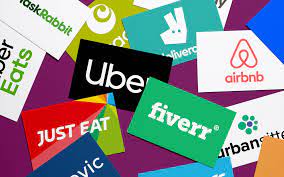
In a gig economy, large numbers of people work in part-time or temporary positions or as independent contractors. The result of a gig economy is cheaper, more efficient services, such as Uber or Airbnb, for those willing to use them. People who don’t use technological services such as the Internet may be left behind by the benefits of the gig economy. Cities tend to have the most highly developed services and are the most entrenched in the gig economy. A wide variety of positions fall into the category of a gig. The work can range from driving for Lyft or delivering food to writing code or freelance articles. Adjunct and part-time professors, for example, are contracted employees as opposed to tenure-track or tenured professors. Colleges and universities can cut costs and match professors to their academic needs by hiring more adjunct and part-time professors.

The Factors Behind a Gig Economy

America is well on its way to establishing a gig economy, and estimates show as much as a third of the working population is already in some gig capacity. Experts expect this working number to rise, as these types of positions facilitate independent contracting work, with many of them not requiring a freelancer to come into an office. Gig workers are much more likely to be part-time workers and to work from home. Employers also have a wider range of applicants to choose from because they don’t have to hire someone based on their proximity. Additionally, computers have developed to the point that they can either take the place of the jobs people previously had or allow people to work just as efficiently from home as they could in person.

Economic reasons also factor into the development of a gig economy. Employers who cannot afford to hire full-time employees to do all the work that needs to be done will often hire part-time or temporary employees to take care of busier times or specific projects. On the employee’s side of the equation, people often find they need to move or take multiple positions to afford the lifestyle they want. It’s also common to change careers many times throughout a lifetime, so the gig economy can be viewed as a reflection of this occurring on a large scale.

During the coronavirus pandemic of 2020, the gig economy has experienced significant increases as gig workers have delivered necessities to home-bound consumers, and those whose jobs have been eliminated have turned to part-time and contract work for income. Employers will need to plan for changes to the world of work, including the gig economy, when the pandemic has ended.

Criticisms of the Gig Economy

Despite its benefits, there are some downsides to the gig economy. While not all employers are inclined to hire contracted employees, the gig economy trend can make it harder for full-time employees to develop in their careers since temporary employees are often cheaper to hire and more flexible in their availability. Workers who prefer a traditional career path and the stability and security that come with it are being crowded out in some industries.

For some workers, the flexibility of working gigs can actually disrupt the work-life balance, sleep patterns, and activities of daily life. Flexibility in a gig economy often means that workers have to make themselves available any time gigs come up, regardless of their other needs, and must always be on the hunt for the next gig. Competition for gigs has increased during the pandemic, too. And unemployment insurance usually doesn’t cover gig workers who can’t find employment.

In effect, workers in a gig economy are more like entrepreneurs than traditional workers. While this may mean greater freedom of choice for the individual worker, it also means that the security of a steady job with regular pay, benefits—including a retirement account—and a daily routine that has characterized work for generations are rapidly becoming a thing of the past.

Lastly, because of the fluid nature of gig economy transactions and relationships, long-term relationships between workers, employers, clients, and vendors can erode. This can eliminate the benefits that flow from building long-term trust, customary practice, and familiarity with clients and employers. It could also discourage investment in relationship-specific assets that would otherwise be profitable to pursue since no party has an incentive to invest significantly in a relationship that only lasts until the next gig comes along.

Major World Religions

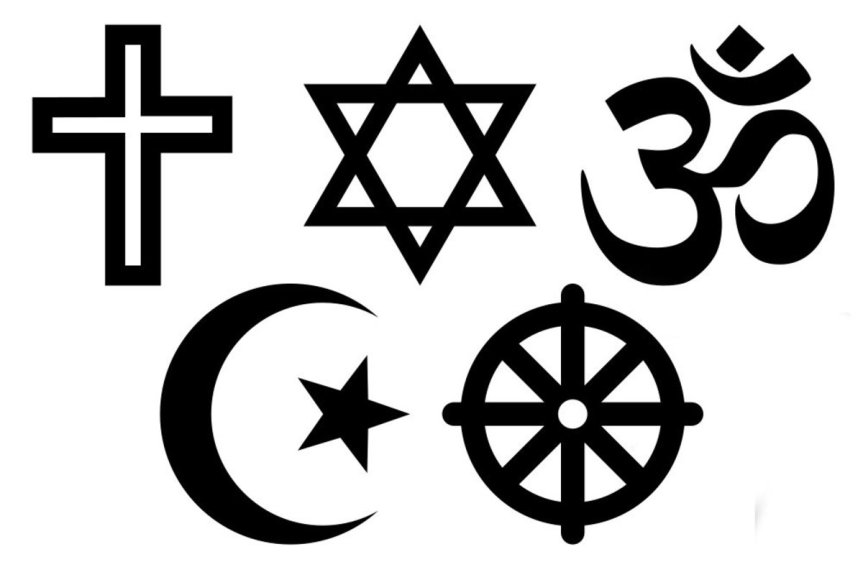
Religions exist in all parts of the world, in different forms. Religion is prominent worldwide because it gives answers to the age-old questions of where humans came from, what is our place in this world, and where do we go after we die. Religions are systems of belief that have developed in response to these and other eternal mysteries. Hence, they were formed as a way to explain humanity’s unanswerable questions and comfort us with the fact that there is some higher power(s) acting as the controlling force in the universe. With time, many new religions have developed in the world, each giving their own explanations and defining their own gods/principles. Obviously, it is impossible to know which religion is accurate, or whether any religion is accurate at all. However, it is important to understand the various religions we have in the world, as they provide meaning and purpose to many individuals. Here is a brief look at some of the major world religions.

Hinduism

It is the major religion of India, but is also present in other parts of the world. There are a variety of beliefs and spiritual practices in Hinduism, which is why it is sometimes referred to as a ‘way of life’ as opposed to a single organized religion. There is a pantheon of gods in Hinduism, and different people may worship different deities. Hindus believe in the doctrines of samsara (the continuous cycle of life, death, and reincarnation) and karma (the universal law of cause and effect). One of the key thoughts of Hinduism is atman, or the belief in a soul. This philosophy holds that living creatures have a soul, and they are all part of the supreme soul (paramatman). The goal is to achieve moksha, or salvation, which ends the cycle of rebirths to become part of the absolute soul. Furthermore, Hindus strive to follow dharma, which is a code of living that emphasizes good conduct and morality.

Judaism

Judaism is the world’s oldest monotheistic religion, dating back nearly 4,000 years. It is most commonly practiced in the USA and Israel. Unlike Hinduism, followers of Judaism believe in only one God who communicates to believers through prophets. The Jewish sacred text is called the Tanakh or the Hebrew Bible, and Talmud is a collection of teachings and commentaries on Jewish law and principles. Jewish people worship in holy places known as synagogues, and their spiritual leaders are called rabbis. The six-pointed Star of David is the symbol of Judaism.

Buddhism

Buddhism is a religion that was founded by Siddhartha Gautama (the Buddha) more than 2,500 years ago in India. Its practice has historically been most prominent in East and Southeast Asia, but its influence is growing in the West. Followers of Buddhism do not acknowledge a supreme god or deity. Instead, they focus on achieving enlightenment, which is a state of inner peace and wisdom. When followers reach this spiritual echelon, they are deemed to have experienced nirvana. The path to enlightenment is attained by following morality, meditation and wisdom. Buddha’s most important teachings, known as The Four Noble Truths, are essential to understanding this religion.

Christianity

Christianity is the most widely practiced religion in the world. The Christian faith centers on beliefs regarding the birth, life, death and resurrection of Jesus Christ. This is also a monotheistic religion. Christians believe there is only one God, and he created the heavens and the earth. This divine Godhead consists of three parts: the father (God himself), the son (Jesus Christ) and the Holy Spirit. The Holy Bible includes Jesus’s and his disciples’ most important teachings, and offer instructions for how Christians should live. The cross is the main symbol of Christianity, representing the crucifixion of Jesus Christ and how he died as a sacrifice for everyone’s sins.

Islam

Islam is the second largest religion in the world after Christianity, with about 1.8 billion Muslims worldwide. Muslims are also monotheistic and worship only one, all-knowing god known as Allah. Islam teaches that Allah’s words first reached the people in Mecca, through the divine messenger known as prophet Muhammad. Muslims live a life of complete submission to Allah, and believe that all that happens in life is god’s will. The Quran is the major holy text of Islam, and Mosques are the places of worship for Muslims. Followers worship Allah by praying and reciting the Quran. They believe there will be a day of judgment, and life after death.

Conclusion

The religions mentioned here are only some of the most popular ones in the world. In fact, there are hundreds of religions with different beliefs and practices. Religion has been an aspect of culture for as long as it has existed, and its main purpose is to provide a person with insight into life and give them some meaning. A person can choose to follow whichever religion fulfils his spiritual needs and gives him something meaningful to believe in.

😲😲😲 WOW FACTSSSSS

Wow facts are the facts that will amaze you and will challenge your General knowledge and today I am here to challenge your quiz capacity…..wowwwww factssssssss …hope you will enjoy today’s blog….. So here are 10 wow facts

WOW FACTS 😊💞

Glaciers and ice sheets hold about 69 percent of the world’s freshwater….. To find the bulk of the world’s freshwater you need to trek to the poles, as 68.7% of it is encased in ice caps, permanent snow, and glaciers.

The best place in the world to see rainbows is in Hawaii. If you’re an avid rainbow gazer and want to get your fill of the beautiful phenomenon, look no further than the state of Hawaii.

New creatures have been found in deep-sea volcanoes. over 90 putative bacterial and archaeal genomic families and nearly 300 previously unknown genera.” Some research has linked hydrothermal vents, like deep-sea volcanoes, to the “origin of life.” So are we looking at the early signs of future land-dwellers?

North Korea and Cuba are the only places you can’t buy Coca-Cola. this fizzy drink is sold practically everywhere, it still hasn’t (officially) made its way to North Korea or Cuba, according to the BBC. That’s because these countries are under long-term U.S. trade embargoes.

There are more twins now than ever before. twins is it lucky to see twins well now it’s becoming common..From about 1915, when the statistical record begins, until 1980, about one in every 50 babies born was a twin, a rate of 2 percent

The world’s most densely populated island is the size of two soccer fields. Santa Cruz del Islote in the Archipelago of San Bernardo off the coast of Colombia may only be about the size of two soccer fields (two acres), but the artificial island has four main streets and 10 neighborhoods. Five hundred people live on the island in around 155 houses. With so many people packed into such a small space, it’s the most densely populated island in the world, according to The Guardian.

Indonesia is home to some of the shortest people in the world.
Aerial view of Indonesia …. Though there are short people and tall people everywhere, Indonesia is home to some of the shortest people in the world, according to data compiled from various global sources

LIBERIA is only one country in the world that doesn’t use the metric system. Liberia is the only country with no metric system. For simplicity’s sake, most of the more than 200 countries in the world use the metric system when describing things like length or mass. However, there were recently three countries that stood out: Liberia, Myanmar, and the United States.

In 2018, Liberia commerce and industry minister Wilson Tarpeh said the government planned to adopt the metric system in order to promote accountability and transparency in trade, according to the Liberian Observer. Myanmar made a similar commitment, which leaves the U.S. as the lone holdout

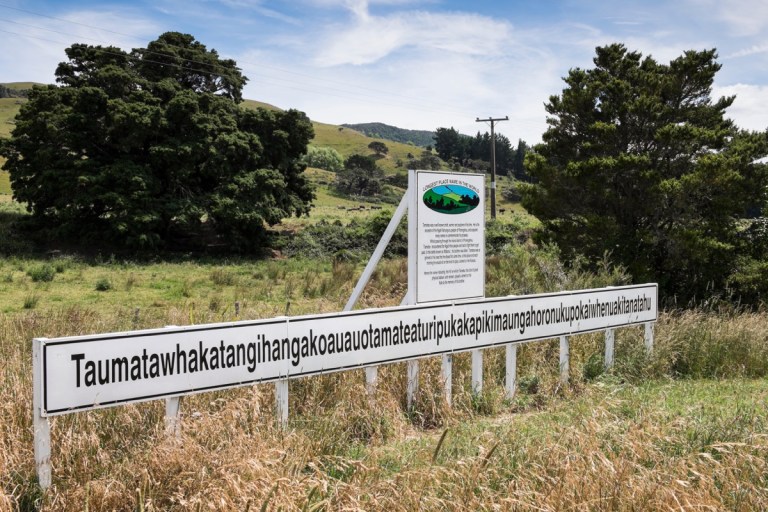
The longest place name on the planet is 85 letters long.

People who live in Mamungkukumpurangkuntjunya Hill, Australia, need a little patience when it comes to learning to spell their hometown’s name. But you know what? So do the folks from Lake Chargoggagoggman-chauggagoggchaubunagungamaugg in Massachusetts and Tweebuffelsmeteen-skootmorsdoodgeskietfontein, South Africa.

I can’t read it

Only two countries use purple in their national flags. The flag of Nicaragua features a rainbow in the center that includes a band of purple, while the flag of Dominica boasts a picture of a sisserou parrot, a bird with purple feathers. These elements make them the only two flags in the world that use the color purple.

Mineral Resources and Associated Problems

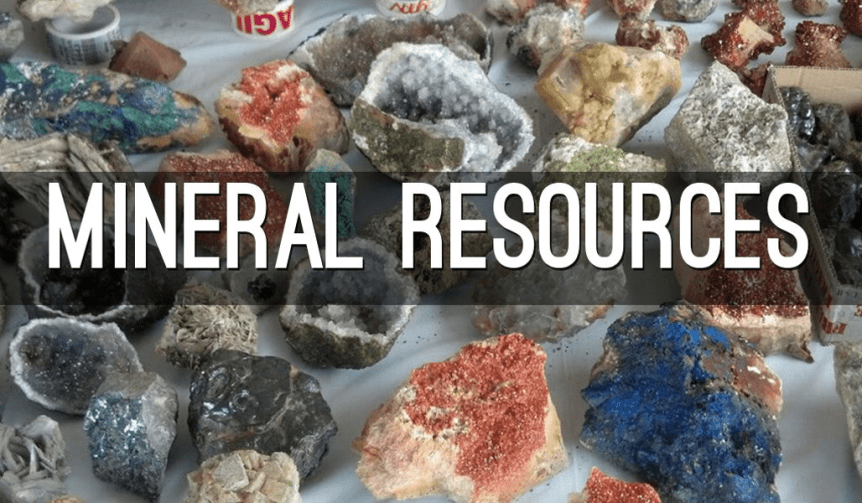
Mineral resources are the one , from which usable material are extracted economically from the concentrated elements, compounds, minerals or rocks from the earth. Minerals are site specific  and finite. Minerals are naturally occurring chemical compounds formed through inorganic processes under the crust of the earth. Their presence in the Earth’s crust is the result of geological processes operating over a long period of time. The distribution of these minerals resources is uneven throughout the Earth. India is rich in 35 minerals such as iron, aluminum, manganese, chromium, limestone, mica, etc. Minerals have important contributions in the economic & industrial development of a country.

Types of Minerals

  • Metallic Minerals – Pure Metals are obtained by chemical process. 11 metallic minerals are available in India. Ex. Iron, copper, gold, bauxite, manganese, etc.
  • Non-Metallic Minerals – Used in their naturally occurring state. 52 non metallic minerals are found in India. Ex. limestone, manganese, mica, gypsum, coal, dolomite, phosphate, salt, granite, etc.
  • Fuel Minerals – Are utilized as fuel. Ex Coal, Petroleum, Natural Gas, etc.

Types of Mining

Surface Mining

  • A mine in which ore lies near the surface & can be extracted by removing the covering layers of the rock & soil.
  • Almost all surface mining operations are exposed to the elements & require no roof support.
  • EX. Coal, Copper, Iron, Crushed Stone, Aluminum etc.

Sub Surface mining

  • Digging tunnels or shafts into the Earth to reach ore deposits.
  • Ore, for processing, & waste rock, for disposal, are brought to the surface through the tunnels & shafts.
  • EX. Natural Gas, Petroleum

USE & OVEREXPLOITATION

  • Mining is hazardous occupation
  • Rapid depletion of high grade minerals
  • Wastage of upper soil layer and vegetation
  • Environmental problems
  • Productive land into mining and industrial areas.
  • Air, water and land pollution.
  • Consumption of energy resources like coal, petroleum, natural gas etc.
  • Directly degrades the fertile soil surface thus effect ecology and climate.

EFFECTS

  • Deforestation and desertification
  • Extinction of species
  • Rapid depletion of high grade minerals
  • Forced migration
  • Wastage of upper soil layer and vegetation
  • Soil erosion and oil depletion
  • Ozone depletion
  • Greenhouse gas increase
  • Environmental pollution
  • Natural hazards

STATUS OF MINES IN INDIA

India produces as many as 86 metals & minerals. u80 % of mining in India is for coal. India has over 3500 legal mines. Illegal mines is the major problem in the country. i.e.180000. Over 1 million people are employed in this industry. Mining has adversely affected biodiversity, ecosystem, local culture, and community.

CASE STUDY : Bauxite deposits of Kolhapur

It was started in 1968 by Kolkata based Indian Aluminum Company, later became HINDALCO. Bauxite and laterite from aquifers in ground water thus change the ground water conditions. It cause loss of vegetation. Rehabilitation and afforestation is essential.

PROTECTION PLAN

  • Afforestation on mining site.
  • Formation of contour trenches in mining site.
  • Formation of green belt along the roads.
  • Parks & gardens in the township area & green belt around it is developed.

PRADHAN MANTRI GARIB KALYAN YOJANA ,” MAGIC WAND IN COVID SITUATION “

The numbers of Unemployment rate of India were not good & this pandemic have done the work of fuel in the fire . In January 2021, India saw an unemployment rate of over six percent. This was a significant improvement from the previous month. A damaging impact on an economy as large as India’s caused due a total lockdown was imminent. Unemployment went up to nearly 24 percent in April 2020. This was possibly a result of a decrease in demand as well as the disruption of workforce faced by companies.

The most drastic impact of pandemic was lockdown , & the most drastic impact of lockdown was on economically backward class ,because these people don’t have good medical system , & people from these sections mostly were of labour class , all factories & construction sites were shut , without employment & with no money left in their hands , these people were left unemployed . In India employment rate in 2019 was 5.36% which increased by over 6 % in 2021. These were not good numbers for India. Before numbers of unemployment one major thing to keep in consideration was these economically backward class . For these people , our honorable prime minister , Shri Narender Modi Ji launched a yojana named as “PRADHAN MANTRI GARIB KALYAN YOJANA” .

Just to give you all a gist of what this yojana is & what are the benefits of this yojana , & how this yojana worked as a magic wand for all the poor people who were left unemployed & lost their loved ones due to COVID19 .

The Pradhan Mantri Garib Kalyan Yojana / Package is a comprehensive relief package of Rs 1.70 Lakh Crore Yojana for the poor to help them fight the battle against Corona Virus. This was announced in March 2020, to reach out to the poorest of the poor, with food and money in hands, so that they do not face difficulties in buying essential supplies and meeting essential needs. The package included the measures listed hereunder from 30th March 2020:

  • Insurance cover of Rs 50 Lakh per health worker fighting COVID-19 to be provided under Insurance Scheme – extended for one year effective April 2021
  • 80 crore poor people will to get 5 kg wheat or rice and 1 kg of preferred pulses for free every month for the next three months – extended to November 2021 (initially, the package was extended to May & June 2021; originally, it was extended to November 2020)
  • 20 crore women Jan Dhan account holders to get Rs 500 per month for next three months
  • Increase in MNREGA wage to Rs 202 a day from Rs 182 to benefit 13.62 crore families
  • An ex-gratia of Rs 1,000 to 3 crore poor senior citizen, poor widows and poor disabled
  • Government to front-load Rs 2,000 paid to farmers in first week of April 2020 under existing PM Kisan Yojana to benefit 8.7 crore farmers
  • Central Government has given orders to State Governments to use Building and Construction Workers Welfare Fund to provide relief to Construction Workers.

Our government is providing food , money & insurance facility to the weaker sections of the society, so that though being unemployed they don’t sleep empty stomach. Under the Pradhan Mantri Garib Kalyan Yojana, 312 billion Indian rupees were accrued and provided to around 331 million beneficiaries that included women, construction workers, farmers, and senior citizens. More aid was announced in mid-May, to mainly support small businesses through the crisis. Coming to the conclusion , though unemployment numbers are rising but government is much concerned about the living of people , & is much concerned about health of people , because govt. knows that is people will live , they can make living too.

Importance of NCERT Books

The National Council of Education Research and Training (NCERT) attribute towards developing the valuable content for the CBSE students.
The NCERT books published on the principle of child-centred system .The books inculcating creativity and treat children as participants in learning ,not as receivers of a fixed body of knowledge.The NCERT books enhance this endeavour by giving higher priority and space oppurtunities for contemplation and wondering.

Why to use NCERT books ??
Syllabus designed of the NCERT books tried to address the problem of curriculum burden by reorientating knowledge at different stages.

Especially designed for CBSE students
The NCERT books are especially designed in curriculum with CBSE students .NCERT books are the best choice for CBSE students .
All the answers to the tricky questions asked in CBSE exams could easily be answered by using these NCERT books. There will not be a single question which would be beyond the scope of NCERT books.

Easy to understand language
The best advantage of using NCERT books is that ,its quite easy to understand .The NCERT books are written in very simple and easy to understand language. The NCERT books are very simple to understand.

NCERT books especially adhere to CBSE syllabus
CBSE students should use NCERT books as they are strictly adhere to CBSE syllabus .Each and every single topic of CBSE syllabus is covered in NCERT books.

Important question
NCERT books contains all the important question at the end of the books.The questions are very helpful in scoring handsome marks in the Exams .Even if you touch them at the last minute of examination ,you can score good marks in exams .

CONCLUSION
The NCERT books are very helpful for CBSE students .The CBSE board itself suggest the students to use it .Its quite logistics to use NCERT books for CBSE exams .

OVER-THINKING (Part-2)

How To Get Your Mind Under Control?

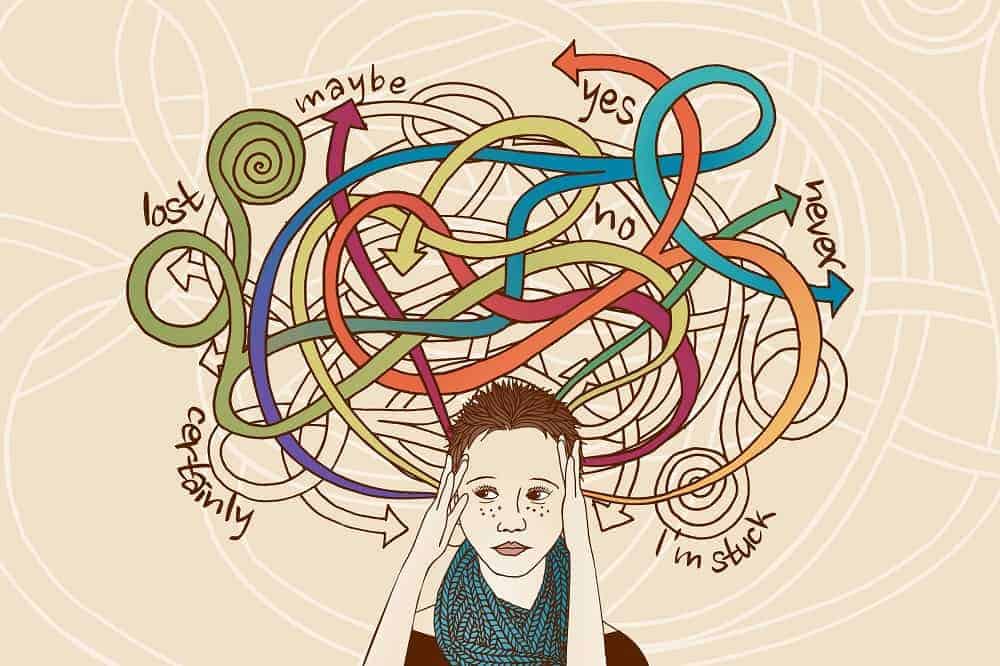
Over-thinking is a state where your mind runs at 100 miles per hour when you have to make a decision. It doesn’t matter how important the decision is, your mind will automatically go into overdrive if you are a textbook over-thinker. This situation can be dangerous for your mental health in the long run. Getting a control over your mind is not an easy task. Over-thinking is exhausting but the mind still does it every time something is to be done, and so letting go of this habit is not something that will happen overnight. It will require a conscious effort on your part.

HOW TO STOP OVERTHINKING?

  1. LET GO OF YOUR PAST: Past memories keep a lot of people up at night thinking about that one embarrassing thing you did years ago that probably no one even remembers. Your mind however forces you to think that everyone does remember that and you go into a spiral at 2 in the morning. You need to get over your past experiences and know that you cannot change them. They re out of your control. You need to let go of all the negative emotions that are holding you back in order to move forward. This will clear up the mental space and help with the over-thinking.
  2. DO NOT OVER-THINK ABOUT YOUR FUTURE: Just like your past, your future events are also out of your control. But this does not stop you from over-analyzing every aspect of it and soon you start to worry about the stuff that hasn’t even happened yet and might not even happen. Live in the present. Stop worrying about the things that have happened and the things that are going to. All of it is out of your control. Every time you start to over-think, just take a deep breath and ask yourself “Can I control it?” and if the answer is ‘no’, just let it go.
  3. DISTRACT YOURSELF: Distraction can prove to be helpful when your mind is running amok. Perform an activity that you can control. For example cook something, go for a walk or do a workout, just keep yourself busy until your mind has made peace with the situation and is in your control.
  4. MEDITATION: Meditation is a proven method to help you calm down. Start with meditating for 10 minutes daily. This might not sound tough but calming your mind for 10 whole minutes is not easy for an over-thinker. All you need to do is find a quiet place, light an incense stick, close your eyes and just take deep breaths. Calm your mind and get a hole of it. As an added advantage, meditating will put you into a good mood too. Keep increasing your time a little bit and you will be very happy with the results.
  5. BE GRATEFUL: Most people over-think about their failures. They constantly emphasize on the fact that if they had done things differently, they would not have failed. What they don’t think about is how far they have come and how most people don’t get to be that lucky. Being grateful not only keeps you grounded but also keeps your mind at ease because you know that things are happening for a reason.
  6. TALK IT OUT: Never underestimate the power of a good talk. Any time your brain plays tricks on you just talk it out with someone who you admire. Talking to someone will take a huge load off your shoulders. The other person might have a different perspective about the dilemma you are facing and they can help you with it.

Somewhere in the subconscious part of our mind there is a voice that warns us when we are about to over-think. But if you have no control over your mind, you will ignore that voice and let the mind run off to drawing its own conclusions. Over-think is a undoubtedly a part of human experience but if that part is not controlled it could adversely affect your mental well being. So, try the above techniques and stop over-analyzing every aspect of everything that happens with you. Don’t let it be the reason for your unhappiness.     

Hormones That Makes Us Happy

Image result for hormones

Our body constitutes innumerous chemicals performing functions that makes us feel happy, sad, nervous. Most of them are released by the Hypothalamus and Pituitary glands. There are 4 major chemicals secreted by our body that makes us feel happy:

Dopamine

Dopamine is a neurotransmitter that helps in the transmission of signals in the brain and other areas. It is released by Hypothalamus and acts on receptors that are specific for it. It acts on sympathetic nervous system leading to increase heart rate and blood pressure. Therefore it is used in medication. It is is associated with pleasurable sensations, along with learning, memory, motor system function, and more.

Endorphin

Endorphins  are endogenous opioid neuropeptides and peptide hormones which are produced and stored in the pituitary gland. It consists of α-endorphin, β-endorphin, and γ-endorphin. Its main function is to compress pain signals. It can act in both the central nervous system  and the peripheral nervous system. It also produces a euphoric state in cases such as sex, listening to music, and eating chocolate. According to a research meditation triggers endorphin secretion.

Serotonin

Serotonin is a complex monoamine neurotransmitter. Approximately 90% of our body’s total serotonin is located in the enterochromaffin cells in the GI tract, where it regulates intestinal movements. About 8% is found in platelets and 1–2% in the CNS. It modulates mood, reward, learning, memory, and various physiological processes such as vomiting and vasoconstriction. Serotonin levels spike when we reflect on past achievements, practice gratitude, and celebrate victories.

Oxytocin

Oxytocin  is a peptide hormone and neuropeptide which is produced in the hypothalamus and released by the posterior pituitary. It functions during social bonding, reproduction, childbirth, and the period after childbirth which includes bonding with the baby and milk production. It can also be considered as an antidiuretic since it lowers the urine secretion. We need oxytocin to form strong bonds in our personal and professional relationships. 

Although these hormones are essential for our body but there are drugs such as heroine, nicotine etc. which alleviates the levels of these chemicals in excess and it may result in harmful repercussions.

Indian vs American Education System

Being literate is not enough today. Being educated is what we require. Standing and living amidst a competent world, the ability to identify, think, and evaluate for oneself is of utmost importance for any human. The foundation for this is built through education. Hence the education system plays a major role in shaping an individual. It’s inevitable to not discuss and compare the different education systems around the world, however, the American and Indian education systems tend to garner huge attention in contrast to others. It’s especially evident from the large number of Indian students’ who flock to America to pursue their further education. In this article, I too am going to elaborate and sketch out the different characteristics of the Indian education and American education system with the help of expenditure, education structure, course structure, teaching focus, and flexibility of subject choices.


The Indian System of education has long been influenced and changed since the British Colonisation. With India’s independence hurling better opportunities, the education system itself has witnessed very few changes in its learning methodology. It is found that an estimated expenditure of around 6.3 lakh crore in the year 2019-20 is spent by the Indian Govt upon the education sector, ranking India at the 35th position on the ‘Worldwide Educating for the Future Index’ in 2019. India’s education system currently follows the 10+2+3 learning system and the grade levels are divided into Pre-Primary, Primary, Secondary, Higher Secondary, and College. The course structure followed by the schools and colleges is highly rigid as it focuses on certain subjects such as Science and Maths more compared to others and provides absolutely no choice to choose subjects until Higher Secondary. The learning methodology used in early education is solely dependent on cramming and memorization techniques with no room for creative aspects to flow. Students are made to focus on academic subjects more than non-academic and extra-curricular activities. Another unique characteristic of Indian Education is that the teachers are often made in charge to handle 40-50 students per class. This ratio may even go up to 100 students per class in rural areas. Furthermore, students are not required to answer any exam to enroll themselves in universities except for a few selected courses like Medical, Engineering, and Architecture (NEET, JEE, NATA). The admission process for universities is usually based on the marks received by the students in their Higher Secondary Board exams.


America on the other hand, also known as the ‘Nation of Dreams’, proves to be very different compared to the Indian education system. The American government spends over $700 billion every year on its education sector making it the topmost nation to invest in education. American Education also varies in its structure as it follows a 10+2+4 system. The level of grades remains the same as Indian Education, however, they possess different terminologies. For instance, Elementary school refers to Pre-Primary and Primary Education, Middle School refers to Secondary Education, High school refers to Higher Secondary Education and Post-secondary refers to College in the Indian Grade Systems respectively. The American Education also offers a highly flexible course structure from the beginning of lower grades where students are free to opt for courses that they like. Math and Science are not the dominant subjects and activities like sports and non-academics are given equal importance as academic courses. The learning methodology focuses on enhancing the child’s creative and critical thinking skills while minimizing the memorization load. For every class the teacher is assigned not more than 30 students, making it easier for the teacher to pay attention to every child in the class. Lastly, for admissions in Universities/Colleges students are required to answer SAT and ACT compulsorily. In addition to all this, both the Public and Private divisions of American schools have better infrastructure and well-equipped technologies compared to the Indian Government schools.

It’s clear that the American Education System is distinctive from the Indian Education System in many ways, yet it’s not the best in the world. Education Systems should not be focused only on flexibility but should also take into account the needs of its citizens and country. The NEP is a step forward in terms of education in India and this is what every country needs to strive towards. As the years go by the education system needn’t stay static but strive to be dynamic to accompany and enhance the educational power in every citizen. In the end, we should never forget that ‘Education’s true purpose is to replace an empty mind with an open one.’

Urban Agriculture

Urban agriculture can be described as the agricultural practices to producing fresh food or other agricultural products in urban areas and their surrounding regions (peri-urban). This can function centrally where plants can be grown and animal husbandry, horticulture, and aquaculture can be practiced. It also involves the processing, packaging, marketing, and delivery of food. In purview urban agriculture extends to establish food production sites within the city’s sphere.

As more land area is getting urbanized and larger number of people are coming to the urban areas to reside. It becomes very critical to properly utilize the space in our cities and suburban areas. Research in the last two decades is has proven that Urban agriculture can be a viable option for food production. It can also help in decreasing the effects of climate change and make the food supply chain more efficient.  Proper land use and spatial planning are crucial to practice this effectively. There are various methods to practice urban agriculture including ground-level farming, hydroponic farming, rooftop farming, vertical farming, greenhouses, and other new technologies.

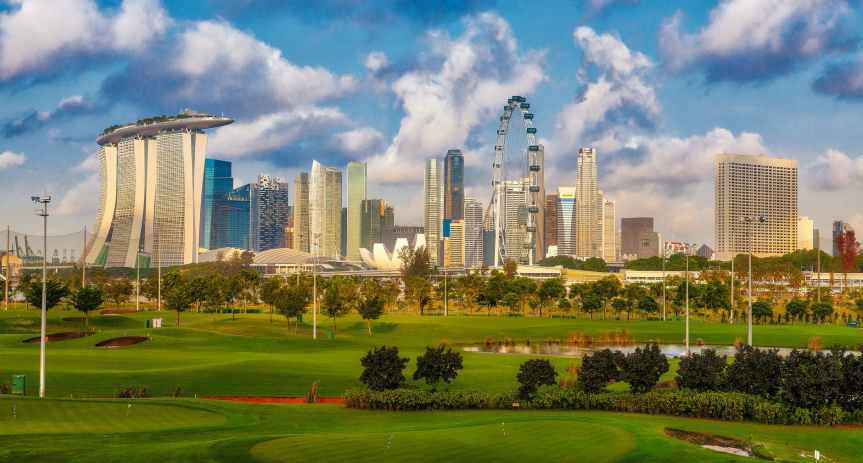
As cities are expanding, this has created new sets of issues like the urban heat island effect, waste management, lack of biodiversity, and high levels of air pollution. With more people moving around the urban space, this has also increased carbon emissions. With urban agriculture, we can try to offset some of the adverse effects of these problems. This kind of agriculture is now being practiced in many cities. Cities like Tokyo, Seoul, and Sao Paulo have their own urban agriculture initiatives. But one of the cities is betting on urban farming in Singapore. The city-state currently imports 90 percent of its food. This also means that any kind of geopolitical tension or a global crisis can severely affect the food supply of Singapore. This means that growing own food becomes critical and essential. Due to this, the Singaporean government has envisioned an ambitious goal to produce 30 percent of its food in the city itself by 2030. This is a special challenge in Singapore’s care due to its tiny land area and highly urbanized population. The city has almost non-existent agriculture land and this is why the focus of food production is on the unutilized urban spaces, on top of shopping malls, hotels, schools, homes, rooftops in parking lots across the city, etc.

In 2009 Singapore government launched a program that incentivizes injecting greenery into development projects across the nation The program was aptly named ‘Landscaping for Urban Spaces and High-Rises’ (LUSH). Their current initiative to build urban food-growing areas within the city will be built upon this program.

Some of the benefits that Urban farming enjoys are immunity from water pollution, a better-controlled environment from the physical forces, and minimal to no use of pesticides and insecticides. But there are some limitations as well. This type of farming can be quite energy-intensive and the outputs can be comparatively lower than traditional farming. This also makes it more expensive.

To make Urban farming more effective governments will also need policies that will make use of the maximum amount of land across the city. Hydroponic farming can be a very effective way to rapidly scale the production where plants are grown with the help of water and the additional nutrients and minerals are added to the water to substitute soil. Additional Urban farming can also help in reducing carbon emissions and making cities cooler. Private firm involvement can also help in stepping up the scale of this kind of farming. This will be the step towards sustainable food production in the cities of the future but to make this happen greater involvement across the citizens and sectors will be needed.

References:

Top 5 plagiarism checker tools for the students

Plagiarism has become part of almost every student while he is looking to write assignments. Sometimes, he might do duplication from other student’s assignments while he may use online sources at some other points.

According to some reports, it has been seen that more than 70% of university students are following plagiarism in their writings. The main reason behind this huge percentage is the availability of data over the internet.

Being a student, you should take care of this factor while writing research papers, assignments, or any other document. If you don’t do this, you might have to face the music in the way of success.

Why students should avoid plagiarism?

Multiple factors show why you have to avoid plagiarism in your work. The most important one from the entire list is the termination from your teacher.

An instructor can bear anything or extend the deadline without any issue. But if you have submitted a plagiarized paper, he may terminate you from his class or subject.

In this way, you might get an “F” grade and your educational career will be ruined because of this problem. Also, you will leave a bad impact on everyone around you and no one will trust your skills.

Top 5 Plagiarism checkers for students

There are multiple tools available on the internet with which you can check plagiarism. After doing comprehensive research, we have picked 5 top tools that are perfect to find plagiarism in your work.

Being a student, you should choose any of them and check your paper before submitting it.

1.   Editpad.org

The most reliable plagiarism checker for students is offered by Editpad.org. It is a completely free plagiarism checker with which you can check the authentication of a paper or document.

When you have this plagiarism checker free, you don’t have to get a paid tool for your education purpose. You can use this tool easily by following a simple process.

Being a student, you have experienced a shortage of time while working on a paper. In such a condition, you don’t want to stuff your head with any registration process.

This tool does not demand any registration as it will be free to use without doing this. You only have to copy your work and paste it into the tool.

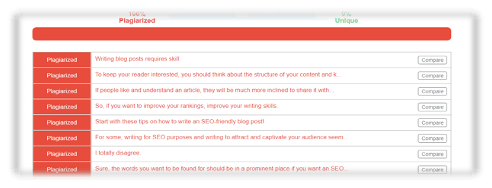
It will check and compare it with billions of pages available on the internet. Then, it will show exact matches of your work and unique content in a line-by-line format.

So, if you have found any duplication, you can jump to that line and rewrite it.

2.   Prepostseo.com

Another effective plagiarism checker by Prepostseo.com is here to assist students from all fields. It is one of those tools that can compare your work deeply.

There will be no document on the internet that this tool can skip while checking. The reason is it has no specific database but it uses the entire search engine as its database.

Therefore, you will be able to compare with every single paper available on the internet. In this way, you can estimate either your content is unique or not.

You only have to paste the content or upload the document in which you want to check plagiarism. The tool will fetch your content from the document and compare it automatically.

In addition to this, the tool is workable in more than 5 languages. So, this tool is accessible for students from any part of the world.

3.   Copyscape.com

This is a paid plagiarism checking tool that is used mostly by bloggers or writers. Due to its deep check feature and accurate results, many education-related persons also recommend this tool.

A user has to buy a subscription and paste his document in the given text box. The tool will compare the content with all the available documents and web pages over the internet.

For every check, it will deduct some points that you have bought in its subscription. It depends on the length of the content that you are going to check.

Overall, this tool is perfect to check plagiarism but its paid version restricts many users to get assistance from it.

4.   Turnitin.com

On the fourth position, we have turnitin.com which is the best platform for students and teachers. The platform is purely designed for educational purposes with all necessary tools.

It has an effective plagiarism checker with which you can check plagiarism in your research papers, assignments, and other educational documents.

Along with this, you will find a qualified team to instruct you to remove plagiarism. This platform offers a lot of other tools to teachers for grading and auto-checking papers.

In short, this platform is perfect to use when you are talking about the educational field. The only problem is that you can’t access a single service from this tool freely.

You have to sign up for this platform and buy its subscription. Without this, the tool will not let you in and analyzing your paper.

5.   Plagscan.com

For a student, the security of his content is the priority. If you are one of those students who think about this factor deeply, you can pick this tool fearlessly.

The reason is that the platform assures that your content will be secured and away from any unauthorized access. No one will be able to access your data unless you have published it over the internet.

For your comfort, the tool will also not add your content in its database to compare other student’s assignments. You can also generate a plagiarism report of your content and submit it with your assignment.

It is also paid tool that you must have to buy for complete access. But you can also get this tool for free for a specific time as a free trial after submitting enough information required by the platform.

Final Wrap

We have researched a lot before making this list of the best plagiarism checkers for students. You must pick any of them and use them for your purpose as all of these have deep checking property.

In this way, you won’t get inaccurate results from your check.

WHAT TO DO WHEN WE FAIL?

We all fail at some point. It’s unavoidable and definitely not a pleasant experience. Our self-confidence and self-esteem might hit the ground. Constant questions of self-doubts arises. But any kind of failure can be an amazing opportunity for growth and development when we approach it the right way.

Here are few things to remember when something doesn’t go your way.

FAILURE IS NOT FATAL

It’s never too late to re-start and pursue your dreams and goals, in one way or another. If you look around there always be hidden opportunities waiting for you to showcase your abilities and skills. There will always be another chance, and this time you can approach with greater readiness and experience. Remember that everything happens for a reason, each opportunity has something to teach you.

LEARN YOUR LESSON

One of the greatest advantages of failures, is that it makes you wiser. It gives you a chance to question yourself about the faults in the process and gives you a chance to re-invent and re-discover yourself. Helps you consider your situations from multiple perspectives. This is also the time when you seek for help from trusted  friends and colleagues for their inputs and reviews.

BE PREPARED FOR THE WORSE

It is harder to accept failure when you did not consider it be one of the outcomes of your process. Confidence is a good trait but being fully prepared for any outcome is helpful since this mindset will help you avoid feeling devastated when something doesn’t turn out the way you envisioned it.

Always keep a plan B and act on it immediately. This doesn’t mean that you need to give up or have a defeatist attitude, just to be ready for any outcome. This might help you have a backup or consider your resources more carefully than if you go all in.

NOTHING IS PERSONAL

A problem with failure is that we see it as something that reflects on us and our personal failings. But just as often, our failure happens due to factors that have nothing to do with us. Maybe we offer something that is not wanted or maybe there are objective circumstances that  change the situation beyond our control. Learn from your mistakes but don’t pin each situation solely on yourself. By Acknowledging that we don’t have control over the world, we can become resilient and focused on what’s within out purview.

keep going, keep growing

BE KIND TO YOURSELF

Approaching the failure with compassion is an important thing to remember. Often, we are really harsh to ourselves and that discourages us from trying again or learning from the mistakes we made.

Failure is not pleasant but is significant, and looking at any story of success, we will always find the failures that built it. See it as a necessary step, a chance to learn, and you will bounce back better and faster.

Biography-Martin Luther King JR.

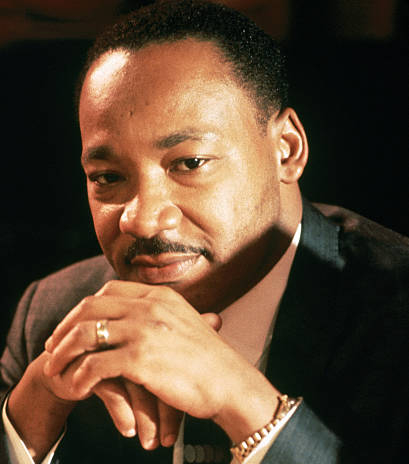
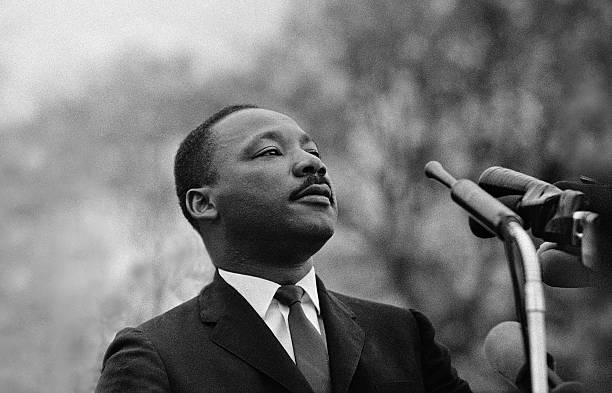
MONTGOMERY, AL – MARCH 25: Dr. Martin Luther King, Jr. speaking before crowd of 25,000 Selma To Montgomery, Alabama civil rights marchers, in front of Montgomery, Alabama state capital building. On March 25, 1965 in Montgomery, Alabama. (Photo by Stephen F. Somerstein

Martin Luther, King Jr. was born on 15 January, 1929 in Atlanta, Georgia in America. His father was Reverend Martin Luther King, Senior and mother Alberta Williams. His early life was spent in Atlanta. As a precocious student, he skipped both the ninth and twelfth grade and entered Morehouse college at the age of fifteen without formally graduating from high school. In 1948 he graduated from Morehouse with bachelor of arts degree in sociology, and enrolled in Crozer theological Seminary in Chester, Pennsylvania from which he graduated with bachelors of Divinity degree in 1951. He began doctoral studies in systematic theology at Boston University and obtained the degree of Doctor of Philosophy in 1955. As a Baptist minister he became a protestant and founded the southern Christian Leadership Conference in 1957. He was the prominent leader in the African- American Civil Right Movement. He is best known for being an iconic figure in the advancement of civil rights in the United States and around the world, using the non- violent methods following the teachings of Mahatma Gandhi. He believed that the non- violent resistance is the most potent weapon available to oppressed people in their struggle for justice and human dignity.

He delivered his famous speech ‘I have a dream’ in 1963 in Washington. Thereon he expanded liberal American values against the color-blind society. His notable efforts were on ending poverty from the society and stopping the Vietuam War. In 1964 he was the youngest recipient of the Nobel Peace Prize for his work to end racial segregation through civil disobedience and other nonviolent means. He was assassinated on 4th April, 1968 in Memphis, Tennessee. He was a post- humously awarded the Presidential Medal of Freedom in 1977 and congressional Gold Medal in 2004. Martin Luther King JR. day (15th January ) is observed as a US Federal Holiday since 1986.