International Chess Day 2021: Theme, History, significance and what to do?

Theme this year: “Teach someone how to play chess”

The idea to commemorate International Chess Day was proposed by UNESCO after it was established by FIDE in 1966. FIDE, the International Chess Federation has 181 chess federations as its members organize chess events and competitions across the globe on International Chess Day.

FIDE: Fédération Internationale des Échecs

-Chess was invented in India around 8th Century. It was known as chatrang-

Chess:

Chess is a board game played by two players. It is enjoyed all over the world. There have been many grandmasters and the records get tougher to hold the title. Chess is an abstract strategy game and involves no hidden information.

 It is played on a square chessboard with 64 squares arranged in an eight-by-eight grid. At the start, each player controls sixteen pieces: one king, one queen, two rooks, two knights, two bishops, and eight pawns. The main chessboard and pawns are black and white.

The goal of the game is to put the opponent’s king under immediate attack .i.e. in “check” and give no way for it to escape. There are also several ways a game can end in a draw. Each pawn has its own limitation of movements.

It is one of the most fun, intellectual, and brainy indoor games.

Players: 2

Abilities: Strategy, tactics

Fact: In 1997, Deep Blue became the first computer to beat the reigning World Champion in a match when it defeated Garry Kasparov.

History:

The origin of chess date around 7-8th century. Three are written in Pahlavi and one, the Harshacharita, is in Sanskrit. Chatrang was named shatranj, after the Islamic conquest of Persia. Xiangqi is the form of chess best-known in China

The modern piece movement rules began to appear in intellectual circles in Valencia, Spain around 1475. The queen replaced the vizier chess piece and by the 15th century had become the most powerful piece.

Prague-born Wilhelm Steinitz laid the foundations for a scientific approach to the game, the art of breaking a position down into components. In addition to his theoretical achievements, his triumph over the leading German master Johannes Zukertort in 1886 is regarded as the first official World Chess Championship.

Significance of chess:

“The United Nations recognizes that sports, the arts and physical activity have the power to change perceptions, prejudices and behaviours, as well as to inspire people, break down racial and political barriers, combat discrimination and defuse conflict, and therefore contrabute in promoting education, sustainable development, peace, cooperation, solidarity, social inclusion and health at the local, regional and international levels.

The designation of World Chess Day of the UN will not only recognize the important role of the FIDE in supporting international cooperation for chess activity and aiming to improve friendly harmony among all peoples of the world, but also to provide an important platform to foster, dialogue, solidarity and culture of peace”

-United Nations

Fact: The rules of chess are published by FIDE (Fédération Internationale des Échecs)

Notable Men and women in the world of chess:

  • Judit Polgár
  • Garry Kasparov
  • Vera Menchik
  • Magnus Carlsen
  • Rohini Khadilkar
  • Andrey Espienko
  • Nona GAprindashvili
  • Hou Yifan

Movies to watch:

  1. The Queen’s Gambit
  2. Queen of Katwe
  3. Pawn Sacrifice
  4. Searching for Bobby Fischer
  5. Brooklyn Castle
  6. Hikaru no Go

What to do?

LEARN CHESS!!

Cause why not? Learning moves or moving pieces entirely after thorough thought, being on your toes to find the easiest or quickest win to checkmate, and tricking someone to make the move you wanted them to do! It is a load of exercise for your brain.

Refernces:

https://en.wikipedia.org/wiki/Chess#1200%E2%80%931700:_Origins_of_the_modern_game

“SWAMI VIVEKANANDA” biography

“Swami Vivekananda” earlier he was known as “Narendra”. He was an Indian Hindu Monk and the chief disciple of the 19th century Indian mystic Ramakrishna. He born on January 12, 1863, Calcutta, Bengal Presidency, British India. His father’s name of “Vishwanath data” and mother’s name of “Bhuvaneshwari Devi”. He was born in Kayastha family. His father was an attorney at the Calcutta High court And his mother was a devout housewife. He was the six of his ten siblings.
He acquired his preliminary education in 1871 at the age of eight from Ishwar Chandra Vidyasagar Metropolitan institution. Narendra completed his graduation in 1884 in arts the Presidency College, Calcutta. Narendra met Ramakrishna in 1881 at Dakshineswar. During this time Narendra was undergoing a time of spiritual crisis it was his famous question to Ramakrishna “have you seen God” Ramakrishna did not convince Narendra completely at the first go. But after noticed some great virtue of Ramakrishna, he become a frequent visitor to Ramakrishna after the tragic death of his father he becomes closer to Ramakrishna and received help to move out of the spiritual crisis situation in 1885. Ramakrishna was diagnosed with throat cancer then Narendra took great care of his master and nurse him with utmost devotion and love. Before renouncing body Ramakrishna made Narendra the leader of a new monastic order post the death of Ramakrishna. Narendra along with his young disciples began to live at Baranagar. In 1887, he took the formal vows of sannyasa, thereby assuming new names.

Narendra came to be known as Swami Vivekananda. In 1888, to Profess the message of Ramakrishna to the world Swami Vivekananda resolved to embark on a journey extensively exploring India in the initial years. He walked on foot, lived on alms and led a life of a wandering Monk. By this time he understood that the masses required to kinds of knowledge one which allowed them to improve their economic condition and the second which help them to build faith and strength and their moral sense to accomplish. His goal of bettering the life of the masses Swami Vivekananda are aimed at initiating an Organisation. In 1893, he travelled abroad for the first time to be a part of the world’s parliament of religion at the Parliament, Swami Vivekananda become known as the ” orator of divine right” and ” Messenger of Indian wisdom to the Western world”. Then he travelled in the Eastern part of us and London to spread the message of Vedanta upon returning to India in 1897, he initiated Ramakrishna Mission, and organisation which propagated the teaching of practical Vedanta and commenced various forms of social service. In 1898, Swami Vivekananda acquired a huge property at Belur which become a permanent abode of the monastery and monastic order. The place became known as Ramakrishna Math and waopen to all men. Swami did not married at all he died at Belur Math Bengal Presidency British India on 4th July 1902 the age of 39. “Awake and do not stop until the goal is reached”. Said by Swami Vivekananda.

HOW TO MAKE MONEY? – FINANCING ENTREPRENEURSHIP

Securing the needed amount of financing is one of the most important functions for starting a business. It highlights what sources of financing exists at various stages of venture development. So, depending on the industry and aspirations of the entrepreneur(s) has a need to attract money to fully commercialize their concepts. Thus they must find investors – such as their friends and family, a bank (or) an angel investors (or) a venture capitalist funds (or) through a public stock offering (or) some other source of financing.

When dealing with most classic sources of funding, entrepreneurs face numerous challenges like disagreeing to the business and financial plans, requests for large equity stakes, tight control and managerial influence and limited understanding of the characteristic of growth process that start-ups experience.At the initial stage , Bootstrapping is an effective way of start up financing but in order to stabilize the start up entrepreneurs should follow various fund raising methods to raise money.

MOST FORMAL SOURCES OF FUNDING :

SEED CAPITAL FINANCING: Seed capital financing is the earliest source of investment for a startup. The sources of this funding will from your family, friends, crowd funding or from your savings. Usually these amounts in this type of investing are not too high and are typically repaid through the loan (with or even without interest) or are invested in exchange for a small equity share in the company.

ANGEL INVESTOR FUNDING: When your startup needs to grow and it requires funds towards product development, marketing (or) just to expand your team to keep up the momentum then the angel investors comes into the picture as a solution for raising money.

VENTURE CAPITAL FINANCING: VC funding can provide resourcing for scaling the business to new business channels, customer segments or to increase marketing efforts for additional customer acquisition. At this stage of financing the startup either may run with profits or may get out of negative cash flows.

BRIDGE LOANS: At this stage of financing your startup may be with constant growth and looking to scale significantly with a commercially available product. The funds during this stage will be raised due to merge and acquisitions. At this stage the investors want to see the clear route map towards profits of the firm.

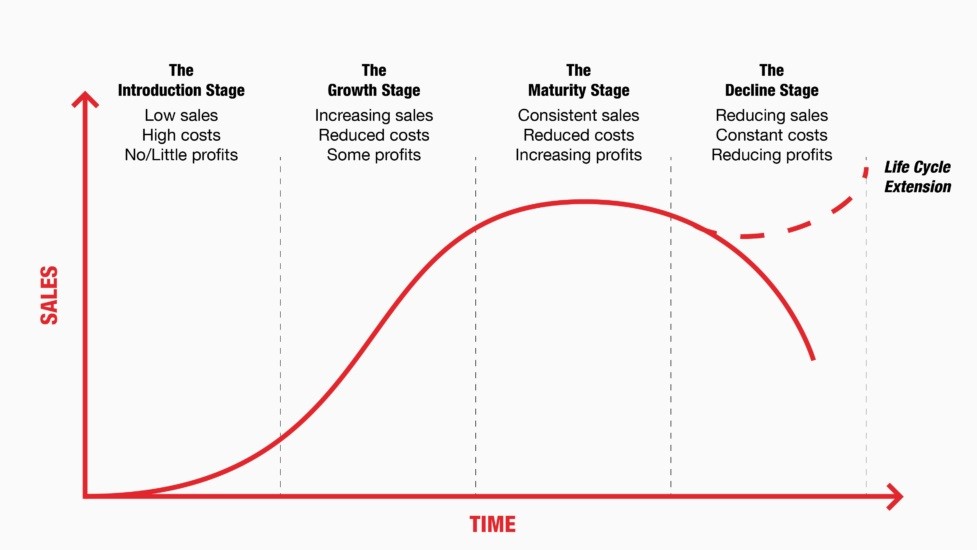
THE GRAPHICAL REPRESENTATION ON GROWTH OF A FIRM

IPO( INITIAL PUBLIC OFFER): IPO is not the end goal for all the startup’s. However, in order to expand the firm further for raising money. At this stage the firm will be listed out in the stock market for going into public as an option of making money.

EQUITY FINANCING: In equity financing, from an entrepreneur perspective the cost of equity is considered as the loss of control over the venture as the founders must share the ownership of business now.

DEBT FINANCING: At this stage the version of an entrepreneur will be as, the cost of debt financing is the interest that they pay for the use of money that they barrowed, where as the perception from the investor side is obtaining the interest as a reward in addition to money that they have lend to an entrepreneur or borrower.

Finally, Capital raising challenge really begins once the MVP(Minimum Viable Product) phase is reached. This is the point where capital is required for product development , sales and market ,patent preparation etc… So, Every start up founder has a need to understand that MVP’s  are not only for raising money but also helps to get data about potential customer of the start up. So, the founders of start up can raise money with a prototype GTM(Go-To-Market Strategy) plan.

Advertising is also one of the best way for start ups to make money because advertising increases the name of the firm within your industry and helps to attract partners to expand business which in turn increases profitability. So, these are some money making or financing methods which are followed by most of the firms to make money efficiently .

WHAT IS THE WAY TO OUTLINE YOUR BUSINESS PLAN

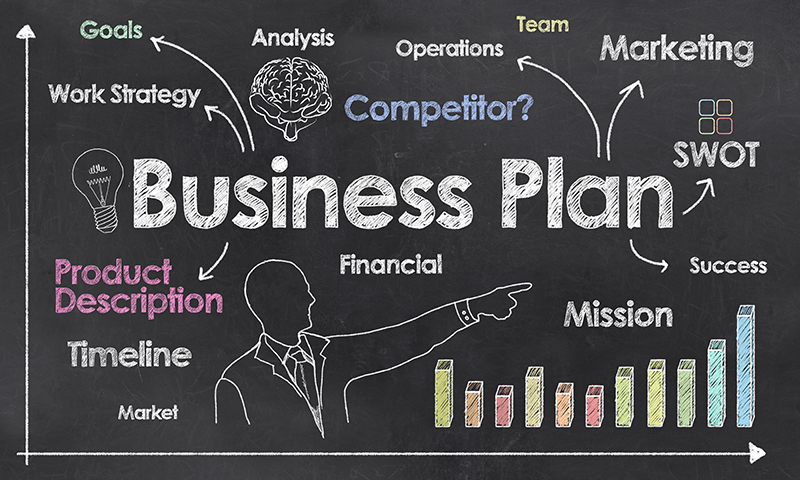
BUSINESS PLAN: A business plan is a written document that describes in detail about a business and it also defines its objectives and how the firm is going to achieve its goals. A business plan lays out a written roadmap for the firm in both financial and operational standpoints. So, Business plans typically include detailed information that can help improve the business’s chances of success, like a market analysis, competitive analysis, customer segmentation, marketing, logistics and operations plans, cash flow projections and an overall path to the long-term growth.

WHAT IS THE USE OF HAVING A BUSINESS PLAN?

These business plans help entrepreneurs to assume the exact position of the firm or startup and also they help business owners to see the plan ahead, make important decisions, and improve the overall likelihood of success. Formulation of a business plan should be the first thing done when starting a new business. Business plans are also important for attracting investors so that they can determine that whether your business is on the right path or not and worth investing money or not.

Building a business plan allows you to determine the answer to some of the most critical business decisions ahead of time. Without a business plan, objectives often become arbitrary. So, having a business plan can help make those benchmarks more intentional and consequential and it can also help founders of the firm to be accountable for the long-term vision and strategy, and we can also get the insights into how the applied strategy is coming together over time.

OUTLINE OF A BUSINESS PLAN : The below provided information show’s the step by step process of writing a business plan and highlights about the points that are to be included in each step.

STEP1- INTRODUCTORY PAGE:

  • Include Name & Address of the business, Nature of the business, Statement of financing needed.
  • INDUSTRIAL ANALYSIS:
    • Write about, Future outlook & Trends
    • Analysis of competitors
    • Market segmentation
    • Forecast on Industry & Market

STEP2- DISCRIPTION OF VENTURE:

  • Introduce about Product(s), Services(s), Background of entrepreneur and size of business.

STEP3- PRODUCTION PLAN:

  • Include Manufacturing process
  • Physical plan
  • Write about needed Machinery & Equipment.
  • Write names of supplies of raw materials.

STEP4- OPERATIONS PLAN:

  • Describe flow of orders for goods (or) services
  • Technology utilization
  • Description of company operation.

STEP5- MARKET PLAN:

  • Describe about Pricing, Distribution, Promotion & Product forecast.

STEP6- FINANCIAL PLAN:

  • Include sources and applications of funds.
  • Assumptions
  • Cash flow projections
  • Break even point (Analysis)
  • Balance statement & Income statement

STEP7- ORGANISATIONAL PLAN:

  • Write clearly about Form of ownership
  • Identification of partners (or) Principal shareholders
  • Roles and responsibilities of members in the organization

So, the above described steps are the steps that have to be included while writing a business plan. Hope this article makes you to understand about the importance of business plan along with it’s out line structure.

WHAT TYPE OF ENTREPRENUER YOU ARE?

Entrepreneurs are essential for the growth of any country. They usually set up something new on their own and create many jobs for others. They also play an important role in the economy. However, to choose the right path in entrepreneurship, we need to know about different types of entrepreneurs. Each type has its responsibilities, roles, functions, and more. In this article, we are discussing different types of entrepreneurs and their definitions.

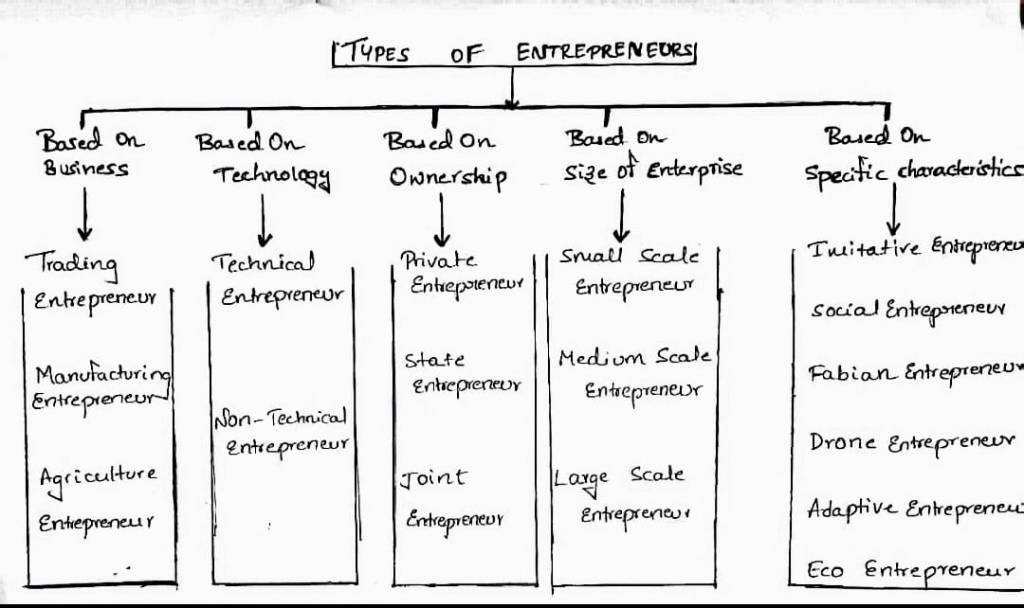
Entrepreneurs are categorized into different types and these types usually vary depending on the country, region, and even sector. Here there are six categories of various entrepreneurs:

BASED ON BUSINESS:

TRADING ENTREPRENEUR: A trading entrepreneur refers to a person who undertakes business-related activities through trading. These types of entrepreneurs usually buy finished goods in bulk quantity from manufacturers with some discount and then they sell those products directly or with the help of retailers or vendors with profits. A trading entrepreneur usually acts as a mediator between manufacturers and customers. These trading entrepreneurs mostly be as wholesalers, retailers, dealers, etc.

MANUFACTURING ENTREPRENEUR: This type of entrepreneurs plays a main role in manufacturing products. Manufacturing entrepreneurs analyze market needs or customer needs and manufacture products to meet such needs using various resources or technologies. In simple words, manufacturing entrepreneurs transform raw materials into finished products according to the customer’s needs. Manufacturing entrepreneurs basically be in fields of manufacturing textile products, food products, industrial machinery and equipment etc..

AGRICULTURE ENTREPRENEUR: Agricultural entrepreneurs refer to the types of entrepreneurs who primarily practices with agricultural works. They are also called “Agric-entrepreneurs”. These entrepreneurs be within the agricultural sector who are engaged in the cultivation, production and marketing of agricultural products.

BASED ON TECHNOLOGY:

TECHNICAL ENTREPRENEUR: These are the entrepreneurs who used to start and continue industries primarily based on science and technology. These entrepreneurs develop new ideas and turn those ideas into technology-based inventions. They always work to create new methods of production in the fields of technology and science. Besides, they also manufacture products that can help ordinary citizens and other non-technical entrepreneurs for their enterprises. Example personalities of technical entrepreneurs are Jeff Bezos, Elon Musk, Bill Gates etc..

NON-TECHNICAL ENTREPRENEUR: These are the entrepreneurs who do not set up and run enterprises based on science and technology. In short, non-tech entrepreneurs are those who work for innovations using traditional methods. They typically use alternative and exemplary marketing methods and follow non-technical delivery strategies to engage directly with customers. Example personalities of non-technical entrepreneurs are Starbucks fame Howard Schultz, Reliance fame Dhirubhai Ambani etc..

BASED ON OWNERSHIP:

PRIVATE ENTREPRENEUR: When an entrepreneur starts something personal of his or her own, such as setting up an enterprise, he/she is called a private entrepreneur. A private entrepreneur is the only person who plays the sole proprietor role for a business venture and bears the risk associated with it. Examples of private entrepreneurship are Tesla, hospitals etc..

STATE ENTREPRENEUR: When a state or government does a business or industrial undertaking, it is referred to as a ‘state entrepreneur’. In this case, the government is the sole owner of the enterprise and will bear all the profits and losses involved with it.

JOINT ENTREPRENEUR: When a business or industrial undertaking is established and operated jointly by the private entrepreneur and the government, it is called joint entrepreneurship. The parties involved are called joint entrepreneurs. In this case, risk and profits are shared by both parties. However, the sharing percentages generally depend on the type of business and the agreement between the two parties. Examples of joint ventures are ONGC, BHEL etc…

BASED ON SIZE OF THE ENTREPRENEUR:

SMALL SCALE ENTREPRENEUR: If an entrepreneur has invested up to a maximum of one crore in starting an enterprise, including plant and machinery, such entrepreneur is called Small Scale Entrepreneur.

MEDIUM SCALE ENTREPRENEUR: If an entrepreneur has invested a minimum of 1 crore to a maximum of 5 crores in starting an enterprise, including plant and machinery, then such entrepreneur is called Medium Scale Entrepreneur.

LARGE SCALE ENTREPRENEUR: If an entrepreneur has invested more than 5 crores in starting an enterprise, including plant and machinery, such an entrepreneur is called a large-scale entrepreneur. This includes any investment above 5 crores.

BASED ON SPECIFIC CHARACTERISTICS:

IMITATIVE ENTREPRENUERS: Imitative entrepreneurs are the one who mainly follow and adopt the innovative entrepreneurs’ who are in existing successful enterprise system. They do nothing new of their own. Imitative entrepreneurs apply strategy from other enterprises in a manner where all core fundamentals of the original business model are replicated, and all efficiencies are retained. These entrepreneurs help improve any product, production process or suggest the use of improved technology addressed by other enterprises. Imitative entrepreneurs are also called as Adoptive entrepreneurs.

SOCIAL ENTREPRENEUR: These type of entrepreneurs recognize the problems in society and try to reduce those problems by applying some entrepreneurial skills. Most of the social entrepreneurs don’t seek for profits they solely work on the controlling social problems.

FABIAN ENTREPRENEUR: Fabian entrepreneurs are defined as an entrepreneurs who generally do not seek to implement changes in their enterprise techniques. They are very careful in applying any approach and cautious in exercising any change. These entrepreneurs are known for not making sudden decisions. They imitate the change in their strategy only when they know that enterprise surely results in profit making.

DRONE ENTREPRENEUR: Drone entrepreneurs are defined as entrepreneurs who do not like to adopt any changes in their enterprise techniques. They strictly follow their traditional strategies or methods for development, production or marketing. These entrepreneurs feel or experience pride and tradition in the old ways of doing business. This is why drone entrepreneurs sometimes suffer losses, yet they do not adopt changes in their current methods.

ECO ENTREPRENEUR: Eco entrepreneurs are the one who spot the opportunities in the environment to start business which support sustainability. The innovations of eco entrepreneur are considered as green business innovations.

So, Guys I have tried my best to explain the various kinds of entrepreneurs. Now it’s your turn to let me know what type of entrepreneurial character you have in the above listed types through your comments.

SCIENCE AND TECHNOLOGY

Science and technology play a huge role in our society as well as in our lives. Nowadays we all are surrounded by technology and are dependent on it for everything we do. Especially after this pandemic everything is in virtual mode and is completely based on technology. We live in the technological era where gadgets are of outmost importance to us. A gadget is simply a human made device which is programmed to reduce human effort and does a piece of job easily without any hassle.

In this fast-growing world we human beings are always surrounded by machines and gadgets for every need of ours starting from the time we get up in the morning till we again go to bed we even use gadgets while we are asleep such as air conditioner, insect repellent and many more. Science is a boon for us, but in the other hand as everything has its own merits and demerits there are also people who do use science for a bad cause. Technology is good but it is advisable to keep this technology out of the reach of children as otherwise they will not tend to learn things and will prefer to take the help of science to solve a particular existing problem this may affect their growth.

IMPORTANCE OF SCIENCE AND TECHNOLOGY :


Technology, science and knowledge are important in modern contemporary society. Essential questions include the following : How does science and technology produce new products, new ways of living and new nutritious? Why is new technology and knowledge so fundamental to us in the ways through which we imagine the future?


Technology, knowledge and science are fundamental in modern contemporary society. The understanding of how social, cultural and material elements influence the production of new practices, new ways of under of contemporary postmodern society. Studies of technology and science provides students with insight into how different processes of knowledge are initiated and progressed, and how innovative technological processes are developed employed and increase in importance.
In this manner, students will be provided with the academic basis for working with detailed analyses of different forms of technologies and process of knowledge within business life or industry and commerce, research work , political development, management of knowledge and innovation.


THE RELATIONSHIP BETWEEN SCIENCE AND TECHNOLOGY :


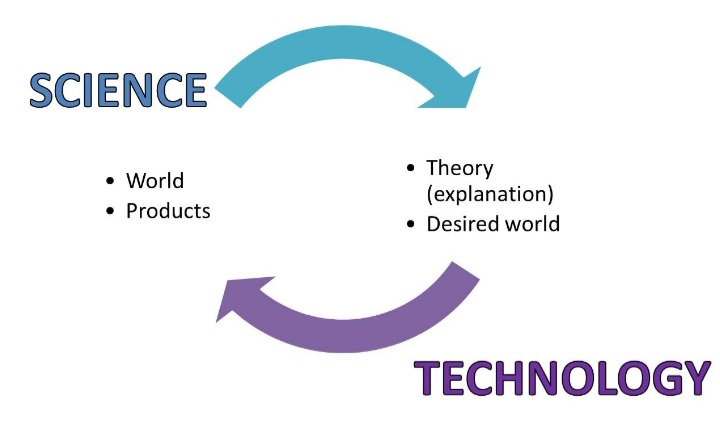
Science , technology and innovation each represent a successively larger category of activities which are highly interdependent but distinct. Science contributes to technology in at least six ways.

  1. New knowledge which serves as a direct source of ideas of new technological possibilities.
  2. Source from tools and techniques for more efficient engineering design and a knowledge based for evaluation of feasibility of designs
  3. Research instrumentation, laboratory techniques and analytical methods used in research that eventually find their way into design or industrial practices, often through intermediate disciplines.
  4. Practice of research as a source for development and assimilation of new human skill and capabilities eventually useful for technology.
  5. Creation of a knowledge base that becomes increasingly important in the assessment of technology in terms of its wider social and environmental impacts
  6. Knowledge base that enables more efficient strategies of applied research, development, and refinement of new technologies.

THe ROLE OF SCIENCE AND TECHNOLOGY


Teaching technological literacy, critical thinking and problem- solving through science education gives students the skills and knowledge they need to succeed in school and beyond.

SCIENCE AND TECHNOLOGY USED IN SOCIETY :


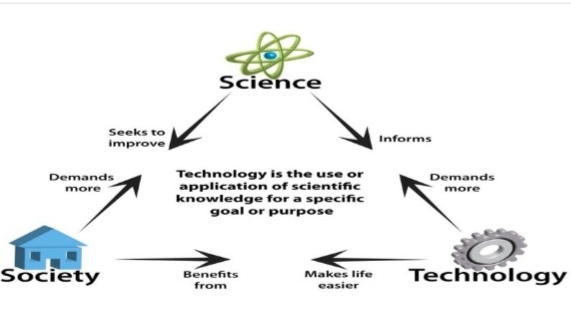
Science and technology have had a major impact on society, and their impact is growing. By making life easier, science has given an the chance to pursue societal concerns such as ethics, aesthetics, education and justice to create cultures, and to improve human conditions.

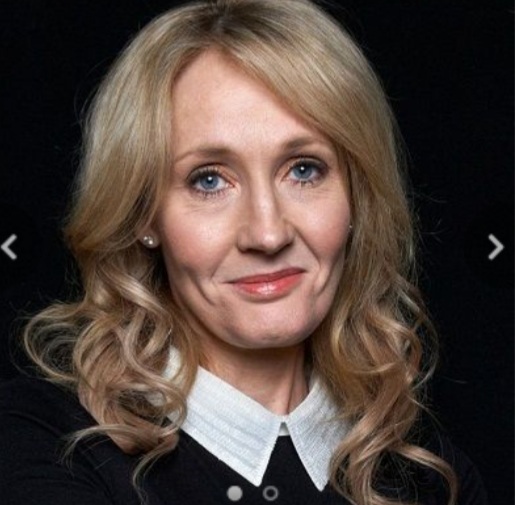
INSPIRATIONAL STORY OF J.K ROWLING

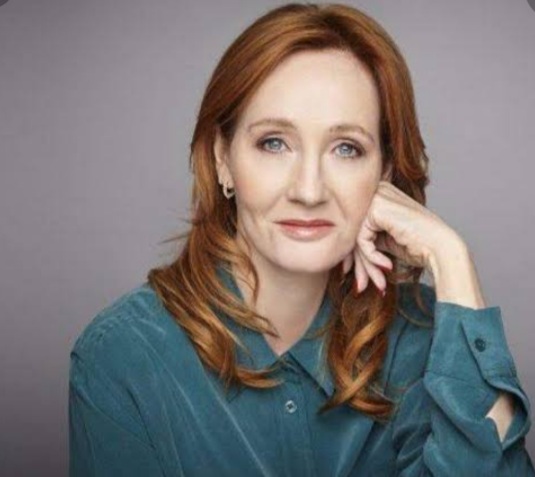
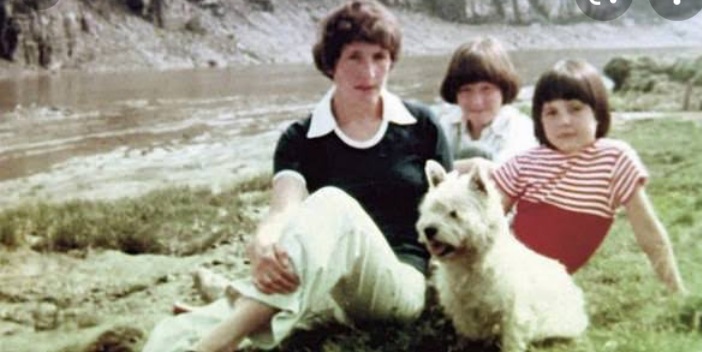
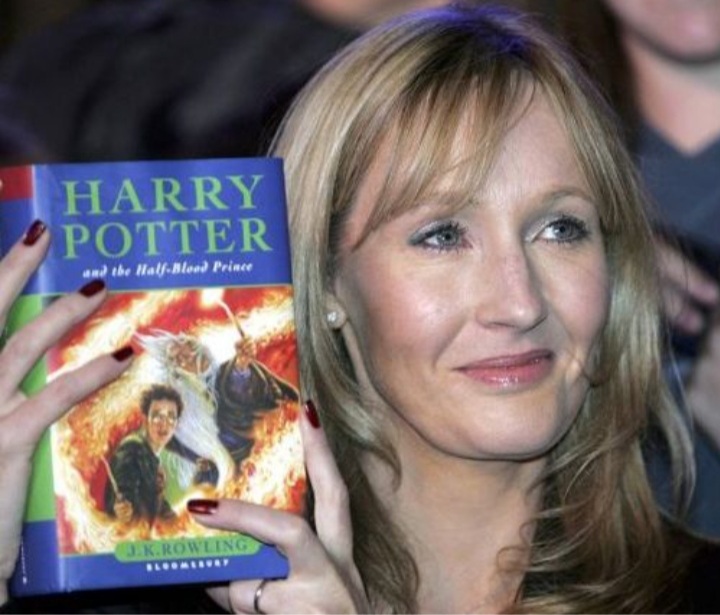
J.K Rowling’s story is one of the most famous insipirational failures to the success story of our time. She had failed in almost everything she attempted to do in her life and at one point she considers herself a major failure.


Most of the people only know her as a woman writer who created Harry Potter, but what people don’t know about the struggle she faces before reaching the stardom.


BIRTH AND CHILDHOOD :


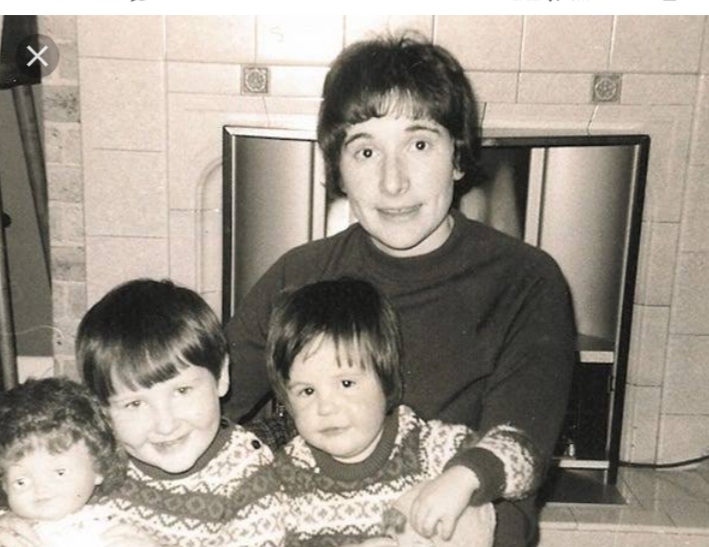
Joanne Rowling was born on 31st July 1965 in yate, Gloucestershire, England to Peter James Rowling and Anne Rowling. Her father was a Rolls- Royce aircraft engineer and mother was a science technician
She had one little sister, Dianne, as a child Rowling loves to write fantasy stories and read them to her younger sister. When she was a teenager she got a chance to read Jessica Mitford ‘s autobiography, from then on Mitford become her heroine and after that, she read all her books.


BOOK INSPIRATION AND MOTHER ‘S DEATH :


After working for Amnesty International as a researcher and bilingual secretary in London, Rowling moved to Manchester with her then- boyfriend where she worked at chamber of commerce. In1990, Rowling first had the idea for Harry Potter, a story of a young boy who attends a school of wizards, while she was on a 4 hour delayed train trip from Manchester to London.
While travelling the idea fully formed in her mind and when she reached her flat she began writing furiously. However, in December 1990 her mother died after 10 years of complications from Mutiplr sclerosis Mother’s death heavily affects Rowling and leave her extremely distraught and upset. Later she channelled her own feelings of her loss by writing about Harry’s feelings in her first book.


MARRIAGE, DIVORCE AND SINGLE MOTHER:


After a few months of her mother’s death, she moved to Portugal to teach the English language. There she met a man, fall in love with him, got married and gave birth to her daughter. In 1993 her marriage ended in Divorce and she with her infant daughter moved to Edinburgh Scotland to be closer to her sister.
This is the most struggling time for Rowling and she saw herself as a complete failure. She was divorced, jobless, no money and a dependent child. Because of all this, she suffered bouts of depression and contemplated suicide. Eventually, she signed for Government-assisted welfare describing her economic status as poor. It was a really difficult time in her life but she kept going on and put all her energy on completing her novel.


HARRY POTTER :


In 1995 Rowling completes her manuscript for Harry Potter and the philosopher’s stone on an old manual type writer. She was so poor at that time she could not afford a computer or even the cost of photocopying the novel, so she manually typed each copy and submitted to twelve publishing house in London.
The manuscript was rejected almost dozens time until she was finally given chance with £1,500 advance by a small London publisher, Bloomsbury after the company’s CEO little 8 years old daughter fell in love with it after reading the first chapter of the book.


In July 1997 Bloomsbury published first 1000 copies of Harry Potter series out of which 500 copies were distributed to libraries. Just five months later the book won Nestlé smarties Book prize it’s first award . In early 1998 an auction was held in America for the printing rights to publish the novel.
Scholastic INC won the auction for USB 105, 000, later Rowling said in a interview that she nearly died when she heard the news of this amount for printing her novel. Today Harry Potter is a global brand worth an estimated 15 billion dollars.
The last four Harry Potter books have set the records for the fastest selling books in history. The Harry Potter series to talking 4, 195 pages have been translated either in whole or in part into 65 languages. The Harry Potter books series have also gained recognition for creating an interest in reading among the children’s at a time when they were more inclined towards the Internet, computers and television.


FINANCIAL SUCCESS :


In 2001 J.K ROWLING purchased a 19th century killiechassie House, an estate house on the banks of the river tay in Perth. She also owns a £ 4.5 million Georgian house in West London. In 2004 , Forbes named Rowling as the first person to become a us dollar billionaire by only writing books.In 2017, according to Sunday times, Richard list Rowling net worth was approx. £ 650 million.


PERSONAL LIFE :


Rowling and her second husband Neil Murray were married on 26th December 2001. They live in Edinburgh with their 3 children. Rowling was a runner up in 2007. Time’s annual person of the year issue after Russia’s president Vladimir putin.


JK ROWLING’S RULES OF SUCCESS :

  • Failure helps you discovers yourself.
  • Take action on your ideas.
  • You will be criticised
  • Remember where you started
  • Truly Believe in yourself
  • learn from adversity.
    *Visualise to achieve
  • Persevere
  • Dreams can happen.
  • use your creativity.

Depression

Depression and anxiety are very common problem these days starting from teenager to elderly adults anyone and everyone can face this at any point in life and they equally affect us as any physical disease does, many people don’t take mental health seriously but it is outmost necessary to do so. Here are a few simple daily habits which will help you to deal with depression:

  1. Stay away from negative thoughts, and always try to focus on the filled part of the glass and try not to worry about the empty.
  2. Practice meditation regularly it helps to calm one’s mind and helps in relaxing the brain.
  3. Try to stay out from field where you feel irritated and also do try ignoring unnecessary mess.
  4. Physical exercising is a must for a healthy mind as it keeps the body fit and also helps keeping negativity away.
  5. The physical environment where one spends time and the company of people with which one spend time also plays a key role in determining the and dealing with depression issues.
  6. One must also take care of the diet, consuming fresh fruits and vegetables are highly recommended and one must take care that proper diet is consumed.

Depression symptoms :

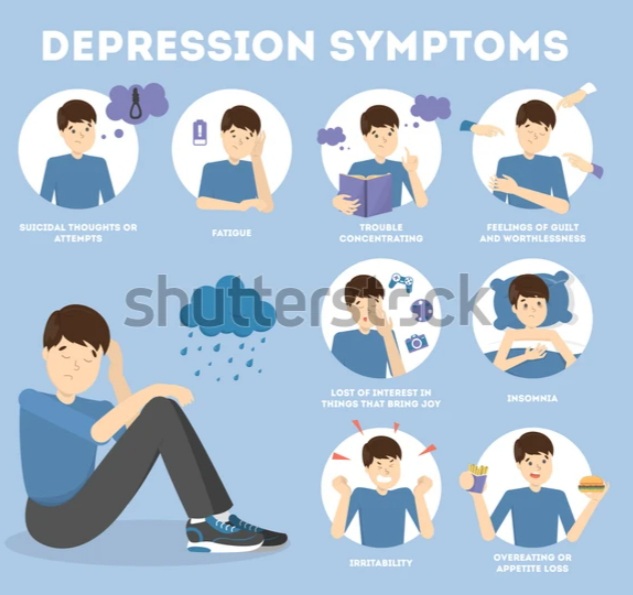
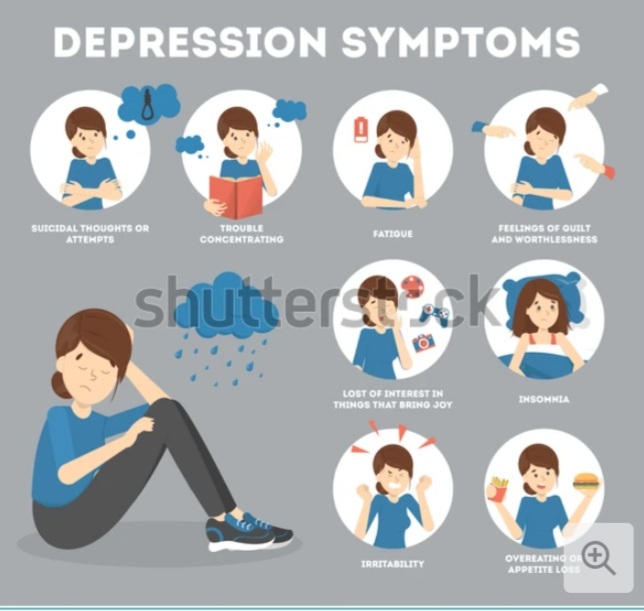
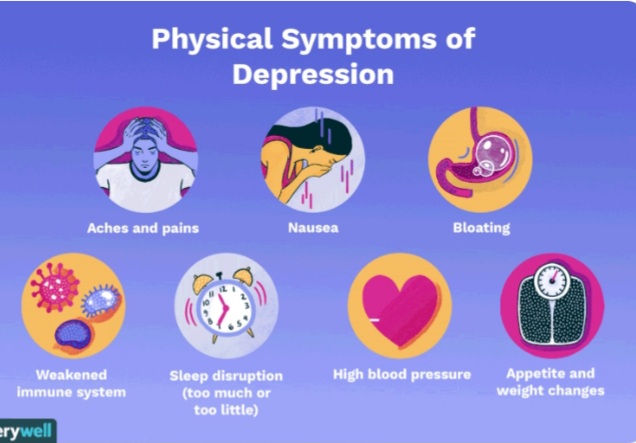
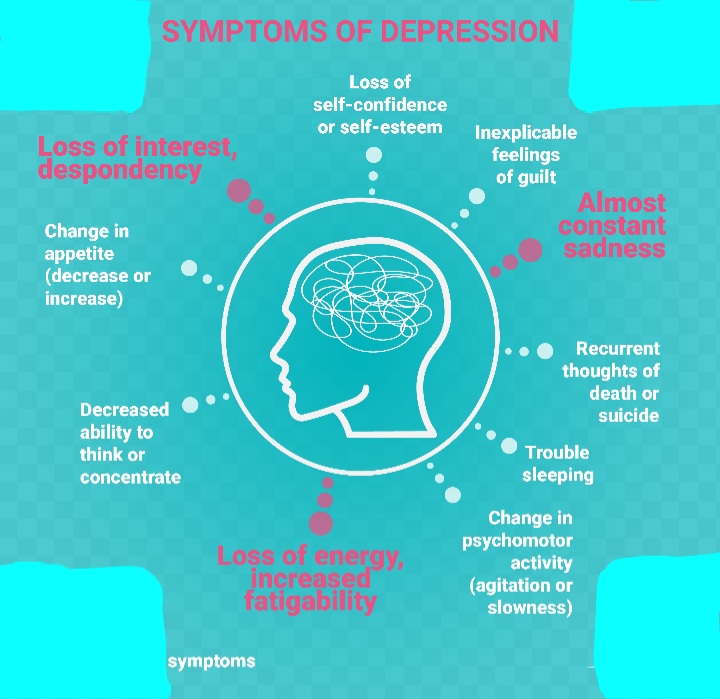
Depression can be more than a constant state of sadness or feeling ” blue”. Major depression cane cause a variety of symptoms. Some affect your mood, and others afect your body. Symptoms may also be onging or come and go. The symptoms of depression can be experienced differently among men, women and children differently.

Men may experience symptoms related to their:

* Mood, such as anger, aggressive, irritability, anxiousness, restlessness.

* Emotional well- being such as feeling empty, sad, hopeless.

* Behavior, such as loss of interest, no longer finding pleasure in favorite activites feeling tired easily , thiughts of suicide, drinking- execessively , using drugs, engaging in high- risk activities.

* sexual interest, such as reduced sexual desire, lack of sexual performance

* cognitive abilities , such as inability to concentrate, difficulty completeing tasks, delayed responses during- conversations.

* sleep patterns, such as insomina, restless slepp, excessive sleepiness, not sleeping through the night.

* physical well- being, such as fatigue, pains, headache, digestive problems.

Women may experience symptoms related to their:

* mood, such as irritability

* emotional well- being, such as feeling sad or empty, anxious or hopless.

* congnitive abilities,such asthinking or talking more slowly

* behavior, such as loss of interest in activities, withdrawing from social engagements, thoughts of suicide

* sleep patterns, such as difficultu sleeping through the night, waling early, sleeping too much.

* physical well- being, such as decreases energy, greater fatigue, changes in appetite, weight changes, aches,pain, headaches, increased cramps.

Children may dxperiences symptoms related to their :

* mood such as irritability, anger, mood swings, crying.

* emotional well- being, such as feelings of incompetence or despair, crying, intense sadness

* behavior, such as gettkng into trouble at school or refusing to go to school, avoiding friends or siblings thoughts of death or suicide.

* cognitive abilities, such as difficulty concentrating, decline in school performance, changes in grades.

* sleep patterns, such as difficulty sleeping or sleeping too much

*physical well- being, such as loss of energy digestive problems, changes in appetite, weight loss or gain.

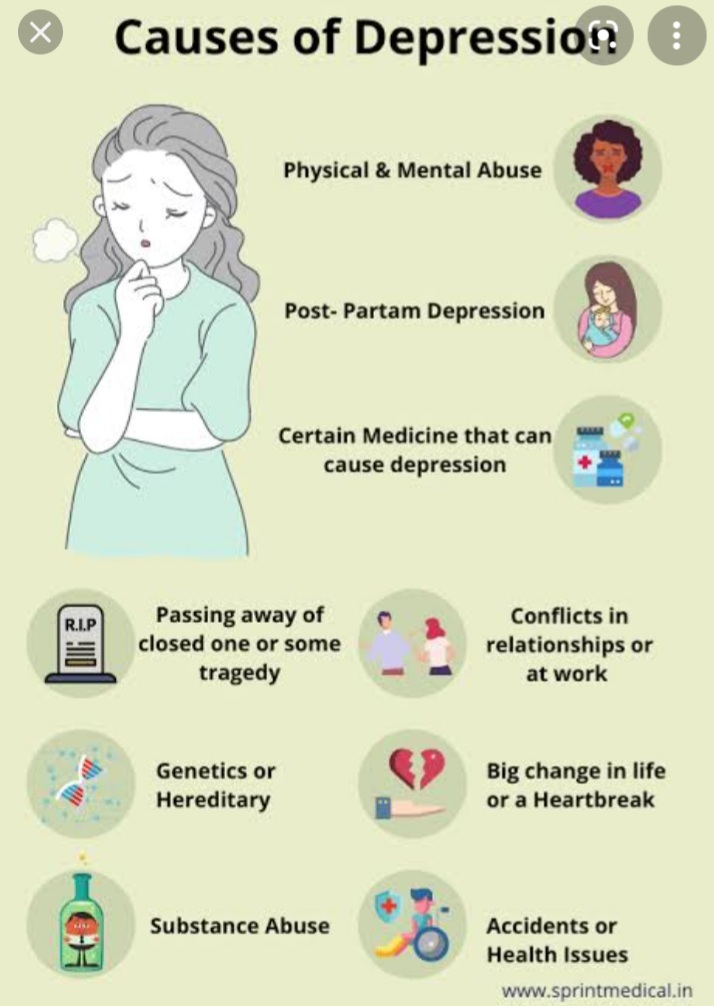
Depression causes :

There are several possible causes of depression. They can range from biological to circumstantial.

Common causes include ;

* Family history :

You’re at a higher risk for developing depression if you hace a family history of depression or another mood disorder.

* Early childhood trauma :

Some events affect the way your body reacts to fear and stressful situations

* Brain structure :

There’s a greater risk for depression if her frontal lobe of your brain is less active.

* Medical conditions :

Certain conditions may put you at higher risk, such as chronic illness, insomia, chroinc pain or attention- deficit hyperactivity disorder

* Drug use :

A history of drug or alcohol misuse can affect your risk.

Many factors can influence feelings of depression, as well as who develops the condition . The causes of depression are often tied to other elements of your health. Depression can be linked with to other health problems, your healthcare provider may also conduct a physical examination and order blood work.

Types of depression :

Depression can be broken into categories depending on the severity of symptoms. Some people experience mild and temporary episodes, whike other experience severs and ongoing depressive episodes.

There are two main types. Major depressive disorder and persistent depressive disorder .

Major depressive disorder :

Major depressive disorder is the more severe form of depression. It’s characterized by persistant feelings of sadness, hoplessness and worthlessness that dont’t go away on their own.

Persistent depressive disorder :

Persistent depressive disorder ( pDD) used to be called dysthymia. It is a milder, but chronic, form of depression.

It’s common for people with PDD to

* lose interest in normal daily activites.

* feel hopless

* lack productivity

* haveclow self- esteem

Depression can be treated successfully, but it’s important to stick your treatment plan.

Treatment for depression :

Living with depression can be difficult, but treatment can help improve your quality of life. Talk to your health care provider about possible options. You may successfully manage symptoms with one form of treatment ,or may find that a combinations of treatment works best.

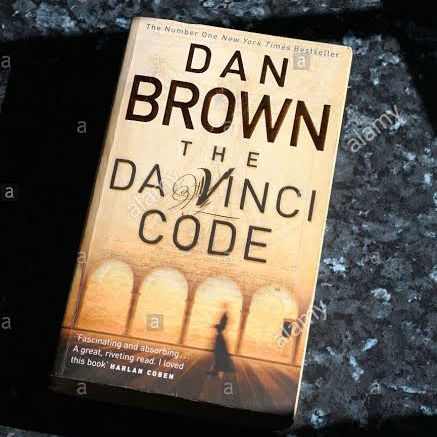
BOOK REVIEW: THE DA VINCI CODE

The Da Vinci Code is written by the famous author Dan Brown. He has a separate fan base who loves science fiction and thriller novels. He wrote many sci-fi books like Angels and Demon, The Deception point, Inferno, Origin, Digital fortress. All are well known among avid readers and some books are also adapted as movies too…

Book Plot:

Jaques saunière the curator of the Louvre has been murdered inside the museum. He wrote Robert Langdon’s name on the floor before he died. Harvard Professor Robert Langdon devoted himself to ancient histories, Languages, symbology, cultures as well as forbidden mysteries. He was falsely accused of murdering the curator, because, there is his name on the floor. So, the cops get him to investigate him.
Before Jaques saunière dies, he left a series of baffling codes. Which must be solved soon unless an ancient historical truth will be lost forever.
At that moment Sophie Neveu, a French cryptologist came to help Langdon from the situation. Robert Langdon and Sophie Neveu were stunned to find a trail that leads to the works of Da Vinci’s Monalisa and The Virgin Mary, the upcoming mysteries unfold an enormous history which Robert Langdon and Sophie Neveu have to find them. They both followed Jaques Saunière’s Clues closely and they started to reveal the mysteries one by one.
Why does Jaques Saunière have to write Robert Langdon’s name on the floor when he even doesn’t know him? Why Sophie Neveu has to help Robert Langdon and what are the mysteries that they need to hunt soon? Are the questions that the book contains.

About the book:

The plot and the Facts about the history and the ancient societies are beyond perfect…
In the beginning, I thought it’s the same thriller as every book. Yes, it is a thriller. it is the same with the cold-blooded murder, a mastermind villain and various right and left hands to help him, betrayal, false accusations, twists, and turns, etc… But, I loved the details about the ancient society, about the historical events and facts. I love hidden histories and if you too love them and didn’t yet read this one… Give it a try and you will never regret it.

Who can read it?

  • The language is legit. And the content of the book won’t be comfortable for children.
  • If you are a believer… I don’t recommend this to you. It has some breathtaking history about religionism.
  • If you are an adult and would love to read thrillers and mysteries. You must try this one it’s breathtaking.

Book Quotes:

Life is filled with secrets. You can’t learn them all at once.

Faith ― acceptance of which we imagine to be true, that which we cannot prove.

History is always written by the winners. When two cultures clash, the loser is obliterated, and the winner writes the history books-books which glorify their own cause and disparage the conquered foe. As Napoleon once said, ‘What is history, but a fable agreed upon?

Men go to far greater lengths to avoid what they fear than to obtain what they desire.

By its very nature, history is always a one-sided account.

Mokshagundam Visvesvaraya

“15 September Engineer’s Day ”

Nation celebrates Engineer’s Day on September 15 to commemorate the birth anniversary of the greatest Indian Engineer Bharat Ratna Mokshagundam Visvesvaraya.

BORN — 15 September 1860
Muddenahalli, Chikkaballapura, Kingdom of Mysore (now Karnataka, India)
DIED — 14 April 1962 (aged 101)
Bangalore, Karnataka, India
Nationality — Indian
EDUCATION — Central College, Bangalore
College of Engineering, Pune
University of Madras
University of Bombay
PROFESSION — Civil engineer and statesman
AWARDS — Bharat Ratna (1955)

contributions of Sir M.Visvesvaraya

Sir M V was the architect of the Great Krishna Raja Sagara Dam in Mysuru.He designed a flood protection system for the city of Hyderabad by Mussi River.

Hybrid variety of seeds: He was a great force behind developing varieties of Wheat and Rice, which were capable of sustaining variable temperatures, diseases and also gave high yield for the farmers.
Food security: India was highly dependent on foreign imports of food grains to be supplied for the population. The green revolution, headed by Dr Swaminathan, was successful in making India a food grain sufficient economy.

What is Open Market Operations ( OMO ) ?

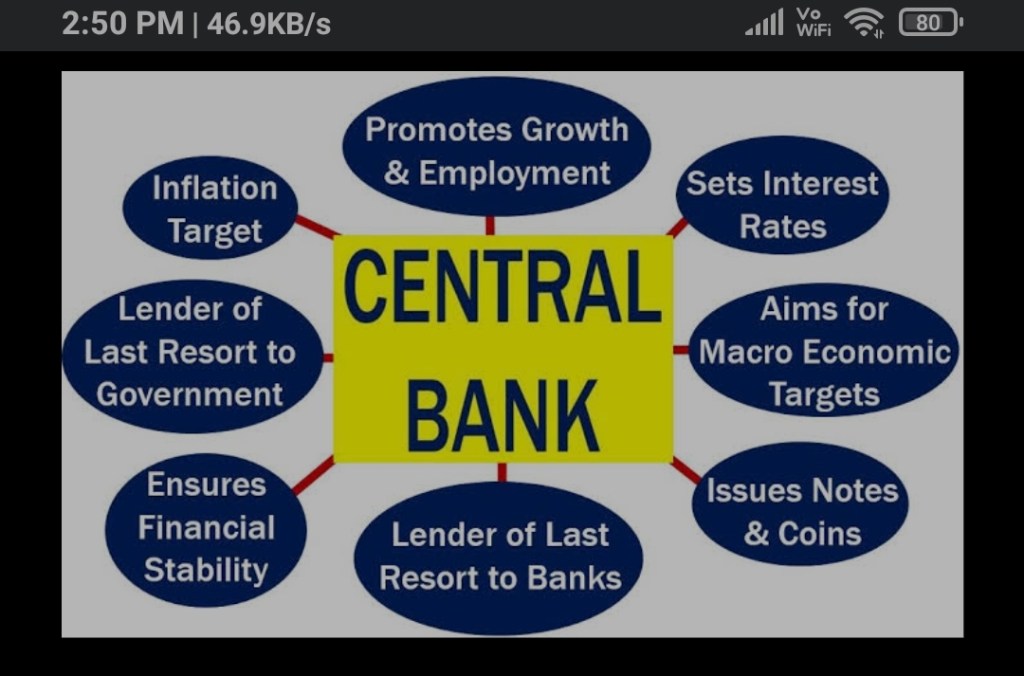
A central bank is the apex institution of the monetary and banking structure of the country.

It performs several important monetary  functions in the banking system.

According to A.C.L. Day a central bank ” helps and controls and stabilizes the monetary and banking system .

Along with several other essential functions, the central bank ‘s most important function is to control the credit creation power of commercial banks .

“Central Bank also known as Controller of Credit “

Credit control is the means to control the lending policy of commercial banks by the Central Bank .

The central bank controls credits in accordance with the needs of business and with a view to carrying out the broad monetary policy adopted by the state.

It adopted two methods of credit control :-

Quantitative Credit Control Methods

Qualitative Credit Control Methods

Open market is one of the methods of quantitative credit control used by the central bank .

What is open market Operations ( OMO ) ?

Open market Operations in general terms means dealing with government securities and bonds.

To elaborate more, Open Market Operations  refers to the sale and purchase of securities , bills and bonds of government as well as private financial institutions by the Central Bank . 

OMO is an activity by a central bank to give or take  liquidity in its currency to or from a bank or a group of banks.

There are two principle motives of open market Operations

• to influence the reserves of commercial bank in order to control power of credit creation 

• to affect the market rates of interest and supply of base money

In order to manipulate the short-term interest rate and the supply of base money in an economy, i.e to  indirectly control the total money supply, the central bank  buys and sells government securities, or other financial instruments.

 Monetary targets, such as inflation, interest rates, or exchange rates, are used to guide this implementation.

In the given figure , S is the supply curve of bank money which shifts to the left as S¹ showing a decrease in the supply of bank money from B to A , given the level of interest rate r .

When the central bank aims at an expansionary policy during a recessionary period , it purchases government securities from the commercial banks and institutions dealing with such securities .

The supply curve of bank money shifts from S¹ to S², showing an increase in the supply of bank money from B to C .

The bank will now lend more at the given rate of interest r.

As the result of change in supply of bank money in market through the open market operations

The market rates of interest also change .

A decrease in the supply of bank money through sale of securities will raise the interest market  rates and an increase in supply of bank money will reduce the market rate interest. ___________________________________________

Open Market Operation policy in India 

The  fact that India  is a developing country its  capital flows are very different from those in developed countries which influence   the Open Market Operation policy .

 India’s central bank, the Reserve Bank of India (RBI), has to make policies and use instruments accordingly.  RBI’s major source of funding and control over credit and interest rates was the cash reserve ratio (CRR) and the SLR (Statutory Liquidity Ratio). But after the reforms, the use of CRR as an effective tool was deemphasized and the use of open market operations increased. OMOs are more effective in adjusting. 

RBI use two types of OMOs :- 

Outright purchase (PEMO):

 It is  outright buying or selling of government securities. 

Repurchase agreement (REPO):

It  is short term, and is subject to repurchase.

OMOs are the most effective credit control instrument with the central bank and are preferred over other methods.

__________________________________________

Limitations of Open Market Operations

Although being an effective method OMO has certain limitations such as :-

Lack of Securities Market :-. It is important to have an organised security market system for central banks to buy or purchase securities on a large scale.

Unstable Cash Reserve Ratio:-  The buying and selling of securities and bonds by central banks highly influence the cash reserve ratio which is to be maintained at a fixed rate .

Penal Bank Rate  : – According to Profs Aschheim penal rate is one the necessary conditions for success of open market operations. If the penal bank Rate of discount is higher than the market rates of interest , the commercial bank can not increase their borrowings.

Pessimistic and Optimistic Attitude :- The pessimistic and optimistic attitude of the business community also limits the operations of open market policy. A business may be unwilling to take the risk of taking out a loan during a depression . 

Velocity of Credit and Money not Constant :- The velocity of credit increases during periods of brisk business activities and decreases in periods of falling prices. Hence ,the unstableness of velocity of credit and money constantly affects open market operations. 

Despite the given limitations , the central banks find the Open Market Operations instrument the most successful for controlling credit in developed as well as developing countries.

Top 5 places to visit in Uttarakhand

Uttarakhhand (also called as Uttaranchal) is an state in northern part of india.It is also called ‘Devbhumi’ or Land of Gods. Uttarakhand is known for its beauty, rivers, Himalayas , culture and many other things .it is blessed with some amazing tourist places. let us go through those places one by one.

  1. Dehradun

it is the Capital of Uttarakhand and one of the best places to visit in the state .This beautiful place is surrounded by hills of Mussoorie.. Dehradun is also known as ‘School capital of India’ due to number of schools there are in Dehradun.it lies between ganga and Yamuna river. There are lots of places to visit in Dehradun such as Clement house, Robber’s cave, Tapkeshwar temple, Forest research Institute campus and many other. The best time to visit Dehradun is said to be between March to June.

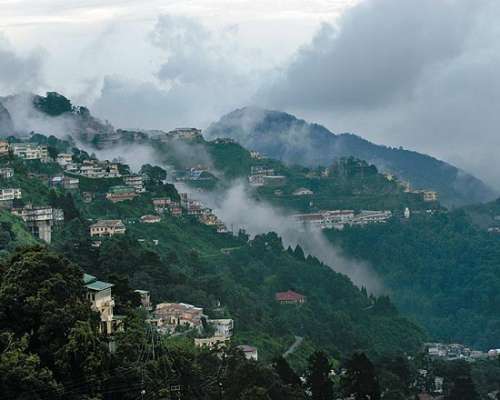
2. Mussoorie

Mussourie is one of the best and famous places to visit in our country. it is also called as queen of hills.It is a hill station, which is 35 kilometers away from Dehradun.it is in the foothills of Garhwali Himalayan range.it is not only famous for its beauty but also for its education and Business .There are many places to visit in Mussoorie, such as the lush green hills, view of Shivalik hills, colonial houses, the Kempty falls, sir George Everest house and many more. Best time to visit Mussoorie is between April to June.

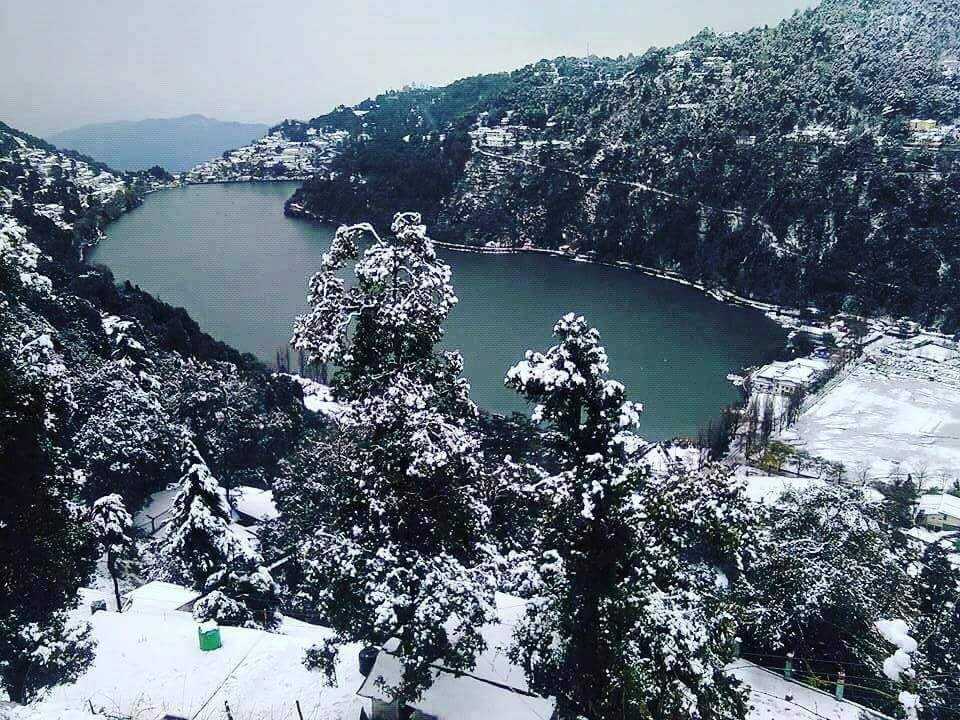
Nainital

Nainital is also called as lake city of India.it is among the most visited hill stations of North India.it is located in the Kumaoun foothills of the outer Himalayas.it is at a distance of 285 Km from the capital of state, Dehradun.it is situated 1938 meters above the sea-level. the eye catching thing in Nainital is Naini lake.it not only attracts other state’s people but also foreign tourists. Naintal is an ideal winter destination.The other places to visit in Nainital are:-Govind ballabh pant marg ,Nainital zoo, Cheena peak, Naina Devi temple, Tiffin Top and many other exciting places.

4. Rishikesh

Also known as yoga capital of world, Rishikesh is one of the best spiritual places in Uttarakhand it is known for its ancient temples.it is also known as gateway to the Garhwal Himalayas. it is 45 km away from dehradun.it is a pilgrimage town. many tourist come in Rishikesh for its peace and spiritualty.it is located in the foothills of Shivalik range on the banks of the river ganga in northern india. Rshikesh is not only a great pilgrimage place but also a great adventure place where we can enjoy water rafting, kayaking, rock climbing, bungee jumping and many other things. some famous places to visit in Rishikesh are:- Lakshman Jhula, Neelkanth Mahadev temple, Ram jhula, Triveni ghat, Parmarth niketanand and many other.

Haridwar

Haridwar is an ancient city and a pilgrimage place in Uttarakhand state.The city is situated on the right bank of the ganga river. at the foothills of shivalik range. In Haridwar, many important religious workship and events are done. Some famous places to visit in Haridwar are:- Har ki pauri, Ganga arti, Shantikunj, Chandi devi temple, Chilla range and many other places.

CRIMINAL PSYCHOLOGY VS FORENSIC PSYCHOLOGY

Both criminal psychologists and forensic psychologists assist law enforcement professionals in investigating and solving crimes. While there are many similarities between these two, they play different but complementary roles.

Forensic specializes in aftermath of crime, evaluating the suspects mental health and consulting victims and their families, whereas criminal psychologists focus primarily on determining a motive and creating a profile of the evil doer.

CRIMINAL PSYCHOLOGY, REQUIREMENTS AND POSITIONS:

Criminal psychology also referred to as criminological psychology is basically the study of the views, thoughts, intentions, actions and reactions of the criminal. They try to understand the motivation of the criminals and also develop psychological profile to apprehend them.

It requires a doctorate in psychology and a license to practice. The professionals would have usually completed a postdoctoral study or research or profiling. However, criminal psychologist having a criminal profiling may come from a law enforcement background instead of psychology.

They have various positions in this field. However most of them go on to work in social service or in a field related to law enforcement. Sometimes they work full time in police departments.

WHAT CRIMINAL PSYCHOLOGIST DO:

Investigate the behavior and thoughts of criminals. Examine the motive of the criminals. Assets their mental situation. Help and find to prevent criminal behavior.

FORENSIC PSYCHOLOGY, REQUIREMENTS AND POSITIONS:

Forensic psychology is a subfield in psychology. It involves the application of psychological knowledge and methods to both civil and criminal legal questions. They consult with law enforcement to integrate psychology into both criminal and civil legal matters.

Forensic psychologist during UG do a major in psychology or forensic psychology after which they complete internships and PG training in law enforcement. Forensic psychologist requires a PhD or a Doctor of Psychology (PsyD).

There are many positions including victim advocate, corrections specialist, or probation officer. Apart from this they can also be Jury Consultant, Federal Government Employee, Police Consultant etc.

WHAT FORENSIC PYSCHOLOGIST DO:

Forensic psychologists help rehabilitate offenders through therapy, anger management and other counseling services. They also interview witnesses and victims

SIMILARITIES:

Criminal psychology and Forensic psychology are strongly connected to law enforcement. Both aims at understanding the psychology of criminals and solving crimes. Both supports investigation whether its criminal or civil.

DIFFERENCES:

There are some points of divergence between the two starting from educational requirements, career and the typical paths that they lead and the work they do.

Vedic Literature

A few centuries after the decline of the Harappan civilization, a new culture flourished in
the same region and gradually spread across the Ganga-Yamuna plains. This culture came
to be known as the Aryan culture. There were significant differences between this culture
and the culture which preceded it.
Aryans settled on the banks of rivers Indus (Sindhu) and Saraswati (which is now non
existent). They composed many hymns in honour of the gods and goddesses they
worshipped. These were compiled in four Vedas – the Rig Veda, Sama Veda, Yajur Veda
and Atharva Veda. The word veda means knowledge of the sacred spiritual knowledge.
These vedas were considered infallible as they imparted the highest spiritual knowledge.
Initially the Vedas were transmitted orally. Since our knowledge of the early Aryans is
based on these Vedas, the culture of this period is referred to as the Vedic Culture. Scholars
divide the vedic period into the earlier and later Vedic period. The earlier is represented by
the Rig Veda while the latter by all other Vedic literature including the Brahmanas, Aranyakas
and Upanishads. Two epics, the Ramayana and the Mahabharata and the Puranas, though
compiled much later, also throw light on the life and society of an earlier period. For this
period archaeological evidence has also been found in some areas of Uttar Pradesh.

Society and religion
Though Aryan society was patriarchal, women were treated with dignity and honour. The family
was the smallest social unit; several families (kula) made a village (grama) and several
villages formed a vis. A number of villages formed a tribe or jana which was ruled by a
chief called rajan. His chief function was to protect the tribe from external attack and
maintain law and order. He was assisted by the members of two councils called sabha and
samiti. The Purohita performed religious functions while the senani looked after military
activities. There was no concept of the state or kingdom at this stage. Although the post of
Rajan had become hereditary, he could be removed from power if found weak and inefficient
or cruel.
Towards the later Vedic period, society was divided into four varnas – Brahamanas,
Kshatriyas, Vaishyas and Shudras. This was also called the Varna-Vyavastha. To begin
with it denoted categories of people doing different kinds of functions but with the passage
of time this division became hereditary and rigid. The teachers were called Brahmans, the
ruling class was called Kshatriyas, farmers, merchants and bankers were called Vaishyas
while the artisans, craftsmen, labourers were called Shudras. Moving from one occupation
to another became difficult. Simultaneously, the Brahmans also occupied a dominant position
in the society

Education policies of India

Abstract

After the independence of India there was the urgent need for change in the education system. British education system was rigid and followed their principal. The evolution in education policies was slow. One education policy worked as the draft for another policy.

Introduction

Education policy : policies are a set of written rules and strategies given to an organisation ( government and private). Education policy is about policy which helps to set rules in the educational department. Education policies help the government to decide the objectives of education. Government decided some goals to empower the youth and achieve them through educational policies. 

How many policies have been established after independence.

After independence, Indian decided to degarde the British education system. British education system is just helpful for them. They have difficult course and exam patterns. There was an urgent need for new education policies which related to Indian context. 

  • Universal education system (1948)

It was the first education policy of independent India. It was headed by the first president Dr. Sarvepalli radhakrishnan. The committee gave recommendations for reorganising the examination pattern, medium of instruction, cultural heritage, vocational education and many more.

  • Secondary education system (1952)

This committee works with primary and secondary levels of education. The committee was headed by the Dr. A. L murlidhar. Recommendations given by the committee were reorganising the aim of education and teaching medium at the secondary level. It is also known as muralidhar committee.

  • Indian education system (1964-66)

After the Two committees  there were still some defeats in the education system. The previous committees gave suggestions to organise a new committee. The committee is known as the Kothari commission. It was headed by the D. S. Kothari. The major recommendations were improvement in the education system, focus on national development, addressing the needs and interest of aspiritant. The committee emphasized education for national development 

  • National education policy (1968)

In 1968, late former prime minister shri rajiv gandhi introduced the new education policy. According to him, we have an urgent need for a new education policy for the holistic development of the nation. Free and compulsory education for the children, protection and development for all education systems, and work experience in every field were the programmes under the NEP 1968. It was the first education policy which included agriculture and industries as the courses in education.

  • National educational policy (1986)

National education policy came in 1986. It was focused on equal opportunities for all. The police have an idea of inclusion of scheduled tribes, scheduled caste, handicapped, and women in education. NEP 1986 had 23 task forces under it. 

  • New education policy (2020).

The new education policy 2020 was introduced by the prime minister of India, Shri Narendra Damodardas modi. 

The main aim of NEP 2020 is to provide infrastructure support, innovative education centres to bring back dropouts into the mainstream besides tracking of students and their learning levels, facilitating multiple pathways to learning involving both formal and non-formal education modes and association of counsellors or well-trained social workers with schools.

The vision of NEP 2020 is The vision of the Policy is to instill among the

learners a deep-rooted pride in being Indian, not only in thought, but also in spirit, intellect,and deeds, as well as to develop knowledge, skills, values, and dispositions that support responsible commitment to human rights, sustainable development and living, and global well-being, thereby reflecting a truly global citizen.

The new education policy changed the school structure from 10+2 to 5+ 3+3+4.

 In the new education policy, early childhood and care is considered as the foundational year of learning. The ECC consists of 5 year of school structure. Children will go to bal vatika and anganwadis. There will be universal access to early child care and education. 

Upliftment of literacy and numeracy, cutting the droprate rates, universal access of free and compulsory education, change in pedagogical and curriculum system, rigid to flexible and enjoyable classroom environment, holistic development of the learner, increasing the critical thinking among the learners, empowerment of student through the flexibility in the subject choices, vocational education and teacher training are some major recommendations of new education policy 2020.

Conclusion

The Indian education system always works for the better development of the nation. Every education gives recommendations on the basis of the first one. The aim of all education policies was to provide education facilities to all.

References