Exams coming up? Here’s how to battle examination anxiety

With the examination schedules being declared its hard not to get anxious about our exams. Examination anxiety is a fairly common among students of all age groups, you would think a grown-up would know how to prepare for exams without being stressed out given all their previous experiences but that’s not the case. It is the uneasiness that occurs before, during, or after an examination and is not age-restricted.

Many people experience feelings of anxiety around examinations and find it helpful in some ways, as it can be motivating and create the pressure that is needed to stay focused on one’s performance. Examination nerves or fear of failure are normal for even the most talented student.

However, stress of examination results in such high degrees of anxiety in some students that they are unable to perform at their full potential, like they have shown in less stressful situations.

Sometimes it can result from the pressure to perform well in examination so that they don’t get judged by others (relatives, classmates, teachers), which is often the root cause for their negative thoughts about themselves, feelings of inadequacy, helplessness, and loss of status and self-esteem.

High stress can interfere with the student’s preparation, concentration, and performance so it is very important to manage it effectively so that it doesn’t get in the way of you giving your best performance in the exams. Just like other stressful situations, it is very easy to cope with examination anxiety and here are some ways to do so-

  • Prepare well– Plan it out and give yourself enough time to familiarize yourself with the content and the pattern of the question papers.
  • Multiple rehearsals- Practice as many mock papers as possible, when you are with your friends’ test each other by asking each other questions on the examination topics.
  • Inoculation- When practicing for examinations try to do so in an environment that is similar to the examination hall to prepare yourselves physically and mentally.
  • Think positive- Have faith in your abilities and emphasize on your strengths and try to think positively to motivate yourself.
  • Seek help- When facing a problem, do not hesitate to ask for help from your friends, seniors, teachers or parents. It will help you to feel stress-free and also give you an insight into the problem.

While preparing for examinations, exercising regularly even if a little bit and resting properly before the exam will be really helpful. Overview and weigh one’s strengths and weaknesses, plan a revision timetable, space out revision periods, and most importantly on the examination day concentrate on staying calm.


BIO-TERRORISM AND CLIMATE GETTING WORSE- TWO MORE PANDEMICS WAITING FOR US IN THE FUTURE

In 2015, when Bill Gates warned us about a possible global pandemic occurring in the future, which could kill above 10 million people, he predicted that it would not be because of a nuclear war but it would come in the form of a deadly virus. He warned us that we are not prepared enough to face the pandemic head-on and our unpreparedness will result into very adverse outcomes.

Looking back at it, he was right wasn’t he. We remained unprepared ignoring the warnings and then coronavirus hit us, and it hit us so bad that even developed countries like China, Italy, USA and UK took a serious blow and the death toll is still increasing. Vaccines are being developed but we still have a long way to go.

And while we are still recovering, we are facing the danger of two more pandemics which are- Bio-terrorism and Climate change. In his recent interview, Bill Gates talked about these issues, he warned about increasing death toll in future due to changing climate and spread of biological weapons in form of infectious bacteria and viruses with the intention to cause damage globally. Many physical impacts of climate change are already visible, including extreme weather events, glacier retreat, increase in level of sea water, drought and wildfires etc. And he also suggested us the ways in which we could better prepare ourselves to fight effectively against these future pandemics, they are-

  1. Field based activity- Appointing a team of epidemiologists so that they could go to the affected locations and collect data about the problems and difficulties they are facing because vaccine research begins only after a careful assessment of public health priorities. Work conducted in the basic research laboratory forms the scientific foundation for all subsequent investigation.
  2. R&D activity- Investing more in the Research and development for the solutions to the pandemics, like in case of an infectious virus developing mRNA vaccines and developing warning systems using technology.
  3. Contact Tracing- Contact tracers use clear protocols to notify, interview, and advise close contacts to patients with confirmed or probable infections . Jurisdictions can use the following steps and considerations as a framework when developing a protocol for the tracing of close contacts.

To prevent climate change we have to take some important steps ourselves to save our environment and sustain our resources by-

  1. Planting more trees & Stop deforestation
  2. Using resources like water and fuels responsibly
  3. Using energy efficiently and minimizing wastage
  4. Using natural resources like solar power to generate electricity.
  5. Recycling and using renewable resources
  6. Informing and educating others of these dangers and ways to fight against it

Improve Your Problem-Solving Skills

While it may seem that some people are born with a strong problem-solving ability, there are basic strategies that a person can use to improve himself.

Well, it’s possible to greatly improve your skills in this area – and the best part is, most of these activities are also very fun!

What Are the Different Types of Problem Solving Skills?
Before we get into the fun activities, let’s improve our understanding of problem-solving skills, which are ways to consistently help you:

Understand the causes of the problems
Overcome temporary problems
Create strategies for solving long-term problems
Turn problems into opportunities
You will be able to solve problems in your field better as you grow in your knowledge of a particular field. But there are also a few problem-solving skills that we all need:

1.Dance Your Heart
Did you know that dancing has a positive effect on neural processing, perhaps developing new neural pathways around the complete blockade of dopamine in the brain?

This means that if you are involved in ballet or other formal dance, doing so can help with changing thinking. In other words, it can help you to find just one, right answer to the problem. If you need help with different thinking (getting more answers to the problem), getting involved in advanced dance genres such as hip-hop or tapping can be just tricky.

2. Work your brain with Logic Puzzles or Games
A winning strategy when you play chess, Sudoku, Rubik’s Cube, or other brain-enhancing games is actually to bring the problem back, not forward. The same strategy can be used in real-life situations.

Build your brain muscles and develop new problem-solving techniques, practice logic puzzles and other games.

3. Sleep Well At Night
In addition to any other sleep or wake condition, Rapid Eye Movement (REM) sleep directly enhances creative processing in the brain. REM sleep helps to “promote interconnected networks, allows the brain to form new and useful associations between unrelated ideas” and “is not the result of selected memory enhancement” such as memory integration, which occurs when you wake up.
4. Test some iTunes
A study of cardiovascular rehabilitation patients tested verbal speech after a workout with and without music. The results showed that when listening to music while working, participants doubled their scores on verbal tests as opposed to working quietly. According to the lead author of the study, “The combination of music and exercise can stimulate and increase awareness while helping to plan the outcome of comprehension.”
5. Keep an “Idea Journal” with you

Problem solving with a journal You will be able to quickly record important thoughts, write down your experiences, make sketches, and check ideas when you keep an “Idea Journal” with you at all times. Problem solving by organizing your thoughts on paper and visualizing them is easier than having all your thoughts stuck in your head (and will provide better problem-solving strategies).

6. Participate in Yoga
The powerful combination of physical awareness, breathing and meditation required during yoga practice has been shown to greatly enhance psychological scores. Other results from the University of Illinois study include shorter response times, more accuracy, and more attention.

7. Eat More Cheerios (Then Think About)
The result of Cheerios is the name given to scientists by an event that occurs when the last few cheerios in a container stick together regularly. The cause of this phenomenon is global warming.

The point is, when you talk about getting into a fight when you try to solve a problem, hold on to those around you. Rely on the experiences of others, even those who come from different walks of life. Draw a connection. Gather the mind. Work together to get the job done.

8. Use Mind Maps to help visualize the problem
Mind Maps, a visual representation of a problem and its potential solutions, can help focus on the mind, stimulate the brain, enhance creative thinking, and produce alternative solutions.

Create a Mind Map by drawing your problem as a central idea. Enter “major branches” that contain all the causes of the problem. Use “sub-branches” to check out more details.

Next, make a separate Mind Map of all possible solutions to the central problem. Include “major branches” that show all the ways your problem can be solved, such as potential partners, strategies you can use, and other resources you can use. Enter “sub-branches” to further check details. Make the last branch with the most appropriate solution to the big problem. Use “small branches” for details.

With these exercises, you should be able to identify which “branch” or option is the most effective, time-saving, and least expensive way to solve problems.

9. Create a “Psychological Range”
What is the psychological distance? According to construal level theory (CLT), “anything we do not see happening now, here and there.” Other examples include taking someone else’s opinion or thinking of a problem as impossible.

Scientists have shown that by increasing the range of concepts between us and our problem, we will have more creative solutions. This is because abstract thinking helps us to create unexpected connections between seemingly unrelated concepts, thus allowing our minds to develop their ability to solve problems.

10. Play another Soccer
A link has been found between our “higher functions” of the brain and the success of sports. When we work, our brain is quick to do many things between walking, waiting, strategizing, reacting and doing. Doing all of these things at the same time requires a tremendous amount of brain activity.

This can be related to our working world when we plan, think, monitor our actions and solve problems at the same time. Therefore, it can be concluded that when you play soccer or any other fast sport, you stimulate your brain to think, process, and respond to problems.

To learn more about increasing your problem-solving ability to make decisions or to receive training in applied thinking skills.

Importants of Chess in life

You already know a lot of ways you can improve your brain health. You can exercise to be more productive, eat better brain food, and make sure you get enough sleep by falling asleep. And you can keep your brain in good shape with puzzles and even learning another language.

But what about chess?

It is known worldwide, and it is often associated with tact and ingenuity. But does chess make you more creative?

If you are already a chess lover, the following article should make you feel good about your favorite game. If you are not present, this article may just get you started. Here are 10 ways that chess can make you smarter.

1. Chess can increase your IQ
Chess has always had an image problem, seen as a game for brainiacs and people with high IQ already. So there has been a bit of a chicken and egg situation: Do smart people tend to tackle chess, or does chess make them smarter?

At least one study has shown that moving those knights and rooks around can actually increase the level of human intelligence. In reviewing the educational benefits of chess, Robert Ferguson describes a study of 4,000 Venezuelan students that made a significant increase in IQ schools for boys and girls after four months of teaching chess. Other studies have confirmed these effects of skills transfer.

2. It helps prevent Alzheimer’s disease
Because the brain works like a muscle, it needs to exercise like any bicep or quad in order to stay healthy and prevent injury. Review of the number of key subjects received

A study published in The New England Journal of Medicine found that more than 75 people who engage in brainstorming activities such as chess are less likely to develop dementia than their peers who play the game. As unused tissue is depleted, Dr. Robert Freidland, one of the authors of the study, found that unused brain tissue leads to loss of brain power. So that has more reason to play chess before you turn 75.

These results are confirmed by a major review concluding that chess is a protective factor in dementia.

3. It uses both sides of the brain
In a German study, researchers showed chess experts and novices simple geometric shapes and positions in chess and measured the reaction of subjects to self-identification. They expected to find that the left brain specialist was very active, but they did not expect the right part of the brain to do the same.

The results of the study suggested that novice and experts had the same moments of response in simple situations, but experts were using both sides of their brains to quickly answer chess position questions, and novices were absent.

4. Increase your intelligence
Since the right hemisphere of the brain is responsible for art, it should come as no surprise that activating the right side of your brain helps improve your creative side. Specifically, chess magnifies the real thing.

Robert Ferguson’s four-year study included students from Grades 7 to 9 playing chess, using computers, or doing other activities once a week for 32 weeks to see which activity promoted the greatest growth in artistic thought. The chess team received high marks in all art forms, which is their main source of profit.

5. Improves your memory
Most critical chess players know — at least anecdotally — that playing chess improves your memory. Being a good player means remembering how your opponent has worked in the past and remembering the steps that helped you win before.

But there is hard evidence to support an anecdotal experience. In a two-year study in 1985, young students who were given regular opportunities to play chess increased their grades in all subjects, and their teachers saw better memory and better planning skills in children. The same study made Pennsylvania’s sixth graders get the same results. Even students who have never played chess have improved their memory and speaking skills after playing.

6. Increases problem-solving skills
The game of chess is like one big puzzle that needs to be solved, and solved on a plane, because your enemy is constantly changing boundaries. About 450 fifth graders were divided into three groups in a 1992 study conducted in New Brunswick. Group A was the control group and passed the traditional mathematics curriculum. Group B added numbers with chess orders after first grade, and Group C started chess in first grade. In the standard test, Group C scores rose to 81.2% from 62% and surpassed Group A by 21.46%.

7. Improves reading skills
In a landmark study of 1991, Dr. Stuart Margulies studied the learning style of 53 elementary school students who participated in the chess program and tested them compared to non-chess students in the region and nationally. You have found clear results that playing chess has led to an increase in learning. In a district where middle school students are tested below the national average, children from the region who played the game were tested on it.

8. Improves concentration
The masters of chess may come out as scattered nutty professors, but the fact is that their antics during the games are often the result of intense torture demanded and developed for their players. Looking away or thinking of something else for even a moment can lead to losing the game, as the opponent does not have to tell you how to move if you are not careful. Numerous studies by students in the U.S., Russia, China, and elsewhere have repeatedly shown that young people’s ability to concentrate is sharpened by chess.

[See our great guide to find other ways to improve your focus.]

9. It grows neuron dendrites
Dendrites are tree-like branches that move signals from other neural cells to the neurons attached to them. Think of them as horns picking signals from other brain cells. The more antennas you have and the bigger, the more signals you pick up.

Learning a new skill like playing chess causes dendrites to grow. But that growth does not stop once you have learned the game; interacting with people in challenging activities also increases the growth of dendrite, and chess is a good example.

10. Teaches planning and foresight
Having teens play chess can save their lives. It goes like this: one of the last parts of the brain to develop the prefrontal cortex, the area of the brain responsible for planning, judgment, and self-control. So teens are not scientifically mature until this part grows up.

Strategic games like chess can stimulate the development of the cerebral cortex and help them make better decisions in all areas of life, perhaps preventing them from making stupid, dangerous choices related to youth.

So, yes, there is some good evidence to suggest that playing chess can improve your brain and improve your cognitive skills. If you are interested in other ways to improve your ability, intelligence, and brain health, keep checking EDUindex.

8 Online Tools Every College Student Should Use

If you are about to start college and need some help in your new journey, then you have landed in the right place. This article would tell you all about the eight best online tools that every college student should use to make their life easy. There are thousands of online educational tools available online, but we have shortlisted the most reliable and workable ones for you. 

If you want to make your college life easy and free of all kinds of rejections in terms of assignments and research papers, you should read about the tools mentioned below. Know that we have shortlisted these tools by keeping in mind their cost and their user-friendliness, which are the two main factors for students!

University Visitors network

This is an app cum online tool that comes for free. Students can keep it on their mobile phones without any trouble. You must know that this online application is specifically designed so that students can keep in communication between their teachers and parents. The tool also provides complete information about the campus on which you are studying to your parents. This is an extremely helpful app/tool as far as visitors are concerned. Information about students and their achievements are also added to this tool regularly.

Prezi 

This is an online platform that is perfect for college students. When in college, you have to prepare assignments and presentations regularly. Presenting a topic in the class can be fun and more professional if you use Prezi. This online presentation tool is very famous as it can help you get images and video content directly from Google. Presenting your topic with this tool is just like following a path, and one can easily engage the audience with this tool.

Evernote

The Evernote tool is another online program that can help you organize your day-to-day work related to your class and assignments. With this tool, one can make short notes in a remarkably interesting way. You can add text in this tool, but you can also help yourself in adding audio, video, and image content. If you want to collaborate with your mates to make an assignment, this is the right tool for you.

Grammarly

Grammarly is the perfect tool for college students. This is a writing tool that can help you create the best quality content. If you are preparing an essay, assignment, or even a research paper, you can help from this tool. You have to enter the content you have prepared in Grammarly, and it would scan it for all kinds of mistakes and errors. Grammarly does not only scans your work for mistakes, but it also provides substitute solutions for the errors.

Plagiarismdetector.net

This online plagiarism checker is perfect for students for checking duplication in their assignment work. The reason that this copyright checker is best for students is that it is not only reliable but is also free to use. You can use this plagiarism tool on any device and operating system as it is compatible with all of them. You need to enter your assignments in this free plagiarism checker, and it would tell you if there is any duplication found. You can not only find but also get rid of duplication with this plagiarism detector!

Trello

Trello is a management application cum tool that is also an important partner for students and teachers. This tool would help students manage their work and assignments in the specified time. This tool is best for students who are weak in managing their time and are always late submitting work. Trello can also build a proper and formal communication channel with teachers. A teacher can share work online with all the class using Trello.

Image finder by duplichecker

The image finder online tool is another free tool that should be used by students. One should know that adding images to your work or assignments can make them more presentable and attractive. The image finder tool can help you find the most relevant images for your content, and that too for free. This is a very friendly tool.

Quizlet

This online tool combines different sources, including note-taking, calendars, file uploading options, calculators, and even to-do-lists. This is a great tool for the pupil who wants to get all the important services in one place. You can also use the tool as a dictionary and as a translator to convert content to another language. It is available online for free, and you can also get its application version from the virtual stores for free. This tool can also be used to create and solve quizzes!

These online tools are very important for students of the modern age, and you must have them on your phone or in your bookmarks!

Indian Art Style

• Rajasthani miniature art

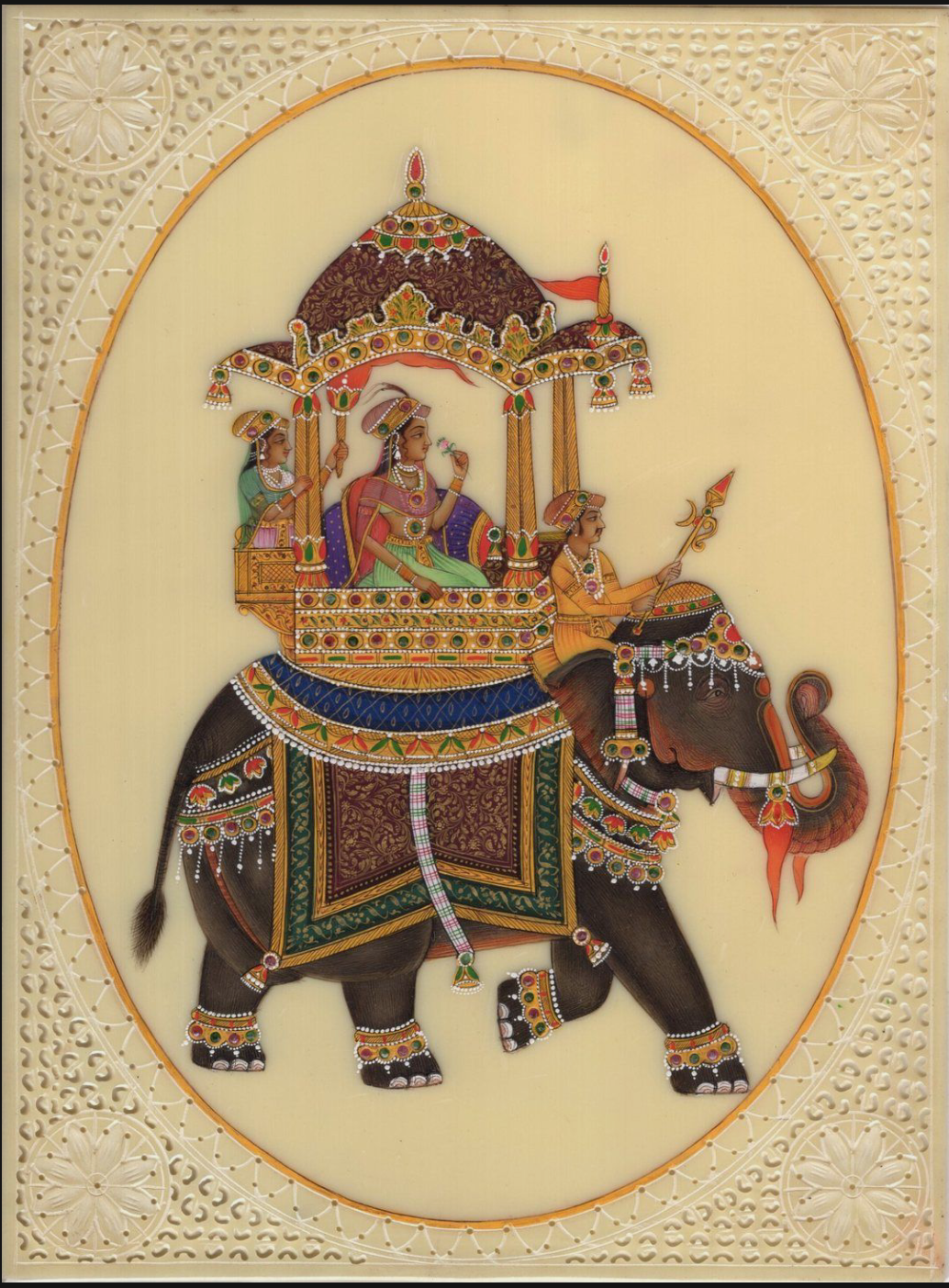
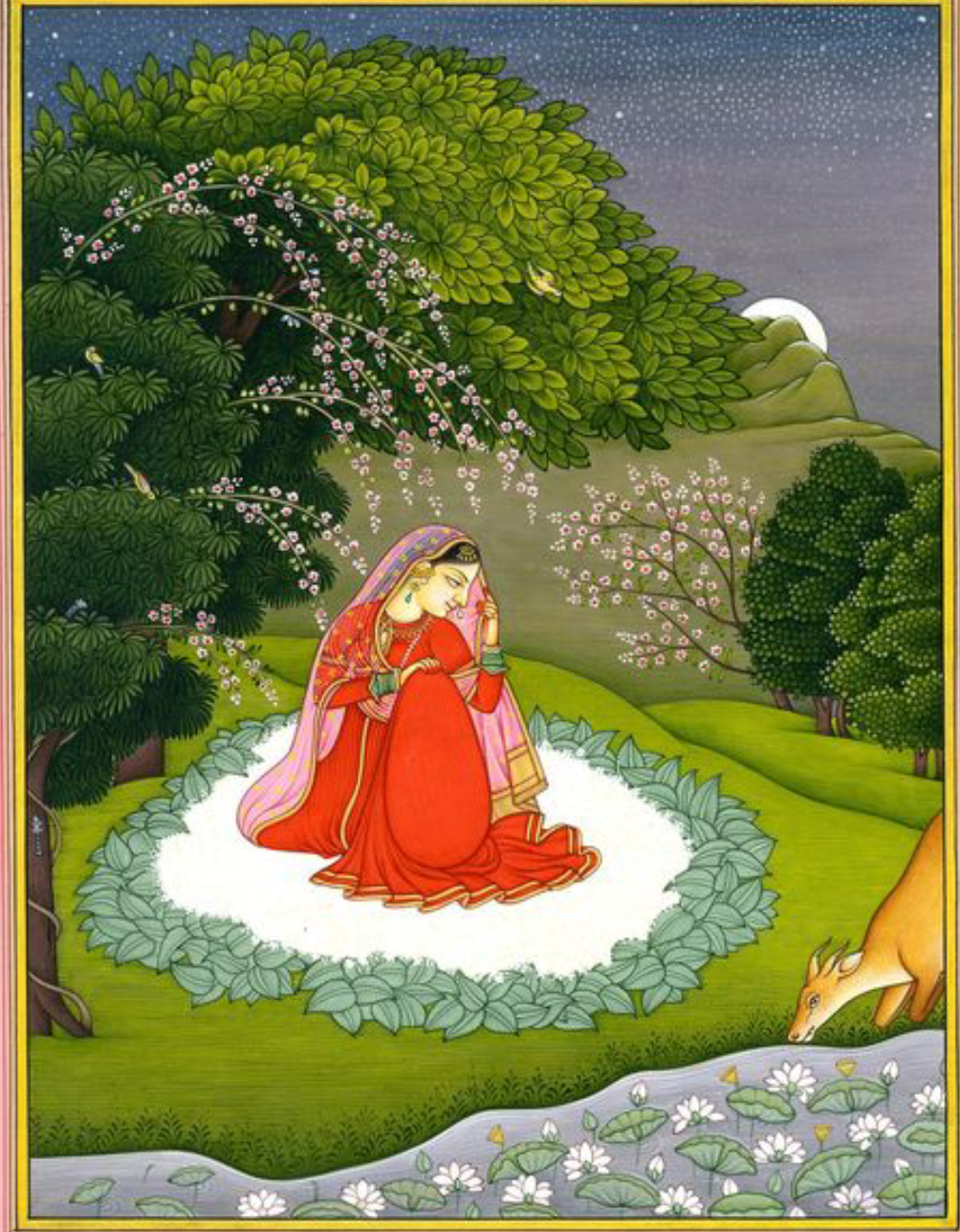
Rajasthan is one of the pioneer seats of miniature painting in India. Rajput painting, also known as Rajasthani painting, is a style of Indian painting evolved and flourished in the royal courts of Rajputana, India. Each Rajput kingdom evolved a distinct style but with certain common features. Rajput paintings depict a number of themes, events of epics like the Ramayana and the Mahabharata, Krishna’s life, beautiful landscapes and humans.

Miniatures in manuscripts or single sheets to be kept in albums were the preferred medium of Rajput painting but many paintings were done on the walls of palaces, inner chambers of the forts, havelis, particularly the havelis of Shekhawati, the forts and palaces built by Shekhawat Rajputs. The colours were extracted from certain minerals, plant sources and conch shells and were even derived by processing precious stones. Gold and silver were also used. The preparation of desired colours was a lengthy process, sometimes taking weeks. The brushes used were very fine.

• Pattachitra

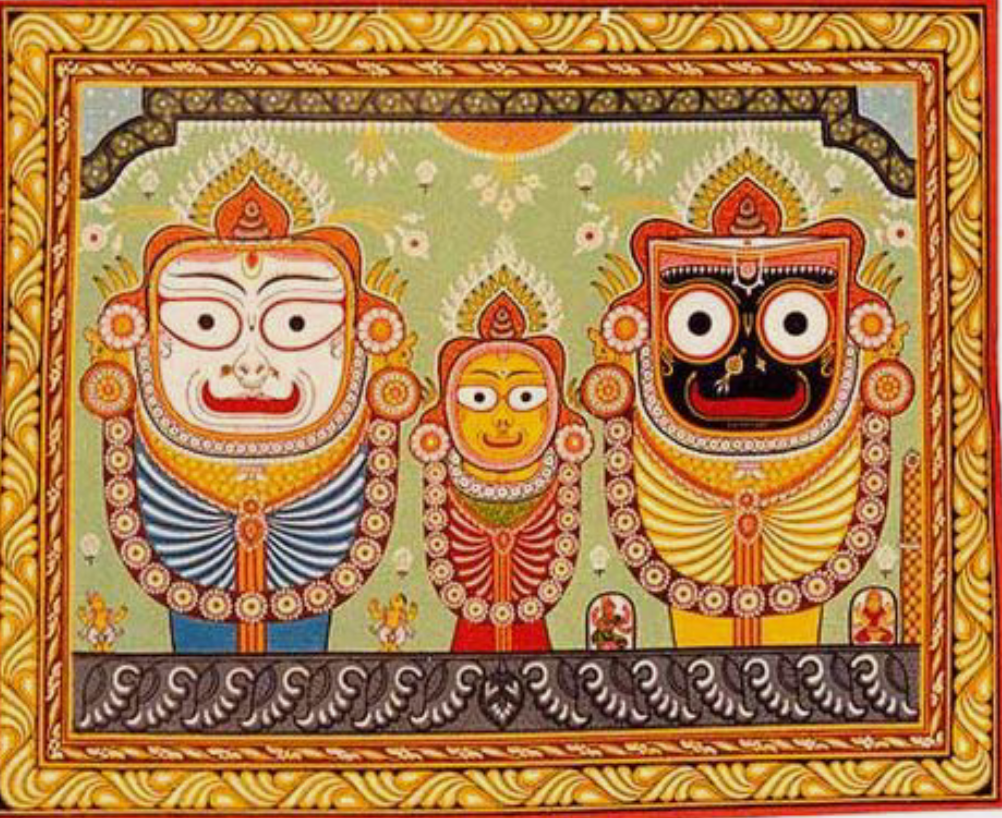
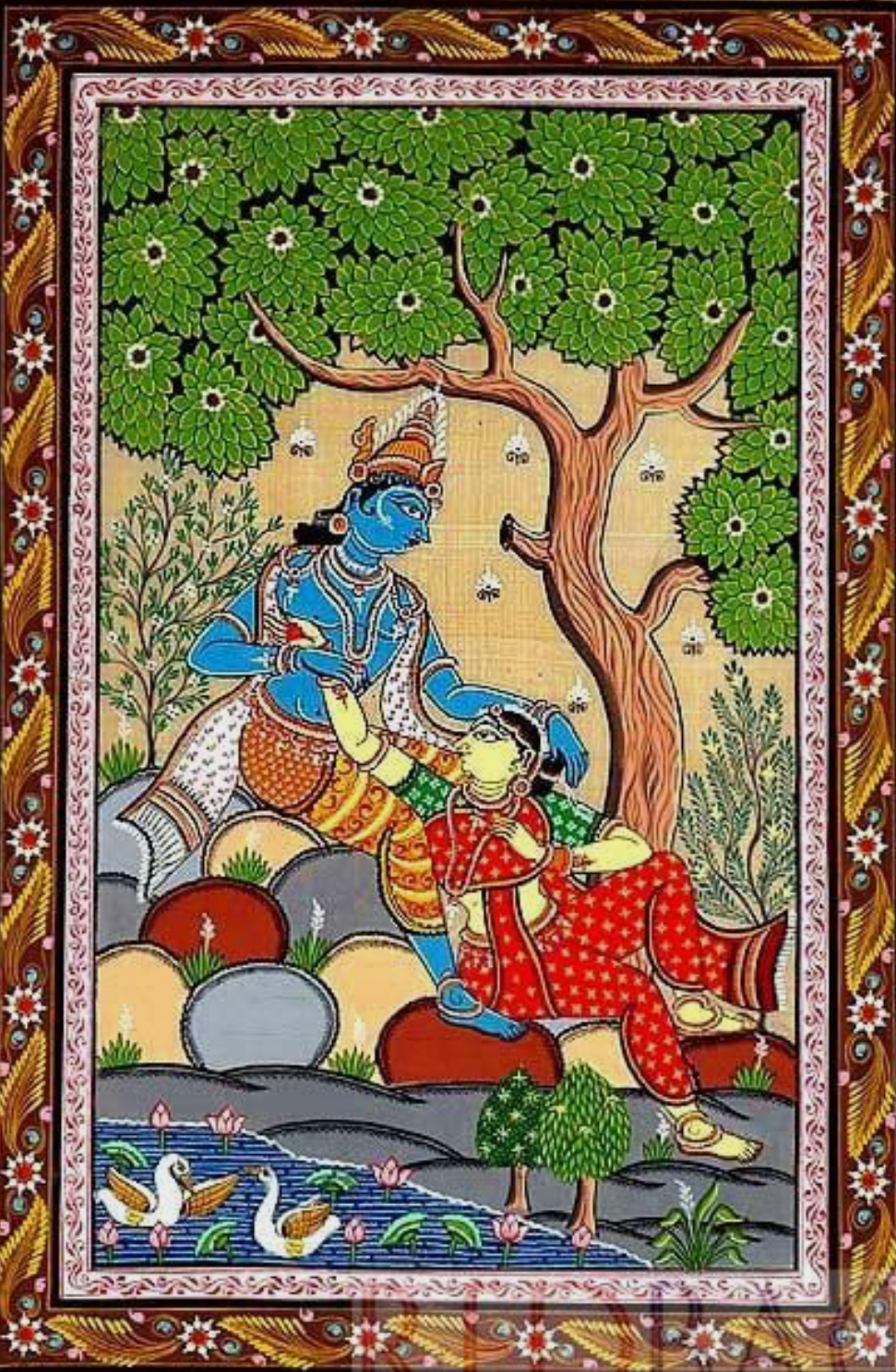
‘Pattachitra’ is a general term for traditional, cloth based scroll painting based in the eastern Indian state of Odisha. In the Sanskrit language, ‘patta’ literally means ‘cloth’ and ‘chitra’ means ‘ picture’. The pattachitra style of painting is one of the oldest and most popular art forms of Odisha.

All colours used in the paintings are natural and the paintings are made fully in the old traditional way by chitrakaras who are Oriya painters. Pattachitra is manifested by a rich colourful application, creative motifs and designs and portrayal of simple themes mostly mythological in depiction. The traditions of pattachitra paintings are more than a 1000 years old. Pattachitra paintings resemble the old murals of Odisha, especially those from the religious centres of Puri, Konark and Bhubaneswar regions, dating back to the 5th century BC. The best works are found in and around Puri, especially in the village of Raghurajpur. The theme of Oriya painting centers round the Jagannath cult and the Vaishnava cult. Since the beginning of pattachitra culture, Lord Jagannath, who is an incarnation of Lord Krishna, has been the major source of inspiration. In the 16th century, with the emergence of the Bhakti movement, the paintings of Radha and Krishna were painted in vibrant shades of orange, red and yellow. There are typical scenes and figures like Krishna, Gopi’s, elephants, trees and other creatures portrayed in these paintings. Krishna is always painted in blue and Gopis in light pink, purple or brown.

Thank you for reading. Have a nice day!🌼

Indian Folk Art

• Warli paintings

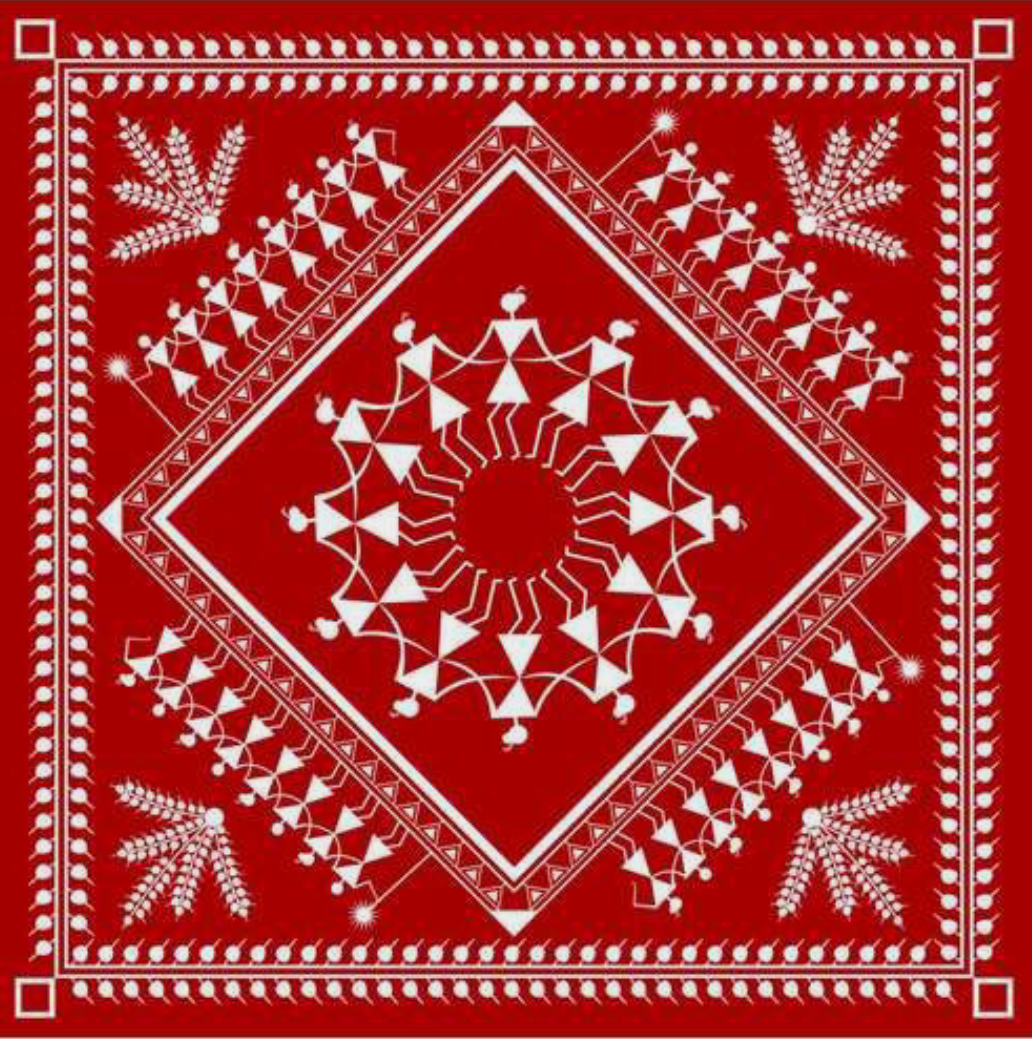
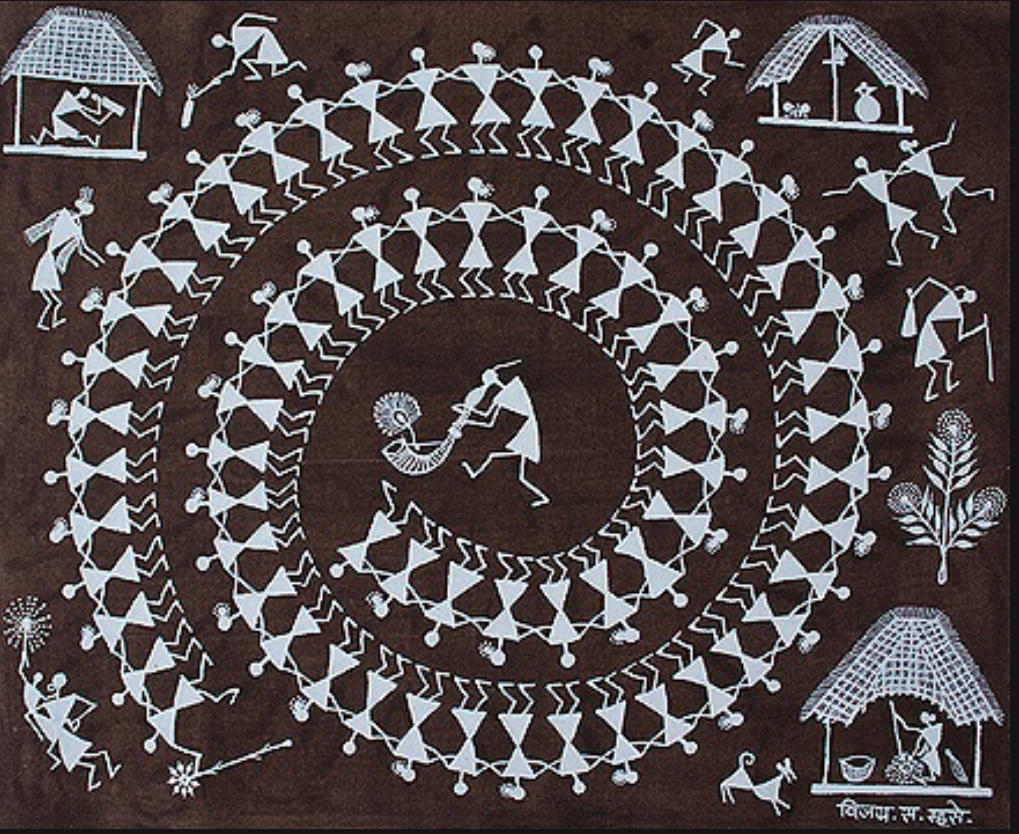
Warlis or Varlis are an indigenous tribes or adivasis living in the mountainous as well as coastal areas on the Maharastra-Gujarat border and surrounding areas. They have their own animistic beliefs, life, customs and traditions. As a result of acculturation, they have adopted many Hindu beliefs. Their extremely rudimentary Wall paintings use a very basic graphic vocabulary a circle, or triangle and a square. Their paintings were monosyllabic. The circle and the triangle come from the observation of nature, the circle representing the sun and the moon, the triangle derived from mountains and pointed trees. Only the square seems to be a different logic and seems to be a human invention, indicating a sacred enclosure or a piece of land.

The ritual paintings are usually done inside their huts. The walls are made of a mixture of branches, earth and cow dung making a red ochre background for wall paintings. Warlis use only white in their paintings. The white pigment used by them is a mixture of rice paste and water with gum as a binding. As the brush, they use a bamboo stick chewed at the end to make it as supple as a paintbrush. The wall paintings are done only on special occasions such as weddings or harvests. Warli art is the cultural intellectual property of the tribal community. Today, there is an urgent need for preserving this traditional knowledge in tribal communities across the globe. Now, Warli painting is registered with a geographical indication under the intellectual property rights act. With the use of technology and the concept of social entrepreneurship, tribals established the Warli Art Foundation, a non-profit company dedicated to Warli art and related activities.

• Cave paintings in India

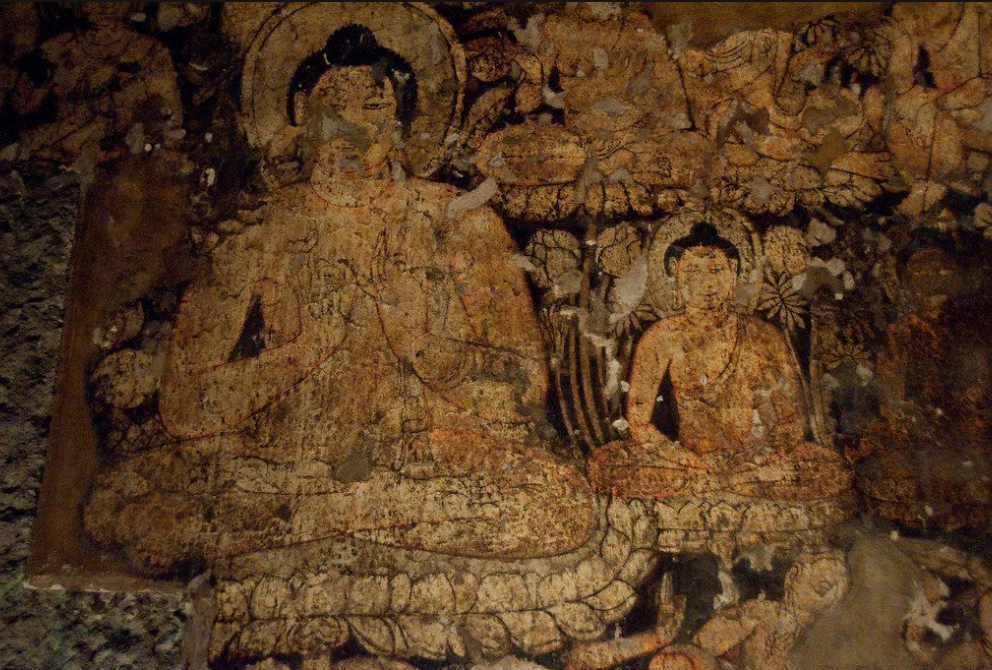
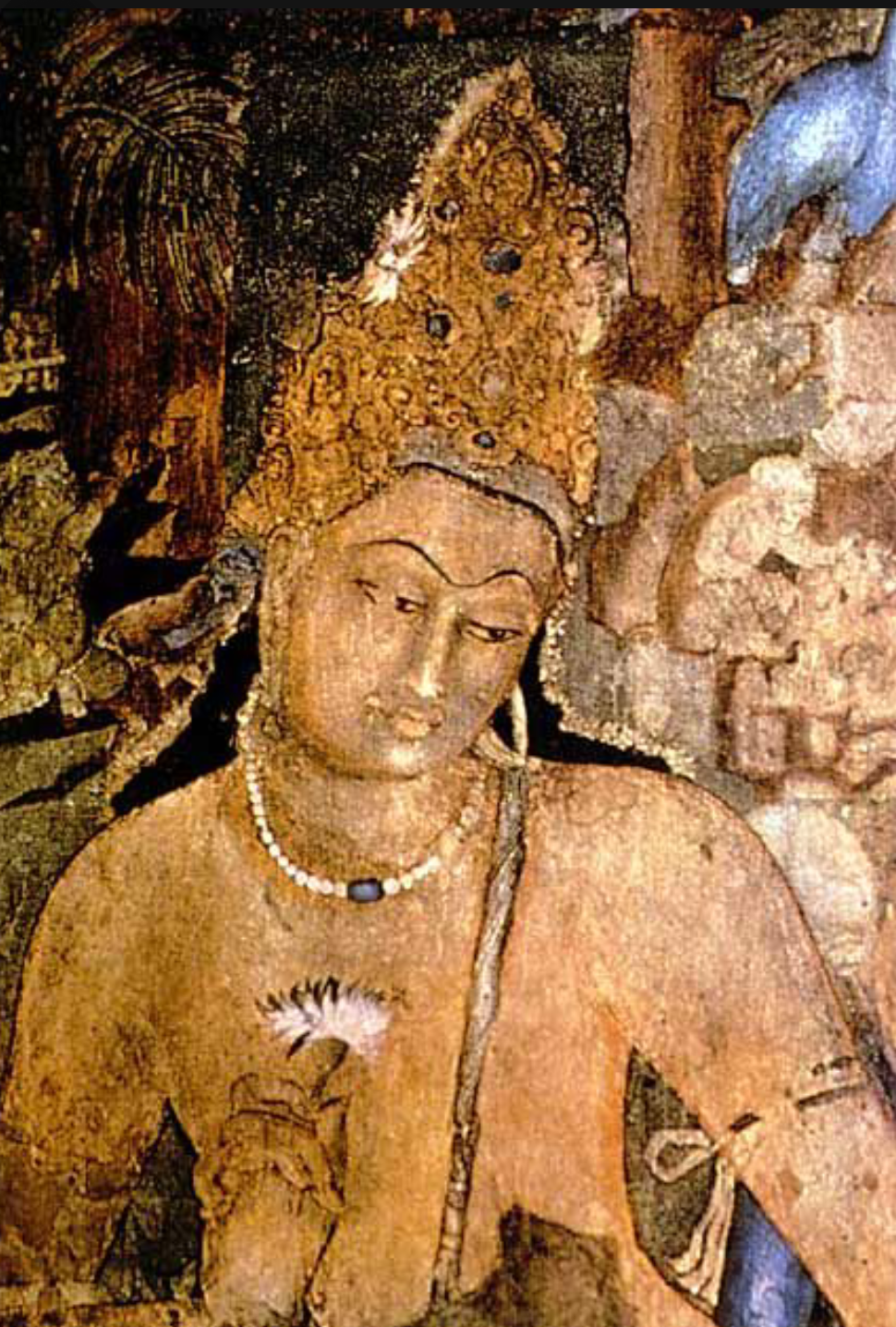
Almost all early painting in India survives in caves, as very few buildings from ancient India survive. The history of cave paintings in India or rock art range from drawings and paintings from prehistoric times – beginning around 30000 BCE in the caves of Central India, typified by those at the Bhimbetka rock shelters – to elaborate frescoes at sites such as the rock cut artificial caves at Ajanta and Ellora, prevalent as late as the 8th – 10th century CE. The frescoes of Ajanta are paintings in the Ajanta caves, which are situated near Aurangabad in Maharashtra. The caves are carved out of large rocks. Inside many of the caves are frescoes. Frescoes are paintings which are done on wet plaster in which colours become fixed on the walls and ceilings at Ajanta.

The paintings reflect different phases of Indian culture from Jain tirthankar Mahaveer’s birth to his Nirvana in the 8th century AD. The frescoes have degraded slightly due to the effect of flash photography. Photography here is not banned. The paintings depict themes of court life, feasting, processions, men and women at work, festivals and various natural scenes including animals and birds and flowers. The artists used shading to give a three-dimensional effect.

Similarly, beautiful frescoes have been found at the Bagh caves, 150 km away to the North of Ajanta. Though the themes in these paintings are both secular and religious, they do depict some aspects of Buddhist life and rituals. One of the most famous paintings show a procession of elephants. Another depicts a dancer and women musicians. These have been influenced by the Ajanta style of painting. These frescoes show a strong resemblance to the frescoes of Sigriya in Sri Lanka.

Thank you for reading. Have a nice day!🌼

Graphic design

Graphic design is the process of visual communication and problem solving through the use of type, space and image. The field is considered a subset of visual communication and communication design but sometimes the term ‘graphic design’ is used interchangeably with these due to overlapping skills involved. Graphic designers use various methods to create and combine words, symbols and images to create a visual arts and page layout techniques to produce a final result. Graphic design often refers to both the process (designing) by which the communication is created and the products (design) which are generated. Common uses of graphic design include identity, publications, print advertisements, posters, billboards, website graphics and elements, signs and product packaging. For example a product package might include a logo for other artwork organised text and pure design elements sketches images shapes and colour which unified the piece. Composition is one of the most important features of graphic design specially when using pre existing materials or diverse elements.

•Skills

A graphic design project me in work to stylisation and presentation of existing text and either pre existing imagery or images developed by the graphic designer. Artistic pieces can be incorporated in both traditional and digital forms which involves the use of visual arts typography and page layout techniques for publications and marketing for example a newspaper story begins with the journalist and photo journalist and then becomes the graphic designer job to organise the page into a reasonable layout and determine if any other graphic element should be required. In a magazine article or advertisement often the graphic designer or art director will commission photographers or illustrators to create original pieces just to be incorporated into the design layout or the designer may utilise stock imagery or photography. Contemporary design practice has been extended to the modern computer. Nearly all popular and ‘industry standard’ software programs used for graphic design since the early 1990’s are products of Adobe systems incorporated. They are Adobe Photoshop (a raster based program for photo editing), Adobe illustrator (a vector based program for drawing), Adobe InDesign ( a page layout program) and Adobe Dreamweaver (for webpage design).

Another major page layout tool is QuarkXPress (a product of Quark Inc. a separate company from Adobe). Both QuarkXPress and Adobe InDesign are often used in the final stage of the electronic design process. Raster images maybe edited in Adobe Photoshop, logos and illustrations in Adobe illustrator and the final product may be assembled in one of the major page layout programs. Most graphic designers entering the field since 1990 are expected to be proficient in at least one or two of these programs.

my work

Another one

•Occupation

Graphic design career paths cover all ends of the creative spectrum and often overlap. Employment within graphic design in walls workers performing specialised tasks such as design services publishing advertising and public relations. The main job responsibility of a graphic designer is the arrangement of visual elements in some type of media. The main job titles within the industry can vary and are often country specific. They can include graphic designer, are director, creative director former animator and the entry level production artist. Depending on the industry served commerce responsibilities may have different titles such as DTP associate and graphic artist But despite changes in the title graphic design principles remain consistent who start the responsibilities may come from early to specialised skills such as illustrations photography animation or interactive design. Today’s graduate in graphic design students are normally exposed to all these areas of graphic design and I guided to become familiar with all of them as well in order to be competitive. Graphic designers will face strong competition when applying for positions for organizations look for candidates with convincing talents and college level education post of field requirements consist of having strong portfolio and bachelors degree first of graphic designers can work in a variety of environments while many will work in companies devoted specifically to the industry such as design consultancies or branding agencies, others may work in publishing, marketing for other communication companies. Increasingly, special sense the introduction of personal computers to the industry commerce many graphic designers have found themselves working in non design oriented organizations as in house designers. Graphic designers may also work as freelance designers, working on their own terms, prices, ideas etc. A graphic designer reports to the art director, creative director or senior media creative. As a designer becomes more senior, he/she may spend less time designing media and more time leading and directing other designers on broader creative activities such as brand development and corporate identity development. Senior designers are often expected to interact more directly with clients, for example taking and interpreting briefs.

Thank you for reading. Have a nice day!🌼

Anniversaries (as of 2020)

•75th anniversary of end of World War 2 (1st September 1939 – 2nd September 1945 )

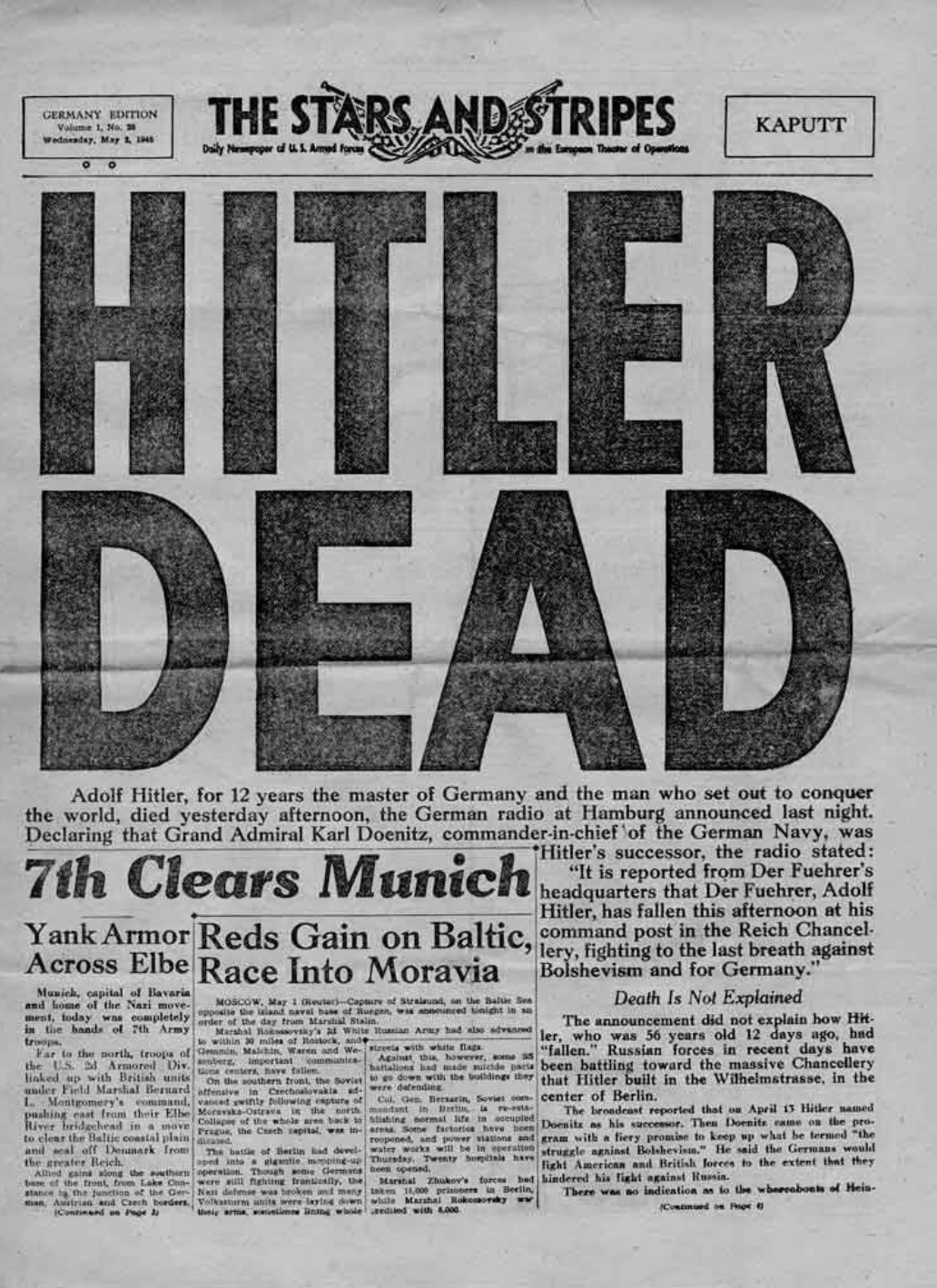
It involved vast majority of the world’s countries forming two different military forces – the Allies and the Axis. The Allied won causing the fall of Nazi Germany and also death of Hitler. It was the deadliest war in world history.

•100th birth anniversary of Isaac Asimov

Isaac Asimov was an American author and a professor of biochemistry at Boston University. Born on 2nd January, 1920 in Petrovichi, Russia. He was well known globally for his science fiction works including ‘I, Robot’, ‘Caves of steel’, ‘End of eternity’ etc. Some of his stories have been made into movies.

• 200th birth anniversary of Anne Bronte

Anne Bronte was an English novelist and poet and the youngest of the famous Bronte sisters. She was born on 17th January, 1820 in Thornton, UK. Some of her works include ‘The tenant of Wildfell hall’ and ‘Agnes Grey’.

•500th death anniversary of Italian artist Raphael

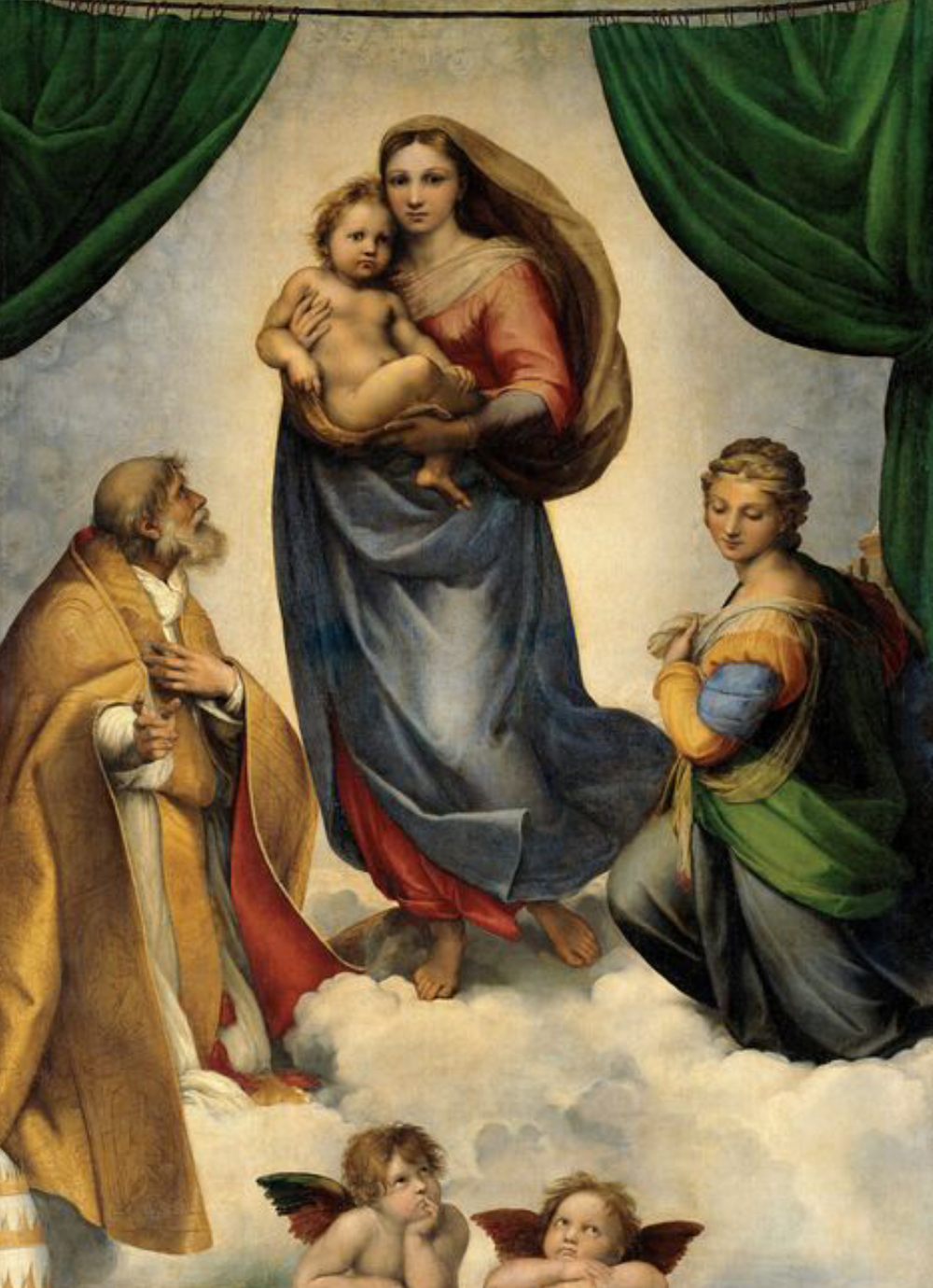
One of the Renaissance period painters, Raffaello Sanzio da Urbino was born on 6th April, 1483 and died on 6th April, 1520. St. Peter’s Basilica is one of his works. His notable artworks include ‘The school of Athens’, ‘The Sistine Madonna’ , ‘The marriage of the virgin’ etc.

•250th birth William Wordsworth

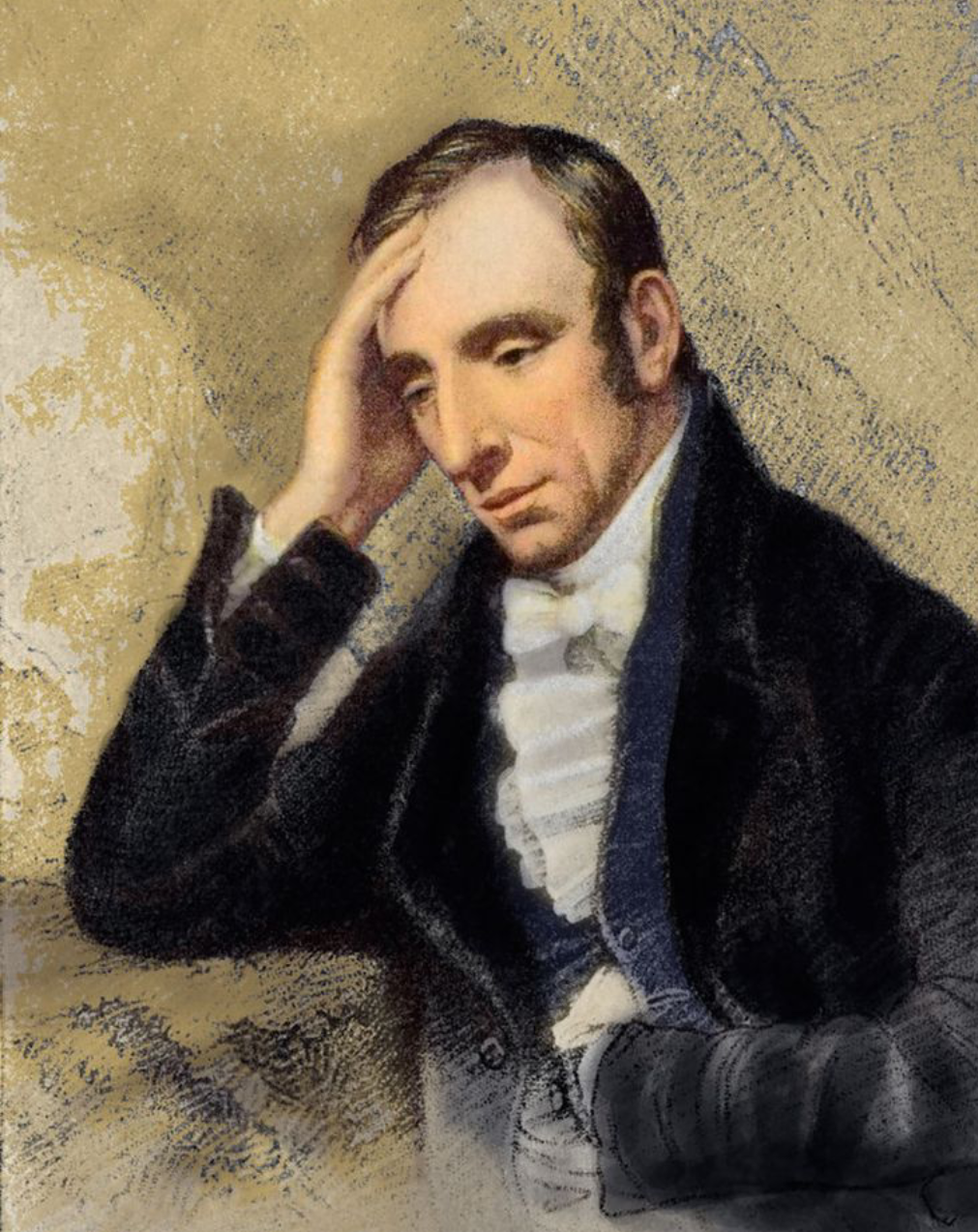
The very famous poem, ‘I wandered lonely as a cloud’ poet William Wordsworth was born on 7th April, 1770 in Cockermouth, UK. He was an English Romantic poet.

•200th birth Florence nightingale

The English social reformer, statistician and the founder of modern nursing was born on 12th May, 1820 in Florence, Italy. She worked hard and determined as a nurse and earned the title ‘Lady with the Lamp’.

•150th death anniversary Charles Dickens

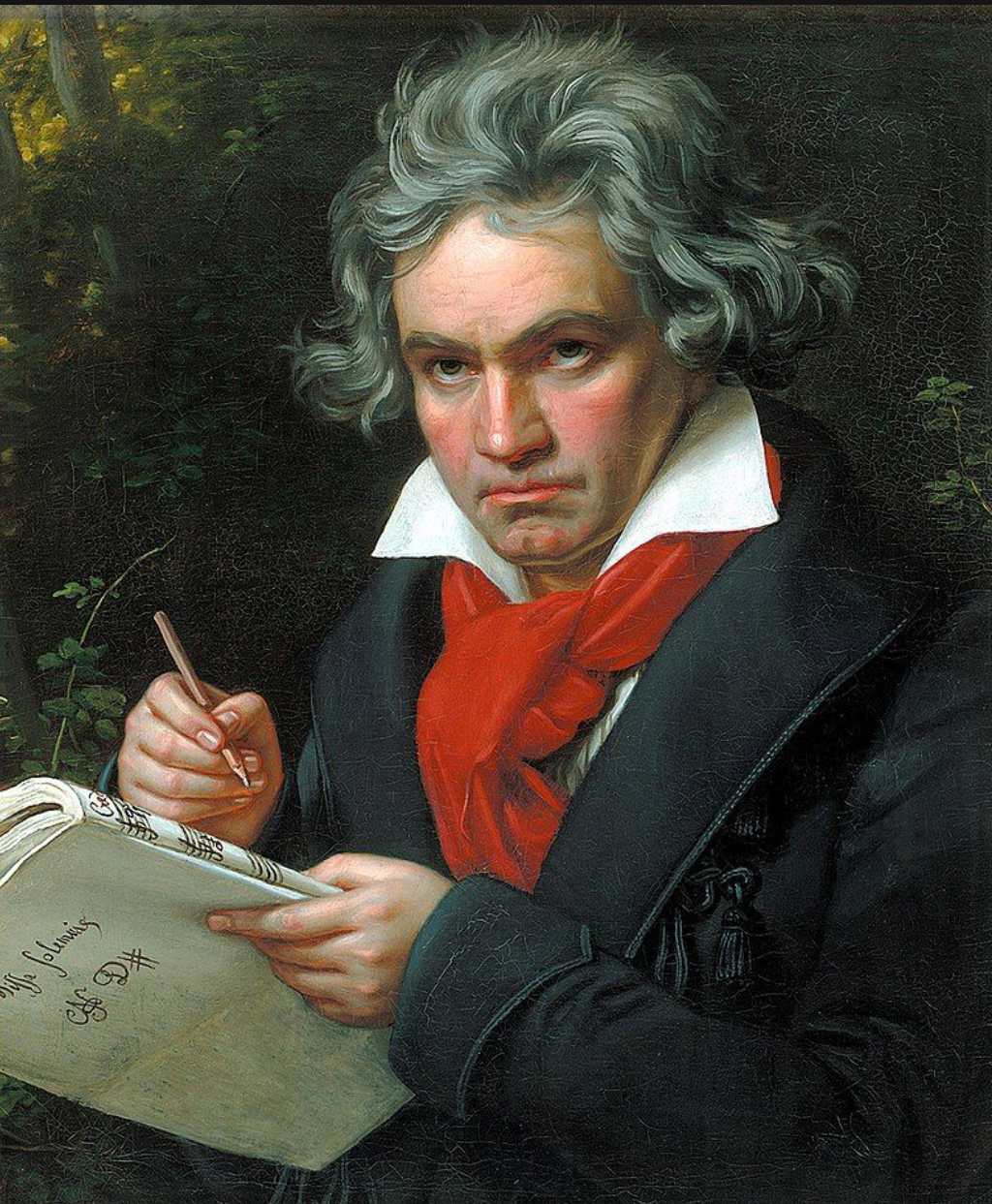
•250th birth anniversary of Ludwig van Beethoven

He was a German composer and pianist whose music ranks amongst the most performed classical music. Till date he remains the most admired composers in the history of western music. He was born in December 1770, Bonn, Germany.

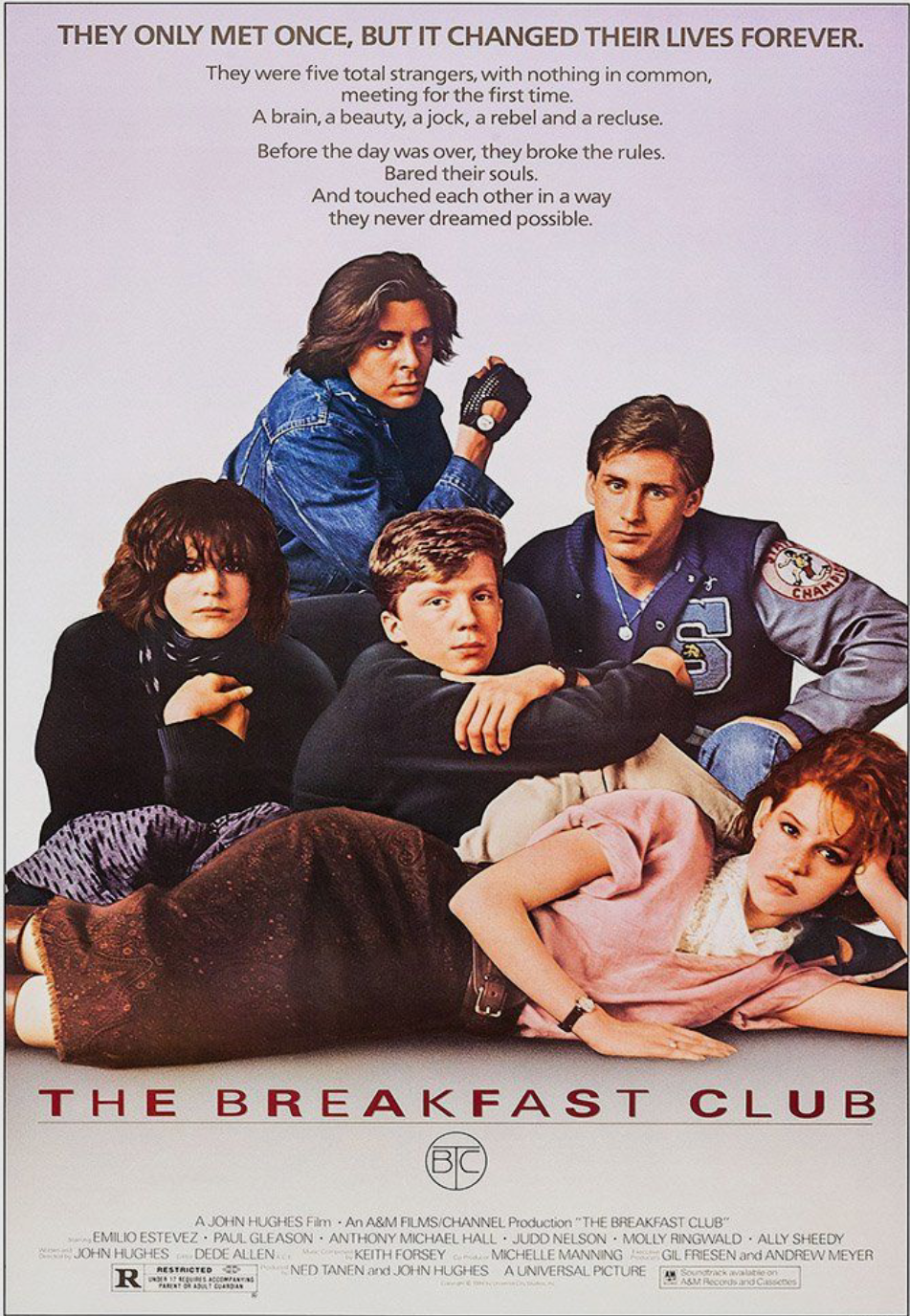
•Breakfast club is 35 now.

1985 The 1985 comedy and drama movie that has been a teenagers must watch since it’s release in 1985.

Thank you for reading. Have a nice day!🌼

Evolution

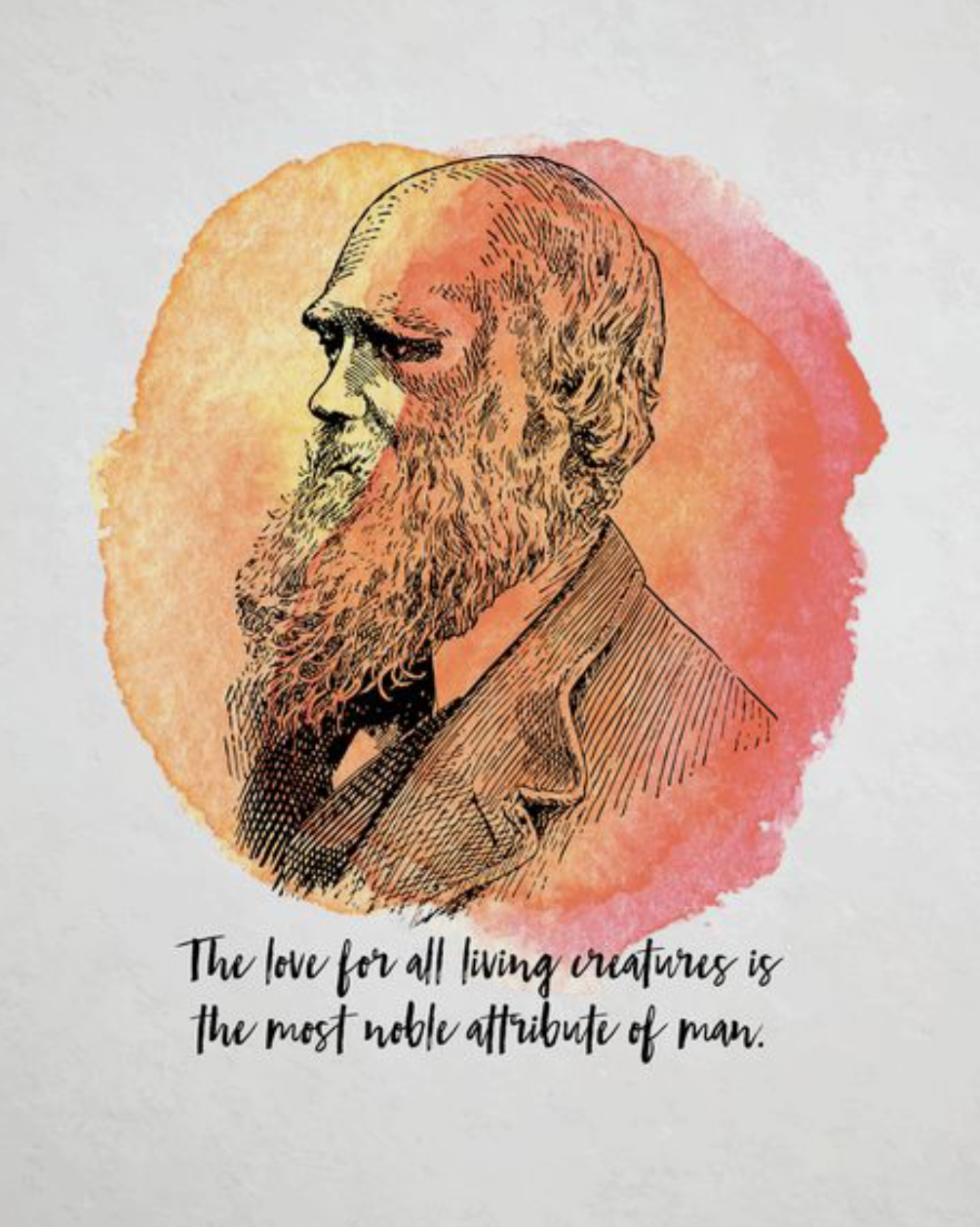
When you think of evolution the first name that comes to one’s mind is that of Charles Darwin. However, the fact is that he was not the first person to put forward the idea of evolution. Lamarck had suggested it earlier but the concept was not popular. In fact zoology professor Robert Grant lost his job because he supported Lamarck theory! An anonymous work titled, ‘The Vestiges of creation’ was ridiculed. It was Charles Darwin who first made the theory acceptable and he was able to do so because he supported it with a huge amount of evidence. Darwin, an English naturalist put forward his theory in a book titled ‘On the origin of the species’. He established that all species descended from common ancestors and that the different species evolved through a process he called natural selection. Darwin’s theory gained acceptance because it was able to explain the diversity of life.


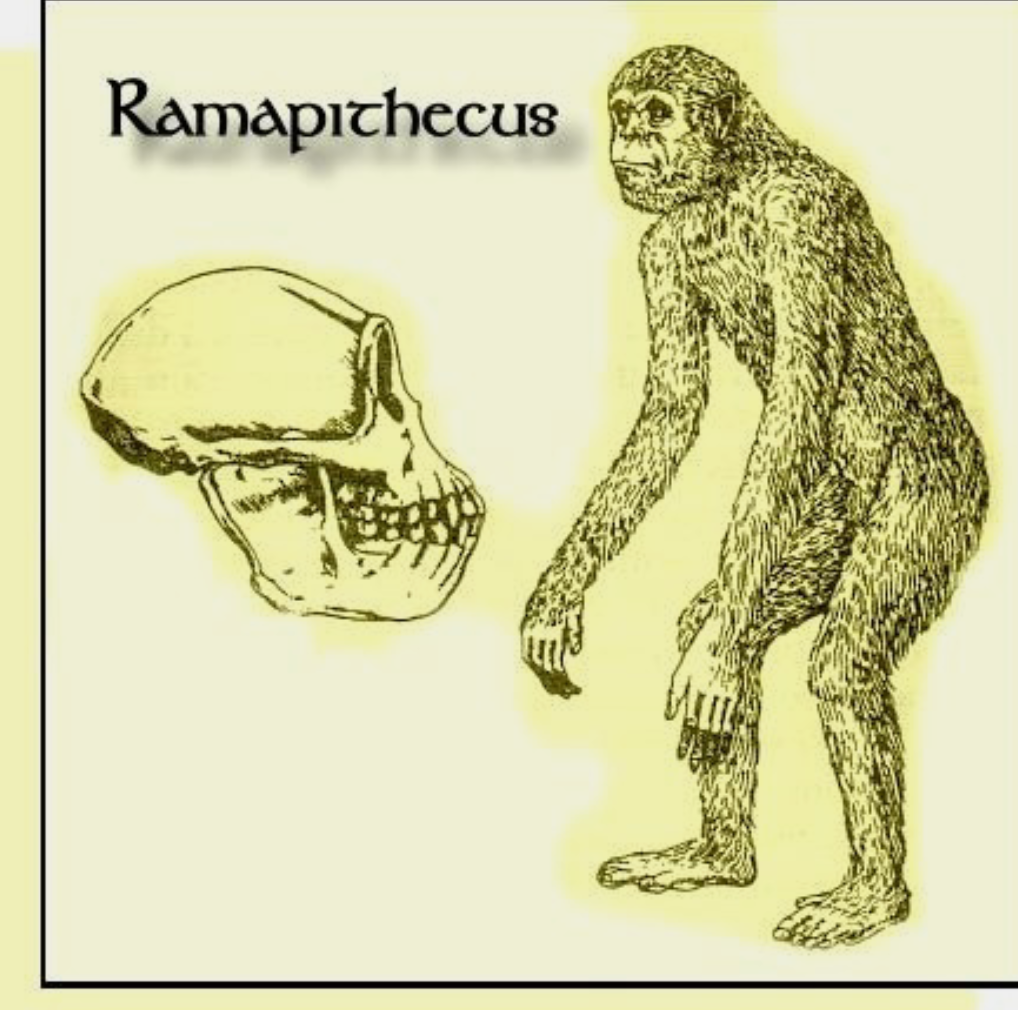
Ramapithecus belongs to an extent group of primates that lived from about 12 to 14 million years ago. Fossils of Ramapithecus were discovered in India and Africa beginning in 1932. Fossil evidence suggested that it had a short face, heavy jaws and enamelled teeth like hominids. Its importance lies in the fact that it was regarded as a possible ancestor of Australopithecus and therefore of modern humans. Later for sale finds indicated that Ramapithecus was more closely related to the orangutan and Ramapithecus is now regarded by many as a member of a group known as Sivapithecus.


It has been long known that humans share a common ancestor with apes but it was only in the last 30 years that techniques for develop to provide strong evidence in support of the theory that humans are more closely related to chimpanzees than they are to gorillas orangutans or Gibbons. The DNA of a chimpanzee is 98% identical to that of a human being. However our bodies adapted for walking on 2 legs. This is possible because the lower portion of the human body evolved to facilitate load bearing and balancing while walking upright. Chimpanzees not only share most of our genes they seem to be able to handle tools and they are able to grasp language pretty well too. Now researchers have found that we share a similar brain pattern when communicating. But in spite of these similarities there are clear differences in body structure intellect and behaviour.


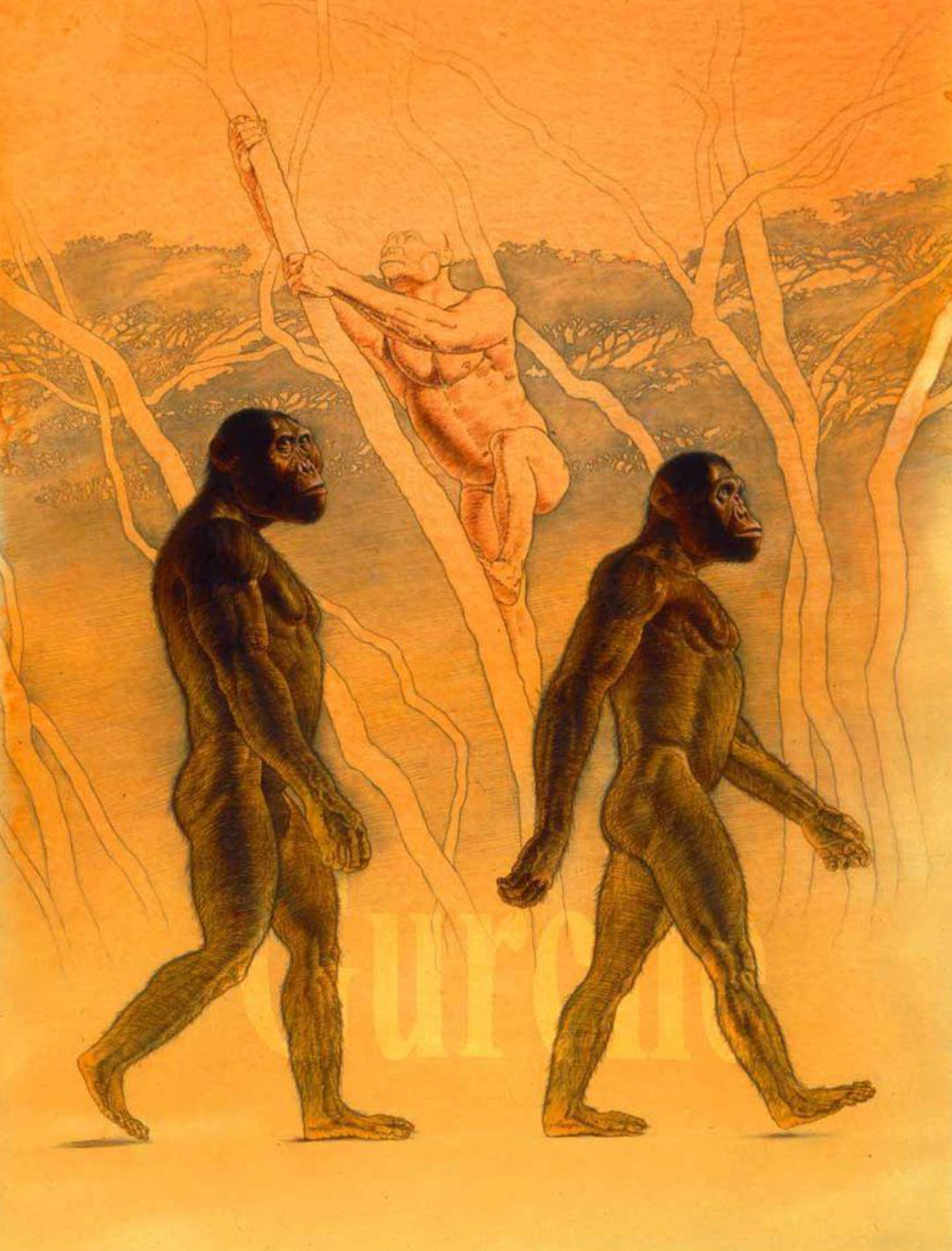
Australopithecus was an early hominid which is now extinct. Fossil evidence suggests that these individuals lived from approximately 4- 2 million years ago after evolving on the continent of Africa. Sense the fossils were recovered from south Africa they were called south African man apes or australopithecines. Australopithecines are believed to have been around 1 to 1.5 metre tall and probably fed on leaves fruits and the remaining of dead animals. Their brains were larger than those of apes but smaller than human brains while their teeth would like human teeth it is believed that Australopithecus eventually evolved into modern humans.


Neanderthal man first appeared in Africa about 200,000 years ago and migrated to the rest of the world around 100,000 years ago. The name Neanderthal comes from Neander valley where an early skull was found. Neanderthals would different from other species of early man. They were much taller and very strong for stop the brains were actually larger than ours are today. They were marvellous hunters. They often used caves as their homes. They were adept at fire making and probably cooked their food routinely. Neanderthals buried their dead. The Neanderthals died out by around 30,000 BC.
Cro-Magnon man lived some 40,000 -10,000 years ago. Their remains were first found in France in 1868 and then throughout other parts of Europe.

Cro-Magnon man was anatomically identical to modern humans and deferred significantly from Neanderthal man who disappeared in the fossil record shortly after Cro-Magnons appearance. Cromagnon man was tall and had an erect posture. He had a prominent chin a surprising forehead and skull shaped like hours. These man was killed hunters toolmakers and artists. Cro-Magnon man was a true human and looked just like us. He is represented by the remains of 5 individuals found in March 18683 adult males one adult female and one child.


•First family.
In 1975 Donald Johansson discovered the remains of at least 13 individuals of all ages at her there in Ethiopia. The sizes of the specimens varied greatly and Johansson believed that they all belong to a single species Australopithecus afarensis in which men were much larger than the females.

Thank you for reading. Have a nice day!🌼

Paradox…

A logically self contradicting statement is a paradox. Also known as antinomy. You can say it is a sentence that runs contrary to one’s expectations. Actually it’s just a smart mess. It does have valid reasoning but leads to a self contradictory or a logically unacceptable conclusion. It might seem absurd but is kind of the ultimate truth. That’s what makes it all the more interesting.

Let’s see some of the many interesting paradoxes that exist and try to understand them.

•Achilles and the tortoise 🐢🏃

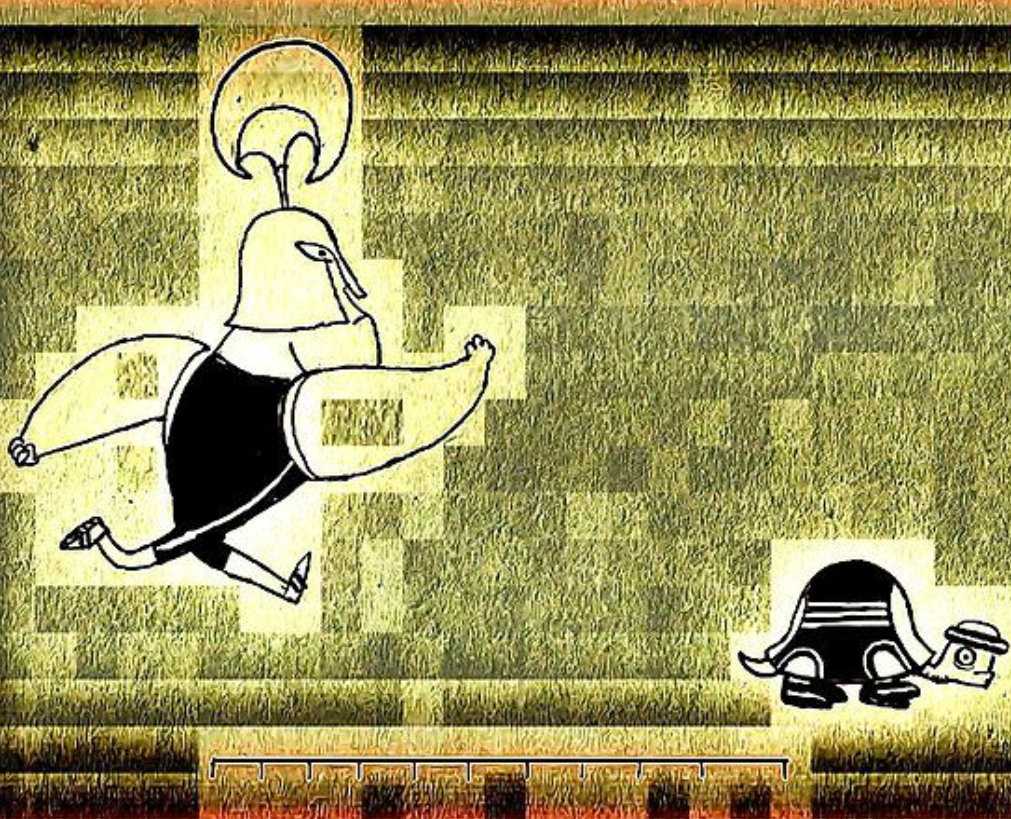
One of the “greatest” there is. It was put forward by the Greek philosopher Zeno of Elea in the 5th century BC. It so happens that the great hero Achilles challenges a tortoise to a footrace. Being the hero that he is, he allows the tortoise a headstart of 500m. No doubt, when the race starts, Achilles is at a must faster speed than the tortoise such that by the time he has reached the 500m mark, the tortoise has only walked 50m further than him. When he has reached 555m mark, the tortoise has walked another 0.5m, then 0.25m, then 0.125 m and so on. It is a chain of such infinite small distances with the tortoise always moving forwards while Achilles always has to catch up. Now, logically, Achilles can never overtake the tortoise. Except, of course, intuitively he can overtake.

Don’t think of it in terms of distances and races but rather as an example of how finite value can always be divided an infinite number of times, no matter how small its divisions might become!

•Birthday paradox 🎉🎂

This is personal favourite. It is maths based by the way. Probability to be specific. You have already heard of this probably. It goes like this that in a group of 23 randomly selected people there is a 50% chance two of their birthdays match. Interesting? Wait. In a group of 367 random people there is a 100% possibility atleast two of their birthdays match. Sounds like such a small number. It counts as a paradox because we can’t handle such numbers.

•Crocodile paradox 🐊

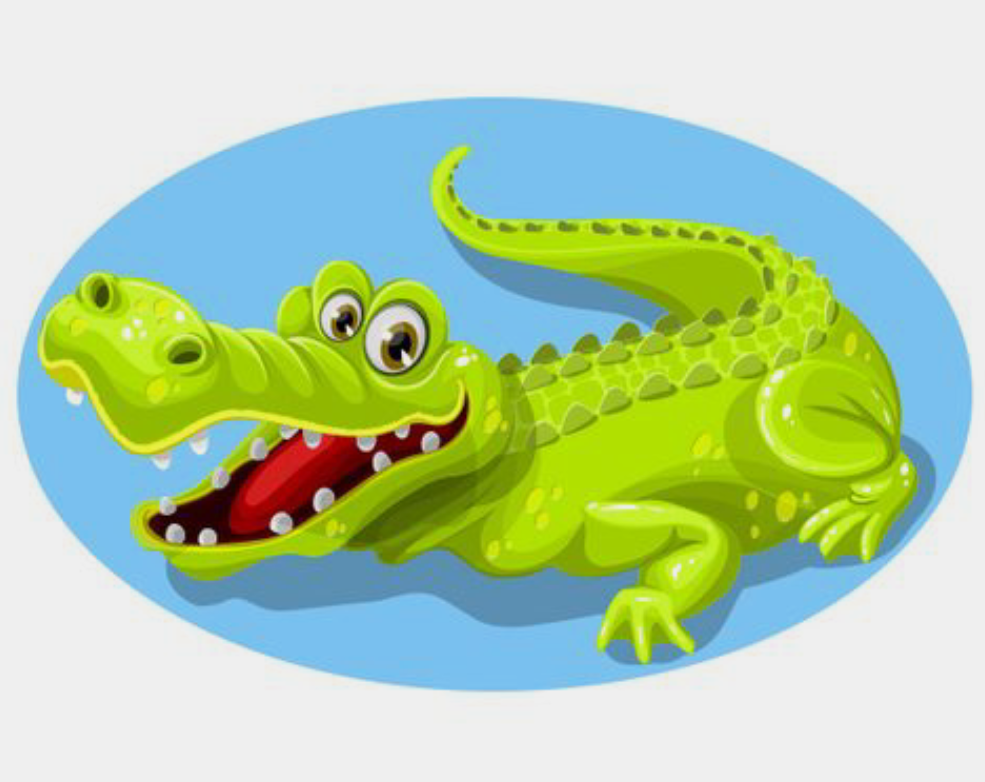
A crocodile snatches a young boy from the riverbank. Pretty common situation right? Anyways, his mother pleads with the crocodile to return the boy. The crocodile being in a fun mood, wants the mother to guess if he will return the boy or not. Takes one guess to get the boy out safely. It looks simple – the mother guesses he will return the boy, if she is right she gets the boy, if she is wrong, the crocodile gets the boy. If she answers that the crocodile will not return him, however, we end up with a paradox!

If she is right and the crocodile never intended to return her child, then the crocodile has to return him but in doing so breaks his word and contradicts the mother’s answer. And if she is indeed wrong and the crocodile did intended to return the boy, the crocodile must then keep him even though he intended not to, thereby also breaking his word. It’s a brain twisting dilemma.

•Paradox of fiction 🎟️📕

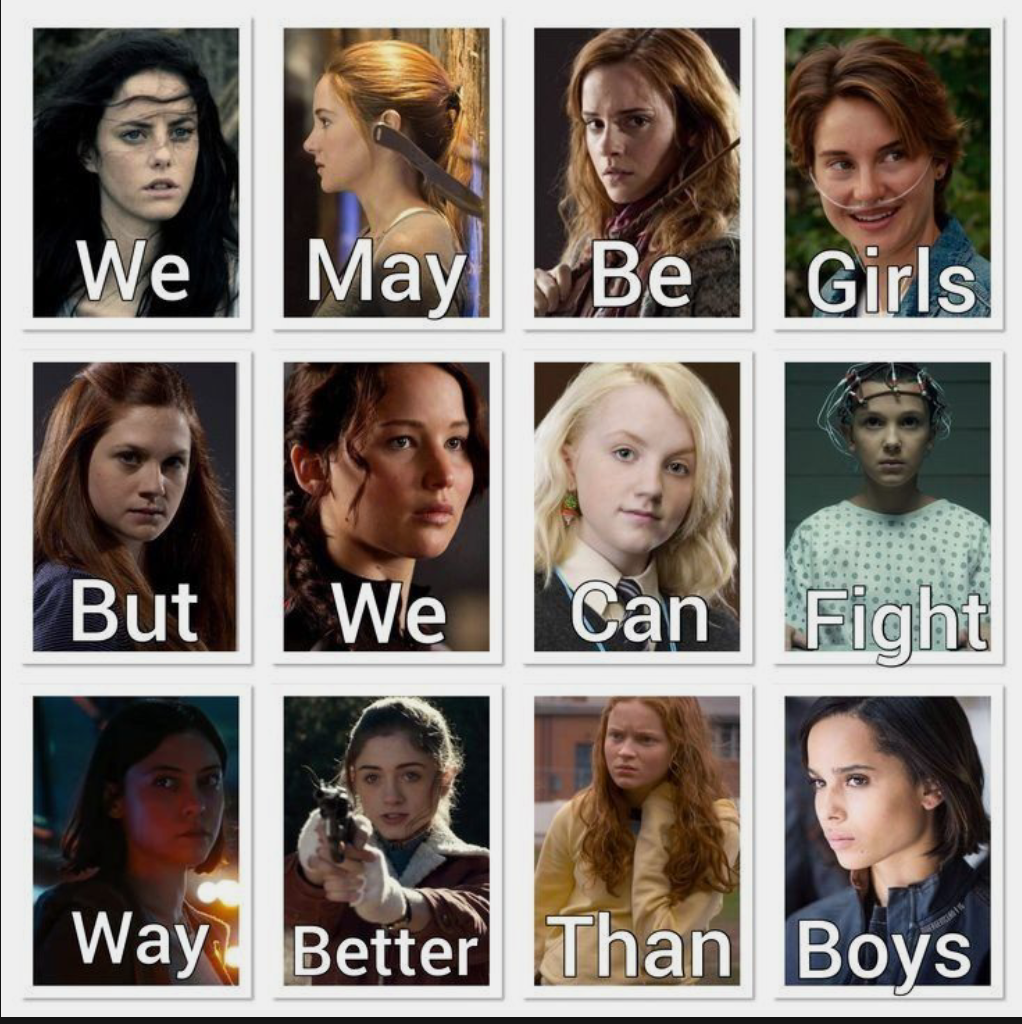
Are you fixated with the harry potter characters? You ofcourse have a crush on the Marvel or DC comic characters. Oh or did you cry when Augustus died?

So here is the paradox. Point 1 People have emotional responses to characters, objects, events etc. which are fictitious. Point 2 In order to be emotionally moved, we must believe that these characters or events by no way exists in real. Point 3 No person who takes characters to be fictional at the same time believes that they are real. All three of these points one at a time can be true. If any two points are considered to be true then the third must be false or else produce a contradiction. There exist various proposed solutions to this paradox such as pretend theory or thought theory or illusion theory.

•The card paradox 🃏

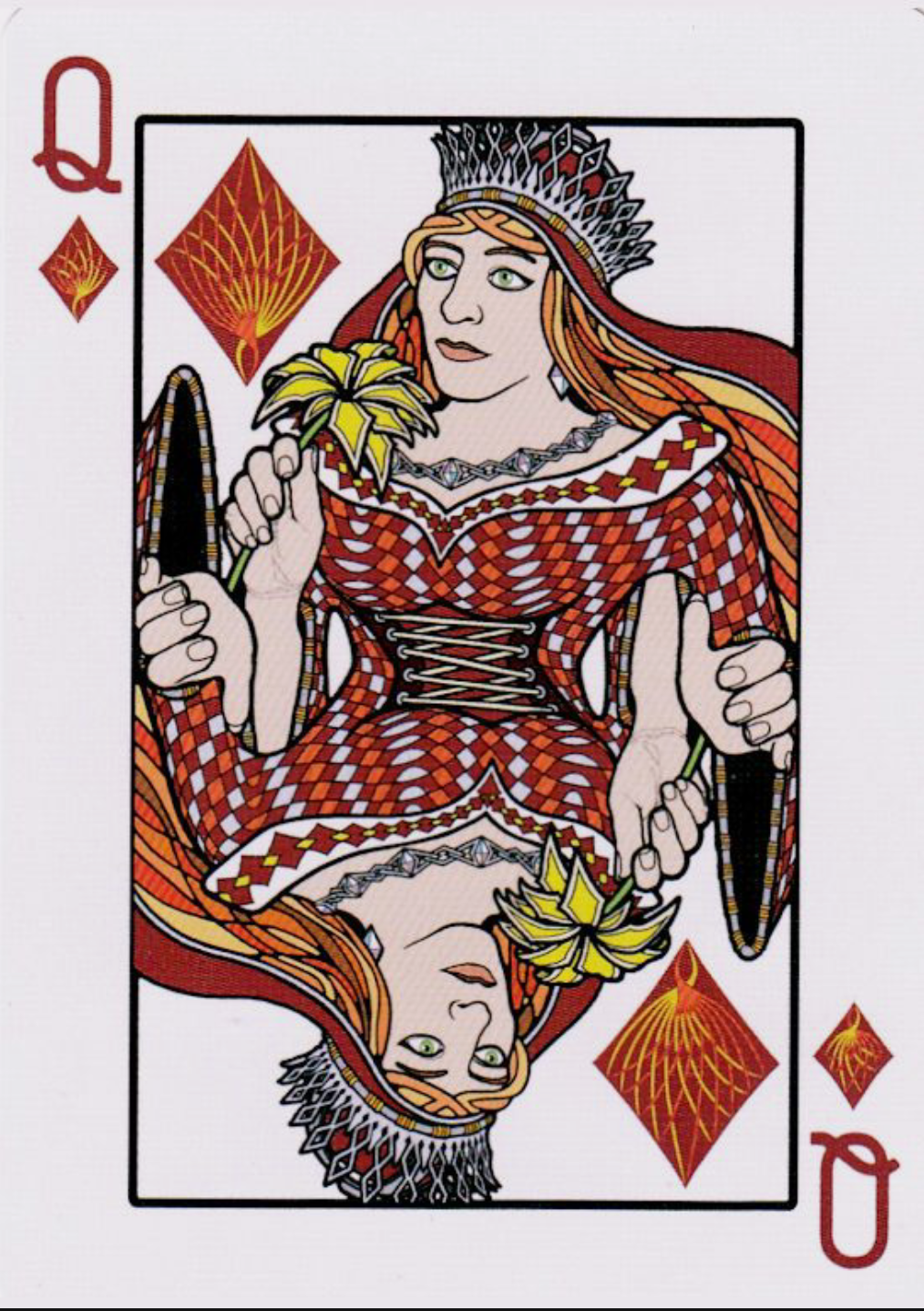
This one is a little bit similar to the crocodile paradox. A little. So I say we have a card with us. On one side, the front side, “the sentence on the other side of this card is TRUE” written on it. You flip and “the sentence on the other side of this card is FALSE”. You take one as true and it leads to a paradox!

Thank you for reading. Have a nice day!🌼