COVID-19 Pandemic Led to Delays in Care for Nearly Half of Breast Cancer Survivors

Breast Cancer is nowadays rapidly increasing in the urban Indian women.The early weeks of the COVID-19 pandemic caused 44% of breast cancer survivors to have a delay in care, according to an online survey.Because COVID-19 is so contagious, and to save healthcare resources for people diagnosed with COVID-19, many hospitals and other healthcare facilities delayed or cancelled elective procedures beginning in March 2020. Elective procedures included anything that didn’t need to be done to save someone’s life. Breast cancer screening was considered an elective procedure, so many mammograms were delayed or cancelled. Some breast cancer surgeries and other treatments also were delayed, changed, or cancelled.

The researchers from the University of Illinois Chicago who did this study wanted to see how changes in healthcare due to the pandemic affected people who had been treated for breast cancer.The researchers wrote a 50-question online survey to figure out how the COVID-19 pandemic had affected breast cancer care. The researchers invited adults who had been diagnosed with breast cancer to complete the survey by sending invitations via email, posting on social media, and sending invitations to breast cancer support networks. The coronavirus disease (COVID-19) pandemic has had a profound impact on cancer care across the globe. Early data indicate increased risk of COVID-19 morbidity and mortality for cancer survivors.

Delays in a routine or follow-up doctor appointment were the most common, followed by delays in breast reconstruction surgery and diagnostic imaging or testing.About 30% of the respondents said they had a delay in treatment, including radiation, infusions, and surgery to remove the cancer.

As time has passed, doctors have seen how protective procedures, such as wearing a face mask, washing your hands, maintaining physical distancing, and avoiding gathering with people in a group, have helped slow the spread of the virus. So most facilities are once again offering all aspects of breast cancer care, including screening.

During the pandemic, the weekly average number of people diagnosed with these six cancers dropped by 46.4%. Specifically, breast cancer diagnoses dropped by 51.8% — from 2,208 to 1,064.

“Our results indicate a significant decline in newly identified patients with 6 common types of cancer, mirroring findings from other countries,” the researchers wrote. “The Netherlands Cancer Registry has seen as much as a 40% decline in weekly cancer incidence, and the United Kingdom has experienced a 75% decline in referrals for suspected cancer since COVID-19 restrictions were implemented.

“While residents have taken to social distancing, cancer does not pause,” they continued. “The delay in diagnosis will likely lead to presentation at more advanced stages and poorer clinical outcomes. One study suggests a potential increase of 33,890 excessive cancer deaths in the United States.”
Drinking water, or soluble chemicals.

Water, you might have known it’s value, when your are thirsty but out of water. we nearly feel like to be gonna die. For, traditional Indians, you might known it’s value when you experience sudden cutoff of water supply ,in bathroom. All of us take this important thing for granted, but if once water wants to escape from us, the screams of 1.3 billion bangs the whole world. You may wonder, why only Indians scream …….ok, before you wanna know about it, also think ; Is your drinking water safe?, hey!..don’t tell that, i’m alright from the time i have born, no problem with drinking water.

Here, i just would like to bring up some most fundamental aspects of our life, i wanna recall we aren’t so much safe and being effected by things, but we never realize until they blasts a bomb in our life. One such is, drinking water; seems to be pure in color, no visible dust particles to our naked eye, but they have already been carrying invisible toxic substances with it, and ready to destroy us slowly after getting inside of us. Most of you might not care this, and stamps this as a boring story, but never forget; your taking some chemicals at every time you have a sip, and leaving your organs as a playground for the toxics that have gone inside you, along with the water you intake.

You better know the water sewage infrastructure in india, even some have been setup for namesake. So, the only option left for us to take care of ourselves. we cannot stop the flow of untreated chemicals and industrial waste into water. sometimes, There rises a campaigns and goes to sleep within no time.

Then, how to get a solution for this problem and to have a safe drinking water. The one thing is to setup water treatment plants by forming as a community, or to use water purifiers at home, leaving no space to compromise with it’s quality, Just even getting into debt; in long run saves you from unsolvable threats. But the bitter fact is, the cost of water purification is too high. But sadly we were pretending to believe the low level mechanisms and being fooled. One such example is, at rural areas or some public water suppliers , can get a 10 litres of water for just 2 rupees, whereas the premium water brands like tata provides the purified mineral water bottle of 1 litre for 20 rupees. This scenario can make us understand , how we are being pretended that low filtered water as mineral.The looters have just redefined the meaning of name itself.

we have been facing many health issues, one of the most important is, elders are facing problems regarding bone strength and losing immunity at very mid ages. This was an indirect effect of consuming water, because there is a clear picture of releasing pollutants from industries into water, but we confine ourself it might be because of age. This gonna definitely show impact on generations, if not resolved our life span keeps on reducing untill we open our eyes.

There is a huge need for communities to come forward and have awareness about the fundamental thing of our life, and come up with a feasible solutions.

Small amount of consumption of alcohol can be bad for the health

While daily consumption of alcohol increases apetite, studies have also associated alcohol with an increase in the amount of subcutaneous fat, both in men and women, especially around the abdominal area.Alcohol consumption makes certain changes in the body which results in weight gain. Researchers at the University of Liverpool found that daily consumption of alcohol increases the appetite by reducing the functioning of leptin (the hormone which manages and reduces hunger), which ultimately results in weight gain. 

As per the US-based Centers for Disease Control and Prevention, moderate use of alcohol is defined as two drinks a day for men and one for women, depending on alcohol content in the concerning drink. But recent research done on 2.7 crore people shows that even a small amount of alcohol can have a strong negative effect on people.

The results of the analysis showed that alcohol consumption has a strong association with obesity, as well as metabolic syndrome. Metabolic syndrome is a cluster of conditions such as obesity, abnormal blood sugar levels and high blood pressure, all of which increase the risk of heart disease, stroke and type 2 diabetes.

It was found that men who consumed either half or one standard drink a day (which is equivalent to 7.1 to 14 grammes of alcohol) were around 10 percent more likely to suffer from obesity and metabolic syndrome while the ones who consumed up to two drinks a day (which is equivalent to 14.1 to 24 grammes of alcohol) showed 22 percent to 25 percent increased risk of getting the disease.

Amongst all, the men who drank more than two drinks (24 grammes of alcohol) per day showed 34 percent higher risk for developing obesity and 42 percent increased risk of suffering from metabolic syndrome.

PUBG MOBILE APP BANNED BY GOVERNMENT

PUBG MOBILE, a wildly popular online multiplayer shooting game, is among 118 Chinese apps blocked by the government Wednesday amid tension over fresh Chinese provocation in Ladakh. Ministry of Electronics and Information Technology (MeitY) has banned 118 more Chinese apps including one of the most popular mobile games PUBG Mobile. The official press release stated that all of these apps have been “banned under section 69A of the Information Technology Act”. The government said that it has “decided to block 118 mobile apps since in view of the information available they are engaged in activities which is prejudicial to sovereignty and integrity of India, defence of India, security of the state and public order.”

The apps have been banned in the country on Wednesday. The apps are still available on the Google Play store and Apple App store. It takes some time for such orders to get enforced and hence both PUBG Mobile and PUBG Mobile Lite are still available on the app stores. Users can still be able to download the game before it’s gone from the app store. If PUBG MOBILE does not turn off server access to the region, users will still be able to play the game on their smartphone.

In a measure of PUBG’s huge popularity in India, Prime Minister Narendra Modi, during an event on exam stress last year, had remarked to a mother complaining about her teen: “Yeh PUBG-wala hai kya (Is he a PUBG player?)”. 

In June, the government banned 59 mobile apps including Bytedance’s TikTok, Alibaba’s UC Browser and Tencent’s WeChat, also citing security concerns.After the PUBG Mobile ban, many people are worried about their money, which they had invested in the game for buying skins, Royale Pass and more. PUBG Mobile has not provided any statement regarding this. But, most possibly players will have to raise a dispute regarding this on the respective app stores to get their money back.

Environmental Pollution

Pollution is the presence of particles or elements in a natural environment and thereby degrading the quality of it. It causes adverse changes to natural environment. Pollution is caused by contaminants and they can be of various types. Contaminants can be particles like chemical substances, gases or energy. They can be foreign substances or naturally occurring ones. Depending on the kind of contaminants and the environment, there are different forms of pollution – air pollution, light pollution, litter, noise pollution, plastic pollution, soil contamination, radioactive contamination, thermal pollution, visual pollution, and water pollution.

Pollution exists mainly in urban societies. The burning of coal and wood increase carbon content in air and make the cities the primary sources of pollution. The Industrial Revolution had brought an infusion of untreated chemicals and wastes into local water resources which supplied water to the people. Early instances include the time when King Edward I of England banned the burning of sea-coal by proclamation in London in 1272, after its smoke became a problem.

Photo by Yogendra Singh on Pexels.com

The major forms of pollution are described as follows:

Air pollution – It is caused by the release of chemicals and particulates into the atmosphere. Common gaseous pollutants are carbon monoxide, sulfur dioxide, chlorofluorocarbons (CFCs) and nitrogen oxides which are produced by industry and motor vehicles.

Electromagnetic pollution – It is caused due to the overabundance of electromagnetic radiation in their non-ionizing form, like radio waves, etc. Nowadays people are constantly exposed to these radiations.

Light pollution – It includes light trespass, over-illumination and astronomical interference. There have been instances when over illumination of a natural environment by artificial lights have caused birds to be awake at night. It disturbs their natural time cycle.

Noise pollution – It includes noise from all sorts of sources like roadway noise, aircraft noise, industrial noise as well as high-intensity sonar.

Photo by Tom Fisk on Pexels.com

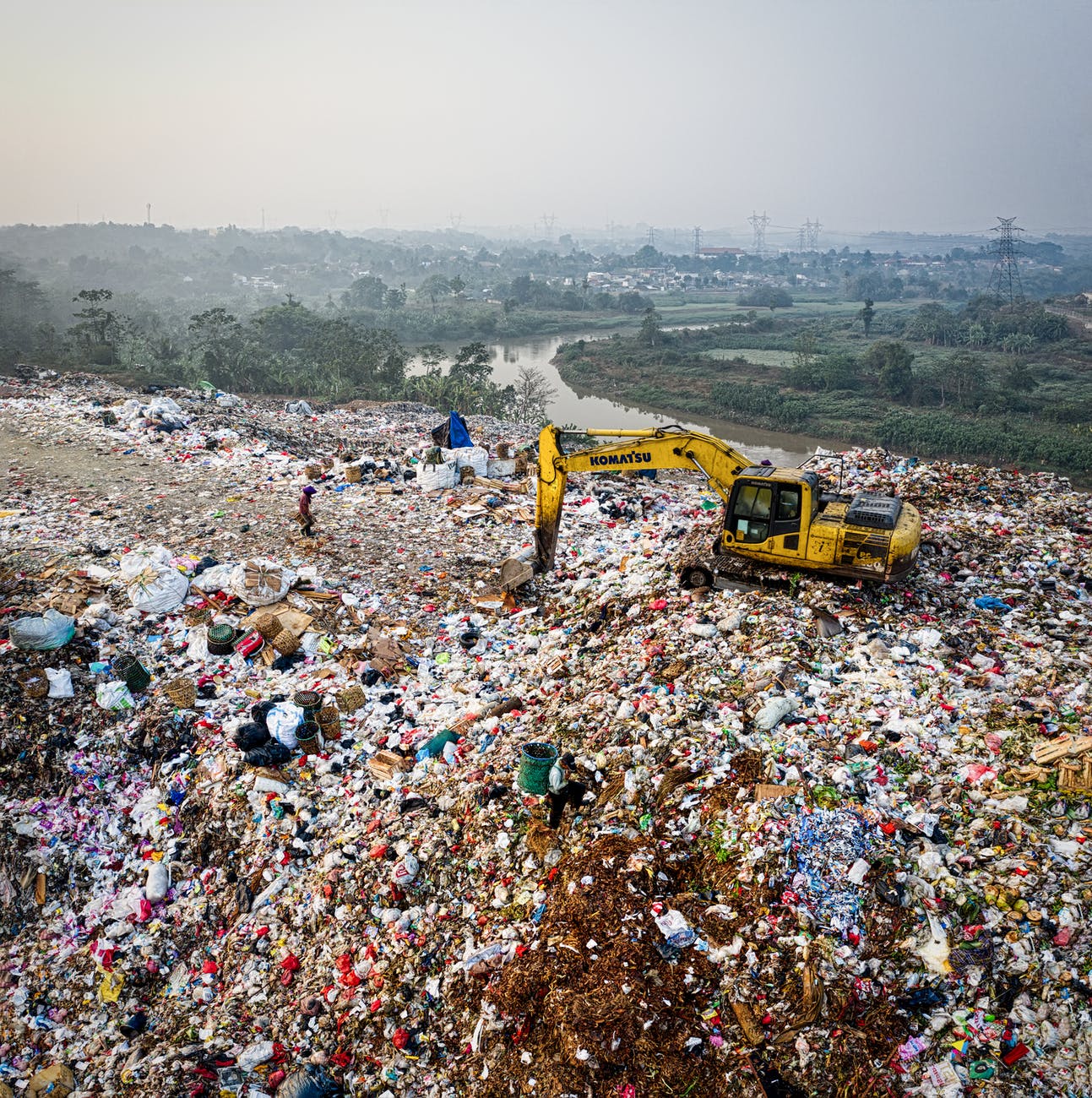
Plastic pollution – This involves the accumulation of plastic products and microplastics in the environment and thereby affecting the wildlife, wildlife habitat, and humans.

Soil contamination – It is caused by chemicals released by spills or underground leakages. Among the most significant soil contaminants are hydrocarbons, heavy metals, MTBE herbicides, pesticides and chlorinated hydrocarbons.

Radioactive contamination – This has increased the 20th century due to activities in atomic physics, such as nuclear power generation and nuclear weapons research, manufacture and deployment.

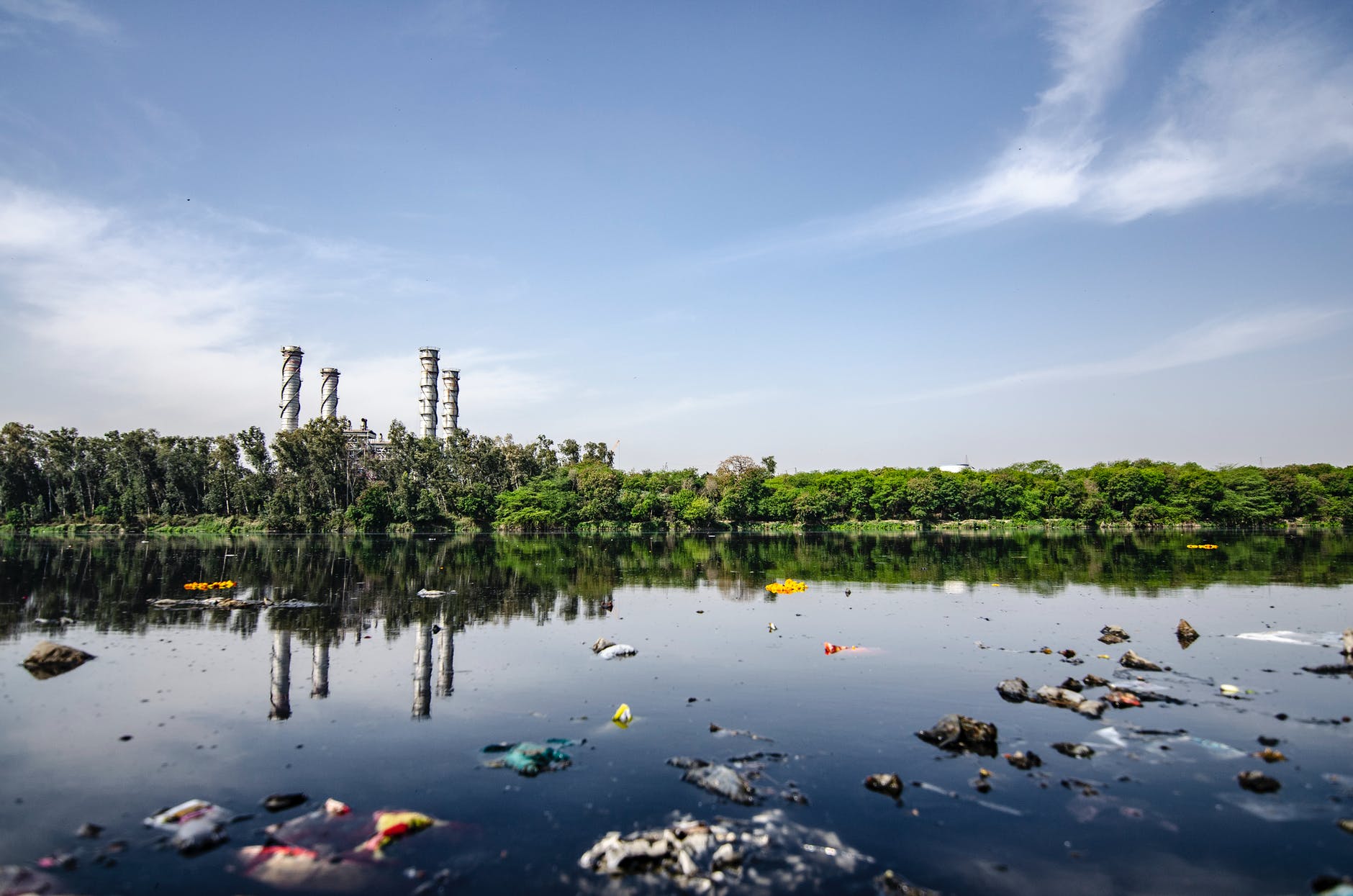
Thermal pollution – This is a temperature change in natural water bodies. The most common reason is human influence. For example, the use of water as coolant in a power plant.

Visual pollution – It refers to the presence of overhead power lines, motorway billboards, scarred landform, open storage of trash, municipal solid waste or space debris.

Water pollution – It is caused by the discharge of wastewater from commercial and industrial factories into surface waters resources. It also includes discharges of untreated domestic sewage, and chemical contaminants, such as chlorine, treated sewage; pesticides and fertilizer components reaching water bodies through irrigation water. Groundwater pollution is caused from waste disposal including pit latrines and septic tanks; eutrophication and littering.

With growing evidence of local and global pollution, more and more people have started getting informed over time. Issues such as global warming and climate change have also developed in recent years. These have given rise to environmentalism and environmental movements. There are environmental activists who work to raise awareness and to limit human impact on the environment.

Indian Railways go Solar: Clean Energy

Indian Railways has over 960 solar powered railway stations and placed an order for 198 MW solar rooftop capacity for 550 stations. This is going to speed up Indian Railways’ goal of becoming ‘Net Zero Carbon Emission Railway’ and being100% self-sustainable for its power consumption.

The Railways recently organised a meet of leading solar power developers who shared their expectations of being partners in the journey of Indian Railways to become “net zero carbon emitter” before 2030. About 51,000-hectare vacant land is available for the Indian Railways to extend support to the developers for installing solar power plants.

Some solar powered stations are New Delhi, Old Delhi, Jaipur, Varanasi, Kolkata, Guwahati, Secunderabad, Hyderabad and Howrah.

Railways is also seeking for 100% electrification by the year 2023 by utilizing solar energy to meet its traction power needs and become a complete ‘Green mode of transportation.’ This will contribute to national solar power needs.

All this is in line with the recent orders of Prime Minister Narendra Modi to solarise railway stations and use vacant railway land for renewable energy projects. These solar projects will also protect the land by the construction of boundary walls along the track.

Dreadful Climate Change Scenario of India

The first climate change assessment report of India

A research conducted by the Ministry of Earth Sciences a week ago concludes a very dreadful image of climate change and its effect on the nation in the coming decades. It is the first climate change evaluation report developed for India by specialists in the nation’s research institutions.

The research is led by the experts of climate at India Meteorological Department (IMD) and Indian Institute of Tropical Meteorology (IITM). Reports of the UN’s IPCC and different organizations have seen climate change in India as a major aspect of a worldwide phenomenon, and concentrated in some biologically significant areas like the Himalayas.

The report ‘Assessment of Climate Change over the Indian Region’ investigates of all the climate change phenomena in the past few years and is exceptionally exhaustive. Its study and conclusions need an immediate thought and action process. It concludes:

  • The normal temperature in India, before this current century is over, will rise by approximately 4.4 degrees Celsius comparative with the 1976-2005 normal. The normal ascent during the 1901-2018 period was 0.7 degrees Celsius.
  • The ocean surface temperature in the Indian Ocean during the 1951-2015 period was one degree Celsius, which was more than the worldwide normal.
  • There will be an abatement in rainstorm precipitation and a rise in temperatures which will raise ocean levels and cause more serious dry spells and tornadoes.
  • The progressions will prompt a decrease in horticultural yield and freshwater assets and harm the infrastructure.

There are many other dangerous climate change effects which need a serious plan and action step taken by the government and the citizens together to fight the adversities to life and property.

NEW NORMAL IS NOT SO NORMAL !!

OUR PRIME MINISTER SHRI NARENDER MODI HAS TAGGED OUR COUNTRY A ‘ NEW INDIA ‘ , SURVIVING ALL THE CONSEQUENCES OF THE WIDE SPREAD CORONA VIRUS NOT ONLY IN OUR COUNTRY BUT ALL OVER THE WORLD. UNPREDICTABLE CHANGES HAVE OCCURRED WHICH HAS INCLINED US TO A PRETTY DIFFRENT TURN IN OUR LIFE AND OUR COUNTRY AS WELL . THEESE CHANGES HAVE INJECTED NEW TECHNOLOGIES INN , WHICH IS COMPLETE DIGITALISATION , IT HAS BECOME A NECESSITY NOW . EVERYTHING IS PROJECTED TO ONLINE MODE ALONG WITH PRODUCTIVE SCHEMES , WHICH HAS CREATED A ROAD FOR A ‘ NEW INDIA ‘ .NOW , OUR NORMAL LIFE IS ALL ONLINE , TAGGING IT AS “NEW NORMAL” . BUT , THE QUESTION ARISES ‘ ARE YOU LIKING THIS NEW NORMAL ? ‘ .

I KNOW CHANGES ARE USUALLY UNUSUAL AND ADAPTATION IS OUR NEED TO SURVIVE . UNFORTUNATELY , EVERYTHING ONLINE IS REALLY FRUSTRATING FOR ME . I AM MISSING THOSE DAYS WHEN I USED TO WORK HARD PHYSICALLY FOR ATTENDING THE CLASSES , I AM MISSING THAT HUSTLE , THAT IS MY NORMAL ! . WHEN I USED TO WRITE WITH A PEN ON A SHEET OF PAPER WHICH ALWAYS LEFT MY HANDS IN PAIN , I AM MISSING THAT OF SATISFACTION OF HARD WORK . NOW , I CN ONLY TYPE , STILL MY HAND PAINS BUT GIVING ME ZERO SATISFACTION.

I AM SITTING 24*7 EITHER IN FRONT OF MY MOBILE OR LAPTOP OR BOTH AT THE SAME TIME , THERE IS NO PEACE IN IT. MOREOVER , IT IS JUST ADDING TIREDNESS .

YES ! SOCIAL MEDIA , DIGITALISATION ARE IMPORTANT AND MOST OF THE WORK , AT PRESENT , ARE HAPPENING DUE TO ITS AVAILABILITY . BUT , IT CAN NEVER REPLACE THE PLACE OF OUR OFFLINE HUSTLE . I AM WISHING FOR MY NORMAL TO COME BACK AGAIN , FOR THAT PEACEFULL LIFE TO COME AGAIN . I HOPE THE SITUATION IMPROVES AND EVERYTHING BACK ON TRACK.

ONLINE TRANSFORMATON IS GOOD IN ALL THE SECTORS EXCEPT EDUCATION SECTOR , IT IS BEST IN OFFLINE .MOST OF YOU WILL DEFINITELY AGREE ON THIS !

OLD IS GOLD !

AND LIFE’s HUSTLE “A WHITE GOLD ” !

Eco-Friendly Lifestyle 101

Leading an eco-friendly (ecological/environment-friendly) lifestyle is imperative for healthy and sustainable living in the current extreme climatic conditions and environmental degradation and pollution. All this leads to life-threatening atmosphere because of poisonous air, water and soil, global warming, scarcity of resources, man-made disasters and increased intensity and risks of natural disasters.

Apart from industrial and organizational initiatives towards eco-friendly operations, individual and collective household acts and changes in personal lifestyle choices and living practices of common citizens contribute to sustainable and healthy living.

Environmental friendly living is not that difficult. It can even prove to improve mental health along with physical health and environmental health. Let’s learn about some easy eco-friendly practices.

  1. Resource management: The baby steps. The easiest and the ones which we learned when we were kids, but forget to apply.
    • Limit and manage your water, electricity and fuel usage. Do not make unnecessary usage.
    • Eliminate any kind of wastage. Do not forget to switch off lights and fans when not in use.
    • Bath in shower or use bucket and mug instead of bathtubs.
    • Reuse water. For example- Reuse the water used to wash food items for watering the plants, instead of pouring it into the sink.
    • Brush your teeth with a glass of water. Do not use the tap water.
  2. Resource conservation:
    • Practice rainwater harvesting. We can use this water for bathing and washing clothes, utensils, etc. It is easy to install rainwater harvesting system. Look at these multiple ways to do it.
    • Use solar energy and solar panels if affordable for water heating, cooking, electricity supply, etc.
    • Buy a limited amount of food. Do not depend entirely on refrigeration. Switch it off when not needed, mostly in winters, when food items do not stale for many hours even when kept outside.
  3. Buying essentials:
    • Install LED lights instead of incandescent lighting.
    • Practice biogas cooking, use solar cookers, biogas stoves, etc. You can either buy or build a biogas plant at home easily. See the benefits of biogas here.
    • Use a car fueled with CNG or use battery vehicles. Go on foot, or ride a bicycle to reach nearby places.
    • Use desert coolers or eco- friendly air coolers and do not install air conditioners.
    • Use eco-friendly paper/tree-free paper and buy refilling pens instead of single use pens.
    • Eliminate plastic materials and storage boxes. We can easily live without plastic. There are many alternatives to daily-life plastic materials. Use and carry aluminium bottles and refill them instead of buying plastic water bottles. Use glass containers for microwave and storage.
    • Buy products only from those companies which use eco-friendly methods to manufacture. There are many such alternatives out there. You just need to search the net.
  4. Materialism:
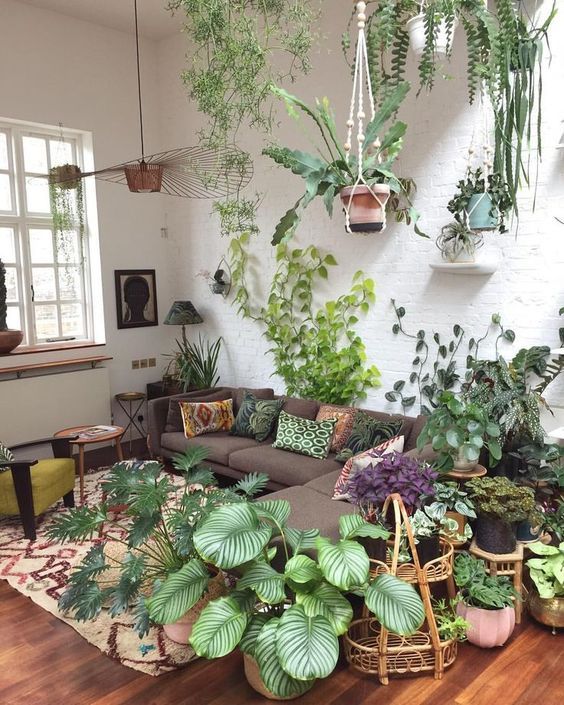
    • Decorate your home with indoor plants, beautiful mud or clay lamps, eco-friendly handicrafts, glass decorative, etc.
    • Install indoor plants which purify the air. Use loads of them.
    • Build a terrace garden or porch garden.
    • Stop the air, water and sound pollution in the name of festivities. Instead, go out on festivals to plant trees in wastelands, empty lands, barren lands, schools, boundaries of roads.
    • Donate to and plant trees and saplings with old-age homes, special schools, orphanages, etc. It will bring happiness to you and to those people too. Do not use firecrackers, river dumpings, etc.
    • Do not buy chemical based beauty, body care and healthcare products. Shift to Ayurved or organic and eo-friendly products. They are healthier, more effective, and have no side effects.

Indoor plant decorations

Image source: ipinimg.com

5. Eating habits:

  • Plant-based diet- Industries which process animal-based products, take-up thousands of more gallons of water and KW of energy for processing. It leads to water wastage, ozone depletion, global warming, etc. There are many health risks involved with an animal-based diet. If not eliminate, try reducing and limiting the intake.
  • Separate and store plastic waste and organic waste. Plastic waste includes milk packets, medicine packets, chocolate and biscuit wrappers, etc. Use the organic waste (vegetable peels, animal waste, food leftovers, etc.) as manure for plants and ingredient for biogas.
  • Shift to Ayurvedic medicine and treatment rather than allopathy.

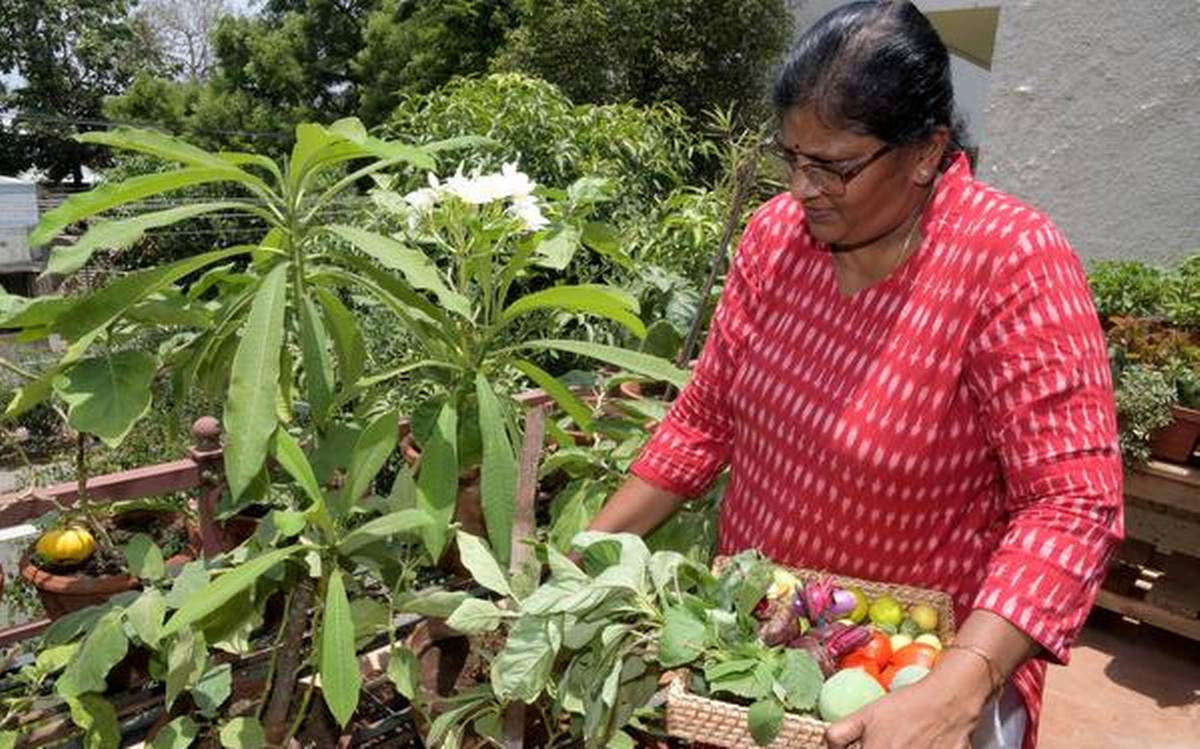
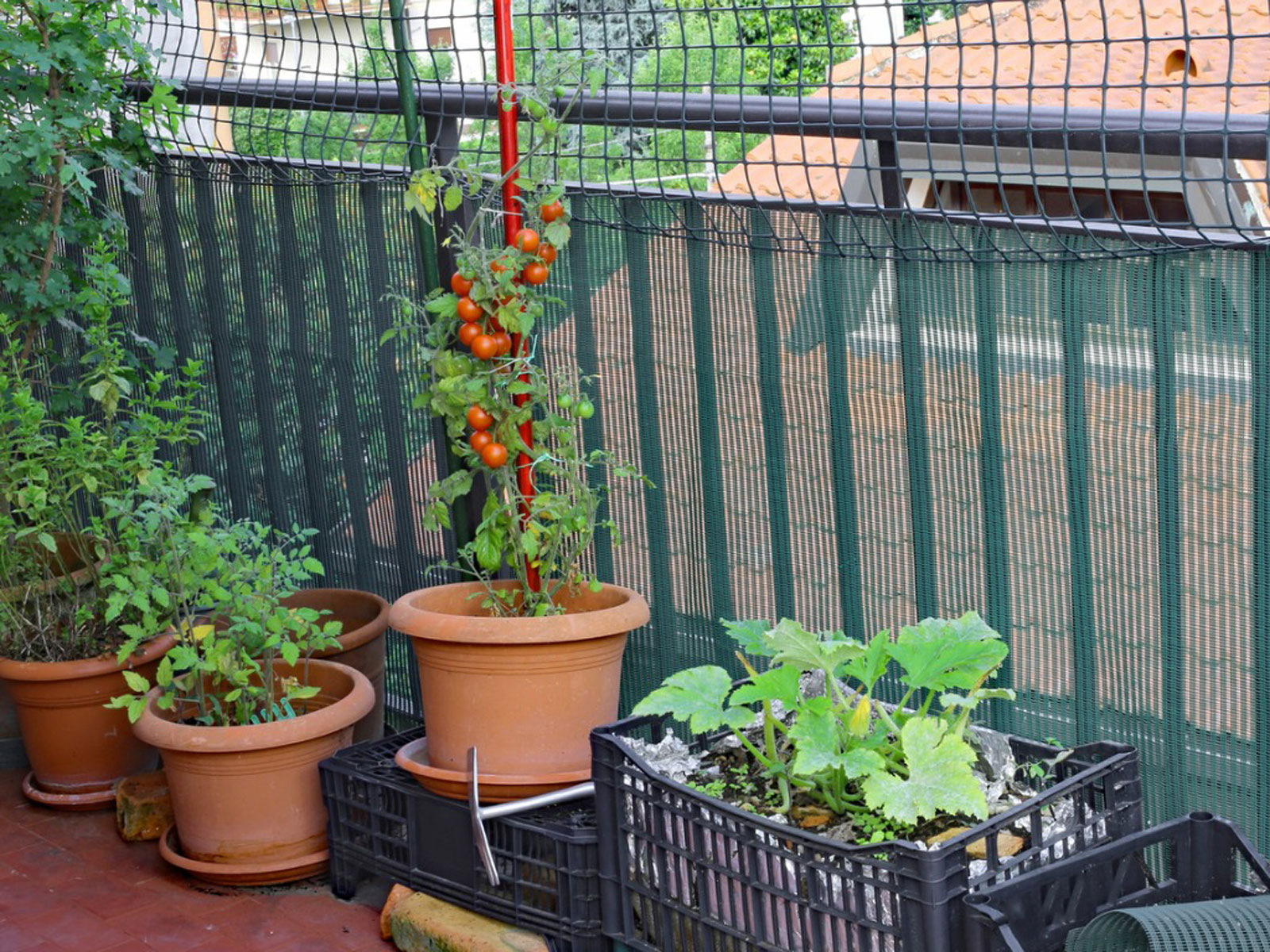
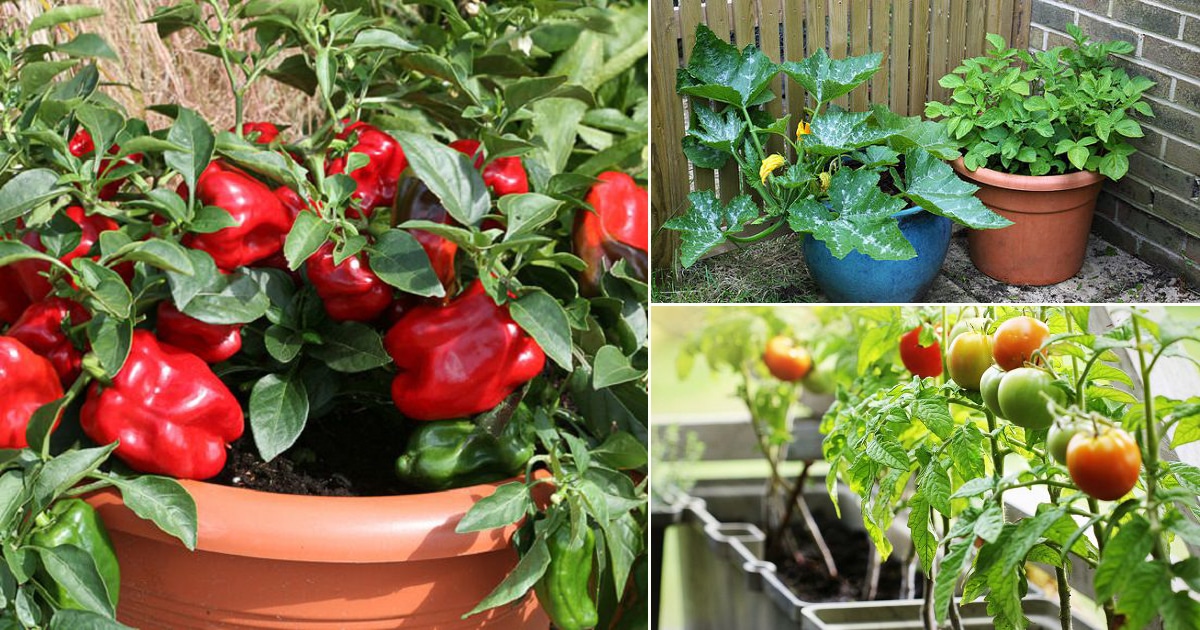
Start small scale organic farming at home. It is very easy and does take much time and effort. It can be installed in small spaces like a balcony, roof, porch, veranda, and even in a well lit room. Know more about organic home farming here.

Vegetable, spices, and fruits grown at home.

Picture source: The Hindu, Nursery live, Gardening know how and Balcony garden web.

All this may take some amount of time and effort, but it is worth it. You will experience a positive difference in your life. You can even inspire the people around you. We can start many of these living practices within a village, colony, township or a society to improve effectiveness with collective efforts. Such as rainwater harvesting, solar energy, biogas energy, farming, etc. Take one step at a time and you will find your motivation.

Latest in Environment: Top 10

  1. Scientists in U.S., created a clothing material to keep our bodies cool to the extent which eliminates the need of air conditioning. The fabric does not even need electricity or batteries to work. Read the paper here.
  2. India is investing aggressively in eco theme parks and other tourism sites, which include a Buddhist theme park at Futala, a tourism circuit in Saurashtra and an energy park at Koradi.
  3. A study concludes that children who are raised in greenery and eco-friendly environment have higher IQs than the ones who are not. Pollution adversely affects brain development in children.
  4. California wildfires: More than 752,000 acres got burned, nearly 1,000 structures got destroyed, and 5 citizens lost their lives in the horrific historical fires.
  5. The United States Environment Protection Agency (EPA) paved way for the oil and gas industries to exploit the environment with no hindrance. The trump EPA does so by rolling back an Obama policy of curbing gas leaks at pipelines and wells. The EPA is giving the oil and gas companies the green signal to release much more climate-warming dangerous methane into the atmosphere.
  6. Despite COVID-19 lockdown, Carbon emissions did not reduce. The increase in CO2 levels just slowed down a bit and are still increasing day by day.
  7. The NASA study reveals that ice sheets of Greenland are melting at a speed that even if the global warming stopped right now, they will continue to melt at a significant rate. This is called as no point of return. They are contributing as a single most reason for the rise in ocean levels.
  8. The division of European Union’s Agricultural budget is gravely flawed. It spends money on large farms, without considering environmental contributions of those farms, ignores small farms and farmers and hence, hinders in green recovery from COVID-19. Read the study here.
  9. The scientists at Colorado State University developed a recyclable plastic with the ability to maintain its original qualities after recycling. They do it with a material called PBTL. Read the paper here.
  10. The United Nations E-waste monitor report shows that electronic waste is the world’s fastest growing domestic waste stream. A record 53.6 million metric tonnes (Mt) of E-waste got generated in 2019, and it predicts that this will be 74Mt by 2030.

SCHEMES IN CHATTISGARH ON RAJIV GANDHI’s BIRTHDAY

RAJIV GANDHI KISAN NYAY YOJANA

  • SECOND INSTALLMENT OF RS.1500 CRORES THROUGH DBT IN TO THE ACCOUNTS OF FARMERS .
  • 19 LAKH FARMERS OF CHATTISGARH TO BE BENIFITTED FROM PADDY , MAIZE AND SUGARCANE.
  • SUM OF 5750 CRORES TO BE TRANSFERRED IN TO THEIR ACCOUNTS .
  • ON 21st MAY 2020 , THE FIRST INSTALLMENT OF RS1500 CRORES TRANSFERRED IN TO THE ACCOUNTS .

GODHAN NYAY YOJANA

  • IN THE SECOND INSTALLMENT , PAYMENT OF RS 4.5 CRORES
  • THERE IS PURCHASE OF COW DUNG FROM 4341 GOTHANS , STATE HAS REGISTERED 101919 CATTLE REARERS AND 76426 BENIFICIARIES .
  • FROM 20th JULY TO 15th AUGUST , 3 LAKH QUINTALS DUNG WAS PURCHASED
  • CHATTISGARH IS THE ONLY STATE IN THE COUNTRY WHO IS MONETIZING COW DUNG .
  • THE SALE OF VERMICPOST TO THE FARMERS FOR THE GOOD QUALITY MANURE TO THE FARMERS AT RS 8/KG.
  • THE MAIN FOCUS IS ON GENERATING EMPLOYMENT OPPORTUNITIES AND BOOSTING THE RURAL ECONOMY .

INCENTIVE REMUNERATION FOR TENDUPATTA COLLECTORS

  • THIS SCHEME INVOLVES DISBURSEMENT OF 233 CRORES TO 1146626 TENDUPATTA COLLECTORS .
  • THE COLLECTION HAS INCREASED IN STANDARD BAG OF THIS SCHEME FROM RS 2500 TO RS 4000 PER STANDARD BAG .
  • MOREOVER , IT IS GOOD TO SEE THAT THE NUMBER OF ” MINORFOREST PRODUCE ” PURCHASED AT THE SUPPORT PRICE WHUCH HAS INCREASED FROM RS 7 TO RS 31 .

THEESE SCHEMES ARE RIPENING THE AGRICULTURAL SECTOR INCREASING THE YEILD WHICH IS CONTRIBUTING IN GROWTH AND DEVOLOPMENT IN OUR COUNTRY . THE NEW POLICIES ARE COMING WITH ORGANIC METHODS WHICH IS MAKING IT SELF RELIANT .

WASTE MANAGEMENT

Sustainable development is one of the major concerns of developing countries. It means present development without compromising the need of future. Resources are scare and have alternative uses, this lead to the problem of allocation of resources. To maintain a healthy and safe environment one need to adopt the waste management strategy, this not only helps in accumulation of waste but also in proper disposal.

National Environmental Management: Waste Act, 2008 was passed by the government of South Africa for this purpose. Government of different countries took huge steps in spreading awareness about the same. Different sectors of economy had adopted distinct methods to perform this management. Some techniques of waste management are-

i) Waste minimization is the process of reducing the amount of waste produced by a person or a society.

ii) Recycling of waste involves reprocessing the particular waste materials, including e-waste, so that it can be used as raw materials in another process. This is also known as material recovery. A well-known process for recycling waste is composting, where biodegradable wastes are biologically decomposed leading to the formation of nutrient-rich compost.

iii) Reuse means using an item more than once. This includes conventional reuse where the item is used again for the same function and new-life reuse where it is used for a new function. 

You can even adopt the 3R’S strategy of reuse, reduce and recycle. It help in reduction of waste with large amount. Landfill disposal of wastes, Incineration are some of chemical methods used by industries in proper waste disposal.

Solid wastes are the discarded leftovers of our advanced consumer society. This growing mountain of garbage and trash represents not only an attitude of indifference toward valuable natural resources, but also a serious economic and public health problem. So take up this duty seriously to help your country grow healthy.

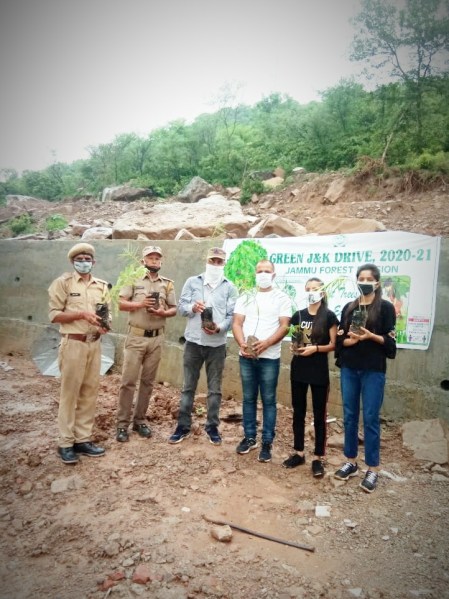
GDC, Jindrah in collaboration with Jammu and Kashmir Forest department organised plantation drive

GDC, Jindrah in collaboration with Jammu and Kashmir Forest department has organised plantation drive . The NSS Unit of the college directed by Prof Raj Shree Dhar , Principal of the college along with NSS volunteers has organised plantation drive  in  the new college premises on 21/8/2020 . The plantation drive carried out by  Ajay Choudhary block officer Jindrah, Prof Dr. Sunil Dutt Sharma Head of the Department NSS,  Sh. Sham Singh, Shadi Lal,  Sh Nityanand, Sh Darshan Lal, Sh Anil Sharna. NSS volunteers includes Ms Chakshu Sharma and Ms Monika Jamwal.

The Army has initiated a tree plantation drive here, involving students of local schools and colleges, as part of ‘Green Earth – Clean Earth’ campaign, a defence spokesperson said.

students of local schools and colleges were also incorporated in the drive and were motivated to plant trees to save the environment.

In order to ensure that the saplings survive, their ownership is being entrusted to the individuals planting them.