Hey there, I am Disha Mitra, currently pursuing my Master’s degree in Molecular Biology, Biophysics and Bioinformatics from the University of Calcutta. I did my graduation in Microbiology and am a keen lover of the subject biology. I like reading and writing during my past-time.
I am totally an introvert and like to pen down my thoughts whenever I feel down. I love singing which actually lights up my mind when things go wrong. Writing on various enthusiastic topics by gaining in-depth knowledge on them and conveying them to others through my writing skills is what I enjoy a lot.
I’m here to gain and explore new experiences on writing and to challenge my own writing and blogging skills.
Cochin International Airport, the largest and busiest airport in Kerala which handles about 10 million passenger movements in and out the state annually, is located at Nedumbassery in the outskirts of Cochin city. With the inauguration of a dedicated solar plant in 2015, Cochin International airport won the title of world’s first fully solar-powered airport. The CIAL solar power project comprises 92,150 solar panels laid across 94 acres, generating 100,000 units of electricity on a daily basis. The airport authority has been honoured with the Champion of Earth award by the United Nations in 2018 for their excellence in the large-scale introduction of sustainable energy sources.
On 17th January 2021, CIAL crossed yet another glorious milestone with the commission of one of the biggest floating solar power plants in Kerala. The cost-effective high-density polyethylene floats, using most modern French technology, are laid over two artificial lakes in the CIAL golf course. The floats consist of 1300 photovoltaic cells and have a capacity of 452 KWh helping the airport to produce around 1.60 lakh units of power a day as against its daily consumption stands around 1.30 lakh units, the authorities said.
CIAL sets an example of Total Sustainability Management by treating the sewage water for water harvesting in its golf course with the help of 12 artificial lakes. The water from these lakes was earlier used for irrigating the lawns but now with the installation of these floating solar panels, they have taken another step forward in sustainable and environment friendly resource management.
The Managing Director of CIAL, Mr V J Kurian said, “The pre-commissioning trials showed that these panels which cost around Rs 2 crore to the company are producing power with maximum output efficiency among the eight solar power plants installed by CIAL at various locations in the airport premises. CIAL has been reinventing itself since its formative days. One of our innovations which proved that relying upon green energy is possible even for the high energy consumers like an airport has won us the champions of the earth award instituted by the United Nations. We are committed to the protection of nature and trying our best to reduce carbon footprints.”
The installation of floating solar panels are usually very expensive when compared to the ground-mounted and rooftop ones. CIAL was able to overcome these limitations and bring down the cost using the novel technology as the French company CIEL TERRA provided technical assistance. The solar panels are also connected to the KSEB power grid which helps them to bank the excess energy produced.
Marine Biodiversity is a complex biological organization consisting of diverse levels of genes, species and other elements that forms a highly convoluted ecosystem having its own structural and functional attributes. Since these elements contribute to form a larger structure, even a slight disturbance caused to one of its integrands can have a tremendous impact on the system as a whole. Analysis of local experiments, long term regional time series and global fisheries data over the past few decades have revealed an alarming rate of marine biodiversity depletion due to overfishing, pollution and global warming.
It is estimated that within 50 years from now, a major source of wild seafood will face a collapse; i.e., a 90 percent depletion of the species’ baseline abundance. The extensive depletion of the marine ecosystem and its biodiversity happening across the globe will affect the production of seafood, resistance to diseases, filtering of pollutants etc, resulting in the decline of their productivity and stability. According to marine ecologist Palumbi, the ocean is a great recycler which takes sewage and recycles it into nutrients. But to provide these services, he added, the ocean needs all of its working parts—the millions of plant and animal species that inhabit the sea. With the loss of marine species’, human lives will also be affected by notable consequences as the chances of disease outbreaks, noxious algal blooms, and the presence of invasive species will get higher.
Each species bears a lot of significance in an interlinked ecosystem which points to the need of preserving the marine ecosystem altogether rather than continuing with single species management. This century might encounter the end of wild seafood unless we fundamentally change the way we manage all the ocean species together as working ecosystems. Researchers still believe that this situation can be turned around; though only one percent of the ocean is effectively protected now. Measures like integrated fisheries management, pollution control, maintenance of essential habitats and creation of marine reserves can help in stabilising and improving the quality of marine ecosystems. Though a rapid recovery is not possible, in many cases the species resurged more quickly than anticipated.
Climate change and oceanic resource depletion is real and it’s high time for us to undertake actions to prevent the marine biodiversity loss that would have a serious impact not only on humans but also the entire biome.
The year 2021 will be witnessing a grandiose infrastructural facelift of Kochi, the stupendous port city of Kerala. Kochi has undergone a massive transformation during the past decade, with the launch of Cochin International Airport, Cochin Shipyard, Infopark, Kochi Metro etc which has uplifted it from a tiny port city to a metropolitan urban city we see today. Enormous investment in the construction and expansion of roads and bridges has increased the pace of life in the city.
With the inauguration of the Vytilla and Kundannor flyovers, the two major projects which Kochi has been anticipating for a long time; the city has kickstarted its infrastructural facelift of 2021. The Vytilla Kundanoor flyovers built under the supervision of Roads and Bridges Development Corporation of Kerala (RBDCK) are expected to reduce the traffic congestion at the busiest junctions of the city. With the completion of the Palarivattom flyover by Delhi Metro Rail Corporation in the coming months, commutation through and within the city will become facile.
The first phase of Kochi Water Metro, a project introduced as an alternative public transport system to reduce traffic congestion within the city with minimal pollution is expected to be completed by mid-2021 under the supervision of Kochi Metro Rail Limited. Kochi will become the first city in the country to have an integrated road, metro rail and water transport system under one roof with the launch of this project. The Phase I extension of the Kochi Metro to Tripunithura is expected to be completed this year.
Efforts to resolve the waterlogging and flooding in Kochi during monsoon season as a follow up to Operation Breakthrough is said to begin in March 2021. Several innovative projects such as rooftop solar panel projects and Intelligent Traffic Management System have been rolled out by Cochin Smart Mission Limited (CMRL). A walkway development project, an open-air theatre and renovation of Dutch Palace premises in the Fort Kochi area will also be carried out this year.
The Ernakulam Medical College Hospital was transformed earlier this year into a state-of-the-art healthcare hub that the state can be proud of. The commissioning of the GAIL pipeline in January by the Prime Minister marked a historical achievement as the city and the government had to tackle numerous hard knocks to make the project a reality. With the launch of numerous infrastructural and economically uplifting projects, Kochi is expected to become one of the leading metropolitan cities in the coming decade.
Kochi, the bustling commercial port city of Kerala is witnessing a massive infrastructural and transportational facelift with enormous investment and technological upgrade. The inland water transport system which once served as the backbone of Kochi connecting its Islands and eyots, faced a severe decline in the past decade as people started depending more on land transportation facilities. The increase in the number of private vehicles on road demanded a return back to water transport as it is more energy and cost efficient. The Kochi Water Metro Project is introduced as an alternative public transport system to reduce the traffic congestion in the city with minimal pollution, providing the population along the city’s shores easy access to the commercial centres.
The Project aims at developing 15 identified water routes that connect 10 islands benefitting over 1,00,000 people by improving their livelihoods. This socially inclusive water transport system is expected to cover a total span of 78 km with a fleet of 78 fast, electrically propelled hybrid ferries plying to 38 jetties. Specially designed environment-friendly and energy-efficient boats equipped with advanced technology will be commissioned for the project. The boat services will start from major jetties between every 10 to 20 minutes; navigational buoys and night navigational assistance will also be ensured. The terminals are designed to have state-of-the-art facilities including automated fare collection and turnstile system for passenger counting. Pontoons(floating jetties) that adapt during high tide and low tide are built to facilitate easy boarding and deboarding for physically challenged personals.
In addition to the ferry services, the project integrates the waterway system with the city’s other public transport system and also intends the development of areas around the waterways through commercial property development along with tourism initiatives. As the project aims to be environment friendly, the management of waterweed and floating waste will also be taken care of.
The construction activities of the water metro under the supervision of KMRL (Kochi Metro Rail Limited) is progressing at a fast pace and the project is expected to be completed very soon. Almost 50 per cent of piling works of the high court boat jetty have been completed along with the construction of floating pontoons and other civil constructions. “Construction work on terminals at Vyttila and Kakkanad is in the final stage. Work is also progressing at Eloor, Cheranalloor, South Chittoor, Bolgatty, High Court, Vypeen, Mulavukad North, Paliyamthuruth and Kadamakkudy. Cochin Shipyard is expected to deliver the first boat soon,” a KMRL spokesperson said.
With the construction of the jetties at Kakkanad and Vyttila entering the final stage, the first ferry service under the water metro project is expected to be kick-started in this route in the upcoming months. The Cochin Shipyard has been delegated with the manufacturing of the specially designed ferries with different passenger capacities for the project. The water metro project is assumed to be completed within an expenditure limit of Rs.747 crore, excluding the land cost. Once the water metro project is completed, Kochi will become the first city in the country to have an integrated road, metro rail and water transport system under one roof.
Menstruation is one of the most natural and healthy affairs of a woman’s life. Though we live in a modern society, menstruation is still considered as a taboo and menstrual hygiene is of great concern. Majority of the women have been depending on menstrual products like sanitary pads, tampons etc for decades without knowing the health hazards behind their use.
Sanitary napkin is one of the most widely used feminine hygiene products due to its convenience in usage and availability at an affordable cost. This ‘easy to use’ product is not only a potential threat to the environment but also causes severe health problems. These sanitary pads are made up of 90 per cent plastic that is non-biodegradable and non-recyclable which makes it difficult to be disposed of. The chemicals that are added for increasing absorption and reducing the odour can cause significant impacts on one’s health. Over time, the BPA present in the sanitary napkins and tampons along with other chemicals can enter one’s body and increase the risk of cancer in reproductive organs. The deodorants and fragrances directly enter the bloodstream and interfere with the embryonic development thus affecting one’s fertility.
Tampons are equally or more dangerous than sanitary napkins. The strings and applicators of tampons are made from polyethylene and polypropylene which makes them non-biodegradable. Studies have shown that longtime use of highly absorbent tampons can cause bacterial infections leading to fatal conditions like toxic shock syndrome. The disposal of the sanitary wastes is a big crisis as an average person who menstruates throws away up to 200 kg of menstrual products in their lifetime and they end up in landfills, on beaches or polluting our oceans for decades.
Menstrual cups come as an alternative for various problems generated by sanitary napkins and tampons. Unlike other products which absorb the menstrual blood, menstrual cups instead collect the discharge. They are made of medical-grade silicone or rubber which makes them easy to clean and durable for more than 5 years. This reusability of the menstrual cup itself is its major advantage which enables it to be cost beneficiary and eco-friendly. The proper use of a menstrual cup can reduce the chances of period hassles, rashes, skin infections and allows more physical movements without leakage. It can collect almost double the amount of blood than any other method making it more convenient to be used while travelling. Menstrual cups are getting more popular in western countries accounting its reusability and comfort. Proper practice and maintenance of hygiene can reduce the chances of risk caused by menstrual cups. The benefits of menstrual cups over other products makes it clear that they are a sustainable alternative barring certain drawbacks.
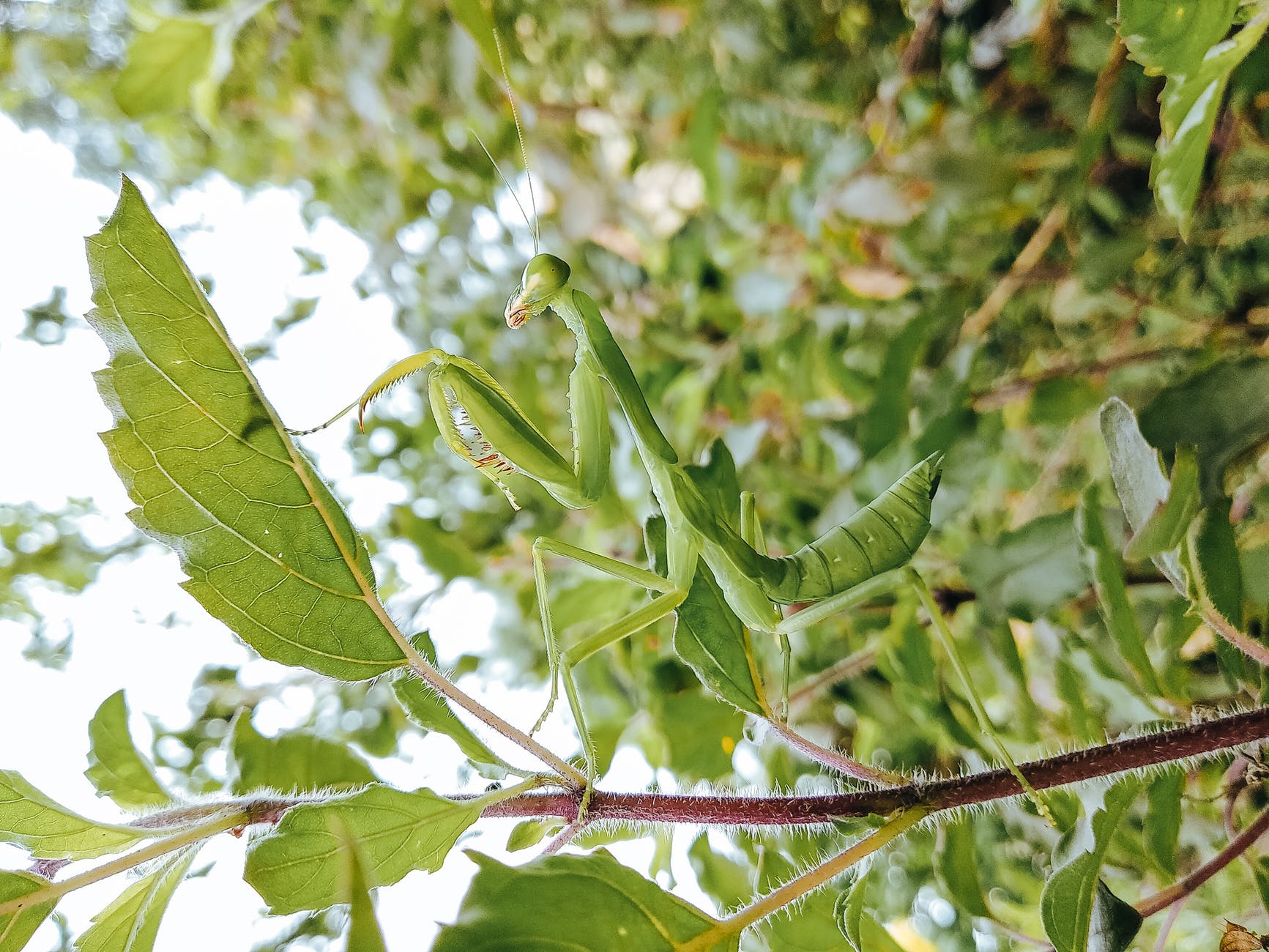
Mantises are the most curious creatures. You might’ve sometimes misunderstood them from grasshoppers. But then…..what exactly are these creatures? Are they…. carnivorous?
Photo by Quang Nguyen Vinh
Now, why are they called ‘Praying Mantis’?? The thing is ,their forelimbs are actually folded and therefore it looks like they are praying(silly? Not really). Let’s get familiarised with them,shall we?
Ecology
The order(a division while creating ecological divisions) of these Mantises are Mantises. The largest family of these organisms are the Mantidae,also known as Mantidae. Their habitat is usually in tropical zones. If we look into the morphology,the Mantises have a triangular head with large eyes(may be to search for their prey). Some of them have wings while some may not,but they have their forelegs to catch their prey with an iron like grip. Their phylum is actually Arthropoda. They sometimes appear in brown or green colours. The factor solely depends upon their species and may be the climatic conditions. How many species do they hold? Well,they have around 2400 species altogether.
They have a significant place in Egyptian and Greek theologies. What were they? Well,in Egyptian theology for instance,they were considered to be the ones who used to guide on editing his/her eternal or afterlife journey. The name Mantis’ however,came from the Greek word which means ‘seer prophet.’
Okay,so according the historical evidences they hold a significant place.In fact,these animals(like they come under the kingdom of animals,where in they are again classified as insects and so on)
Photo by Brandon Phan
Do not go on their size.These organisms are ambush predators,meaning that they are carnivorous animals,but in a stealthy way. What I mean to say is that ,suppose if these animals find their prey,they wait for it to be close enough for them and then…..attack.
Fossils
What are Fossils? When an organism dies,it is usually decomposed. But what if it wasn’t? And by that ,I am talking about the Carboniferous period. During these period bacterias and fungi had not fully developed the ability to decompose. So what happened? They got deposited under sediments. From this,they either got fermented through the anaerobic process,producing fossil fuels like coal and petrol,or got imprinted on the sediments,producing Fossils. The Fossils of Mantises the earliest of their existence is estimated to be about 135 million years ago, probably from Siberia.
Lifespan
Typically,a Mantis can live upto 3 to 4 months. But if it gets its food properly and all’s well,then it can live upto an yearly at most. Female Mantises are usually larger and maybe stinger than male Mantises because it’s the females who lay eggs(duh). The eggs are protected with the capsules and hatch in the time of spring .The female Mantises usually lay their eggs during the season of autumn and after paying their eggs,these Mantises die. But….what about the male Mantises? Do they not die at all?
Reproduction
(Typical teacher) Ahem,class! Nobody will dare to ask unnecessary questions! And….maintain Silence!
(Nah,not really. Firstly, I am not a teacher, and if I were to be a teacher, well that would’ve been purely disastrous.
Secondly, reproduction is a natural process,no matter how much you giggle about it, awareness of such matters is the most important and shall not be ignored. So ya, grinning about the word ‘sexual intercourse’ will do nothing but make you less concentrated) *no offence*
Reproduction in Mantises is quite peculiar yet fascinating. They reproduce sexually,yes but they follow something called ‘sexual cannibalism’. What is sexual cannibalism? Let’s break the word. Okay,sexual means a process through which they reproduce and cannibalism means that they eat their own species,may be raw or cooked(I don’t really know their menu). So,what does this imply?
Sexual cannibalism means that after the mating process,the female Mantises eat up the male Mantises. No worries, Let’s explain it somewhat like this:
Suppose a female Mantises wishes to mate. What exactly will she do? What she does is,she secretes an alluring scene to attract any male Mantis in the vicinity. When the male Mantis comes near the female Mantises,they start their mating process, sexually. But what does the female Mantises do meanwhile? She starts to eat the male Mantis. Slowly,the upper (remaining) part of the map mantis falls away,leaving their abdomen. The abdomen stays,still providing the female eggs with the sperm which will fertilize the eggs. How does the abdomen stay even after the male Mantis has died. Well,the male Mantis has some nerves in their body which continues the mating process even after the organism itself has died.
Now,you might find this weird,but it’s just how the female Mantis reproduction process works. The male Mantis are actually prepared for their death after their mating process. The process is like that,because the female organism also does after they lay their eggs. And the eggs need nutrition to grow well and the male Mantis serves as a nutrition provider to the eggs. Not only mantis but many organisms like jumping spiders,banana slugs etc. All reproduce by sexual cannibalism. They just can’t live that ‘happily lived after’ life due to their short life. Nature has its own methods.
Mantises might seem weak,but they’re really not. Between a hornet and a mantis,guess what who wins? And hornets are not any insect. So ya,this was the truth of the life of Mantises.
Fact- Mantises,when hungry,can sometimes eat themselves. Although that’s pretty rare,but definitely not non-existent. Also,they are experts in camouflaging themselves between the trees.
Movies love to show Piranhas as nasty creatures of the sea. But do we know the exact anatomy of these creatures? What do these species include? And how dangerous can they really be..?
If we look for their size,as to what sizes can they go up to,these sea animal’s sizes basically depend on their exact species. But mostly,Piranhas can grow about 12cm to 35 cm long. Although,some can grow larger,growing as big as 50cms. Some experts claim that Piranhas can grow higher than that,though the necessary proofs are not known or not identified. It is believed that the Piranhas in the past,and by past I mean about 10million years ago. These were called Megapiranha which managed to reach upto 71 to 100cms! Unfortunately though,these Piranhas are extinct and are no longer found,at least not until today that is..
If we look into their Morphology (morphology can be roughly be explained as a study of the structure of a particular organism. The branch of study is actually quite interesting!)
Morphology is a bit different from the size of the organism.
Anyways,many species are quite similar due to their specific dental structure. Don’t get your hopes up though,All Piranhas have grazing teeth on both their upper and lower jaws. They have very ‘tightly packed’ teeth which are sort of triangular in shape when observed individually. This property makes them rapidly puncture any surface quite easily. Their teeth are extremely strong for organisms like them. The larger the jaw muscles,the stronger the fish’s bite can be. How strong are their teeth,though? Well,just get this that their minor teeth are often used to cut hairs.And, Piranhas are not carnivorous,but are omnivores just like us!Set aside their deadly teeth of course..
If we look into their species and all the ecological factors,Piranhas belong to the ‘subfamily’ of Serrasalminae(have a lovely time pronouncing that:D ) The species of these organisms range from 30 to 60 different organisms.
These hairat of these organisms lies in the fresh waters i.e rivers! Okay,so the habitat must have a fresh water basin and maybe a rainforest and at some places,swamps as well. And where are such conditions found..?
Amazon Basin
The rivers of Guianas
Orinoco
Paraguay
Rivers of Sāo Francisco
Nature always manages to surprise us. Some species have also been found in the south-eastern regions of Bangladesh and were also spotted in a river flowing through China.
But what if I want them in my native? Well,we can breed them artificially, can’t we?
How are they so famous?
It all began with the visit of the former American President,Theodore Roosevelt. The President,who visited Brazil in the ear 1913 went hunting(it was the year 1913 so..may be hunting at that time was not really illegal). The local fishermen wanted to have the President a great spectacle to see and which is why they blocked of a part of the river trapping the Piranhas and starving them. When the President crossed the river,the locals pushed a cow inside the river,and within seconds of time,the cow was a mere skeleton..(brutal?at those times, probably not)
Later,when the President wrote a book,he described his expedition where in, he described Piranhas to be ‘vicious creatures.’ And that’s probably where the movies and the cartoons got their inspiration from.
How do you survive these creatures?
Piranhas work in groups. They are said to be working together by the means of swarming. These creatures respond to noises. So…if you ever get stuck with Piranhas,make sure that you make the least disturbing noises. The lesser,the better. And Piranhas are actually timid organisms and only attack when they are hungry or if you are too near to them or their eggs. Mostly,the Red-bellied Piranhas are believed to be the ones which are the most aggressive. They usually breed on fish meat,or the carcasses (dead bodies) of the animals. But what about living organisms? Piranhas only attack them if they are dying or if they look as a threat. So never panic if you have to confront them.
Actually,one can’t really blame them. It’s not like we don’t eat meat. Then why are they called dreadful or dangerous? The animals which we eat might think the same. These are the laws of nature. Nobody remains without a stain in their hands. In fact,in some places,Piranhas are even said to be a delicacy! And it’s not like they have emotions like we do and just hunt for their survival. So…. let’s not think of them that lowly.
Loneliness sometimes feels very pleasant in itself, often it connects us with nature spontaneously. Many times you must have felt as if you go miles away, with the rustle of the wind, you become adrift on hearing the clash of the leaves. And suddenly find yourself only with nature.
Nature is indeed the true companion of humans. When no one is with you, you are with nature or maybe it is with you. No one can fulfil the shortage that nature can do in human life. We may forget to think about nature in the catastrophe of our physical life, but it always makes us feel our own.
Nature just like our mother gives us everything in its invisible form. When we get scorched by the strong sunshine and hot winds of May-June, suddenly the cloud covers us and takes all the heat from the first spray of rain.
We are very lucky that we are able to see this wonderful, so beautiful nature in our human form, we can experience it, we can enjoy it. On the other hand, there is also regret on the destiny of those who cannot see it, only feel it.
The relationship between nature and civilization is considered to be unbreakable and authentic. Many poets, writers and authors wrote their classic compositions in harmony with nature. Poets like Jaishankar Prasad, Mahadevi Verma, Suryakant Tripathi ‘Nirala’, Sumitranandan Pant and Ramkumar Verma are called poets of nature. Nature has made people poets and painters.
Usually, we call nature as a spring, a bird’s tweet, a variety of grains, the fragrance of flowers, raindrops, cool winds and the swing of trees. But in reality, nature exists among us with its undivided forms. While on one hand, it displays it’s motherly love in all the above forms, on the other hand, it also comes before us in dire forms like electricity, storm, typhoon, tornado, earthquake, cyclone and volcano. Just like a mother gets fed up with the impishness of her child and gets over her patience, she burst out on them.
Poets are on the other side, they can also make a cool breeze as the subject of their poems and also the invasive volcano. But, an ordinary man expects everything in his life to be simple, easy and calm. He likes to see the sounding waves moving in the ocean.
Nature is situated in human sensibilities. Whenever we are unhappy, we take shelter of nature and when we are happy, we want the support of nature. We must ever feel that nature cries and also laughs with us.
Nature never fails to surprise us with its mesmerizing beauty. But the sad part is,we barely even know any of it. Nature can give us extreme bliss with its delicious and luscious fruits,at the same time many plants which we think are pretty may turn out to be horrendous. But the fact that it manages to fascinate us everytime is a wonder.For instance, did you know that snakes had infra-red vision,through which they are able to find their prey?
Photo by Pia
Before getting to know this jellyfish which is said to be the most venomous animal ever known,let’s get to know the characteristics and features of a jellyfish.
Jellyfish
What comes to your mind when you think of this animal? Well,a jelly. Partially, that’s exactly what it is. Jellyfishes are invertebrates, actually the term jellyfish is often used to describe any animal which is a made of ‘gelatinious’ material. They are mainly made up of water and protein. These organisms literally exist more than 200 types of these jellyfish,and more of them are yet to be explored.The counting,as to know what exactly is the population of the jellyfish is still unknown,because the larvae of jellyfish are usually found in deep sea-beds. Jellyfish are classified into two types:
Medusae (these are the jellyfish which stings you if you go too close to them. Some of them are also venomous)
Ctenophores( also known as comb jellies,these types of jellies do not sting you, fortunately)
Photo by Buğra Doğan
Jellyfish use their sting,either if you go too close to them or it the jellyfish is really hungry and is hunting for its prey.
Jellyfish existed even before the Jurassic period. That is,they existed even before the first dinosaur came into being. What are their body parts,you may ask. Well,they don’t specifically have any brains(no offence) but they do have a specific structure which enables them to see. Very much like eyes. If we look in the language of English,a group of jellies are actually named as ‘smack’. When jellyfish go around in a large group,maybe with their friends, scientists give it a new name,probably to make our lives harder, as ‘bloom’.And trust me,by large I mean millions and millions of jellies,swimming together. Jellies are usually found in oceans,although,the possibility of them surviving in fresh water is not particularly known. Jellyfish are deep sea creatures,or that’s what known to us. Opaque would not be a word you would describe them with. Transparent? Nah,translucent would be more correct in their case,I guess. The blooms make it very difficult for fishermen and tourists. But I would not blame them,really.
Lifespan
Jellyfishes don’t live really long. Some survive about less than a ear,whereas some species only for a few days. It totally depends on their species, really. The type of species,their habitat,the food they eat,and their ability to survive play a major role on their lifespan. Jellies have a particular stageat each point of their life. The most known stage is medusa, also known as the adult stage,where all the jellyfish does is swim around and also develops it’s tentacles. The larvae of the jellyfish is called a planulae,which grows by breeding on phytoplanktons(microbe which can photosynthesise),small
fishes etc.
Photo by Valdemaras D.
What do they sting? These animals actually have stinging cells inside their body which are called nematocysts. What these tentacles do is that they can actually enter literally inside our skin,maybe through our pores.
Are they any good?
Hey! Don’t make them the bad Gillian here! They are some delicacies in some countries,these jellies also provide sort of a living habitat to young and small fishes in places where there is not much space to hide from predators. They use their tentacles to protect small fishes from their nasty predators. Also,some young crabs,which still can’t swim,prefer a good ride on the jellies’s back rather than all that painful work!
The Box Jellyfish
Phew! Now that you know what are jellyfish (I really hope so!)let’s get to know the animal which is probably the most venomous in the world.
From the name,you might’ve guessed that these jellyfish have a box like structure. It is actually !ore of a box -like -bell, I would say. From these bells,in the corners hang four hang four long and hollow tentacles.The body structure of this animal is pretty interesting,all around. We will not go into a lot of details,solely because at some point of time, you might sort of get…….bored?
Anyways,these jellyfish have a better,and we’ll developed nervous system than the other animals,and they are also the jellies which have true eyes,i.e with retinas,lenses etc.The eyes are located in the outer surfaces of their bell and they are ridiculously fast in swimming.
These species are declared to be called the most venomous but according to a research,only some species actually kill you. These type of Jellyfish have around about 20 species with the exploration of mor species still going on.
The venom in them,if in contact with our skin make our cells so porous( holes in our cell membrane) which makes it easier for potassium to leak. Now, potassium is an element which is needed by our body but in huge doses can also stop your heart. Potassium ,at inappropriate doses can result to be very harmful for humans. And don’t think that you would have time to call someone to your help. Nope. This process literally takes just about 2 to 5 minutes and slowly,may lead to death. And I am not kidding here. In children,this process could be even faster,as their body is smaller. The deaths seem to be more common in the parts of Australia.Most Jellyfish venom make your body almost turn into liquid. Spooky? Oh,you’ve got a long way to cross,buddy..!
All in all,unless you don’t disturb them,they don’t disturb younas well! Initially,we start the write,then…..why do we think they are the one who are ruthless…??
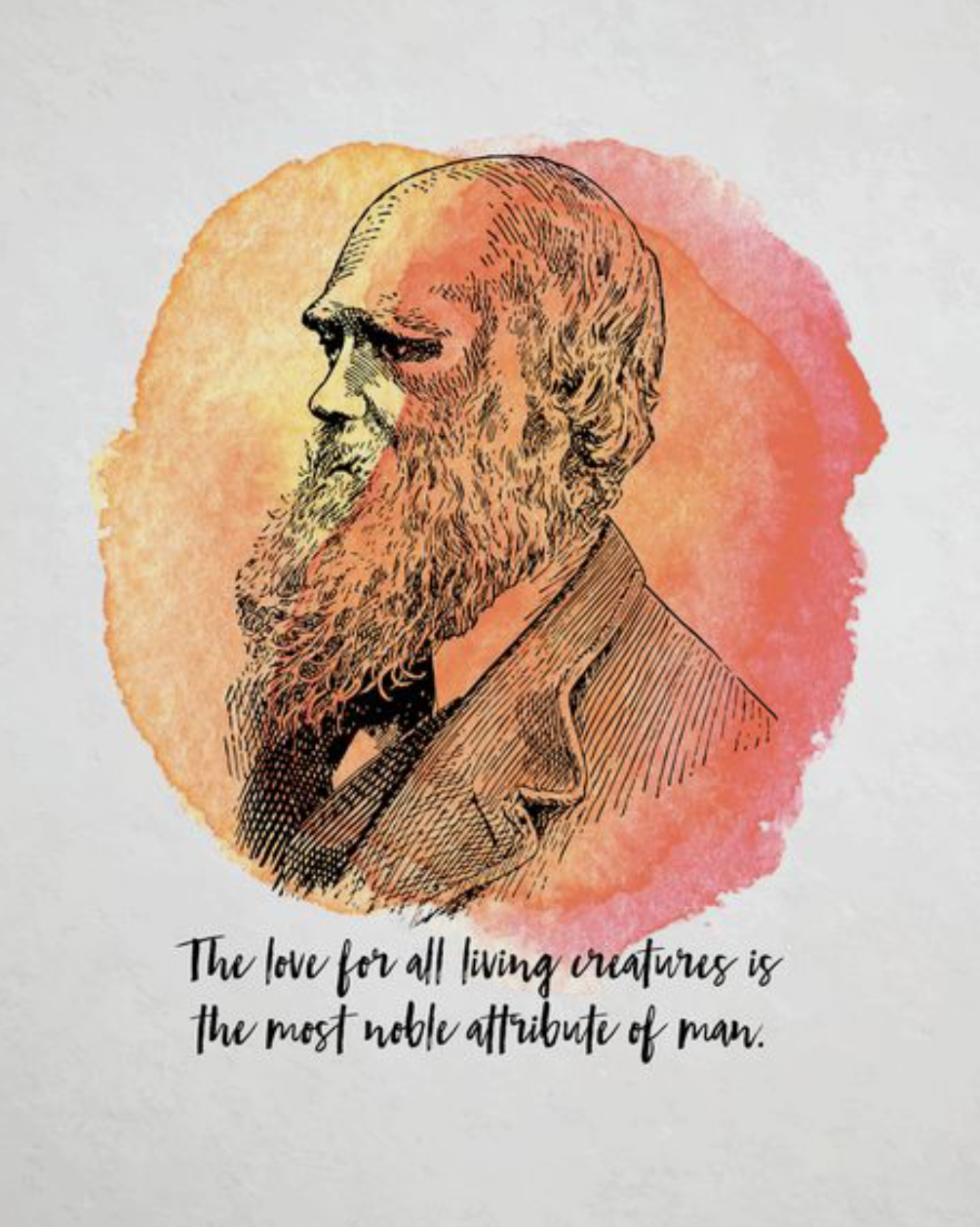
When you think of evolution the first name that comes to one’s mind is that of Charles Darwin. However, the fact is that he was not the first person to put forward the idea of evolution. Lamarck had suggested it earlier but the concept was not popular. In fact zoology professor Robert Grant lost his job because he supported Lamarck theory! An anonymous work titled, ‘The Vestiges of creation’ was ridiculed. It was Charles Darwin who first made the theory acceptable and he was able to do so because he supported it with a huge amount of evidence. Darwin, an English naturalist put forward his theory in a book titled ‘On the origin of the species’. He established that all species descended from common ancestors and that the different species evolved through a process he called natural selection. Darwin’s theory gained acceptance because it was able to explain the diversity of life.
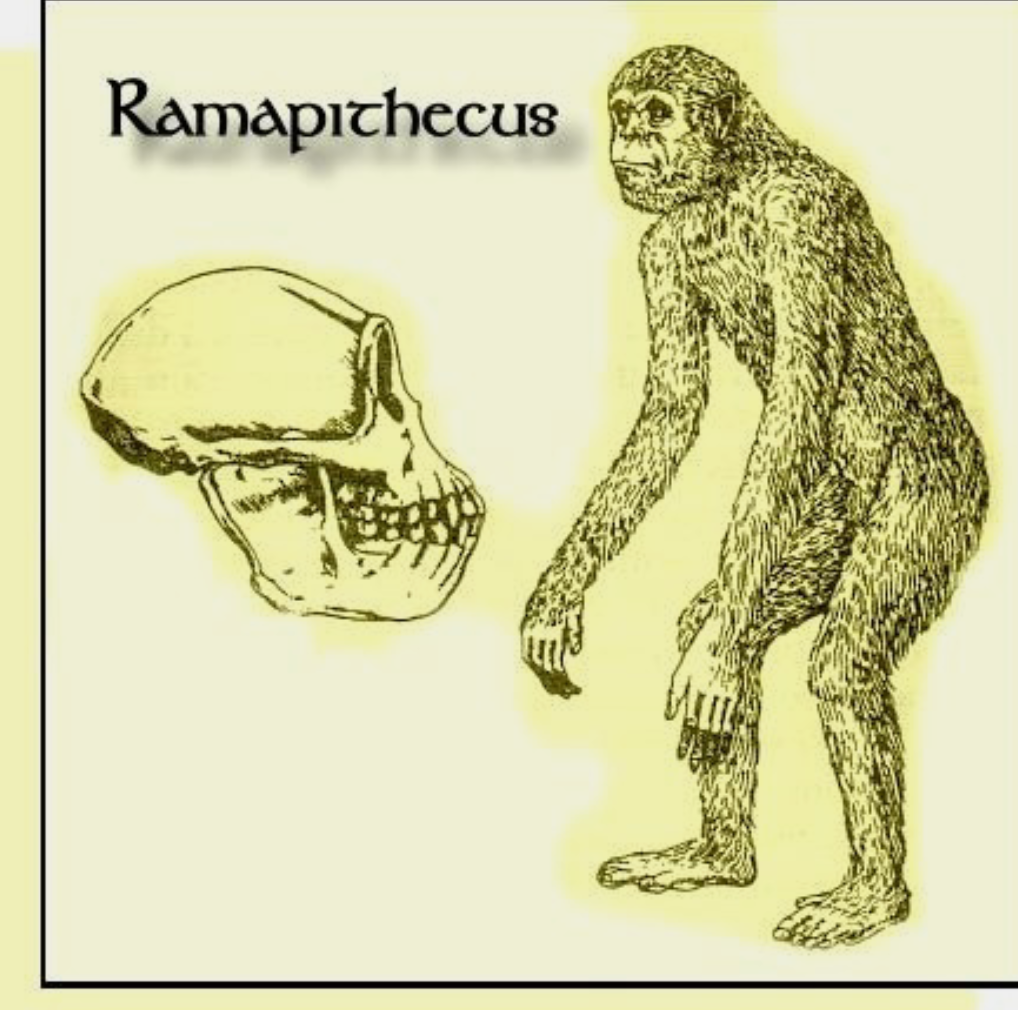
Ramapithecus belongs to an extent group of primates that lived from about 12 to 14 million years ago. Fossils of Ramapithecus were discovered in India and Africa beginning in 1932. Fossil evidence suggested that it had a short face, heavy jaws and enamelled teeth like hominids. Its importance lies in the fact that it was regarded as a possible ancestor of Australopithecus and therefore of modern humans. Later for sale finds indicated that Ramapithecus was more closely related to the orangutan and Ramapithecus is now regarded by many as a member of a group known as Sivapithecus.
It has been long known that humans share a common ancestor with apes but it was only in the last 30 years that techniques for develop to provide strong evidence in support of the theory that humans are more closely related to chimpanzees than they are to gorillas orangutans or Gibbons. The DNA of a chimpanzee is 98% identical to that of a human being. However our bodies adapted for walking on 2 legs. This is possible because the lower portion of the human body evolved to facilitate load bearing and balancing while walking upright. Chimpanzees not only share most of our genes they seem to be able to handle tools and they are able to grasp language pretty well too. Now researchers have found that we share a similar brain pattern when communicating. But in spite of these similarities there are clear differences in body structure intellect and behaviour.
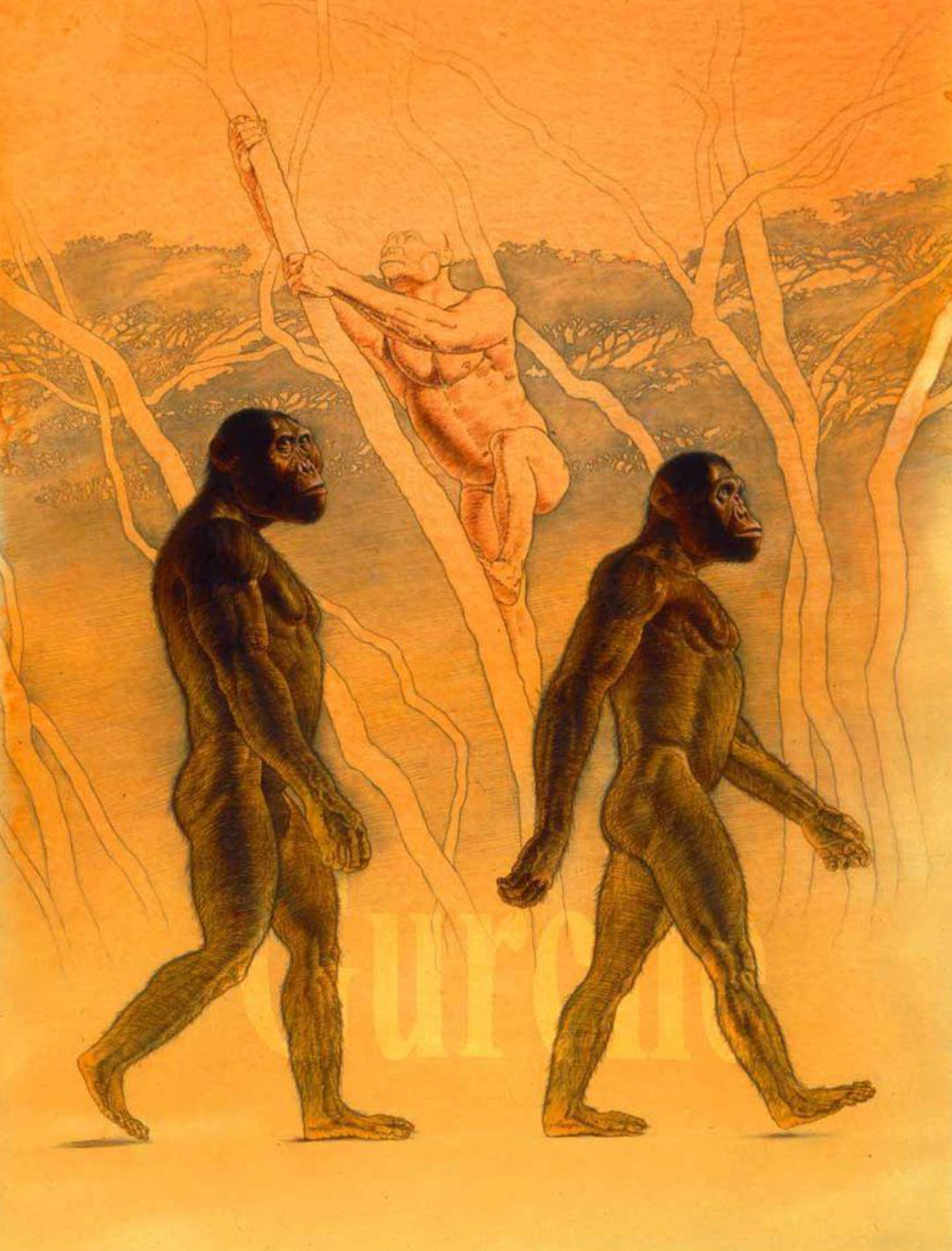
Australopithecus was an early hominid which is now extinct. Fossil evidence suggests that these individuals lived from approximately 4- 2 million years ago after evolving on the continent of Africa. Sense the fossils were recovered from south Africa they were called south African man apes or australopithecines. Australopithecines are believed to have been around 1 to 1.5 metre tall and probably fed on leaves fruits and the remaining of dead animals. Their brains were larger than those of apes but smaller than human brains while their teeth would like human teeth it is believed that Australopithecus eventually evolved into modern humans.
Neanderthal man first appeared in Africa about 200,000 years ago and migrated to the rest of the world around 100,000 years ago. The name Neanderthal comes from Neander valley where an early skull was found. Neanderthals would different from other species of early man. They were much taller and very strong for stop the brains were actually larger than ours are today. They were marvellous hunters. They often used caves as their homes. They were adept at fire making and probably cooked their food routinely. Neanderthals buried their dead. The Neanderthals died out by around 30,000 BC. Cro-Magnon man lived some 40,000 -10,000 years ago. Their remains were first found in France in 1868 and then throughout other parts of Europe.
Cro-Magnon man was anatomically identical to modern humans and deferred significantly from Neanderthal man who disappeared in the fossil record shortly after Cro-Magnons appearance. Cromagnon man was tall and had an erect posture. He had a prominent chin a surprising forehead and skull shaped like hours. These man was killed hunters toolmakers and artists. Cro-Magnon man was a true human and looked just like us. He is represented by the remains of 5 individuals found in March 18683 adult males one adult female and one child.
•First family. In 1975 Donald Johansson discovered the remains of at least 13 individuals of all ages at her there in Ethiopia. The sizes of the specimens varied greatly and Johansson believed that they all belong to a single species Australopithecus afarensis in which men were much larger than the females.
Nature has its own way to astonish us. Sometimes, in the forms of blooms, sometimes in the form of volcanoes. Now, when we hear volcane, the first picture that comes to our mind must be of red, hot and viscous lava, flowing down the edges of the volcano. But that image is going to change soon, hopefully. And the credit goes to the Ijen, a volcano complex in Indonesia.
The Blue Beauty
Indonesia, apart from being the country with the largest number of volcanoes, also houses a natural uniquiety, Kawah Ijen volcano. Part of the Ijen volcano complex, situated in East Java, Indonesia, this volcano is famous for two things: a mass of electric blue liquid flowing down the sides of the volcano and the lake situated in its crater. Also known as the Kawah Ijen Crater lake, this lake has the status of being the largest highly acidic crater lake. The acidity of the water can be as high as 0.5 at the edges and 0.13 in the middle, in terms of pH. Due to the high levels of acidity, the water of this lake maintains a turquoise shade. This lake also happens to be the origin source of the river Banyupahit, which obviously, also has a high concentration of acidic compounds and metals.
The reason behind the high acidity of the lake is that the water is saturated with hydrochloric acid. The source of this hydrochloric acid is the hydrogen chloride gas emitted by the volcano. The hydrogen chloride gas, when reacts with the water, gives rise to hydrochloric acid, with pH upt almost 0. The acidity sometimes imparts a slightly strong green colour to the water sometimes.
The reason for this electric blue wonder, though, is just pure, simple chemistry. Between sulphur and oxygen. Sulphuric gas, originating under high pressure and temperature (600°C) conditions, emerge through cracks and vents in the volcano structure. Coming in contact with the atmosphere (360°C), specifically oxygen, triggers the sulphur to combust, in the process, shooting flames at a height upto 5 metres (16 feet).
When the gases condense into liquid sulfur, while burning, this liquid flows down the volcano slopes, along with the sulfur rich lava, giving the ultimate spectacle of blue flames. Infact, this phenomenon is also known as the Api Biru (Blue Fire) amongst the locals.
Needless to say, there is a vast expanse of sulfur in this volcanic structure. And as a part of the industrial development, this treasure mine of a resource has also been tapped. Naturally, the burning gases, on gradual condensation, deposit sulphur around the lakes. To speed up the production of sulphur, a mining company has devised their own system to aid the condensation. They have installed ceramic pipes on an active vent near the edge of the lake, which condenses and liquefies the sulfur gases passing through them. To assist this process, miners often spray cold water over the pipes. This liquid sulfur is diverted through the vent slopes to get deposited onto the sulfur mats, where they solidify.
The miners cut these sulfur into manageable pieces and take them down the mountains on their back. They are known to carry loads of around 80 to 100 kilograms once everyday, or twice, if they work through the night. Apart from that, they also collect sulphur stalactites, which sometimes form from the dripping sulphur drops, to sell to the tourists. And for the elemental chunks of sulphur, they get about 680 Indonesian rupiah (about 6 USD cents) per kilo.
The Darker Side
The working conditions are far from ideal. Not only have they been exposed to highly toxic volcanic ashes and gases, more so due to the lack of protection, but also are at risk due to the dangerous trek they need to do to reach the carter. Many miners suffer from chronic and severe health problems due to the inhalation of the toxic sulfuric air, over a long period of time. Several media houses and individuals have made documentaries and pieces regarding the plight of these local sulfur miners.
Speaking of the tourists, this incredible phenomenon got its due attention when National Geography mentioned about this place. Since then, Ijen has witnessed a surge of tourists, whose most preferred activity is a night time, two hour hike to enjoy the electric blue flames in the fullest glory. But certainly not without precautionary measures!
Fake job offers being reported is on a constant rise. With no practical workplaces, and employees interacting with customers face-to-face without supervision, on-demand economy runs with a risk of reputational risks of hiring fraud, unethical candidates with possible criminal background, fake identity or mal-intentions.
Job seekers need to be more aware and cautious. The world is connected now and a lot of information is available online with forums, news and company details. One simple check is that no genuine recruiter would ask you to pay for hiring you. If there’s any discussion of paying in advance, it’s most likely a fraud. Second, research about the company online – its office locations, its hiring & interview process, its empanelled recruiting partners etc. Most companies have their process mentioned on their website. In case of any doubt, a candidate can get in touch with the company through contacts mentioned on the website.
Big companies are used by fake job racketeers to allure their prey because there’s a sense of aspiration attached with working for such companies. Plus sectors like IT, ITES hire in large volumes and various information becomes accessible to manipulate. While it’s a huge hit to careers and morale of job seekers along with financial loss, it is likely damaging the reputation of these companies. Many companies have become wary of these trends but many are still to take strict actions. Companies can be transparent about their job openings, hiring process, recruitment calendar, empanelled partners etc. They must look out for fake websites and social media handles in their names. Today, technology can resolve many authentication concerns like digitally secure offer letters.
Many job scams like many other crimes go unreported due to lack of proper channels and tedious law & judiciary process. But this is changing as we see more than 3700 incidents being reported till Oct this year in comparison to 1800 same time last year.
It’s important to report and highlight these scams to make people realize the extent of this problem. News about these frauds, candidates’ stories and experiences could be learning for many seekers. Law enforcement is another area to ensure trials and strict punishments for fraudsters. At a macro level, where the education system needs major improvements, such stories can build awareness and sensitize job seekers to be more careful, savvy and diligent while seeking jobs.
India is a land of countless mysteries that have puzzled the rest of the world. Perhaps the most enduring of these mysteries is that of the ‘Indian rope trick’. In the classic version of Indian rope trick, a rope is thrown into the air where it remains rigid. A young boy then climbs the rope, only to disappear at the top. The performer quickly follows him only to disappear when he reaches the top of the vertical rope! Shortly after, pieces of the boy’s body fall from the sky and land on the ground at the bottom of the rope. A few seconds later, the performer is seen climbing down the rope with a blood stained knife in his hand. On reaching firm ground, the performer utters a magic word and the rope falls limp to the ground. He then gathers up the pieces of the boy’s body and bundles them under a sheet. Within seconds, the sheet is lifted and the boy appears completely whole and unharmed! Travellers to India have described this amazing trick for over 600 years, but there is considerable doubt as to whether the trick is fact or fantasy.
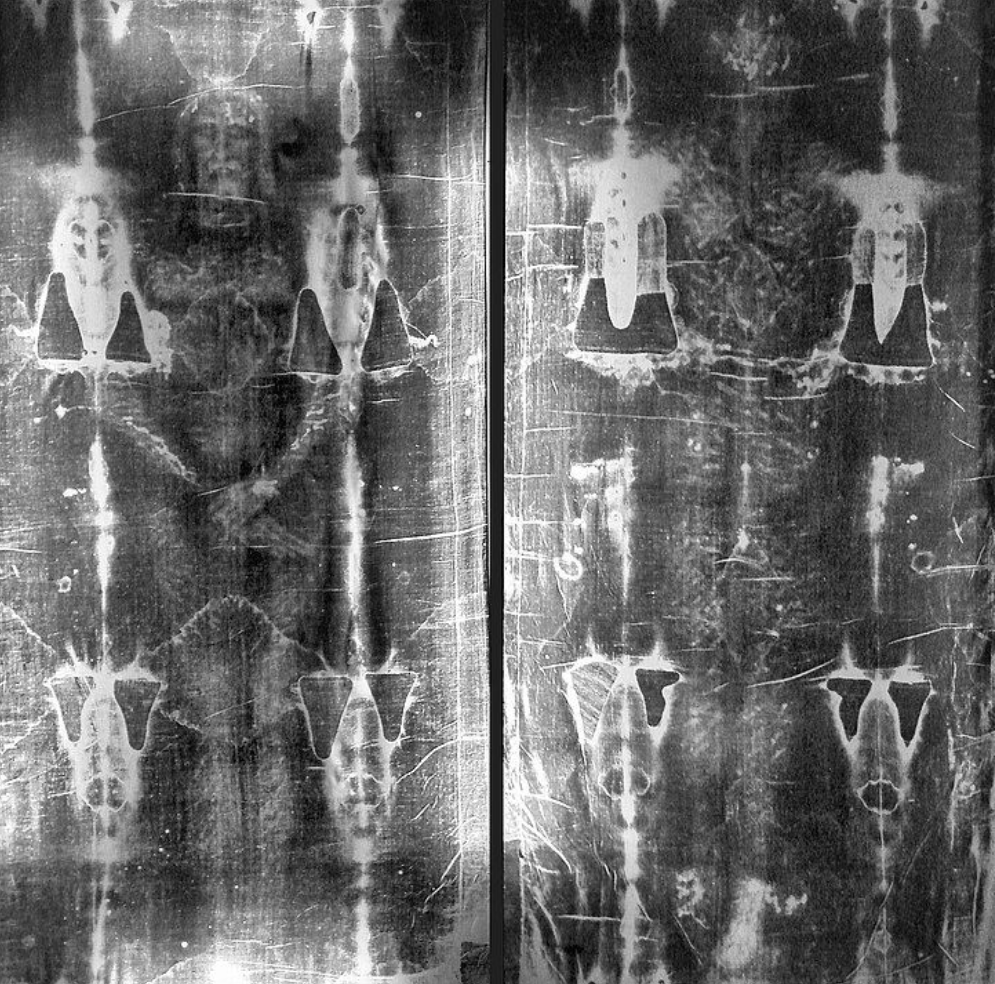
• Shroud of Turin
The shroud of Turin is reputedly the cloth in which Jesus Christ was wrapped and buried. The shroud is 4.34 meters long and it bears the image of a man with wounds similar to those suffered by Jesus Christ. The shroud is unquestionably old. Its history is known from the year 1357, when it surfaced in the tiny village of Lirey, France. Today, it is kept in a silver chest in the Cathedral of Saint John, the Baptist in Turin, Italy, where it has been since 1578.
Does the shroud really show the face of Jesus? No one really knows. Although, many scientists have expressed doubts about the accuracy of the image, millions believe it to be divine and it has been a religious relic since the middle ages.
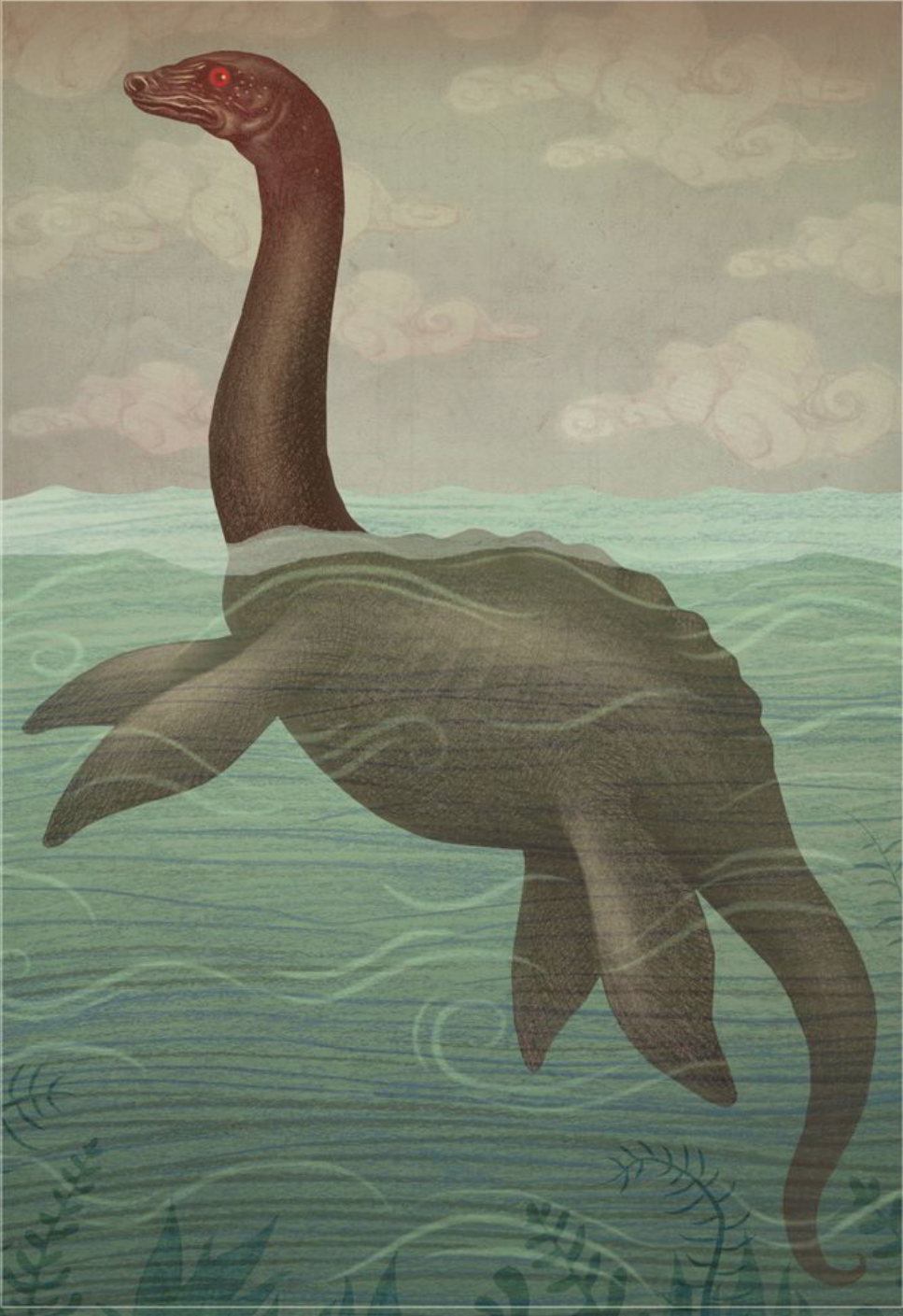
• Loch Ness monster
As far back as the 17th century, people have reported seeing a monster in the Loch Ness in Scotland. Loch means lake in Scotland. This is the largest freshwater lake in the UK. But, rather than being known for its size, it is famous for the mysterious legend of the Loch Ness monster or Nessie.
For thousands of years, people have reported catching glimpse of a huge creature. This creature is said to have a small head, a long neck and an immense body with flippers. Some people have shared photos they claim to have taken of this huge creature. The legend is so great that even scientists have been intrigued and many have conducted experiments and come up with theories to try and explain what people could be witnessing.
One explanation is that the monster could be a prehistoric creature called plesiosaur, an animal that has been considered to be extinct. Maybe one of these creatures managed to survive in the Loch Ness Lake, who knows?
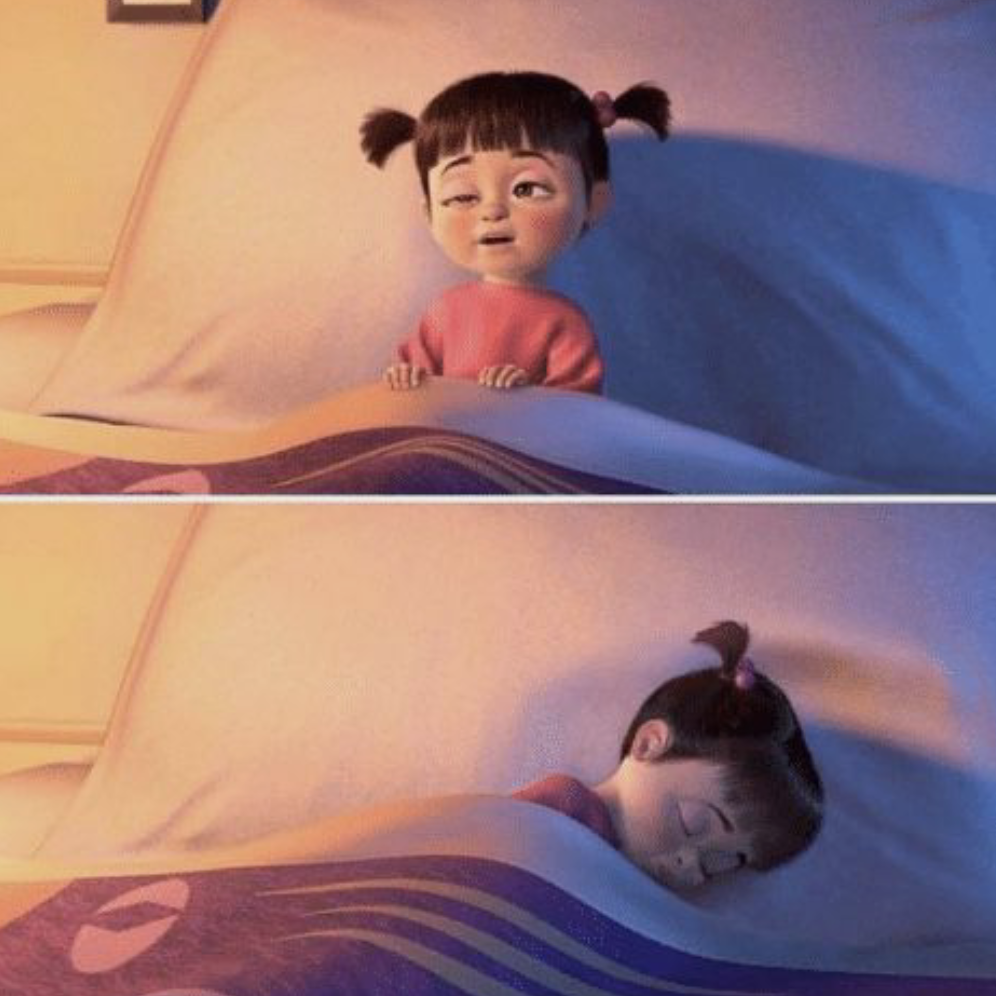
Sleep is essential to give the brain and nerves some rest. While we sleep, our bodies too, get a chance to recover from the fatigue caused by daily activities. When we are well rested, both physically and mentally, we wake up. Sometimes, we wake up because we feel cold or hungry or because a bad dream has made us afraid.
To sum up, we all have an internal body clock that tells our brain to wake our bodies up after a certain amount of time. However, some things or situations such as noise, temperature in the room or sunshine interrupt our sleep and wake us up too.
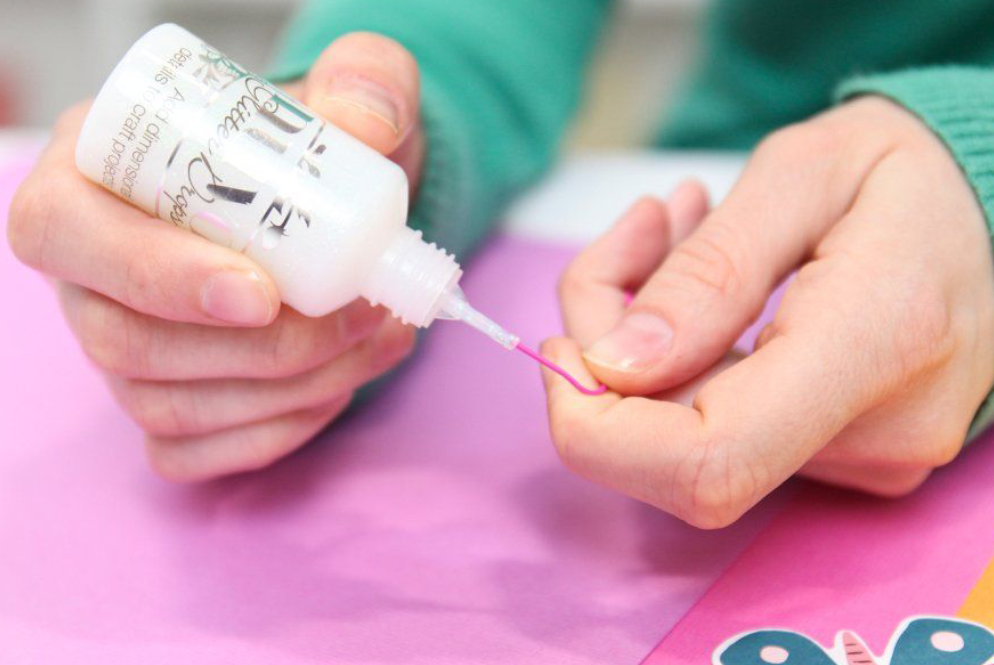
• Why doesn’t glue stick to the insides of the bottle?
The regular white glue that we use is made up of a variety of chemicals that are either sticky or stretchy. White glue also contains water. Water acts as a solvent that keeps the glue liquid until you want it to stick. When you put glue on a piece of paper, the water in it is exposed to air. The water eventually evaporates and as it does so, the glue dries and hardens and holds the things that need to be glued, stuck together.
When the glue is inside the bottle, there’s not enough air inside the bottle to cause the water to evaporate to make the glue sticky. The bottle protects the glue from the air and keeps the glue runny. This is also why if you’ve ever left the top off a glue bottle for a while, the next time you try to use the glue, it would have dried up.
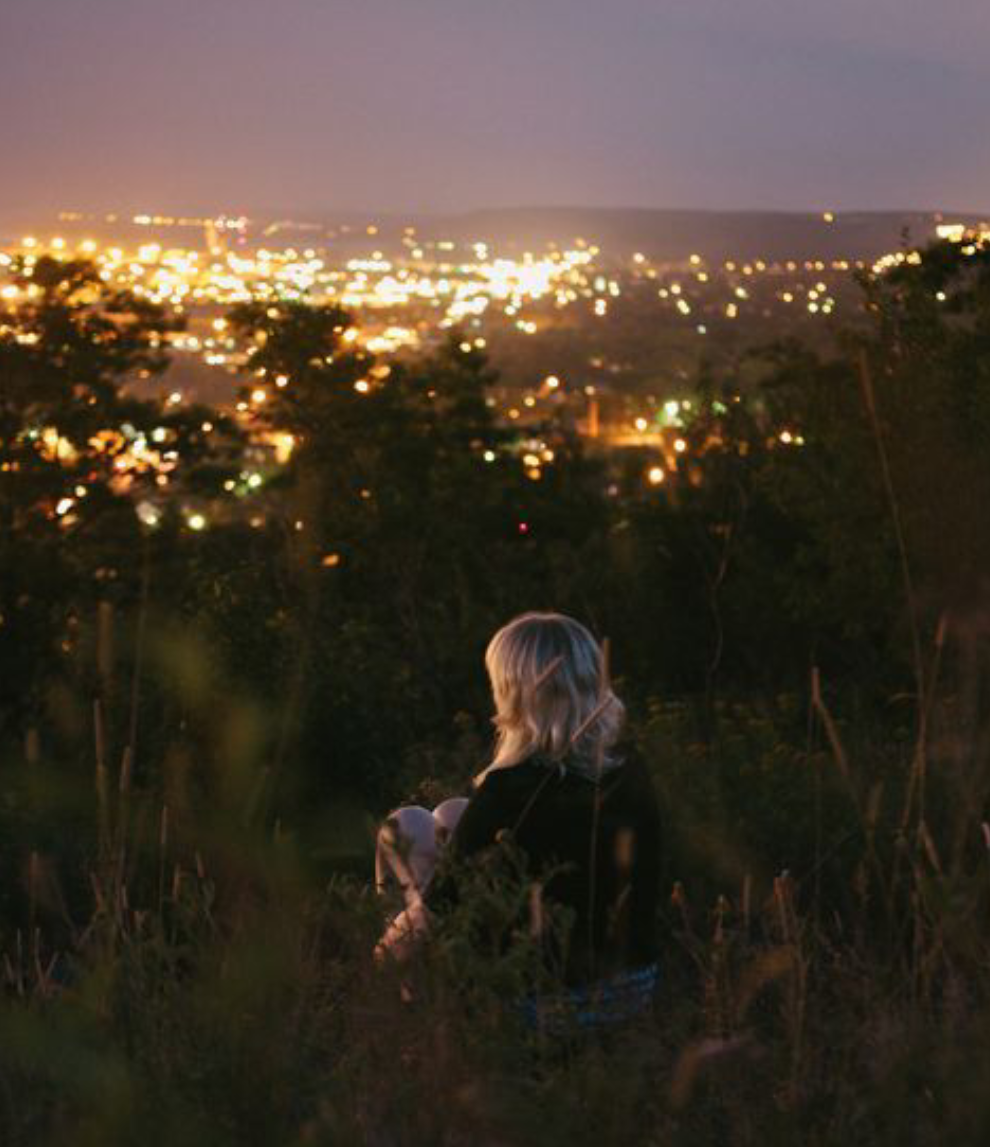
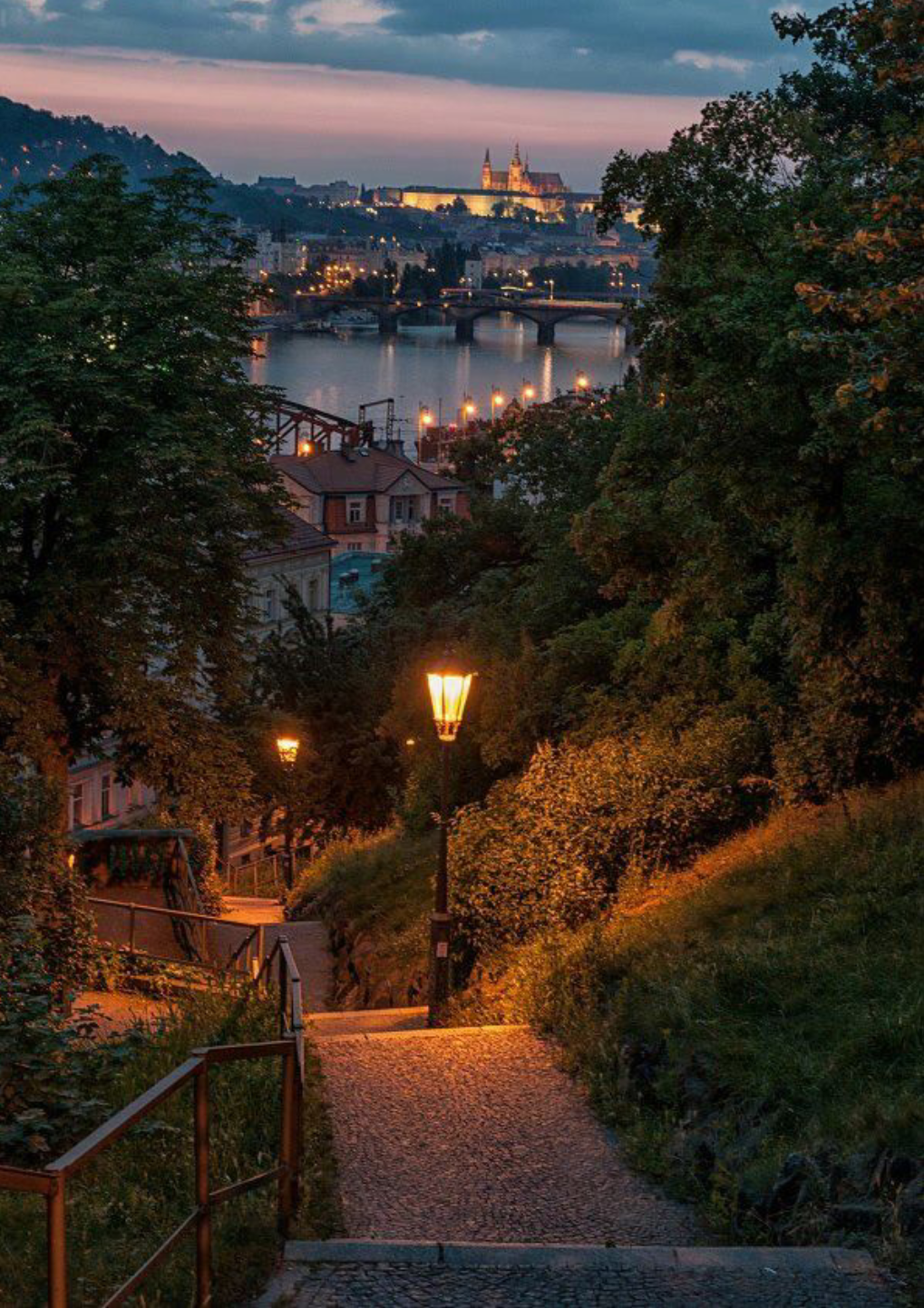
• Why do the lights of a distant town appear to twinkle?
When you are traveling at night, the lights of towns in the distance appear to twinkle. This is because of the constant movement of air above towns. The air above towns is warm, as a result of the heat given off from buildings. Warm air keeps moving up to be replaced by cold air which then gets heated and rises. This constant movement of air is known as turbulence.
When we are near a town or in it, we don’t notice the turbulence because it is quite small and the lights are nearly. However, when we are some distance away, the lights are far away too. They appear as only pinpricks. The warm and cold air that make up the turbulence above the town have different densities and light passing through the layers is bent at different angles because of this difference. As a result it appears as though the lights of the distant town are twinkling.
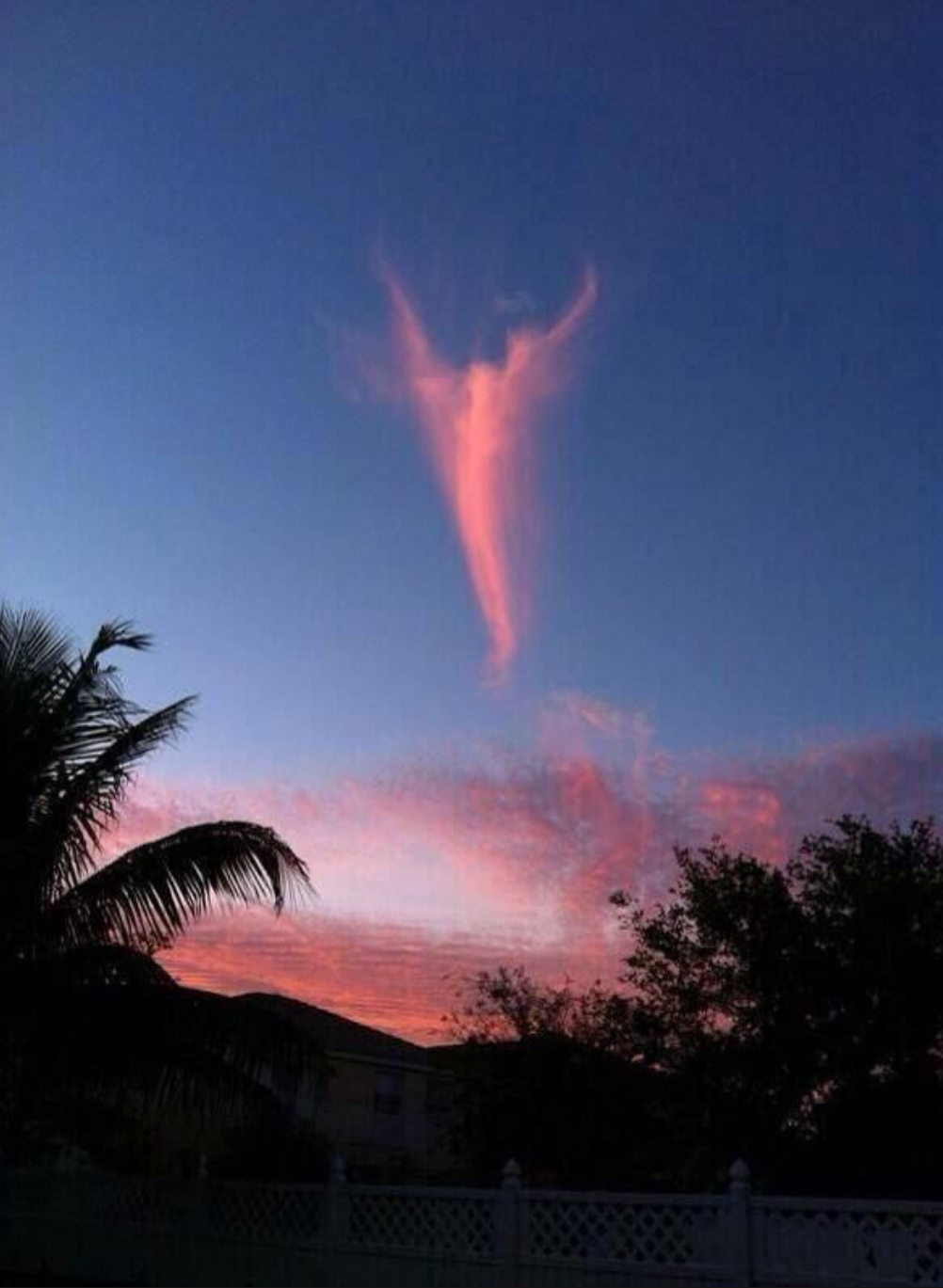
• Why do clouds have different shapes?
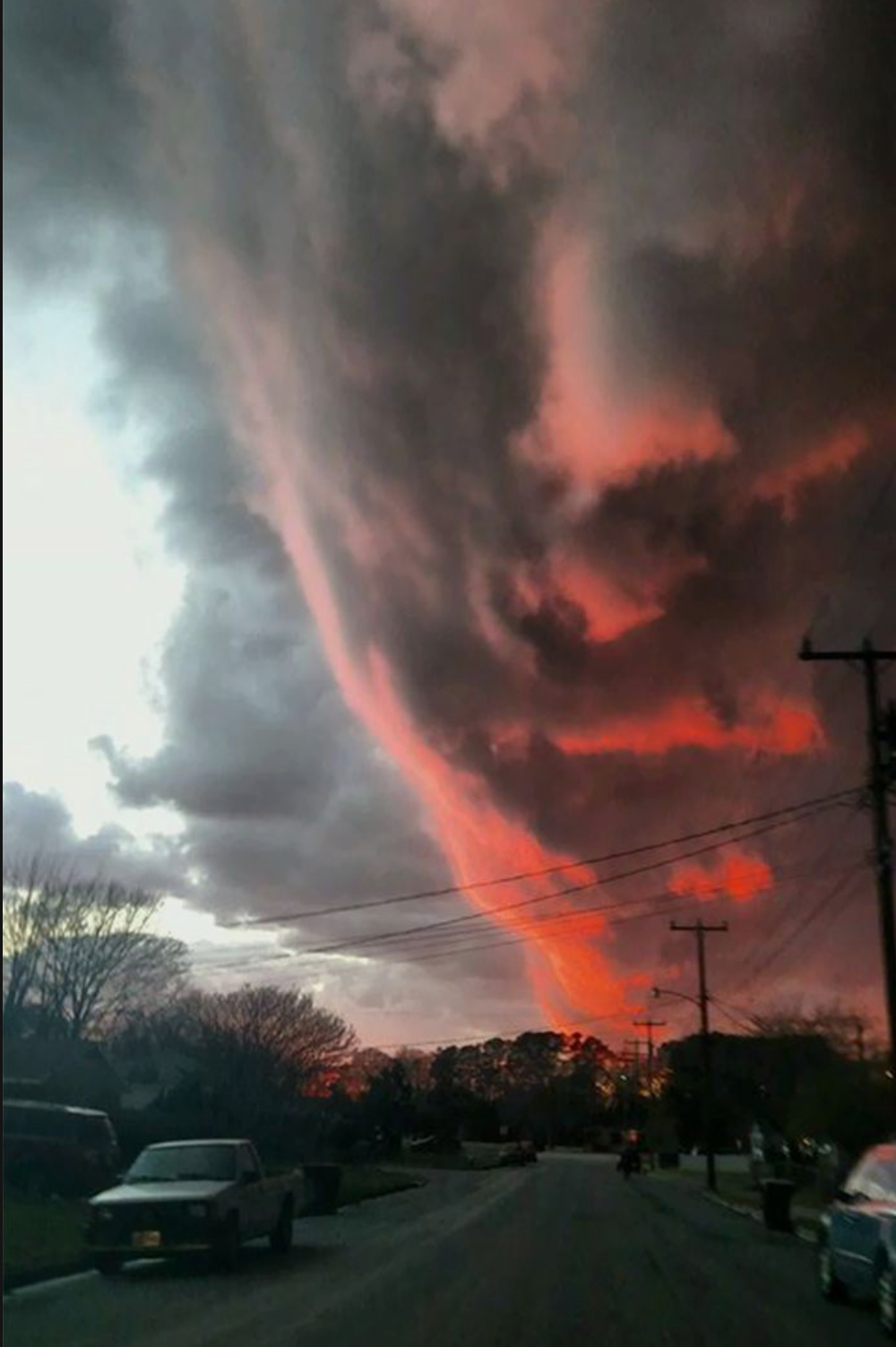
Clouds are made up of tiny droplets of water vapour or ice particles or both. The shape of the cloud depends on its height and temperature. Cumuliform clouds are shaped liked mushrooms and are formed when rising warm air cools as it goes up. Stratiform clouds come in flat, dull layers and are formed when air sinks in a high pressure area, creating a layer of cold air near the ground that doesn’t rise or rises only very slowly. Cirriform clouds are clouds that have risen on a front or tropical cyclone and frozen into ice crystals at very high altitude. They look like thin hair. The shape of cloud also depends on the time of the day.
Towards evening, clouds tend to be thinner and flatter than during daytime. Changes in wind patterns also change the shapes of cloud.


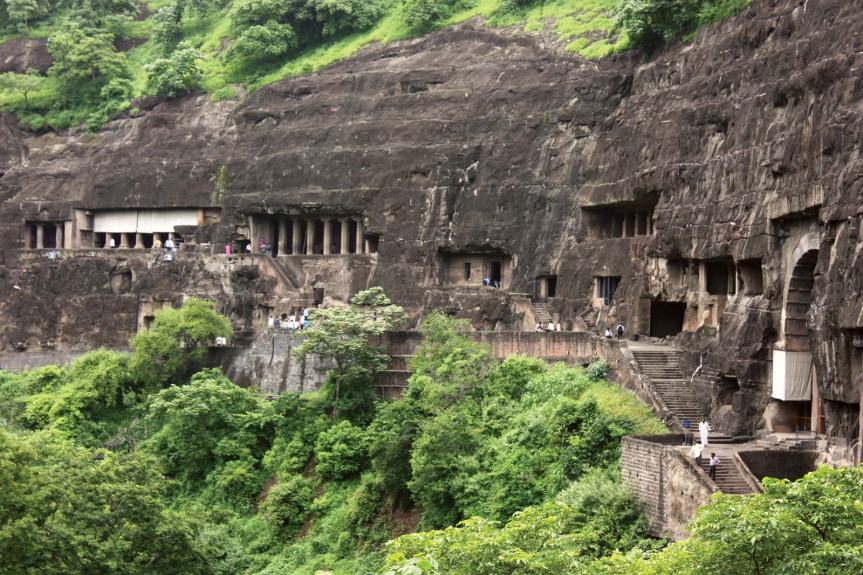




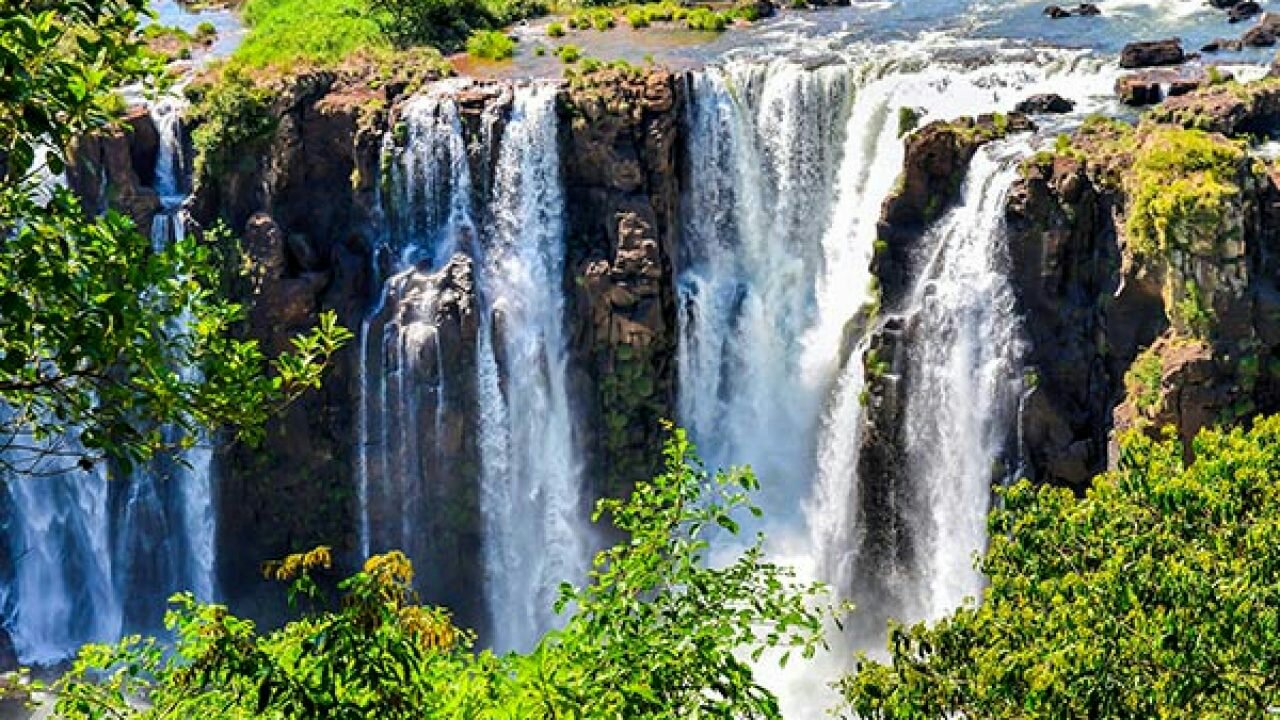 Loneliness sometimes feels very pleasant in itself, often it connects us with nature spontaneously. Many times you must have felt as if you go miles away, with the rustle of the wind, you become adrift on hearing the clash of the leaves. And suddenly find yourself only with nature.





 Eduindex
You must be logged in to post a comment.