Climate change: Everyone Focused on saving lives till now, time to save livelihood as well:

According to a Climate Central map, hundreds of cities on India’s eastern coast will be under water by 2050. CEEW says more than 80% of India’s population is vulnerable to “extreme climate risks”

According to a map created by Climate Central, hundreds of cities on the eastern coast of India will be under water by the year 2050. Over 27 states and union territories in India and more than 80% of the country’s population are vulnerable to “extreme climate risks”, says a report by the Council on Energy, Environment and Water.

These statistics show that the lives of many communities are put in danger due to climate change, and that a significant number of them lose their livelihood to it as well. Ritayan Mukherjee, a photojournalist, shares that while covering the pastoral nomads in the Himalayas, he came across the Changpa community who take their yak and sheep to grazing grounds that are 10,000-11,000 feet above the sea level. “The livelihood of these people is directly dependent on nature, because they move with their herd from one place to another,” says he.


Mukherjee shares that because of global warming, rising temperatures and the winter months getting shorter, the pastoralists have to take their herds to even higher grazing grounds. A report that Mukherjee worked on for the People’s Archive of Rural India said that the yak population in Leh fell about 57% between 1991-2010, according to the Department of Animal Husbandry and Dairying. A lot of these pastoralists don’t just depend on yak for their economic incomes, but they also use the yak-wool to build traditional tents, called Rebos. However, Mukherjee shares that these residential tents have disappeared over the past few years for reasons that can be attributed to climate change.

According to a Climate Central map, hundreds of cities on India’s eastern coast will be under water by 2050. CEEW says more than 80% of India’s population is vulnerable to “extreme climate risks”.

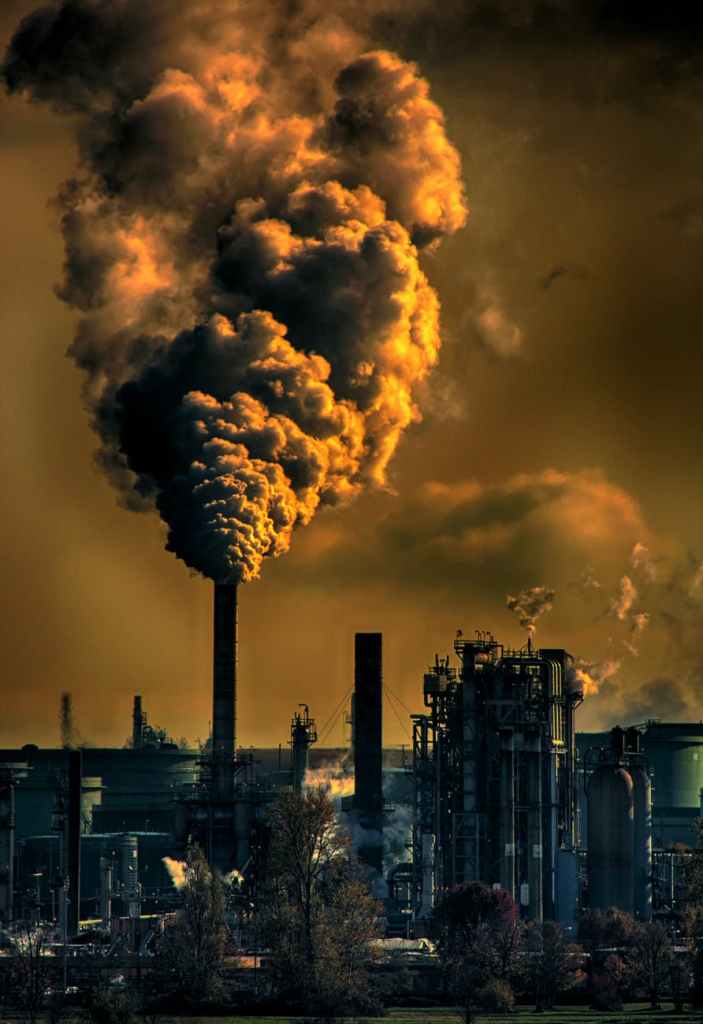
How many headlines and news articles did you come across in the last month that told you the condition of the climate is deteriorating? That a big chunk of our lives will be lost battling global warming in the next few decades? It’s no secret that climate change is impacting lives every single day, but let’s take a look at how it has been affecting us and what we can do to change its course.

Spirituality

Spirituality is a broad concept with room for many perspectives. In general, it includes a sense of connection to something bigger than ourselves, and it typically involves a search for meaning in life. As such, it is a universal human experience—something that touches us all. People may describe a spiritual experience as sacred or transcendent or simply a deep sense of aliveness and interconnectedness.

Some may find that their spiritual life is intricately linked to their association with a church, temple, mosque, or synagogue. Others may pray or find comfort in a personal relationship with God or a higher power. Still others seek meaning through their connections to nature or art. Like your sense of purpose, your personal definition of spirituality may change throughout your life, adapting to your own experiences and relationships.

Environmental Crisis From Oil Spills

Environmental pollution is increasing with each passing year and inflicting grave and irreparable injury to the world. Environmental pollution is of different types namely air, water, soil, noise and light-weight. These cause damage to the living system. How pollution interacts with public health, environmental medicine and the environment has undergone dramatic change.

Recent oil spills in the Yellowstone River, Alaska tundra and Enbridge (Wisconsin) demonstrate how pollution can directly and indirectly impact man’s health environmental pollution was not a medical/public health issue nor was it discussed in clinical settings. Since the 1950s, environmental medicine has been discussed more frequently through a greater awareness in public health and preventive medicine; although today, there is now a focus on occupational medicine.

Environmental and occupational medicine are however more commonly viewed as an integrated subject, with emphasis given to industrial issues. Certainly, pollution problems have been recognized in the distant past but were more easily mitigated by nature due to the limited complexity of the pollutant, its degradability (e.g. biodegradable organics) and lower industrialization. Health-related effects from environmental pollution have been well known, but were not fully realized until highly notable events like the Donora (Pennsylvania) smog occurrence in 1948 resulting in later public health programs including in their training a discussion of environmental medicine.

There has been an increased awareness of how pollution is observed regarding its health impact and attitudes toward public health and environmental medicine. Damage from oil spills will not only influence public health but overall disease rates for years to come. As environmental pollution increases so will the importance of environmental medicine in managing its consequences.

Reasons why Sleep Deprivation is toxic for your Career


In the present scenario, most of us live the ultra-modern lifestyle. This means that we set unrealistic goals for ourselves and to pursue those larger than life dreams we stretch ourselves thin, often to the extent of depreciating our well being and manipulating with our healthy lifestyle.

Time for a reality check…more often than not, you skip breakfast, ignore the mid day hunger pangs that creep up between an important presentation, binge an extra loaded cheese sandwich to compensate for a healthy lunch, drive straight into a pub after work to unwind the load of a hectic day, return home to gorge on a cold frozen dinner and head straight to bed when it is already past midnight and still struggle to sleep!


This is what slowly kills our capacity to work better. Sleep plays a major role in improving our work efficiency. Think of a machine, if not given proper rest, it will overheat and break down.

To put it simply, you cannot expect to deliver your best at work, if your body is un-rested and under nourished. While a number of modern vitamin and health supplements flooding the markets may make up for the deficiency in vitamins, there is absolutely no substitute for good sleep.


On going in detail about the science of sleep nourishment, When we are off to sleep, our brain removes the toxic proteins from its neurons that are by products of neural activity when we are awake and our brains are functioning. Our brain can engage in this cleansing activity only when we are asleep and most of the nerves are resting. Sleep deprivation would mean missing out on this important cleansing regime. When we deprive our bodies of sleep, the brain cannot drive out or sanitize the nerve cells, hampering our thinking and cognitive abilities to a large extent.


Revisit the old adage ‘Take care of the pennies and the pounds will take care of themselves’ with a new perception. Yes, you take care of your health and quintessential sleep and everything else will fall into place-your health, your lifestyle, your emotions, your relationships, your job and not to forget -your applaudable performance at the boardroom!

Dubal Collaboration Plans To Build ‘Food Secure Future’ Centers Around India


Food secure future is a significant issue for the United Arab Emirates (UAE) yet in addition for India. Worldwide Food Policy Research Institute (IFPRI), truth be told, cautions that evolving environment, developing worldwide populace, rising food costs and natural stressors will uncertainly affect food security in the coming many years. Notwithstanding, industry specialists and strategy creators accept that the UAE and India can up their synergistic endeavors to handle food security issues towards accomplishing food independence.


This is because the United Arab Emirates is India’s third largest trading partner with the bilateral trade of US$ 59.1 billion in 2019-20. Furthermore, it is a well-known fact that India wants to work very closely with the UAE as a reliable partner in food security. India’s food corridor is slated to attract investments to the tune of US$ 7 billion. Dubai can be a gateway for Indian companies in agriculture and food processing sector to take their products and services globally. This is the opinion of Dr Aman Puri council general of India.

According to him the UA should not be looked at as just a market of 10 million consumers rather it is is beneficial to the entire middle East and North African region. It is considered food secure due to its ability to import food from international markets.


The food technology valley aims at promoting innovation in agriculture to achieve food security from sustainable sources. Dubai is already adopting the new age farming technologies, vertical farming, smart farming, aeroponics, hydroponics, LOT and other new technologies have resulted in a 53% increase in output in agriculture.

The capital intensive nature of the Emirates aptly suits India which needs funding infusions for infrastructure creation. All the sovereign wealth funds have an investor bill capacity of around US$ 1.2 trillion which is growing at a rate of 18 % per annum.


India is on the threshold of a landmark change in the nature of food processing it is now moving towards value-added process and ready to eat foods. Thus, there has never been a better time for the Indian companies to tap the opportunities that the UAE and Dubai throw up. With the peceeding opportunities, both UAE and India face a common challengeas well, in the creation of value chain perspective, that is, end-to-end, farm-to-fork. So, moving forward, the two countries can deepen their collaboration and help each other in achieving this goal.

-Ananya Kaushal

Covid Cases on the rise in post-Diwali week


NEW DELHI: The end of the Diwali week marked a steady increase in new Covid-19 infections. India recorded 80,614 new cases of the coronavirus this week. With 10,789 new cases in the last 24 hours.

While cases in the southern states, namely Kerela and Tamil Nadu continue to gradually drop, a number of states observed a significant spike in cases. Jammu & Kashmir recorded a 34% increase in new cases in the past week.


Other states where the count increased in the current week are Karnataka, with a 17% increase, Maharashtra, Punjab, Delhi, Uttar Pradesh, Bengal, Rajasthan. Experts claim the increase in cases is a result of increased contact among people in the festive period. A major credit for the over-all spike can also be credited to increase in population in the markets. As most people connect the festival with an incentive to shop.

-Ananya Kaushal

GAMING ADDICTION:-

Gaming addiction is a type of mental disorder leads to insomnia,stress, pressure.Gaming is not a waste of time limited time of playing games can reduce pressure.

SIGN OF GAMING ADDICTION:-

* Thinking about game for lot of time.

* Feeling bad when you are not playing games.

* Want to spend more time in games to feel good.

* Having problems in school, office,work because of games.

ALTERNATION OF GAMES:-

In place of playing games you can replace it with:

* Arts ,dance,music.

* playing outside.

* playing indoor games like chess,carrom etc.

* you can do exercise,martial arts.

EFFECT OF GAMING ADDICTION:-

* It leads to mental disorder.

* sleepless.

* It creates lack of social interaction.

* Feeling lonely.

IS GAMING A ADDICTION:-

Gaming is not a addiction it is a type of mental disorder.It leads to psychological problems like insomnia,lack of social interaction.By research a normal healthy person can play less than 5 hours per day.

RELIVE FROM GAMING ADDICTION:-

* Schedule your time for Playing games and follow it.

* Replace the video games with the outdoor games.

* Talk to your friends, family.

* uninstall your game from the mobile or computer.

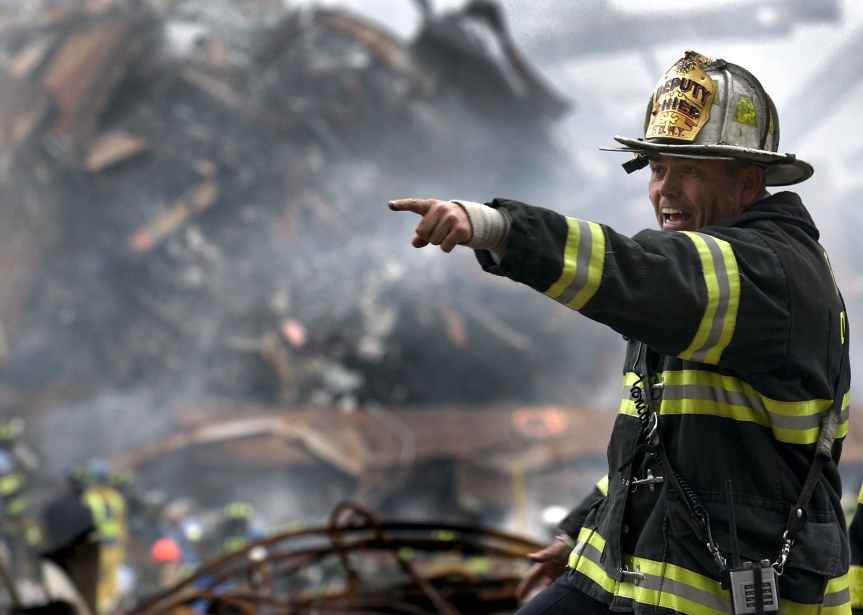
Disaster and disaster management

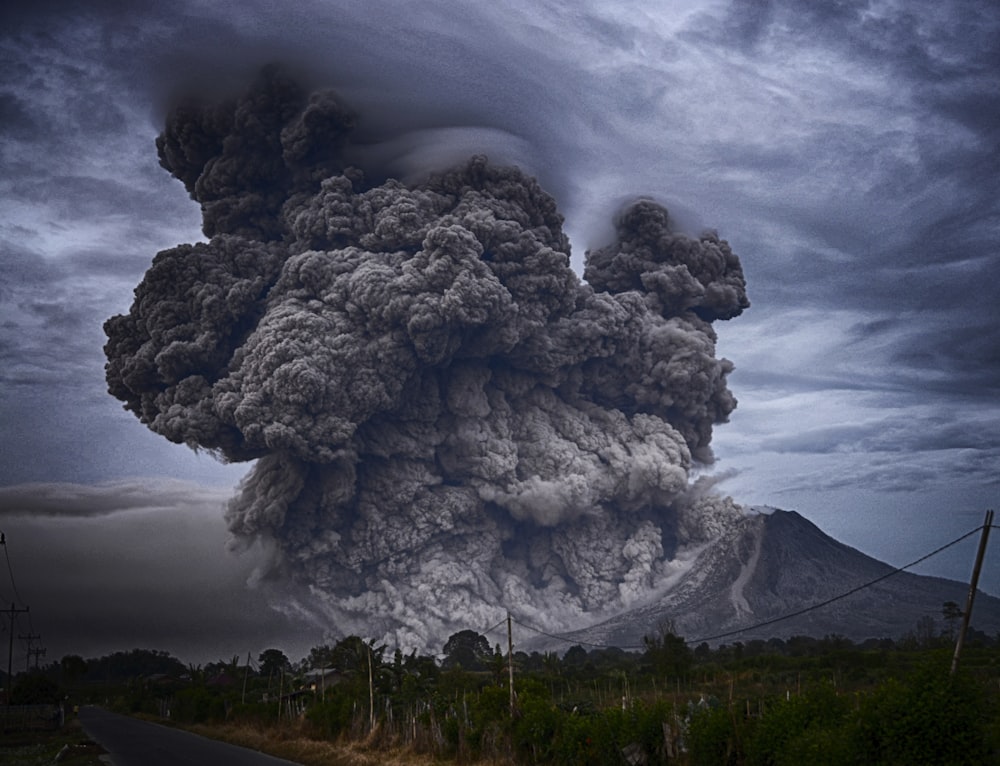
Catastrophe (Disasters) are classified into three types: naturals, man‐made, and hybrid disasters. A natural disaster is a major adverse event resulting from natural processes of the Earth; examples include firestorms, dust storms, floods, hurricanes, tornadoes, volcanic eruptions, earthquakes, tsunamis, storms, and other geologic processes. A normal calamity can cause misfortune of life or harm property, and ordinarily clears out a few financial harm in its wake, the seriousness of which depends on the influenced population’s versatility and on the framework accessible.

A landslide is depicted as an outward and descending slant development of an wealth of slope-forming materials counting shake, soil, manufactured materials, or a combination of these. An seismic tremor is the result of a sudden discharge of vitality within the Earth’s hull that makes seismic waves. At the Earth’s surface, seismic tremors show themselves by vibration, shaking, and in some cases relocation of the ground. Volcanoes can cause far reaching pulverization and resulting catastrophe in a few ways. One danger is the volcanic emission itself, with the constrain of the blast and falling rocks able to cause hurt. Dust storm may be a spread of tidy in dry regions. A manmade disaster is more cascading than a natural disaster an example of natural disaster is Bhopal Gas Tragedy.

Bhopal Gas Tragedy, India : Imagine waking up in the middle of the night in agonizing pain with your eyes and lungs burning. You wonder if you’re going to make it. Many don’t. That was the experience countless residents of Bhopal, India had on December 2, 1984 when the Union Carbide India Limited pesticide plant sprang a gas leak. Over 500,000 people were exposed to methyl isocyanine gas and other chemicals. Thousands of people died within the first hours of the leak, but estimates between 5,000 to upwards of 16,000 deaths resulted from the leak overall.

Deepwater Skyline Oil Spill, Inlet of Mexico It’s difficult to disregard the most noticeably awful and biggest oil spill in human history since it as it were happened less than three a long time prior. It begun on April 20, 2010 when an blast on BP’s Deepwater Skyline oilrig murdered 11 specialists, harmed 17 others, and cleared out the well spouting oil. Initially, BP claimed the spill was fair 1,000 barrels per day, concealing the reality that the well was spilling anyplace from 40,000 to 162,000 barrels a day.

Worldwide Warming, Third Planet from the Sun: Global warming is one of the foremost neglected and continuous man-made fiascos — one that will have the most noteworthy long-term affect on humankind. Over the top sums of nursery gasses, especially CO2, presented into the air have expanded normal worldwide temperatures determining a number of desperate results. Impacts from rising ocean levels, desertification, and harm from strongly super storms like Typhoon Katrina have already created a few of the primary bunches of climate-change outcasts and a few appraise that number to rise to 150 million by 2050.

Hybrid disaster is the third type of disaster. A crossover catastrophe may be a artificial one, when powers of nature are unleashed as a result of specialized disappointment or disrupt. There are disasters that result from both human mistake and normal strengths. These are crossover catastrophes. An case of a crossover disaster is the broad clearing of wildernesses causing soil disintegration, and hence overwhelming rain causing avalanches.

Disaster management is how we deal with the human, material, economic or environmental impacts of said disaster, it is the process of how we “prepare for, respond to and learn from the effects of major failures”

Disaster management has three stages which include disaster prevention, disaster preparedness, and disaster response/relief UNISDR sees Calamity Anticipation as the concept of locks in in exercises which proposed to anticipate or dodge potential unfavorable impacts through activity taken in development, exercises planned to supply security from the event of catastrophes. WCPT so also highlight that whereas not all catastrophes can be avoided, great hazard administration, clearing plans, natural arranging and plan benchmarks can decrease chance of misfortune of life and harm relief. The HYOGO System was one such Worldwide Arrange for common Calamity Hazard Decrease, which was received in 2005 as a 10 year Worldwide Arrange, marked by understanding with 168 Governments which advertised directing standards, needs for activity and viable implies for accomplishing fiasco versatility for defenseless communities.

“The information and capacities created by governments, proficient reaction and recuperation organizations, communities and people to successfully expect, react to, and recoup from, the impacts of likely, inescapable or current danger occasions or conditions” “The provision of emergency services and public assistance during or immediately after a disaster in order to save lives, reduce health impacts, ensure public safety and meet the basic subsistence needs of the people affected”

The lingering effects of unexpected emergencies and disasters are different for everyone. Knowing what to do after an emergency can help reduce stress and aid in a quicker recovery. Recovery is a process the process to repair and restore your life after an emergency or disaster is not easy and takes time, flexibility and patience. Examples of recovery include: removing waste and debris, contacting your insurance company, replacing lost or destroyed documentation, finding a new home, getting mental health support etc.

Everything You Need to Know About Narcissistic Personality Disorder

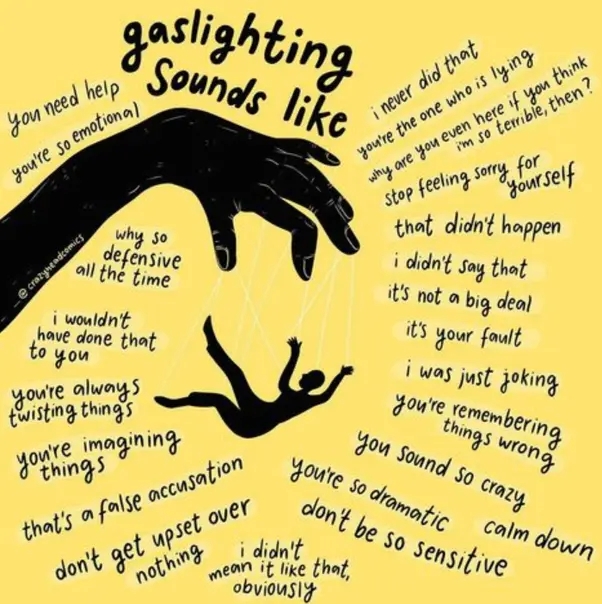
We often are annoyed when we find someone wanting all the attention, regardless of the causes and consequences, being extremely sensitive to anyone’s remarks. To handle them cautiously is advised, as those might be signs of a narcissistic personality disorder. 

What is Narcissism and Narcissistic Personality disorder? 

  • Narcissism, often described as increased importance given to own physical self, has been developed from the Greek example of Narcissus to a cultural conception in the United States labeled as a mental disorder by the late 20th century (Jauk et.al, 2021). 
  • We might also notice people wanting to stand out because of low confidence, feelings of loneliness, being vulnerable to remarks, which are features profound in Eastern Countries (Jauk et. al, 2021) 
  • The narcissist meaning and definition goes beyond culture, into certain common traits, divided into different criteria by the Diagnostic and Statistical Manual of Mental Disorders:
    1. The idea of being unique
    2. Attention seeking
    3. Wanting special treatment
    4. Lacking the will to understand others
    5. Feeling shamefulness and humiliation
    6. Hating criticism
  • These broad signs of a narcissist: portraying the need for creating a false sense of an impressive personality and the lack of relating to others, cause an alarm of concern, as they also stem from internal factors of low self-worth, lonely and sensitive feelings (Ronningstam, 2010)

Sub – divisions of Narcissistic Personality Disorder

The diverse nature of humans cannot be reduced to certain common traits. Caligor et. al (2015) analyze specific case studies to understand the sub-variations and severities that characterize narcissistic behavior: 

  • The grandiose overt narcissists: those seen as attention seekers and arrogant over their ability to charm others, coming off as dominative, with a lack of concern for others. 
  • The vulnerable covert narcissists: those who might respond negatively to criticism, often being disturbed over it, but might also compare themselves to others due to feeling inadequate or jealous. 
  • The high functioning and autonomous narcissists: They share traits with the grandiose overt types, but they also use them for their development, so being competitive and sexually advanced also fall under their category. As they come across like any other human, their cases are rare to come out. 
  • The malignant narcissists: the extreme kind, as their standoffish nature might turn to sadistic tendencies that they derive satisfaction from. The need to treat them and the difficulty faced thus increases. 

(To know more about the subtypes and their association with other disorders, visit https://ajp.psychiatryonline.org/doi/full/10.1176/appi.ajp.2014.14060723

Narcissists and Relationships

It is important to note that individuals carrying narcissistic personalities also communicate and form relationships, subject to the same socialization process. Vaknin (2004) explains the influences, varying from birth to them being adults, as markers of the narcissistic relationship: 

  • Those with narcissistic parents are often bound to share the same tendencies due to control seen in a positive light or opposite traits due to control seen in a negative light. This can also manifest as wanting to be with a narcissist, influenced by their upbringing. 
  • The narcissist, prone to known influences being the right way, may often mistake their abuse for love and understand criticism as hate.

So, what might seem like a narcissistic abuse relationship, is their inability to form a meaningful connection. The need to control turns into an unstable relationship.   

Treating Narcissistic Traits

The recent statistics of population segments that identify with narcissistic traits are patients seeking mental help, military servers, and medical students. Under therapy, it’s not unusual to find other conditions like depression, substance use, bipolar, and eating disorders (Hull,2021). 

Yakeley (2018) explains the problem faced during therapies involving narcissists:

  • The narcissists seek therapy due to the fault or difficulties they find in others that bother them, willing to less reflect on themselves. The therapist’s advice might strike the wrong side, leading back to square one of them being receptive to criticism.  
  • The willingness to have the upper hand for the narcissist might also affect the therapist who would have to deal with the pointed error of their ways or criticism to get to the healing process.

So, how do we treat those suffering from this disorder? Weinberg and Ronningstam (2020) analyze various patterns of therapies and suggest ways that can work better: 

  •  If the patient ever faces difficulties starting or even continuing the treatment, finding the causes behind them to create a healthy response to further development might help. Here, lining out an agreement or providing ultimatums that keep a constant check on their progress works.
  • To handle a patient’s criticism effectively that a therapist might face initially.
  • To provide clear-cut goals and achievable alternatives so that the therapist and the patient can work together.
  • To motivate the patients to work on themselves so they recognize the positive outcome of it. 
  • Once patients are aware of broadening their perception, the process of recognizing their strengths and weaknesses, can be initiated in an open-minded way. 

Conclusion

So, to be aware and not promote the tendencies that make a narcissist more confident should be discouraged, pointing out the abuse and seeking help should be recognized and applied practically and constructively. Along with therapies, daily communication also goes a long way.[1]

This article highlights the markers of someone having NPD, the cultural and psychological factors, the diagnosis and treatment for a varied population that falls under this category. To recognize and know the disorder, researching and learning about it, is the first step. Change starts when reflecting and acting becomes a norm with abnormality and harm. 


References

Caligor, E., Levy, K. N., & Yeomans, F. E. (2015). Narcissistic personality disorder: Diagnostic and clinical challenges. American Journal of Psychiatry172(5), 415-422.

Hull, Megan (2021). Narcissistic Personality Disorder Statistics. https://www.therecoveryvillage.com/mental-health/narcissistic-personality-disorder/npd-statistics/

Jauk, E., Breyer, D., Kanske, P., & Wakabayashi, A. (2021). Narcissism in independent and interdependent cultures. Personality and Individual Differences177, 110716.

Ronningstam, E. (2010). Narcissistic personality disorder: A current review. Current psychiatry reports12(1), 68-75.

Vaknin, S. (2010). Excerpts and Case Studies from the Archives of the Narcissistic Abuse Study Group. Narcissus Publishing.

Weinberg, I., & Ronningstam, E. (2020). Dos and don’ts in treatments of patients with narcissistic personality disorder. Journal of personality disorders34(Supplement), 122-142.

Yakeley, J. (2018). Current understanding of narcissism and narcissistic personality disorder. BJPsych advances24(5), 305-315.
What are Carbon Markets ?


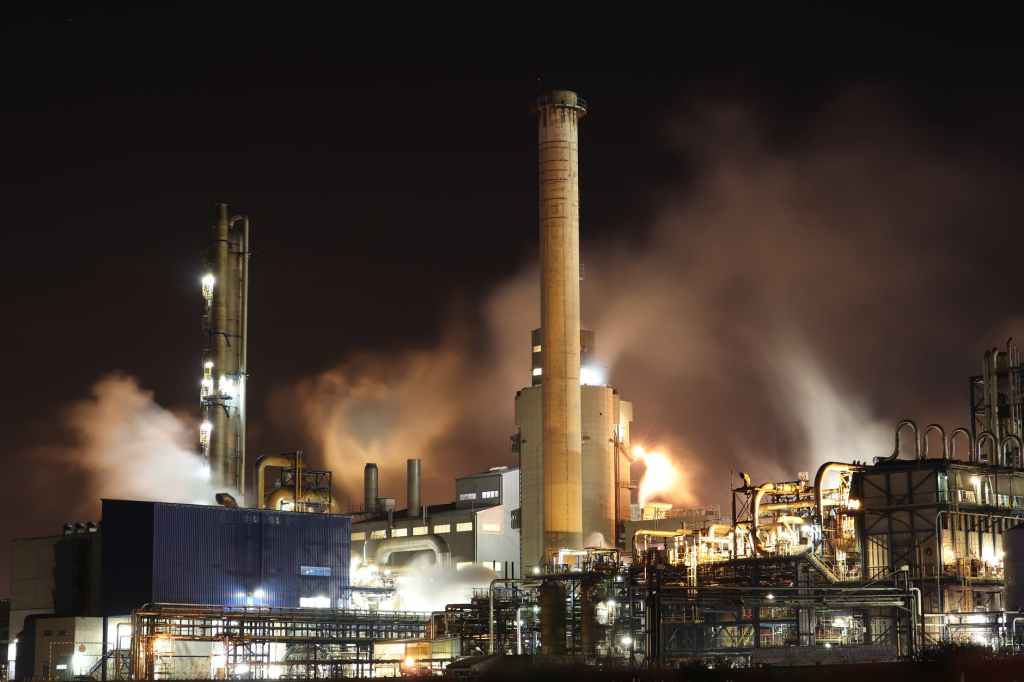
Carbon Markets: Carbon markets facilitate the trading of emission reductions. Such a market allows countries, or industries, to earn carbon credits for the emission reductions they make in excess of their targets. These carbon credits can be traded to the highest bidder in exchange of money. The buyers of carbon credits can show the emission reductions as their own and use them to meet their reduction targets. Carbon markets are considered a very important and effective instrument to reduce overall emissions.


A carbon market existed under Kyoto Protocol but is no longer there because the Protocol itself expired last year. A new market under Paris Agreement is yet to become functional. Developing countries like India, China or Brazil have large amounts of carbon credits left over because of the lack of demand as many countries abandoned their emission reduction targets. The developing countries wanted their unused carbon credits to be transitioned to the new market, something that the developed nations had been opposing on the grounds that the quality of these credits — the question whether these credits represent actual emission reductions — was a suspect. A deadlock over this had been holding up the finalisation of the rules and procedures of the Paris Agreement.


The Glasgow Pact has offered some reprieve to the developing nations. It has allowed these carbon credits to be used in meeting countries’ first NDC targets. These cannot be used for meeting targets in subsequent NDCs. That means, if a developed country wants to buy these credits to meet its own emission reduction targets, it can do so till 2025. Most countries have presented climate targets for 2025 in their first NDCs.

The resolution of the deadlock over carbon markets represents one of the major successes of COP26.

Achievements of the Glasgow Summit 2021


What was achieved?

Mitigation: The Glasgow agreement has emphasised that stronger action in the current decade was most critical to achieving the 1.5-degree target. Accordingly, it has:

1. Asked countries to strengthen their 2030 climate action plans, or NDCs (nationally-determined contributions), by next year.

2. Established a work programme to urgently scale-up mitigation ambition and implementation.

3. Decided to convene an annual meeting of ministers to raise ambition of 2030 climate actions.

4. Called for an annual synthesis report on what countries were doing.

5. Requested the UN Secretary General to convene a meeting of world leaders in 2023 to scale-up ambition of climate action.

6. Asked countries to make efforts to reduce usage of coal as a source of fuel, and abolish “inefficient” subsidies on fossil fuels
Has called for a phase-down of coal, and phase-out of fossil fuels. This is the first time that coal has been explicitly mentioned in any COP decision. It also led to big fracas at the end, with a group of countries led by India and China forcing an amendment to the word “phase-out” in relation to coal changed to “phase-down”. The initial language on this provision was much more direct. It called on all parties to accelerate phase-out of coal and fossil fuel subsidies. It was watered down in subsequent drafts to read phase-out of “unabated” coal power and “inefficient” fossil fuel subsidies. But even this was not liking to the developing countries who then got it changed to “phase down unabated coal power and phase out inefficient fossil fuel subsidies while providing targeted support to the poorest and the most vulnerable in line with national circumstances…”. Despite the dilution, the inclusion of language on reduction of coal power is being seen as a significant movement forward.


Adaptation: Most of the countries, especially the smaller and poorer ones, and the small island states, consider adaptation to be the most important component of climate action. These countries, due to their lower capacities, are already facing the worst impacts of climate change, and require immediate money, technology and capacity building for their adaptation activities.

As such, the Glasgow Climate Pact has:

Asked the developed countries to at least double the money being provided for adaptation by 2025 from the 2019 levels. In 2019, about $15 billion was made available for adaptation that was less than 20 per cent of the total climate finance flows. Developing countries have been demanding that at least half of all climate finance should be directed towards adaptation efforts.


Created a two-year work programme to define a global goal on adaptation. The Paris Agreement has a global goal on mitigation — reduce greenhouse gas emissions deep enough to keep the temperature rise within 2 degree Celsius of pre-industrial times. A similar global goal on adaptation has been missing, primarily because of the difficulty in defining such a target. Unlike mitigation efforts that bring global benefits, the benefits from adaptation are local or regional. There are no uniform global criteria against which adaptation targets can be set and measured. However, this has been a long-pending demand of developing countries and the Paris Agreement also asks for defining such a goal.


Finance: Every climate action has financial implications. It is now estimated that trillions of dollars are required every year to fund all the actions necessary to achieve the climate targets. But, money has been in short supply. Developed countries are under an obligation, due to their historical responsibility in emitting greenhouse gases, to provide finance and technology to the developing nations to help them deal with climate change. In 2009, developed countries had promised to mobilise at least $100 billion every year from 2020. This promise was reaffirmed during the Paris Agreement, which also asked the developed countries to scale up this amount from 2025. The 2020 deadline has long passed but the $100 billion promise has not been fulfilled. The developed nations have now said that they will arrange this amount by 2023.

What does the Glasgow Agreement say?

Following are the major observations of the Glasgow Summit :

1. A deal aimed at staving off dangerous climate change has been struck at the COP26 summit in Glasgow.

2. Expressed “deep regrets” over the failure of the developed countries to deliver on their $100 billion promise. It has asked them to arrange this money urgently and in every year till 2025.

3. Initiated discussions on setting the new target for climate finance, beyond $100 billion for the post-2025 period.

4. Asked the developed countries to provide transparent information about the money they plan to provide.

5. Loss and Damage: The frequency of climate disasters has been rising rapidly, and many of these cause largescale devastation. The worst affected are the poor and small countries, and the island states. There is no institutional mechanism to compensate these nations for the losses, or provide them help in the form of relief and rehabilitation. The loss and damage provision in the Paris Agreement seeks to address that.


Introduced eight years ago in Warsaw, the provision hasn’t received much attention at the COPs, mainly because it was seen as an effort requiring huge sums of money. However, the affected countries have been demanding some meaningful action on this front. Thanks to a push from many nations, substantive discussions on loss and damage could take place in Glasgow. One of the earlier drafts included a provision for setting up of a facility to coordinate loss and damage activities. However, the final agreement, which has acknowledged the problem and dealt with the subject at substantial length, has only established a “dialogue” to discuss arrangements for funding of such activities. This is being seen as a major let-down.

What are Carbon Markets ?

Glasgow Summit 2021


Carbon Markets: Carbon markets facilitate the trading of emission reductions. Such a market allows countries, or industries, to earn carbon credits for the emission reductions they make in excess of their targets. These carbon credits can be traded to the highest bidder in exchange of money. The buyers of carbon credits can show the emission reductions as their own and use them to meet their reduction targets. Carbon markets are considered a very important and effective instrument to reduce overall emissions.


A carbon market existed under Kyoto Protocol but is no longer there because the Protocol itself expired last year. A new market under Paris Agreement is yet to become functional. Developing countries like India, China or Brazil have large amounts of carbon credits left over because of the lack of demand as many countries abandoned their emission reduction targets. The developing countries wanted their unused carbon credits to be transitioned to the new market, something that the developed nations had been opposing on the grounds that the quality of these credits — the question whether these credits represent actual emission reductions — was a suspect. A deadlock over this had been holding up the finalisation of the rules and procedures of the Paris Agreement.


The Glasgow Pact has offered some reprieve to the developing nations. It has allowed these carbon credits to be used in meeting countries’ first NDC targets. These cannot be used for meeting targets in subsequent NDCs. That means, if a developed country wants to buy these credits to meet its own emission reduction targets, it can do so till 2025. Most countries have presented climate targets for 2025 in their first NDCs.

The resolution of the deadlock over carbon markets represents one of the major successes of COP26.

Five terms that came up at the climate change conference in Glasgow 2021


The main task for COP26 was to finalise the rules and procedures for implementation of the Paris Agreement. Most of these rules had been finalised by 2018, but a few provisions, like the one relating to creation of new carbon markets, had remained unresolved.

After two weeks of negotiations with governments debating over provisions on phasing out coal, cutting greenhouse gas emissions and providing money to the poor world, the annual climate change summit came to an end on Saturday night with the adoption of a weaker-than-expected agreement called the Glasgow Climate Pact.


The Glasgow meeting was the 26th session of the Conference of Parties to the UN Framework Convention on Climate Change, or COP26. The main task for COP26 was to finalise the rules and procedures for implementation of the Paris Agreement. Most of these rules had been finalised by 2018, but a few provisions, like the one relating to creation of new carbon markets, had remained unresolved. However, due to clear evidence of worsening of the climate crisis in the six years since the Paris Agreement was finalised, host country United Kingdom was keen to ensure that Glasgow, instead of becoming merely a “procedural” COP, was a turning point in enhancing climate actions. The effort was to push for an agreement that could put the world on a 1.5 degree Celsius pathway, instead of the 2 degree Celsius trajectory which is the main objective of the Paris Agreement.

POLLUTION

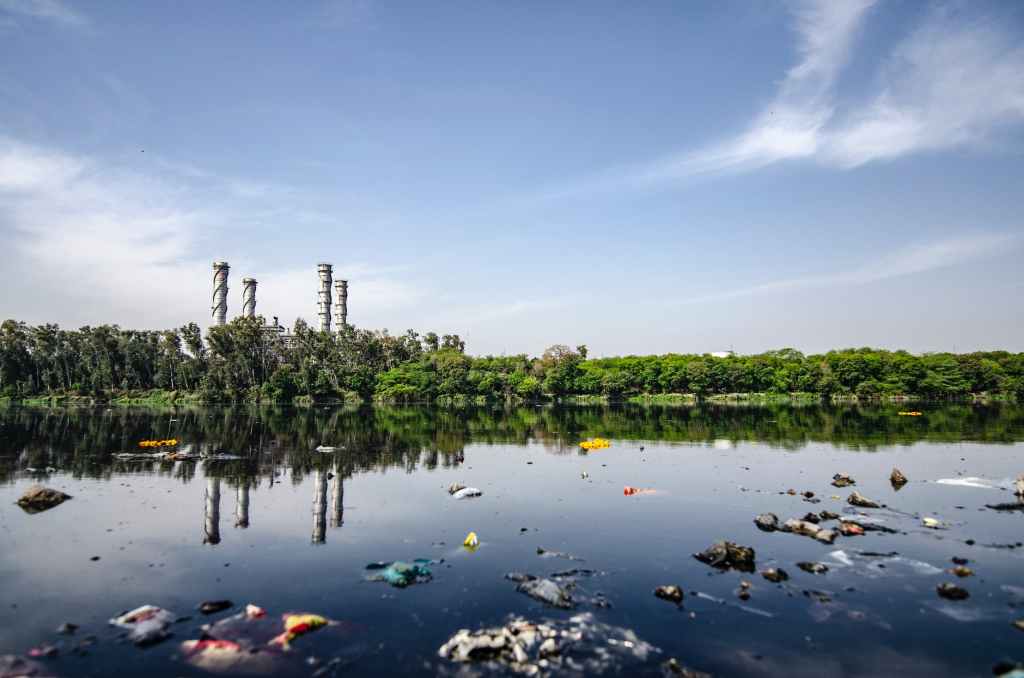
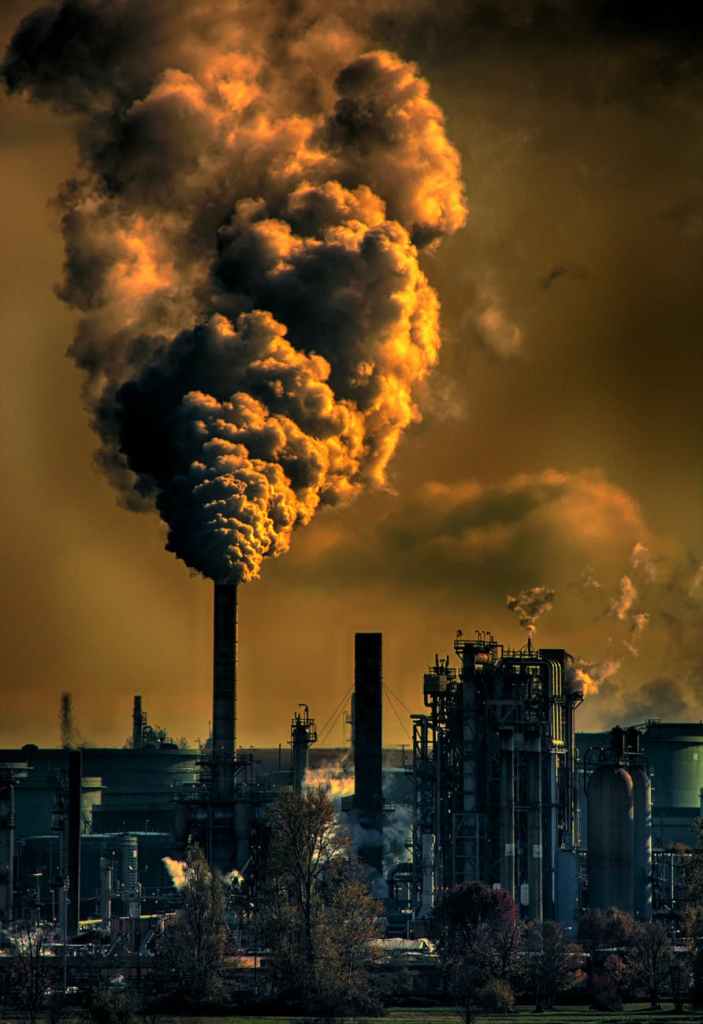
Pollution is defined as introduction of harmful particles in the environment.It can be man made or natural.The reason for pollution is many like toxic gas from industry, plastics in water,sound from vehicles etc.

TYPES OF POLLUTION:-

* Land pollution

* Noise pollution

* Water pollution

* Air pollution

* Light pollution.

LAND POLLUTION:-

Land pollution means that contamination of soil or land. Land pollution leads to contamination of ground water.Land pollution is caused due to urbanization, deforestation, mining and throwing plastics in the land.

NOISE POLLUTION:-


Noise is,defined as unwanted sound. Sound which pleases the listeners is music and that which causes pain and annoyance is noise.Noise pollution is majorly from vehicles,industrial works.Noise pollution leads to hearing problems, sleepless,cardio vascular issues and psychological problems.

WATER POLLUTION:-

Water pollution is defined as introduction of unwanted materials in the water.It is one of the serious type of pollution Harmful to human, plants and animals.water pollution is caused by industrial waste,oil spills,marine dumping plastics,sewage,mining activities.It leads to serious problems like cancer,diarrheal disease, respiratory disease, neurological disorder and cardiovascular disease.

AIR POLLUTION:-

Air pollution is a mixture of solid particles and gases in the air. Car emissions, chemicals from factories, dust, and mold spores may be suspended as particles. Ozone, a gas, is a major part of air pollution in cities.Some air pollutants are poisonous.It is harmful to all living organisms in the world.Air pollution leads to breathing problems, asthma, heart attack and stroke.

LIGHT POLLUTION:-

Light pollution is unwanted over usage of artificial light.It wash out star light in the night, disturb ecosystem,interferes with space research.Light pollution alters their night time environment by turning night into day.spark from artificial lights can also impact wetland habitats that are home to amphibians such as frogs and toads.

CONTROLLING MEASURES FOR POLLUTION:-

* By controlling wastes.

* With the practice of recycle.

* Going with natural ways.

* Using eco friendly products instead of plastics.

* planting trees.

” Save nature

Save world”.