India had a record single-day surge of 24,879 Corona cases taking the cases to 7,67,296 on Thursday, with Maharashtra, Tamil Nadu, Karnataka, Delhi, Telangana, UP and Andhra Pradesh contributing to around 75 per cent of the new cases, according to the Union Health Ministry data.
The death toll climbed to 21,129 with 487 new deaths, the updated data at 8 am showed.
There have been 4,76,377 recovered cases, while there are 2,69,789 active cases of coronavirus infection in the country.
“Around 62.08 per cent of patients have recovered so far,” an official said.
The total number of confirmed cases included foreigners.
Of the 487 deaths reported in the last 24 hours, 198 are from Maharashtra, 64 from Tamil Nadu, 54 from Karnataka, 48 from Delhi, 23 from West Bengal, 18 from Uttar Pradesh, 16 from Gujarat, 12 from Andhra Pradesh, 11 from Telangana, 10 from Rajasthan, seven from Madhya Pradesh, six each from Jammu and Kashmir and Odisha, three each from Bihar, Uttarakhand, Punjab and Haryana and two from Assam.
India is seeing huge surge in cases with almost 20,000 to 25,000 new cases every day. The positive fact is that recovery rate is very good around 61 % and death rate is also nearly 4-5% .India is facing many tensions amid such pandemic ie border disputes with China, terrorist attacks from Pakistan as well as internal attacks from gangsters. But India would soon sort out things and pave way for world to recover from this crisis.
MS Dhoni’s manager Mihir Diwakar has clarified that the wicketkeeper batsman does not seem to be harbouring thoughts of retirement as of now. The former India captain, who has not played any form of cricket since India’s World Cup exit last year, turned 39 on Tuesday.
His manager and childhood friend Mihir Diwakar, while speaking to PTI, gave a peek into the trailblazer’s reclusive life at his home in Ranchi.
“Patriotism is in his blood, be it serving for the country (in defence) or (farming) the land, he’s very passionate about it. He has about 40-50 acres of farm land and he is busy growing organic crops like papaya, banana there,” Diwakar said.
The wicketkeeper-batsman was expected to be back in action at the IPL but that has been postponed indefinitely due to the COVID-19 pandemic.He was recently seen driving a tractor during the lockdown. Diwakar said they are soon going to launch their organic fertiliser under their company’s name Neo Global.
He said the fertiliser is being tested at Dhoni’s farm. Dhoni recently spoke about the harmful impact of pesticides in a video to promote organic farming. “We have a team of experts and scientists and they have developed the fertiliser and it should be launched within two-three months,” Diwakar said.”I spoke to him past midnight. It was a normal business talk. As usual, Dhoni would be at home with his family, with a quiet birthday celebration.”
Asked whether retirement has crossed Dhoni’s mind, Diwakar said: “Being friends, we don’t talk about his cricket. But looking at him, he’s not all thinking about retirement.”He is very determined to play the IPL. He has worked really hard for this. If you remember he was there in Chennai one month in advance before everything was shut down,” he pointed out.
“He is very determined to play the IPL. He has worked really hard for this. If you remember he was there in Chennai one month in advance before everything was shut down,” he pointed out.
“He has maintained his fitness regimen at his farmhouse and will start practice after the lockdown is lifted. Everything now depends on how fast the situation returns to normalcy,” he concluded.
Instagram’s new feature Reels were in testing for some time now and now as the TikTok took an exit from India, Facebook-owned Instagram has rolled out their new Reels feature which allows user to shoot 15-second videos. The feature now arrives in India. This is good opportunity for reels to attract short video lovers as its demand has grown in the country.
many short video apps such as Roposo, Mitron, Chingari, Sharechat, and others are becoming more popular among users and seeing millions of downloads every day.Facebook is also all set to use this opportunity to attract 200 million TikTok users to Reels.
Reels is just a new feature on Instagram and users in India are loving this new feature which is just like TikTok.
Memers doing memes on instagram reels against tiktok
How to use Instagram Reels?
Step 1: Update your Instagram on Google Play
Step 2: Open the Instagram Camera
Step 3: Reels option is available next to boomerang, Superzoom, hands-free, and layout.
Step 4: Click on Reels and select audio from the Instagram Music library.
Step 5: Reels also come with an option to record original voice besides lip-syncing.
Step 6: Reels also let users add AR effects and provide options like Timer, Speed to edit videos as required before sharing. Reels also let users re-record a video and even delete it if needed.
Step 7: After creating their Reel, users can choose to share it with either their followers or everyone on Instagram. Reels can be shared to Feed as well as Explore so everyone on Instagram can view it.
Reels also feature several AR effects allowing users to add a custom touch to their videos. To put AR effects in their videos, users can open Reels camera and go to effects and then AR effects.
Users will also be able to record multiple 15 seconds Reels – it can also be recorded at once and the different effects can be added to each clip post the shoot. The Reels can also be reviewed, deleted, and re-recorded.
Asia Cup 2020 officially postponed, ACC hopeful of hosting it in June 2021.The Asian Cricket Council on Thursday announced that the 2020 Asia Cup has been postponed. ACC stated that it is hopeful to conduct and schedule tournament on June 2021.
In the press release, ACC stated that the travel restrictions, different quarantine rules of countries, health risks and social distancing norms have posed as challenges to the conduct of the Asia Cup.The Asian Cricket Council on Thursday announced that the 2020 Asia Cup has been postponed. ACC stated that it will try to secure the window of June 2021 to schedule the tournament.
Right from the beginning the board was to organise the tournament as per the original schedule.However, travel restrictions, country-specific quarantine requirements, fundamental health risks and social distancing norms have posed as substantial challenges to the holding of the Asia Cup. Above all, the risks related to health and safety of participating players, support staff, commercial partners, fans and the cricketing community were deemed to be significant,” ACC quoted in the release.
The ACC is hopeful to schedule the Asia Cup in 2021 are looking for the June window to host the tournament.
” The Board, after careful consideration of all the above factors, has confirmed that the Asia Cup 2020 be postponed. Conducting the event with all due safety is major responsibility of ACC and the Board is hopeful that the tournament will be held in 2021. The ACC is currently working towards securing June 2021 as a option for the same,” quoted ACC.
ACC also cleared the air on the hosting nation of the next Asia Cup as it said the Pakistan Cricket Board has exchanged hosting rights with Sri Lanka Cricket Board.
“It can be possible that Sri Lanka hosts for the Asia Cup 2020, Pakistan Cricket Board (PCB), has exchanged hosting rights for the tournament with Sri Lanka Cricket (SLC). Through this arrangement, the SLC will now host the rescheduled Asia Cup expected in June 2021 while the PCB will host the Asia Cup 2022,” the ACC press release stated.
The US order of July 7 stating that F1 visas will not be renewed for students if they are attending only online- lectures in the US is a concerning mater for India since the highest number of foreign students in the US are from India. The US government has announced those F-1 and M-1 (non-academic and vocational students) visa holders attending only online classes will not be allowed to remain in the US.
India on Thursday said it has reported its concerns to the US govt about the new rule on F1 visa and urged to keep in mind the role education have played in the developing relationship between the two countries.
The concerns were expressed during the virtual foreign office consultations between Foreign Secretary Harsh Vardhan Shringla and US political affairs secretary David Hale on Tuesday. Ministry of External Affairs’ spokesperson Anurag Srivastava said that the US government has looked into the concern regarding the new rule.
During virtual meeting, Srivastava said that India is concerned about the possibility of the return of a large number of Indian students studying in the US due to new rules in visa.
The Immigration and Customs Enforcement (ICE), an agency of the US Department of Homeland Security (DHS) on Monday said that the foreign students pursuing courses in the US must return to their country if their institutes are conducting only online course due to covid-19 pandemic.
“Why is abortion abnormal, but police brutality, hate crime, suicide abetment just the way of life? I choose not to bring a life into this world, that I am not ready to care for. I am protecting my unborn by keeping it away from this patriarchal world.”
Anonymous
What is ABORTION?
Abortion refers to the termination of pregnancy by the removal or expulsion of an embryo or fetus. It is also referred to as termination of pregnancy.
Why is it Important to Have a Safe and Informed Abortion?
Each year 6.4 million fetuses are aborted, 3.4 million of which are unsafely performed using unsanitary methods. Each day, approximately 13 women die as a result and thousands more suffer severe reproductive health issues.
Unsafe Abortions are the 3rd most leading cause of mortality amongst women.
Further, a huge chunk of our population are unaware of the legality of abortions and opt for unsanitary alternatives.
Not every General Practitioner, Gynaecologist, nor Obstetrician is legally allowed to carry out abortions nor prescribe medications.
Safe abortions don’t limit to just the procedure. Abortions have a huge impact on a woman’s body and frequent check-us are vital. Carrying out proper treatment is the only way to avoid other medical conditions.
Reasons for Abortion:
There are multiple reasons why women might want to abort. A few reasons include:
When the parent(s) is financially unprepared
Unplanned/Accidental
Bad/Abusive Partner
Conception by Rape, Incest, or any other sexual assault
Teen/Early Pregnancy
Health Issues
Dependent and/or Unprepared
Addiction
No longer want kids
Delaying Parenthood
Unwilling to be a parent
Not ready to have a kid
Pregnancy interfering with Education, Work, Promotion.
Any other unique reason a woman wants to terminate her pregnancy.
When is a Pregnancy Unsafe?
There are many situations where medical complications harm or might harm the mother and baby. Some situations might end in abortion because of unsafe pregnancies.
It is important to routinely have check-ups, take prenatal vitamins and other prescribed medications, and avoid taking any stress or straining yourself physically.
A few warning signs and complications of unsafe pregnancy:
(NOTE: these warning signs don’t always lead to abortion, but please contact your doctor immediately)
Heavy bleeding and abdominal pain
Severe Nausea
Nausea is common in pregnancy, many women have morning sickness.
Uncontrollable vomiting and not eating and drinking properly can make you dehydrated and harm you and the baby
Significant Decline in Baby’s activity
Contractions early in the 3rd trimester
When your water breaks early
Gestational Diabetes
Macrosomia
The baby is much larger than normal
When the mother’s blood had too much glucose, the pancreas of the fetus converts the extra glucose into fat
Flu-Like symptoms
Amniotic Fluid Complications
Too much or too little amniotic fluid in the sac
Difficulty in breathing
Prenatal diabetes
Ectopic Pregnancy
The development of the fetus outside of the uterus.
Placental Complications
Placental Abruption – detached placenta from the uterine wall
Placental Previa – the condition in which the placenta is attached too close to the cervix.
Preeclampsia or Eclampsia
Pregnancy-induced high blood pressure
Can lead to seizures, coma, and death
Who is Allowed to get an Abortion in India?
Medical Termination of Pregnancy (MTP) Act legalized the termination of pregnancy (still not using the word abortion) with several conditions up to 20 weeks (from the first day of the last menstrual period). The conditions are:
“When continuation of pregnancy is a risk to the life of a pregnant woman or could cause grave injury to her physical or mental health;
When there is substantial risk that the child, if born or dead would be seriously handicapped due to physical or mental abnormalities;
When pregnancy is caused due to rape (presumed to cause grave injury to the mental health of the woman);
When pregnancy is caused due to failure of contraceptives used by a married woman or her husband (presumed to constitute grave injury to mental health of the woman).”
The Indian Abortion Laws are not liberal and do not permit women to terminate a pregnancy because they are not ready or unprepared. More information on the legal details of abortion in India can be found here.
Who is allowed to Perform an Abortion in India?
The MTP Act also specifies who is legally allowed to terminated a pregnancy, a practitioner who
“has a recognized medical qualification under the Indian Medical Council Act,
whose name is entered in the State Medical Register, and
who has experience or training in gynecology and obstetrics.”
Not every Gynaecologist and/or Obstetrician is legally allowed to perform abortions. Be sure to check their license and get a safe and secure abortion if and when needed.
Consent for Abortion?
In India, an adult woman does not need consent from her husband, father nor the father of her unborn child until 20 weeks of gestation. Minors, however, require a legal adult’s consent.
Once the pregnancy crosses 20 weeks, a woman needs special permission from the courts and two other people’s consent to be able to terminate her pregnancy.
To get an abortion, there are a legal-forms one needs to fill and sign. It is important to be aware of what documents you are signing and the terms you are agreeing to.
The Price for abortions is fixed, a first-trimester abortion is approximately, Rs.500-1000 while a second-trimester abortion cost around, Rs.2000-3000.
It is important to know your rights and pay only the correct rate. If a doctor charges more, you are entitled to report them.
Many doctors are known to charge Rs,10,000, and more.
Procedural Blueprint:
Courtesy of Vardaan Hospital, Delhi.
There is a procedure that mot doctors follow. You are entitled to find out the procedure before-hand and report anyone for misbehavior.
There are two methods, oral and surgical.
Oral Method Procedure:
If the pregnancy is less than 6 weeks, a mother can opt for the oral method
Ultrasound – to check for the duration of pregnancy or to see if it is a tubal pregnancy
Medication is prescribed
Blood tests are done
2 doses are given 48hrs apart.
Surgical Method Procedure:
Ultrasounds and Blood tests
Depending on the duration of the pregnancy, medication is prescribed to dilute the uterus.
One of the below
Vacuum Aspiration.
Dilation and Evacuation.
Dilation and Curettage.
Suction evacuation.
Follow Up:
Courtesy of Vardaan Hospital, Delhi.
Oral Method:
Bleeding is common in the 24-48 hours whole taking the dose and lasts for a week
Tissue might retain in some cases which leads to incomplete abortion. Suctional evacuation is important.
Confirmation of a complete abortion is done by another ultrasound.
Surgical Method:
The pain during and after the process varies for each woman.
General:
Maintain a proper diet
Take proper medications on time
Avoid exercising and moving around a lot
Counseling is important to recover
Avoid tampons during the menstrual cycle
No sexual contact for at least a month.
When is Abortion not Safe?
Abortion is unsafe if a woman:
Is more than 70 days pregnant (counted from the first day of the last menstrual period)
Has bleeding problems or is taking blood-thinning medication
Has chronic adrenal failure or is taking certain steroid medications
Cannot attend the medical visits necessary to ensure the abortion is completed
Does not have access to emergency care
Has uncontrolled seizure disorder (for misoprostol)
Has acute inflammatory bowel disease (for misoprostol)
Risks of Abortions:
Abortion has serious effects on a woman’s body. The following are a few risks associated with abortion:
Heavy bleeding
Infections
Incomplete abortions
Damage to the cervix
Scarring of the uterine lining
Perforation of the uterus
Damage to internal organs
Miscarriages in future pregnancies
Death
Eating Disorders
Suicidal thoughts
Guilt
Relationship problems
Depression
Sexual dysfunction
Prone to addiction
When to Call your Doctor?
It is normal to contact your doctor after an abortion with any queries.
These are the signs of complications where calling your doctor is important:
Excessive Bleeding
Bleeding is normal, but excessive bleeding is not.
No bleeding in the first 24 hours.
Signs of infection
Headache
Muscle aches
Dizziness
Fever
Severe abdominal pain
Fever that lasts for more than 4 hours
Vomiting for more than 4-6hours
Sudden belly swelling
Rapid heart rate
Smelly vaginal discharge
Pain, redness, and swelling in the genital area
Any other unexplainable symptoms
After a surgical abortion, follow up with one or more of these medical exams:
A fifty-year-old patient was tested positive at the beginning of July with mild symptoms of cough and sore throat. Three months after the previous infection he experienced many harsh symptoms including high fever, shortness of breath, and hypoxia. Two patients in New Jersey, for instance, appear to have contracted Covid-19 a second time almost two months after fully recovering from their first infection. Daniel Griffin, a physician and researcher at Columbia University in New York, recently described a case of presumed reinfection on the This Week in Virology podcast. It’s possible to get reinfected by the virus, the period of lasting may differ. An estimated 40 to 45 percent of people with Covid-19 may be asymptomatic, and others will have a mild illness with no lasting symptoms. But Nichols is one of many Covid-19 patients who are finding their recovery takes far longer than the two weeks the World Health Organization says people with mild cases can expect.
(The WHO says those with severe or critical cases can expect three to six weeks of recovery.)
A vaccine may not be enough to end the pandemic?
“This is an extraordinary time we’re living in right now,” said Anna Durbin, a vaccine researcher and a professor of international health at the Johns Hopkins School of Public Health. “The pandemic is motivating a lot of [vaccine] efforts around the world.”One variable shaping effectiveness is how quickly the virus mutates. A faster rate of mutation would increase the chance that the vaccine would not generate a helpful immune response to the virus. SARS-CoV-2, the virus behind Covid-19, is a single-stranded RNA virus. Such viruses are notorious for high mutation rates, but those mutations don’t necessarily occur in a way that would weaken protections from a vaccine. In fact, evidence seems to show that SARS-CoV-2 may have a relatively slow mutation rate for an RNA virus, increasing the chances that a vaccine would offer long-term protection. “On the other hand, the vaccines will likely induce immunity that is short-lived and incomplete, ” said Paul Offit, director of the Vaccine Education Center at the Children’s Hospital of Philadelphia.
People’s Vaccine.
A pandemic needs international coordination. While researchers are sharing data about Covid-19 across boundaries, it’s not clear that nations agree on how to collaborate on making and distributing the vaccine. The US, for instance, has tried to lure vaccine developers to the country to make vaccines for limited US use. But the World Health Organization has called for sharing vaccine intellectual property free among companies and countries. Otherworld leaders have called for a people’s vaccine to Covid-19 to be made available to all countries free of charge.
“No woman can call herself free until she can choose consciously whether she will or will not be a mother.”
Margaret Sanger
What is ABORTION?
Abortion refers to the termination of pregnancy by the removal or expulsion of an embryo or fetus. It is also referred to as termination of pregnancy.
What is PRO-CHOICE?
Pro-Choice refers to the argument that the mother has the choice to decide to either carry-out the pregnancy or terminate the fetus. A woman alone has the right to her body and no one holds the authority to decide on her behalf. The choice is about who gets to make the decision, WOMEN do.
What is PRO-LIFE?
Pro-Life is the argument that a fetus, no matter how small, is entitled to basic Human Right to life. From the moment a pregnancy is conceived, a fetus is considered a human.
What is PRO-ABORTION?
Pro-Abortion refers to the possibility for a woman to get an abortion, just to delay parenthood or because she doesn’t want a baby. Pro-abortion is vital for a mother and child’s health. Pro-Abortion is different than Pro-Choice, in the sense that Pro-Life is for when a woman who contemplates whether or not to terminate the pregnancy, but Pro-Abortion is for women who know for sure they want to terminate the pregnancy.
India’s Abortion Laws History:
Until 1971, Abortion was a criminal offence under Section 312 of the Indian Penal Code, 1860. The IPC didn’t (still doesn’t) include the word abortion, and instead referring to it as “intentionally causing miscarriage.” This had to be as a result of centuries of patriarchy. Except for in cases where abortions were carried out to save the mother’s life, it was a crime. Women have been denied basic rights including freedom of speech, education, and freedom to choose anything for themselves. Denying women reproductive rights is one more pillar of patriarchy.
In 1960, 15 countries legalized abortion, and as a result, debates around the abortion laws started in India. In 1964, the Ministry of Health and Family Welfare (MoHFW) and the Government of India set up a committee led by Shantilal Shah to make a better decision. The committee carried out an extensive review of the socio-cultural, legal, and medical aspects of abortion and found that 6.5 million abortions took place each year, most unsafe and unsanitary.
In 1971, the Medical Termination of Pregnancy (MTP) Act legalized the termination of pregnancy (still not using the word abortion) with several conditions up to 20 weeks (from the first day of the last menstrual period). The conditions are:
“When continuation of pregnancy is a risk to the life of a pregnant woman or could cause grave injury to her physical or mental health;
When there is substantial risk that the child, if born or dead would be seriously handicapped due to physical or mental abnormalities;
When pregnancy is caused due to rape (presumed to cause grave injury to the mental health of the woman);
When pregnancy is caused due to failure of contraceptives used by a married woman or her husband (presumed to constitute grave injury to mental health of the woman).”
The MTP Act specifies who can terminate a pregnancy, till when a pregnancy can be terminated, where a pregnancy can be terminated.
The MTP Act also specifies who is legally allowed to terminated a pregnancy, a practitioner who, “has a recognized medical qualification under the Indian Medical Council Act, whose name is entered in the State Medical Register, and who has experience or training in gynaecology and obstetrics.”
India’s Abortion Laws:
Abortion in India is only legal when performed on various grounds until 20 weeks of pregnancy. In exceptional cases (rape, incest, medical emergency), any Indian court may allow the termination after 20 weeks.
While India’s abortion laws seem liberal, they are far from it. India’s abortion laws, although legal, are neither pro-choice, pro-life nor pro-abortion.
The MTP Act doesn’t allow women to terminate their pregnancy to delay parenthood or because they don’t want to be a mother. Unless a woman’s life is at substantial risk or if her pregnancy is causing her physical, emotional, and psychological distress, she isn’t allowed to abort.
Instances Where the Indian Abortion Laws have been Problematic
Savita Sachin vs Union of India
Indian court rejected the request to terminate a 27-week pregnancy on the base that there was no physical harm to the mother
The fetus, however, had several physical anomalies.
Alakh Alok Srivastava vs Union of India
A 10-year-old rape victim was denied permission to abort her 32-week pregnancy
The court felt responsible for the fetus’s life.
May 2017
Patna High Court denied an abortion for a 26-week pregnant, HIV-positive rape victim because the court felt responsible to keep the child alive.
Why do Women decide to ABORT?
There are multiple reasons why women might want to abort. A few reasons include:
When the parent(s) is financially unprepared
Unplanned/Accidental
Bad/Abusive Partner
Conception by Rape, Incest, or any other sexual assault
Teen/Early Pregnancy
Health Issues
Dependent and/or Unprepared
Addiction
No longer want kids
Delaying Parenthood
Unwilling to be a parent
Not ready to have a kid
Pregnancy interfering with Education, Work, Promotion.
Any other unique reason a woman wants to terminate her pregnancy.
Why is this discussion important?
Each year millions of women, terminate their pregnancies. 56% of whom have unsafe abortions, resulting in death and other serious physical, reproductive, and psychological problems.
Most of India’s rural population is unaware of the legality of abortions and even more, have to travel 20-30kms to get an abortion. Those who know, are unaware of the legalities and terms attached.
Furthermore, a woman is the one carrying a child and has many medical implications during pregnancy and after childbirth. Apart from the physical strain on the body, many women go through postpartum depression. She holds the sole right to choose to either carry or terminate her pregnancy. Unfortunately, many countries, including India do not give that right to women.
Until a woman has the right to make that decision herself, women will never be truly free from this Patriarchal prison.
Further, a fetus is considered human by many pro-life activists. What they fail to understand is a fetus comes into this world and becomes a child. If an unwilling mother births a child and neglects them, then a child is traumatized for years to come. Millions of children are orphans and in the foster system. A mother’s responsibility doesn’t end at childbirth. It carries on for the rest of the child’s life. If a person unwilling to take on that kind of responsibility, it is better to terminate that pregnancy than to birth a kid who’d have to suffer later in life.
The world population is also another factor in support of Pro-Choice and Pro-Abortion. Willing Partners (who don’t want kids) can adopt kids and provide them a loving and safe environment.
How does Pro-Choice vs Pro-Life affect others?
Abortion was introduced first by the Roman Law, performed only on the biological father’s consideration. For centuries, women who had an abortion without consent from their partners were exiled or sentenced to death.
Many Asian and Middle-Eastern countries still permit abortion only after consent from the biological father. A mother who aborts without consent can be sued by the father, but a father who gets the mother to abort the fetus without the mother’s consent cannot take any legal action. The double standard that exists even in the 21st Century is outrageous.
Abortion is a serious and important decision. While it is the woman who carries the child, the partner has a right to the baby as well. Both partners need to discuss because abortion affects men as well.
Fathers do not hold any rights over their unborn child. It is a hard fact that most times when a mother doesn’t want to carry out a pregnancy, the father might want. A child, however, still, in this day and age is more a mother’s responsibility. The father provides and the mother cares for the child and house. Despite the ongoing patriarchy, many women are standing strong with full-blown careers and don’t want to settle down with a kid.
Men with kids have a career advantage, they are paid more and are considered trustworthy. Women with children are considered a liability and are affected by the Motherhood Penalty.
While it is true that men too are humans and form an attachment with their unborn children, the repercussions of childbirth are more severe on women than men.
Armin Bortt said, “A woman can legally deprive a man of his right to become a parent or force him to become one against his will.” While Armin Brott is right, he forgets that this works both ways. A man too legally deprives a woman of her right to become a parent or forces her to become one against her will. Parenthood should include two consenting parents who want a child.
It’s been almost close to 5 months with already half the year gone by. We are still on the road to recovery with hike in corona positive cases almost on a daily basis. With some states of the country extending the lockdowns and others taking drastic measures to control the spread of the virus. Still somehow we are falling back and missing out on something. With a scare that community transmission of the virus has started in India and the WHO confirming that the deadly virus can also be airborne and transit through air, it’s quite a terrible situation.
There is a lot of ‘what ifs’ and assumptions that people have conceived through various means which is not exactly true. I would like to burst some myths of this fatal virus in this article in order to educate people on the actual facts. This will benefit many by and large I hope.
So here are some facts about the corona virus that the World Health Organisation has stated.
FACT: People should NOT wear masks while exercising
People should NOT wear masks when exercising, as masks may reduce the ability to breathe comfortably.
Sweat can make the mask become wet more quickly which makes it difficult to breathe and promotes the growth of microorganisms. The important preventive measure during exercise is to maintain physical distance of at least one meter from others.
FACT: The likelihood of shoes spreading COVID-19 is very low
The likelihood of COVID-19 being spread on shoes and infecting individuals is very low. As a precautionary measure, particularly in homes where infants and small children crawl or play on floors, consider leaving your shoes at the entrance of your home. This will help prevent contact with dirt or any waste that could be carried on the soles of shoes.
FACT: The coronavirus disease (COVID-19) is caused by a virus, NOT by bacteria
The virus that causes COVID-19 is in a family of viruses called Coronaviridae. Antibiotics do not work against viruses.
Some people who become ill with COVID-19 can also develop a bacterial infection as a complication. In this case, antibiotics may be recommended by a health care provider.
There is currently no licensed medication to cure COVID-19. If you have symptoms, call your health care provider or COVID-19 hotline for assistance.
FACT: The prolonged use of medical masks* when properly worn, DOES NOT cause CO2 intoxication nor oxygen deficiency
The prolonged use of medical masks can be uncomfortable. However, it does not lead to CO2 intoxication or oxygen deficiency. While wearing a medical mask, make sure it fits properly and that it is tight enough to allow you to breathe normally. Do not re-use a disposable mask and always change it as soon as it gets damp.
* Medical masks (also known as surgical masks) are flat or pleated; they are affixed to the head with straps or have ear loops.
FACT: Most people who get COVID-19 recover from it
Most people who get COVID-19 have mild or moderate symptoms and can recover thanks to supportive care. If you have a cough, fever and difficulty breathing seeks medical care early – call your health facility by telephone first. If you have fever and live in an area with malaria or dengue seek medical care immediately.
FACT: Drinking alcohol does not protect you against COVID-19 and can be dangerous
The harmful use of alcohol increases your risk of health problems.
FACT:Thermal scanners CANNOT detect COVID-19
Thermal scanners are effective in detecting people who have a fever (i.e. have a higher than normal body temperature). They cannot detect people who are infected with COVID-19. There are many causes of fever. Call your healthcare provider if you need assistance or seek immediate medical care if you have fever and live in an area with malaria or dengue.
FACT: There are currently no drugs licensed for the treatment or prevention of COVID-19
While several drug trials are ongoing, there is currently no proof that hydroxychloroquine or any other drug can cure or prevent COVID-19. The misuse of hydroxychloroquine can cause serious side effects and illness and even lead to death. WHO is coordinating efforts to develop and evaluate medicines to treat COVID-19.
FACT: Adding pepper to your soup or other meals DOES NOT prevent or cure COVID-19
Hot peppers in your food, though very tasty, cannot prevent or cure COVID-19. The best way to protect yourself against the new coronavirus is to keep at least 1 metre away from others and to wash your hands frequently and thoroughly. It is also beneficial for your general health to maintain a balanced diet, stay well hydrated, exercise regularly and sleep well.
FACT: COVID-19 is NOT transmitted through houseflies
To date, there is no evidence or information to suggest that the COVID-19 virus transmitted through houseflies. The virus that cause COVID-19 spreads primarily through droplets generated when an infected person coughs sneezes or speaks. You can also become infected by touching a contaminated surface and then touching your eyes, nose or mouth before washing your hands. To protect yourself, keep at least 1-metre distance from others and disinfect frequently-touched surfaces. Clean your hands thoroughly and often and avoid touching your eyes, mouth and nose.
FACT: Being able to hold your breath for 10 seconds or more without coughing or feeling discomfort DOES NOT mean you are free from COVID-19
The most common symptoms of COVID-19 are dry cough, tiredness and fever. Some people may develop more severe forms of the disease, such as pneumonia. The best way to confirm if you have the virus producing COVID-19 disease is with a laboratory test. You cannot confirm it with this breathing exercise, which can even be dangerous.
These are a few important facts. Please check the validity of any news you come across on any platform. Make sure you follow only authoritative source. And please do not panic. Stay safe!
We always require some sort of physical exercise for our bodies no matter how much we blame ourselves for looking healthy and good. So if we didn’t work on our fitness in the appropriate time, we ‘d definitely experience early health issues in the future, for example, so many people encounter poor immune difficulties at an early age and are becoming the victim of covid 19.That’s why staying healthy is one of the greatest ways to keep our body alive. In fact, being healthy should be part of your overall lifestyle. Keeping a safe lifestyle may help avoid chronic conditions and long-term illnesses. Feeling good about yourself and taking care of your wellbeing are essential to your self-esteem and self-image.Maintain a healthier lifestyle by doing what ‘s best with the body. Daily workout can alleviate all the tension pressure, depression and frustration. So if this physical activity begins to be part of your routine, you’ll start feeling confident and happy about your body since it’s automatic confidence booster.Without physical exercise , the body gradually lacks energy, stamina, and capacity to work properly. Being more active can help you reduce the blood pressure , increase your blood supply, maintain your weight under check, and much more.
In reality , people who are regularly active and safe live longer as they have strong immunity and have been in full possession over their bodies from the start. This can also help you avoid smoking and tobacco.This can enhance good mindset and perspective. A healthy attitude will improve your motivation, enhance your inner strength, motivate you, and develop courage to face challenging tasks.
Below are a few guidelines that will help you keep active and healthy:
1.Eating a safe and nutritious diet:
Nutrition is one of the most critical ways that keep us safe and active. But, when keeping a good and balanced existence, we will concentrate on what we consume in our bodies . In addition, eating well is about balancing essential food items that do contain proteins , fats and carbohydrates. And we should remain completely away from all sorts of unhealthy food which contains toxins and excess fats.
2.Improve the consistency of sleep:
Quality and quantity are very relevant when it comes to developing sleep habits for health purposes. Quantity is the sum of time you get to sleep. We must maintain atleast 7 to 8 hours of good and quiet nap. Consistency, on the other hand, applies to several different aspects of sleep that make the rest and recovery cycle a success. Keep your sleeping arrangements as quiet and comfortable as possible.
3. stay active:
Staying actively engaged is another way of ensuring that the body is healthy. Proper fitness strengthens not just the body but also the mind which offers other advantages. Those involve managing appropriate amounts of weight as well as enhancing overall wellbeing and cognitive function. If it comes to physical fitness, you can make a determined effort to work out three to four days a week.To assure that you work on a daily basis, pick stuff that you truly enjoy. It may be meditation, cycling, surfing, etc.
While physical exercise is really necessary, it is not the only factor that matters about your overall health. It is necessary to strive and remain healthy every day of the life! When necessary, take a walk to work or get off public transport a couple minutes earlier. Little things like taking the stairs instead of the elevator also count.
4.Manage and reduce stress:
Unless and until you don’t have a peaceful mind your regular exercises too wont work for keeping you healthy and fit.Sometimes even because of unmanaged stress and depression could actually manifest as physical illnesses.For this meditation and yoga is truly helpful because it keeps our mind calm and peaceful.Another effective way to cope with depression is just by taking a conscious effort not to let anything affect you. Whoever comes up with a “don’t think, be relaxed.” You should even indulge yourself in soothing baths, massage, etc.
5. Maintaining social relations:
Another special and highly effective method to attain and sustain a healthier lifestyle is by engaging in relationships. Social experiences and good connections benefit improve emotional health in the same manner that meditation does. That’s because loving others and receiving love will help you stay healthy!
6. stay hydrated:
Water has many benefits when it comes to leading a sustainable life. Some of them is because it allows to disinfect the body; not only externally, but internally. Eight glasses a day has been recommended over long stretches of everyday use. The 2 liters you drink should enable the body to replace everything that is lost by saliva , urine, and ventilation. It helps avoid dehydration and exhaustion
7.Maintain proper hygiene and try having regular checkups:
A clean body is a healthy body. Personal hygiene goes a long way to ensure this by eliminating any opportunistic pathogens lying around on your skin, hair or even in your mouth.
It is very important to ensure that you have regular medical checkups. It doesn’t matter whether you are 20 and at the peak of your health or 70 where everything seems to hurt. Screening allows you to identify and promptly deal with serious conditions.
The best way to benefit from these guidelines is to use them in the everyday life. Don’t make it a one-time occurrence for you to get a salad and oversleep one day and assume you ’re safe to go. Allow a totally different and long-term lifestyle improvement. Your body is going to praise you for that.
“Silence does not mean yes. No can be thought and felt but never said. It can be screamed silently on the inside. It can be in the wordless stone of a clenched fist, fingernails digging into palm. Her lips sealed. Her eyes closed. His body just taking, never asking, never taught to question silence”
Amy Reed
I came across a post on Feminist’s Instagram.
This post struck a nerve that no other post ever did. Mainly because whoever this person (thedarkchocolatedandy) is, didn’t insult anyone, nor did they try to persuade anyone to believe them. All they did was point out how humans are different than animals and also that women aren’t a piece of meat.
I decided to make a post on what crosses the line from being intimate to being considered rape. I am not sure how comfortable I am with men and most women not knowing or understanding what rape is and who the assailant is, and also that no reason is justifiable for rape, however, I wanted to make it clear and give no one who reads this an opportunity to claim they were unaware.
Take this post as a guide to know what is rape.
What is Consent?
The general definition of consent is to allow or permit for something to happen.
Consent in terms of sex or intimacy refers to agreeing to have sexual intercourse with someone and letting them know about it. It also includes finding out where the other person stands.
Consent is restricted and comes with thick boundaries. A person may consent to sexting, but not actually having sex, or vice versa.
Consent could also be restricted to just being physical and not actually having sex.
Take for instance the Netflix Original, “GUILTY”. A beautiful movie loudly stating that consent doesn’t give permission for anything and everything. Tanu (Akansha Ranjan), accuses VJ (Gurfateh Singh Pirzada) of raping her. Throughout the movie everyone had numerous reasons to tag her a fibster, they refused to believe her, they ridiculed her, said she was asking for it. The biggest reason was that she was very into VJ and that she threw herself on him quite a lot. In the end it was revealed that she wanted to have sex with VJ. She was consenting to the sex. What she wasn’t consenting to is being watched by VJ’s friends and being recorded. She didn’t consent to being sexually assaulted while the two bystanders ridiculed her and lead VJ on.
This movie is an eye-opener and covers many reasons rape culture still persists in our society.
When do you NOT have Consent?
When a person is sleeping or unconscious
When a person is drugged or intoxicated
When you are threatening them
You use a position of authority or trust
Consent is withdrawn
When you ignore their NO, cries and physically being pushed away
When you have consent for only one form of sexual act and not the other
When they are pressured
Verbal Consents:
Yes
I am sure
I want to
Don’t stop
Go on
I still want to
I want you to
I’m ready
Yes please
I am comfortable
I want to continue
Verbal Disagreements:
No
Stop
I don’t want to
I am not sure
I don’t think so
Please don’t
Please stop
This makes me uncomfortable
I want to stop
I don’t want to continue
This feels wrong
Maybe we should wait
Diverting the topic
I want to, BUT
Saying Yes fearfully
Non-Verbal Disagreement:
Pushing Away
Pulling Away
Crying
Avoiding Eye Contact
Silence
Shaking their head no
Standing/Lying motionlessly
Looking Scared
Not removing their own clothes
What is Rape?
Sexual Assault refers to any form of sexual contact or behaviours without explicit consent by the victim. Attempted Rape, Unwanted touching, forcing a victim to perform sexual favours, oral or penetrating penis or any other object.
The Medical definition of Rape is, “Forced sexual intercourse, and/or forced sexual assault between two or more people is considered rape. Rape may be heterosexual or homosexual. Rape involves insertion of penis or any inanimate object into a person’s vagina, anus, mouth. Rape also includes any other sexual acts.” Force here doesn’t just refer to physical force; blackmail, psychological manipulation to coerce someone into being sexually active is also considered rape.
Sexual intercourse between an adult and a minor is legally considered statutory rape. The adult is found guilty even if the minor was consenting.
Intimacy with a minor wife is considered rape in India.
Marriage is not a licence for either partner to force an unwilling partner to have sex. Marital/Spousal Rape is now recognized and is a criminal offence.
Date Rape, sexual assault followed by the victim being drugged or psychologically manipulated.
Intoxicated Rape is when the victim is drunk and unconscious, not in the state to make a sober choice.
Consent taken by threatening the victim or victims loved ones is also considered rape.
Gang Rape occurs when a group of people rape a person.
Rapes in prisons and jails by other inmates or prison officials is also an offence, often overlooked and unreported.
Serial Rape is the rape committed continuously over a relatively long time period.
Payback/Punishment Rape is when a person rapes another out of spite.
War Rapes are rapes committed by soldiers during war as a way to force prostitution and slavery to insult an entire country.
Deceptive Rape is the rape that occurs when the rapist rapes a victim by gaining consent by misleading them.
Corrective Rape is a hate crime where homosexuals, trans and queer individuals are raped hoping to “correct” them. To force them to “turn” heterosexual.
Custodial Rape is the rape occurred in custody of police, hospitals, old age homes, orphanages or any other employee of the state.
Prostitution Rapes are rapes where rapists force prostitutes to have sex without paying them for their services, to inflicting pain and torture (cigarette burns, slapping, choking).
Exchange Rape is the rape where sexual favours are exchanged for money, rent, food, drugs or any other resource.
Punitive Rape is when rape is used to punish or discipline someone. Usually by an abusive teacher, parent, Religious leader, or a peer.
Incest Rape is when a victim is raped by family member.
Consenting Rape is when a consenting partner withdraws consent, but the rapist doesn’t stop and continues to get sexually intimate. Consenting rape is also when the victim consents, but isn’t completely “into it.”
Rape Culture
Rape Culture refers to the sociological concept of normalizing rape, and blaming victims for dressing or acting provocatively. A few illustrations of Rape Culture include:
Blaming the victim
She dressed provocatively
She shouldn’t have been out so late
She is already sexually active, who says she didn’t want it?
Boys will be boys
Tolerating sexual harassment
Assuming only immoral women get raped
Making degrading jokes about women
Associating “manhood” as dominant and sexually aggressive
Associating “womanhood” as submissive and sexually passive
Offensive memes
Not believing people who speak out
“You haven’t been raped yet, so chill”
Slut-shaming and congratulating men on “scoring”
Calling young women gold diggers when they marry old and older woman, cougars
Objectifying Women
Associating Rape to Victims character and not the rapists
Rape Culture is the direct consequence of toxic masculinity. The heavily patriarchal world teaches and forces boys and men to be strong and exert “masculinity” in the form of dominance, arrogance and sexual and physical aggression.
The only solution is to fight patriarchy.
Support for Those in Distress
The National Commission for Women, provides a set of helpline numbers, legal aid, and counselling contacts.
Biomedical Waste Management & Handling Rules, 1998 (“1998 Rules”) in India govern the handling, disposal and management of bio-medical waste (“BM Waste”)in India have been notified by the Central Government in the exercise of the powers conferred by Section 6,8 & 25 of the Environmental Protection Act, 1986. These rules provide for the framework of the management and Handling of disposal and scientific management of BM Waste
In wake of the COVID-19 pandemic, the Centre Pollution Control Board (“CPCB”) recently issued guidelines dated March 27, 2020 for handling, treatment and safe disposal of BM Waste generated during treatment, diagnosis and quarantine of patients confirmed or suspected to have COVID-19 (“Guidelines”).
The Guidelines have been necessitated due to the super infectious nature of the Novel corona virus and provide for a mechanism for the segregation, packaging, transportation, storage and disposal of BM Waste in order to avoid further spread of the virus through BM Waste.
So what do you mean by the BM Waste and what are the categories of BM Waste that the hospitals generate?
The Bio-Medical Waste Management Rules 2016[1] (“2016 Rules”) define the BM Waste as any waste, which is generated during the diagnosis, treatment or immunisation of human beings or animals or research activities pertaining thereto or in the production or testing of biological or in health camps, including the categories mentioned in Schedule I the 2016 Rules.
The 2016 Rules apply to all persons who generate, collect, receive, store, transport, treat, dispose, or handle bio medical waste in any form. The next imminent question that comes to our minds is what are the categories of BM Waste that the hospitals generate?
BM Waste generated from a hospital could be human anatomical waste, animal waste- microbiology & biotechnology, waste sharps, discarded medicines and cytotoxic drugs, solid & liquid waste.
Now that we know what’s the meaning and various categories of BM Waste, the most pertinent question arises that how is it supposed to be treated and disposed of by the hospitals in India during the ongoing COVID-19 pandemic?
While the hospitals in their usual course deal with the segregation, management and storage of BM Waste, the situation in times of COVID-19 is extraordinary the reason being the highly contagious nature of the virus and also it’s transmission cycle and multiplicity rate.
As the hospitals are being flooded with the suspected and confirmed cases, the Ministry of Health and family welfare (“MoHFW”) and the CPCB have issued various guidelines for the handling and management of waste generated from the COVID-19 facilities.
Under the 2016 Rules, while the hospitals are required to ensure that there is a secured location within its premises for a spill/pilferage free storage of segregated BM Waste in labelled/coloured bags or containers, the duty to transport the stored BM Waste from the hospital premises onwards to the common BM Waste treatment and disposal facility is of an ‘operator’ as defined in the Rules.
Specifically, in wake of COVID-19, the CPCB has issued Revision 1 to the Guidelines dated March 25, 2020 for Handling, Treatment and Disposal of Waste Generated during Treatment/Diagnosis/ Quarantine of COVID-19 Patients (“CPCB Guidelines”).
[2] The said CPCB Guidelines inter-alia, state that hospitals are required to depute separate BM Waste sanitation workers to COVID-19 isolation wards and maintain records of all waste generated in such isolation wards and ensure that the BWM generated is collected and separately stored in separate leakproof color-coded double layered bags or bins /containers labelled as “COVID-19 waste” as per the 1998 Rules and the Guidelines.
In fact the Bombay High Court in a recent pending public interest litigation has, while issuing notices to local municipal corporations and the State Pollution Control Board, also directed the Maharashtra government to clarify whether it was ensuring that all COVID-19 related biomedical waste generated in the state was being disposed of in a safe manner[3].
Now that we have a thorough understanding of how the BM Waste is supposed to be treated and disposed of the most important and the widely discussed about topic is that what are the measures that a hospital is required to take for the safety of its employees doctors, nurses and other support staff who are known as the (“healthcare personnel”) from the dangerous diseases like COVID-19?
In order to answer this pertinent question which is often there in the limelight, one must keep in mind that the Healthcare personnel who are the Frontline workers have a high risk of contracting the COVID-19.
While the hospitals are taking precautions and measures to control any spread of infection within the premises, it is particularly difficult given the highly super-infectious nature and hyper-speed feature of the virus. Due to this feature it spreads widely and it becomes a bit difficult to contain it in an over-crowded environment but it’s not impossible to achieve that as we all have been deterrent enough to contain it’s spread but still there is always scope for improvement.
The first steps towards controlling the spread of a virus is personal protective equipment also known as PPE which should preferably be a two-layered fluid-resistant apron and basic items like N-95 masks, face shield, full cover gowns and sanitisers but the same are rendered ineffective against the COVID-19 if the quality of these equipments is not up to the standard as required.
Greater emphasis is also to be laid upon the proper training and awareness of healthcare personnel towards proper use and disposal of the equipment. The spread of the COVID-19 virus is also particularly fast due to the heavy load of asymptomatic patients coming into the hospital and hence a greater need for the formulation of national COVID-19 protocol.
The MoHFW has vide its revised guidelines for clinical management of COVID-19 dated March 31, 2020[4] (“Clinical Management Guidelines”) impressed upon strict compliance of Infection prevention control (IPC) protocol for Hospitals and a consequent effect of the same is prevention and management of COVID-19 in the hospital staff.
This protocol inter-alia, standard precautions such as hand hygiene, use of PPE to avoid direct contact with patients’ blood, body fluids, secretions (including respiratory secretions) and non-intact skin, prevention of needle-stick or sharps injury, safe waste management, cleaning and disinfection of equipment and cleaning of the environment around a COVID-19 patient.
The 2016 Rules also provide as follows that in order to and for ensuring the safety of the healthcare workers and others involved in the segregation and pre-treatment of BM Waste, the hospital is required to train to all its healthcare workers, immunise them for protection against diseases which likely to be transmitted by handling of BM Waste, in the manner as prescribed in the National Immunisation Policy[5].
Also, hospitals are required to ensure occupational safety of all its health care workers and others involved in handling of BM Waste by providing appropriate and adequate PPE and also they must conduct health check ups at the time of induction and at least once in a year maintain the records for the same.
Now due to the pandemic if one is an employee ie the Healthcare personnel of the hospital one must understand the Legal aspect and angle also and the most important aspect of all is that what is the Legal obligations of the hospital, if and when an employee of the hospital tests positive for COVID-19.
Let’s answer this as it’s the most crucial and critical aspect. The present COVID-19 pandemic is an unprecedented event and is unlike any other infectious disease known to mankind and the medical world which is yet to fully decipher its modus operandi of infecting humans.
In a hypothetical situation wherein a hospital employee contracts COVID-19, it will be imperative for the employee in such a situation to establish that his possible exposure to COVID-19 was in the Hospital itself not in the community after considering that the employee is spending time outside as well apart from the hospital premises.
While in an ideal case, if it is proved that a hospital staff has contracted it ,i.e., it shall amount to ‘a hospital acquired infection’, then the hospital would be ordinarily liable. However, in the case of COVID-19 since it is seemingly impossible to trace down the exact source of the infection, in absence of such evidence and in light of utmost safety measures and precautions taken by the hospitals as per the guidelines, fastening of any liability on the hospital would be peculiarly difficult.
The defence available to the hospital may be culpability and negligence of the employee and proving that the hospital itself took all possible measures to avoid any mass spread of the infection.
The next relevant point to be analysed and answered is that when a Non COVID-19 patient contracts the virus during his term of being admitted in the hospital what are the Legal obligations of the hospital when this happens?
The National Consumer Dispute Redressal Commission in the matter of Apollo Emergency Hospital vs Dr. Bommakanti Sai Krishna & Anr.[6] observed that “As already observed, the infection occurred during the stay of the Complainant at the hospital. On the other hand, there is nothing to show that the source of infection lay outside the hospital. Thus, there is preponderance of possibilities of the infection having been acquired in the hospital itself. We therefore, do not accept the contention that it was necessary for the Complainant to produce expert evidence to prove negligence on the part of the concerned doctors in the hospital.”
The afore-stated judgement implies a presumption of liability on the hospital that in cases where the probability of acquiring the infection is much higher inside the hospital than from other sources. However, the same may not apply in COVID cases in light of the peculiar difficulty of tracing the source of acquiring the COVID-19 infection. Therefore, the presumption rendered by the aforesaid judgement will not be ipso facto applicable to cases of COVID patients.
As we have discussed the various pertinent relevant questions another one is that what are the legal obligations of the hospital, if and when a patient is misdiagnosed positive or negative for COVID-19 by the hospital due to a fault in the COVID-19 rapid testing kit (“testing kits”)?
The liability of a hospital in cases of misdiagnosis depends on the methodology of procuring of testing kits. A hospital may procure testing kit either from third party manufacturer or may manufacture them internally i.e. by itself or its subsidiary.
In cases where the misdiagnosis is on account of faulty testing kit procured externally, the hospital cannot be held directly liable as the liability may be shifted upon the manufacturer.
In cases where the misdiagnosis is on account of faulty testing kit is due to testing kits produced internally the hospital may be liable subject to it being proved that the misdiagnosed patient was indeed positive. However, factors such as the success rate of any testing kit not being 100% may have an interplay in determining the liability.
We have to be aware of what are the Legal liability of a hospital in a situation where the hospital discharges a mild/very mild/pre-symptomatic COVID patient to ramp up the capacity for serious COVID-19 patients.
A hospital will not be held liable for a systematic discharge of a mild/very mild/pre-symptomatic/moderate COVID-19 patient as the same is directed by the Central Government. On May 8, 2020, the MoHFW released its revised policy for the discharge of COVID-19 patients.[7] This revised policy provides that hospitals can discharge mild/very mild/pre-symptomatic in accordance with the protocols given therein.
In the earlier advisory[8], COVID-19 patients could be discharged only after chest radiograph clearance, viral clearance in respiratory samples, and if two of the patient’s specimens were negative within a period of 24 hours. The discharged patient would then have to home quarantine themselves in accordance with the revised policy.
So what is the protocol to be followed by a Hospital while disposing of the dead bodies of the COVID-19 patients?
The corpses are a source of infection for healthcare personnel/ other patients and cannot be disposed of by usual methods of disposal and therefore, the MHFW issued guidelines dated March 15, 2020 on dead body management in COVID-19.[9] The guidelines provide inter-alia, the protocol to be followed at the time of removal from the isolation room or area, put in bio-hazard bag and disinfection. Further, all surfaces of the isolation area (floors, bed, railings, side tables, IV stand etc.) should be wiped with 1% Sodium Hypochlorite solution and then it should allow a contact time of 30 minutes, and allow it to air dry as well.
While treating patients infected with the COVID-19 virus, what is the protocol for the treatment?
The All India Institute of Medical Sciences (AIIMS) has issued clinical protocol dated April 21, 2020 for treatment of Covid-19 patients and states such as Madhya Pradesh and Delhi have directed Hospitals and health centres dedicated to treating COVID-19 patients to follow the said clinical protocol.[10]
Treatment must be affordable for all. One must know whether or not there is a standardisation of costs of treatment of a COVID-19 for private hospitals?
Government hospitals are reaching their intake capacities and for that reason COVID-19 patients have been resorting to treatment in private hospitals. While some private hospitals are charging exorbitant amounts as costs of treatment, the same is worrying not just for the patients but also to the insurers.[11]
In a first, the State government of Maharashtra has capped treatment costs in private hospitals for people without medical insurance and for other patients, the capped prices will come into effect once they exhaust their medical insurance cover.[12]
The Hon’ble Gujarat High Court has vide its order dated May 22, 2020 directed the state government to issue a notification making it mandatory for all multi-speciality hospitals private/ corporate hospitals in Ahmedabad and on its outskirts to reserve 50% of their beds (or such other capacity as maybe specified by the state government) for COVID-19 patients.
In view of the same, the Government of Gujarat may come up with similar caps on costs as Maharashtra.[13] The Hon’ble Gujarat High Court also observed that the certain private hospitals authorised by the government to treat COVID-19 patients in Ahmedabad are charging exorbitant fees which is unaffordable for a massive section of the society and directed the state government to ensure that private hospitals do not charge exorbitant fees. [14]
Also in light of the same The Hon’ble Bombay High Court recently directed a charitable hospital to make court deposit of monies in a case pertaining to levy of exorbitant charges for treatment of COVID-19 patients belonging to poor strata of the society despite reserving 20% of its beds for poor and the needy.[15]
The recent death of a father-son duo in Tamil Nadu has sparked anger amongst the people of the country. The country also saw people raising hands to how this set of news being particularly from the Southern part has been neglected without losing even a breath. The legal issue covered in the case is on Custodial Violence. Such a violence is what takes place in the judicial and police custody. It is where a person who is alleged to commit the crime is tortured mentally as well as physically. In certain cases, the torture crosses the limits of rape and death as well.
The father-son case has raised several legal concerns such as the poor regard of fundamental rights as the SC identified in the case of Rama Murthy v. State of Karnataka in 1996, as how while upholding fundamental rights of prisoners, the ‘Torture and ill treatment’ in prisons is an area that requires reform. However, no such follow up has been seen. The question on the methods of investigation involving torture are particularly also against the fundamental right to life and dignity as enshrined under Article 21 of the Constitution.
The case puts lights to how the misuse of power of arrest happens in the country. The 3rd report of the National Police Commission observed how 60 per cent of all arrests were completely “unnecessary”. Furthermore, how the unnecessary applications under various sections of the Indian Penal Code, 1860 orders to get non-bailable remand for the accused and is against Article 19 of the Constitution which enables freedom as a fundamental right under the blanket of some reasonable restrictions.
The arresting involves ignorance of rules and use of torture by Police which mostly happens not in respect to the procedure as laid under the Criminal Procedure Code where the police custody is up to 15 days or judicial custody up to 60-90 days, etc. Such acts fall under extra-legal behaviours.
A major concern lines from this incident. It is how the laws still cannot protect its citizens due to the lack of implementation in the process. But when the laid laws are seen, it also reflects how there is a lack of strong legislation against such tortures in India. It shows how the mere release of draconian rules for non-compliance has turned the sector unprogressively ineffective to be bound by law.
India, despite the variety of laws protecting residents, tourists, animals is still yet to criminalise custodial violence. The country had signed the UN Convention against Torture in 1997 but like the trail, the ratification is still on hold.
The country has seen days after days when the police officials have been criticised for such a behaviour. But one needs to understand that there is lack of independent functioning in the particular sector. The Police Act of 1861 is specifically silent on ‘superintendence’ and ‘general control directions’. Such silence is deceptive as it only enables the executives to reduce the police to mere tools but more often not, they are used fulfil mere political interests.
The same could also been minimised through tightening the officials as right now, there stands no second thought before attaining the position of power. The process will certainly fall under regulations if the law permits common citizens to sue a police officer directly without the approval of the Government.
The law as such as has various loop holes. Including the weak functioning of National Human Rights Commission which righteously empowers to summon any witness, order certain production of evidence and also to recommend that the government which can initiate prosecution of officials. Needless to mention, the implementation loses hands they have mostly been limited. Merely to provide compensations or any other immediate interim relief by calling on the Government.
The way forward, however, looks progressive as India has ratified the International Covenant on Civil and Political Rights. Though it has only signed the Convention against Torture and Other Cruel, Inhuman or Degrading Treatment but positively, both of it prohibits torture.
Along with it, there is a reformation under Section 197 of CrPC as distinct so that there need not be requirement of any government approval before pursuing charges against police where the alleged crime is torture, arbitrary detention and also other criminal acts.
There have also been strict implementations of the DK Basu judgment given in 1997 by the SC. In the case, the apex court had issued 11 directions with the objective to increase the transparency and also to fix responsibility while any police official is making an arrest.
The effective role of magistrate is encouraged throughout the process as they have a duty to prevent the overreaching of police powers and have a right to ensure the wellbeing of suspects in custody by directly questioning them. They also have to ensure that the right to counsel is available to suspects so that Article 22 of the Constitution is not violated at any stage.
Various other steps as such as to ensure the police accountability, getting technically uplifted by providing training in scientific methods of investigation, introducing different gadgets to help the process as Body cameras used in the U.S. and the U.K and importantly, CCTV cameras inside the police stations.
Death due to torture is purely a criminal act and no authority should have power positioned to do it. The steps have certainly been put but it all that matters is that the entire way forward is duly maintained.
Strap yourself in, we are going on a trip in our favorite rocket ship, steering through the clouds like little Einsteins. Climb aboard and get ready to explore, the Red Planet- Mars. From hostile deserts, to lonely islands and the highest mountains, wherever there is space to expand into, humans do so.
Hence it is hardly surprising that we are all ready to set foot into Mars and create the first permanent colony outside of Earth maybe even terraform another planet and turn it into a second blue home.
If you don’t know who is Elon Musk, then you better start googling his name and get to know him. Not only is he the billionaire founder of Tesla Motors, this a.k.a. Iron man superhero Tony Stark has ambitious plans to send humans to Mars by 2025.
If this is a trip then like any other, there is a need for a checklist with list of items to be taken to Mars and items we can conveniently leave back on Earth. Let’s get started fellow Martians.
A MARS COLONY CHECKLIST :
PORTABLE OXYGEN GENERATOR- You need to breathe. In case of emergency, a standby kit to generate oxygen is required. But considering humans, we might need a mask too because air is our favourite natural element to pollute.
PORTABLE SOLAR POWER KIT- Low battery and no charger sounds as scary as the trip itself. Whatever electronics you are bringing, as long as there is no electricity, forget about your entertainment. You don’t want to die of boredom.
PORTABLE WATER FILTER- We know there is frozen water on the planet. But we dont know if ita drinkable. All the ice deserves a drink, so bring a filter and soda-making machine if excess luggage permits (check with your airline)
PLANT SEEDS- Once you run out of your snacks you should look into farming. Be prepared, bring some seeds and check some tutorials on gardening (preferably in space).
LONELINESS- Self isolation might be needed to avoid radioactive exposure, well looks like the year 2020 is indeed a good practice for it. Also aren’t we all lonely from inside (No? just me? Okay…. *crawls back into my hole*)
NUCLEAR REACTORS- For creating a safe atmosphere and not the nuclear weapons that Nations own for “defense purposes” Let those weapons stay on Earth along with the people who threaten to use them because there isn’t much spice in their lives.
MULTIMILLION DOLLAR SPACESHIP – So large that it could fit the 150 Million homeless around the world, people who have been disappointed by the Politicians and their promises.
A HIGH TOLERENCE – A tolerance level higher than what we have to everything on social media and to the lifestyle of new generations.
MAA KE HAAT KA KHANA – A nice Tupperware tiffin box with food made by your Moms because, The M.O.M on Mars doesn’t cook or do ALL your work. (M.O.M –Mars Orbiter Mission also called Mangalyaan)
Lastly a desire to get away from it all. Elon Musk is not crazy, but a visionary, a modern adventurer who dares to dream. NASA is behind him by committing to send the first batch of astronauts on his mission. More than 200,000 people have signed up for the one-way ticket to Mars including Leonardo DiCaprio. Musk hopes to send 1 million people to the Red Planet and a ticket is estimated to cost around USD200,000 for each passenger (Hefty I know, but you get to travel with Leo as your travel buddy, hopefully this space- SHIP doesn’t sink).
Well as scary and uncertain as everything sounds it all comes down to one very important factor, Does Mars have Wi-Fi?
Most often than not we are running like robots in this fast paced world. We tend to forget about our heath, family, and friends and more importantly about ourselves. When was the last time you actually pursued something you like? This does not mean watching your favourite series or having a movie marathon with yourself at 3 am. Having a hobby that helps you improve yourself in any way is a best way to have a good lifestyle. It also helps you relax and take a break from your work. Most of us are not lucky enough to be pursuing one of our hobbies as a career, but we sure can take it up in our free time and not lose out on it. Now I can understand that making free time for yourself is not easy. And when you finally get some time off your monotonous routine you would definitely want to sleep it off or maybe finish a movie you’ve been eyeing for some time. But trust me you will feel better by doing something you love instead. Don’t get me wrong I know having occasional movie nights and some extra hours of sleep is great but what I’m saying is that make sure to devote some time to your hobbies also. It could even be a mere half an hour but do it. You will definitely see a change in yourself and your mood. You don’t even have to do it on a daily basis even once a week will be enough.
You will understand better if I quote some examples and benefits.
1. Hobbies encourage taking a break. Hobbies offer an opportunity to take a break—but a break with a purpose. If you’re like me, you might like to feel productive while you’re engaging in an activity and a hobby gives you that. You are doing something while still having fun. Hobbies are great ways to take a break from your busy life while still having a sense of purpose.
2. Hobbies promote eustress. Eustress is that positive kind of stress, the kind that makes you feel excited about what you’re doing and about life. Hobbies, I’ve found, are one of the greatest ways to access that kind of stress. When you’re doing something you love—something you don’t have to do for any other reason other than the fact that you love it—you feel a rush of excitement and joy.
3. Hobbies offer a new challenge. Hobbies break up routine sand challenge you in new ways, ways that are different from work, ways that are positive. The great thing about picking up a new hobby is that it provides an excellent outlet for challenging yourself without the negative stress that comes from a work-related challenge. The new challenge can also open your mind to new ways of seeing the world.
4. Hobbies unite you with others. Even if you engage in a solo activity, like illustrating, you’re exposing yourself to a new world of people, people who find the same thing enjoyable that you do. Though I don’t talk much about illustrating in the “real world,” online I find myself connecting with all kinds of people who are passionate about what I too feel excited about.
5. Hobbies provide an outlet for stress. Adding another activity to your to-do list might seem like a way to create more stress, but I’ve found that engaging in a new hobby actually provides a great outlet for releasing stress. By focusing on a non-work-related task, you’re giving your mind something else to focus on. And when you really get in the flow, all of your worries and stresses seem to fade away.
6. Hobbies promote staying present. If you really love what you’re doing, you tend to get in the flow or zone and really, truly focus on the moment. When I’m working on an illustration, hours can magically fly by because I’m so intensely focused on what I’m doing. Instead of worrying about the future or dwelling on the past, I’m completely and undeniably in the present.
7. Hobbies have physical health benefits. Research has found that engaging in enjoyable activities during down time were associated with lower blood pressure, total cortisol, waist circumference, and body mass index. Engaging in these activities also correlated to higher levels of positive psychosocial states and lower levels of depression and negative affect. Hobbies are good for your mind and your body.
Finding a new hobby isn’t always easy. You can’t just force yourself to like something; it has to come naturally. If you don’t already have something you’re interested in (or might be interested in), try new things. Sign up for a class that sounds interesting or ask your friends what kinds of hobbies they enjoy doing. The key to finding a new hobby—and falling in love with it—is keeping an open mind and being willing to give new things a try. You never know what might become your next favourite past-time! Start discovering yourself.


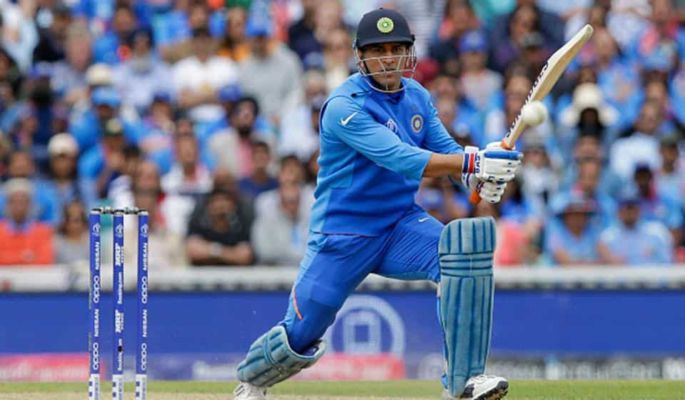


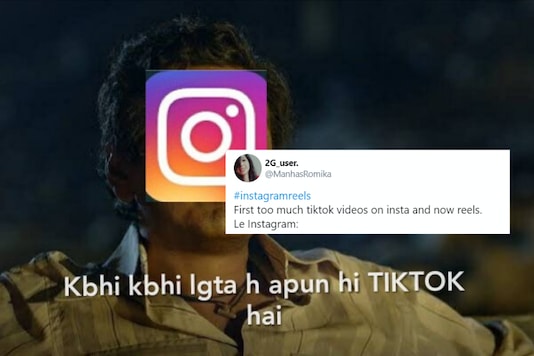

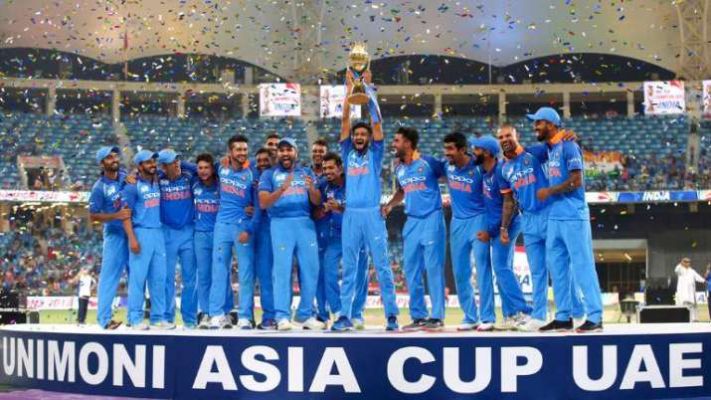

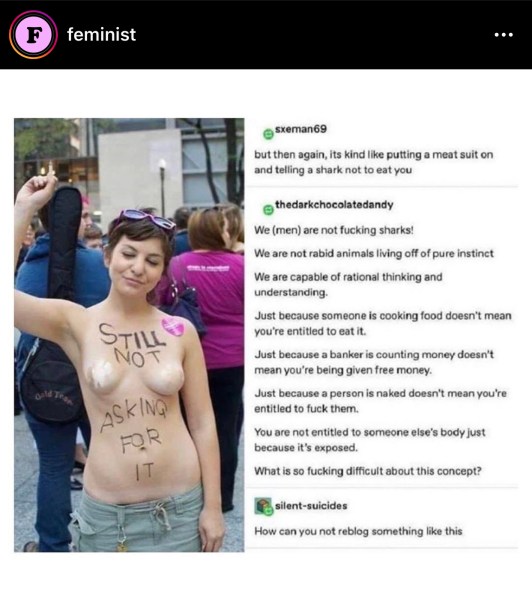



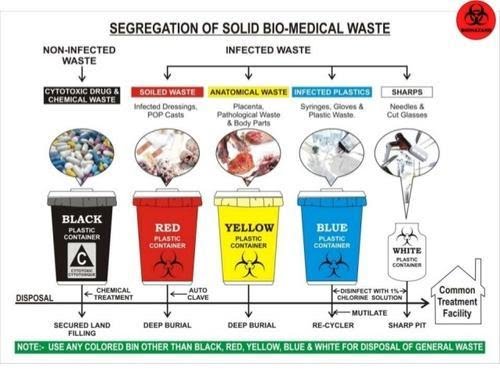
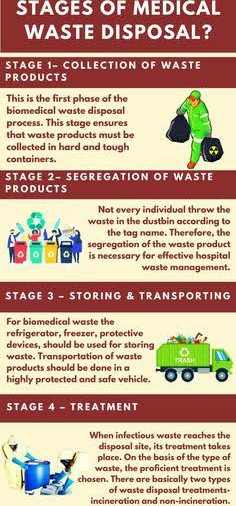
 Eduindex
.png?sfvrsn=afa995ff_2)
.png?sfvrsn=86f79761_2)
You must be logged in to post a comment.