NATIONAL mean a person owing allegiance to and entitled to the protection of a sovereign state. CITIZEN is preferred for one owing allegiance to a state in which sovereign power is retained by the people and sharing in the political rights of those people. the rights of a free citizen SUBJECT implies allegiance to a personal sovereign such as a monarch. the king’s subjects NATIONAL designates one who may claim the protection of a state and applies especially to one living or traveling outside that state.
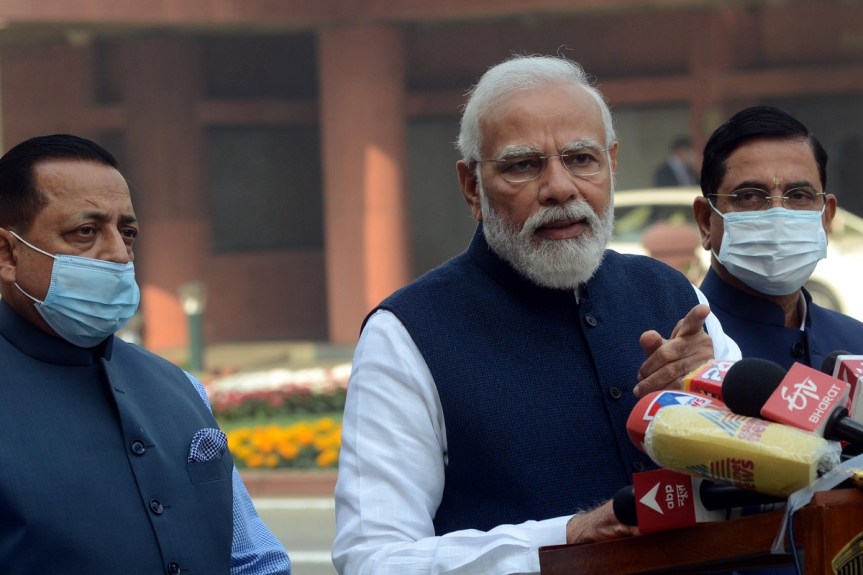
Recently, India’s biggest Drone Festival – Bharat Drone Mahotsav 2022 was inaugurated in New Delhi by the Prime Minister. A virtual award of drone pilot certificates, panel discussions, product launches, display of a ‘Made in India’ Drone Taxi prototype, flying demonstrations, among others were the key events.
Drone is a layman terminology for Unmanned Aircraft (UA). Originally developed for the military and aerospace industries, drones have found their way into the mainstream because of the enhanced levels of safety and efficiency they bring.
Applications of Drone Technology?
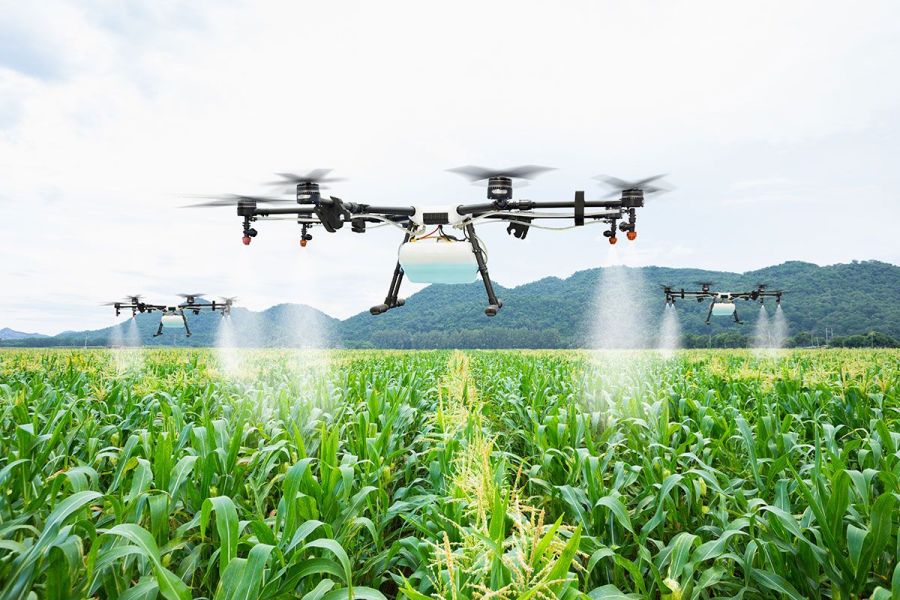
Agriculture: In the agriculture sector, micronutrients can be spread with the help of drones. It can also be used for performing surveys for identifying the challenges faced by the farmers.
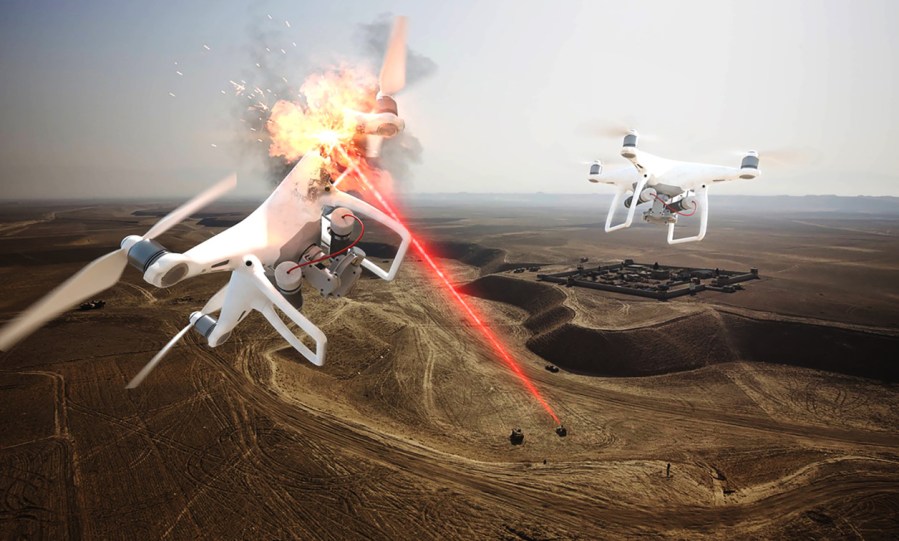
Defence: Drone system can be used as a symmetric weapon against terrorist attacks. Drones can be integrated into the national airspace system.Deployment of drones for combat, communication in remote areas, counter-drone solutions can be done.
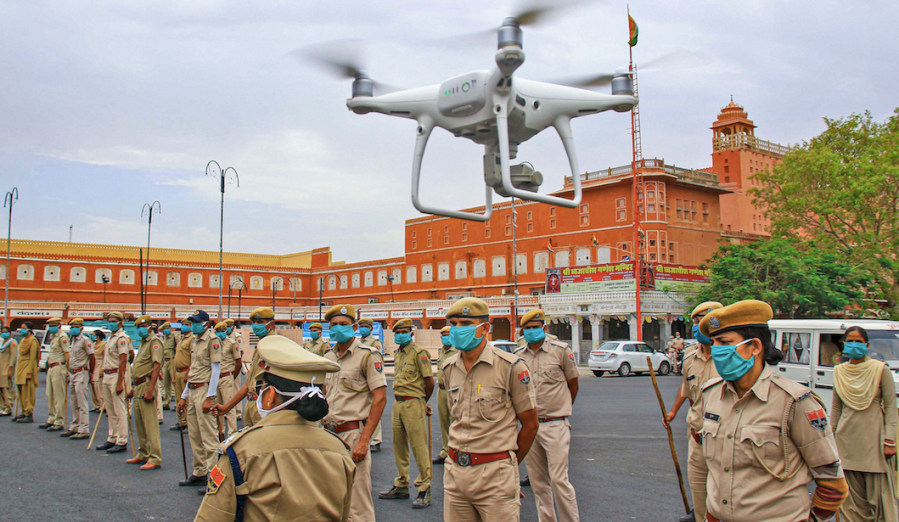
Law Enforcement: Drones are also significant for the law enforcement agencies, the fire and emergency services wherever human intervention is not safe and the healthcare services.
Healthcare Delivery Purposes: Indian Council of Medical Research (ICMR) devised Drone-Based Vaccine Delivery Model, i-drone. Telangana and North-east states have been approved to use this drone technology for delivering vaccines in remote areas.
Significance of Drone Mahotsav?
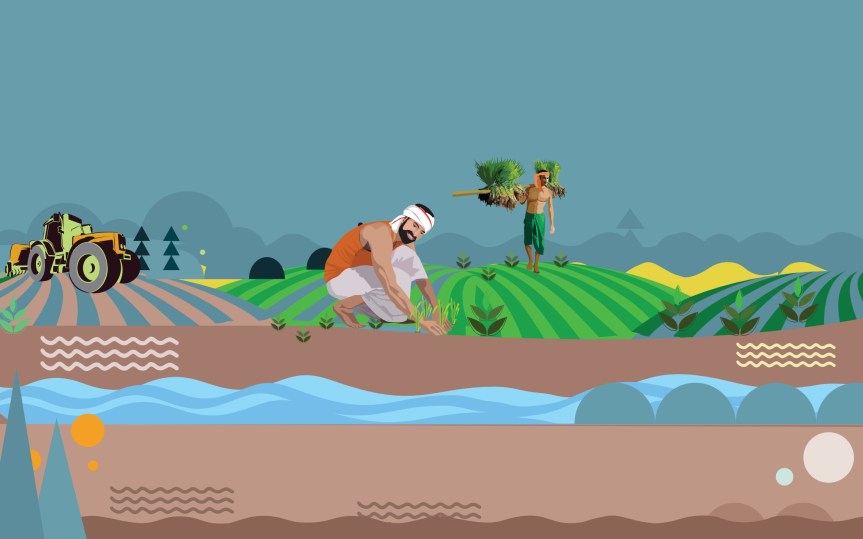
As drone technology has its application in diverse areas such as defence, disaster management, agriculture, healthcare, tourism, film and entertainment, there is a great possibility of a major revolution creating immense opportunities for employment. Villages are witnessing the arrival of roads, electricity, optical fibre and digital technology. However, agriculture work is still being conducted in old ways, leading to hassles, low productivity and wastage. Drone technology is going to play a major role in empowering farmers and modernize their lives.
Government is making efforts towards creating a strong drone manufacturing ecosystem in India through schemes like Production-Linked Incentive (PLI).
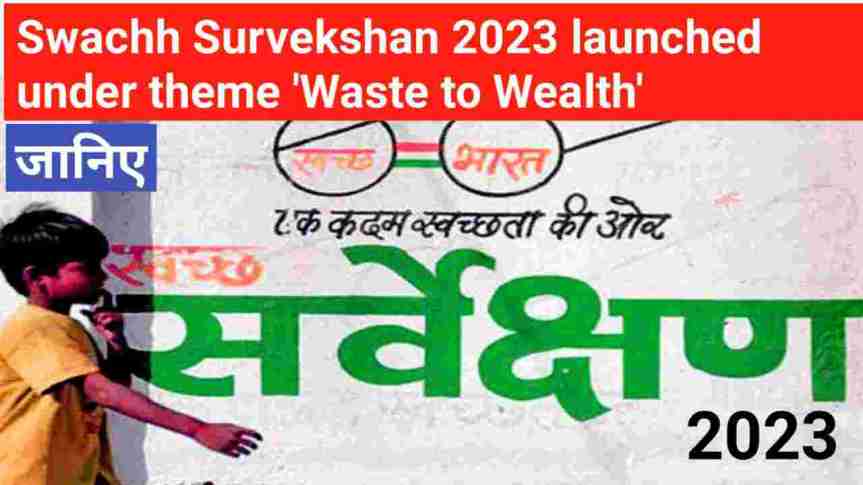
The Ministry of Housing and Urban Affairs (MoHUA) has launched the eighth edition of Swachh Survekshan (SS) – SS 2023 under Swachh Bharat Mission Urban 2.0. SS 2023 is curated towards achieving circularity in waste management. Swachh Survekshan was introduced by MoHUA in 2016 as a competitive framework to encourage cities to improve the status of urban sanitation while encouraging large scale citizen participation. Over the years, Swachh Survekshan has emerged as the largest Urban sanitation survey in the world.
In SS 2023, additional weightage has been given to source segregation of waste, enhancement of waste processing capacity of cities to match the waste generation and reduction of waste going to the dumpsites. Indicators have been introduced with additional weightage on emphasizing the need for phased reduction of plastic, plastic waste processing, encourage waste to wonder parks and zero waste events. The cities would also be assessed on dedicated indicators on the issues of ‘Open Urination’ (Yellow Spots) and ‘Open Spitting’ (Red Spots), being faced by the cities.
SBM-U 2.0 was announced in Budget 2021-22, as the continuation of SBM-U first phase. The government is trying to tap safe containment, transportation, disposal of fecal sludge, and septage from toilets. SBM-U first phase was launched on 2nd October 2014 aiming at making urban India Open Defecation Free (ODF) and achieving 100% scientific management of municipal solid waste. It lasted till October 2019.
It will be implemented over five years from 2021 to 2026 with an outlay of Rs.1.41 lakh crore.
The Mission is being implemented under the overarching principles of “waste to wealth”, and “Circular Economy”.
Aim:
It focuses on source segregation of garbage, reduction in single-use plastic and air pollution, by effectively managing waste from construction and demolition activities and bioremediation of all legacy dump sites.
Under this mission, all wastewater will be treated properly before it is discharged into water bodies, and the government is trying to make maximum reuse a priority.
Mission outcomes:
All statutory towns will become ODF+ certified (focuses on toilets with water, maintenance and hygiene).
All statutory towns with less than 1 lakh population will become ODF++ certified (focuses on toilets with sludge and septage management).
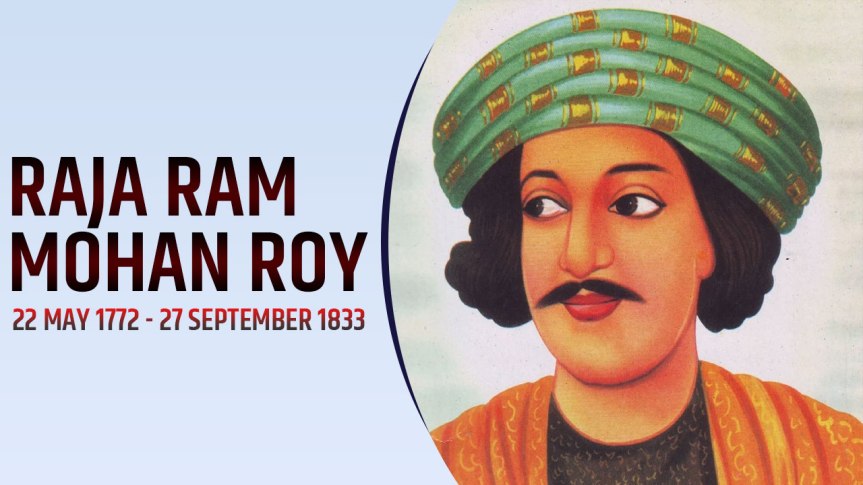
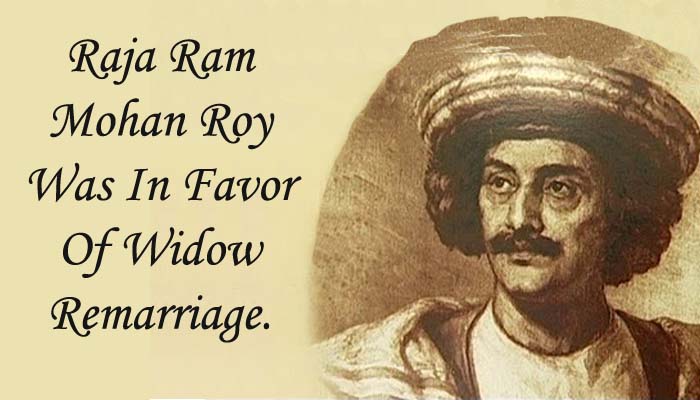
Raja Ram Mohan Roy was the father of Modern India’s Renaissance and a tireless social reformer who inaugurated the age of enlightenment and liberal reformist modernisation in India.
Life:
Raja Ram Mohan Roy was born on 22nd May 1772 in Bengal. His early education included the study of Persian and Arabic at Patna where he read the Quran, the works of Sufi mystic poets and the Arabic translation of the works of Plato and Aristotle.
From 1803 to 1814, he worked for East India Company as the personal diwan first of Woodforde and then of Digby.
In 1814, he resigned from his job and moved to Calcutta in order to devote his life to religious, social and political reforms.
In November 1830, he sailed for England to be present there to counteract the possible nullification of the Act banning Sati.
Ram Mohan Roy was given the title of ‘Raja’ by the titular Mughal Emperor of Delhi, Akbar II whose grievances the former was to present before the British king.
In his address, entitled ‘Inaugurator of the Modern Age in India,’ Tagore referred to Ram Mohan as ‘a luminous star in the firmament of Indian history’.
Ideology:
Ram Mohan Roy was greatly influenced by western modern thought and stressed on rationalism and modern scientific approach.
He believed that religious orthodoxies have become causes of injury and detrimental to social life and sources of trouble and bewilderment to the people, instead of tending to the amelioration of the condition of society.
He believed in social equality of all human beings and thus was a strong opposer of the caste system.
Ram Mohan was attracted to Islamic monotheism. He said that monotheism is also the fundamental message of Vedanta.
His idea of a single, unitarian god was a corrective to the polytheism of orthodox Hinduism and to Christian trinitarianism. He believed that monotheism supported one universal model for humanity.
Raja Ram Mohan Roy believed that unless women were freed from unhuman forms of oppression like illiteracy, child marriage, sati, purdah, Hindu society can not progress.
He characterised sati as the violation of every humane and social feeling and as symptomatic of the moral debasement of a race.
Contributions
Religious reforms:
Raja Ram Mohan Roy’s first published work Tuhfat-ul-Muwahhiddin (a gift to deists) published in 1803 exposed irrational religious beliefs and corrupt practices of the Hindus as the belief in revelations, prophets, miracles etc.
In 1814, he founded Atmiya Sabha in Calcutta to campaign against idolatry, caste rigidities, meaningless rituals and other social ills.
He criticized the ritualism of Christianity and rejected Christ as the incarnation of God. In Precepts of Jesus (1820), he tried to separate the moral and philosophical message of the New Testament, which he praised, from its miracle stories.
Social reforms:
Raja Ram Mohan Roy conceived reformist religious associations as instruments of social and political transformation.
He founded the Atmiya Sabha in 1815, the Calcutta Unitarian Association in 1821, and the Brahmo Sabha in 1828 which later became the Brahmo Samaj.
He campaigned against the caste system, untouchability, superstitions and use of intoxicants.
He was well known for his pioneering thought and action on the emancipation of women and especially on the abolition of sati and widow remarriage.
He attacked child marriage, illiteracy of women and the degraded state of widows and demanded the right of inheritance and property for women.
Educational reforms:
He supported David Hare’s efforts to the Hindu College in 1817, while Roy’s English school taught mechanics and Voltaire’s philosophy.
In 1825, he established Vedanta college where courses in both Indian learning and Western social and physical sciences were offered.
Economic and Political Reforms:
Civil liberties: Roy was impressed and admired the British system of constitutional government for the civil liberties it gave to the people. He wanted to extend the benefits of that system of government to Indian people.
Press freedom:
Through his writings and activities, he supported the movement for free press in India. When press censorship was relaxed by Lord Hastings in 1819, Ram Mohan found three journals- The Brahmanical Magazine (1821); The Bengali weekly, Samvad Kaumudi (1821); and the Persian weekly, Mirat-ul-Akbar.
UPSC has declared the final result for Civil Services 2021 in which Shruti Sharma, Ankita Agarwal and Gamini Singla have secured the first, second and third rank respectively.
Civil Services Examination (CSE) is one of the examinations conducted by the Union Public Service Commission to recruit suitable candidates into civil services of India including IAS, IPS, IFS, and other allied services.
The prescribed UPSC exam eligibility criteria are that the candidate should be a graduate and must have attained 21 years of age. There is also an upper age limit and a number of attempts restriction based on the candidate’s category. Generally, the upper age limit is 32years, but the commission gives age relaxation for OBC, SC, ST and PH candidates.
The UPSC exam is held in three stages. The three stages are Prelims, Mains and Interview/personality test. The prelims exam consists of two papers of objective type questions. Paper 1 is GS paper Paper 2 is CSAT (Qualifying in nature- 33%). The mains exam consists of nine descriptive type papers. The last stage consists of an interview round with the UPSC board. Candidates should clear each round in order to qualify for the subsequent round. Final merit is based on combined marks obtained in Mains and Interview.
In Mains there is one Essay Paper, 4 GS papers and 2 Papers for Optional Subject (all of 250 marks) which a candidate has to select from a prescribed list according to his/her interest. Some of the optional subjects are – Agriculture, Animal Husbandry and Veterinary Science, Anthropology, Botany, Chemistry, Civil Engineering, Commerce and Accountancy, Economics Electrical Engineering, Geography, Geology, History, Law, Management, Mathematics, Political Science and International Relations, Public Administration, Sociology etc.
PAPER-I: Essay:
PAPER-II: General Studies-I: Indian Heritage and Culture, History and Geography of the World and Society.
PAPER-III: General Studies- II: Governance, Constitution, Polity, Social Justice and International Relations.
PAPER-IV: General Studies-III: Technology, Economic Development, Biodiversity, Environment, Security and Disaster Management.
PAPER-V: General Studies- IV: Ethics, Integrity, and Aptitude
Paper-VI and VII: Optional Paper-I and Optional Paper-II
There are to more papers which are qualifying in nature.
Recently, a petition was filed before Delhi High Court, challenging the exclusion of a single man and a woman having a child from surrogacy and demanding commercial surrogacy’s decriminalisation.
The Petitioner argued that the personal decision of a single person about the birth of a baby through surrogacy,a is a facet of the right to privacy guaranteed under Article 21 of the Constitution. Thus, the right of privacy of every citizen or person to be free from unwarranted governmental intrusion into matters fundamentally affecting a decision to bear or beget a child through surrogacy cannot be taken away.
What is Surrogacy?
About:
Surrogacy is an arrangement in which a woman (the surrogate) agrees to carry and give birth to a child on behalf of another person or couple (the intended parent/s).
A surrogate, sometimes also called a gestational carrier, is a woman who conceives, carries and gives birth to a child for another person or couple (intended parent/s).
Altruistic surrogacy:
It involves no monetary compensation to the surrogate mother other than the medical expenses and insurance coverage during the pregnancy.
Commercial surrogacy:
It includes surrogacy or related procedures undertaken for a monetary benefit or reward (in cash or kind) exceeding the basic medical expenses and insurance coverage.
Surrogacy (Regulation) Act, 2021
Provisions:
Under the Surrogacy (Regulation) Act, 2021, a woman who is a widow or a divorcee between the age of 35 to 45 years or a couple, defined as a legally married woman and man, can avail of surrogacy if they have a medical condition necessitating this option.
It also bans commercial surrogacy, which is punishable with a jail term of 10 years and a fine of up to Rs 10 lakhs.
The law allows only altruistic surrogacy where no money exchanges hands and where a surrogate mother is genetically related to those seeking a child.
Challenges:
The exploitation of the Surrogate and the Child:
One could argue that the state must stop the exploitation of poor women under surrogacy and protect the child’s right to be born. However, the current Act fails to balance these two interests.
Denies Legitimate income to Surrogates:
Banning commercial surrogacy also denies a legitimate source of income of the surrogates, further limiting the number of women willingly to surrogate.
Overall, this step indirectly denies children to the couples choosing to embrace parenthood.
Emotional Complications:
In altruistic surrogacy, a friend or relative as a surrogate mother may lead to emotional complications not only for the intending parents but also for the surrogate child as there is great deal of risking the relationship in the course of surrogacy period and post birth.
Altruistic surrogacy also limits the option of the intending couple in choosing a surrogate mother as very limited relatives will be ready to undergo the process.
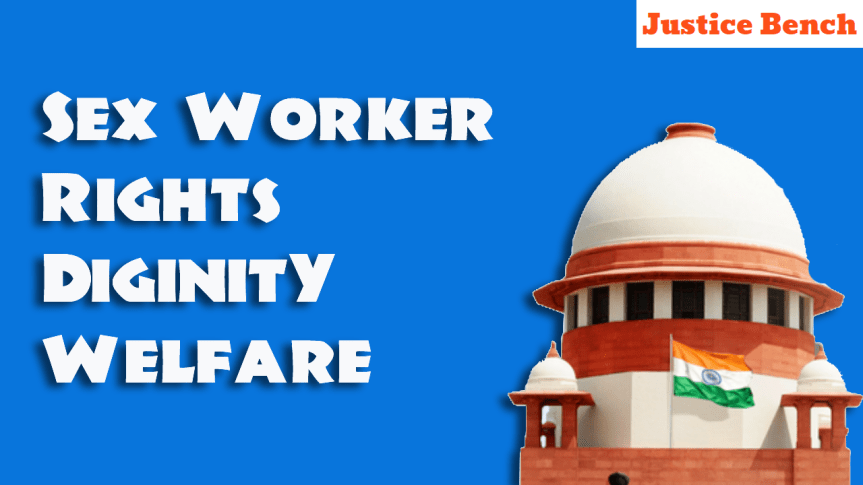
Recently, in a significant order, Supreme Court has recognised sex work as a “profession” and observed that its practitioners are entitled to dignity and equal protection under the law. The court invoked its special powers under Article 142 of the Constitution.
Highlights of the Supreme Court Judgment
Sex workers are entitled to equal protection of the law and criminal law must apply equally in all cases, on the basis of ‘age’ and ‘consent’.
When it is clear that the sex worker is an adult and is participating with consent, the police must refrain from interfering or taking any criminal action.
Sex workers should not be “arrested or penalised or harassed or victimised” whenever there is a raid on any brothel, “since voluntary sex work is not illegal and only running the brothel is unlawful”.
A child of a sex worker should not be separated from the mother merely on the ground that she is in the sex trade.
Further, if a minor is found living in a brothel or with sex workers, it should not be presumed that the child was trafficked.
In case the sex worker claims that he/she is her son/daughter, tests can be done to determine if the claim is correct and if so, the minor should not be forcibly separated.
The media should take “utmost care not to reveal the identities of sex workers, during arrest, raid and rescue operations, whether as victims or accused and not to publish or telecast any photos that would result in disclosure of such identities.
Challenges Faced by Sex Workers
Discrimination and Stigmatisation:
The rights of sex workers are non-existent, and those doing such work face discrimination due to their criminalised status.
These individuals are looked down upon and have no place in society, and most times are treated harshly by their landlords and even the law.
Abuse and Exploitation:
Most times, sex workers are exposed to a slew of abuses that range from physical to mental attacks.
They would face harassment from clients, their own family members, the community, and even from people who are supposed to uphold the law.
The Rajasthan government has come up with the job description under its much-touted Indira Gandhi Shahri Rozgar Guarantee Yojana. Announcing the employment scheme for urban areas on the lines of Mahatma Gandhi NREGA.
While MGNREGA assists people in rural areas, there is no such scheme for street vendors and those working at dhabas and restaurants in urban areas.
About:
Under the scheme, 100 days of employment per year will be provided to families residing in urban areas.
The ratio of cost of material to payment for labour work of “general nature” will be in the ratio of 25:75, while for special works, it will be 75:25.
Eligibility:
All those aged between 18 and 60 years and residing within urban body limits are eligible for the scheme, and in special circumstances such as a pandemic or a calamity, migrant labourers may be included.
Significance of Urban Employment Schemes?
Ensures social inclusion by strengthening the livelihood base of rural poor.
It gives urban residents a statutory right to work and thereby ensures the right to life (Art 21) guaranteed under the Constitution.
It provides employment for skilled and unskilled workers among urban youth and addresses the concerns of underemployment and unemployment.
Such programmes can bring in much-needed public investment in towns, which, in turn, could boost local demand, improve the quality of urban infrastructure and services, restore urban commons, skill urban youth, and increase the capacity of ULBs.
University Grants Commission (UGC) came into existence on 2nd December, 1953. It became a statutory body by an Act of Parliament in 1956, for the coordination, determination and maintenance of standards of teaching, examination and research in university education.
Recently, the UGC has released Academic Collaboration between Indian and Foreign Higher Education Institutions to offer Joint Degree, Dual Degree, and Twinning Programmes Regulations, 2022.
Under these regulations collaborating institutes will be allowed to offer three kinds of programmes — twinning, joint degrees and dual degrees.
Dual Degree Programmes: The approved amendments include a provision for “dualdegree programmes” — both the Indian and foreign institutions will give separate and simultaneous degrees for a course of the same discipline, and at the same level.
Easing Regulation: Indian universities that meet a minimum academic standard will not need UGC’s permission to offer such programmes.
Joint Degrees: Students enrolling for these programmes will have to go abroad to earn credits, but they will not have to seek admission separately while doing so.
In the draft amendments, foreign partner institutions are required to be among the world’s top 1,000 in global rankings.
Dual Degrees: For dual degrees, students will have to complete at least 30% of their course credit at the foreign institution.
The degrees awarded by both the Indian and foreign institutions will indicate the credits earned at the respective institutions.
At the end of the course, the student will be awarded two degrees, separately and simultaneously, by the Indian and foreign institution.
Twinning Arrangement: A student can study a programme partly in India and partly in a foreign university, but the diploma or degree will be awarded just by the Indian university.
Students will have to complete up to 30% of the course’s credits at the foreign institution by means of an exchange programme.
Exception: The new regulations are not applicable to programmes offered online and in the open and distance learning mode.
Significance: The new regulation will prompt Indian students to get a foreign degree and enhance their employability in the international market.
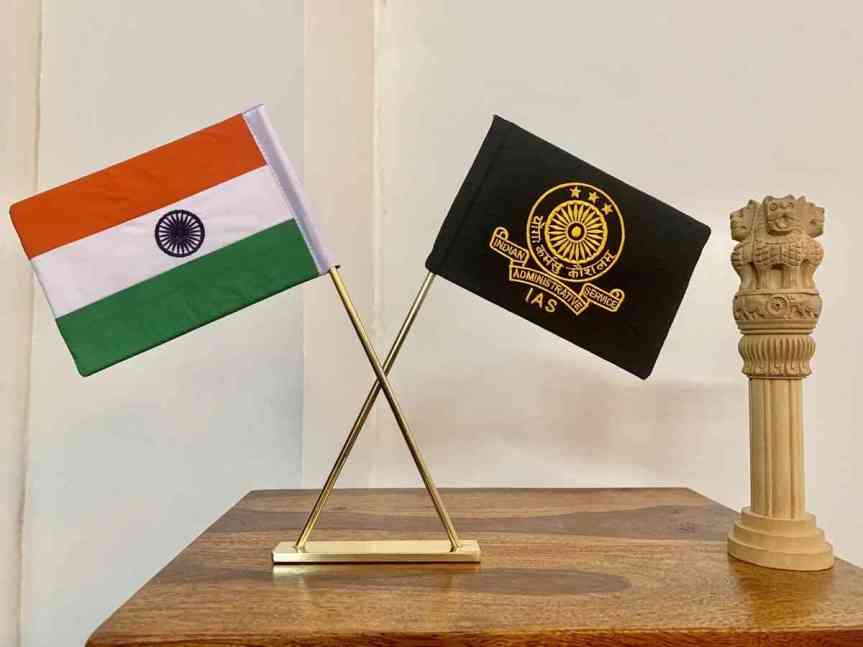
Indian Administrative Service (IAS), the premier service of the Government of India was constituted in 1946. Prior to that Indian imperial Service (1893-1946) was in force. As on 1.1.2013, sanctioned strength of IAS was 6217, comprising of 4313 posts to the filled by direct recruits and 1904 posts to be filled by promotion /appointment of State Civil Services officers/ Non-State Civil Service officers. The civil services have been a hallmark of governance in India. The Constitution provides that without depriving the States of their right to form their own Civil Services, there shall be an All India service recruited on an All- India basis with common qualifications, with uniform scale of pay and the members of which alone could be appointed to these strategic posts throughout the Union.” No wonder Sardar Vallabhbhai Patel, one of the eminent leaders of the freedom struggle, referred to the. ICS as ‘the steel frame. Of the ‘country. The civil services, therefore, represent the essential spirit of our nation — unity in diversity.
Recruitment
UPSC – Civil Services Exam
At present there are three modes of recruitment to IAS viz
(i) Through Civil Services Examination conducted by UPSC every year;
(ii) Through promotion of State Civil Service officers to IAS
(iii) Through selection of non – State Civil Service officers.
Roughly 66 (1/3)% posts are meant for Direct Recruitment and 33 (1/3%) are meant for promotion quota.
Training
LBSNAA
Both Direct Recruit as well as promotee IAS officers are imparted probationary training at Lal Bahadur Shastri National Academy of Administration (LBSNAA). After completion of successful probation, they are confirmed. Also, there is a Provision for mandatory Mid-career Training for IAS officers spread across the entire service span.
Functions of IAS officer
IAS officer is responsible for the maintenance of law and order, revenue administration and general administration in the area under him. His functions broadly include:
(i) Collection of revenue and function as Courts in revenue matters; (ii) Maintenance of law and order; (iii) Function as Executive Magistrate; (iv) Function as Chief Development Officer (CDO)/District Development Commissioner; (v) Supervision of implementation of policies of State Government and Central Government; (vi) To travel to places to oversee the implementation of policies; (vii) Supervision of expenditure of public funds as per norms of financial propriety; (viii) In the process of policy formulation and decision making, IAS officers at various levels like Joint Secretary, Deputy Secretary etc. make their “contributions and the give final shape to policies; (ix) To ‘handle the daily affairs ‘of the government, including framing and implementation of policy in ‘consultation with the minister-in-charge of the concerned Ministry.
The Dutch are the people of Holland (now the Netherlands). The Dutch arrived in India shortly after the Portuguese. The Dutch have long been experts in sea trading. The Dutch government granted the United East India Company of the Netherlands license to trade in the East Indies, including India, in 1602. Dutch India was more of a geographical location than a political authority. In comparison to the Portuguese and the English, the Dutch had the shortest presence in India of all the European colonial powers.
Dutch history in India The Dutch East India Company was founded in 1602 and signified the Dutch entrance in India. They arrived in Andhra Pradesh’s Masulipatam (now Machilipatnam). From 1605 to 1825, they occupied the Indian subcontinent. Given the growing demand for Indian spices from Asia in Europe, the Dutch arrived to India with the intention of trading. The establishment of the Dutch East India Company marked the beginning of the modern multinational company (MNC). Following a pact between the Zamorin of Calicut and the Dutch chief, Steven Van der Hagen, Dutch trading in India began on November 11, 1604. The goal was to force the Portuguese off the Malabar Coast, but this was never achieved. The Dutch, on the other hand, soon built commercial facilities in various parts of India and traded cotton, textiles, silk, Indigo, and Golconda diamonds. In 1661, the Dutch conquered the Portuguese and took control of all of Malabar. They had now mastered the pepper trade and made tremendous profits selling pepper, which was known in Europe as “Black Gold.” In the 17th century, nothing could stop the Dutch from capturing Pondicherry from the French in 1693. In the East Indies, the Dutch became a large producer of sugar and coffee, as well as a big exporter of spices and textiles. During their time in India, the Dutch tried their hand at currency manufacture as well. They established mints in Cochin, Masulipatam, Nagapatam Pondicherry, and Pulicat as their trade grew. Furthermore, the Pulicat mint issued a gold pagoda with an image of Lord Venkateswara (god Vishnu). The Dutch minted coins that were all based on local coinages.
The Decline of Dutch power The Dutch East India Company began to fade in the mid-eighteenth century. It was characterised by poor corporate practices, corruption, and political upheaval. Martanda Verma, the formidable monarch of Travancore, defeated the Dutch in 1741 and reclaimed control of Malabar. The fourth Anglo-Dutch war, in which the British navy sunk Dutch ships and seized trading ports, resulted to their bankruptcy in 1799. Finally, the Anglo-Dutch Treaty of 1825 ended the Dutch dominance in India by transferring all Dutch assets to the British.
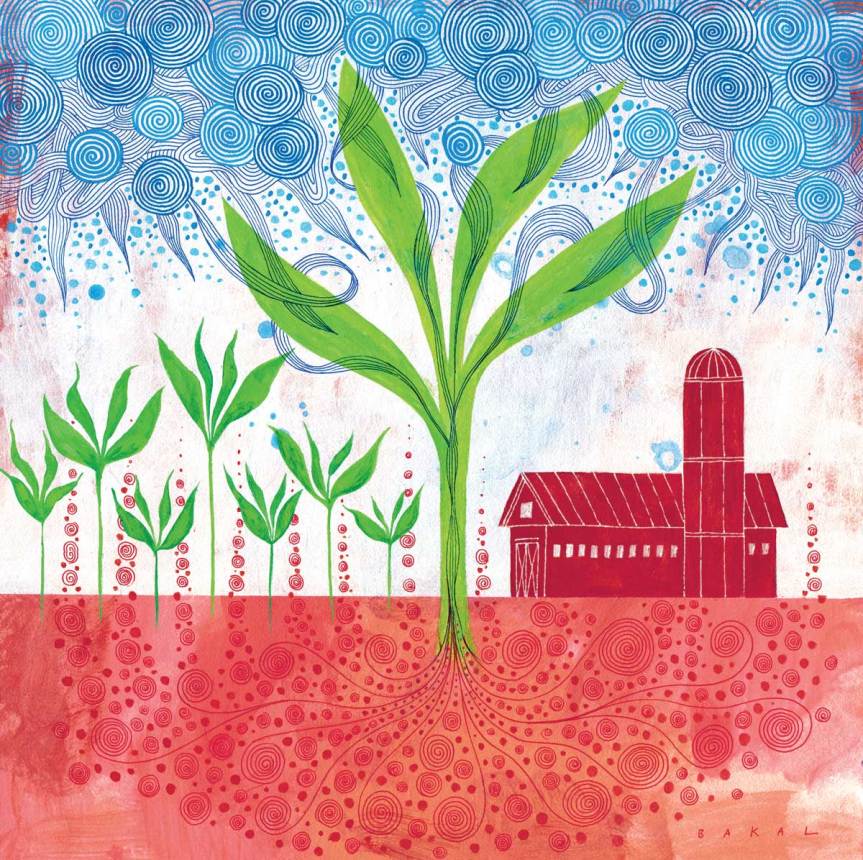
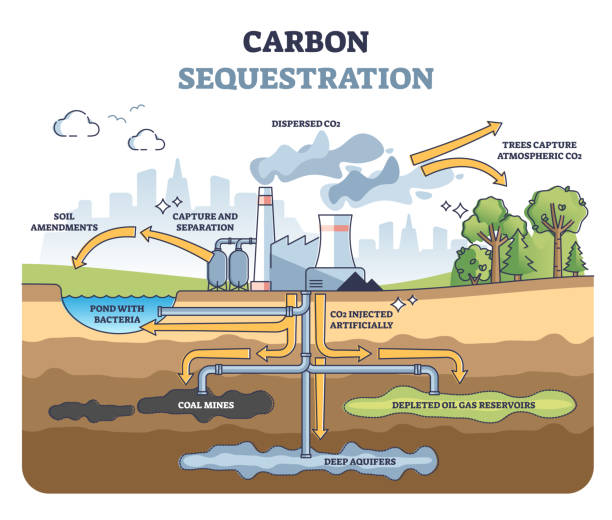
Carbon farming (also known as carbon sequestration) is a system of agricultural management that helps the land store more carbon and reduce the amount of Greenhouse Gases (GHGs) that it releases into the atmosphere. Carbon farming explicitly recognises that it is solar energy that drives farm ecosystem dynamics and that carbon is the carrier of that energy within the farm system.
Agriculture covers more than half of Earth’s terrestrial surface and contributes roughly one-third of global GHG emissions.
According to the Third Biennial Update Report submitted by the Government of India in early 2021 to the UNFCCC, the agriculture sector contributes 14% of the total GHG emissions.
Carbon Farming: a Viable Option
Climate Friendly: Carbon farming promises a bold new agricultural business model – one that fights climate change, creates jobs, and saves farms that might otherwise be unprofitable.
Optimising Carbon Capture: It is a whole farm approach to optimising carbon capture on working landscapes by implementing practices known to improve the rate at which CO2 is removed from the atmosphere and stored in plant material and/or soil organic matter.
Carbon farming can incentivise our farmers to introduce regenerative practices in their agricultural processes helping them shift their focus from improving yields to functioning ecosystems and sequestering carbon that can be sold or traded in carbon markets.
Farmer Friendly: It not only improves the health of soil but can also result in improved quality, organic and chemical-free food along with boosted/secondary income from carbon credits for the marginalised farmers.
Growth in Carbon Market: The total value of the global carbon markets grew by 20% in 2020 — the fourth consecutive year of record growth — and is well on its way in raising a critical mass of investors.
Carbon thus can effectively prove to be the ‘cash crop’ of the future for farmers
In India, Meghalaya is currently working on a blueprint of a ‘carbon farming’ Act to create a prototype of sustainable agriculture model for the entire North-East region. Sikkim became the first State in the world to become fully organic in 2016.
Steps can be Taken to Encourage Carbon Farming?
Soil is one of the most untapped and underutilised defences against climate change and acts as an efficient carbon sink.
Legal Backing for Carbon Farming: An extensive and pioneering carbon farming Act with a robust transition plan can effectively demonstrate the idea of creating a carbon sink on working land.
Carbon Credits and Carbon Banks: The farmers can be rewarded through globally tradable carbon credits. Carbon banks can also be created that would buy and sell carbon credits from farmers. Paying farmers to restore carbon-depleted soils offers a great opportunity for a natural climate solution and to stabilise global warming below 2°C.
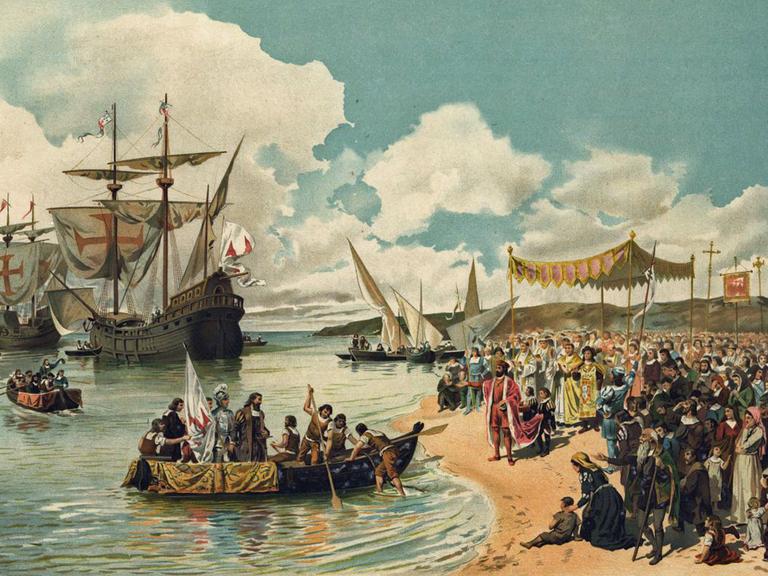
The Portuguese State of India was a Portuguese colonial state on the Indian Subcontinent. Vasco De Gama was the first Portuguese to set foot in India in 1498. However, Portuguese control in India is considered to have lasted from 1505 until 1961. Although Portuguese colonialism outlasted its English counterpart, it had little influence outside of its territories. The Portuguese were the first Europeans to arrive in India and the last to go.
Portugal’s Early Years in India When Vasco da Gama arrived in Calicut on the Malabar Coast on May 20, 1498, Portuguese colonialism began in earnest. He met with the ruler of Calicut, the Zamorin, and received permission to trade in Calicut. But Vasco da Gama was unable to pay the customs duties and the cost of his merchandise. The Zamorin’s officials detained some of Vasco da Gama’s soldiers when the duties were not paid. This enraged him so much that he kidnapped some Indians and fisherman. However, the voyage was a success in the eyes of the Portuguese authorities in Lisbon. A sea path around the Ottoman Empire was discovered, and the expedition made a profit well in excess of its initial cost.
Expansion of Portuguese Colonialism Vasco da Gama established a base of operations on the Malabar coast after further conflict with the Zamorin Kingdom. Francisco de Almeida, the first viceroy, placed his headquarters in what is now Cochin. Alfonso de Albuquerque, the second governer of the Portuguese territories in the East, was appointed in 1509. Off the coast of Calicut, a Portuguese fleet led by Marshal Fernão Coutinho arrives. Their orders were quite clear: destroy the Zamorin. The city was levelled and the palace of the Zamorins was taken, but the local soldiers rallied and attacked the invading Portuguese, forcing them to retreat and wounded Albuquerque. In 1510, Afonso de Albuquerque defeated the Sultanate of Bijapur, establishing Goa as a permanent settlement. It would later become the viceroy’s seat and the headquarters of the Portuguese colonial conquests in India. Modern-day Mumbai was likewise a colonial possession until 1661, when it was handed over to the British. From 1799 until 1813, the British conquered Goa for a brief while, eradicating the final vestiges of the inquisition. The capital was moved to Panjim, which was later renamed Nova Goa, in 1843, when it became the administrative center of Portuguese India. For the next century, Portuguese control would be limited to Goa and the enclaves of Diu and Daman.
Cause of Decline of Portugal in India While the British granted independence to most of India, the Portuguese retained colonial colonies in India. Local anti-Portuguese demonstrations in Goa were violently suppressed. Despite repeated pleas from the Indian government, the Portuguese government, led by dictator António de Oliveira Salaza, refused to hand over its colonial holdings, saying that they were an intrinsic part of Portuguese territory. The invasion of Goa by the Indian troops took place in December 1961. The Portuguese attempted to resist against overwhelming odds, but were quickly crushed by the Indian Army. On December 19, 1961, the Governor of Portuguese India signed the Instrument of Surrender, freeing Goa after 450 years of Portuguese domination in India.
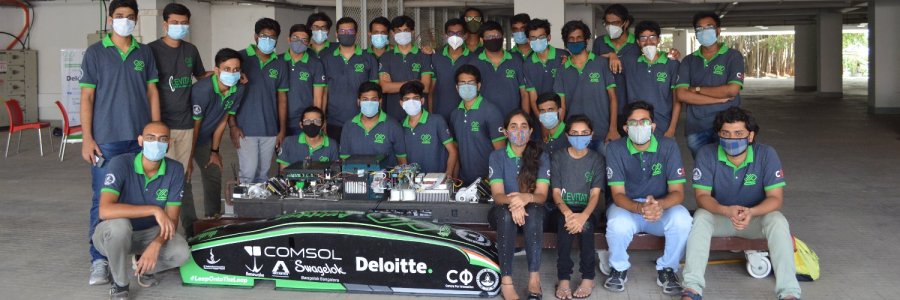
Hyperloop is a high-speed transportation system(even faster than the bullet trains), having a low operating cost.
IIT Madras Avishkar Hyperloop Team(Image Source- Twitter)
The Indian Railways has collaborated with IIT Madras to develop a hyperloop technology based transport system and extended a financial support of Rs. 8.34 crores to IIT Madras for this project.
The Hyperloop project was also mentioned in the Union Budget 2022-2023. According to that, the railways was exploring possibilities of acquiring hyperloop technology for a demonstrative project to showcase its capabilities in the rail sector.
Union Minister of Railways Shri Ashwini Vaishnaw approved a financial assistance of Rs. 8.34 crores to IIT Madras for the development on hyperloop technology during his visit on Thursday.
— Avishkar Hyperloop (@avishkar_loop) May 19, 2022
A recent tweet on the official twitter handle of Avishkar Hyperloop
The above tweet was posted on the official twitter handle of Avishkar Hyperloop team, declaring Ashwini Vaishnaw sir as their 72nd member.
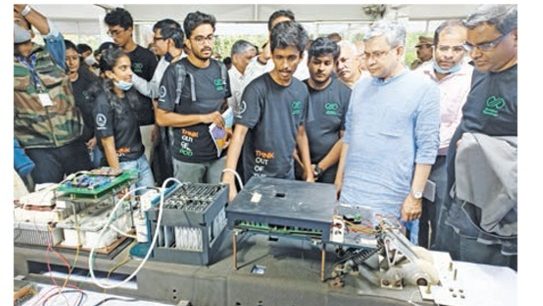
Ashwini Vaishnaw sir watching the demonstration on Hyperloop pod model
The minister saw the demonstration on the Hyperloop pod model at the New Academy Complex. Also, he also tested 5G at the Research Park.
Aatmanirbhar 5G 🇮🇳
Successfully tested 5G call at IIT Madras. Entire end to end network is designed and developed in India. pic.twitter.com/FGdzkD4LN0
— Ashwini Vaishnaw (@AshwiniVaishnaw) May 19, 2022
His tweet regarding testing of 5G at the IIT-M Campus
The Hyperloop pod is a futuristic high-speed long distance public transport. The design aims at a speed of 1200 km/hr. The institution is also developing a 500m long tube, inside which the hyperloop pod will travel. Below is a visual demonstration of the Hyperloop Pod.
Strengthening the Make-in-India initiative & Aatmanirbhar Bharat scheme, Railways in collaboration with @IITMadras will provide assistance in manufacturing, formulation of safety regulations & electrical testing facilities to IIT Madras for development of Hyperloop technology. pic.twitter.com/MDV0oVvBbx
— Ministry of Railways (@RailMinIndia) May 20, 2022
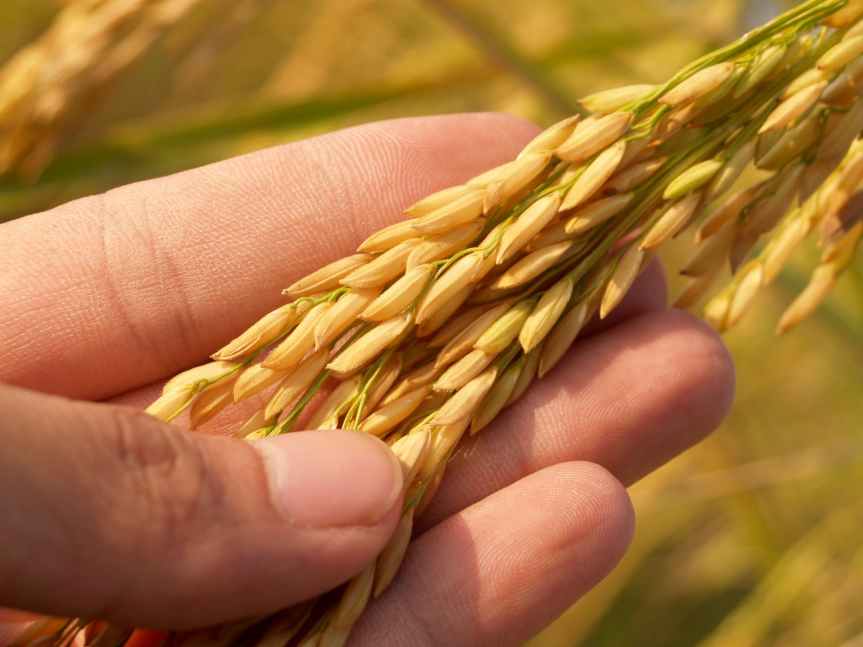
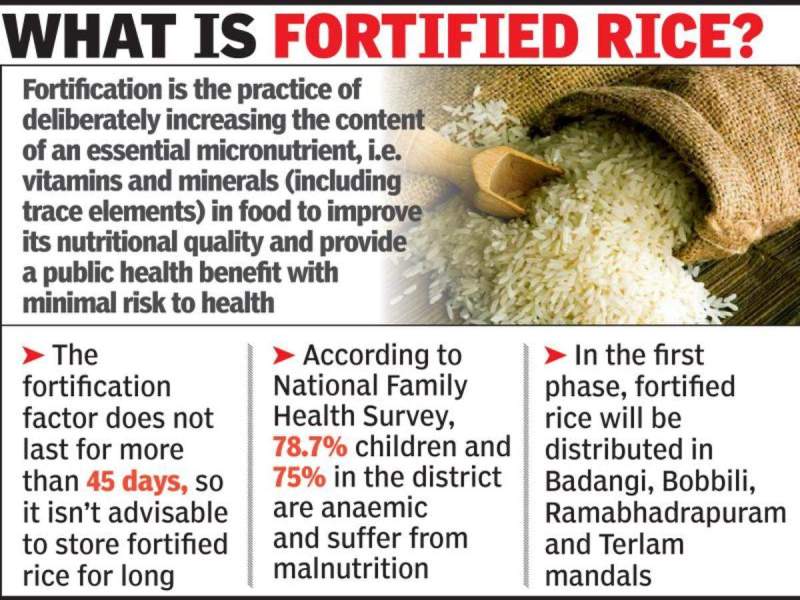
Fortification is the addition of key vitamins and minerals such as iron, iodine, zinc, Vitamin A & D to staple foods such as rice, milk and salt to improve their nutritional content.
Fortification of rice is a cost-effective and complementary strategy to increase vitamin and mineral content in diets.
According to FSSAI norms, 1 kg fortified rice will contain iron (28 mg-42.5 mg), folic acid (75-125 microgram) and Vitamin B-12 (0.75-1.25 microgram). In addition micronutrients can also be added, singly or in combination, with zinc, Vitamin A, Vitamin B1, Vitamin B2, Vitamin B3 and Vitamin B6.
Need of Food Fortification?
There is high level of malnutrition among children and women in India. A/c to Food Ministry, every second woman in the country is anemic and every third child is stunted.
India ranks 101 among 116 countries in the Global Hunger Index (GHI) 2021. In 2020 it was positioned 94th.
Rice is one of India’s staple foods, consumed by about two-thirds of the population. Therefore, fortifying rice with micronutrients is an option to supplement the diet of the poor.
Issues with the Fortification of Rice
Inconclusive Evidence:
Evidence supporting fortification is inconclusive and certainly not adequate before major national policies are rolled out.
Hypervitaminosis:
According to some studies published in the medical journal Lancet and in the American Journal of Clinical Nutrition which show that both anaemia and Vitamin A deficiencies are overdiagnosed, meaning that mandatory fortification could lead to hypervitaminosis ( a condition of abnormally high storage levels of vitamins, which can lead to various symptoms such as over excitement, irritability, or even toxicity ).
Toxicity:
Adding one or two synthetic chemical vitamins and minerals will not solve the larger problem, and in undernourished populations can lead to toxicity.
A2010 study that showed iron fortification causing gut inflammation and pathogenic gut microbiota profile in undernourished children.
Cartelisation:
Mandatory fortification would harm the vast informal economy of Indian farmers and food processors including local oil and rice mills, and instead benefit a small group of multinational corporations.
Decrease Value of Natural Food:
Once iron-fortified rice is sold as the remedy to anaemia, the value and the choice of naturally iron-rich foods like millets, varieties of green leafy vegetables, flesh foods, liver, to name a few, will have been suppressed.
There are different methods to make rice more nutritious post-harvest: Dusting, Coating, Hot or Warm extrusion.
To have a positive health impact, fortified rice needs to have good:
Stability during transport and storage
Retention during cooking & preparation
Consumer acceptability
Absorption by the body of the used micronutrients
Benefits of fortification –
Ease of use – this is one of the biggest benefits. As a widely used staple food, it is simple to replace standard rice with fortified rice to boost the nutritional profile of a simple diet.
Cost – the specific costs of fortified rice depend on several factors, such as the scale of the operation and the blending ratio of fortified to non-fortified kernels.
Consistency for consumers – it looks, cooks, and tastes the same as non-fortified rice.
Market differentiation for brands – fortified rice can also be customized for specific needs. It presents a solution for health-conscious consumers looking for new ways to reach specific health benefits.
Reducing micronutrient deficiencies for governments and schools
Many modern-day scientists see themselves as the first to create all the technological advancements we use today. Yet many of the so-called discoveries are nothing more than re-inventions created by examining the knowledge of the ancients. Many things related to science and invention have their origins in the thoughts and imagination of the sages of Ancient India. Indian culture has evolved over the ages by India’s ancient Rishis, who at the banks of its holy rivers had ‘discovered’ the Vedic literature – the very foundation of Indian civilization. The term ‘Rishi’ originally denoted the composers and singers of Vedic hymns. However, the Rishi is also a ‘sage’ to whom the Gods revealed the Vedas (knowledge of the eternal truths about the Creator, His creation and means to preserve it).Some lost works of science by Indian sages are-
Acharya Sushruta – Father of Surgery
Acharya Sushruta was a great Indian Physician and was known to be as the Father of Surgery or Father of Plastic Surgery. The Sushruta Samhita is one of the most important survived ancient texts on medicine and it is considered a foundational text of Ayurveda. He was the world’s first surgeon who performed complicated surgeries 2600 years ago.The Sushruta Samhita has 184 chapters containing descriptions of 1,120 illnesses, 700 medicinal plants, 64 preparations from mineral sources and 57 preparation based on animal sources. It describes thoroughly the surgical techniques of making incisions, extractions of foreign body or particles, how to probe, excisions, tooth extraction, how to remove prostate gland, dilation of Urethral stricture, vesicolithotomy, hernia surgery, how to do C-section (Caesarian for baby delivery), laparotomy, management of intestinal obstruction, perforated intestines and accidental perforation of the abdomen with protrusion of omentum and the principle of fracture management. He also classified the eye diseases including cataract surgery.It is interesting to note that when surgery was not even heard and performed by the other parts of the world, here Sushruta was performing Rhinoplasty and many other challenging operations.
Panini – Father of Linguistics
Panini was an ancient Sanskrit philologist, grammarian and a received scholar in ancient India. He is considered as First Descriptive Linguist and is known as the Father of Linguistics. He is well known for his text Astadhyayi, a Sutra on Sanskrit grammar. He analyzed the noun compounds which is still been followed in the theories of the Indian language. Panini’s comprehensive and scientific theory on grammar is conventionally taken to mark the start of Classical Sanskrit.The Astadhyayi is the oldest linguistic and grammar text of any language and of Sanskrit surviving in its entity. His rules have a reputation for perfection – he described the Sanskrit morphology completely. Panini made use of technical metalanguage consisting of syntax, morphology and Lexicon. This metalanguage is organized according to a series of Meta – rules, some of which are explicitly stated while others can be deduced.The Astadhyayi consists of 3,959 sutras in eight chapters. This text attracted many of the ancient authors to upgrade their text in terms of Language.
Acharya Nagarjuna – Master of Chemical Science
Nagarjuna was a great Indian metallurgist and alchemistHe did his research for around 12 years in the field of chemistry and metallurgy. Textual masterpieces like “Ras Ratnakar”, “Rashrudaya” and “Rasebdramangal” are his renowned contributions to the science of chemistry. He also discovered the alchemy of transmuting base metals into gold. He did his experiments especially on mercury. He distinguished between the metals and the sub metals and also between solvents and soluble. He stated that Mercury could dissolve all metals. He also invented the processes of “Distillation” and “Calcinations”. He was the first person in the planet to use a Mercury as medicine. He found five types of mercury: red and grey were good; yellow, white or multi colored had so much of bad qualities and this should use as a medicine after several treatments.Alchemist or today what we called as Chemist was the Gifts for Nagarjuna. He made several discoveries which was the path to the other discovers to lead in this field.
Baudhayana – Discovered Pythagoras Theorem
Baudhayana was a great Mathematician, who was also called a priest. He is the author of the Sulba Sutra which contained several important mathematical results. He discovered the several concepts in mathematics which was later rediscovered by the other scientist in the western world. The value of the pie was discovered by him. Today all know how to use the pie and where to use (calculating the area and the circumference of a circle). He also discovered Pythagoras Theorem in Sulba Sutra. He provided how to find a circle whose area is the same as that of a square. The other theorems includes the diagonals of rectangle bisect with each other, diagonals of rhombus bisect at right angles, area of square formed by joining the mid points of a square is half of original.The mathematics given in the Sulba Sutras is there to enable the accurate construction of altars needed for sacrifices. It is clear from the writing that Baudhayana must have been a skilled craftsman. He was a great Practitioner.
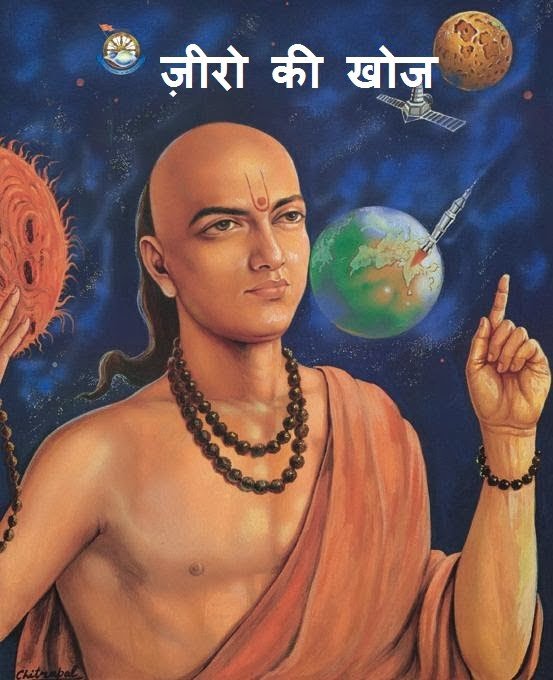
Acharya Aryabhata – Motions of the Solar System
Acharya Aryabhata was the first mathematician astronomer from the classical age of Indian mathematics and Indian astronomy and is not an unknown name. His major work on Aryabhatiya was very successful. It is extensively referred in the Indian mathematical literature and has been survived to modern times.
Acharya Aryabhata correctly stated that the earth rotates about its axis dailyr. He also stated that the motion of the stars are being observed just because the earth is rotating. He was also succeeded in explaining the geocentric model of the Solar System. The positions and periods of the planet was calculated relative to uniformly moving points. He stated that the Mercury and Venus move around the earth at the same speed as of the sun. He was also succeeded in explaining eclipses in terms of shadows cast by and falling on earth. He also mentioned Units of Time or the Sidereal rotation that earth takes 23 hours, 56 minutes and 4.1 second to complete one revolution and the sidereal year has 365 days, 6 hours, 12 minutes and 30 seconds which in turn adds an extra one day every after four years which is called a leap year.Calendric calculation which was devised by him is still being used in India for Practical purposes for fixing the Hindu calendar. India’s first satellite Aryabhata and the lunar crater Aryabhata are both named in his honor.
Maharishi Bharadwaj –Invention of the First Airplane of Earth
In 1875, the Vymaanika Shaastra, a 4th Century BC text written by Sage Bharadwaj was discovered in a temple in India. The book greatly deals with the operation of ancient vimanas and included information on steering, precautions for long flights, protection of the airships from storms and lightning and how to switch the drive of solar energy or some other form of energy.
One of the chapter will reveal the secrets of constructing aeroplanes that cannot be broken or cut, that is indestructible, that is fire resistant. It also deals with the secret of making planes motionless and invisible. It also describes how to defeat the enemy planes etc. as per the Sage Bharadwaj the vimanas were classifies as per the Yugas. During the period of Krita Yuga, Dharma was establishes firmly. The pushpak Vimana which was used by Ravan was an Aerial vehicle. He used this vehicle to kidnap Sita from jungle and took him to his Kingdom Srilanka. Ramayana was during the Treta Yug in which the Vimanas were highly discovered. During this period “Laghima” gave them the power to lighten their vehicle do they can travel freely in the air.In present Kaliyuga both Mantra and Tantra Shakti are almost vanished from the earth and so the ability to control vehicle has also been gone. Today the artificial vehicles are built which is called as Kritaka Vimanas.
















 Eduindex
You must be logged in to post a comment.