Stagflation: a serious economic issue

Photo by Reynaldo #brigworkz Brigantty on Pexels.com

Stagflation is a situation wherein there persists both inflation(consistent rise in the prices of all the goods and services available in a country) as well as stagnation(lack of any economic development). Since 1970, there have been paradoxical developments in most developed nations of the world. There has been a considerable fall in the level of production and employment on one hand, and rise in the general price level on the other. That is nothing but inflation and stagnation coexisting. Inflation and unemployment are mutually exclusive economic phenomena. There has always been an trade off between these two in an economy. Thus, when both of this coexist, it leads to the rise of a paradoxical situation called Stagflation.

The features on stagflation include:

  • Rise in general prices.
  • Rise in the wage rate.
  • Reduction in the level of demand for goods and services.
  • Reduction in the level of production.
  • Emergence of excess capacity.
  • Increase in involuntary unemployment (a situation wherein people are willing to work at the prevailing wage rate but do not get any work).

Causes of stagflation:

  • Increase in the supply of money.
  • Rise in wage rates under pressures from trade unions.
  • Consistent rise in agricultural prices, owing to the government policy.
  • Rise in administered prices.
  • Credit expansion by the banks.
  • Increase in saving and investment.
  • Reduced demand for labor resulting in unemployment.
  • Rise in prices of petroleum and coal.
  • Increase in industrial capacity.

Stagflation is certainly a more difficult proposition than inflation. In the words of Haberler, “The combination of unemployment and inflation is a very delicate matter, if we fight recession, we stimulate inflation and if we fight inflation, we stimulate recession.

Some measures to control stagflation:

  • Creation of bank credit and supply of money must be checked.
  • Excise duty and other indirect taxes need to be reduced to stimulate production.
  • Consumption level is to be very carefully encouraged.
  • Labour intensive enterprises are to be encouraged to stimulate employment.
  • Appropriate income policy needs to be pursued to strike against the problem of inflation.
  • Wage rate must be suitably regulated.

Stagflation not only causes economic unrest but also leads to social instability. There are many instances where the rich gets richer and the poor gets poorer. There seems a moral dispute within the people resulting in hoarding, black marketing ,etc. Thus, stagflation is an serious economic hindrance which needs to be kept in check.

Agnipath Scheme a new vision for future India?


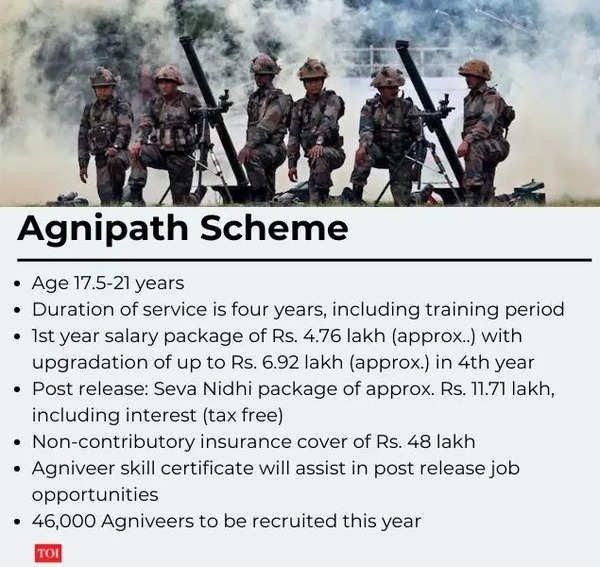
The Agnipath Program is a new program launched by the Government of India on June 14, 2022 to recruit soldiers under Corporal into three armies. The Agnipath program will be the only means of recruiting the military. All new employees will only be hired for 4 years. The personnel hired under this system are called Agniveers, a new military rank. The introduction of this system has been criticized for lack of consultation and open debate. The program is scheduled to start in September 2022. The Agnipath program was approved by the Government of India in June 2022 and will be implemented from September 2022. The announcement was made on June 14, 2022. This program is intended for both male and female applicants between the ages of 17.5 and 21. In widespread protests against the Agnipath program, the central government raised the cap from 21 to 23, but only in 2022. Recruitment under this program is held twice a year by the Indian Army, Indian Navy, and Indian Air Force. The available posts are below the executive list. The Agnipath program is the only way to serve in the army.


New employees, under the Agnipath scheme will be called “Agniveers,”who will have a four-year tenure, including six months of training followed by a 3.5-year deployment. After leaving the service, they have the opportunity to apply to continue in the army. Less than 25 percent of the retired group’s total strength is selected for the permanent roster. Employees who retire after four years of work are not eligible for a pension, but will receive a lump sum of approximately Rs 11,71,000 at the end of their tenure. The Government of India plans to hire 45,000-50,000 new employees each year through this program. In September 2022, 46,000 young people will be hired through this program. Prior to the start of the Agnipath program, soldiers were in the army for more than 15 years of service on a lifetime pension. As of 2019, there was no military recruitment for three years. The Government of India quoted the COVID-19 pandemic in India tye reason for no recruitment. Meanwhile, 50,000 to 60,000 soldiers continued to retire each year, leading to labor shortages and beginning to affect the military’s operational capabilities.


On June 16, 2022, fierce protests took place in several Indian states, where military candidates who were preparing for the armed forces were angry at the new system, demanding its rollback, and damaging public property. By June 17, 12 trains had been fired, affecting the movement of 300 trains. 214 trains were canceled, 11 trains were detoured, and 90 trains ended short of their destination. This scheme does not include long-term holdings, pensions and other benefits that existed in the old scheme. Individuals who wanted to join the army were disappointed with the rules of the new system. Of particular concern were short tenure, no early retirement pension, and an age limit of 17.5-21 years, making many of the current candidates unsuitable for serving in the Indian Army.

On June 20, a national strike called Bharat Bandh was summoned by a protesting organization calling for the withdrawal of the program. The call was made via social media without naming the organization. More than 600 trains were canceled due to a strike. Section 144 was imposed in parts of Rajasthan, Punjab, Uttar Pradesh and Haryana.

Shortage in Indias Power Supply.

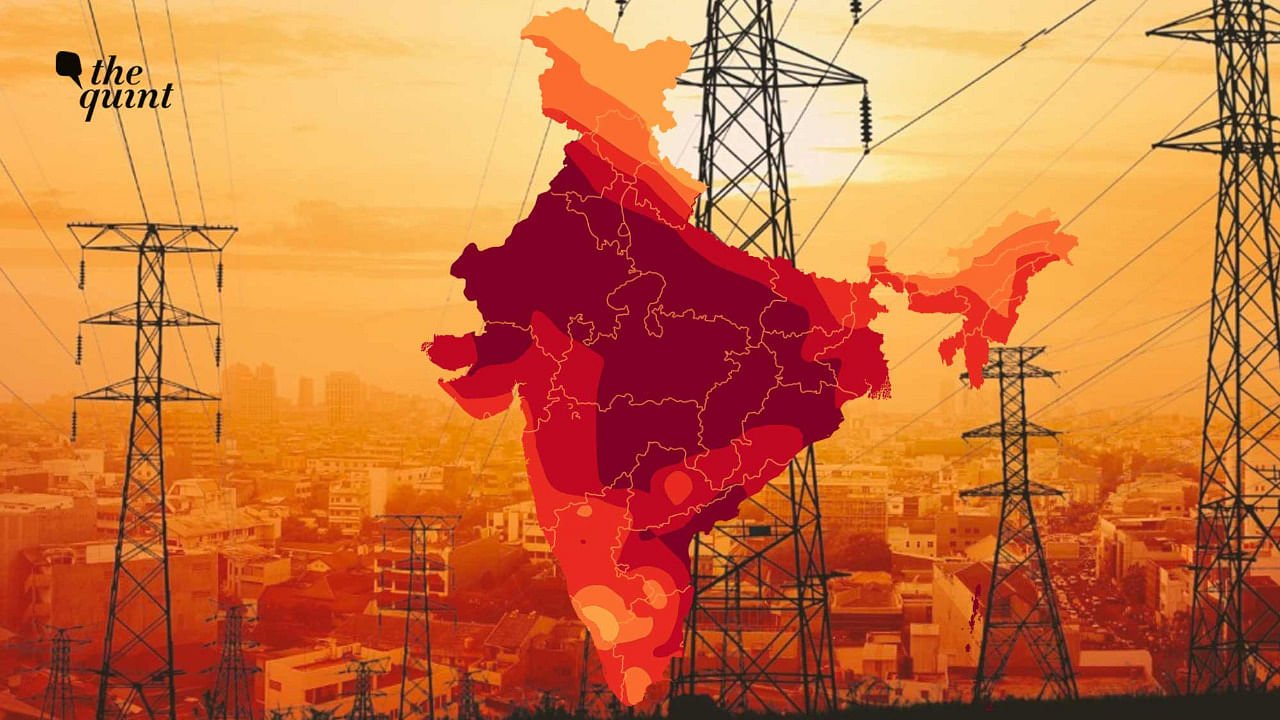
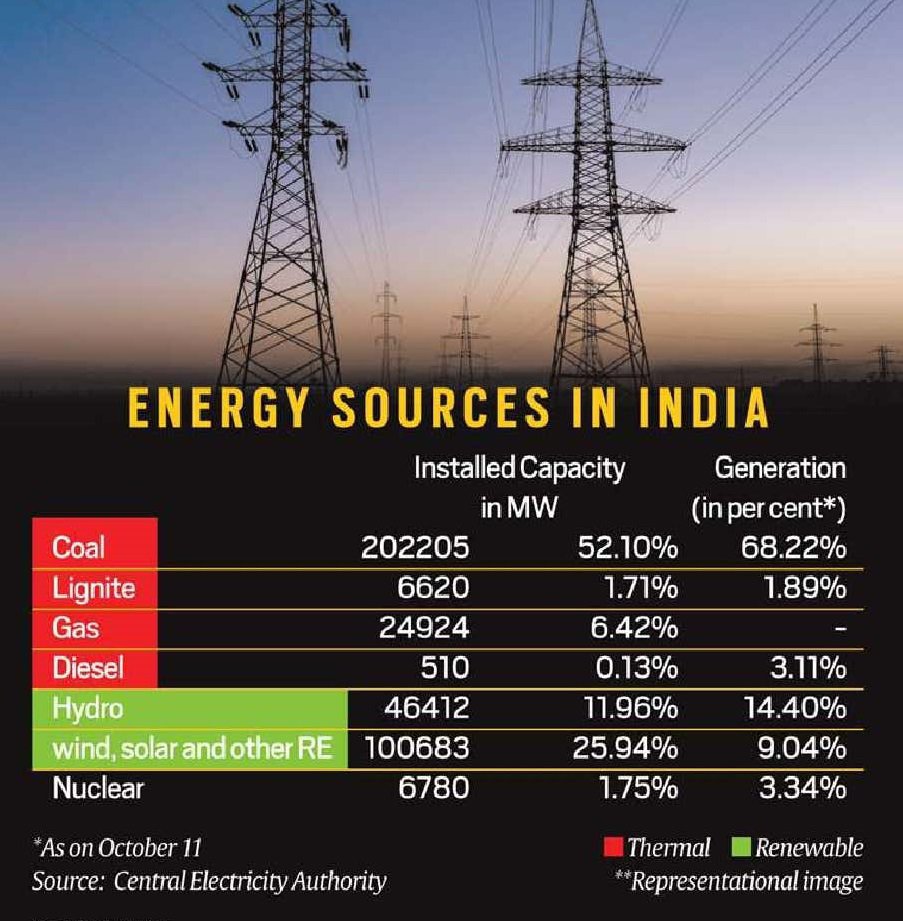
India has the fourth largest coal deposit in the world. It is the second largest fossil fuel producer after China and is home to Coal India, the world’s largest coal mining mine, which accounts for 80% of domestic production. Already allocated coal block mining capacity exceeds expected demand in 2030 by approximately 15% to 20%.


So why are India’s power plants facing coal shortages each year, leading to widespread power outages, exposing parts of the country to darkness and endangering industry?
There are several factors. India has a long time policy of minimizing coal imports. In February 2020, Coal Minister Pralhad Joshi announced that the country would stop importing steam coal from 2023 to 2024.
Mr Joshi said the Ministry of Coal will work with the Ministry of Railways and the Ministry of Shipping to allow Coal India, prisoners and commercial miners to discharge more coal from their supply by 2030. And the coal supply at power plants is running out at an alarming rate. The Department of Energy is currently blaming the decline in coal imports due to the current crisis. In 2018-19, 21.4 million tonnes of coal were imported for mixing, down to 23.8 million tonnes in 2019-20 and 8.3 million tonnes in 2021-22.


Power plant coal inventories have fallen by about 13% since April, reaching pre-summer lows. And for the first time since 2015, Coal India will import fuels used by state-owned and private power companies. The Ministry of Energy said almost all states showed that multiple state bids for coal imports would cause confusion and that the decision was made after calling for centralized procurement by Coal India.
Imported coal costs five times as much as domestic mining, so the center is being pushed back by the state.
Recently, the government has also pressured utilities to increase imports to mix with local coal. Last year, after a two-year break, three tranches of coal auctions were held and nine blocks were successfully awarded.

In September 2021, the Ministry of Coal issued a strict warning to owners of confined coal blocks, stating that their mines should increase production or face restrictions on coal supply by the CIL.
The ministry has discovered that these mines are producing below target.

Of the 43 coal mines outsourced to private companies in the energy, steel and metals sectors, none have met their annual production targets.
On May 6, Coal India announced that it would provide the private sector with 20 closed and abandoned underground coal mines and reopen and operate its revenue sharing model.

According to journalist Shreya Jai the current power supply chain does not seem ready to handle periods of high growth and state discos cannot pay gencos, but the power supply chain starts with state discos and needs repairs. Railroads, on the other hand, are struggling to align the thermal power industry’s demands for faster coal supply with those from other industries. Rakes must be prepared to meet the growing demand for almost all other bulk commodities, from cement and steel to sand and edible grains. By strengthening the value chain of the electric power sector, it is possible to resolve the coal supply-demand mismatch in the long run.

UPSC CSE PRELIMS 2022 Paper Analysis

UPSC successfully conducted the Prelims stage for Civil Services Examination 2022 on 5th June 2022 (sunday). Paper 1 was conducted from 9:30 am to 11:30 am. Paper 2 CSAT was from 2:30 pm to 4:30 pm.

Many aspirants and coaching Institutes will be analysing the question paper for quiet a few days. Many professionals and teachers will be engaged in preparing answer key. Candidates have rated this year’s question as moderate to difficult (GS – Paper 1).

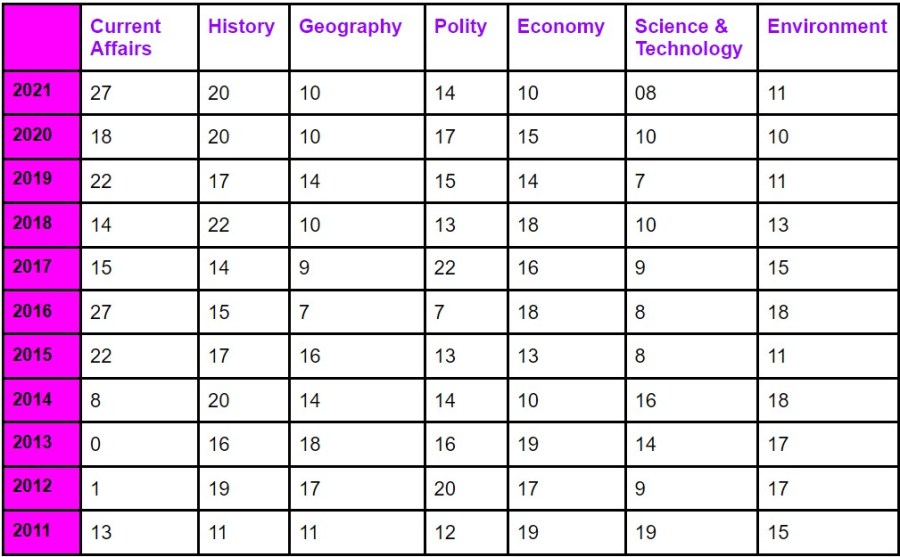
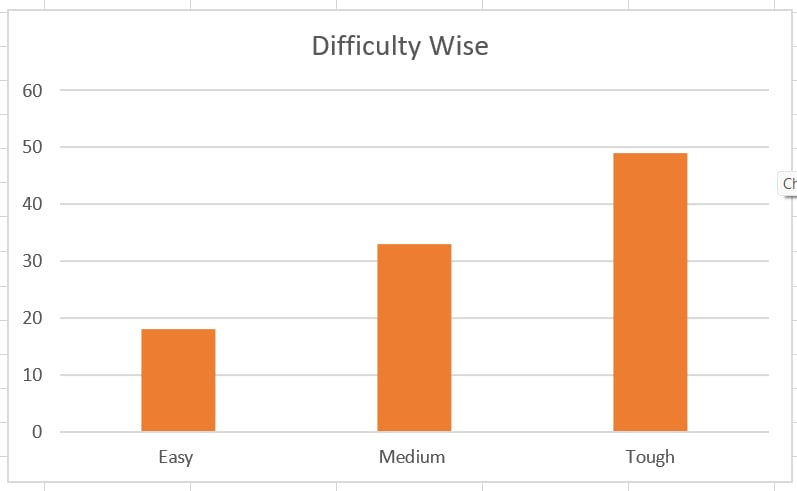
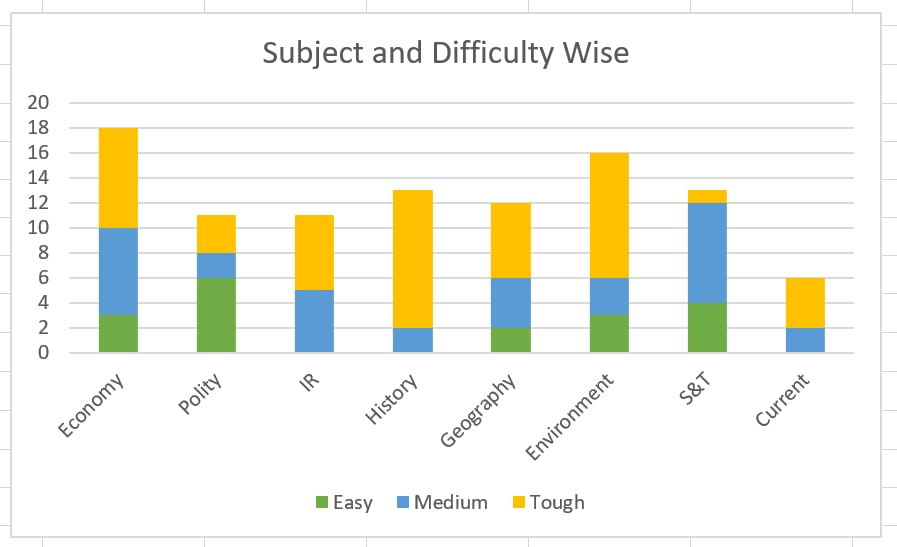
Here is the analysis of number of questions coming from each section for past 10 years.

As evident from the data above, the composition of question paper is very dynamic in nature. No one can predict which section is more/less important than others.

Below is the cut-off of prelims for general category.

2015107.34/20053.67
2016116.00/20058.00
2017105.34/20052.67
201898/20049.00
201998/20049.00
202092.5 /20046.61
202187.5 /20043.77

This year the number of vacancies have also increased so aspirants are quiet positive and filled with enthusiasm.

Prelims paper 1 analysis (2022)

Prelims paper 1 analysis

Bharat Drone Mahotsav 2022

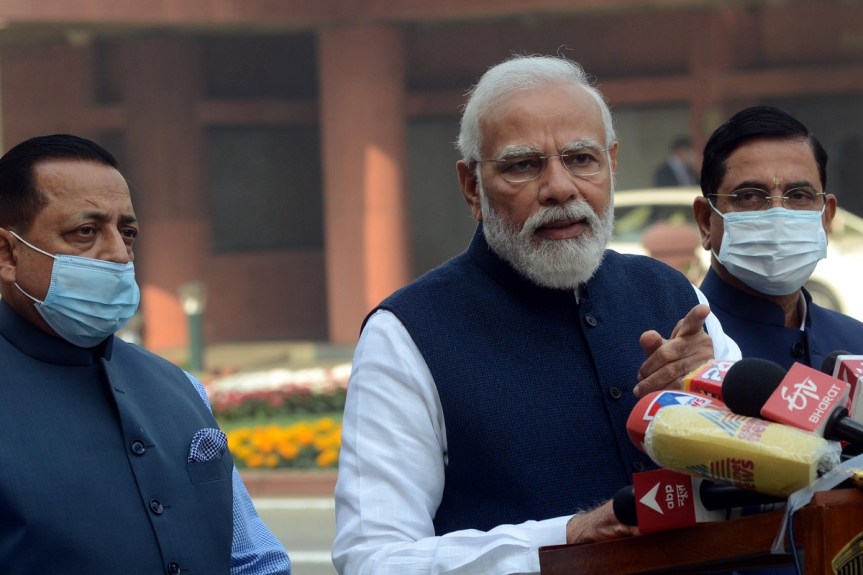
Recently, India’s biggest Drone Festival – Bharat Drone Mahotsav 2022 was inaugurated in New Delhi by the Prime Minister. A virtual award of drone pilot certificates, panel discussions, product launches, display of a ‘Made in India’ Drone Taxi prototype, flying demonstrations, among others were the key events.

Drone is a layman terminology for Unmanned Aircraft (UA). Originally developed for the military and aerospace industries, drones have found their way into the mainstream because of the enhanced levels of safety and efficiency they bring.

Applications of Drone Technology?

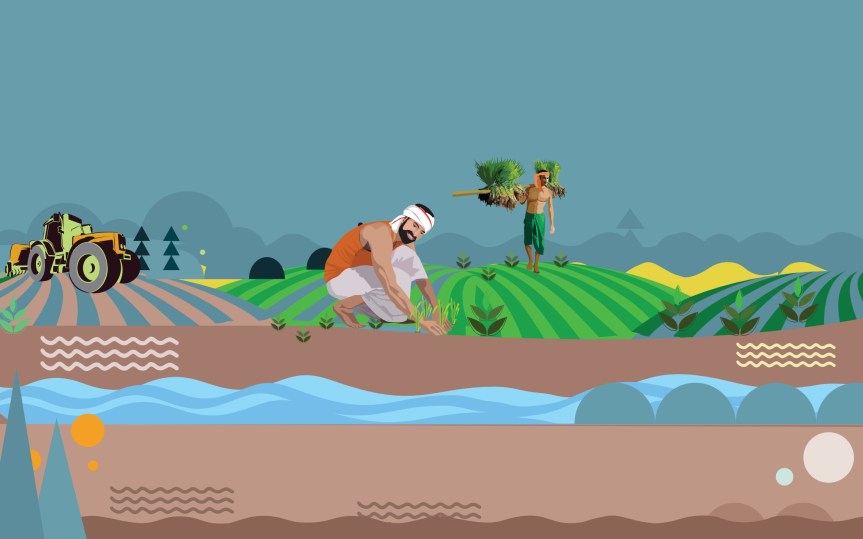
Agriculture: In the agriculture sector, micronutrients can be spread with the help of drones. It can also be used for performing surveys for identifying the challenges faced by the farmers.

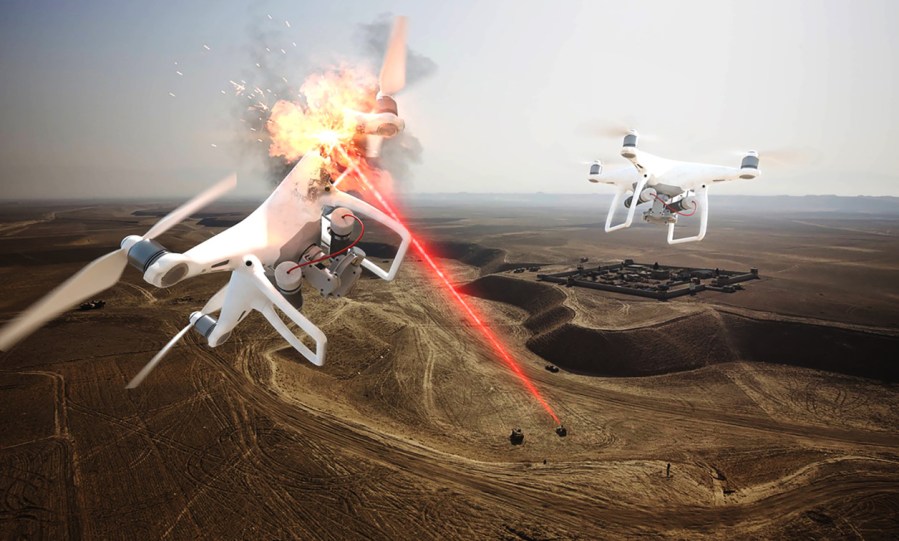
Defence: Drone system can be used as a symmetric weapon against terrorist attacks. Drones can be integrated into the national airspace system.Deployment of drones for combat, communication in remote areas, counter-drone solutions can be done.

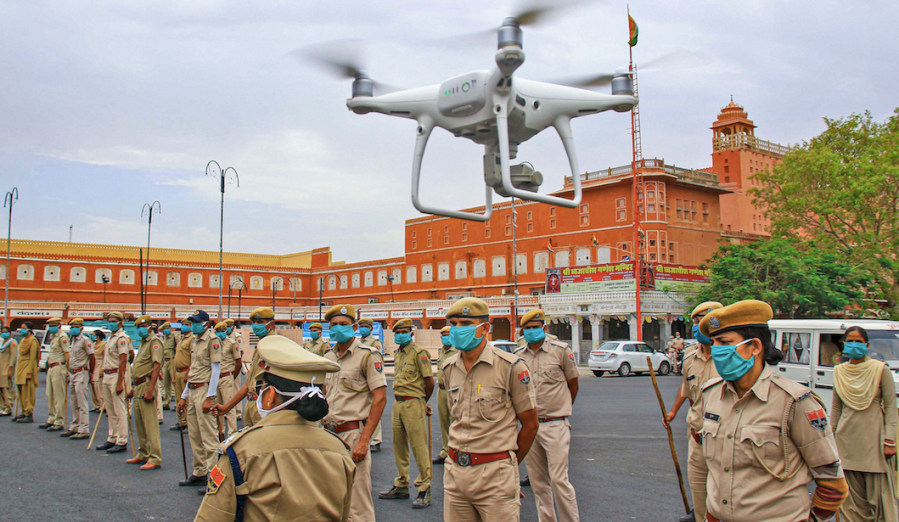
Law Enforcement: Drones are also significant for the law enforcement agencies, the fire and emergency services wherever human intervention is not safe and the healthcare services.

Healthcare Delivery Purposes: Indian Council of Medical Research (ICMR) devised Drone-Based Vaccine Delivery Model, i-drone. Telangana and North-east states have been approved to use this drone technology for delivering vaccines in remote areas.

Significance of Drone Mahotsav?

As drone technology has its application in diverse areas such as defence, disaster management, agriculture, healthcare, tourism, film and entertainment, there is a great possibility of a major revolution creating immense opportunities for employment. Villages are witnessing the arrival of roads, electricity, optical fibre and digital technology. However, agriculture work is still being conducted in old ways, leading to hassles, low productivity and wastage. Drone technology is going to play a major role in empowering farmers and modernize their lives.

Government is making efforts towards creating a strong drone manufacturing ecosystem in India through schemes like Production-Linked Incentive (PLI).

All about Civil Services Exam

UPSC has declared the final result for Civil Services 2021 in which Shruti Sharma, Ankita Agarwal and Gamini Singla have secured the first, second and third rank respectively.

Civil Services Examination (CSE) is one of the examinations conducted by the Union Public Service Commission to recruit suitable candidates into civil services of India including IAS, IPS, IFS, and other allied services.

The prescribed UPSC exam eligibility criteria are that the candidate should be a graduate and must have attained 21 years of age. There is also an upper age limit and a number of attempts restriction based on the candidate’s category. Generally, the upper age limit is 32 years, but the commission gives age relaxation for OBC, SC, ST and PH candidates.

The UPSC exam is held in three stages. The three stages are Prelims, Mains and Interview/personality test. The prelims exam consists of two papers of objective type questions. Paper 1 is GS paper Paper 2 is CSAT (Qualifying in nature- 33%). The mains exam consists of nine descriptive type papers. The last stage consists of an interview round with the UPSC board. Candidates should clear each round in order to qualify for the subsequent round. Final merit is based on combined marks obtained in Mains and Interview.

In Mains there is one Essay Paper, 4 GS papers and 2 Papers for Optional Subject (all of 250 marks) which a candidate has to select from a prescribed list according to his/her interest. Some of the optional subjects are – Agriculture, Animal Husbandry and Veterinary Science, Anthropology, Botany, Chemistry, Civil Engineering, Commerce and Accountancy, Economics Electrical Engineering, Geography, Geology, History, Law, Management, Mathematics, Political Science and International Relations, Public Administration, Sociology etc.

  • PAPER-I: Essay: 
  • PAPER-II: General Studies-I: Indian Heritage and Culture, History and Geography of the World and Society. 
  • PAPER-III: General Studies- II: Governance, Constitution, Polity, Social Justice and International Relations. 
  • PAPER-IV: General Studies-III: Technology, Economic Development, Biodiversity, Environment, Security and Disaster Management. 
  • PAPER-V: General Studies- IV: Ethics, Integrity, and Aptitude 
  • Paper-VI and VII: Optional Paper-I and Optional Paper-II

There are to more papers which are qualifying in nature.

Indira Gandhi Shahri Rozgar Guarantee Yojana

The Rajasthan government has come up with the job description under its much-touted Indira Gandhi Shahri Rozgar Guarantee Yojana. Announcing the employment scheme for urban areas on the lines of Mahatma Gandhi NREGA.

While MGNREGA assists people in rural areas, there is no such scheme for street vendors and those working at dhabas and restaurants in urban areas.

About:

  • Under the scheme, 100 days of employment per year will be provided to families residing in urban areas.
  • The ratio of cost of material to payment for labour work of “general nature” will be in the ratio of 25:75, while for special works, it will be 75:25.

Eligibility:

  • All those aged between 18 and 60 years and residing within urban body limits are eligible for the scheme, and in special circumstances such as a pandemic or a calamity, migrant labourers may be included.

Significance of Urban Employment Schemes?

  • Ensures social inclusion by strengthening the livelihood base of rural poor.
  • It gives urban residents a statutory right to work and thereby ensures the right to life (Art 21) guaranteed under the Constitution.
  • It provides employment for skilled and unskilled workers among urban youth and addresses the concerns of underemployment and unemployment.
  • Such programmes can bring in much-needed public investment in towns, which, in turn, could boost local demand, improve the quality of urban infrastructure and services, restore urban commons, skill urban youth, and increase the capacity of ULBs.

Service Profile of an IAS Officer

Indian Administrative Service (IAS), the premier service of the Government of India was constituted in 1946. Prior to that Indian imperial Service (1893-1946) was in force. As on 1.1.2013, sanctioned strength of IAS was 6217, comprising of 4313 posts to the filled by direct recruits and 1904 posts to be filled by promotion /appointment of State Civil Services officers/ Non-State Civil Service officers. The civil services have been a hallmark of governance in India. The Constitution provides that without depriving the States of their right to form their own Civil Services, there shall be an All India service recruited on an All- India basis with common qualifications, with uniform scale of pay and the members of which alone could be appointed to these strategic posts throughout the Union.”
No wonder Sardar Vallabhbhai Patel, one of the eminent leaders of the freedom struggle, referred to the. ICS as ‘the steel frame. Of the ‘country. The civil services, therefore, represent the essential spirit of our nation — unity in diversity.

Recruitment

UPSC – Civil Services Exam

At present there are three modes of recruitment to IAS viz

(i) Through Civil Services Examination conducted by UPSC every year;

(ii) Through promotion of State Civil Service officers to IAS

(iii) Through selection of non – State Civil Service officers.

Roughly 66 (1/3)% posts are meant for Direct Recruitment and 33 (1/3%) are
meant for promotion quota.

Training

LBSNAA

Both Direct Recruit as well as promotee IAS officers are imparted probationary training at Lal Bahadur Shastri National Academy of Administration (LBSNAA). After completion of successful probation, they are confirmed. Also, there is a Provision for mandatory Mid-career Training for IAS officers spread across the entire service span.

Functions of IAS officer

IAS officer is responsible for the maintenance of law and order, revenue administration and general administration in the area under him. His functions broadly include:


(i) Collection of revenue and function as Courts in revenue matters;
(ii) Maintenance of law and order;
(iii) Function as Executive Magistrate;
(iv) Function as Chief Development Officer (CDO)/District Development Commissioner;
(v) Supervision of implementation of policies of State Government and Central Government;
(vi) To travel to places to oversee the implementation of policies;
(vii) Supervision of expenditure of public funds as per norms of financial propriety;
(viii) In the process of policy formulation and decision making, IAS officers at various levels like Joint Secretary, Deputy Secretary etc. make their “contributions and the give final shape to policies;
(ix) To ‘handle the daily affairs ‘of the government, including framing and implementation of policy in ‘consultation with the minister-in-charge of the concerned Ministry.

Source : DoPT website

Gaming as a career option in India

Gaming is not seen just as a hobby or a timepass but can be considered as a great career option and is becoming a part of skill development, social interactions via joining specific gaming communities etc.

India has witnessed a strong growth in the gaming sector in the past few years. Even before the lockdown time of 2019, several gamers from India have come up and have been recognized even worldwide. Also, the pandemic gave people a boost as many people started playing during the pandemic just for timepass and streaming on online streaming platforms like YouTube , Twitch etc.

The gaming fanbase in India got a boost after the launch of most popular mobile game PUBG(PlayerUnknown’s Battlegrounds) which is a mobile version of the paid game available on Steam(a platform to buy, play, create and discuss about PC Games). The game being released in 2017, had received a huge amount of fanbase and there were millions of players playing the game even in the initial stages of the game launch.

PUBG Mobile Gameplay (Source- Google Images)

During the pandemic time, several gamers started streaming the game on YouTube and got popular while grinding the game and showcasing their skills. This was seen as a sudden evolution of the mobile gaming industry in India. With internet and mobile devices being easily accessible, several people started playing the game. All these mobile and PC gaming come under the category of “E-Sports”. Several Internationally recognized E-Sports companies analyzed the potential of the Indian players and started investing upon them, making their teams and even spending lakhs and crores upon them by providing them the best things such as their own offices, high end devices and accessories for better competitive gaming.

Today, we have several Indian players who’re participating into multiple E-sports events and representing our country while doing so. Online PC multiplayer games like Valorant, Counter Strike, Fortnite, PUBG, Apex Legends etc. are the most popular competitive games around the web.

Valorant

Also, colleges and schools also conduct these events in their fest where students from different colleges(or schools) come to participate and the winner receives a good amount of cash prize.

The entire scenario regarding Gaming has been changed over the past few years. Parents are also supportive as they themselves are seeing the rapid growth of the gaming industry and are realizing that it can be considered as a great career option. Also, International tournaments offer great prizes including cash, Goodies, accessories etc. With the rise in technology, several upgrades are being made in the devices used for gaming(Laptops, PC’s, Mobiles). Companies manufacturing these devices are adding major upgrades each year for the user to perform smooth gaming. Also, if you go online or to the offline market for buying a device dedicated especially for gaming, there are a variety of options to explore. Tech giants like HP, Dell, Asus, Acer etc. are developing gaming laptops day by day and one can even get a good gaming beast at a reasonable price.

Furthermore, gaming has risen to become one of the most lucrative industries in the world, not only generating a great billion dollar revenue but also giving career and job opportunities to people all around the world. If we dive deep into the gaming field, then there is a vast variety of options to explore in this field as a career. Some of them are:

  1. Player
  2. Game Designer
  3. Game Developer
  4. Sound Designer and Audio Engineer
  5. Commentor and Anchor

Therefore, the final conclusion is if you’re someone who is passionate about gaming and if you are considering it as a career option then you can absolutely go with it. There are certain gaming communities all over the world on Discord App( An app that has certain communities, covering all the domains). Beginners can use it to connect with other gamers and build a gaming squad for playing. Also, one can apply for different E-sports club and with suitable research, they can get a great funding from investors. All you need to start with is a gaming device and a good internet connection for stable FPS(Frames Per Second) and ping rendering for seamless gaming experience.

How to spot a pyramid scheme. 

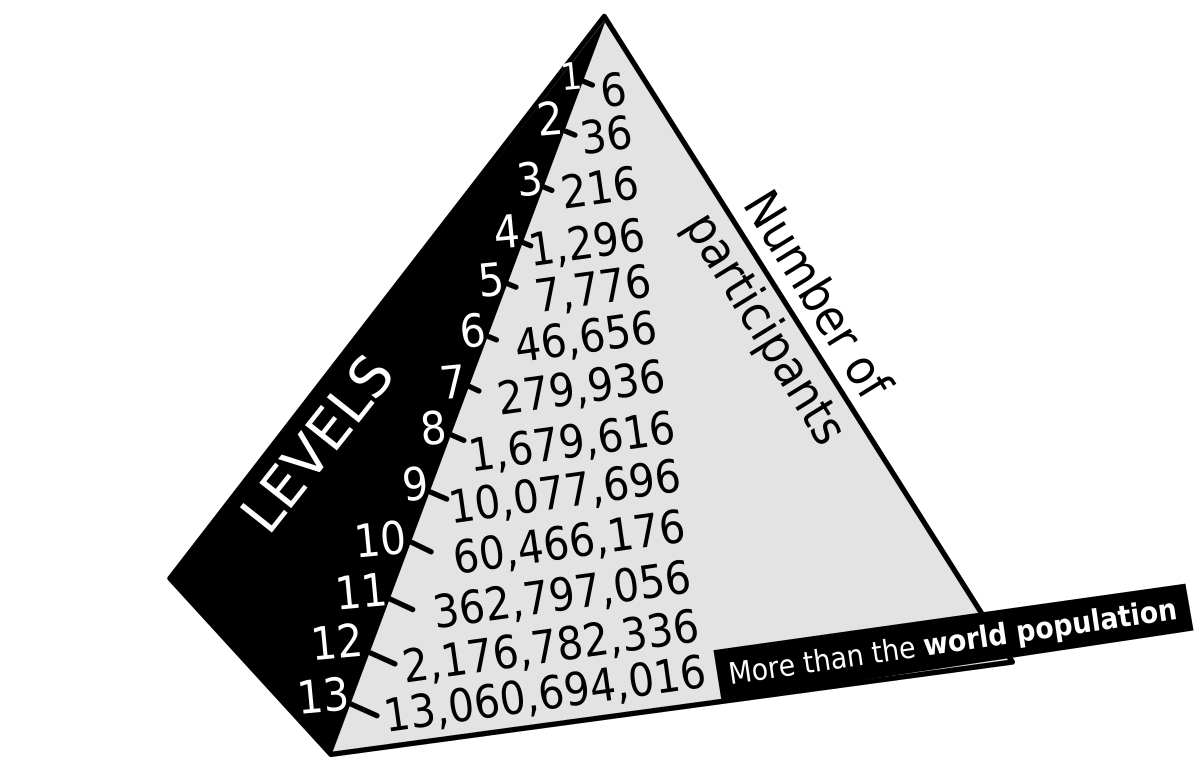
A pyramid scheme is a fraudulent system of making money based on recruiting an ever-increasing number of “investors.”  The initial promoters recruit investors, who in turn recruit more investors, and so on. The scheme is called a “pyramid” because at each level, the number of investors increases. The small group of initial promoters at the top require a large base of later investors to support the scheme by providing profits to the earlier investors.

Let’s assume the following: Founder Mike sits alone at the top of the heap, represented by the number “one.” Assume Mike recruits 10 second-tier people to the level directly below him, where each newbie must issue him a cash payment for the privilege of joining. Not only do those buy-in fees funnel directly into Mike’s pocket, but each of the 10 new members must then recruit 10 tier-three members of their own (totaling 100), who must pay fees to the tier-two recruiters, who must send a percentage of their takes back up to Mike. According to the hard-sell pitches made at recruitment events, those bold enough to take the pyramid plunge will theoretically receive substantial cash from the recruits below them. But in practice, the prospective member pools tend to dry up over time. And by the time a pyramid scheme invariably shuts down, the top-level operatives walk away with loads of cash, while the majority of lower-level members leave empty-handed. It should be noted that because pyramid schemes heavily rely on fees from new recruits, the vast majority do not involve the sale of actual products or services with any intrinsic value.

Unfortunately, these types of scams sometimes prey on people who need income quickly. For example, if you lost your job and are having a hard time finding a new job, you might be more willing to look into an opportunity that offers a fast return. But avoid the temptation to overlook the feeling that something is too good to be true. Instead, take a moment to calm yourself so you can make a legitimate plan after losing your job. Go over your budget—or create one for the first time—so you can manage your money in the best way possible while you try to increase your income.

How to Spot a Pyramid Scheme

Pyramid schemes and MLM sound a bit alike, don’t they? Here are some signs of a pyramid scheme, provided by the US Securities and Exchange Commission, to help you understand whether you’re considering a scam or a legitimate MLM opportunity:

  • You’re not selling something real. Legitimate MLMs sell tangible goods—many times there’s a ready-made market for them.
  • Get-rich-quick promises. If you’re being offered overnight success, get-rich-quick guarantees, or passive income promises, it’s probably too good to be true. People who make money with legitimate MLMs put a lot of time and effort into their businesses.
  • The company can’t prove it generates retail income. If the business can’t show you financial statements that demonstrate income from the sale of product, it could be generating all its income from recruiting people into the pyramid.
  • Strange or unnecessarily complex commission processes. Legitimate MLMs have easy-to-understand, product-based commissions.

The Bottom Line

Pyramid schemes are illegal in many countries. The model of profiting by using the network effect often traps individuals into recruiting their acquaintances, which can feel slimy for everyone involved and can ultimately strain relationships. Some people may shoot their shot each time and invest in multiple schemes losing money each time. Victims of pyramid schemes are often embrassed into silence and keep blaming themselves for not being tenacious enough to earn the promised returns, when in truth it’s the system that is faulty. Get rich quick schmes never work and will allways have some strings attached to it that can put people into legal trouble. Vigilance and knowledge about where your money goes are important factors that people must know, preventing them from falling pray for traps like the pyramid scheme.

sources – https://www.investopedia.com/insights/what-is-a-pyramid-scheme/ https://www.credit.com/blog/what-is-a-pyramid-scheme/

All you need to know about an Economic Recession.

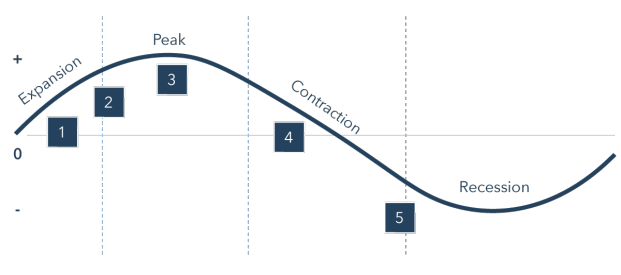
The National Bureau of Economic Research (NBER) defines a recession as “a significant decline in activity spread across the economy, lasting more than a few months, visible in industrial production, employment, real income, and wholesale-retail trade.” A recession is also believed to be signalled when businesses cease to expand, the GDP diminishes for two consecutive quarters, and the unemployment rate rises. The nature and causes of recessions are simultaneously evident and uncertain. Recessions are, in essence, a cluster of business failures being realized simultaneously. Firms are forced to reallocate resources, scale back production, limit losses, and, usually, lay off employees. Those are the clear and visible causes of recessions. There are several different ways to explain what causes a general cluster of business failures, why they are suddenly realized simultaneously, and how they can be avoided.

What Causes a Recession?

Some recessions can be traced to a clearly-defined cause. For instance, the recession of 1973-1975 began as a result of the 1973 oil crisis. However, most recessions are caused by a complex combination of factors, including high interest rates, low consumer confidence, and stagnant wages or reduced real income in the labour market. Other examples of recession causes include bank runs and asset bubbles.

Psychological Factors of a Recession

Psychological factors are frequently cited by economists for their contribution to recessions also. The excessive exuberance of investors during the boom years brings the economy to its peak. The reciprocal doom-and-gloom pessimism that sets in after a market crash at a minimum amplifies the effects of real economic and financial factors as the market swings. Moreover, because all economic actions and decisions are always to some degree forward-looking, the subjective expectations of investors, businesses, and consumers are often involved in the inception and spread of an economic downturn.

Economic Factors of a Recession

Real changes in economic fundamentals, beyond financial accounts and investor psychology, also make critical contributions to a recession. Some economists explain recessions solely due to fundamental economic shocks, such as disruptions in supply chains, and the damage they can cause to a wide range of businesses. Shocks that impact vital industries such as energy or transportation can have such widespread effects that they cause many companies across the economy to retrench and cancel investment and hiring plans simultaneously, with ripple effects on workers, consumers, and the stock market. There are economic factors that can also be tied back into financial markets. Market interest rates represent the cost of financial liquidity for businesses and the time preferences of consumers, savers, and investors for present versus future consumption. In addition, a central bank’s artificial suppression of interest rates during the boom years before a recession distorts financial markets and business and consumption decisions.

What Are the Indicators of a Recession?

Economists determine whether an economy is in recession by looking at a variety of statistics and trends. Factors that indicate a recession include:

  • Rising in unemployment
  • Rises in bankruptcies, defaults, or foreclosures
  • Falling interest rates
  • Lower consumer spending and consumer confidence
  • Falling asset prices, including the cost of homes and dips in the stock market

All of these factors can lead to an overall reduction in the Gross Domestic Product (GDP). The European Union and the United Kingdom define a recession as two or more consecutive quarters of negative real GDP growth.

Impact of Covid-19 Pandemic on the Economy

In February 2020, the National Bureau of Economic Research (NBER) announced that according to their data, the U.S. was in a recession due to the economic shock of the widespread disruption of global and domestic supply chains and direct damage to businesses across all industries. These events were caused by the COVID-19 epidemic and the public health response. Some of the underlying causes of the two-month recession (and economic hardship) in 2020 were the overextension of supply chains, razor-thin inventories, and fragile business models. The pandemic-related recession, according to NBER, ended in April 2020, but the financial hardship caused by the pandemic is still impacting Americans.

For simpler understanding-

https://www.youtube.com/watch?v=SwaCg7Gwtzw: All you need to know about an Economic Recession.

Need for switch from physical to human capital

Human capital refers to stock of ‘skill and expertise’ embodied in humans. Human capital is as important as physical capital for economic development. Human capital formation is the process of adding to stock of human capital over time. Human capital can be developed through creation of skilled, trained and efficient labour force by providing better education, health care facilities, etc. Highly skilled people can create new ideas and methods of production. Thus, expenditure on education, on health and on on-job-training are key instruments of human capital formation. Expenditure on education is one of the most important way of enhancing and enlarging a productive workforce in the country. Expenditure on health can create more efficient and more productive human capital. Further, on-the-job-training helps workers to update skills. Training enhances the productivity and is expected to accelerate the process of human capital formation.

Human Capital and Economic Growth

When we talk about economic growth, human capital is the main reason for the accelerated growth and expansion for many countries that provide investment in human capital. This gives the best advantages to these countries for providing the best situations for work and lifestyles.A significant advantage in generating a stable environment for growth is that the nation has the expanded high-quality human capital in fields like health, science, management, education, and other fields. Here, the main components of human capital are definitely human beings, but presently, the principal component is a creative, educated, and enterprising person with a high level of professionalism.

Human capital in the economy manages the central portion of the national wealth. Hence, all researchers consider that human capital is the most important resource of the community, which is more powerful than nature or wealth. In most countries, human capital determines the rate of development, economic, technological, and scientific progress.

(i) Inventions, innovations, and technological improvement

 (ii) Higher productivity of physical capital

 (iii) Raises production

 (iv) High rate of participation and equality

 (v) Improves the quality of life

The difference between human capital and physical capital

Both forms of capital formation are outcomes of conscious investment decisions. Decision regarding investment in physical capital is taken on the basis of one’s knowledge in this regard. The entrepreneur possesses knowledge to calculate the expected rate of return to a range of investments and internationally decide which one of the investments should be made. Physical capital is the outcome of the conscious decision of the owner the physical capital formation is mainly and economic and technical process. A substantial part of human capital formation takes place in one life when she or he is unable to decide whether it will maximize her or his earnings. Children are given different types of school education health care facilities by parents and society. The peers, educators and society influence the decisions regarding human capital investment even at the tertiary level, at the college level. Human capital formation at this stage is dependent upon the already from human capital at the school level. Human capital formation is partly a social process and partly a conscious decision of the possessor of the human capital. The owner of a physical capital, does need not be present in the place where it is used; a bus driver who possesses the knowledge and ability to drive the bus should be present when the bus is used for transportation of people and other materials physical capital is tangible and can be easily sold in the market like any other commodity. Human Capital is intangible it is endogenously built in the body and mind of its owner. Human Capital is not sold in the market; service of human capital is sold and hence there arises the necessity of owner of the human capital to be present in the place of production. Physical capital is variable from its owner where does the human capital is in separable from its owner. The two forms of capital differ in terms of mobility across space. Capital is completely mobile between countries except for some artificial trade restrictions. Human capital is not a perfectly movable between countries as movement is restricted by nationality and culture. Physical Capital formation can be built it even do import, human capital formation is to be done through conscious policy formulations in consensus with nature of society and economy expenditure by the state and the individual.

Both forms of capital depreciate with the time but the nature of depreciation differs between the two continuous use of machine lead to depreciation and change of Technology makes a machine of solute. Human capital, eating but can reduce, for large through continuous investment in education and health on the job training. This investment also facilitates the human capital to cope with change in technology which is not the case with physical capital. Natures of benefits flowing from human capital are different from that of physical capital. Human Capital benefits not only the owner but also the society in general. This is called external benefit. Educated person can effectively take part in a democratic process and contribute to the socio economic progress of a nation. Healthy person, by maintaining personal hygiene and sanitation, stops the spread of contagious diseases and epidemics. Human Capital creates both private and social benefits where as physical capital creates only private benefits. That is, benefits from a capital good flow to those who pay the price for the product and services provided by it.

Importance of Human Capital Formation:

Although the accumulation of physical capital is quite important in the process of economic growth of a country but with the passage of time, it is being increasingly realised that the growth of tangible capital stock depends extensively on the human capital formation must get its due importance.In the absence of adequate investment in human capital, utilisation of physical capital will be at low pace, leading to retardation of development.Prof. Galbraith observed, “We now get the larger part of our industrial growth not from more capital investment but from investment in men and improvements brought about by improved men.” Unless these developed economies spread education, knowledge, know-how and raise the level of skills and physical efficiency of their people, the productivity of physical capital would have been reduced at this moment.

Most of the underdeveloped countries are suffering from low rate of economic growth which is again partially resulted from lack of investment in human capital. These underdeveloped countries are facing mainly two basic problems. They lack critical skills very much needed for the industrial sector and again have a surplus labour force.Thus human capital formation wants to solve these problems by creating necessary skills in man as a productive resource and also providing him gainful employment.In order to remove economic backwardness of the underdeveloped countries as well as to instill the capacities and motivations to progress, it is quite necessary to increase the level of knowledge and skills of the people.Thus in the absence of proper development of the quality of the human factor, the underdeveloped countries will not be able to attain the desired rate of progress.

Takeaway

Economic and social benefits of human capital formation and Human Development are well-known. The spread of education and Health Services across different sectors of the society should be ensured so as to simultaneously attain economic growth and equity. The need of the hour is to better it qualitatively and provide such conditions so that they are utilised in our own country.


Features of buisness watsapp

watsapp which well known to people of all generations including kids,now a days it is main source of communication or intraction between people’s.

Now a days buisness are going online so meta company also introduced a best application for buisiness it is watsapp buisines, although everyone who are reading this blog are familiar with this application but please spend some of your valuable time in reading this in which we know best updated buisines watsapp Together with WhatsApp chatbot, WhatsApp Business is a very powerful tool for commerce. Thanks to many new features that the platform keeps on releasing, WhatsApp is becoming a great retail place, especially during remote times. Even if you are not going to build a WhatsApp chatbot, there

Let’s look closer at WhatsApp Business app features that you might enjoy as much as we do:

1. Business Profile
2. Quick Replies
3. Automatic Greeting Message
4. Automatic Away Message
5. Contacts Labels
6. Message Statistics
7. Catalogs

1.Business Profile

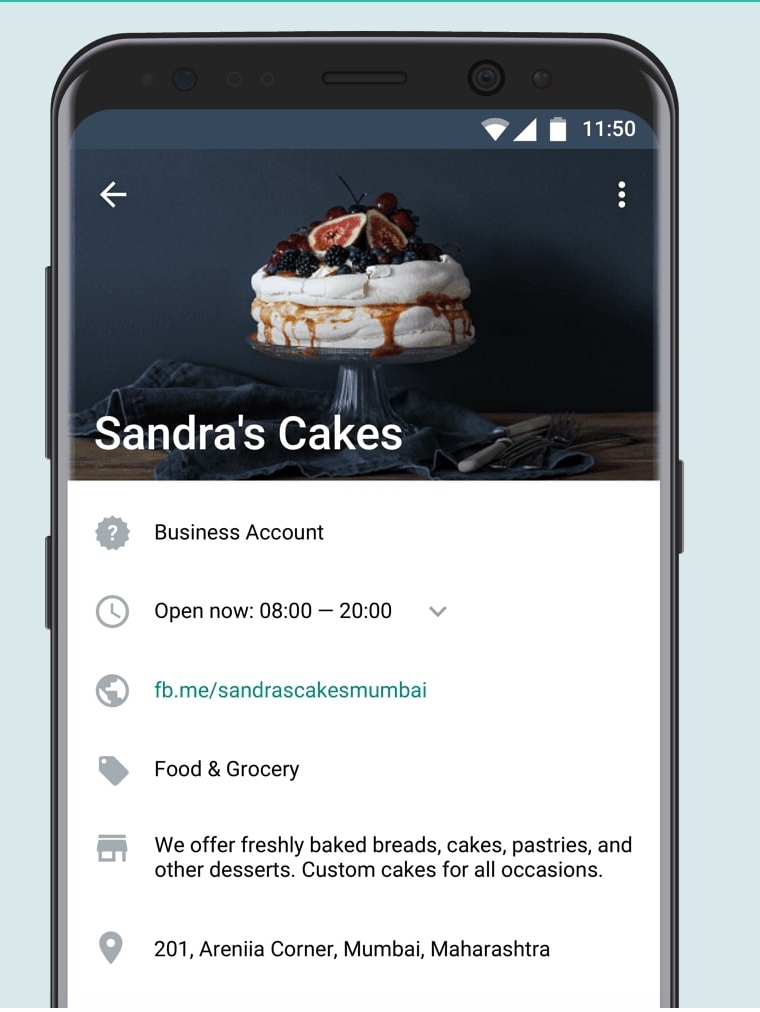
Create a business profile with helpful information for your customers, like your address, business description, email address, and website. Business accounts help brands to gain a user’s loyalty. A business profile gives the company a familiar “face” and identity. To have a “Verified” badge next to your company name, WhatsApp has to confirm that this is a verified business account.

Steps to add details about your business: Go to WhatsApp Business app – Open Settings > Business settings > Profile.

3.Quick Reply

These are frequent messages to answer common questions. Quick replies let you save and reuse messages you frequently send so you can easily answer common questions in no time. Simply press the “/” on your keyboard to select a quick reply and send.

3.Automatic Greeting Message

WhatsApp for business enables you to create a greeting message that users will receive when they start a dialog with your company or after 14 days of inactivity. By sending an instant message, you welcome and introduce a company to a new potential customer with no delays and waiting time.

Steps to set up a greeting message: Settings > Business settings > Greeting message. From here, you can create a new greeting message or edit an existing one.

4.Setting Away Message

Away messages are like greeting messages. They send a custom message to people who are trying to connect with the company after your working hours. You can write a custom message or send your working hours. You can set up for them to activate at the chosen time.

Steps to set up an away message: Settings > Business settings > Away message > “Activate away message                                     

You can also edit your away message from here and schedule when you want to send this message. You can choose from Always send, Custom schedule, or after your work hours

5.Label Contacts

Businesses can organize their contacts and categorize them with labels for easy access. This way, you can easily search through your contacts and keep them grouped and organized.

Steps to add a label to a new contact: Click the menu button on the client’s chat page > choose a label and then save.

Steps to add a new label: Click the menu button on the client’s chat page > click “ New label” > click save

6.Access Message Statistics

WhatsApp for Business lets you access vital metrics like how many of your messages were sent, delivered, and read.

Steps to access statistics: Tap the Menu button > Settings > Business Settings > Statistics

7.Catalogs and Collections

The other feature that will be beneficial for your business is Catalogs. They look like this:

Catalogue for bakery

For each item in your catalog, you can add information, including price, description, and product code. This is so much easier for your customers than having to ask you about each item separately or go from WhatsApp to the website.

In October 2021, WhatsApp added Collections to make shopping even easier. They will act as folders to group items inside a business account. Users can navigate to the category they’re looking for right away without scrolling through the whole product list.Once added, you’re free to modify the Collection just like items to keep the information up to date.

Pro Tip: think of collections as categories on ecommerce websites. “Last chance” or “Sale” could be as converting in WhatsApp as they are on the website. Using these on WhatsApp Business account means providing similar well-paved shopping experience.

@channa2021

Thank you for reading this blog i believe this is helpful to you

The Roots of STEM Talent of India

Credit: Dreamstime

Introduction

The Information Technology sector in India has built its reputation by providing cost-effective solutions and providing employment to millions of people in the process. However, the full-time research workforce in India was estimated to be just 2,00,000 in 2015 by UNESCO. Are we, as a nation, adequately promoting careers in Science, Technology, Engineering, and Mathematics (STEM) subjects, and are we even able to generate enough talent for our own demand? Are we losing some of our best minds to other countries because of a lack of support and opportunities?

What is STEM?

STEM, in full science, technology, engineering, and mathematics, field, and curriculum centered on education in the disciplines of science, technology, engineering, and mathematics (STEM). The STEM acronym was introduced in 2001 by scientific administrators at the U.S. National Science Foundation (NSF). The organization previously used the acronym SMET when referring to the career fields in those disciplines or a curriculum that integrated knowledge and skills from those fields. In 2001, however, American biologist Judith Ramaley, then assistant director of education and human resources at NSF, rearranged the words to form the STEM acronym.

Women in STEM

Under-representation of women and gender pay gaps are well-recognized global challenges in STEM sectors. While Indian Technology firms can still boast of a relatively better female-to-male ratio, according to UNESCO estimates, only 14 percent of the researchers in India are women. Even engineering colleges have skewed gender ratio in favor of male students, and according to a Kelly Global Workforce Insights (KGWI) survey, 81 percent of the women in STEM fields in India have perceived a gender bias during performance evaluation.  The annual ‘Girls in Tech’ MasterCard research indicates that while interest in STEM careers is increasing gradually, women are still less likely than men to pursue a STEM career and less likely to remain in the field for their entire career owing to male dominance in the fields. 

STEM Sector in India

The focus on building the scientific prowess of the masses, and bet on specialized educational institutions to do the same, institutions like the Indian Institute of Technology (IIT), Indian Institute of Science (IISc), and All India Institute of Medical Science (AIIMS) was founded and promoted to develop the country’s scientific and technical manpower, and in the process help the society and economy prosper. However, with time, these institutes have largely been reduced to stepping stones for a well-paying career. Especially in the last two decades, the relentless quest of students, and their parents, to ensure admission to such premier institutes has given rise to an astronomical coaching classes industry as well. A particular blow to STEM education came when the All India Council for Technical Education (AICTE) liberally allowed the setting up of engineering institutes across the country a few years ago. The move was undertaken in anticipation of a huge demand for engineering studies. However, this not only eroded the value conferred on an engineering degree but also compromised the quality of education and training provided on a fundamental level.

Making STEM a Priority

The first step towards fixing what’s broken is the identification and acknowledgment of the present challenges and understanding the context in which they arise. In other words, the government and the private education sector must make a genuine attempt at understanding their shortcomings, and reflect on why so few Indian institutes are recognized for quality STEM education and training. Establishing global partnerships with countries that have built sophisticated STEM expertise is critical to paving the way for knowledge exchange and skill development. While American and European universities are known for their focus on STEM education, countries in the networks of BRICS and ASEAN could also prove to be beneficial partners. This also needs to be backed by healthy funding to develop independent institutes that focus on research, pure sciences, and other derivatives of STEM subjects. The Indeed survey showed that job seekers in the age group of 21-25 were 12 percent more inclined towards jobs in STEM sectors than in others. Inculcating innovation and creativity in young minds and encouraging them to pursue dedicated courses right from the moment they stepped into the formal education system is essential. However, in the present system, STEM studies might simply be added as an additional layer to the existing curriculum and would increase pressure on students and teachers alike.

References

Copywriting Tips to Keep in Mind

An eye-catching copy is guaranteed to pull in customers for your brand or product. But possessing good creative writing skills is not just enough to create interesting copies. Here are a few useful tips to keep in mind when writing a copy:

Don’t Miss Out on Research:

Before you start your work, do not forget to read and find out as much as possible about the product, brand and target audience. Have a clear idea regarding the objectives of the company and the benefits they are offering the consumers. Who is your target audience and how would this product or service solve their problems? Gather information about the target audience demographics – their age, job title, income range and other general information. Create a profile of a typical user persona and use it to guide you in copywriting.

Bring in your Unique Style and Tone:

You want your copy to grab the attention of the audience and potential consumers. For this, your copy needs to have its distinct tone and style. Prior research on the audience and company also helps you decide on the tone of your copy. Brand personalities would have to be taken into account when writing the copy. This means the copy of a high-class premium brand like Titan would need to maintain the classy, refined style while brands like Zomato adopt a friendlier, humorous approach.

Focus on your UVP:

One of the most important things to highlight when advertising a product or service is its Unique Value Proposition (UVP) To get ahead of your competitors, you need to communicate to your audience exactly what sets you apart. This is the brand’s UVP. It should be included in the copy, explaining to the audience why they should choose your brand.

Keep it Concise and Short:

While including everything needed in the copy, make sure that it doesn’t get too wordy or lengthy. You need to get the message across as quickly as possible, so making it longer would only make your customers impatient and eventually lose interest. Having a short attention span also means you have to use simple, uncomplicated words which people would find easy to understand. Including unfamiliar words and jargon would simply irritate the readers. Too many adjectives and imperatives should also be avoided. Filling your copy with a lot of meaningless adjectives which would also require the audience to take extra effort to understand the meaning is not recommended.

Prove your Claims:

Providing proof for your claims with significant data can be useful in building credibility and trust in the brand. People tend to believe a familiar person or even a celebrity when they talk about how useful a product has been for them. These proofs could be presented in the form of customer testimonials, facts and statistics, case studies and success stories. But avoid making the testimonials appear too sweet and sugar-coated. Also, give specific numbers when presenting data and statistics.