LA COMMEDIA BY DANTE ALIGHIERI

The hottest places in hell are reserved for those who, in times of great moral crisis, maintain their neutrality. -DANTE ALIGHIERI

Italian poet, literary theorist, prose writer, philosopher, and political thinker Dante Alighieri was born in Florence, Italy. Best known for his poem la Commedia.

La Commedia (the divine comedy) is considered as one of the world literature’s greatest poems. The divine comedy is about the journey through the afterlife, it’s a very long poem of about 14,233 lines.

It took 10 years Dante to write this poem. Dante to write this poem.

The poem is divided into 3 sections (each section consisting of 33 verses); Inferno, Purgatorio, and Paradiso. In La Commedia, he recounts his journey through hell, purgatory, and paradise. Beatrice was the lover of Dante, who died too soon at the age of 25. Virgil (Roman poet) guides Dante through Inferno(hell) and Purgatorio(purgatory), while Beatrice guides him through Paradiso(heaven).

After that Dante comes face to face with God himself and the journey ends with true heroic and spiritual fulfillment.

The poem is written from Dante’s perspective and follows Dante’s journey through hell, purgatory, and final heaven. Dante the character in the poem is a fictional creation of Dante the poet. Dante’s journey through the afterlife was his spiritual journey.
GEORGE ELIOT

English Victorian novelist George Eliot was born in rural Warwickshire. Her real name was Mary Ann Evans. George Eliot was her pen name. When her mother died, she left school to help run her father’s household. When her father died in 1849, she moved to London to pursue a career in journalism.

In 1850 she published a review for the Westminster Review and later in 1851 she became assistant editor of the Westminster Review. while in London she met many well-known people, henry Lewis was one of them. She fell in love with henry Lewis, a drama critic and author. Later they both decided to live together, their relationship caused a scandal because Lewis was already married to Agnes Jervis. Lewis encouraged her to write.

She published her first collection of short stories in 1858. After one year Her book Adam Bede was published. But in 1878 Lewis died.  Later in 1880, she married John Walter cross who was a banker, but due to a throat infection, she died the same year.

Notable works

The Mill on the Floss (1860)

Silas Marner (1861)

Romola (1862–1863)

Middlemarch (1871–72)

Felix Holt (1866)

Daniel Deronda (1876)

Scenes of Clerical Life (1858)

Adam Bede (1859)

The Spanish Gypsy

JOHN KEATS

 John Keats was born on October 31, 1795, in London, was an English romantic poet. he published fifty-four novels. He was the oldest of four children. His father was a livery-stable keeper. When he died Keats was only eight years old. After six years his mother also died.

Keats was a licensed apothecary but he never practiced his profession. Keats published his first volume of poem( poems by John Keats), in 1817.  In the same year his Endymion, a four thousand line erotic romance novel got published.in

July 1820 he published his third volume of poetry (Lamia, Isabella, The Eve of st. Angnes, and other poems).

Keats is also famous for his letters, His famous letters include; To Charles Cowden Clarke, To George and Thomas Keats, To Charles Cowden Clarke“, ”To Benjamin Robert Haydon.

Bright star, would I were stedfast as thou art is one of his best poems, this poem written three year before his death.

Bright star, would I were stedfast as thou art—

Not in lone splendor hung aloft the night

And watching, with eternal lids apart,

Like nature’s patient, sleepless Eremite,

The moving waters at their priestlike task

Of pure ablution round earth’s human shores,

Or gazing on the new soft-fallen mask

Of snow upon the mountains and the moors—

No—yet still stedfast, still unchangeable,

Pillow’d upon my fair love’s ripening breast,

To feel for ever its soft fall and swell,

Awake for ever in a sweet unrest,

Still, still to hear her tender-taken breath,

And so live ever—or else swoon to death.

JAMES JOYCE’S MOST BEAUTIFUL QUOTES

James Joyce is one of the most influential writers of the twentieth century. He is known for his unique and complex writing.

1. Your battles inspired me-not the obvious battles but those that were fought and won behind your forehead.

2. I am tomorrow, or some future day, what I establish today. I am what I established yesterday or some previous day.

3. First we feel. Then we fall

4. One by one they were all becoming shades. Better pass boldly into that other world, in the full glory of some passion, than fade and wither dismally with age. 

5. Moments of their secret life together burst like stars upon his memory.

6. The object of the artist is the creation of the beautiful. What the beautiful is is another question.

7. There’s no friends like the old friends.

8. Whatever else is unsure in this stinking dunghill of a world a mother’s love is not.

9.  All things are inconstant except the faith in the soul, which changes all things and fills their inconstancy with light.

10. Absence, the highest form of presence.

JAMES JOYCE

James Joyce was born into a middle-class, catholic family on February 2, 1882, in Dublin, Ireland. He was the oldest of ten children who survived childhood.

After he completed his graduation in 1902, he went to Paris to study medicine, but he soon abandoned his study. He returns to Dublin when he received a telegram saying that his mother is deathly ill. After his mother’s died, he started teaching and writing book reviews.

 In 1904 he met Nora Barnacle, who later became his wife. His first published book was chamber music( a collection of poetry). It took him 10 years to write Dubliners(a short story collection book), which was published in 1914.

On his 40th birthday, his famous novel Ulysses was published. The book is famous for its use of the stream of consciousness technique.

Joyce’s final book, Finnegans Wake was published in 1939, and like his other novels, it’s also considered puzzling because the book is written in several languages at once. Innovative use of symbolism, attention to language, and the use of interior monologue make him a great writer.

Some of his major works include Dubliners, A Portrait of the Artist as a Young Man(It is a semi-autobiographical novel ), Exiles,(It is the only play by James Joyce, Ulysses, Finnegan’s Wake.

10 GREAT QUOTES BY JOHN KEATS

John Keats was an English Romantic poet.

1. Touch has a memory.

2.  A thing of beauty is a joy forever.

3. Nothing ever becomes real till it is experienced.

4. I have been astonished that men could die martyrs

 for their religion–

I have shuddered at it

I shudder no more.

I could be martyred for my religion.

 love is my religion and I could die for that.

I could die for you.

 My creed is love and you are its only tenet.

5. Imagination is a monastery, and I am a monk.

6. We read fine things but never feel them to the full until we have gone the same steps as the author.

7. Don’t be discouraged by failure. It can be a positive experience. Failure is, in a sense, the highway to success, in as much as every discovery of what is false leads us to seek earnestly after what is true, every fresh experience points out some form of error which we shall afterward carefully avoid.

8. Poetry should be great and unobtrusive, a thing which enters into one’s soul, and does not startle it or amaze it with itself, but with its subject.

9. Life is divine chaos. It’s messy, and it’s supposed to be that way.

10. Poetry should..should strike the reader as a wording of his own highest thought, and almost a remembrance.

PUBLIUS VERGILIUS MARO

“There are twin gates of sleep. one, theysay is called the gate of horn and it offers easy passage to all true shades. The other glistens with ivory, radiant, flawless, but through it the dead send false dreams up toward the sky. And here Anchises, his vision told in full, escorts his son and sibyl both and shows them out now through the ivory gate”.  -Virgilius

Publius Vergilius Maro was a roman poet, best known for his three major works- the Burcolics, the georgics, and the Aeneid. His first major work was eclogues, the poems in eclogues focus on the daily life of shepherd and shepherdesses. Eclogues is also called the Bucolics.

Virgil spent seven years writing the Georgics, it is considered one of his best poems. Aeneid is still regarded as a literary masterpiece, he spent eleven years working on Aeneid but he died before completing it. Aeneid is published two years after his death.

The gates of hell are open night and day;

Smooth the descent, and easy in the way;

But to return, and view the cheerful skies;

In this the task and mighty labor lies;

-Virgilus, the Aeneid

CHARLES DICKENS

British novelist, journalist, editor, and illustrator Charles dickens is best known for his classic novels such as Oliver twist, a Christmas carol, a tale of two cities, and great expectations.

He was one of the most influential writers of his time. Dickens was born on February 7, 1812, in England. His father was sent to prison for debt, at that time Charles was 12 years old, because of this he was forced to leave school and work in a boot polish factory. When his father pays off his debt, dickens was permitted to go back to school.

At fifteen he had to drop out of school to contribute to his family’s income. From 1830 he worked as a parliamentary and newspaper reporter, afterward, he began to write short stories .

Dickens first public story was “A Dinner at Poplar Walk”.in April 1836, he married Catherine Hogarth and in the same year dickens started publishing the posthumous papers of the Pickwick Club, from that point on there was no looking back for dickens.

On June 9, 1870, after suffering a stroke he died at his home. His main profession was a novelist, but he continued his journalistic work until the end of his life.

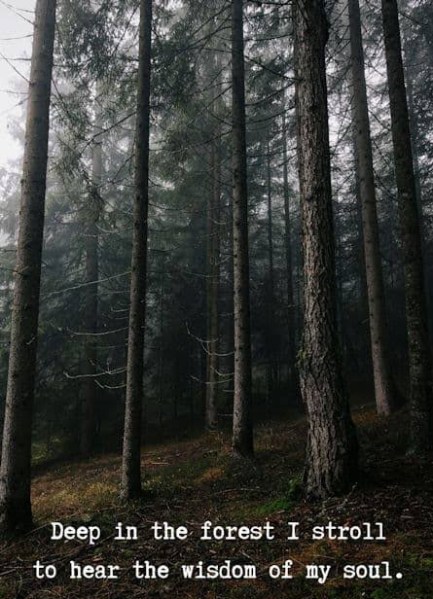
21/03 – Forest+Poetry

” I think that I shall never see A poem lovely as a tree “

Forest is of course the best poem ever. And what’s better than celebrating the beauty of both; the forests & the poems, on the same day. The starting lines of the blog & the March 21 , both relate the forests to the poetry. Yes, today is the day for the aesthetic, the day to celebrate beauty. Today is the international day of forest & also the world poetry day.

Let’s first talk about the history of the day.

The International Day of Forests (IDF) was proclaimed by The United Nations General Assembly on March 21st 2012.The Day celebrates and raises awareness of the importance of all types of forests.This day is an effort to attain the SDG 15. Each year , on this day, countries are encouraged to undertake efforts to organize activities involving forests and trees, such as tree planting campaigns. The theme for the year 2021 is “Forest  restoration : a path to recovery and well-being.”

During UNESCO’s 30th session which was held in Paris in 1999, the decision to proclaim March 21st as World Poetry Day was taken. The Day is celebrated to recognize ability of poetry to capture the creative spirit of the human mind.One of the main objectives of the Day is to support linguistic diversity through poetic expression and to offer endangered languages the opportunity to be heard within their communities. The day is celebrated to encourage every art form.

March 21st , is the day to celebrate the confluence of two beautiful arts, one by God & one by human.

Ps : For all those who’re in search of a poem, the forest could become the one. And for all those who’re in love with forests, poetry could express the feeling of pure love.🌿🌺💚✍️

Let Nature beam… Please Go Green..🌿🍃

🕊️ May the peace prevail on our Earth. May the hope abide in our Hearts. 🕊️

Happy Reading…🙂

Emily Dickinson

Emily Dickinson is considered as one of the greatest poets of all time. She was an American poet of the 19th century. Her full name is Emily Elizabeth Dickinson. She was born on December 10, 1830, in Amherst, Massachusetts. Emily’s younger brother Austin was an attorney and her younger sister’s name is Lavinia. She was not publicly recognized during her lifetime, her first public work was published posthumously in 1890 and the last in 1955.

Dickinson died in Amherst in 1886. After her death, her family discovered 40 handbound volumes of nearly 1,800 poems. 

Dickinson’s handwritten poems show a variety of dash-like marks of various size and directions, most of the poems has no tittle, only 10 of her almost 1800 poems were titled. She is best known for her use of slant rhyme, conceits, unconventional punctuation. Death is one of the main themes of her poems, she has also written about nature, faith, and love.

Dickenson breaks the accepted convention of using punctuation and rhyme in poetry. She is best known for her ability to describe abstract concepts with concrete images.

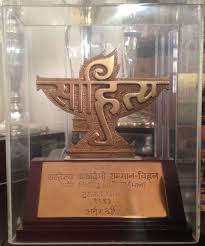
National literature award- Sahitya Akademi awards for 2020 announced

The prestigious Sahitya Akademi Award

The Sahitya Akademi has announced its annual Sahitya Akademi Awards and selected 20 creators, including senior Congress leader Sri M.Veerappa Moily and Hindi poet Ms. Anamika, for the Academy Award of the year 2020. The Sahitya Akademi Award is a literary honour in India, which the Sahitya Akademi, India’s National Academy of Letters, annually confers on writers of the most outstanding books of literary merit published in any of the 24 major Indian languages, i.e., English and the 22 listed languages.

Anamika is the first female poet to be nominated for the Sahitya Akademi Award for Hindi poetry. The names announced on this academy on Friday include seven poets, four novelists, five short-stories writers, two playwrights and one memoir and epic writer.

According to the academy, the awards in 20 Indian languages ​​have been declared, while the names of those in Malayalam, Nepali, Oriya and Rajasthani languages ​​will be announced later. Moily is being awarded for the Kannada epic “Sri Bahubali Ahimsadigvijayam”, while Ms.Arundhati Subramaniam is given the Academy Award for the English poetry “When God Is a Traveller”.

Ms.Anamika to be honored for ”Tokri mein Digant” in her Hindi poetry collection “Their Gatha-2014”.
Other honored authors include Sri Harish Meenashru in Gujarati, Sri R.S. Bhaskar in Konkani, Sri Irungbam Deven in Manipuri, Sri Roopchand Hansdah in Santhali, Sri Maheshchandra Sharma Gautam in Sanskrit and Sri Nikhileshwar in Telugu. For novels Nanda Khare in Marathi, Imaiyam in Tamil and Hussain-ul-Haq in Urdu are included.

The short story will be awarded to Sri Apurba Kumar Saikia in Assamese, late Sri Dharanidhar Owari in Bodo, late Hirday Koul Bharti in Kashmiri, Sri Kamalkant Jha in Maithili and Sri Gurdev Singh Rupana in Punjabi. Sri Gian Singh in Dogri and Sri Jetho Lalwani in Sindhi for his plays, while Bengali writer Sankar (Manishankar Mukhopadhyay) has been chosen for the memoir. All these will be honored with a cash of one lakh rupees, a shawl with a copper-plaque. The date for the ceremony of honor has not been set yet. 21 child authors and 18 teen authors were nominated for Baal sahitya and Yuva Sahitya Akademi awards respectively.

Indian Art Style

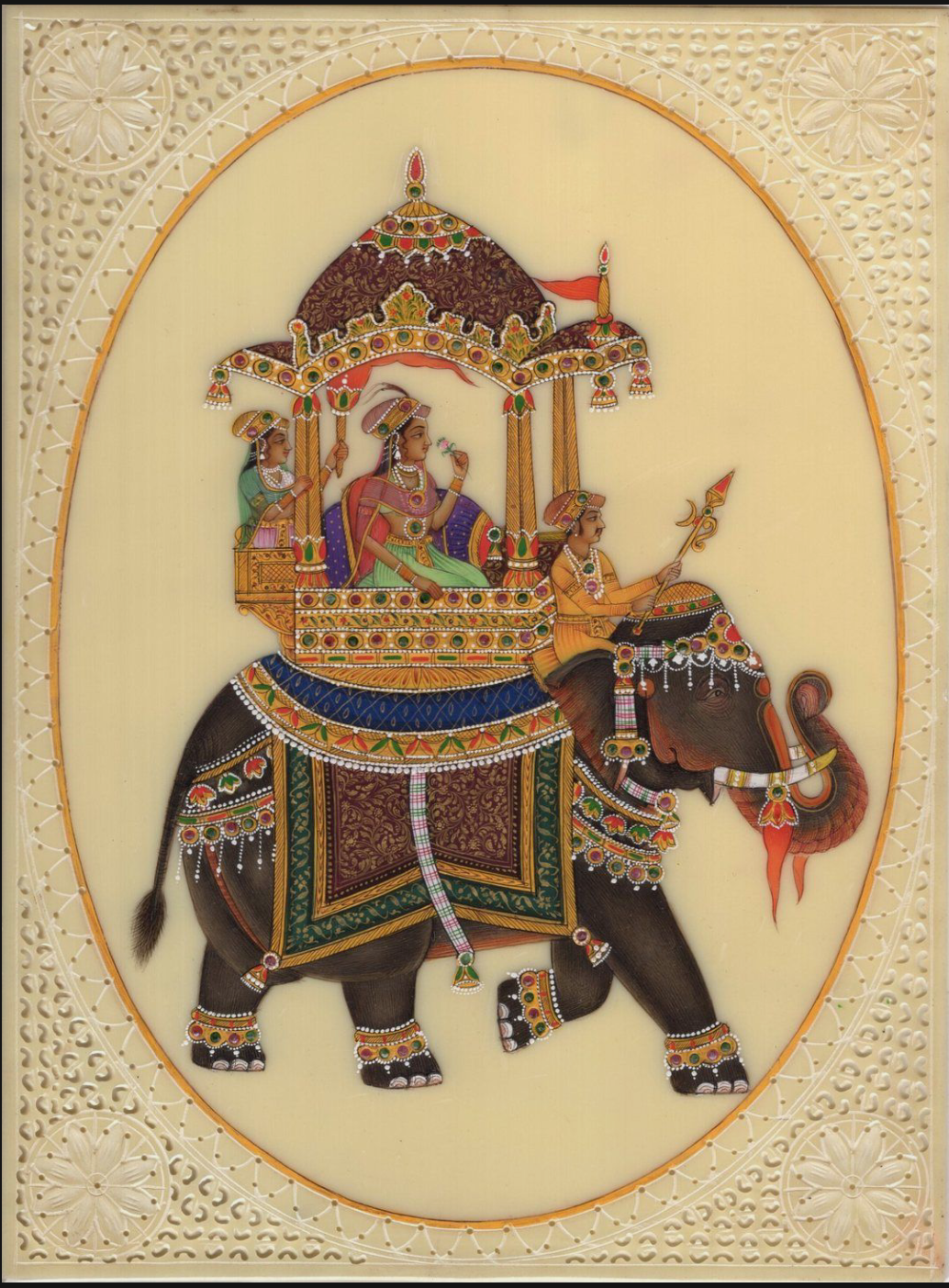
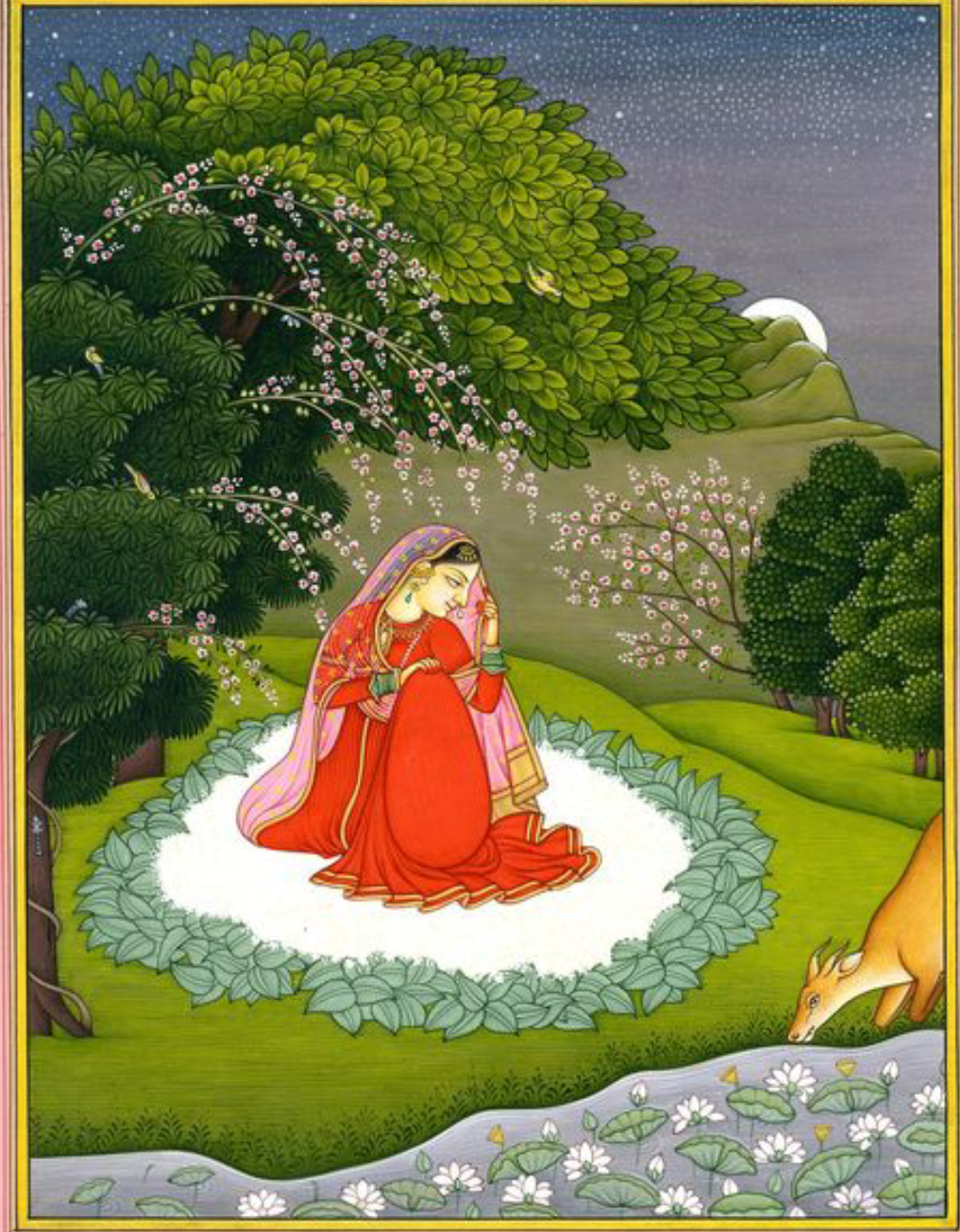
• Rajasthani miniature art

Rajasthan is one of the pioneer seats of miniature painting in India. Rajput painting, also known as Rajasthani painting, is a style of Indian painting evolved and flourished in the royal courts of Rajputana, India. Each Rajput kingdom evolved a distinct style but with certain common features. Rajput paintings depict a number of themes, events of epics like the Ramayana and the Mahabharata, Krishna’s life, beautiful landscapes and humans.

Miniatures in manuscripts or single sheets to be kept in albums were the preferred medium of Rajput painting but many paintings were done on the walls of palaces, inner chambers of the forts, havelis, particularly the havelis of Shekhawati, the forts and palaces built by Shekhawat Rajputs. The colours were extracted from certain minerals, plant sources and conch shells and were even derived by processing precious stones. Gold and silver were also used. The preparation of desired colours was a lengthy process, sometimes taking weeks. The brushes used were very fine.

• Pattachitra

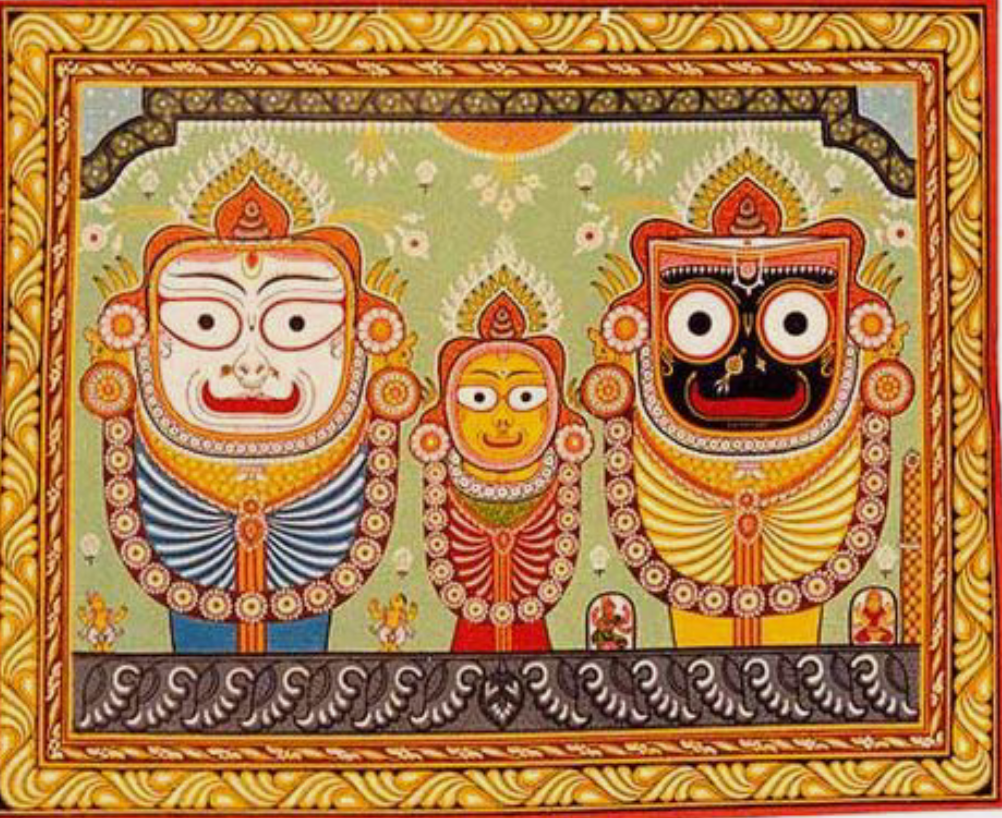
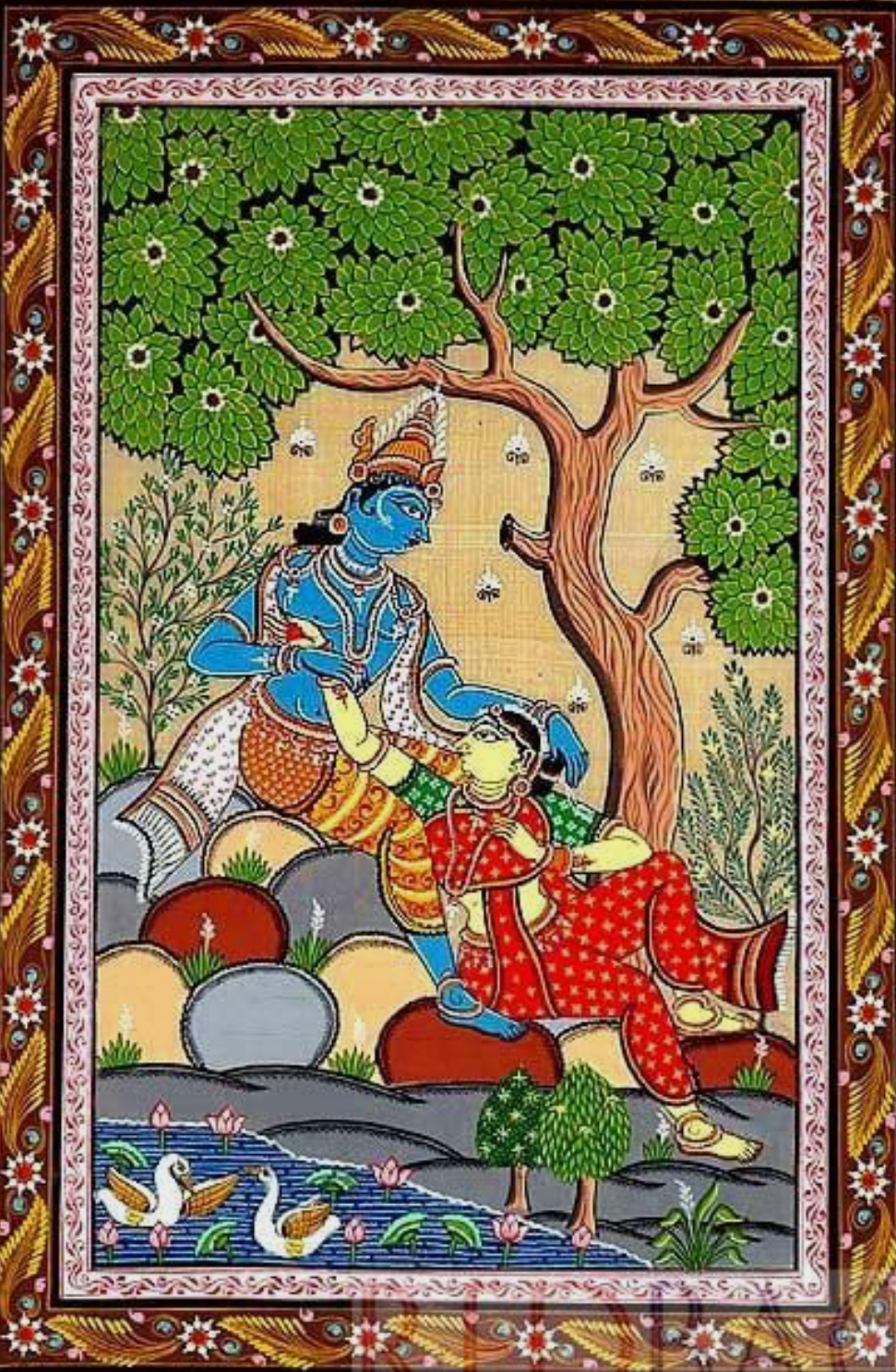
‘Pattachitra’ is a general term for traditional, cloth based scroll painting based in the eastern Indian state of Odisha. In the Sanskrit language, ‘patta’ literally means ‘cloth’ and ‘chitra’ means ‘ picture’. The pattachitra style of painting is one of the oldest and most popular art forms of Odisha.

All colours used in the paintings are natural and the paintings are made fully in the old traditional way by chitrakaras who are Oriya painters. Pattachitra is manifested by a rich colourful application, creative motifs and designs and portrayal of simple themes mostly mythological in depiction. The traditions of pattachitra paintings are more than a 1000 years old. Pattachitra paintings resemble the old murals of Odisha, especially those from the religious centres of Puri, Konark and Bhubaneswar regions, dating back to the 5th century BC. The best works are found in and around Puri, especially in the village of Raghurajpur. The theme of Oriya painting centers round the Jagannath cult and the Vaishnava cult. Since the beginning of pattachitra culture, Lord Jagannath, who is an incarnation of Lord Krishna, has been the major source of inspiration. In the 16th century, with the emergence of the Bhakti movement, the paintings of Radha and Krishna were painted in vibrant shades of orange, red and yellow. There are typical scenes and figures like Krishna, Gopi’s, elephants, trees and other creatures portrayed in these paintings. Krishna is always painted in blue and Gopis in light pink, purple or brown.

Thank you for reading. Have a nice day!🌼

Anniversaries (as of 2020)

•75th anniversary of end of World War 2 (1st September 1939 – 2nd September 1945 )

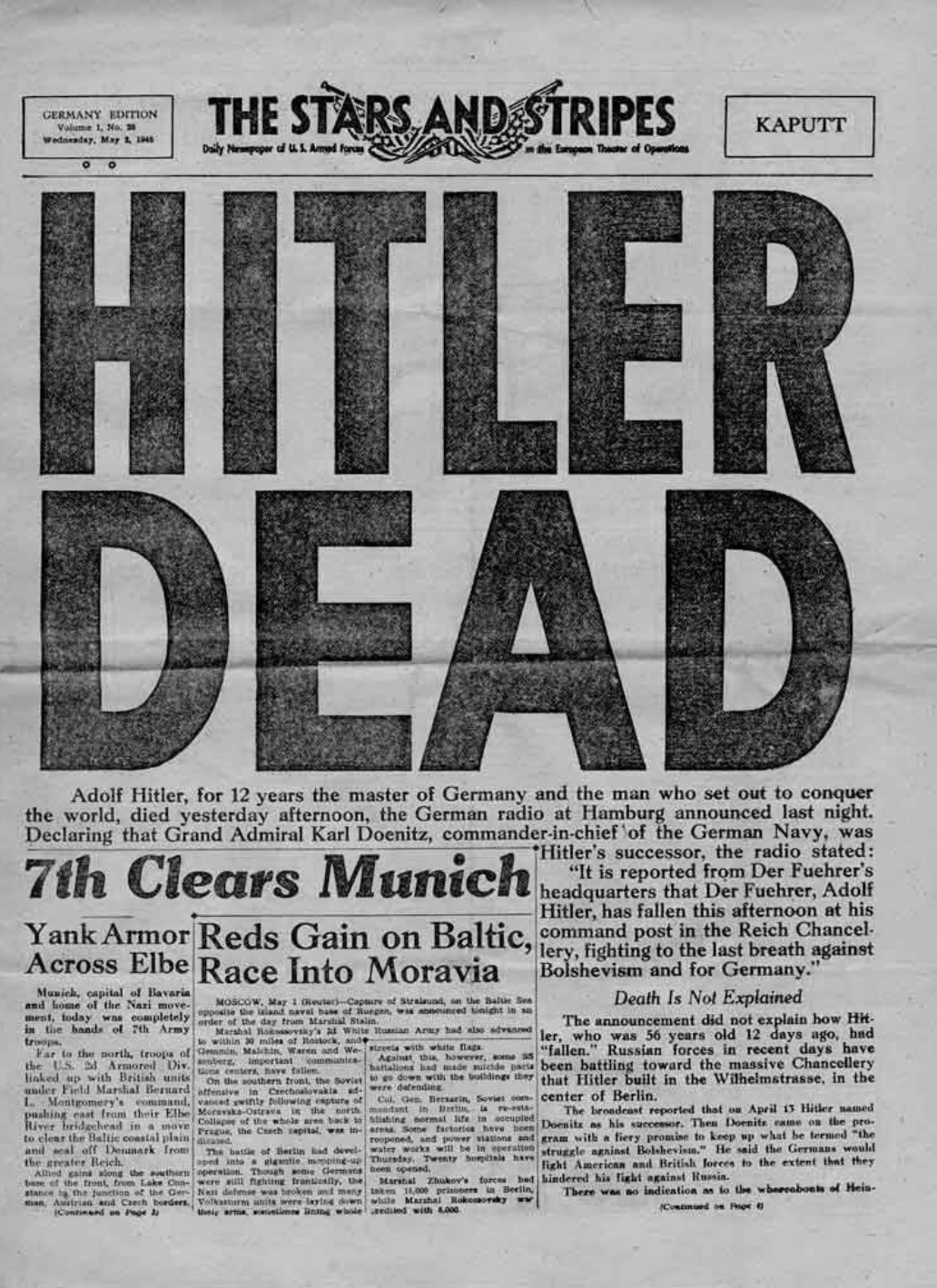
It involved vast majority of the world’s countries forming two different military forces – the Allies and the Axis. The Allied won causing the fall of Nazi Germany and also death of Hitler. It was the deadliest war in world history.

•100th birth anniversary of Isaac Asimov

Isaac Asimov was an American author and a professor of biochemistry at Boston University. Born on 2nd January, 1920 in Petrovichi, Russia. He was well known globally for his science fiction works including ‘I, Robot’, ‘Caves of steel’, ‘End of eternity’ etc. Some of his stories have been made into movies.

• 200th birth anniversary of Anne Bronte

Anne Bronte was an English novelist and poet and the youngest of the famous Bronte sisters. She was born on 17th January, 1820 in Thornton, UK. Some of her works include ‘The tenant of Wildfell hall’ and ‘Agnes Grey’.

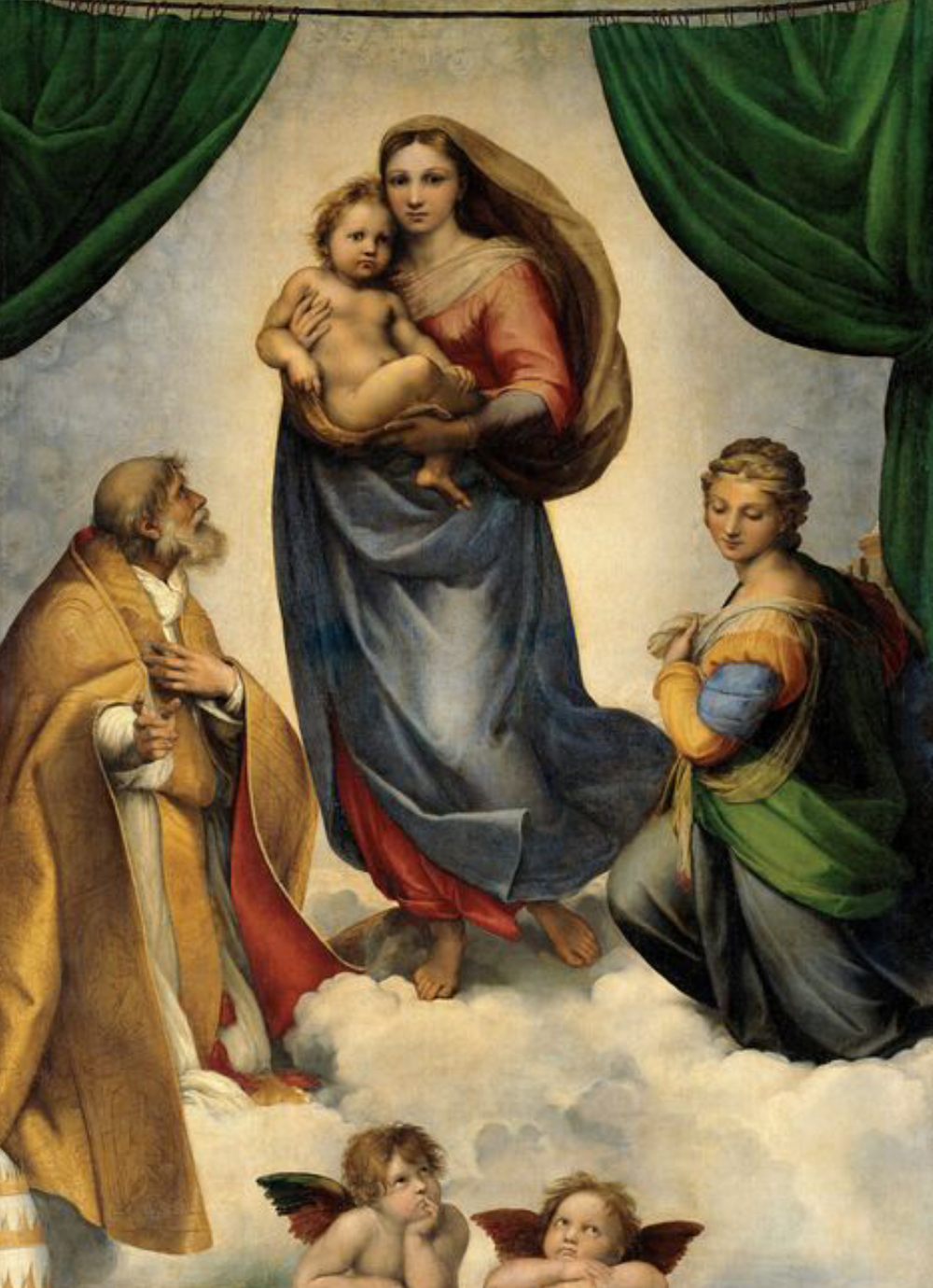
•500th death anniversary of Italian artist Raphael

One of the Renaissance period painters, Raffaello Sanzio da Urbino was born on 6th April, 1483 and died on 6th April, 1520. St. Peter’s Basilica is one of his works. His notable artworks include ‘The school of Athens’, ‘The Sistine Madonna’ , ‘The marriage of the virgin’ etc.

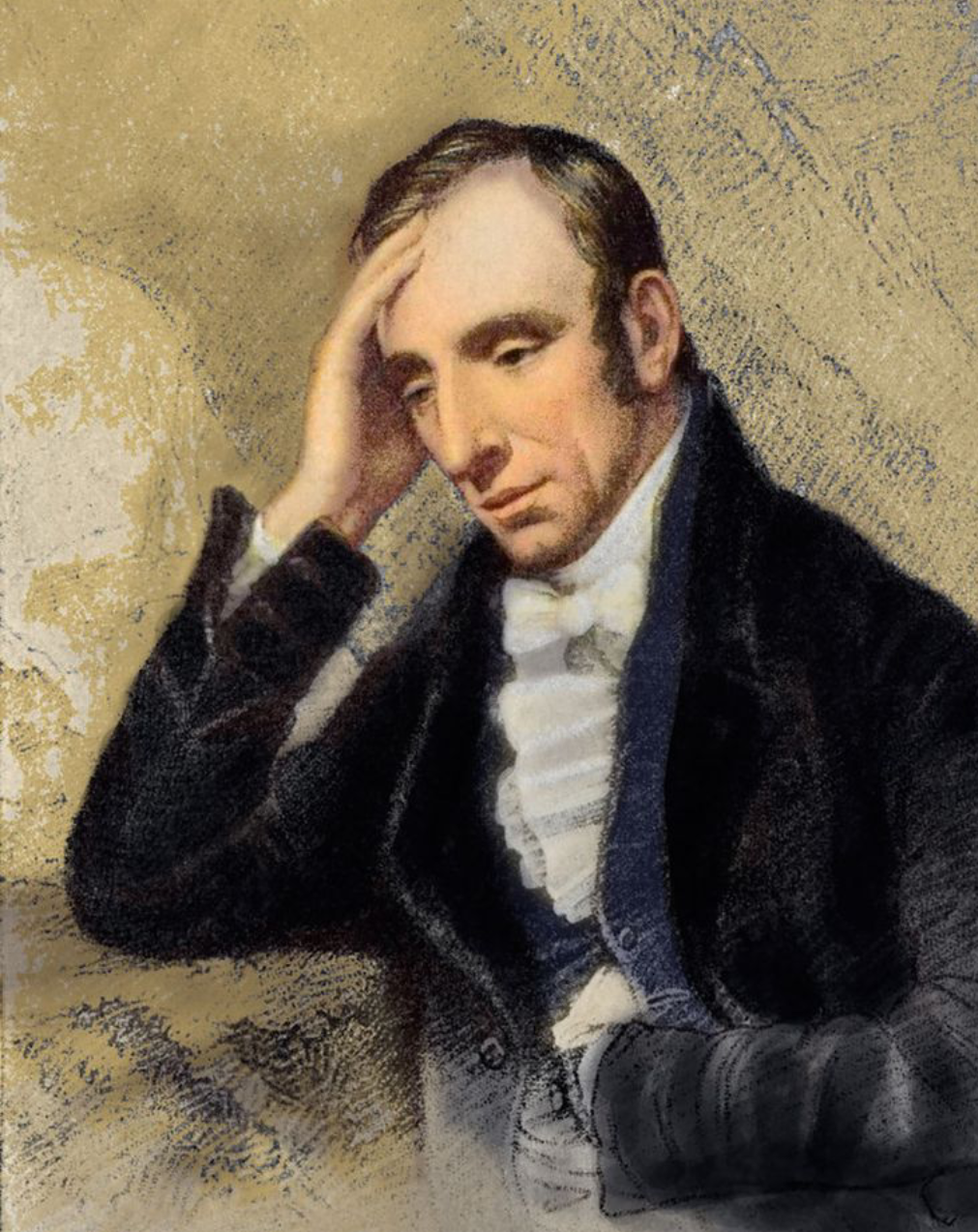
•250th birth William Wordsworth

The very famous poem, ‘I wandered lonely as a cloud’ poet William Wordsworth was born on 7th April, 1770 in Cockermouth, UK. He was an English Romantic poet.

•200th birth Florence nightingale

The English social reformer, statistician and the founder of modern nursing was born on 12th May, 1820 in Florence, Italy. She worked hard and determined as a nurse and earned the title ‘Lady with the Lamp’.

•150th death anniversary Charles Dickens

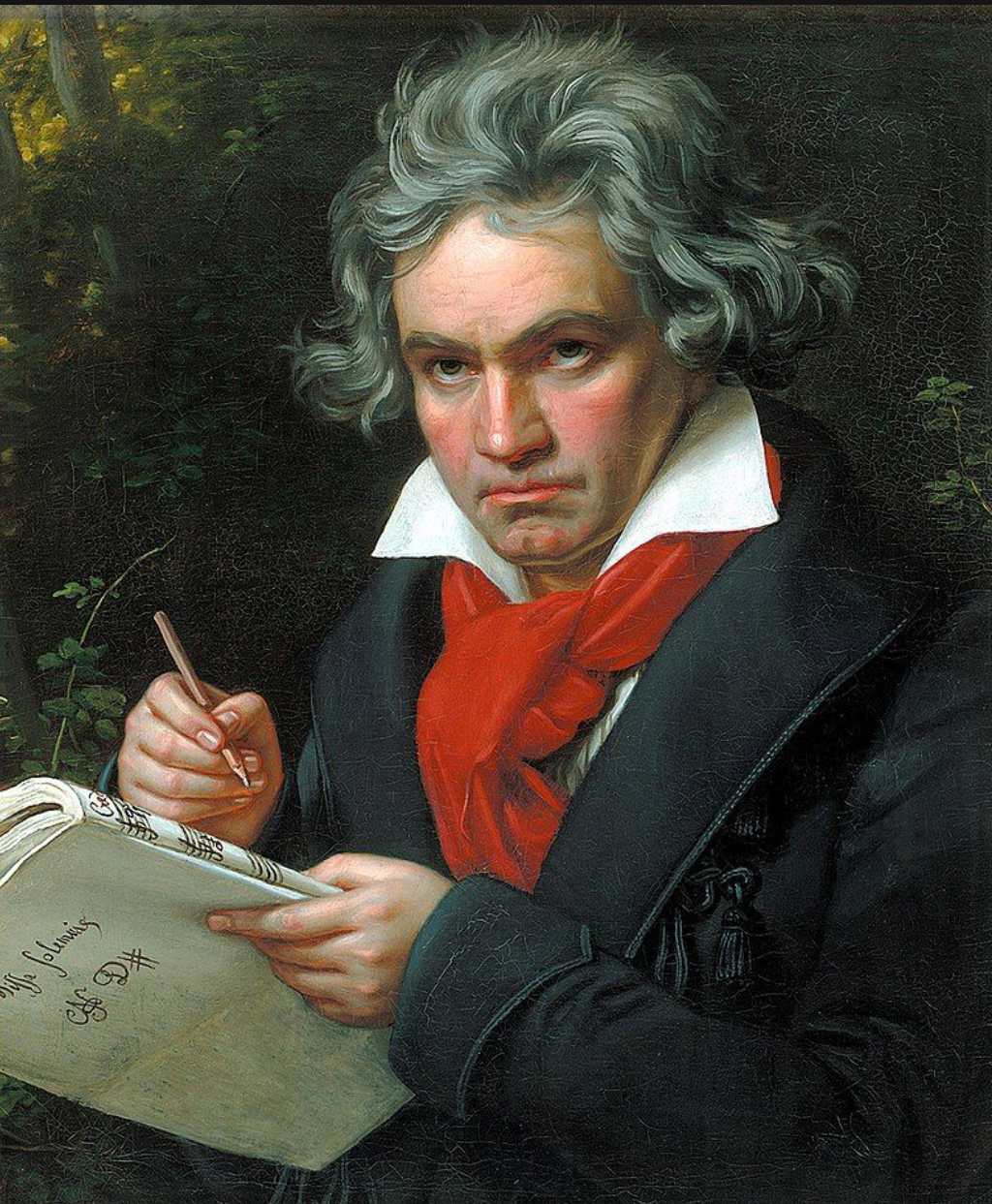
•250th birth anniversary of Ludwig van Beethoven

He was a German composer and pianist whose music ranks amongst the most performed classical music. Till date he remains the most admired composers in the history of western music. He was born in December 1770, Bonn, Germany.

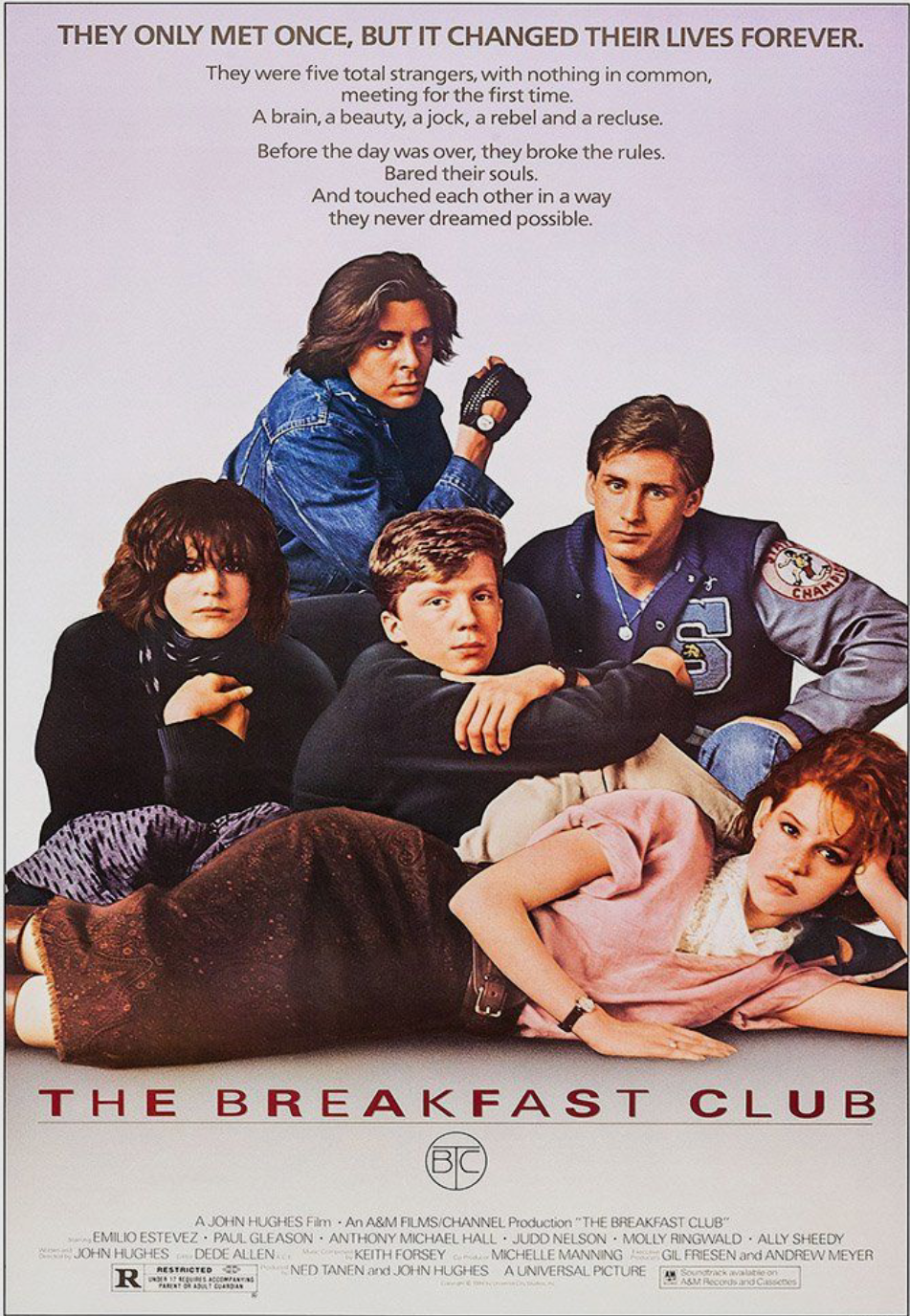
•Breakfast club is 35 now.

1985 The 1985 comedy and drama movie that has been a teenagers must watch since it’s release in 1985.

Thank you for reading. Have a nice day!🌼

‘SHALL I COMPARE THEE TO A SUMMER’S DAY’

“Sonnet 18” or “Shall I compare thee to a summer’s day” is one of the most acclaimed of all 154 sonnets written is written by English poet and playwright William Shakespeare. The poem was likely written in the 1590s, though it was not published until 1609. Like many of Shakespeare’s sonnets, the poem grapples with the nature of beauty and with the capability of verse to express that beauty. Praising his friend (considered to be a young man), the poem essays several clichéd metaphors and similes. The young man’s beauty can be best expressed by comparing him to the poem itself.

Shakespeare’s Sonnets are usually spectacular, sometimes unsettling, and sometimes ambiguous in their meanings. As sonnets, their central theme is ‘love’, but they also exhibit upon change, time, passion, loss, betrayal, and the unsettled gap in fantasy and fact when it comes to the person you admire. These are verses composed to remember the poet’s friend for eternity. In the memorable lines of Sonnet 18 Shakespeare implies that his poem bestows immortality: “So long as men can breathe or eyes can see, / So long lives this, and this gives life to thee.” The writer commences the appreciation of his dear friend without pretence, then he gradually creates the image of his friend into that of an ideal being. His friend is first compared to summer in the octave, but, in the line “But thy eternal summer shall not fade”, he is summer, and thus, he has transformed into the pattern by which real beauty can be judged.

The poet’s response to such great happiness and beauty is to assure that his companion is eternally in human recollection, kept from the emptiness that follows death. He comprehends that the individual human body cannot survive the passage of time and that it will ultimately wither away. As an outcome of the manner of aging, this body will die, for humankind is transient. It is said that to be born is to die. Thus, nobody can avoid death. But, the death of a person does not imply the end of the human race. Man, as a species will live on. Moreover, because of that, their creation will likewise endure. The poet understands that there is just one way to become eternal, and that is through the creation of timeless artwork. He is certain that his verse will be known and possessed in high appreciation for several generations. That is why the people of whom he expresses in his poetry will also prevail. In this way, upcoming readers of his verse will get to know that there was once a wonderful person who was the poet’s muse and inspiration. He achieves this through his verse, believing that, as history writes itself, his friend will become one with time. When the poet and his companion are no more, their fair image will be kept alive through the power of verse. Therefore, the beauty may not sustain, but the appreciation of that beauty in the poet’s expressions will live on.

Paradox…

A logically self contradicting statement is a paradox. Also known as antinomy. You can say it is a sentence that runs contrary to one’s expectations. Actually it’s just a smart mess. It does have valid reasoning but leads to a self contradictory or a logically unacceptable conclusion. It might seem absurd but is kind of the ultimate truth. That’s what makes it all the more interesting.

Let’s see some of the many interesting paradoxes that exist and try to understand them.

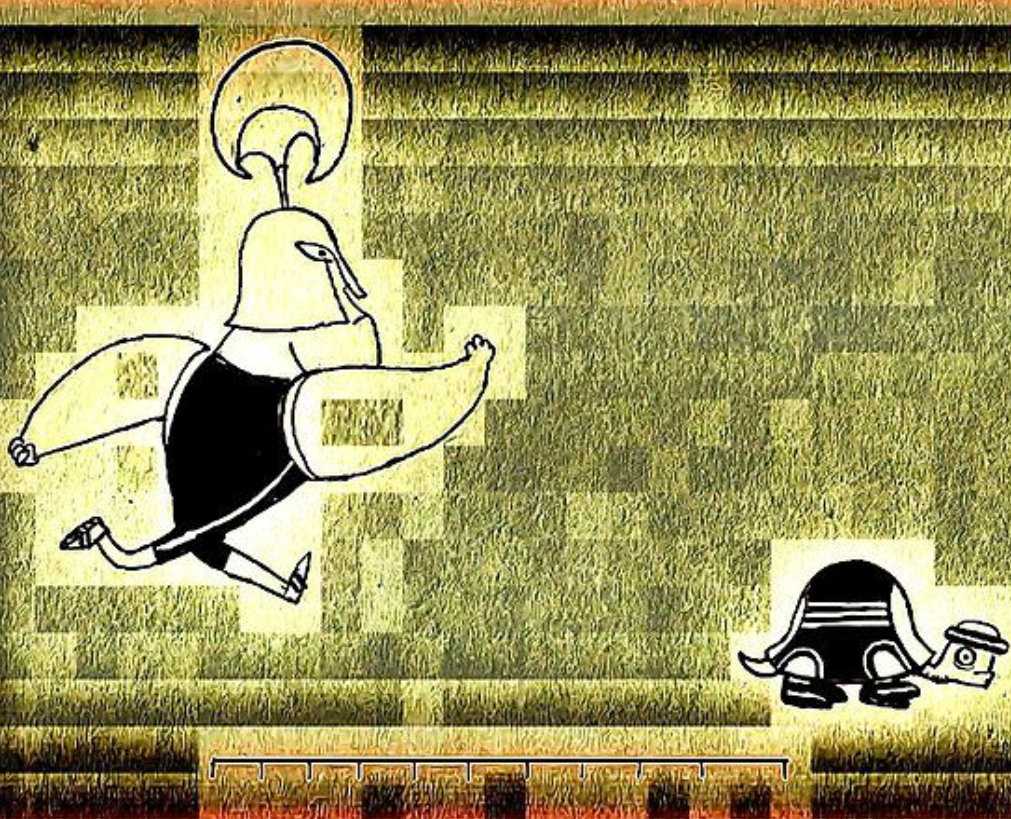
•Achilles and the tortoise 🐢🏃

One of the “greatest” there is. It was put forward by the Greek philosopher Zeno of Elea in the 5th century BC. It so happens that the great hero Achilles challenges a tortoise to a footrace. Being the hero that he is, he allows the tortoise a headstart of 500m. No doubt, when the race starts, Achilles is at a must faster speed than the tortoise such that by the time he has reached the 500m mark, the tortoise has only walked 50m further than him. When he has reached 555m mark, the tortoise has walked another 0.5m, then 0.25m, then 0.125 m and so on. It is a chain of such infinite small distances with the tortoise always moving forwards while Achilles always has to catch up. Now, logically, Achilles can never overtake the tortoise. Except, of course, intuitively he can overtake.

Don’t think of it in terms of distances and races but rather as an example of how finite value can always be divided an infinite number of times, no matter how small its divisions might become!

•Birthday paradox 🎉🎂

This is personal favourite. It is maths based by the way. Probability to be specific. You have already heard of this probably. It goes like this that in a group of 23 randomly selected people there is a 50% chance two of their birthdays match. Interesting? Wait. In a group of 367 random people there is a 100% possibility atleast two of their birthdays match. Sounds like such a small number. It counts as a paradox because we can’t handle such numbers.

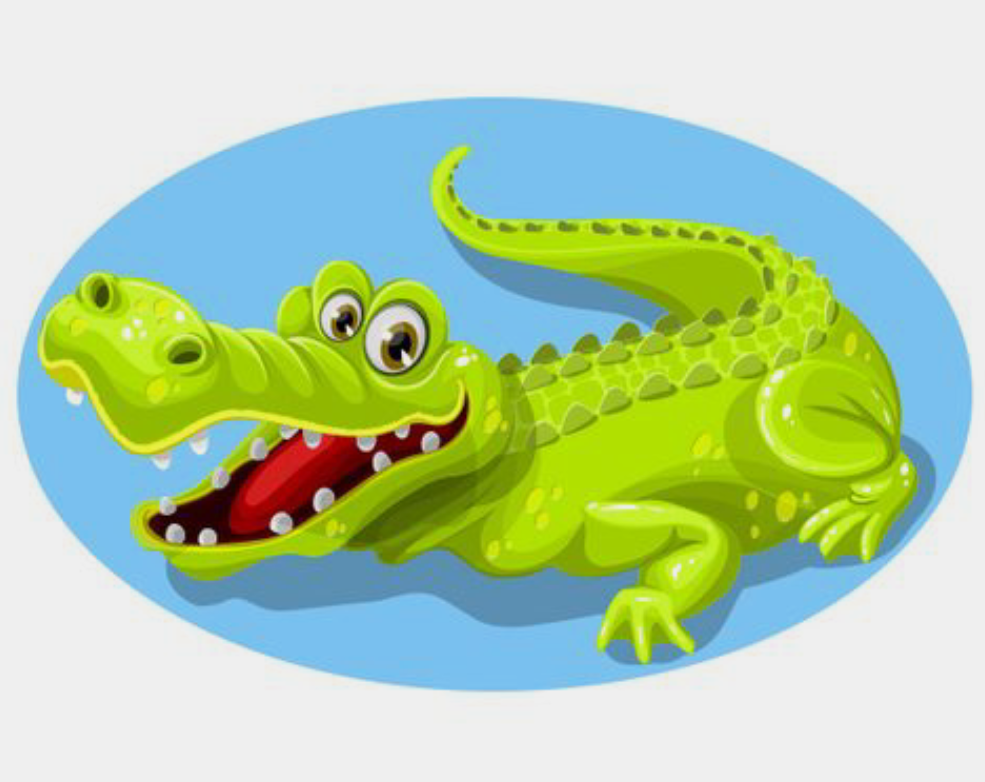
•Crocodile paradox 🐊

A crocodile snatches a young boy from the riverbank. Pretty common situation right? Anyways, his mother pleads with the crocodile to return the boy. The crocodile being in a fun mood, wants the mother to guess if he will return the boy or not. Takes one guess to get the boy out safely. It looks simple – the mother guesses he will return the boy, if she is right she gets the boy, if she is wrong, the crocodile gets the boy. If she answers that the crocodile will not return him, however, we end up with a paradox!

If she is right and the crocodile never intended to return her child, then the crocodile has to return him but in doing so breaks his word and contradicts the mother’s answer. And if she is indeed wrong and the crocodile did intended to return the boy, the crocodile must then keep him even though he intended not to, thereby also breaking his word. It’s a brain twisting dilemma.

•Paradox of fiction 🎟️📕

Are you fixated with the harry potter characters? You ofcourse have a crush on the Marvel or DC comic characters. Oh or did you cry when Augustus died?

So here is the paradox. Point 1 People have emotional responses to characters, objects, events etc. which are fictitious. Point 2 In order to be emotionally moved, we must believe that these characters or events by no way exists in real. Point 3 No person who takes characters to be fictional at the same time believes that they are real. All three of these points one at a time can be true. If any two points are considered to be true then the third must be false or else produce a contradiction. There exist various proposed solutions to this paradox such as pretend theory or thought theory or illusion theory.

•The card paradox 🃏

This one is a little bit similar to the crocodile paradox. A little. So I say we have a card with us. On one side, the front side, “the sentence on the other side of this card is TRUE” written on it. You flip and “the sentence on the other side of this card is FALSE”. You take one as true and it leads to a paradox!

Thank you for reading. Have a nice day!🌼