Sengol

On December 10,2020 when PM Narendra Modi laid the foundation stone of the new parliament building, the deadline for the completion of the project was October 2022 which was shifted to March, 2023. The March deadline was also not met, but everybody knows that the project is near completion, and the inauguration date could be announced any time and as per expectations 28 May is decided as the date for the inauguration of the new Parliament.

It was not surprising that as soon as the announcement was made, many opposition parties started firing allegation towards government. What came as a surprise for many of us was the pacing of ‘Sengol’ in the new parliament building. Many questions hits in mind one by one. What is Sengol? Where was it all the time? Who made it? What does it signify? Where will it be placed? Don’t worry. Your mind will be free from question related to Sengol after reading this write up as it contains answers to all your question.

The historic ‘Sengol’ that is going to be installed in the new parliament building was received by the first PM of India Jawaharlal Nehru from the then Viceroy of India Lord Mountbatten on 14 August 1947 at around 10:45 PM at his residence in the presence of many other prominent leaders of the time. PM Nehru received this as the symbol of the transfer of power from British at his residence. When the decision of the independence of India was final, Lord Mountbatten was sent as the viceroy to complete the process of independence without hinderance. Mountbatten being unaware of rituals and customs of Indian culture he asked PM Nehru about the special ceremony to be organized for the transfer of power. Nehru discussed this with C. Rajagopalachari fondly known as Rajaji, and after extensive research of Indian culture Rajaji told Pandit Nehru about the tradition of transfer of power during Chola dynasty and how ‘Sengol’ was used to mark this.

The Sengol gets its name from the Tamil word ‘semmai’, meaning righteousness. The sceptre is a historical symbol of Independence as it signifies the transfer of power from the British to the Indians. “The Sengol signifies justice, integrity and unfailing good governance of the king who holds it,” said Mani Maran, a Tamil Pandit at Saraswathi Mahal Library in Thanjavur in an interview given to Times of India on Wednesday. “Tamil emperors like Cholas were usually holding a sceptre in their hands. After crowning the new king, his predecessor or the rajaguru handed over the sceptre during the ceremonial occasion. Thiruvalluvar mentions the sceptre while referring to the rule of law. Sangam works like the Silapathikaram mentions the superiority and importance of the sceptre,” he added. Union Home Minister Amit Shah addressing a press conference on Wednesday said, “The ‘sengol’ represents values of fair and equitable governance.”
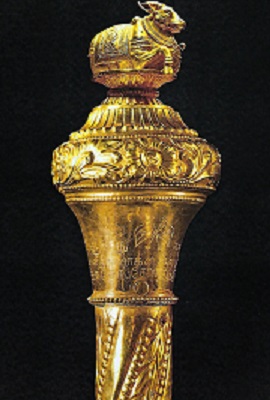
The responsibility of arranging a sceptre was handed to Rajaji by Pandit Nehru. Rajaji reached out to Thiruvaduthurai Atheenam, a well-known mutt in Tamil Nadu’s Tanjore district for assistance and its leader commissioned the manufacturing of the Sengol to Chennai-based “Vummidi Bangaru Chetty” jewelers, as per the official document. It was crafted by two men namely, Vummidi Ethirajulu and Vummidi Sudhakar. It is made of silver with a coat of gold. The sceptre is five feet tall and has a ‘Nandi’ bull on top, symbolizing justice and goddess Laxmi is inscribed on it. It was made in 30 days. According to the official documents, the sceptre was handed to Lord Mountbatten by the Deputy high priest of the Adheenam and was taken back. It was then taken to Pandit Nehru’s house in procession and handed over to him. A special song was rendered, as specified by the high priest. The ceremonial sceptre was kept at the Allahabad Museum, along with several other historical objects associated with Jawaharlal Nehru, as part of the Nehru Gallery of the museum.

Now the Sengol has been moved to Delhi and would be placed near the Lok Sabha speaker’s chair in the new parliament building. Citing resources India Today reported that the Sengol will be ceremoniously transported to the House in a grand procession. The occasion is likely to be steeped in Tamil tradition. The Nadaswaram, would lead the procession with a group of musicians will be playing Tamil Nadu’s traditional instrument. Modi is expected to walk along with the procession. “Adheenams,” or priests from Shaivite mutts in Tamil Nadu, will be present in the Lok Sabha’s Well. The priests will sanctify the Sengol with holy water after Modi greets them at the well, India Today added. The “Oduvars,” or Tamil temple singers, will lyrically recite the “Kolaru Padhigam” in the background as the Nadaswaram musicians enchant with their soulful music. The Sengol will be presented to the prime minister after this revered ceremony and placed in a glass case next to the Speaker’s seat in the House.

After decades of anonymity, this holy sceptre will quadruple the magnificence of new parliament building. and always remind us of the hardship that our forefathers had while fighting for independence and will motivate us to defend this independence.

General Science

General science is a field of study that encompasses a wide range of scientific disciplines, including biology, chemistry, physics, and earth sciences. It is the foundation upon which many scientific discoveries and advancements are made. In this article, we will explore some of the key concepts and branches of general science.

Biology:
Biology is the study of living organisms and their interactions with each other and the environment. It covers a wide range of topics, from the structure and function of cells to the behavior and ecology of entire ecosystems. Biology plays a crucial role in many areas of our lives, including medicine, agriculture, and environmental management.

Chemistry:
Chemistry is the study of matter and its properties. It covers topics such as the structure of atoms and molecules, chemical reactions, and the properties of different elements and compounds. Chemistry is a key discipline in many fields, including materials science, medicine, and engineering.

Physics:
Physics is the study of matter and energy and their interactions with each other. It covers topics such as mechanics, thermodynamics, electromagnetism, and quantum mechanics. Physics is essential to many areas of modern technology, including telecommunications, electronics, and aerospace.

Earth Sciences:
Earth sciences cover a wide range of topics related to the planet we live on, including geology, meteorology, and oceanography. These fields of study help us understand the physical processes that shape the earth’s surface and climate. They are also important in managing natural resources, predicting and mitigating natural disasters, and understanding the impact of human activity on the environment.

Scientific Method:
The scientific method is a systematic approach to scientific inquiry. It involves observing phenomena, formulating hypotheses, testing those hypotheses through experiments, and drawing conclusions based on the results. The scientific method is a key tool for scientists in all fields, allowing them to gather reliable data and draw meaningful conclusions.

Scientific Discoveries:
Science has led to many important discoveries throughout history. Some of the most notable include the discovery of penicillin, the development of the theory of evolution, and the discovery of the structure of DNA. These discoveries have had far-reaching impacts on our understanding of the world and have led to many important advancements in medicine, agriculture, and technology.

Science Education:
Science education is crucial in developing scientific literacy and promoting scientific thinking. It helps individuals understand the natural world and the scientific principles that govern it. Science education is also essential in preparing individuals for careers in science, technology, engineering, and mathematics (STEM) fields.

Conclusion:
In conclusion, general science is a vast field that encompasses many different scientific disciplines. It is the foundation upon which many scientific advancements are made, and it plays a crucial role in our lives. Through the scientific method, scientists are able to make important discoveries and advancements that help us understand the world around us. Science education is also critical in developing scientific literacy and promoting scientific thinking, which is essential in preparing individuals for careers in STEM fields.

By:- Baibhav Raj Maharana

Ramsar Site

Recently, there has been addition of 5 more Indian sites in Ramsar list i.e. three from Tamil Nadu, one from Mizoram and one from Madhya Pradesh. Including these 5 recently added now makes the total of 54 such sites from the country.

Three wetlands in Tamil Nadu — Karikili Bird Sanctuary, Pallikaranai Marsh Reserve Forest and Pichavaram Mangrove ,Pala wetland in Mizoram and Sakhya Sagar in Madhya Pradesh are newly added to Ramsar list.

So, let’s know what is Ramsar site and it’s importance

Ramsar site is the wetland of international importance designated under the Ramsar Convention on Wetlands. These are unique rare wetlands and are rich in biolgical heritage and diversity.

The Ramsar Convention is an international treaty for the conservation and wise use of wetlands. It is named after the Iranian city of Ramsar, on the Caspian Sea, where the treaty was signed on February 2, 1971.

The aim is to develop and maintain an international network of wetlands which are important for the conservation of global biological diversity and for sustaining human life through the maintenance of their ecosystem components.

Wetlands play a crucial role in maintaining many natural cycles and supporting a wide range of biodiversity. They also purify and replenish the water. They serve as a natural sponge against flooding and drought, protect our coastlines and fight climate change.

Through Ramsar Convention we aim to save our wetlands and to conserve them and bring it to wise use efficiently.

History of India & Indian National Movement.

Early times the Indian subcontinent appears to have provided an attractive habitat for human occupation. Toward the south it is effectively sheltered by wide expanses of ocean, which tended to isolate it culturally in ancient times, while to the north it is protected by the massive ranges of the Himalayas, which also sheltered it from the Arctic winds and the air currents of Central Asia. Only in the northwest and northeast is there easier access by land, and it was through those two sectors that most of the early contacts with the outside world took place.

Within the framework of hills and mountains represented by the Indo-Iranian borderlands on the west, the Indo-Myanmar borderlands in the east, and the Himalayas to the north, the subcontinent may in broadest terms be divided into two major divisions: in the north, the basins of the Indus and Ganges (Ganga) rivers (the Indo-Gangetic Plain) and, to the south, the block of Archean rocks that forms the Deccan plateau region. The expansive alluvial plain of the river basins provided the environment and focus for the rise of two great phases of city life: the civilization of the Indus valley, known as the Indus civilization, during the 3rd millennium BCE; and, during the 1st millennium BCE, that of the Ganges. To the south of this zone, and separating it from the peninsula proper, is a belt of hills and forests, running generally from west to east and to this day largely inhabited by tribal people. This belt has played mainly a negative role throughout Indian history in that it remained relatively thinly populated and did not form the focal point of any of the principal regional cultural developments of South Asia. However, it is traversed by various routes linking the more-attractive areas north and south of it. The Narmada (Narbada) River flows through this belt toward the west, mostly along the Vindhya Range, which has long been regarded as the symbolic boundary between northern and southern India.

India’s movement for Independence occurred in stages elicit by the inflexibility of the Britishers and in various instances, their violent responses to non-violent protests. It was understood that the British were controlling the resources of India and the lives of its people, and as far as this control was ended India could not be for Indians.

On 28 December 1885 Indian National Congress (INC) was founded on the premises of Gokuldas Tejpal Sanskrit School at Bombay. It was presided over by W.C Banerjee and attended by 72 delegates. A.O Hume played an instrumental role in the foundation of INC with an aim to provide Safety Valve to the British Government.
A.O Hume served as the first General Secretary of INC.
The real Aim of Congress is to train the Indian youth in political agitation and to organise or to create public opinion in the country. For this, they use the method of an annual session where they discuss the problem and passed the resolution.
The first or early phase of Indian Nationalism is also termed as Moderate Phase (1885-1905). Moderate leaders were W.C Banerjee, Gopal Krishna Gokhale, R.C Dutt, Ferozeshah Mehta, George Yule, etc.
Moderates have full faith in British Government and adopted the PPP path i.e. Protest, Prayer, and Petition.
Due to disillusionment from Moderates’ methods of work, extremism began to develop within the congress after 1892. The Extremist leaders were Lala Lajpat Rai, Bal Gangadhar Tilak, Bipin Chandra Pal, and Aurobindo Ghosh. Instead of the PPP path, they emphasise on self-reliance, constructive work, and swadeshi.
With the announcement of the Partition of Bengal (1905) by Lord Curzon for administrative convenience, Swadeshi and Boycott resolution was passed in 1905.


ONE INDIVIDUAL MAY DIE; BUT THAT IDEA WILL, AFTER HIS DEATH, INCARNATE ITSELF IN A THOUSAND LIVES.

-Netaji Subhash Chandra Bose

Presidential Election

Recently, President election has been the talk of the town with Droupadi Murmu being elected as the India’s 15th President. Ms. Murmu becomes the second woman president and the first member of tribal community to do so as well as youngest president. She was the former Governor of Jharkhand and hails from the Santhal tribe and was born in Mayurbhanj in Odisha.

Coming to it lets know about how the election is conducted and it’s procedures:

The executive power of the Indian Union is vested with the President. The President is the head of the State and the supreme commander of the Defence Forces of India. The President exercises his powers on the advice of the Prime Minister and the Council of Ministers. According to the 42nd Amendment it is necessary for the President to exercise his/her functions with the advice of Council of Ministers.

Qualifications for Election:

A person shall be eligible for election as president if he/she :

  • is a citizen of India;
  • has completed the age of 35 years;
  • is qualified for election as a member of the Lok Sabha.
  • should not hold office of profit.

Whenever the office becomes vacant, the new president is chosen by an electoral college  consisting of:

the elected members of both houses of Parliament , the elected members of the State Legislative Assemblies of all States and the elected members of the legislative assemblies of union territories with legislatures, i.e. National Capital Territory of Delhi, Jammu and Kashmir and the Union Territory of Puducherry.

The nomination of a candidate for election to the office of the president must be subscribed by at least 50 electors as proposers and 50 electors as seconders. Each candidate has to make a security deposit of ₹15,000 (US$190) in the Reserve bank of India. The security deposit is liable to be forfeited in case the candidate fails to secure one-sixth of the votes polled.

The election is held in accordance with the system of proportional representation (PR) by means of the instant runoff vote (IRV) method .The voting is done by secret ballot  system. The manner of election of President is provided by Article 55 of the Constitution.

The actual calculation for votes cast by a particular state is calculated by dividing the state’s population by 1000, which is divided again by the number of legislators from the State voting in the electoral college. This number is the number of votes per legislator in a given state.

Rating: 3 out of 5.

Share Your University’s Educational News with a Wider Audience

📰 Publish on Eduindex (eduindex.org) Eduindex (www.eduindex.org) invites universities, colleges, institutes, and academic organizations to share their latest educational news, achievements, and campus events for publication on its widely read education news portal. Eduindex serves as a trusted digital platform dedicated to showcasing developments in higher education, research, innovation, and academic excellence from India and…

Rate this:

Rethinking Progress: How Technology and Global Shifts Shape the Business Landscape

Modern life feels like a constant movement forward. Industries evolve, consumer expectations rise, and technologies that once seemed futuristic have quietly become part of our routines. As the world integrates digital habits into nearly every sphere, the line between professional and personal life continues to blur. Today, business is no longer a separate domain —…

Rate this:

CryptoProcessing by CoinsPaid Strengthens Layer-2 Payment Capabilities with Arbitrum and Base

As demand for faster and more cost-efficient crypto payments continues to rise, infrastructure providers are increasingly turning to Layer-2 technologies to overcome the scalability limits of traditional blockchains. In response to these market needs, CryptoProcessing by CoinsPaid has expanded its payment rails by integrating two major Ethereum Layer-2 networks — Arbitrum and Base — enabling…

Rate this:

GATE Preparation, Reimagined: Learn, Practice, and Progress with Free Resources from Track2Training

4 GATE Preparation, Reimagined: Learn, Practice, and Progress with Free Resources from Track2Training The journey to cracking the GATE (Graduate Aptitude Test in Engineering) is often described as demanding, competitive, and resource-intensive. Many aspirants assume that success requires expensive coaching programs, bulky study materials, and paid test series. However, a growing number of students are…

Rate this:

Best Custom Knife: How to Choose the Perfect Blade for You

A best custom knife is the one that fits your tasks, your hand, and your budget without useless extras. Everything below is about how to reach that state consciously. What will you actually do with the knife? A clear purpose narrows your choices for knife type, steel, and geometry by 3–5 times and saves money…

Rate this:

, , , , ,

Every elected member of the parliament enjoys the same number of votes, which may be obtained by dividing the total number of votes assigned to the members of legislative assemblies by the total number of elected representatives of the parliament.

Rating: 1 out of 5.

Rating: 1 out of 5.

Rating: 1 out of 5.

Rating: 1 out of 5.

Child Labour in India.

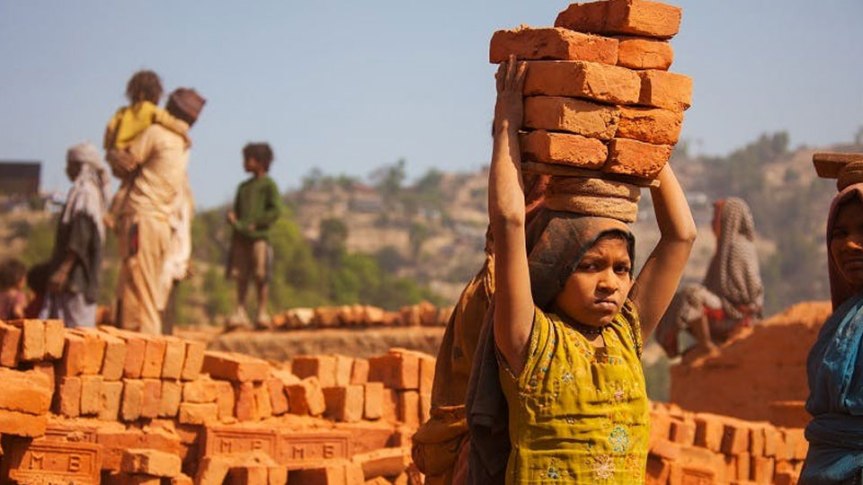
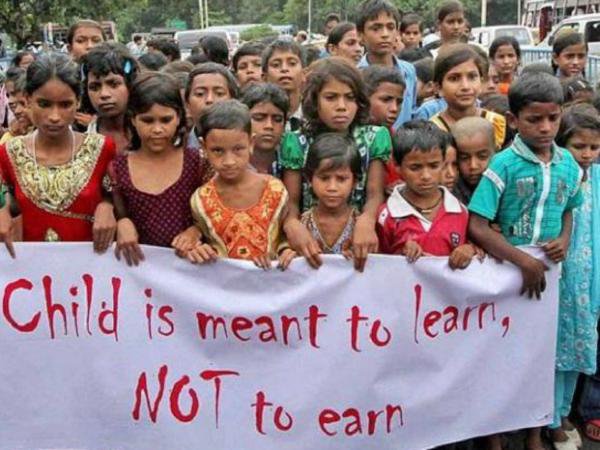
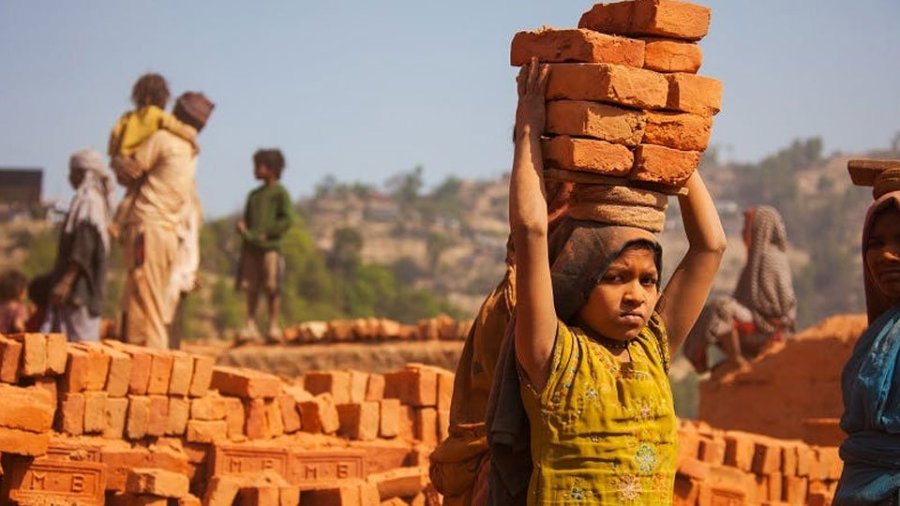
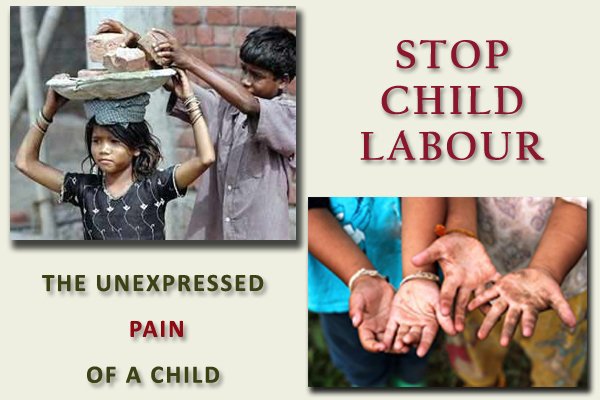
Child labor is the deprivation of children’s childhood, affecting their ability to attend regular school and exploiting them through all forms of work that are mentally, physically, socially and morally harmful.

After gaining independence from colonial rule, India enacted many constitutional protections and child labor laws. The Constitution of India in the principles of basic rights and public policy prohibits child labor under the age of 14 in factories, mines, castles or other dangerous occupations (Article 24). The Constitution also stipulated that by 1960 India would provide all children aged 6 to 14 with the infrastructure and resources for compulsory free of charge education . (Articles 21-A and 45).
In 2011, the Indian Census found that of the 259.64 million children in this age group, the total number of child laborers [ages 5-14] was 10.1 million. The problem of child labor is not unique to India. Approximately 217 million children work worldwide, many of whom work full-time.

In India child labour is defined as the involvement of children under the age of 17 in economically productive activities, with or without compensation and wages . Such participation can be physical, mental, or both. This work includes part-time or unpaid work on farms, family businesses, or other economic activities such as cultivation or milk production for sale or personal consumption. The Government of India divides child labor into two groups. The main workers are those who work more than 6 months a year. And marginal child laborers are workers who work all year round, but less than six months a year. In 1979, the Government of India established the Gurupadswamy Commission to learn about child labor and how to fight it. The Child Labor Probation and Regulation Act was enacted in 1986 on the recommendation of the Commission. A national child labor policy was developed in 1987 focusing on the rehabilitation of children working in dangerous professions. Since 1988, the Ministry of Labor and Employment has established approximately 100 industry-specific national child labor projects to rehabilitate child laborers.

The Government of India has enacted numerous laws, organizations and institutions to combat the issue of child labor. Some initiatives include child labor bans and regulations, laws prohibiting the employment of children in certain occupation and regulating the working conditions of children. The National Child Labor Policy attempts to take a sequential approach with a primary focus on the rehabilitation of children working in dangerous professions and processes of works. The Ministry of Labor and Employment is responsible for providing and supervising a range of child labor policies in India. In addition, as Osment reported, NGOs such as Care India, Child Rights and You, and Global March Against Child Labor were implemented to tackle child labor through access to education and resources. However, these efforts were of little success.

Non-governmental organisations:
Bachpan Bachao Andolan, Child Rights and You, ChildFund, CARE India, GoodWeave India,Talaash Association, Global March for Child Labor, and many other NGOs are campaigning to eliminate child labor in India. increase.

Safeguarding Aadhaar Data

Recently, Unique Identification Authority of India (UIDAI) first issued a warning to the public not to share a photocopy of their Aadhaar with any organisation, and then withdrew the warning over worries that it was open to “misinterpretation”.

What is the Unique Identification Authority of India?

The UIDAI is a statutory authority established on 12th July 2016 by the Government of India under the jurisdiction of the Ministry of Electronics and Information Technology, following the provisions of the Aadhaar Act 2016. The UIDAI was initially set up by the Government of India in January 2009, as an attached office under the aegis of the Planning Commission.

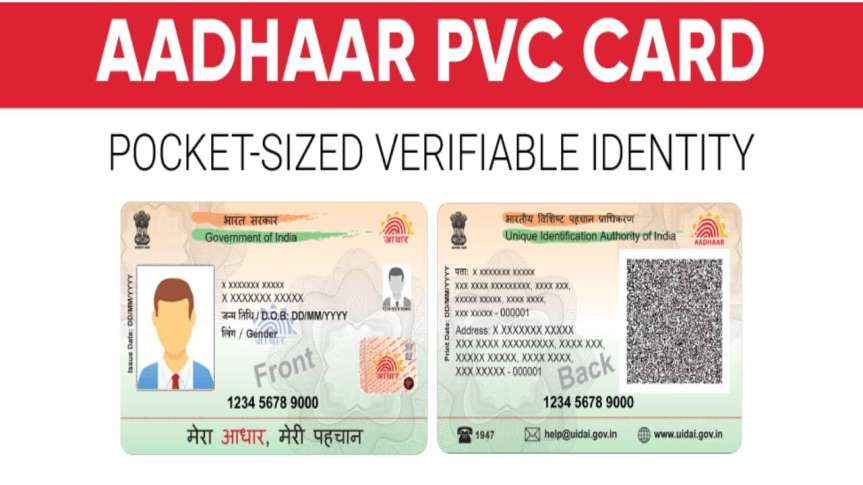
The UIDAI is mandated to assign a 12-digit unique identification (UID) number (Aadhaar) to all the residents of India.

As of 31st October 2021, UIDAI had issued 131.68 crore Aadhaar numbers.

What was the Initial Warning from UIDAI?

The UIDAI warned the “general public not to share photocopy of one’s Aadhaar with any organisation, because it can be misused”.

  • Rather, it recommended using “a masked Aadhaar, which displays only the last four digits of the Aadhaar number,”.
  • It also asked the public to avoid using public computers to download their e-Aadhaar.
  • In that case, they were reminded to “permanently delete” any downloaded copies of the same.
  • Only those organisations that have obtained a User License from the UIDAI can use Aadhaar to establish the identity of a person.
  • Moreover, hotels and movie theatres are not allowed to collect or maintain copies of the Aadhaar cards, due to the Aadhaar Act.

What are the Concerns related to Aadhaar?

Misuse of Aadhaar Data:

  • Many private entities in the country insist on an Aadhaar card, and users often share the details.
  • There’s no clarity on how these entities keep these data private and secure.
  • More recently with Covid-19 testing, many would have noticed that most labs insist on Aadhaar card data, including a photocopy.
  • It should be noted that it is not mandatory to share this for getting a Covid-19 test done.

Excessive Imposition:

  • In 2018, the Supreme Court ruled that Aadhaar authentication can be made mandatory only for benefits paid from the Consolidated Fund of India and that alternative means of identity verification must always be provided when Aadhaar fails.
  • Children were exempt but aadhaar continues to be routinely demanded from children for basic rights such as anganwadi services or school enrolment.

Arbitrary exclusions:

  • Central and state governments have made routine use of the “ultimatum method” to enforce the linkage of welfare benefits with Aadhaar.
  • In this method, benefits are simply withdrawn or suspended if the recipients fail to comply with the linkage instructions in good time, such as failing to link their job card, ration card or bank account with Aadhaar.

Fraud-prone Aadhaar-enabled Payment System (AePS):

  • AePS is a facility that enables someone who has an Aadhaar-linked account to withdraw money from it anywhere in India through biometric authentication with a “business correspondent” – a kind of mini-ATM.
  • There have been rampant abuses of this facility by corrupt business correspondents.

Caste based Census

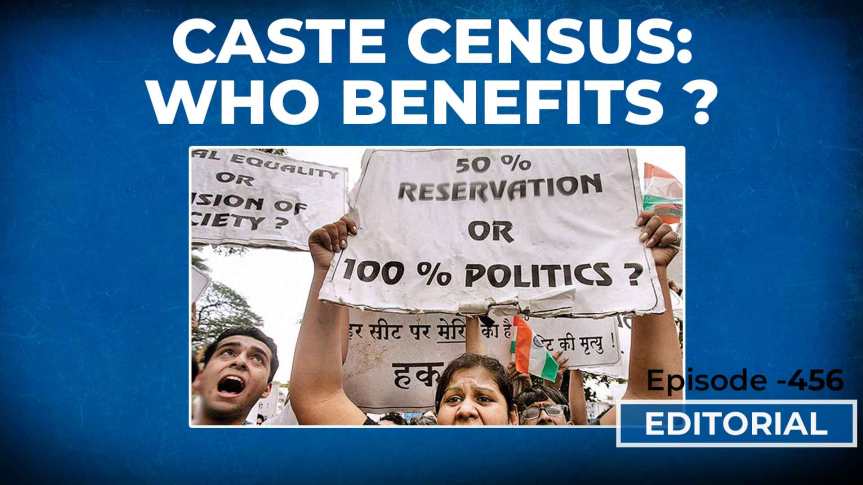
Bihar government has announced that it will undertake a socio-economic survey of all castes and communities (SECC). The Socio-Economic and Caste Census (SECC) was conducted in 2011 for the first time since 1931. SECC is meant to canvass every Indian family, both in rural and urban India, and ask about their:

  • Economic status, so as to allow Central and State authorities to come up with a range of indicators of deprivation, permutations, and combinations of which could be used by each authority to define a poor or deprived person.
  • It is also meant to ask every person their specific caste name to allow the government to re-evaluate which caste groups were economically worse off and which were better off.
  • SECC has the potential to allow for a mapping of inequalities at a broader level.

The Census provides a portrait of the Indian population, while the SECC is a tool to identify beneficiaries of state support. Since the Census falls under the Census Act of 1948, all data are considered confidential, whereas according to the SECC website, “all the personal information given in the SECC is open for use by Government departments to grant and/or restrict benefits to households.”

Pros

  • Helpful in Managing Social Equity Programmes: India’s social equality programmes cannot be a success without the data and a caste census would help fix that.
  • Due to the lack of data, there is no proper estimate for the population of OBCs, groups within the OBCs and more.
  • Census enumeration would yield a wealth of demographic information (sex ratio, mortality rate, life expectancy), educational data (male and female literacy, ratio of school-going population, number of graduates) and policy relevant information about economic conditions (house-type, assets, occupation) of the OBCs’.
  • A caste-based census could go a long way in bringing a measure of objectivity to the debate on reservations.

Cons:

  • Caste has an emotive element and thus there exist the political and social repercussions of a caste census. There have been concerns that counting caste may help solidify or harden identities.
  • Caste Is Context-specific: Caste has never been a proxy for class or deprivation in India, it constitutes a distinct kind of embedded discrimination that often transcends class. For example:
  • People with Dalit last names are less likely to be called for job interviews even when their qualifications are better than that of an upper-caste candidate.
  • They are also less likely to be accepted as tenants by landlords. Thus, difficult to measure.
  • Marriage to a well- educated, well-off Dalit man still sparks violent reprisals among the families of upper-caste women every day across the country.

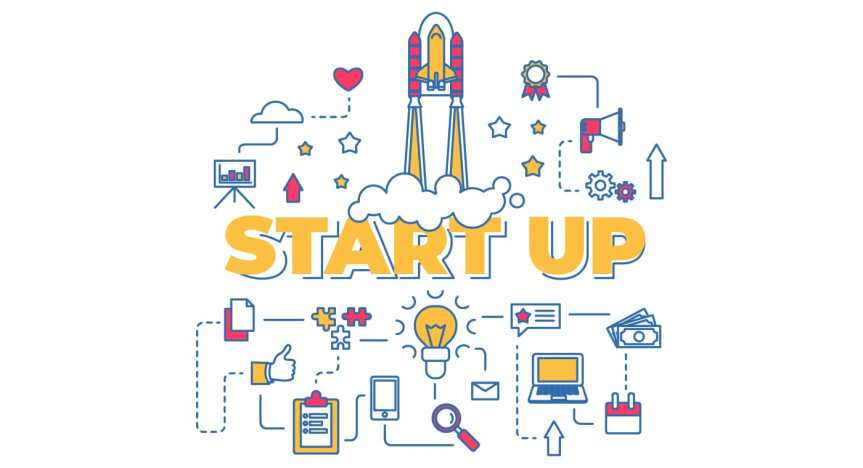
India’s Start up Ecosystem

Recently, the number of unicorns in India reached the 100-mark. One unicorn means a startup of at least Rs 7,500 crore turnover. The total valuation of these unicorns is USD 330 billion, that is over Rs 25 lakh crore. The average annual growth rate of Indian unicorns is more than that of the U.S., the U.K. and many other countries.

  • A unicorn is any privately owned firm with a market capitalization of more than USD 1 billion.
  • It denotes new entities dedicated to offering creative solutions and new business models, among other things.
  • There are several categories like fintechEdtechs, B2B (Business-to-Business) companies, etc.

India has become the 3rd largest start-up ecosystem in the world after the US and China. 44 Indian start-ups have achieved unicorn status in 2021 taking the overall tally of unicorns to 83, most of which are in the services sector. India has seen such rapid growth in unicorns due to several strategic as well as conditional reasons.

Government of India is understanding the value of working with disruptive innovators across the value chain and using their innovations to improve public service delivery. The pandemic accelerated the adoption of digital services by consumers helping start-ups and new-age ventures build tech-focused businesses for customers. Many Indians moved to online services exploring a host of services ranging from food delivery and Edu-tech to e-grocery. he growth of Digital Payments is another aspect that aided the unicorn the most.

Challenges:

Increasing Investments Do Not Ensure Success of a Startup: Amid the Covid-19 crisis, when the central banks have released a global glut of liquidity, money is no more a difficult task to raise.

The billions of dollars being invested in startups represent the large bets on distant outcomes, and not value generation by way of revenues. Plus, one cannot assume the high rate of survival of these startups with such investments, as it can be assured by profits.

India, still a Marginal Player in the Space Sector: While India’s startups in the fintech and e-commerce sector are doing exceptionally well, the space startup sector remains an outlier.

This is despite the fact that India is a leading space-faring country with end-to-end capabilities to make satellites, develop augmented launch vehicles and deploy interplanetary missions.

The reason for the lack of independent private participation in space includes the absence of a framework to provide transparency and clarity in laws.

Indian Investors Unwilling to Take Risks: The big investors in India’s startup sector are from overseas, Japan’s SoftBank, China’s Alibaba, and Sequoia from the US.

That’s because India does not have a serious venture capital industry with an appetite for risk. The country’s established conglomerates have mostly stuck to traditional businesses.

World Milk Day

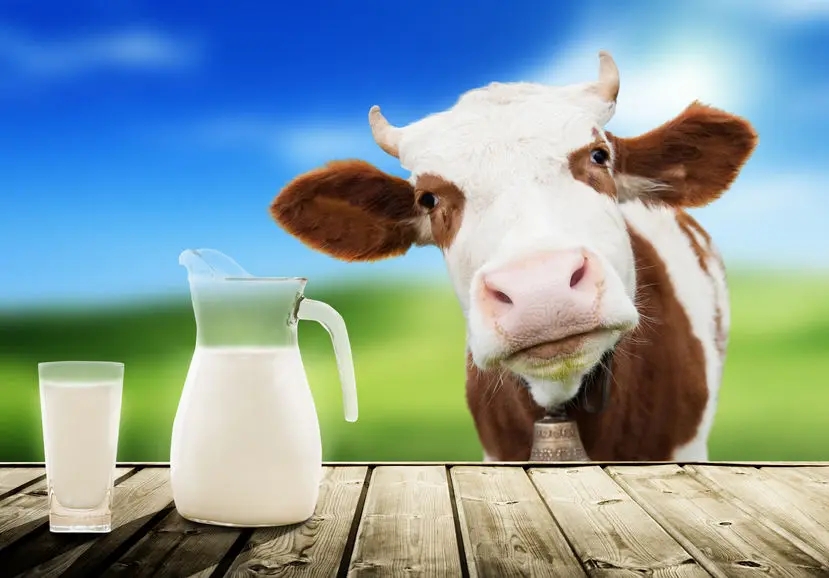
June 1 is observed as World Milk Day every year. World Milk Day is a day established by the Food and Agriculture Organization (FAO) of the United Nations in 2001 to recognize the importance of milk as a global food.

The day is intended to provide an opportunity to bring attention to activities that are connected with the dairy sector. This year’s theme will highlight the work already being done to accelerate climate action and help reduce the dairy sector’s impact on the planet.

Using the World Milk Day platform, awareness of the messaging and action will be raised towards Dairy Net Zero.

Indian Dairy Sector: 

  • India is the world’s largest milk producer, with 22% of global production, followed by the United States of America, China, Pakistan and Brazil.
  • Milk production in the country has grown at a compound annual growth rate of about 6.2% to reach 209.96 mn tonnes in 2020-21 from 146.31 mn tonnes in 2014
  • The top 5 milk-producing states are: Uttar Pradesh (14.9%), Rajasthan (14.6%), Madhya Pradesh (8.6%), Gujarat (7.6%) and Andhra Pradesh (7.0%).

What are the Initiatives of the Government of India related to Dairy Sector?

  • Rashtriya Gokul Mission: This mission is launched to improve productivity and enhance milk production through genetic upgradation of bovine population and development and conservation of indigenous bovine breeds.
  • Gopal Ratna Award 2021: Gopal Ratna Award is given to encourage all individual farmers, artificial insemination technicians and Dairy cooperative societies working in this sector.
  • Nationwide Artificial Insemination Programme: Under this programme, Artificial Insemination services delivered free of cost at farmers’ doorstep.
  • e-GOPALA app: A comprehensive breed improvement marketplace and information portal for direct use of farmers in the form of the e-GOPALA app (Generation of Wealth through Productive Livestock)
  • National Programme for Dairy Development (NPDD): It is launched across the country since 2014 with an objective of strengthening of infrastructure for Production of quality milk, Procurement, Processing and Marketing of Milk & Milk Products through State Implementing Agency (SIA) i.e State Cooperative Dairy Federation.
  • Kisan Credit Card (KCC) for Animal Husbandry & Dairying Farmers: Through Kisan Credit Cards, farmers are enabled to gain access to institutional credit at concessional interest rate for working capital expenditure.

Bharat Drone Mahotsav 2022

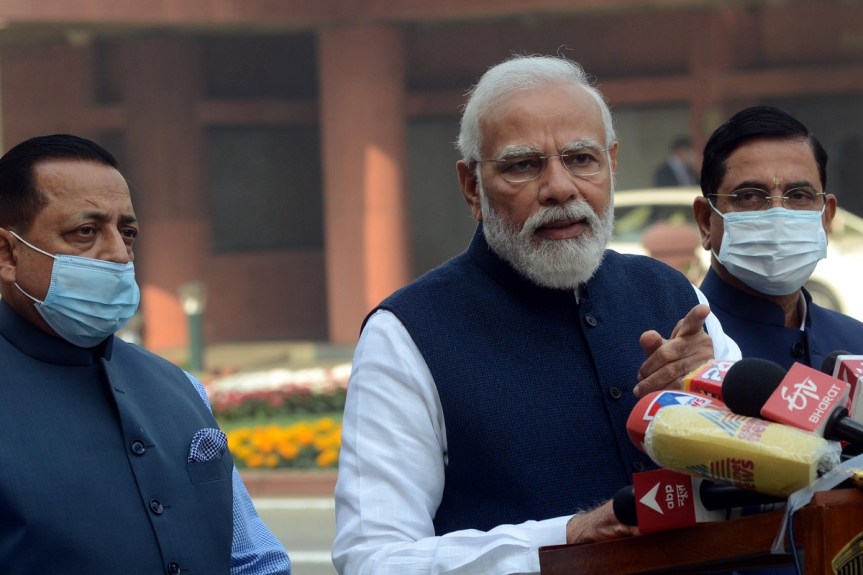
Recently, India’s biggest Drone Festival – Bharat Drone Mahotsav 2022 was inaugurated in New Delhi by the Prime Minister. A virtual award of drone pilot certificates, panel discussions, product launches, display of a ‘Made in India’ Drone Taxi prototype, flying demonstrations, among others were the key events.

Drone is a layman terminology for Unmanned Aircraft (UA). Originally developed for the military and aerospace industries, drones have found their way into the mainstream because of the enhanced levels of safety and efficiency they bring.

Applications of Drone Technology?

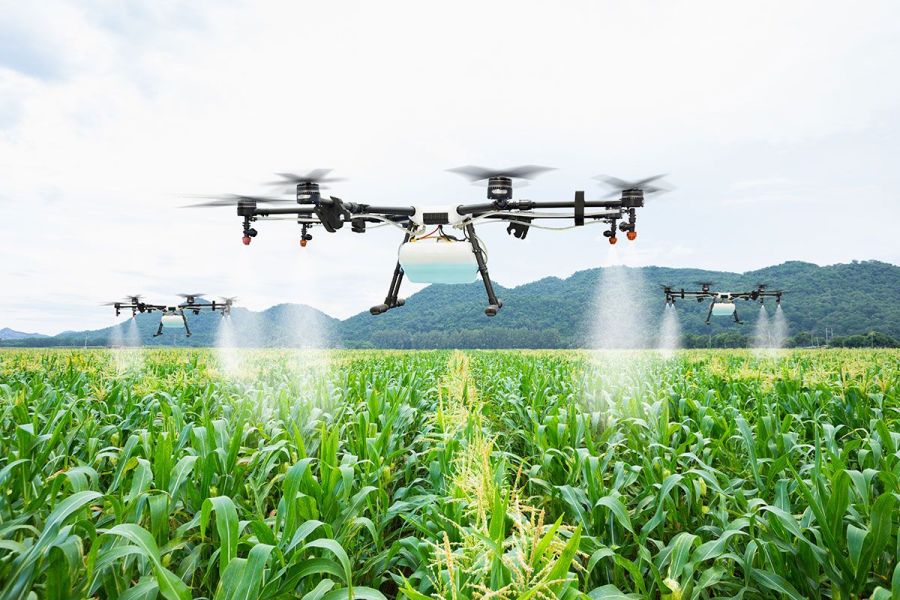
Agriculture: In the agriculture sector, micronutrients can be spread with the help of drones. It can also be used for performing surveys for identifying the challenges faced by the farmers.

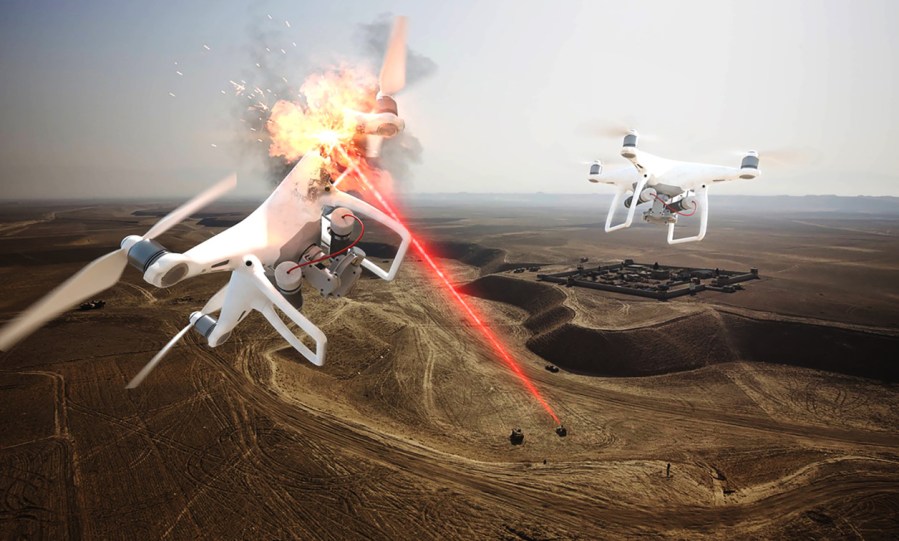
Defence: Drone system can be used as a symmetric weapon against terrorist attacks. Drones can be integrated into the national airspace system.Deployment of drones for combat, communication in remote areas, counter-drone solutions can be done.

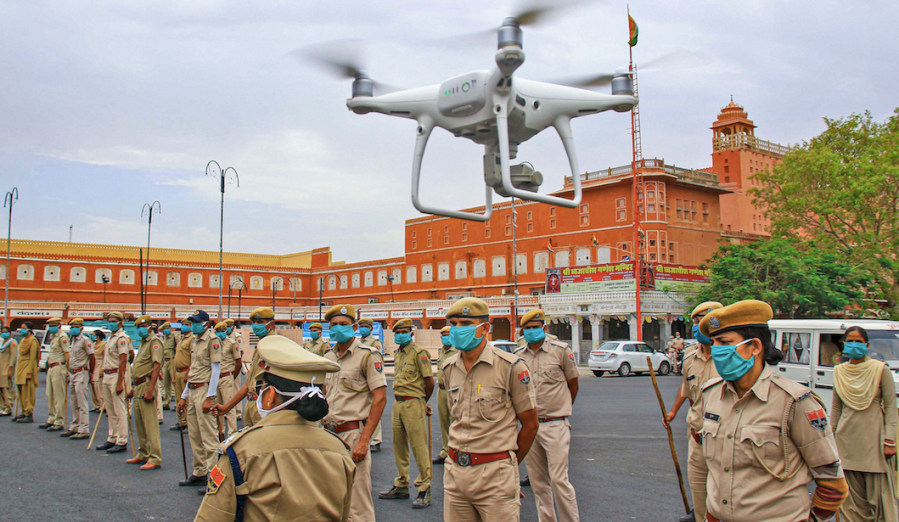
Law Enforcement: Drones are also significant for the law enforcement agencies, the fire and emergency services wherever human intervention is not safe and the healthcare services.

Healthcare Delivery Purposes: Indian Council of Medical Research (ICMR) devised Drone-Based Vaccine Delivery Model, i-drone. Telangana and North-east states have been approved to use this drone technology for delivering vaccines in remote areas.

Significance of Drone Mahotsav?

As drone technology has its application in diverse areas such as defence, disaster management, agriculture, healthcare, tourism, film and entertainment, there is a great possibility of a major revolution creating immense opportunities for employment. Villages are witnessing the arrival of roads, electricity, optical fibre and digital technology. However, agriculture work is still being conducted in old ways, leading to hassles, low productivity and wastage. Drone technology is going to play a major role in empowering farmers and modernize their lives.

Government is making efforts towards creating a strong drone manufacturing ecosystem in India through schemes like Production-Linked Incentive (PLI).

GAGANYAAN

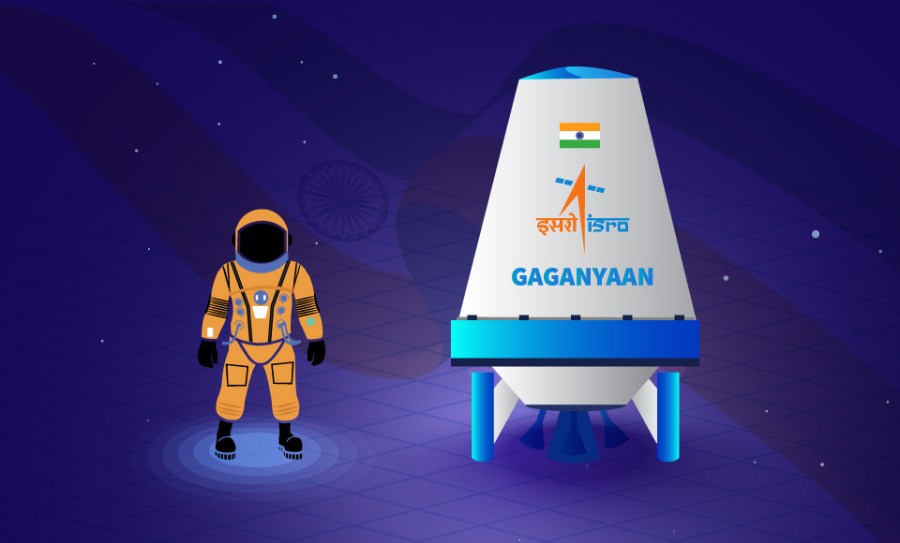
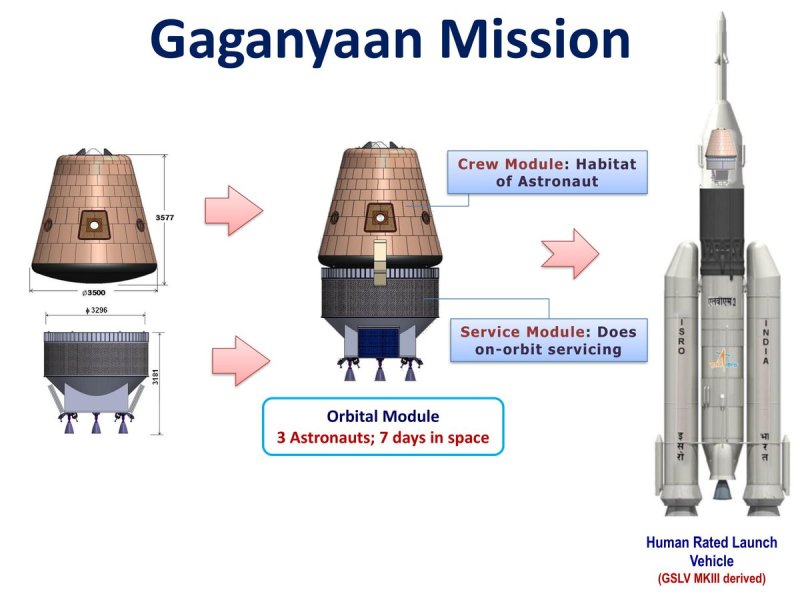
Recently the Union Cabinet approved Rs 10,000 crore for India’s 1st Human spaceflight programme, Gaganyaan, to be launched by 2022. It will include two unmanned flights and one human space flight. India’s first human spaceflight will carry 3 astronauts to a low earth orbit of 300 to 400 kilometres on board GSLV Mark III vehicle, for at least 7 days. ISRO is also launching test flights with humanoids to conduct micro-gravity experiments. If successful, India would be the 4th country to send manned mission after Russia, USA, and China. 

COMPONENTS OF GAGANYAAN

1. Rocket

The rocket will take the crew to the low-earth orbit (300-400 km)

2. Crew Module

A crew module carrying three Indians will be attached with a service module. The crew members will be selected by the IAF and ISR. The crew will perform micro-gravity and other scientific experiments for a week.

3. Crew Module Atmospheric Re-entry technology (CARE)

4. Crew Escape System (PAT)

It is an emergency accident avoidance measure designed to quickly get astronauts and their spacecraft away from the launch vehicle if a malfunction occurs during the initial stage of the launch. 

5. Environmental Control & Life Support System (ECLSS) 

It will maintain steady cabin pressure and air composition, remove carbon dioxide and other harmful gases and control temperature and humidity o manage parameters like fire detection and suppression.

Swachh Survekshan 2023

The Ministry of Housing and Urban Affairs (MoHUA) has launched the eighth edition of Swachh Survekshan (SS) – SS 2023 under Swachh Bharat Mission Urban 2.0. SS 2023 is curated towards achieving circularity in waste management. Swachh Survekshan was introduced by MoHUA in 2016 as a competitive framework to encourage cities to improve the status of urban sanitation while encouraging large scale citizen participation. Over the years, Swachh Survekshan has emerged as the largest Urban sanitation survey in the world.

In SS 2023, additional weightage has been given to source segregation of waste, enhancement of waste processing capacity of cities to match the waste generation and reduction of waste going to the dumpsites. Indicators have been introduced with additional weightage on emphasizing the need for phased reduction of plastic, plastic waste processing, encourage waste to wonder parks and zero waste events. The cities would also be assessed on dedicated indicators on the issues of ‘Open Urination’ (Yellow Spots) and ‘Open Spitting’ (Red Spots), being faced by the cities.

SBM-U 2.0 was announced in Budget 2021-22, as the continuation of SBM-U first phase. The government is trying to tap safe containment, transportation, disposal of fecal sludge, and septage from toilets. SBM-U first phase was launched on 2nd October 2014 aiming at making urban India Open Defecation Free (ODF) and achieving 100% scientific management of municipal solid waste. It lasted till October 2019.

It will be implemented over five years from 2021 to 2026 with an outlay of Rs.1.41 lakh crore.

The Mission is being implemented under the overarching principles of “waste to wealth”, and “Circular Economy”.

Aim:

  • It focuses on source segregation of garbage, reduction in single-use plastic and air pollution, by effectively managing waste from construction and demolition activities and bioremediation of all legacy dump sites.
  • Under this mission, all wastewater will be treated properly before it is discharged into water bodies, and the government is trying to make maximum reuse a priority.

Mission outcomes:

  • All statutory towns will become ODF+ certified (focuses on toilets with water, maintenance and hygiene).
  • All statutory towns with less than 1 lakh population will become ODF++ certified (focuses on toilets with sludge and septage management).
  • Bioremediation of all legacy dumpsites.

Surrogacy

Recently, a petition was filed before Delhi High Court, challenging the exclusion of a single man and a woman having a child from surrogacy and demanding commercial surrogacy’s decriminalisation.

The Petitioner argued that the personal decision of a single person about the birth of a baby through surrogacy,a is a facet of the right to privacy guaranteed under Article 21 of the Constitution. Thus, the right of privacy of every citizen or person to be free from unwarranted governmental intrusion into matters fundamentally affecting a decision to bear or beget a child through surrogacy cannot be taken away.

What is Surrogacy?

About:

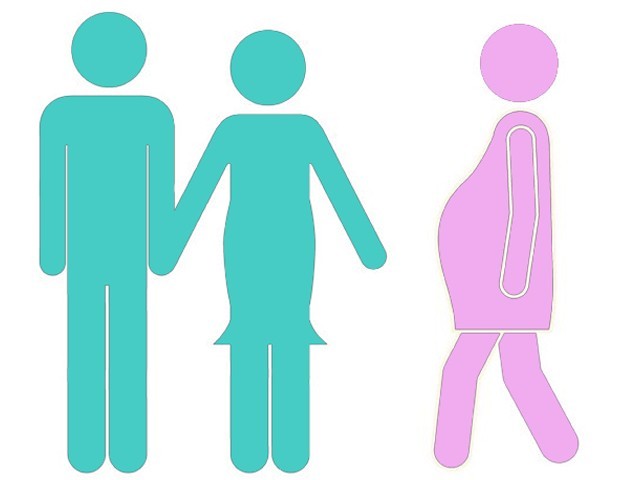
  • Surrogacy is an arrangement in which a woman (the surrogate) agrees to carry and give birth to a child on behalf of another person or couple (the intended parent/s).
  • A surrogate, sometimes also called a gestational carrier, is a woman who conceives, carries and gives birth to a child for another person or couple (intended parent/s).

Altruistic surrogacy:

  • It involves no monetary compensation to the surrogate mother other than the medical expenses and insurance coverage during the pregnancy.

Commercial surrogacy:

  • It includes surrogacy or related procedures undertaken for a monetary benefit or reward (in cash or kind) exceeding the basic medical expenses and insurance coverage.

Surrogacy (Regulation) Act, 2021

Provisions:

  • Under the Surrogacy (Regulation) Act, 2021, a woman who is a widow or a divorcee between the age of 35 to 45 years or a couple, defined as a legally married woman and man, can avail of surrogacy if they have a medical condition necessitating this option.
  • It also bans commercial surrogacy, which is punishable with a jail term of 10 years and a fine of up to Rs 10 lakhs.
  • The law allows only altruistic surrogacy where no money exchanges hands and where a surrogate mother is genetically related to those seeking a child.

Challenges:

The exploitation of the Surrogate and the Child:

  • One could argue that the state must stop the exploitation of poor women under surrogacy and protect the child’s right to be born. However, the current Act fails to balance these two interests.

Denies Legitimate income to Surrogates:

  • Banning commercial surrogacy also denies a legitimate source of income of the surrogates, further limiting the number of women willingly to surrogate.
  • Overall, this step indirectly denies children to the couples choosing to embrace parenthood.

Emotional Complications:

  • In altruistic surrogacy, a friend or relative as a surrogate mother may lead to emotional complications not only for the intending parents but also for the surrogate child as there is great deal of risking the relationship in the course of surrogacy period and post birth.
  • Altruistic surrogacy also limits the option of the intending couple in choosing a surrogate mother as very limited relatives will be ready to undergo the process.

SC Recognises Sex Work as a Profession

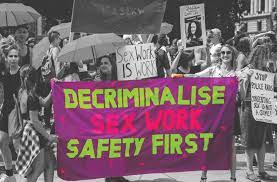
Recently, in a significant order, Supreme Court has recognised sex work as a “profession” and observed that its practitioners are entitled to dignity and equal protection under the law. The court invoked its special powers under Article 142 of the Constitution. 

Highlights of the Supreme Court Judgment

Sex workers are entitled to equal protection of the law and criminal law must apply equally in all cases, on the basis of ‘age’ and ‘consent’.

  • When it is clear that the sex worker is an adult and is participating with consent, the police must refrain from interfering or taking any criminal action.
  • Sex workers should not be “arrested or penalised or harassed or victimised” whenever there is a raid on any brothel, “since voluntary sex work is not illegal and only running the brothel is unlawful”.

A child of a sex worker should not be separated from the mother merely on the ground that she is in the sex trade.

  • Further, if a minor is found living in a brothel or with sex workers, it should not be presumed that the child was trafficked.
  • In case the sex worker claims that he/she is her son/daughter, tests can be done to determine if the claim is correct and if so, the minor should not be forcibly separated.

The media should take “utmost care not to reveal the identities of sex workers, during arrest, raid and rescue operations, whether as victims or accused and not to publish or telecast any photos that would result in disclosure of such identities.

Challenges Faced by Sex Workers

Discrimination and Stigmatisation:

  • The rights of sex workers are non-existent, and those doing such work face discrimination due to their criminalised status.
  • These individuals are looked down upon and have no place in society, and most times are treated harshly by their landlords and even the law.

Abuse and Exploitation:

  • Most times, sex workers are exposed to a slew of abuses that range from physical to mental attacks.
  • They would face harassment from clients, their own family members, the community, and even from people who are supposed to uphold the law.