The Habit of Reading

We have heard people telling us to read books for improving ourselves. There are a number of different books that people read so as to be in the habit of reading. Sometimes people read to entertain themselves and other time they read to pass their time and further some might read to improve their knowledge of certain language. There can be a lot of reasons of reading books and all of them are certainly justifiable. But very often it has been observed that people don’t actually read but they just put it in their resumes to look more apt for the jobs they apply for. But why do people insist on including the reading habit in their resumes even when they don’t really read? The answer is that people know the importance of reading but they hardly care to actually read. Some people believe it to be highly boring when they have to read and thereby completely ignoring the benefits of reading.

With reading our knowledge of a certain language improves. There are examples where people who are indulged in reading are better off in communicating their thoughts in a particular language as they read in that language. When people read in one language they usually start thinking and then conversing in that language. They get a hold of a certain language just by reading in that language. Reading not only improves their vocabulary but also help them enhance their overall knowledge. Reading just not mean reading novels, or books but it might also mean reading blogs, news etc, which enhances their knowledge and makes them smarter than they were before they started reading. Reading gives a person a sought of confidence that they get because of the knowledge which they achieve as they feel more comfortable in participating in intelligent conversation for they have their own say now.

The habit of reading as some might believe or some might not but teaches the art of patience. For to complete a thriller novel you cannot skip to the end or reach to the climax as some might do in movies and web series, for you need to follow the story word by word, sentence by sentence and page by page, so as to feel the euphoria of finally getting to the end. This euphoria can be achieved only by the art of patience as taught by reading. Reading improves our level of concentration for it is important to focus only on the story while reading it for we would be lost if we lose if slightest of our attention away from it. Reading improves our attention span and gives us some major focus goals. We see people reading while travelling in metro, while waiting for someone, just before going to sleep, all of this and more proves how entertaining reading could be. The best possible thrill, excitement, emotions of happiness, sadness, love, hate and others that reading make us feel are surely something we cannot even experience through some movie or other digital works.

5 Ways you can help the uderprivileged folks this winter

The chilly weather indicates that winter has arrived. Therefore, we will all be home, wrapped up in our comfy blankets spending some quality time with our friends and family. But there are people out there who are not as blessed as us. These people spend the nights shivering and waiting for the cold winters to end. A little generosity and help from people like us can make them happy and contended. Doing a generous deed for them will not only make them feel happy but it will also make you fulfilled and satisfied.

Here are a few ways you can help the needy ones out there this winter:

Create some tiny beds for the street animals:

IMAGE: ISTOCK

Winters can be really harsh for the animals out there. They suffer a lot due to such cold nights on the streets. These animals cannot express the problems faced by them during winters. Hence, people like us can give them the comfort that they require during winters. You can make a tiny bed from your old ragged clothes which are of no use anymore and place it outside your home.

Donate blankets:

While blankets may be easily available to many of us, some people can’t afford them. They pass their time shivering on the footpaths wishing for the cold nights to end. Some of such people also have a family to feed and hence, they cannot afford to get sick due to such situations. Offering blankets to such people will not only help them, but it’ll also make you feel contended.

Donate warm clothes:

Warm clothes are a necessity for most us but for some unfortunate people it is a luxury. Such people are used to wearing old worn out clothes for the rest of the year. However, during winters they somehow manage to get some newspapers to cover themselves up during winters. Offering your old, warm clothes to the needy people will protect them from the cold winters and make them feel comfortable. You will also make it easier for them to survive the nights.

Donate food:

Another way to help the disadvantaged people this winter is to donate them some food. We often see such hungry people on the streets. Giving them a bowl of hot soup or a hot cup of tea will make them feel pleasant and warm. The look of satisfaction on their faces after having a small hot cup of tea will motivate you do this more frequently.

Spread awareness:

The last thing you can do spread awareness about the issues faced by the needy people through social media and encourage more people to do their bit for the society. You can also volunteer with an NGO or form a group with your friends and family and help the needy people cope with the cold and windy nights.

You can also do something that you feel for their happiness and comfort. After all, spreading joy and positivity is a beautiful way to make yourself feel calm and peaceful.

Residential Fire Risk

Fire is the visible effect of the process of combustion – a special type of chemical reaction. It occurs between oxygen in the air and some sort of fuel. When a fire occurs, there is a very little time to escape for it engulfs everything in its ambit in less than 2 minutes. Contrary to popular belief, over 90% of fire related deaths are caused by smoke suffocation. According to the World Health Organization (WHO) statistics, more than 300,000 deaths are caused annually by fire induced burns and more than 90% of these deaths occur in low- and middle-income countries. These figures clearly shows that fire poses serious threat to both life and property. Fire hazards can be understood as any actions, materials or conditions that might increase the size or severity of a fire or that might cause a fire to start. Of all the natural disasters, fit is fire only that is both beneficial to man and his environment as well as destructive and deadly.

Sun and Lao (2014) assert that fire risk analysis of high-rise building is of crucial importance due to the reason that there still lacks efficient systematic fire extinguish method to ensure a safety evacuation process. They further elaborated that fire risk assessment is an organized and methodical review of a specific building, the activities carried that increase the likelihood of a fire to start and cause harm to the occupants and properties. The fire risk assessment involves five steps – hazard identification, scenario design fire, quantitative risk analysis, risk assessment comparing to acceptable criteria and risk management. They highlighted the point that fire scenario is a key parameter of the whole fire risk assessment process – which involves a combination of potential fire size, fire location, combustible characteristics, availability of fire system etc. They further emphasized through their study based on China that risk analysis is important to evaluate fire protection strategies for a particular application or for a class of facility or operation in fire safety engineering. Beside this, the risk assessment will assist the stakeholders and operator to manage the facilities in a right way.

A comparative study regarding the level of fire safety between Residential and Commercial Construction sites were carried out by Sivakumar, Malathy and Sivaprakash (2018). The study brought the point that residential building satisfies overall fire safety conditions better than commercial buildings. However, combustible materials are stored and maintained in a better manner in commercial buildings than residential buildings and tend to satisfy overall structural feature parameters when compared to residential buildings. Moreover, the study highlighted that fire emergency, signage and emergency planning in commercial buildings are better than in residential buildings. They asserted that, however, both the commercial and residential buildings need to focus more on reducing risk and on improving fire safety and fire risk assessment standards and compliances regarding the protection of people working in the construction sites.

Huang and Xin (2013) in their paper based on China presents fire risk analysis model-based scenario clusters and its application in fire risk management of buildings. The paper has described the quantitative analysis model for fire risk analysis. They bring out the point that fire risk analysis method allows a quick check of any safety deficiencies in residential buildings and any need to provide additional fire protection measures to minimize fire risk. However, they argue that the method does not include consideration of the logical development of fire events. Moreover, the quantification parameters of fire risk are based on statistical data (if available). Thus, they assert that more research is required to verify the methods of some parameters in international contexts. The paper also conformed to the idea that building fire risk analysis serves as a basis for fire risk management.

Masoumi, Genderen and Maleki (2019) attempted to carry a comprehensive fire risk assessment in the dense urban areas of Zanjan city using Information Fusion based on GIS modeling. The study has highlighted the increasing importance of information fusion technologies for the analysis of geospatial information. The use of different types of spatial and attribute data from different sources deploying GIS and geospatial analyses can act as powerful tools to aggregate information in order to assess disaster risk in urban and regional scales. The result of sensitivity analyses also indicated that the social training factor is the most effective causative factor in the fire risk.

Kodur, Kumar and Rafi (2019) in their paper, ‘Fire hazard in buildings: review, assessment and strategies for improving fire safety,’ presents a critical review of current fire protection measures and their applicability to address current challenges relating to fire hazards in buildings. Based on the review, an integrated framework for mitigation of fire hazards is proposed. The proposed framework involves enhancement of fire safety in four key areas: fire protection features in buildings, regulation and enforcement, consumer awareness and technology and resources advancement. Detailed strategies on improving fire safety in buildings in these four key areas are presented, and future research and training needs are identified. The study has brought forth the point that Current fire protection measures lead to an unquantified level of fire safety in buildings, provide minimal strategies to mitigate fire hazard and do not account for contemporary fire hazard issues. They highlighted that Implementing key measures that include reliable fire protection systems, proper regulation and enforcement of building code provisions, enhancement of public awareness and proper use of technology and resources is key to mitigating fire hazard in buildings. Major research and training required to improve fire safety in buildings include developing cost-effective fire suppression systems and rational fire design approaches, characterizing new materials and developing performance-based codes.

Groner (2015) in his paper describes a decision model for managing the movement of building occupants during fir emergencies. The study assert that sophisticated education and training would improve the responses of occupant movement managers. Accepting that it is unlikely for a great increase in resources being dedicated to it, the study forwards a ‘simple mental model’ – which should help occupant movement managers avoid mistakes in both planning for and responding to fire emergencies. The research assert that the model relies on the abilities of people to analyse and synthesize inputs and people are notably effective at this task given a mental model that is simple enough to easily recall.

Among different types of disasters, fire constitutes a significant threat to life and property in any type of settlement whether urban or rural possession. In India, the data on fire related deaths are provided by National Crime Records Bureau (NCRB) under Accidental Deaths & Suicides in India (ADSI). According to study conducted by India Risk Survey in 2018, Fire outbreak is the third largest risk to be faced by the people in continuity of operations on the other hand the Accidental Deaths and Suicides in India report, 2019 states that residential buildings are most prone to fire outbreaks due to faulty behaviour of residents. According to ADSI reported 11,037 cases of fire accidents in the country during 2019 which rendered 10915 deaths and injuries to 441 persons. The cause-wise analysis of fire accidents revealed that 58.0% of total deaths were reported in residential/dwelling buildings during the mentioned year. The residential fire risks arise from both inappropriate structural attributes and faulty behavioural practices like using nonstandard electrical goods, no capacity building in case of disaster, congestion in residential localities and no maintenance of electrical equipment’s.

Cities across India are growing at exuberant rates. However, as we build new cities and expand old ones, we must not forget the necessary features that make up these urban spaces. Fire safety is crucial in urban and rural habitats, and there must be continued investments in equipment and infrastructure to guarantee the safety of the residents. It’s time our civic authorities, town planners and fire service officials pay more attention to fire safety in residential colonies and ensure that they have at least some rudimentary fire engines. It is also important to educate residents on dealing with a fire. Along with these, fire risk assessment should be duly done to ensure proper evacuation plan as well as the adoption of all possible best measure to prevent fires. This will go a long way in saving life.

In India, though there are several rules and laws, codes and standards associated with fire safety, these are rarely followed. Neglective behaviour in following fire safety measures caused several major fires in numerous occupancies and a few of them even resulted in catastrophes, however, there aren’t any provisions for fire safety legislation in India regarding the objectives, scope, methodology, and periodicity of the Fire Safety Audit.

Home is a place where you build memories and seeing it burning down to ashes can be the most terrifying event in one’s life. Though a scary thought, a lot can be done to prevent fire from happening. Fire Hazard in the residential buildings are the most common hazard especially because of the ignorance on the part of the residents. Even if we cannot control anything and everything, however, we can take some steps to help reduce the chances of fire from occurring as well to reduce the smoke damage.

REFERENCES

Groner, N. (2016). A Decision Model for Recommending which Building Occupants should Move where During Fire Emergencies. Fire Safety Journal, 20-29.

Kodur, V. K. (2019). Fire Hazards in Building: Review, Assessments and Strategies for Improving Fire Safety. PSU Research Review, 4(1), 1-23.

Mausoumi, Z. G. (2019). Fire Risk Assessment in Dense Urban Areas Using Information Fusion Techniques. International Journal of Geo-Information(8), 2-20.

Ministry of Home Affairs. (2020). Accidental Deaths and Suicide in India, 2019. New Delhi: National Crime Records Bureau.

Sivakumar, C. M. (2018). A Study on Fire Safety on Residential and Commercial        Construction Sites. Archives of Civil Engineering, LXIV(2), 161-174.

Sun, X. L. (2014). Fire Risk Assessment for Super High- Rise Buildings. Procedia Engineering, 492-501.

Xin, J. H. (2013). Fire Risk Analysis of Residential Buildings based on Scenario Clusters and its Application in Fire Risk Management. Fire Safety Journal, 72-78.

Image Credit: Google

Cyclone Risk Assessment – cas eof Andhra Pradesh

A disaster is a sudden, calamitous event that seriously disrupts the functioning of a community or society and causes human, material, and economic or environmental losses that exceed the community’s or society’s ability to cope using its own resources. Though often caused by nature, disasters can have human origins. The combination of hazards, vulnerability and inability to reduce the potential negative consequences of risk results in disaster.

The Disaster Management Act of India defines disaster as: “A catastrophe, mishap, calamity or grave occurrence in any area arising from natural or man-made causes or by accident or negligence, which results in substantial loss of life or human suffering or damage to and destruction of property or damage to, or degradation of environment and is of such a nature or magnitude as to be beyond the coping capacity of the community of the affected area.

Andhra Pradesh is the second most vulnerable state to cyclone after Odisha. The state risks being battered by cyclones of moderate to severe intensity every two to three years. In the past 40 years, there may not be a single year in which the state did not experience either a storm, a cyclone or heavy rains and floods. The deadliest cyclone in the past 40 years was the one that struck Andhra’s coast in November 1977, killing about 10,000 people. About 250,000 cattle heads perished, one million houses were damaged and crops on 1.35 million hectares (ha) were destroyed that year. According to the State Disaster Management Department, about 44 per cent of the state is vulnerable to tropical storms and related disasters. Vulnerability to storm surges is not uniform along the coast of Andhra. The stretch between Nizampatnam in Guntur district and Machilipatnam in Krishna district is the most prone to storm surges. East and West Godavari districts, with vast stretches of paddy fields and irrigation, drainage canals always bear the brunt of cyclones accompanied by strong winds and pounding rains. In the aftermath of cyclones, these areas get flooded, leading to huge crop losses besides other damage. More than one cyclone in the same season is not unusual for Andhra Pradesh. The vulnerability also increases manifold given its location and the demographic structure of the state. The decrease of alertness in disaster management that often occurs after a few years’ lull in occurrence of cyclones, known as the “fading memory syndrome,” also contributes to increases in loss of lives and property damage.

Proneness or to be prone means ‘likely to do’ or in this case, the districts most likely to be affected by cyclone. Out of 9 districts prone to cyclones, 4 districts i.e., Nellore, Guntur, East Godavari and Srikakulam fall in the category of very highly prone to cyclones. The remaining 5 districts i.e., Prakasam, Krishna, West Godavari, Vishakhapatnam and Vizianagaram fall in the category of highly prone to cyclones. It can be noticed that the coastal districts range from very highly to highly prone to cyclone without any in-between.  Apart from these, the non-coastal districts such as Chittoor and Cuddapah also at times experience the wrath of cyclones in the form of heavy and torrential rainfall or the landfall of cyclones.

All the coastal districts of Andhra Pradesh except one fall in the very highly vulnerable category, which is not a surprise given the density of population in the districts. The density map of Andhra Pradesh shows that out of 9 coastal districts, 4 districts i.e., Srikakulam, East Godavari, West Godavari and Krishna fall in the category of high density of population; 3 coastal districts i.e., Vizianagaram, Vishakhapatnam and Guntur fall in the category of moderate density of population. The reasons for low density districts such as Nellore and Prakasam still being highly vulnerable can be due to high rate of poverty, transport and infrastructure vulnerability.

The density map of Andhra Pradesh shows that out of 9 coastal districts, 4 districts i.e., Srikakulam, East Godavari, West Godavari and Krishna fall in the category of high density of population; 3 coastal districts i.e., Vizianagaram, Vishakhapatnam and Guntur fall in the category of moderate density of population. The reasons for low density districts such as Nellore and Prakasam still being highly vulnerable can be due to high rate of poverty, transport and infrastructure vulnerability.

Over last few decades, NGOs have become important players in the development process across the globe, engaged in wide ranging activities starting with community development to training, policy research, and advocacy. Their organisational flexibility, informal work style, and close engagement with grassroots communities enable them to deliver services to people at lower costs.  Their ability to mobilise people and understand people’s concerns enables them to better articulate problems encountered by people. Thus, they play a very important role in preparedness and mitigation process. For instance, Indian Red Cross Society – New Delhi and other charitable organisations were involved in helping people in Titli cyclone-affected areas. As per the article in The Hindu, IRCS has distributed relief materials, including 1594 kitchen sets, 800 saris, 700 dhotis, 440 buckets, 400 towels, 700 mosquito nets and 405 tarpaulins in selected villages, according to IRCS Srikakulam wing chairperson P. Jaganmohana Rao, Further, after studying the severe damage in 1,145 villages, IRCS-New Delhi, IRCS-A.P. and Telangana units sent relief material worth more than Rs. 62 lakhs. Given such an important role played by voluntary organisations, APSDMA is developing a database of interested volunteers from various governmental and non-governmental agencies and offer them training programs on interesting aspects under Disaster management, preparedness, mitigation and awareness building. This will provide the volunteers with an on-ground experience of the situation and also provide them with an opportunity to learn and teach others what they have observed.

It is equally important for risk assessment to take from time to time so that it comes to light where the improvement is needed the most, where are the loopholes as regular risk assessment will enable to support the development of effective cyclone mitigation policies and implementation of specific measures. Studies have suggested that new developments in the terms of embankments, cyclone shelters, and roadways should be in the places with high and very-high-risk zone. Though successful early warning system reduced the loss of life, false information and lack of awareness claimed many human lives. It has been recommended that Incorporating the spatial distribution of vulnerable people in warning messages may increase trust of people to the warning signals. One of the studies brought in the “fading memory syndrome” in which not being the target of cyclone and cyclonic storms for more than a couple of years makes people forget about the disastrous affect and a reduction has been observed. Thus, the government needs to focus on this aspect too and conduct mock drills among the coastal population at regular intervals, keep them aware about the impact and train the evacuation process. It is equally important to impart education to the population regarding the same. With the proper involvement of the civil bodies and local people, a vastly informed citizens can be placed.

References:

Ahameed, B. K. (2019). Coastal Social Vulnerability and Risk Analysis for Cyclone Hazard Along the Andhra Pradesh, East Coast of India. KN-Journal of Cartography and Geographic Information. doi:DOI: 10.1007/s42489-019-00029-9

GOI-UNDP. (n.d.). Severe Cyclone Storm Titli’s Impact on State of Andhra Pradesh .

Government of Andhra Pradesh. (Accessed 2021). Andhra Pradesh State Disaster Management Authority. Retrieved from Google: https://apsdma.ap.gov.in/

Raghavan, S. &. (2003). Trends in Tropical Cyclone Impact: A Study in Andhra Pradeh, India. American Meterological Society, 635-644. doi:10.1175/BAMS-84-5-635

Rao, A. D. (2005). Vulnerability from Storm Surges and Cyclone Wind Fields on the Coast of Andhra Pradesh, India. Nat Hazards, 515-529. doi:10.1007/s11069-006-9047-4

Image Credit: Google

Global Surge in Domestic Violence During Covid-19 Crisis!

“O Janneman”, she increased her pace on hearing a stranger calling. She reached the bus stop but could still feel eyes on her. It was dreadful. She wanted to reach home as soon as possible. She wanted to cover herself in the safety that only a home could provide.

About 95% of women feel unsafe in public places (UN Women, 2013) and about 50% of women face harassment during commutation (Pan India Study, 2015)[1]. Though women are considered most vulnerable while commuting, their entrapment during the lockdown tells a different story. While protecting themselves from the pandemic, women face another terminal problem. Though cases such as rape, catcalling, stalking and other forms of molestation have decreased due to restrictions on movement, a rise in the cases of domestic violence is seen, which is horrendous. Even before the lockdown, 243 million females of 15-49 years have faced physical abuse (UN Women reported). National Family Health Survey 2016 reveals that 30% of women of 15-49 years’ experience physical violence. About 31% of married women experience abuse by their spouses.

Given the already sheer violation of basic human rights, the world is now experiencing a surge in such crimes! Where are we moving to?

[i]France has reported a 30% increase in such case[2]. In UK, calls to the national abuse hotline went up by 65%[3]. Spain has registered calls to 144 gender violence hotline increase by 25%[4]. In Singapore, AWARE’s Women Helpline number has registered an increase in calls by 33%.[5] In Australia 40% of frontline workers reported increase in the calls to domestic violence helpline[6]. National Commission for Women registered over 587 complaints between March 27-April 16 2020[7].

Many countries/places have registered a drop in such calls, like the Delhi Commission for Women. This trend is more frightening since it indicates the inability of victims to reach for help. A lot of women might not be able to make phone calls due to the constant presence of the abuser. A lack of help increases the chance for their abusers to coerce them and inculcate greater fear in their relationships.

The lockdown has also compromised the care and support services provided by various NGOs and counseling centers- clinical management, mental health and psycho-social support to the survivors. To free oneself from the clutches of an abuser, women need to be financially independent but given the situation of a recession of the global economy, the solution is covered by clouds.

These statistics do not tell the whole story. A lot of cases are not even reported! Women belonging to poor households find it difficult to reach out for help due to lack of access to phones and the internet while many do not report marital rapes and domestic violence due to the fear of society. UN Women reported that only about 40% of women facing domestic violence call domestic abuse hotlines and only about 10% go to the police. In the current situation, it has become even more difficult for them to reach for help.

A lot of reasons can be put forward for such an abusive behavior of men but these can never be taken as excuses to set them free. With everything that is going on, this world requires a change in mindset which certainly cannot be achieved overnight. So, there is a need for proper counseling of men too to help them get through the situation without inflicting pain on others. During the lockdown, ways should be formulated to help NGOs to reach both the victims and the abusers. There is a need for the allocation of more resources to enable these centers to reach a wider section of the population. Also, every country should have stringent laws in place and practice. It has been reported that about 1 in 4 countries do not have any laws to serve justice to the victims of domestic violence.

For a dignified life, safety and security are basic human rights. The status of women in society determines their safety. Women being the target of violence and rapes in their own homes makes me question the very core of humanity, the very idea of ‘home’. It seems that humanity has gotten lost somewhere in space- unable to find its way back to earth. As rightly pointed by the UN chief, “peace is not just the absence of war”[8]. It is indeed necessary that we come together to fight the battle to keep women safe as we fight COVID-19. For a sustainable, inclusive and resilient society, every section must live a dignified life.


[1] Bhatt, A. Women’s Safety in Public Transport-A Pilot Initiative in Bhopal. 2015. Embarq India


[2] Domestic violence cases jump 30% during lockdown in France.23rd March, 2020. https://www.euronews.com/2020/03/28/domestic-violence-cases-jump-30-during-lockdown-in-france

[3] Megha Mohan. Coronavirus: I’m in lockdown with my abuser. 31st March, 2020. https://www.bbc.com/news/world-52063755

[4] During quarantine, calls to 144 for gender violence increased by 25%. 21st March, 2020. http://www.diario21.tv/notix2/movil2/?seccion=desarrollo_nota&id_nota=132124

[5] Commentary: Isolated with your abuser? Why family violence seems to be on the rise during COVID-19 outbreak. 26 March, 2020. https://www.channelnewsasia.com/news/commentary/coronavirus-covid-19-family-violence-abuse-women-self-isolation-12575026


[6] Domestic Violence Spikes During Coronavirus As Families Trapped At Home. 27 March, 2020. https://10daily.com.au/news/australia/a200326zyjkh/domestic-violence-spikes-during-coronavirus-as-families-trapped-at-home-20200327


[7] Coronavirus cases: No Lockdown for Domestic Violence. 26 April, 2020. https://www.deccanherald.com/specials/insight/coronavirus-crisis-no-lockdown-for-domestic-violence-829941.html

[8] UN Chief calls for Domestic Violence ‘Ceasefire’ amid ‘horrifying global surge’. 6th April, 2020. https://news.un.org/en/story/2020/04/1061052


[i] The data pertains to the month of April – June (when lockdown was in full force everywhere)

Image Credit: Google

Global Warming

Global warming’ is the term used to describe the rise in global surface temperatures. The term is often used interchangeably with ‘climate change’. The phenomenon revolves around the rise in surface temperatures – over land and oceans – that have led to an accelerated increase in temperatures. This has in turn led to the progressive shrinkage of the glaciers and polar ice caps, leading to rise in sea level. Another observed effect has been the disruption of cyclical weather patterns and the rising number of freak natural disasters.

The rise in temperatures has been attributed to the build-up of greenhouse gases, such as carbon dioxide and methane, at especially accelerated levels as a result of the industrialisation of the past 100 years. A concerted global effort to counter and mitigate the effects of this phenomenon has been elusive, with developed nations and developing countries facing off over the respective levels of emission cuts they would have to effect domestically.

However, there is also a considerable minority, especially in the US, that holds the assumption that global warming as a hoax perpetrated by certain countries for their own benefit.

Dhamaka’ movie review: Sound of social implosion

The disturbing thoughts swim in the conscience as one could clearly hear the sound of social implosion in Ram Madhvani’s compelling thriller, lined with commentary on media ethics


In the week of big public apology, comes a film where a common man seeks repentance from a powerful minister for not being able to do his duty. A gutsy idea that fills you with nervous energy, the film is an official remake of a Korean flick but, closer home, it reminds you of the angry common man of ‘A Wednesday’.

In the Neeraj Pandey film, the desperate everyman threatened to bomb Mumbai, here the despairing migrant crosses the line. The film makes you wonder what has changed in the last decade. Perhaps, the trust of the marginalised has been breached. Perhaps, it was reflected during the mass exodus from big cities to villages during the pandemic. It is not that the last man standing in the row was getting attention earlier but he was not being fed hope by a section of rapacious media. His trust was not being played with 24×7.

What seems like a ‘usual’ terror attack/ hostage situation to him that he intends to milk, quickly turns personal as his estranged wife (Mrunal Thakur) is reporting from ground zero. Even as the threat lurks into the newsroom, the remnant of journalism left in his system is smoked out by a hard-nosed producer Ankita Malaskar (Amruta Subhash). For her, truth and news are two different things.

In the ensuing moral battle, it becomes increasingly clear who is the bigger villain of the piece. But, at the same time, the narrative also becomes increasingly predictable. As the taut thriller starts getting flaccid, you start picking up faults in the plot. When a film takes a high moral ground, the margin to slip also reduces. When a film that seeks to expose the artifice of prime-time news starts looking staged, it pains.


The set design and cinematography are top-notch but the functioning of the newsroom, the motivations of the ‘villain’, and the actions of the officer of the anti-terror unit (Vikas Kumar) leave you unsated. After taking you to the edge of the seat, the climax is a tad disappointing. A few more drafts, a little more sharpness would have helped. No such issue with Amruta who excels in a minutely observed character that exemplifies the state of a section of electronic news media.


Karthik has been astutely cast in the role of the hollow television anchor fattened by opportunism, teleprompter, and TRPs. Like in ‘Love Aaj Kal’, he plays the ‘straying’ part well but when it comes to the transformation, he fumbles. Thankfully, that portion is short here.

Dhamaka is currently streaming on Netflix.

Human-wildlife conflict has Climate Change as an emerging Factor

In 2015, the largest marine heat wave in the U.S. hit the Pacific Coast. Whales moved closer to shore to find prey, but they came across something dangerous—they were getting entangled in crab fishing gear.

Crab fishermen and women wouldn’t usually be out at that time of year. But the change in climate was also causing an algal bloom, toxic to crabs. So the fisheries delayed their timing by several months—the same time migrating whales were on the coast.


“It was this double-whammy,” said Briana Abrahms, an assistant professor in the Department of Biology and Center for Ecosystems Sentinels at the University of Washington.

This was one of the topics Abrahms was studying when she realized there hadn’t been much published research on how climate change is exacerbating human-wildlife conflicts. Looking at scientific literature and government reports, she came across only a few dozen. And many of those were either buried in obscure journals or just anecdotal mentions.


In a paper published in Science, she delved deeper into this area and wrote a call to action for managers and researchers to focus on this issue.Abrahms was working on another project at the same time as her whale research that was on completely different species in a completely different area, but seemed to have some similarities when it came to climate and conflict.

In Botswana, a government report cited some of the highest numbers of human-wild conflicts on record, mostly large carnivores preying on livestock. That happened to be during an extreme drought in 2018. “It struck me how different these systems were, but the story was the same,” she said. “I felt like it was really important to tell this story and draw attention since these climate changes and conflicts are likely to increase in the future.”


As part of her paper, Abrahms applauded a new, proactive risk assessment developed by the state of California to help managers figure out when and where to close fisheries under different climate and ocean conditions. “If you understand what the underlying driver is, in this case climate is a factor in these dynamics, you can better prepare to make management decisions and reduce conflict—or avoid it in the first place,” she said.


Abrahms also pushes for more research in these areas, especially where there are geographic and taxonomic gaps. “We definitely need more research and also need to be synthesizing research across everything already out there to understand how much we should be more worried about long-term changes,” she said.

Wildlife crimes rise by 100% in a year in Kerala

KOCHI: Wildlife-related crimes have increased dramatically in the state and there has been a 100% rise in the number of cases registered in 2020 compared to the previous year.

According to data obtained under the Right to Information (RTI) Act, the state registered 303 cases in 2020 as against 151 in 2019 and 61 in 2018. As many as 156 cases were recorded in the state in 2021 till August 26 this year.


Most cases pertained to poaching of endangered animals and reptiles, hunting for meat and illegal trading and possession of horns, tusks, nails, and teeth. Removing tusks or nails and collecting meat from animals that died naturally is also an offence. More than 80% of the total cases registered each year are in connection with poaching of wild animals other than wild boars that cause extensive damage to standing crops.

Besides wild boars, sambar deer, spotted deer, porcupines, monitor lizards, pythons, civets and turtles are among those that fall prey to poaching. Occasionally, elephants, leopard, tigers and wild gaurs are also hunted down, say the data.


“Since movements were restricted during the Covid period, people living adjacent to forests got more opportunities to engage in poaching. Poachers have also improved their intelligence gathering. The presence of wild animals also increased in the fringe areas, leading to the rise in poaching incidents,” said a member of a flying squad of the forest department.


People also lay electric wires to electrocute the animals, besides using poisoning too.
Besides killing the animals, depriving them of food is also an offence, as the data show. Among the registered cases, two are in connection with freeing chickens from the mouth of a python forcefully.

How to Live a Healthier Lifestyle

The phrase ‘healthy lifestyle’ is an abbreviated definition of what it looks like to live a vibrant, active life with a healthy body and healthy mind. Creating a healthy lifestyle doesn’t have to mean drastic changes. Making gradual small changes to your daily routine can have a big impact.

What Is a Healthy Lifestyle?
You know the obvious behaviors that describe someone who is healthy and takes care of themselves. A healthy person doesn’t smoke, tries to maintain a healthy weight, eats healthy foods with plenty of fruits, vegetables and fiber and, of course, exercises on a regular basis.

Then there are other elements to add to the list. A healthy person also knows how to manage stress, gets good quality sleep each night, doesn’t drink too much, doesn’t sit too much—basically, does everything in moderation all the time. When you look at everything that could possibly go into a healthy lifestyle, you can see just how hard all of those things are in our current world.


The good news is, you don’t have to change everything at the same time. In fact, the trick to healthy living is making small changes—taking more steps each day,1 adding fruit to your cereal, having an extra glass of water, or saying no to that second helping of buttery mashed potatoes. One thing you can do right now to make your lifestyle healthier is to move more.


Benefits of Physical Activity
You know you need to exercise, but there are many excuses not to do it. You’re too busy, don’t know where to start, you’re not motivated or you’re afraid you’ll injure yourself. Maybe you think exercise has to be really hard or it isn’t good enough.

Whatever definition you have about what exercise is or isn’t, the bottom line is that exercise is movement. Whether it’s walking around the block or running a marathon, that movement is exercise and every time you move more than you normally do, it counts.


Healthy Weight Loss or Maintenance
Even if you opt for small changes, the benefits are still pretty amazing. For example, increasing your activity level can help you to reach and maintain a healthy weight. If you are currently overweight, small steps toward that goal can have an impact.

Climate change: Everyone Focused on saving lives till now, time to save livelihood as well:

According to a Climate Central map, hundreds of cities on India’s eastern coast will be under water by 2050. CEEW says more than 80% of India’s population is vulnerable to “extreme climate risks”

According to a map created by Climate Central, hundreds of cities on the eastern coast of India will be under water by the year 2050. Over 27 states and union territories in India and more than 80% of the country’s population are vulnerable to “extreme climate risks”, says a report by the Council on Energy, Environment and Water.

These statistics show that the lives of many communities are put in danger due to climate change, and that a significant number of them lose their livelihood to it as well. Ritayan Mukherjee, a photojournalist, shares that while covering the pastoral nomads in the Himalayas, he came across the Changpa community who take their yak and sheep to grazing grounds that are 10,000-11,000 feet above the sea level. “The livelihood of these people is directly dependent on nature, because they move with their herd from one place to another,” says he.


Mukherjee shares that because of global warming, rising temperatures and the winter months getting shorter, the pastoralists have to take their herds to even higher grazing grounds. A report that Mukherjee worked on for the People’s Archive of Rural India said that the yak population in Leh fell about 57% between 1991-2010, according to the Department of Animal Husbandry and Dairying. A lot of these pastoralists don’t just depend on yak for their economic incomes, but they also use the yak-wool to build traditional tents, called Rebos. However, Mukherjee shares that these residential tents have disappeared over the past few years for reasons that can be attributed to climate change.

According to a Climate Central map, hundreds of cities on India’s eastern coast will be under water by 2050. CEEW says more than 80% of India’s population is vulnerable to “extreme climate risks”.

How many headlines and news articles did you come across in the last month that told you the condition of the climate is deteriorating? That a big chunk of our lives will be lost battling global warming in the next few decades? It’s no secret that climate change is impacting lives every single day, but let’s take a look at how it has been affecting us and what we can do to change its course.

Summary of Union Budget 2021-22


The Union Minister for Finance & Corporate Affairs, Smt Nirmala Sitharaman presented the Union Budget 2021-22 in Parliament today, which is the first budget of this new decade and also a digital one in the backdrop of unprecedented COVID-19 crisis.

This year’s Budget lays focus on the seven pillars for reviving the economy – Health and Wellbeing, Physical and Financial Capital and Infrastructure, Inclusive Development for Aspirational India, Reinvigorating Human Capital, Innovation and R&D, and Minimum Government Maximum Governance. Several regulations around the securities market are proposed to be merged as a single code. Several direct taxes and indirect taxes amendments were also proposed.


Our FM starts the budget2021 announcement by mentioning the challenges during the pandemic and the vision of the Pradhan Mantri Garib Kalyan Yojana.
FM says that India has two vaccines made available and two more will be made accessible soon.
FM reiterated that the government is fully prepared to support the economy’s reset.
FM says the Budget2021 is based on 6 pillars.
Starting with healthcare & wellbeing:
Spending’s been increased
New scheme with an outlay of Rs.64K crore to be spread over 6 yrs
The above is in addition to the National Health Mission.


Support to rural & urban health centres
FM announces the Jal Jeevan Mission with an outlay of 2.87 lakh crores aiming to provide full-fledged water supply to all urban local bodies with household tap connections.
The FM proposed Rs1.41 lakh crores over a period of 5 Years for the Urban Swacch Bharath 2.0.


An amount of Rs.1.47 lakh crores, over a 5-year-period, from 2021 has been assigned for initiatives such as wastewater treatment, reduction in plastic waster, reduction in pollution and the like.
The Scrapping Policy has been announced in the Budget2021. The voluntary vehicle scrapping policy aims to remove inefficient vehicles so as to reduce vehicular pollution and oil import bills.
FM proposes an amount of Rs.35000 crore to manufacture and make accessible the COVID19 vaccine.


To strengthen nutritional content, delivery, outreach, and outcome, Government will merge the Supplementary Nutrition Programme and the PoshanAbhiyan and launch the Mission Poshan 2.0. Government will adopt an intensified strategy to improve nutritional outcomes across 112 Aspirational Districts.


Universal Coverage of Water Supply and Swachch Bharat Mission:

The Finance Minister announced that the JalJeevan Mission (Urban), will be launched for universal water supply in all 4,378 Urban Local Bodies with 2.86 crore household tap connections, as well as liquid waste management in 500 AMRUT cities. It will be implemented over 5 years, with an outlay of Rs. 2,87,000 crore. Moreover, the Urban Swachh Bharat Mission will be implemented with a total financial allocation of Rs 1,41,678 crore over a period of 5 years from 2021-2026. Also to tackle the burgeoning problem of air pollution, government proposed to provide an amount of Rs. 2,217 crore for 42 urban centres with a million-plus population in this budget. A voluntary vehicle scrapping policy to phase out old and unfit vehicles was also announced. Fitness tests have been proposed in automated fitness centres after 20 years in case of personal vehicles, and after 15 years in case of commercial vehicles.


Physical and Financial Capital and Infrastructure:

AatmaNirbhar Bharat-Production Linked Incentive Scheme

Finance Minister said that for a USD 5 trillion economy, our manufacturing sector has to grow in double digits on a sustained basis. Our manufacturing companies need to become an integral part of global supply chains, possess core competence and cutting-edge technology. To achieve all of the above, PLI schemes to create manufacturing global champions for an AatmaNirbhar Bharat have been announced for 13 sectors. For this, the government has committed nearly Rs.1.97 lakh crore in the next 5 years starting FY 2021-22. This initiative will help bring scale and size in key sectors, create and nurture global champions and provide jobs to our youth.


Textiles:

Similarly, to enable the textile industry to become globally competitive, attract large investments and boost employment generation, a scheme of Mega Investment Textiles Parks (MITRA) will be launched in addition to the PLI scheme. This will create world class infrastructure with plug and play facilities to enable create global champions in exports. 7 Textile Parks will be established over 3 years.

Thus, the budget was widely acclaimed and appreciated.

Indian spirituality

In India there is a discipline prescribed for the gradual evolution of the human individual by stages of

(1) education,

(2) adjustment of oneself with the demands of natural and social living and,

(3) an austere detachment from the usual entanglements in life and

(4) final rootedness of oneself in God. This last mentioned stage is known as Sannyasa and the first two stages are the religious disciplines preparing a person for the third and the fourth stages.


Religion has its various restrictions imposed on a person, keeping all human activity confined to specific areas of living with its several do’s and don’ts – ‘do this’ and ‘do not do that’. There cannot be any religion without these two mandates imposed on man. People in the first two stages of life mentioned above are placed under an obligation to follow these dos and don’ts of religion in social behaviour, in personal conduct and dealings with people in any manner whatsoever. Every religion has these ordinances defining the duties, which are religious, whether in the form of ritual, worship, or pilgrimage and even in diet, daily ablution, and an exclusive literal devotion to the word of the scripture of the religion. These restrictions are lifted in the third stage where the life of a person is mainly an internal operation of thought, feeling and understanding and not connected with human society in any way.

Spirituality

Spirituality is a broad concept with room for many perspectives. In general, it includes a sense of connection to something bigger than ourselves, and it typically involves a search for meaning in life. As such, it is a universal human experience—something that touches us all. People may describe a spiritual experience as sacred or transcendent or simply a deep sense of aliveness and interconnectedness.

Some may find that their spiritual life is intricately linked to their association with a church, temple, mosque, or synagogue. Others may pray or find comfort in a personal relationship with God or a higher power. Still others seek meaning through their connections to nature or art. Like your sense of purpose, your personal definition of spirituality may change throughout your life, adapting to your own experiences and relationships.

Environmental Crisis From Oil Spills

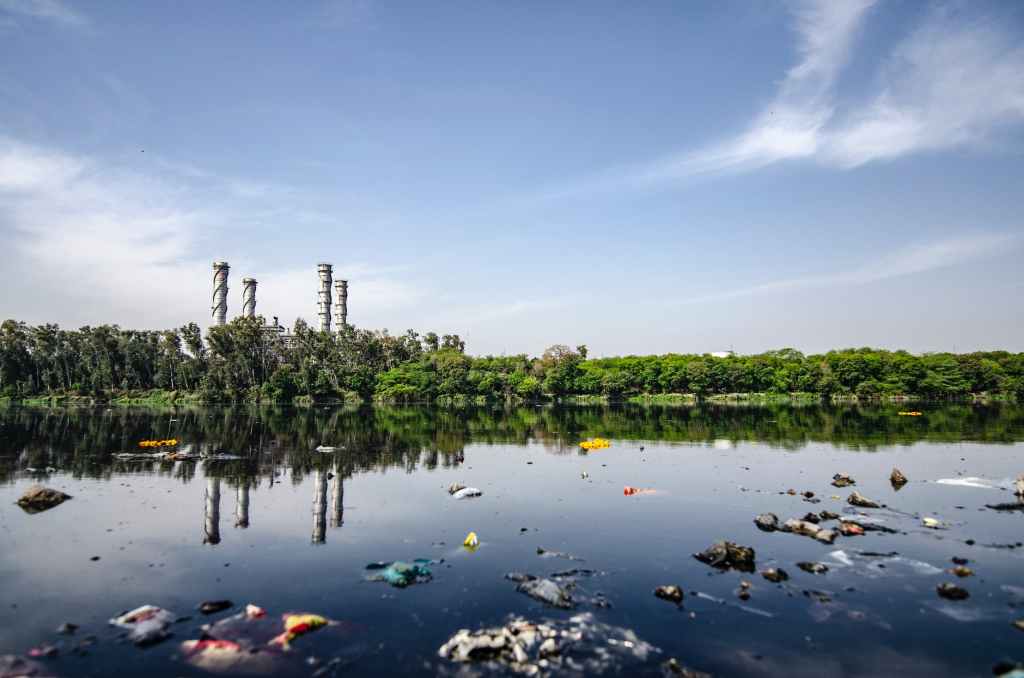
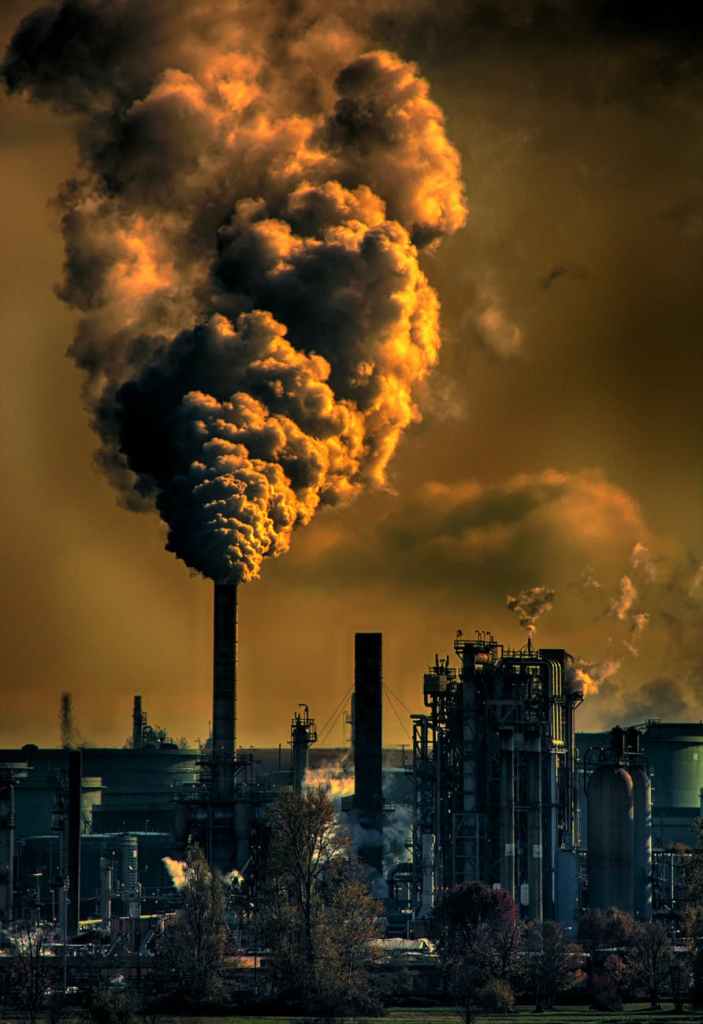
Environmental pollution is increasing with each passing year and inflicting grave and irreparable injury to the world. Environmental pollution is of different types namely air, water, soil, noise and light-weight. These cause damage to the living system. How pollution interacts with public health, environmental medicine and the environment has undergone dramatic change.

Recent oil spills in the Yellowstone River, Alaska tundra and Enbridge (Wisconsin) demonstrate how pollution can directly and indirectly impact man’s health environmental pollution was not a medical/public health issue nor was it discussed in clinical settings. Since the 1950s, environmental medicine has been discussed more frequently through a greater awareness in public health and preventive medicine; although today, there is now a focus on occupational medicine.

Environmental and occupational medicine are however more commonly viewed as an integrated subject, with emphasis given to industrial issues. Certainly, pollution problems have been recognized in the distant past but were more easily mitigated by nature due to the limited complexity of the pollutant, its degradability (e.g. biodegradable organics) and lower industrialization. Health-related effects from environmental pollution have been well known, but were not fully realized until highly notable events like the Donora (Pennsylvania) smog occurrence in 1948 resulting in later public health programs including in their training a discussion of environmental medicine.

There has been an increased awareness of how pollution is observed regarding its health impact and attitudes toward public health and environmental medicine. Damage from oil spills will not only influence public health but overall disease rates for years to come. As environmental pollution increases so will the importance of environmental medicine in managing its consequences.