How to cope with stress in your daily life

Stress is a natural part of life, and like many things, it’s important to learn how to manage it. If you’re suffering from stress, here are some helpful tips for coping:

Find a hobby

If you’re looking for a way to manage stress and unwind, a hobby can be an excellent option. It doesn’t have to be something specific or intense; you could simply enjoy doing something that inspires you every day.

Whatever it is that makes your heart race with excitement, there’s probably an outlet for it in your life—if not now then at some point in the future. Taking up knitting or painting might seem like an odd choice when you’re stressed out by midterms and finals, but these activities can become routine sources of relaxation as well as hobbies!

When we were kids growing up, many of us were fond of playing sports: football or baseball games were favorite pastimes at our houses during the summer months because they gave us something physical (and occasionally competitive) to do together after school hours were over. Nowadays however there are plenty other ways for parents and kids alike alike enjoy getting involved together outside on weekends – whether through volunteering with community organizations like Habitat For Humanity; going camping together on family camping trips; taking part in organized activities such as dance lessons where everyone learns new moves together while having fun at once too 🙂

Build a daily routine

The first step to managing stress is building a daily routine. A morning routine, afternoon routine and evening routine are all good places to start.

Make sure you have your coffee (or tea) before 7:30 AM. This will help you get going in the morning and prevent late-night cram sessions later on in the day when you’re tired or distracted by something else that needs doing.

Get through at least one workout session per week—even if it’s just walking around campus for 30 minutes with friends or playing basketball with teammates after class! Exercise helps burn off energy so that mentally challenging tasks don’t seem insurmountable anymore; moreover, exercise has been shown to reduce anxiety levels as well as improve moods overall.* Go grocery shopping once per week rather than buying food from convenience stores because they tend to have higher prices than supermarkets do; however replacing fast food with healthy alternatives like salads instead of burgers will save money while still providing nutritious meals throughout each day.* Try not using social media sites like Facebook or Twitter too frequently either during lunch breaks at work because this causes users’ lives outside office hours become blurred together into one giant blur which makes everything seem more difficult than before since now there’s no separation between work life & personal life anymore.

Eat healthy food

Eating a balanced diet is key to managing stress. It helps you feel more energized and less tired, which can help you avoid getting sick or stressed out by hunger pangs. If possible, eat a healthy breakfast every morning—this will give you the energy boost that makes it easier for you to get through your day!

If eating junk food is something that stresses out your stomach (and let’s be honest here: who doesn’t love pizza?), try finding healthier snacks like fruit salad bites or even granola bars instead of sugary ones. The key here is moderation; no one should ever eat too much junk food because this will only make them feel worse afterwards.

Get in touch with your family

Stress is a normal part of life and as such, it’s important to find ways to manage your stress. One way you can do this is by talking with your family about how they can help.

Family members are a great source of support when it comes to helping you manage stress—and they may not even realize how much they’re helping! If you have parents or siblings who live nearby, consider asking them if they’d like some help managing their own lives and those around them. You could even offer up some of your time (or money) in exchange for their assistance so that everyone benefits from their efforts together.

Get enough sleep

Sleep is important for learning and memory.

It’s also linked to stress reduction.

Getting enough sleep can help reduce your stress levels, which will make you more productive at school or work.

Go for a walk

You can get away from the stress of school by going for a walk.

Go for a walk alone or with friends if you’d like, but don’t worry about being seen—the point of walking is just to move your body, not impress others. Listen to music while you walk (or listen in silence), and try to take in some fresh air too. Take your dog for a long walk around the neighborhood; they’ll love it! If possible, try walking at least 10,000 steps each day—that’s equivalent to running one mile per hour continuously for 30 minutes straight! When I was younger and had more energy than I do now as an adult who’s trying everything she can think of not only stay healthy but also keep fit at age 55+.

Listen to music


Music is a great way to relax and de-stress. You can listen to any music you like, but try not to choose something that’s too hard or fast. Music can also help you focus on what’s important in your life, which will help keep things in perspective when they get overwhelming.

Music can also help with sleep! I recommend listening before bed because it helps calm your mind enough so that it doesn’t keep tossing and turning at night because of all the stressors going through your head during the day (or even week).

Meditate

Meditating is a great way to relax and unwind. It can help you deal with stress, anxiety and depression, improve your memory and creativity, even slow down the aging process.

If you’re new to meditation or have never tried it before there are plenty of ways that beginners can begin:

Sit comfortably in a comfortable position (sitting or lying down).

Close your eyes if possible – this might help you focus better on what you are doing (most people choose not to cover their eyes).

Start by breathing normally through both nostrils for one minute without counting the breaths or trying anything else at first; this will help clear any thoughts from your mind so that when they come back again later on during meditation they won’t distract us from our task at hand which is meditating.

Talk to someone about your stressors

Talking to someone about your stressors is an important part of managing them. You can talk to your friends and family, but it’s also helpful to talk about the stressors with a therapist or counselor. If you feel comfortable talking about this issue with a doctor, go for it! The same goes for religious leaders, coaches and mentors who have experience dealing with similar issues in their own lives. And if none of these people are available yet, teachers are usually willing to listen when students come seeking guidance from them (or even just want advice on how they should handle their own problems).

Few more steps to encounter stress

Stress can be caused by a variety of factors including work-related issues, relationships with friends and family members or even just having too much on your plate at once. In order to manage stress effectively there are some steps that you can take:

Start taking breaks from time to time during the day (even if only for 5 minutes). This will help you relax and recharge so that when you return back into work mode again; everything feels fresh again.

Try getting outdoors more often during the day so that there’s less time spent indoors where all these feelings tend to accumulate over time because there isn’t much else going on besides watching TV shows while eating pizza as opposed being outside enjoying nature around us all… You get what I mean? 🙂


I hope this article has given you some useful tips for managing your stress. Remember that the best way to deal with a stressful situation is to stay calm and take action. Use our tips above and find something that helps you relax, like giving yourself time away from your responsibilities or getting some exercise – anything will do.

Solar Energy for The Future

N kavya

Solar energy is any type of energy generated by the sun. Solar energy is created by nuclear fusion that takes place in the sun. Fusion occurs when protons of hydrogen atoms violently collide in the sun’s core and fuse to create a helium atom. Solar technologies convert sunlight into electrical energy either through photovoltaic (PV) panels or through mirrors that concentrate solar radiation. This energy can be used to generate electricity or be stored in batteries or thermal storage.

The Process of Solar Energy –

This process, known as a PP (proton-proton) chain reaction, emits an enormous amount of energy. At its core, the sun fuses about 620 million metric tons of hydrogen every second. The PP chain reaction occurs in other stars that are about the size of our sun and provides them with continuous energy and heat. The temperature for these stars is around 4 million degrees on the Kelvin scale (about 4 million degrees Celsius, 7 million degrees Fahrenheit).

In stars that are about 1.3 times bigger than the sun, the CNO cycle drives the creation of energy. The CNO cycle also converts hydrogen to helium but relies on carbon, nitrogen, and oxygen (C, N, and O) to do so. Currently, less than 2% of the sun’s energy is created by the CNO cycle.

Nuclear fusion by the PP chain reaction or CNO cycle releases tremendous amounts of energy in the form of waves and particles. Solar energy is constantly flowing away from the sun and throughout the solar system. Solar energy warms the Earth, causes wind and weather, and sustains plant and animal life.

The energy, heat, and light from the sun flow away in the form of electromagnetic radiation (EMR).

The electromagnetic spectrum exists as waves of different frequencies and wavelengths. The frequency of a wave represents how many times the wave repeats itself in a certain unit of time. Waves with very short wavelengths repeat themselves several times in a given unit of time, so they are high-frequency. In contrast, low-frequency waves have much longer wavelengths.

The vast majority of electromagnetic waves are invisible to us. The most high-frequency waves emitted by the sun are gamma rays, X-rays, and ultraviolet radiation (UV rays). The most harmful UV rays are almost completely absorbed by Earth’s atmosphere. Less potent UV rays travel through the atmosphere and can cause sunburn.

The sun also emits infrared radiation, whose waves are much lower frequency. Most heat from the sun arrives as infrared energy.

Sandwiched between infrared and UV is the visible spectrum, which contains all the colors we see on Earth. The color red has the longest wavelengths (closest to infrared), and violet (closest to UV) the shortest.

Natural Solar Energy

1. Greenhouse Effect
2. Photosynthesis
3. Fossil Fuels
• Harnessing solar Energy (The methods use either active solar energy or passive solar energy)
• Photovoltaics
• Concentrated solar energy
• Solar Architecture

Advantages & Disadvantages of Solar Energy

1. Advantages
• Solar energy is clean. After the solar technology equipment is constructed and put in place, solar energy does not need fuel to work. It also does not emit greenhouse gases or toxic materials.
• There are locations where solar energy is practical. Homes and buildings in areas with high amounts of sunlight and low cloud cover have the opportunity to harness the sun’s abundant energy.
• Solar energy complements other renewable sources of energy, such as wind or hydroelectric energy.


Homes or businesses that install successful solar panels can produce excess electricity. These homeowners or business owners can sell energy back to the electric provider, reducing or even eliminating power bills.

2. Disadvantages
• Solar energy equipment is also heavy. To retrofit or install solar panels on the roof of a building, the roof must be strong, large, and oriented toward the sun’s path.
• Both active and passive solar technology depends on factors that are out of our control, such as climate and cloud cover. Local areas must be studied to determine whether or not solar power would be effective in that area.
• Sunlight must be abundant and consistent for solar energy to be an efficient choice. In most places on Earth, sunlight’s variability makes it difficult to implement as the only source of energy.

Racialism

N kavya

A belief that races are the fundamental determinant of human traits and capacities and that racial differences produce an inherent superiority of a particular race. Ladino elites used racism to justify the displacement and enslavement of the indigenous population, and these beliefs, along with resentment created by the continued exploitation of indigenous land and labour, culminated in the Guatemalan Civil war (1960-1996). Racism is also called racialism.

(Racism)

After, Germany’s defeat in World War I, that country’s deeply ingrained anti-Semitism was successfully exploited by the Nazi Party, which seized power in 1933 and implemented policies of systematic discrimination, persecution, and eventual mass murder of Jews in Germany and the territories occupied by the country during World War II. In North America and apartheid-era South Africa, racism dictated that different races (chiefly blacks and whites) should be segregated from one another; that they should have their distinct communities and develop their institutions such as churches, schools, and hospitals; and that it was unnatural for members of different races to marry. Historically, those who openly professed or practiced racism held that members of low-status races should be limited to low-status jobs and members of the dominant race should have exclusive access to political power, economic resources, high-status jobs, and unrestricted civil rights. The lived experience of racism for members of low-status races includes acts of physical violence, daily insults, and frequent acts and verbal expressions of contempt and disrespect, all of which have profound effects on self-esteem and social relationships. Racism was at the heart of North American slavery and the colonization and empire-building activities of western Europeans, especially in the 18th century. In the 19th century, racism matured and spread around the world. In many countries, leaders began to think of the ethnic components of their societies, usually religious or language groups, in racial terms and to designate ‘higher and ‘lower races. The expressions and feelings of racial superiority that accompanied colonialism generated resentment and hostility from those who were colonized and exploited, feelings that continued even after independence. In the mid-20th century, many conflicts around the world have been interpreted in racial terms even though their origins were in the ethnic hostilities that have long characterized many human societies. By this time, many societies had begun to combat racism by raising awareness of racist beliefs, and practices by promoting human understanding in public policies, as does the Universal Declaration of Human Rights, set forth by the United Nations in 1948. Despite constitutional and legal measures aimed at protecting the rights of racial minorities in the United States, the private beliefs and practices of many Americans remained racist, and some groups assumed lower status was often made a scapegoat. That tendency has persisted well into the 21st century.

(Racism)

Racism reflects an acceptance of the deepest forms and degrees of divisiveness and implies that differences between groups are so high that they cannot be transcended. Racism evokes hatred and distrust and preludes any attempt to understand its victims. Many societies have concluded racism is wrong, and social trends have moved away from racism. For many people, “race” is linked to physical differences among people, and such features as dark skin colour have been seen as markers of low status, some experts believe that racism may be difficult to eradicate. Indeed, minds cannot be changed by laws, but beliefs about human differences can and do change, as do all cultural elements.

DEPRESSION

N kavya

Depression is a mood disorder that causes a persistent feeling of sadness and loss of interest, also called major depressive disorder or clinical depression. It affects how you feel, think, and behave and can lead to a variety of emotional and physical problems. Depression is not a weakness; you cannot simply “snap out “of it. Depression may require long-term treatment. But we should not feel discouraged because most people with depression feel better with medication, psychotherapy, or both.

Let us see know about the symptoms of depression –:

• Feelings of sadness, tearfulness, emptiness, or hopelessness
• Angry outbursts, irritability or frustration, even over small matters
• Loss of interest or pleasure in most or all normal activities, in their hobbies or sports
• Sleep disturbances, including insomnia or sleeping too much
• Tiredness and lack of energy, so even small tasks take extra effort
• Reduced appetite and weight loss or increased cravings for food and weight gain
• Anxiety, agitation, or restlessness
• Slowed thinking, speaking, or body movements
• Feelings of worthlessness or guilt fixating on past failures or self-blame
• Trouble thinking, concentrating, making decisions, and remembering things
• Frequent or recurrent thoughts of death, suicidal thoughts, suicide attempts, or suicide
• Unexplained physical problems, such as back pain or headaches.

People dealing with depression may occur only once during their life, people typically have multiple episodes, and during these episodes, symptoms occur most of the day, nearly every day which also affects their day-to-day activities, such as work, school, social activities, or relationships with others. Some people might even feel generally miserable without really knowing the exact reason.

• Depression in children and teens may include sadness, irritability, clinginess, worry, aches, pains, being extremely sensitive, feeling misunderstood, anger, and poor performance.
• Depression in symptoms in older adults may include memory, difficulties or personality changes, fatigue, and often wanting to stay at home, rather than go out to socialize or do new things.

Causes of depression –:

• Biological differences – People with depression appear to have physical changes in their brains. The significance of these changes is still uncertain.
• Brain chemistry – Neurotransmitters are naturally occurring brain chemicals that likely play a role in depression.
• Hormones – Changes in the body’s balance of hormones may be involved in causing or triggering depression.
• Inherited traits – Depression is more common in people whose blood relatives also have this condition. Research shows genes may be involved in causing depression.

Risk factors of depression –:

• Certain personality traits, such as low self-esteem and being too dependent, self-critical, or pessimistic
• Traumatic or stressful events, such as physical or sexual abuse, the death or loss of a loved one, a difficult relationship, or financial problems.
• History of other mental health disorders, such as anxiety disorder, eating disorders, or post-traumatic stress disorder. Abuse of alcohol or recreational drugs.
• Serious or chronic illness, including cancer, stroke, chronic pain, or heart disease. Certain medications may also trigger depression such as some high blood pressure medications or sleeping pills.

Complications in depression – :

• Excess weight or obesity, which can lead to heart disease and diabetes
• Pain or physical illness
• Alcohol or drug misuse
• Anxiety, panic disorder, or social phobia
• Family conflicts, relationship difficulties, and work or school problems
• Social isolation
• Suicidal feelings, suicide attempts, or suicide
• Self-mutation, such as cutting
• Premature death from medical conditions

Prevention of depression -:

There is no fixed way to prevent depression but these strategies may play a major role –
• Take steps to control stress
• Reach out to family and friends
• Get treatment at the earliest sign of a problem
• Consider getting long–term treatment because it helps to prevent a relapse of symptoms.

Types of depressive disorders -:

• Major depressive disorder
• Anxious distress, Melancholy, Agitated (Major depression looks different in different people. So they are characterized into three types.)
• Persistent depressive disorder
• Bipolar disorder
• Seasonal affective disorder (SAD)
• Psychotic disorder
• Peripartum (Postpartum) Depression
• Premenstrual Dysphoric Disorder
• ‘Situational ’Depression
• Atypical depression
• Clinical depression

Weird laws in North Korea

Making International calls is a crime. North Korean citizens can not make international calls as it’s considered a crime there. According to reports, in 2007 a North Korean factory boss was executed by a firing squad in front of 150,000 people after being accused of making international calls on 13 phones he installed in a factory basement.

•Foreign movies, songs not allowed Watching foreign movies or listening to foreign music can send North Korean citizens to jail. In 2015, North Korea’s dictator Kim Jong-un ordered the destruction of all cassette tapes and CDs that had state-banned songs in order to contain dissent. Watching American movies or distributing pornography can lead to the death penalty. There are only three channels on TV in North Korea, and all content is controlled by the government.

Disloyalty to the leader can mean the death penalty Falling asleep during a meeting with Kim Jong-un is considered disloyalty to the leader and may also lead to the death penalty. According to reports, in 2015, North Korea’s Defence Minister Hyon Yong-chol was gunned down by an anti-aircraft fire in front of 100 people for behaviuor such as falling asleep in Kim Jong-un’s presence.

•Three-generation punishment. If anyone commits a crime in North Korea, not only he or she will be punished, but also their grandparents, parents and children. This terrible law was created to prevent people from escaping from prison.

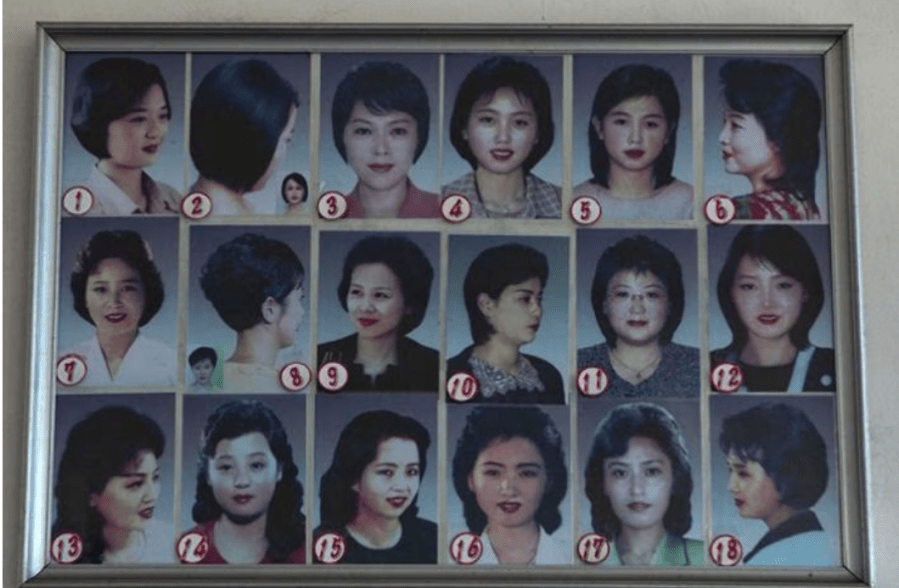
Only government-approved haircuts. All men and women can only do one of 28 government-approved haircuts, 18 for women, 10 for men; other hairstyles are prohibited. North Korean leader Kim Jong Un introduced this law in 2013 and did not include his hairstyle on this list because he wanted to keep it unique and absolutely no one can dare to copy his hairstyle. It is assumed that married women should wear shorter haircuts than unmarried women.

Permission needed to live in the national capital. North Korean leader Kim Jong-un wants only the most successful, wealthy and influential people to live in North Korea’s Pyongyang. People must have an express permission to live in the capital

Bible is banned in North Korea. In North Korea, the Bible is considered a symbol of Western culture and is therefore prohibited because it can transform people. One Christian woman who was distributing the Bible was arrested and executed. In 2014, Jeffrey Fowle, an American citizen on tour of North Korea, was arrested and imprisoned for five months because he forgot the Bible in the bathroom of a restaurant at the Chongjin Sailor’s Club.

No iPhones or laptops. No iPhones, TVs or laptops from the aforementioned brands for North Koreans! The people of this country know very little about electronics and technology, as the government’s isolation policy hides a lot.

•Only one leader to vote in the election. North Korea holds elections and all the citizens above 17 mandatorily have to vote in the elections but they are not entirely free elections. In each election, you only have 1 option. As a result, 100% of Koreans vote for their dear leader.

Military service is compulsory. Military service is compulsory for all North Koreans. 10 years for men and 7 years for women.

Power cut every night. North Koreans face power cuts every night due to the energy crisis in the country and for using electricity need permission and owning a microwave is illegal.


Leaving North Korea is not like leaving any other country. It is more like leaving another universe.

-North Korean refugee

SDG 2 : Zero Hunger.

In 2012, at the United Nations (UN) Conferences on Sustainable Development in Rio de Janeiro, Brazil, world representatives created the Sustainable Development Goals (SDGs). The purpose of creating SDGs was to produce a set of universal goals that meet the urgent environmental, political and economic challenges facing our world, according to the UN Development Programme. There are 17 SDGs that the UN hopes to meet by 2030, the second of which is Zero Hunger. More than 800 million people around the world are hungry. The United Nations’s second Sustainable Development Goal, Zero Hunger, aims to end world hunger by 2030.

Hunger is not caused by food shortage alone, but by a combination of natural, social, and political forces. Currently, natural resources that are necessary for human survival—like freshwater, the ocean, forests, soils, and more—are dwindling. Climate change is contributing to the degradation of precious resources, as severe weather events, like droughts, become more common and affect harvests, leading to less food for human consumption. Poverty and inequality are also two drivers of hunger, affecting who can buy food, as well as what kind of food, and how much, is available. Hunger is also a product of war and conflict. During periods of unrest, a country’s economy and infrastructure can become severely damaged. This negatively affects civilian access to food by either driving up food prices, interfering with food production, or forcing people from their homes. Some governments and military groups have even used starvation as a war tactic, cutting off civilians from their food supply. In 2018, the UN declared this tactic a war crime.

The total number of persons suffering from severe food insecurity has been on the rise since 2015, and there are still millions of malnourished children. The economic slowdown and the disruption of food value chains caused by the pandemic are exacerbating hunger and food insecurity. In addition, the upsurge in desert locusts remains alarming in East Africa and Yemen, where 35 million persons already experience acute food insecurity. Owing to the pandemic, some 370 million schoolchildren are missing the free school meals that they rely on. Measures to strengthen food production and distribution systems must be taken immediately to mitigate and minimize the impacts of the pandemic.

The world is not on track to achieve Zero Hunger by 2030. If recent trends continue, the number of people affected by hunger would surpass 840 million by 2030. According to the World Food Programme, 135 million suffer from acute hunger largely due to man-made conflicts, climate change and economic downturns. The COVID-19 pandemic could now double that number, putting an additional 130 million people at risk of suffering acute hunger by the end of 2020.

Fracking

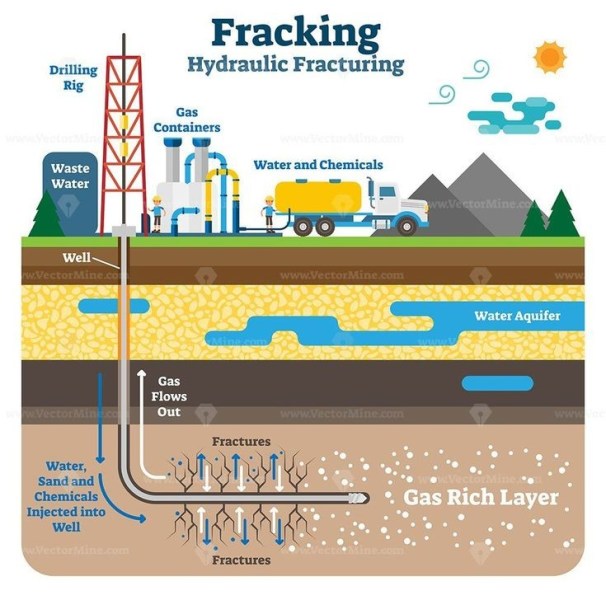
Fracking is short for “hydraulic fracturing”, which is the process of creating fractures in rocks and rock formations by injecting specialized fluid into cracks to force them to open further. The larger fissures allow more oil and gas to flow out of the formations and into the wellbore. It is easier to extract oil and gas there.Fracking has resulted in many oil and gas wells attaining a state of economic viability due to the level of extraction that can be reached. It has also allowed drilling firms access to previously difficult-to-reach sources of oil and gas.Fracking is an extraction technique for oil and gas wells in which rocks are fractured artificially using pressurized liquid. The process involves drilling down into the earth and injecting a highly pressurized mixture of water, sand, and thickening agent, also called “fracking fluid,” into a wellbore to create cracks in rock formations. Once the hydraulic pressure is removed from the well, the remnants of the fracking fluid hold the fractures open, making it easy to extract the oil and gas inside. Fractures can also exist naturally in formations, and both natural and human-made fractures can be widened by fracking. As a result, it is possible to extract more oil and gas from a given area of land.

Fracking increases the rate at which water, petroleum, or natural gas can be recovered from subterranean wells. It has also allowed the extraction of unconventional oil and gas resources from low permeability sites where traditional extraction technologies fail. Fracking as a method for oil and gas extraction is also more economically viable than conventional or horizontal drilling. In the United States, domestic oil production has grown significantly with the introduction of fracking. The process has driven down gas prices and offered gas security to both the United States and Canada for about 100 years.

Most of the opposition to fracking revolves around its potential negative impact on the environment. Fracking typically produces methane emissions, which reduce air quality. Furthermore, methane gas contributes significantly to global warming.Fracking requires forcing large volumes of water and chemicals into the ground, which can seep and contaminate local soil and water resources. Moreover, due to the high pressures involved, fracking is also associated with increased seismic activity. It also releases large quantities of methane gad and other air pollutants that can cause health problems and contribute to climate change.Fracking has allowed for the cost-effective extraction of harder-to-reach deposits of oil and gas, which has increased the supply of available fossil fuels. In general, greater supply leads to lower prices; however, several other factors also impact the price of oil and gas.


Rural Development.

The majority of population in India (about 73 per cent) is living in rural areas. Living conditions of the rural people are very poor. Under such a situation, development of rural areas must receive adequate attention in various schemes designed for the development of Indian economy.

The rural part of the country is still underdeveloped, and the government is doing what all they can to make sure that the rural part also has all the resources like the urban of the country has. But if survey gets conducted at various parts of the country, one will find out that still there are a lot of city and villages in the country whose development is still under process. Various kinds of roads and bridges are being made in various rural parts of the country so that they get connected to an urban part of the country, and thus people from rural part can travel to urban part easily to do various kinds of jobs.

Many industrialists have stepped out to develop rural part of the country, and that is why a lot of malls, call centers, and other industries are getting set up in various rural parts of the country. These industries will not only make job opportunities for the rural people, but it will also enhance their knowledge about certain things.

The following measures can he taken to attain rural development in the country.

  • Improvement of sanitation and for the improvement of sanitation, arrangements for supply of pure drinking water should be made. Tube-wells and ponds should be dug.
  • Education of the masses, Mass education should be introduced to remove the ignorance of the villagers. Education should be made free and compulsory.
  • Establishment of schools for poor people. Night schools should be set up for poor to teach elementary Hygiene and scientific methods of cultivation.
  • Establishment of cheap medical aid for people in rural areas. Hospitals should be established to give cheap medical aid to the people living in rural areas.
  • Construction of good roads and other means of communication is must.
  • Co-operative Credit Societies should be set up to provide loans to the peasants.

The Ministry of Rural Development is engaged in implementing a number of schemes which aim at enabling rural people to improve their living standards. Education, removal of poverty and speedy socio-economic progress is the goal with which the development programmes are being implemented through a multi pronged strategy, reaching out to the most disadvantaged sectors of society Huge priority is being accorded to provide clean drinking water, rural housing and road. The social security programmes are being implemented for providing assistance to the destitute and downtrodden. Assistance and encouragement to voluntary agencies and training of functionaries forms part of the emphasis on accelerated rural development. The ministry is constantly endeavouring to empower the Panchayt Raj institutions in terms of functions, power and finance. In the new initiative the Gram sabha has become the most significant institutions. Non-Government Organisations self help group and Panchayati Raj institutions have been accorded adequate role to make participating democracy meaningful and effective. Development of waste lands desert and drought prone areas has also been undertaken along with land reforms.

Central Bureau of Investigation

The CBI is the main investigating agency of the GOI. It is not a statutory body; it derives its powers from the Delhi Special Police Establishment Act, 1946.
Its important role is to prevent corruption and maintain integrity in administration. It works under the supervision of the CVC (Central Vigilance Commission) in matters pertaining to the Prevention of Corruption Act, 1988. Investigate cases connected to infringement of economic and fiscal laws, i.e., breach of laws concerning customs and central excise, export and import control, income tax, foreign exchange regulations, etc. But cases of this nature are taken up by the CBI either at the request of the department concerned or in consultation with the concerned department.Investigate crimes of a serious nature, that have national and international ramifications, and committed by professional criminals or organised gangs.To coordinate the activities of the various state police forces and anti-corruption agencies.
At the behest of a state govt., the CBI can also take up any case of public importance and investigate it.Maintaining crime statistics and disseminating criminal information.The agency is dependent on the home ministry for staffing since many of its investigators come from the Indian Police Service. The CBI also relies on the ministry of law for lawyers and also doesn’t have functional autonomy to some extent. The CBI, run by IPS officers on deputation, is also vulnerable to the government’s ability to manipulate the senior officers because they are dependent on the Central government for future postings. Since police is a State subject under the Constitution, and the CBI acts as per the procedure prescribed  by the Code of Criminal Procedure (CrPC), which makes it a police agency, the CBI needs the consent of the State government in question before it can make its presence in that State. This can lead to certain cases not being investigated and seeing a silent deadlock. Recently, states like Andhra Pradesh (consent is again given after change of government in-state) and West Bengal withdrew consent.

The CBI was not one of the organizations included in the exempted category. It was much later in 2012 that the CBI was brought in. There was a purpose as to why the CBI was not brought into the ambit of the RTI- this was because the CBI was not considered to be one of those organizations which really looks into the strategic interests of India. Section 8 of the RTI Act, which guarantees various forms of exemption, begins by saying that all the information which has a strategic significance should not be disclosed. Further, since the Intelligence Bureau (IB), the Research & Analysis Wing or RAW and such organizations which gather intelligence, are dealing with strategic matters and so they were from the very beginning kept in the exempt category. The CBI was never considered to be one which collects or maintains such information which are of strategic importance for the country.However, the CBI made out a case that they are also investigating into all kinds of cases- and that these cases include those which are of strategic importance for India and therefore, if they would be subjected to the RTI, much of that information would go out into the public domain.

CYBERSECURITY IS A SHARED RESPONSIBILITY, AND IT BOILS DOWN TO THIS: IN CYBERSECURITY, THE MORE SYSTEMS WE SECURE, THE MORE SECURE WE ALL ARE.

Inclusive growth and issues arising from it

Inclusive growth is defined as economic growth that generates job opportunities and aids in poverty reduction.
It entails poor people having access to basic health and education services. It entails ensuring equal opportunity for all, as well as empowering people through education and skill development.
To reduce poverty quickly and sustainably, people must be able to both contribute to and benefit from economic progress.
Rapid growth is required to eliminate poverty, but it must be broad-based across sectors and inclusive of a large portion of the country’s labor force to be long-term sustainable.According to the UNDP, inclusive growth is “the process and result of all groups of people participating in growth and benefiting equally from it.”
According to the OECD (Organisation for Economic Co-operation and Development), inclusive growth is defined as economic growth that is evenly dispersed across society and generates opportunity for everyone.

Unemployment

Because of illiteracy and over-dependence on agriculture, India’s employment quality and quantity are low.The lack of quality employment is a concern because more than 80% of individuals work in the informal sector and are not covered by social security.According to the NSSO’s Periodic Labour Force Survey (PLFS), the unemployment rate for the urban workforce was 7.8%, while the rural workforce had a rate of 5.3 percent, bringing the total unemployment rate to 6.1 percent.The following factors contribute to sluggish job growth:
°The industry has a low capital utilization °Low initial budget
°Agriculture’s expansion has been slow.
°According to economists, what is being referred to as a “demographic dividend” could turn out to be a moment of crisis defined by high unemployment and social unrest.

Backwardness in Agriculture

Agriculture employs 60% of the Indian population, either directly or indirectly. Agriculture, on the other hand, has a dismal growth rate of only 2%.
Agriculture production must be improved by policymakers and government officials in order to be more inclusive.Lack of access to capital for agriculture and small and medium enterprises, as well as a lack of social protection, have all contributed to underprivileged communities being left out of the growth picture.The following are some of the issues in agriculture:
°A gradual decrease in the employment share
°Land availability per capita is dwindling.
°Labor productivity is low.
°Agriculture yields are declining as a result of climate change, soil degradation, and water scarcity.
°Growth differences between regions and crops.

Social Development Problems:

One of the most important concerns for inclusive growth is social development. However, it has some issues, such as:
Regional, societal, and gender differences are all significant.Public spending, notably in health and education, is at a low level and growing slowly.Children’s malnutrition – India is ranked 102nd in the Global Hunger Index.

Disparities by Region

India’s regional differences are a key source of concern. Factors such as the caste system, the wealth gap, and others contribute to regional inequities, resulting in a society in which certain groups enjoy greater privileges than others.Kerala is the most literate state in the country, with a literacy rate of 93.1 percent; nevertheless, Bihar’s literacy rate is only 63.82 percent.


India is a vibrant nation whose strength lies in its commitment to equal rights and to speech, religious and economic freedoms that enrich the lives of all citizens. India is not only the world’s largest democracy; it is also a secular, pluralistic society committed to inclusive growth.

Cyber Security

Cyber Security is the practice of identifying the vulnerabilities and threats associated with digital systems and mitigating these risks. The term “cyber” refers to a nickname for an internet-connected computer or any other device that uses a processor, input/output and networking connections. The common threats include: viruses, worms, trojans and malware. A related term is cyber warfare which is the use of cyber tools in warfare to achieve objectives that would not be possible by using physical means such as bombs or missiles. The role of cyber security professionals is to protect critical systems and information. The main goal of cyber security is to prevent hackers from gaining access to information or using nefarious actions that would put the users’ information at risk.cyber security important because the government, military, law enforcement, and private industry use many critical resources that could be negatively affected by cyber attacks. Many of these systems are financial, such as banks, credit cards, ATMs, stock markets and networks. Government agencies use software to manage the US budget system and the military uses software to track troop movement. Because of these vital uses, cyber attacks could cripple important services or even destroy the country’s financial security.In order for companies to operate securely in today’s technological world they need to implement cyber security protections. These protections include firewall protection, anti-virus programs, encryption codes that keep hackers from easily accessing sensitive data and data backup systems in case any security breach occurs that causes damage to systems or information.

A major concern to cyber security is providing more efficient support to better protect against cyber related activities. This means an organization must have the information available to help identify possible threats including understanding what possible methods hackers may use to gain access, and how the organization can prepare for any potential attacks.
Cyber security is a constantly growing area of study and research. Some of the most recent research being done is focused on cyber security in cyber space. The purpose of this paper will be to analyze if a previous study found in 2012 correctly identified computers within an organization as well as their movement throughout the network. There are two main findings that are sought out which were: 1) how computers move across networks (e.g. LAN, WAN, etc.), and 2) how computers might behave in a network. The assumption is that computers within an organization move between locations (e.g., building or branch offices) and they may change their location(s). Also, the behavior of a computer can be tracked as observed (e.g., its IP address changes from one to another, or its Whois information changes from one domain name service provider to another).

Cyber security offers a variety of career paths depending on the level of experience you have and your area of expertise. You can be an analyst/engineer, network administrator, programmer, or data analyst and many more other positions available depending on your area of interest and experience. Some jobs a required while others are possible as long as it relates to your field in the security field such as computer science or finance. If you’re looking for a career that will pay well, then cyber security is the right choice for you because it’s relatively new and will only continue to grow.


“Security used to be an inconvenience sometimes, but now it’s a necessity all the time.”

National Educational Policy

Education is a fundamental requirement for the development of a just and just society and for achieving the full human potential for promoting national development. The whole world is passing through a rapid change in the knowledge landscape.In this context, the New National Policy 2020 was approved by the government of India on July 29, 2020 and approval was also given to change the name of Ministry of Human Resource Development to Ministry of Education. This New Education Policy 2020 will replace the 34 year old National Education Policy 1986.The vision of this New Education Policy 2020 should be to make students proud of being Indian not only in thought but also in behaviour, intellect and action as well as in knowledge, skills, values and thinking, which are important for human rights, sustainable development and be committed to the cause of survival and global well-being, so that they become truly global citizens.Built on the fundamental principles of easy access, equity, quality, affordability, and accountability for all, this New National Policy 2020 is in line with the 3030 Agenda for Sustainable Development.

Principles of the National Education Policy
•Flexibility: It seeks to provide flexibility to the learners to choose their pace of learning and choose their own path as per their talent.
•Multi-disciplinary: To provide holistic education in all fields like science, social science, coding, arts, humanities, sports, etc.
•Ethical and Constitutional Values: It aims to inculcate the values of empathy, respect for others, cleanliness, courtesy, scientific temper, liberty, responsibility, equality and justice. •Sustainable Policy: Formulation of policies based on regular assessment of ground reality. Keeping in mind the rich, diverse, ancient and modern culture and knowledge system and tradition of India.
•Equality and Inclusion: This will be the objective of all educational decisions, ensuring that all students can thrive in the education system.
•Life Skills: Focusing on building life skills such as collaboration, teamwork, communication, resilience, etc.
•Professional Value: All teachers and educators will be recruited through rigorous preparation. Emphasis will be placed on preparedness, continuous professional development, positive work environment & service development.
•Education as a Fundamental Right: Education is a public service and not a commercial activity. It should be available with sufficient quality to all. There must be strong and sustainable investment in a vibrant public education system as well as an ethical human and philanthropic private system.


Education is fundamental for achieving full human. potential, developing an equitable and just society, and promoting national development.

Menstruation & It’s Taboos

N kavya

The menstrual cycle is a part of your reproductive system. Menstruation is the monthly shedding of the lining of your uterus. The menstrual blood which is partly blood and partly tissue from the inside of your uterus flows from your uterus through your cervix and out of your body through your vagina.

It has been said that during those days the tradition started for a good reason as women go through heavy cramps, PMS (premenstrual syndrome), headaches, stomach aches, mood swings, etc. Women were being isolated from their family and given complete rest in a separate room, as time passed the traditions became aggressive and gave more stress associated with myths, or misconceptions and taboos to women than being supportive to them during their menstrual cycle. Women are not allowed to enter the temples, in many households’ girls are subjected to many superstitious practices such as; prohibition from entering the kitchen and prayer room, being made to stay in a separate room, being forced to eat in separate utensils, and in some houses, the girl is provided the left-over food. Not being allowed to touch certain kinds of food because they could get spoilt, and tagging the girl as impure and unclean. The stigma associated with a woman bleeding every month leads to poor hygiene among a large section of rural women who use wood husk, leaves, paper, and other such materials instead of sanitary napkins when on their periods. The temple in Assam ‘Maa Kamkhaya’ where the main deity is the uterus of a woman signifies the importance of reproduction and the menstrual cycle is completely natural. In India, some school girls were allegedly forced to remove their underwear to prove they were not menstruating. The girls also reported that they were barred from touching other students during their menstrual cycle.

These social stigmas isolate the girls from family and friends which increases their stress levels and impacts their mental health. As per the survey in India, only 48% of adolescent girls are aware of what menstruation is before getting their first period, which is unhygienic for their health due to a lack of proper sanitation facilities. Young people do not have access to reliable and correct information about their reproductive health and rights. The lack of acceptance and the taboo associated with it leads the girls to stay at home due to anxiety and embarrassment… An overall lack of scientific knowledge about menstruation also gives way to myths and misconceptions. During previous centuries, there were many rules followed due to some circumstances but following those rules in this period seems unreasonable.

Girls must be given proper menstruation knowledge before they get their first period because many girls do not have the knowledge about how their body works and provide free napkins to the government schools. The main development goals must include an equal opportunity for education for girls and boys and access to proper sanitation. The media creating public awareness regarding these issues would break the taboo prevailing in society. The movie ‘Pad Man’ starring Akshay Kumar and Radhika Apte which speaks about the importance of women’s menstrual health is notable. To cross these barriers government, NGOs, corporate companies, and media and entertainment industries must collaborate and take advantage of each other’s capability and influence to achieve this vision.

Image credits- Google

Achievements of India in the field of Science and Technology

Today India’s achievements are numerous and include a strong Democracy, higher Education, Nuclear power, stunning economic growth and revival of numerous aspects of traditional Wisdom. Owing to the talent and will of the countrymen, we can see that India has reached among the top countries of the world especially in science and technology and various other fields. India has the 44th rank in technology level among the world. Also, India is considered one of the top five countries in space exploration. India has become an important source of creative and fundamental scientific development and in all the perspectives around the world. All great scientific discoveries and technical achievements have improved the Indian economic situation in our country and have created many new approaches for the new generation to develop a technologically advanced environment.
Much new scientific research and development is possible in the field of mathematics, architecture, chemistry, astronomy, medicine, metallurgy, natural philosophy, physics, agriculture, health care, pharmaceuticals, astrophysics, atomic energy, space technology, application, defence etc.
The introduction of scientific research, ideas and techniques in the field of education has brought a huge change in the new generation at large and has given a variety of new and innovative opportunities to work in their own interests. Modern science in India has made people aware of their constant and hard efforts by scientists. India’s scientist is great, who has made scientific progress of the highest international calibre.
Technical development in any area enhances the economy of any country. In order to improve the power of science and technology in India, the Government of India established the Council of Scientific and Industrial Research in 1942 and the Board of Scientific and Industrial Research in 1940. India has achieved so many achievements in the field of science and technology that every Indian is proud of his country. Let’s know all your achievements in detail.

Atomic clock by ISRO:
The atomic clock is an amazing technology developed by ISRO and it is used to measure precise location data in navigation satellites. Proudly, ISRO is one of the Few Space organisations in the world, those who have developed this amazing technology.

Mars Orbiter Mission :
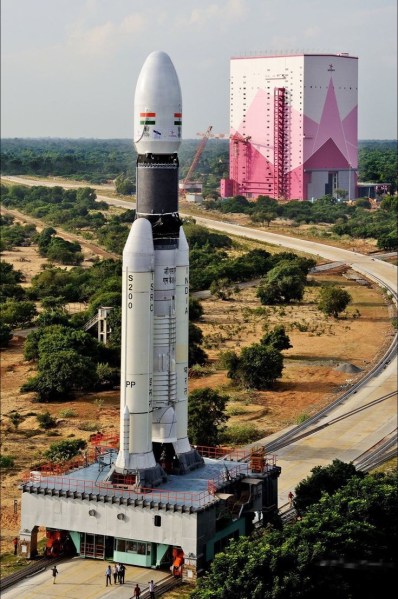
Mars orbiter mission is a great success achieved by India in the field of science and technology. India is the only nation in the world to reach Mars in the first attempt. Indian space research organisation (ISRO) launched Mangalyaan on 5 November 2013 and it was placed into mars orbit on 24 September 2014. The cost of the project was 74 million US dollars which are cheaper than anything that others can achieve.

Chandaryaan 2 Mission
The moon landing of Chandrayaan 2’s Vikram lander is also a very special Indian technological achievement for India. Chandrayaan 2 mission marks India’s first lunar exploration mission and ISRO put lots of effort into making this mission a success. With this mission, India has emerged as the fourth country in the world to have hoisted its flag on the lunar surface. This achievement is a matter of great Honour for the nation.

PARAM – India first Super Computer
India’s first-ever super Computer named ‘Param’ is also a great achievement for India in science and technology. Param is designed and assembled by the Centre for the development of advanced computing in Pune. Today there are 11 supercomputers in India and they are used in the development of nuclear weapons and space programmes.

Even though India has only 140 researchers per 10 lakh population this has never been a shortcoming in the development of Science and Technology. We Indians must feel proud of our technological advancements and try to utilise them in the best manner possible.


Achievements of India in the field of Science and Technology 

-Dr APJ Abdul Kalam.

India and its neighborhood- relations

India shares geographical boundary with eight countries namely Pakistan, Afghanistan, China, Nepal, Bhutan, Bangladesh and Sri Lanka. Since the inception of our foreign policy, India has aimed at building trust with its neighbors. It aims at peaceful friendly relations and mutual economic development by enhanced trade and investments.

•Pakistan: Improving relations with Pakistan has been among top priorities in Indian foreign policy. After the visit of Pakistan former Prime Minister Parvez Musharaff in 2004, there has been a vacuum in our talks. It seems that radical groups in Pakistan took undue advantage of this vacuum and consequently there has been increased reports of cross-border terrorism activities. 26/11 attack is an unwashable strain on the fabric of friendship between India and Pakistan. But as it is said that ‘time heals all wounds’. The recently elected Narendra Modi led National Democratic alliance government’s attitude is worth appreciation. Indian Prime minister invited his Pakistani counterpart in his swearing in ceremony in New Delhi. This is a clear indication that both Nations are willing to take their relations on newer heights. In this aspect changed outlook India should try to adopt a sustainable foreign policy towards Pakistan. Smaller initiatives like Indo-Pak trade fair at Jalandhar, Punjab (India) needs to be encouraged. Healthy trade relations will help both sides equally.

•Nepal: Since the birth of democratic institution in Nepal, India has increasingly tried to have good relations with Nepal. Currently a joint hydro power project is being built on Sharda River. This power plant is thought to mutually help both India and Nepal with respect to electricity production and irrigation facilities. From the environmental perspective, there are a number of Tiger reserves along Indo-Nepal border. Both countries have identified their importance and are helping each other to sustain the existing ones and creating new ones. •China: China being manufacturing hub of world, is strategically very important to India. In fact China has become a role model for development. India needs to build strong trade relations with China. Increasing Foreign Direct Investment caps in various sectors has been one such step of India to invite investors from abroad.Apart from these bilateral relations, India has been active on various other forums as well which provides for greater engagement with its neighbors. For example India has been one of the pioneering advocate of TAPI (Turkmenistan, Afghanistan, Pakistan and India). This project aimed at bringing gas from Gulf countries and distribute it in TAPI countries.

India is an active member in BRICS (Brazil, Russia, India China and South Africa). BRICS is emerging a one of the significant union in world. BRICS nations represent 40 per cent of world population and has approximately sixteen trillion dollars as its Nominal Gross Domestic Product (GDP). BRICS nation contributes around eighteen per cent of world economy. The recent BRICS summit held at Brazil in July 2014.
One of the German intellectual has rightly said that ‘For economic development of a nation, peace with its neighbors is a pre-requisite’. India not only recognizes this statement but also conforms to it. Going by the mood of current Indian government in India, Union government too knows the importance of its neighbors. If India wants to be a super-power then maintaining friendly relations with its neighbors is a first step of ladder in this direction.


India has always wanted friendly ties with its neighbours, there can be no debate around it. We want to live in harmony and peace.

-Narendra Modi