Web 3.0 : Financial Service Industry

How will the evolution of the web have an effect on Financial Services? This is a question that puts many financial institutions in peril but is it really something that will put banks out of business? 

What is Web 3.0?

Web 3.0 is a new evolution phase that is coming into reality. The web as we know, is evolving into something more secure with more opportunities and various features. A lot of people don’t understand Web 3.0 and are scared of it. This will be a massive change on how we see the internet and how we will use it. It is going to be a decentralized platform and it will be individualized wherein you can customize your internet browsing experience. 

The Royal Bank of Canada is utilizing millions of data points to train its own AI, resulting in fewer client calls and faster application delivery. Meanwhile, BNY Mellon, the world’s largest cross-border payments service provider, improved its fraud prediction accuracy by 20%. By researching real-time market data within nanoseconds, AI and high-performance computing (HPC) are combining to provide better and faster trading intelligence.

What does this mean for Financial Services?

Web 3.0 is transforming the finance sphere slowly into a decentralized place. Basically, you don’t need a financial institution governing your transaction or authorizing them. The transaction will only be initiated by you and reaches the receiver, in a matter of moments, without any middlemen. Using cryptocurrency, you can make transactions over blockchain that eliminates that bank server from between. Cryptos are digital assets that let users transact directly without a payment service provider in the intermediary, which means that they enable new forms of capital. Although Bitcoin remains comparatively low now, it still may provide effective money governance by preserving and protecting the data or memory of what our money represents. Then there is the unparalleled manipulation of fiat money. We can observe how central banks have significantly extended their balance sheets since the GFC and the ongoing pandemic COVID-19. 

DeFi

DeFi is short for decentralized finance where there are no middlemen between you and the receiver. The transaction will be on the blockchain where the transaction time is reduced from time of hours/days, to moments that you can count on your hands. With DeFi, you can perform all transactions and services that are offered by traditional banks, without the bank in between. Now, you might wait for your transaction to be passed through because your bank should allow it and then it has to pass through the bank’s server. 

DeFi uses cryptocurrency as the main currency because they are programmed using blockchain technology. There is a huge difference between CeFi and DeFi. 

Effect on Financial Services

Undoubtedly, Web 3.0 has opened its doors for infinite opportunities and many FinTechs are utilizing them while traditional institutions are being left behind. These organizations are investing in their technology and its improvement in this rapidly changing market. These FinTechs’ major part of investment is into AI which are being programmed to understand the different problems faced by people and able to give out the solutions in a matter of seconds. This dependance on AIs is being constantly improved which are learning from their own errors and giving better and more efficient solutions. A survey by NVIDIA , according to it, nearly 83% of finance service professionals say that AI is essential for the companies’ success. It is also said that AI can improve company growth by 20%.

Conclusion

Web 3.0 is bringing so many opportunities while improving the present technology and organizations that are utilizing it will not be taking rest anytime soon. This technology is just going to become better and better. Every single day that we see this technology step up just shows that we are not done with technology, it can be better and more efficient and these companies are proving that to use everyday. Web 3.0 is showing more freedom of speech and thoughts than the present restricted web 2.0, decentralization is going to put back the control back in the hand of the User.

“Where there is life, there is growth

Where there is age, there is evolution.”

~Charles Darwin

Thank you so much for reading this article. I have added information from different websites and I thank them for their view on this topic. Do leave comments on different aspects of Web 3.0 that you think will change us.

The links to pages that helped me understand Web 3.0 better:

Financialit.net: How web 3.0 is transforming the financial services industry?

https://www.finextra.com/the-long-read/231/how-ai-is-powering-the-future-of-financial-services

https://n26.com/en-eu/blog/what-is-defi#:~:text=How%20does%20DeFi%20work%3F,are%20secured%20through%20blockchain%20technology.

Xiaomi Looking To Supercharge Displays In Its Mid-Range Phones.

According to a new report, Xiaomi is planning to supercharge displays in its mid-range Android phones. The company is looking to bring LTPO displays that go down to 1Hz to its mid-range smartphones.

Xiaomi is planning to supercharge displays in its mid-range smartphones
This will, of course, help with power consumption. Those displays can dynamically raise or lower their refresh rates, from 1Hz to the max they offer, usually 120Hz. Pretty much all LTPO panels we’ve seen go all the way up to 120Hz.

This information comes from Digital Chat Station, a well-known tipster. Xiaomi is seemingly testing such a display in one of its mid-range smartphones. That display supports a 120Hz refresh rate, can go down to 1Hz, and it also offers DC dimming.

Xiaomi has been offering 120Hz displays in its mid-range smartphones for a while now. That includes Redmi and POCO phones as well. So, this move is not surprising, LTPO panels were expected to be offered in some mid-range devices sooner or later.

Xiaomi is a company that tends to offer really well-specced phones for reasonable price tags, so this is their forte. It remains to be seen what phone will break the ice, though.

LTPO displays have been around for quite some time now, and they keep evolving
LTPO displays have been around for quite some time now, and we’re seeing the third-gen of this tech in flagship smartphones these days. Not all LTPO displays can go way down to 1Hz, though, keep that in mind.

Many people value great displays, high refresh rates, and certainly displays that require less power to run at the same time. Some OEMs are still way behind in that regard, but Xiaomi is not one of them.

We also don’t know when will the first mid-range Xiaomi smartphone with such a display see the light of day, nor how much will it cost. Such a phone is now in testing, so it may take Xiaomi a bit of time to deliver it.

Samsung Could Start Beta Testing Android 13 On The Galaxy S22 Soon.

A beta firmware update seems to show testing for Android 13 could begin soon for the Samsung Galaxy S22.The test could start in some parts of the world in July 2022.The beta will also include Samsung’s latest One UI 5.0 skin.

Android 13 is currently in its third beta version for Google’s Pixel phones. However, there’s word that a beta for the OS could soon be made available for the Samsung Galaxy S22 family of smartphones.

Read more: Android 13 schedule – When will it launch?

According to Tizenhelp, it has spotted beta firmware for the Galaxy S22 series in South Korea. The firmware beta, with the user number of S906NKSU2ZVF6 is for the Android 13 beta, which is also for the company’s own One UI 5.0 skin. The story says that the firmware’s appearance could mean that beta testing for the Galaxy S22 Android 13 update could begin in South Korea, and perhaps other parts of the world, as soon as July 2022.

While many of Android 13’s new additions and improvements have been revealed, there hasn’t been much in the way of news for Samsung’s One UI 5.0. Hopefully, we will get some concrete info about that phone skin’s new features soon as well.  While the Galaxy S22 phones will get first crack at the Android 13 beta, it’s expected that other high end Samsung phones will be allowed to enter the beta testing program in the weeks and months to come.

Comments.

SpaceX Claims 5G Plan Could ‘render Starlink Unusable For Most Americans’

SpaceX has said its U.S.-based Starlink customers will see their broadband service badly disrupted if Dish Network is allowed to use the 12GHz band for its 5G cellular network.

The decision is in the hands of the Federal Communications Commission (FCC) as Dish Network and others such as New York-based RS Access lobby the agency to let them use the 12GHz band. But SpaceX isn’t happy.

“If Dish’s lobbying efforts succeed, our study shows that Starlink customers will experience harmful interference more than 77% of the time and total outage of service 74% of the time, rendering Starlink unusable for most Americans,” the company said in a message posted on its website on Tuesday, June 21.

The long-running dispute involves a number of companies that are trying to gain access to the 12GHz band that SpaceX already uses for its internet-from-space Starlink service.

Dish has previously published data suggesting that ground-based 5G networks could comfortably share the frequency with low-Earth orbit satellite networks operated by the likes of SpaceX for its Starlink service.

But this week, SpaceX said that technical studies “dating back as far as 2016” suggest that opening up the band to ground-based 5G networks could adversely impact its Starlink service, and it even accused Dish of attempting to “mislead the FCC with faulty analysis in hopes of obscuring the truth.”

The company led by billionaire entrepreneur Elon Musk also shared a 12-page technical analysis explaining how mobile services envisioned by Dish would “cause massive disruptions to users of next-generation satellite services,” such as Starlink.

It explained that a high-gain antenna, like the SpaceX user terminal, is “designed with sufficient sensitivity to receive very weak signals coming from a desired transmitter,” adding that “such antennas do not, however, ‘reject’ interference coming from other directions.” The result is that interference would “completely wipe out the desired signal.”

In widely reported comments, a Dish spokesperson said its “expert engineers are evaluating SpaceX’s claims.”

Dish announced last week that it has launched commercial 5G services in more than 100 U.S. Cities — covering around 20% of the nation’s population — by using frequencies in other spectrum bands. But whether it can access the 12GHz band as part of its 5G rollout remains to be seen.

SpaceX has launched more than 2,500 Starlink satellites into orbit for its broadband service, which currently serves more than 400,000 customers in 34 countries.

Apple Releases New Safari Technology Preview With MacOS Ventura Features

AppleInsider is supported by its audience and may earn commission as an Amazon Associate and affiliate partner on qualifying purchases. These affiliate partnerships do not influence our editorial content.

Apple has released a new version of Safari Technology Preview with features included in the company’s upcoming macOS Ventura update.

Safari Technology Preview is an experimental browser designed to test features that could be released in new versions of Safari. The company on Tuesday released Safari Technology Preview 147, with several macOS Ventura features.

The new browser version includes Live Text, support for Apple Passkeys, and improved Safari Web Extensions, among other features. However, some features are missing, such as Tab Groups syncing, Website Settings, and Web Extensions.

With the release, users who are currently on macOS Monterey will be able to test out some of those new features without downloading the beta version of macOS Ventura.

Apple’s full release notes for the Safari Technology Preview version are available below.

Live Text. Select and interact with text in videos or translate text in images on the web in macOS Ventura betas on Apple Silicon-based Macs.

Web technologies. Experience and test the HTML, CSS, JavaScript, and other web technologies that are available in Safari 16 Beta and included in previous Safari Technology Preview releases.

Web Push. Send notifications to people who opt-in on your website or web app with Safari Technology Preview on macOS Ventura betas.

Passkeys. Preview the new type of phishing-resistant credential that makes signing in to websites safer and easier. Available through Safari’s WebAuthn platform authenticator. To learn more about passkeys, see Meet passkeys.

Improved Safari Web Extensions. Test out API improvements including the ability to open a Safari Web Extension popover programmatically.

Web Inspector Extensions. Build custom tooling or convert existing developer tools extensions to use in Web Inspector.

Flexbox Inspector. Use the new visualization overlay in Web Inspector to help you more quickly and easily understand the layout of elements with Flexbox. It marks both the free space and gaps between flex items to reveal how they affect the result.

What is Cyber Crime?


Cyber crime is any criminal related activity done by a person using a computer or network. It can also be defined as any illegal activity done via the internet. Offences that are committed against individuals or group of individuals with a criminal motive to imtentionally harm the reputation of the victim or cause physical or mental harm using modern telecommunication networks such as Internet (e – mails, chat rooms, etc) and mobile phones(bluetooth, sms, mms) is termed as cyber crime.

Listed below are some ways to prevent Cyber Crime:

1)Strong password

Passwords should be of eight characters (including a combination of letters, numbers and symbols).

2) Ensure your software is up-to-date

3) Don’t fall for pop-ups

If an email or pop-up window asks you to enter username or password, don’t do it. Instead, open your browser and visit the site directly.

4) Secure your internet network with a strong encryption passwoed and a VPN

5) Educate yoir children about internet risks

Communicate with them and assure them that they can come to you if they face any stalking, bullying or online harassment.

6) Protect your financial data

Remember this: Legitimate banks or companies will never ask for any personal details or ask you to transfer money into an account.

7) If you fall victim to Cyber crime, then:

a) contact the banks or companies where the fraud occured.

b) place fraud alerts and get your credit reports

c) register complaint with cyber cell or local police station


Importance of Music in Student’s Life

If I ask you what is music for you? Your answer must be entertainment, time pass or just a hobby. Sometime,  we don’t understand the importance of small things and avoid them without thinking. We listen to music just for entertainment or for refreshing our mind but we have never given a thought about why we feel refreshed after listening to good music. It plays an important role in a Student’s life, work professionals and even housewives. According to various researchers, music students have higher academic exam score than their non-musical peers.

How it helps in concentration?

With no doubt it improves one’s mood and thus it helps students to focus better in their studies. It provides motivation and an urge to learn more. It makes the students positive and most likely to memorise clearly which indirectly boosts memory formation.

Not just for students it is helpful for working professionals as well. They listen to their favourite songs when they feel tired or when they don’t find any motivation to work during their working hours. It helps them concentrate more after with an optimistic approach.

Not just students and employers, housewives also feel better after listening to their favourite track. They make their work joyful by playing songs at the side of the table and runs their daily errands by humming their favourites.

Science behind correlation between music and brain

  • Studies have shown that music produces several positive effects on a human’s body and brain. Music activates both the left and right brain at the same time, and the activation of both hemispheres can maximize learning and improve memory.
  • Music is a way to process emotions and strengthen oneself from being overwhelmed.
  • It triggers the release of a chemical called dopamine in a part of the brain called the striatum which helps one feel good.
  • Research has shown that listening to music can reduce anxiety, blood pressure, and pain as well as improve sleep quality, mood, mental alertness, and memory.

Improve your performance

 Music is found to help people perform better in high pressure situations. Studies show that it changes a student from coal to diamond under pressure. For instance there was a research done where basketball player were pressured  and didn’t perform well in the match but the other team which was also under pressure but listened to music before coming to the court performed very well.This is how music plays a very  significant role in a student’s as well as in a human life.This is how music plays a very  significant role in a student’s as well as in a human life.

 Music is found to help people perform better in high pressure situations. Studies show that it changes a student from coal to diamond under pressure. For instance there was a research done where basketball player were pressured  and didn’t perform well in the match but the other team which was also under pressure but listened to music before coming to the court performed very well.This is how music plays a very  significant role in a student’s as well as in a human life.This is how music plays a very  significant role in a student’s as well as in a human life.

 We now understand, that music and memory are strongly linked together in the brain, and that music can be beneficial for studies.Not just the rap or upbeat music but classical music has been proved to be the most effective in treating insomnia and helps one from spending thousands on sleep-inducing meds.

Not just the rap or upbeat music but classical music has been proved to be the most effective in treating insomnia and helps one from spending thousands on sleep-inducing meds.


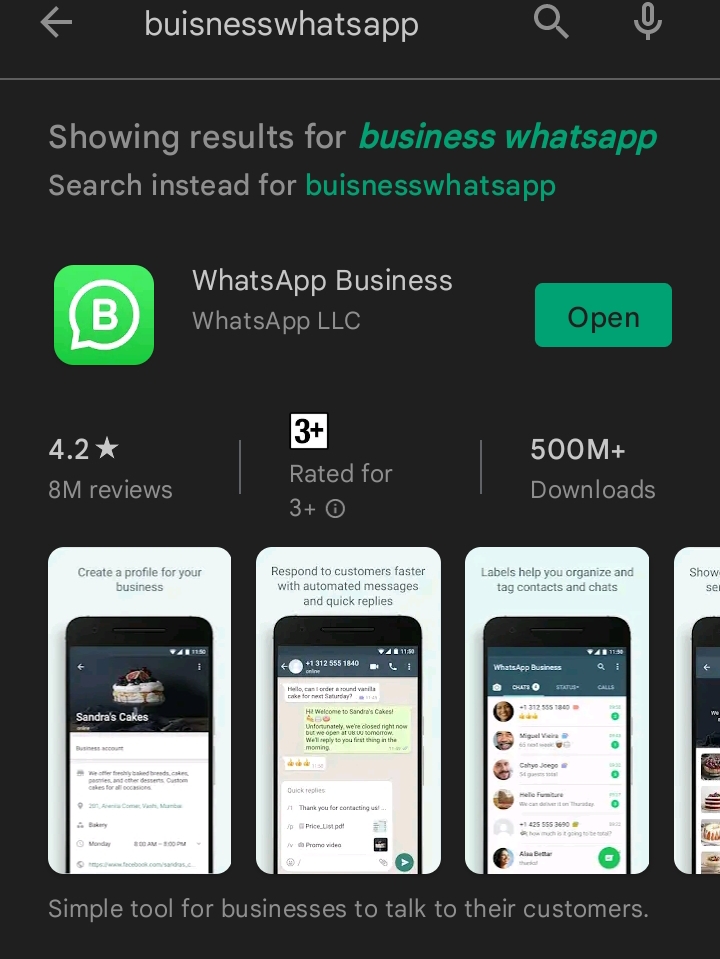
Features of buisness watsapp

watsapp which well known to people of all generations including kids,now a days it is main source of communication or intraction between people’s.

Now a days buisness are going online so meta company also introduced a best application for buisiness it is watsapp buisines, although everyone who are reading this blog are familiar with this application but please spend some of your valuable time in reading this in which we know best updated buisines watsapp Together with WhatsApp chatbot, WhatsApp Business is a very powerful tool for commerce. Thanks to many new features that the platform keeps on releasing, WhatsApp is becoming a great retail place, especially during remote times. Even if you are not going to build a WhatsApp chatbot, there

Let’s look closer at WhatsApp Business app features that you might enjoy as much as we do:

1. Business Profile
2. Quick Replies
3. Automatic Greeting Message
4. Automatic Away Message
5. Contacts Labels
6. Message Statistics
7. Catalogs

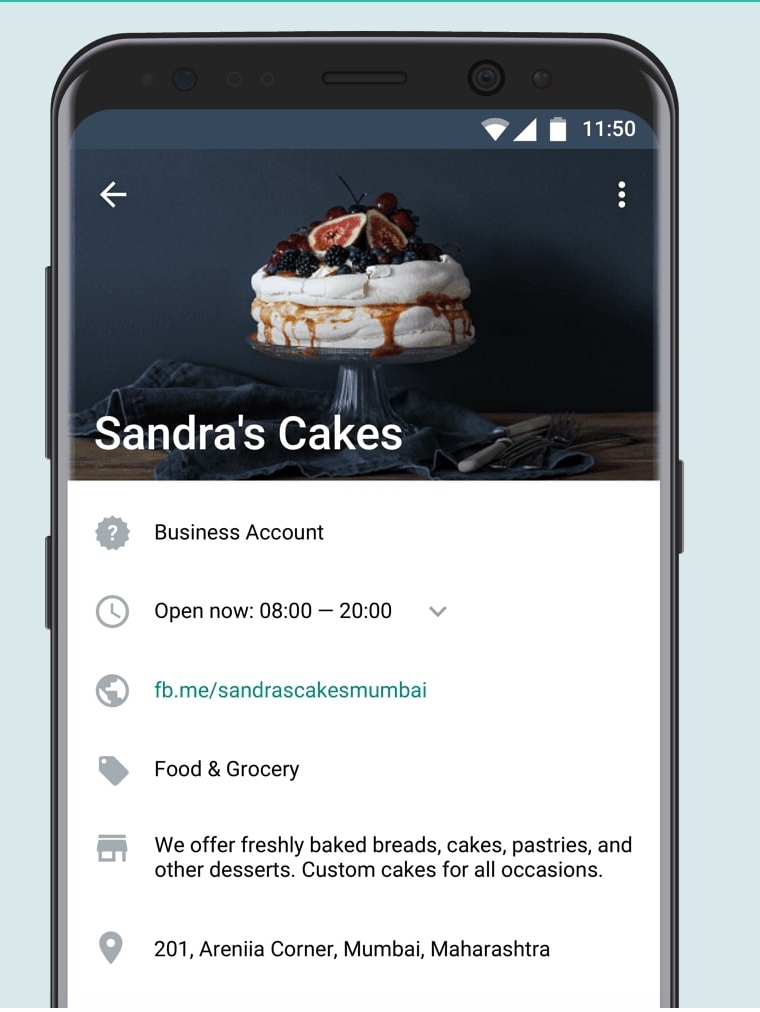
1.Business Profile

Create a business profile with helpful information for your customers, like your address, business description, email address, and website. Business accounts help brands to gain a user’s loyalty. A business profile gives the company a familiar “face” and identity. To have a “Verified” badge next to your company name, WhatsApp has to confirm that this is a verified business account.

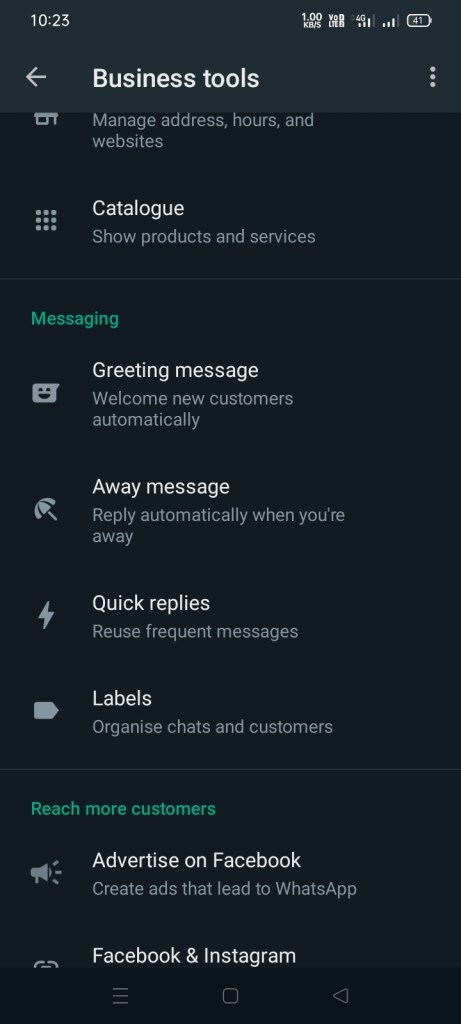
Steps to add details about your business: Go to WhatsApp Business app – Open Settings > Business settings > Profile.

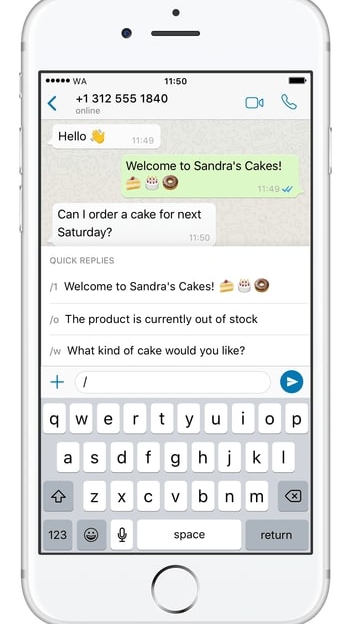
3.Quick Reply

These are frequent messages to answer common questions. Quick replies let you save and reuse messages you frequently send so you can easily answer common questions in no time. Simply press the “/” on your keyboard to select a quick reply and send.

3.Automatic Greeting Message

WhatsApp for business enables you to create a greeting message that users will receive when they start a dialog with your company or after 14 days of inactivity. By sending an instant message, you welcome and introduce a company to a new potential customer with no delays and waiting time.

Steps to set up a greeting message: Settings > Business settings > Greeting message. From here, you can create a new greeting message or edit an existing one.

4.Setting Away Message

Away messages are like greeting messages. They send a custom message to people who are trying to connect with the company after your working hours. You can write a custom message or send your working hours. You can set up for them to activate at the chosen time.

Steps to set up an away message: Settings > Business settings > Away message > “Activate away message                                     

You can also edit your away message from here and schedule when you want to send this message. You can choose from Always send, Custom schedule, or after your work hours

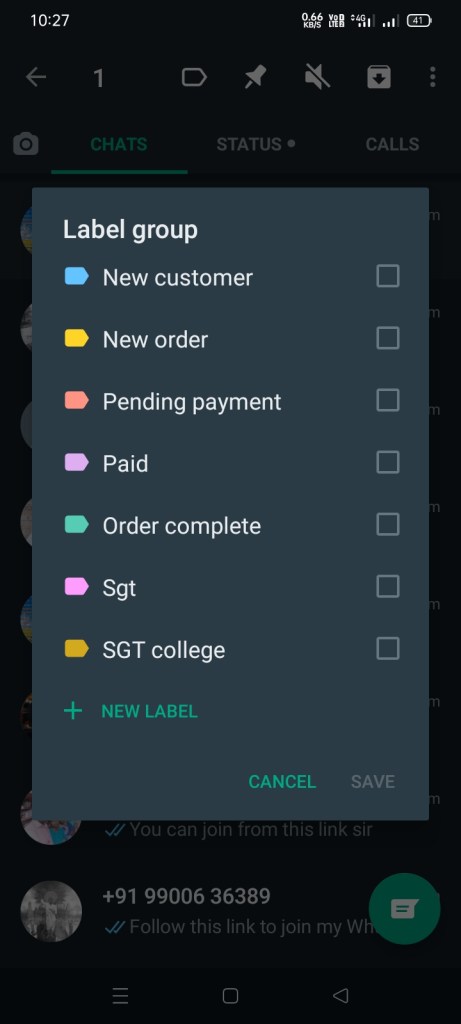
5.Label Contacts

Businesses can organize their contacts and categorize them with labels for easy access. This way, you can easily search through your contacts and keep them grouped and organized.

Steps to add a label to a new contact: Click the menu button on the client’s chat page > choose a label and then save.

Steps to add a new label: Click the menu button on the client’s chat page > click “ New label” > click save

6.Access Message Statistics

WhatsApp for Business lets you access vital metrics like how many of your messages were sent, delivered, and read.

Steps to access statistics: Tap the Menu button > Settings > Business Settings > Statistics

7.Catalogs and Collections

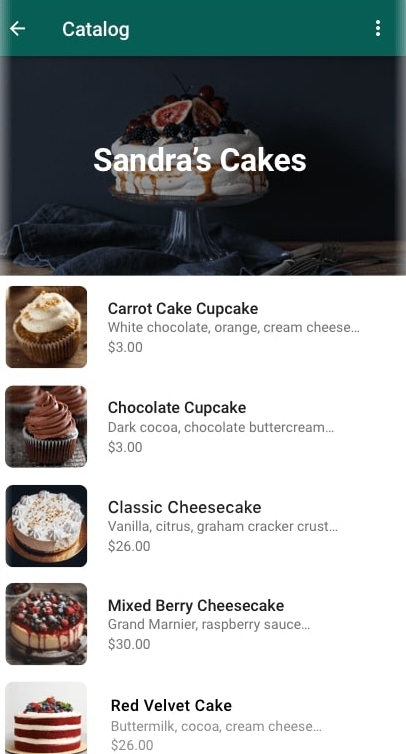
The other feature that will be beneficial for your business is Catalogs. They look like this:

Catalogue for bakery

For each item in your catalog, you can add information, including price, description, and product code. This is so much easier for your customers than having to ask you about each item separately or go from WhatsApp to the website.

In October 2021, WhatsApp added Collections to make shopping even easier. They will act as folders to group items inside a business account. Users can navigate to the category they’re looking for right away without scrolling through the whole product list.Once added, you’re free to modify the Collection just like items to keep the information up to date.

Pro Tip: think of collections as categories on ecommerce websites. “Last chance” or “Sale” could be as converting in WhatsApp as they are on the website. Using these on WhatsApp Business account means providing similar well-paved shopping experience.

@channa2021

Thank you for reading this blog i believe this is helpful to you

The Future of Artificial Intelligence

Credit: CFI

Introduction

AI research follows two distinct, and to some extent competing, methods, the symbolic (or “top-down”) approach, and the connectionist (or “bottom-up”) approach. The top-down approach seeks to replicate intelligence by analyzing cognition independent of the biological structure of the brain, in terms of the processing of symbols—whence the symbolic label. The bottom-up approach, on the other hand, involves creating artificial neural networks in imitation of the brain’s structure—whence the connectionist label.

What is Artificial Intelligence?

Artificial intelligence (AI), is the ability of a digital computer or computer-controlled robot to perform tasks commonly associated with intelligent beings. The term is frequently applied to the project of developing systems endowed with the intellectual processes characteristic of humans, such as the ability to reason, discover meaning, generalize, or learn from past experience. Since the development of the digital computer in the 1940s, it has been demonstrated that computers can be programmed to carry out very complex tasks—as, for example, discovering proofs for mathematical theorems or playing chess—with great proficiency.

How does AI Work?

Less than a decade after breaking the Nazi encryption machine Enigma and helping the Allied Forces win World War II, mathematician Alan Turing changed history a second time with a simple question: “Can machines think?” Turing’s paper “Computing Machinery and Intelligence” (1950), and its subsequent Turing Test, established the fundamental goal and vision of artificial intelligence. At its core, AI is the branch of computer science that aims to answer Turing’s question in the affirmative. It is the endeavor to replicate or simulate human intelligence in machines. The expansive goal of artificial intelligence has given rise to many questions and debates. So much so, that no singular definition of the field is universally accepted.  

Types of Artificial Intelligence

Reactive Machines

A reactive machine follows the most basic of AI principles and, as its name implies, is capable of only using its intelligence to perceive and react to the world in front of it. A reactive machine cannot store a memory and as a result cannot rely on past experiences to inform decision making in real-time.

Limited Memory

Limited memory artificial intelligence has the ability to store previous data and predictions when gathering information and weighing potential decisions — essentially looking into the past for clues on what may come next. Limited memory artificial intelligence is more complex and presents greater possibilities than reactive machines.

Self-awareness

Once Theory of Mind can be established in artificial intelligence, sometime well into the future, the final step will be for AI to become self-aware. This kind of artificial intelligence possesses human-level consciousness and understands its own existence in the world, as well as the presence and emotional state of others. 

Evolution of AI

IFM is just one of countless AI innovators in a field that’s hotter than ever and getting more so all the time. Here’s a good indicator: Of the 9,100 patients received by IBM inventors in 2018, 1,600 (or nearly 18 percent) were AI-related. Here’s another: Tesla founder and tech titan Elon Musk recently donated $10 million to fund ongoing research at the non-profit research company OpenAI — a mere drop in the proverbial bucket if his $1 billion co-pledge in 2015 is any indication. And in 2017, Russian President Vladimir Putin told school children that “Whoever becomes the leader in this sphere [AI] will become the ruler of the world.” He then tossed his head back and laughed maniacally.

Future of AI

Some sectors are at the start of their AI journey, others are veteran travelers. Both have a long way to go. Regardless, the impact artificial intelligence is having on our present day lives is hard to ignore:

  • Transportation: Although it could take a decade or more to perfect them, autonomous cars will one day ferry us from place to place.
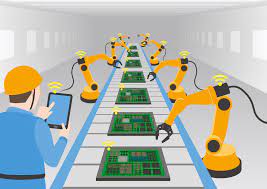
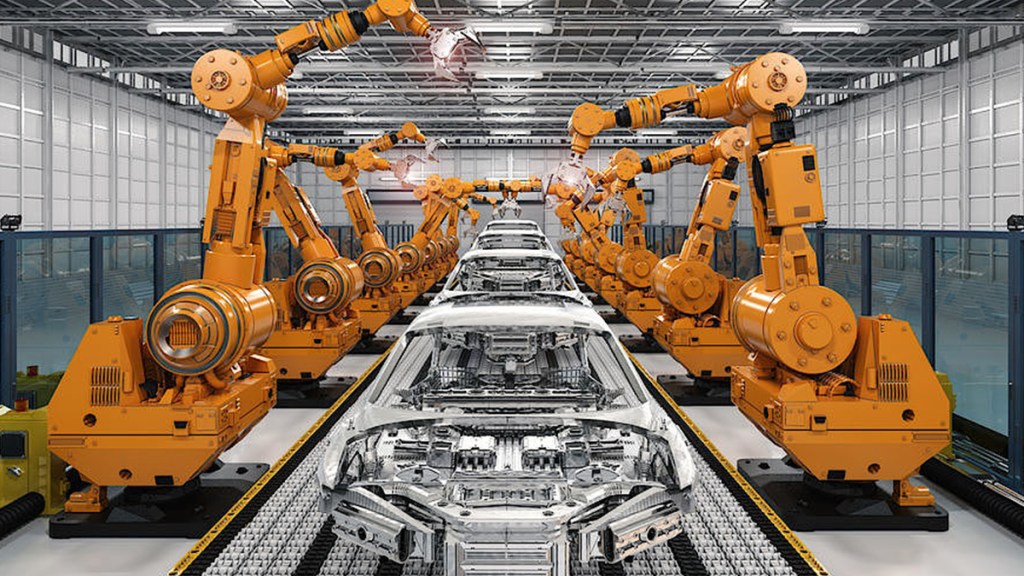
  • Manufacturing: AI powered robots work alongside humans to perform a limited range of tasks like assembly and stacking, and predictive analysis sensors keep equipment running smoothly.
  • Healthcare: In the comparatively AI-nascent field of healthcare, diseases are more quickly and accurately diagnosed, drug discovery is sped up and streamlined, virtual nursing assistants monitor patients and big data analysis helps to create a more personalized patient experience.
  • Education: Textbooks are digitized with the help of AI, early-stage virtual tutors assist human instructors and facial analysis gauges the emotions of students to help determine who’s struggling or bored and better tailor the experience to their individual needs.

Conclusion

Artificial intelligence is impacting the future of virtually every industry and every human being. Artificial intelligence has acted as the main driver of emerging technologies like big data, robotics and IoT, and it will continue to act as a technological innovator for the foreseeable future. AI is projected to have a lasting impact on just about every industry imaginable. We’re already seeing artificial intelligence in our smart devices, cars, healthcare system and favorite apps, and we’ll continue to see its influence permeate deeper into many other industries for the foreseeable future.

References

How Automation is Changing Workplace Everywhere?

Credit: Prospects

Introduction

There was a time when the term “automation” was synonymous with advanced manufacturing plants full of robotics. While replacing human labor with machine labor is a prime example of workplace automation, it’s far from the only example. Automation is present in modern businesses of all sizes – including subtle features in common software applications, and more obvious implementations like self-driving vehicles or autonomous robots. There is much debate about where workplace automation will lead the economy, but observers tend to agree that the trend is gaining momentum. Every business process is on the table for automation, especially as technology becomes more sophisticated. 

What is Workplace Automation?

Here’s a common misconception that automation involves towering robotics, but it can be as simple as a set of tools housed within common business software programs. At its core, automation is about implementing a system to complete repetitive and easily replicated tasks without the need for human labor. “Automation takes a lot of forms,” said Fred Townes, chief product officer at READY Education. “For small businesses, the most important thing is [repetition]. When you find something you do more than once that adds value … you want to look into automation.”

Machine Learning as the Driver for Automation

Machine learning and artificial intelligence enable new forms of “smart” automation. As the software learns, the more adaptable it becomes. These technologies open the door for the automation of higher-order tasks in addition to the basic, repetitive tasks. “I think there’s a lot of focus at the moment on these tasks that humans don’t want to do,” Sharma said. “But what’s going to happen in the future is … automation will not just be about automating those tasks humans are doing today, but it will be about realizing potential opportunities.”

Example of Common Workplace Automation

1. Email marketing

Many small business owners already use at least one form of automation: email marketing. Companies like Zoho and Constant Contact offer software that allows users to tailor the parameters of their email marketing campaign to their liking and then set it to run automatically. 

2. Customer service

Customer service departments are also getting an automation makeover with the introduction of tools like chatbots and automated text message marketing solutions.

3. Human resources

Given the predictable and repetitive nature of HR duties – like payroll and timesheets – digitization can transform the efficiency of a department.

Conclusion

Economic insecurity displaced workers feel is very real, but automation is not the enemy. Instead, Wallace hopes to educate people about leveraging this powerful technology to create their own incomes – essentially establishing a society of entrepreneurs and small companies. “If we can establish a way to make sure we all have enough food, clothing, and shelter to survive … and allow people to repurpose their gifts, unique abilities, and enable them to proliferate that and sell it as a good or a service, then we’re adding income,” Wallace said. “We can create an opportunity to generate income for next to nothing, so why not teach people to leverage the tech that disrupted the marketplace in the first place to embrace it and use it for something more in line with who they are, as an expression of their unique abilities?”

References

Why does the World Need to Decarbonize Transport?

Credit: ITF

Introduction

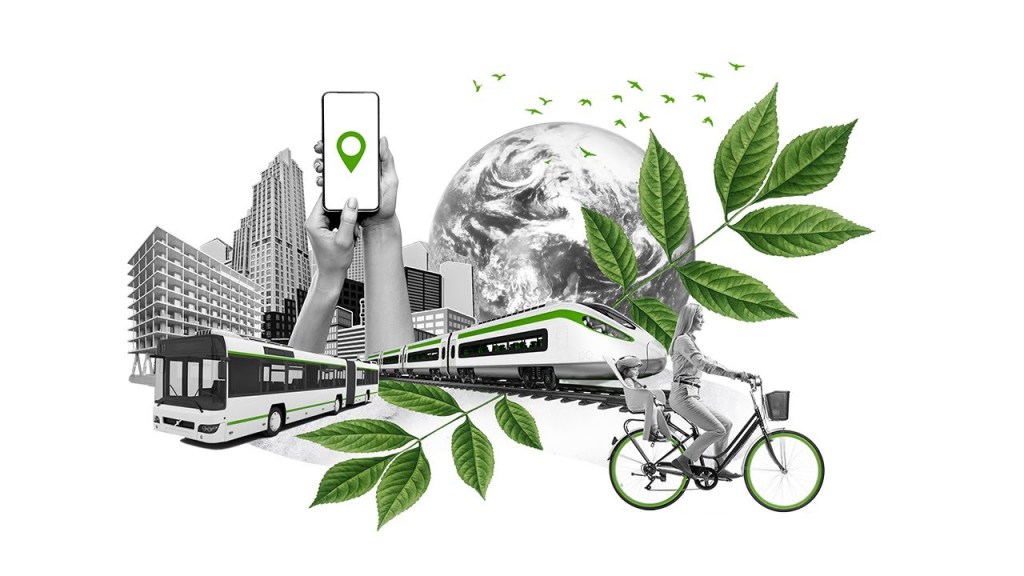
Moving people and goods accounts for one-quarter of global energy use, and the demand for energy from this sector is continuing to grow. This is due mainly to the increasing number and size of vehicles on our roads: more than 1.42 billion are currently in use, with an expected two billion by 2040. Road vehicles, most still powered by fossil fuels, account for nearly 75 per cent of total transport-related greenhouse gas emissions. Emissions from aviation and shipping are also projected to sail upwards between now and 2050. Flying contributes 12 per cent of the world’s total carbon dioxide emissions, while the marine sector, if it were a country, would be ranked between Germany and Japan as the sixth-largest source.

Why to Decarbonize the Transport?

Climate change cannot be stopped without decarbonizing transport. Transport emits around 23% of the energy-related CO2 that feeds global warming. Without immediate action, its share could reach 40% by 2030. Transport emissions have grown faster than those of any other sector over the past 50 years. Demand for transport will continue to grow massively in the coming decades. As a result CO2 emissions from transport activity will not fall, but could increase by 60% by 2050. And because transport relies on oil for 92% of its energy, it is particularly hard to decarbonize. 

Ambition of the Initiative

The Decarbonising Transport initiative helps governments and industry to translate climate ambitions into actions. Specifically, it:

  • Builds a catalogue of effective CO2 mitigation measures: the Transport Climate Action Directory.
  • Provides targeted analytical assistance for countries and partners to identify climate actions that work.
  • Gathers and shares evidence for best practices that will accelerate the transition to carbon-neutral mobility.
  • Shapes the climate change debate by building a global policy dialogue and by bringing the transport perspective to the broader climate change discussions.

Stream of the Initiative

 The Decarbonising Transport initiative is organised in five work streams:

  • Tracking progress: The initiative evaluates how current mitigation measures contribute to reaching objectives for reducing transport CO2.
  • In-depth sectoral studies: The initiative identifies effective policies for decarbonizing urban passenger transport, road freight transport, maritime transport, aviation and inter-urban transport.
  • Focus studies: The initiative analyses specific decarbonization issues and feeds the results into other work streams.
  • National pathways: The initiative assesses available policy levers for decarbonizing transport from a country perspective. Projects may also examine regional or sub-national levels.
  • Policy Dialogue: The initiative organizes global dialogue on transport and climate change through high-level roundtables, policy briefings and technical workshops. It acts as a conduit for transport sector input to climate change negotiations.

Conclusion

The Decarbonizing Transport initiative was launched in 2016 with core funding from the ITF’s Corporate Partnership Board (CPB). Other funding partners currently include the governments of France, Korea, Ireland and the Netherlands, the World Bank, the European Commission, the Climate Works Foundation, the Fédération Internationale de l’Automobile (FIA), the FIA Foundation, the International Road Transport Union (IRU) and the Swedish Shipowners’ Association. In recognition of the work of its Decarbonizing Transport initiative, the UN Climate Change Secretariat (UNFCCC) has named the International Transport Forum a focal point for transport under its Marrakech Partnership. In this role, the ITF acts as a conduit for the exchange of information between the transport sector and the UNFCCC, as well as providing inputs to the UNFCCC process.

References

Is Space Tourism is Beneficial for Planet?

Credit: Spacelearn

Introduction

While space tourism isn’t brand new, the race to progress commercial space travel has moved along vastly in the past year. With NASA – once the center of the space industry – taking its time to bring commercial space flight into the realm of possibility, the doors have opened up for wealthy individuals to try their hand at space travel. Space tourism is not without criticism, despite being an exciting idea in theory. Today, we’ll explore the advantages and disadvantages of space tourism, raise questions about the billionaire space race, and think about whether space tourism is the beginning of a new future or an environmental catastrophe. 

What is Space Tourism?

The fundamental purpose is for human pleasure, as all tourism is. We can divide space tourism into orbital, suborbital, and lunar space tourism. While orbital space tourism involves extremely high speeds (17,400 mph), as it allows a rocket to orbit around Earth, suborbital flights are a lot slower (though still 3,700mph) and tend to fly directly up into space and then back down again. Suborbital flights are what space tourism companies are offering more commonly. Lunar space tourism involves trips to the moon. While there are some broader definitions of space tourism, such as watching rocket launches or stargazing, we’ll be focusing on commercial space travel in this article, as it has the most far-reaching consequences.

Does Commercial Space Travel exist today?

The short answer to this question is yes. However, currently, commercial space travel is extremely exclusive, and this shows no signs of changing shortly. July 2021 was a pioneering month, with both Virgin Galactic and Blue Origin successfully launching suborbital spaceflights with tourist passengers from their spaceports. Eventually, each of these companies wants to provide regular space travel opportunities to private paying customers. 

Environmental Concerns

Large carbon footprint

Eloise Marais, a physical geography professor at UCL, suggests that the carbon footprint of flying to space in a rocket is about 100x more than taking a long-haul flight. 

Depleting ozone layer

There are several ways space tourism can contribute to a depleting ozone layer. CO2 emissions and soot trap heat in the atmosphere and rockets emit up to 10 times more nitrogen oxides than the largest thermal power plant in the UK.

Polluted stratosphere

One of the biggest environmental concerns with space tourism is the soot cloud that rockets leave behind. Soot can accumulate in the stratosphere, which is between 5 and 31 miles above Earth, where it can’t be washed away by the weather.

Conclusion

It seems as though the current plans that the billionaire space company owners have for space tourism are perhaps too ambitious, and focus on the wrong things. It’s true that space exploration and research could bring a wealth of new ideas and resources to Earth, and could provide a future existence for humans. But regular, short space flights for the recreational activities of the rich do not seem to be in the best interest of Earth. 

References

Understanding the Nucleic Acid Vaccines

Credit: MIT News

Introduction

Faced with the challenges posed by infectious diseases and cancer, nucleic acid vaccines present excellent prospects in clinical applications. Compared with traditional vaccines, nucleic acid vaccines have the characteristics of high efficiency and low cost. Therefore, nucleic acid vaccines have potential advantages in disease prevention and treatment. However, the low immunogenicity and instability of nucleic acid vaccines have limited their development. Therefore, a large number of studies have been conducted to improve their immunogenicity and stability by improving delivery methods, thereby supporting progress and development for clinical applications.

What is Nucleic Acid Vaccines?

Instead of injecting a weakened form of a virus or bacteria into the body, Nucleic acid vaccines use genetic material from a disease-causing virus or bacterium (a pathogen) to stimulate an immune response against it. That immune response, which produces antibodies, is what protects us from getting infected if the real virus enters our bodies. Nucleic acid vaccines have the potential to be safe, effective, and cost-effective. Moreover, the immune responses induced by nucleic acid vaccines only target the selected antigen in the pathogen.

Types of Nucleic Acid Vaccine

Nucleic acid-based vaccines, including DNA (as plasmids) and RNA [as messenger RNA (mRNA)] vaccines, exhibit promising potential in targeting various indications and diseases.

What is DNA Vaccine?

DNA vaccines are generated by inserting a gene encoding antigens into a bacteria-derived plasmid, which needs to be controlled by a powerful promoter. DNA plasmids are replicated in bacteria, which can be selected based on antibiotic resistance mediated by genes carrying resistance markers, using the prokaryotic origin of replication. Additionally, DNA vaccines can affect not only humoral immunity but also cellular immunity. Although the precise mechanisms underlying the induction of an immune response to antigens expressed by host cells following DNA immunization have not yet been determined, we have a considerable understanding of the roles of immune cells in the processing, presentation, and recognition of antigens.

What is RNA Vaccine?

Currently, there are two widely acknowledged forms of mRNA vaccines, namely, non-amplifying mRNA and self-amplifying mRNA, which are classified due to the difference in mechanisms. In terms of structure, non-amplifying mRNA vaccines mainly contain five critical elements for the life cycle and expression: the “cap” [m7Gp3N(N: any nucleotide)], which is a 7-methyl-guanosine residue (m7G) bound to the 5′-end of the RNA transcript via a 5′–5′ triphosphate bond with any nucleotide; a 5′ untranslated region (5′UTR) that sits immediately upstream of the translation initiation codon; an open reading frame (ORF) encoding the gene of interest (GOI); a 3′ untranslated region (3′UTR); and a tail of 100–250 adenosine residues [poly(A) tail].

Advantages of Nucleic Acid Vaccine

Safe and non-infectious as they are not made with pathogen particles or inactivated pathogens.
Can generate a stronger type of immunity and are well tolerated as compared to traditional vaccines.
Can be produced more rapidly as they do not require a host for growth, e.g., eggs or bacteria.

References

The Future of Solid-State Batteries

Credit: Forbes

Introduction

All-Solid-State Battery is a type of battery that uses no liquid electrolyte, instead, it uses a solid electrolyte (alternative to the lithium-ion battery). This type of battery still has not been commercially used, but will soon be used in electric vehicles. The demand for the production of solid-state batteries is due to the advantages that arise from the safety issue. Solid electrolytes are solid that exhibit ionic conductivities of about 10−3 S/cm, and it conducts ions between the cathode and anode in the lithium-ion battery.

What is Solid-State Battery?

A solid-state battery has a higher energy density than a Lithium-ion battery that uses a liquid electrolyte solution. It doesn’t have a risk of explosion or fire, so there is no need to have components for safety, thus saving more space. Then we have more space to put more active materials which increases battery capacity in the battery. A solid-state battery can increase energy density per unit area since only a small number of batteries are needed. For that reason, a solid-state battery is perfect to make an Electric Vehicle (EV) battery system of module and pack, which needs high
capacity. Despite improvements in technology over the last decade, issues such as long charging times and weak energy density persist.

What is Lithium-ion Battery?

Lithium Battery uses an intercalated (Intercalation is the reversible inclusion or insertion of a molecule into materials with layered structures) lithium compound as one electrode material, compared to the metallic lithium used in a non-rechargeable lithium battery. The battery consists of electrolyte, which allows for ionic movement, and the two electrodes are the constituent components of a lithium-ion battery cell. Lithium ions move from the negative electrode to the positive electrode during discharge and back when charging.

Advantages of Solid-State Battery

The advantages of the solid-state battery technology include higher cell energy density (by eliminating the carbon anode), lower charge time (by eliminating the need to have lithium diffuse into the carbon particles in conventional lithium-ion cells), ability to undertake more charging cycles, and thereby a longer life, and improved safety. Lower cost could be a game-changer, given that at 30% of the total cost, battery expenses are a key driver of vehicle costs.

R&D in Solid-State Battery

Most companies hope to commercialize their solid-state batteries by 2025, although small-scale production may happen earlier. However, to meet this goal, considerable R&D needs to happen to solve serious issues about material behavior, battery microstructure, charge longevity, and cracking upon thermal expansion and contraction. In another recent development, researchers from Brown University have developed a new material for use in solid-state batteries that is derived from trees. The solid ion conductor combines copper with cellulose nanofibrils—polymer tubes derived from wood. The paper-thin material has an ion conductivity that is up to 100 times better than other polymer ion conductors, making it a possible candidate for a solid battery electrolyte or as an ion-conducting binder for the cathode of an all-solid-state battery.
 

Conclusion

Today’s state-of-the-art batteries—those based on lithium-ion technology—have been honed to near perfection since they were introduced more than 25 years ago, but they are still heavy and occasionally explode and catch fire, as they did in Samsung’s Galaxy Note 7 phones so spectacularly last year. By getting flammable liquid electrolytes out of lithium-ion batteries and replacing them with solid electrolytes, solid-state battery makers hope to usher in an era of safer, more compact, higher-capacity energy storage devices.

References

What is Gaganyaan Mission Really?

Credit: Federal News

Introduction

Humans have always looked at the heavens and wondered about the nature of the objects seen in the night sky. With the development of rockets and the advances in electronics and other technologies in the 20th century, it became possible to send machines and animals and then people above Earth’s atmosphere into outer space. Space exploration, investigation, by means of crewed and uncrewed spacecraft, of the reaches of the universe beyond Earth’s atmosphere and the use of the information so gained to increase knowledge of the cosmos and benefit humanity.

What is this Mission?

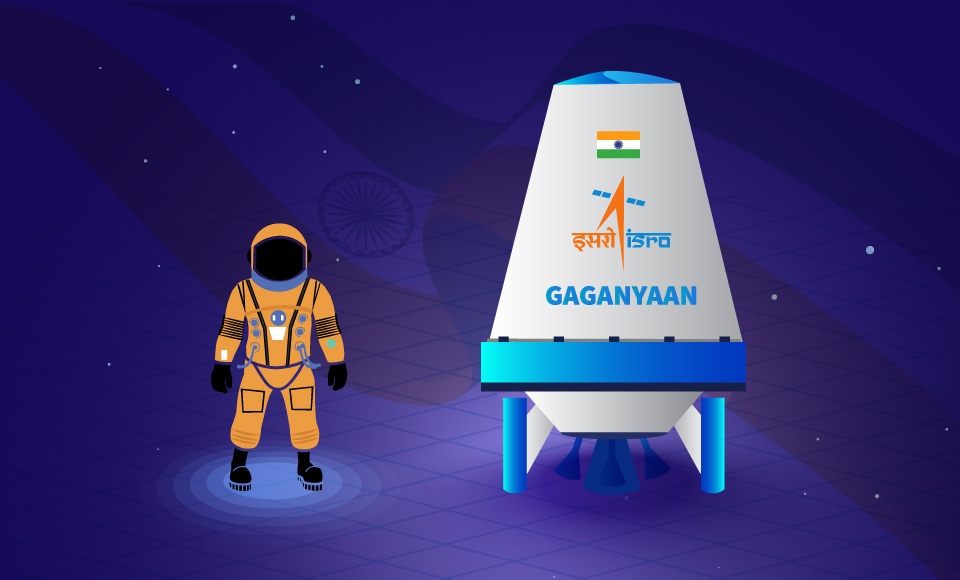
The word ‘Gaganyaan’ is derived from Sanskrit, meaning ‘sky-vehicle’. The Gaganyaan Programme envisages undertaking the demonstration of indigenous capability to undertake human spaceflight to Low Earth Orbit (LEO). As part of this program, two unmanned missions and one manned mission will be carried out. ISRO is planning to launch the first uncrewed mission under Gaganyaan in 2022, following which is the second unmanned mission. “Vyommitra” will carry a robot and this will then be followed by the manned mission. The uncrewed missions are for technology demonstration, and safety and reliability verification and will aim to study the performance of systems before the crewed flight. The robot will mimic the space crew activities set for the human flight mission to assess all the possible challenges before the final mission.

New Technologies required for this Mission

The major new technologies required for Gaganyaan programme are as follows:

  1. Human rated launch vehicle
  2. Crew escape systems
  3. Habitable orbital module
  4. Life support system
  5. Crew selection and training and associated crew management activities.

Execution of this Program

The Gaganyaan Programme is going to be a major National effort. The overall programme co-ordination, systems engineering and implementation will be carried out by ISRO. Further, the human rated launch vehicle, crew escape system, Orbital module and essential infrastructure will be realized by ISRO utilizing the in-house expertise and with participation of Industry, Academia and National agencies. The private players in the country have developed significant expertise in niche areas, and this will be effectively utilized in the programme.

Agencies Collaborating with ISRO for this Mission

Major collaborating partners for Gaganyaan include

  1. Indian Armed Forces
  2. Defence Research Development Organization
  3. Indian maritime agencies – Indian Navy, Indian Coast Guard, Shipping Corporation of India, National Institute of Oceanography, National Institute of Ocean Technology
  4. Indian Meteorological Department
  5. CSIR Labs
  6. Academic Institutes
  7. Industry Partners.

Benefits of this Mission

The Human spaceflight programme has both tangible and intangible benefits for the nation, which includes:

  1. Progress towards a sustained and affordable human and robotic program to explore the solar system and beyond.
  2. Advanced technology capability for undertaking human space exploration, sample return missions, and scientific exploration.
  3. Future capability to actively collaborate in global space station development & to carry out scientific experiments of interest to the nation.
  4. Create a broad framework for wider Academia-Industry partnership in taking up development activities for national development.

Conclusion

The Gaganyaan mission could propel India to the center of human space exploration. The manned missions will push
India is further in exploration beyond Earth’s orbit as countries are eager to control the next space race, which has the
potential to trigger major changes in the global order.

References