

• Why don’t woodpeckers get a headache?
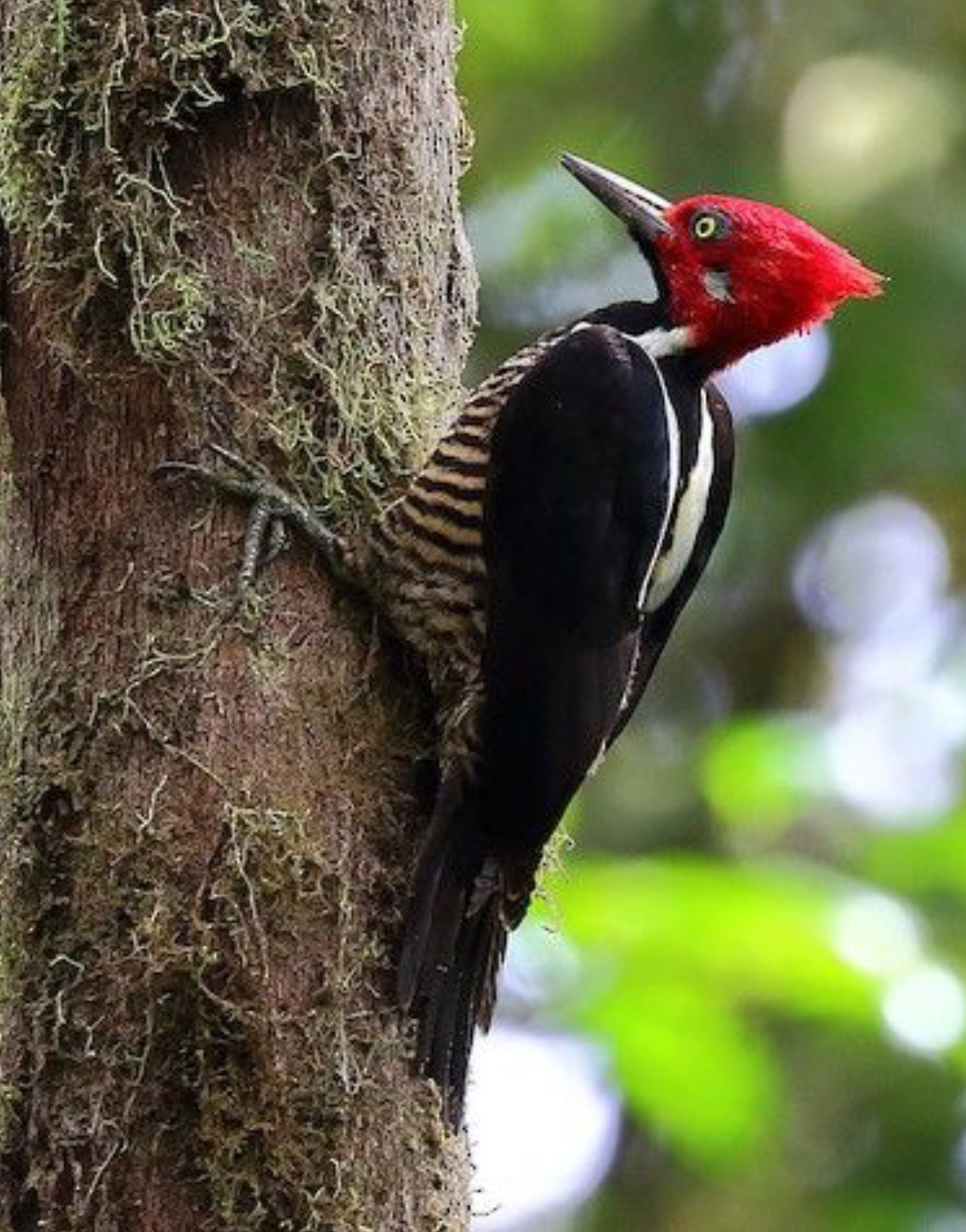
Have you ever seen woodpeckers striking trees with its long beaks? Woodpeckers hit the trees 20 times per second. Yet they don’t get a headache or any other head injury. The reason for thus is that woodpeckers are born with a helmet for the brain, which is formed of strong, thick muscles and sponge like bones in their skull. A woodpecker’s body too is specially designed to absorb the impact of the hit.
A millisecond before a woodpecker’s bill strikes on a tree dense muscles in the neck contract. Some of the force radiates down the neck muscles and protect the skull from a huge impact. A compressible bone in the skull offers a cushion effect too.
• Why aren’t spiders caught in their own webs?
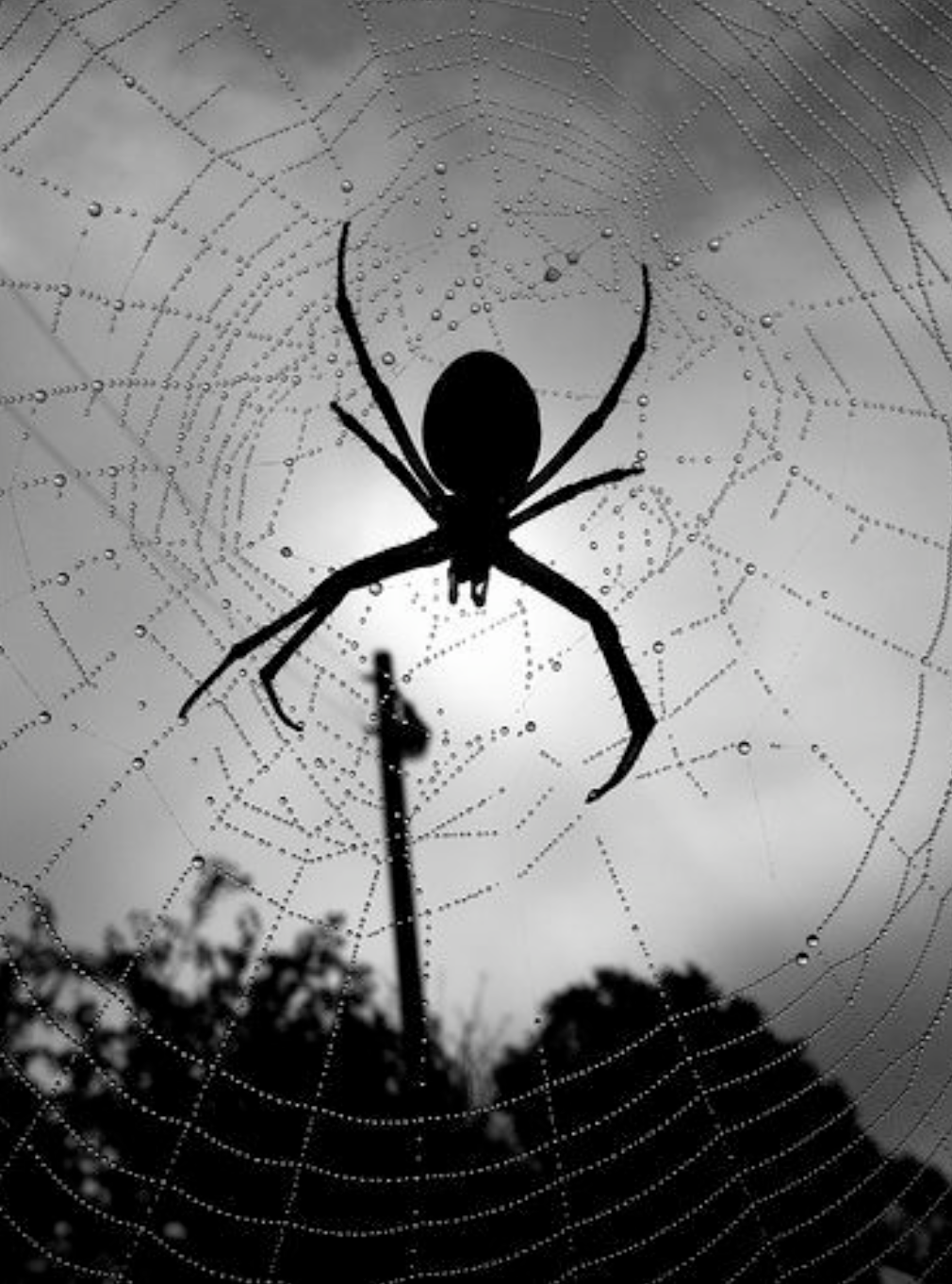
Spiders spin their webs in a circular pattern that is spotted with sticky glue. When an insect brushes against these drops – each thread can carry several dozen per millimetre – it gets stuck and the spider rushes over to inject it with venom or cocoon it in silk. The question of course is how does the spider escape its own glue tracks? The answer lies in the fact is that the web is the spider’s home and it knows its way around the glue traps. There are some threads in the web that have no glue on them and the spider is careful to move only on these threads. It is also believed that spiders use an oily coating on their legs to protect themselves from getting stuck in their own webs!
Colourless rainbow
There are some rainbows that are colourless. They are called fogbows and are formed when the sun shines through a fog. The drops of water in the fog are too small to split up light into it’s different colours, so the fogbow is white in colour.

• What do we know about left handed animals?
Most people are right handed, though about one in ten among us is left handed. Animals like chimps, hump back whales and even toads favour one hand, paw, claw or fin over the other. Chimpanzees use both hands with ease, but have a preference for the right hand. Toads also prefer their right side to perform differ functions. Polar bears on the other hand, are left handed.
Some species of parrot such as the sulphur- crested cockatoo are entirely left handed, while others, including the king parrot are mainly right handed. The majority of parrots – including the budgie, galah and rainbow lorikeet use both claws comfortably. Female cats are more inclined to be right handed while male cats favour their left paws. The same is true for dogs. Interestingly, dogs wag their tails to the right when relaxed and to the left when agitated!
Thank you for reading. Have a nice day!🌼



















 Virtual Interaction means Artificial Intelligence is gradually strengthening its place in our lives, whether you realize it or not. It is not only affecting our working practices but also changing them- whether we work in Hindi or English. A great example of this is the change in the way computers, mobiles and other digital devices interact. Traditionally, we used to rely on a keyboard, mouse and monitor or screen to make input and to know output in these devices. This method of communication and conversation has changed with the advent of Artificial Intelligence. An interesting change has come in our interaction with virtual assistants, for whom Hindi is no longer unknown at all. Today, the world of computers and mobiles is dominated by four virtual assistants. These are Amazon’s Alexa, Google’s Google Assistant, Microsoft’s Cortana and Apple’s Siri. The first three of these virtual assistants have been introduced to Hindi in some way, while Hindi has been used with Apple’s Siri and it is expected that this relationship will soon be seen as a reality beyond experiments.








 Eduindex
You must be logged in to post a comment.