The evolution in the Life Insurance industry post pandemic.

Photo by Kindel Media on Pexels.com

The global pandemic of covid-19 has created a atmosphere that have made humans realize the value of one’s life. Pandemic has made potential risks to human life and business starkly visible, forcing the entire civilization and economies to reorient their way of living. The life insurance sector has also seen this impact, the industry settled more claims in the year 2021 than in 2020 due to this global event. A sudden demand for life insurance policies and increased claims induced operational changes for the insurance industry.

The recent trend in the life insurance sector can been seen in below mentioned five points.

  • Increase in the policy holders.

There has been a noticeable shift in who and how life insurance solutions are being consumed. A particular increase was witness among the young insurer those in the age group of 20-30 years have become more conscious about life insurance.

  • Implementation of technology in operation.

Insurance advisors earlier engaged potential customers in face-to-face conversations due to the challenges posed due to social distancing. They had to change to online meetings quickly. The advantage of online video conversations is that they can be done at any convenient time or even on-the-go.

  • Offering of wider range of policies by insurance companies.

With the increase in the demand, it has made mandate for the insurance companies to offer a wide range of policies that can cater to the need of the groups of people. Introduction of specific policy for health care workers, for younger generations, for the one who have been got in the disease of covid are some of the different segment that have got been introduced amid pandemic.

  • Sustainability and Environment, Social and Governance.

Among financial services companies, life insurers are better positioned to invest based on Environment, Social and Governance (ESG) principles under the broader theme of sustainability. The long-term capital that they hold is an enabler. They can invest in businesses that commit to environmental goals, sustainability, and better governance.

  • Restoring customers faith by Insurers.

In 2022, insurers will have to make efforts to restore customers’ faith in the industry, as well as minimizing customer losses in the wake of premium rises. Insurers will no doubt focus on improving the customer experience by increasing transparency and simplifying the claims process in order to boost retention rates and strengthen consumer brand loyalty.

This year also like the preceding one will be a difficult year for many insurers, with some industries still predicting losses a year ahead. Hopefully, many of the changes insurers can make to automate and streamline their workflows in the coming years can mitigate these losses in the wake of the pandemic.
Zero probability of recession in India.

Amid global pandemic accompanied by Russia-Ukraine crises and rising prices of fuels, the major economies across the globe are facing economic slowdown majorly in the form of peaked inflation, unstable government, industrial slowdown, low supplies and much more consequences. Some of the economies have slipped into crises, while some are struggling through the worst phase of slowdown. Industry experts have been showing aspersions that a global recession is just around the corner.

The recent survey by Bloomberg has attempted to gauge the percentage probabilities of various countries slipping into recession. The survey by Bloomberg said that risk of recession in a handful of Asian economies is rising as higher prices spur central banks to accelerate the pace of their interest rate hikes. Sri Lanka, which is in the midst of its worst economic crisis ever, has an 85% probability of falling into recession in the next year, up from a 33% chance in the previous survey by far the highest increase in the region. Economists see a 20% chance that China will enter recession, and a 25% likelihood that South Korea or Japan will enter one. Bloomberg economists also raised their expectations for a chance of recession in New Zealand, Taiwan, Australia and the Philippines to 33%, 20%, 20% and 8%, respectively. Central banks in those places have been raising interest rates to tame inflation.

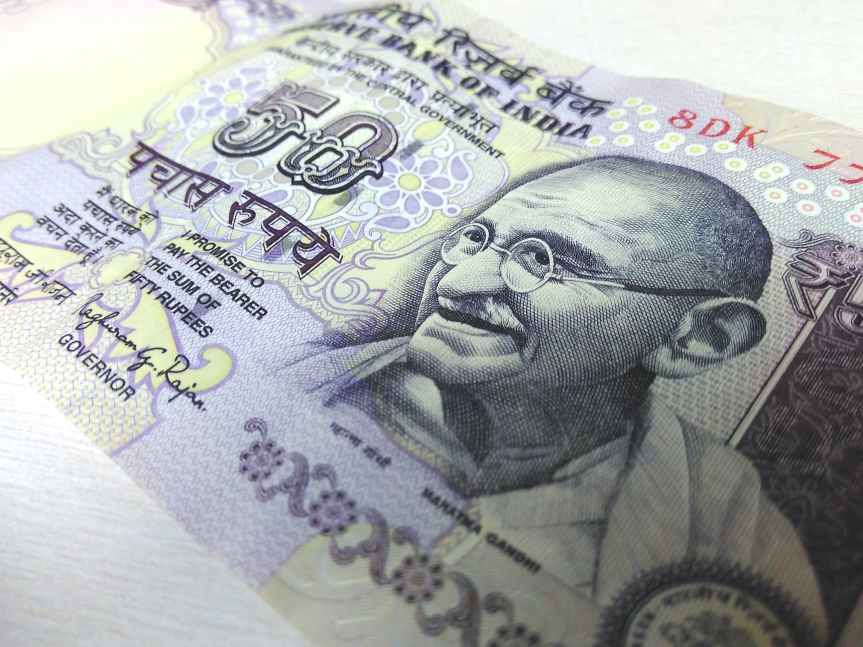
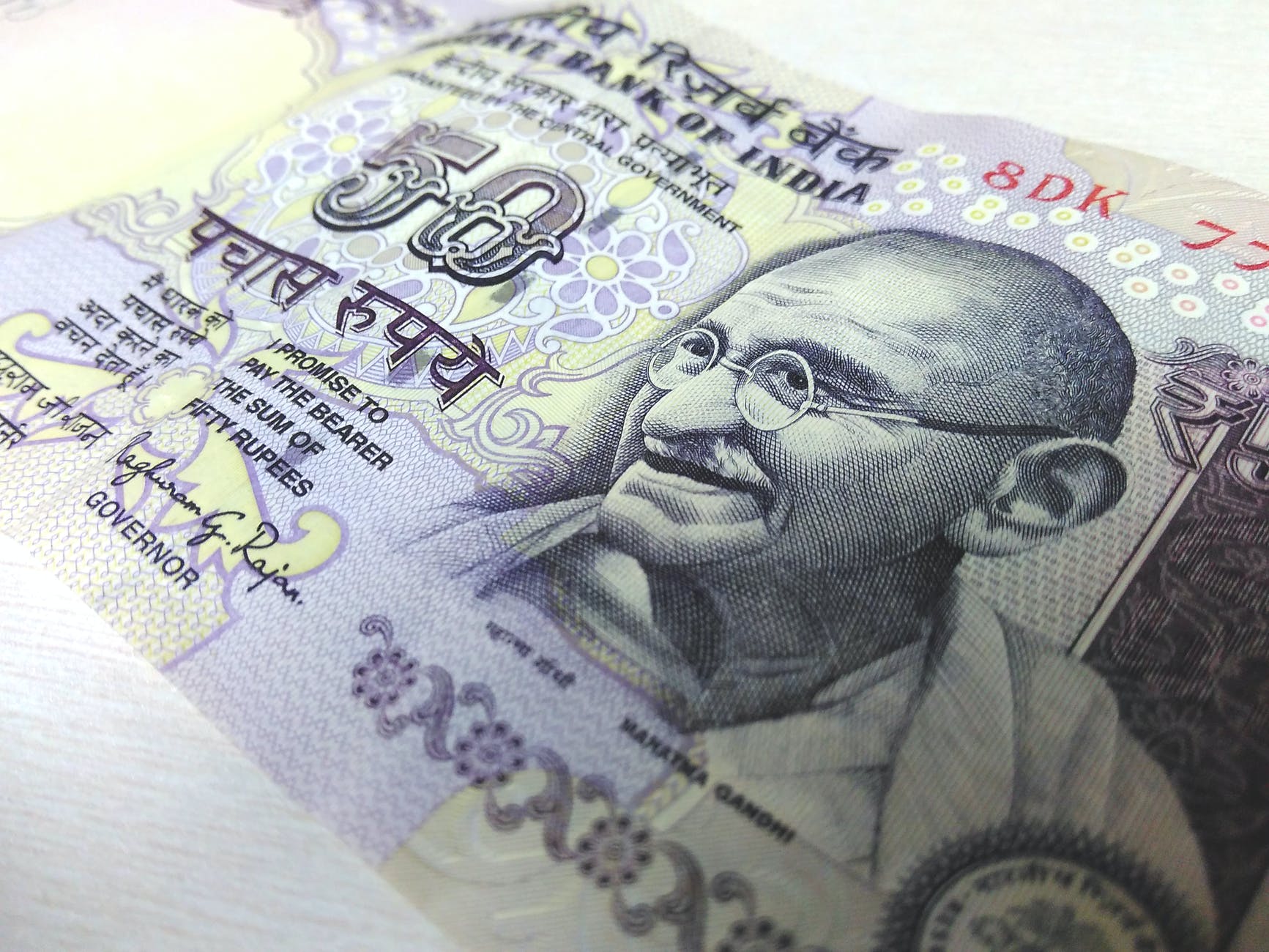
India being one of the major and growing economy, also have been facing the consequences of global crises, particularly inflation. The survey report by Bloomberg for India is that it mentions that India has zero probability of slipping into recession. India literally has 0 percent chances of recession as against economic giants US and China which has 40 percent and 20 percent respectively. Although for India, surging domestic prices of key commodities is mainly on account of imported inflation, retail inflation based on consumer price index stood at 7.01%. In April, it had jumped to 8-year high of 7.79% have feared the economist about a probable recession but the case for India is much better compared to other economies.

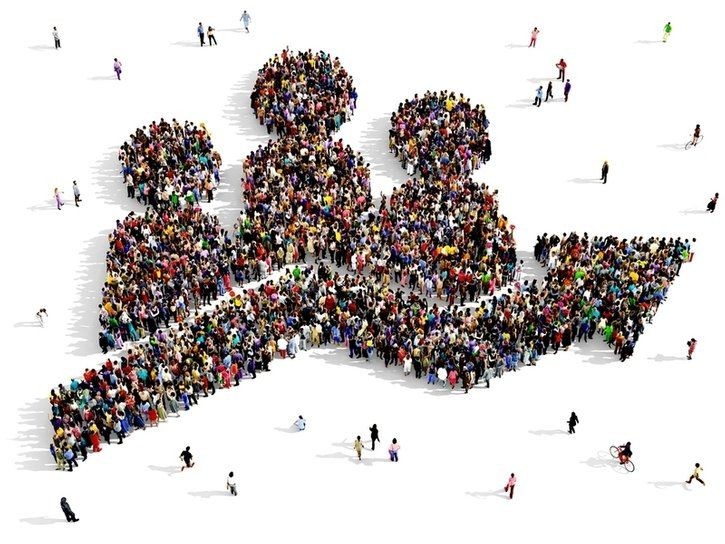
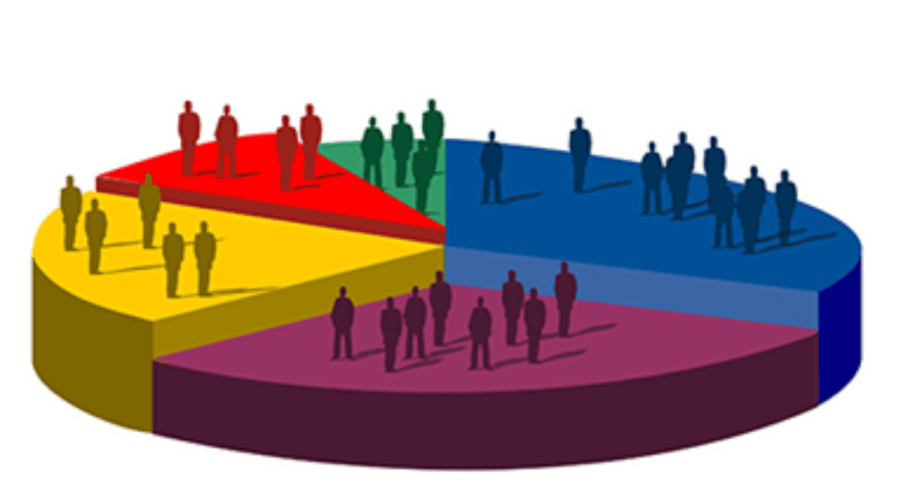
Demography

Demography is the study of human population dynamics. Population is shaped by a number of factors including fertility, mortality, migration and urbanization. Significant demographic changes have been shown in many parts of the world. The world population growth has been decelerating since 1970s. Fertility rates in more developed countries (MDCs) have been showing a declining trend, whereas an increasing one in the less developed countries (LDCs). Mortality rates have gone down in both MDCs and LDCs due to medical advancement. Consequently, the population of the countries with low fertility rates aged more quickly, and the world population growth will be concentrated in those developing countries where fertility rates remain high. Uneven population growth among nations accelerated the migration of people across nation borders and the growth of cities. The changes of these interrelated factors with their causes and problems of each of the factors will be discussed, followed by some possible plans and opportunities that may benefit from these changes.Human birth rate (natality) is the fertility expressed as the average number of live births per thousand populations per year. Since not all age groups in a population have equal fertility, demographers often use more specialized measures of birth rates that relate to age groups.Human mortality rate is the average number of individuals who die per thousand populations per year.

Again, demographers often use more sensitive measures, for different mortality rates. Both the very young and the very old segments of the population have higher mortality rates than are found in other age groups.Human population shows uneven or clumping pattern of distri­bution on earth. The density of human population in a village, district, city, province, country or any area can be obtained by di­viding the total number of persons living in the given region by the total land area of that region.The average number of people per square unit of land area tells us how dense or sparse is the popu­lation in a giver, area. The average population density of the world is calculated about 27 persons per square kilometre.insurance agents to determine life insurance rates.

These early demographic studies were mostly concerned with mortality. However, in the 19th century, studies showed that there was a decline in the number of births, and researchers began to study fertility as well as mortality. These studies led to the idea of “differential fertility.” Differential fertility suggests that different groups within a population have different numbers of children due to factors, such as religion, cultural attitudes, poverty, and employment. Migration of people is the last main factor in demographic studies. It is these three variables (mortality, fertility, and migration) that contribute to population change.Demographers gather data mainly through government censuses and government registries of births and deaths. However, these sources can be inaccurate depending on the precision of government records. Demographers also gather data indirectly through surveying smaller groups within a population. These samples are then examined using statistical models to draw conclusions about the whole population.


Demography is changing us as we are older societies, we’re living longer. How the generations balance each other out, how that affects education and health care.

Disaster management

Disaster is a very common phenomenon to the human society. It has been experienced by them since time immemorial. Though its form may be varied, it has been a challenge for society across castes, creeds, communities and countries. The latest development which has been discovered in the World Disaster Reports recently is that the disasters have increased in frequency and intensity.People are becoming more and more vulnerable to disasters of all types, including earthquake, flood, cyclones, landslides, droughts, accidents, plane crash, forests fire, etc. With the technological advancements and progress, the force of disasters is also changing. When they occur they surpass all preparedness and eagerness of society and pose bigger challenge to them. This is quite true in case of both developed and developing countries. The floods in UK, France, and heat wave in Europe, particularly in France in 2003, claimed more than 35000 lives. In the year 2006, America had to face bigger disaster in the form of tornadoes and other cyclones. They caused great loss of lives and property. All these are sufficient to prove that technological mechanisms are inadequate.There is a direct correlation between higher human development and higher preparedness. The countries which have lesser human development are more vulnerable to risks of disasters and damage. Of all the disasters, floods are the most common followed by wind storms, droughts and earthquakes. But the drought is the deadliest disaster which accounts for 48 per cent of all deaths from natural disasters. The highest numbers of people die from disasters in Asia. India, China and Bangladesh are the worst affected countries by flood. Besides the natural disasters, transport accidents and technological disasters are also faced by the developing countries.

The UNDA with Government of India has jointly prepared an action plan for cities and towns vulnerable to earthquakes. The need in the vulnerable zones is that the existing buildings be technically assessed and evaluated and individual owners and group housing authorities should be informed about the weaknesses in their construction. Presently, in India, it is estimated that around 10 lakhs buildings which are constructed every year, an equal number of them get damaged as a result of disasters. It is required that a monitoring mechanism should be set up in disaster prone areas and it must act in proper coordination with the concerned to ensure fulfillment of building codes.
Disaster is a state subject in India; it is, therefore, the responsibility of the state to provide every kind of support and assistance to the victim. The Central Government has a facilitating role. It, with proper coordination with various ministries, extends all required support and helps to the states, namely defence services, air dropping, rescuing, searching, transport of relief goods, availability of rail and ferry services, health personnel and medical support, etc. In the State, the Relief Commissioner or Disaster Management Secretary is the specific authority responsible for handling and management of the disaster.

Rehabilitation is an integral part of disaster management. When disasters occur administrative measures are terribly inadequate and perhaps this is the most difficult period for a victim. The role of administration does not end with end of disasters. In fact its effort and commitment get more complex. It requires proper coordination among various agencies. In this context it is very important to note that disasters are non-routine events that require non-routine response. Government cannot rely on normal procedures to implement appropriate responses- the rescue teams require learning special skills, technologies and attitudes in dealing with disasters.


SUCCESSFUL EMERGENCY MANAGEMENT RELIES UPON EXPERIENCE AND EXPERTISE.

Poverty in India


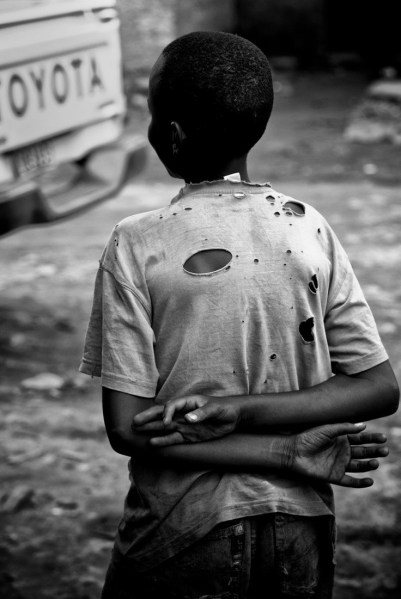
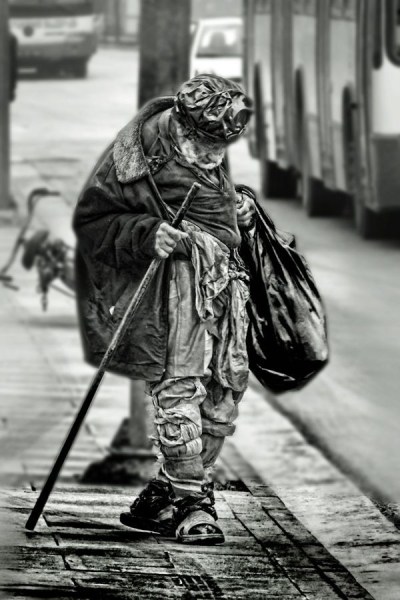
Poverty is defined as the lack of sufficient money to meet basic needs such as food and shelter. Poverty is a situation in which a person is homeless and has very little money. Due to the growing population in urban areas, India’s poverty rate is rising. The most important fact is that huge numbers of people live in poverty, with the majority living on the edge of it. Poverty in India is mostly observed in rural regions due to a large number of uneducated and unemployed people within the growing population.Many people cannot afford proper food for their daily lives, and because they do not have their own homes, they sleep on streets or footpaths. As a result, more people require more food, money, and shelter, but poverty grows rapidly due to a lack of these resources. This is why the rich become richer and the poor become poorer, making it difficult to bridge the gap. Poverty has several consequences, including poor housing, illiteracy, increased child labor and unemployment, and poor hygiene. As a result, these poor individuals cannot afford a balanced diet, decent clothes, or a good education for the simple reason that they do not have enough money.

Poverty may be reduced by providing sufficient education and facilities to farmers, allowing them to become more profitable and not feel the need to migrate to cities in search of work. Also, uneducated individuals should receive a good education to improve their lives, and family planning is also necessary for getting out of poverty. Poverty in our country dates back to ancient times, when the poor were not given the same privileges as the wealthy, and they were even denied access to religious places. Unemployment, a lack of education, poor resource utilization, corruption, and poor government policy are all major causes of poverty.In India, poverty is high when compared to other nations due to the poor growth rate of per capita income per person. Due to a lack of career prospects, many individuals work as rickshaw pullers, construction laborers, domestic servants, and other low-wage jobs, which leads them to live in slum areas.In addition, lack of land resources has been one of the key reasons for poverty in India; even small farmers in our nation are poor since they cultivate but do not receive fair pay in terms of profit, resulting in poverty.

India’s population has been rapidly increasing. In 1991, India’s population was around 84.3 crores, with a high rate of poverty; now, our country’s population is around 130 crores, with the population nearly doubling in the last three decades, but not enough has been done to control poverty in our country. As the population grows, so does unemployment, and poverty is just a reflection of unemployment. More capital is necessary for developing industry, providing adequate transportation, and other projects, as a result of which the country’s deficiency is underdeveloped and more people live in poverty. Lack of skilled labor also contributes to poverty since less-skilled workers lack industrial training and education and miss out on opportunities that more skilled workers can avail. Lack of infrastructure means that transportation and communication have not been properly developed, resulting in farmers receiving fertilisers for cultivation late and industries receiving power and raw materials not on time and thus, end products not being properly marketed and reaching customers on time. Hence, to escape poverty, our government must be more serious, and citizens must share equal responsibility.Remarkably, as a result of rural-to-urban migration, the incidence of rural poverty has fallen steadily. First and foremost, population growth should be strictly controlled to tackle the serious problem of poverty. Other approaches to fight this problem include expanding work possibilities, educating people, eliminating black money, decentralized planning, and assisting women and youth in becoming


“Poverty is not created by poor people”

Linkages between development and spread of extremism

In Indian scenario, extremism activities are increasing rapidly. The scale of the extremists operations is massive and consequently these activities have perilous impact on nation’s social, economic and political development.Many scholars explained the notion of extremism as any ideology considered to be far outside the normal attitudes of society or to interrupt common moral standards. It is usually constructed with moderation or extremists with moderates. Various political writers signified that extremism also has numerous strands starting from just holding to one’s ideas and values on one end of the continuum and use of violent means for nuisance on the other end. Thus, extremism is considered as a complex phenomenon.

Natural Calamities: During the last decade of the 19th century, affliction of people was filled to the brim. Famine, plague, earthquake, war and repressions were let loose in the country. From 1896 to 1900 prolonged and catastrophic famines occurred throughout the length and breadth of the land in a bewildering succession. In 1896 bubonic plague broke out in Bombay and took a toll of millions of lives. These natural calamities were accompanied by the intensified exploitation and suppression by the Government. Such devastating conditions led to development of extremist.

Labour, Unemployment and wages:
Another intense issue that spreads extremism is joblessness which creates insecurity of living. People may develop dissatisfaction and anger both in urban and rural areas. In allocation of government jobs, there has been shown some favouritism and this activity leads to dissatisfaction among youth as they are being ignored.

Policing:Improper policies and their ineffective implementation may result in extremist activities among weaker sections of society. It is very necessary that government must consider poor people when devising policies for economic growth of country. These policies must be well-organized and unprejudiced which reveal good administration .Weaker section of people does not have much confidence in police. People have no faith that justice will be done to them against the powerful person in the society. Such impression about government officials develops extremist thoughts among poorer section of society.

Process of getting Justice:
When lower section of society is struggling with various issues related to survival or employment and their conflicts and disputes are not settled in time, frustration among people in society develops. Presently, judicial system of India is very time consuming and disputes are not settled in short time. The parties to the dispute lose control over even the terms and details of the dispute once it goes to the court. These factors create extremist feelings among sufferers.


Extremism in the defense of liberty is no vice. And moderation in the pursuit of justice is no virtue.

-Barry Goldwater

Anthropology

Anthropology is the systematic study of humanity, with the goal of understanding our evolutionary origins, our distinctiveness as a species, and the great diversity in our forms of social existence across the world and through time. The focus of Anthropology is on understanding both our shared humanity and diversity, and engaging with diverse ways of being in the world.

Throughout its existence as an academic discipline, anthropology has been located at the intersection of natural science and humanities. The biological evolution of Homo sapiens and the evolution of the capacity for culture that distinguishes humans from all other species are indistinguishable from one another. While the evolution of the human species is a biological development like the processes that gave rise to the other species, the historical appearance of the capacity for culture initiates a qualitative departure from other forms of adaptation, based on an extraordinarily variable creativity not directly linked to survival and ecological adaptation. The historical patterns and processes associated with culture as a medium for growth and change, and the diversification and convergence of cultures through history, are thus major foci of anthropological research

In the middle of the 20th century, the distinct fields of research that separated anthropologists into specialties were physical anthropology, emphasizing the biological process and endowment that distinguishes Homo sapiens from other species, archaeology, based on the physical remnants of past cultures and former conditions of contemporary cultures, usually found buried in the earth, linguistic anthropology, emphasizing the unique human capacity to communicate through articulate speech and the diverse languages of humankind, and social and/or cultural anthropology, emphasizing the cultural systems that distinguish human societies from one another and the patterns of social organization associated with these systems.


If there were a science of human beings it would be anthropology that aims at understanding the totality of experience through structural context

-William Dilthey

Pharmacology

Pharmacology is the science that deals with drugs. Pharmacology consists of detailed study of drugs, particularly drugs action on living animals, tissues or organs. The action of drugs may be beneficial or harmful. Pharmacology is the science in which we study the response of living animals to chemicals or drugs. Pharmacology is defined as the study of the effects of drugs on the structures and metabolism of naturaltissue.Pharmacology can be defined as the study of the manner in which the functions of living system is affected or influenced by chemicals.This subject deals with the properties and effects of drugs and in broad sense, it can be defined as the study of interactions between chemical substances and biological systems. While defining in broad sense, it includes the knowledge of the history, source, physical and chemical properties, compounding, bio-chemical and physiological effects, mechanism of action, absorption, distribution, metabolism, excretion and therapeutic and other effects of drugs.

Homosapiens being the intelligent most among the species evolved, based on the principles of “necessity” and “trial” could observe effectiveness of many plants in relief for his pains and sufferings. The primitive (early) history of the causative agents of diseases included wrong Gods, spirits witches and other evil influences.
The form of therapy was incantation, prayer and ceremony designed to appease the evil agents of the diseases. They were using sacrifice of animals, individuals and prayers.The tribal leaders were known as medicine men or the expert or witch doctors (Ojha), were very powerful men and leader in such all ceremonies. In addition, they had knowledge about certain plants and animal products to be used in the treatment of certain diseases. The first treatise on medicine was undoubtedly the Ayurveda in India and that is at least 500 years ahead of the Greek Medicine.The medical literature was related to metaphysics, hypnotism etc. and belief in supernatural agencies as the cause and cure of diseases. Thus, in India, this was originally a part of the fourth Veda called the Atharva Veda. The real father of Indian Medicine was Atrya with his distinguished disciples-Agnivesha, Bhala, Jatukarana, parasara, Harita and Ksharapani.Works of Bhala and Harita are still available in fragments and those of Agnivesha were edited by Charaka which stand unsurpassed as a standard and authoritative book on Ayurveda even to day, other works are yet untraced. The next outstanding personality in Indian medicine was Susrutha whose works stand second to Charaka (a surgeon). He mentioned many instruments and techniques.

Started with Oswald Schmiedeberg (1838-1921). He was excellent teacher of Pharmacology and attracted many persons to study this subject. Like other experimental sciences, Pharmacology, too, is highly dependent upon development in other branches of science.Spectacular developments in physiology, biochemistry, organic chemistry and molecular biology have greatly contributed in advancement of pharmacology. Conversion of the old pharmacology into modern pharmacology is fairly recent and probably started taking shape following introduction of experimental procedures in animals by Francois Megendie (1783-1855) and Claude Bernard (1813-1978).Oswald Schmiedeberg (1838-1921) introduced the technique of per-fusing isolated organs and study the effects of drugs on them. Abel, Cushny, Gottlieb and a galaxy of his other students popularized the expertise in their respective, countries. Thus Oswald become popular as ‘Father of modern Pharmacology’.


Pharmacology is benefited by the prepared mind. You need to know what you are looking for.

Criminal Justice System in India

The aim of the Criminal Justice System is to punish the guilty and protect the innocent. Although the broad contours of the Criminal justice system are seldom codified, these can be inferred from different statutes, including the Constitution and judicial pronouncements. In a democratic civilized society, the Criminal Justice System is expected to provide the maximum sense of security to the people at large by dealing with crimes and criminals effectively, quickly and legally. More specifically, the aim is to reduce the level of criminality in society by ensuring maximum detection of reported crimes, conviction of the accused persons without delay, awarding appropriate punishments to the convicted to meet the ends of justice and to prevent recidivism.In this article, we shall be discussing the history and evolution of the system, the institutions, along with various perspectives of the constitutional aspect of rights of citizens, efforts for reforms, and delivery of justice.

Criminal law, including all matters included in the Indian Penal Code, Criminal procedure, including all matters included in the Code of Criminal Procedure feature under the concurrent list of the 7th Schedule as entries-1, and 2 respectively.Certain exceptions are also provided under these two provisions(Entry-1, and 2) of the 7th Schedule. For example, offences against laws with respect to the matters specified in List-I or List-II of the 7th Schedule of the constitution, excluding the use of naval, military or air forces or any other armed forces come under this category.

•The Criminal Justice System in India follows the legal procedures established by the British during the pre-independence era.
•An Indian Penal Code (IPC) defining crime and prescribing appropriate punishments was adopted in 1860, prepared by the first Law Commission of India.
•It was developed in line with the English criminal law.
•Code of Criminal Procedure was enacted in 1861 and established the rules to be followed in all stages. This was amended in 1973.
•The NN Vohra Committee, set up in 1993, observed increasing criminalization of politics, talked of the unholy nexus.
•It was an effort to push the reforms in the criminal justice system.
•In 2000, the Government of India formed a panel headed by the former Chief Justice of Kerala and Karnataka, Justice V.S. •Malimath, to suggest an overhaul of the century-old criminal justice system.
•In 2003, the Justice Malimath Committee submitted a report with 158 recommendations.
•The Committee opined that the existing system “weighed in favour of the accused and did not adequately focus on justice to the victims of crime.”

The entire existence of an orderly society depends upon the sound and efficient functioning of the Criminal Justice System. The law of the land has to be in tune with the demands of the changing times and nature of complexities in offences. There should be a broader dialogue among all the stakeholders for effective provisions so that the interest of justice is served and served right, where no innocent suffers prejudice, exclusion leading to miscarriage of justice.

Similarly, the rules and procedures established by law need to reach the common man, and the role of civil society in this endeavour is paramount. Further, there is a need to streamline the police reforms, beef up the forensic evidence-based investigation, and prioritize advanced scientific analysis which must be strengthened and upgraded, catering to the demands of the present times. The infrastructural challenges confronting the judiciary must be addressed to facilitate the process of ensuring justice.


The criminal justice system, like any
system designed by human beings,
clearly has its flaws.

Psychology

Psychology has become a very important and popular subject today. It deals with many problems of everyday life. Psychology helps us to understand the behaviour of people around us, to find out why they behave differently and what forces are responsible to make them so different from others.It tries to explain wide array of factors involved in what we human beings do. The principles explained by psychology give us a rational basis of understanding of what we and others do. Psychology has been defined in many ways. In ancient days people were analysing the behavioural aspects on the basis of philosophy. They believed that there is a soul in every individual and this is responsible for all our activities.
This view led to the opinion that the subject matter of psychology must be the study of soul. But this definition could not answer the questions regarding the existence of soul and its accessibility for study. This condition led to a new definition by Greek philosophers who defined psychology as a ‘science of mind’. But this definition was also rejected on the same grounds as soul was rejected.

Gradually, as a result of the development of scientific outlook people started thinking on scientific basis and began to define psychology as a science of behaviour. Finally, it is JB Watson (1913) defined psychology as a science of behaviour of human as well as animal beings.Today this is the most accepted definition. In this definition the term behaviour includes the cognitive activities like thinking, reasoning, intelligence, imagining, memory, etc., co-native activities like walking, dancing, fighting, attacking and other action tendencies and also the affective activities like feeling, joy, happiness, sympathy, anger, jealousy, etc. in a person. This definition also includes the behaviour not only of human beings and animals, but also all living organisms and their mental processes.

Psychologists do experiments and make observations which others can repeat; they obtain data often in the form of quantitative measurements which others can verify. Like any other positive science psychology is also systematic in its approach. Measurement in psychology is often more difficult of course, than it is in other sciences.However, psychologists have devised many ingenious tests to assign numbers to data. Psychology is following all the principles of science like principles of behaviour,objective experimentation, analysis of data and behaviour, formulation of hypothesis, verification and generalization, etc.As a result of such a scientific approach many theories have been developed to explain the behaviour. Psychology believes in cause and effect relationship in behaviour. It is considered as a behavioural science as it deals with behaviour of the organism.

However, because of its objectivity in analysis of behaviour through experiments, it may be considered as a developing positive science of behaviour.


Psychology has a long past, but only a short history

Ramsar Site

Recently, there has been addition of 5 more Indian sites in Ramsar list i.e. three from Tamil Nadu, one from Mizoram and one from Madhya Pradesh. Including these 5 recently added now makes the total of 54 such sites from the country.

Three wetlands in Tamil Nadu — Karikili Bird Sanctuary, Pallikaranai Marsh Reserve Forest and Pichavaram Mangrove ,Pala wetland in Mizoram and Sakhya Sagar in Madhya Pradesh are newly added to Ramsar list.

So, let’s know what is Ramsar site and it’s importance

Ramsar site is the wetland of international importance designated under the Ramsar Convention on Wetlands. These are unique rare wetlands and are rich in biolgical heritage and diversity.

The Ramsar Convention is an international treaty for the conservation and wise use of wetlands. It is named after the Iranian city of Ramsar, on the Caspian Sea, where the treaty was signed on February 2, 1971.

The aim is to develop and maintain an international network of wetlands which are important for the conservation of global biological diversity and for sustaining human life through the maintenance of their ecosystem components.

Wetlands play a crucial role in maintaining many natural cycles and supporting a wide range of biodiversity. They also purify and replenish the water. They serve as a natural sponge against flooding and drought, protect our coastlines and fight climate change.

Through Ramsar Convention we aim to save our wetlands and to conserve them and bring it to wise use efficiently.

Salient features of world’s physical geography

Earth is splendid terrestrial haven. It is imperative to know physical geography through its display of environmental diversity. In scientific studies, it is established that Geography is a word that originated from two Greek roots. Geo-denotes to “Earth,” and graphy stands for “picture or writing.” Geography is the study of earth as the home of present day human being (Sagmit, 1998).The main objective of geography is the assessment, and explanation of Earth, its variability from place to place, the way places and features transform over time, and the processes responsible for these variations and changes. Geography is termed as the spatial science because it incorporates recognizing, analysing, and explaining the variations, similarities, or differences in phenomena situated on the surface of Earth. Geography is unique among the sciences by virtue of its characterization and central purpose. It describes the values and attitudes towards environment and sharpen intellectual and practice skill.

Earth’s structure is divided into three zones that include crust, Mantle and core. Crust is the solid outer layer of the Earth, and its depth is usually never more than 1 per cent of the Earth’s radius, or averaging 40–50 km, but this varies significantly around the sphere. These are two different types: oceanic and continental. Mantle is the region within the Earth’s interior that range from 25 to 70 km below the surface, to a depth of ~2,900 km. It is composed mainly of silicate rocks, rich in iron and magnesium. At the base of the mantle, temperatures may reach up to 5,000°C. These high temperatures may help to generate convection currents which drive plate tectonics. Core is the very centre of the Earth and is composed of iron and nickel. It consists of an outer core (semi-molten) and inner core (solid). The temperature at the very centre of the Earth (~6,300 km below surface) may reach 5,500°C.

Geography is inherently encompassing discipline. It brings together facts from other sciences such as physical biological and social. Physical geography is related to the physical science. Physical geography includes the processes and attributes that constitute Earth which incorporate human activities where they interface with the atmosphere. Different branches of Physical geography are climatology, Meteorology, Geomorphology and pedageography (Sagmit, 1998).Scientific studies have revealed that physical geographers are more interested in comprehending all aspects of Earth and can be considered generalists because they are qualified to scrutinize a natural environment in its entirety, and how it functions as a unit. In physical geography, researchers study about lithosphere, atmosphere, hydrosphere, and biosphere. Due to interaction of these elements, numerous changes occur on earth surface. Most physical geographers concentrate on advanced study in one or two specialties. For instance, meteorologists and climatologists believe how the interaction of atmospheric components influences weather and climate. Meteorologists focus their studies learning the atmospheric processes that affect daily weather, and they use current data to predict weather conditions. Climatologists are interested in the averages and extremes of long-term weather data, regional classification of climates, monitoring and understanding climatic change and climatic hazard, and the long term impact of atmospheric conditions on human actions and the surroundings.

The factors involved in landform development are as varied as the environments on Earth, and include gravity, running water, stresses in the Earth’s crust, flowing ice in glaciers, volcanic activity, and the erosion or deposition of Earth’s surface materials. Biogeographers scrutinize natural and human-modified environments and the ecological processes that influence their characteristics and distributions, including vegetation change over time. They also research and explain the ranges and patterns of vegetation and animal species, seeking to find out the environmental factors that limit or facilitate their distributions. Several soil scientists are geographers, who are concerned in mapping and analysing soil types, determining the aptness of soils for certain uses, such as agriculture, and working to conserve soil as a natural resource. Geographers are broadly concerned to study water bodies and their processes, movements, impact, quality, and other features. They may serve as hydrologists, oceanographers, or glaciologists. Many geographers involved with water studies also function as water resource managers, who work to ensure that lakes, watersheds, springs, and groundwater sources are suitable to meet human or environmental needs, provide an adequate water supply, and are as free of pollution as possible. Hydrology is merging science. It helps to understand the processes in which water plays an important role in nature through oceans, rivers and glaciers in sustaining life forms of earth surface.


IN OUR CHANGING WORLD NOTHING CHANGES MORE THAN GEOGRAPHY

History of India & Indian National Movement.

Early times the Indian subcontinent appears to have provided an attractive habitat for human occupation. Toward the south it is effectively sheltered by wide expanses of ocean, which tended to isolate it culturally in ancient times, while to the north it is protected by the massive ranges of the Himalayas, which also sheltered it from the Arctic winds and the air currents of Central Asia. Only in the northwest and northeast is there easier access by land, and it was through those two sectors that most of the early contacts with the outside world took place.

Within the framework of hills and mountains represented by the Indo-Iranian borderlands on the west, the Indo-Myanmar borderlands in the east, and the Himalayas to the north, the subcontinent may in broadest terms be divided into two major divisions: in the north, the basins of the Indus and Ganges (Ganga) rivers (the Indo-Gangetic Plain) and, to the south, the block of Archean rocks that forms the Deccan plateau region. The expansive alluvial plain of the river basins provided the environment and focus for the rise of two great phases of city life: the civilization of the Indus valley, known as the Indus civilization, during the 3rd millennium BCE; and, during the 1st millennium BCE, that of the Ganges. To the south of this zone, and separating it from the peninsula proper, is a belt of hills and forests, running generally from west to east and to this day largely inhabited by tribal people. This belt has played mainly a negative role throughout Indian history in that it remained relatively thinly populated and did not form the focal point of any of the principal regional cultural developments of South Asia. However, it is traversed by various routes linking the more-attractive areas north and south of it. The Narmada (Narbada) River flows through this belt toward the west, mostly along the Vindhya Range, which has long been regarded as the symbolic boundary between northern and southern India.

India’s movement for Independence occurred in stages elicit by the inflexibility of the Britishers and in various instances, their violent responses to non-violent protests. It was understood that the British were controlling the resources of India and the lives of its people, and as far as this control was ended India could not be for Indians.

On 28 December 1885 Indian National Congress (INC) was founded on the premises of Gokuldas Tejpal Sanskrit School at Bombay. It was presided over by W.C Banerjee and attended by 72 delegates. A.O Hume played an instrumental role in the foundation of INC with an aim to provide Safety Valve to the British Government.
A.O Hume served as the first General Secretary of INC.
The real Aim of Congress is to train the Indian youth in political agitation and to organise or to create public opinion in the country. For this, they use the method of an annual session where they discuss the problem and passed the resolution.
The first or early phase of Indian Nationalism is also termed as Moderate Phase (1885-1905). Moderate leaders were W.C Banerjee, Gopal Krishna Gokhale, R.C Dutt, Ferozeshah Mehta, George Yule, etc.
Moderates have full faith in British Government and adopted the PPP path i.e. Protest, Prayer, and Petition.
Due to disillusionment from Moderates’ methods of work, extremism began to develop within the congress after 1892. The Extremist leaders were Lala Lajpat Rai, Bal Gangadhar Tilak, Bipin Chandra Pal, and Aurobindo Ghosh. Instead of the PPP path, they emphasise on self-reliance, constructive work, and swadeshi.
With the announcement of the Partition of Bengal (1905) by Lord Curzon for administrative convenience, Swadeshi and Boycott resolution was passed in 1905.


ONE INDIVIDUAL MAY DIE; BUT THAT IDEA WILL, AFTER HIS DEATH, INCARNATE ITSELF IN A THOUSAND LIVES.

-Netaji Subhash Chandra Bose

Personal Habits: Over-Apologizing

How would it feel when a person you know apologizes for something which isn’t their fault? If someone dashed into him, he would apologize saying, “ I am sorry, I didn’t see you coming my way.” There is a limit for everything and after a while it feels weird to hear them say sorry for so many things. 

There are so many factors that lead you to apologize for things. It could be how you have been raised or it’s something you have seen your family do, maybe it’s how you see the world. Apologizing is good for finding peace in conflicts or relationships. You say sorry for the mistake you have made so you don’t repeat it again. It reassures a person that you genuinely didn’t expect the outcome that has come and you want to amend your mistake. 

You should not apologize for something you have not done or you have done for something that needed help. When you dash into someone, you apologize because you should have seen him coming, but you shouldn’t apologize for someone who dashed into you when you have been standing quietly. 

A lot of people apologize for the reason of avoiding conflict or because they feel that they made the other person feel bad. It usually is either of them. Sometimes, it’s guilt that drives them. Guilty for joking/pranking, guilty for ignoring them, guilty for not asking them or the feeling of guilt for putting themselves first.

Reasons why you feel like apologizing:

  1. You were taught to put others first: When you were a kid, you saw someone fall down. You rush to their aid and lift them up with your itty-bitty strength, and they thank you for helping them. You are praised by your family and the incident’s talked about at various family gatherings. It gives you the feeling of responsibility and makes you feel that you have to put others first and it should be your priority over anything. Fast forward to now, your friends ask for your help on their project, and you rush. You complete their project but yours gets delayed. Your sir calls you out in front of the class saying that you delay your work because of your laziness and your friend doesn’t stand up. Neither do they tell the sir after nor give you credit. You don’t say anything because your friend was first even if you were called out. You apologize to sir because you couldn’t finish it and not for helping your friend before yourself.

Truth: By putting others first, you don’t gain much but you do lose out on time that you could have used for yourself. If you had taken time to complete yours along with theirs, the work would have been completed quickly and efficiently with time to go over errors.

  1. You were taught to help others without seeing what you need: You always gave your grandpa medicine on time, you helped your mother in cooking, you would take the newspaper to your dad along with his morning tea/coffee, and you were always told to help people. Today, you help someone, no matter how much stress/workload you have. They ask for anything and you help them out. Sometimes, it’s just a text to their crush on how to ask out and you help them, despite the deadline of your project. So you apologize when you can’t help them because you are placing yourself first.

Truth: You need to see what help you need first so you can complete the necessary task at hand. The text can be sent anytime but your deadline can only be given once. You need to help others but you need to see if it is something that actually needs help.

  1. Scolded when you placed more importance on yourself: A lot of children are told to share and to not be selfish. If you have 2 chocolates, give it to your friend because you are a “good boy/girl”. After growing up, whenever you need new shoes or your family needs a new appliance, you choose the second option because it feels like a need but yours feels selfish.

*Appliance is used twice and placed for “Future Use”*

Truth: Sometimes, being selfish is good. You need new shoes and your home has enough appliances. By getting new shoes, you will stop getting the foot ache that you have been facing for the past 2 months. If you get new shoes, then you can work with more focus and more energy. 

  1. Avoiding Conflict: In most cases, when you were a kid, your tantrums would cause your parents to scold you and you would face punishment, or your friends would distance you because you get angry frequently. The last one pushes a child to socializing issues and causes anxiety on how others perceive them for every single action they take. So, they apologize whenever someone raises their voice a little bit, no matter what the conversation is about. They want to avoid the conflict because they don’t want to face what happened earlier and become outcasted.

Truth: You will face conflicts in future, either in relationships or friendships, you need to understand why you should apologize and for what you should stand your ground. Conflicts are what brings people closer to understand the other person better by learning their needs. If you never have a fight, how will you know what the other person actually feels?

  1. Harmed someone in childhood: When a kid unknowingly harms someone, they get scared and cannot move because they don’t know what to do. Their mind goes blank and they freeze because this feeling is new to their system and it’s hard to know what to do next. The kid is then scolded and constantly lectured over and over again to the point the kid feels anxious to touch a person. When they grow, the anxiety grows with them and it constantly pricks them. What if the casual punch hit harder than it should? What should I do if I dash into someone a little too hard? Should I give them a handshake or fist bump? What if I punch them too hard? Let’s go with the handshake so I don’t hit them too hard.

Truth: It’s okay to give a fist bump or handshake or high-five to a person whom you know. You just need to relax your mind. If you want to touch the person but are scared of the force you put into it, then show a sign of initiation. For a handshake, raise your hand out in the form of a handshake, and wait for them to accept it. By showing initiation, you let the other person engage and guide you through the conversation.

Saying sorry is well and good but exceeding it drains you of your self-confidence. You are a person at the end of the day and you need to stop saying sorry for that. You are existing which means that you will make mistakes and you will learn, but saying sorry for things that don’t require an apology then it will just drain you. It’s not going to get fixed overnight because you have taken years to build this habit. It will be fixed if you work on it every time you notice it happening.

Thank you for reading this article. It is something I have faced and I have learnt how to overcome it. Leave a comment on how has overaplogizing affected your life and how have you overcome it or trying to overcome it.

Impact of Social Media on Youth.

Social media is an plateform which is build that facilitates the users to create content and sharing of information, ideas, interests and different contents ,through virtual communities and networks technology.

Over the last two decades, social media has gained tremendous growth and fame. Despite the fact that almost everyone in the world is connected to at least one social media platform, youth and teens are the ones who who are using social media and are becoming so socially hampered that they even interfere their lives with social media. According to researchers, they have found that these different social media plateforms have a profound impact on the lives of our youth in society in terms of morality, behavior, and even education.

The use of social media has both negative and positive impacts on our youth today. The positive effects of social media on young people today is keeping up to date with what’s happening around the world and being able to network and stay connected with classmates and friends without physical meetings. For example, people in one city can connect and interact with friends in other cities and neighborhoods, bridging the gap between them. In addition, social media platforms allow young people to create pages and groups based on their profession, beliefs, and other aspects of life, creating more connections and more opportunities in their respective fields. This could even create more employment opportunities for unemployed youth.

According to a BBC News report, social media sites appear to continue to connect and inform more people, but it’s also causing social isolation among youths as it reduces the number of face-to-face interactions between young people, as they usually spend most of their time on these online social platforms. Analysis of many studies by various scientists has shown that social isolation can have a variety of effects on youth’s physical, emotional, mental and psychological estate which can create different problems in them. This, in turn, can lead to depression, anxiety, and many other problems. Also, using short forms and abbreviations can lead to misspellings and misuse of words and tenses. This has a direct impact on the student’s language skills and tends to adversely affect the student as it leads to poor language performance.

Also, young teens under the age of 18 can be exposed to online content that may not be appropriate for their age. Social media often introduce these teens to pornographic content which may be shared on online social groups and this may mislead them . The morals of these teenagers are also manipulated because they are granted access to immoral literature and video. This can harm their phycology of seeing things differently in life.

The social media can be used effectively by youth as long hours on social media can be devoted to productive activities that enable people to grow, earn a living, and be educated, such as using online tutorials and online research materials.
Social media may harm ones creativity and also can reduces the productivity of teens by chatting for long periods on social media sites . This may cause young people to not be independent, and rely on the help from others . Social media also provides a great platform for cyber theft and bullying. This increases the chances of personal information theft and incidents. This poses a lot of risk to young people as their personal information can be stolen because they are stored in places they do not know or where security is unknown or suspicious.

At last, social media opens a communication channel for young people and has many benefits. This includes the development of oneself and opening to wide range of social networks that promote opportunities and cultural abilities. However, it is very important that youth should use different social platforms carefully to avoid being victimized by cybercriminals and using it in limit so that it may not harm their mental and phycology abilities.