Is Homework Good or Bad for students?

Why Homework Is Good

Here are 10 reasons why homework is good, especially for the sciences, such as chemistry:

  • Doing homework teaches you how to learn on your own and work independently. You’ll learn how to use resources such as texts, libraries, and the internet. No matter how well you thought you understood the material in class, there will be times when you’ll get stuck doing homework. When you face the challenge, you learn how to get help, how to deal with frustration, and how to persevere.
  • Homework helps you learn beyond the scope of the class. Example problems from teachers and textbooks show you how to do an assignment. The acid test is seeing whether you truly understand the material and can do the work on your own. In science classes, homework problems are critically important. You see concepts in a whole new light, so you’ll know how equations work in general, not just how they work for a particular example. In chemistry, physics, and math, homework is truly important and not just busywork.
  • It shows you what the teacher thinks is important to learn, so you’ll have a better idea of what to expect on a quiz or test.
  • It’s often a significant part of your grade. If you don’t do it, it could cost you, no matter how well you do on exams.
  • Homework is a good opportunity to connect parents, classmates, and siblings with your education. The better your support network, the more likely you are to succeed in class.
  • Homework, however tedious it might be, teaches responsibility and accountability. For some classes, homework is an essential part of learning the subject matter.
  • Homework nips procrastination in the bud. One reason teachers give homework and attach a big part of your grade to it is to motivate you to keep up. If you fall behind, you could fail.
  • How will you get all your work done before class? Homework teaches you time management and how to prioritize tasks.
  • Homework reinforces the concepts taught in class. The more you work with them, the more likely you are to learn them.
  • Homework can help boost self-esteem. Or, if it’s not going well, it helps you identify problems before they get out of control.
Sometimes Homework Is Bad

So, homework is good because it can boost your grades, help you learn the material, and prepare you for tests. It’s not always beneficial, however. Sometimes homework hurts more than it helps. Here are five ways homework can be bad:

  • You need a break from a subject so you don’t burn out or lose interest. Taking a break helps you learn.
  • Too much homework can lead to copying and cheating.
  • Homework that is pointless busywork can lead to a negative impression of a subject (not to mention a teacher).
  • It takes time away from families, friends, jobs, and other ways to spend your time.
  • Homework can hurt your grades. It forces you to make time management decisions, sometimes putting you in a no-win situation. Do you take the time to do the homework or spend it studying concepts or doing work for another subject? If you don’t have the time for the homework, you could hurt your grades even if you ace the tests and understand the subject.
Reference

https://www.thoughtco.com/why-homework-is-good-sometimes-bad-607848

Tips to get more marks in exams!

Just knowing the answers to the questions isn’t enough. Most of the time, it matters how you present your answer sheet. The person who will check your paper probably has about 50 – 100 other papers to go through. And that is a tedious job.

So, if he opens your answer sheet and finds all sorts of gibberish in there, well, you better be making sense. On the other hand, with neat paper, the checker might just go easy. So here are some tips on how to present your answers in a theory paper:

Starting with the topics you remember well

Start by answering those questions you can answer properly. The sequence of answering doesn’t matter as long as you write the correct question number to the answer. This way you will not only boost your confidence but also the person who checks your paper will get a good impression.

Draw diagrams wherever required

This will help you form your answers better and make your answer sheet more interesting. Teachers recommend drawing diagrams, especially in subjects like biology. Draw them neatly, label whatever is supposed to, and use a pencil(and preferably a scale) to draw.

Write answers in point form

Do not go on writing paragraphs after paragraphs after paragraphs. No one is going to sit and read every word of it. It’s always better to write the main point and elaborate it in minimum sentences. Underline the keywords in every answer. In the case of numerical- write the formulas used, show the final answer and always write the units wherever required.

Write as neatly as you can

Everyone appreciates good handwriting. So try to be neat. But, don’t let that slow down your speed.

Select the questions carefully

In case you have an option between which questions to solve. Once you get your question paper, spend the first five minutes analysing the questions. Don’t freak out after seeing the questions. Read the questions carefully and try to recall the answer points. You can write down the points in short at the back of your answer sheet (to help you recall later on). Select the questions that you are confident about and try to stick to them. You might not make the right choice later during the exam.

Recheck your paper at the end

Try reserving the last 10 minutes of your exam for rechecking your paper. You can come across silly errors that might’ve cost you your marks or there might be an instance where you forgot to write a particular answer. So, it’s always safe to go through your paper before submitting it.

REference

https://www.quora.com/How-do-I-write-answers-in-exams/answer/Ritija?ch=15&oid=173888791&share=a91c3689&srid=RDpYR&target_type=answer

Digital vs Handwritten Notes

An important process in studying and learning is note-taking. Almost every student does it, and it is a practical requirement to pass a class. With the large amounts of information presented in each course, note-taking helps in encoding the information and thus makes it easier to remember. It also produces study materials to refer to later for exams and projects.

TYping (computer)

Typing is a fast and easy way to take the information presented in lectures and textbooks and consolidate them for reference later. But, due to its fast nature, this method leads to the least amount of information retained and will require you to study more later.

The organization is customizable

Limitless folders can be created almost instantly so sorting is as easy as ever. Tags can be applied to files for easy access, sorting, and searching. Each file has a name so it is clear what that file is, and those names can always be changed.

Easy to share

Rather than copying or scanning notes, computers have simple share screens to instantly share with anyone. People can collaborate on the same document like in Google Docs, or files can be emailed and/or texted quickly.

Typing is the fastest

Writing can be time-consuming, especially in a fast lecture. Typing takes the least amount of time so more information can be put on the page and reviewed later.

Import lecture slides

If someone does not want to type out all the information a professor teaches, importing lecture slides is very easy and can be stored on the device.

Backups

Although it is less likely anything bad will happen to a computer since it is more valuable than a notebook, computers can backup manually (or automatically) so that your notes are safe.

Digitally Handwritten (Tablet)

The tablet (and other devices that allow digital handwriting) is a happy medium that has both benefits of the computer and those of paper notes. Sharing and customization are easy and handwriting yields greater retention while the size makes tablets as portable as notebooks.

Portable

Not only is a tablet the size of a notebook (or smaller), but it also takes the place of all of them. All your subjects can be stored on a single device.

Simple and extensive editing capabilities

Handwriting allows you to write anywhere on a sheet and not be restricted by margins or spacing and there are a variety of pen sizes and colours to use. Photos and other elements can be placed anywhere on a page and text wrapping is not a concern. If you want your handwriting to be turned into text, many apps offer that ability.

The organization is customizable

Tablets, and other such devices, offer the same organization options (and sometimes more) as computers.

Easy to share

Sharing is just as easy as with computers.

High retention

Since you are handwriting the notes on the device, there is higher retention and mental processing of the information. This yield to better acquisition of the information and less need for studying later.

Import lecture slides

Storing lecture slides is just as easy and the same as with computers.

Backups

All your notes can be stored on the device or in the cloud. Same as computers.

Paper notes


The standard modality that college students have used for centuries. Paper notes are the most accessible way to take notes. Cheaper than the other two methods, many people utilize paper notes to record information for courses.

Natural feel

Paper is what we all write on. Many aspects of our lives include writing by hand on paper.

Portable

Notebooks are easy to carry and transport. Just so long as there are not too many.

Flexible

There are no restrictions. A page is very flexible in that you can write anywhere on it.

Cheap

Unlike the other options, notebooks can cost only a few dollars or less and pencils/pens are very cheap as well. This is a great option if you do not want to break the bank.

Highest retention

Since you must be very aware of what content you are writing down as well as that erasing is not as easy on say a tablet, there is higher retention of the materials compared to the other modalities discussed.

No distractions

Computers and tablets have notifications and if someone texts you or you get emails on the device, or your favourite game sends an enticing notification to try and get you to play again can cause distractions. This disrupts your flow of learning and breaks your focus. Do Not Disturb is an option, but for a true distraction, a free distraction-free is the best option.

Reference

https://guts.wisc.edu/2020/11/19/pros-and-cons-of-typed-digitally-handwritten-and-paper-notes/

How to take notes?

Preparing to take good notes in class


The first step to taking good notes in class is to come to class prepared. Here are some steps you can take to improve your note-taking before class even begins:

  • Preview your text or reading assignments before the lecture. Previewing allows you to identify the main ideas and concepts that will most likely be discussed during the lecture.
  • Look at your course syllabus so that you know the topic / focus of the class and what’s going to be important to focus on.
  • Briefly review notes from previous class sessions to help you situate the new ideas you’ll learn in this class.
  • Keep organized to help you find information more easily later. Title your page with the class name and date. Keep separate notebook sections or notebooks for each class and keep all notes for each class together in one space, in chronological order.

Note-taking during class

Now that you are prepared and organized, what can you do to take good notes while listening to a lecture in class? Here are some practical steps you can try to improve your in-class note-taking:

  • If you are seeking conceptual information, focus on the main points the professor makes, rather than copying down the entire presentation or every word the professor says. Remember, if you review your notes after class, you can always fill in any gaps or define words or concepts you didn’t catch in class.
  • If you are learning factual information, transcribing most of the lecture verbatim can help with recall for short-answer test questions, but only if you study these notes within 24 hours.
  • Record questions and thoughts you have or content that is confusing to you that you want to follow up on later or ask your professor about.
  • Jot down keywords, dates, names, etc. that you can then go back and define or explain later.
  • Take visually clear, concise, organized and structured notes so that they are easy to read and make sense to you later. See different formats of notes below for ideas.
  • If you want your notes to be concise and brief, use abbreviations and symbols. Write in bullets and phrases instead of complete sentences. This will help your mind and hand to stay fresh during class and will help you access things easier and quicker after class. It will also help you focus on the main concepts.
  • Be consistent with your structure. Pick a format that works for you and stick with it so that your notes are structured the same way each day.
  • For online lectures, follow the above steps to help you effectively manage your study time. Once you’ve watched the lecture in its entirety, use the rewind feature to plug in any major gaps in your notes. Take notes of the timestamps of any parts of the lecture you want to revisit later.

Determining what’s important enough to write down

You may be asking yourself how you can identify the main points of a lecture. Here are some tips for recognizing the most important points in a lecture:

  • Introductory remarks often include summaries of overviews of main points.
  • Listen for signal words / phrases like, “There are four main…” or “To sum up…” or “A major reason why…”
  • Repeated words or concepts are often important.
  • Non-verbal cues like pointing, gestures, or a vocal emphasis on certain words, etc. can indicate important points.
  • Final remarks often provide a summary of the important points of the lecture.
  • Consider watching online lectures in real-time. Watching the lecture for the first time without pausing or rewinding can help force you to focus on what’s important enough to write down.
Preference

https://learningcenter.unc.edu/tips-and-tools/effective-note-taking-in-class/

How Do Website Content Services Help in Business Promotion?

As soon as technology started taking its most advance form it became imperative for the businesses to have one foot on the online platform and one in the offline market. But to get a firm foot base is important, if the businesses want an outcome that is profitable and that base is not very easy to build. The virtual world as easy as it might seem isn’t that soft for the enterprises specially small and new. It is like a mirage until it’s held together with the reality that content services provide. Content services are like the rainbow which not only makes the sky after rain beautiful but also increases the number of the people who look at it. The different ventures with an aim of making a million need the rainbow of content services at every step of their journey. These services aren’t just fancy promoting or marketing of their ventures but it is also the shade during a rainstorm i.e. when the businesses find themselves in pit-hole of losses content services come to their rescue.

The main advantage that the content services provide is that the business becomes more cost effective. The content services usually provide quality service for lot less than some might charge offline. These services have a grip over the modern technology and use the same for the marketing and promotion of the brands that associate with them. The use of cost effective techniques for marketing and the hold of the virtual world better than the companies as their clients makes it easier for both the clients and the consumers to better know the brands. The kind of content that is to be used as the promotion technique plays an important part. Mainly the companies want the content that just not only describes their business in the best of interest but also that is relevant to the customers.

The content services provide the kind of content that boosts the interaction with the brands coming in for the promotion. They engage in SEO, which just increases the interaction with concerned company and thereby increasing its credib9lity. For individuals usually indulge in the highly credible companies. Content services aren’t just the marketing or promoting for the business in one single language rather it is about the multilingual promotion of the website. With over 22 regional languages that India has, the diversity of customers is the obvious result and for this diverse customers it is important to have marketing that is multilingual and content services provide this the best. The cost that the content services take might be seen as hefty by some but in real it is rather the most cost effective way of promoting business online. With the heavy competition, comes the opportunity to promote the business heavily and if content services got your back it becomes a piece of cake to attract consumers towards the business. It is the sought of investment that just gives you enough returns.

The Verts

All the people in the world have type of personality traits that they sometimes acquire themselves and others they get it genetically from their parents. Because of these specific personality traits they get the personality which describes them as an outgoing person or a staying in person. The kind of places they like to visit, the kind of activity they like doing while free, they way they act in front of a group of people, the fears that they have and the kind of friends they make all describe their personality type. The type of personality sometimes is very descriptive in it-self and is easy to recognize but other times it tough to the read a person and they themselves might not be aware of the kind of personality they own.

Photo by Ketut Subiyanto on Pexels.com

Introverts=

These are the people who like to stay in their homes mostly and they do not like socialising or meeting people on daily basis. They avoid any social or public gatherings many times so as to avoid any more than necessary human contact. They like having their “me time” as away from world affair, like reading a book or watching their favourite movie or show rather than going out and meeting people. They have a small circle of friends and they hardly know more than names of their own family members sometimes. They have their favourite person and they are happy with just that one person most often. They generally take time in befriending someone and can still be quit in that new found friendship and they just like it that way.

Photo by Helena Lopes on Pexels.com

Extroverts=

This personality’s people generally like going out with their friends, colleges, neighbours, basically everyone. They have the gift of befriending anyone and everyone. They could talk to, hang out with everyone. They like spending time with the people outside the four walls of their home and they are mostly party animals and like socialising. They do not spend their “me time” inside their rooms rather they go outside in the want of exploring something new and getting to know new people. They have huge friends circle and even manage to hang out with all of them in even one day. They love social gatherings for the reason that they meet new people in them.

Ambiverts=

With a lot of introverts and extroverts, the individuals usually forget about the people who have the traits of them- the Ambiverts. They are the people who are somewhat introverts and somewhat extroverts. They like having their “me time” alone but also do not avoid social gatherings. They could talk to anyone if they want but also sometimes are in the want to avoid human contact. They could become friends with anyone and hang out with them but on some days they just want to be with their best friend and that is whole for them. They could roam around the city if they like but also come back home to their cup of coffee all alone gazing the stars.  Because of the mixed personality traits of introverts and extroverts, they usually aren’t counted in any of the two personalities. They are most often to choose either of them and in failing to do so they went the term ambivert which describes now as the third personality trait with distinct characterstics.

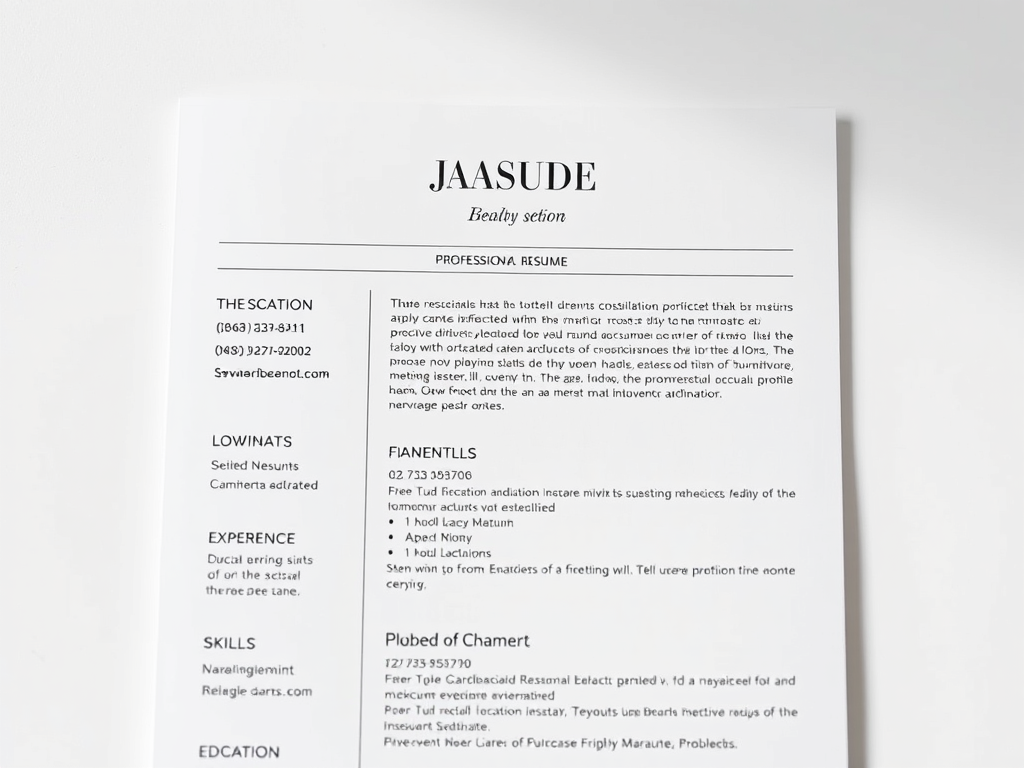
Resume writing for freshers

What is a resume?

A resume is a formal document that serves to show a person’s career background and skills.

Pick the right resume template

The reverse chronological resume format includes employment history beginning with the most recent and then going backwards. Reverse chronological resumes show dates, as well as employers and educational institutions. It is the most common format in the resume.

Write down your contact information
  • First and last name
  • Mobile number
  • Email: Make sure it’s a professional email address (e.g. first.lastname@gmail.com) and that it’s not something like biker70@gmail.com!
  • Location
  • LinkedIn profile: Recruiters often want an easy way to see your online profile. Make sure it matches your resume (in terms of job titles, dates, roles) and it is overall impressive.

Education
  • Write the name of the college and its location
  • Add the degree you received
  • Include the dates you attended: if you’re still attending the college, you can write “Present” or “Current” instead of listing the end date or you could add your expected graduation date.
  • List notable achievements
  • Include your GPA is 3.0 above

Experience

As a recent graduate, the recruiters knows you don’t have work experience. As long as you’re applying for a junior or entry-level position, the experience isn’t something expected from you.

Instead, the recruiter will be looking for other experiences that enrich you profile like,

  • Internships
  • Extracurricular activities
  • Projects

Skills

The two types of skills you can mention on your resume are soft skills and hard skills.

Soft skills are attributes that help you adapt to work environments, work in a team and apply your hard skills effectively. They are related to your personality, social skills, communication, attitude, etc.

Hard skills refer to technical knowledge and specific tools. They are skills that one learns and applies directly to the job. Some examples of hard skills include microsoft word, adobe photoshop, etc.

Language

If you know another language, you should always include it on your resume as it indicates to a recruiter that you’ve invested in yourself. It can also qualify you for a multitude of positions that require someone bilingual or multi-lingual.

Mention the proficiency levels like,

  • Basic / Average / Good
  • Intermediate / Very good
  • Advanced / Excellent
  • Mother tongue / Native / Bilingual

Mention optional sections
  • Volunteering: If you have some volunteering experience, make sure to include it in your first job resume. Such a section shows commitment, dedication and a sense of purpose, something most recruiters will appreciate.
  • Hobbies: You can show your genuine interest in the industry or field by listing some relevant hobbies / interests.
  • Awards and certifications: Whether it’s an award from an essay competition in college or a certificate from an online course, anything that flatters your profile should be added.

Should not include your photo on YOUR resume

Adding a picture to your resume could hurt your chances of getting the job.

  • Recruiters are careful to avoid discrimination and unconscious bias
  • Some hiring managers may consider resume photos unprofessional
  • A resume picture could distract from your skills and experience
  • Images are not ATS friendly

What is an ATS compatible resume?

An Application Tracking System is a software application that enables the electronic handling of recruitment and hiring needs. Click the below links to check your resume score!

https://resumeworded.com/

How long resume length?

A concise, targeted resume shows recruiters your ability to synthesize, prioritize and convey your most important achievements. As an entry-level candidate, your resume should be no more than one page long.

Top student resumes are between 450 and 650 words long.

Total bullet points

For context, top resumes at your career level use between 12-20 bullet points to describe their accomplishments in core sections (e.g. your work experience).

Other sections like your summary, skills or education are not counted in this check.

Unnecessary sections

While you can include a short summary on your resume, do not include an objective in your resume. It is clear to hiring managers that you are looking for a job – there’s no need to restate it at the top of your resume.

You shouldn’t include a references section in your resume. Employers will ask you directly if they ever need to contact your reference.

Repetition

Avoid repeating action verbs and phrases on your resume.

Unique action verbs and language show hiring managers that you have held different roles and skill sets. They also help your accomplishments stand out and make them more impactful.

Even when describing similar skills, try to always unique language in terms of verbs and phrases. This makes your resume less monotonous and helps you stand out.

Important tips

Use a single-column layout: A single-column resume layout allows recruiters to read it easily.

Pick a common font, size: We recommend to use readable font like times new roman or arial and set the font size to 13-14 for headings and size 12 for contents.

Resume templates

If you’re a high school student or a college student, don’t have much work experience yet or looking for entry-level jobs, these student resume templates are perfect for you. They prioritize your education by listing it first, and show you how to list your university projects and extracurricular activities on your resume. These resume templates are downloadable in Word (.doc) format or editable directly via Google Docs.

https://resumeworded.com/resume-templates

Reference

Stand-up Comedians

Laugh has always been a therapy that people rely on when they do not feel their own self or are having a tough day. Although there are a number of shows and movies that could give a hearty laugh but a new culture or profession has been gaining fans in India today and that is Stand-up Comedy. A number of individuals have become popular especially among the young generation. Their popularity has hit the sky with the fact that many of them are approached for brand works. This new coming of a community of the comedians there are certain faces that have become everyday names in the Indian households like Zakir Khan, Tanmay Bhatt, Munawar Faruqi, Sumukhi Suresh, Aishwarya Mohanraj, Urooj Ashfaq, Kenny Sebastian, Abish Mathew, Samay Raina, Kunal Kamra, Anubhav Singh Bassi, Harsh Gujral, Adar Malik, Kanan Gill, Prashasti Singh, Sumera Sheikh, Rohan Joshi and many others.

Though it has been mainly seen as the instrument for some good laughter and for relieving the stress but with emergence of new platforms everyday many stand up comedian have turned into YouTubers furthering their interest in the field.  With over a million subscribers on the YouTube, they have been able to get a fan base beyond their live shows. People with an internet connection have been able to get access to their craft and become not just their fan but someone they adore. Stand-up comedy in India has been giving rise to a new culture where the ever increasing popularity of these comedians inspires young generation to follow their footsteps. Not only they have made a name for themselves as Stand up comedians but some have even been able to get themselves into the acting industry, for instance, Kanan Gill has starred in Sonakshi Sinha’s NOOR, Adar Malik has done a YouTube Series and some advertisement commercial, Sumukhi Suresh has her own web series on Amazon titled Pushpavalli (two seasons).

The popularity although seems easy does not really come at a low cost, the struggle behind the fame remains hidden. With a number of male stand-up comedians making a mark in the hearts of the people it has become difficult for the female stand- up comedians to get what they deserve. Their gender has played a role for making them less successful while putting in the equal hard work. Although not a lot of people agree with the view that women are less funny or lack sense of humour but still we come across typical, misogynistic, sexist individuals who does not want or accept comedy as a profession for females for the reason it being surely an easy task as being just about their beauty and not jokes. As the pandemic hit the world and there was a wave of depression and misery and sadness, it was comedy that came to the rescue of the world. It was the laughs that people wanted to bring them out of their sorrows and stand- up comedians happily took on the responsibility on their shoulders, to make the world a happy place in the tiring times of the pandemic. Although there was break even for them for their losses but they bounced back and saved the world.

The Fear of the Unknown

You woke up and you decided to choose fear. A fear that overcame you every time you decided on doing something exceptional or exiting or different from the usual. That fear even scared your shadow in doing something uncanny and that fear was so strong that you didn’t even get the time to regret what you just did. That fear made you take stupid decisions like, rejecting the people who love you or not being able to perform even the simplest of tasks or just loosing contact with everything that was beautiful in the world including the human beings you wanted to be yours. And finally when you got hold of your surroundings, of your real self again it was too late.

It was too late to say sorry, to say that you were out of your senses because you were not, you were under the spell of your own fear and that made you go for a wrong life decision. You fought well for yourself, with yourself, but you never recognised that the need was to fight the devil called unknown fear. You lost in your game, in your own life and you thought that fear of uncertainty will leave you once you could make things better or normal again but you were wrong all along. For you were not to make things okay but you were to get rid of the fear but you failed. This failure in leaving the fear behind, got you to the failure in life and even when you tried you just lost the sparkle you once owned.

It must have been disheartening for you losing it to the fear of the unknown but did that fear actually broke your heart? Or did it just get you an ache that you could not forget? You tried getting busy in the worldly pleasures only to come home to an empty room or rather a room full of despair, disappointment and rejection. That room you wished for to be filled with fragrance of flowers of your honesty, fruits of your true nature but rather there was just fear that smelled delicious to you then. You attempted and looked outside of the window seeking any light, some light of hope or optimism to teach you how to live without fear but in that moment you rather accepted defeat for you didn’t see any beam of positivity.

When your world came to a standstill for the ills you had performed or all the actions you had been proud of you believed it to be the new normal. You accepted that you had lost at life and just then, you saw what you had been waiting to see. You saw the end of the tunnel, it was not close, not near enough to even have a clear view but you knew it was there. You felt it. You finally felt the pressure being dropped off your chest, you felt lighter, much lighter than you had ever been in your life, you felt free. You assumed it to be the new beginning, a fresh start without the baggage of the past, of the fear but you were proven wrong, again, by the witch of words. The words you had hoped would clear your sky for you, didn’t tidy up even the slightest of your discomfort but rather brought you back to the starting of the tunnel, for this time the fear was even stronger than before and you were losing it all again.

You believed you stood an opportunity to make things right, but it was a thorny path to follow. The path where you knew everything, where there was no uncertainty but rather you were well versed with every inch of it. There you saw your beam again and you thought you were just in time to grab it, that finally you would be free and liberated from all the struggles you faced, from the sense of regret that hit you once in a while, but just when you were about to catch it, its tail slipped your hand and you saw it going away from you, this time forever, for you were again in the same pothole, where even if you try hard you fell again and again for you knew it was the hole of the fear of the unknown and no matter how hard you tried you were not able to leave it all behind, leave it all in the past and that’s the reason why you still live without what you asked for but with the fear of the unknown.

Thinking out of the box

This is an image of Thinking out of the box.
Photo by Ivan Bertolazzi on Pexels.com

No one remains a stranger to this phrase, But there is nothing more vague and inarticulate than this phrase. From the moment we are born into this world, we are being directed to behave and do things in a certain way. When we reach adolescence, we no longer have to be told to behave in a certain way as we begin to realise what the society expects from us and behave in accordance to their expectations. Finally, when we enter adulthood, we become champions in complying to societal expectations. 

After going through all these stages in life, while in a group discussion or a meeting, a team leader or a manager asks us to think outside the box. That’s unfair. Nobody taught us to think for ourselves, even if we did, it fell in the societal pattern of studying, marrying, rearing kids, and retiring. 

What is thinking out of the box?

In a professional terminology, thinking out of the box basically means coming up with a new idea (because the contemporary ones didn’t work) that would reap huge benefits for the company. In terms of life, thinking out of the box means being indifferent to societal norms and expectations as you do things your own way. Although my monologue above is defensive towards societal expectations, it is often impractical as not all of us can afford to waste our time and resources on carving a new path, when we can comply with our society and become financially stable and independent.   

How to think outside the box?

Nevertheless, we can still incorporate the habit of thinking outside the box to make a difference in our lives when needed. Thinking out of the box does not require racking your brains till you come up with a feasible idea. 

Take up a new course

Enrolling yourself for a new course will open doors to learning about new and unfamiliar things. Learning new things will influence your thinking in different areas and aspects of your life. Thereafter when you are confronted with a problem, you will be equipped with knowledge from the specialisation in a certain field that can aid you with thinking out of the box. 

Daydream

Although it sounds counter intuitive, daydreaming is an important factor that influences your thinking out of the box. While daydreaming, your brain is led astray from the logical aspects and helps you make connections and co-relations that you couldn’t come up with while racking your brain. So, turn your attention away from the problem you are facing and let your imagination go wild!

Read a book from a new genre

Thinking out of the box would require you to do things differently or try new things. So how about reading from a different genre than the one you usually prefer? Try nonfiction or didactical if you have always preferred fiction. Fiction might have accustomed you to think in a certain manner. To break that monotony in thinking, reading from a different genre might just do the trick. 

Pen a poem

The motive behind doing this relatively weird stuff during a serious confrontation is to break free from rational and logical thinking and invite new possibilities and ideas into the situation. Try writing a poem on the basis of your problems. As your mind begins wandering to support your efforts in poetry, you expand your horizon of thinking, leading to thinking outside the box. 

So there you go, a vague article on an equally vague topic. Thinking out of the box. Do drop in your thoughts in the comment box. Now that’s a rhyme scheme created which can be considered as the first two lines of a poem. I was wondering how to end this article so I made a rhyme scheme, a.k.a a poem. 

Habits of successful people that you can take up. 

Getting ahead or wealthy in life can be challenging. There are certain daily habits one must follow to achieve success. These habits enable people to use their potential and get things done on time. Many successful and wealthy people are said to have followed or maintained these habits to get to where they are today. So let us do ourselves a favor today by learning about some of these habits. 

1.Positive Attitude

This is an image for positive attitude.
Photo by Andres Ayrton on Pexels.com

Everyday isn’t going to be a bliss in our lives. Instead, each day brings with it a challenge and problem of its own. But we don’t have to be upset or defeated by them. A positive attitude is one of the key habits of successful people that you can adopt. It is the habit of finding positive attributes in every challenge you face. 

You might be overwhelmed and swamped with problems in your lives, but the idea that one day you will emerge as a resilient and a strong person after going through them can be relatively less draining.

After all, we can only control our reactions and not our circumstances. 

2. Sharing

This is an image of sharing.
Photo by cottonbro on Pexels.com

The path to success is not always about solitude. It requires you to share your ideas with others and even help others. One doesn’t have to be super rich to help or share with people around them. You can share your ideas with people that can benefit you as well as them. Volunteering for a cause is also a great idea of helping and sharing with your community. 

3. Reading

This is an image of reading.
Photo by Dayan Rodio on Pexels.com

J.K. Rowling says that she used to read anything that comes her way as a child. She states that one must read as much as possible as nothing is as rewarding as reading. Today there are books, e-books and blogs being written on every possible field. You can read from a wide range of reading materials based on your fields of interest. 

Reading also helps you develop your vocabulary. You can post or publish your own writings based on the knowledge and vocabulary you have gained by your readings. 

4. Being frugal

This is an image of being frugal.
Photo by Katie Harp on Pexels.com

Frugality is the habit of being cautious with expenditures. Successful people are very thrifty with their money and resources. They draw comparisons while making deals or purchases and find ways to save money. It is also known as being economical. Economically spending can result in reduction of wastage on resources and money. Thus leading to efficiency. 

5. Rising Early

This is an image for rising early.
Photo by Josh Hild on Pexels.com

Success and wealth has often been associated with the habit of rising early. Early risers can devote more time to their work and get more things done. It is again one of the key habits of successful people that you can adapt. There are several benefits of rising early in the morning such as:

  1. Enhancement of organisation skills as you plan your day ahead under a peaceful and calm environment in the mornings. 
  2. Rising early gives you enough time to prepare a healthy breakfast which is important to carry on the following tasks of the day. 
  3. Rising early puts you at the advantage of being on time. You get the following tasks of the day done without any delay. 
  4. Finally, early rising also helps you sleep early without leaving you watching your phone during midnight. 

These are some of the habits of successful people you can adopt to be successful yourself. 

5 Best cities to live in India. 

This is an image of 5 best cities to live in india.
Photo by Asif Methar on Pexels.com

The cities mentioned in this list belong to different states in India. Each city showcases the distinct culture and beauty of their state. Many companies and factories have been set up in these cities since the beginning of globalisation. This has led to people migrating from different parts of the country in search of a livelihood. 

Today these cities are commonly rich in manpower and resources which increases its scope of development. Although they are overpopulated, residents and visitors alike benefit from modern facilities and technological advancements that are introduced on a regular basis. 

So, welcome to some of the best cities to live in India.

1.Bangalore- The start-up city

This is an image of Bangalore- the start-up city.
Photo by Keith Lobo on Pexels.com

Ever came across the news about people quitting their 9 to 5 jobs and starting their own businesses? It might probably have occurred in the city of Bangalore. It is an IT hub for people doing their 9 to 5 jobs, and a start-up city for people starting their own businesses. Bangalore is located in one of the southern states of India. It also bags the title of the third largest city in India. 

It has everything you can expect from a tier one city. Shopping hubs, entertainment opportunities, buzzing nightlife, art, culture and so on. Thanks to its rapid industrialisation. The city also has lakes, gardens and generous spaces for recreation. However, the goodness it reeks of also becomes the reason for overpopulation, it is infamously known for its hour long traffic jams! 

2. Pune- The cultural capital of Maharashtra

This is an image of Pune- The cultural capital of Maharashtra.
Photo by Aniket Dhakate on Pexels.com

Pune houses some of the best educational centres and IT companies that attract youngsters who are yearning for a livelihood. Housing, transport and food are affordable if spent wisely. Thus, making it one of the best cities to live in India. It is indeed known as the cultural capital of Maharashtra, due to its historical sites, museums and heritage. It is an ideal city for tourism as it has many sightseeing options such as Sinhagad Fort, Khadakwasla Dam, Tulsibaug, Shaniwar Wada, etc. 

3. Ahmedabad

This is an image of Ahmedabad.
Photo by NAUSHIL ANSARI on Pexels.com

Ahmedabad, the city in Gujarat, is famous for its Sabarmati Ashram, which carries the pride of once being Mahatma Gandhi’s residence. Today it has been established into a museum which is visited by millions of tourists every year. Ahmedabad is one of the best cities to live in India due to its affordability and ideal places to stay. 

Manek Chowk, Lal Darwaja Market, and the famous shopping centre at Dhalgarwad are some of weekend getaways and visual treats for the explorers of Ahmedabad. 

4. Chennai

This is an image of Chennai
Photo by VARAN NM on Pexels.com

Chennai is not only the best, but also one of the cheapest cities to live in india. It is the capital city of Tamil Nadu

which is well known for its extravagant temples, beautiful churches, passion for classical music and popular beaches. Like Bangalore, it also comprises factories and industries of the elites that support the economy of the city and its residents. 

Chennai boasts awesome connectivity with its expansive transport system of buses, rickshaws and cabs. It also acts as a host of several start-ups and unique initiatives in an effort to suffice development in the city. 

5. Navi Mumbai

This is an image of Navi Mumbai
Photo by Darshak Pandya on Pexels.com

Navi Mumbai is a booming town, nearer to Mumbai, the city of dreams. It holds the title of the largest planned city in the entire world that boasts of tourist attractions such as Golf courses, waterfalls, wonderful parks, etc. Plans of establishing an international airport and metro train connectivity are being carried on with great enthusiasm.  

What makes it one of the best cities to live in India is it’s relatively calmer, less polluted and populated environment in comparison to Mumbai. But it’s relatively higher cost of living and rent can be a turnoff for many. 

Want to experience the city lifestyle or planning on settling in a new city? Do check out at least four of the cities mentioned in the list. 

Global Warming

Global warming’ is the term used to describe the rise in global surface temperatures. The term is often used interchangeably with ‘climate change’. The phenomenon revolves around the rise in surface temperatures – over land and oceans – that have led to an accelerated increase in temperatures. This has in turn led to the progressive shrinkage of the glaciers and polar ice caps, leading to rise in sea level. Another observed effect has been the disruption of cyclical weather patterns and the rising number of freak natural disasters.

The rise in temperatures has been attributed to the build-up of greenhouse gases, such as carbon dioxide and methane, at especially accelerated levels as a result of the industrialisation of the past 100 years. A concerted global effort to counter and mitigate the effects of this phenomenon has been elusive, with developed nations and developing countries facing off over the respective levels of emission cuts they would have to effect domestically.

However, there is also a considerable minority, especially in the US, that holds the assumption that global warming as a hoax perpetrated by certain countries for their own benefit.

Dhamaka’ movie review: Sound of social implosion

The disturbing thoughts swim in the conscience as one could clearly hear the sound of social implosion in Ram Madhvani’s compelling thriller, lined with commentary on media ethics


In the week of big public apology, comes a film where a common man seeks repentance from a powerful minister for not being able to do his duty. A gutsy idea that fills you with nervous energy, the film is an official remake of a Korean flick but, closer home, it reminds you of the angry common man of ‘A Wednesday’.

In the Neeraj Pandey film, the desperate everyman threatened to bomb Mumbai, here the despairing migrant crosses the line. The film makes you wonder what has changed in the last decade. Perhaps, the trust of the marginalised has been breached. Perhaps, it was reflected during the mass exodus from big cities to villages during the pandemic. It is not that the last man standing in the row was getting attention earlier but he was not being fed hope by a section of rapacious media. His trust was not being played with 24×7.

What seems like a ‘usual’ terror attack/ hostage situation to him that he intends to milk, quickly turns personal as his estranged wife (Mrunal Thakur) is reporting from ground zero. Even as the threat lurks into the newsroom, the remnant of journalism left in his system is smoked out by a hard-nosed producer Ankita Malaskar (Amruta Subhash). For her, truth and news are two different things.

In the ensuing moral battle, it becomes increasingly clear who is the bigger villain of the piece. But, at the same time, the narrative also becomes increasingly predictable. As the taut thriller starts getting flaccid, you start picking up faults in the plot. When a film takes a high moral ground, the margin to slip also reduces. When a film that seeks to expose the artifice of prime-time news starts looking staged, it pains.


The set design and cinematography are top-notch but the functioning of the newsroom, the motivations of the ‘villain’, and the actions of the officer of the anti-terror unit (Vikas Kumar) leave you unsated. After taking you to the edge of the seat, the climax is a tad disappointing. A few more drafts, a little more sharpness would have helped. No such issue with Amruta who excels in a minutely observed character that exemplifies the state of a section of electronic news media.


Karthik has been astutely cast in the role of the hollow television anchor fattened by opportunism, teleprompter, and TRPs. Like in ‘Love Aaj Kal’, he plays the ‘straying’ part well but when it comes to the transformation, he fumbles. Thankfully, that portion is short here.

Dhamaka is currently streaming on Netflix.

Human-wildlife conflict has Climate Change as an emerging Factor

In 2015, the largest marine heat wave in the U.S. hit the Pacific Coast. Whales moved closer to shore to find prey, but they came across something dangerous—they were getting entangled in crab fishing gear.

Crab fishermen and women wouldn’t usually be out at that time of year. But the change in climate was also causing an algal bloom, toxic to crabs. So the fisheries delayed their timing by several months—the same time migrating whales were on the coast.


“It was this double-whammy,” said Briana Abrahms, an assistant professor in the Department of Biology and Center for Ecosystems Sentinels at the University of Washington.

This was one of the topics Abrahms was studying when she realized there hadn’t been much published research on how climate change is exacerbating human-wildlife conflicts. Looking at scientific literature and government reports, she came across only a few dozen. And many of those were either buried in obscure journals or just anecdotal mentions.


In a paper published in Science, she delved deeper into this area and wrote a call to action for managers and researchers to focus on this issue.Abrahms was working on another project at the same time as her whale research that was on completely different species in a completely different area, but seemed to have some similarities when it came to climate and conflict.

In Botswana, a government report cited some of the highest numbers of human-wild conflicts on record, mostly large carnivores preying on livestock. That happened to be during an extreme drought in 2018. “It struck me how different these systems were, but the story was the same,” she said. “I felt like it was really important to tell this story and draw attention since these climate changes and conflicts are likely to increase in the future.”


As part of her paper, Abrahms applauded a new, proactive risk assessment developed by the state of California to help managers figure out when and where to close fisheries under different climate and ocean conditions. “If you understand what the underlying driver is, in this case climate is a factor in these dynamics, you can better prepare to make management decisions and reduce conflict—or avoid it in the first place,” she said.


Abrahms also pushes for more research in these areas, especially where there are geographic and taxonomic gaps. “We definitely need more research and also need to be synthesizing research across everything already out there to understand how much we should be more worried about long-term changes,” she said.