I love hanging out with friends and family, going to the beach or just being a couch potato and binge -watching TV shows or watching a good movie.
Yvette Gonzalez-Nacer
Amidst the pandemic, I found it hard to be productive. Being thankful for my privilege, I spent times exploring movies.
Here’s a list of Hindi and English movies on Prime Video.
Hindi:
Zindagi Na Milegi Doobara – “Friends Kabir, Imran and Arjun take a vacation in Spain before Kabir’s marriage. The trip turns into an opportunity to mend fences, heal wounds, fall in love with life and combat their worst fears.”
Hasee Toh Phasee – “Nikhil is a struggling businessman who thinks he is in love with his girlfriend, Karishma, and wants to marry her. But he ends up falling in love with her smart, geeky and quirky sister, Meeta.”
Mardaani 2 – “Sunny, a psychopath working for a politician, brutally rapes and murders innocent women, leaving a trail of battered bodies in his wake. However, SP Shivani Roy vows to catch and bring him to justice.”
Kabhi Khushi Kabhi Gham – “Rahul, the adopted older son of a rich couple, is banished by his father when he chooses to marry a middle-class woman. Years later, his younger brother, Rohan, sets out to find him.”
Love Break Ups Zindagi – “Two strangers, Jai and Naina, and their friends find their lives changing after attending a wedding as they struggle to find their true love.”
Chak De India – “Kabir Khan, a former hockey star, is tainted as someone who betrayed his country. However, he begins coaching the Indian women’s national hockey team to prove his loyalty to the nation.”
Mujhse Dosti Karoge – “Raj falls in love with Tina after their friendship blossoms via emails. However, he is unaware that Tina’s best friend, Pooja, is the one writing these mails.”
Raabta – “Shiv and Saira fall in love with each other and soon become inseparable. Their relationship is put to the test when Saira’s reincarnated lover from her past life returns.”
Shubh Mangal Zyaada Saavdhan – “Gay couple Kartik and Aman face a long and difficult road to happiness as they battle opposition from Aman’s family. However, Kartik isn’t prepared to step back until he marries Aman.”
Section 375 – “Rohan Khurana, a celebrated filmmaker, stands accused of rape by Anjali Dangle, a junior costume designer, and is sentenced to ten years of jail time by a sessions court.”
Chef – “When he loses his job, Roshan, a chef, decides to spend time with his son, who lives with his ex-wife. While doing so, she suggests a business idea, which he then begins to pursue.”
3 Idiots – “In college, Farhan and Raju form a great bond with Rancho due to his refreshing outlook. Years later, a bet gives them a chance to look for their long-lost friend whose existence seems rather elusive.”
Karwaan – “Avinash and his friend Shaukat decide to take a trip to Kochi to sort out a misunderstanding. However, due to a twist of fate, a teenager ends up joining them on the trip.”
Humpty Sharma Ki Dulhania – “A girl from Ambala, Kavya Pratap Singh, is about to be married to an NRI. When she visits Delhi to shop for her trousseau, she meets Humpty Sharma, a carefree Delhiite, and falls in love with him.”
English:
Harry Potter Series – “Harry Potter is a British-American film series based on the eponymous novels by author J. K. Rowling. The series is distributed by Warner Bros. and consists of eight fantasy films.”
What If – “Wallace has had several failed relationships, but when he meets Chantry, things change. With time, they realise that they are falling in love, but Chantry already has a boyfriend.”
Joker – “Forever alone in a crowd, failed comedian Arthur Fleck seeks connection as he walks the streets of Gotham City. Arthur wears two masks — the one he paints for his day job as a clown, and the guise he projects in a futile attempt to feel like he’s part of the world around him. Isolated, bullied and disregarded by society, Fleck begins a slow descent into madness as he transforms into the criminal mastermind known as the Joker.”
Crazy Rich Asians – “Rachel, a professor, dates a man named Nick and looks forward to meeting his family. However, she is shaken up when she learns that Nick belongs to one of the richest families in the country.”
How to Lose a Guy in 10 Days – “Benjamin is challenged by his co-workers to make a woman fall in love with him. On the other hand, Andie has to write an article on how to lose a man in 10 days.”
Mr. and Mrs. Smith – “A husband and wife struggle to keep their marriage alive until they realise they are both secretly working as assassins. Now, their respective assignments require them to kill each other.”
She’s the Man – “When Viola’s football team is dissolved and she is not allowed to play on the boys’ team either, she disguises herself as her twin brother and participates in the tournament.”
The DUFF – “When Bianca realises that she is being used by people to get to her popular friends, she decides to change. She begs her former friend to rebuild her image in exchange for teaching him science.”
Bride Wars – “Two childhood best friends, who have made many plans together for their respective weddings, turn into sworn enemies in a race to get married before the other.”
Fatal starvation is a rare cause of death in industrialized countries but can be of major medicolegal importance if death results from the deliberate withholding of food, especially from infants. The significance of starvation in clinical, forensic, and medicolegal terms depends upon the degree of malnutrition or metabolic derangements induced, which, in turn, depend upon the severity and duration of starvation, and whether it is associated with exacerbating factors such as disease. Normally, the diagnosis of death as a result of starvation is a simple prima facie diagnosis. However, underlying illnesses as causes of emaciation and concurrent diseases should be ruled out. In the following chapter the significance of starvation, normal nutritional requirements, disease-associated malnutrition, degrees of starvation, autopsy findings, and further investigations that are of importance within a medicolegal context will be addressed. In cases of starvation of children several classifications of protein-energy malnutrition that have been developed for third world countries are of special importance.
Although the concept of food security was coined 17 years ago, humanity has been fighting hunger and thrust since ancient times. A new global partnership to reduce extreme poverty and set several time-bound targets with a deadline of 2015, known as the Millennium Development Goals (MDGs), is expected to give new impetus to the cause of food security.
The reasons for this disturbing phenomenon are different in each case. The physical availability of food at both macro and micro levels can be negatively affected due to the lack of local production, natural and human-made disasters, seasonal changes, water scarcity, poor infrastructure, insufficient storage capacity, stockpiling, and even legal problems.
However, factors that impede food absorption include a lack of clean drinking water, inadequate health, hygiene and sanitation, a low level of literacy and a fiscal cushion for governments for public sector development programs that would help ensure essential service delivery.
It’s an awful question, but it’s the question of the moment. In what United Nations Secretary-General Ban Ki-moon has called a “war crime,” thousands of people in Syria have been starving because both government and rebel blockades have kept food from reaching them. The town of Madaya has been under siege for months. U.N. relief staff members reported seeing elderly people, children, men and women who are little more than skin and bones. “Gaunt, severely malnourished, so weak they could barely walk and utterly desperate for the slightest morsel,” Ban Ki-moon said, according to the U.N. News Service.
This is not just a problem in Syria. People suffer from extreme malnutrition all over the world in places where there is war, economic crisis, floods, drought and all manner of human suffering. About 1 in 9, or 795 million people in the world, suffers from undernourishment, according to the United Nations Food and Agricultural Organization.
And that’s how starvation can begin — with undernourishment. People do not get enough calories to keep up with the body’s energy needs. (Although starvation may be staved off if edibles are available that would not previously have been considered “food” — grass, leaves, insects or rodents.)
Over weeks and months, malnutrition can result in specific diseases, like anemia when people don’t get enough iron or beriberi if they don’t get adequate thiamine.
A severe lack of food for a prolonged period — not enough calories of any sort to keep up with the body’s energy needs — is starvation. The body’s reserve resources are depleted. The result is substantial weight loss, wasting away of the body’s tissues and eventually death.
When faced with starvation, the body fights back. The first day without food is a lot like the overnight fast between dinner one night and breakfast the next morning. Energy levels are low but pick up with a morning meal.
Within days, faced with nothing to eat, the body begins feeding on itself. “The body starts to consume energy stores — carbohydrates, fats and then the protein parts of tissue,” says Maureen Gallagher, senior nutrition adviser to Action Against Hunger, a network of international humanitarian organizations focused on eliminating hunger. Metabolism slows, the body cannot regulate its temperature, kidney function is impaired and the immune system weakens.
When the body uses its reserves to provide basic energy needs, it can no longer supply necessary nutrients to vital organs and tissues. The heart, lungs, ovaries and testes shrink. Muscles shrink and people feel weak. Body temperature drops and people can feel chilled. People can become irritable, and it becomes difficult to concentrate.
Eventually, nothing is left for the body to scavenge except muscle. “Once protein stores start getting used, death is not far,” says Dr. Nancy Zucker, director of the Duke Center for Eating Disorders at Duke University. “You’re consuming your own muscle, including the heart muscle.” In the late stages of starvation, people can experience hallucinations, convulsions and disruptions in heart rhythm. Finally, the heart stops.
How long does this take? There’s great variation in the amount of time people can survive without food, depending on age, body weight, whether they have adequate water, and whether they have other underlying health issues. Mahatma Gandhi, in his nonviolent campaign for India’s independence, survived for 21 days with only sips of water. One study found that hunger strikers in various parts of the world survived for up to 40 days.
“There’s really no specific number of days people can survive,” says Gallagher.
Theoretically, women might have a survival advantage because they have a greater percentage of stored body fat. But, says Zucker, no study proves that. The most thorough study of near starvation in humans was a 1950 study by Ancel Keys, “The Biology of Human Starvation,” in which 36 volunteers — all male — were given a semi-starvation diet of 1,570 calories (the average man needs about 2,500 calories a day) for six months. It is from that study that nutrition scientists began to understand how the body reacts to food deprivation.
Children are smaller and have fewer body-fat stores to draw from. They fail much faster. “Children are at a much greater disadvantage,” says Zucker. “With anorexia nervosa [an eating disorder characterized by an obsessive desire to lose weight by refusing to eat] we have to act a lot more quickly, because children and teens have fewer stores available; they’re growing and their metabolic needs are greater.”
What is going on during starvation internally, biologically and metabolically, is invisible. But physical and behavioral changes are on display.
Both adults or children can act very much out of character. They might be irritable or apathetic or lethargic. “Starvation is a state of threat,” says Zucker. And so people who are starving might act like a cornered animal, alert to any change around them and too quick to react to perceived threats. With a severe ongoing lack of food, people start doing things to ration food. “They eat more slowly. They might start shredding food to make it look like there is more. You take a piece of bread and shred it so you have a pile of bread crumbs,” says Zucker.
The body attempts to protect the brain, says Zucker, by shutting down the most metabolically intense functions first, like digestion, resulting in diarrhea.”The brain is relatively protected, but eventually we worry about neuronal death and brain matter loss,” she says. Just as the heart, lungs and other organs weaken and shrivel without food, eventually so does the brain. The concern for children is that their brains are still developing and any loss of function due to starvation could be permanent. But their brains are more plastic and might have a greater ability to bounce back, after they begin eating again.
“It’s hard to know. Children suffer more steeply, but their recovery might be better. It might be a tie,” says Zucker. “But adults and children alike can have permanent brain damage.”
People who are in the throes of starvation look apathetic, lethargic — almost mechanical in their slow-motion reactions.
Starving people may not look as if they’re in acute pain. But that doesn’t mean they’re not suffering. “I’ve seen kids who are not kids anymore. They’re either irritated and crying, or they’re apathetic and not playing,” says Gallagher. “And their mothers are hopeless and not showing any signs of caring.”
Treatment for someone who has been starved begins with a thorough medical exam. People might need hospitalization or antibiotics to treat underlying illnesses or infections. But therapeutic foods, like a fully nutritious peanut butter paste, dry skim milk and a wide set of vitamins and minerals, work well in the developing world.
And there’s one curious observation that’s been made. It’s not clear why, but the problem of peanut allergies in the West is not an issue in sub-Saharan Africa and other areas where severe malnutrition is most common. “We haven’t come across any allergic reactions to peanuts,” says Gallagher.
This form of domestic violence is the most common. The most common causes of harassment and torture of women are dissatisfaction with the dowry and abusing women for more, arguing with a partner, refusing sex with him, neglecting children, leaving home without telling the partner, improper cooking or on time, engaging in new matters, not caring for my parents-in-law, etc.
Many other factors in urban areas lead to differences at the beginning and then are domestic violence. Violence against young widows is also increasing in India.Other forms of physical abuse of women also include beating, grabbing, burdening them with bullying, public humiliation, and neglecting health problems.
Domestic Violence
“Domestic violence is a burden on numerous sectors of the social system and quietly, yet dramatically, affects the development of a nation… batterers cost nations fortunes in terms of law enforcement, health care, lost labor and general progress in development. These costs do not only affect the present generation; what begins as an assault by one person on another, reverberates through the family and the community into the future”.
Domestic violence is a global issue reaching across national boundaries as well as socio-economic, cultural, racial and class distinctions. This problem is not only widely dispersed geographically, but its incidence is also extensive, making it a typical and accepted behavior. Domestic violence is wide spread, deeply ingrained and has serious impacts on women’s health and well-being. Its continued existence is morally indefensible. Its cost to individuals, to health systems and to society is enormous. Yet no other major problem of public health has been so widely ignored and so little understood.
What is Domestic Violence?
Domestic violence can be described as the power misused by one adult in a relationship to control another. It is the establishment of control and fear in a relationship through violence and other forms of abuse. This violence can take the form of physical assault, psychological abuse, social abuse, financial abuse, or sexual assault. The frequency of the violence can be on and off, occasional or chronic.
“Domestic violence is not simply an argument. It is a pattern of coercive control that one person exercises over another. Abusers use physical and sexual violence, threats, emotional insults and economic deprivation as a way to dominate their victims and get their way”. (Susan Scheter, Visionary leader in the movement to end family violence)
The Protection of Women from Domestic Violence Act, 2005 says that any act, conduct, omission or commission that harms or injures or has the potential to harm or injure will be considered domestic violence by the law. Even a single act of omission or commission may constitute domestic violence – in other words, women do not have to suffer a prolonged period of abuse before taking recourse to law. The law covers children also. Domestic violence is perpetrated by, and on, both men and women. However, most commonly, the victims are women, especially in our country. Even in the United States, it has been reported that 85% of all violent crime experienced by women are cases of intimate partner violence, compared to 3% of violent crimes experienced by men. Thus, domestic violence in Indian context mostly refers to domestic violence against women.
Problem Statement
Domestic violence is the most common form of violence against women. It affects women across the life span from sex selective abortion of female fetuses to forced suicide and abuse, and is evident, to some degree, in every society in the world.
The World Health Organization reports that the proportion of women who had ever experienced physical or sexual violence or both by an intimate partner ranged from 15% to 71%, with the majority between 29% and 62%.
India’s National Family Health Survey-III, carried out in 29 states during 2005-06, has found that a substantial proportion of married women have been physically or sexually abused by their husbands at some time in their lives. The survey indicated that, nationwide, 37.2% of women “experienced violence” after marriage. Bihar was found to be the most violent, with the abuse rate against married women being as high as 59%. Strangely, 63% of these incidents were reported from urban families rather than the state’s most backward villages. It was followed by Madhya Pradesh (45.8%), Rajasthan (46.3%), Manipur (43.9%), Uttar Pradesh (42.4%), Tamil Nadu (41.9%) and West Bengal (40.3%).
The trend of violence against women was recently highlighted by the India’s National Crime Records Bureau (NCRB) which stated that while in 2000, an average of 125 women faced domestic violence every day, the figure stood at 160 in 2005.
A recent United Nation Population Fund report also revealed that around two-thirds of married women in India were victims of domestic violence. Violence in India kills and disables as many women between the ages of 15 and 44 years as cancer and its toll on women’s health surpasses that of traffic accidents and malaria combined.
Even these alarming figures are likely to be significantly under estimated given that violence within families continues to be a taboo subject in both industrialized and industrializing countries.
What Leads to Domestic Violence?
Domestic violence against women is an age old phenomenon. Women were always considered weak, vulnerable and in a position to be exploited. Violence has long been accepted as something that happens to women. Cultural mores, religious practices, economic and political conditions may set the precedence for initiating and perpetuating domestic violence, but ultimately committing an act of violence is a choice that the individual makes out of a range of options. Although one cannot underestimate the importance of macro system-level forces (such as cultural and social norms) in the etiology of gender-based violence within any country, including India, individual-level variables (such as observing violence between one’s parents while growing up, absent or rejecting father, delinquent peer associations) also play important roles in the development of such violence. The gender imbalance in domestic violence is partly related to differences in physical strength and size. Moreover, women are socialized into their gender roles in different societies throughout the world. In societies with a patriarchal power structure and with rigid gender roles, women are often poorly equipped to protect themselves if their partners become violent. However, much of the disparity relates to how men-dependence and fearfulness amount to a cultural disarmament. Husbands who batter wives typically feel that they are exercising a right, maintaining good order in the family and punishing their wives’ delinquency – especially the wives’ failure to keep their proper place.
Domestic Violence and its Health Implications
Violence not only causes physical injury, it also undermines the social, economic, psychological, spiritual and emotional well being of the victim, the perpetrator and the society as a whole. Domestic violence is a major contributor to the ill health of women.
It has serious consequences on women’s mental and physical health, including their reproductive and sexual health. These include injuries, gynecological problems, temporary or permanent disabilities, depression and suicide, amongst others.
“Many forms of verbal and psychological abuse appear relatively harmless at first, but expand and grow more menacing over time, sometimes gradually and subtly. As victims adapt to abusive behavior, the verbal or psychological tactics can gain a strong ‘foothold’ in victims’ minds, making it difficult for them to recognize the severity of the abuse over time.” (Witness Justice, MA, USA)
These physical and mental health outcomes have social and emotional sequelae for the individual, the family, the community and the society at large.
Over both the short term and long term, women’s physical injuries and mental trouble either interrupts, or ends, their educational and career paths leading to poverty and economic dependence. Family life gets disrupted which has a significant effect on children, including poverty (if divorce or separation occurs) and a loss of faith and trust in the institution of the family. These sequelae not only affect the quality of life of individuals and communities, but also have long-term effects on social order and cohesion.
In India, one incident of violence translates into the women losing seven working days. In the United States, total loss adds up to 12.6 billion dollars annually and Australia loses 6.3 billion dollars per year.
The physical health consequences of domestic violence are often obscure, indirect and emerge over the long term. For example, women who were subject to violent attacks during childhood are bothered by menstrual problems and irritable bowel syndrome in later life.
Domestic Violence and Reproductive Health
There is enough evidence to support that higher reproductive morbidity is seen among women experiencing domestic violence. Studies conducted in North India have shown elevated odd’s ratio of gynecological symptoms, while comparing women with husbands reporting no domestic violence and women who experienced physical and sexual violence. It may be attributed to the fact that abusive men were more likely to engage in extra marital sex and acquire STDs, there by placing their wives at risk of acquiring STDs. There was also lesser condom use reported among such men.
These make women more susceptible to HIV infection, and the fear of violent male reactions, physical and psychological, prevents many women from trying to find out more about it, discourages them from getting tested and stops them from getting treatment.
Studies in the northern state of Uttar Pradesh have also shown that unplanned pregnancies are significantly more common among wives of abusive men (OR = 2.62). Besides this, research has shown that battered women are subject to twice the risk of miscarriage and four times the risk of having a baby that is below average weight. In some places, violence also accounts for a sizeable portion of maternal deaths. Reproductive health care that incorporates domestic violence support services is needed to meet the special needs of abused women.
Psychological and Emotional Violence
Psychological and emotional violence covers “repeated verbal abuse, harassment, confinement and deprivation of physical, financial and personal resources”.
Quantifying psychological abuse is extremely difficult, and very few studies have been conducted to establish prevalence rates of this type of violence. Qualitative studies that have been undertaken conclude that it is just as damaging to one’s health to be continuously psychologically abused as it is to be physically abused. Undermining an individual’s sense of self esteem can have serious mental and physical health consequences and has been identified as a major reason for suicide. For some women, the incessant insults and tyrannies which constitute emotional abuse may be more painful than the physical attacks because they effectively undermine women’s security and self-confidence.
Violence against women has a far deeper impact than the immediate harm caused. It has devastating consequences for the women who experience it and a traumatic effect on those who witness it, particularly children.
Impact of Domestic Violence on Children
Children who witness domestic violence may develop serious emotional, behavioral, developmental or academic problems.
As they develop, children and teens who grow up with domestic violence in the household are:
more likely to use violence at school or community in response to perceived threats
more likely to attempt suicide
more likely to use drugs
more likely to commit crimes, especially sexual assault
more likely to use violence to enhance their reputation and self esteem
more likely to become abusers in later life
Why Do Women Stay?
Economic dependence has been found to be the central reason. Without the ability to sustain themselves economically, women are forced to stay in abusive relationships and are not able to be free from violence. Due to deep-rooted values and culture, women do not prefer to adopt the option of separation or divorce. They also fear the consequences of reporting violence and declare an unwillingness to subject themselves to the shame of being identified as battered women. Lack of information about alternatives also forces women to suffer silently within the four walls of their homes. Some women may believe that they deserve the beatings because of some wrong action on their part. Other women refrain from speaking about the abuse because they fear that their partner will further harm them in reprisal for revealing family secrets, or they may be ashamed of their situation.
Violence against women is a violation of basic human rights. It is shameful for the states that fail to prevent it and societies that tolerate and in fact perpetuate it. It must be eliminated through political will, and by legal and civil action in all sectors of society.
Addressing Domestic Violence
An effective response to violence must be multi-sectoral; addressing the immediate practical needs of women experiencing abuse; providing long-term follow up and assistance; and focusing on changing those cultural norms, attitudes and legal provisions that promote the acceptance of and even encourage violence against women, and undermine women’s enjoyment of their full human rights and freedoms.
The health sector has unique potential to deal with violence against women, particularly through reproductive health services, which most women will access at some point in their lives. However, this potential is far from being realized. Few doctors, nurses or other health personnel have the awareness and the training to identify violence as the underlying cause of women’s health problems.
The health sector can play a vital role in preventing violence against women, helping to identify abuse early, providing victims with the necessary treatment and referring women to appropriate care. Health services must be places where women feel safe, are treated with respect, are not stigmatized, and where they can receive quality, informed support. A comprehensive health sector response to the problem is needed, in particular addressing the reluctance of abused women to seek help.
Role of Public Health Personnel
Domestic violence against women has been identified as a public health priority. Public health personnel can play a vital role in addressing this issue.
Since violence against women is both a consequence and a cause of gender inequality, primary prevention programs that address gender inequality and tackle the root causes of violence are all essential. Public health workers have a responsibility to build awareness by creating and disseminating materials and innovative audio-visual messages, which project a positive image of girl child and women in the society. An integrated media campaign covering electronic, print and film media that portrays domestic violence as unacceptable is the need of the hour. The role of increasing male responsibility to end domestic violence needs to be emphasized.
Programs are required which intend to address battered women’s needs, including those that focus on building self-efficacy and livelihood skills. The significance of informal and local community networks should be acknowledged in this regard. The survivors of domestic violence can be involved in program planning and implementation in order to ensure accessibility and effectiveness. Rather than spotlighting women as victims in non negotiable situations, they should be portrayed as agents capable of changing their own lives. The public health experts have a vital role to play in networking with NGOs and voluntary organizations and creation of social support networks.
The public health experts have a potential to train personnel specialized to address the needs of victims of domestic violence. In the field of research, public health personnel can contribute by conducting studies on the ideological and cultural aspects which give rise to and perpetuate the phenomenon of domestic violence. Similarly, the execution and impact of programs must be assessed in order to provide the necessary background for policy-making and planning. However, the health sector must work with all other sectors including education, legal and judicial, and social services.
In January, India implemented its first law aimed at tackling domestic violence (The Protection of Women from Domestic Violence Act, 2005) to protect the rights of women who are victims of violence of any kind occurring within the family and to provide for matters connected therewith or incidental thereto. It also defines repeated insults, ridiculing or name-calling, and demonstrations of obsessive possessiveness and jealousy of a partner as domestic violence. The big challenge in front now is to enforce it in true sense.
“A law is as good as its implementability, despite the lofty aspirations. The responses to the enactment are polarized, with one section fearing its misuse by an elite class in metro cities and another segment predicting its futility for the mass of rural women saddled with the yoke of patriarchy to which courts are as yet alien”
(Flavia Agnes)
A bill alone will not help in preventing domestic abuse; what is needed is a change in mindsets.
Concerted and co-ordinated multisectoral efforts are key methods of enacting change and responding to domestic violence at local and national levels. The Millennium Development Goal regarding girls’ education, gender equality and the empowerment of women reflects the international community’s recognition that health, development, and gender equality issues are closely interconnected.
Hence the responses to the problem must be based on integrated approach. The effectiveness of measures and initiatives will depend on coherence and co ordination associated with their design and implementation. The issue of domestic violence must be brought into open and examined as any other preventable health problem, and best remedies available be applied.
The problem of gender inequality is historical. The sociological reality behind this structure is the transition from a matriarchal society, which is more egalitarian, to a patriarchal society. Although economic and technological progress has changed the social structure, the problem of gender inequality still exists, even in modern, urbanized societies.
The problem of the education system
In all areas of men-dominated society, including the structure of the state, the education system, the health care system, security forces, and the judiciary, there is a male culture and a sense of power. In the education system, equal opportunities must be guaranteed for all children, regardless of gender, and the government should ensure this practice is implemented. The program should be non-discriminatory and textbooks, especially in terms of language, should be prepared under the principles of gender equality.
No Equal opportunities
Gender inequality has been a social issue in India for centuries. That in many parts of India, the birth of a girl child is not welcomed is a known fact. It is a known fact too, that discrimination starts from even before the girl child is born and sometimes she is killed as a foetus, and if she manages to see the light of day, she is killed as an infant, which makes up the highly skewed child sex ratio where for every 1000 boys in India, there are only 908 girls. In such a scenario, it is but obvious that for myriad reasons, many girls across the country are forced to drop out of school.
Patriarchal norms have marked women as inferior to men. A girl child is considered a burden and is often not even allowed to see the light of the world. It is hard to imagine this state of affairs in the 21st Century when women have proved to be strong leaders in every field possible. From wrestling to business, the world has been revolutionised by exceptional women leaders in fields that were until recently completely dominated by men.
But in spite of such progress, even today, the girl child is discriminated against in most Indian households. The birth of a baby boy is celebrated with great pomp and ardour, but the birth of a girl child is received with dismay. The practice of female foeticide through sex selective abortion continues to be practiced in spite of the Prenatal Diagnostic Technique Act of 1994. In India the child sex ratio is at the lowest it has ever been with just 914 girls for every 1000 boys (Census, 2011).
And this discrimination continues in every aspect. Be it education, health, protection or participation, the girl child is always treated unequally. Indian society still hasn’t been awakened to the importance of empowering the women. The statistics still narrate a grim story of female foeticide, girl child discrimination and gender bias .
42% of married women in India were married as children (District Information System for Education (DISE) 3)
1 in every 3 child brides in the world is a girl in India (UNICEF)
India has more than 45 lakh girls under 15 years of age who are married with children. Out of these, 70% of the girls have 2 children (Census 2011)
The need of the hour is to make a change in the mindset of the society and destroy the prejudices that damage the future of the girl child . What is required is a concerted effort to sensitise the society in eradicating this issue of gender inequality. It is high time that every child is treated equally and given every opportunity required to grow to his/her full potential.
Gender equality is not only a fundamental human right, but a necessary foundation for a peaceful, prosperous and sustainable world.
There has been progress over the last decades: More girls are going to school, fewer girls are forced into early marriage, more women are serving in parliament and positions of leadership, and laws are being reformed to advance gender equality.
Despite these gains, many challenges remain: discriminatory laws and social norms remain pervasive, women continue to be underrepresented at all levels of political leadership, and 1 in 5 women and girls between the ages of 15 and 49 report experiencing physical or sexual violence by an intimate partner within a 12-month period.
Women play a disproportionate role in responding to the virus, including as frontline healthcare workers and carers at home. Women’s unpaid care work has increased significantly as a result of school closures and the increased needs of older people. Women are also harder hit by the economic impacts of COVID-19, as they disproportionately work in insecure labour markets. Nearly 60 per cent of women work in the informal economy, which puts them at greater risk of falling into poverty.
The pandemic has also led to a steep increase in violence against women and girls. With lockdown measures in place, many women are trapped at home with their abusers, struggling to access services that are suffering from cuts and restrictions. Emerging data shows that, since the outbreak of the pandemic, violence against women and girls – and particularly domestic violence – has intensified.
Religious conflicts are among the most severe social issues today
The difference in beliefs: people belonging to different religions have different views.Lack of education: People who want to spread violence in the name of religion can easily mislead illiterate people. Sometimes, conflicts between communities lead to violence and crime. The solution to religious violence lies only in the hands of Societies.
Religious violence is undergoing a revival. The past decade has witnessed a sharp increase in violent sectarian or religious tensions. These range from Islamic extremists waging global jihad and power struggles between Sunni and Shia Muslims in the Middle East to the persecution of Rohingya in Myanmar and outbreaks of violence between Christians and Muslims across Africa. According to Pew, in 2018 more than a quarter of the world’s countries experienced a high incidence of hostilities motivated by religious hatred, mob violence related to religion, terrorism, and harassment of women for violating religious codes.
The spike in religious violence is global and affects virtually every religious group. A 2018 Minority Rights Group report indicates that mass killings and other atrocities are increasing in countries both affected and not affected by war alike. While bloody encounters were recorded in over 50 countries, most reported lethal incidents involving minorities were concentrated in Syria, Iraq, Nigeria, India, Myanmar, Pakistan and Bangladesh. Hostilities against Muslims and Jews also increased across Europe, as did threats against Hindus in more than 18 countries. Making matters worse, 55 of the world’s 198 countries imposed heightened restrictions on religions, especially Egypt, Russia, India, Indonesia and Turkey.
How is it that religions – which supposedly espouse peace, love and harmony – are so commonly connected with intolerance and violent aggression? Social scientists are divided on the issue. Scholars like William Cavanaugh contend that even when extremists use theological texts to justify their actions, “religious” violence is not religious at all – but rather a perversion of core teachings. Others such as Richard Dawkins believe that because religions fuel certainties and sanctify martyrdom, they are often a root cause of conflict. Meanwhile, Timothy Sisk claims that both hierarchical religious traditions (such as Shi´ism) and non-hierarchical traditions (such as Buddhism) can both be vulnerable to interpretation of canon to justify or even provide warrants for violent action.
Centre for Security Studies/RELAC/Svensson Isak/Nilsson Desireé
For millennia, every religious tradition has either fallen victim to or sanctioned violence. Consider Saint Augustine and Saint Aquinas who laid the foundations of the ‘just war’ doctrine in the cases of self-defense, to prevent a tyrant from attacking, and to punish guilty enemies. Christians, Buddhists, Hindus, Jews, Muslims, Sikhs and others have long invoked violence in the name of religion. In some cases, as when state and religion are intertwined, mass violence may arise. Unfortunately, the risk of sectarian violence is unlikely to go away: more than 84% of the world’s population identify themselves with a religious group.
Violence inspired by religious intolerance is easier described than defined. It spans intimidation, harassment and internment to terrorism and outright warfare. Usually it arises when the core beliefs that define a group’s identity are fundamentally challenged. It is ratcheted-up by ‘in-group’ communities against other ‘out-group’ communities, often with the help of fundamentalist religious leaders. Some researchers such as Justin Lane refer to the sense of threat among insiders as “xenophobic social anxiety”, which – when combined with political and cultural exclusion and social and economic inequality – can escalate into extreme physical violence.
Religious leaders are often criticized for not doing enough to stem religious violence. By not publicly condemning every act of extremism, entire faith communities are presumed to be somehow complicit. This is unfair. Indeed, there are millions of people of faith who are actively involved in helping the poor and marginalized and fostering reconciliation in the aftermath of war. They may be mobilized through their churches, mosques, synagogues and temples, or work through international humanitarian agencies and missions overseas. While regularly accused of fanning the flames of sectarian violence, religious leaders are frequently trying to do the opposite, including mediating peace agreements and promoting non-violence.
In an era of turbulence and uncertainty, interfaith action may offer an important antidote to religious violence. Religious communities can and do offer a reminder of the core principles of our common humanity. While not the exclusive preserve of faith-based groups, the conscious spread of values of empathy, compassion, forgiveness and altruism are needed today more than ever. The persistent calls for patience, tolerance, understanding, face-to-face dialogue and reconciliation are more important than ever given today’s spiralling polarisation and the dangerous anonymity provided by social media.
Faith-based groups have also frequently led the way in shaping international treaties and social movements to make the world safer. While far from the media headlines, Quakers, for example, have helped launch treaties banning landmines and other weapons of war, supported the development of protocols to outlaw child soldiers, and instigated action on conflict prevention, peace-building and human rights. While religious groups have adopted varying positions toward capital punishment, many of them are unified in their opposition to the use of torture, advocate for banning nuclear and other weapons of mass destruction, and support grassroots campaigns to promote human rights and reconciliation.
Dowry is one of the worst practices widespread in Indian society. There is a tradition of asking for a dowry at the time of marriage and greed among the groom’s family for quick and easy money. People are also asking for a dowry to keep up status.
The main problems of the dowry system in society are: The bride’s family, which usually belongs to the middle and low classes, face its bitter side. Parents often take out a loan for their daughter’s marriage. Most times, observing the lousy situation of their parents, the bride becomes mentally affected. Sometimes psychological torture caused by dowry leads to suicidal tendencies.
Most of the people are involve in the dowry system, weather they belong to upper-class families or lower class, educated or illiterate they all are involved in it. It is the system of transferring the money or property to the groom’s family from the bride family. The greed for dowry is increasing dad by day. It effects the mental and physical health of a person who is being compelled for giving dowry for their daughter’s well-being. Even the value of a girl is decided by the amount of dowry she has with her. This cause a state of distress and grief for those parents who is giving the dowry. If the dowry is not fulfilling the demands then after marriage the girl is not treated well by their in-laws and can be beaten to death. And also, many girls are left unmarried because their parents cannot afford dowry according to the demand by the groom’s family. The reason why most of the parents don’t wish to be blessed by a daughter is because of the dowry they have to give on her marriage.
We are in 2020. Dowry system was abolished in 1961 in India. The reason for the prevalence of this custom is the patriarchal society that values men over women. In India boys have a rate card in many societies. This is the unofficial price the boy is worth. And that worth is measured by the amount of dowry a boy will get upon marriage. The stronghold of the gender inequality in Indian society makes a bride’s family feel obliged to meet the dowry demands of the man who has ‘agreed’ to take care of the daughter. The second major reason is that the dowry system is too deeply rooted in the Indian culture that it is seen as normal and unchangeable. Even today, if people are reminded that dowry is a crime, they ignore it as an alternate reality which cannot change the age-old customs. Many educated families practice it, willingly or unwillingly, to avoid being criticized for not following the customs. After all who will dare to change the traditions? The third and most important reason is the dominance of the institution of marriage. A woman’s marriage is of the paramount importance in Indian families. If a woman’s marriage requires dowry in return of her secured married life which is a challenge in the world that is unsafe and discriminatory for women, it is never seen as a crime.
Dowry deaths are a result of this stagnancy in the traditions and cultures. Groom’s families take advantage of the stronghold of the dowry system which will ultimately bring them wealth. Often they ‘rightfully’ abandon or abuse the woman for dowry because she and her family did not fulfil their duty. This is a harsh reality that still haunts the lives of the women who are moving ahead towards a respectable, empowered and independent future. This system is the major reason why daughters are considered as a burden for the families. Consequently, families either keep the wealth aside for the daughter’s dowry rather than investing in her education or kill her before birth to get rid of the burden forever.
How far will women bear the weight of patriarchal traditions like these? How and when will the change begin? SheThePeople asked the same question to some young women, here is how they will bring the change:
Avleen, 19-year-old and a student of English Honours, told SheThePeople that a marriage founded on the exchange of dowry is only a business deal. She believes that marriage truly needs love and respect. “If a boy cannot marry me without my money, I don’t need him. I am more capable of doing business with my own money.” She further talked about how she will convince her family to not seek dowry for her brother’s marriage. “I would tell them not to seek dowry because we don’t need money to keep someone else’s girl. If we like her and my brother likes her, then that love is enough for the marriage.”
“Education is the best friend. An educated person is respected everywhere. Education beats the beauty and the youth.” The above lines by Chanakya have been the motivation to change the lives of numerous people . Education serves as the key which unlocks the numerous doors leading to success . It also benefits an individual in various ways. Education for a child begins at home and is a lifelong process that ends with death. Mother is the first teacher of a child . Education is important because it is responsible for the overall development of a person and helps you to acquire different skills . Nelson Mandela expressed that Education is the most powerful weapon which you can use to change the world. Through Education the change of even the highest levels can be brought up because it is the only weapon which has the power to change the mindsets of people , can make it more broad in any way desired . Malala Yusufuzai in her speech once said , ” I do not want to kill taliban , I just want Education for his sons and daughters . she belived that with guns we can kill terrorists but with education we can eradicate the base issue i.e. Terrorism . Education improves and refines the speech of a person. People become more mature with the help of Education . It enables a person to be a better and informed decision maker with the use of their knowledge. This increases the success rate of a person not only financially but in all the aspects of life . It makes people have a special status in their own society and everywhere they live in. I believe that everyone is entitled to have education ‘’from cradle to grave’’. There are various benefits of having education such as having a good career, having a good status in society, and having self-confidence. First of all, education gives us the chance of having a good career in our life. We can have plenty of chances to work at any workplace we wish. In other words, opportunities for a better employment can be more and easy. The highly educated we are the better chance we get. Moreover, education polishes our mind, reinforces our thoughts, and strengthens our character and behaviors toward others. It equips us with information in various fields in general and our specialization in particular; especially what we need to master in our job career. Therefore, without education we may not survive properly nor have a decent profession. Furthermore, education grants us a good status in society. As educated people, we are considered as a valuable source of knowledge for our society. Having education helps us teach others morals, manners and ethics in our society. For this reason, people deal with us in a considerable and special way for being productive and resourceful. In addition, education makes us a role model in society when our people need us to guide them to the right way or when they want to take a decision. Thus, it is an honor for us to serve our community and contribute towards its advancement. The ultimate goal should be to make the level of education better than it was yesterday . Swami Vivekanand ji while awakening the world quoted ; “We want the education by which character is formed, strength of mind is increased, the intellect is expanded, and by which one can stand on one’s own feet.” This will keep on enhancing the willpower of children to be better everyday .
The practice of “untouchability,” other caste-based discrimination, violence against lower-caste men, women, and children, and other abuses outlined in this report violate numerous domestic and international laws. International human rights law imposes on governments a duty to guarantee the rights of all people without discrimination and to punish those who engage in caste-based exploitation, violence, and discrimination.
In its August 2000 resolution, the U.N. Subcommission on the Promotion and Protection of Human Rights urged governments to ensure that “appropriate legal penalties and sanctions, including criminal sanctions, are prescribed for and applied to all persons or entities within the jurisdiction of the Governments concerned who may be found to have engaged in practices of discrimination on the basis of work and descent.”
The subcommission’s working paper on work and descent-based discrimination noted a year later, “The laws are there, but there is a clear lack of will on the part of law enforcement officers to take action owing to caste prejudice on their part or deference shown to higher-caste perpetrators.”
Though constitutional guarantees and other national legislation banning caste discrimination suggest that various governments have successfully tackled caste-related violations, much of the legislation remains unenforced. Official condemnation alone has proven insufficient in many countries in abolishing caste-based abuses.
In India, for example, laws are openly flouted while state complicity in attacks on Dalit communities continues to reflect a well-documented pattern. India’s own constitutional and statutory bodies, including the National Human Rights Commission and the National Commission for Scheduled Castes and Scheduled Tribes, have repeatedly confirmed and decried the prevalence of the abuses outlined in this report. Other government authorities, however, have facilitated continued discrimination. Indeed it would be difficult to convince Dalits that, over fifty-four years after independence, the government had done anything to end the violence and discrimination that has ruled their lives. The message sent from the judiciary on caste discrimination is equally disturbing: in July 1998 in the state of Uttar Pradesh, an Allahabad High Court judge reportedly had his chambers “purified with Ganga jal,” water from the River Ganges, because it had earlier been occupied by a Dalit judge.
The state’s failure to prosecute atrocities against Dalits is well illustrated by its manipulation of the Scheduled Castes and Scheduled Tribes (Prevention of Atrocities) Act. Enacted in 1989, the act provides for certain stiffer punishments for abuses against members of scheduled castes and scheduled tribes when committed by non-scheduled caste or tribe members. Its enactment represented an acknowledgment on the part of the government that abuses, in their most degrading and violent forms, were still perpetrated against Dalits despite the constitutional abolition of “untouchability” four decades earlier.
The potential of the Scheduled Castes and Scheduled Tribes (Prevention of Atrocities) Act, 1989, to bring about social change, however, has been hampered by police corruption and caste bias, with the result that many allegations of caste crimes are not entered in police records. Ignorance of procedures and a lack of knowledge of the act have also affected its implementation. Even when cases are registered, the absence of special courts to try them can delay prosecutions for up to three to four years. Some state governments dominated by higher castes have attempted to repeal the legislation altogether.
In 1957 the government of Sri Lanka passed the Prevention of Social Disabilities Act making it an offense to deny access to various public places to persons by reason of their caste. A 1971 amendment imposed stiffer punishments for the commission of offenses under the 1957 act. According to the U.N. Subcommission’s working paper: “Initially there were some prosecutions in the North but there was a tendency for the police not to take action against violations. In a celebrated temple-entry case, the Act was challenged as interfering with customs and ancient usages that prohibited defilement of a Hindu temple by the entry of low-caste persons. This argument was rejected by the Supreme Court and Privy Council.”
Unlike India’s constitution, Sri Lanka‘s 1978 Constitution does not provide for community-based affirmative action. It does however prohibit discrimination on the grounds of caste, including caste-based restrictions on access to shops, public restaurants, hotels, places of public entertainment, and places of worship of one’s own religion. Despite these constitutional prohibitions, serious problems remain.
Prohibitions on the denial of fundamental freedoms to Nigeria‘s Osu community are part and parcel of the country’s constitution and domestic laws. Legislation abolishing the Osu system has been in force since the 1950s, and constitutional provisions prohibit discriminatory practices and promote equal implementation of legal protections. Nigeria has also incorporated the African Charter on Human and People’s Rights into its national legislation, strengthening its commitment on paper to end discriminatory practices such as the Osu caste system. However, these laws remain largely unenforced.
According to the 1984 report of an expert to the then-U.N. Subcommission on Prevention of Discrimination and Protection of Minorities, slavery “as an institution protected by law has been genuinely abolished in Mauritania…. Nevertheless… it cannot be denied that in certain remote corners of the country over which the administration has little control certain situations of de facto slavery may still persist.” Still many human rights groups, including Human Rights Watch, have pointed to Mauritanian government inaction in enforcing its own ban on slave-like practices.
In their oral submission before the fiftieth session of the U.N. Subcommission on Prevention of Discrimination and Protection of Minorities in 1998, Anti-Slavery International stated that, “the government does not have a pro-slavery policy, but its silence and inaction on this issue allow centuries-old caste servitude to continue with impunity.” In a 1999 letter Human Rights Watch noted the following on the enforcement of laws against slavery:
The government has not taken any forceful steps to remove what it considers the “vestiges” or “after effects” (sequelles) of slavery. While the courts have upheld individual rights in a few cases, judges have failed to enforce systematically the laws abolishing slavery, in some cases returning “slaves” to their “masters” even though this relationship in theory has ceased to exist. Few lawyers are able and willing to appear in court to defend the rights of “slaves.” There is no law providing for the practice of slavery or forced labor to be an offense; while provisions in the 1980 law for compensation to be provided to slave-owners (but not slaves) have never been implemented, encouraging an attitude among “masters” that they need take no action to ensure substantive freedom for their “slaves.”
The success of legislation to combat caste discrimination in Japan may be coming to an end. To counter various forms of discrimination against the Buraku population, the Japanese government instituted the “Law on Special Measures for Dowa Projects.” This series of reform efforts had considerable success in improving housing areas for Buraku communities and increasing education and literacy rates among Buraku children. As a case in point, from 1963 to 1997, the enrolment of Buraku children in high school and public vocational schools rose from 30 percent to 92 percent, while university and junior college rates rose from 14.2 percent to 28.6 percent. With the Special Measures set to lapse in March 2002, civil rights activists in Japan worry that that progress will be halted and have urged the government to consider the need for further such legislation.
Caste has migrated with the South Asian diaspora to firmly take root in East and South Africa, Mauritius, Fiji, Suriname, the Middle East, Malaysia, the Caribbean, the United Kingdom, North America, and other regions.
Among migrant communities in North America and Europe, caste ideologies are perpetuated by families returning to India to seek out marriage partners within their own caste. U.S.-based matrimonial services, including regional conventions, are burgeoning alongside a growing population of Indian origin. Families openly advertise their caste preference in the matrimonial sections of Indian community papers in North America and Europe (a practice quite common within India as well), as well as on Internet matchmaking sites.
In the United States, a rising number of caste-based groups-each with chapters throughout many major cities-also points to the importance of caste as an identifier for migrant Indian communities. Such caste-based associations in the United States are providing funds and political support for a resurgence of caste fundamentalism in South Asia as well.
In Britain emigrant Dalits must also worship in segregated temples and have thus formed an umbrella group for low-caste temples-Guru Ravidass UK. Twenty-two of these temples withheld (and ultimately redirected) funds raised for earthquake victims in Gujarat due to incidents of caste discrimination in the distribution of earthquake relief.
Also in Britain caste tensions frequently erupt between high-caste Punjabis (Jats) and low-caste Punjabis (Chamars). Physical violence has also been known to erupt following intermarriage between the two communities. Caste consciousness becomes especially problematic given the sizable population of both Jats and Chamars in the United Kingdom. According Sat Pal Muman, a presenter at the September 2000 International Dalit Human Rights Conference in London, inquiries about one’s caste background are often made in privately run or Jat-run educational institutions and places of employment. In the city of Wolverhampton incidents of upper-caste Jats refusing to share water taps or make any physical contact with lower-caste persons have also been reported. At a sports competition in Birmingham in 1999 Jats reportedly refused to eat food that came from the Chamar community.
In Suriname, Indians of Dalit-descent continue to be largely distinguished by their various caste-based occupations.123Chamars traditionally worked as drum beaters, beggars, hawkers, and shoemakers; Pallen as landless laborers; Dhobis as washers; Collies as porters; and Dasis as house servants. A higher-caste group includes Kurmis as cultivators, Ahir as cow herders, and Chettyar as weavers, barbers, shopkeepers, and moneylenders. The third and highest caste category consists of priests, scribes, and schoolmasters.
In Mauritius, with its large concentration of people of Indian origin, social organization is based on family, kinship networks, and “to a not negligible extent, caste-based organization.” Caste-based considerations have also been reported in the political and employment sector.
Caste distinctions play a role in both private life and political organization within Malaysia‘s minority “Indian” community although the extent of its influence on Malaysian Indian society is the subject of considerable debate. Caste considerations are most obvious in the private sphere, particularly in the community’s attitudes towards intermarriage. Many families seeking to arrange marriages place matrimonial ads that include caste requirements, and marriage brokers may be expected to take caste into account when finding suitable matches. As one researcher observed, “Caste has, indeed, such a strong hold in marriage matters that intercaste marriages between different categories of higher caste status sometimes do not take place with parents’ approval, much less between higher and lower caste members. Abolition of caste discrimination in this area remains a distant dream.” Though interactions outside the home seem to take place without much emphasis on caste, within the home contact with castes thought to be polluting may be quite limited. Some families, for example, refuse to dine with or accept food and drinks from people they suspect of being lower caste.
Mass migration of higher and lower-caste Indians to Bahrain, Kuwait, the United Arab Emirates, and other Gulf states has brought with it vestiges of the caste system as well.
Lower-caste women are singularly positioned at the bottom of caste, class, and gender hierarchies. Largely uneducated and consistently paid less than their male counterparts worldwide they invariably bear the brunt of exploitation, discrimination, and physical attacks. Sexual abuse and other forms of violence against women are often used by landlords and the police to inflict political “lessons” and crush dissent within the community. Lower-caste women also suffer disproportionately in terms of access to health care, education, and subsistence wages as compared to women of higher castes.
Dalit women in India and Nepal make up the majority of landless laborers and scavengers, as well as a significant percentage of the women forced into prostitution in rural areas or sold into urban brothels. As such, they come into greater contact with landlords and enforcement agencies than their upper-caste counterparts. Their subordinate position is exploited by those in power who carry out their attacks with impunity. Incidents of gang-rape, stripping, and parading women naked through the streets, and making them eat excrement are all crimes specific to Dalit women in India. Sexual violence is also linked to debt bondage in India, Pakistan, and Nepal.
According to a Tamil Nadu state government official, the rape of Dalit women exposes the hypocrisy of the caste system as “no one practices untouchability when it comes to sex.” Like other Indian women whose relatives are sought by the police, Dalit women have also been arrested and tortured in custody as a means of punishing their male relatives who are hiding from the authorities.
Gender-specific violence is a problem of epidemic proportions among low-caste plantation workers in Sri Lanka. In Nepal, Dalit women are economically marginalized and exploited, both within and outside their families. As the largest group of those engaged in manual labor and agricultural production, their jobs often include waste disposal, clearing carcasses, and doing leatherwork. Despite their grueling tasks and long hours, exploitative wages ensure that Dalit women are unable to earn a subsistence living. In some rural areas Dalit women scarcely earn ten to twenty kilograms of food grain a year, barely enough to sustain a family. Many have been driven to prostitution. One caste in particular, known as badis, is viewed as a prostitution caste. Many Dalit women and girls, including those from the badi caste, are trafficked into sex work in Indian brothels.
devadasi system
Under the devadasi system, thousands of Dalit girls in India’s southern states are ceremonially “dedicated” or married to a deity or to a temple. Once dedicated, they are forced to become prostitutes for upper-caste community members, and eventually auctioned into an urban brothel. In Pakistan human rights organizations report that the rape of female bonded laborers is one of the most pressing problems facing the movement to end debt bondage. Not only is it a widespread, violent problem, but there is little legal recourse.
In Mauritania, women are particularly burdened by the designation of “slave.” While men are sometimes able to escape, and by law cannot be forced to return to their “masters,” women are often forced to remain as their “masters” threaten to keep their children. The tenuous legal status of slave children also keeps women tied to their masters.
The spread of the COVID-19 has proved deadly, and this is a challenging time for every single person belonging to any field or any background whether the person is a medical professional or a daily wage worker. Journalism has a great role to play in a democracy, as it has been ideally visualised as a platform for objective information and critical-rational discourse. Thus, the health of journalism in a country can be examined in the times of a crisis. Media is playing an important role in the COVID-19 response, even as it poses challenges to the industry. For the media sector, coronavirus creates both opportunities and challenges. Today, social media such as Twitter, Facebook and Instagram, have become primary sources of information. They are also vehicles for fake news and disinformation. Mitigating the advent of rumours and misinformation during the COVID-19 epidemic is crucial, since misinformation and fake news creates panic, fear and anxiety among people, predisposing them to various mental health conditions.
Introduction
The COVID-19 pandemic can be considered unique. With large portions of the public staying home amidst the COVID-19 pandemic to help stem the spread of the virus, people have few options but to rely even more heavily on media and media technologies to keep updated and stay connected. Mass media and social media platforms played a crucial role in providing information regarding the Coronavirus. In the face of COVID-19, media is a great way for individuals and communities to stay connected even while physically separated. Since little is known about the novel Coronavirus, it is essential to provide the correct information obtained from an authentic source. It is difficult to collect the current data of the affected, recovered and casualties, for, the rapidly changing data on Coronavirus. It is reported that the elderly and immune compromised individuals are more at risk for COVID-19 infection. Social media is one of the primary source proliferating the information regarding the virus The major drawback of social media amid a problematic situation as COVID-19 pandemic is that social media has been conveniently used as an approach to convey misinformation and fake news . After the advent of social networking platforms such as Twitter, Facebook and YouTube, the information transmission in disaster contexts has increased globally at various levels. These misinformation’s need attention for enhancing sentiment awareness, improving emergency responses and supporting decision making.
Influence of Media and Its loop holes in the time of Crisis
Mass media have long been regarded as critical sources of public perceptions of risk. Through the media, people are acknowledged as a chance that offers the risk warnings and interprets the risk issues regarding the pandemic. The information regarding risk is presented in a manner that influences people’s perception of risk, especially sensational media reporting of a pandemic crisis. The politicization of this outbreak has been another difficult aspect today. Fundamentally, for many journalists, political motive is an important part of their job, with the aim of the media being to hold governments and governing bodies to account. Journalism is considered to be an ethical communicative practice in a democracy, but corporate ownership subverts the autonomy of journalism and the freedom of the press. Unfortunately, this conflict of interest has become a common feature of Indian journalism. The sudden announcement of the lockdown which gave people barely four hours of advance were notice created a nationwide panic, and the migrant labourers the worst affected. In the absence of work and other support in the cities, thousands of labourers and their families desperately wanted to go back to their homes. With no transportation available, many began the arduous journey on foot, and many were subjected to police brutality along the way, and some have died on the road back home. The lockdown, thus, was worse than COVID-19 for the homeless and the poor. While a few in the media made visible their plight, a particular kind of media coverage and projection also led to the middle class blaming migrants for their “irresponsible behaviour” during the pandemic. Media’s ugliest moment however, the media outrage that followed was clearly an extension of the already prejudiced and polarised coverage, as the Tablighi Jamaat was blamed for violating lockdown rules and for “corona jihad,” “Islamic insurrection,” and “corona terrorism.” Even as details about the congregation emerged on national news, #Corona_Jihad, #Nizamuddin_Idiots, #Covid-786 (a number that carries religious meaning for Muslims), began trending.
The coverage of the public-health crisis by these organisations contained little mention of the poor planning and disastrous implementation of the lockdown, or the government’s failure to prepare for the pandemic.
Conclusion
For the current COVID-19 pandemic, the development of a real-time information sharing system is must, which analyses the data from a variety of social media platforms in several languages globally. Strengthening the capacity of risk communication is an essential component of global efforts to enhance global health security. This period should encourage us to draw lessons about the way the world works and changes, about social relations, about the importance of public services and access to information. Our media contribute to the international reflection and debate needed to build the post-pandemic future and make the most of it. The Government bodies and public health care authorities should utilize the media in teaching awareness among the people and narrowing panic.
A principal weapon in sustaining the low status of Dalits in India is the use of social and economic boycotts and acts of retaliatory violence. Dalits are physically abused and threatened with economic and social ostracism from the community for refusing to carry out various caste-based tasks. Any attempt to alter village customs, defy the social order, or to demand land, increased wages, or political rights leads to violence and economic retaliation on the part of those most threatened by changes in the status quo.
Dalit communities as a whole are summarily punished for individual transgressions; Dalits are cut off from community land and employment during social boycotts, Dalit women bear the brunt of physical attacks, and the law is rarely enforced.
“Stronger than lover’s love is lover’s hate. Incurable, in each, the wounds they make.”
― Euripides
Since the early 1990s, violence against Dalits has escalated dramatically in response to growing Dalit rights movements. Between 1995 and 1997, a total of 90,925 cases were registered with the police nationwide as crimes and “atrocities” against scheduled castes. Of these 1,617 were for murder, 12,591 for hurt, 2,824 for rape, and 31,376 for offenses listed under the Prevention of Atrocities Act. Given that Dalits are often both reluctant and unable (for lack of police cooperation) to report crimes against themselves, the actual number of abuses is presumably much higher.
India’s National Commission for Scheduled Castes and Scheduled Tribes has reported that these cases typically fall into one of three categories: cases relating to the practice of “untouchability” and attempts to defy the social order; cases relating to land disputes and demands for minimum wages; and cases of atrocities by police and forest officials. Most of the conflicts take place within very narrow segments of the caste hierarchy, between the poor and the not so poor, the landless laborer and the marginal landowner. The differences lie in the considerable amount of leverage that the higher-caste Hindus or non-Dalits are able to wield over local police, district administrations, and even state governments.
On the night of December 1, 1997,
An upper-caste landlord militia called the Ranvir Sena shot dead sixteen children, twenty-seven women, and eighteen men in the village of Laxmanpur-Bathe, Jehanabad district Bihar. Five teenage girls were raped and mutilated before being shot in the chest. The villagers were alleged to have been sympathetic to a guerilla group known as Naxalites that had been demanding more equitable land redistribution in the area. When asked why the sena killed children and women, one sena member told Human Rights Watch, “We kill children because they will grow up to become Naxalites. We kill women because they will give birth to Naxalites.”
“Wise men are not pacifists; they are merely less likely to jump up and retaliate against their antagonizers. They know that needless antagonizers are virtually already insecure enough.”
― Criss Jami
The senas, which claim many politicians as members, operate with virtual impunity. In some cases, police have accompanied them on raids and have stood by as they killed villagers and burned down their homes. On April 10, 1997, in the village of Ekwari, located in the Bhojpur district of Bihar, police stationed in the area to protect lower-caste villagers instead pried open the doors of their residences as members of the sena entered and killed eight residents. In other cases, police raids have followed attacks by the senas. Sena leaders are rarely prosecuted for such killings, and the villagers are rarely or inadequately compensated for their losses. Even in cases where police are not hostile to Dalits, they are generally not accessible to call upon: most police camps are located in the upper-caste section of the village and Dalits are simply unable to approach them for protection.
“Vengeance, retaliation, retribution, revenge are deceitful brothers—vile, beguiling demons promising justifiable compensation to a pained soul for his losses. Yet in truth they craftily fester away all else of worth remaining.”
Indian education system has always been about making the students excel in their academic path. The best way for which is making the students disciplined. The act of making them disciplined has been a part of Indian educational system since time immemorial. Quite often in such an endeavour it involves a teacher beating the student as a form of punishment known as corporal punishment which can be either physically or mentally, a practice which had been followed and was normalized and in fact was even endorsed by many schools and hostels. It wasn’t until the NCPR survey in 2009- 10 which reviewed that the use of physical punishments was rampant in Indian schools and as brutal as cane beatings were a common practice being inflicted upon young students. Even though there is prevalence of laws to prohibit such an act covered in Cr Pc, Juvenile act etc. yet its roots are so deeply engraved in the education system that the students find themselves in thraldom of physical assault just to make them “well- disciplined”. Furthermore there have been cases like sexual assault, bullying and physical violence have been on an upsurge in many universities across India indicating a steep administrative failure. Can then the “no touch” policy be implemented to overcome this hurdle and insure a safe and protected environment for the campuses in India as well as a means for the young students to set themselves free from the clutches of corporal punishment?
The ‘no touch’ policy when implemented in any organization or campus discourages any sort of physical touch including hugging and horseplay. Violators of such a policy face the threat of suspension or even expulsion on these grounds if the accusations filed against them are found to be true. However, rather than being as a relief measure and a firm stance of the administration against corporal punishment, this policy extends to all the people in that school or campus. This ‘no touch’ policy gradually has started being implemented in many schools internationally. Parents are relieved about a safe and secure environment for the children whereas teachers have a chance to prove their worth and excel in their career as through such a policy in place, it reduces the amount of false accusations and name blaming by the students of having been physically or sexually harassed. This might also lead to a drastic reduction in the number of cases of sexual and physical harassment taking place on school grounds. However, such a policy is not devoid of its disadvantages. Instead this policy might as very well prove to be a double edged sword.
Due to such a policy any physical touch which might be necessary under any uncertain or unwarranted circumstance like a medical emergency where physical touch is necessary or during P.E activities or music lessons, might prove to be inappropriate and give a wrong impression thereby creating a negative atmosphere rather than creating a positive impact in the bodies present at school. According to child psychologist Sean Cameron, “What’s missing is recognition of how important touch is. And that withholding touch is in itself of form of psychological abuse.” In today’s atmosphere and environment it is more than necessary to impart correct sexual education; its importance can never be stressed enough. Parents and educational institutions play a primary role in articulating this knowledge. However, this might all go all down the hill if there is adherence to such type of policy as it will only cause a psychological hindrance for them. The whole difference between what is a safe touch and what is an inappropriate touch will become a blurry concept for them as the environment in which they are growing up plays a centrifugal premise in their understanding capacity. This policy might dazzle the eyes in a first glance but in reality it is nothing but just another form of hindrance in letting the children grow in a proper environment and substantive environment, such a policy might create a negative feeling towards any sort of touch made by the opposite sex and might even lead to a disruptive response of any sort of human touch.
India’s youth suicide rate is among the world’s highest. Thereby, a no touch policy in campus might seem as an adequate step and a head- strong decision in the direction to overcome this social problem in the society as even Combating physical violence and bullying is indeed a difficult obstacle to overcome. However is physical violence, bullying etc. one of the major contributors of causing and un- cohesive environment among these students in campus to such an extent that it plays a role in student suicide rate and for which ‘no touch’ policy might seem the absolute option?
Almost all students in the country face a tremendous amount of pressure from family members to excel in their academic life in such a coat throat competing academic structure , adopting such a policy will act as a catalyst in detailing their mental health. It needs to be understood that adolescence is a tender age, it is an age where they want to revolt against any sort of tradition or rules set by the society which might seem to hinder their personal liberty or might seem orthodox. Already as per the set guidelines of UGC the student’s activities are already being monitored through CCTV cameras, security check posts, random checking etc. a regressive policy like this might lead to an aggressive revolt, which shall be nothing but prove to be bane for the university administration as well as in student’s well-being. As stated earlier the causes for student suicide are family problems, drug addiction etc. rather than addressing these problems, a ‘no- touch’ policy is nothing but a hasty step and a vague attempt in understanding the youth’s problems reasoned by bigot understanding of the situation at hand. What needs to be noted is that
Clearly, such a policy is just a digressive way and does not even address the problem at hand that is prevalent in today’s youth culture. For the children at school so much more can be done. The principals or the dean can send out a strong message showing zero tolerance over corporal punishment, conducting seminars and campaigns and imparting sex- education in the best way possible from an early age. With regular parents- teacher meet or conducting seminars for parents even they can get involved with their child’s performance and behaviour at school grounds and looking at rather corporal punishment, coming up with other means and effective tools to make them disciplined. Whereas in the university campuses such a regressive policy has no grounds. The cases of bullying or physical or sexual harassment can be combatted with a strict and active student as well as administrative councils, where the administration staff with a healthy discussion with the student body can come up with strong policies, to combat such hurdles.
Hence, a ‘no touch’ policy in campuses holds no substantive grounds and should be left to just theory rather than coming up with steps on how to implement it effectively.
Access to Education High drop-out and lower literacy rates among lower-caste populations have rather simplistically been characterized as the natural consequences of poverty and underdevelopment. Though these rates are partly attributable to the need for low-caste children to supplement their family wages through labor, more insidious and less well-documented is the discriminatory and abusive treatment faced by low-caste children who attempt to attend school, at the hands of their teachers and fellow students.
Over fifty years since India‘s constitutional promise of free, compulsory, primary education for all children up to the age of fourteen-with special care and consideration to be given to promote the educational progress of scheduled castes-illiteracy still plagues almost two-thirds of the Dalit population as compared to about one-half of the general population. The literacy gap between Dalits and the rest of the population fell a scant 0.39 percent between 1961 and 1991. Most of the government schools in which Dalit students are enrolled are deficient in basic infrastructure, classrooms, teachers, and teaching aids. A majority of Dalit students are also enrolled in vernacular schools whose students suffer serious disadvantages in the job market as compared to those who learn in English-speaking schools.
Despite state assistance in primary education, Dalits also suffer from an alarming drop-out rate. According to the National Commission for Scheduled Castes and Scheduled Tribes’ 1996-1997 and 1997-1998 Report, the national drop-out rate for Dalit children-who often sit in the back of classrooms-was a staggering 49.35 percent at the primary level, 67.77 percent for middle school, and 77.65 percent for secondary school.
Rodiya children in Sri Lanka rarely study past elementary levels, if at all. Instead, their parents require them to realize their income-earning potential even as young children, and often prematurely take them out of school. Lower-caste Tamil plantation workers of Indian origin in SriLanka also have low literacy levels. According to a Sri Lankan activist only 65 percent of plantation workers can read or write, compared to a high 90 percent national average. Higher drop out rates among children of plantation workers stems partly from the employment of these children as domestic workers, hotel workers, or sanitation cleaners.
The Buraku of Japan also suffer from lower levels of higher education than the national average, and higher dropout rates than the broader society. In particular, Buraku women report lower levels of literacy, high school and university enrollment, and employment. Special scholarship programs that bolstered national averages of Buraku education are expected to be phased out by March 2002, despite the considerable success they had in bridging the education gap between Buraku and non-Buraku.
In Nepal the literacy rate for Dalits is appallingly low at 10 percent for men and 3.2 percent for women, compared to a national literacy rate that exceeds 50 percent. According to the government’s own fourteenth periodic report under ICERD, “The lowest literacy is among the occupational castes. Women constitute more than two thirds of the illiterates.”
Access to Land Most Dalit victims of abuse in India are landless agricultural laborers who form the backbone of the nation’s agrarian economy. Despite decades of land reform legislation, over 86 percent of Dalit households today are landless or near landless. Those who own land often own very little. Land is the prime asset in rural areas that determines an individual’s standard of living and social status. As with many other low-caste populations, lack of access to land makes Dalits economically vulnerable; their dependency is exploited by upper- and middle-caste landlords and allows for many abuses to go unpunished. Landless agricultural laborers throughout the country work for a few kilograms of rice or Rs. 15 to Rs. 35 (US$0.32 to $0.75) a day, well below the minimum wage prescribed in their state. Many laborers owe debts to their employers or other moneylenders.
Indian laws and regulations that prohibit alienation of Dalit lands, set ceilings on a single landowner’s holdings, or allocate surplus government lands to scheduled castes and scheduled tribes have been largely ignored, or worse, manipulated by upper castes with the help of district administrations.
Although many of Nepal’s agricultural laborers are Dalits, Dalits also have a startlingly low rate of land ownership-only 3.1 percent of Dalits own more than twenty-one ropanies of land and collectively Dalits own only about 1 percent of Nepal’s total cultivable land. Moreover, 90 percent of Nepal Dalits live below the poverty line, compared to 45 percent of the overall population. Their per capita income amounts to a paltry U.S.$39.60 while the rest of Nepalese average U.S.$210 per year. Nepali Dalits are among the world’s poorest of the poor.
Debt Bondage and Slavery The poor remuneration of manual scavenging, agricultural labor, and other forms of low-caste employment often force families of lower castes or caste-like groups into bondage. A lack of enforcement of relevant legislation prohibiting debt bondage in most of the countries concerned allows for the practice to continue unabated.
An estimated forty million people in India, among them some fifteen million children, are working in slave-like conditions in order to pay off debts as bonded laborers. Due to the high interest rates charged, the employers’ control over records, and the abysmally low wages paid, the debts are seldom settled. Bonded laborers are frequently low-caste, illiterate, and extremely poor, while the creditors/employers are usually higher-caste, literate, comparatively wealthy, and relatively more powerful members of the community.
The Bonded Labour System (Abolition) Act, 1976 abolishes all agreements and obligations arising out of the bonded labor system. It aims to release all laborers from bondage, cancel any outstanding debt, prohibit the creation of new bondage agreements, and order the economic rehabilitation of freed bonded laborers by the state. It also punishes attempts to compel persons into bondage with a maximum of three years in prison and a Rs. 2,000 (U.S.$43) fine. However, relatively few bonded laborers have been identified, released, and rehabilitated in the country.
In Pakistan the debt bondage system is most prevalent in the agricultural provinces of southern Punjab and Sindh. Most laborers in these areas are minority Hindus from lower castes. In a pattern similar to that practiced in India, the charging of exorbitantly high interest rates ensure that loans from landowners never get repaid. While the loan agreement is often made between the landowner and the male head of the peasant household, the work to pay off the loan is performed by the entire family, including women and children. Women have also been held in custody by landowners when bonded male members of the family leave the land or area, and have even been sold into marriage or prostitution should the male family member fail to return. As in India, children often inherit their families’ debts and remain trapped in a cycle of debt bondage.
A disturbing reflection of the slavery of centuries past is the well-documented practice of tying up or chaining bonded laborers to hinder their escape. Of the 7,500 bonded laborers reported to have escaped or been released since 1995 in the southern Sindh province, human rights organizations report that “several hundred” of them were found “tied up or in chains. “Similarly, in 1991 the Pakistani army reportedly conducted a raid that unearthed the illegal detention of 295 laborers, including 132 children, all of whom were shackled each night. Most were only given flour and chili peppers as food and had no access to plumbing facilities or medical care. National legislation in Pakistan prohibiting these practices reportedly has done little to eradicate them. Provincial governments responsible for their enforcement have yet to establish mechanisms to put them into practice.
According to the United Nation Development Programme’s “Nepal Human Development Report 1998,” despite legal pronouncements to the contrary, bonded labor has not been eradicated in Nepal. The report adds:
In the mid-western and far western hills, the debt-bonded agricultural labourers, haliyas, mainly from “untouchable” castes, work under this system. The Anti-Slavery International and INSEC in 1996 rarely observed haliyas from among members of the high caste groups…. Their report also revealed that in the regions noted above, members of “untouchable” households were charged very high rates of interest – as high as 10 percent/month – on loans forwarded by their landlords, while members of “high caste” households were generally charged only 2-3 percent/month. Such discrimination was designed to keep alive and intensify the system of debt bondage. The “low caste” Tarai groups like Musahar, Dusadh, Dom, Chamar, etc. face a similar problem: repayment of loans is actively discouraged by the landlords (ibid.). Because the primary interest of the landlord lies in continued cultivation of his land and in regular assurance of labour supply, his lending is not directed towards earning interest in cash (NRB 1988).
The legacy of slavery as a form of caste and descent-based discrimination in Mauritania is an issue the government must do more to address. While President Maaouiya Ould Sid’Ahmed Ould Taya has brought public attention to modern-day slavery practices throughout the country-and while the government purports to have implemented relevant education and agrarian reforms-its record on enforcing slavery-specific legislation, and legislation promoting the civil rights of former slaves, is weak.
Both the Arab and Afro-Mauritanian groups have long distinguished community members on the basis of caste, and both included a caste-like designation of “slave” within these systems. To this day a former “slave” distinction-particularly for the Haratines, Arabic speakers of Sub-Saharan African origin-still carries significant social implications. At best, members of higher and lower castes are discouraged from intermarrying. In Soninke communities, members of the slave caste are also buried in separate cemeteries. At worst, however, there is a widespread system of unpaid servitude required of communities whose members still self-identify as slaves. Though the government has long outlawed slave-like distinctions and practices, it has taken few steps to enforce these laws. A weak economy also leaves former slaves with few options other than remaining with the families of masters who owned their ancestors. Caste systems similar to those found among the Wolof of Senegal can also be found among Soninke, Halpular, and Wolof Afro-Mauritanians.
Caste and Socio-Economic Disparities Significant economic and educational disparities persist between lower and higher-caste communities in the countries highlighted in this report. Lower-caste communities are often plagued by low literacy levels and a lack of access to health care and education. A lack of formal education or training, as well as discrimination that effectively bars them from many forms of employment, and the nonenforcement of protective legislation, perpetuates caste-based employment and keeps its hereditary nature alive.
As of 1997, there were reportedly only two Dalit medical doctors and fifteen Dalit engineers in Nepal. The life expectancy rate of Nepal’s Dalits is five years short of the national average of 55. Children face a higher incidence of malnutrition and the general population lacks access to clean drinking water or proper health services.
Nepal’s 1998 Human Development Report revealed that development indicators closely followed caste lines. Without a single exception, the lower the caste, the lower the life expectancy, the literacy rate, years of schooling, and per capita income.In 1999, Nepal’s fourteenth periodic report to CERD also frankly and constructively highlighted the economic disparities that continue to persist between low- and high-caste populations:
Awareness creation, income generation, education and health facilities programmes were implemented to address the problems of the backward communities. However, the gap between so-called higher and lower castes has not narrowed. There have hardly been any changes in the society or the living standard of the poor. Consequently, the people of backward communities have felt discriminated against and could not believe that the Government was doing anything for their welfare and development.
The main reasons for this are: lack of integrated programmes, weak implementation and sustainability, failure to mainstream backward communities and repressed people into the national development process, centre-oriented/based programmes rather than community-based/participatory programmes, little attention to human resource development and lack of encouragement to the development and modernization of traditional occupations and skills, lack of effective institutional mechanisms, etc.


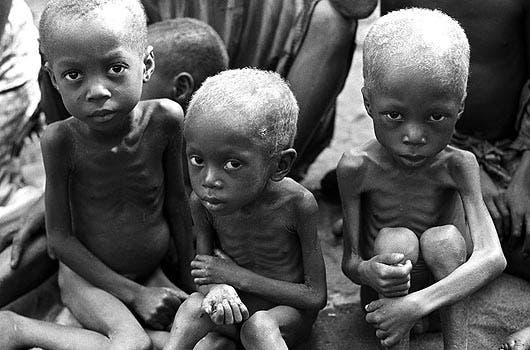
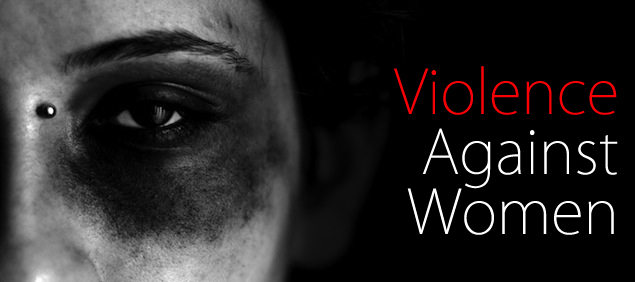


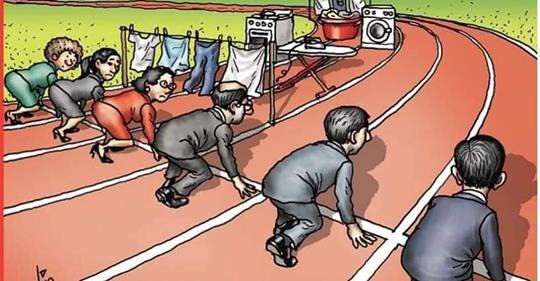


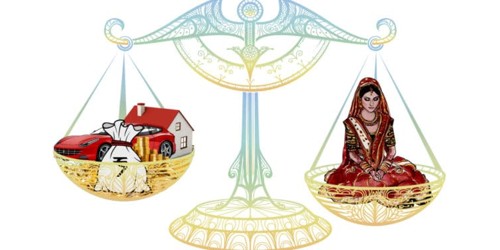

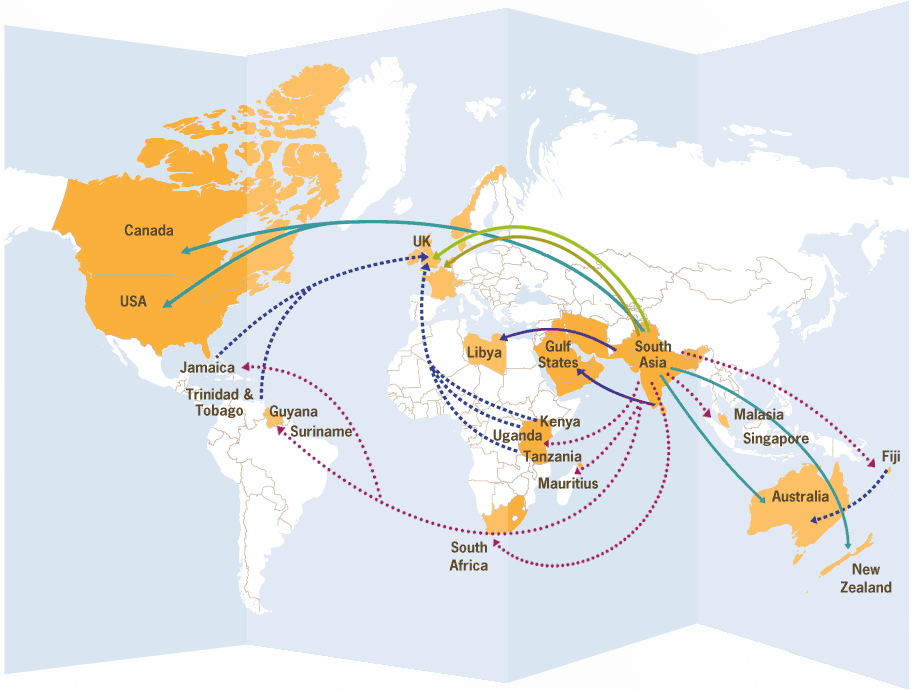

![VoxSpace Life] Devadasis System : How Marriages To God Lead To A ...](https://www.voxspace.in/wp-content/uploads/2018/06/Devadasis.jpg)
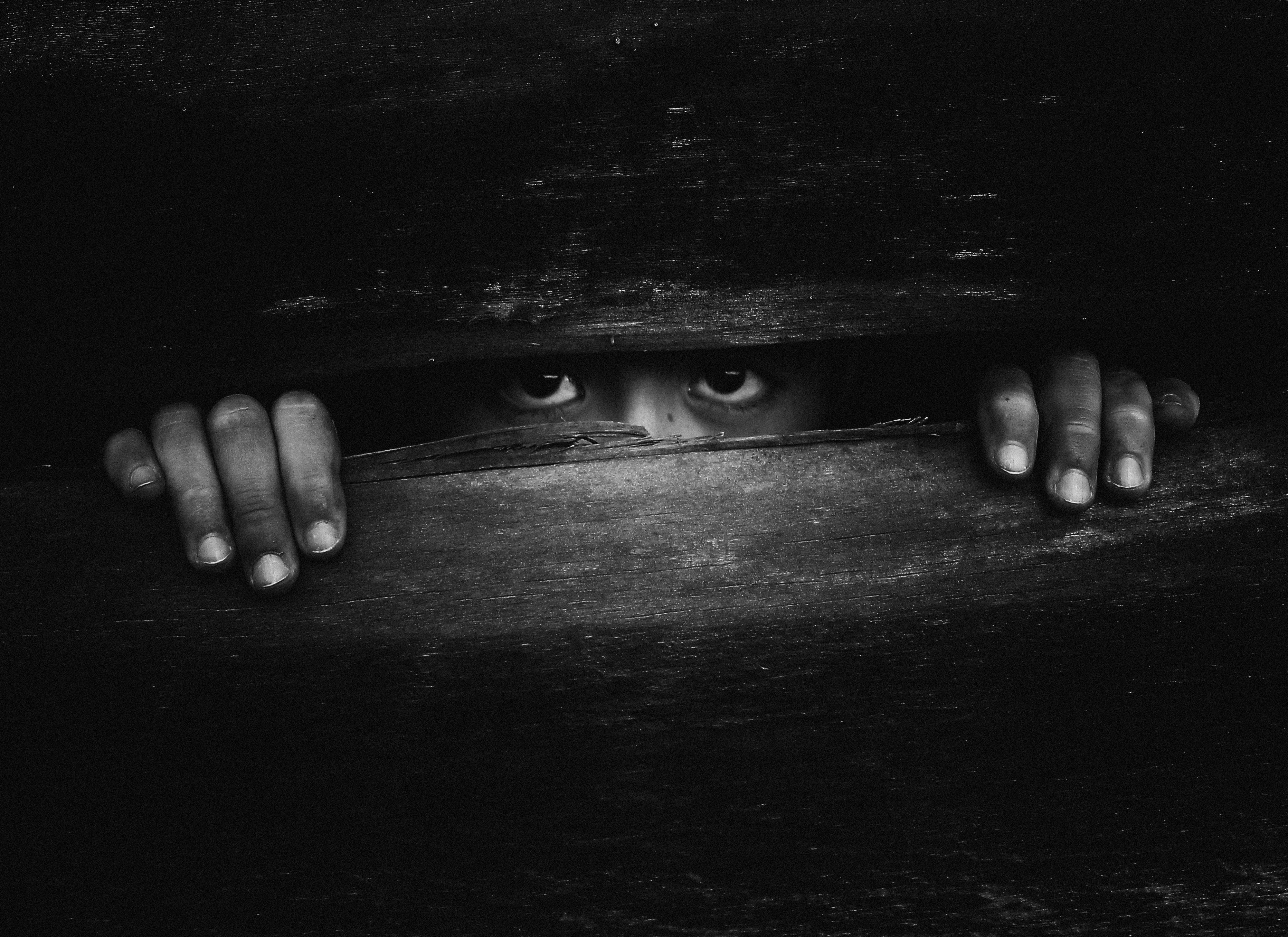
 Eduindex
You must be logged in to post a comment.